Category: Food & Drink

Auckland restaurants, cafes, bars and food culture.

  • Auckland Shopping & Nightlife Guide 2026: Where to Shop & Party

    Auckland Shopping & Nightlife Guide 2026: Where to Shop & Party

    Auckland reaches full volume after dark. By 5pm the Britomart cocktail lounges are filling, by 9pm the Viaduct waterfront runs with laughter and live music spilling out of upstairs bars, and by 11pm Karangahape Road is running its own universe — queer, loud, reckless, and sweet. Shopping in Auckland has its own circuit: Queen Street flagships during the day, High Street and Chancery for serious designer, Ponsonby Road for the hipster fashion intelligentsia, Newmarket for luxury-and-flagship, Sylvia Park for sheer convenience, and K Road for the vintage pilgrimage. Since the City Rail Link opened its new CBD stations in late 2026, all of these districts have become easier to hop between than ever. This is the definitive 2026 guide to shopping, bars, clubs, live music, and late nights in Tāmaki Makaurau.

    Auckland CBD street at night with neon lights and late-night crowd
    Auckland’s nightlife clusters around Britomart, Viaduct, Ponsonby, and K Road — all now connected by the new City Rail Link.

    Auckland as a shopping and nightlife capital in 2026

    Auckland is the commercial and cultural capital of New Zealand. It isn’t Melbourne or Tokyo and it isn’t trying to be — it’s smaller, more compact, and more outdoorsy. But in a 2-kilometre radius of Britomart you can comb boutique stores stocking the best of New Zealand’s designers, drink your way through a world-class cocktail bar scene, catch a touring international act at Spark Arena, dance until 4am on Mercury Lane, and walk home past the harbour. The 2026 map is slightly different from the 2022 one: new CRL stations, major venue openings on Mercury Lane and the Viaduct, and a matured Ponsonby boutique strip make this the best year yet for an after-dark Auckland visit.

    New Zealand’s currency is the New Zealand dollar (NZD). Shops are open 9am–6pm on weekdays, 10am–6pm on Saturdays, and 10am–5pm on Sundays, with late-night shopping until 9pm on Thursdays and Fridays in the CBD and Newmarket. There is no tourist tax refund scheme — the 15% GST is already included in all displayed prices. The legal drinking age is 18. Bars close between 1am and 4am depending on precinct, and all of Auckland’s main nightlife zones are safe for solo travellers provided you stick to the main strips.

    How the City Rail Link transformed Auckland’s shopping and nightlife

    The single biggest change to Auckland’s CBD in a generation, the City Rail Link (CRL) opened in H2 2026 with two new underground stations that have reshaped how the city shops, eats, and parties after dark. Te Waihorotiu Station sits beneath Aotea Square and Wellesley Street, directly under midtown Queen Street — the long-neglected stretch between SkyCity and the top of Queen. Karanga-a-Hape Station has twin entrances on Mercury Lane (the east end of K Road) and Beresford Square, and it has arguably done more for K Road’s night economy than any other single factor in the last 20 years.

    The practical takeaway for visitors: you can now ride a train from Mt Eden or Newmarket to Britomart, Te Waihorotiu, or Karanga-a-Hape in under ten minutes, and trains run every 5–10 minutes during peak and every 10–15 minutes evenings and weekends. Last trains run roughly until midnight on weekdays and a bit later on Fridays and Saturdays, which changes the economics of a big night out dramatically — you can base yourself at a hotel near Grafton, Newmarket, or Mt Eden and train into the CBD and K Road without thinking about parking or Ubers until very late.

    K Road has been the biggest beneficiary. Mercury Lane, once a grey back street off K Road, has seen a rush of new bars, restaurants, and venues capitalising on the rail access. Venues like the Basement Theatre, Whammy, Double Whammy, and Cassette Nine all sit within 200 metres of the Mercury Lane entrance. Midtown Queen Street around Te Waihorotiu has similarly lifted — stores that were half-vacant pre-CRL are now leasing again, and the evening foot traffic between Aotea Square and the Civic Theatre has become genuinely vibrant after dark.

    Auckland shopping districts at a glance

    Shopping bags and fashion boutique display typical of Auckland's Ponsonby and High Street
    Auckland’s shopping clusters differ dramatically by street — Queen Street for chains, High Street for designer, Ponsonby for indie, K Road for vintage.

    Unlike Sydney or Melbourne, Auckland’s shopping isn’t spread thinly — each district has a strong personality, which makes planning easier. A rough decoder: Queen Street for flagship chain stores (H&M, Zara, Sephora, Apple) and souvenir shops; Commercial Bay and Britomart for a curated mix of New Zealand designers and mid-luxury international brands; High Street and Chancery for serious NZ designer fashion (Karen Walker, Zambesi, Scotties); Ponsonby Road for indie boutiques and lifestyle concept stores; Karangahape Road for vintage, secondhand, and alternative fashion; Newmarket Broadway and Westfield Newmarket for luxury flagships (Tiffany, Louis Vuitton, Dior) and the biggest mall within walking distance of the CBD; Sylvia Park (15 minutes by train) for the country’s largest mall; and Dress-Smart Onehunga for the outlets.

    Queen Street & Commercial Bay: the CBD retail core

    Queen Street is Auckland’s main shopping artery, running 2.5 kilometres from the waterfront up to Karangahape Road. It’s not the city’s most sophisticated shopping, but it’s the most practical — you’ll find flagship stores for every major international chain (H&M, Zara, Uniqlo, Sephora, Lush, Apple), New Zealand-owned department store Farmers, and a cluster of souvenir shops near the lower end for those obligatory Kiwi-themed gifts. The stretch from the waterfront to Aotea Square is the best-trafficked; above Aotea Square, the streetscape becomes grungier and more interesting but less useful for mainstream shopping.

    The single best general-purpose shopping stop in the CBD is Commercial Bay, the glass-and-steel retail complex opened in 2020 at the bottom of Queen Street. Three levels of shopping anchor around a food hall with 35+ restaurants and cafés, and the tenant mix is a useful curated balance: New Zealand designers (Kate Sylvester, Deadly Ponies, Karen Walker, Ingrid Starnes), international premium (Acne Studios, APC, Sandro, Coach), and lifestyle (Allbirds, Icebreaker, Tessuti). Open daily 9:30am–7pm, and late on Thursdays.

    Britomart: heritage precinct shopping and dining

    Britomart is Auckland’s most successful urban renewal project — 18 restored heritage buildings spread across a 7-block grid just east of the main ferry terminal, combining high-end shopping, Auckland’s best restaurants, boutique hotels (Hotel Britomart, The Hotel Britomart), and world-class bars. The retail tenants skew toward higher-end NZ and international designer: Zambesi, Karen Walker, Workshop, Trelise Cooper, World, Huffer, Kate Sylvester, Deadly Ponies, and international names like Acne Studios, Steele & Shamash, and Community. The cocktail bar scene is treated in detail further down, but it’s worth noting now that Britomart is the only Auckland district where shopping and cocktails genuinely blend into the same visit.

    Don’t miss Pauanesia in Britomart — a beautifully curated New Zealand and Pacific lifestyle store with kitchen textiles, bone carvings, pounamu (greenstone) jewellery, and paua shell products. It’s one of the most respected gift shops in the city for authentic Kiwi/Pacific homewares. Flotsam & Jetsam on Britomart Place stocks surf-adjacent casual wear and collectible sneakers. Native Agent sells handcrafted New Zealand homewares, ceramics, and jewellery.

    High Street & Chancery: designer and boutique fashion

    High Street runs parallel to Queen Street one block east, and it’s the single best street in New Zealand for serious designer fashion. Start at the Victoria Street end: Scotties (the multi-brand womenswear institution, stocking Comme des Garçons, Dries Van Noten, Jil Sander, Christopher Kane, and pretty much anything worth wearing if you have the budget), Karen Walker flagship (the international-facing NZ designer), Zambesi flagship (the avant-garde brand with a cult following), and WORLD Beauty. Chancery Square, a short walk up, adds Adrienne Whitewood (Māori couture designer stocking kahu kiwi cloaks and contemporary Māori fashion), Muse, and Workshop Denim.

    Parallel to High Street one block further east, Vulcan Lane is a pedestrianised cobbled laneway with a mix of men’s tailoring (Rembrandt, Crane Brothers), specialty stores, and a cluster of excellent cafés and pubs. The combined High Street / Chancery Square / Vulcan Lane loop is a 2-hour shopping walk that’s arguably the single most concentrated designer shopping experience in Australasia.

    Ponsonby Road: indie boutiques and lifestyle

    Ponsonby Road runs 1.5km along the ridge west of the CBD, and it’s the heart of Auckland’s indie shopping scene. The best stretch is between Three Lamps and Ponsonby Central, a 10-minute walk filled with Kiwi designers, concept stores, cafés, and bars. Key shopping: Ruby (young women’s fashion with an NZ designer sensibility), Storm, Superette (the Auckland/Wellington multi-brand women’s chain), Flotsam Contemporary Womenswear, Kowtow (certified fair-trade organic cotton, a genuinely ethical fashion pioneer), Father Rabbit (homewares), Tessuti (luxury womenswear), Ingrid Starnes (another NZ designer staple), Standard Issue (premium NZ knitwear), and Flo & Frankie (homewares and accessories).

    Ponsonby Central is a converted warehouse complex halfway down the road, housing a curated food hall (Dixie BBQ, Sri-Penang, Bird on a Wire, The Blue Breeze Inn), specialty grocer, bookshop, and boutique cinema. It’s the most pleasant lunch-and-shop location in the whole city. Ponsonby’s week-end vibe is notably relaxed — come Sunday morning and there’s no rush about any of this; the cafés are full, the boutiques open late, and the whole strip moves at a pace that would be unrecognisable in Queen Street.

    Karangahape Road (K Road): vintage, alternative and queer culture

    K Road is Auckland’s most interesting street full stop. A 1km stretch running east-west across the top of the CBD ridge, it’s the city’s alternative heart — the original red-light district turned queer precinct turned artist-and-creative corridor turned (now) the hottest post-CRL post-2026 neighbourhood in the city. Shopping here is concentrated in secondhand, vintage, streetwear, and record stores. The essentials: Paper Bag Princess (vintage designer — Chanel, Prada, Gaultier at reasonable prices), Fast & Loose (curated vintage mid-century menswear), Search & Destroy (punk / rock / metal), Tatty’s Vintage (the largest vintage store in the country at 300+ racks), Encore (designer secondhand womenswear), Real Groovy (records, vinyl, and the best music shop in NZ), Illicit (streetwear), and Saint Kilda Comics.

    Rack of vintage clothing at a thrift store typical of Auckland's K Road
    Tatty’s Vintage on K Road is New Zealand’s largest vintage store with over 300 racks.

    K Road’s art-gallery scene makes it a day-trip destination for collectors. Michael Lett, Starkwhite, Ivan Anthony, and Artspace Aotearoa all sit within 500 metres of each other. Plan a Saturday morning to walk them all; most galleries open 11am–5pm. K Road also hosts the best Saturday brunch scene in the city, with Bestie, Lovebucket, and Coco’s Cantina leading the list.

    Newmarket Broadway & Westfield Newmarket: luxury and flagship

    Newmarket is the luxury capital of the country. Broadway, the main shopping street, runs for around 800 metres south from the station with wall-to-wall fashion, jewellery, and beauty retailers — Tiffany & Co, Louis Vuitton, Gucci, Dior, Saint Laurent, Bvlgari, Burberry, Prada, Hermès. Westfield Newmarket, which had a major 2019 rebuild, houses 200+ stores across five levels with a rooftop dining precinct and David Jones anchor, plus Event Cinemas. It’s the only place in Auckland to find international luxury that isn’t in Commercial Bay or Britomart.

    Worth specifically noting on Broadway: Texan Art Schools (surprisingly good indie bookshop), Farmers (the flagship Kiwi mid-market department store), Mecca (cosmetics), Father Rabbit, Kate Sylvester flagship, Trenery, and the deeply loved Unity Books Newmarket branch. Newmarket is a 10-minute train ride from Britomart with trains every 10 minutes — an easy day out from the CBD.

    Sylvia Park and Auckland’s suburban mega-malls

    Modern shopping mall interior comparable to Auckland's Sylvia Park or Westfield Newmarket
    Sylvia Park is New Zealand’s largest mall with over 350 stores across four levels.

    Sylvia Park is New Zealand’s largest shopping mall — 350+ stores across four levels including H&M, Zara, Uniqlo, Mecca, Kikki.K, Smiggle, T2, Sephora, JD Sports, Adidas, Nike, and a 15-screen Event Cinemas plus a huge food court. It sits directly on the Southern Line train network and is a 15-minute train ride from Britomart — genuinely worth the trip if you need one-stop-shop convenience, hate rain, or want a full day of mainstream shopping. Other suburban options: Westfield Albany on the North Shore (300 stores), LynnMall in New Lynn, and Westfield Manukau City out south.

    For outlet shopping, Dress-Smart Onehunga is Auckland’s flagship outlet mall with 100+ stores offering 30–70% off high-street and premium brands (Nike, Adidas, Levis, Country Road, Kathmandu, Ugg, Calvin Klein, Tommy Hilfiger). Open daily 10am–6pm; Onehunga train station is a 3-minute walk.

    New Zealand-made and Māori-owned brands to seek out

    Visitors often want to come home with something authentically New Zealand, not mass-produced imports. These are the labels to know: Kowtow (certified fair-trade organic cotton fashion), Karen Walker (internationally successful NZ designer), Zambesi (avant-garde womenswear), WORLD (unique prints, great denim), Ingrid Starnes (quiet-luxury NZ designer), Kiri Nathan (Māori couture, one of very few internationally-recognised indigenous fashion houses), Adrienne Whitewood (Māori contemporary design), Deadly Ponies (leather goods and handbags), Ruby (young women’s fashion), Standard Issue (luxury merino knitwear), Allbirds (merino wool sneakers, born in Auckland), Icebreaker (merino activewear), Untouched World (NZ-made sustainable fashion), and Turet Knuefermann (Auckland-born jewellery).

    For Māori-specific shopping with verified authenticity (the toi iho mark), stock up at Pauanesia (Britomart), Native Agent (Britomart), Elephant House on K Road, the Auckland Museum shop, or the Auckland Art Gallery shop. Expect: genuine pounamu (greenstone) pendants from NZ$150, bone carvings from $60, authentic kete (woven baskets) from $80, and contemporary Māori art prints from $80. Avoid airport gift shops, which overwhelmingly stock mass-produced imports.

    Auckland’s best markets: weekend and night

    Outdoor weekend market with food and produce stalls in Auckland
    La Cigale French Market in Parnell runs every Saturday and Sunday morning and is the city’s standout food market.

    Auckland’s market scene has quietly become one of its strongest cultural pleasures. The standouts:

    La Cigale French Market (Parnell, Saturdays 8am–1:30pm and Sundays 9am–1:30pm) — the city’s best food market, with 30+ stalls running cheese, charcuterie, fresh bread, pastries, French street food, coffee, and flowers. Arrive before 10am for the pastries.

    Matakana Village Farmers’ Market (Matakana, Saturdays 8am–1pm) — an hour north of Auckland, this is the weekend drive that feels like a proper outing. Artisan bread, oysters, local cheese, NZ-grown produce, olive oil, and a dozen cafés within walking distance. Pair with a Matakana wine tour.

    Clevedon Village Farmers’ Market (Clevedon, Sundays 8:30am–1pm) — a 40-minute drive southeast, less touristy than Matakana, focused on farm-gate produce.

    Otara Market (Otara, Saturdays 6am–noon) — the largest and most culturally significant Pacific Islander market in Australasia. Tongan barbecue, Samoan crafts, Fijian produce, secondhand clothing, African-NZ fashion. Authentic, boisterous, cheap.

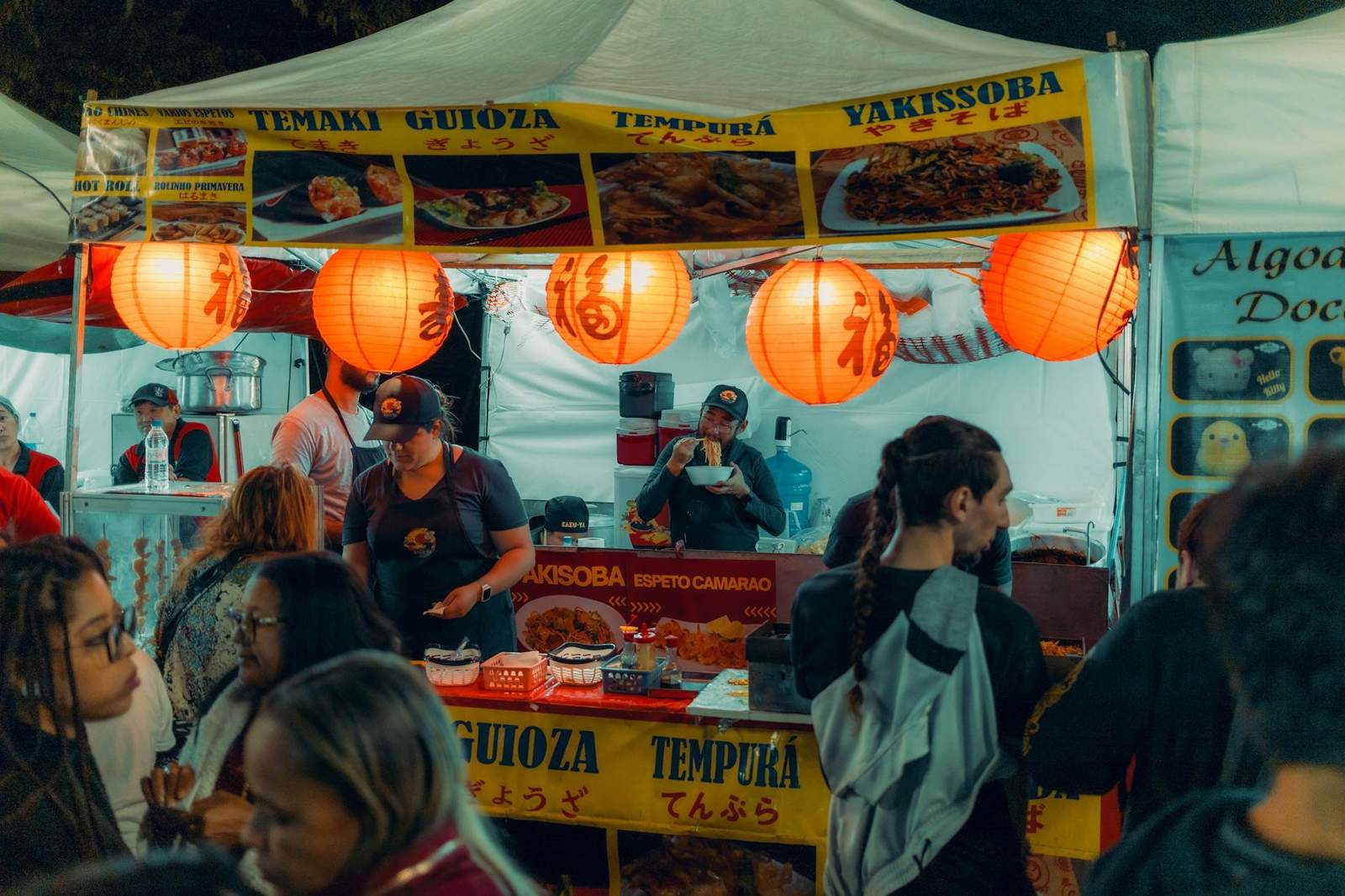
    Auckland Night Markets — a rotating street-food-and-karaoke franchise that runs Wednesday nights at Pakuranga Plaza, Thursdays at Glenfield Mall, Fridays at Westgate, and Saturdays at Henderson’s Westfield. Asian street food dominates (Vietnamese bánh mì, Korean corn dogs, Japanese crepes, Taiwanese bubble tea), but there are also local stalls. 5pm–11pm.

    Takapuna Sunday Market (Takapuna, Sundays 6am–noon) — the North Shore’s weekend community market; produce, NZ-made crafts, secondhand goods.

    Silo Sessions & Friday Night Markets (Silo Park, Wynyard Quarter, Fridays 5pm–10pm December–March) — summer-only waterfront night market with street food, live bands, and outdoor cinema.

    Auckland nightlife overview: licensing, last calls, and the drinking age

    A few quick essentials before we map the venues. The legal drinking age in New Zealand is 18, and every bar checks ID — bring a passport, NZ driver’s licence, or a Kiwi Access Card. Licensed premises in the Auckland CBD can generally serve alcohol until 3am, with a 1am “one-way door” policy in some precincts (meaning you can stay after 1am but can’t enter). Suburban venues typically close earlier, around 1am or 2am. Supermarkets sell beer, wine, and cider (but not spirits) until 11pm; dedicated bottle shops (“liquor stores”) usually close at 11pm too.

    Auckland’s nightlife is spread across four main zones: Britomart / Commercial Bay / Viaduct (upscale cocktails, wine bars, waterfront music venues), Ponsonby Road (mid-priced, relaxed, local-feeling bars), K Road / Mercury Lane (alternative, queer, late-night clubs and live music), and Wynyard Quarter (newer waterfront bar scene, open summer evenings especially). Suburban bars exist in Mt Eden, Kingsland, Takapuna, and Devonport but aren’t destination nights for visitors.

    Best rooftop bars and cocktail lounges

    Rooftop cocktail bar overlooking a harbour city skyline like Auckland
    Auckland’s rooftop bar scene has exploded since 2020 — Bivacco, Dr Rudi’s, Saint Alice, and Annabel’s lead the list.

    Auckland’s rooftop scene has exploded in the last five years. Top picks:

    Bivacco (Commercial Bay rooftop) — the most photographed rooftop in the city, an Italian-inflected space on the top of Commercial Bay with direct Waitematā Harbour views. Aperol spritz and thin-crust pizza territory. Book ahead for a weekend sunset.

    Dr Rudi’s Rooftop Brewing (Viaduct Harbour) — in-house craft beers, pizza, and one of the Viaduct’s best views of the marina and super-yachts. Casual vibe, big on summer afternoons, dog-friendly.

    Saint Alice (Viaduct) — a lively waterfront bar with one of the widest deck spaces in the city. Beers, cocktails, and an extended all-day food menu. Not a cocktail bar strictly, but an Auckland classic for afternoon drinks.

    Annabel’s (Britomart) — hidden upstairs above Gemmayze Street, this small intimate bar is run by an award-winning cocktail team and sits just off Britomart’s main square. A grown-up place for a proper cocktail pre-dinner.

    Impala (Britomart) — Britomart’s best-known new-wave cocktail bar. Natural wine program and a European-ish small-plates menu.

    Bartender crafting a cocktail at an Auckland cocktail bar
    Caretaker and Deadshot are Britomart’s highest-rated cocktail bars and consistently rank in Australasia’s Top 50.

    Caretaker (Britomart) — Auckland’s best cocktail bar full stop; frequently listed in Australasia’s Top 50 Bars. A basement speakeasy at the top of Britomart Place; bespoke cocktail menu, dress smart. Book 2–3 weeks ahead for weekend.

    Deadshot (Britomart) — Caretaker’s sister bar on the Britomart square. A more casual outdoor-seating option with a spritz-forward menu.

    Jefferson Whisky Bar (Britomart) — 400+ whiskies behind the bar, softly lit, no music above a whisper. A whisky fan’s bucket-list Auckland stop.

    Bar Celeste (K Road) — elegant wine and natural-wine bar on K Road, French-inflected menu, exceptional oysters. Quieter than its street context suggests.

    Lulu Bar (Britomart) — cocktail bar and late-night dance floor combined under one roof; Thursday–Saturday until 3am.

    Britomart, Commercial Bay & Viaduct after dark

    Britomart is the best one-stop neighbourhood for a proper night out. Within a 400m square you have: cocktail bars (Caretaker, Deadshot, Jefferson, Annabel’s), wine bars (Impala, Amano, Bar Non Solo), Lebanese lounge (Gemmayze Street), Italian trattoria (Amano, Cassia), Japanese (Masu), Pan-Asian (Hello Beasty, Saan), pan-European fine dining (Onslow, Nikau), late-night dance (Lulu Bar, Madame George), and a craft cocktail rooftop (Bivacco, one block over). You can start at 6:30pm with dinner at Amano, drift into Caretaker for cocktails at 9:00, move to Lulu for late-night by 11:30, and walk home by 2am. The Britomart train station is in the precinct, so even if you’ve come from Newmarket, Mt Eden, or Grafton, you can train home if you finish before midnight.

    The Viaduct Harbour is a different scene: bigger, more waterfront-touristic, more sports-bar energy, and more suited to summer afternoons. It still works for evenings, especially at Saint Alice, Dr Rudi’s, Headquarters, The Honey Pot, The Conservatory, and Woodpecker Hill. Expect a younger and more mainstream crowd; bachelorette parties and rugby post-game drinks are common. Wynyard Quarter, the next waterfront precinct over, opened around 2012 and is where the new Park Hyatt sits — it’s quieter, more refined, and especially good in summer when Silo Park hosts evening events. Don’t miss Oyster & Chop and Ostro for pre-dinner harbour drinks.

    Ponsonby Road bar crawl

    Ponsonby’s bar scene skews older (late-20s to 40s), more relaxed, and more neighbourhood-feeling than the CBD. Key stops in walking order from the Three Lamps end: Chapel Bar & Bistro (pub-adjacent with good tapas), SPQR (Ponsonby institution since 1994 — Italian, black leather, sharp cocktails), Ponsonby Road Bistro (wine-forward dining bar), Golden Dawn (live music and good cocktails in a former butcher’s shop), The Lula Inn, Blue Breeze Inn (tiki-influenced cocktails in Ponsonby Central), and Hotel Ponsonby (recent opening with a beautifully designed street-level bar). For late-night dancing, Saan and Gipsy Tearoom both run DJs into the early hours on Fridays and Saturdays.

    Ponsonby is less walkable from the CBD after dark — plan on a 10-minute Uber or a bus. The Link bus runs until around midnight and is genuinely convenient from Britomart. Last call in Ponsonby varies from 1am (mid-week) to 3am (Friday/Saturday) depending on venue.

    K Road nightlife: clubs, live music and LGBTQ+ scene

    K Road is Auckland’s late-night district and New Zealand’s queer capital. The scene stretches from Pitt Street in the east to the Hopetoun overpass in the west, with Mercury Lane now the epicentre since the CRL station opened. It’s louder, scruffier, and more interesting than the CBD nightlife — expect warehouse parties, drag cabaret, underground house music, queer burlesque, and the country’s best live music venues all within three blocks.

    K Road bars and clubs

    Cassette Nine (K Road, Mercury Lane corner) — the longest-running K Road indie club; DJs, live bands, and a reliably mixed crowd. Fridays and Saturdays to 3am.

    Neck of the Woods (Mercury Lane) — house and techno focus; the closest Auckland gets to a Berlin club. Late-night-only (opens 11pm).

    Everybody’s — mid-sized K Road bar with live bands Thursday to Saturday and a small kitchen.

    Madame George — hidden bar / dance floor; open Thursday to Saturday.

    Ink — industrial-feel music bar running DJs, drag shows, and live bands.

    LGBTQ+ venues on K Road

    K Road has been Auckland’s queer precinct for decades. The anchor venues: Family Bar (a two-level queer institution — front bar downstairs, late-night dance floor upstairs until 4am; a must for any gay visitor), Eagle Bar (bears / leather / alternative queer — drag shows Friday and Saturday), Caluzzi Cabaret (the dinner-theatre drag cabaret institution; book in advance, 3-course dinner plus show around NZ$100), Roxy (lesbian/queer-women-leaning dance bar), and Azabu (a small but queer-friendly cocktail bar). Auckland’s Pride festival runs in February each year with the Big Gay Out at Coyle Park on the weekend that typically includes 50,000+ attendees. Auckland is also culturally very accepting of queer visitors across the whole city — the K Road concentration is about choice and scene, not safety.

    Live music venues and gig guide

    Live music concert with crowd and stage lighting at an Auckland venue
    Auckland’s live music scene ranges from 12,000-seat Spark Arena down to 150-capacity Whammy Bar.

    Auckland is New Zealand’s live music capital. The venue ecosystem scales beautifully from stadium down to dive bar:

    Spark Arena (12,000 capacity) — Auckland’s main indoor concert venue, sitting between Britomart and Vector Arena on the waterfront. Every major international touring act plays here; 2026 calendar already includes Taylor Swift, Dua Lipa, and multiple sold-out residencies. Excellent acoustics for an arena; avoid cheaper upper-tier “obstructed view” seats.

    Powerstation (1,200 capacity, Mt Eden) — the mid-tier indie rock / alt / hip-hop venue, a 1908 electrical substation converted to a venue. NZ bands on the rise, US/UK indie acts, and occasional electronic headliners. Standing room only downstairs.

    Tuning Fork (700 capacity, Grafton) — sits beside Spark Arena, curated mid-size room for well-regarded touring acts and NZ bands.

    Whammy Bar & Double Whammy (K Road) — 150 and 300 capacity respectively; the heart of Auckland’s underground indie, metal, punk, and DIY scenes. Nearly every great New Zealand band of the last 15 years has played here. Cheap drinks, great sound.

    Galatos (K Road) — a historic 500-capacity room for rock, alternative, and DJ nights; excellent balcony.

    Hollywood Avondale (Avondale) — a restored art-deco cinema turned 900-capacity live music venue; worth the trip out for headline gigs.

    Town Hall and Civic Theatre (Queen Street) — heritage halls used for classical, opera, comedy specials, and seated concerts.

    Anthology Lounge (Britomart) — upstairs cocktail bar with intimate live music — jazz Wednesdays, singer-songwriters Fridays.

    To find gigs, Under The Radar, Eventfinda, Ticketmaster NZ, and Flying Nun’s newsletter are the best sources. The 95bFM student radio station gig guide (heard on the radio weekly) is the definitive indie calendar.

    Craft beer and wine districts

    Auckland’s craft beer scene punches above its weight. The key breweries with onsite taprooms: Galbraith’s Alehouse (Mt Eden, English cask ales), Hallertau (Riverhead, full brewpub), Sawmill (Matakana, a day trip in itself), Behemoth (Mt Eden), Urbanaut (Kingsland), Liberty Brewing (Helensville). CBD-accessible taprooms include Brothers Beer (City Works Depot and Parnell), 16 Tun (Viaduct), and The Dominion (Kingsland). Expect 16+ taps of NZ craft beer plus rotating internationals.

    For wine: the Waiheke Island vineyards (Mudbrick, Cable Bay, Man O’ War, Stonyridge, Wild on Waiheke) are a 40-minute ferry from the Viaduct and deserve a separate day trip. In the city, the best wine bars are Bar Celeste (K Road natural wine), Amano (Britomart Italian wine list), Non Solo Pasta (Parnell), Siso (Remuera), Cazador (Dominion Road), and Sid at the French Café (Symonds Street). Matakana and Kumeu, north-west of Auckland, are the main wine-day-trip destinations on the mainland.

    Practical planning: transport, safety, and budget

    Getting between zones at night: CRL trains run until approximately midnight Sunday–Thursday and slightly later Friday/Saturday. Buses run later on main routes (outer routes stop around 11pm). After trains finish, Uber, Ola, and local Zoomy are plentiful and cheap — a Ponsonby-to-K Road ride is around NZ$15. Taxis ranks exist outside Britomart and at the Viaduct. Do not drive after drinking; New Zealand’s zero-tolerance limit for drivers under 20 and 50mg/100ml limit for drivers 20+ is strictly enforced, and random breath tests are routine.

    Safety: All four main nightlife zones (Britomart, Viaduct, Ponsonby, K Road) are safe for solo travellers provided you stay on the main streets and keep your wits about you. The stretch of Karangahape Road between Pitt Street and the motorway bridge is more lively and occasionally confronting (homelessness, sex work — still a feature of K Road’s history) but not dangerous. Use Uber instead of walking long distances late at night. Leave valuables at the hotel; pickpocketing is rare but does happen on busy bars.

    Budgeting a night out: Expect NZ$14–22 for a craft beer at a mid-range CBD bar, NZ$22–28 for a cocktail at a cocktail bar, NZ$18–25 for a pizza, NZ$30–45 for a pub main. A full dinner-plus-cocktails-plus-late-night-dancing night for one person is typically NZ$120–180. Clubs are either free entry or charge NZ$10–25 cover after 10pm. Tipping is not expected in New Zealand but rounding up is appreciated at table service.

    Suggested Auckland shopping and nightlife itinerary

    2-day shopping + nightlife itinerary

    Day 1 — CBD classics: 10am Commercial Bay, 11:30am walk High Street and Chancery, lunch at Amano, 2pm cocktails rooftop at Bivacco, 4pm wander Britomart boutiques (Pauanesia, Zambesi, Karen Walker), 7pm dinner at Onslow or Hello Beasty, 9:30pm cocktails at Caretaker or Deadshot, 11:30pm Lulu Bar for dancing, 1:30am walk back to hotel.

    Day 2 — K Road and Ponsonby: 10am brunch Bestie on K Road, 11:30am K Road vintage shops (Paper Bag Princess, Tatty’s, Search & Destroy), 1pm gallery walk (Michael Lett, Starkwhite), 2:30pm Ponsonby Road boutique strip (Kowtow, Ruby, Father Rabbit), 5pm Ponsonby Central for drinks at The Blue Breeze Inn, 7:30pm dinner at SPQR or Saan, 10pm back to K Road for live music at Whammy Bar, 12:30am late drinks at Family Bar or dancing at Cassette Nine.

    Seasonal shopping moments: sales, new-season drops, pop-ups

    Auckland’s retail calendar has a handful of dates worth planning around. Boxing Day (26 December) kicks off the summer sale season with 30–60% off storewide at most NZ-designer and mid-market stores — this is when the best fashion bargains happen. End-of-financial-year sales (late March–early April) are the winter equivalent. Click Monday (the first Monday of November) is NZ’s answer to Cyber Monday. New-season designer drops land around late August (spring) and late February (autumn). Several NZ designers run seasonal sample sales — follow Kowtow, Ruby, Zambesi, and Karen Walker on Instagram.

    Notable ticketed retail events: New Zealand Fashion Week (late August–early September, at venues around Britomart, Auckland Viaduct, and Commercial Bay) opens several runway shows to the public. Auckland Art Fair (February, The Cloud on Queens Wharf) runs a full weekend of commercial gallery stands. Food Show Auckland (early August, ASB Showgrounds) is the country’s biggest food retail event.

    Auckland shopping and nightlife FAQ

    What’s the legal drinking age in Auckland?

    18. Every bar checks photo ID — bring a passport, NZ driver’s licence, or a Kiwi Access Card. A foreign driver’s licence is not always accepted as bar ID; some venues will ask for a passport regardless of age. Under-18s are typically not permitted in licensed venues after 8pm, though designated family-friendly restaurants allow minors with a parent.

    What time do Auckland bars close?

    Most CBD bars close at 3am or 4am on Friday/Saturday, 1–2am mid-week. Suburban venues (Ponsonby, Takapuna, Devonport) close earlier, typically 1am. Some CBD precincts enforce a 1am “one-way door” policy — you can remain inside after 1am but can’t enter. Final drinks are called 15 minutes before close.

    Is Auckland nightlife safe for solo travellers?

    Generally very — New Zealand has a low violent-crime rate by international standards and Auckland’s main nightlife strips (Britomart, Viaduct, Ponsonby, K Road) are policed and busy until late. Standard precautions apply: stick to main streets, don’t leave drinks unattended, use Uber rather than walking long distances late, keep valuables discreet. Women travelling alone routinely report feeling safe.

    Where do I shop for New Zealand designers?

    High Street and Chancery in the CBD (for Karen Walker, Zambesi, Scotties, Adrienne Whitewood), Britomart (Pauanesia, Kate Sylvester, Deadly Ponies, Ingrid Starnes), and Ponsonby Road (Kowtow, Ruby, Superette, Ingrid Starnes). Commercial Bay and Westfield Newmarket also stock multiple NZ designers.

    Where’s the best vintage shopping in Auckland?

    Karangahape Road, unambiguously. Start at Tatty’s (the largest in NZ), then Paper Bag Princess for designer vintage, Fast & Loose for menswear, Search & Destroy for punk/rock, and Encore for upper-end secondhand designer womenswear. Allow a half-day minimum.

    Is Sunday shopping open?

    Yes. Nearly every shop, mall, and supermarket in Auckland opens Sundays, typically 10am–5pm or 10am–6pm. The only exception is Christmas Day, Good Friday, and Easter Sunday, when most retail is legally required to close. Cafés and restaurants remain open on those days with modified hours.

    Can I claim tax-free shopping as a visitor?

    No. New Zealand does not have a tourist GST refund scheme. The 15% GST is already included in displayed prices. The only exception is high-value watches/jewellery purchased at specific duty-free operators and collected from the airport, which is a narrow category. Budget for “what you see is what you pay”.

    How do I get between nightlife zones after the trains stop?

    Uber and the local equivalents (Ola, Zoomy) are plentiful and relatively cheap. Typical fares: Britomart to Ponsonby NZ$15, Britomart to K Road NZ$10, K Road to Ponsonby NZ$12. Taxi ranks operate at Britomart and the Viaduct. Airport transfers by Uber are NZ$45–60 late at night. Do not drive drunk — the enforcement is strict and Uber is cheap.

    Where are the best LGBTQ+ venues?

    K Road is Auckland’s queer precinct. Family Bar (two-floor queer institution), Eagle Bar (bears and leather, drag shows), Caluzzi (dinner theatre drag cabaret), Roxy (queer women), and Azabu (queer-friendly cocktails). Auckland Pride runs in February with the Big Gay Out at Coyle Park drawing tens of thousands. The whole city is generally LGBTQ+ friendly beyond these dedicated venues.

    Are there dry/alcohol-free venues and events?

    Yes — a genuine sober nightlife scene has grown in Auckland since 2020. Archie’s on K Road runs regular sober cocktail events. Libertine pops up non-alcoholic tasting nights. Most CBD bars now offer 4–6 non-alcoholic cocktails, sober wine, and alcohol-free spirits (Seedlip, AF cocktail kits). Auckland Museum’s late-night “Late Nights at the Museum” events are alcohol-free. Ask any bar for an AF cocktail menu; it’s a standard offering in 2026.

    Final tips for shopping and nightlife in Auckland

    Auckland rewards visitors who plan by district rather than by attraction. For a shopping day, pick one street (High, Ponsonby, K Road, Broadway) and walk the full length rather than bouncing between them — the cultural flavour of each is part of the experience. For nightlife, the Britomart circuit is the single best concentrated option for a first visit; K Road is the local favourite once you know the city. Always check whether your event falls during Pride (February), Matariki (July), New Zealand Fashion Week (late August), or Diwali (October/November) — Auckland’s nightlife transforms around these events with pop-ups, special menus, and late-night programming. Download Uber, buy a HOP card for daytime train rides, and give yourself at least two full days to shop and two full nights to explore.

    Bookmark this guide — we update it quarterly with new venue openings, seasonal retail events, and the annual summer and winter sale calendars. The CRL-era Auckland is still discovering its new rhythm, and the best is yet to come.

  • Auckland Food & Drink Guide 2026: Best Restaurants, Cafes & Bars

    Auckland Food & Drink Guide 2026: Best Restaurants, Cafes & Bars

    Auckland’s food scene in 2026 is the most exciting it has ever been. The city has moved decisively past the old “lamb, seafood, and sauvignon blanc” cliché into something far more interesting: Pacific-meets-Asian fine dining rewriting the rules of what New Zealand food means; a Korean cafe wave redefining the morning coffee; island-hopping wine country 40 minutes from downtown; and — for the first time — the imminent arrival of the Michelin Guide in New Zealand, due to launch in 2026 and already reshaping ambitions across the country’s restaurant kitchens.

    This is the complete 2026 guide to eating and drinking in Auckland. It covers the best restaurants (fine-dining and casual), the neighbourhoods to focus on, Auckland’s famous cafe culture, wine and craft beer, food markets, late-night bars, and practical advice on tipping, reservations, and how to find the best-value meals. Whether you have one dinner in Auckland or ten, this is how to eat well here.

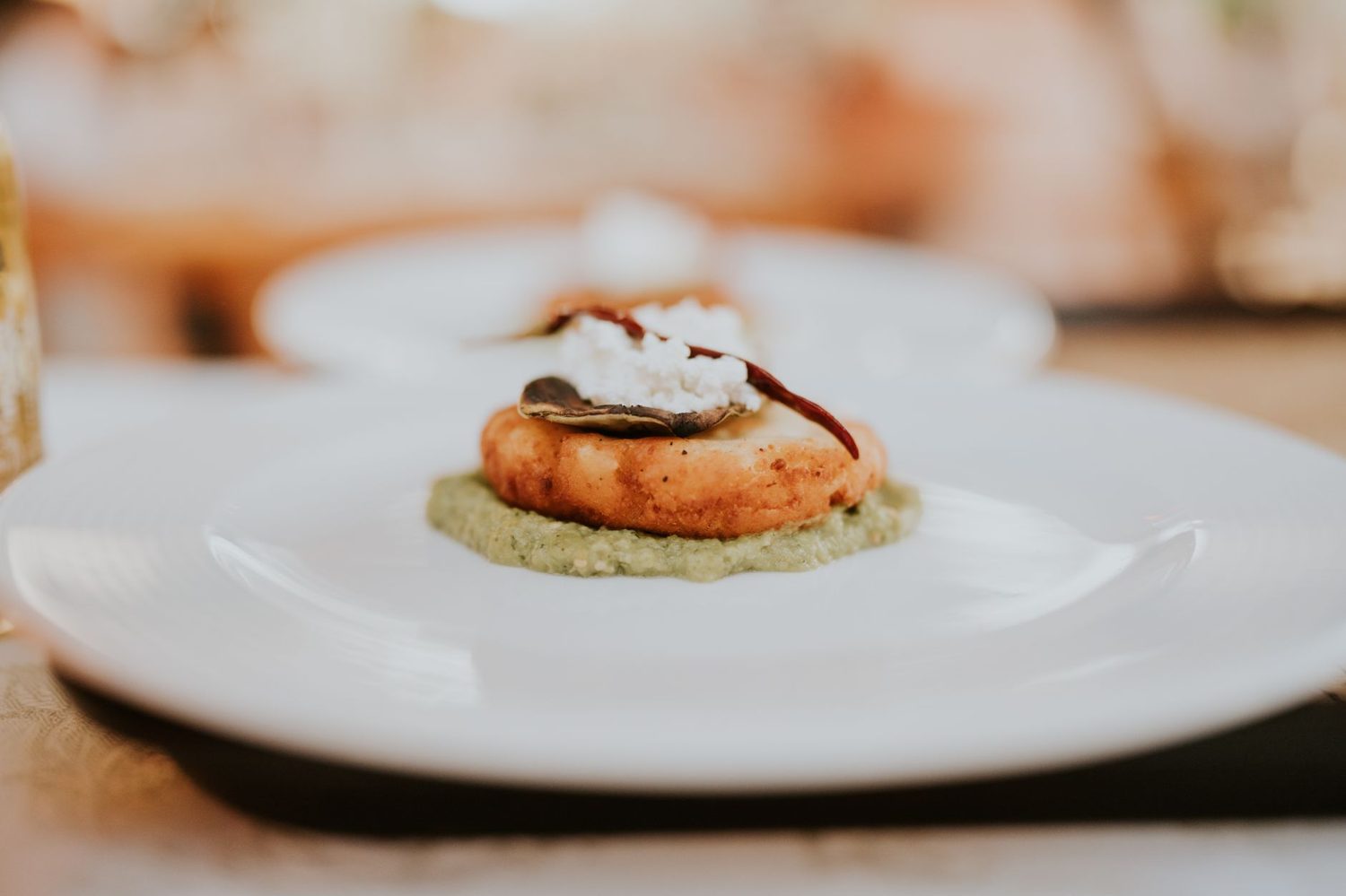
    Fine dining plated appetizer at an upscale Auckland restaurant
    A plated appetiser at an Auckland fine-dining restaurant. | Photo: Amar Preciado on Pexels

    The State of Auckland’s Food Scene in 2026

    Three big shifts define the Auckland food scene going into 2026. First, the confirmed launch of the Michelin Guide in New Zealand in 2026 has galvanised the city’s chefs. Auckland expects the largest share of the country’s first-ever Michelin stars, and several restaurants have quietly raised their ambitions, retrained their teams, and refreshed their menus in preparation. Second, Pacific and Māori-influenced fine dining — championed by chefs like Monique Fiso, Henry Onesemo at Tala, and the team at Hiakai — has moved from novelty to a cornerstone of how New Zealand food presents itself internationally. Third, the Korean cafe wave has exploded: nine new Korean-led cafes opened in central Auckland across 2024 and 2025, including Rumours, Cosmo, Kompass, Receptionist Safehouse, and Holiday, and they are among the most interesting places to drink coffee in the city.

    Underneath these headlines, the staples are as strong as ever. Wellington may still win the annual Best Chef debates, but Auckland’s Zennon Wijlens of Paris Butter took Cuisine magazine’s Best Chef of the Year in 2025. Forest, led by Plabita Florence, won the Metro Supreme Award in 2024. Ahi, The Grove, Cocoro, Ahi Suu, and Cassia continue to deliver some of the country’s finest fine-dining experiences. And Auckland’s cafe scene — still the busiest per-capita in the world — continues to set the tone for what New Zealand does with coffee and brunch.

    Best Restaurants in Auckland for 2026

    Chef carefully plating a modern dish at an Auckland fine dining restaurant
    An Auckland chef plates a tasting-menu course.

    Paris Butter (Herne Bay) — Contemporary French

    Chef Zennon Wijlens’s Paris Butter has been the most-talked-about restaurant in Auckland for two years running and took the Cuisine Best Chef of the Year award in 2025. The room is small and quietly beautiful; the menu is a precise, quietly confident take on modern French cooking built around New Zealand produce. Expect an evolving tasting menu rather than à la carte, and book three to four weeks ahead. It is the single best pick for a special occasion in Auckland.

    Tala (Commercial Bay) — Pacific Fine Dining

    Chef Henry Onesemo’s Tala was named to TIME magazine’s World’s Greatest Places list for 2026, and it is arguably the most important restaurant in the country right now. The menu draws on Onesemo’s Samoan heritage and his time at Nobu and Noma, weaving coconut, pandan, fermented breadfruit, and line-caught Pacific fish into a tasting menu that feels unlike anything else in New Zealand. Book far in advance; the dining room is compact and the nightly seatings fill quickly.

    Forest (Freemans Bay) — Plant-Forward Fine Dining

    Plabita Florence’s Forest took the Metro Supreme Award in 2024, and the kitchen has only become more confident since. Forest is vegetable-driven but not vegetarian — seafood and meat feature — and the cooking marries Indian technique with New Zealand product. It’s one of the most genuinely creative menus in the country, and excellent for diners looking for something that isn’t steak-and-potato fine dining.

    Cassia (CBD) — Modern Indian

    Sid and Chand Sahrawat’s Cassia remains the benchmark for modern Indian dining in Australasia, nearly a decade after opening. The basement dining room on Fort Lane is moody and warm; the menu keeps one foot in regional Indian cooking and the other in contemporary technique. The tasting menu is the classic way to order, but the à la carte also rewards anyone willing to share widely across the table.

    Cocoro (Ponsonby) — Kaiseki-Inspired Japanese

    Chef Makoto Tokuyama’s Cocoro has quietly held its place at the top of Auckland’s Japanese fine-dining category since 2013. The kaiseki-inspired tasting menu showcases New Zealand ingredients through Japanese technique; the sake list is the most considered in Auckland. Intimate, focused, and worth every dollar.

    The Grove (CBD) — Modern European

    Long a fixture on the top-10 list for the country, The Grove on St Patrick’s Square continues to deliver elegant, restrained modern European cooking. A classic choice for a polished, unfussy fine-dining dinner, particularly for business guests.

    Ahi (Commercial Bay) — Modern New Zealand

    Ben Bayly’s Ahi at Commercial Bay draws on whenua, moana, and māra — land, sea, and garden — with an open kitchen that makes the theatre part of the experience. The tasting menu is famously generous and the wine pairings lean heavily on small New Zealand producers.

    kingi (Hotel Britomart) — Sustainable Seafood

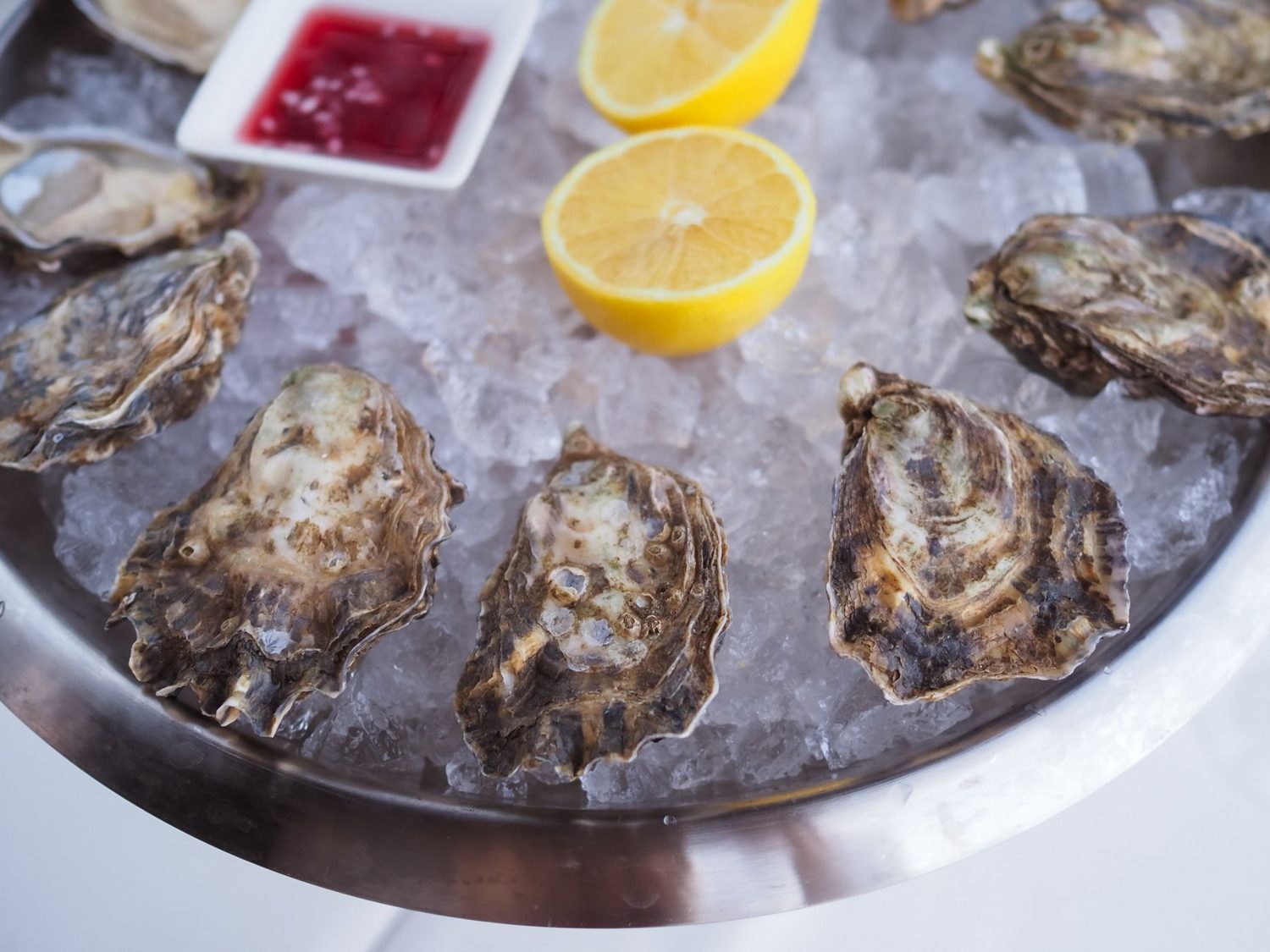
    kingi is the sustainability-first seafood restaurant on the ground floor of Hotel Britomart. The kitchen works with small-boat, line-caught species and moves menus based on the catch that week. Expect crispy-skin snapper, line-caught kingfish crudo, and the best local oysters in town.

    Amano (Britomart) — All-Day Italian

    If you want a restaurant that is excellent from breakfast pastries through to evening antipasti and pasta, Amano in Britomart is Auckland’s best all-day dining room. The open kitchen turns out handmade pasta at pace; the wine list is deep in Italian small producers.

    Azabu (Ponsonby) — Japanese-Peruvian

    Azabu’s Nikkei menu — Japanese technique with Peruvian accents — has been one of Ponsonby Road’s hottest tables for years. The ceviche and tiradito dishes are the stars; the room is always packed and noisy. Book ahead for weekends.

    Soul Bar & Bistro (Viaduct) — Waterfront Classic

    The Auckland Viaduct classic. Soul remains the go-to waterfront-terrace dinner when you want seafood, a view of the superyachts, and a celebratory bottle of Central Otago pinot noir. It is not the most cutting-edge restaurant in the city, but it does what it does exceptionally well.

    Depot Eatery (CBD) — Casual, No-Reservations

    Al Brown’s Depot, on Federal Street between SkyCity and the CBD, still takes no reservations, and there is still a queue almost every night for the raw bar, the skillet-fried eggs, and the wood-roasted chicken. It’s the closest thing Auckland has to a perfect casual dinner. Go early or be prepared to wait.

    Auckland’s Best Cafes and Brunch Spots

    Brunch and flat white coffee at an Auckland cafe, the heart of Auckland cafe culture
    Flat whites and brunch plates are the heart of Auckland’s cafe culture.

    Cafes are the category Auckland does better than anywhere else on earth per capita. The flat white is the default; espresso is excellent almost everywhere; brunch is an event. Budget NZ$18–$28 for a brunch plate with coffee at a good cafe.

    Federal Delicatessen (CBD)

    Al Brown’s take on a New York-style Jewish deli. The Reuben sandwich, the matzo ball soup, and the milkshakes are Auckland classics. A reliable, mid-priced, all-day choice on Federal Street.

    Best Ugly Bagels (City Works Depot & multiple)

    Wood-fired Montreal-style bagels, the best in the country. Quick, cheap, and the standard takeaway breakfast for inner-city workers. Lines move fast.

    Orphans Kitchen (Ponsonby)

    Ponsonby Road’s cornerstone restaurant-cafe for over a decade. Lovely short menus built from small-farm produce, whole-animal butchery, and sourdough from the in-house bakery. An essential Auckland cafe.

    Fort Greene (Karangahape Road)

    The K’ Road brunch fixture for anyone who wants a serious-looking plate. Ingredients-forward, beautifully presented, and always busy on weekends. Arrive before ten or expect a wait.

    Daily Bread (Point Chevalier, Mt Eden, Ponsonby)

    Auckland’s best bakery-cafes. Croissants, canelés, and sourdough loaves that compete with anything in Australasia. The Point Chevalier location is the flagship, but all three stores are excellent.

    Scarecrow (Freyberg Place, CBD)

    A destination brunch spot on Freyberg Place with a grocer, florist, and wine shop attached. Weekend wait times can be long; go mid-morning on weekdays.

    The Korean Cafe Wave

    Stylish Korean-inspired cafe interior representing Auckland's Korean cafe wave
    A Korean-style cafe interior typical of the new wave in Auckland.

    One of the most exciting stories in Auckland dining over the past two years has been the rapid arrival of Korean-owned, Korean-influenced cafes in the city centre. The new wave picks up Korean cafe aesthetics — minimal concrete-and-plywood interiors, long pour-over bars, custard-filled pastries, roasted-grain lattes — and combines them with Auckland’s existing flat-white fluency. The essential list right now includes Rumours (Viaduct), Cosmo (K’ Road), Kompass (Britomart), Receptionist Safehouse (Ponsonby), and Holiday (High Street). All are worth a morning of your trip.

    Waiheke Island: Auckland’s Wine Country

    Wine glasses at a vineyard tasting resembling Waiheke Island, Auckland
    Wine tasting on Waiheke Island is a short ferry ride from Auckland.

    Forty minutes by ferry from downtown Auckland, Waiheke Island is home to more than 30 vineyards producing some of New Zealand’s best syrah, Bordeaux blends, chardonnay, and rosé. A day trip from the city is one of the most pleasurable things you can do here, and a serious food-and-wine tour is worth planning a full day around.

    The flagship estates to book are Mudbrick (classic restaurant-with-view, the Instagram-famous option), Man O’ War (remote and spectacular, with the best beach on the island just below), Te Motu (celebrated Bordeaux blends), Stonyridge (the island’s original fine-wine estate), Cable Bay (with one of the island’s best restaurants), The Oyster Inn (in Oneroa village, famous for oysters and rosé), and Wild On Waiheke (a family-friendly option with beer and archery alongside wine). A full wine-tour bus or private driver can take you to three estates in a day. Book well in advance in peak summer.

    Auckland’s Seafood and Fish Market

    Fresh seafood display reminiscent of Auckland Fish Market's daily catch
    Fresh seafood is central to Auckland’s food identity.

    The Auckland Fish Market on the Wynyard Quarter is the best single stop for fresh seafood in the city. The ground floor is a working auction-floor and fishmonger; upstairs are counters for tempura, sushi, fish & chips, oysters, chowder, and whitebait fritters. Eating here is inexpensive by Auckland standards and a good lunch pick on a sunny day — sit outside with a plate of tempura and look at the harbour.

    For a sit-down seafood dinner, kingi (Hotel Britomart, mentioned above), Soul Bar & Bistro on the Viaduct, and Pescado in Ponsonby are the three to consider. All work with New Zealand’s line-caught fisheries and serve exceptional local oysters. Bluff oysters are in season roughly March through August; Te Matuku oysters from Waiheke are in season year-round.

    Auckland’s Best Bars, Rooftops, and Nightlife

    Evening cocktails at a rooftop bar with city skyline like Auckland rooftop bars
    Rooftop bars are one of Auckland’s signature evening experiences.

    Caretaker (Britomart) — Hidden Cocktail Bar

    A downstairs speakeasy-style cocktail bar that has been Auckland’s top mixology destination for years. Ring the bell; the bartender mixes to your palate rather than from a menu.

    Deadshot (Ponsonby) — Modern Cocktails

    Ponsonby Road’s most ambitious bar. A tight list of beautifully constructed cocktails and one of the best bar teams in the country.

    The Landing (Commercial Bay) and The Glasshouse (Hotel Britomart)

    The two best waterside rooftops in Auckland. The Landing is on the InterContinental’s pool deck; The Glasshouse is on top of Hotel Britomart, with harbour views straight out over the ferry terminal.

    Hi-So (SO/ Hotel) and Esther at QT

    Hi-So on the 16th floor of the SO/ Hotel has the highest bar view in the city. QT’s Esther rooftop is the lively, see-and-be-seen Viaduct choice. Both are a good pre-dinner stop.

    Bedford Soda & Liquor (Ponsonby) and Golden Dawn (Ponsonby)

    For a neighbourhood-bar atmosphere, these two Ponsonby Road mainstays are the classic after-dinner picks. Good music, good crowds, and no reservations needed.

    Hallertau Brewbar (Riverhead) and local craft beer

    Auckland has a serious craft beer scene. Hallertau in Riverhead and Liberty Brewing are the country-side breweries; in the city, Brothers Beer (City Works Depot), Sawmill (Commercial Bay), and Galbraith’s Alehouse (Mount Eden) are all excellent. A craft beer tour of Auckland easily fills an afternoon.

    Auckland Food Markets and Night Markets

    Night market with street food vendors similar to Auckland night markets
    Auckland’s night markets specialise in pan-Asian street food.

    Auckland’s food markets are one of the city’s best-kept visitor secrets. The Auckland Night Markets rotate across different suburban carparks during the week — the Papatoetoe, Henderson, and Glenfield markets in particular are famous for their pan-Asian street food, from Malaysian laksa and Korean corn dogs to Vietnamese sugarcane prawns. The markets run from roughly 5 pm to 11 pm and are almost all cash- and card-friendly; bring an appetite.

    On weekends, the Britomart Farmers Market (Saturdays at Takutai Square) and La Cigale French Market (Parnell, Saturdays and Sundays) are the two must-visits for Auckland’s best artisan producers. Both are as much a social scene as a food shop.

    New Zealand Wine in Auckland

    New Zealand wine punches well above its weight, and Auckland is the best place in the country to drink through a broad selection. Beyond Waiheke, expect to see Marlborough sauvignon blanc, Central Otago pinot noir, Hawke’s Bay syrah and Bordeaux blends, Martinborough pinot, Nelson aromatic whites, and a growing category of skin-contact, low-intervention and field-blend wines from boutique producers across both islands. At higher-end restaurants, many menus lean heavily on small New Zealand producers with careful vintage selection and generous by-the-glass lists.

    For retail wine shopping, Caro’s (Parnell), Glengarry (multiple locations), and Point Wines (Point Chevalier) are the three best independent shops. For wine-focused dining, The Wine Cellar on K’ Road, Annabel’s in Ponsonby, and Kazuya Ponsonby (French-Japanese, small list of serious natural wines) are excellent.

    Budget Eating: Where to Eat Well Cheaply in Auckland

    Auckland is not cheap, but it is not as expensive as it looks if you know where to eat. The best budget strategy is to treat lunch as your main meal out — many fine-dining spots have set-price lunch menus at NZ$45–$60 for two courses — and then eat casually for dinner.

    For under NZ$20, the best options are: the food hall at Commercial Bay (two floors, every cuisine, generous portions); Dominion Road in Balmoral, Auckland’s 2km-long strip of Chinese and Taiwanese restaurants; Sandringham Road for Indian dosa, curry houses, and Gujarati sweets; Ferry Building food court for a quick waterfront lunch; and Chinatown at Karangahape Road / Upper Queen Street for pho, banh mi, and hand-pulled noodles. A banh mi from Cafe Hanoi’s takeaway window sits at the top of anyone’s cheap-eats list.

    Where to Eat by Neighbourhood

    CBD and Britomart

    Most of the fine-dining cluster is here. Head to Britomart for Amano, Ortolana, kingi, and Kazuya, and to Federal Street for Depot, Masu, and Federal Delicatessen. The Commercial Bay food hall solves lunch.

    Ponsonby and Grey Lynn

    The best all-round dining neighbourhood in the city. Paris Butter (Herne Bay adjacent), Azabu, Orphans Kitchen, Coco’s Cantina, Ponsonby Central, Deadshot, Bedford — you can walk the length of Ponsonby Road and pick a dozen excellent places.

    Karangahape Road (K’ Road)

    The late-night quarter. Cosmo for Korean coffee, Coco’s Cantina (classic Italian bistro), Fort Greene for brunch, The Wine Cellar for an evening glass, and Apero for natural wine and French bistro classics.

    Parnell and Newmarket

    Parnell has some of the city’s best neighbourhood Italian (Non Solo Pizza), French (La Fuente), and cafes (Rosie). Newmarket adds Kazuya off Teed Street and a scattering of modern Asian restaurants.

    Takapuna, Devonport, and the North Shore

    For a North Shore dinner, Engine Room in Northcote (a modern bistro that is a genuine destination), Tok Tok in Devonport, and Takapuna Beach Cafe are the three to know. Devonport is best for a leisurely weekend lunch after a ferry ride.

    Practical Tips for Dining in Auckland

    Reservations, Timing, and Dress Code

    Reservations are essential for fine-dining restaurants, particularly Paris Butter, Tala, Forest, Cassia, and Cocoro — book three to four weeks ahead. Most other restaurants take reservations through OpenTable or their websites. Dinner service typically starts at 5:30–6 pm and last seatings are usually 9–9:30 pm on weeknights. Smart-casual dress is the standard; jacket-and-tie requirements don’t really exist in New Zealand.

    Tipping and Service Charges

    Tipping is not required anywhere in New Zealand. Service charges are not added to bills at restaurants. If you’re very happy with your service, rounding up or leaving 10% is a nice gesture but in no way expected — wages are full at New Zealand restaurants. A 15% GST is already included in the menu price, so the figure you see is the figure you pay.

    Dietary Requirements

    Auckland restaurants are unusually well set up for dietary requirements. Vegetarian and vegan menus are common (Forest being a flagship), gluten-free options are nearly universal, and staff are typically well trained on allergens. Always mention allergies when you book; most fine-dining restaurants will adjust a tasting menu with 24–48 hours’ notice.

    Corkage and BYO

    Many Auckland restaurants still offer BYO wine, though the fine-dining tier typically does not. Where available, corkage runs NZ$15–$25 per bottle. For a BYO neighbourhood dinner, try Non Solo Pizza (Parnell), Coco’s Cantina (K’ Road), or many of the Indian and Thai restaurants on Dominion Road.

    Frequently Asked Questions

    What are the best restaurants in Auckland right now?

    For 2026, Paris Butter, Tala, Forest, Cassia, Cocoro, and Ahi are the six most-booked fine-dining restaurants in the city. Each offers a tasting menu format and requires reservations several weeks ahead.

    Does Auckland have Michelin-starred restaurants?

    Not yet — but the Michelin Guide is launching in New Zealand in 2026, and Auckland is expected to receive the largest share of the country’s first stars. Watch this space over the coming year.

    How much does dinner cost in Auckland?

    A casual dinner with a glass of wine runs NZ$45–$80 per person. A mid-range dinner at a good neighbourhood restaurant is NZ$80–$130 per person. Fine-dining tasting menus without wine are typically NZ$180–$280; with matched wines they run NZ$320–$450. All include the 15% GST.

    What is the famous New Zealand coffee?

    The flat white is the New Zealand cafe staple: a double shot of espresso with velvety, micro-foamed milk, served in a small cup. Order one at any Auckland cafe and you’ll get something excellent. The long black, short black, and piccolo are the other classic orders.

    Can I do a winery day trip from Auckland?

    Yes. Waiheke Island is 40 minutes by ferry from downtown and has over 30 vineyards — most visitors take a full day there. The Matakana wine region, 40 minutes’ drive north of the city, is the other option; smaller, quieter, and a lovely short drive.

    Is Auckland good for vegetarians?

    Very much so. Forest, Beirut, Apero, Basque Kitchen, Cassia (modern Indian), and most Asian restaurants have strong vegetarian menus. Vegan dining is also widely catered for, including at most fine-dining restaurants with notice.

    One Perfect Eating Day in Auckland

    If you only have one full day to eat your way around the city, here is how to do it. Start with a flat white and a croissant at Daily Bread in Ponsonby, then walk along Ponsonby Road to Orphans Kitchen for a slow brunch. Take a ferry out to Waiheke Island, eat a long lunch and do a tasting at Mudbrick or Cable Bay, and come back mid-afternoon. Have a pre-dinner cocktail at Caretaker in Britomart, then walk around the corner to Ahi or Tala at Commercial Bay for a tasting-menu dinner. Finish with a nightcap on the rooftop at The Glasshouse above Hotel Britomart, looking out over the harbour. That one day tells you more about Auckland than almost anything else you could do here.

    Auckland’s Coffee Culture: A Closer Look

    Auckland takes coffee as seriously as any city on earth. Third-wave roasters have been shaping the local palate since the late 1990s, and the city now produces its own coffee identity: rich, silky-textured flat whites on the European espresso tradition, paired with a cafe aesthetic that prizes simplicity, sourcing, and great bread. The standard Auckland breakfast order — a flat white and a slice of sourdough with something green on top — is not a cliché; it is the city’s lived food identity. Expect to pay NZ$5.50–$7 for a flat white and NZ$16–$24 for brunch dishes at the better cafes.

    The key roasters to know are Allpress (the city’s biggest third-wave house, with flagship on Drake Street in Freemans Bay), Coffee Supreme (originally Wellington, now everywhere in Auckland), Atomic (Kingsland-based, served widely), and Flight Coffee (Wellington again, with an excellent Auckland cafe on High Street). The roasters’ cafes are often the best place to drink their beans — the Allpress Drake Street cafe remains a benchmark for how to present espresso.

    For specialty single-origin pours, the Korean cafe wave has raised the bar. Rumours, Cosmo, Receptionist Safehouse, and Kompass all take batch brew, pour-over, and slow-drip seriously and many source from Korean and Asian microroasters. Other specialty stops: Eighthirty (Newmarket and CBD), Kokako (Grey Lynn, organic and fair-trade), and Chuffed (High Street, a long-running CBD specialty cafe).

    Restaurants for Special Occasions and Celebrations

    If you’re planning a special meal for a birthday, anniversary, or celebration, a few restaurants stand out for rooms and experiences that match the food. For a harbour view worth the fuss, book a window table at Soul Bar & Bistro (Viaduct) or Euro (Princes Wharf). For a quiet, romantic tasting menu, Cocoro or Paris Butter are the two to beat. For a sense of occasion with theatre and spectacle, Ahi‘s open-kitchen counter is a particularly good choice. For a long lunch that spills into the afternoon, Waiheke Island’s Mudbrick or Cable Bay — book the early seating, take the ferry back at sunset.

    For a pre-theatre dinner near the Civic or the Aotea Centre, Ostro on Tyler Street has a quick, polished set-menu option; Farina on Federal Street is a go-to for Italian before a SkyCity show. For an after-theatre late supper, the kitchen at Caretaker stays open, and the dining room at Apero on K’ Road welcomes late tables.

    New Zealand Ingredients Worth Seeking Out

    Good Auckland menus lean heavily on the country’s exceptional produce. A few names to watch for when you scan a menu. Te Mana lamb — a crossbred lamb with higher fat marbling, raised in Central South Island, has become a favoured protein at fine-dining restaurants. Akaroa salmon from Banks Peninsula and Big Glory Bay king salmon from Stewart Island are the two premium salmon labels. Te Matuku oysters from Waiheke are the year-round local oyster; Bluff oysters, in season March to August, are the country’s most celebrated. Ōra king salmon is the Marlborough farmed king salmon that you’ll see on high-end menus worldwide. Hāpuku, kingfish, snapper, john dory, trevally, and groper are the core New Zealand line-caught fish species. For vegetables, look out for Kōura (freshwater crayfish), feijoa (a distinctly New Zealand fruit), and horopito (a native peppery herb).

    Auckland’s Asian Food Strip: Dominion Road and Sandringham

    One of Auckland’s defining food experiences is a dinner walk down Dominion Road or a curry crawl along Sandringham Road. Dominion Road, which runs south from Eden Terrace to Mount Roskill, has more than 100 Chinese, Taiwanese, Malaysian, Korean, and Vietnamese restaurants along its length. Highlights include Eden Noodles (hand-pulled biang biang noodles), New Flavour (Sichuan hot pot), Tasty Table (Taiwanese beef noodle soup), Paradise Indian (Indian-Malaysian), and the Balmoral food court cluster for late-night eating. Sandringham Road is Auckland’s South Indian hub — Satya Chai Lounge for chaat, Paradise for biryani, and Sri Pinang for Malaysian are the entry points. Meals at both strips run NZ$18–$30 per person and are as good as anything you’ll find in Melbourne or Sydney.

    Food Tours and Culinary Experiences

    If you want a guided food experience, Auckland has several excellent options. Big Foody Food Tours runs small-group walking tours that combine city history with tastings across Britomart, Karangahape Road, and Ponsonby. Ananda Tours runs Waiheke Island wine-and-food tours that visit three or four vineyards with lunch included. Auckland Seafood School, run by the Auckland Fish Market upstairs, offers half-day cooking classes taught by working chefs — a great rainy-day option.

    For a more ambitious day out, Matakana (one hour north of the city by car) is the country’s quiet wine-and-food village — a weekend farmers’ market, a Saturday morning cheese shop, a dozen cellar doors including Ascension, The Vintry, and Runner Duck, and Takatu lodge for a long, slow lunch overlooking vineyards. Many visitors pair a Matakana day with a visit to the Goat Island Marine Reserve or the Pakiri Beach horse treks. This is the best day trip outside the city for food-focused travellers.