Auckland Shopping & Nightlife Guide 2026: Where to Shop & Party
The complete guide to shopping in Auckland plus its nightlife: best districts, malls, boutiques, markets, souvenirs, rooftop bars, cocktails and clubs.

This article contains advertising. Our booking links are routed through a partner that adds commission tracking automatically, so if you book through one we earn a commission from the provider, at no extra cost to you. It never affects what we recommend. Affiliate disclosure
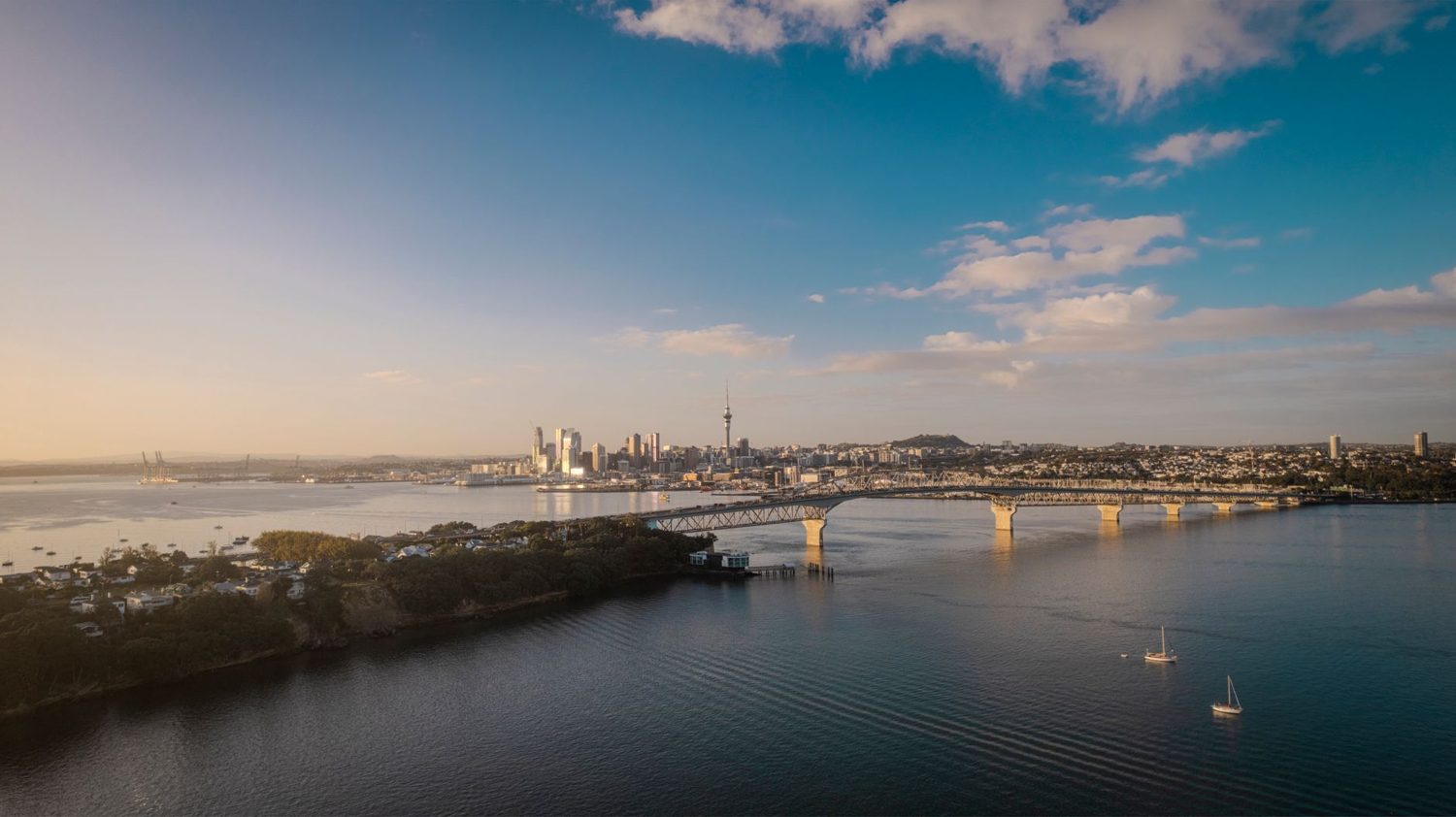
Auckland does two things that most compact cities can’t pull off at once: it shops beautifully by day and it comes alive after dark, all within a few square kilometres of the harbour. You can spend a morning combing designer racks on High Street, break for a rooftop Aperol above Commercial Bay, drift through Britomart boutiques in the afternoon, and end the night dancing on Mercury Lane before catching a train home. This is the full local guide to both halves of that day.
Here’s the short version. Shopping in Auckland splits by district: Queen Street and Commercial Bay for chains, High Street and Britomart for New Zealand designers, Newmarket for luxury, Ponsonby for indie labels, and K Road for vintage. After dark, the action lives in Britomart, the Viaduct, Ponsonby and K Road.
Each of those precincts is walked in detail in our guide to the best shopping streets in Auckland.
Auckland at a glance: shopping and nightlife by district

Every district here has a distinct character, which actually makes planning simpler — you pick a street, walk its full length, and you’ve seen it properly. Here’s the quick decoder before we get into detail.
| District | Best for | The vibe |
|---|---|---|
| Queen Street & Commercial Bay | Shopping: flagship chains, food hall, souvenirs | Busy retail spine; practical, central, glassy new mall at the harbour end |
| Britomart | Both: NZ designers by day, cocktails by night | Restored heritage warehouses; polished, grown-up, the one precinct that does both |
| High Street & Chancery | Shopping: serious NZ designer fashion | Narrow laneways; the country’s densest run of fashion labels |
| Newmarket & Westfield | Shopping: luxury flagships and the big mall | Broadway glamour plus a five-level mall; 10 minutes by train |
| Ponsonby Road | Both: indie boutiques by day, relaxed bars by night | Leafy ridge strip; stylish, unhurried, neighbourhood-feeling |
| Karangahape Road (K Road) | Both: vintage shopping, then clubs and live music | Alternative, queer, creative; scruffy, loud and Auckland’s most interesting street |
| Viaduct & Wynyard Quarter | Nightlife: waterfront bars and rooftops | Marina and super-yachts; sunny afternoons, big summer energy |
| Sylvia Park & suburban malls | Shopping: one-stop mall convenience | NZ’s largest mall; on the train line, great in the rain |
One thing worth flagging up front, because it changes how you move around: the City Rail Link opened new underground stations in the CBD in the second half of 2026. Te Waihorotiu sits under midtown Queen Street near Aotea Square, and Karanga-a-Hape has entrances on Mercury Lane and Beresford Square. Practically, that means you can train between the shopping and nightlife districts in minutes rather than fussing with parking. It has been especially good for K Road, whose Mercury Lane end now has a station right beside its best venues.
Shopping in Auckland

Auckland’s shopping isn’t spread thin across dozens of interchangeable malls. It concentrates into a handful of strong districts, each with its own reason to visit. If you only have a day, I’d pick two adjacent ones — say Britomart and High Street, or Ponsonby and K Road — and walk them slowly rather than criss-crossing the whole city.
Queen Street and Commercial Bay: the CBD retail core
Queen Street is the city’s main shopping artery, running about 2.5 kilometres from the waterfront up to K Road. It’s not Auckland’s most sophisticated shopping, but it’s the most convenient. You’ll find flagship stores for the big international chains — H&M, Zara, Uniqlo, Sephora, Lush, Apple — plus the New Zealand department store Farmers and a cluster of souvenir shops near the lower end for the obligatory Kiwi gifts. The stretch from the harbour up to Aotea Square is the best trafficked; above the square it turns grungier and more interesting, though less useful for mainstream shopping.
The single best general-purpose shopping stop downtown is Commercial Bay, the glass retail complex that opened in 2020 at the bottom of Queen Street. Three levels wrap around a food hall with more than thirty restaurants and cafes, and the tenant mix is a genuinely useful balance: New Zealand designers like Kate Sylvester, Deadly Ponies, Karen Walker and Ingrid Starnes; international premium names such as Acne Studios, A.P.C., Sandro and Coach; and homegrown lifestyle brands like Allbirds and Icebreaker. It’s usually open daily from around 9:30am to 7pm, with a later close on Thursdays — but check current hours before a special trip, since precinct hours shift with the seasons. For the wider downtown scene, our Auckland neighborhoods guide 2026 maps how the CBD connects to everything around it.
Britomart: heritage precinct shopping
Britomart is Auckland’s most successful piece of urban renewal — around eighteen restored heritage buildings across a compact grid just east of the ferry terminal, mixing high-end shopping, some of the city’s best restaurants, boutique hotels and a serious cocktail scene. If you can only picture one New Zealand fashion label, you’ll probably find it here. The retail leans toward higher-end local and international designer: Zambesi, Karen Walker, Workshop, Trelise Cooper, WORLD, Huffer, Kate Sylvester and Deadly Ponies sit alongside names like Acne Studios and international beauty counters including Tiffany & Co, M.A.C and Jo Malone.
Don’t skip Pauanesia, a beautifully curated New Zealand and Pacific lifestyle store with kitchen textiles, bone carvings, pounamu (greenstone) jewellery and paua shell pieces — one of the most respected gift shops in the city for authentic Kiwi and Pacific homewares. Native Agent nearby sells handcrafted New Zealand ceramics, homewares and jewellery. Britomart is also the one district where shopping and cocktails genuinely blend into the same afternoon, which I’ll come back to in the nightlife half. For a full store-by-store rundown, see our Britomart shopping guide to the best boutiques and labels.
High Street and Chancery: serious designer fashion
High Street runs parallel to Queen Street one block east, and it’s arguably the single best street in the country for serious designer fashion. Start at the Victoria Street end. Scotties is the multi-brand womenswear institution, stocking Comme des Garcons, Dries Van Noten, Jil Sander and more or less anything worth wearing if the budget allows. From there you’re within a few minutes of the Karen Walker flagship, the avant-garde Zambesi with its cult following, and WORLD Beauty. Chancery Square, a short walk up, adds Adrienne Whitewood — a Maori designer whose work spans contemporary fashion and korowai-inspired pieces — plus Muse and Workshop Denim.
One laneway further east, cobbled and pedestrianised Vulcan Lane mixes men’s tailoring (Rembrandt, Crane Brothers), specialty stores and a run of excellent cafes and pubs. The combined High Street, Chancery and Vulcan Lane loop is a comfortable two-hour walk and about the most concentrated designer-shopping experience you’ll find in this part of the world, and our rundown of Auckland’s NZ designer boutiques by label and area covers where each name keeps its flagship.
Newmarket: luxury flagships and the big mall
Newmarket is the luxury capital of New Zealand. Broadway, the main street, runs roughly 800 metres south from the station with near wall-to-wall fashion, jewellery and beauty — Tiffany & Co, Louis Vuitton, Gucci, Dior, Saint Laurent, Bvlgari, Burberry, Prada and Hermes among them. Westfield Newmarket, rebuilt in 2019, holds more than two hundred stores across five levels with a rooftop dining precinct, a David Jones anchor and Event Cinemas. If you’re chasing international luxury that isn’t already in Commercial Bay or Britomart, this is where it lives.
Worth singling out on and around Broadway: the flagship Farmers department store, Mecca for cosmetics, Kate Sylvester, Father Rabbit for homewares, and the much-loved Unity Books branch. Newmarket is about a 10-minute train ride from Britomart with frequent services, so it’s an easy half-day out from the centre. For the full picture of the precinct — including which laneways to prioritise and where to eat — read our Newmarket shopping guide covering Westfield, boutiques and luxury.
Ponsonby Road: indie boutiques and lifestyle
Ponsonby Road runs about 1.5 kilometres along the ridge west of the CBD, and it’s the heart of Auckland’s independent shopping. The best stretch sits between Three Lamps and Ponsonby Central, a ten-minute walk lined with Kiwi designers, concept stores, cafes and bars. Key stops: Ruby for young women’s fashion with a local designer sensibility, Superette, Kowtow (a genuine ethical-fashion pioneer working in certified fair-trade organic cotton), Father Rabbit for homewares, Standard Issue for premium New Zealand knitwear, and Ingrid Starnes. For a New Zealand gift with real meaning, The Poi Room here is a gallery-like store with a deep pounamu collection and Curionoir sells unusual local perfumes, including a genderless scent drawn from Maori myth. Our Auckland rooftop bars guide covers this in more depth.
Ponsonby Central, a converted warehouse complex halfway along the road, houses a curated food hall, a specialty grocer, a bookshop and a small cinema — the most pleasant lunch-and-shop spot in the city. The whole strip is noticeably relaxed, especially on a Sunday morning when the cafes fill and the boutiques open late. There’s a lot more to the neighbourhood than shopping, and our full guide to Auckland’s neighborhoods puts Ponsonby in context alongside its bars and restaurants. If you want more on that side of things, see our best bars Ponsonby guide.
Karangahape Road (K Road): vintage and alternative
K Road is Auckland’s most interesting street, full stop. A one-kilometre run across the top of the CBD ridge, it’s the city’s alternative heart — a former red-light district turned queer precinct turned creative corridor, and, since the rail link arrived, one of the hottest neighbourhoods in town. Shopping here is all about secondhand, vintage, streetwear and records, and our roundup of the best vintage stores in Auckland works through the strip shop by shop. The essentials: Paper Bag Princess for designer vintage (Chanel, Prada, Gaultier at fair prices), Fast & Loose for curated mid-century menswear, Search & Destroy for punk, rock and metal, Tatty’s Vintage — one of the largest vintage stores in the country, with hundreds of racks — Encore for secondhand designer womenswear, and Real Groovy for records and vinyl.
K Road’s gallery scene makes it a genuine day out for art lovers, with Michael Lett, Starkwhite, Ivan Anthony and Artspace Aotearoa all within a few hundred metres; most open around 11am to 5pm. It’s also home to the best Saturday brunch strip in the city — Bestie, Lovebucket and Coco’s Cantina lead that list. The nightlife here is a whole section of its own further down.
Sylvia Park and the suburban mega-malls
Sylvia Park is New Zealand’s largest shopping mall, with well over three hundred stores across four levels — H&M, Zara, Uniqlo, Mecca, T2, Sephora, JD Sports, Adidas, Nike, a fifteen-screen Event Cinemas and a large food court. It sits directly on the Southern Line and is about a 15-minute train ride from Britomart, which makes it genuinely worth the trip if you want one-stop convenience, a rainy-day plan, or a full day of mainstream shopping. Other suburban options include Westfield Albany on the North Shore, LynnMall in New Lynn and Westfield Manukau to the south.
For outlets, Dress-Smart Onehunga is the flagship, with more than a hundred stores offering meaningful discounts on high-street and premium brands like Nike, Adidas, Levi’s, Country Road, Kathmandu, Calvin Klein and Tommy Hilfiger. It’s usually open daily from 10am to 6pm, and Onehunga train station is a short walk away. If you’re weighing up which centre suits your trip, our roundup of the best shopping malls in Auckland with locals’ picks compares them side by side.
New Zealand designers and Maori-owned brands worth seeking out
Plenty of visitors want to go home with something that’s actually made here rather than a mass-produced import. These are the labels to know: Kowtow (fair-trade organic cotton), Karen Walker (the internationally successful NZ designer), Zambesi (avant-garde womenswear), WORLD (bold prints and good denim), Ingrid Starnes (quiet-luxury), Kiri Nathan (Maori couture, one of very few internationally recognised indigenous fashion houses), Adrienne Whitewood (contemporary Maori design), Deadly Ponies (leather goods), Ruby (young women’s fashion), Standard Issue (merino knitwear), Allbirds (merino sneakers, born in Auckland), Icebreaker (merino activewear) and Untouched World (sustainable, New Zealand-made).
For Maori work with verified authenticity, look for the toi iho mark and buy from places that stand behind it: Pauanesia and Native Agent in Britomart, the Auckland Museum shop, the Auckland Art Gallery shop, Kura Gallery near the Viaduct, or The Fantail House in Parnell, which sells only New Zealand-made products. As a rough guide to pricing, expect genuine pounamu pendants from around NZ$150, bone carvings from about $60 and contemporary Maori art prints from roughly $80 — though prices vary widely with size and artist, so treat these as a starting point rather than a fixed rate. A quick, important tip: most airport gift shops stock mass-produced imports, so do your real souvenir shopping in the city. For a deeper list of what to bring back and how to spot the real thing, see our guide to Auckland souvenirs and the best NZ gifts to take home.
Auckland’s best markets, weekend and night
The market scene here has quietly become one of the city’s strongest pleasures. La Cigale French Market in Parnell is the standout — it’s been voted Auckland’s best food market for years running, with dozens of stalls selling cheese, charcuterie, fresh bread, pastries, French street food, coffee and flowers. It runs Saturday mornings from 8am and Sunday mornings from 9am, both wrapping around 1:30pm; arrive before 10am if you want the good pastries.
For something with real cultural weight, the Otara Market in South Auckland on Saturday mornings (roughly 6am to noon) is the largest and most significant Pacific Islander market in the region — Tongan barbecue, Samoan crafts, Fijian produce, secondhand clothing, all of it authentic, boisterous and cheap. Further afield, the Matakana Village Farmers’ Market, about an hour north, is the weekend drive that feels like a proper outing, with artisan bread, oysters, local cheese and a dozen cafes within walking distance; pair it with a wine tour and, in season, the Friday-night wine market. Clevedon and Takapuna round out the weekend options.
Night markets are their own thing. The Auckland Night Markets are a rotating street-food franchise that sets up on different nights at suburban shopping centres — think Vietnamese banh mi, Korean corn dogs, Japanese crepes and bubble tea, roughly 5pm to 11pm. In summer, Silo Park in the Wynyard Quarter runs Friday-night markets with street food, live bands and outdoor cinema. Because market days and hours change with the seasons, it’s worth checking each one’s current schedule before you set out.
Practicalities: hours, GST and paying
A few housekeeping notes for shoppers. The currency is the New Zealand dollar. Shops generally open around 9am to 6pm on weekdays, 10am to 6pm on Saturdays and 10am to 5pm on Sundays, with late-night shopping to 9pm on Thursdays and Fridays in the CBD and Newmarket — but hours vary by store, so confirm anything you’re travelling specifically for. Sunday trading is the norm: nearly every shop and mall opens, with Christmas Day, Good Friday and Easter Sunday the main exceptions when most retail is legally required to close.
On tax: New Zealand does not run a tourist GST refund scheme, so there’s no paperwork to file at the airport for ordinary purchases. The 15% GST is already baked into every displayed price — what you see is what you pay. The one narrow exception is certain high-value duty-free jewellery and watches bought from specific operators for airport collection. Cards and contactless are accepted almost everywhere; tipping isn’t expected in shops or, for that matter, in bars and restaurants.
Auckland nightlife

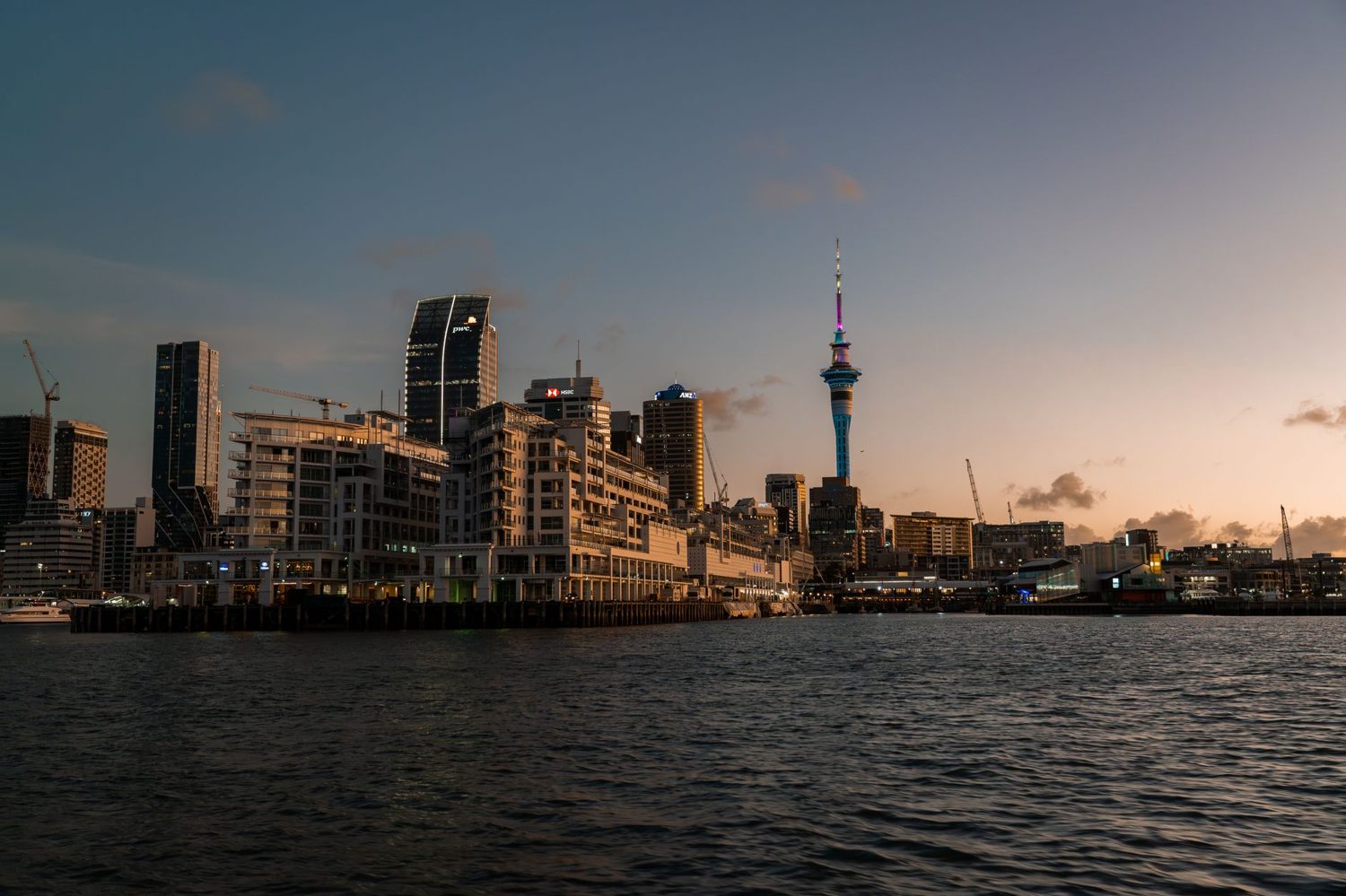
Now the other half of the day. Auckland reaches full volume after dark, and its small footprint is the secret weapon — a single evening can move from a serious cocktail room to a craft-beer pub to a natural-wine bar without a long walk between them. The scene concentrates in four zones: Britomart for cocktails, the Viaduct and Wynyard for waterfront drinks, Ponsonby for a relaxed crawl, and K Road for clubs, live music and the queer scene. Pair this with our best clubs Auckland guide.
The live music side of K Road deserves its own treatment, and gets it in our guide to live music venues in Auckland.
Before the venues, the essentials. The legal drinking age is 18, and every bar checks photo ID — bring a passport or a New Zealand licence, since a foreign driver’s licence isn’t always accepted on its own. Licensed premises in the CBD can generally serve until around 3am, with some precincts running a 1am “one-way door” (you can stay after 1am but can’t enter). Suburban venues tend to close earlier. Supermarkets sell beer, wine and cider until 11pm but not spirits; bottle shops usually close around 11pm too. As a budgeting guide, expect roughly NZ$14–22 for a craft beer, NZ$22–28 for a cocktail, and NZ$120–180 for a full night out per person including dinner and late drinks — though prices move, so treat these as ballpark.
Best rooftop bars and cocktail lounges
Auckland’s rooftop scene has genuinely taken off in the last five years, helped along by the harbour views that come with the territory. Bivacco, on top of Commercial Bay, is the most photographed of them — an Italian-leaning space with direct Waitemata Harbour views, firmly in Aperol-spritz-and-thin-crust-pizza territory. Book ahead for a weekend sunset. Over at the Viaduct, the Rooftop at QT (on level 16 of the QT hotel) pairs an airy inside lounge with an open-air terrace and panoramic harbour views, while HI-SO on level 16 of the SO/Auckland does oysters and truffle arancini with New Zealand and French wines above the Britomart end of town.
For serious cocktails, Britomart is the centre of gravity. Caretaker is widely rated Auckland’s best cocktail bar — a basement speakeasy that has appeared on Asia’s 50 Best Bars list, with a bespoke menu and a dress-smart crowd; book a couple of weeks ahead for a weekend. Its sister bars, the casual, spritz-forward Deadshot on the Britomart square and the spacey Rocketman, are part of the same family and worth working into the same night. Nearby, Annabel’s is a small, grown-up room run by an award-winning team, Impala pairs a natural-wine program with European small plates, and Jefferson pours several hundred whiskies in a hushed, softly lit space. On K Road, Bar Celeste is an elegant natural-wine bar with exceptional oysters, quieter than its street would suggest.
Britomart, Commercial Bay and the Viaduct after dark
Britomart is the best single neighbourhood for a proper night out. Inside a compact few blocks you have cocktail bars (Caretaker, Deadshot, Jefferson, Annabel’s), wine bars (Impala, Amano), the Britomart Country Club for cocktails in a garden setting, Lebanese, Italian, Japanese and pan-Asian dining, late-night dancing at Lulu Bar, and Bivacco a block over. A classic sequence: dinner around 6:30pm, cocktails at Caretaker or Deadshot by 9, dancing at Lulu by half-eleven, and — because the Britomart train station is right there — a train home if you’re finishing before the last services. It genuinely is the one district where you can shop, dine, drink and dance without leaving the block, which is why it tops our Auckland food and drink guide for a first night out.
The Viaduct Harbour is a different, breezier scene — bigger, more waterfront, more sports-bar energy, and best on a summer afternoon. It still holds up in the evening, especially at Saint Alice, Dr Rudi’s Rooftop Brewing (in-house beers and a great marina view) and the two-level Parasol & Swing, whose sun-drenched rooftop runs a championship-level cocktail list. Expect a younger, more mainstream crowd here. The neighbouring Wynyard Quarter is quieter and more refined, home to the Park Hyatt and lovely in summer when Silo Park hosts evening events — Oyster & Chop and Ostro are good for pre-dinner harbour drinks.
Ponsonby Road bar crawl
Ponsonby’s bars skew a little older and a lot more relaxed than the CBD — this is a neighbourhood night rather than a big one. Walking from the Three Lamps end, useful stops include Chapel Bar & Bistro for pub-adjacent tapas, SPQR (a Ponsonby institution since 1994, all Italian food and black leather), Golden Dawn for live music and good cocktails in a former butcher’s shop, the tiki-influenced Blue Breeze Inn inside Ponsonby Central, and Hotel Ponsonby for a beautifully designed street-level bar. For late dancing, a couple of venues run DJs into the early hours on Friday and Saturday.
Ponsonby is less walkable from the CBD after dark, so plan on a short rideshare or the bus — the Link bus runs until around midnight and is genuinely handy from Britomart. Last call ranges from about 1am midweek to 3am on the weekend depending on the venue.
K Road: clubs, live music and the LGBTQ+ scene
K Road is Auckland’s late-night district and New Zealand’s queer capital. The scene stretches from Pitt Street in the east to the Hopetoun overpass in the west, with Mercury Lane now the epicentre since the rail station opened there. It’s louder, scruffier and more interesting than the CBD — warehouse parties, drag cabaret, underground house, queer burlesque and the country’s best small live-music venues, all within a few blocks.
For bars and clubs, Cassette Nine is the long-running indie club with DJs, live bands and a reliably mixed crowd; Neck of the Woods on Mercury Lane is the closest Auckland gets to a Berlin house-and-techno room and opens late; Everybody’s runs live bands with a small kitchen; and Ink leans industrial with DJs, drag shows and gigs. On the LGBTQ+ side, K Road has been the anchor for decades: Family Bar is the two-level institution (front bar downstairs, late dance floor upstairs), Eagle Bar covers the bears-and-leather end with weekend drag, Caluzzi is the dinner-theatre drag cabaret worth booking ahead, and Roxy leans toward queer women. Auckland Pride runs each February, with the Big Gay Out drawing tens of thousands. Worth saying plainly: the whole city is broadly accepting of queer visitors — the K Road concentration is about scene and choice, not safety.
Live music venues and the gig guide
Auckland is New Zealand’s live-music capital, and the venues scale neatly from stadium to dive bar. Spark Arena (around 12,000 capacity) on the waterfront hosts the major international touring acts, with strong acoustics for a room that size. The Powerstation in Mt Eden (about 1,200) is the mid-tier indie, alt and hip-hop room, a converted 1908 substation. Beside Spark Arena, the Tuning Fork is a curated mid-size space for touring and local acts. Down the scale, Whammy Bar and Double Whammy on K Road (roughly 150 and 300 capacity) are the beating heart of the underground — nearly every great New Zealand band of the last fifteen years has played there — and Galatos is a historic 500-capacity room for rock and DJ nights. Further out, Hollywood Avondale is a restored art-deco cinema turned live venue worth the trip for a headliner.
To find what’s on, Under The Radar, Eventfinda and Ticketmaster NZ are the reliable listings, and the 95bFM student-radio gig guide is the definitive indie calendar. Line-ups change constantly, so check dates close to your trip rather than planning around any one act.
Craft beer, wine bars and the casino
The craft-beer scene punches well above the city’s weight. Breweries with onsite taprooms include Galbraith’s Alehouse in Mt Eden (English cask ales), Behemoth and Urbanaut around Mt Eden and Kingsland, and, further out, Hallertau at Riverhead and Sawmill up in Matakana — the latter a day trip in itself. In and near the CBD, Brothers Beer, 16 Tun in the Viaduct and The Dominion in Kingsland pour a rotating wall of taps.
For wine, the best city bars are Bar Celeste (natural wine on K Road), Amano (an Italian list in Britomart) and a scattering of neighbourhood rooms in Parnell, Remuera and along Dominion Road. The Waiheke Island vineyards — Mudbrick, Cable Bay, Stonyridge, Man O’ War among them — are a 40-minute ferry from the Viaduct and deserve their own day. If you want a late-night option that runs around the clock, SkyCity Casino at the base of the Sky Tower has gaming floors, bars and restaurants open very late; for the tower itself, our Sky Tower guide with tickets and tips covers the view and the SkyJump.
Late-night eats and getting home safely
When the bars wind down, Auckland’s late-night food is easy to find in the party zones — K Road and Queen Street both keep kebab shops, ramen, dumplings and burgers going well past midnight, and the Britomart and Viaduct kitchens often serve later than you’d expect on weekends. It’s rarely hard to line your stomach before the trip home.
On getting home, this is the one bit of planning worth doing before you go out. City trains run frequently but generally stop around midnight, a little later on Friday and Saturday, so if you’re staying out near Grafton, Newmarket or Mt Eden, know your last-train time. After that, rideshare (Uber and local equivalents) is plentiful and reasonably priced — a hop between the inner nightlife zones typically runs NZ$10–15. There are also staffed, well-lit night-safe cab ranks in the central city on weekend nights. Do not drive after drinking: enforcement is strict, with a zero limit for younger drivers and routine breath testing.
Auckland is a safe city by international standards, and all four main nightlife zones are fine for solo travellers if you stick to the busy main strips, keep an eye on your drink, and take a rideshare rather than a long walk in the small hours. The far end of K Road can feel a little confronting late at night — it retains some of its red-light history — but it isn’t dangerous. Standard sense applies, and women travelling alone routinely report feeling comfortable. For the full transport picture, including HOP cards and night buses, see our complete Auckland transport guide.
A two-day shopping and nightlife plan

If you want a ready-made structure, here’s how I’d spend two days and two nights hitting the best of both halves.
Day one — CBD classics. Start at Commercial Bay around 10am, then walk High Street and Chancery for designer browsing. Lunch in Britomart, an early rooftop drink at Bivacco, then an afternoon wandering Britomart’s boutiques — Pauanesia, Zambesi, Karen Walker. Dinner in the precinct, cocktails at Caretaker or Deadshot by half-nine, and late dancing at Lulu Bar before the walk or short ride home.
Day two — K Road and Ponsonby. Brunch on K Road (Bestie is a good bet), then the vintage shops — Paper Bag Princess, Tatty’s, Search & Destroy — followed by a gallery lap. Cross to Ponsonby Road in the afternoon for the boutique strip (Kowtow, Ruby, Father Rabbit), drinks at Ponsonby Central around five, dinner along the road, then back to K Road for live music at Whammy and a nightcap at Family Bar or Cassette Nine.
Want to slot shopping and nightlife into a bigger trip? Our complete Auckland travel guide for 2026 and roundup of the best things to do in Auckland pull all the pieces together, and if you’re still deciding where to base yourself, the guide to where to stay in Auckland weighs up the neighbourhoods. When you’re ready to leave the city entirely, the best day trips from Auckland — Waiheke’s vineyards among them — make an easy add-on.
Frequently Asked Questions
What is the best area for shopping in Auckland?
It depends what you’re after. For flagship international chains and one central spot, Queen Street and Commercial Bay. For New Zealand designers, High Street and Britomart. For luxury, Newmarket. For indie boutiques, Ponsonby Road. For vintage, K Road. And for one big covered mall, Sylvia Park. Most visitors are happiest picking two adjacent districts and walking each properly rather than trying to see them all.
What is the legal drinking age and when do Auckland bars close?
The drinking age is 18, and every bar checks photo ID — carry a passport, since a foreign licence isn’t always accepted on its own. Central-city bars generally serve until around 3am on weekends and close earlier midweek, and some precincts run a 1am one-way door, meaning you can stay but not enter after that time. Suburban venues in areas like Ponsonby and Takapuna tend to close earlier.
Is there a tourist tax refund for shopping in New Zealand?
No. New Zealand doesn’t have a tourist GST refund scheme, so there’s no paperwork to claim at the airport for ordinary purchases. The 15% GST is already included in every displayed price — what you see is what you pay. The only narrow exception is certain high-value duty-free jewellery and watches bought from specific operators for airport collection.
Where do I buy authentic New Zealand and Maori souvenirs?
Do your real souvenir shopping in the city rather than at the airport, where most stock is mass-produced. Look for the toi iho authenticity mark and buy from trusted stores: Pauanesia and Native Agent in Britomart, The Poi Room in Ponsonby, Kura Gallery near the Viaduct, The Fantail House in Parnell, and the Auckland Museum and Art Gallery shops. Genuine pounamu, bone carvings and local art prints are the classics to bring home.
Is Auckland nightlife safe for solo travellers?
Generally, yes. Auckland has a low violent-crime rate by international standards, and the main nightlife strips — Britomart, the Viaduct, Ponsonby and K Road — stay busy until late. Standard precautions apply: stick to the main streets, keep an eye on your drink, take a rideshare instead of a long walk after midnight, and keep valuables discreet. The far end of K Road can feel a bit rough late on but isn’t dangerous.
How do I get between nightlife zones after the trains stop?
City trains generally run until around midnight, slightly later on Friday and Saturday, so check your last-train time if you’re staying outside the centre. After that, rideshare is plentiful and a hop between inner zones usually costs about NZ$10–15. There are also staffed night-safe cab ranks in the central city on weekend nights, and some late-night buses on main routes. Don’t drive after drinking — enforcement is strict.
Final thoughts
The thing that makes Auckland work for a shopping-and-nightlife trip is how little ground you have to cover. In the space of a single day you can browse the country’s best designer racks, drink a spritz over the harbour, hunt vintage on K Road and end up dancing a few blocks from where you started — and, thanks to the new rail stations, move between all of it without much thought. Plan by district rather than by attraction, walk one street at a time, and give yourself at least two days and two nights to do both halves justice. Sort out your last train or a rideshare before you head out, and the rest takes care of itself.
Last updated: July 2026. Written by the Auckland Tourism Guide team.
Photo credits
- Photo: zaid mohammed via Pexels
- Photo: New Zealand via Pexels
- Photo: Masood Aslami via Pexels
- Photo: Kenneth Surillo via Pexels
- Photo: Jay Moon via Pexels