Tag: karekare beach

  • Karekare Beach Guide: Auckland’s Wild West Coast (2026)

    Karekare Beach Guide: Auckland’s Wild West Coast (2026)

    Karekare Beach is Auckland’s most cinematic stretch of coast — a wild, black-sand wilderness that has captured imaginations from Jane Campion’s The Piano to a thousand Instagram feeds. Just 35km west of the CBD, this rugged west coast beach delivers what Auckland’s east coast simply cannot: huge surf, towering cliffs, ironsand dunes and a sense of profound isolation. This complete 2026 Karekare Beach guide covers everything — how to get there, where to swim safely, the best walks, the famous Piano filming location, and what to do when you arrive.

    Auckland west coast rugged cliffs near Karekare Beach
    Towering cliffs and pounding surf characterise Auckland’s west coast.

    Why Karekare is Different

    Karekare sits inside the Waitakere Ranges Regional Park, on the Tasman Sea side of Auckland. While Piha (its more famous neighbour 4km north) draws crowds and surfers year-round, Karekare keeps a much quieter profile. There’s no café, no surf shop, no shops at all — just a small carpark, a stream, a rugged headland, and a vast expanse of jet-black ironsand that stretches 3km along the coast.

    The black sand is volcanic — eroded ironsand from the Taranaki volcanic activity carried north by ocean currents. On hot summer days it can reach scorching temperatures (50°C+), so wear shoes or sandals. The beach drops sharply into the Tasman, with consistent surf and notoriously unpredictable rip currents — Karekare is beautiful but it’s not a place for casual swimming.

    How to Get to Karekare from Auckland

    Karekare is 35km west of Auckland CBD — a 50-minute drive in light traffic, though the last 15km on Karekare Road is winding and narrow. There is no public transport to Karekare; you need a car or a tour. Driving directions:

    • Take SH16 west from the CBD to Titirangi (20 minutes)
    • Continue on Scenic Drive through the Waitakere Ranges (20 minutes)
    • Turn onto Piha Road, then Karekare Road at the signposted intersection
    • Karekare Road is narrow, winding and steep — drive slowly
    • Park at the main beach carpark (free)

    Allow 60 minutes from the CBD, plus another 15 minutes if you stop at the Arataki Visitor Centre on Scenic Drive (highly recommended for views and information). On weekends in summer, the Karekare carpark fills up by 10am — get there early.

    Karekare Beach Swim Safety: Read This Before You Swim

    Karekare powerful surf — strong rip currents and waves
    Powerful Tasman Sea waves create the dangerous rip currents Karekare is known for.

    Karekare Beach has one of Auckland’s most dangerous swimming environments. Strong rip currents, large waves and shifting sandbanks have caused multiple drownings, and even experienced swimmers can be caught out. Read these safety rules before going in:

    • Only swim between the red and yellow flags. Karekare Surf Life Saving Club patrols the beach during summer (late October to Easter, weekends and public holidays). Outside those times, the beach is unpatrolled — do not swim.
    • Never swim alone. Always swim with at least one other person.
    • Don’t swim within 30 minutes of arriving — assess the conditions first.
    • If caught in a rip: stay calm, raise your arm to signal for help, swim parallel to the beach (not against the current), and wait for the rip to weaken.
    • Check Safeswim. Auckland Council’s Safeswim app shows real-time water quality and rip warnings for Karekare.

    The rips at Karekare are notoriously unpredictable — they can shift with little warning. The beach is monitored by surf lifeguards over late spring, summer, and early autumn, but only on weekends and public holidays. If the flags aren’t up, don’t enter the water.

    The Piano Filming Location

    Karekare’s claim to international fame is its starring role in Jane Campion’s 1993 Palme d’Or-winning film The Piano. The opening scenes — Holly Hunter’s character disembarking from a longboat onto a wild colonial beach with her piano — were filmed at the southern end of Karekare Beach, near where the stream meets the sea. The location’s haunting beauty became inseparable from the film’s mood.

    Karekare Beach was the filming location for The Piano (1993)
    Karekare’s haunting landscape provided the iconic setting for Jane Campion’s The Piano.

    To find the spot: from the carpark, walk 5 minutes through the lagoon area to the beach proper. Turn left (south) and walk about 15 minutes along the sand. The dramatic rocky outcrop and exposed beach you see is roughly the location. There’s no plaque or marker — Karekare’s appeal is its unspoiled wildness, not its film history.

    Karekare Falls: The Must-Do Walk

    Karekare Falls is the area’s other major attraction — a 30-metre cascade tumbling through native bush. The walk takes 15–20 minutes return from the falls carpark (a separate, smaller carpark just before the main beach carpark, signposted "Falls"). The path is mostly flat, well-formed and family-friendly. The viewing platform at the falls’ base is small but spectacular.

    Karekare Falls walk — short hike to waterfall near beach
    Karekare Falls is a short 15-minute walk through native bush from the beach carpark.

    You can also continue past the falls onto a longer track that climbs through the bush and connects to other Waitakere Ranges trails. After heavy rain, the falls are spectacular; in dry summer weather, the flow can reduce to a trickle. Either way, the rainforest setting is gorgeous.

    Other Walks at Karekare

    • Comans Track (1 hour return) — moderate forest hike to a viewpoint over the beach
    • Pohutukawa Glade Walk (15 mins) — short flat walk past giant pohutukawa trees
    • Karekare Beach to Whatipu (4 hours one-way) — serious cliff-top walk south to Whatipu Beach, requires a return shuttle
    • Te Ahuahu Track (2 hours return) — climbs to a hilltop with 360° views

    Note: many Waitakere Ranges tracks have been closed in recent years to prevent the spread of kauri dieback disease. Check the Auckland Council’s Tracks & Walks website before your visit and follow all kauri hygiene stations (boot scrub stations) at track entrances.

    What to Bring

    Karekare has no shop, no café, no toilets near the falls (only basic toilets at the main beach carpark). Pack everything you need:

    • Water (no drinking water on site)
    • Snacks or picnic lunch
    • Sunscreen — black sand intensifies UV reflection
    • Hat and shade for kids
    • Sturdy walking shoes for the falls track
    • Sandals or jandals for the beach (sand gets very hot)
    • Towel and swimwear (only if lifeguards are patrolling)
    • Camera — Karekare is one of NZ’s most photogenic spots

    The Karekare Lagoon

    Between the carpark and the open beach lies the Karekare Lagoon — a shallow tidal pool where the Karekare Stream meets the sea. At low tide it’s a calm wading area, popular with families and dogs. At high tide it can be deeper than waist height. The lagoon is generally safer than the open ocean for kids to splash in, but always check water quality on Safeswim — after heavy rain, runoff can affect the lagoon for several days.

    Best Time to Visit Karekare

    • Summer (December–February): Best weather, surf lifeguard patrols on weekends. Carparks fill by 10am on hot days.
    • Autumn (March–May): Excellent — quieter beaches, mild weather, great for hiking.
    • Winter (June–August): Dramatic surf, often empty beaches. No swimming. Bring rain gear and warm layers.
    • Spring (September–November): Variable weather but excellent for waterfalls (high water flow).

    Sunset is the magic hour at Karekare. The west-facing beach catches the sun setting over the Tasman Sea, and the silhouettes of the towering cliffs make for spectacular photography. Plan to arrive by 5pm in winter or 7:30pm in summer to catch sunset, and bring a torch for the walk back to the carpark.

    Karekare for Photographers

    Photographers consider Karekare one of New Zealand’s premier landscape locations. Top photo spots:

    • Sunset over the southern cliffs — golden light catches the rugged headland
    • Karekare Falls — long-exposure waterfall shot in soft bush light
    • Black sand patterns — wave-washed ironsand makes amazing abstract textures
    • The Karekare Lagoon at low tide — perfect reflections of clouds and cliffs
    • Driftwood compositions — large logs scatter the beach after winter storms

    Bring a tripod for sunset and waterfall shots, and a polarising filter to reduce glare on the wet sand. For drone photographers, the Waitakere Ranges Regional Park has restrictions — check Auckland Council’s drone rules before flying.

    Wildlife and Plants

    Karekare is part of the Waitakere Ranges Regional Park — a 16,000-hectare reserve filled with native wildlife. Look out for:

    • Tūī — green-blue songbird with a distinctive white throat tuft
    • Kererū (NZ wood pigeon) — large, iridescent green pigeon often seen feeding on pohutukawa fruit
    • Pohutukawa trees — NZ’s "Christmas tree," covered in red flowers December–January
    • Nikau palms — NZ’s only native palm, common in the gully
    • Variable oystercatchers — striking black-and-white shorebirds along the beach

    Karekare Surf Life Saving Club

    The Karekare Surf Life Saving Club, established in 1934, is one of New Zealand’s oldest and most respected lifesaving organisations. The club patrols the beach with red and yellow flags during the summer season (late October to Easter, weekends and public holidays). Their patrol times are typically 11am to 5pm; outside these hours and dates, the beach is unpatrolled.

    The club’s clubhouse, perched on the dune above the beach, is one of Karekare’s only buildings. The building also doubles as the unofficial centre of the tiny Karekare community — fewer than 250 permanent residents.

    Karekare vs Piha: Which is Better?

    Karekare and Piha are sister beaches just 4km apart. Choose based on what you want:

    • Choose Karekare for: isolation, photography, hiking, and a wilder feel. No shops or cafés, fewer visitors.
    • Choose Piha for: swimming, surfing lessons, eating out (the Piha Café and Piha Store are great), and the iconic Lion Rock photo. More crowded but better facilities.

    The ideal day combines both: drive to Karekare in the morning for the falls walk, then continue to Piha for lunch and an afternoon surf lesson. They share the same lifesaving culture and rugged west coast character.

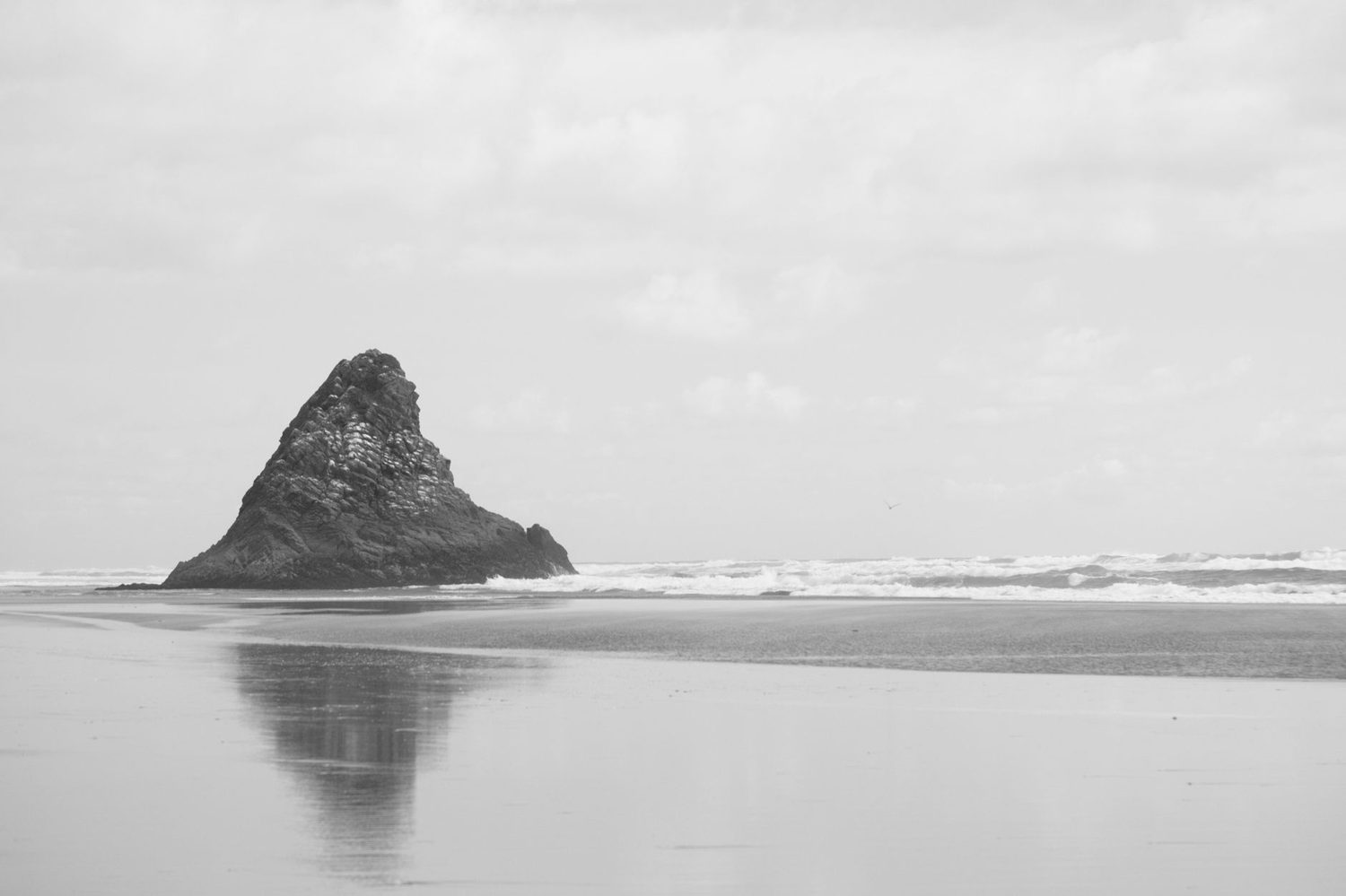
    Karekare Beach Auckland — wild black sand west coast beach
    Karekare’s iconic black volcanic sand stretches 3km along the Tasman Sea.

    Eating Near Karekare

    Karekare itself has no restaurants or cafés. Bring a picnic, or stop at:

    • Piha Café (10 mins drive north) — great brunch and lunch with beach views
    • Piha Store (10 mins north) — burgers, fish & chips, ice cream
    • Titirangi Village (25 mins back toward Auckland) — restaurants, cafés, an excellent Saturday market
    • Lopdell House Café, Titirangi — refined café in a historic Tudor-style building

    Camping & Accommodation

    There’s no commercial accommodation at Karekare itself, but several options nearby:

    • Piha holiday cottages — bach-style holiday rentals, NZ$220–450/night
    • Bush retreats in Titirangi/Henderson Valley — secluded cabins, NZ$180–350/night
    • Whatipu Lodge (45 mins drive south) — historic restored homestead with rooms NZ$190/night

    Wild camping is not permitted at Karekare. The closest campsite is Piha Domain, with motorhome and tent sites for NZ$25–40/night.

    Day Trip Itinerary: Karekare from Auckland

    • 9:00am — Leave Auckland CBD via SH16 west
    • 9:45am — Coffee stop in Titirangi Village
    • 10:30am — Arrive Karekare, walk to Karekare Falls
    • 11:30am — Beach walk south to Piano filming location
    • 1:00pm — Picnic lunch on the beach (or drive to Piha)
    • 2:30pm — Continue to Piha for the iconic Lion Rock view
    • 4:00pm — Coffee at Piha Café, head back to Auckland
    • 5:30pm — Arrive Auckland CBD

    Frequently Asked Questions

    Is Karekare Beach safe to swim?

    Only between the red and yellow flags during patrolled hours (summer weekends and public holidays). Outside those times, Karekare’s strong rip currents make swimming dangerous. The lagoon is safer for kids at low tide.

    How far is Karekare from Auckland CBD?

    35km west — about a 50-minute drive in light traffic, longer on busy summer weekends.

    Is there public transport to Karekare?

    No. You need a car or an organised tour. Some Auckland tour companies offer west coast beach day trips covering Karekare and Piha for NZ$130–180 per person.

    How long is the Karekare Falls walk?

    15–20 minutes return on a flat well-formed track. Family-friendly and suitable for kids.

    Is Karekare suitable for kids?

    Yes — for the lagoon, falls walk and beach exploration. Just don’t let kids swim in the open ocean unsupervised, and watch for rips at all times.

    Are there toilets at Karekare?

    Basic toilets at the main beach carpark. Nothing at the falls carpark or on the beach. There are no shops, ATMs or other services — bring everything you need.

    Can you light a fire or barbecue at Karekare?

    No. Open fires are banned in the Waitakere Ranges Regional Park year-round. Portable gas barbecues are also restricted in summer fire seasons.

    Karekare in Pop Culture

    Beyond The Piano, Karekare has appeared in several New Zealand films and music videos — including the post-apocalyptic drama The Quiet Earth (1985) and various Crowded House videos. Its appeal to filmmakers is the same as its appeal to visitors: that rare combination of accessibility (under an hour from Auckland) and complete wildness.

    Final Tips for Visiting Karekare in 2026

    • Arrive early on weekends — carparks fill quickly in summer
    • Always check Safeswim before swimming or wading
    • Bring everything you need — there are no facilities
    • Stay between the flags if you’re swimming
    • Respect the area — pack out all rubbish, stay on tracks, follow kauri hygiene rules
    • Allow at least 4 hours total to enjoy the beach properly
    • Combine with Piha for a full west coast day

    Karekare is one of those rare places that feels untouched despite being so close to a city of 1.5 million people. Treated with respect, it’s an experience you’ll never forget — exactly the wild, beautiful, untamed coastline that drew Jane Campion’s cameras and that draws Aucklanders home, weekend after weekend.