Tag: tourist buses auckland

  • Auckland Buses for Tourists: Best Routes & Tips (2026)

    Auckland Buses for Tourists: Best Routes & Tips (2026)

    Auckland buses are the workhorse of the city’s public transport network — 80+ routes operated by Auckland Transport (AT), connecting the CBD with the inner suburbs and out to the airport, North Shore, and far-west regions. For tourists, the bus network is genuinely useful, particularly the colour-coded “Link” loop services that connect the most visitor-friendly precincts. This complete Auckland buses guide covers everything tourists need to know — the best routes for sightseeing, fares, the four Link buses, the Northern Express to the North Shore, the AirportLink, and how to use the AT HOP card to ride.

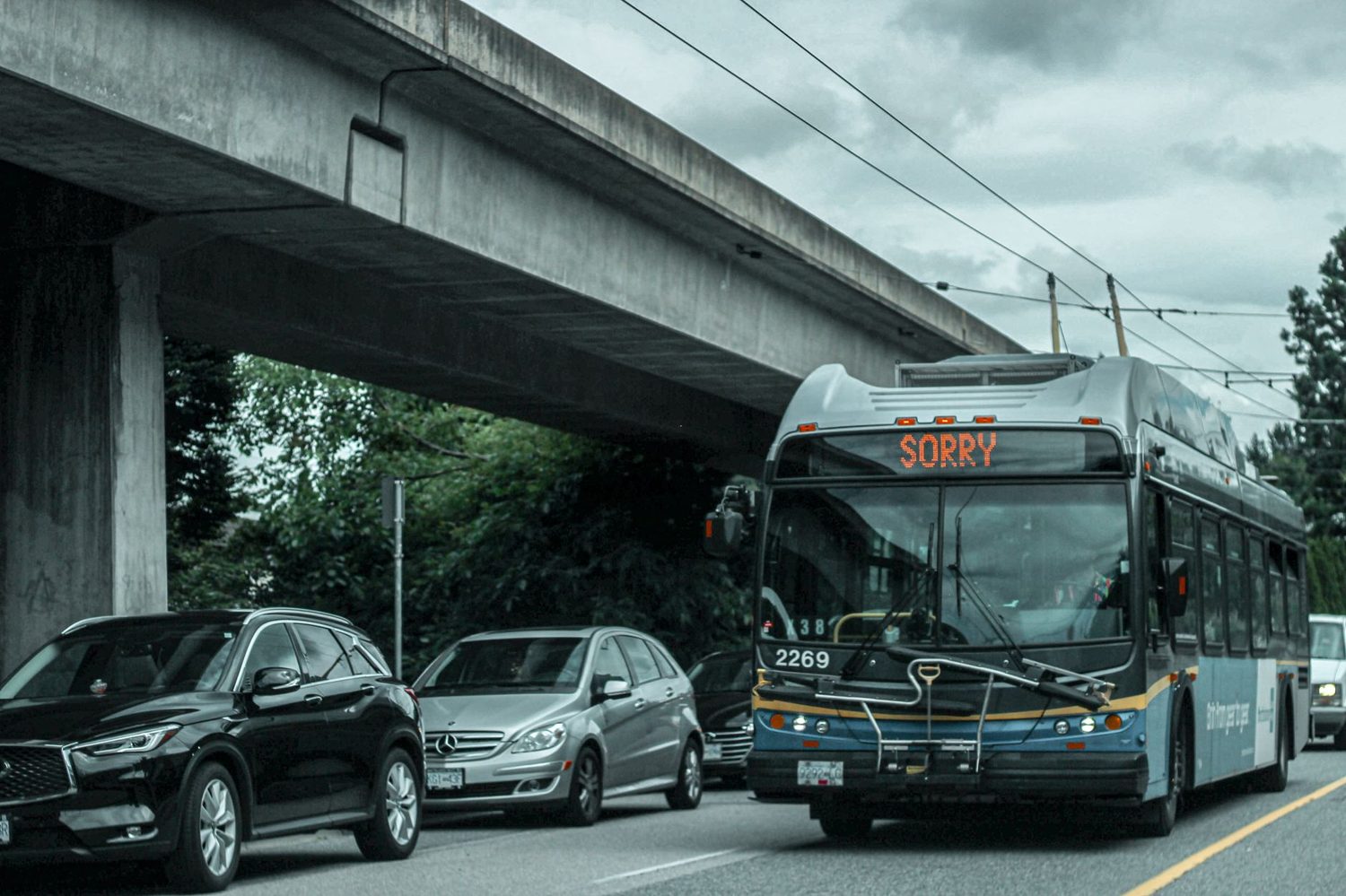
    Modern Auckland city bus on a city street
    Auckland’s bus network is the workhorse of the AT public transport system, with 80+ routes.

    Auckland buses at a glance

    • Operator: Auckland Transport (AT)
    • Number of routes: 80+ across the Auckland region
    • Operating hours: 5am-12am most routes; some 24-hour services on key corridors
    • Fares: $2.20 (1 zone HOP) to $7.10 (5+ zones HOP); contactless +20%
    • Daily fare cap: $20
    • Weekly fare cap: $50 (Mon-Sun)
    • Payment: AT HOP card (best value), contactless card, Apple Pay, Google Pay
    • Cash: NOT accepted on buses
    • Best for tourists: Inner Link, City Link, Outer Link, NX1 Northern Express, AirportLink
    • Real-time tracking: AT Mobile app, Google Maps

    The Link buses — Auckland’s tourist loops

    Double-decker city bus with tourists
    The NX1 Northern Express runs to the North Shore on Auckland’s only dedicated busway.

    Auckland Transport runs four colour-coded “Link” loop bus services that are designed to circle key visitor precincts. They’re the easiest way for tourists to get around without a rental car.

    CityLink (Red Bus) — the Queen Street loop

    The CityLink runs every 7-15 minutes from 7am-11pm and does a tight loop through the CBD core. The route runs from Wynyard Quarter through Britomart up Queen Street to Aotea Square, on to Karangahape Road, returning through Myers Park and Queen Street to Wynyard Quarter.

    • Fare: $1 flat fare (cash equivalent); free with HOP card if transferring from another AT service.
    • Frequency: Every 7-15 minutes
    • Hours: 7am-11pm daily
    • Best for: short hops along Queen Street; Britomart to K Road

    Inner Link (Green Bus) — the inner-suburbs loop

    The most useful tourist bus. The Inner Link runs every 10-15 minutes from 7am-11:30pm in a circular route. The route circles Britomart → Parnell → Newmarket → Karangahape Road → Ponsonby Road → Victoria Park → Britomart. Single zone fare ($2.20 with HOP card).

    • Fare: $2.20 with HOP card / $2.65 contactless
    • Frequency: Every 10-15 minutes
    • Hours: 7am-11:30pm daily
    • Connects: Britomart, Parnell (for Auckland Museum), Newmarket (for Westfield Newmarket), K Road (creative precinct), Ponsonby Road
    • Best for: getting from CBD to Auckland Museum, Newmarket shopping, Ponsonby brunch — all the major tourist precincts

    Outer Link (Amber Bus) — the broader loop

    The Outer Link runs every 15 minutes through a wider route — Wellesley Street CBD, past the universities, through Parnell, Newmarket, Epsom, Balmoral, Mt Eden, St Lukes, Mt Albert (for MOTAT and the Auckland Zoo via short walk), Westmere, Herne Bay, and back to Wellesley Street.

    • Fare: $2.20-$4.05 with HOP card depending on zones travelled
    • Frequency: Every 15 minutes
    • Hours: 7am-10pm daily
    • Best for: reaching MOTAT, Auckland Zoo, Mt Eden volcano, Epsom, Westmere

    Tāmaki Link — to Mission Bay

    The Tāmaki Link runs from Britomart along Tāmaki Drive to Saint Heliers via Mission Bay. The bus to take to East Coast beaches.

    • Fare: $2.20 with HOP card
    • Frequency: Every 15 minutes peak; every 30 mins off-peak
    • Best for: Mission Bay beach trips, St Heliers Bay walks, Kelly Tarlton’s

    Northern Express (NX1 / NX2) — the North Shore busway

    The Northern Express buses are Auckland’s only true rapid-transit buses, running on a dedicated busway separated from regular traffic. They’re fast, frequent, and the easiest way to reach the North Shore.

    • NX1 — Britomart to Albany; full express service.
    • NX2 — Britomart to Hibiscus Coast (Silverdale); slightly fewer stops.
    • Frequency: Every 5-10 minutes peak; every 15 minutes off-peak
    • Hours: 5am-1am most routes
    • Fare: $4.05-$5.30 with HOP card depending on stops
    • Travel time: 25 mins to Akoranga, 35 mins to Albany, 50 mins to Silverdale
    • Best for: Devonport (transfer to ferry), Takapuna Beach, Westfield Albany, North Shore beaches

    AirportLink — Auckland Airport bus

    The AirportLink is Auckland Transport’s public bus from Auckland Airport to the CBD. It’s the cheapest airport-to-CBD option, though not the fastest.

    • Route: Auckland Airport → Manukau → Eastern Line train to Britomart (one-bus, two-mode journey)
    • Fare: $18 with HOP card / $22 contactless
    • Frequency: Every 15-30 minutes from 5:30am to 11pm
    • Travel time: 60-65 minutes to Britomart
    • Stops: Domestic and International terminals; major bus changes at Manukau station

    For most travellers, the AirportLink is fine for solo or two-person budget trips. For families with luggage or anyone in a hurry, Uber/SkyDrive ($80-110, 35-50 mins) is faster.

    Auckland buses fare structure

    AT HOP transit card and contactless payment
    AT HOP card delivers 20% off most bus fares — buy one before your first ride.

    Auckland buses use a zone-based fare system across 9 fare zones. The price depends on how many zones you cross, not how long you travel. The CBD is part of “Zone 1” — covering Britomart, Wynyard Quarter, K Road, Ponsonby and Newton.

    2026 fares (after 1 February 2026 increase)

    • 1 zone (CBD only): $2.20 HOP / $2.65 contactless
    • 2 zones: $4.05 HOP / $4.85 contactless
    • 3 zones: $5.30 HOP / $6.35 contactless
    • 4 zones: $6.30 HOP / $7.55 contactless
    • 5+ zones: capped at 4-zone fare for the same journey ($7.10 HOP / $8.50 contactless)
    • CityLink: $1 cash equivalent / FREE with HOP card if transferring

    Daily and weekly fare caps

    • Daily cap: $20 — once you’ve spent $20 in a calendar day, the rest of your travel is free.
    • Weekly cap: $50 (Mon-Sun) — once you hit $50 in a week, the rest of the week is free.

    Children’s fares

    • Under 5: free always with a paying adult
    • 5-15 with registered HOP card: 40% off adult fares Mon-Fri; FREE on weekends and public holidays
    • 5-15 without registered HOP card: child cash fares only available on trains and ferries (buses don’t accept cash)

    How to ride an Auckland bus

    Modern bus interior with passenger seats
    Auckland buses are mostly low-floor, accessible and air-conditioned.
    • Step 1 — stand at the bus stop. Put your hand out as the bus approaches. Buses don’t stop unless you signal.
    • Step 2 — board through the front door. Tap your HOP card on the reader inside the door.
    • Step 3 — bus drivers don’t accept cash and don’t issue tickets. HOP card or contactless card only.
    • Step 4 — for your stop, press the red “Stop” button on the handrails — buses don’t automatically stop at every stop.
    • Step 5 — tap your HOP card again on a reader inside the bus before stepping off. Forgetting to tag off charges you the maximum 4-zone fare.

    Don’t expect a “Thanks driver” cheer like in some cities — but many local riders do thank the driver as they get off. It’s a small Auckland courtesy worth adopting.

    A perfect bus-only Auckland day

    If you want to see the city without renting a car or paying for Ubers, here’s a one-day bus-only itinerary that hits the major precincts:

    • 9am — board Inner Link from Britomart toward Parnell.
    • 9:15am — alight at Parnell Road; walk to Auckland Museum (10 mins).
    • 11am — Māori cultural performance at the museum.
    • 12pm — walk to Parnell Village for lunch at Cibo or Rosie.
    • 1:30pm — Inner Link from Parnell to Newmarket; browse Westfield Newmarket.
    • 3pm — Inner Link to K Road; explore the creative precinct.
    • 4pm — Inner Link to Ponsonby; afternoon coffee at Bambina.
    • 5:30pm — Inner Link back to Britomart for dinner.

    Total bus cost: $20 daily cap reached. All major tourist precincts touched. No rental car or Uber required. The Inner Link is genuinely the best $20 you’ll spend on Auckland transport.

    Where to catch buses in the CBD

    Modern bus stop with passengers waiting
    Auckland’s main bus interchange is at Britomart Transport Centre in the CBD.
    • Britomart Transport Centre — the main bus interchange. Connections to Inner Link, Outer Link, Tāmaki Link, NX1, NX2, AirportLink, plus dozens of suburban routes.
    • Wellesley Street Bus Hub — the secondary interchange for Outer Link, university buses, and central CBD routes.
    • Aotea Square — a key central stop on multiple routes including CityLink and many western routes.
    • Parnell Road — stops at multiple points, particularly for Inner Link and Outer Link.
    • Ponsonby Road — Inner Link and Outer Link stops every 200-300 metres.
    • K Road — Inner Link and CityLink interchange.

    Bus journey times — CBD to key destinations

    • Britomart to Sky Tower: 5 min walk (no bus needed)
    • Britomart to Auckland Museum (Parnell): 12-15 min via Inner Link bus + 10-min walk
    • Britomart to Newmarket: 12 min via Inner Link bus or 15 min via Western Line train
    • Britomart to Ponsonby Road: 15-20 min via Inner Link bus
    • Britomart to Mt Eden volcano: 20 min via Western Line train + 10-min walk
    • Britomart to Mission Bay: 25 min via Tāmaki Link bus
    • Britomart to MOTAT: 30 min via Outer Link or Western Line + walk
    • Britomart to Westfield Albany: 50 min via NX1
    • Britomart to Auckland Airport: 60 min via AirportLink
    • Britomart to Westgate: 40 min via WX1
    • Britomart to Karangahape Road: 5-7 min via CityLink
    • Britomart to Aotea Square: 5-7 min via CityLink or 10-min walk

    Best Auckland bus routes for tourists

    • Inner Link — for Auckland Museum, Parnell, Newmarket, K Road, Ponsonby. The single most useful tourist bus.
    • Outer Link — for MOTAT, Auckland Zoo (Mt Albert area), Mt Eden volcano, Westmere.
    • Tāmaki Link — for Mission Bay, St Heliers Bay, Kelly Tarlton’s.
    • NX1 Northern Express — for Devonport (transfer to ferry), Takapuna, Westfield Albany.
    • AirportLink — for Auckland Airport.
    • WX1 Western Express — for Westgate, Henderson, North-West shopping.
    • 30 / 31 / 32 series — from CBD to Onehunga (for Onehunga Bay, ferry to Cornwallis).
    • 23 / 25 series — from CBD to Mt Eden village and Eden Park.

    Night buses and 24-hour services

    Auckland’s bus network has reduced overnight services. Most buses stop running between 11pm and midnight; some key corridors (NX1, Inner Link) run until 1am Friday and Saturday nights. After buses stop, Uber, taxis, or 24-hour CityHop on-demand services are your only options.

    • Last buses Britomart to Ponsonby: 12:15am (Inner Link)
    • Last buses Britomart to Albany: 12:30am (NX1)
    • Last buses Britomart to Mission Bay: 11:30pm (Tāmaki Link)
    • Last AirportLink: 11pm (last departure to airport from Britomart)

    Hop on hop off tourist buses

    Auckland Explorer is a private hop-on hop-off bus aimed specifically at tourists. The double-decker red bus runs a circular route hitting all major attractions — Sky Tower, Auckland Museum, Parnell, Mission Bay (with Kelly Tarlton’s), Auckland Domain, Auckland Zoo, MOTAT, and back to the CBD.

    • Single-day ticket: $54 adult / $30 child
    • Two-day ticket: $89 adult / $48 child
    • Departures: every 30 minutes from Princes Wharf 9am-3pm summer, less frequent winter
    • Multilingual commentary: 8 languages including English, Mandarin, Japanese, German
    • Best for: first-time visitors, cruise-ship one-day visitors, those who want flexibility without learning the AT bus system

    The hop-on hop-off bus is more expensive than AT public buses but more convenient for first-time visitors who want a guided audio commentary tour combined with the flexibility to disembark at major attractions. For visitors with 3+ days in Auckland, the AT public bus network is significantly better value.

    AT Mobile app — your bus toolkit

    The AT Mobile app (free, iOS and Android) is essential for navigating Auckland buses:

    • Live arrival times for every bus stop
    • Trip planner with real-time alerts
    • HOP card balance check and tap-to-top-up
    • Saved favourites for stops you use regularly
    • Plain-text journey instructions including transfers
    • Service alerts and disruption notifications
    • Real-time bus-on-map tracking

    Google Maps integrates AT data and works well for planning. Apple Maps in NZ also includes public transport directions.

    Common Auckland bus mistakes to avoid

    • Forgetting to tag off. Auckland’s biggest visitor mistake — automatically charges max 4-zone fare. Always tap off, even at the same stop.
    • Trying to pay cash. Bus drivers don’t accept cash. Get a HOP card or use contactless before boarding.
    • Mixing payment methods. Tagging on with a HOP card and tagging off with contactless breaks the 30-minute transfer rule. Use the same payment for the whole journey.
    • Missing the last bus. Last buses depart between 11:30pm and 1am depending on route. Check before late-night plans.
    • Not checking which bus serves which destination. Some routes branch (NX1 vs NX2; East 70 vs West 70). Verify on the front of the bus, not just the route number.
    • Boarding the wrong direction. Inner Link runs both clockwise and counter-clockwise — check the destination on the front-of-bus screen.
    • Buying a HOP card with low balance. Make sure you start with at least $20 credit if your first trip is the AirportLink.
    • Forgetting to register your card. Unregistered HOP cards lose their balance if lost. Register online at AT.govt.nz on day one.

    Buses vs trains vs ferries

    • Buses — most flexible, most routes, slower. Best for inner-city and suburb-to-CBD trips.
    • Trains — faster on the four electrified lines. Best for Mt Eden, Newmarket, Ellerslie, Manukau, and outer southern suburbs.
    • Ferries — photogenic and necessary for harbour destinations. Devonport, Bayswater, Birkenhead, Half Moon Bay.

    Use buses primarily; trains for cross-city to Newmarket or Mt Eden; ferries for harbour day trips.

    Bus accessibility in Auckland

    Auckland Transport has invested significantly in accessibility over the past decade. All AT buses are low-floor and equipped with ramps for wheelchair users, who travel free with a Total Mobility scheme card. Drivers will deploy the ramp on request without hesitation. Service animals are universally welcome. For visually impaired passengers, audio announcements are standard on most buses, calling out upcoming stops; visual displays show next-stop information at the front of the bus. Most major bus stops have tactile ground surface indicators and braille information panels. Hearing-impaired passengers can use the AT Mobile app’s text-based trip planning. The Total Mobility scheme provides discounted taxi vouchers for residents with mobility-affecting conditions; tourist eligibility is limited but disabled visitors with a recognised international card may apply.

    Auckland buses FAQs

    How much do Auckland buses cost?

    $2.20 for a 1-zone HOP fare (CBD only); $7.10 for the longest fare. Daily cap is $20; weekly cap is $50.

    Can I pay cash on Auckland buses?

    No — bus drivers don’t accept cash. HOP card, contactless card (Visa, Mastercard, Apple Pay, Google Pay) only.

    How do I buy an AT HOP card?

    $5 plus credit at any AT customer service centre, train station ticket machine, or participating retailer (most BP, Z service stations and corner shops). Most retailers sell pre-loaded $25 cards ($5 card + $20 credit).

    Is the Inner Link bus free?

    No — the Inner Link is $2.20 with HOP card. Only the CityLink (Red Bus) has a free transfer benefit when used after a paid HOP card service.

    Are Auckland buses safe at night?

    Yes — generally very safe. Late-night buses (after 11pm) can have fewer passengers but no specific safety concerns. Sit near the front near the driver if you prefer extra visibility.

    What’s the best bus to get to Auckland Museum?

    The Inner Link bus stops on Parnell Road, a 10-minute walk from Auckland Museum. Tāmaki Link is an alternative.

    Can I take a bike on a bus?

    No — bikes aren’t allowed on Auckland buses. Bikes are welcome on most trains (off-peak weekday and all-day weekend) and on most inner-harbour ferries.

    Are Auckland buses wheelchair accessible?

    Yes — all AT buses are low-floor and wheelchair accessible. Drivers will deploy the ramp on request. Service animals are welcome.

    What’s the airport bus from Auckland?

    The AirportLink is the AT public bus, $18 with HOP card. SkyDrive is a private shuttle, $32. Uber/taxi $80-110.

    Can I transfer between buses for one fare?

    Yes — within 30 minutes of tagging off your first bus, transfers count as a single journey for fare-cap purposes. Use the same HOP card or contactless device for all legs.

    Where can I find Auckland bus routes?

    AT.govt.nz has a complete map. The AT Mobile app shows live timetables. Google Maps integrates AT routes for trip planning.

    Buses for major events

    Auckland Transport runs additional bus services for major events. NRL Nines, Auckland Marathon, Splore Festival shuttles, Lantern Festival shuttles, and All Blacks/Football Ferns matches at Eden Park all see expanded bus services. Special event tickets often include free public transport — check the event ticket details. Eden Park has a dedicated Western Line train service from Britomart on match days, plus charter buses from the CBD. Stadium events at Mt Smart Stadium and Spark Arena have direct bus services from Britomart. AT publishes event-specific timetables 1-2 weeks ahead.

    Tips for using Auckland buses

    • Buy a HOP card on day one and load $40-60. Saves topping up mid-trip.
    • Download the AT Mobile app before your first ride.
    • Use the Inner Link to reach all major tourist precincts.
    • Avoid morning peak (7:30-9am) on key corridors; buses are crowded.
    • Always tag off — failure to do so charges max 4-zone fare automatically.
    • Press the “Stop” button at least 100 metres before your stop.
    • The CityLink is essentially free with a HOP card if you’ve already used it once that day.
    • For the longest day-trip needs, the $20 daily cap means cap-stacking your travel.
    • Check the front of the bus before boarding — some routes branch (NX1 vs NX2).
    • Auckland bus stops are well-spaced; expect to walk 200-400 metres to your start stop.

    The bottom line

    Auckland’s bus network is genuinely tourist-friendly once you understand the four Link buses and the major route corridors. With an AT HOP card in hand and the AT Mobile app on your phone, you can reach every major tourist precinct from the CBD without renting a car. For longer day-trip needs (Rotorua, Hobbiton, west-coast beaches), pair buses with rental car or organised tours; for everything inside the city limits, buses cover the territory affordably.

    Plan more transport with our complete getting around Auckland guide, our Auckland public transport guide, and our Auckland airport to CBD options. For broader trip planning, our how many days in Auckland guide ties together transport choices with itinerary planning, and our Auckland CBD guide shows what’s within walking and short-bus distance of central hotels.