Tag: maori cultural performance

  • Auckland Museum Māori Exhibits Guide (2026)

    Auckland Museum Māori Exhibits Guide (2026)

    The Māori Court at the Auckland War Memorial Museum holds one of the most significant collections of Māori taonga (treasures) anywhere in the world — a 25-metre war canoe carved from a single tōtara tree, a fully carved meeting house from 1878, sacred pounamu, traditional weapons, ancestral portraits, and daily live performances of waiata, poi, haka and storytelling. For most visitors to Auckland, this single gallery is the most important Māori cultural experience in the country outside of Rotorua. This complete Auckland Museum Māori guide covers the headline taonga, the cultural performance, what to look for, and how to engage respectfully with the collection.
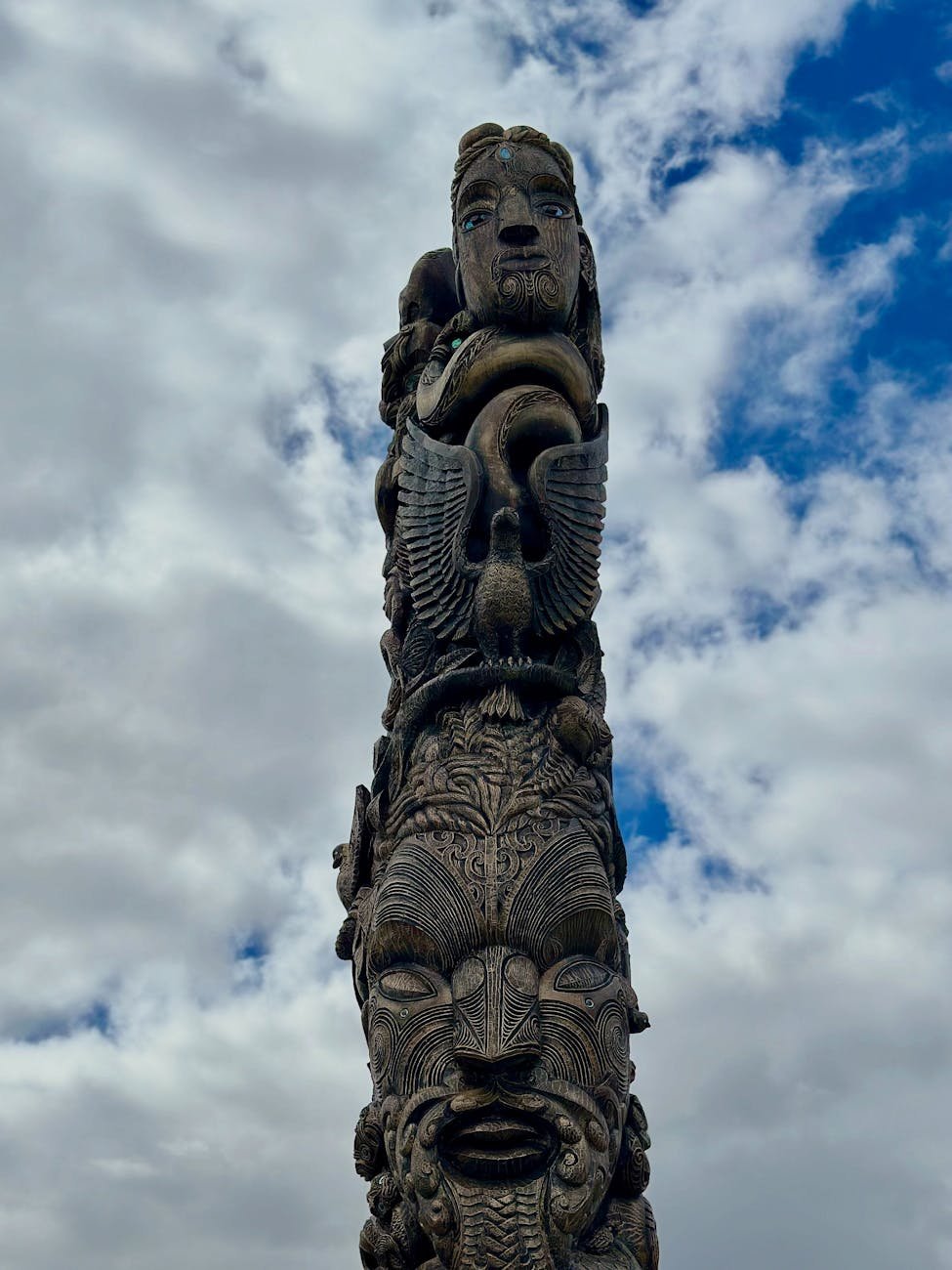
    Traditional Māori wood carving showcasing intricate New Zealand cultural artistry
    The Auckland Museum’s Māori Court holds one of the world’s most significant collections of Māori taonga.

    Why the Māori Court matters

    The Māori Court fills an entire wing of Auckland Museum’s ground floor and tells the story of Māori arrival in Aotearoa around 1280, the development of distinct iwi (tribes) and rohe (regions), pre-contact culture, the impact of European colonisation, and the modern revitalisation of te reo Māori (the Māori language) and tikanga Māori (Māori protocols). The collection is held under partnership with mana whenua iwi (the local hapū with traditional authority) — most taonga remain owned by their iwi and are loaned to the museum on long-term care arrangements rather than donated outright.

    Renovations in 2023 extensively reorganised the Māori Court with new interpretation, multimedia displays and video stations explaining the stories behind each major taonga. The relocations were guided by mana whenua and Te Papa Whakahiku (the Māori Court advisory board). The new layout positions Te Toki a Tāpiri (the war canoe) at the centre, with Hotunui (the meeting house) directly behind, and several smaller carved buildings and storehouses arranged around them.

    Te Toki a Tāpiri — the great war canoe
    Traditional Māori waka taua war canoe with detailed carvings
    Te Toki a Tāpiri is a 25-metre waka taua carved from a single tōtara tree around 1830.

    The single most spectacular object in the museum and the largest surviving traditional waka taua (war canoe) in the world. Te Toki a Tāpiri was carved around 1830 from a single tōtara tree by master carvers Te Waaka Perohuka and Raharuhi Rukupō for the Ngāti Kahungunu chief Te Waaka Tarakau. The canoe could carry up to 100 warriors and would have been a powerful symbol of mana (authority) and military strength.

    The waka has a remarkable post-construction history — it was given to Te Waaka Perohuka of Rongowhakaata, presented to the Ngāpuhi chiefs Tāmati Wāka Nene and Patuone in 1853 as a peacemaking gift, sold to Ngāti Te Ata of Waiuku, confiscated by the colonial government in 1863 during the Waikato War, and finally placed under the guardianship of Paora Tūhaere of Ngāti Whātua, who negotiated for its placement at Auckland Museum in the 1870s and 1880s for protection and preservation.

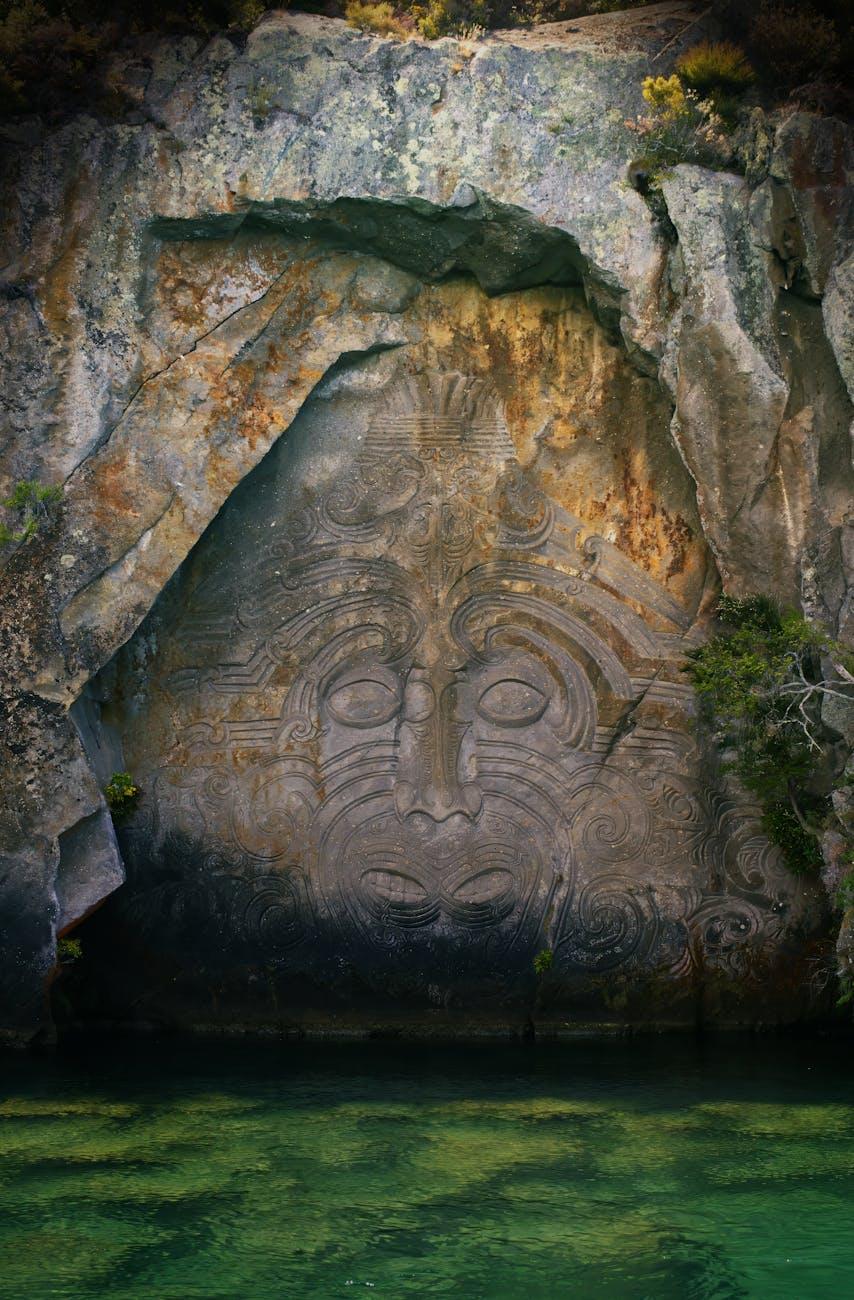
    Things to look for: the tauihu (prow figure) and taurapa (stern carving) layered with whakapapa (genealogical references); the manaia and tiki figures; the curving spiral patterns (kowhaiwhai); and the painted detailing in red ochre. The waka is wholly carved by hand without metal tools — every cut is from stone or shell. Take your time. The plaques nearby explain individual carvings; an audio guide (free) gives the deeper history.

    Hotunui — the carved meeting house
    Carved Māori meeting house interior with tukutuku panels and kōwhaiwhai
    Hotunui is a fully carved whare rūnanga built in 1878 — visitors can step inside.

    One of the most complete pre-1900 carved meeting houses in any museum. Hotunui (named after a Ngāti Maru ancestor) was built in 1878 by Wepiha Apanui at Whakatāne for his daughter Mereana, who married into Ngāti Maru. The house was loaned to Auckland Museum in 1925 by Eruini Taipari and the Ngāti Maru iwi for preservation.

    Visitors are welcome to enter the meeting house. Protocol matters: remove your shoes; speak quietly; photography is permitted (no flash); don’t touch the carvings; sit cross-legged on the matting if you want to take time inside. A short karakia (prayer) is sometimes performed by museum cultural staff before opening the door each morning. Look for:

    • Poupou (wall panels) — ancestor figures carved into the wall. Each represents a specific tūpuna (ancestor) of Ngāti Maru.
    • Heke (rafters) — painted kōwhaiwhai patterns symbolising heart, life, growth.
    • Tukutuku (woven panels) — harakeke (flax) and kiekie weaving in geometric patterns.
    • Tāhuhu (ridgepole) — the long central beam representing the spine of the ancestor whose body is the house itself.
    • Pou tokomanawa (central pole) — “the heart pillar”; carved with the chief’s image.

    The interpretation panel outside Hotunui explains each named carving. Take 15 minutes inside. The house is one of the quietest spots in the museum and rewards a slow visit.

    Pataka and storehouse carvings

    Around the perimeter of the Māori Court are several smaller carved structures:

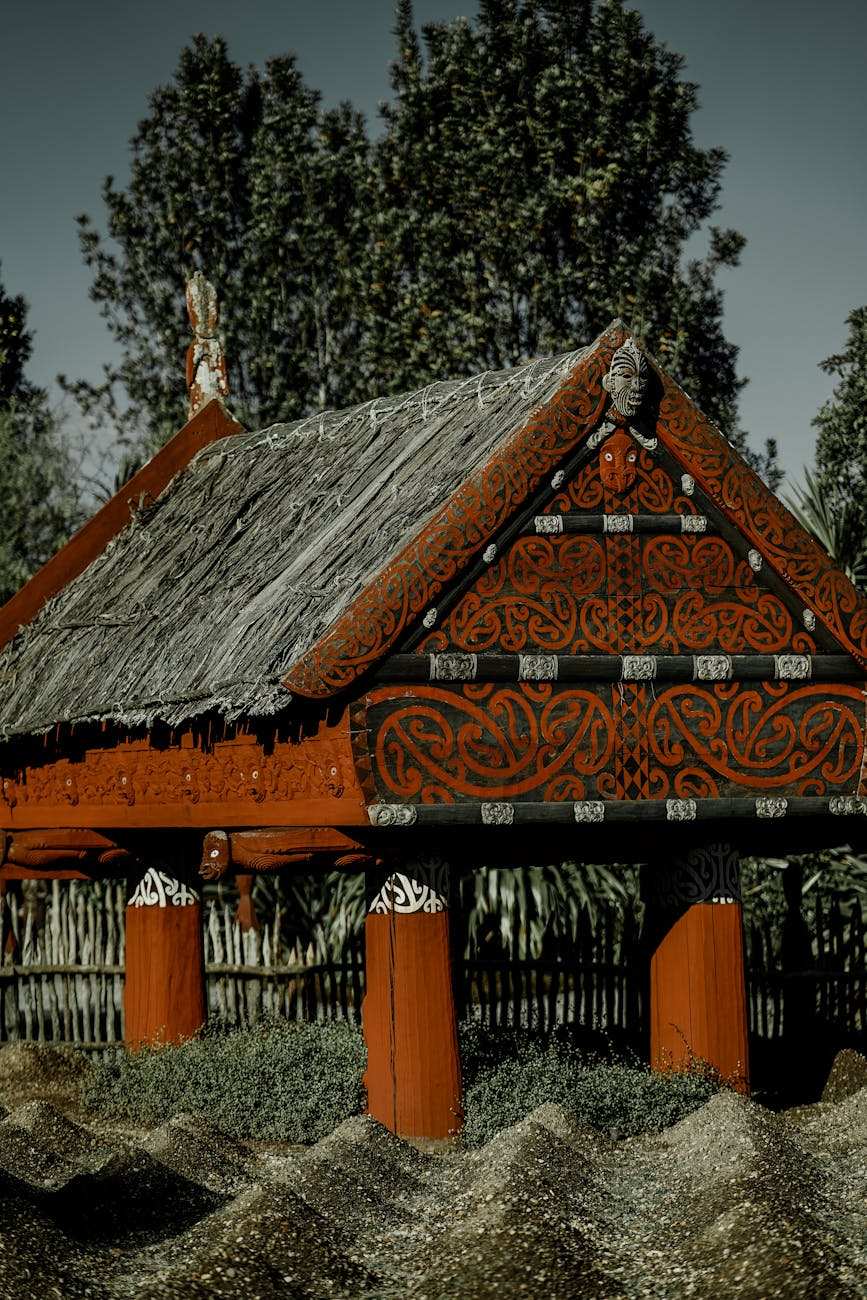
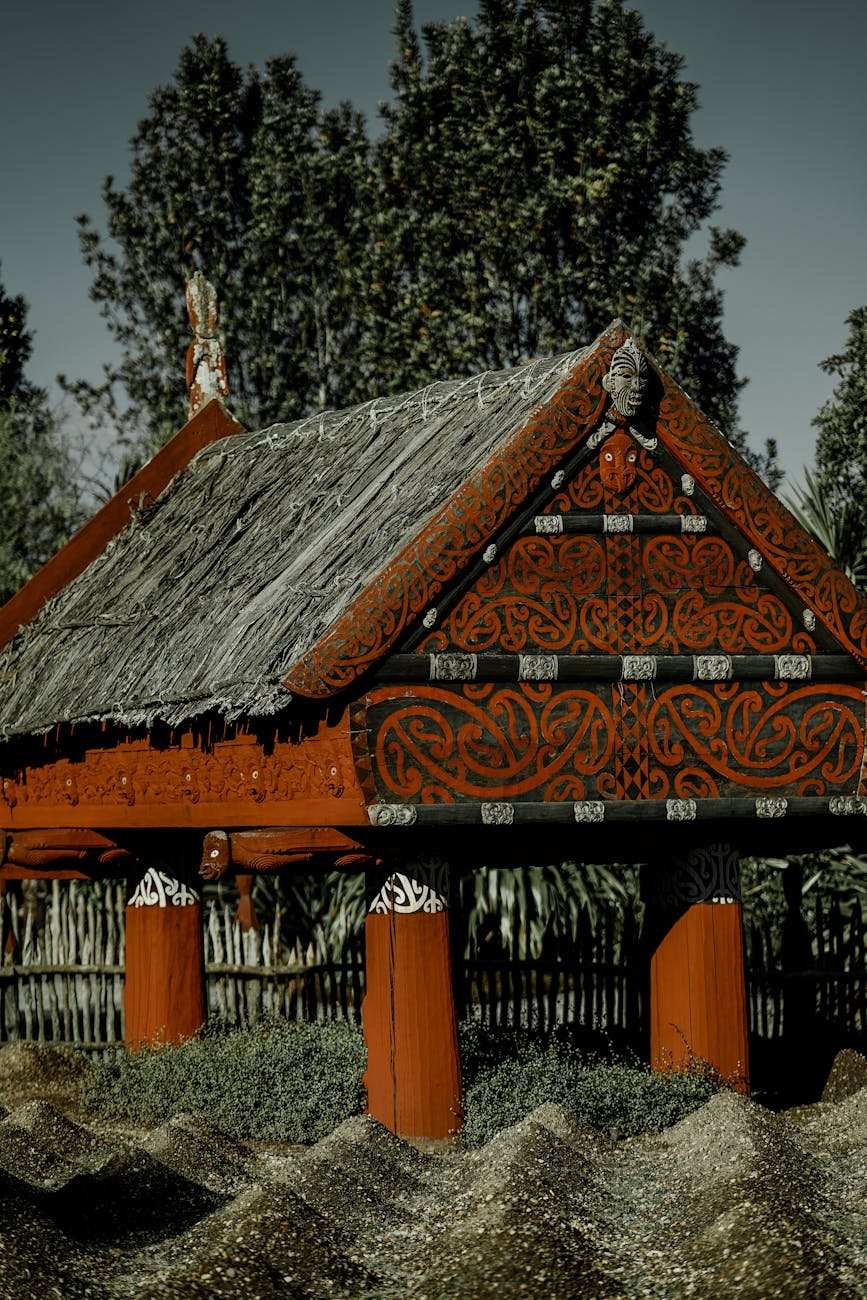
    • Te Oha — a Ngāti Kahungunu storehouse with carved barge boards depicting ancestors.
    • Te Puawai o Te Arawa — a Te Arawa pataka (food storehouse) with intricate carving above the entrance.
    • Te Rangitakaroro — a 4-metre carved post depicting an ancestor; once part of a larger fortified pā.
    • Various smaller carvings — tekoteko (gable figures), maihi (barge boards), and amo (vertical posts).

    These storehouses are not just utilitarian — they’re elevated above ground level (to keep food safe from rats), heavily decorated to honour the ancestors who provided the food, and often depict named tūpuna in their carvings. They represent the sacred connection between food (kai) and ancestral memory in pre-contact Māori culture.

    Pounamu — sacred greenstone
    Māori pounamu (greenstone) carved jewellery and taonga
    The Māori Court showcases pounamu (greenstone) taonga from across Te Wai Pounamu (the South Island).

    The Māori Court holds one of the most important pounamu collections in any museum. Pounamu (also known as greenstone or jade) is a hard nephrite jade found only in specific rivers and beaches in Te Wai Pounamu (the South Island of New Zealand). It is extremely hard, takes a beautiful polish, and was historically the most valuable material in pre-contact Māori society — used for tools, weapons, jewellery and ceremonial taonga.

    Headline pieces include:

    • Mere pounamu — short, flat-bladed clubs that were the most-prized weapons in pre-contact Māori warfare. The museum holds several named mere with chiefly genealogies.
    • Hei tiki — traditional pendants in human form, worn at the chest. Often handed down between generations.
    • Toki — adzes and chisels used for woodworking.
    • Patu — club-style weapons made from various stone, including pounamu.
    • Manaia and koru pendants — stylised mythological creatures and unfurling fern frond designs.

    Pounamu remains taonga today. The museum gift shop sells contemporary pieces, all certified for fair trade and authenticity (look for the toi iho mark). Prices range from $80 for small pendants to $1,500+ for larger carved pieces.

    Lindauer’s Māori portraits

    Gottfried Lindauer was a 19th-century Bohemian artist who painted dozens of Māori chiefs and notable figures across the late 19th century, often working from photographs. Auckland Museum holds one of the most important collections of his portraits — formal oil paintings of named Māori leaders that have become some of the most-reproduced Māori images in New Zealand history.

    The portraits are displayed in a separate gallery alongside the main Māori Court. They’ve been the subject of significant Māori-led repatriation discussions over recent decades — many of the people depicted were ancestors of living Māori communities, and questions about cultural ownership of likenesses remain ongoing. Read the panels carefully; they explain the complex relationships between sitter, artist, and contemporary descendants.

    Tools, weapons and everyday taonga

    Beyond the headline waka and meeting house, the Māori Court holds thousands of smaller taonga that show how everyday Māori life worked before and after European contact. Highlights to seek out:

    • Mau rākau weapons — taiaha (long-handled clubs), patu (short clubs), kotiate (lobed weapons), tewhatewha (axe-heads with feathers).
    • Fishing taonga — intricate matau (fish hooks) carved from bone, stone, and shell; large nets; harpoon-like weapons for hunting tuna (eels) and shark.
    • Musical instruments — pūtātara (conch trumpets), kōauau (bone flutes), pūrerehua (bullroarers), pūtōrino (flute-trumpets).
    • Personal adornment — ngutu pou and tā moko (facial tattoo) chisels and pigment containers, ear pendants (pekapeka and similar), comb and hair-tying taonga.
    • Domestic taonga — kete (woven flax baskets), ipu (gourds), patu paraoa (whalebone striking implements), wakahuia (small treasure boxes).
    • Cloaks (kahu) — korowai (tassel-decorated cloaks), kahu kiwi (kiwi-feather cloaks), kahu huruhuru (multicolour feather cloaks). The museum holds dozens.

    The cloak collection is particularly significant — a kahu kiwi cloak might require feathers from 40+ kiwi birds, a level of preciousness that meant cloaks were inherited and never sold or traded outside iwi. Many on display were donated or returned to descendant iwi for ceremonial use and then placed back on display under shared-care agreements.

    Te reo Māori in the gallery

    Most labels are dual-language English and te reo Māori, increasingly with te reo first. The interpretation panels also include phonetic pronunciation guides for visitors not familiar with te reo. Useful words to know before your visit:

    • Taonga — treasure or precious thing
    • Tūpuna — ancestor
    • Whare — house
    • Whare rūnanga — meeting house
    • Pataka — elevated storehouse
    • Waka — canoe; waka taua = war canoe
    • Iwi — tribe or extended family group
    • Hapū — sub-tribe or kinship group
    • Marae — meeting place / community centre
    • Aotearoa — Māori name for New Zealand (“land of the long white cloud”)
    • Tāmaki Makaurau — Māori name for Auckland (“Tāmaki of a thousand lovers”)
    • Mauri — life force / spiritual essence
    • Tikanga — cultural protocol
    • Mana — authority / spiritual power

    Daily Māori cultural performances
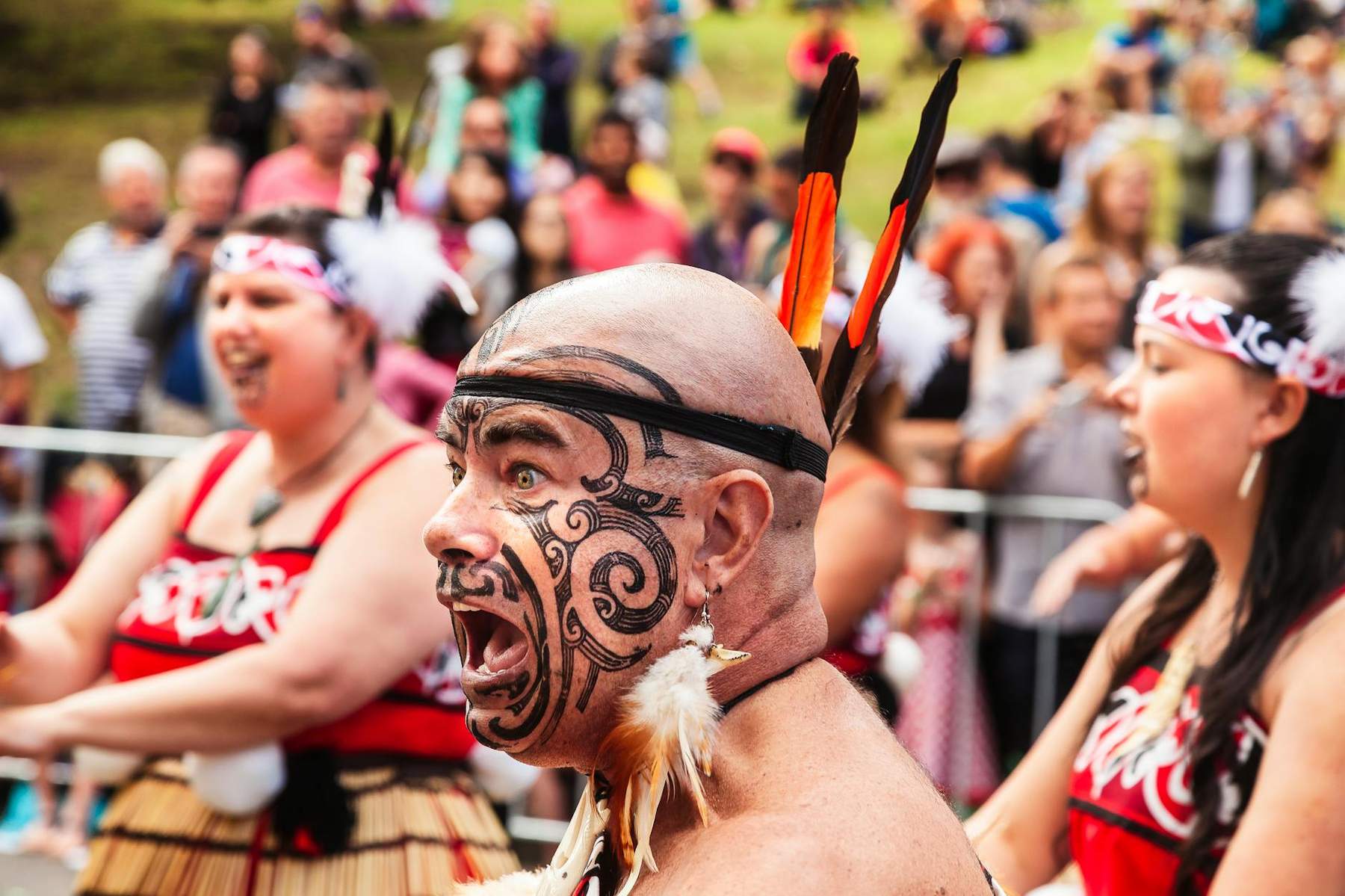
    Traditional Māori haka performance with full vocal and physical delivery
    Daily Māori cultural performances in the Māori Court include waiata, poi, haka and storytelling.

    Performances run four times a day in the Māori Court (11am, 12pm, 1:30pm, 2:30pm) — 30 minutes each, in front of Te Toki a Tāpiri. Each performance includes:

    • Pōwhiri — formal welcome from the performers, including a karanga (call) and whaikōrero (speech of welcome).
    • Mihi — introductions and explanation of cultural protocols.
    • Waiata — traditional Māori song.
    • Poi — women’s dance with tethered weights, including spinning and rhythm sequences.
    • Rākau — stick games using small pieces of wood.
    • Storytelling — the histories of Te Toki a Tāpiri and Hotunui.
    • Origins of the haka — demonstration and explanation of the famous war/celebration dance.
    • Live haka — full performance, vocally and physically. Audience are welcomed to wiri (tremble hands) along.
    • Q&A — performers stay for questions and photos.

    The performance is included in the combined ticket ($55 adult, $28 child) — by far the best-value way to add cultural depth to a museum visit. Performers rotate through the year and many are kapa haka competitors in their own right. Audience size is intimate (30-60 people typical), and performers actively encourage participation.

    Māori Court vs other Māori cultural experiences

    • Auckland Museum Māori Court (this guide): 30-minute performance + permanent collection. $55 combined ticket. Convenient for Auckland-only visitors.
    • Te Pā Tū (Rotorua): 4-hour evening cultural experience with full hāngī dinner. Adult $145.
    • Te Puia (Rotorua): daytime cultural performance + geothermal valley + carving school. Adult $129 combined.
    • Whakarewarewa (Rotorua): living Māori village tour. Adult $80 with performance.
    • Mitai Māori Village (Rotorua): evening hāngī, glow-worm walk, waka arrival. Adult $135.

    For Auckland-based visitors short on time, the Auckland Museum Māori Court is the best Māori cultural experience available. For deeper engagement, Rotorua-based experiences offer more time and are usually paired with food and longer performances.

    Suggested order of visit

    For the best experience, follow this order through the Māori Court:

    • Step 1 — stand in the centre of the court and orient yourself. The waka points toward the entrance; Hotunui sits behind it; the perimeter holds the smaller carved buildings.
    • Step 2 — read the introduction panel near the gallery entrance. It explains how taonga arrive at the museum (loan, gift, repatriation) and the role of mana whenua in current curation.
    • Step 3 — spend 15-20 minutes circling Te Toki a Tāpiri. Read the carving panels. Look at the prow first, then the stern.
    • Step 4 — remove your shoes and enter Hotunui. Sit on the matting for 10 minutes. Quietly look up at the ridgepole and around at the wall panels.
    • Step 5 — visit the smaller pataka and storehouses around the perimeter (Te Oha, Te Puawai o Te Arawa, Te Rangitakaroro).
    • Step 6 — attend the next cultural performance.
    • Step 7 — spend 20 minutes in the pounamu cases.
    • Step 8 — visit the Lindauer portrait gallery to round out the historical context.
    • Step 9 — finish in the Discovery Centre on the same floor for hands-on cultural activities, especially with kids.

    Cultural protocols (tikanga)

    • Stand for the karanga and pōwhiri — these are sacred opening ceremonies.
    • Don’t touch carvings, taonga or display cases. Many objects retain spiritual mana (authority).
    • Photography is welcome (no flash) in most areas. Some sacred items are marked “no photography” — respect signage.
    • Inside Hotunui meeting house: remove shoes, speak quietly, no eating or drinking.
    • Don’t sit on tables or surfaces in the gallery — Māori protocol regards food and tables as separate categories that shouldn’t mix.
    • If you’re invited to wiri (hand-tremble) during the haka, do it with full energy — half-hearted participation is considered disrespectful.
    • Tipping is not expected — performers are paid professional staff.
    • “Kia ora” is universally appreciated as a greeting; “tēnā koe” is more formal.

    Time needed at the Māori Court

    • Quick visit (30 mins): Te Toki a Tāpiri, Hotunui exterior, brief look at pounamu cases.
    • Highlights tour (60 mins): the above + full cultural performance.
    • Deep dive (90-120 mins): the above + reading interpretation panels + Lindauer portrait gallery + pataka close-up + audio guide.

    For a thoughtful first visit, plan 90-120 minutes. The Māori Court rewards slow exploration and quiet contemplation more than hurried museum-pacing. If you have only one focal experience at Auckland Museum, this is the one.

    FAQs

    Is the Māori Court free?

    Free for Auckland residents (with proof of address). Donation-based for NZ residents from outside Auckland. International visitors pay general admission ($32 adult). Add the cultural performance for $23 more ($55 combined adult ticket).

    Can I take photos in the Māori Court?

    Yes, in most areas, with no flash. Some items marked “no photography” should be respected. Inside Hotunui meeting house, photography is welcomed but should be quiet and respectful.

    When are the cultural performances?

    Daily at 11am, 12pm, 1:30pm and 2:30pm. Each performance runs 30 minutes. Booking is recommended in summer; otherwise walk-in is fine.

    How long does the performance last?

    30 minutes (welcome, songs, dance, haka, Q&A). Combined with self-guided viewing of Te Toki a Tāpiri and Hotunui, plan 90-120 minutes for the full Māori Court experience.

    Can I enter the Hotunui meeting house?

    Yes — Hotunui is open to visitors. Remove your shoes before entering, speak quietly, take time to look at the carvings inside.

    Are guided tours available?

    Self-guided visit with audio guide ($5) is the standard. Private guided tours can be arranged through the museum’s group bookings team. Free 60-min “Discovering the Māori Court” guided tours run on Saturdays at 11am.

    Are kids welcome?

    Yes — the Māori Court is family-friendly, and kids especially enjoy the cultural performance (haka is exciting and brief). Children’s activity packs are free at the museum entrance, including Māori Court trails.

    Is the Māori Court accessible?

    Yes — fully wheelchair accessible with lift access, accessible toilets, and free wheelchair loan at the museum entrance. Hotunui meeting house has level access.

    What’s the difference between the Māori Court and Pacific Lifeways?

    The Māori Court covers Māori-specific taonga and culture (Tāmaki Makaurau and broader Aotearoa). Pacific Lifeways (also on the ground floor) covers the wider Pacific — Samoa, Tonga, Fiji, Cook Islands, Niue, Tuvalu, Tokelau and beyond. Both are world-class, complementary collections.

    Can I buy Māori taonga at the museum?

    The museum gift shop sells contemporary Māori-designed and Māori-made jewellery, pounamu pieces, weaving and prints. Look for the toi iho mark certifying genuine Māori-made items. Pieces start around $80 and rise to $1,500+ for larger carved taonga.

    Should I visit Auckland Museum Māori Court if I’m going to Rotorua?

    Yes — they offer different experiences. The Māori Court holds the world’s largest collection of pre-1900 Māori taonga. Rotorua’s experiences focus on living cultural performance, hāngī meals, and geothermal-cultural connection. See both if you have time.

    Tips for visiting the Māori Court

    • Arrive at 10am opening — the Māori Court is the museum’s quietest gallery before 11am.
    • Plan your visit around the 11am or 12pm cultural performance.
    • Listen to the audio guide ($5) — the spoken narration adds layers the labels can’t.
    • Read the panels next to Te Toki a Tāpiri before circling around — the carvings make more sense once you know the whakapapa.
    • Inside Hotunui, sit on the matting cross-legged for 5 minutes — it’s the most contemplative experience in the museum.
    • Don’t rush. The Māori Court is the museum’s most layered gallery.
    • If you’re with kids, the Discovery Centre on the same floor has hands-on Māori cultural activities.
    • Visit the Lindauer portrait gallery — it’s a less-touristed extension of the Māori Court.
    • The free Saturday 11am guided tour is excellent value if your visit happens to fall on a Saturday morning.

    Recent changes and ongoing curation

    The Māori Court has been substantially reorganised over the past decade in partnership with mana whenua iwi (the local Māori communities with traditional authority over Tāmaki Makaurau). The 2023 redevelopment introduced new mātauranga Māori (Māori knowledge) interpretive content, a kaitiaki-led approach to display and labelling, and revised positioning of taonga based on iwi guidance. Some pieces previously on permanent display are now rotated periodically with the originating iwi taking turns hosting them on their marae.

    Active ongoing work includes the digitisation of the entire collection (4.5 million items museum-wide, of which several hundred thousand are Māori taonga), repatriation conversations with overseas museums holding Māori taonga, and the development of new community-curated exhibitions. Visitors can expect to see different rotating displays in 2026 versus, say, 2018.

    The bottom line

    The Auckland Museum Māori Court is the most important Māori cultural experience available to most Auckland visitors. Te Toki a Tāpiri alone justifies the visit — the world’s largest surviving traditional war canoe, layered with two centuries of post-construction history. Combined with Hotunui, the pounamu collection, the Lindauer portrait gallery, and the daily cultural performance, the Māori Court fills 90-120 minutes with experiences you simply can’t get elsewhere.

    Plan more cultural experiences with our complete Auckland culture, history & Māori heritage pillar, our Auckland Museum guide, and our Rotorua day trip rundown for a deeper Māori cultural day.
  • Auckland War Memorial Museum Guide: Tickets, Highlights & Tips (2026)

    Auckland War Memorial Museum Guide: Tickets, Highlights & Tips (2026)

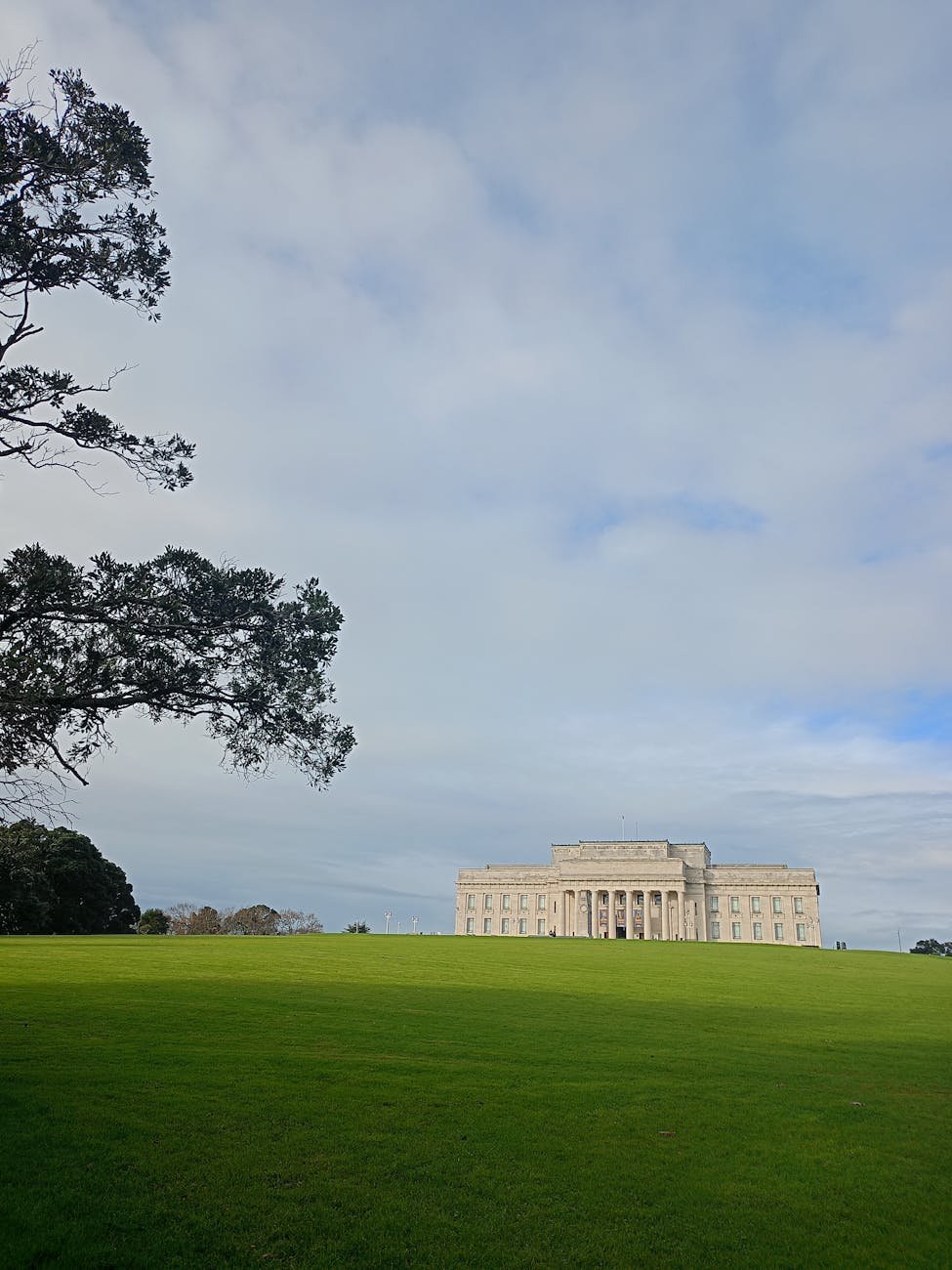
    Set on a hilltop in the centre of Auckland Domain — the city’s oldest park — the Auckland War Memorial Museum (Tāmaki Paenga Hira) is one of New Zealand’s most important cultural institutions and the single best place in the country to learn about Māori, Pacific and natural heritage. The neoclassical 1929 building houses three floors of internationally significant collections, daily Māori cultural performances, and a moving war memorial that reaches all the way back to the New Zealand Wars of the 1840s.

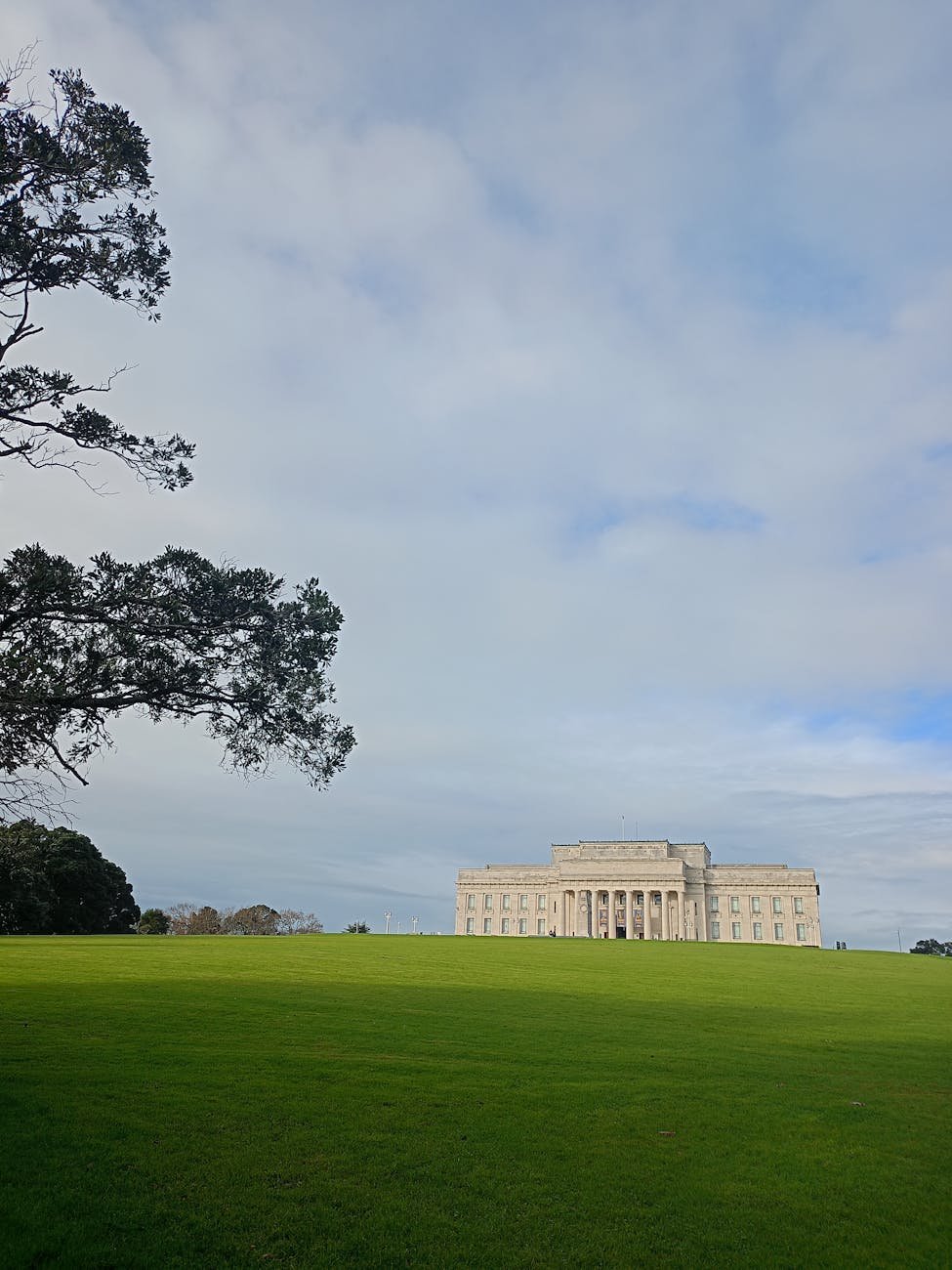
    Auckland War Memorial Museum neoclassical building exterior on Auckland Domain
    The Auckland War Memorial Museum sits atop Auckland Domain in a striking neoclassical building.

    This complete Auckland Museum guide covers everything you need: ticket prices, opening hours, the must-see exhibits, the daily Māori cultural performance, how long to spend, accessibility, kid-friendly highlights, the on-site cafés, the gift shop, and how to combine your visit with the rest of Auckland Domain. Whether you have an hour between meetings or a whole afternoon to lose to the collection, this guide will help you make the most of it.

    Quick facts

    • Address: The Auckland Domain, Parnell, Auckland 1010
    • Opening hours: 10am–5pm daily (open every day except Christmas Day)
    • Free entry for Auckland residents (rates apply to NZ residents and international visitors)
    • International visitor admission (2026): $32 adult / $16 child (5–15) / $80 family (2 adults + up to 3 children)
    • NZ resident admission: Donation-based ($10 suggested)
    • Combined ticket with Māori cultural performance: $55 adult / $28 child
    • Best time to visit: Weekday mornings (10am–11:30am) — quietest, best light through the gallery skylights
    • Time needed: 2–4 hours (3 hours typical)
    • Wheelchair accessible: Yes — full accessibility, lifts, accessible toilets, wheelchairs available free of charge
    • Parking: Limited paid parking on-site; free street parking 5–10 min walk; closest train station is Parnell (15 min walk)
    • Phone: +64 9 309 0443
    • Website: aucklandmuseum.com

    Auckland Museum tickets and prices (2026)

    Pricing is tiered by residency. Auckland ratepayers (residents) get free general admission as part of their council rates — bring photo ID with an Auckland address. New Zealand residents from outside Auckland are admitted on a donation basis. International visitors and visitors from outside Auckland to the museum’s special exhibitions pay the standard ticket price.

    Standard general admission

    • Adult: $32
    • Child (5–15): $16
    • Child under 5: free
    • Family (2 adults + up to 3 children): $80
    • NZ resident: donation ($10 suggested, free for Aucklanders)
    • Senior / student / community services card: $24

    Combined cultural performance ticket

    The combined ticket adds the daily Māori cultural performance to general admission for $23 more — by far the best-value option. Performances run at 11am, 12pm, 1:30pm and 2:30pm and last 30 minutes. The combined ticket is $55 adult / $28 child / $140 family. We recommend the combined ticket to almost every first-time visitor — the performance is one of the most authentic Māori cultural experiences in Auckland and rivals what you’d see in Rotorua.

    Special exhibition tickets

    Special exhibitions (recent examples: Ancient Egypt, Pompeii, Tūrangawaewae: A Place to Stand) are usually $30 adult / $15 child on top of general admission, or $50 adult / $25 child as a standalone ticket. These exhibitions sell out at peak times — book online ahead.

    How to buy tickets

    Buy at the front desk on arrival, or online at aucklandmuseum.com. Online booking lets you skip the queue at peak times (school holidays, summer weekends, cruise ship days). Third-party platforms like Klook, GetYourGuide and Viator sometimes offer marginal discounts but rarely beat the museum’s own website.

    A brief history

    The museum was founded in 1852, making it one of the oldest in the country. The current building, designed by Grierson, Aimer & Draffin in a grand neoclassical style, opened in 1929 as a memorial to Auckland soldiers who died in the First World War. After the Second World War, the museum became a memorial to the dead of both wars and subsequent conflicts. The Holocaust memorial Wall of Remembrance and the names listed in the Hall of Memories are some of the most affecting parts of the visit.

    The museum has expanded twice — the dome atrium added in 2007 brought a soaring central public space, and the 2024 refurbishment of the Pacific Lifeways gallery is a current highlight. The collection now numbers more than 4.5 million items, of which only a small fraction is on display at any time.

    The must-see exhibits

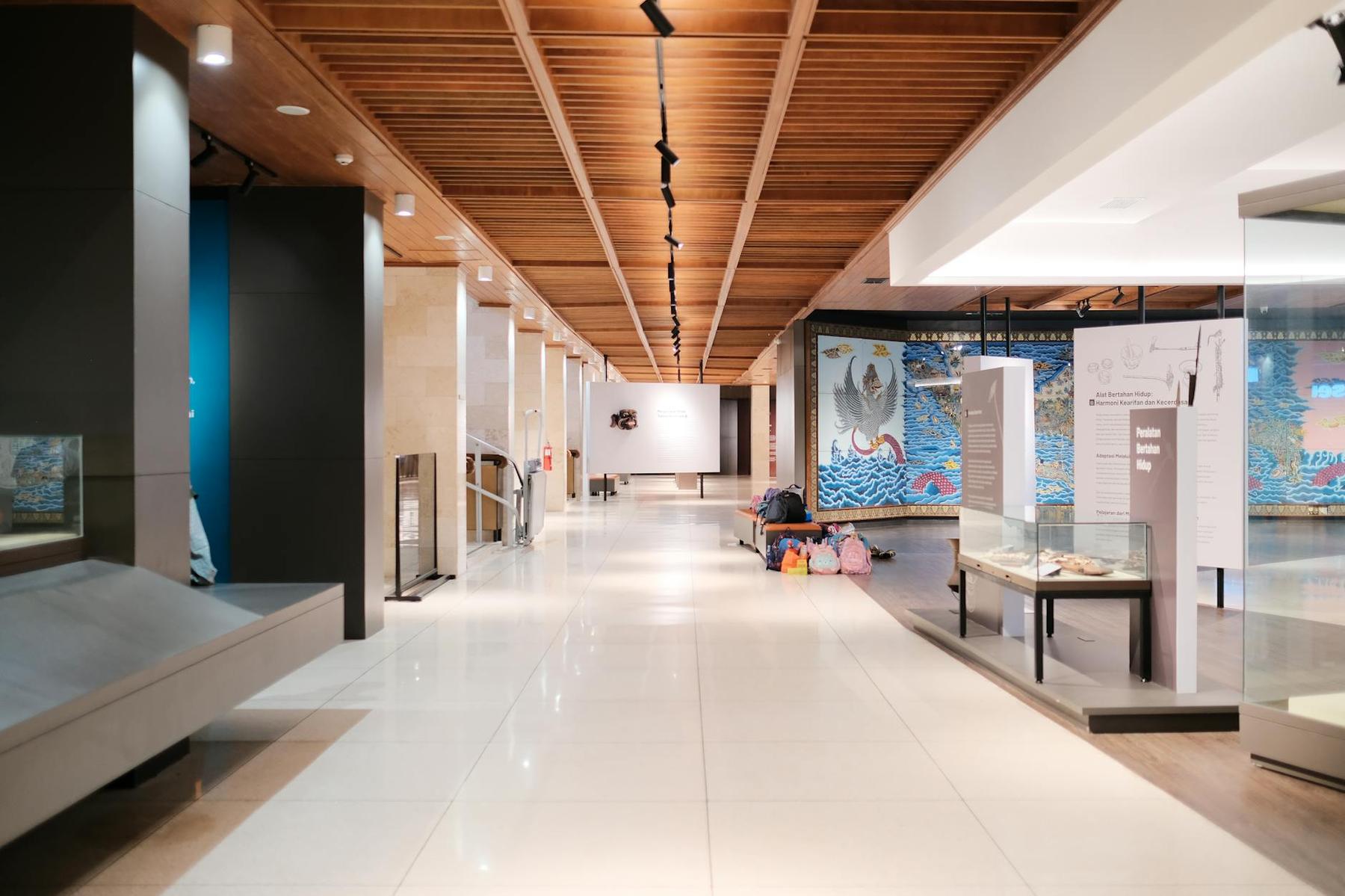
    Interior of a museum gallery showcasing exhibition displays
    Auckland Museum houses internationally significant Māori, Pacific, natural history and war galleries.

    Te Toki a Tāpiri — the great waka taua

    The single most spectacular object in the museum. Te Toki a Tāpiri is a 25-metre-long waka taua (war canoe) carved from a single tōtara tree felled around 1830. Built for the Ngāti Kahungunu chief Te Waaka Perohuka, it could carry 100 warriors. Today it dominates the entire south-eastern wing of the ground floor — its sheer scale is hard to convey from photographs. Spend a few minutes reading the carvings: the prow figure (tauihu) and stern (taurapa) are layered with whakapapa (ancestral lineage).

    Hotunui — the carved meeting house

    The fully carved whare rūnanga (meeting house) named Hotunui was built in 1878 by Wepiha Apanui at Whakatāne for his daughter Mereana. Every interior surface — walls, ceiling, rafters — is decorated with carvings, woven panels (tukutuku) and painted designs (kōwhaiwhai). Visitors are welcome to enter after a brief karakia and explanation. Take your shoes off, observe quietly, and photograph respectfully (no flash). It’s one of the most complete carved houses outside a marae anywhere in New Zealand.

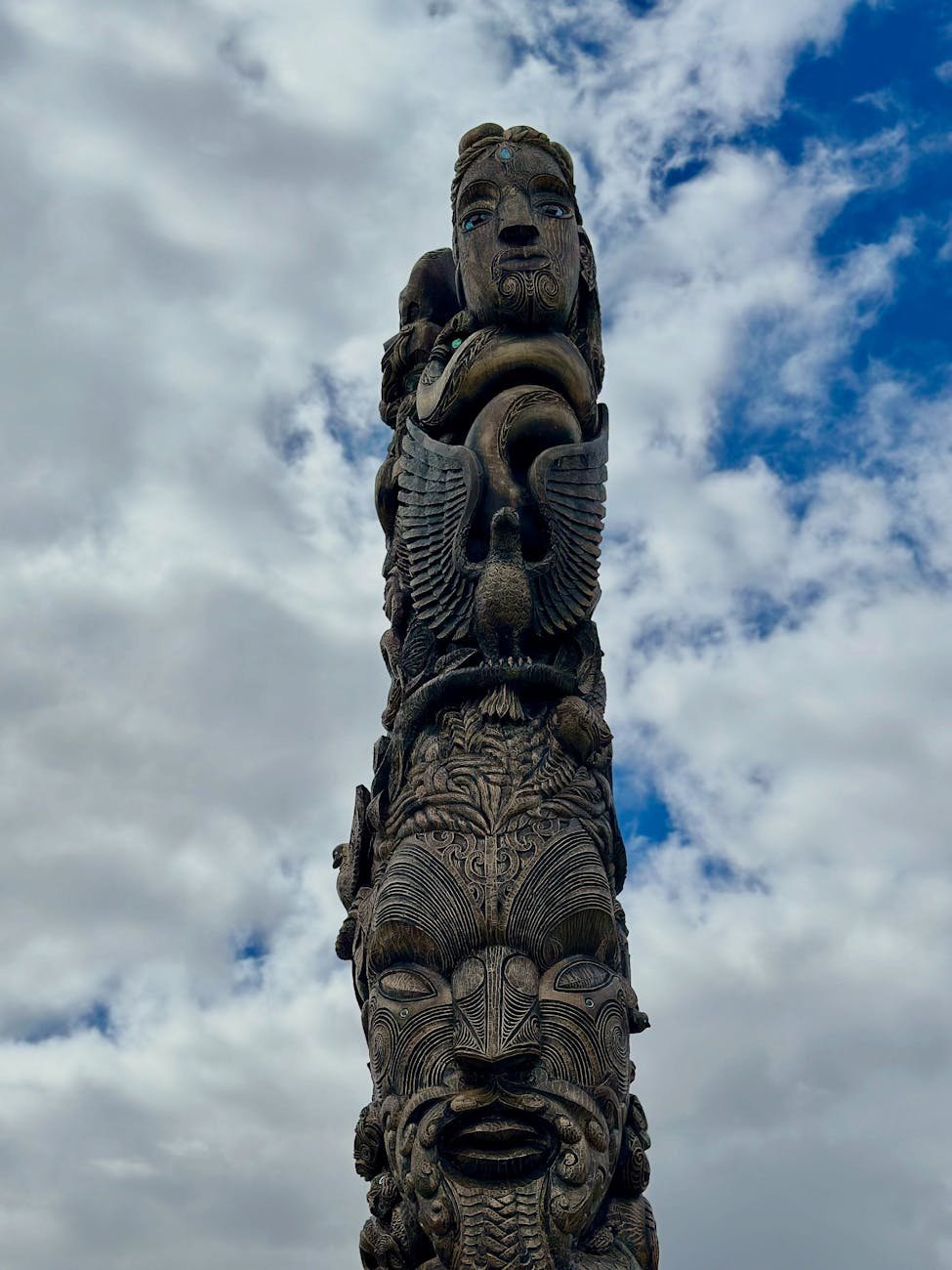
    Traditional Māori wood carving showcasing intricate New Zealand cultural artistry
    The museum’s Māori Court features Te Toki a Tāpiri waka taua and the carved meeting house Hotunui.

    Pacific Lifeways

    Reopened in 2024 after a major refurbishment, this gallery covers the cultures of the Pacific Islands — Samoa, Tonga, Fiji, the Cook Islands, Niue, Tuvalu, Tokelau, French Polynesia and beyond. New Zealand has the largest Polynesian population of any country, and Pacific Lifeways is one of the world’s most important Pacific cultural collections, with thousands of objects and stories told largely in the words of Pacific community members. Particular highlights: the Tongan ngatu (decorated bark cloth), Cook Islands wooden gods, and the Samoan fale (traditional house).

    Weird and Wonderful natural history

    The first floor’s natural history galleries cover New Zealand’s strange, isolated wildlife: extinct moa skeletons (some 3 metres tall), the giant Haast’s eagle, dinosaur fossils, gigantic squid, and the iconic kiwi. The “Weird and Wonderful” interactive section is particularly popular with kids. The Origins gallery walks through New Zealand’s geological birth from Gondwana to the present.

    Volcanoes

    Auckland sits on top of 53 volcanoes — they’re not extinct, just dormant. The volcanoes gallery on the ground floor includes a simulated eruption experience inside a recreated suburban living room as a Rangitoto-style eruption unfolds outside the window. It’s surprisingly intense and a useful lesson in why Auckland Council monitors the volcanic field so closely. (Don’t worry — the field is currently rated low risk by GeoNet.)

    Scars on the Heart — the war galleries

    The top floor is dedicated to memorialising New Zealand’s wartime experiences from the New Zealand Wars (1845–1872) through both World Wars and on to peacekeeping operations. The Hall of Memories is a quiet, reverent space inscribed with the names of more than 30,000 Auckland servicemen and women who died on overseas service. The Spitfire suspended above the gallery and the recreated WWI trench bring the personal stories home. Allow at least 45 minutes to do this floor justice.

    The Cenotaph

    Outside the main entrance, the Cenotaph is the focal point of Auckland’s annual ANZAC Day dawn service (25 April). Inscriptions list the conflicts, and the steps lead the eye out across the city below. Worth a few quiet minutes after your visit.

    The Māori cultural performance

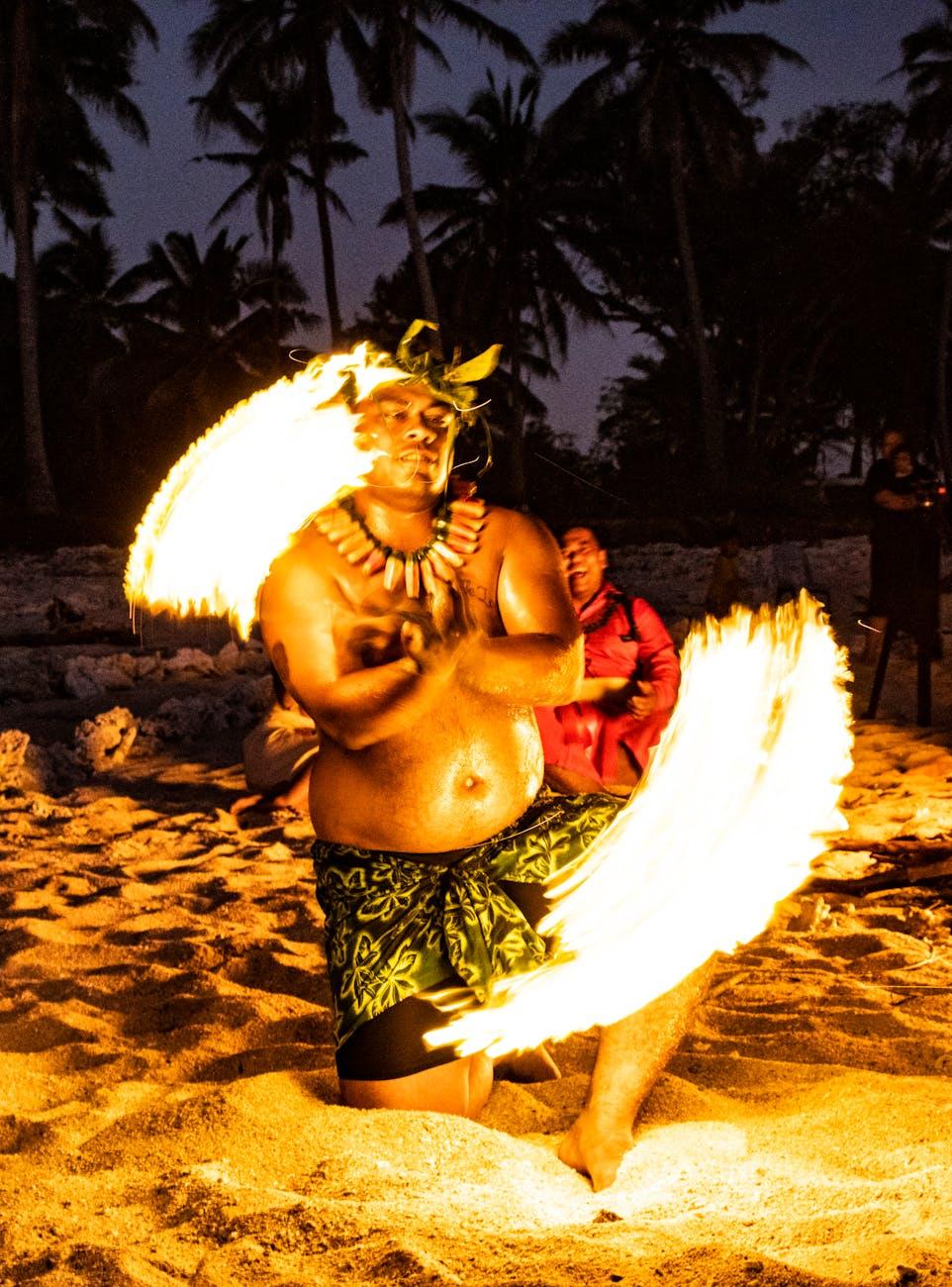
    Polynesian cultural performance featuring traditional dance and song
    Daily Māori cultural performances feature waiata, poi, haka and storytelling at Auckland Museum.

    Performances run four times a day (11am, 12pm, 1:30pm, 2:30pm) in the Māori Court alongside Te Toki a Tāpiri and Hotunui. Each lasts about 30 minutes and includes:

    • Pōwhiri — formal welcome and karanga
    • Mihi — introduction and explanation of cultural protocols
    • Waiata — traditional songs
    • Poi — women’s dance with tethered weights
    • Stick games — rākau
    • Storytelling about Te Toki a Tāpiri and Hotunui
    • Origins and meaning of the haka
    • Live haka performance — full vocal and physical performance
    • Q&A with the performers
    • Photo opportunity at the end

    The performances are delivered by a rotating company of Māori performers, many of whom are kapa haka competitive performers in their own right. They actively encourage audience participation — be ready to stand for the pōwhiri, sing along to the waiata, and respond to the haka with a shaky-handed wiri of your own. Don’t be embarrassed; everyone tries, no one is graded.

    If you’re choosing between the Auckland Museum performance and a Rotorua-based experience like Te Pā Tū or Mitai Māori Village, the Auckland Museum version is shorter and lower-key but excellent value, particularly if you’re not heading south. For a full-evening hāngī (earth-cooked feast) and longer cultural immersion, Rotorua remains the gold standard.

    Suggested visit itineraries

    The 90-minute highlights tour

    • 10–10:15 — Arrive, ticket, brief look around the dome atrium
    • 10:15–10:45 — Māori Court (Te Toki a Tāpiri, Hotunui)
    • 10:45–11:15 — Pacific Lifeways highlights
    • 11:00 — Cultural performance (book the 11am)
    • 11:30 — Quick top-floor war memorial visit
    • 12:00 — Café or onward

    The half-day deep dive (3–4 hours)

    • 10:00 — Ground floor: Māori Court, full reading of Te Toki a Tāpiri panels
    • 11:00 — Cultural performance
    • 11:30 — Pacific Lifeways
    • 12:30 — Lunch at the museum café or nearby Wintergarden Café
    • 1:30 — Volcanoes and natural history first floor
    • 2:45 — Top floor: Scars on the Heart and Hall of Memories
    • 3:30 — Gift shop, Cenotaph, walk back through Auckland Domain

    With kids (2–3 hours)

    • 10:00 — Cultural performance (the haka grabs kids’ attention immediately)
    • 10:45 — Discovery Centres on the ground floor (hands-on, Māori- and Pacific-themed)
    • 11:30 — Weird and Wonderful first floor: dinosaurs, moa, giant squid
    • 12:15 — Volcanoes simulator (loud, exciting, safe for over-fives)
    • 12:45 — Café lunch
    • 1:30 — Outdoor: Auckland Domain Wintergardens duck pond, sports fields

    Getting to Auckland Museum

    By public transport

    The closest train station is Parnell — about a 15-minute walk uphill through the Domain. Buses 64, 70, 75 and 75A stop on Parnell Road, a 10-minute walk away. The most direct option from CBD hotels is the Link bus (Inner Link, every 15 mins) which stops at Parnell Road. Use an AT HOP card or contactless card for $2 fares from the CBD.

    By car

    Limited paid parking is available on-site (rates from $4/hr) — these spots fill by 11am on weekends. Free street parking is available on Maunsell Road (10-min walk) and around the Domain on most weekdays. Do not park on the parking restricted Domain roads — fines are heavy.

    By foot

    From the Britomart end of Queen Street, the museum is a 25-minute uphill walk (about 2 km) through Albert Park, across Symonds Street and into the Domain. From a Parnell hotel, it’s a 10–15 minute downhill walk. Auckland Domain itself is one of Auckland’s best walking parks — allow time before or after to explore the Wintergardens, sports fields and the Pukekawa volcano cone.

    Auckland Domain — the museum’s setting

    Auckland Domain large green park space surrounding the museum
    The 75-hectare Auckland Domain is the city’s oldest park and home to the museum.

    The 75-hectare Auckland Domain (Pukekawa) is the city’s oldest park, set on the slopes of an old volcanic crater. Beyond the museum, the Domain offers some of central Auckland’s best walking trails, the Wintergardens (free entry; tropical and temperate glasshouses), Auckland Bowling Club, sports fields used by Auckland Cricket and rugby clubs, and a duck pond that’s a favourite with kids. Allow at least an hour to walk around if the weather is good.

    The Domain regularly hosts major events: Lantern Festival (February), Christmas in the Park (December — the largest open-air concert in New Zealand), Music in Parks free summer concerts, and ANZAC Day dawn service. Check the events calendar before visiting; many events involve temporary closures or paid ticketing.

    Where to eat at Auckland Museum

    The on-site café (level 1, accessed from the dome atrium) serves coffee, light meals, sandwiches, salads and cakes. Quality is good, prices are museum-standard ($14 for a sandwich, $7 for a flat white). The Wintergarden Café (in the Domain about 5 minutes’ walk away) offers more substantial meals and brunch in a beautiful glasshouse setting — book ahead at weekends.

    For a longer lunch off-site, walk down to Parnell Road and try Cibo (modern bistro, lunch from $32), Domain Bay Brewing (craft beer and wood-fired pizza), or Roukai Lane Eatery (Asian fusion). Britomart restaurants are a 20-minute downhill walk and offer Auckland’s most concentrated dining scene.

    The gift shop

    The museum shop is genuinely better than most. It stocks Māori-designed jewellery, woven kete (handbags), pounamu (greenstone) carvings authenticated for fair trade, books on New Zealand history and Māori language, art prints, and quality souvenirs that make the airport gift shop look like a service station. Prices are mid-range — pounamu pieces start around $80 and rise sharply for larger or more intricate carvings. Look for the toi iho mark for genuine Māori-made items.

    Accessibility and visitor tips

    • The museum is fully wheelchair accessible: lifts to all floors, accessible toilets on every level, free wheelchair loans at the front desk
    • An accessible drop-off zone is on the south side of the building
    • Service animals are welcome
    • Audio guides are available in English, Māori, Mandarin, Korean, Japanese and German for $5
    • Sensory-friendly visiting hours run on the first Sunday of each month — 9:30–10am, before general opening
    • Kids’ backpacks (free) include a museum trail and crayons; pick up at the desk
    • Lockers are available for large bags ($2 coin)
    • Photography is welcome (no flash) except in some special exhibitions
    • Wifi is free throughout the building — connect to “AucklandMuseum_Free”

    Best time to visit

    The museum is busiest from 11am to 2pm on weekends, school holidays, and cruise-ship days. Aim for a 10am–11am arrival on a weekday for the quietest experience and the best gallery light. Tuesday and Wednesday mornings are usually the calmest. Rainy days send everyone indoors — if the forecast is showers, expect bigger crowds.

    Late afternoon (3–4pm) is also a good window — most school groups have left by then, and the Domain’s golden-hour light through the gallery skylights is gorgeous. The museum closes at 5pm sharp, so don’t arrive after 3:30pm if you want to see the major collections properly.

    Special exhibitions and events

    Auckland Museum runs a strong rolling programme of special exhibitions on top of its permanent collection. Recent shows have included Ancient Worlds: Egypt, Pompeii: The Cursed Empire, Tūrangawaewae: A Place to Stand, and Voices of the Pacific. Special exhibitions usually run 3–6 months and require an additional ticket on top of general admission. Check the museum’s online calendar before booking to time your visit with a major show, or to avoid them if you’d prefer a quieter day in the permanent galleries.

    The museum also runs a regular events programme: lunchtime curator talks (free, Wednesdays), school holiday workshops for kids, late-night Friday openings during summer, ANZAC Day dawn service (25 April, attended by 10,000+ people), Matariki celebrations in late June or early July (Māori New Year), and a wide range of public lectures. Most events are listed at aucklandmuseum.com/whats-on.

    Combine your visit with these nearby attractions

    • Auckland Domain Wintergardens (5 min walk) — free entry, two heritage glasshouses with tropical and temperate plants, Edwardian sunken courtyard, café
    • Parnell Village (15 min walk downhill) — boutique shopping, Cathedral of the Holy Trinity, La Cigale French Market on weekend mornings, Cibo for fine dining
    • Newmarket (15 min by Inner Link bus) — Auckland’s premier shopping district with Westfield Newmarket and Broadway
    • Auckland Botanic Gardens at Manukau — different gardens, 30 minutes away by car, free entry
    • Mount Eden / Maungawhau (15 min by car) — volcanic crater with the city’s best 360° viewpoint
    • Auckland Art Gallery Toi o Tāmaki (20 min walk) — Australasia’s largest collection of NZ art, free entry to permanent galleries

    Auckland Museum vs Te Papa

    New Zealand has two world-class national museums — Auckland Museum and Te Papa Tongarewa in Wellington. They’re complementary, not competitive. Auckland Museum is the country’s flagship for Māori, Pacific and natural history collections, with strong war and military galleries. Te Papa is the national museum and focuses more on contemporary New Zealand identity, Treaty of Waitangi history, an enormous earthquake simulator, and visiting blockbuster international shows. If you have time, see both. If you only see one and you’re an Auckland-only visitor, the Māori Court alone justifies the visit.

    Auckland Museum FAQs

    How long should I spend at Auckland Museum?

    Two to four hours is typical, three hours is ideal. Quick highlights tours can be done in 90 minutes. A complete deep-dive across all three floors and a special exhibition will fill a full half-day. Add 30 minutes for the cultural performance.

    Is Auckland Museum free?

    Free for Auckland residents (with proof of address). New Zealand residents from outside Auckland are admitted on a donation basis. International visitors pay a standard ticket price ($32 adult). Children under 5 are free for everyone. Special exhibitions usually carry an additional fee.

    Can I bring my pram or buggy?

    Yes. The museum is fully pram-accessible, with lifts between floors and parent rooms with baby change facilities on each level. Pram parking is available outside the dome atrium for those who prefer not to navigate the lifts.

    Is there a coat check?

    No formal coat check, but $2 coin-operated lockers in the foyer are large enough for a backpack, jacket and umbrella. Larger bags can be left at the front desk on request.

    Are dogs allowed?

    Only certified service animals are allowed inside the building. Dogs are welcome in the surrounding Auckland Domain on leads, with off-lead areas available at certain times — check Auckland Council’s dog access rules for the Domain before visiting.

    When is the best time to visit?

    Weekday mornings 10–11:30am are quietest. Aim to arrive at opening, see the cultural performance at 11am, and finish before the school groups arrive after 12pm. Avoid weekends in summer and the period 11am–2pm on rainy days.

    Can I take photographs?

    Yes, photography is welcome in all permanent galleries (no flash, no tripods without prior permission). Some special exhibitions and certain Māori taonga (treasures) are marked “no photography” — respect the signage. The Hotunui meeting house is photographable but visitors are asked to be quiet and respectful inside.

    Is the cultural performance worth it?

    Yes — it’s one of the best-value cultural experiences in Auckland for $23 extra. The performance is intimate (30–60 audience members), the performers are highly skilled, and the haka is delivered live at full volume. If you’re not heading to Rotorua, this is the most accessible way to experience kapa haka on your Auckland visit.

    Is there food on-site?

    Yes, the museum café serves coffee, sandwiches, salads, cakes and light meals. Wintergarden Café in the Domain offers more substantial brunch and lunch in a glasshouse setting. Parnell Road restaurants are a 10-minute walk for a longer sit-down meal.

    Is Auckland Museum suitable for kids?

    Yes. Discovery Centres on the ground floor offer hands-on activities for ages 4–10. The natural history galleries (dinosaurs, moa, giant squid) capture younger imaginations. The Volcanoes simulator is exciting but loud — best for ages 5 and up. The cultural performance is engaging and brief enough for short attention spans. Free children’s trails and activity backpacks are available at the front desk.

    Can I combine the museum with other Auckland Domain attractions?

    Yes. Plan to spend a half-day combining the museum with the Wintergardens (10 minutes’ walk away — free), the Domain Wintergarden Café for lunch, and a walk along the Domain’s tracks. The walk to the summit of Pukekawa (the volcanic cone the museum sits on) takes 5 minutes from the front entrance and offers good city views.

    Insider tips from a frequent visitor

    • Buy tickets online to skip the foyer queue — particularly important on cruise-ship days when the queue can stretch outside
    • Start at the top floor (war memorial) and work down — the war galleries are emotionally heavy and best tackled while fresh
    • Bring a refillable water bottle — fountains are on every level
    • The acoustics of the dome atrium are superb — listen for the live string performances on busy weekends
    • Don’t miss the small but moving Holocaust memorial just off the Hall of Memories
    • The Pacific Lifeways gallery is the museum’s quietest spot mid-afternoon — perfect for a contemplative break
    • If your performance is at 11am, line up at the Māori Court ten minutes early for the best seats
    • The museum’s library and research centre is free for visitors with a query, with strong genealogy resources for descendants of Auckland soldiers and early settlers

    The bottom line

    Auckland War Memorial Museum is one of the very few “must-do” stops on any Auckland visit. The Māori and Pacific collections are world-class, the cultural performance is genuinely moving, and the building itself is one of the city’s architectural highlights. Combine a weekday-morning visit with the cultural performance and a stroll through Auckland Domain afterward, and you have a perfect three-to-four-hour anchor for your Auckland day.

    Plan the rest of your trip with our complete things to do in Auckland guide, dive into Auckland’s culture, history and Māori heritage, browse the Auckland CBD guide, and check the Auckland events calendar for upcoming festivals and exhibitions.