Auckland War Memorial Museum Guide: Tickets, Highlights & Tips (2026)
Planning to visit Auckland Museum? Get 2026 ticket prices, opening hours, must-see Maori and war memorial exhibits and the cultural performance.
At a glance
- Detail
- What to know (2026)
- Full name
- Auckland War Memorial Museum — Tāmaki Paenga Hira
- Location
- The Auckland Domain, Parnell, Auckland 1010
- Opening hours
- 10am–5pm weekdays, 9am–5pm weekends; late until 8.30pm every Tuesday. Closed Christmas Day
The first time I climbed the steps up to the Auckland War Memorial Museum, I was mostly there to kill an hour before a lunch in Parnell. I left three and a half hours later, slightly stunned, having stood in front of a war canoe carved from a single tree and watched a haka that put a lump in my throat I did not see coming. That is the thing about this place. You come for a tick-box attraction and you leave having actually understood something about New Zealand.
This is my honest, up-to-date guide to visiting the museum in 2026 — what it costs, when to go, what is genuinely worth your time, and one big thing you need to know before you buy a ticket this year (some of the most famous galleries are closed for asbestos work). I have tried to be candid about all of it so you can plan a visit that fits the time and money you actually have.
Auckland Museum in a nutshell
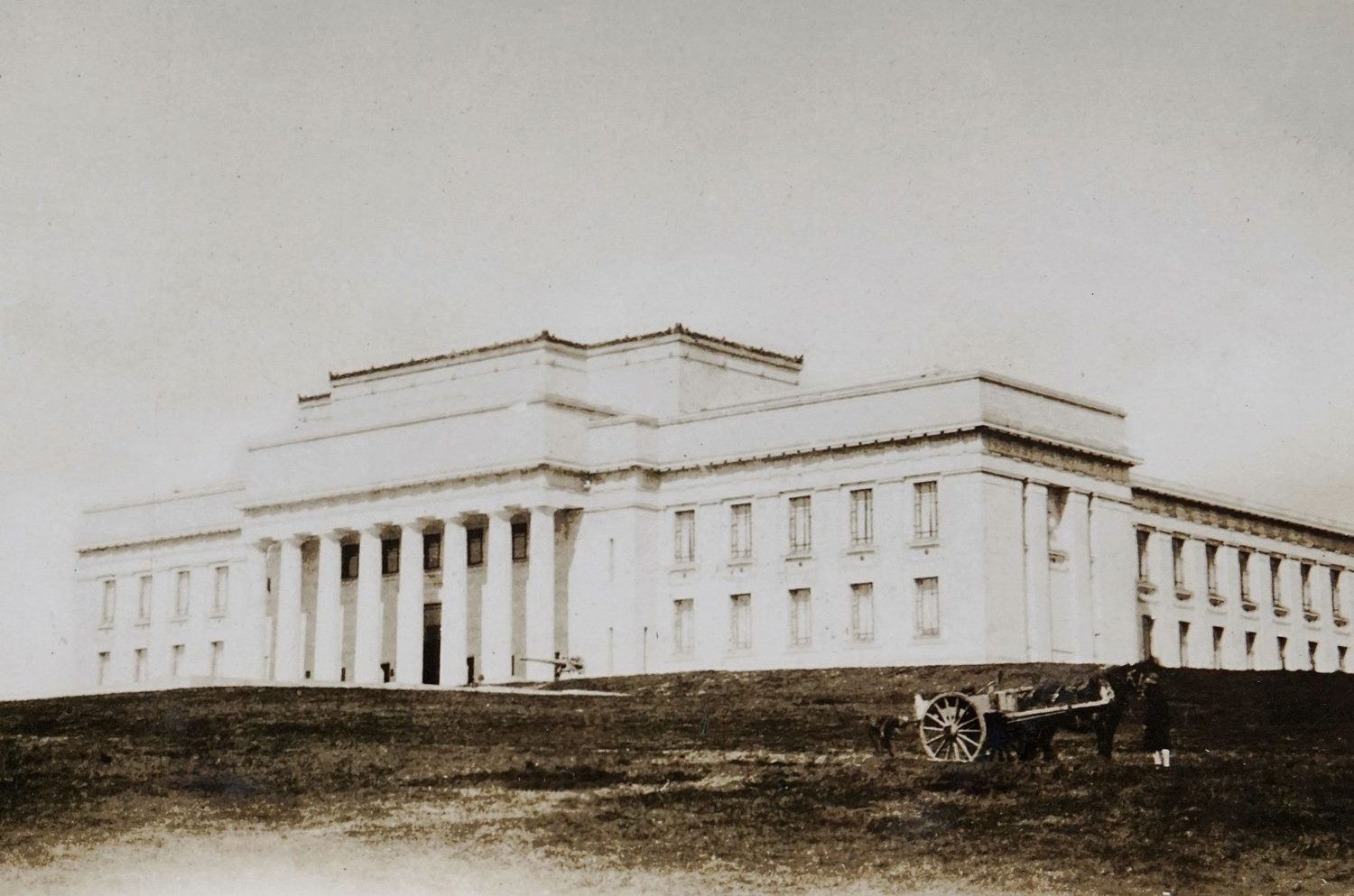
Auckland War Memorial Museum (Tāmaki Paenga Hira) sits on top of a hill in the Auckland Domain, the city's oldest park, about a 15-minute walk from Parnell village. It is New Zealand's oldest museum and covers three broad things: Māori and Pacific culture, natural history, and a war memorial to New Zealanders who died in the two World Wars and later conflicts. Plan on two to four hours. Entry is free for Aucklanders, by donation for other Kiwis, and a paid ticket for international visitors.
Because dollars, hours and which rooms are open can all shift, treat every figure here as a solid guide rather than gospel and confirm the specifics on aucklandmuseum.com before you set off. Prices in this guide are in New Zealand dollars.
The big thing to know before you visit in 2026
I have to lead with this because it changes what you should expect. In early 2025 the museum found asbestos during building work, and a chunk of the building — including the Māori Court and the Pacific galleries — has been closed off. Most of the museum reopened through late 2025, but as of mid-2026 those cultural galleries are still shut, and there has been talk in the local press of them staying closed for a major redevelopment that could run for a few years.
What that means for you, practically: the ticket price is discounted right now to reflect the closed rooms, and some of the objects I would normally send you straight to — the great war canoe among them — may not be viewable in their usual gallery. The flip side is that the Māori Cultural Experience performance is still running, the natural history floor and the war memorial galleries are open, and the museum is quieter than usual. If the taonga were your main reason for coming, our guide to Māori cultural experiences in Auckland covers what is open elsewhere in the city.
My advice is simple. Before you commit, open the museum's website and look at the current gallery list, or ring ahead. If seeing the Māori and Pacific collections is the whole reason you are going, and they are still closed on your dates, you may want to weight your day differently. I have written more about where else to encounter these stories in our guide to Auckland Māori Culture, History & Heritage: The 2026 Visitor's Guide, which is worth a read either way.
Tickets and prices
Pricing here works on residency, which trips up a lot of visitors, so let me lay it out plainly.
Who pays what
Auckland residents get in free — this is funded through council rates, and you just need to show ID with an Auckland address (the museum runs a free "MyMuseum" pass for locals). New Zealanders from outside Auckland are welcomed on a donation basis; give what feels right. International visitors pay a set admission fee.
While the galleries are partly closed, international admission has been discounted to roughly NZ$27 for an adult, NZ$13.50 for a child aged 5 to 15, free for under-5s, and about NZ$72 for a family of two adults and two children. When the full museum reopens I would expect those numbers to climb back up, so check before you go.
The cultural performance is a separate ticket
This is the one thing I would not skip, and it is worth understanding how it is priced. The Māori Cultural Experience is a separate, timed ticket on top of general admission — around NZ$35 for an adult and NZ$17.50 for a child, or about NZ$94 for a family. You need both a general admission ticket and a performance ticket to attend. More on why it is worth it below.
Special exhibitions
The museum runs ticketed special exhibitions through the year — recent ones have covered everything from ancient civilisations to New Zealand protest art. These usually cost extra on top of general admission and can sell out at busy times, so if there is a headline show on during your visit, book it online ahead rather than risking the door.
How and where to buy
You can buy at the front desk when you arrive, but on a cruise-ship morning or during school holidays the queue is real. Booking on aucklandmuseum.com lets you walk past it. You will see the museum listed on resale platforms like Klook, GetYourGuide and Viator too; they occasionally bundle the performance neatly, but they rarely undercut the museum's own site, so I usually just book direct.
Getting there and getting oriented
The museum is a genuine hilltop landmark, which is lovely to look at and slightly annoying to reach on foot if you misjudge it.
By public transport
The nearest train station is Parnell, roughly a 15-minute uphill walk away through the Domain — pleasant in good weather, less so with a stroller in the rain. Several bus routes stop near the Domain and Parnell; the InnerLink and city buses are your friends. If you are already downtown, a rideshare up the hill is quick and cheap and saves your legs for the galleries. For the full lay of the land on fares and passes, our Getting Around Auckland: The Complete 2026 Transport Guide covers the AT HOP card and everything else. Our Viaduct Harbour Auckland guide covers this in more depth.
By car
There is limited paid parking on-site right by the entrance, which fills fast on weekends. Free street parking exists five to ten minutes' walk down the hill through the Domain if you do not mind the stroll. Honestly, unless you have mobility needs, I would not drive here specifically — it is easier to arrive another way.
Once you are inside
Grab a map at the entrance and get your bearings by floor: ground level is where the big Māori and Pacific collections sit (currently affected by the closures), the middle level holds natural history and the world's-treasures material, and the top floor is the war memorial and the Hall of Memories. If a specific gallery matters to you, ask a staff member at the desk on the day whether it is open — they will know better than any website.
What is genuinely worth your time
Assuming a normal, fully-open visit, here is what I steer people toward. Where a highlight is in the currently-closed area, I have flagged it so you are not disappointed.
The Māori collections and the great war canoe
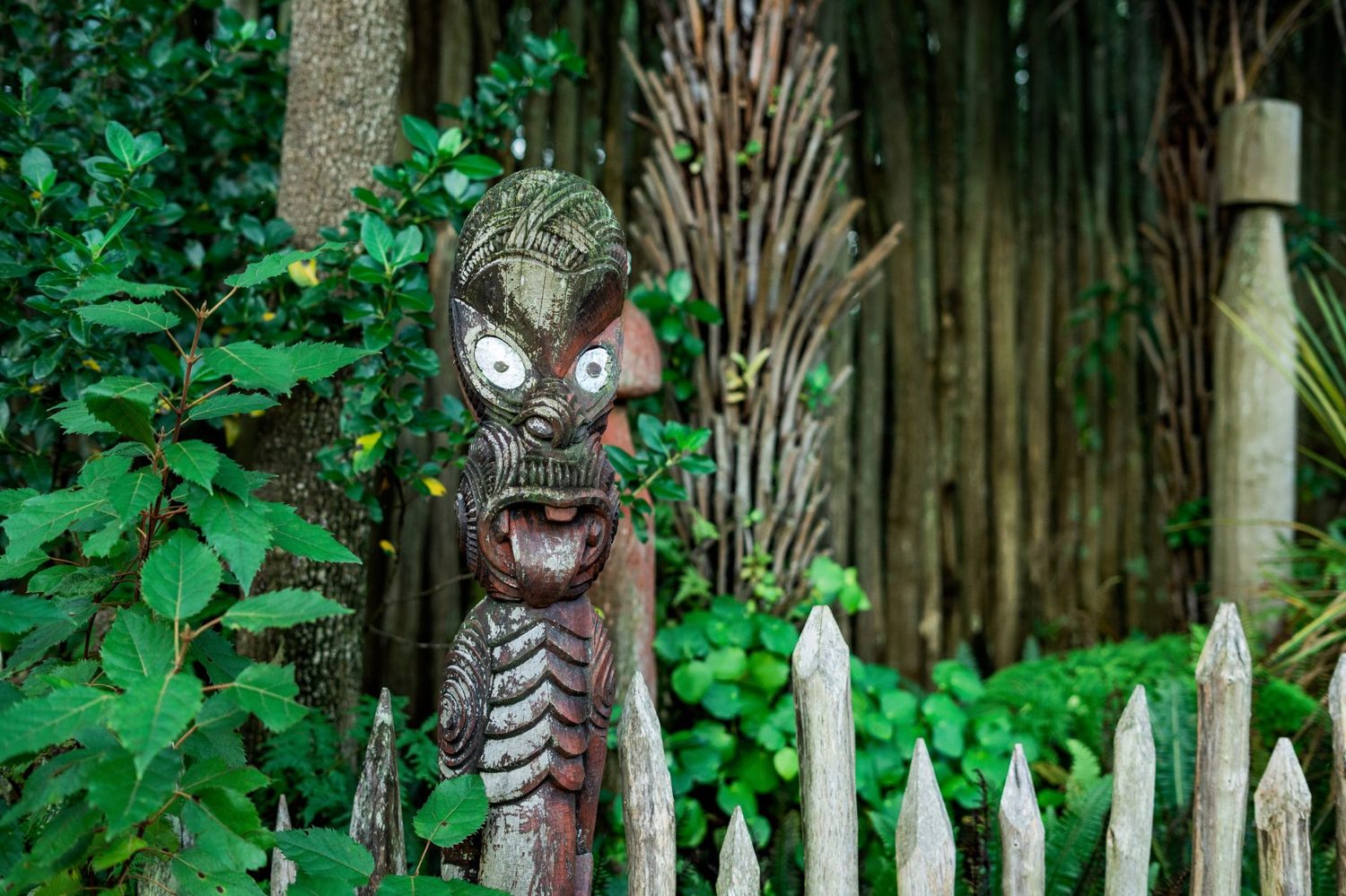
In a normal year, the single most jaw-dropping object is Te Toki a Tāpiri, a war canoe (waka taua) about 25 metres long, carved from one enormous tōtara tree in the 1830s. It once carried scores of warriors and it fills its gallery in a way photos never capture. The Māori Court also holds Hotunui, a beautifully carved meeting house from 1878 that you can step up to and admire. Both sit within the galleries currently closed for asbestos work, so please check availability before you build your day around them. When these rooms are open, they are the heart of the museum.
The Māori Cultural Experience
This runs twice a day, at 11am and 1.30pm, and lasts around half an hour. A group of Māori performers sing, explain the meaning behind the poi and the haka, and walk you through their history with real warmth. It is intimate — you are close to the performers, not watching from a stadium seat — and it consistently moves people to tears, mine included the first time. Meet at the Auditorium Lobby on Level 2 about ten minutes before it starts. It is a sacred (tapu) experience, and you will be briefed on the protocols before you enter. Of everything in this building, this is the thing I recommend most. If you can only add one paid extra, make it this.
Natural history, volcanoes and the wildlife galleries
The natural history floor is where kids tend to light up, and where I linger longer than I expect to. There are dinosaur skeletons, New Zealand's strange and wonderful native creatures — including the giant wētā, an insect the size of your hand that will haunt you a little — and a genuinely clever section on Auckland's volcanoes. Auckland is built on a volcanic field, and the museum has a room that simulates an eruption from a suburban living room, which makes a lot more sense once you have stood on one of the cones yourself, say the summit of One Tree Hill in Cornwall Park. It sounds gimmicky and it is oddly gripping. This part of the museum has been open through the closures.
The war memorial and the Hall of Memories
People forget this is, at its core, a war memorial, and the top floor earns the name. The WWI and WWII galleries are thoughtfully done — there is a recreated trench and personal stories that land harder than any statistic — and the Hall of Memories, with its walls of names and the Cenotaph, is a quiet, affecting place. There is also a Holocaust gallery. Give yourself a few unhurried minutes up here; it is the emotional counterweight to the rest of the visit.
Special exhibitions
If a big touring exhibition is on, it is usually worth the add-on, especially on a rainy day when you want to go deep on one subject. These change through the year, so check what is showing when you visit and book ahead if it is a headline name.
Visiting with kids
This is a strong rainy-day option for families, and not just because of the dinosaurs. The natural history galleries are hands-on in places, the volcano room is a hit with primary-aged kids, and there is a dedicated discovery space designed for younger children to explore and play. Strollers are fine throughout thanks to the lifts. My practical tips: come right at opening before the energy runs out, budget for the café mid-visit, and do the cultural performance if your children are old enough to sit for half an hour — many are riveted by the haka. For a wider plan, our Auckland with Kids 2026: Complete Family Travel Guide has more rainy-day and family ideas.
Food, the shop and the Domain around it
There is a café on-site for coffee, cabinet food and a proper sit-down when you need to break up the visit — handy, if not the reason you came. The museum store is genuinely good for gifts, with New Zealand-made design, books and Māori and Pacific art and jewellery; it is one of the better museum shops in the country if you are hunting for something to take home.
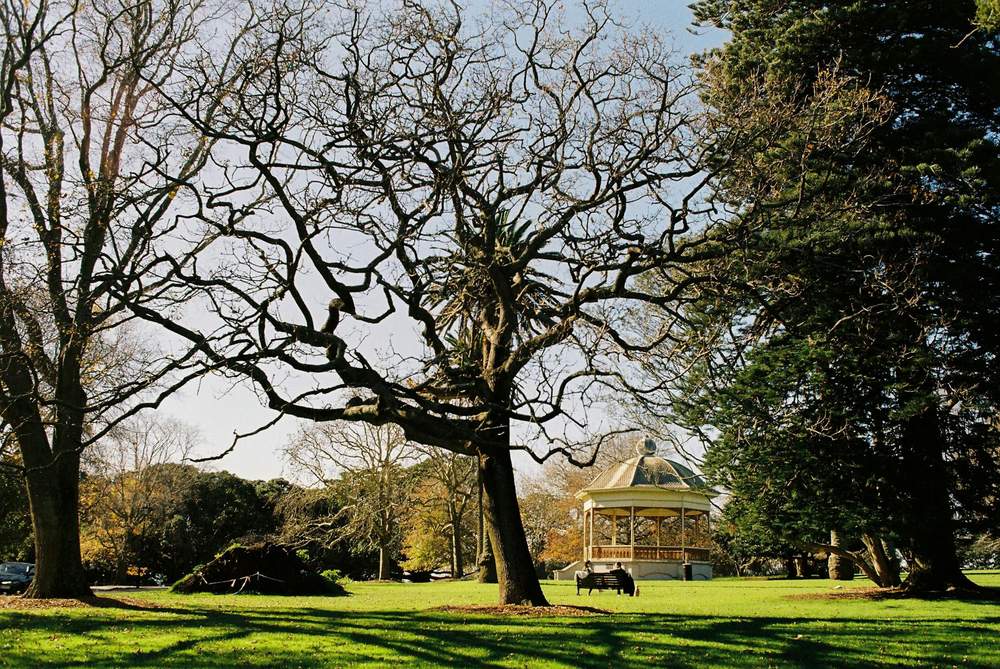
Do not rush straight back down the hill afterwards. The Auckland Domain wrapped around the museum is a lovely park — there are the Wintergardens (a pair of Victorian glasshouses) and a fernery a short walk away, and the whole thing is free. On a fine day I would build in half an hour to wander it. If you are pairing the museum with the rest of a day out, our roundup of the 65 Best Things to Do in Auckland (2026): An Insider's Guide will help you slot it in.
How to combine it with the rest of Auckland
The museum sits neatly with a few other stops. Parnell village, just down the hill, is full of cafés and boutiques for lunch afterwards. If you are building a culture-heavy day, pair it with the Auckland Art Gallery Toi o Tāmaki: Full Visitor's Guide (2026) in the city centre. For a classic first-timer's day, many people combine the museum with the Sky Tower Auckland: Tickets, Tips & What to Expect in 2026 for the view over the whole region.
Travelling with children who need animals as well as history? The Auckland Zoo Guide: Tickets, Animals & Tips (2026) and Kelly Tarlton's Sea Life Aquarium Guide: Tickets & Tips (2026) both pair well across a two-day plan. And if you are still sorting the basics of your trip, our Auckland Travel Guide 2026: The Complete Visitor's Handbook and our advice on Where to Stay in Auckland: Best Neighbourhoods & Hotels for 2026 will cover the rest.
Accessibility and facilities
The museum handles accessibility well. Entry is step-free, there are lifts to every floor, accessible toilets are on each level, and you can borrow a wheelchair free of charge — worth requesting at the front desk on arrival if you need one, as numbers are limited. The cultural performance auditorium is accessible too. If you have specific access needs, the museum's website has a detailed access page, or you can phone ahead and staff will help you plan a route through the building that avoids stairs and crowds.
There are baby-change facilities, water fountains to refill your bottle, cloakroom space for bags and coats, and free Wi-Fi throughout. Photography for personal use is generally fine in the permanent galleries, though special exhibitions sometimes restrict it and flash is discouraged around fragile objects — look for the signs, or ask.
When to visit: timing your day
If you have any flexibility, a weekday morning is the clear winner. The museum opens at 10am on weekdays and 9am on weekends, and the first hour or so after opening is the calmest, coolest and best-lit time to be there. Weekends are busier, and the single most crowded days tend to be when cruise ships are in port and during New Zealand school holidays, when family numbers spike.
The late Tuesday opening until 8.30pm is a quiet secret. The building takes on a different, calmer feel in the evening, the crowds thin right out, and it is a lovely time to wander the galleries without a school group in every room. If your schedule allows a Tuesday, I would take it.
Rainy days push everyone indoors, so the museum fills up when the weather turns — which is exactly when you will want to be there. If you are visiting on a wet day, aim for opening time to get ahead of the crowd. On a fine day, flip it: do an outdoor activity first and come to the museum in the early afternoon when the morning rush has cleared. If you are chasing good weather anyway, our guide to Auckland Beaches & Outdoor Adventures: The Complete 2026 Guide pairs nicely with a museum afternoon.
My practical tips for a better visit

A handful of things I have learned the hard way, so you do not have to.
Go early. The doors open and for the first hour you nearly have the place to yourself, the light through the upper galleries is best, and you beat both the cruise crowds and the school groups. If you want the cultural performance, the 11am slot lets you build your whole visit around it.
Do not try to see everything. The collection runs to millions of objects and you will burn out chasing it all. Pick two or three areas that actually interest you, do them properly, and let the rest go.
Check the gallery list on the day. With the current closures this matters more than usual. A two-minute look at the website, or a question at the front desk, saves you from hunting for a room that is shut.
Build in the Domain and Parnell. The museum plus a walk in the park plus lunch in Parnell is a genuinely good half-day, and it costs very little beyond your ticket.
Bring ID if you are a Kiwi. Aucklanders get in free and other New Zealanders pay by donation, but you will want proof of a local address to claim the free entry.
Frequently Asked Questions
How much does the Auckland Museum cost?
For international visitors it is currently discounted to roughly NZ$27 per adult, NZ$13.50 per child aged 5 to 15, free for under-5s, and about NZ$72 for a family of two adults and two children, because some galleries are closed. New Zealanders enter by donation and Auckland residents are free with proof of address. The Māori Cultural Experience is a separate ticket of around NZ$35 per adult. Confirm current prices on the museum's website before you go.
How long should I spend at the museum?
Two to four hours suits most people, with three being the comfortable middle. If you are doing the cultural performance and a special exhibition as well, lean toward four. Families with young kids often find two to three hours is plenty before everyone needs a break and a snack.
Are the Māori and Pacific galleries open in 2026?
As of mid-2026 they are closed for asbestos remediation, and local reporting suggests they may stay shut for a longer redevelopment. The Māori Cultural Experience performance is still running, but the Māori Court and Pacific galleries themselves are not currently open. Check the museum's website for the latest before you plan your visit around them.
Is the Auckland Museum worth visiting?
Yes, even with the current closures — the natural history floor, the war memorial galleries and the cultural performance alone justify a few hours. When the Māori and Pacific galleries reopen it becomes close to essential for anyone wanting to understand New Zealand. Just set your expectations to what is actually open on your dates.
How do I get to the Auckland Museum without a car?
Take a train to Parnell station and walk about 15 minutes uphill through the Domain, catch a city bus toward Parnell or the Domain, or grab a quick rideshare from the CBD. Public transport is easy with an AT HOP card, and a rideshare up the hill is cheap and saves the climb.
Final thoughts
Even in a slightly awkward year, with some of its best rooms behind hoardings, the Auckland War Memorial Museum is one of the most rewarding few hours you can spend in the city. Go in the morning, sit down for the cultural performance, give the war memorial the quiet it deserves, and leave time for the park on your way out. Check what is open before you go, keep your expectations honest, and you will still walk out having learned something real about this country — which is more than most attractions can promise.
Last updated: July 2026. Written by the Auckland Tourism Guide team.
Photo credits
- Photo: Suzy Hazelwood via Pexels
- Photo: christian hembert via Pexels
- Photo: Gül Işık via Pexels
- Photo: Robert Stokoe via Pexels