Auckland Museum Māori Exhibits Guide (2026)
Auckland Museum Māori collection guide: Te Toki a Tāpiri, Hotunui meeting house, pounamu and the daily cultural performance, plus 2026 closure updates.
At a glance
- What
- The essentials
- Where
- Auckland War Memorial Museum (Tāmaki Paenga Hira), Auckland Domain
- Headline taonga
- Te Toki a Tāpiri (war canoe), Hotunui (meeting house), pounamu, cloaks
- Cultural performance
- Runs daily; waiata, poi, haka, plus a welcome and Q&A (confirm times)
The first time I stood beside Te Toki a Tāpiri, a 25-metre war canoe carved from a single tree, I forgot to breathe for a second. That’s the effect the Māori taonga at the Auckland War Memorial Museum tend to have on people. This is one of the most significant collections of Māori treasures anywhere in the world, and for many visitors it’s the deepest Māori cultural encounter they’ll have outside Rotorua.
There’s one important thing I need to flag before you plan your visit, so let me get it out of the way first, then walk you through what makes this collection so special and how to make the most of your time here.
Important 2026 update: check before you go
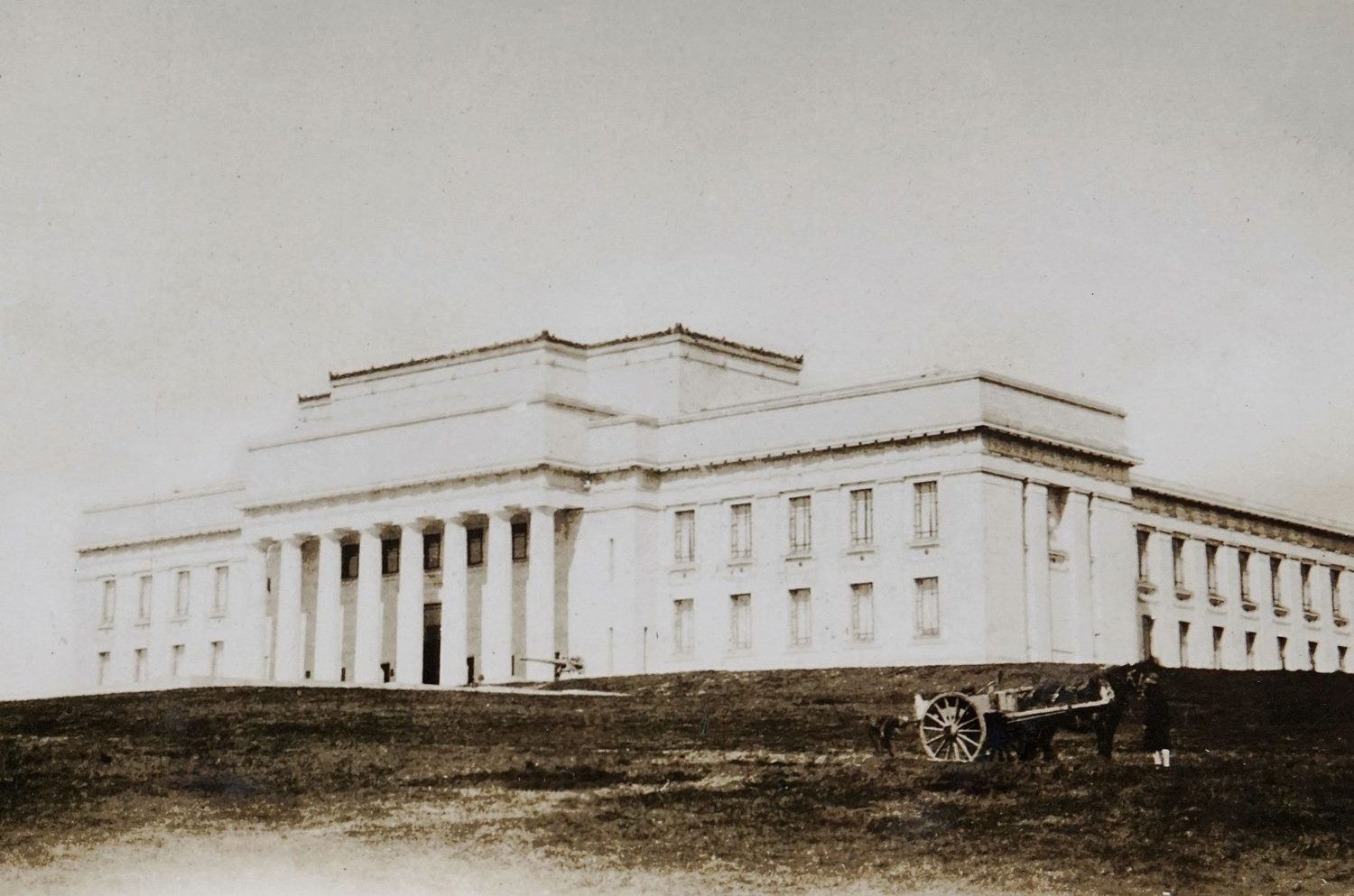
As of 2026, the museum’s main Māori and Pacific gallery spaces (long known together as Te Marae Ātea, the Māori Court, and the Pacific galleries) are closed following the discovery of asbestos in the original 1929 building. The closure began in 2025, and reporting at the time suggested the affected galleries could stay shut for an extended period while the building is made safe and redeveloped, potentially for several years. Reopening dates have shifted more than once, so I won’t pin a firm one here.
Here’s the encouraging part. Even with those galleries closed, reliable current information indicates the museum still runs its daily Māori cultural performance. The headline taonga, however, cannot currently be seen. Te Marae Ātea Māori Court has been closed since May 2025 and no reopening date has been published, which puts the great war canoe Te Toki ā Tāpiri, the carved meeting house Hotunui and the Kaitaia carving out of reach for now. See our guide to Māori cultural experiences in Auckland for what is open instead.
So my honest advice: treat this guide as background on the collection and the culture behind it, and check the official Auckland Museum website for exactly what’s open, which performances are running and current ticket prices before you travel. For the practical basics of visiting the building itself (getting there, opening hours, general admission), see our full Auckland Museum guide.
The short answer
The Auckland Museum’s Māori collection holds more than a thousand taonga, headlined by Te Toki a Tāpiri (the last great war canoe) and Hotunui (an 1878 carved meeting house you can step inside). A daily cultural performance adds live waiata, poi and haka. In 2026, key gallery spaces are closed for asbestos work, so confirm what’s open before you visit.
Why this collection matters
When it’s fully open, the Māori collection tells a sweeping story: Māori arrival in Aotearoa around 1280, the growth of distinct iwi (tribes) and their rohe (regions), life before European contact, the upheaval of colonisation, and the modern revival of te reo Māori (the language) and tikanga (customs).
What makes it unusual is how it’s cared for. Much of the collection is held in partnership with mana whenua, the iwi with traditional authority over Tāmaki Makaurau (Auckland). Many taonga are not simply owned by the museum. They remain connected to their iwi and are held under long-term care and shared-guardianship arrangements. That relationship shapes how pieces are displayed, described and, increasingly, rotated. If you want the bigger cultural picture around all this, our Auckland Māori culture, history and heritage guide is the place to start. Our Māori place names in Auckland explained guide covers this in more depth.
Te Toki a Tāpiri: the great war canoe

This is the piece people remember. Te Toki a Tāpiri is a monumental waka taua (war canoe), around 25 metres long, carved from a single tōtara tree in roughly the 1830s. It’s widely described as the last great canoe of its kind, and it was made by master carvers including Raharuhi Rukūpō. A waka like this could carry a large war party and stood as a powerful statement of mana (authority) and strength.
Its later history is a story in itself, passing between chiefs and communities, caught up in the wars of the 1860s, and eventually placed at the museum for protection and preservation. When you can see it, take your time with the details: the carved prow (tauihu) and stern (taurapa) layered with genealogical meaning, the spiral patterns, and the fact that every cut was made by hand with stone and shell rather than metal. It rewards slow looking.
Hotunui: the carved meeting house

Hotunui is one of the most complete pre-1900 carved meeting houses (whare rūnanga) you’ll find on display anywhere. It was built in 1878 and later placed in the museum’s care by the Ngāti Maru iwi for preservation. When it’s open, visitors are welcome to step inside, and it’s genuinely one of the quietest, most moving spaces in the whole building.
A meeting house is understood as the body of an ancestor, so it repays a little knowledge. Here’s what to look for when you can go in:
- Poupou: carved wall panels, each representing a specific ancestor (tūpuna).
- Heke: the painted rafters, with kōwhaiwhai patterns symbolising life and growth.
- Tukutuku: woven panels in flax and kiekie, set in geometric designs.
- Tāhuhu: the long ridgepole, understood as the spine of the ancestor.
- Pou tokomanawa: the central pole, sometimes called the heart pillar.
If you do get to enter, treat it as you would a marae: remove your shoes, speak softly, don’t touch the carvings, and give yourself ten quiet minutes rather than a quick lap.
Pounamu, cloaks and everyday taonga

Beyond the two showstoppers, the collection is rich in smaller treasures that show how Māori life actually worked. Pounamu (greenstone, a hard nephrite jade) was the most prized material in pre-contact society, found only in specific rivers of Te Wai Pounamu (the South Island). Look for mere pounamu (short, flat clubs that were treasured weapons), hei tiki (pendants in human form worn at the chest, and often handed down through generations), and toki (adzes) used for carving.
The cloak collection is remarkable too. A single kahu kiwi, a kiwi-feather cloak, could take feathers from dozens of birds, which is exactly why such cloaks were inherited rather than sold, and why the birds behind them are now mostly seen on predator-free islands like the Tiritiri Matangi sanctuary out in the gulf. You’ll also find weapons like taiaha and patu, delicately carved fish hooks, traditional instruments such as bone flutes and conch trumpets, and finely woven kete (flax baskets). Each one connects back to ancestors and to the land.
Also worth knowing: the museum holds an important set of Gottfried Lindauer’s 19th-century portraits of named Māori leaders, some of the most reproduced Māori images in the country. When on display, they come with thoughtful interpretation about the living descendants of the people depicted.
How to read a carving
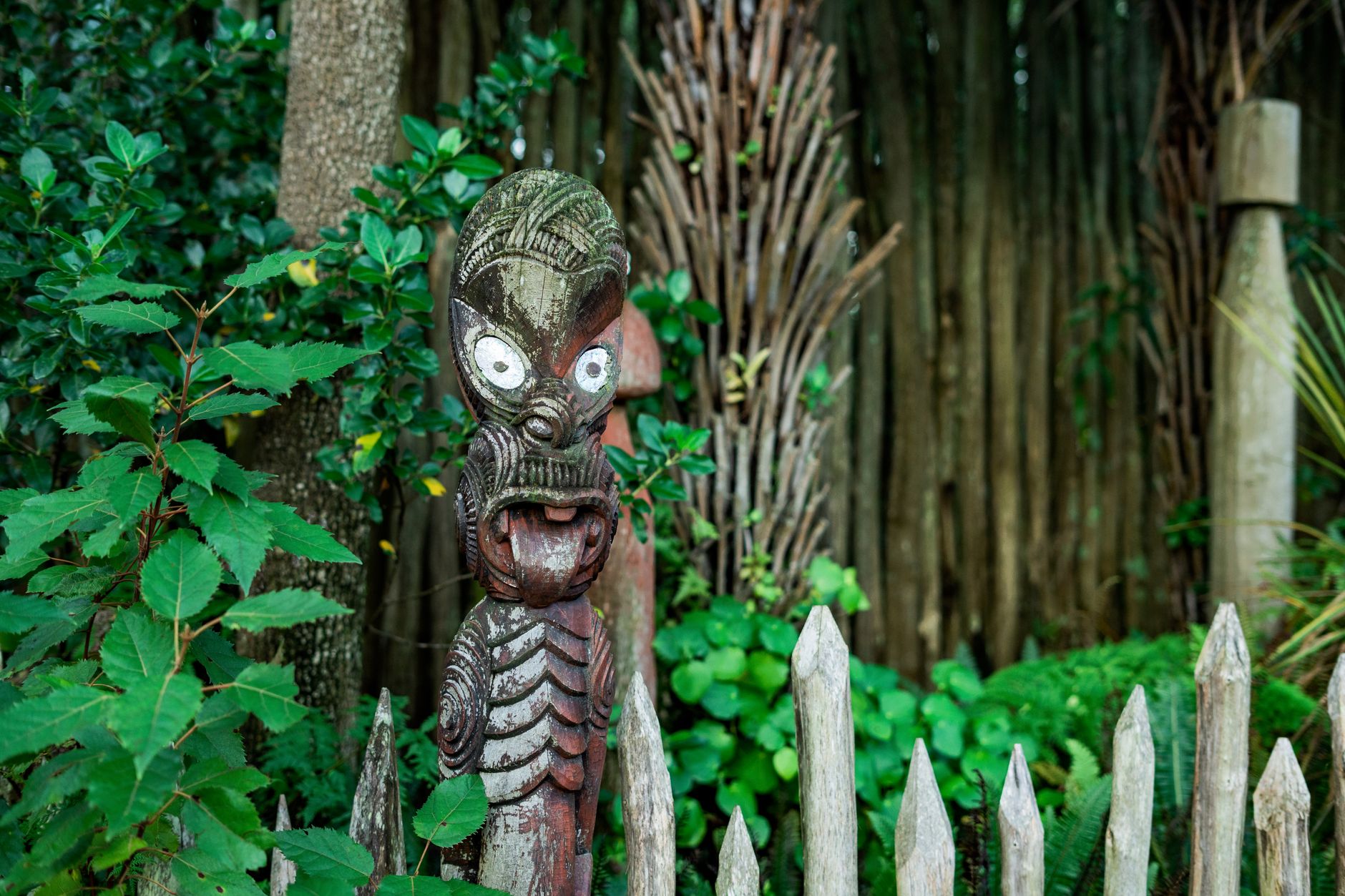
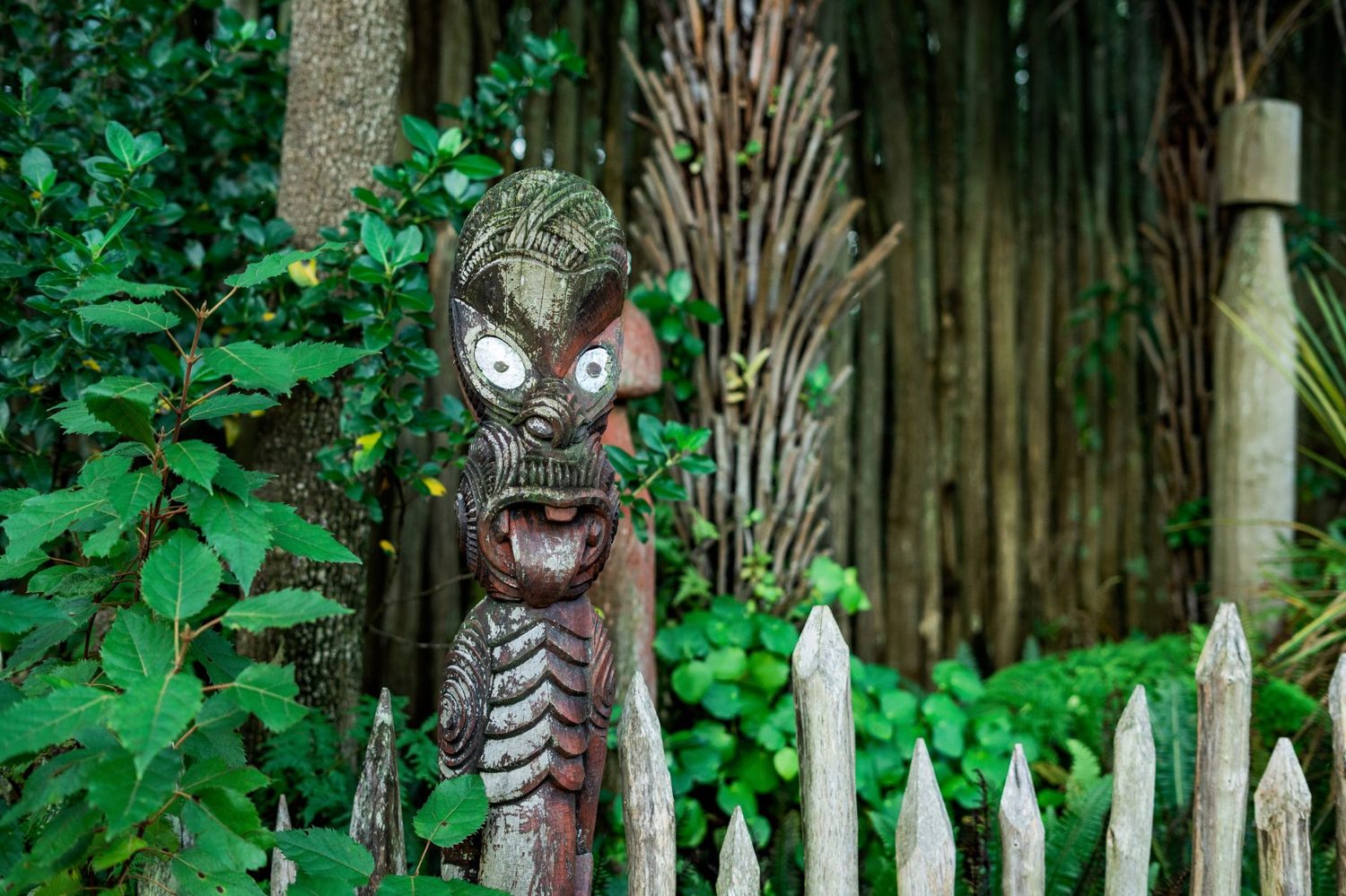
Māori carving isn’t decoration for its own sake. Every figure and spiral is doing a job, usually telling you who someone was and how they connect to everyone else. Once you know a few recurring motifs, the taonga stop being “beautiful old objects” and start reading almost like sentences.
- Human figures (tiki): often represent specific ancestors, with tilted heads and three-fingered hands that carry their own meaning.
- Manaia: a stylised figure, sometimes described as bird-like or part-human, thought of as a guardian or messenger between worlds.
- Spirals (koru): the unfurling fern frond, a symbol of new life and growth that turns up everywhere once you start noticing it.
- Surface patterns: the fine notching and ridges catch light and shadow, and were all cut by hand.
My tip is to pick one carving and really stay with it for a few minutes rather than trying to take in everything at once. Read the panel first if there is one, find the ancestor it names, then look again. The whole piece tends to click into focus the second time.
Everyday life in the collection
The headline taonga get the attention, but I always find the smaller everyday objects just as absorbing, because they show how people actually lived before and after European contact. Depending on what’s on display, keep an eye out for:
- Weapons: the long-handled taiaha, short striking clubs like the patu, and the lobed kotiate, each demanding real skill to use.
- Fishing gear: intricately carved fish hooks (matau) in bone, stone and shell, alongside nets and larger implements.
- Instruments: bone flutes (kōauau), conch trumpets (pūtātara) and other taonga pūoro that once carried sound across a valley.
- Adornment: ear pendants, combs and the tools of tā moko (traditional tattoo), which spoke to status and identity.
- Domestic taonga: woven kete, gourds, and finely made treasure boxes (wakahuia) used to hold precious items.
Together these fill in the human texture around the grand pieces, and they’re a reminder that artistry ran through ordinary tools, not just ceremonial ones. It’s the kind of detail that stays with you long after you’ve left the Domain.
The daily cultural performance
If you can only do one thing here, make it the Māori cultural performance. Reliable current information indicates it still runs daily, typically a couple of sittings across the day, each around half an hour, though I’d confirm the exact times and price on the museum website because both have shifted during the building works.
A typical performance moves through:
- Pōwhiri: a formal welcome, including a karanga (call).
- Waiata: traditional song.
- Poi: the rhythmic dance with tethered weights.
- Haka: the powerful posture dance, with an explanation of its meaning.
- Storytelling and Q&A: the histories behind the taonga, and time for questions.
The groups are usually small, the performers are often accomplished kapa haka practitioners, and they genuinely welcome you to take part. It’s warm, unstuffy and, in my experience, the moment most visitors end up talking about afterwards.
How this compares to Rotorua
People often ask whether the museum is enough, or whether they should also head to Rotorua. They’re different experiences, and ideally you’d do both.
- Auckland Museum: a concise cultural performance plus one of the world’s great collections of historic taonga. Convenient if you’re city-based and short on time.
- Rotorua experiences: longer, evening-length cultural encounters, often paired with a hāngī meal and a living-village or geothermal setting.
Think of the museum as the close encounter with the objects and their history, and Rotorua as the immersive, food-and-performance evening. If your schedule allows a night away, our day trips from Auckland rundown covers how to reach Rotorua and what else to fold into the drive.
Engaging respectfully: a few pointers on tikanga
You don’t need to know much to visit well, just a little care. These are the things I’d keep in mind:
- Stand quietly during the karanga and pōwhiri. These are sacred openings, not just an intro.
- Don’t touch the carvings or taonga. Many still carry spiritual mana.
- Follow the photography signage. It’s usually fine without flash, but some items are marked otherwise.
- Inside a meeting house, remove your shoes, keep your voice low, and don’t eat or drink.
- If you’re invited to join the haka, do it properly. A half-hearted go reads as disrespect.
- A friendly “kia ora” is always welcome as a greeting.
To place all of this in its wider historical context, our guides to the history of Auckland and Auckland’s colonial history are worth a read before or after your visit.
Planning your visit
The museum sits in the Auckland Domain, an easy trip from the city centre. Because the Māori experience can be compact right now given the gallery closures, many people pair it with the museum’s other floors or with nearby attractions in the same day. For ideas on filling out the rest of your itinerary, browse our roundup of the best things to do in Auckland.
A few practical notes. Getting to the Domain is straightforward on foot, by bus or by rideshare, and our guide to getting around Auckland covers the options. If you’re still choosing a base, our where to stay in Auckland guide points you toward the handiest neighbourhoods, and there are good cafés nearby if you want to pair the visit with lunch (the Auckland food and drink guide has suggestions).
Storehouses and smaller carvings
It’s easy to walk straight past the smaller carved structures on your way to the big canoe, but they’re worth a proper look. Alongside the meeting house, the collection includes carved pātaka (elevated storehouses) and freestanding posts, each heavy with meaning.
A pātaka isn’t just practical storage. They were raised off the ground to keep food safe from rats, and then decorated far beyond anything a simple pantry would need, precisely because storing and sharing food (kai) was a matter of mana and hospitality. The carvings on them often depict named ancestors, tying the everyday act of feeding people back to whakapapa (genealogy). Look for the barge boards (maihi), gable figures (tekoteko) and the fine detail worked above the entrances. When these pieces are on display, the interpretation panels usually name the ancestors and the iwi they belong to.
A little te reo goes a long way
You’ll get far more from the taonga if a handful of Māori words aren’t a mystery. Labels here are increasingly bilingual, often with te reo Māori first, and many include pronunciation help. These are the terms I’d have in your back pocket:
- Taonga: a treasure or precious thing.
- Tūpuna: ancestor.
- Whare rūnanga: a carved meeting house.
- Waka: canoe; a waka taua is a war canoe.
- Iwi and hapū: tribe, and the smaller kinship group within it.
- Mana: authority, prestige, spiritual power.
- Tikanga: the correct way of doing things; custom and protocol.
- Aotearoa: the Māori name for New Zealand.
- Tāmaki Makaurau: the Māori name for Auckland.
Even reading a label slowly and giving the macrons their long vowels changes how the whole place lands. It’s a small courtesy that makes the visit feel less like sightseeing and more like listening.
How taonga come to the museum
One thing that sets this collection apart is how openly it wrestles with its own history. Not everything here arrived the same way. Some taonga were gifted, some were purchased, some passed through the turmoil of the 19th-century wars before eventually being placed in the museum for safekeeping, and some are held on long-term loan from the iwi who still regard them as their own.
Over the past decade the museum has reworked its Māori displays in partnership with mana whenua, bringing in more mātauranga Māori (Māori knowledge) and a kaitiaki-led approach to how objects are shown and named. Some pieces are now rotated, with originating iwi taking turns caring for them back on their own marae. There’s also active, ongoing work around repatriation, including conversations with overseas museums that hold Māori taonga. It means the collection you see is a living, changing thing rather than a fixed display case, which feels right for treasures that were never really about being frozen behind glass.
Accessibility and visiting with kids
The museum is well set up for a range of needs, with lift access between floors, accessible facilities and wheelchairs available to borrow. Because the layout is in flux during the current works, it’s worth checking the museum’s accessibility information ahead of time so you know which routes and spaces are open on the day.
It’s a good visit with children, too. The cultural performance is short, loud in the best way, and genuinely exciting for kids, especially the haka. The museum usually offers family activity trails, and there are hands-on spaces elsewhere in the building that work well when younger visitors need a change of pace. If you’re travelling as a family, our Auckland with kids guide has more ideas for pacing a day around little ones.
Frequently Asked Questions
Can I still see the Māori taonga in 2026?
Partly. The main Māori and Pacific gallery spaces are closed for asbestos work, but current information indicates key taonga such as Te Toki a Tāpiri and Hotunui remain viewable and the cultural performance still runs. Exactly what’s on view has been changing as the project moves along, so check the official Auckland Museum website close to your visit for the current situation.
Is the cultural performance still on?
Reliable current information says yes, it runs daily, usually with a couple of sittings and roughly half an hour each. Because times and prices have shifted during the building works, I’d confirm both on the museum’s website rather than rely on older figures.
How long should I allow?
For the Māori side of a visit, somewhere between 60 and 120 minutes is realistic: time for the performance plus a proper look at the taonga that are on display. With the wider galleries reduced right now, many visitors spend the rest of their time on the museum’s other floors, which comfortably fills a half-day overall.
Can I take photos?
Generally yes, without flash, but always follow the signage. Some items and situations are marked no-photography, and inside a meeting house any photos should be quiet and respectful. When in doubt, ask a staff member.
Should I still go to Rotorua as well?
If you have the time, yes. The museum is the standout for historic taonga and a concise performance, while Rotorua offers longer, immersive cultural evenings, often with a hāngī meal. They complement each other rather than repeat, and our day trips from Auckland guide explains how to reach Rotorua.
Final thoughts
Even in a year when the building is mid-transformation, the Māori taonga at the Auckland War Memorial Museum are worth going out of your way for. Te Toki a Tāpiri alone is one of the most extraordinary objects you can stand in front of in New Zealand, and the daily performance gives that history a living voice. Just go in with your expectations set to 2026 reality: confirm what’s open, embrace the parts you can see, and treat the taonga and the people sharing them with the respect they deserve.
To build out a fuller cultural day, pair this with our Auckland Māori culture, history and heritage guide and the practical Auckland Museum guide, and check the museum’s own site for the latest before you set out.
Last updated: July 2026. Written by the Auckland Tourism Guide team.
Photo credits
- Photo: Gaurav Kumar via Pexels
- Photo: Calvin _Cowakces via Pexels
- Photo: Usman Younas via Pexels
- Photo: Gaurav Kumar via Pexels