Rotorua Day Trip from Auckland: Itinerary & Tours (2026)
Plan a Rotorua day trip from Auckland: driving vs coach tours, Te Puia, Maori culture, hot pools, costs, a full itinerary, and whether to stay overnight.
This article contains advertising. Our booking links are routed through a partner that adds commission tracking automatically, so if you book through one we earn a commission from the provider, at no extra cost to you. It never affects what we recommend. Affiliate disclosure
I will be straight with you: a Rotorua day trip from Auckland is a big day. You are looking at roughly three hours in the car each way to reach a landscape that steams, bubbles and smells faintly of rotten eggs — and I mean that as a compliment. Rotorua is the beating heart of Maori New Zealand and the country’s most active geothermal zone, and in a single long day you can stand metres from an erupting geyser, watch master carvers at work, meet a live kiwi, and sink into a mineral hot pool before pointing the car home. This guide covers how to get there, what to see, what tours include, what it costs, and the honest question of whether to do it in a day or stay the night. Our Bay of Islands day trip from Auckland guide covers this in more depth.
My honest take up front: Rotorua rewards more than a day, and if your schedule has any give at all, I would nudge you toward an overnight. But if your Auckland trip is short and this is your one shot at geothermal New Zealand and a Maori cultural performance, a 12-hour day works. It is long, but it is doable, and plenty of visitors do it happily every week. Below I lay out both routes — driving yourself and joining a coach tour — so you can pick what fits. If you want more on that side of things, see our Matakana day trip guide.
Rotorua day trip at a glance
Here is the whole thing on one screen before we dig into the detail.
| Detail | What to expect |
|---|---|
| Distance from Auckland | About 226–227 km via SH1 and SH5 |
| Drive time | 2.5–3 hours each way, traffic depending |
| Total day-trip length | 12–14 hours door to door |
| Cost (self-drive) | NZ$130–250 per person incl. fuel, attractions, meals |
| Cost (organised tour) | NZ$295–450 per person, all-inclusive |
| Best time of year | Year-round; cool days show off the steam |
| Headline sights | Te Puia, Whakarewarewa, Wai-O-Tapu, Polynesian Spa, Skyline luge |
| Best for | Visitors with at least 3 spare days who want Maori culture + geothermal |
If Rotorua turns out to be a stretch for your itinerary, our full day trips from Auckland guide lays out shorter options that give you more time and less driving, starting with the 45-minute run west to Piha Beach and the Waitakere Ranges.
Driving from Auckland to Rotorua
The route
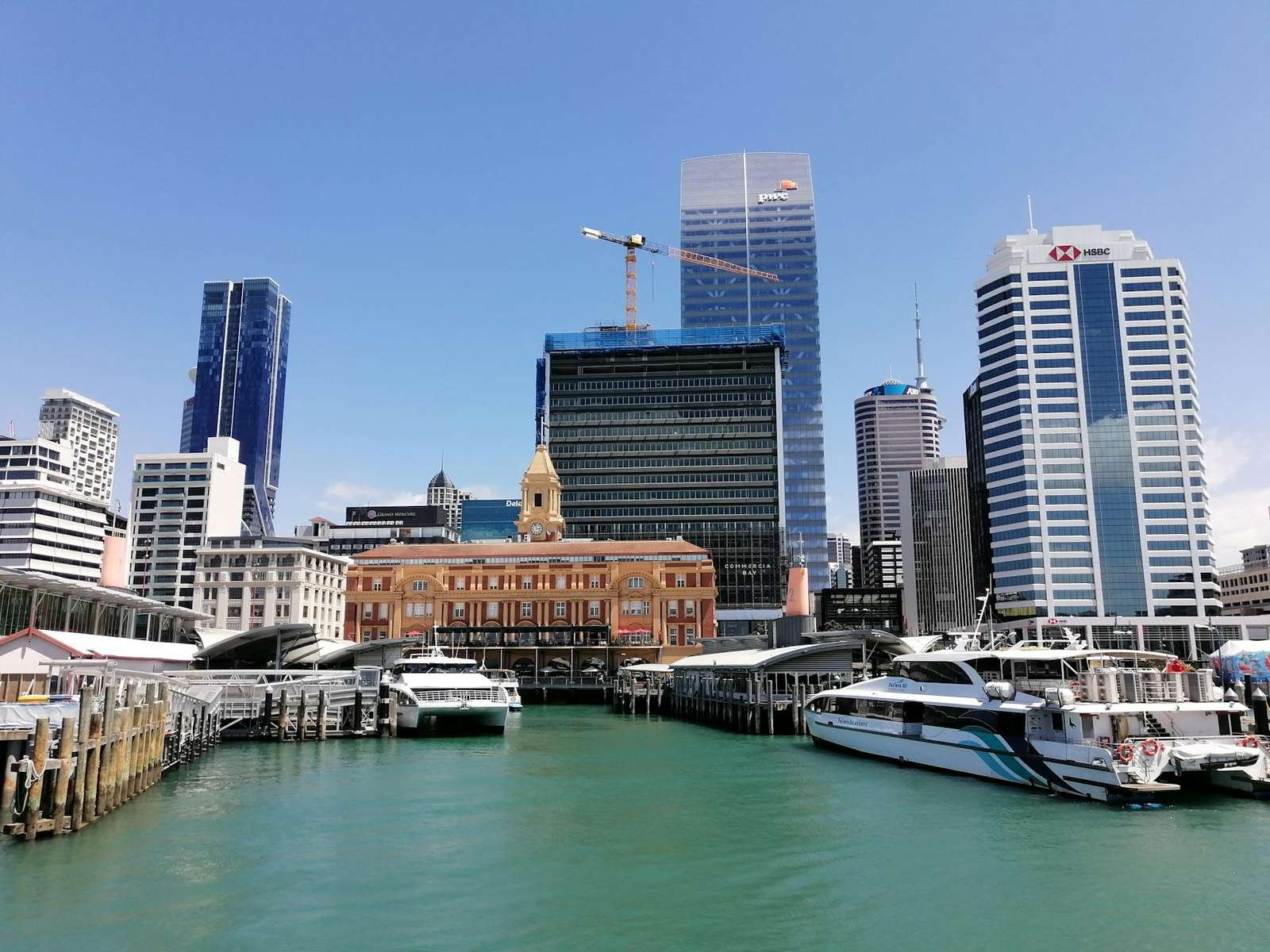
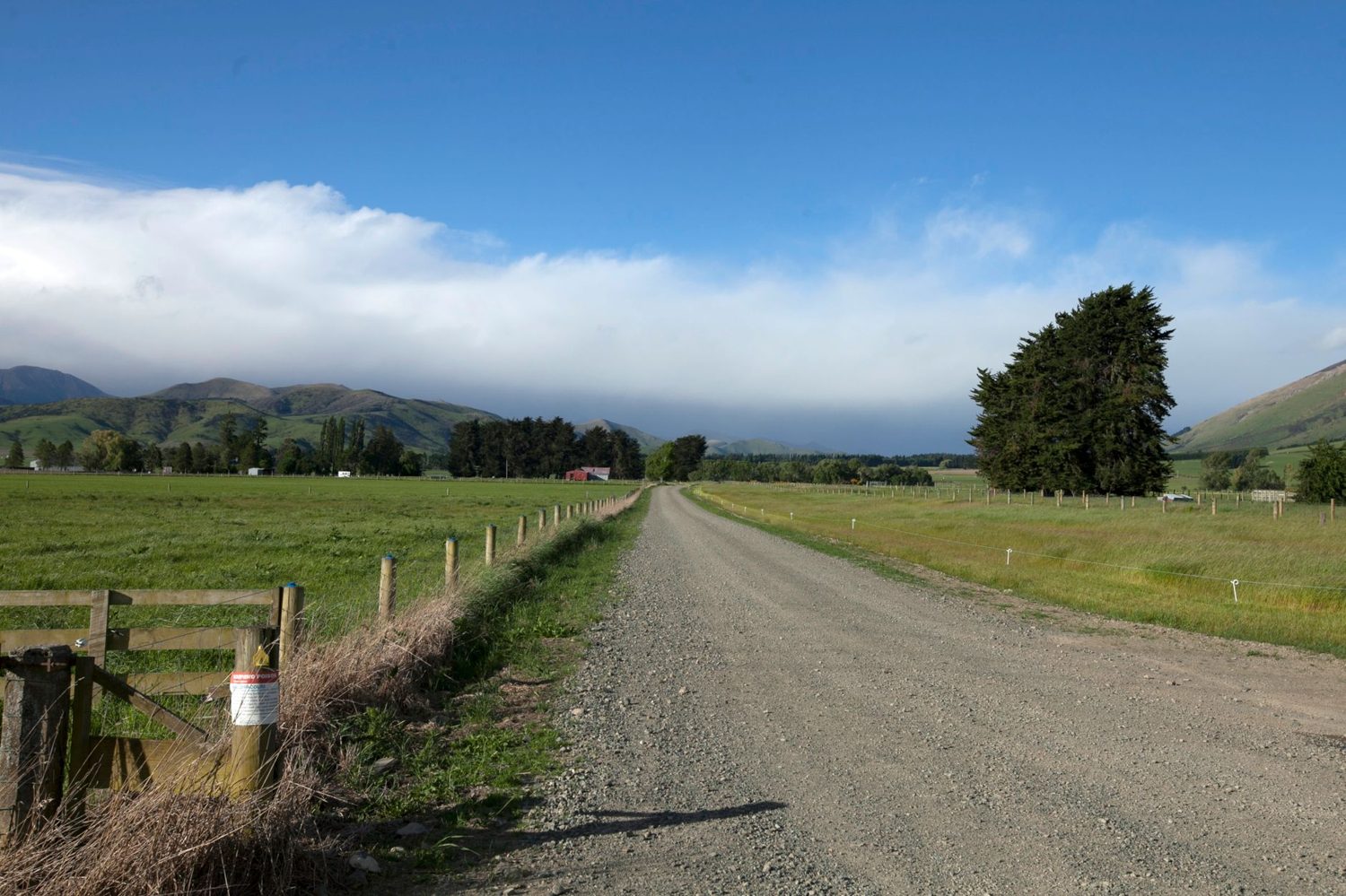
You take SH1, the Southern Motorway, out of Auckland — past Manukau, over the rural Bombay Hills, and on to Hamilton, which is about 90 minutes in. At Tirau you swap onto SH5. Tirau is the little town famous for its corrugated-iron sheep and dog buildings, and it is worth a ten-minute photo stop. From there SH5 winds up through the Mamaku Forest before dropping you down into Rotorua. All up, count on 2:45 to 3:00 in normal conditions.
When to leave
Leave Auckland by 7am and you will roll into Rotorua around 10am, which is the sweet spot — you beat the cruise-tour coaches that pile in around 11am, and you give yourself five or six good hours before the drive home. On the way back, try to clear Hamilton before the Friday afternoon crawl kicks in around 3pm. A 3:30pm departure from Rotorua usually has you back in the Auckland CBD by 6:30 or 7pm.
Renting a car
Compact cars rent from about NZ$55-80 a day out of Auckland Airport or the CBD. You have the big names — Hertz, Avis, Budget, Europcar — plus a strong cluster of local budget operators like GO Rentals, JUCY and Apex. Picking up in the CBD saves you the trek to the airport; Britomart-area branches include Avis on Customs Street West and JUCY on Beach Road. Before you drive off, confirm the fuel policy and check the car has Bluetooth and a USB charger — it is a long drive and you will want your playlist. For the wider picture on hiring and driving here, see our Auckland transport guide.
Fuel
Round-trip fuel for a compact petrol car at roughly NZ$2.95 a litre works out around NZ$80. Most Auckland rentals these days are hybrids, so expect to pay less. Driving an EV? You can top up at the ChargeNet stations at Hampton Downs and Tirau along the way. I usually fill up in Hamilton, where fuel tends to be cheaper, or grab the last easy top-up at Tirau.
Or take a Rotorua day tour instead
If the idea of six hours behind the wheel does not appeal, several Auckland-based operators run organised day trips with hotel pickup around 7am and a return by roughly 8pm. Most bundle in your attraction entries, lunch, and door-to-door transfers. You sit in an air-conditioned coach, doze if you like, and arrive with zero logistics to think about. Prices run NZ$295-450 per person depending on the itinerary.
Operators worth a look
- Auckland & Beyond Tours — small-group focus, Te Puia plus Wai-O-Tapu, around NZ$360pp.
- Cheeky Kiwi Travel — offers a Hobbiton add-on for a longer day (about NZ$479pp), or Rotorua-only from around NZ$295pp.
- Bush & Beach — small-group eco-tour taking in Te Puia, about NZ$385pp.
- GreatSights NZ — the coach-based mass-market option, from around NZ$295pp.
- InterCity bus — the cheapest way down at roughly NZ$50 each way, but you organise and pay for attractions yourself.
Prices and inclusions shift, so confirm what is actually covered when you book — some tours include a cultural performance and hangi, others just the entry.
The top things to see in Rotorua
Te Puia
If you see one thing in Rotorua, make it Te Puia. It is a 60-hectare geothermal valley run by the New Zealand Maori Arts and Crafts Institute, and it packs the essentials into one site:
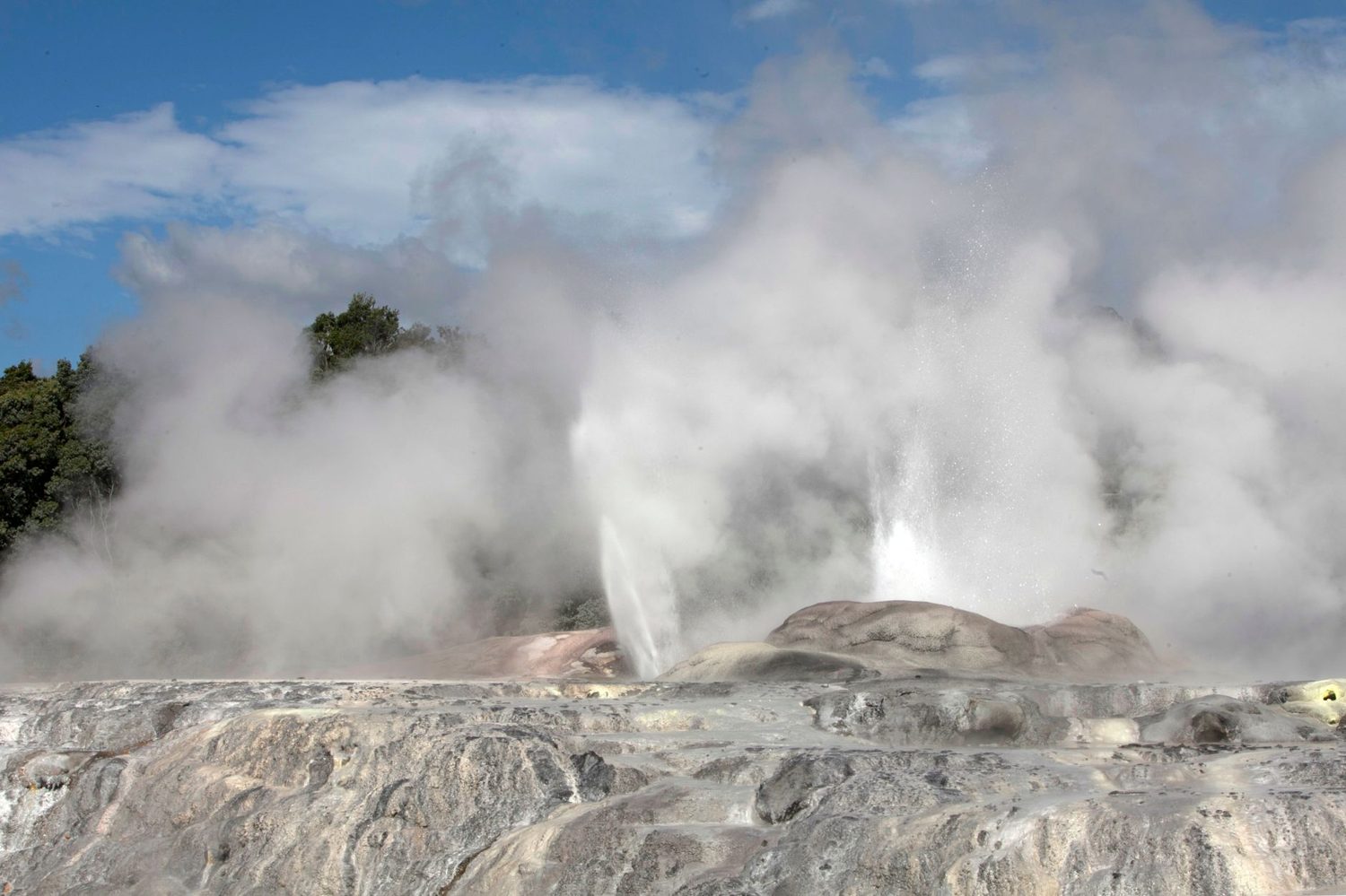
- Pohutu Geyser — the largest active geyser in the Southern Hemisphere, firing up to 30 metres several times an hour.
- Prince of Wales Feathers Geyser — the smaller geyser that erupts just before Pohutu, like a warm-up act.
- Bubbling mud pools — hot, hypnotic and photogenic.
- Kiwi Conservation Centre — your best chance to see a live kiwi, in a darkened nocturnal enclosure.
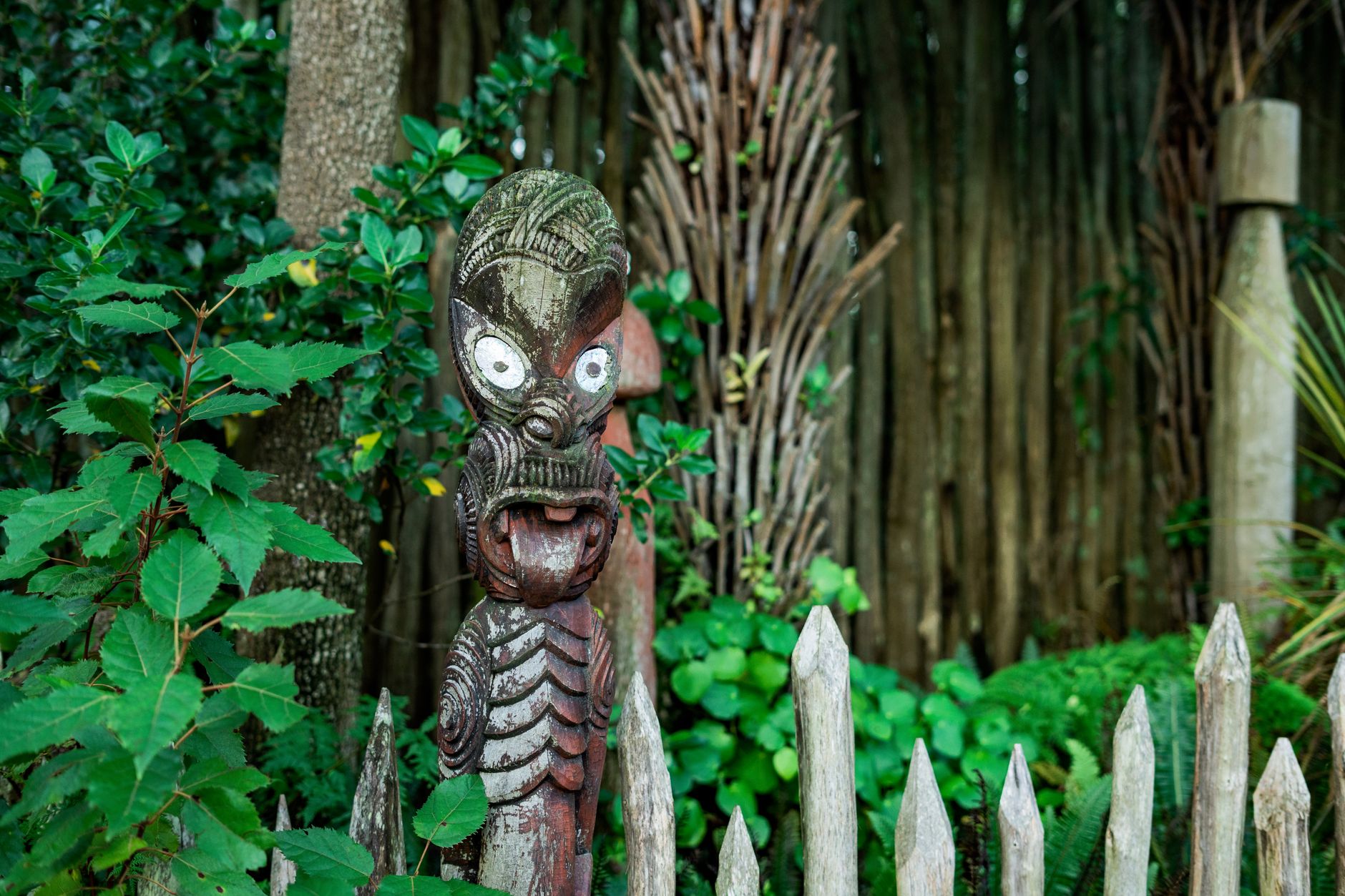
- Carving and weaving schools — watch master carvers and harakeke (flax) weavers working in the traditional way.
- Powhiri and cultural performance — a formal welcome and Maori song and dance, run several times a day.
On pricing, Te Puia has shifted its ticketing toward a guided-experience model, so I would check the current rates when you book rather than trust an old figure. As a rough guide, expect somewhere in the region of NZ$80-130 for an adult depending on whether you add the cultural performance and hangi, with children roughly half that. The 90-minute guided tour is genuinely worth it for first-timers — the guides bring the geothermal science and the Maori context together in a way self-exploring cannot match. Hours run roughly 9am to 5pm for the daytime experience.
Whakarewarewa Living Maori Village
Right next door to Te Puia, Whakarewarewa is a working village where around 22 families still live among the geothermal features — they cook in the hot pools and bathe in the steaming creek, and they host visitors on guided walks. Entry is about NZ$50pp self-guided, or roughly NZ$80pp for a guided tour with a cultural performance. It is less polished than Te Puia but more intimate; you are walking through a living community rather than a curated park.
Wai-O-Tapu Thermal Wonderland
About 30 minutes south of town, Wai-O-Tapu is the one to pair with Te Puia if you want visual drama. Its star is the Champagne Pool — a 65-metre hot spring rimmed with vivid orange and green mineral edges, and the image you have probably already seen of Rotorua. There is also the lurid Devil’s Bath and the Lady Knox Geyser, which is set off each morning around 10:15am with a bit of biodegradable soap (a touch gimmicky, but fun). Entry is roughly NZ$54 adult / NZ$18 child.
Polynesian Spa
This is Rotorua’s flagship hot-pools complex, right on the shore of Lake Rotorua, and it is the perfect way to melt the driving out of your body. There are around 28 mineral pools ranging from a gentle 35 to a toasty 42 degrees. The adult-only Lake Spa area is the upscale option (about NZ$80pp for two hours); the family pools run roughly NZ$30 adult / NZ$15 child. Take a swimsuit and a quick-dry towel in your day pack and make this your finale.
Skyline Rotorua and the luge
A gondola carries you up Mount Ngongotaha for a wide view over Lake Rotorua, and then there is the luge — gravity-powered karts on three downhill tracks, and honestly one of the most fun things you can do here at any age. A gondola plus three luge rides runs about NZ$79 adult / NZ$58 child. There are also zip lines, a swing and restaurants up top.
Redwoods Treewalk
A 700-metre elevated walkway threads through a 90-year-old grove of Californian redwoods on 28 suspension bridges. It is free to walk in daylight, and the Treewalk Nightlights version (about NZ$45 adult / NZ$25 child), lit by lanterns after dark, is lovely — though it really needs an overnight stay to fit in.
Ohinemutu and the Government Gardens
If you have spare minutes, the original lakeside Maori settlement of Ohinemutu is free to visit and home to St Faith’s, a 1905 timber church where Maori carving and stained glass blend Christian and Maori imagery beautifully. Nearby, the Edwardian Government Gardens and the mock-Tudor bath house (the old Rotorua Museum, closed for earthquake strengthening through 2026) are a pleasant free stroll, handy if you are already at Polynesian Spa next door.
The Maori cultural experience
Rotorua is the centre of Maori cultural tourism in New Zealand, and the performances here are the real thing rather than a tourist facsimile. Your main options:
- Te Pa Tu (formerly Tamaki Maori Village) — widely considered the gold standard. An evening of powhiri, performance and a hangi dinner, running about four hours. Roughly NZ$145 adult / NZ$89 child.
- Mitai Maori Village — an evening experience with hangi, a glow-worm walk, and warriors arriving by waka (canoe). Around NZ$135 adult.
- Te Puia daytime performance — a shorter show included with a combined admission ticket, and the only one that fits a day trip.
- Whakarewarewa daytime — a village walk plus a cultural show, with a more lived-in atmosphere.
For a day trip, the Te Puia daytime show is the workable choice — Te Pa Tu and Mitai are evening events that need an overnight. If Maori culture is the main draw of your whole New Zealand trip, our Auckland Maori culture, history and heritage guide is a good primer before you go, and back in the city the 65 best things to do in Auckland roundup points you to Auckland’s own Maori experiences.
A suggested day-trip itinerary
Here is the plan I would follow to get the essential Rotorua experience into a single day:
- 7:00am — leave the Auckland CBD via SH1.
- 9:30am — quick coffee and pastry at Tirau; photograph the corrugated-iron sheep.
- 10:00am — arrive Te Puia and buy a combined ticket with the cultural performance.
- 10:15–11:00am — explore the geothermal valley — Pohutu Geyser, the mud pools, the kiwi enclosure.
- 11:00am — catch the cultural performance.
- 12:00pm — lunch at the Te Puia cafe.
- 1:00pm — drive over to Polynesian Spa (about 10 minutes).
- 1:15–2:30pm — soak in the hot pools.
- 2:45pm — coffee and a wander through the Government Gardens.
- 3:30pm — begin the drive back to Auckland.
- 6:30–7pm — arrive back; dinner in Britomart or Ponsonby.
This covers the essentials well. Try to bolt on Wai-O-Tapu, the Skyline luge or the Redwoods Nightlights and you have tipped over into needing an overnight.
Day trip or overnight? My honest advice
This is the question that really matters, so let me lay it out plainly.
Do it as a day trip if
- You have only three or four nights in Auckland and cannot spare the time to relocate.
- You are comfortable with six hours of driving in one day.
- You only want the highlight reel — Te Puia, a hot-pool soak, some lake views.
- You would rather not give up two nights of Auckland’s restaurants and harbour.
Stay overnight if
- You want an evening cultural experience like Te Pa Tu or Mitai.
- You want Wai-O-Tapu, Skyline and the Redwoods on top of Te Puia.
- You are keen on the lakes — kayaking, fishing, a cruise.
- You are carrying on south afterward to Taupo, Tongariro or Wellington.
- You simply want to relax; six hours of driving plus five of sightseeing is a lot to cram in.
If you have four or more days in New Zealand, splitting Rotorua into a one-night trip — drive down day one, a full Rotorua day two, drive back the morning of day three — is a far better experience. Mid-range hotels start around NZ$180-240 a night.
Where to stay if you go overnight
- Pullman Rotorua — the closest 5-star to Te Puia and the Government Gardens, with pools and a spa. From about NZ$290 a night.
- Regent of Rotorua — a mid-range boutique with private heated pools, near Polynesian Spa. From around NZ$240.
- Distinction Hotel Rotorua — reliable mid-range with thermal pools and Eat Streat next door. From about NZ$190.
- Wai Ora Lakeside Spa Resort — a Maori-owned lakeside resort with private mineral pools in each suite. From around NZ$580.
- Budget and camping — the Top 10 Holiday Park (cabins from around NZ$90) and various backpacker dorms from about NZ$40.
What it all costs
Here is the money side laid out so you can compare driving against a tour at a glance.
| Option | Cost | What it covers |
|---|---|---|
| Self-drive day trip (per couple) | NZ$260–500 | Fuel + two Te Puia tickets + spa + lunch |
| Self-drive overnight (per couple) | NZ$560–900 | Above + hotel + dinner + extra activities |
| Coach day tour (per person) | NZ$295–450 | Transfers, entries and lunch, all-inclusive |
| Tour + Hobbiton combo (per person) | NZ$479+ | Longer day, both sites |
| InterCity bus (return) | ~NZ$100 | Transport only; attractions extra |
For a couple, self-driving usually comes out cheaper. For solo travellers, a tour is often the better deal once you factor in that you are not splitting fuel and a rental — plus you get the commentary and none of the driving fatigue. Families sit somewhere in between and should look for the family discounts most operators offer.
Worthwhile stops on the drive
The road south has a few genuinely good stops if you build in time:
- Hamilton Gardens — a 30-minute detour to one of the country’s best public gardens. Free entry.
- Tirau — the corrugated-iron sheep and dog, plus a decent takeaway lunch. A quick photo stop.
- Putaruru Blue Spring (Te Waihou Walkway) — the source of much of New Zealand’s bottled water; an astonishingly clear blue spring, about a 30-minute walk from the car park and a 25-minute detour off SH5.
- Hobbiton Movie Set (Matamata) — a 30-minute detour from Tirau; book ahead, adult tickets around NZ$129.
- Mamaku Forest — the last 15 minutes before Rotorua, with native bush and waterfall pull-offs.
What about Hobbiton?
Hobbiton sits roughly halfway between Auckland and Rotorua near Matamata — about 1:45 from Auckland and an hour from Rotorua. You can combine it with a Rotorua day trip, but you are then looking at a 14-hour day, and most combo tours use a 6am pickup and get you home around 9pm for about NZ$479pp. If Hobbiton is really your priority, I would either do a dedicated Hobbiton day trip and skip Rotorua, or do both across two days with a Rotorua overnight. Our Hobbiton day trip guide walks through the standalone option in detail.
Geothermal safety and cultural respect
Two things matter here, and they are linked. First, these landscapes are genuinely dangerous — surface temperatures can exceed 100 degrees, and straying off the marked paths has been fatal for tourists in the past. Stay on the paths at every site, every time. Second, these places are sacred to local iwi (Maori tribes), so a little respect goes a long way. Photographing performers is usually welcomed, but ask first, and skip the flash inside meeting houses. Follow the protocols your guide explains — removing shoes, the powhiri process — and do not touch sacred objects (taonga) without an invitation. Tipping is not expected; these are paid professional experiences. Learn one phrase and use it: “Kia ora” (hello, and a wish of wellbeing) is always appreciated.
Tips for a smoother day
- Pre-book your Te Puia or Wai-O-Tapu ticket online to skip the arrival queue.
- Pair the 90-minute guided tour with your own exploration at Te Puia for the fullest experience.
- Wear closed-toe walking shoes — geothermal paths get slippery and steamy.
- Pack a swimsuit and quick-dry towel; Polynesian Spa is the perfect finisher.
- Set off by 7am at the latest, or 6am if you want a traffic buffer.
- Fill up in Hamilton (cheaper fuel) or Tirau (the last easy stop).
- Cell coverage is reliable except through the Mamaku Forest stretch.
- Bring a windbreaker — the geyser viewing platforms are exposed and breezy.
Frequently Asked Questions
How long does the drive to Rotorua take?
About 2.5 to 3 hours each way without traffic, covering roughly 226 km via SH1 and SH5. Friday afternoon returns can add 30 to 60 minutes around Hamilton, while Sunday evenings are generally smooth. Leaving Auckland by 7am gets you there for a 10am start.
Is Rotorua worth doing as a day trip from Auckland?
Yes, if your time is tight — but it is a long day, around 12 hours door to door. You will realistically see one or two attractions and have a hot-pool soak. If you can spare a night, an overnight opens up evening cultural experiences and a lot more to see, and I would take that option whenever possible.
Should I visit Te Puia or Wai-O-Tapu?
Te Puia if you want the cultural and conservation side — the geyser, kiwi, carving school and Maori performance in one place. Wai-O-Tapu if you want pure visual spectacle like the Champagne Pool. Both together make the complete experience, but a single day trip realistically fits only one.
What does Rotorua smell like?
Sulphur — a strong rotten-egg smell from the geothermal activity, strongest near Whakarewarewa and the lakefront. It is completely harmless, and most people stop noticing it within about half an hour of arriving.
Is a tour or self-driving better?
For a couple, self-driving usually works out cheaper at roughly NZ$130-250pp versus NZ$295-450pp for a tour. For solo travellers, families, or anyone uneasy about driving in New Zealand, a tour is excellent value once you count the commentary, all the entries, lunch and hotel pickup — and you avoid six hours at the wheel.
Final thoughts
A Rotorua day trip from Auckland is a long day, but a memorable one. With a 7am start you can watch Pohutu Geyser erupt, sit through a Maori cultural performance, soak in mineral hot pools, and still be back in Auckland for dinner. If your New Zealand trip runs to four days or more, an overnight is the better call — it unlocks the evening cultural experiences and a far wider range of sights without the punishing drive-and-see-everything squeeze. Either way, Rotorua delivers an iconic North Island experience that few Auckland visitors regret making time for.
Planning more day trips? Compare Rotorua against the alternatives in our day trips from Auckland guide, or look at the easier options like a Waiheke Island day trip, the Coromandel Peninsula, or the Waitomo glowworm caves. And before you set off, our complete Auckland Travel Guide ties the whole trip together.
Last updated: July 2026. Written by the Auckland Tourism Guide team.
Photo credits
- Photo: Jeffry Surianto via Pexels
- Photo: Jeffry Surianto via Pexels