Author: aucklandtourism_4ju0oq

  • Best Budget Hotels & Hostels in Auckland (2026 Picks)

    Best Budget Hotels & Hostels in Auckland (2026 Picks)

    Auckland’s budget accommodation scene is healthier than most international travellers expect — multiple high-quality hostels in the CBD with NZ$35-70 dorm beds and NZ$90-130 private hostel rooms, plus a growing number of capsule-style pod hotels and well-priced 3-star options. This complete cheap hotels Auckland guide covers the 15 best budget options across the CBD and inner suburbs, plus money-saving tips, where to stay for the cheapest experience, and how to plan your stay around budget without sacrificing safety or location.
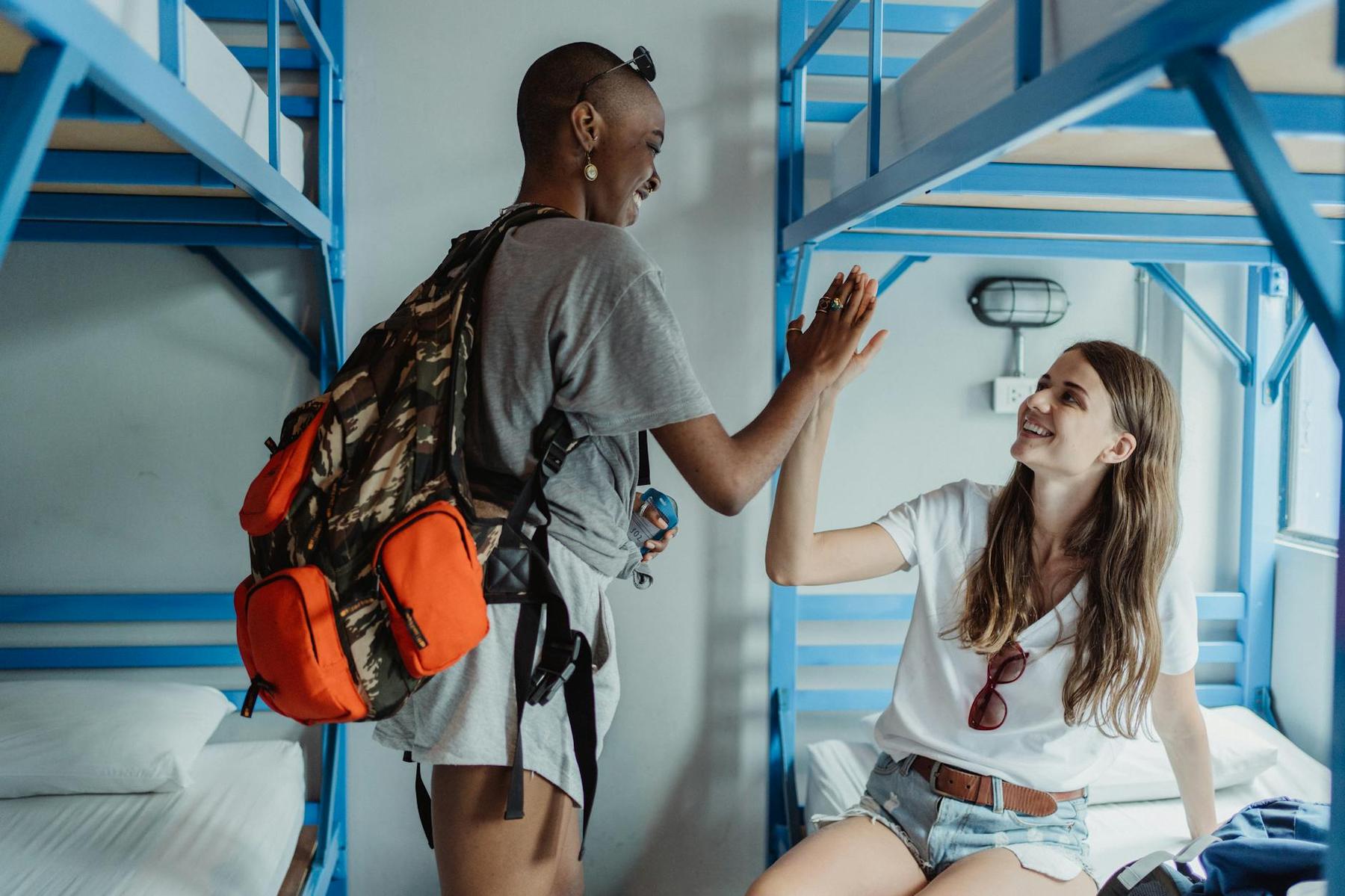
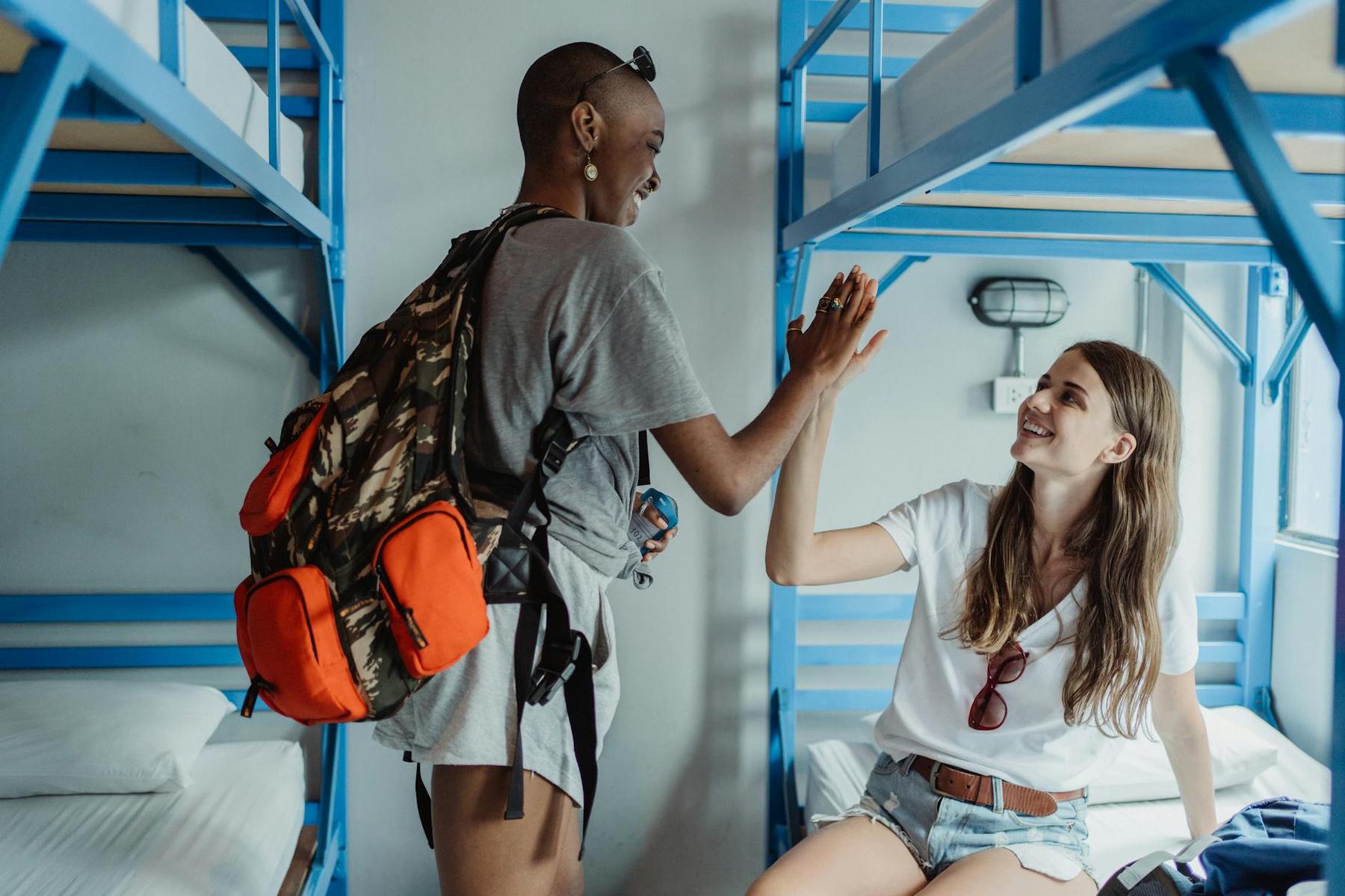
    Hostel dorm with bunk beds for budget travellers
    Auckland’s budget hotels and hostels start at NZ$35 dorm beds and NZ$90 private hostel rooms.

    Top 15 cheap hotels and hostels in Auckland (2026)

    • 1. Haka Lodge Auckland City — Karangahape Road; from NZ$45 dorm / NZ$120 private room.
    • 2. JUCY Snooze Queen Street — capsule pod hotel; NZ$90 capsule / NZ$130 private en-suite.
    • 3. Verandahs Backpackers Lodge — Newton; NZ$40 dorm / NZ$95 private room.
    • 4. Lylo Auckland — Anzac Avenue (CBD); NZ$50 dorm / NZ$120 private.
    • 5. YHA Auckland City — Turner Street; NZ$50 dorm / NZ$135 private.
    • 6. Attic Backpackers — Newton; NZ$40 dorm / NZ$110 private.
    • 7. BK Hostel Auckland — CBD Howe Street; NZ$35 dorm / NZ$90 private.
    • 8. Haka House Auckland City — Mt Eden; NZ$48 dorm / NZ$130 private.
    • 9. Nomads Auckland — Fort Street; NZ$45 dorm / NZ$120 private.
    • 10. Auckland Central Backpackers — Wellesley Street; NZ$42 dorm / NZ$98 private.
    • 11. Travelodge Hotel Auckland Wynyard Quarter — 3-star hotel; from NZ$170/night with breakfast.
    • 12. Ibis Auckland Ellerslie — 3-star chain hotel; from NZ$140/night.
    • 13. CityLife Auckland — apartment-style budget; from NZ$165/night.
    • 14. Quality Hotel Parnell — 3-star; from NZ$200/night.
    • 15. Auckland Bus & Bed Hotel — Devonport Backpacker; NZ$45 dorm.

    Why Auckland is good value for budget travellers

    Auckland’s reputation is mid-priced internationally, but for backpackers and budget travellers the city is genuinely affordable. Three things make Auckland work for backpackers: cheap public transport with the AT HOP card and daily/weekly fare caps, a high-quality network of free attractions (Auckland Museum donation-based for non-Aucklanders, Auckland Art Gallery permanent collection free, all 28 regional parks free), and a competitive hostel market that’s kept dorm prices under NZ$70 even as accommodation prices have risen elsewhere.

    For comparison: a backpacker who spends NZ$45 on dorm + NZ$30 on food + NZ$5 on transport per day is at NZ$80 daily — significantly cheaper than Sydney (AU$120-150 daily for the equivalent backpacker experience) or Wellington (NZ$95-110 daily). Auckland’s main budget weakness is restaurant dinners (NZ$28-38 mains add up if you’re eating out nightly) — but with hostel kitchens and Asian food courts, this category is easily managed.

    Auckland’s best budget hostels

    Hostel common lounge social space for budget travellers
    Auckland’s best hostels (Haka Lodge, JUCY Snooze, Verandahs) offer common rooms and social vibes.

    Haka Lodge Auckland City (Karangahape Road)

    Auckland’s most-loved backpacker hostel, located on Karangahape Road in the heart of the CBD’s creative precinct. Strong social atmosphere, modern facilities, and one of the city’s best hostel kitchens.

    • Address: 373 Karangahape Road, Newton, Auckland
    • Dorm beds from: NZ$45/night
    • Private room from: NZ$120/night
    • Highlights: rooftop terrace; large communal kitchen; free wifi; daily activities
    • Walk to Britomart: 15 minutes
    • Best for: social travellers, longer stays, K Road creative scene fans

    JUCY Snooze Queen Street
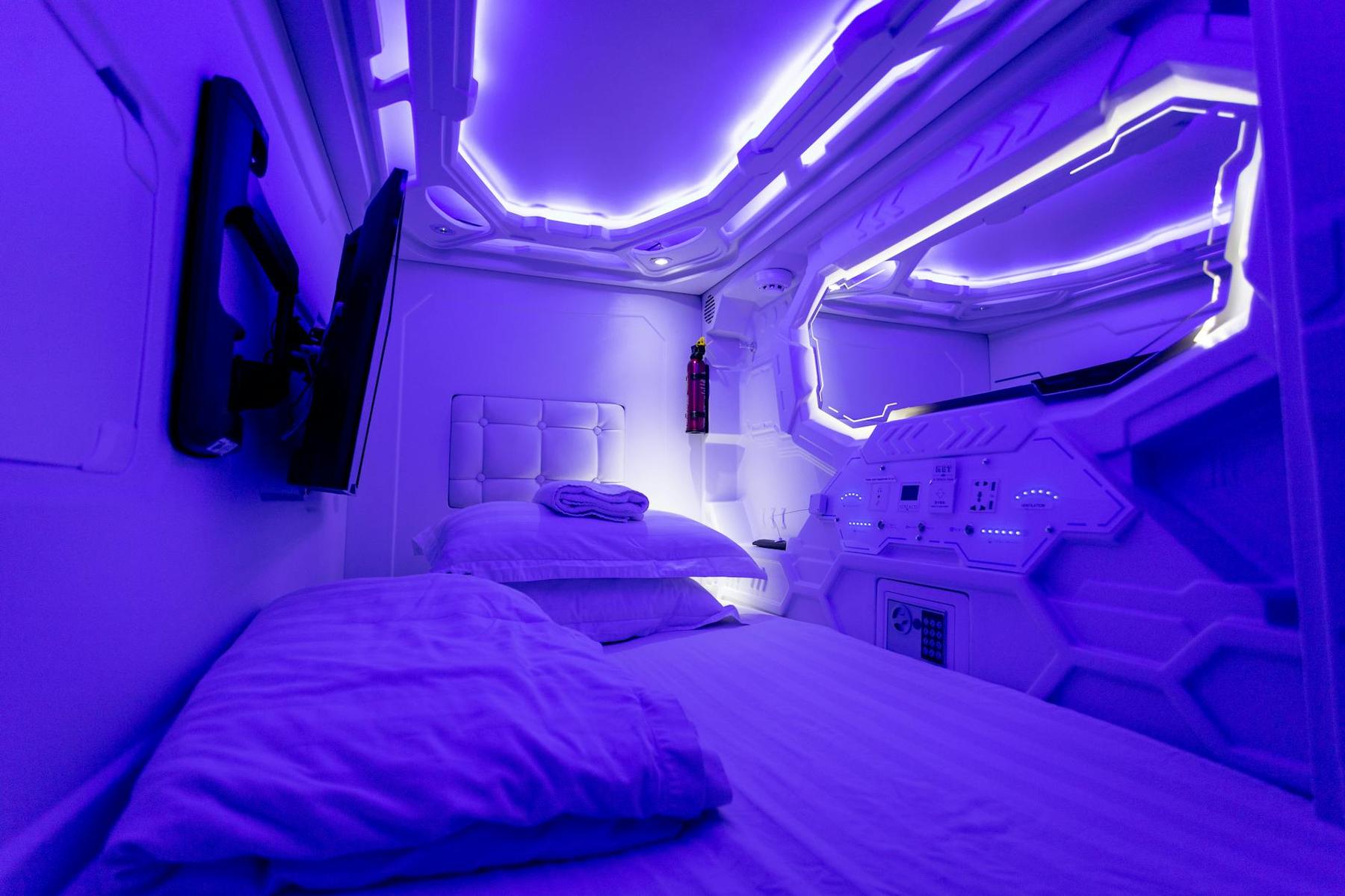
    Capsule pod hotel sleeping bunk
    JUCY Snooze on Queen Street is Auckland’s only capsule-style pod hotel from NZ$90/night.

    Auckland’s only capsule-style pod hotel — Japanese-style sleeping pods with privacy curtains, individual lighting, charging ports, and locker access. Private en-suite rooms also available for those who prefer four walls.

    • Address: 62 Emily Place, Auckland CBD
    • Capsule from: NZ$90/night
    • Private en-suite from: NZ$130/night
    • Highlights: central Queen Street location; modern pod design; common kitchen and lounge; laundry on-site
    • Walk to Britomart: 8 minutes
    • Best for: solo travellers, modern-budget seekers, central-CBD location preferences

    Verandahs Backpackers Lodge (Newton)

    Auckland’s most-recommended hostel for solo female travellers — heritage building, friendly atmosphere, secure rooms with female-only dorm options.

    • Address: 6 Hopetoun Street, Newton, Auckland
    • Dorm beds from: NZ$40/night
    • Private room from: NZ$95/night
    • Highlights: female-only dorms; small (45 beds); heritage character; quiet atmosphere
    • Walk to Britomart: 18 minutes
    • Best for: solo female travellers, longer-stay budget travellers, calmer hostel vibe

    Lylo Auckland

    One of Auckland’s newer flashpacker hostels — cleaner, more design-led than traditional backpacker properties.

    • Address: 30 Anzac Avenue, Auckland CBD
    • Dorm from: NZ$50
    • Private room from: NZ$120
    • Highlights: modern design; rooftop bar; female-only dorms; secure key-card access
    • Walk to Britomart: 7 minutes
    • Best for: design-conscious budget travellers, those wanting “flashpacker” style

    YHA Auckland City

    The Hostelling International Auckland flagship — global affiliations, consistently rated facilities, central location.

    • Address: 18 Liverpool Street, Auckland CBD
    • Dorm from: NZ$50
    • Private from: NZ$135
    • Highlights: HI member discount; secure facilities; family-friendly options
    • Walk to Britomart: 12 minutes
    • Best for: HI members, families, longer-stay backpackers

    Other recommended hostels

    • Attic Backpackers (Newton) — small, family-run; NZ$40 dorm.
    • BK Hostel (CBD) — below-average pricing; NZ$35 dorm.
    • Nomads Auckland (Fort Street) — social atmosphere; NZ$45 dorm.
    • Haka House Auckland City (Mt Eden) — Mt Eden village vibe; NZ$48 dorm.
    • Auckland Central Backpackers (Wellesley Street) — central, basic; NZ$42 dorm.

    Budget hotels (3-star, NZ$140-220/night)
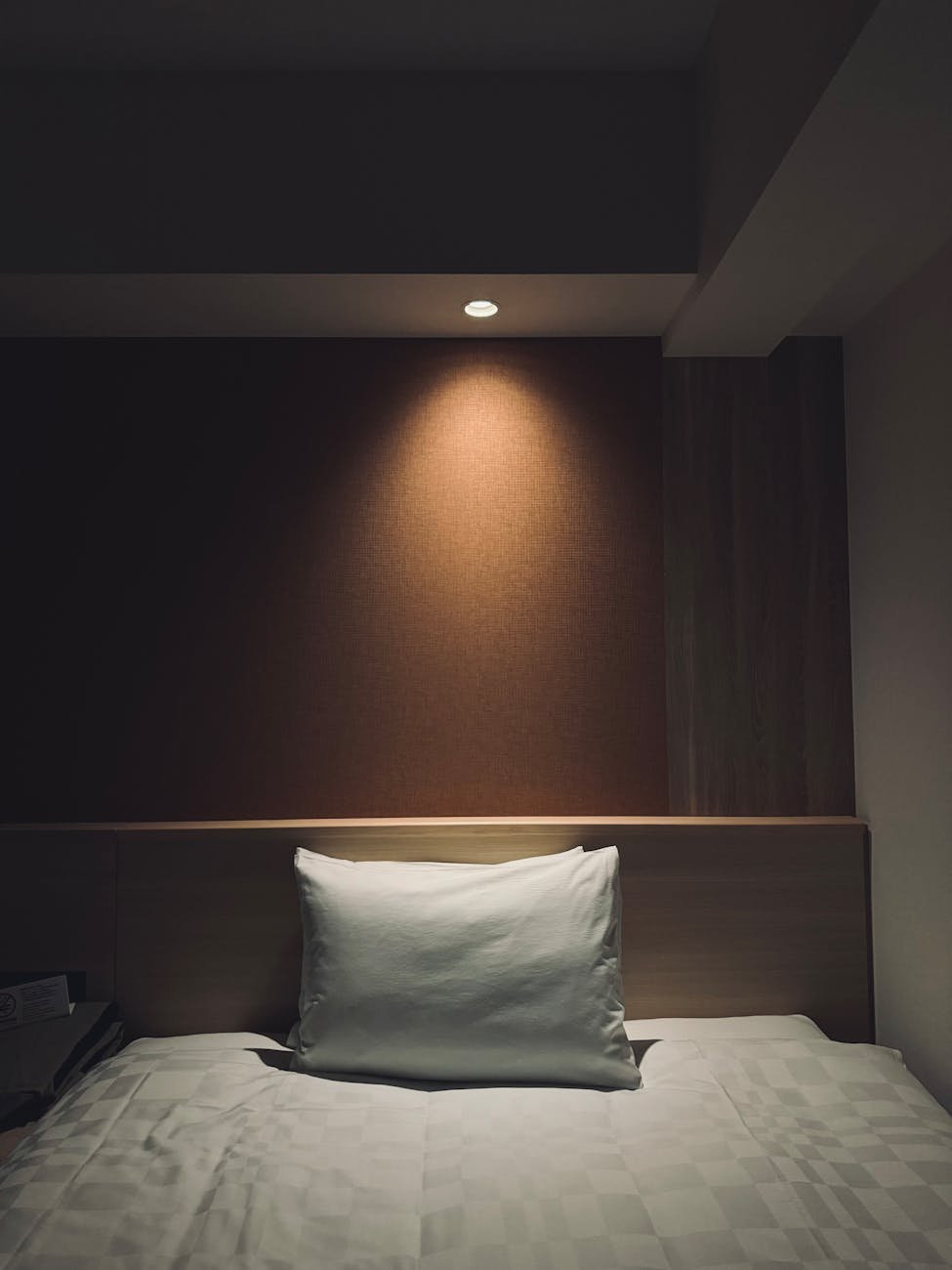
    Budget hotel small private room
    Private hostel rooms range NZ$90-130; budget hotels start NZ$140-180/night.
    • Travelodge Hotel Auckland Wynyard Quarter — the best-value mid-range hotel in central Auckland. Simple clean rooms; breakfast included on most rates; from NZ$170/night.
    • Ibis Auckland Ellerslie — 3-star chain hotel with reliable mid-range standards; 10 minutes from CBD; from NZ$140/night.
    • CityLife Auckland — apartment-style budget hotel; kitchen units available; from NZ$165/night.
    • Quality Hotel Parnell — mid-range 3-star in heritage Parnell; from NZ$200/night.
    • Mercure Auckland — 3.5-star chain hotel; reliable; from NZ$195/night.
    • Heritage Auckland — heritage 3.5-star; from NZ$180/night.
    • Best Western President Hotel — 3-star international chain; from NZ$160/night.

    What hostel amenities to look for

    • Modern bunk-bed design with privacy curtains — the standard at top-tier hostels (Lylo, JUCY Snooze, Haka Lodge); dramatically improves dorm experience.
    • Individual reading lights and charging ports — standard at modern hostels; deal-breaker if missing.
    • Lockers in dorms — essential for security; check the locker size accommodates your daypack.
    • 24-hour reception — all major hostels; some smaller properties have limited reception hours.
    • Key-card access — standard at modern hostels; older hostels still use physical keys.
    • Female-only dorms — available at most major hostels; pricing usually equal to mixed dorms.
    • Common kitchen with stove and oven — essential for budget self-catering; check the kitchen has at least 4 burners.
    • Common dining area with seating — standard; varies in size.
    • Free wifi throughout — universal at modern hostels.
    • Linen and towels included — standard at most; some smaller hostels charge NZ$5 for towels.
    • Laundry facilities — coin-operated; NZ$5-8 per wash + dry cycle.
    • Outdoor terrace or rooftop — available at Haka Lodge, Lylo, and a few others; valuable in summer.
    • Bike storage — common; useful if you’re cycling NZ.
    • Bag storage on departure — standard; usually free for the day.

    Budget alternatives

    Airbnb private rooms

    Auckland Airbnb’s budget tier (private rooms in shared apartments or homes) starts around NZ$70/night for inner-city options. The trade-off versus hostels: less social, more privacy, sometimes better facilities. Recent Auckland regulations limit short-term rentals in some apartment buildings — verify booking compliance with Auckland Council before checking in.

    University accommodation (semester breaks)

    Auckland University and AUT University rent student halls during NZ school holidays (typically January-February and June-July). Single rooms NZ$70-100/night; shared facilities. Available via auckland.ac.nz/conferences.

    Camping in regional parks

    Auckland’s 28 regional parks offer paid camping (NZ$10-18 per site per night). Wenderholm, Long Bay, Tapapakanga, Awhitu Regional Parks all have dedicated camping. Self-contained vehicles preferred. Book via aucklandcouncil.govt.nz.

    Couchsurfing and Workaway

    Couchsurfing (couchsurfing.com) and Workaway (workaway.info) offer free accommodation in exchange for hosting or work agreements. Auckland has an active community on both. Verify hosts; meet in public spaces first.

    Auckland budget accommodation by neighbourhood

    • CBD core (Queen Street, Customs Street): JUCY Snooze, Lylo, BK Hostel, YHA Auckland City. Most central; walkable to attractions.
    • Karangahape Road / Newton: Haka Lodge, Verandahs, Attic Backpackers. Creative-precinct vibe; 15-min walk to CBD.
    • Mt Eden: Haka House Auckland City. Village-feel; train to Britomart in 7 minutes.
    • Newmarket: few hostels; mid-range Heritage Hotel and apartment rentals.
    • Devonport: Auckland Bus & Bed; village atmosphere; 12-minute ferry to CBD.
    • Wynyard Quarter: Travelodge Wynyard (mid-range, not hostel); waterfront location.
    • Parnell: Quality Hotel Parnell; heritage village.
    • Ellerslie / Greenlane: Ibis Auckland; suburban, train access to CBD.

    What to expect at an Auckland hostel
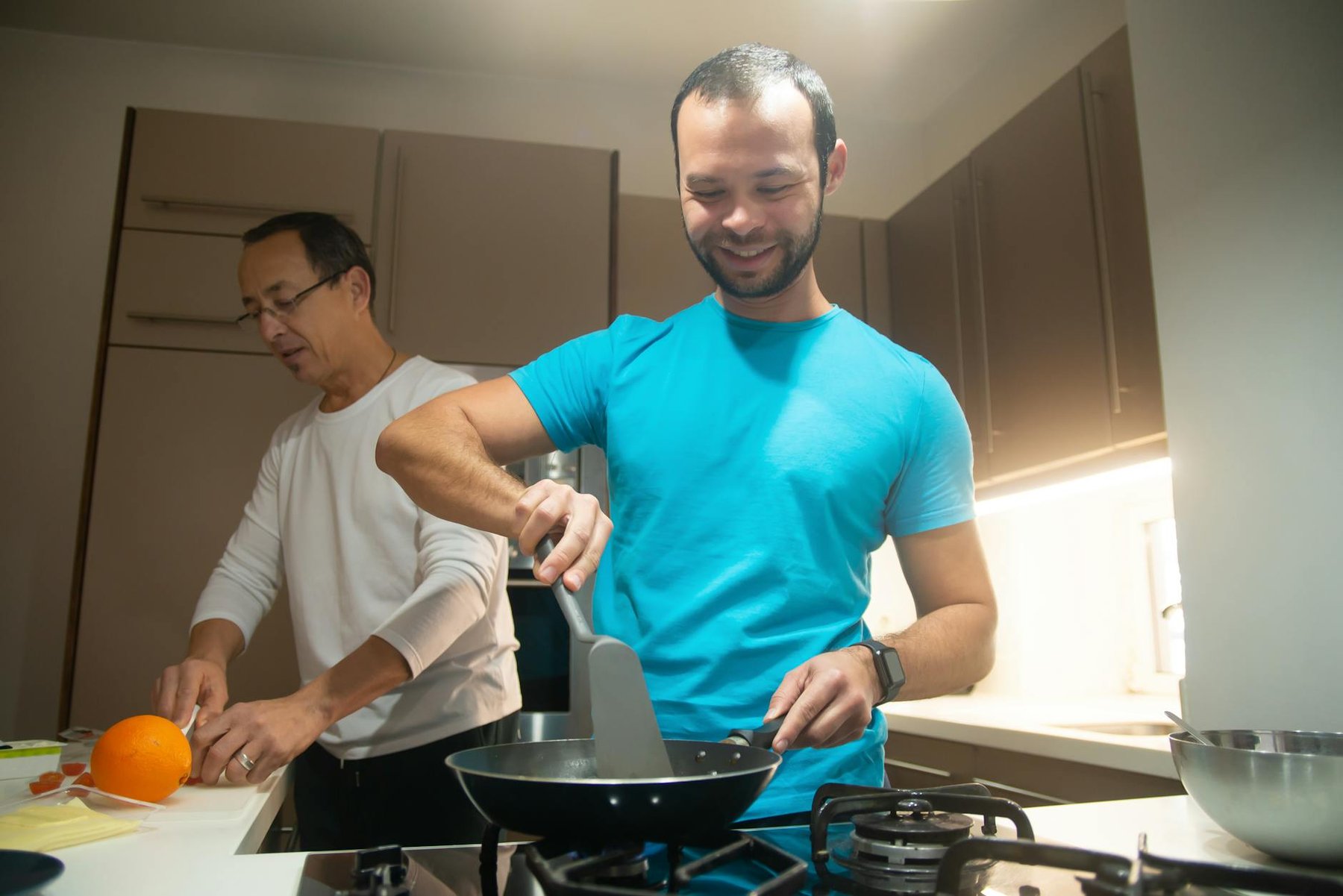
    Shared kitchen at an Auckland hostel for budget travellers
    Self-catering kitchens at hostels save NZ$30-50/day vs eating out.
    • Standard amenities: wifi (free at all listed hostels); shared kitchen; lockers; laundry; common room.
    • Dorm types: 4-bed, 6-bed, 8-bed, 10-bed mixed and female-only; bunks with privacy curtains at top-tier hostels.
    • Private rooms: single, twin, en-suite; quieter than dorms.
    • Social activities: daily activities (pub crawls, hikes, beach trips) at most major hostels.
    • Free breakfast: included at YHA, Haka House, some smaller hostels (toast, cereal, coffee).
    • Linen and towels: usually included in dorm price (some charge NZ$5 deposit for towel).
    • Lockouts: none at modern hostels; 24-hour reception standard.
    • Curfews: none at modern hostels; some traditional family-run hostels have quiet hours from 11pm.
    • Age restrictions: most accept 18+ in dorms; family rooms accept all ages.

    Auckland hostel social scene

    Auckland’s hostels run a strong social programme, particularly the larger properties (Haka Lodge, Lylo, JUCY Snooze, Nomads). Most run daily activities — pub crawls, day-trip group bookings (Hobbiton, Waiheke), beach trips, BBQ nights. Solo travellers often find the hostel social scene the easiest way to make travel friends in Auckland. K Road’s bar scene (5-min walk from Haka Lodge) and the CBD’s late-night options keep things lively. Most hostels have organised pub crawls Friday and Saturday nights for solo travellers; common rooms are full from 6-10pm with travellers from 30+ countries.

    For travellers who prefer quiet, Verandahs Backpackers (Newton) and Attic Backpackers are smaller, more intimate properties with calmer atmospheres. Travellers in their 30s and 40s often gravitate to YHA Auckland or to private hostel rooms rather than dorm beds — quieter, more private, but still budget-priced.

    Booking strategy for budget travellers

    • Book direct at the hostel website for the best prices; third-party sites add 10-15%.
    • Hostelworld and Booking.com offer broad inventory comparison but charge fees.
    • Off-peak (May-September): hostels often have 6-night packages with the 7th night free.
    • Long-stay rates (7+ nights): negotiate directly with smaller hostels for 15-25% discounts.
    • Avoid major event weekends (Splore, Lantern Festival, Pasifika, NRL Nines) — beds book out 4+ weeks ahead.
    • Female-only dorms cost the same as mixed dorms but offer more security and privacy.
    • Twin rooms are sometimes cheaper than 2 dorm beds — useful for couples.
    • Refundable rates cost 10-15% more but worth it for international travel.

    Auckland budget hotels for couples

    Couples often find that two dorm beds (NZ$70-100 total) versus a private hostel room (NZ$90-130) is barely a saving for less privacy. The sweet spot for couples is private hostel rooms — Lylo’s modern private rooms (NZ$120/night), Haka Lodge’s couple rooms (NZ$120/night), and JUCY Snooze’s private en-suite pods (NZ$130/night) all deliver hotel-style privacy at hostel prices. Budget hotels (NZ$140-180/night) start at the next price tier — the Travelodge Wynyard Quarter and Ibis Ellerslie are reliable mid-range choices with private rooms, breakfast included on most rates, and reception staff. Couple-specific tips: book direct rather than through Booking.com or Hostelworld for the best private-room rates, and ask about long-stay rates if booking 4+ nights.

    Budget eating tips at Auckland hostels

    • Most hostels have shared kitchens — cook your own meals to save NZ$30-50/day.
    • Pak’nSave grocery (Britomart, Royal Oak, Westgate) is the cheapest grocery in NZ.
    • Countdown supermarket (multiple Auckland locations) is the next cheapest.
    • Asian food courts (Britomart, Newmarket, Manukau) offer NZ$15 lunches.
    • Pak’nSave’s “Stack ‘n Save” frozen meals run NZ$5-8 each.
    • Some hostels include free breakfast (YHA, Haka House); others have NZ$10-15 breakfast bundles.
    • Pizza, kebab, and noodle shops along K Road and Queen Street offer NZ$10-15 dinners.
    • Friday night specials at many CBD pubs include $10 burgers + drink combos.

    Auckland budget travel by season

    • Summer (Dec-Feb): peak rates and demand; book 4-6 weeks ahead. Major events (Splore, Lantern Festival) push prices 50%+ higher. Best for outdoor experiences but the most expensive season.
    • Autumn (Mar-May): moderate rates; March is exceptional value (peak weather + thinner crowds + lower than summer prices).
    • Winter (Jun-Aug): 30-40% discount on hostels; the cheapest season. Restaurant Month August adds prix-fixe deals from NZ$50.
    • Spring (Sep-Nov): rising prices but still moderate. Late November sees Christmas market openings and pre-summer pricing.

    Auckland budget hostels — what to pack

    • Padlock — for hostel locker security; combination type avoids lost keys.
    • Eye mask and earplugs — essential in dorm rooms.
    • Microfibre travel towel — compact, dries fast; saves NZ$5 hostel towel charges.
    • Flip flops or shower sandals — for shared bathrooms.
    • Reusable water bottle — Auckland tap water is excellent and free; saves NZ$5+ per bottle.
    • Power bank — charging ports vary by hostel; useful backup.
    • Headlamp or small torch — for late-night dorm navigation without disturbing roommates.
    • Universal travel adapter — NZ uses Type I plugs (same as Australia).
    • Quick-dry hiking towel for swimming — separate from main shower towel.
    • Day pack — for hostel-secure storage and city wandering.
    • Travel insurance — NZ$80-150 for a week’s coverage; cheap insurance against trip disruption.

    Solo female budget travellers in Auckland

    Auckland is one of the safer English-speaking destinations for solo female travellers. The CBD is well-lit and well-policed; hostels are generally well-staffed with 24-hour reception; and the city’s strong culture of female-only dorms means most major hostels offer separate accommodation. Verandahs Backpackers in Newton is the most-recommended for solo women — small, family-run, with a calm atmosphere. Lylo and JUCY Snooze offer modern dorm designs with privacy curtains and individual lockers. Late-night Karangahape Road can feel edgier than central Queen Street; for late-night arrivals, JUCY Snooze (Queen Street) or Lylo (Anzac Avenue) are the safest CBD-core options. Apple Pay and contactless are universal — no need to carry significant cash. Aside from common-sense precautions, Auckland’s solo travel rating is well above world average.

    A budget Auckland day

    Here’s how a backpacker traveller can do Auckland for under NZ$100 in a single day:

    • NZ$0 — hostel breakfast (free toast and coffee at YHA or Haka House).
    • NZ$2.20 — AT HOP card bus to Britomart.
    • NZ$0 — walk through Auckland Domain (free park).
    • NZ$0 — Auckland Museum (donation only — NZ$10 suggested).
    • NZ$15 — lunch at Newmarket Asian food court.
    • NZ$0 — Cornwall Park afternoon walk + One Tree Hill summit.
    • NZ$2.20 — bus back to CBD.
    • NZ$15 — hostel-cooked dinner (Pak’nSave groceries).
    • NZ$30 — 2 craft beers at K Road bar (optional).
    • Hostel dorm bed — NZ$45 for the night.
    • Total day: NZ$109.40 including transport, attractions, food, drinks, and accommodation.

    Skip the optional drinks and the day comes in at NZ$79.40. Add the Auckland Museum cultural performance (NZ$23 add-on) for a more memorable cultural experience and you’re still under NZ$110/day. This represents a comfortable backpacker pace through Auckland with two of the city’s major attractions, food, transport, and accommodation included.

    Tips for budget travel in Auckland

    • Get an AT HOP card on day one — saves 20% on transport.
    • Use Auckland Council’s free attractions: Auckland Domain, Cornwall Park, all 28 regional parks.
    • Auckland Museum is donation-based for non-Aucklanders (suggested NZ$10).
    • Auckland Art Gallery permanent collection is free for everyone.
    • Pasifika Festival, Auckland Lantern Festival, Music in Parks, Movies in Parks are free.
    • Walk the CBD — most attractions are within 30-minute walk.
    • Devonport ferry NZ$9 return — cheap North Shore experience.
    • Book bottomless brunch deals (NZ$55-89) for an indulgent meal at lower cost than typical sit-down dinner.
    • Join Couchsurfing or Workaway for free accommodation.
    • Consider a 7-day Auckland visit at off-peak rate — substantially cheaper than peak summer.

    Auckland hostel locations vs distances

    • Britomart / Customs Street area: JUCY Snooze, Lylo, BK Hostel, Nomads. Walking distance to Sky Tower (10 min), Auckland War Memorial Museum (25 min), Viaduct (5 min).
    • Karangahape Road / K Road: Haka Lodge, Auckland Central Backpackers. Walking distance to Aotea Square (10 min), Britomart (15 min), Auckland Museum via Inner Link bus (15 min).
    • Newton: Verandahs Backpackers, Attic Backpackers. Quiet residential; 18 min walk to Britomart.
    • Mt Eden village: Haka House Auckland City. Train to Britomart in 7 minutes; walk to Mt Eden volcano summit in 10 minutes.
    • Newmarket / Parnell: Quality Hotel Parnell; few hostels. Train to Britomart in 8 minutes.
    • Devonport: Auckland Bus & Bed; village atmosphere; 12 minute ferry to CBD (NZ$9 return).
    • Ellerslie / Greenlane: Ibis Auckland; suburban; train to Britomart in 12 minutes.

    Hidden Auckland budget gems

    • Auckland Council libraries — free wifi, kids’ programmes, quiet workspace; useful for budget travellers who need a “third space”.
    • Free outdoor pools — Wynyard Quarter splash pad, Onepoto, Te Auaunga, Albany — all free in summer.
    • Free walking tours — Auckland Free Walking Tours runs 2-hour CBD tours daily (tip-based; suggested NZ$10-20).
    • Free coastal walks — Tāmaki Drive promenade, Milford to Takapuna walk, Coast to Coast walkway — all free, all spectacular.
    • Free Sunday markets — Britomart Country Market, La Cigale, Grey Lynn, Takapuna, Otara, Avondale — all free entry.
    • Free music in parks — December-March; check AucklandNZ.com for schedules.
    • Auckland Botanic Gardens — free entry; Children’s Garden + Sculpture in the Gardens biennial.
    • Cornwall Park — free park with farm animals; one of the city’s best free family days.
    • Auckland Domain Wintergardens — free heritage glasshouses.
    • Volunteering opportunities — some Auckland hostels offer free accommodation in exchange for 2-3 hours daily work.

    FAQs

    What’s the cheapest hostel in Auckland?

    BK Hostel typically has the lowest dorm rates (NZ$35/night). Verandahs, Attic Backpackers and Auckland Central Backpackers also offer dorms in the NZ$40-45 range.

    How much is a hostel in Auckland?

    Dorm beds: NZ$35-70/night. Private hostel rooms: NZ$90-130/night. Family rooms: NZ$130-180/night.

    Are Auckland hostels safe?

    Yes — Auckland hostels are generally well-maintained, key-card secured, and centrally located. Female-only dorms, lockers, and 24-hour reception are standard. Verandahs and Lylo are the most-recommended for solo female travellers.

    Where’s the best location for a budget hostel?

    Karangahape Road for creative-precinct vibe (Haka Lodge), Newton for solo female travellers (Verandahs), CBD core for central location (JUCY Snooze, Lylo).

    Should I stay in a hostel or budget hotel?

    Hostels for the social experience and lowest prices (NZ$45-130/night). Budget hotels for privacy, cleaner facilities, and family-friendly options (NZ$140-220/night). Couples often find private hostel rooms (NZ$95-130) the best of both worlds.

    Are pod hotels worth it?

    JUCY Snooze is Auckland’s only major capsule hotel. NZ$90 capsule offers privacy curtains, individual lighting, and modern facilities — better than a dorm but not as private as a hotel room. Best for solo travellers wanting central CBD location at sub-NZ$100 prices.

    Do Auckland hostels have free breakfast?

    Some — YHA Auckland, Haka House, and a few smaller hostels include free breakfast (toast, cereal, coffee). Most hostels charge NZ$10-15 for breakfast bundles. Self-catering with shared kitchens saves the most money.

    Can I book hostels day-of?

    Often yes for off-peak nights, but not for major event weekends or summer Saturdays. Book ahead 1-2 weeks for security in summer; can sometimes walk in mid-week winter.

    Are there family-friendly budget options?

    Yes — YHA Auckland, Haka Lodge, and CityLife Auckland have family rooms for 2 adults + 2 children from NZ$130-180/night. Some hostels prefer not to host children in dorms; ask when booking.

    Where can I find the cheapest hotel in Auckland?

    Travelodge Wynyard Quarter (NZ$170 with breakfast), Ibis Ellerslie (NZ$140), and Best Western President Hotel (NZ$160) are the cheapest 3-star hotels in central Auckland.

    When is Auckland hostel pricing cheapest?

    May to September. Off-peak rates 30-40% cheaper than December-February. Major event weekends (Splore, Lantern Festival, Pasifika) push prices 50%+ higher.

    Is there an HI International discount?

    Yes — Hostelling International members get 10% off at YHA Auckland and YHA partners across NZ. Membership available at the YHA Auckland reception.

    Group and family budget travel

    Groups of 6+ should ask hostels about private group bookings — many properties have 6-bed and 8-bed dorms that can be booked entirely by your group at standard dorm rates, giving you a private room at backpacker pricing. For families, YHA Auckland and Haka Lodge both have family rooms (NZ$130-180/night for 2 adults + 2 children) which work out cheaper than 4 separate dorm beds. Families with kids under 5 often skip dorms entirely and go direct to budget hotels like Travelodge Wynyard Quarter or Ibis Ellerslie — at NZ$140-220/night with breakfast included, these become the family equivalent of a hostel private room with much better facilities for kids.

    The bottom line

    Auckland’s budget accommodation scene supports a range of travellers — from NZ$35 dorm beds at BK Hostel to NZ$170 mid-range hotels at Travelodge Wynyard. The CBD core is genuinely walkable (most attractions within 30 minutes’ walk) so location flexibility is high. Use the AT HOP card for cheap transport, free Auckland attractions for budget-friendly daytime activities, and shared hostel kitchens for self-catered meals — and Auckland easily becomes a NZ$100/day backpacker destination.

    Plan more accommodation with our complete where to stay in Auckland pillar, our best areas to stay in Auckland guide, and our Auckland travel budget guide for full cost planning. Pair this with our Auckland public transport guide for getting around without a rental car.
  • Auckland Zoo Guide: Tickets, Animals & Tips (2026)

    Auckland Zoo Guide: Tickets, Animals & Tips (2026)

    Auckland Zoo is one of New Zealand’s most-loved family attractions — 17 hectares of beautifully designed habitats home to 100+ animal species, world-class kiwi conservation programmes, and the country’s most accessible immersive wildlife experience. Set in Western Springs Park, 10 minutes from the CBD, the zoo combines naturalistic exhibits (the African Savanna, the new Asian Jungle Track, and Te Wao Nui native NZ habitats) with conservation breeding work that has helped save endangered species. This complete Auckland Zoo guide covers everything you need: 2026 ticket prices, the must-see animals, behind-the-scenes tours, feeding times, the Zoo Map, family tips, and how to make a half-day or full-day visit.

    Family enjoying Auckland Zoo with animals in enclosure
    Auckland Zoo home to 100+ species in 17 hectares of beautifully designed habitats.

    Quick facts

    • Address: Motions Road, Western Springs, Auckland 1022
    • Hours: 09:30-17:30 daily (last entry 16:00)
    • 2026 ticket prices: Adult NZ$29 / Child NZ$13 / Concession NZ$22 / Family 2A+2C NZ$84
    • Annual pass: Adult NZ$120 / Child NZ$50
    • Te Wao Nui Tour: NZ$59 adult, includes zoo entry — 60 minutes guided
    • Best time to visit: Weekday mornings (10am-12pm) — fewest crowds
    • Time needed: Half-day for highlights; full day for behind-the-scenes tour
    • Wheelchair accessible: Yes — fully accessible, wheelchairs free at entry
    • Parking: Limited paid parking on-site (NZ$10/day) plus surrounding free street parking
    • Phone: +64 9 360 3805
    • Website: aucklandzoo.co.nz

    Auckland Zoo tickets and prices

    Standard admission (2026)

    • Adult (16+): NZ$29
    • Child (4-15): NZ$13
    • Child (under 4): Free
    • Concession (senior, student): NZ$22
    • Family pass (2 adults + 2 children): NZ$84
    • Family pass (2 adults + 3 children): NZ$96
    • School groups (10+ children): NZ$10/child + 1 free supervisor per 10 kids

    Annual passes

    • Adult annual pass: NZ$120
    • Child annual pass: NZ$50
    • Family annual pass (2+2): NZ$300
    • Concession annual pass: NZ$90

    Annual passes pay for themselves with 5+ visits per year. Auckland Zoo members get free entry to 200+ partner zoos worldwide via the WAZA reciprocal programme.

    How to buy tickets

    Buy online at aucklandzoo.co.nz to skip the entrance queue (particularly important on weekends and school holidays). Tickets are also sold at the entrance (cash or card). Third-party retailers (Klook, Viator, Trip.com) sometimes offer marginal discounts but rarely beat the zoo’s own pricing.

    Must-see animals at Auckland Zoo

    Kiwi bird native nocturnal animal at Auckland Zoo
    Auckland Zoo’s Te Wao Nui kiwi habitat lets you see the iconic NZ bird during the day.

    Te Wao Nui — native New Zealand

    Te Wao Nui is Auckland Zoo’s flagship — a six-zone immersive habitat showcasing native New Zealand wildlife in carefully recreated environments. The most-loved zone is the Kiwi House (Te Po), where lighting is reversed so the nocturnal kiwi are awake during visiting hours. You’ll see brown kiwi up close — sometimes from less than 2 metres. Other Te Wao Nui zones include:

    • The Coast — NZ marine and coastal birds — gannets, fairy terns, blue penguins.
    • The Islands — tuatara (the country’s “living fossil” reptile), takahē, kākāriki.
    • The Wetlands — tui, kererū, tūī, royal spoonbills.
    • The Night — the kiwi habitat with reversed lighting; also home to ruru (morepork owl).
    • The Forest — NZ native forest bird species and reptiles.
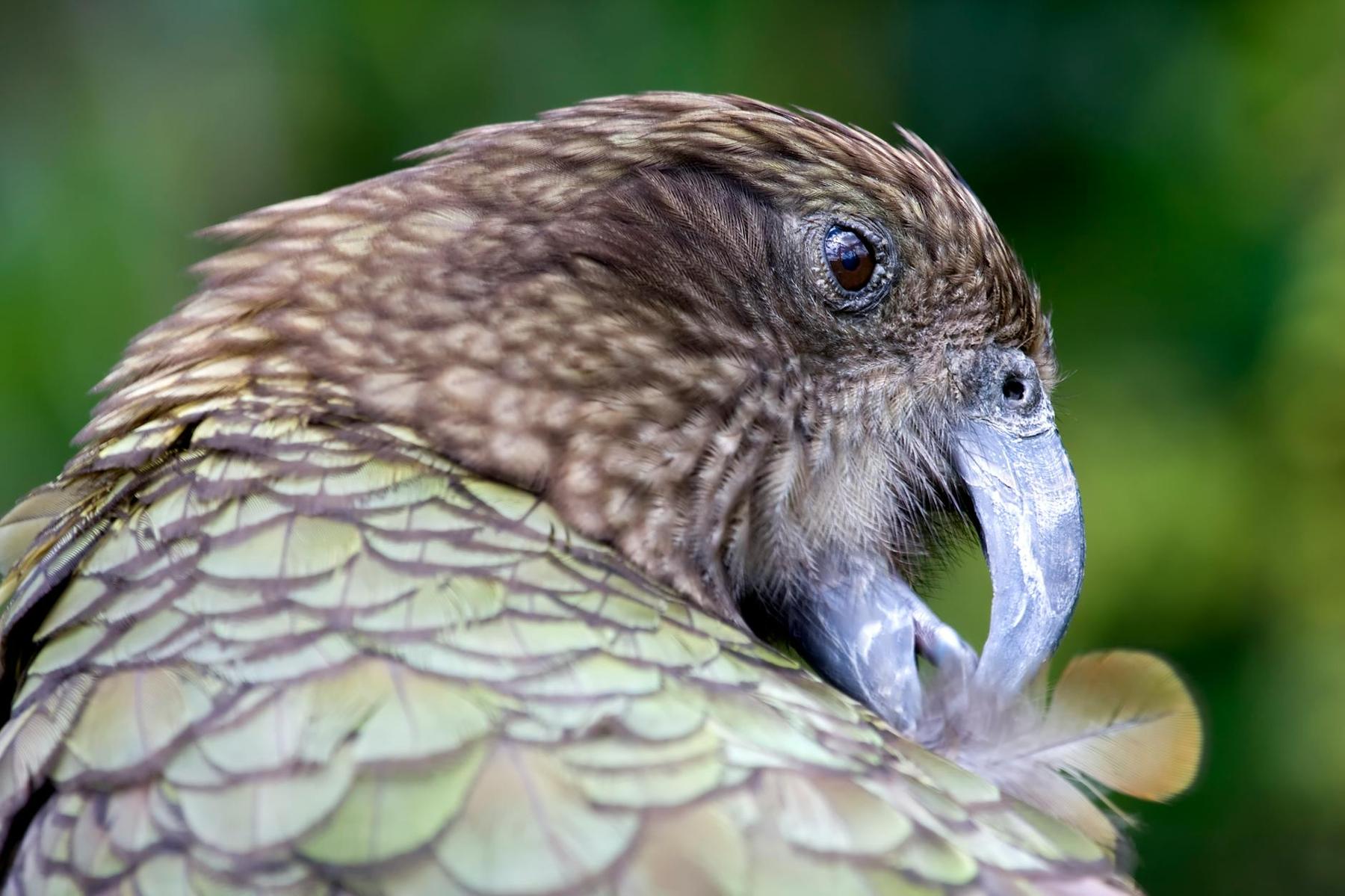
    • The High Country — kea (the world’s only alpine parrot), kākā, grand skinks.

    Te Wao Nui is an essential 60-90 minutes of your zoo visit. The Kiwi House alone justifies the entry — it’s one of the only places in NZ where you can reliably see the iconic kiwi during daytime hours.

    African Savanna

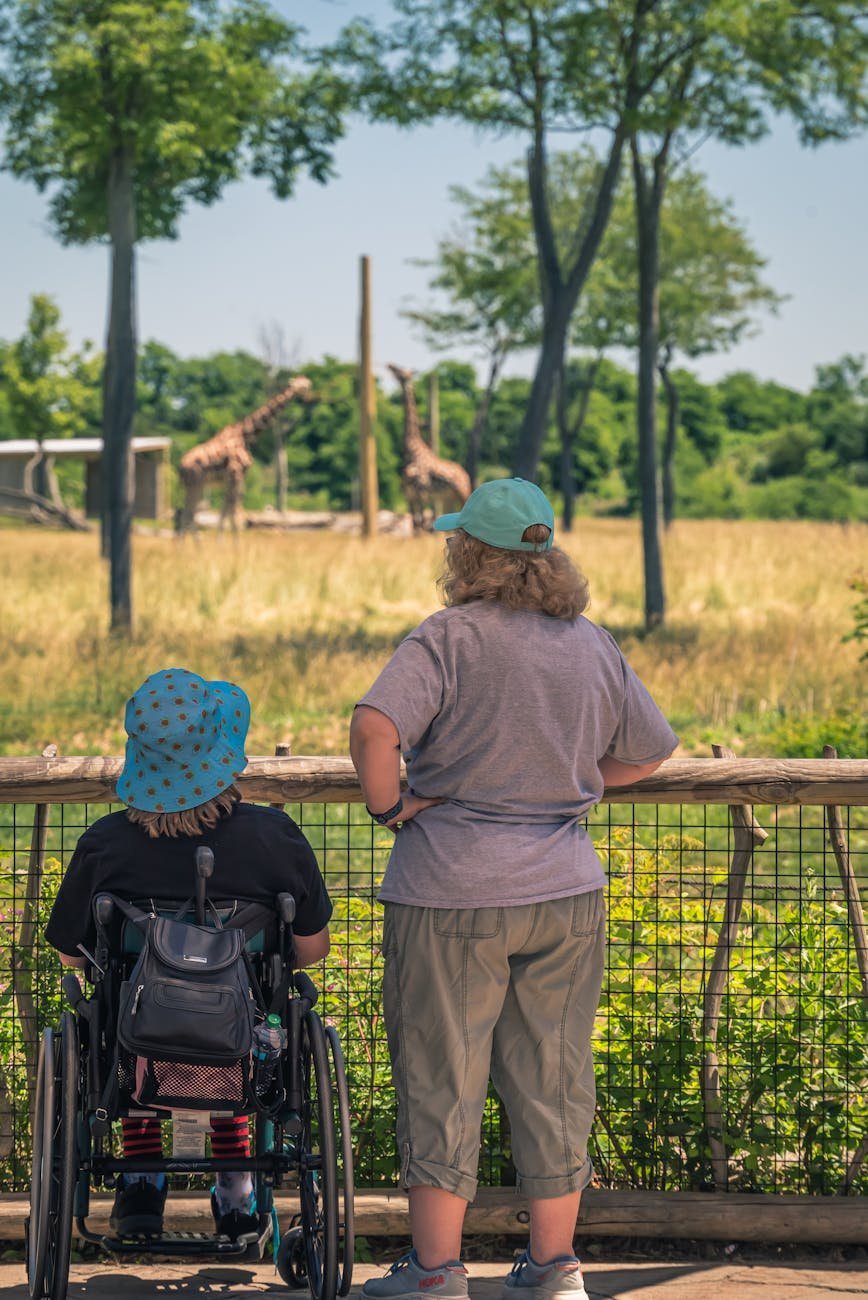
    Giraffe in African savanna exhibit at Auckland Zoo
    Auckland Zoo’s African Savanna is home to giraffes, zebras, lions and more across 17 hectares.

    The African Savanna is the zoo’s largest single habitat — 6 hectares featuring giraffes, zebras, ostriches, springbok, and the famous lion pride. The mixed-species exhibit was redeveloped 2018-2021 and is one of the country’s most-photographed zoo sections. Lion feeding times (typically 10:30am Wed-Sun) draw the biggest crowds.

    Asian Jungle Track

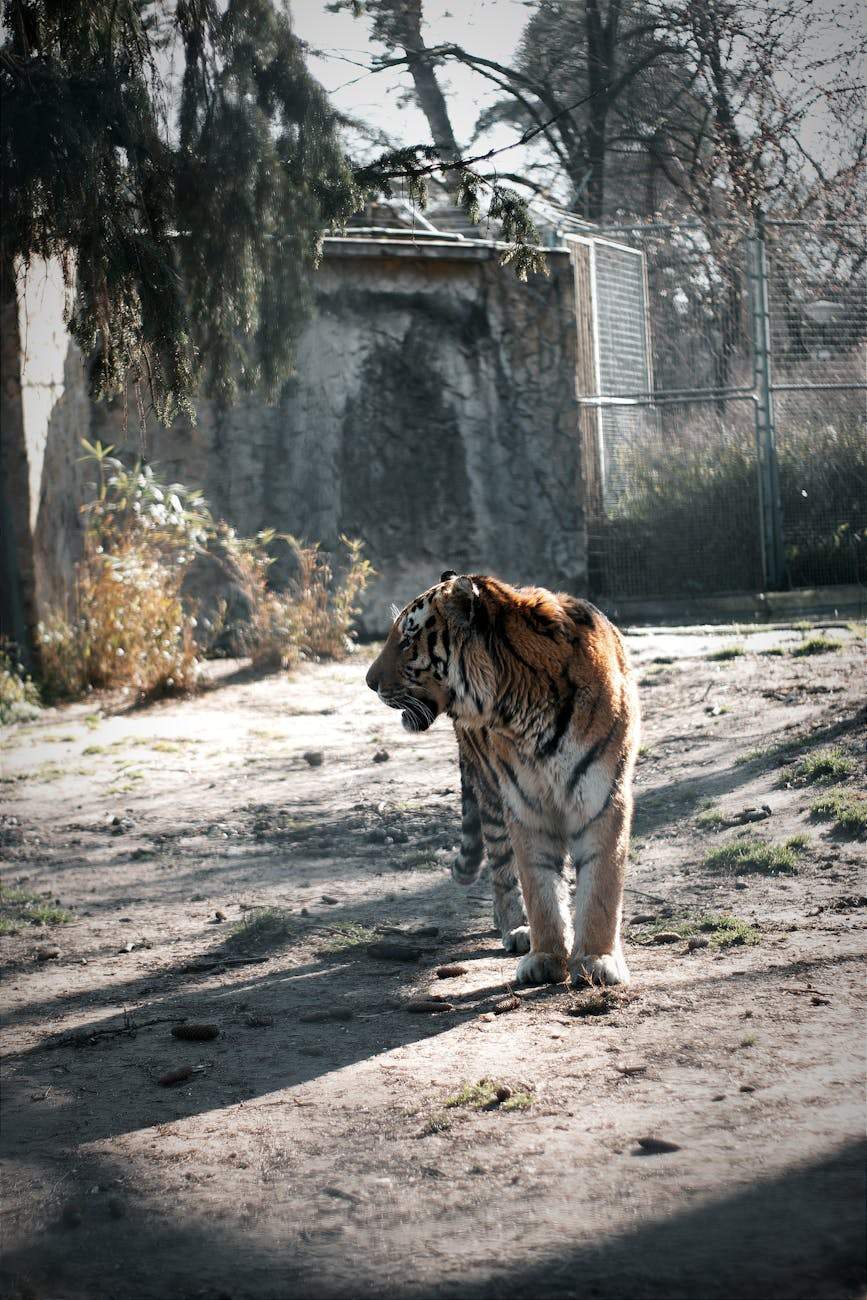
    Tiger in naturalistic habitat at Auckland Zoo
    The new Asian Jungle Track features tigers, orangutans and Asian wildlife in immersive habitats.

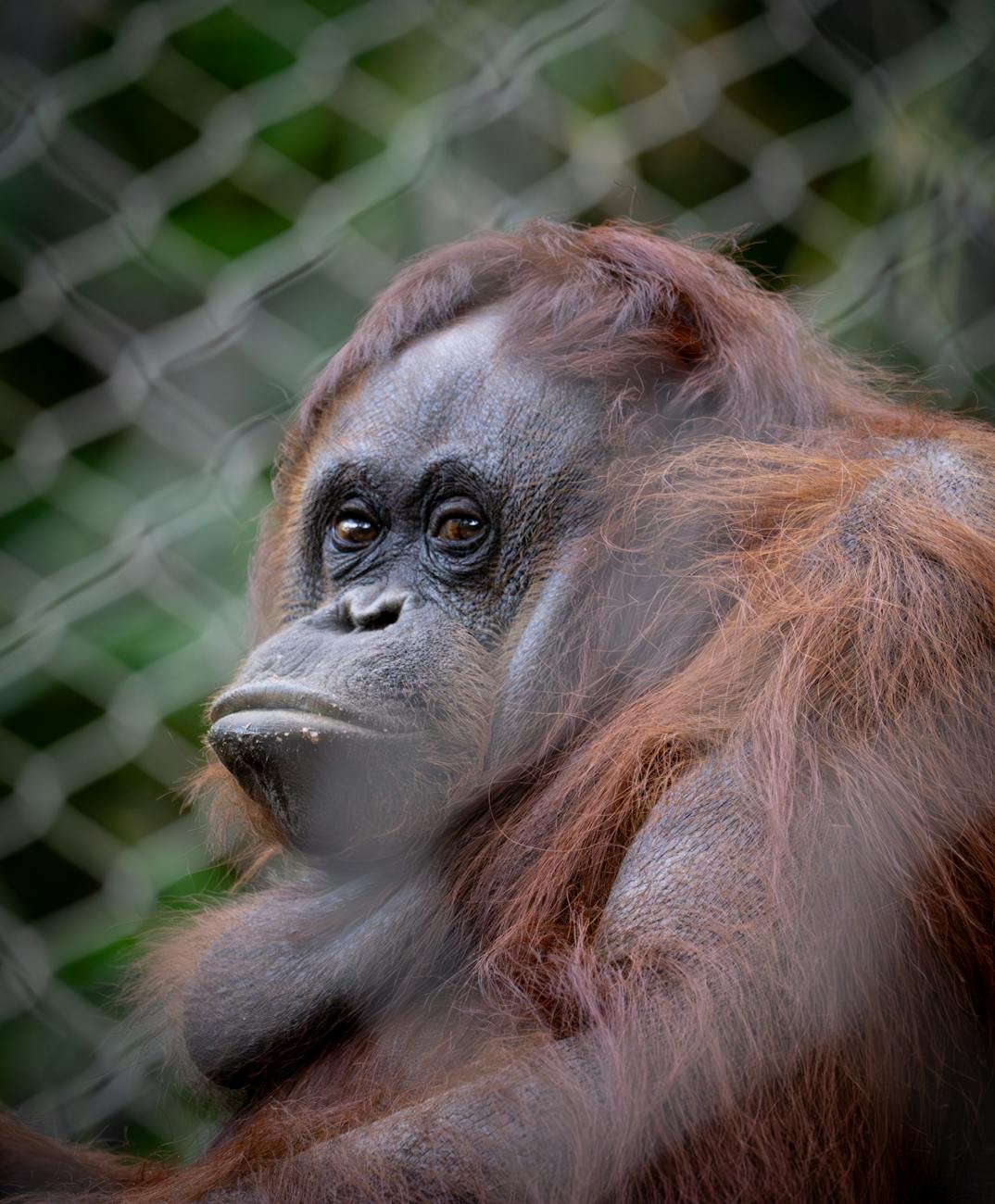
    The Asian Jungle Track is Auckland Zoo’s newest major exhibit (opened 2023), featuring Sumatran tigers, orangutans, gibbons, and other Asian rainforest species in immersive walking-through-the-jungle habitats. The orangutan family is the highlight — Auckland Zoo participates in international Sumatran orangutan conservation breeding.

    Orangutan in tropical jungle habitat at Auckland Zoo
    The Auckland Zoo orangutans are part of an international conservation breeding programme.

    Other major exhibits

    • Pridelands — elephant exhibit (currently transitioning as the elephant programme winds down).
    • South America — spider monkeys, capybaras, anacondas, golden lion tamarins.
    • Australia — wallabies, emus, Tasmanian devils, kookaburras.
    • Galapagos — giant tortoises, marine iguanas (visiting exhibit periodically).
    • Aviary — 30+ bird species in a walkthrough enclosure.
    • Pacific Reef — tropical fish, sharks, rays, sea turtles.

    Daily feeding and encounter times

    Auckland Zoo runs daily keeper talks and feeding sessions across the major exhibits. Times vary slightly by season but the core schedule is:

    • 10:00am — Tiger keeper talk (Asian Jungle Track)
    • 10:30am — Lion feeding (African Savanna, Wed-Sun)
    • 11:00am — Orangutan keeper talk (Asian Jungle Track)
    • 11:30am — Giraffe keeper experience (NZ$10 add-on, includes feeding)
    • 12:00pm — Cheetah keeper talk
    • 1:00pm — Sea lion keeper talk
    • 1:30pm — Otter feeding
    • 2:00pm — Penguin feeding (Te Wao Nui)
    • 2:30pm — Meerkat keeper talk
    • 3:00pm — Tuatara keeper talk (Te Wao Nui)
    • 3:30pm — Bird show (seasonal)

    Get the day’s exact times from the Zoo Map at the entrance or via the Auckland Zoo app (free, iOS and Android). Plan your route to catch 4-5 keeper talks across the day — they add depth and behind-the-scenes context to the exhibits.

    Auckland Zoo’s history

    Auckland Zoo opened in 1922 with a small collection of donated animals. The zoo grew through the 20th century as Auckland’s population expanded, and major redevelopments in the 1990s and 2000s transformed the original cage-style exhibits into the naturalistic immersive habitats visible today. Te Wao Nui (the native NZ section) opened in 2011 as the country’s most ambitious indigenous-wildlife exhibit. The Asian Jungle Track opened in 2023 as the zoo’s largest single redevelopment in two decades.

    The zoo has been operated by Auckland Council since 1992 (previously by the Auckland Regional Council). It now operates as part of Tātaki Auckland Unlimited, the council’s economic development organisation. Auckland Zoo is internationally accredited by WAZA (World Association of Zoos and Aquariums) and ZAA (Zoo and Aquarium Association Australasia), guaranteeing high welfare standards across all exhibits.

    Behind-the-scenes tours

    Te Wao Nui Tour

    Te Wao Nui Tour is Auckland Zoo’s flagship guided tour — 60 minutes through the native NZ habitats with a Zoo Guide explaining conservation work, kiwi breeding programmes, and tuatara biology. Includes general zoo entry. NZ$59 adult / NZ$25 child / NZ$140 family. Worth the upgrade for first-time visitors who want depth alongside the standard exhibit experience.

    Other behind-the-scenes options

    • Giraffe Keeper for a Day — 30 minutes feeding giraffes; NZ$30 add-on to entry.
    • Penguin Encounter — 20-minute behind-the-scenes meeting with the penguin keepers; NZ$45.
    • Tiger Keeper Experience — 90-minute experience with the tiger team; NZ$295 (includes lunch).
    • Orangutan Encounter — 60-minute special encounter with the orangutan family; NZ$295.
    • Wild Walk Tour — 90-minute conservation-focused tour; NZ$80 adult / NZ$40 child.

    Special encounters book out 2-4 weeks ahead in summer. Reserve via aucklandzoo.co.nz/experiences.

    Combine the zoo with Western Springs

    Auckland Zoo sits within the wider Western Springs Park (Auckland’s deepest fresh-water lake plus the volcanic crater that gives the park its name). Combining the zoo with the wider park makes a full free + paid family day:

    • Western Springs Lake walk — 1 km circular path; ducks, swans, eels in the water.
    • Western Springs playground — next to the lake; free; kids’ play structures.
    • MOTAT (Museum of Transport & Technology) — tram and steam train rides; NZ$19 adult / NZ$10 child.
    • The Wallace Arts Trust at Pah Homestead — nearby heritage gallery (a 10-min drive south).
    • Western Springs Stadium — the venue for major outdoor concerts and Pasifika Festival.
    • Free public BBQs — around the park for picnic lunches.

    A full family day might be: zoo morning (3 hours), MOTAT afternoon (2 hours), Western Springs Lake walk (45 min), free public-BBQ lunch in between. Roughly NZ$48 adult / NZ$23 child for the combined experience — extraordinary value for a full family day.

    Suggested visit itineraries

    Half-day visit (3 hours)

    • 9:30am: Arrive at opening; head to Te Wao Nui first (kiwi at quietest viewing).
    • 10:30am: Lion feeding at African Savanna.
    • 11:00am: Orangutan keeper talk.
    • 11:30am: Asian Jungle Track exploration.
    • 12:30pm: Cafe lunch on-site.
    • 1:00pm: Exit / continue to half-day attractions.

    Full-day visit (5-6 hours)

    • 9:30am: Te Wao Nui (60 minutes; quiet morning kiwi viewing).
    • 10:30am: Lion feeding.
    • 11:00am: Orangutan keeper talk + Asian Jungle Track.
    • 12:00pm: Cheetah keeper talk.
    • 12:30pm: Cafe lunch on-site.
    • 1:30pm: South America + Australia exhibits.
    • 2:00pm: Penguin feeding (Te Wao Nui).
    • 2:30pm: Aviary walkthrough.
    • 3:00pm: Tuatara keeper talk.
    • 3:30pm: Pacific Reef.
    • 4:00pm: Final exhibits + gift shop.
    • 5:30pm: Exit.

    With kids (4 hours)

    • 9:30am: Te Wao Nui (kiwi house first — kids’ attention is best at the start).
    • 10:30am: Lion feeding.
    • 11:00am: African Savanna giraffes (giraffe encounter NZ$30 add-on).
    • 12:00pm: Cafe lunch.
    • 1:00pm: Asian Jungle Track + orangutan keeper talk.
    • 1:30pm: Pacific Reef + South America short loop.
    • 2:00pm: Penguin feeding.
    • 2:30pm: Final exhibits + departure.

    Where to eat at Auckland Zoo

    • Old Elephant House Café — the main on-site café. Brunch, sandwiches, pies, coffee. Outdoor seating with views of the savanna.
    • Zoofari Express — family-friendly café near Te Wao Nui. Kids’ menus, ice cream, simple meals.
    • Picnic at Western Springs — the surrounding park is free and picnic-friendly; bring food from home.
    • BYO food — the zoo allows you to bring your own food. Many families bring picnics for outdoor consumption.
    • Coffee carts — seasonal, around major exhibit areas.

    How to get to Auckland Zoo

    • By car — 10 minutes from Auckland CBD via Great North Road. Limited paid parking on-site (NZ$10/day); free street parking around Western Springs Lake.
    • By bus — Outer Link bus from Britomart, alight at MOTAT (5-min walk to zoo). Or 18 bus from Customs Street.
    • By Uber — NZ$15-22 from CBD.
    • By bike — Auckland Council cycle path connects from CBD via NW Cycle Route. Free bike racks at zoo entrance.
    • Combine with MOTAT — Museum of Transport & Technology is next door; combo deal available.

    Photography at Auckland Zoo

    • Best photography times — early morning (10am-12pm) when animals are most active and lighting is softer.
    • Tigers and orangutans — the Asian Jungle Track has glass viewing panels with limited reflections; photograph from the side angles.
    • Kiwi — low-light photography only in Te Po (Kiwi House); flash strictly forbidden. Use ISO 6400+ on cameras; phone cameras struggle.
    • Giraffes — the African Savanna giraffes have the best portrait angles around 11am during the daily keeper feeding.
    • Lions — 10:30am feeding is the prime action shot — book ahead for front-row viewing.
    • Birds in the aviary — walkthrough exhibit allows close photography; bring a fast lens for moving birds.
    • Tuatara — low-light habitat; macro lens or strong zoom helpful.
    • Drones forbidden — drone photography is not permitted on zoo grounds.

    A perfect Auckland Zoo day

    If you’re visiting Auckland Zoo for the first time, here’s the optimal day plan with timings:

    • 9:30am — arrive at opening; collect Zoo Map and audio guide.
    • 9:45am — Te Wao Nui first — kiwi house at quietest viewing.
    • 10:30am — walk to African Savanna for lion feeding (Wed-Sun).
    • 11:00am — orangutan keeper talk on Asian Jungle Track.
    • 11:30am — giraffe keeper experience (NZ$30 add-on for a feeding moment).
    • 12:00pm — Old Elephant House Café for lunch.
    • 1:00pm — South America & Australia exhibits.
    • 2:00pm — Te Wao Nui penguin feeding — quieter than morning kiwi house but excellent.
    • 2:30pm — Pacific Reef and Aviary walkthrough.
    • 3:30pm — coffee break at Zoofari Express.
    • 4:00pm — final exhibits and gift shop.
    • 5:00pm — walk to Western Springs Lake for a 30-min lake walk.
    • 6:00pm — drive home or continue to Ponsonby for dinner.

    Auckland Zoo with kids

    Auckland Zoo is one of the country’s best family attractions. Practical kid-friendly notes:

    • Strollers and prams welcome throughout; level paths suit pram navigation.
    • Free children’s activity packs at the entrance — kids’ map, drawing pencils, animal trail.
    • Baby change facilities at the main café and entrance areas.
    • Picnic spots throughout for breaks.
    • Free hire of zoo-themed strollers ($10 deposit refundable).
    • Children’s playground adjacent to the entrance.
    • Sensory-friendly mornings on the first Sunday of each month — quieter exhibits before public opening.
    • School holiday programmes daily (kids’ workshops, behind-the-scenes activities).
    • Shaded rest areas throughout for hot summer days.
    • Free daily activity sheets at each major exhibit.

    Best time to visit Auckland Zoo

    • Weekday mornings (10am-12pm): the calmest viewing experience. Animals are most active.
    • Saturday afternoons: the busiest time. Avoid unless you don’t mind crowds.
    • School holidays: school holiday programmes peak July, October and December. Book ahead.
    • Spring (Sep-Nov): baby animals appear at multiple exhibits.
    • Summer (Dec-Feb): longer hours, more outdoor visibility.
    • Winter (Jun-Aug): some nocturnal species are most active; cooler weather makes outdoor exhibits comfortable.
    • Special seasonal events: Christmas at the Zoo (December), Spring Babies (October-November), Summer Lates (Friday/Saturday extended hours in February).

    Auckland Zoo accessibility

    • Fully wheelchair accessible — paved paths throughout most exhibits.
    • Free wheelchair loan at the entrance (call ahead to reserve).
    • Service animals welcome.
    • Accessible toilets at multiple locations.
    • Sensory-friendly Sundays first of each month.
    • Audio descriptions available at major exhibits via the Auckland Zoo app.
    • Visual displays at every exhibit.
    • Reduced-noise sessions for autism spectrum visitors.
    • Companion Card accepted (free entry for support carer).

    Auckland Zoo events and seasonal programming

    • Christmas at the Zoo — December; Christmas-themed encounters and special evenings.
    • Summer Lates — February Friday/Saturday extended hours until 7pm.
    • Spring Babies — October-November; baby animal viewings and updates.
    • Conservation Talks — monthly free public talks on conservation work.
    • Earth Day events — April; sustainability-focused activities.
    • Wildlife Week — October; daily themed activities.
    • School holiday programmes — July, October, December, April.
    • Senior Tuesdays — 50% discount for over-65s on Tuesday entry.

    Special exhibits and rotating attractions

    Auckland Zoo regularly hosts seasonal and visiting attractions in addition to permanent exhibits. Recent and upcoming highlights:

    • Spring Babies (Sep-Nov) — baby animals arrive across multiple exhibits; meerkat pups, lion cubs, giraffe calves, kiwi chicks.
    • Summer Lates (Feb) — Friday and Saturday evening hours until 7pm; nocturnal animals are most active.
    • Christmas at the Zoo (Dec) — festive themed events, Santa visits, holiday encounters.
    • School holiday programmes — daily themed activities during NZ school holidays (July, October, December, April).
    • Conservation Talks — monthly free public lectures on topical wildlife conservation issues.
    • Earth Day (April) — sustainability-focused activities and behind-the-scenes glimpses.
    • National Kiwi Day (April 15) — kiwi-themed activities and behind-the-scenes glimpses of breeding programmes.
    • World Sea Turtle Day (June 16) — Pacific Reef themed events.
    • International Tiger Day (July 29) — tiger-focused activities and conservation talks.
    • Auckland Zoo birthday (March) — annual celebration of the zoo’s 1922 founding.

    Auckland Zoo conservation work

    Auckland Zoo is a working conservation organisation, not just a tourist attraction. The zoo participates in 40+ conservation breeding programmes for endangered species, with the brown kiwi recovery programme being the country’s most famous. The zoo’s veterinary hospital treats injured wildlife from across the upper North Island, and the zoo’s research team contributes to peer-reviewed wildlife biology publications. A portion of every ticket goes to the zoo’s conservation work, including the Mountain Bongo recovery programme in Africa, the Sumatran orangutan conservation effort, and NZ-specific work on tuatara and skink species.

    The zoo’s Bird Recovery Centre at the back of the property treats 800+ injured wild birds per year, returning healthy birds to the wild. While the centre isn’t open to general visitors, the Wild Walk Tour (NZ$80) includes a brief stop at the centre.

    Auckland Zoo vs other NZ zoos

    • Auckland Zoo — 17 hectares; 100+ species; flagship NZ native wildlife (Te Wao Nui); world-class Asian Jungle Track. The country’s premier zoo.
    • Wellington Zoo — 13 hectares; smaller but with strong NZ native programme. Notable for chimpanzee community.
    • Christchurch Orana Wildlife Park — open-range African Savanna; lion encounters; primarily safari-style.
    • Hamilton Zoo — 25 hectares; largest open-range zoo in NZ; chimpanzees and gorillas.
    • Willowbank Wildlife Reserve (Christchurch) — NZ-specific native wildlife; less mainstream zoo experience.

    For most international visitors, Auckland Zoo is the country’s best zoo experience — the most accessible (10 mins from CBD), the largest collection, and the strongest NZ native wildlife exhibits. Hamilton Zoo and Christchurch Orana are alternatives if you’re touring those regions.

    Auckland Zoo for international visitors

    For international travellers, Auckland Zoo offers something genuinely unique — kiwi viewing during daylight hours, tuatara up close, and a curated NZ native wildlife experience that’s significantly stronger than most international zoos. The combination of native NZ species (often impossible to see elsewhere in the world) plus mainstream international zoo exhibits (lions, tigers, orangutans) makes Auckland Zoo an ideal first-day Auckland activity for families. Most international visitors with kids place the zoo in their top 5 Auckland experiences.

    FAQs

    How much does Auckland Zoo cost?

    NZ$29 adult / NZ$13 child / NZ$84 family pass (2 adults + 2 children) for standard 2026 entry.

    What time does Auckland Zoo open?

    09:30am daily; closes 17:30pm. Last entry 16:00.

    Can I see kiwi at Auckland Zoo?

    Yes — Te Wao Nui’s Kiwi House (Te Po) reverses lighting so the nocturnal kiwi are awake during visiting hours. One of the most reliable kiwi-viewing experiences in NZ.

    Is Auckland Zoo worth visiting?

    Yes — particularly for first-time NZ visitors keen to see kiwi and tuatara, families with kids, and conservation-minded travellers. Plan 4-5 hours minimum for a worthwhile visit.

    How long does a zoo visit take?

    Half-day for highlights (3 hours), full day for thorough exploration plus behind-the-scenes tour (5-6 hours). With kids, plan 4 hours including lunch break.

    Can I bring food into the zoo?

    Yes — picnics welcomed throughout. The zoo also has multiple cafés if you don’t want to bring food.

    Is parking free?

    Limited paid parking on-site (NZ$10/day). Free street parking is available around Western Springs Lake (5-min walk).

    When are the keeper talks?

    Daily at exhibits across the day. Lion feeding 10:30am Wed-Sun; tiger talk 10am; orangutan talk 11am; penguin feeding 2pm. Check the Zoo Map at entry for exact times.

    Is Auckland Zoo wheelchair accessible?

    Yes — fully accessible with paved paths, free wheelchair loan, accessible toilets, and assistance available on request.

    Are there special tours?

    Yes — Te Wao Nui Tour (NZ$59 adult, includes entry), Giraffe Keeper for a Day (NZ$30 add-on), Penguin Encounter (NZ$45), Tiger Experience (NZ$295), Orangutan Encounter (NZ$295). Book at aucklandzoo.co.nz.

    What’s the best time to visit?

    Weekday mornings 10am-12pm. Saturday and Sunday 11am-3pm are the busiest times.

    Can I combine the zoo with MOTAT?

    Yes — MOTAT (Museum of Transport & Technology) is next door. Combo tickets sometimes available; check both venues’ websites.

    Booking strategy

    Auckland Zoo is busiest on summer school-holiday weekends. Book online to skip the entry queue regardless of season. Special encounters (Tiger Experience, Orangutan Encounter, Penguin Encounter) book out 2-4 weeks ahead in summer; reserve via aucklandzoo.co.nz/experiences. The Te Wao Nui Tour is the most popular guided experience — book at least 1 week ahead in summer. Annual pass holders get priority booking on special encounters and 10% discount at the gift shop.

    Auckland Zoo gift shop and merchandise

    The on-site gift shop sits at the entrance and stocks a curated selection of children’s books, soft toys (kiwi, tuatara, lions), educational games, conservation-themed prints, and NZ-designed accessories. Prices are mid-range — soft toys NZ$25-65, books NZ$15-35, prints NZ$25-150. The kiwi soft toys are the most-purchased single item — a popular souvenir for families and an essential gift for nieces and nephews back home. Profits from the gift shop fund the zoo’s conservation programmes; spending here directly supports endangered species work.

    Tips for visiting Auckland Zoo

    • Buy tickets online to skip the entry queue.
    • Arrive at 9:30am opening for the calmest experience and most active animals.
    • Plan your route around 4-5 keeper talks.
    • Visit Te Wao Nui first — kiwi viewing is best when fewer visitors are about.
    • Bring water bottles; refilling stations throughout.
    • Sun protection essential in summer; the African Savanna is largely unshaded.
    • Bring a picnic for lunch outside the cafés.
    • Download the Auckland Zoo app for self-guided tours and updated keeper-talk schedules.
    • Combine with Western Springs Lake walk and MOTAT for a full Western Springs day.
    • If visiting in summer, book Summer Lates Friday/Saturday for evening visits with no crowds.
    • Annual passes pay for themselves with 5+ visits; great for Auckland-resident families.
    • Check the kiwi house viewing schedule — quieter mornings are the best chance to see active kiwi.

    The bottom line

    Auckland Zoo is one of the country’s best family days out and the most reliable place in New Zealand to see iconic native wildlife including kiwi and tuatara. Combined with the new Asian Jungle Track and the redeveloped African Savanna, the zoo delivers world-class exhibits with strong conservation credentials. Plan a half to full day; combine with Western Springs and MOTAT for a complete Western Springs precinct experience.

    Plan more family activities with our complete Auckland with kids pillar, our things to do in Auckland guide, and our Auckland Museum guide for cultural-and-wildlife day combos. Pair the zoo with our best playgrounds in Auckland guide for a full free-and-paid family day in Western Springs.

  • How Much Does a Trip to Auckland Cost? (Full Budget Guide 2026)

    How Much Does a Trip to Auckland Cost? (Full Budget Guide 2026)

    Auckland is mid-priced by international standards — comparable to mid-tier US cities and slightly cheaper than Sydney or London. But how much you’ll spend depends substantially on your travel style: backpackers can do Auckland for NZ$100/day, mid-range travellers spend NZ$280-460/day, and luxury visitors easily spend NZ$900+/day. This complete Auckland travel cost guide breaks down 2026 prices for accommodation, food, transport, attractions, and daily budgets across every traveller type — plus money-saving tips and a sample 7-day Auckland trip cost.

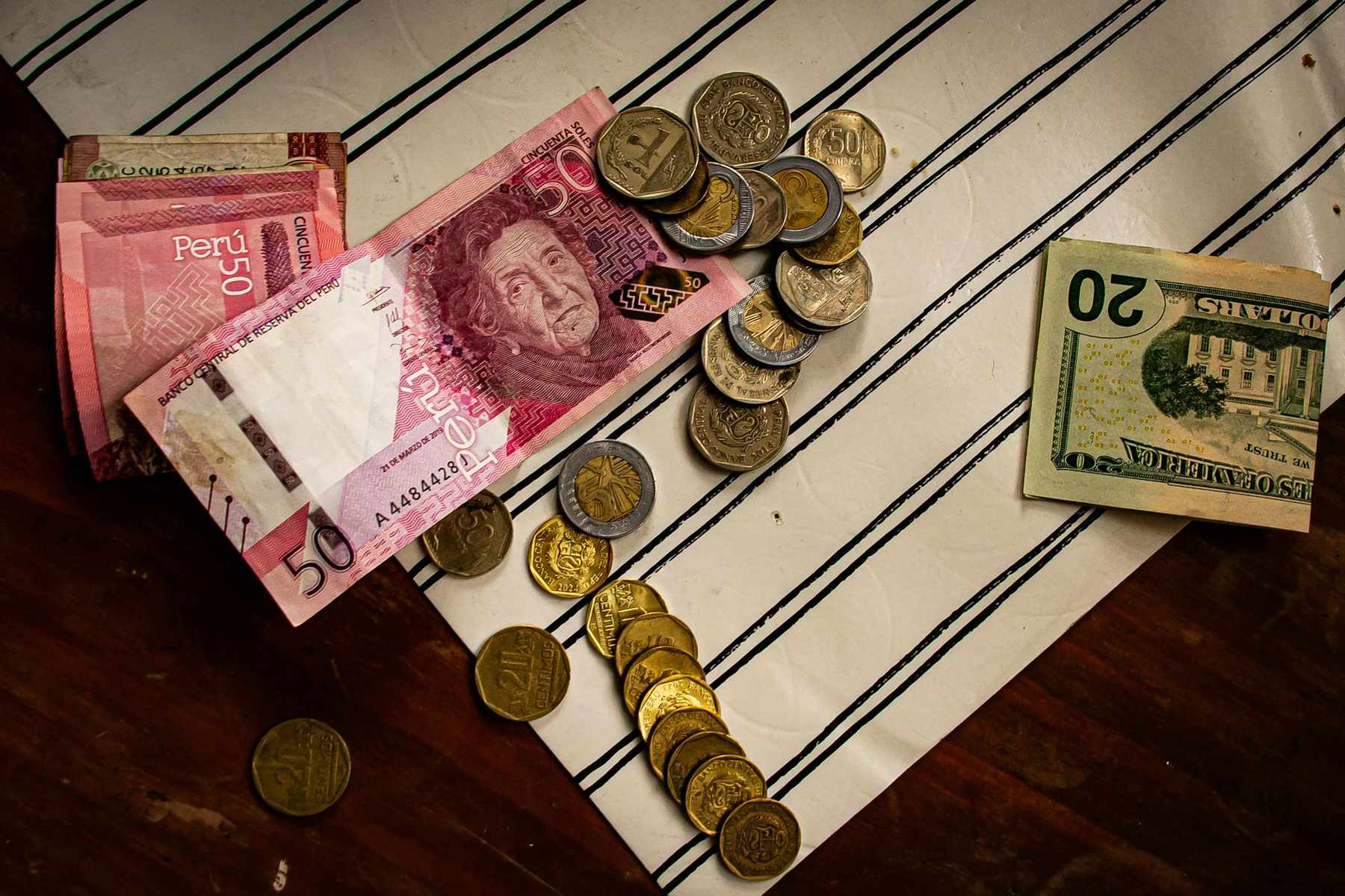
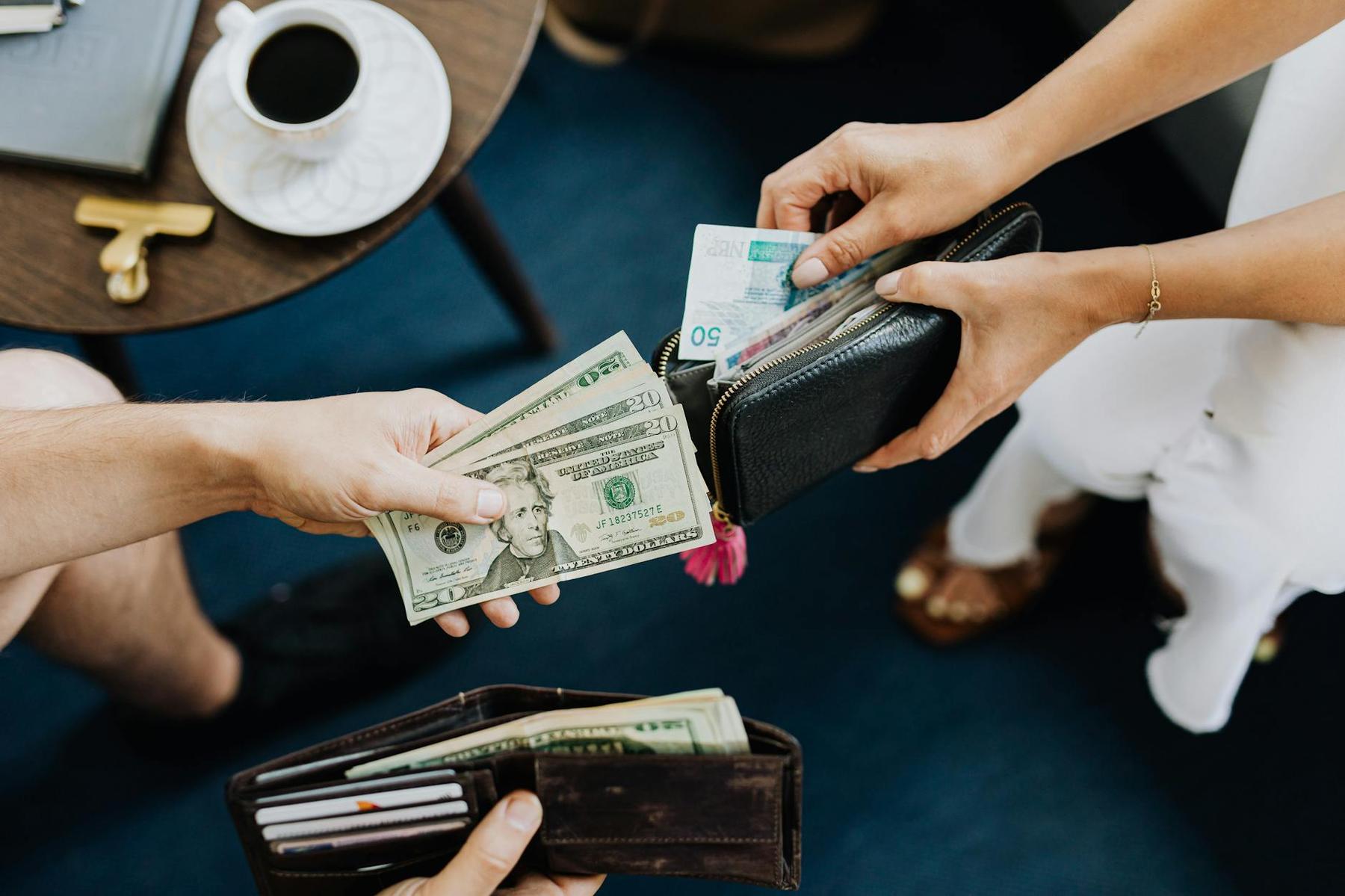
    Travel money currency budget planning notebook
    Auckland trip costs range from NZ$100/day backpacker to NZ$900+/day luxury — plan your budget.

    Auckland daily budgets at a glance (2026)

    • Backpacker — NZ$100-150/day per person (hostel dorm, food court meals, public transport, free attractions).
    • Budget traveller — NZ$150-250/day (private hostel rooms, casual dining, public transport, mix of free + low-cost attractions).
    • Mid-range — NZ$280-500/day (mid-range hotel, bistro dining, mix of public transport and Uber, paid attractions).
    • Mid-range plus — NZ$500-800/day (4-star hotel, fine dining occasionally, rental car, premium attractions).
    • Luxury — NZ$900-1,500/day (5-star hotel, fine dining nightly, private tours, premium experiences).
    • Ultra-luxury — NZ$1,500+/day (Park Hyatt suite, private cars, helicopter transfers, exclusive experiences).

    Accommodation costs

    Hostel dorm bed backpacker accommodation
    Auckland hostel dorm beds run NZ$35-70 per night; private hostel rooms NZ$90-130.

    Backpacker accommodation

    • Hostel dorm bed: NZ$35-70 per night
    • Private hostel room (single): NZ$90-130 per night
    • Private hostel room (twin): NZ$110-160 per night
    • Camping in regional parks: NZ$10-18 per site per night
    • Top hostels: Haka Lodge (K Road), JUCY Snooze (Queen Street), YHA Auckland City, Verandahs (Newton)

    Mid-range accommodation

    • 3-star hotels and motels: NZ$140-220 per night
    • 4-star hotels (Travelodge, Crowne Plaza): NZ$180-280 per night
    • Boutique mid-range (Naumi Studio, M Social): NZ$190-300 per night
    • Apartment hotels (Adina, Quest): NZ$220-350 per night
    • Airbnb (private apartment): NZ$140-240 per night

    Premium and luxury accommodation

    • 4.5-star hotels (Hotel Indigo, voco): NZ$330-450 per night
    • 5-star hotels (Cordis, Sofitel, Horizon): NZ$400-700 per night
    • Park Hyatt Auckland: NZ$750-1,200 per night (NZ’s most expensive hotel)
    • Hotel Britomart Landing Suites: NZ$700-1,000 per night
    • Premium suites at any 5-star: NZ$1,500-3,000+ per night
    • Park Hyatt Diplomat Suite: NZ$5,000+ per night

    Off-peak (May-September) rates are 30-40% lower than peak summer (December-February). Cruise weekend rates surge 15-20% during October-April. Major event weekends (Splore, Lantern Festival, Pasifika, NRL Nines, Auckland Marathon) push rates 30-50% higher.

    Food costs

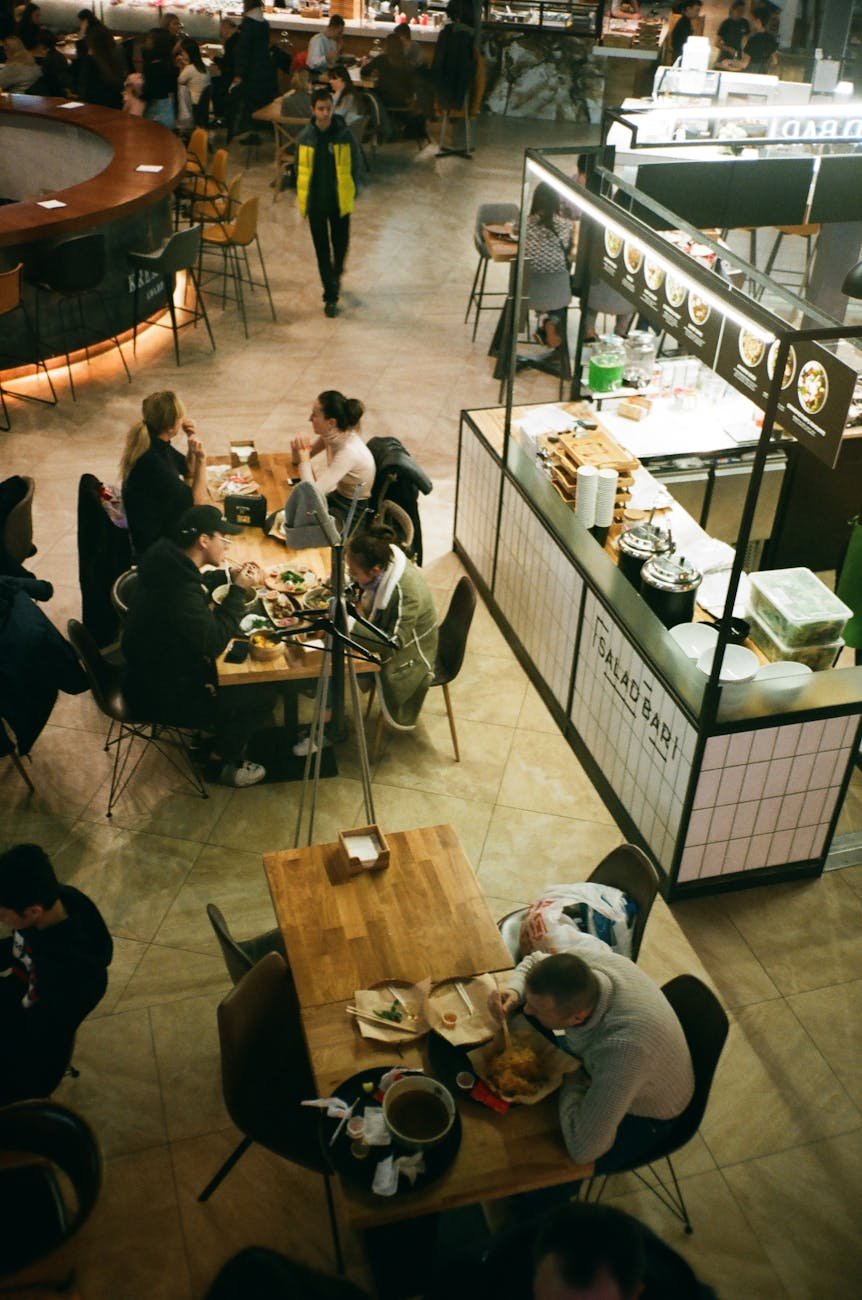
    Food court casual lunch with diverse cuisine
    Auckland’s casual Asian food courts offer NZ$15 lunches — the city’s best budget eats.

    Backpacker / budget food

    • Hostel kitchen self-catering: NZ$10-15 per meal (groceries from Countdown, Pak’nSave)
    • Asian food court lunch: NZ$12-18 per meal (Newmarket, Manukau, Britomart food courts)
    • Quick service (subs, kebabs, pies): NZ$8-15 per meal
    • Pak’nSave / Countdown grocery: NZ$60-90 per person per week (self-catered)
    • Coffee: NZ$5.50-7 per flat white

    Mid-range dining

    Mid-range restaurant casual dining couple
    Mid-range Auckland dinners average NZ$77 per person; casual food courts NZ$15.
    • Brunch: NZ$24-32 per dish + coffee NZ$6.50
    • Casual dinner mains: NZ$28-38 per dish
    • Mid-range three-course dinner: NZ$77 per person (including drinks)
    • Cocktails: NZ$18-24 each
    • Wine: NZ$12-16 by the glass; NZ$45-90 by the bottle at restaurants
    • Craft beer: NZ$10-14 per pint
    • Bottomless brunch: NZ$55-89 per person

    Fine dining and luxury

    • Fine-dining mains: NZ$45-65 per dish
    • Tasting menu (chef’s table): NZ$140-280 per person
    • Premium wine pairing: NZ$120-180 additional
    • Cocktails at hotel bars: NZ$22-30 each
    • Hotel breakfast: NZ$35-55 per person (often included with room)
    • Park Hyatt Onemata signature dinner: NZ$200-400 per person
    • Hāngī or Pacific banquet: NZ$135-220 per person

    Transport costs

    Currency exchange travel money cards setup
    Use a HOP card and contactless payment — Auckland is largely cashless except for small markets.

    Public transport (with HOP card)

    • HOP card purchase: NZ$5 + NZ$20 starting credit = NZ$25 total
    • Single zone bus/train: NZ$2.20
    • Cross-city journey (4 zones): NZ$6.30
    • Daily fare cap: NZ$20
    • Weekly fare cap: NZ$50 (Mon-Sun)
    • Devonport ferry return: NZ$9
    • AirportLink to CBD: NZ$18

    Uber and taxi

    • CBD short trips: NZ$10-18
    • CBD to Ponsonby: NZ$12-18
    • CBD to Mission Bay: NZ$22-32
    • Auckland Airport to CBD: NZ$80-110
    • CBD to Westfield Albany: NZ$45-60
    • Long Bay Regional Park: NZ$55-70

    Rental car

    • Compact car: NZ$55-80 per day (cheaper if booked 2+ weeks ahead)
    • SUV: NZ$95-140 per day
    • Premium / Tesla: NZ$180-350 per day
    • Fuel: NZ$2.85-3.10 per litre
    • Parking (CBD): NZ$25-50 per day
    • Parking (mall lots): mostly free

    Auckland Airport options

    • AirportLink bus: NZ$18 (cheapest)
    • SkyDrive shuttle: NZ$32 single / NZ$54 return
    • Uber: NZ$80-110 (35-50 mins)
    • Taxi: NZ$90-110
    • Helicopter (Park Hyatt concierge): NZ$1,000+

    Attraction and activity costs

    Free attractions

    • Auckland Domain & Wintergardens
    • Cornwall Park & One Tree Hill
    • Mt Eden volcano summit walk
    • Bastion Point lookout
    • Mission Bay beach
    • Tāmaki Drive promenade walk
    • Wynyard Quarter splash pad
    • Auckland Art Gallery permanent collection
    • All 750+ Auckland Council playgrounds
    • Auckland regional parks (28 parks)
    • Pasifika Festival
    • Auckland Lantern Festival
    • Music in Parks & Movies in Parks
    • Sculpture in the Gardens
    • La Cigale French Market (Saturday)
    • Britomart Country Market (Saturday)

    Paid attractions

    • Sky Tower observation: NZ$34 adult / NZ$15 child
    • Sky Tower SkyJump (220m base jump): NZ$295
    • Sky Tower SkyWalk (cliff walk): NZ$165
    • Auckland War Memorial Museum: NZ$32 adult / NZ$16 child (free for Aucklanders, donation for NZ residents)
    • Auckland Museum + Cultural Performance: NZ$55 adult / NZ$28 child
    • Auckland Zoo: NZ$29 adult / NZ$13 child
    • Kelly Tarlton’s Sea Life: NZ$44 adult / NZ$28 child
    • MOTAT (Museum of Transport & Technology): NZ$19 adult / NZ$10 child
    • Stardome Observatory: NZ$20 adult / NZ$15 child for shows
    • Rainbow’s End: NZ$69 unlimited rides per day
    • Hobbiton Movie Set tour: NZ$129 adult / NZ$66 child
    • Te Puia Geothermal Park (Rotorua): NZ$79 adult standalone; NZ$129 with cultural performance
    • Waiheke Island ferry return: NZ$62 adult
    • Waiheke wine tour: NZ$159-275 per person
    • Auckland Bridge Climb: NZ$165 adult

    Tours and excursions

    • Hop-on hop-off Auckland Explorer: NZ$54 adult single day / NZ$89 two-day
    • Rotorua day tour from Auckland: NZ$295-450 per person
    • Hobbiton + Waitomo combo: NZ$479 per person
    • Bay of Islands day tour: NZ$249 per person
    • Whale and dolphin watching: NZ$169 adult
    • Auckland Whale & Dolphin Safari: NZ$169 adult / NZ$99 child
    • Sailing the Hauraki Gulf: NZ$95-180 per person for half-day
    • Kayak guided tour: NZ$120-180 per person

    Sample 7-day Auckland trip costs

    Backpacker (NZ$700-1,000 total)

    • Accommodation: 7 nights x NZ$50 hostel dorm = NZ$350
    • Food: 7 days x NZ$30 self-catering + cheap meals = NZ$210
    • Transport: NZ$50 weekly cap on HOP card = NZ$50
    • Attractions: Sky Tower + 1-2 paid attractions + free walks = NZ$80
    • Activities: 1 day-trip ferry, snacks, drinks = NZ$150
    • Total per person: NZ$700-1,000

    Mid-range traveller (NZ$2,500-3,500 total)

    • Accommodation: 7 nights x NZ$220 mid-range hotel = NZ$1,540
    • Food: 7 days x NZ$120 (brunch, dinner, drinks) = NZ$840
    • Transport: NZ$50 weekly HOP cap + NZ$60 Ubers = NZ$110
    • Attractions: Sky Tower + Auckland Museum + Kelly Tarlton’s + Waiheke ferry = NZ$200
    • Activities: Hobbiton day tour or Waiheke wine tour = NZ$200
    • Shopping: souvenirs, gifts = NZ$200
    • Total per person: NZ$2,500-3,500

    Luxury traveller (NZ$5,500-8,500 total)

    • Accommodation: 7 nights x NZ$700 5-star = NZ$4,900
    • Food: 7 days x NZ$300 (fine dining nightly, hotel brunch) = NZ$2,100
    • Transport: NZ$200 Uber + private cars = NZ$200
    • Attractions: Premium tours, Sky Tower, Hobbiton, Rotorua = NZ$700
    • Spa, drinks, extras: NZ$300-500
    • Shopping: NZ$500-1,000
    • Total per person: NZ$5,500-8,500

    Where to find best-value transport

    The AT HOP card is Auckland’s best-value transport option. NZ$5 for the card plus credit gets you 20% off all bus, train and inner-harbour ferry fares. Combined with the daily NZ$20 fare cap and weekly NZ$50 cap, public transport is exceptionally good value for tourists. The AirportLink bus (NZ$18 with HOP card) is the cheapest airport-to-CBD option but the slowest. Uber (NZ$80-110) is fastest. SkyDrive shuttle (NZ$32) splits the difference. For most Auckland trips, the HOP card plus the occasional Uber is significantly cheaper and easier than rental car (NZ$55-80/day plus NZ$25-50/day parking plus NZ$3/L petrol). Reserve rental cars only when you have specific day-trip needs (Hobbiton, Rotorua, west-coast beaches, multi-day NZ touring).

    Currency, payment, and tipping

    • Currency: New Zealand Dollar (NZD or NZ$)
    • 2026 exchange rate (approximate): NZ$1 = US$0.58 / £0.45 / AU$0.92 / €0.55
    • ATM access: ANZ, ASB, Westpac, BNZ, Kiwibank — widely available; international fees vary by bank
    • Card acceptance: Visa, Mastercard accepted everywhere; American Express selectively
    • Contactless payment: universal — Apple Pay, Google Pay, contactless cards work nearly everywhere
    • Cash: minimal use; some markets and small vendors prefer cash
    • Tipping: NOT expected — bills include service. Optional 5-10% on exceptional service.
    • Service charge: some restaurants add 15% on public holidays.

    Sample mid-range Auckland day

    Here’s what a typical mid-range traveller spends in a single Auckland day, with a comfortable but not luxurious lifestyle:

    • Hotel (4-star, Britomart Travelodge) — NZ$220 per night.
    • Hotel breakfast — NZ$25 (some rates include).
    • Coffee at Daily Bread Britomart — NZ$7.
    • Brunch at Bambina (Ponsonby) — NZ$32.
    • Public transport (Inner Link bus to Ponsonby return) — NZ$4.40.
    • Auckland Museum entry — NZ$32.
    • Lunch (Asian food court at Newmarket) — NZ$15.
    • Coffee at Atomic (Ponsonby) — NZ$6.50.
    • Sky Tower observation — NZ$34.
    • Pre-dinner drinks at SO/ Auckland Harbour Society — NZ$28 (one cocktail).
    • Dinner at Saan (Ponsonby) — NZ$60 (mains + wine).
    • Uber back to hotel — NZ$15.
    • Daily total: NZ$478.

    This represents a comfortable mid-range Auckland day with one major paid attraction, two coffees, brunch, dinner, plus standard transport. Multiply by 7 days to get a NZ$3,346 weekly base, plus NZ$300-500 for one day-trip + souvenirs = NZ$3,800-4,100 per person for a comfortable week.

    Money-saving tips

    • Travel in May-September shoulder/winter season — accommodation 30-40% cheaper.
    • Use the AT HOP card — 20% off most public transport fares.
    • Daily and weekly fare caps mean Auckland transport is genuinely cheap.
    • Auckland Council’s free attractions are world-class — Auckland Domain, Cornwall Park, Mission Bay, all 28 regional parks.
    • Auckland Museum is free for residents; donation-based for NZ residents from outside Auckland.
    • Auckland Art Gallery’s permanent collection is free for everyone.
    • Self-catered accommodation (Adina, Quest, Airbnb) saves NZ$80-120 per day on food.
    • Asian food courts (Newmarket, Manukau, Britomart) deliver NZ$15 lunches.
    • Brunch is the Auckland indulgence; dinner is more expensive — flip the meal pattern for budget savings.
    • Bottomless brunch deals (NZ$55-89) are great value versus traditional dinner-and-drinks.
    • Restaurant Month (August) delivers prix-fixe deals from NZ$50.
    • Boxing Day sales (26 December) offer 30-60% off retail.
    • Auckland’s free events are spectacular: Pasifika, Lantern Festival, Music in Parks.
    • Walk the CBD — free, scenic, and most attractions are within 30 minutes’ walk.
    • Ferry trips to Devonport (NZ$9 return) offer great value views.
    • Skip the rental car for CBD-focused trips — public transport plus Uber is usually cheaper.

    Auckland costs vs the rest of New Zealand

    If you’re touring multiple NZ cities, Auckland costs sit roughly in the middle of the national range. Wellington is comparable to Auckland; Christchurch and Dunedin are 10-15% cheaper for accommodation; Queenstown is 20-30% more expensive across the board (peak ski season can be 50%+ higher). Smaller regional centres (Napier, Tauranga, Nelson) are 15-25% cheaper than Auckland. Generally a NZ-wide trip can be budgeted using Auckland prices as a baseline:

    • Wellington — ~95% of Auckland prices.
    • Christchurch — ~85% of Auckland prices.
    • Dunedin — ~80% of Auckland prices.
    • Queenstown — ~125% of Auckland prices peak; 105% off-peak.
    • Tauranga / Napier — ~80% of Auckland prices.
    • Nelson — ~80% of Auckland prices.
    • Rotorua — ~85% of Auckland prices.

    Auckland by daily budget — what’s possible

    NZ$100/day (backpacker)

    Hostel dorm + 2 cheap meals + free attractions + public transport. Walking tours, free parks and beaches, museum donations. Realistic for backpackers comfortable with shared accommodation.

    NZ$200/day (budget)

    Private hostel room or budget hotel + 1 sit-down meal + 1 paid attraction per day + public transport. Good for backpacker-style trip with private accommodation.

    NZ$300/day (mid-range)

    3-star hotel + brunch + sit-down dinner + 1-2 paid attractions + Ubers when convenient. Comfortable Auckland trip.

    NZ$500/day (premium mid-range)

    4-star hotel + brunch + premium dinner + 2-3 paid attractions + rental car or premium Ubers. Premium Auckland trip with comfort.

    NZ$800/day (upper-tier)

    4.5-5-star hotel + fine dining + private tours + spa + premium activities. Comfortable Auckland trip across all budget categories.

    NZ$1,200+/day (luxury)

    Park Hyatt or premium suite + Onemata fine dining + Hobbiton + Rotorua + private tours + helicopter transfers + spa packages. The full premium NZ experience.

    Day trip costs from Auckland

    • Waiheke Island — ferry NZ$62 + lunch + winery tasting NZ$50-100 + return = NZ$120-200 per person.
    • Devonport — ferry NZ$9 + lunch + walking = NZ$30-60 per person.
    • Hobbiton (self-drive) — ticket NZ$129 + fuel NZ$80 + lunch NZ$50 = NZ$310 per couple ($155/person).
    • Hobbiton (organised tour) — NZ$295-450 per person all-inclusive.
    • Rotorua (organised tour) — NZ$295-450 per person; combo with Hobbiton NZ$479+.
    • Rotorua (self-drive overnight) — NZ$700-900 per couple including hotel, attractions, fuel.
    • West Coast beaches (Piha, Karekare) — rental car NZ$80 day + fuel = NZ$100 per couple.
    • Bay of Islands (organised tour) — NZ$249 per person.
    • Whale and dolphin watching — NZ$169 per person.
    • Sailing the Hauraki Gulf — NZ$95-180 per person half-day.

    Auckland trip cost comparisons

    How does Auckland compare to other major destinations? Per-day mid-range traveller spend (2026 figures, in USD for comparability):

    • Auckland — US$160-290
    • Sydney — US$220-380
    • London — US$280-450
    • Tokyo — US$200-360
    • San Francisco — US$300-500
    • New York — US$310-540
    • Bangkok — US$80-150
    • Bali — US$60-150
    • Singapore — US$220-380

    Auckland sits firmly in the mid-range internationally — cheaper than Sydney, comparable to Tokyo or Singapore, more expensive than Southeast Asian destinations. For travellers from the US East Coast or UK, Auckland is roughly equivalent in daily cost to a mid-tier US city.

    Auckland for budget travellers

    Auckland is genuinely budget-traveller-friendly when you take advantage of free attractions, public transport caps, and self-catered accommodation. A tight backpacker can do Auckland for NZ$700/week ($100/day) without missing the city’s best experiences. Highlights of an Auckland budget trip:

    • Free walking tours of Auckland Domain, Cornwall Park, Mission Bay, and Tāmaki Drive promenade.
    • Free attractions at Auckland Art Gallery, Wynyard Quarter splash pads, and Auckland’s regional parks.
    • Auckland Museum donation-based for non-Aucklanders (suggested NZ$10).
    • $2.20-$5 transport on AT HOP card for inner-city travel.
    • Asian food court lunches at Britomart, Newmarket, Manukau (NZ$12-18).
    • Self-catering at hostels saves NZ$30-50/day vs eating out.
    • Free festivals (Pasifika, Lantern, Music/Movies in Parks) deliver world-class entertainment.
    • Devonport ferry (NZ$9 return) for a sea-and-village experience.
    • Pak’nSave grocery (cheapest in NZ) for self-catering — Britomart and Royal Oak locations.

    When to spend versus when to save

    Smart Auckland budget travellers concentrate spending where it adds the most experiential value. Worth-spending items: one premium dinner (NZ$77+), one premium experience (Hobbiton tour, Park Hyatt Onemata, Te Pā Tū at Rotorua), one excellent hotel (4+ nights at one place rather than splitting), the Devonport ferry. Worth-saving items: hotel breakfast (find a $7 coffee + $25 brunch spot for $20 less), Uber for short trips (use HOP card), supermarket alcohol versus restaurant drinks (NZ$15 bottle wine vs NZ$45+ at restaurant), self-catered breakfasts in apartment hotels.

    The biggest budget category is accommodation — over a 7-day trip, the difference between a NZ$220/night and NZ$700/night hotel adds NZ$3,360 to your total. If you can save here (smaller hotels, off-peak dates, well-positioned mid-range over central luxury), you’ll have meaningfully more for experiences. Conversely, if you’re only in Auckland for 3-4 days, splurging on a better hotel often delivers the strongest experiential value because you’ll spend more time in your room and want it to be memorable.

    Auckland for luxury travellers

    Auckland’s luxury market has expanded sharply since 2020 with Park Hyatt, Horizon by SkyCity, Hotel Indigo, voco, Mövenpick all opening. A luxury Auckland week looks like:

    • 3 nights Park Hyatt or Hotel Britomart (NZ$2,250-3,500).
    • Fine dining nightly: Onemata, kingi, Augustus Bistro, Cibo (NZ$1,400-2,800 for the week).
    • Private tours: Hobbiton with private driver (NZ$1,200), Rotorua with luxury operator (NZ$700+).
    • Spa packages at Cordis Chuan Spa or Park Hyatt spa (NZ$300-500).
    • Premium experiences: Sky Tower SkyJump, helicopter Hauraki Gulf flight (NZ$300-1,500).
    • Shopping at Britomart (NZ$500-2,000).
    • Total weekly luxury budget: NZ$8,000-15,000 per person.

    Hidden costs to budget for

    • HOP card purchase — NZ$5 + NZ$20 starting credit = NZ$25 first-day spend even before riding.
    • Hotel breakfast — NZ$35-55 per person if not included; significantly more at premium hotels.
    • Hotel parking — NZ$25-50 per night.
    • Foreign-transaction fees — 2-3% on most cards; can add NZ$30-100 over a week.
    • Tipping (although not expected) — some travellers add NZ$5-15 per restaurant meal.
    • Public-holiday surcharges — 15% on restaurant bills on national public holidays.
    • Drinks at hotel restaurants — hotel-bar cocktails are NZ$22-30 vs NZ$18-24 at neighbourhood bars.
    • Rental car insurance — NZ$25-40 per day for full coverage; reduce-excess fees vary.
    • Snacks at attractions — hotel and attraction snacks at premium prices.
    • Phone roaming — consider an NZ SIM card or eSIM (NZ$25-40 for 7 days).
    • Auckland Airport departure — no airport tax but factor in airport food/drinks if arriving early.
    • Tourist insurance — NZ$80-150 for one week’s coverage.

    Booking strategy for budget

    • Off-peak (May-Sept): book 1-2 weeks ahead for accommodation; rates 30-40% lower.
    • Shoulder (April, October-November): book 3-4 weeks ahead; moderate rates.
    • Peak (December-February): book 2-3 months ahead; book event weekends 4-6 months ahead.
    • Direct hotel bookings — match third-party rates and add free benefits (early check-in, room upgrades, late check-out).
    • Loyalty programme priority booking — hotel chain loyalty programmes give better access to in-demand dates.
    • Refundable rates — cost 10-15% more but worth it for international travel.
    • Airbnb / serviced apartments — often better value over 4+ nights vs hotels.
    • Week-long deals — hostels often offer 6-night packages with the 7th night free.

    FAQs

    How much does a trip to Auckland cost?

    NZ$100-150/day backpacker; NZ$280-500/day mid-range; NZ$900+/day luxury. A 7-day mid-range trip costs NZ$2,500-3,500 per person.

    Is Auckland expensive?

    Mid-priced by international standards. Cheaper than London or Sydney; comparable to mid-tier US cities. Significantly cheaper than Tokyo or major European capitals.

    How much should I budget for food in Auckland?

    NZ$30-50/day backpacker (self-catered + cheap meals); NZ$100-150/day mid-range (brunch + sit-down dinner); NZ$300+/day luxury (fine dining nightly).

    When is Auckland cheapest?

    May to September. Accommodation 30-40% cheaper than peak summer; flights cheaper too. The trade-off is cooler weather (winter) but stable autumn (May).

    Do I need cash in Auckland?

    No — Auckland is largely cashless. Contactless cards (Visa, Mastercard, Apple Pay, Google Pay) work everywhere. Carry a small amount of cash for the Country Market vendors and small Pacific Island stallholders.

    Is tipping expected?

    No — tipping is not expected. Optional 5-10% on exceptional service. Restaurants don’t add automatic gratuity except a 15% surcharge on public holidays.

    What’s included with hotel rates?

    Wifi (free everywhere), housekeeping, basic amenities. Breakfast typically extra (NZ$35-55) unless you book a “include breakfast” rate. Parking usually paid (NZ$25-50 night).

    How much is a Big Mac in Auckland?

    NZ$8.50 (the Big Mac index 2026). Most fast-food meals run NZ$10-15.

    How much is a beer in Auckland?

    NZ$8-12 for a basic beer at a pub. Craft beer NZ$10-14. Speciality cocktails at hotel bars NZ$22-30.

    How much is the Sky Tower?

    NZ$34 adult / NZ$15 child for observation deck. SkyJump (220m base jump) NZ$295. SkyWalk (cliff walk) NZ$165.

    Is a rental car worth it in Auckland?

    For CBD-only trips, no — public transport plus Uber is cheaper. For day trips to Hobbiton, Rotorua, west-coast beaches, or extended NZ touring, yes — NZ$55-140/day rental + NZ$3/L petrol.

    Auckland trip costs by season

    • Summer (Dec-Feb): peak rates; expect 30-50% premium on accommodation; restaurant reservations book 2-4 weeks ahead.
    • Autumn (Mar-May): moderate rates; particularly good value in March (peak weather + smaller cruise crowds).
    • Winter (Jun-Aug): 30-40% discount on accommodation; restaurant deals throughout Restaurant Month (August).
    • Spring (Sep-Nov): moderate rates; popular shoulder for school groups (October half-term).
    • Major event weekends — Splore (Feb), Lantern Festival (Feb), Pasifika (March), Auckland Marathon (October), NRL Nines (March if scheduled), Auckland Anniversary Day (last Monday January): rates +30-50%.

    Quick budget checklist for visitors

    • NZ$25 for a HOP card (essential first purchase).
    • NZ$80-110 for the Auckland Airport to CBD Uber (or NZ$18 AirportLink bus).
    • NZ$24-32 per person per brunch.
    • NZ$77 average mid-range dinner including drinks.
    • NZ$32 Auckland Museum entry (free for Aucklanders).
    • NZ$34 Sky Tower observation.
    • NZ$62 Waiheke Island ferry return.
    • NZ$129 Hobbiton day tour ticket.
    • NZ$295 organised Rotorua day trip from Auckland.
    • NZ$140-280 mid-range hotel per night.
    • NZ$400-700 5-star hotel per night.

    Group travel and family budget tips

    • Family of 4 saves significantly with apartment-style accommodation (Adina Britomart, Quest); kitchen reduces meal costs by NZ$80-120/day.
    • Children 5-15 travel free on weekends and public holidays with a registered AT HOP card.
    • Auckland Museum free for Aucklanders; donation for NZ residents from outside Auckland.
    • Cornwall Park, Auckland Domain, Cornwallis Beach, all 28 regional parks: free for the whole family.
    • Group tours (Hobbiton from Auckland, Rotorua) often have family discounts of 10-15%.
    • Auckland Zoo family pass NZ$84 for 2 adults + 2 kids (vs NZ$84 individually).
    • Westfield Newmarket has multiple family-friendly restaurants with kids’ menus from NZ$10.
    • For groups of 6+, restaurant booking gets you better service and group set menus from NZ$50/person.
    • Devonport ferry kids under 5 free; ages 5-15 NZ$5 return.

    The bottom line

    Auckland accommodates a wide budget range. Backpackers can do the city for NZ$100/day with strategic use of free attractions and public transport. Mid-range travellers spend NZ$280-500/day for a comfortable trip. Luxury visitors easily spend NZ$900+/day. Plan around your accommodation choice (the largest cost), use the AT HOP card and free attractions to stretch your budget, and book ahead for shoulder/off-peak rates if your dates are flexible.

    Plan more with our complete Auckland travel guide, our best time to visit Auckland for seasonal pricing, and our where to stay in Auckland guide for accommodation cost comparisons. Our how many days in Auckland guide ties trip-length and budget together.

  • Britomart Shopping Guide: Best Boutiques & Labels (2026)

    Britomart Shopping Guide: Best Boutiques & Labels (2026)

    Britomart is Auckland’s most polished shopping precinct — a network of restored heritage warehouses in the lower CBD that now house New Zealand’s best designer fashion flagships, beauty boutiques, jewellery, gifts, and lifestyle stores. The precinct sits directly on the Britomart Train Station and the cruise terminal, making it Auckland’s most accessible shopping experience. This complete Britomart shopping guide covers everything: the NZ designer flagships (Karen Walker, Maggie Marilyn, Zambesi), the international labels (Tiffany & Co, Allbirds, Adidas), the boutiques and accessories, plus the wider Britomart precinct’s bars, restaurants, and Sunday Country Market.

    Auckland Britomart heritage warehouse shopping precinct
    Britomart is Auckland’s most polished shopping precinct — heritage warehouses with NZ designer flagships.

    Britomart at a glance

    • Location: Britomart Precinct, lower CBD; integrated with Britomart Train Station
    • Size: ~30 buildings across 8 blocks; over 100 retailers and dining venues
    • Vibe: heritage-warehouse luxury; design-led; pedestrian-friendly
    • Hours: typically 10am-6pm Mon-Sat; reduced Sunday hours; some venues open later for dining
    • Parking: Commercial Bay underground or surrounding paid car parks
    • Public transport: Britomart Train Station integrated with the precinct
    • Best for: NZ designer fashion, luxury jewellery, design-led travellers, cruise visitors
    • Average spend per shop: $200-1500+ (designer label range)

    NZ designer fashion flagships

    Designer fashion boutique store interior
    Britomart hosts flagship stores for Karen Walker, Maggie Marilyn, Zambesi, Kate Sylvester and Trelise Cooper.
    • Karen Walker — NZ’s most internationally recognised fashion designer. The Britomart store is the flagship; expect runway pieces alongside Karen’s accessible diffusion line. Strong jewellery and accessories collection.
    • Maggie Marilyn — sustainable luxury fashion; Maggie Hewitt’s flagship is in the Buckland Building. Recent New York Fashion Week presence has lifted international profile.
    • Zambesi — avant-garde NZ design house with a global cult following. The Britomart store is one of two main Auckland locations.
    • Kate Sylvester — NZ’s most-loved womenswear designer; flagship is on Tyler Street.
    • Trelise Cooper — Auckland’s go-to brand for occasion dressing.
    • Workshop — long-running NZ fashion mainstay; men’s and women’s lines.
    • Standard Issue — Auckland-made knitwear in merino and possum-merino.
    • Ruby — contemporary NZ womenswear with playful prints and silhouettes.
    • Storm — NZ leather and accessories with a strong handbag selection.
    • Hailwood — Adrian Hailwood’s flagship NZ designer store.

    International labels and luxury

    Luxury jewellery store window display
    Britomart hosts Tiffany & Co flagship plus Deadly Ponies and Wonder Journal accessories.
    • Tiffany & Co — the only NZ Tiffany flagship; Britomart’s premier luxury jewellery destination.
    • Chanel — beauty boutique with the brand’s full cosmetics and fragrance range.
    • Allbirds — the NZ-founded sustainable footwear brand returned to its homeland with a Britomart flagship.
    • Adidas — retail location for the international sportswear giant.
    • Jo Malone — the British luxury fragrance house’s NZ flagship.
    • M.A.C. Cosmetics — the international makeup brand.
    • Deadly Ponies — NZ-founded leather accessories — handbags, wallets, leather goods. Cult following.
    • Wonder Journal — upscale stationery and accessories; growing Britomart name.
    • Mecca Cosmetica — beauty retail with international and NZ brands.
    • Country Road — the Australian everyday-luxury brand with a major Britomart store.

    Britomart’s heritage architecture

    Britomart Takutai Square outdoor courtyard with cafes and shopping
    Takutai Square in Britomart is a pedestrian courtyard surrounded by NZ designers and dining.

    Britomart is housed across 30+ heritage buildings dating from the 1880s onwards. The buildings were originally warehouses and shipping merchants connected to Auckland’s port; their conversion into a contemporary retail and dining precinct began in the early 2000s. The Britomart Group’s redevelopment — completed across 2003-2010 — preserved the heritage facades while adapting interiors for modern retail and hospitality use.

    • Buckland Building — the heart of the precinct; houses Maggie Marilyn flagship, the Hotel Britomart’s Landing Suites, and ground-floor restaurants.
    • Tyler Street and Galway Street — the main shopping streets; lined with NZ designer flagships.
    • Takutai Square — the central pedestrian courtyard; food trucks, casual dining, occasional events.
    • Lorne & Quay Street precinct — the wider precinct extending toward the harbour.
    • Britomart Pavilion — the original Britomart Train Station building; now home to ticket offices and retail.

    Britomart’s history

    Britomart’s name comes from the Britomart Battery, a coastal artillery defensive position established in the 1850s on Point Britomart, where the modern train station sits today. The point was named for the HMS Britomart, a British warship that visited Auckland in the 1840s. The original Britomart Battery was demolished in the 1880s as the area transitioned from military defence to commercial shipping. The neighbouring warehouses — many of which remain in the precinct — were built between 1880 and 1910 to service Auckland’s growing port trade.

    By the late 20th century the precinct had fallen into decline. Many warehouses sat empty; the area was a wholesale and storage district rather than a retail destination. The Britomart Group’s redevelopment plan, approved in 2003, transformed the precinct over the following seven years into the design-led retail and dining destination it is today. The Britomart Train Station — opened in 2003 — was the catalyst, providing the public-transport connectivity that made the precinct accessible. Heritage facades were preserved (most external walls are original 1880s-1910 brickwork) while interiors were adaptively reused for contemporary retail. Today the precinct is one of Auckland’s most-photographed urban regeneration projects, often cited as a case study in heritage-warehouse adaptive reuse.

    Britomart by category

    Women’s fashion

    • Karen Walker, Maggie Marilyn, Zambesi, Kate Sylvester, Trelise Cooper, Workshop, Ruby, Country Road, Hailwood, Standard Issue (knitwear).

    Men’s fashion

    • Workshop (men’s), Country Road, Adidas, Allbirds, Deadly Ponies (men’s leather), and several smaller specialty stores.

    Beauty and fragrance

    • Mecca Cosmetica (international beauty retail), Chanel beauty boutique, Jo Malone, M.A.C. Cosmetics.

    Jewellery

    • Tiffany & Co flagship, Karen Walker jewellery, Trelise Cooper accessories, smaller specialty jewellers.

    Footwear & accessories

    • Allbirds, Adidas, Storm leather accessories, Deadly Ponies handbags, Wonder Journal stationery.

    Homewares & lifestyle

    • Father Rabbit (curated home and lifestyle), Country Road (homewares line), Citta Design (NZ-founded furniture and homewares — multiple Britomart locations).

    Specialty stores

    • Daily Bread (bakery and brunch), Bestie at Commercial Bay, Amano (Italian deli), Kowtow (sustainable basics), Father Rabbit (lifestyle goods), small independent gift stores.

    Britomart Country Market — Saturday mornings

    The Britomart Country Market runs every Saturday from 8am-12pm at Takutai Square. The market features 50+ vendors — fresh produce, baked goods, NZ honey, prepared meals, organic vegetables, and craft items. The market is one of Auckland’s most-loved Saturday morning destinations and pairs perfectly with brunch at Daily Bread or Amano.

    • Where: Takutai Square, Britomart
    • When: Saturdays 8am-12pm year-round
    • Cost: Free entry; pay vendors directly
    • Vendors: 50+ regular stalls
    • Highlights: seasonal NZ produce, Pacific Island prepared foods, organic vegetables, fresh fish, NZ honey, sourdough, baked goods, cheese, charcuterie

    Get there at 8am for the best produce. By 10am the market is heaving with locals doing their weekly shop. The market is a genuine Auckland institution — many CBD residents have been visiting for 15+ years.

    Britomart shopping by traveller type

    • Cruise visitors — Britomart sits on the cruise terminal. Compact, walkable, and the perfect post-debarkation shopping experience.
    • NZ designer enthusiasts — Karen Walker, Maggie Marilyn, Zambesi, Kate Sylvester all in one precinct. Plan 3-4 hours.
    • Beauty shoppers — Chanel, Jo Malone, Mecca, M.A.C. clustered together; spend 1-2 hours.
    • Luxury jewellery shoppers — Tiffany & Co flagship; allow 30-60 minutes.
    • Design-led travellers — the heritage-warehouse architecture is itself worth a visit; allow 2 hours for browsing.
    • Foodies — Saturday Country Market plus Daily Bread brunch makes a perfect 3-hour morning.
    • Last-minute gift buyers — Father Rabbit, Karen Walker, Wonder Journal cover most needs.
    • Family with kids — Britomart’s pedestrian-friendly streets work for prams; Takutai Square has open space for breaks.

    Where to eat in Britomart

    • Daily Bread — the bakery-brunch institution. Pastries, eggs benedict, kaya French toast.
    • Amano — Italian café-bakery on Tyler Street; bakery counter is the star.
    • Bestie (Commercial Bay) — Middle Eastern brunch and shakshuka.
    • kingi (The Hotel Britomart) — NZ’s best seafood restaurant by some critics.
    • Augustus Bistro — contemporary NZ fine-casual.
    • Saan — Northern Thai street food.
    • Mexico (Federal Street) — Mexican fusion.
    • Federal Delicatessen — NYC-deli all-day breakfast.
    • Cibo (Parnell) — 12-min walk from Britomart; heritage-villa brunch.
    • The Hotel Britomart Lobby Bar — Japanese whisky cocktails and small plates.

    Britomart bars and after-shopping cocktails

    • The Hotel Britomart Lobby Bar — Japanese whisky cocktails and small plates; Britomart’s most polished cocktail experience.
    • Bar Magda (Buckland Building) — European-inspired cocktail bar with strong gin programme.
    • Caretaker — hidden cocktail bar; reservations recommended.
    • Apothecary — craft cocktails with foraged NZ botanicals.
    • Number 5 (Galway Street) — wine bar with NZ-leaning wine list.
    • Smith & Leigh — cocktail bar with substantial small-plates menu.
    • The Lula Inn (Viaduct, 5-min walk) — the famous bottomless brunch venue, also runs cocktails late.
    • SO/ Auckland Harbour Society (rooftop) — 5-min walk; rooftop cocktails with city views.

    Britomart laneway shopping experience

    Pedestrian heritage laneway with shopping in Auckland Britomart
    Britomart’s heritage laneways connect 100+ stores across the precinct’s compact pedestrian network.

    Britomart’s compact pedestrian-friendly layout makes it Auckland’s best walking shopping experience. The heritage laneways — Tyler Street, Galway Street, Bacon Lane, Britomart Place — interconnect across an 8-block area. The whole precinct is walkable in 30 minutes, and most visitors plan 2-4 hours for a thorough shopping browse.

    Most retailers cluster around Galway Street and Tyler Street. The Hotel Britomart anchors the heritage Buckland Building. Takutai Square sits at the precinct’s centre. The Britomart Pavilion (the heritage train station building) hosts the Britomart Information Centre. The wider precinct extends toward Quay Street and Princes Wharf, integrating with Auckland’s cruise terminal.

    Sustainable shopping at Britomart

    Britomart has an unusually strong concentration of sustainability-focused brands, reflecting Auckland’s broader retail sustainability movement. Brands publicly committed to ethical and sustainable fashion include:

    • Maggie Marilyn — certified B Corp; uses organic and recycled fibres; transparent supply chain.
    • Allbirds — NZ-founded sustainable footwear; carbon-neutral brand; merino and eucalyptus shoes.
    • Kowtow — ethical, organic-cotton-led NZ basics; Fair Trade certified.
    • Standard Issue — Auckland-made knitwear; possum-merino blends use sustainably sourced NZ wool.
    • Karen Walker — ongoing sustainability programme with eyewear from recycled materials.
    • Country Road — certified B Corp; commitment to organic cotton and recycled fibres.

    For sustainability-minded travellers, Britomart’s stores offer a deeper “ethical fashion” shopping experience than most Auckland malls. The Hotel Britomart (NZ’s first 5 Green Star certified hotel) sits at the precinct’s centre and reinforces the sustainability narrative.

    Britomart shopping vs other Auckland precincts

    • Britomart vs Westfield Newmarket: Britomart is independent NZ designer flagships in heritage warehouses; Westfield Newmarket is mall-style with David Jones and chain stores. For NZ-only shopping, Britomart wins. For premium fashion variety, Newmarket wins.
    • Britomart vs Ponsonby: Britomart is polished, central, design-corporate; Ponsonby is creative, residential-feel, more independent. Both feature NZ designers; Britomart is more concentrated, Ponsonby more atmospheric.
    • Britomart vs Commercial Bay: Commercial Bay is integrated with Britomart but functions as a separate covered mall — international fashion, food precinct, more “mall-style” experience. Britomart proper is the heritage-warehouse outdoor experience.
    • Britomart vs High Street & Vulcan Lane: Britomart is polished and corporate; High Street is the original Auckland CBD shopping with smaller independent boutiques.
    • Britomart vs Karangahape Road: Britomart is mainstream-cool; K Road is creative-edgier, vintage-store dense.

    Where to stay near Britomart

    • The Hotel Britomart — in the precinct itself; NZ’s first 5 Green Star hotel; 99 rooms plus 5 Landing Suites. From $400/night.
    • SO/ Auckland — Customs Street; 130 Karen Walker-designed rooms; rooftop bar Harbour Society. From $300/night.
    • M Social Auckland — Princes Wharf; 190 rooms with harbour views. From $200/night.
    • Mövenpick Hotel Auckland — Customs Street West; 281 rooms; opened 2023. From $380/night.
    • Adina Apartment Hotel Britomart — apartment-style; ideal for stays of 3+ nights. From $260/night.
    • Park Hyatt Auckland — Wynyard Quarter; 5-min walk to Britomart. From $750/night.
    • Sofitel Auckland Viaduct — Viaduct Harbour; 7-min walk. From $480/night.

    For shopping-focused trips, The Hotel Britomart’s Landing Suites offer the most direct access — you literally step out into the precinct’s heart. SO/ Auckland and M Social Auckland are equally well-positioned for both shopping and cruise terminal access.

    Best time to visit Britomart

    • Saturday morning (8-11am): Country Market plus brunch — peak Britomart experience.
    • Weekday late morning (10am-12pm): calmest shopping; most stores fully staffed and helpful.
    • Friday and Saturday late-night trading: select stores extended hours until 9pm; less crowded than peak Saturday afternoon.
    • Sunday afternoon (12-5pm): reduced hours but quietest experience.
    • Avoid: Saturday 12-3pm in summer (cruise visitor peak); peak holiday shopping season (mid-December).

    NZ designer profiles

    Britomart’s NZ designer flagships are the precinct’s competitive advantage versus international malls. Each designer brings a distinct aesthetic worth knowing before you shop:

    • Karen Walker — playful, accessible NZ design with strong international recognition; eyewear and jewellery are widely loved entry points.
    • Maggie Marilyn — sustainable luxury; younger designer (Maggie Hewitt) with NYFW presence and ethical-fashion focus.
    • Zambesi — avant-garde, art-fashion collaboration; cult NZ following plus international design-press attention.
    • Kate Sylvester — sophisticated womenswear with strong knitwear and tailoring.
    • Trelise Cooper — occasion dressing with playful prints and embellishment.
    • Workshop — men’s and women’s classics with strong shirting and outerwear.
    • Standard Issue — Auckland-made knitwear; merino and possum-merino blends.
    • Ruby — contemporary womenswear with bold prints; younger demographic.
    • Hailwood — red-carpet-style occasion dressing; strong gowns programme.
    • Storm — NZ leather goods; handbags and accessories specialty.

    A perfect Britomart day

    • 9:00am — coffee at Daily Bread (Britomart). Pastries.
    • 10:00am — Britomart Country Market in Takutai Square (Saturday only, 8am-12pm).
    • 11:00am — Karen Walker, Maggie Marilyn, Zambesi flagships.
    • 12:30pm — Lunch at Amano or Bestie.
    • 2:00pm — Tiffany & Co, Chanel, Mecca, Jo Malone.
    • 3:30pm — Father Rabbit, Citta Design, Wonder Journal homewares.
    • 5:00pm — Cocktails at The Hotel Britomart Lobby Bar.
    • 7:00pm — Dinner at kingi or Augustus Bistro.

    Britomart at night

    Britomart transforms after dark. Most retail closes by 6pm but the precinct’s bars, restaurants and Hotel Britomart’s Lobby Bar carry the precinct through to late evening. Friday and Saturday nights are the busiest — the Britomart restaurants book solid by 7pm, with bar overflow into Takutai Square. The Hotel Britomart’s Landing Suites have direct access to the precinct, meaning hotel guests can step out at 8pm for dinner and back in by 11pm with no transport required. Late-night Friday extends some retail to 9pm, particularly around Christmas and during the Auckland Pride weekend.

    Britomart events and seasonal programming

    • Britomart Country Market — Saturday 8am-12pm year-round.
    • Christmas at Britomart — December festive lights, market events, late-night Christmas shopping.
    • Late-Night Friday programming — select stores open until 9pm; pop-up bars in Takutai Square.
    • Britomart Fashion Week activities — September Fashion Week; brand events at flagship stores.
    • Auckland Pride Parade — February; the parade route passes through Britomart.
    • Cruise season events — seasonal events for cruise visitors (October-April).
    • Restaurant Month — August; Britomart restaurants feature prix-fixe deals.
    • Auckland Marathon — last Sunday of October; route passes Britomart.

    Britomart for cruise visitors

    Britomart’s location adjacent to Auckland’s cruise terminal at Princes Wharf makes it the city’s most convenient one-day shopping experience for cruise visitors. From your ship, walk 5 minutes to Britomart Pavilion (the heritage train station), then explore the precinct on foot. Most cruise visitors plan 3-4 hours at Britomart, splitting between shopping and lunch. SO/ Auckland’s rooftop Harbour Society is a popular cruise-passenger pre-departure stop with city skyline views.

    FAQs

    Where is Britomart in Auckland?

    Britomart is in the lower CBD, integrated with Britomart Train Station and 5 minutes’ walk from Auckland’s cruise terminal at Princes Wharf. The precinct extends across 8 blocks of restored heritage warehouses.

    What are Britomart’s opening hours?

    Most stores: 10am-6pm Mon-Sat; 11am-5pm Sun. Late-night trading Friday until 9pm at select stores. Restaurants and bars open later.

    Is parking free at Britomart?

    No — paid parking at Commercial Bay underground or surrounding lots. Most visitors arrive by train (Britomart Station integrated with the precinct).

    When is the Britomart Country Market?

    Every Saturday 8am-12pm year-round at Takutai Square. Free entry; pay vendors directly.

    Is Britomart open on Sundays?

    Yes — most stores 11am-5pm Sundays. Reduced hours from peak Saturday but most retailers operate.

    Are there international luxury labels at Britomart?

    Yes — Tiffany & Co flagship, Chanel beauty boutique, Jo Malone fragrance, M.A.C. cosmetics. The Westfield Newmarket mall has more international fashion variety; Britomart’s strength is NZ designer flagships.

    Where can I find NZ designer fashion?

    Britomart is the country’s strongest NZ designer destination — Karen Walker, Maggie Marilyn, Zambesi, Kate Sylvester, Trelise Cooper, Workshop, Standard Issue, Hailwood, Ruby flagships all within a 5-minute walk.

    Is Britomart wheelchair accessible?

    Yes — pedestrian streets are level and wheelchair accessible. Most stores have step-free entry; some heritage buildings have small steps. Public toilets at multiple locations have accessible facilities.

    Where can I leave bags or luggage?

    The Britomart Information Centre at the Britomart Pavilion offers paid luggage storage. Hotels in the precinct (The Hotel Britomart, M Social, SO/) offer concierge services for guests.

    Are there sales at Britomart?

    Yes — Boxing Day (26 December) is the year’s biggest sale. End-of-summer sales (mid-late January) and end-of-winter sales (late August) are the key seasonal events. Most stores have monthly or seasonal sales.

    Is Britomart family-friendly?

    Yes — pedestrian streets, prams welcome, multiple cafes with kids’ menus. Takutai Square has open space for breaks. The Country Market on Saturdays has kid-friendly food trucks.

    Tips for shopping at Britomart

    • Arrive Saturday morning at 8:30am for the Country Market plus brunch.
    • Late-night Friday trading is the city’s best premium-shopping evening.
    • Tiffany & Co staff offer free engraving on jewellery purchases — ask in-store.
    • Maggie Marilyn’s flagship has staff who can give garment-care advice for sustainable fashion.
    • Allbirds offers free shipping back to your home country if you don’t want to carry the box.
    • Karen Walker’s accessories are NZ-designed but mostly internationally manufactured; good for travellers wanting an NZ designer name without the bulky garment.
    • The Hotel Britomart Lobby Bar at 5pm is the precinct’s best people-watching post-shopping spot.
    • Mecca Cosmetica’s Britomart store stocks NZ-only beauty brands not available at international Mecca outposts.
    • Country Road’s Britomart store has a strong homewares section often missed by fashion shoppers.
    • Daily Bread sells loaves to take away — perfect for a hotel-room snack.

    The bottom line

    Britomart is Auckland’s most polished, design-led shopping precinct — the country’s best concentration of NZ designer fashion flagships in restored heritage warehouses, integrated with the cruise terminal and CBD train station. Spend 2-4 hours browsing, lunch at Amano or Daily Bread, and your Britomart shopping day is the city’s most rewarding retail experience.

    Plan more retail with our complete Auckland shopping & nightlife pillar, our best shopping malls in Auckland guide, and our Auckland CBD guide for the central retail picture. Pair this with our best hotels in Auckland CBD guide for accommodation in the Britomart precinct.

  • History of Auckland: From Tāmaki Makaurau to Today

    History of Auckland: From Tāmaki Makaurau to Today

    Auckland’s story spans more than 700 years and covers some of the most dramatic chapters in New Zealand’s history — Māori settlement of the Tāmaki Makaurau isthmus around 1350, the construction of fortified pā on dozens of volcanic cones, the signing of Te Tiriti o Waitangi (the Treaty of Waitangi) on Manukau Harbour in 1840, the founding of colonial Auckland on Ngāti Whātua land, and the 20th-century evolution into the diverse Pacific city of today. This complete history of Auckland guide walks you through the timeline — from Māori arrival to modern Tāmaki Makaurau — with the historical sites and museums where you can engage with the story directly.

    Aerial view of Auckland's modern skyline and harbour
    Auckland’s history spans 700+ years — from Tāmaki Makaurau’s Māori settlement to today’s diverse Pacific city.

    The volcanic landscape

    Mt Eden volcanic crater overlooking Auckland
    Auckland sits on 53 volcanoes — Maungawhau (Mt Eden) and Maungakiekie (One Tree Hill) are the most-visited.

    Auckland’s geography defines its history. The isthmus sits on the Auckland Volcanic Field, with 53 volcanic centres spread across the city — most dormant, none currently active, but all geologically young. Rangitoto Island, the iconic cone visible from every Auckland beach, erupted only 600 years ago. The volcanic cones gave the area exceptional fertility (volcanic soils support intensive horticulture) and exceptional defensive value (the cones provided natural fortified positions). Both qualities shaped Tāmaki’s pre-European history.

    The narrowness of the Tāmaki isthmus is also strategically critical. The Tasman Sea lies just kilometres west; the Hauraki Gulf and Pacific Ocean to the east. Two harbours — the Waitematā (north and east) and the Manukau (south and west) — create exceptional natural ports with seafood, shellfish, and protected anchorages. This combination of soils, coastlines and volcanoes made Tāmaki one of Aotearoa’s most desirable places to live for centuries.

    Māori settlement (1350-1840)

    Traditional Māori pā with terraced fortifications on a hilltop
    Tāmaki Māori built fortified pā on Auckland’s volcanic cones from 1600-1750.

    Tāmaki Makaurau — “Tāmaki desired by many”

    Māori arrived in Aotearoa around 1280, descended from Polynesian settlers from the wider Pacific. Tāmaki itself was settled by approximately 1350. The name Tāmaki Makaurau means “Tāmaki desired by many” — referring to the area’s exceptional natural resources and the constant inter-iwi competition for control. Multiple iwi (tribes) settled the region over centuries, including Te Wai-o-hua, Ngāti Whātua, Ngāti Pāoa and the Ngāti Maru hapū.

    Volcanic pā and intensive horticulture

    From 1600 to 1750 the Tāmaki tribes terraced the volcanic cones, building fortified pā on Maungawhau (Mt Eden), Maungakiekie (One Tree Hill), Maungarei (Mt Wellington), Rangitoto, and dozens more. The largest pā at Maungakiekie/One Tree Hill housed an estimated 10,000+ people at its peak. Across the isthmus the Tāmaki iwi developed 2,000 hectares of kūmara gardens (the sweet potato was the staple crop), rua kūmara (food storage pits), and stone walls for crop protection.

    At the peak of pre-European prosperity around 1750, the population numbered tens of thousands — making Tāmaki one of the most densely settled regions in pre-contact Aotearoa. The volcanic cones and surrounding land were intensively managed for food production, ceremonial protocol, and military defence.

    Tribal conflicts and population shifts

    From the early 18th century, Ngāti Pāoa expanded into the Hauraki Gulf and as far north as Mahurangi. Between 1740-1750 Ngāti Whātua-o-Kaipara moved south, invading the isthmus and killing Kiwi Tāmaki, paramount chief of Te Waiohua. Ngāti Whātua then took his last pā at Māngere. The two tribes secured their dominance of the isthmus by intermarrying with descendants of the Waiohua. By 1800, Ngāti Whātua-o-Ōrākei (a Ngāti Whātua hapū) was the dominant iwi on the central isthmus.

    The Musket Wars (1810-1840) — a period of intertribal conflict driven by the arrival of muskets through European trade — devastated Tāmaki. By 1840, Ngāti Whātua-o-Ōrākei retained control of the central isthmus but had been dramatically reduced in numbers. Many former pā sites were abandoned. The arrival of European settlers would soon transform the demographic and political landscape.

    European arrival and the Treaty (1769-1840)

    Cook’s voyages

    European contact with Aotearoa began with Captain James Cook’s voyages of 1769, 1773 and 1777. Cook didn’t enter the Tāmaki isthmus directly, but his expeditions opened Aotearoa to European traders, missionaries and whalers. From 1810, sealers and whalers visited the Hauraki Gulf, and Christian missionaries arrived in the Bay of Islands (north of Auckland) from 1814. By the 1830s, English and Australian whalers were visiting Auckland’s Waitematā Harbour annually.

    The Treaty of Waitangi

    The Treaty of Waitangi was signed at Waitangi on 6 February 1840, establishing Aotearoa as a British colony with explicit guarantees of Māori land ownership and chiefly authority. Multiple Māori chiefs signed the Treaty over the following months. On 20 March 1840, in the Manukau Harbour area where Ngāti Whātua farmed, paramount chief Apihai Te Kawau signed Te Tiriti o Waitangi (the te reo Māori translation of the Treaty).

    Soon after signing Te Tiriti, Ngāti Whātua Ōrākei (the primary hapū and landowner in Tāmaki Makaurau) made a tuku (strategic gift) of 3,500 acres (1,400 hectares) of land on the Waitematā Harbour to Governor William Hobson — the new Governor of New Zealand — for the new colonial capital.

    Colonial Auckland (1840-1900)

    Old colonial heritage building in New Zealand
    Auckland was founded as colonial capital on 1 September 1840 — Governor Hobson’s tuku from Ngāti Whātua.

    Founding of Auckland

    The official founding ceremony took place on 1 September 1840. Governor Hobson named the city after George Eden, 1st Earl of Auckland — his patron and a former Auckland Viceroy of India. The Union Jack was raised on Point Britomart (now Britomart precinct), and Auckland became the colonial capital of New Zealand.

    Initial settlement was concentrated around the Waitematā Harbour foreshore, with the original township covering modern-day Britomart, Quay Street, and the lower CBD. Government buildings, the original Anglican cathedral (1843), and the first wharf were built in this area. The population grew from 2,000 in 1841 to 8,000 in 1851.

    Land alienation and the New Zealand Wars

    As the Māori population declined for nearly a century, so did the quantity of land held by Ngāti Whātua. Within 20 years, 40% of their lands were lost — some through Government land confiscation, some through dubious purchase agreements, and some through tax-related forced sales. The land confiscations escalated during the New Zealand Wars (1845-1872), particularly the Waikato Wars (1863-1864), when government forces invaded Waikato to break Māori political authority. Auckland was the colonial military base for these wars.

    Ngāti Whātua-o-Ōrākei, in particular, lost the great majority of their land through the second half of the 19th century. The remaining sliver of Ngāti Whātua land at Bastion Point (Ōrākei) became a flashpoint a century later — the 1977-1978 Bastion Point occupation, where Ngāti Whātua and supporters occupied the disputed land for 506 days, ultimately securing partial restitution.

    Loss of capital status

    In 1865, Wellington was made the new capital of New Zealand for its more central geographical position. Auckland lost capital status but kept its status as the country’s largest city. The transition shaped the city’s character — Auckland became commercial and pragmatic rather than political, with strong ties to international trade through the Waitematā Harbour.

    Victorian growth

    The second half of the 19th century saw rapid growth. Heritage suburbs like Parnell (founded 1841), Ponsonby (1880s), Devonport (1860s), and Newmarket (1880s) developed. The Auckland Harbour Bridge wouldn’t be built until 1959, so Devonport residents commuted via ferry to the CBD. The Auckland Domain (1840) and Cornwall Park (1903) became the city’s flagship parks. Auckland Museum’s first incarnation opened in 1852, making it one of the oldest museums in the country.

    Modern Auckland (1900-2000)

    Pacific migration and demographic transformation

    The 20th century transformed Auckland into a multicultural city. From the 1950s, Pacific Island immigration became significant — Samoans, Tongans, Cook Islanders, Niueans and Tuvaluans arrived for work in the post-war industrial economy. By 2000, Auckland had become home to the largest Polynesian population of any city in the world. Asian immigration accelerated from the 1990s, particularly from China, India, and Korea. Today Auckland’s population is roughly 50% European, 17% Asian, 15% Pasifika, 11% Māori, and 7% other (including Middle Eastern and African communities).

    Auckland Harbour Bridge and post-war infrastructure

    The Auckland Harbour Bridge opened in 1959, finally connecting the North Shore to the central isthmus by road. The bridge fundamentally reshaped Auckland’s geography — the North Shore became a fully integrated suburb of the city, the population spread north, and Devonport’s ferry-only character gave way to a fully connected suburb. The Bridge’s construction was followed by major motorway development through the 1960s and 1970s, and the Auckland International Airport (opened 1965, expanded multiple times since).

    The Bastion Point occupation

    In 1977-1978, Ngāti Whātua-o-Ōrākei and supporters occupied Bastion Point — disputed land in eastern Auckland — for 506 days. The occupation became one of the defining moments in the modern Māori cultural and political revival, and led to partial land restitution and broader Treaty of Waitangi settlement processes through the 1980s and 1990s. Today Bastion Point is co-managed by Auckland Council and Ngāti Whātua Ōrākei; the suburb of Ōrākei sits adjacent.

    Sky Tower and modern landmarks

    The Sky Tower opened in 1997, instantly becoming Auckland’s defining landmark — at 328 metres, the tallest free-standing structure in the Southern Hemisphere. SkyCity casino opened the same year. Auckland Art Gallery’s modern extension (2011) and the Auckland Museum’s dome atrium (2007) followed. The Britomart Transport Centre and Britomart Precinct redevelopment (2003-2010) transformed the lower CBD into the city’s most polished retail and dining district.

    Auckland’s pā sites today

    The fortified pā that defined pre-European Tāmaki are still visible on most of Auckland’s volcanic cones. The terraces, kūmara storage pits, and stone walls — built between 1500 and 1750 — remain partially intact across multiple sites:

    • Maungakiekie / One Tree Hill — the largest pā at peak; complex terracing system visible on the slopes; multiple ditches and bank fortifications.
    • Maungawhau / Mt Eden — 360° city-view pā site with extensive terraces.
    • Maungarei / Mt Wellington — the most-intact pā terracing; less visited than Mt Eden.
    • Rangitoto Island — volcanic cone with pre-European Māori sites (now protected nature reserve).
    • Mōtutapu Island — adjacent to Rangitoto; significant pre-European Māori archaeological sites.
    • Maungauika / North Head (Devonport) — later 19th-century military fortification incorporated into earlier pā site.
    • Takarunga / Mt Victoria (Devonport) — hilltop pā with views across Waitematā Harbour.
    • Maungauika / North Head (Devonport) — military and pre-European cultural significance.

    Auckland Council provides interpretive panels at the major pā sites explaining their pre-European context. The walks to the summits of Mt Eden, One Tree Hill, and Mt Victoria all pass through preserved pā terracing — they’re free, accessible, and one of the most direct ways to engage with pre-European Tāmaki history.

    Notable Auckland figures throughout history

    • Apihai Te Kawau — paramount chief of Ngāti Whātua-o-Ōrākei, signed Te Tiriti at Manukau Harbour on 20 March 1840 and made the tuku of land that founded Auckland.
    • William Hobson — first Governor of New Zealand (1840-1842); founder of colonial Auckland; namesake of Hobson Street and the wider Hobson Bay area.
    • George Eden, 1st Earl of Auckland — the city’s namesake; British politician who never visited but had been Hobson’s patron.
    • Sir John Logan Campbell — “Father of Auckland”; settler, businessman, and benefactor who donated Cornwall Park and One Tree Hill to the city in 1903.
    • Sir Apirana Ngata — Māori politician and academic who lived in Auckland and championed Māori cultural revival.
    • Joe Hawke — Ngāti Whātua leader who organised the 1977-78 Bastion Point occupation.
    • Sir Edmund Hillary — Auckland-born mountaineer who became the first to summit Everest with Tenzing Norgay in 1953.
    • Sir Peter Blake — Auckland sailor who led NZ to America’s Cup victories in 1995 and 2000; established Auckland’s “City of Sails” reputation.
    • Lorde — contemporary Auckland-born artist who put modern Auckland on the international cultural map.

    21st-century Auckland

    Modern Auckland skyline with Sky Tower and Harbour Bridge
    Modern Auckland is the country’s largest city with 1.7M people across 1,100 km².

    The 2010s and 2020s have continued to reshape Auckland. The 2010 amalgamation of seven separate councils into the unified Auckland Council created a single super-city governance structure. The Wynyard Quarter waterfront redevelopment (2010-2019) transformed disused industrial silos into a popular public precinct. Cultural and Pacific celebrations — Pasifika Festival, the Auckland Lantern Festival, Auckland Pride — became major annual events drawing hundreds of thousands of visitors.

    The 2026 City Rail Link opening (the country’s largest infrastructure project ever) marks the next chapter — a 3.5 km underground rail tunnel through the CBD with two new stations, doubling rail capacity. By 2030, Auckland Transport plans to have a fully battery-electric bus fleet. The city continues to evolve as Aotearoa’s largest, most diverse, and most-visited urban centre.

    Auckland’s place names and what they mean

    Auckland’s place names carry layers of history. Many neighbourhood names are Māori (Maungawhau, Pukekawa, Waitematā, Manukau, Karangahape) while others are British colonial (Auckland, Devonport, Greenlane, Mt Albert). Some have both Māori and English names that visitors should learn:

    • Tāmaki Makaurau — “Tāmaki desired by many”; the Māori name for the Auckland region.
    • Maungawhau — “the mountain of the Whau tree”; English name Mt Eden.
    • Maungakiekie — “the mountain of the kiekie vine”; English name One Tree Hill.
    • Pukekawa — “hill of bitter memories”; English name Auckland Domain.
    • Maungarei — “the watchful mountain”; English name Mt Wellington.
    • Rangitoto — “blood-red sky”; the volcanic island.
    • Waitematā — “obsidian water”; the northern harbour.
    • Manukau — “place of the wading bird”; the southern harbour.
    • Karangahape — “the calling place of Hape”; the cross-CBD road.
    • Ōrākei — “the place of the wreath”; the eastern suburb where Ngāti Whātua-o-Ōrākei reside.
    • Mōtutapu — “sacred island”; one of the Hauraki Gulf islands.

    Auckland Council’s Te Ahumairangi (Māori names) project has expanded the use of Māori names on signage, transport, and council communications since 2016. Increasingly, Auckland visitors will encounter both names side-by-side at major sites.

    Auckland’s historical sites for visitors

    • Auckland War Memorial Museum — Māori taonga, Pacific Lifeways, war memorial; the city’s most important historical institution.
    • Maungawhau / Mt Eden — volcanic cone with terraced pā remains; 360° city views from the summit.
    • Maungakiekie / One Tree Hill — the largest pā at peak; Cornwall Park surrounds the cone.
    • Auckland Domain — the city’s oldest park (1840); Wintergardens; museum on summit of Pukekawa volcanic cone.
    • Bastion Point / Ōrākei — Ngāti Whātua land restitution site; clifftop views of Rangitoto.
    • Britomart precinct — heritage warehouses where Auckland’s colonial founding occurred.
    • St Mary’s-in-Holy Trinity Church (Parnell) — 1849 wooden Gothic church; one of the city’s oldest buildings.
    • Holy Trinity Cathedral (Parnell) — world’s only Polynesian Gothic cathedral.
    • Devonport Naval Museum — military and naval heritage on the North Shore.
    • Auckland Maritime Museum (Viaduct) — Pacific voyaging, colonial maritime history.
    • Auckland Art Gallery Toi o Tāmaki — NZ historic and contemporary art.
    • Howick Historical Village — 1840s settler village preserved as outdoor museum.
    • Awhitu Heritage Trail — Auckland Council’s heritage drive south of the city.
    • Auckland Heritage Festival — two weeks of free heritage events each March.

    Books and resources for deeper history

    • From Tāmaki-Makaurau-Rau to Auckland by R. C. J. Stone — the most comprehensive history of Auckland; available at Auckland Libraries.
    • Auckland Museum’s Te Ara online resources — free history articles at teara.govt.nz with Auckland-specific content.
    • The People of Tāmaki Makaurau by Ngarino Ellis — Māori historical context.
    • Auckland Heritage Festival programme — annually published guide to free heritage events.
    • NZHistory.govt.nz — government heritage portal with Auckland-specific content.
    • Auckland Council’s heritage maps — free downloadable walking maps for Parnell, Devonport, and Onehunga.
    • Pourere Stone Database — Auckland Museum’s online archive of pā site research.

    A Tāmaki Makaurau cultural day

    • 9:00am — Auckland Museum (free for Aucklanders; $32 international). Focus on the Māori Court and the world-class Te Toki a Tāpiri waka.
    • 11:00am — Māori cultural performance at the museum (combined ticket $55).
    • 12:00pm — Walk down through Auckland Domain to the Wintergardens.
    • 12:30pm — Lunch at Wintergarden Café or Cibo (Parnell).
    • 2:00pm — Holy Trinity Cathedral and St Mary’s-in-Holy Trinity (free).
    • 3:00pm — Drive to Maungawhau (Mt Eden) summit for views and the volcanic crater.
    • 4:00pm — Drive to Bastion Point for sunset views over the Waitematā Harbour.
    • 6:00pm — Dinner in Britomart at kingi (Hotel Britomart) — fittingly, on the site of Auckland’s colonial founding.

    Key dates in Auckland’s timeline

    • ~1280 — Polynesian arrival in Aotearoa.
    • ~1350 — Māori settlement of Tāmaki Makaurau begins.
    • ~1500-1750 — Volcanic pā construction; population peaks at tens of thousands.
    • ~1740-1750 — Ngāti Whātua establish dominance on the isthmus.
    • 1810-1840 — Musket Wars devastate Tāmaki Māori populations.
    • 1769-1777 — Cook’s voyages bring European contact.
    • 6 February 1840 — Treaty of Waitangi signed at Waitangi.
    • 20 March 1840 — Apihai Te Kawau signs Te Tiriti at Manukau Harbour.
    • 1 September 1840 — Founding of colonial Auckland.
    • 1843 — First Anglican cathedral.
    • 1845-1872 — New Zealand Wars; Auckland is colonial military base.
    • 1852 — Auckland Museum founded.
    • 1865 — Wellington becomes capital; Auckland loses capital status.
    • 1888 — Auckland Art Gallery opens.
    • 1903 — Cornwall Park opens.
    • 1929 — Auckland War Memorial Museum building opens.
    • 1959 — Auckland Harbour Bridge opens.
    • 1965 — Auckland International Airport opens.
    • 1977-78 — Bastion Point occupation.
    • 1997 — Sky Tower opens.
    • 2003-2010 — Britomart precinct redevelopment.
    • 2010 — Auckland Council amalgamation.
    • 2010-2019 — Wynyard Quarter waterfront redevelopment.
    • 2026 — City Rail Link opens (planned).

    FAQs

    When was Auckland founded?

    1 September 1840, when Governor William Hobson raised the Union Jack on Point Britomart. The site was a tuku (strategic gift) from Ngāti Whātua Ōrākei to the new colony.

    What does Tāmaki Makaurau mean?

    “Tāmaki desired by many” — referring to the area’s exceptional natural resources and the constant inter-iwi competition for control over the centuries.

    When did Māori first settle Auckland?

    Around 1350. Polynesian voyagers had arrived in Aotearoa around 1280, and the Tāmaki isthmus was settled by the major iwi within the following century.

    How many volcanoes does Auckland sit on?

    53 volcanic centres make up the Auckland Volcanic Field. Most are dormant; the most recent eruption was Rangitoto Island around 600 years ago.

    Was Auckland always the capital of New Zealand?

    No — Auckland was the colonial capital from 1840 to 1865. Wellington was made the new capital in 1865 for its more central geographical position. Auckland kept its status as the country’s largest city.

    Where can I learn more about Auckland’s Māori history?

    Auckland War Memorial Museum’s Māori Court is the country’s best collection of Māori taonga. The volcanic pā sites at Maungawhau (Mt Eden) and Maungakiekie (One Tree Hill) preserve pre-European pā architecture. Bastion Point tells the story of post-Treaty land restitution.

    When did the Sky Tower open?

    1997. At 328 metres it remains the tallest free-standing structure in the Southern Hemisphere.

    When did the Auckland Harbour Bridge open?

    1959, with major capacity expansion clip-ons added in 1969.

    What was the Bastion Point occupation?

    A 506-day occupation by Ngāti Whātua and supporters in 1977-1978, protesting government land seizures from Ngāti Whātua Ōrākei. The occupation led to land restitution and shaped modern Treaty of Waitangi settlement processes.

    Why is Auckland called the “City of Sails”?

    For its high boat ownership per capita and the iconic America’s Cup yachting heritage. Auckland has the most boats per capita of any major city — roughly 1 boat for every 4 households.

    What is the largest historical building in Auckland?

    Auckland War Memorial Museum (1929) is the city’s most architecturally significant historical building — a neoclassical structure on the summit of the Pukekawa volcanic cone in Auckland Domain.

    Tips for engaging with Auckland’s history

    • Start at the Auckland Museum’s Māori Court — it’s the city’s most important historical institution.
    • Visit volcanic cones (Mt Eden, One Tree Hill) at sunset for atmospheric pā-site experiences.
    • Take the Auckland Heritage Festival’s free walks each March for guided historical experiences.
    • Read about Te Tiriti o Waitangi before visiting; the Auckland Maritime Museum’s Pacific voyaging gallery contextualises Māori arrival.
    • Combine Auckland Museum + Bastion Point + Mt Eden in a single half-day for a complete pre-European historical picture.
    • Auckland Art Gallery’s Lindauer portrait collection adds 19th-century cultural-historical depth.
    • The Howick Historical Village (East Auckland) recreates 1840s European settler life — worth a half-day.
    • Many Auckland streets have Māori names — learn 5-10 before you visit (Maungawhau, Maungakiekie, Tāmaki, Waitematā, Manukau).
    • The Bastion Point lookout has interpretive panels explaining the 1977-78 occupation.
    • Local guides for Tāmaki cultural tours can be booked through Auckland Museum.

    The bottom line

    Auckland’s history is more layered than most visitors expect — 700+ years of Māori settlement, dramatic intertribal conflicts, the Treaty of Waitangi, colonial founding, the New Zealand Wars, Pacific migration, and modern Aotearoa identity all overlapping on the volcanic isthmus. Engaging with this history through Auckland Museum, the volcanic pā sites, and Bastion Point gives any Auckland visit far more depth.

    Plan more cultural experiences with our complete Auckland culture, history & Māori heritage pillar, our Auckland Museum guide, and our Auckland Museum Māori exhibits deep-dive. Pair this with our Parnell neighbourhood guide for the Victorian heritage walking experience.

  • 20 Best Playgrounds in Auckland (2026 Toddler to Teen Guide)

    20 Best Playgrounds in Auckland (2026 Toddler to Teen Guide)

    Auckland Council maintains 750+ free playgrounds across the city, plus dedicated splash pads, skate parks, and adventure-style play spaces. For families visiting Auckland (or living here), the playground network is one of the city’s best free attractions. This complete best playgrounds Auckland guide covers the top 20 — sorted by age range and neighbourhood — plus practical info on parking, safety, accessibility and the splash pads that turn summer afternoons into memorable family days.

    Modern playground with children climbing structures
    Auckland Council maintains 750+ free playgrounds across the city — these are the best.

    Top 20 Auckland playgrounds at a glance

    • 1. Wynyard Quarter Silo Park — the city’s most-photographed playground; 7-metre slides springing from converted industrial silo.
    • 2. Cornwall Park (Greenlane) — accessible playground with liberty swing, flying fox, train track.
    • 3. Auckland Botanic Gardens Children’s Garden — flower mazes, water features, climbing structures.
    • 4. Western Park (Ponsonby) — two playgrounds for under-6s and 6-12s, with a giant slip-and-slide artwork.
    • 5. Potters Park (Mt Eden) — Auckland’s first splash pad plus a major playground.
    • 6. Onepoto Domain (Northcote) — dinosaur-themed adventure playground.
    • 7. Madills Farm Reserve (Kohimarama) — small but excellent playground with grassed picnic space.
    • 8. Cox’s Bay Reserve (Westmere) — waterfront playground with ropes, slides, swings.
    • 9. Long Bay Regional Park — sheltered bay, playground, BBQ areas.
    • 10. Albany Coast Park — brand-new (2025) regional playground with massive climbing structures.
    • 11. Western Springs Lake — playground, free duck-feeding, 1km lake walk.
    • 12. Te Auaunga / Walmsley Park (Mt Roskill) — splash pad and family-friendly water play area.
    • 13. Albany Lakes — playground next to fresh-water swimming.
    • 14. Onehunga Bay Reserve — playground with Manukau Harbour views.
    • 15. Hayman Park (Manukau) — South Auckland’s flagship playground.
    • 16. Te Atatu Peninsula Playground — waterfront play space with views to the Auckland skyline.
    • 17. Cornwallis Beach playground — family-friendly Manukau Harbour beach.
    • 18. Wenderholm Regional Park — 45-min drive north; river/ocean beach with playground.
    • 19. Lake Pupuke playground (Takapuna) — next to the lakeside walk.
    • 20. Henderson Park — West Auckland’s main family park.

    Best playgrounds by age

    Children swinging at a public playground
    Cornwall Park’s accessible playground includes a liberty swing for wheelchair users.

    Toddlers (0-3)

    • Wynyard Quarter splash pad (summer only)
    • Cornwall Park toddler section (separated for under-3s)
    • Madills Farm Reserve (Kohimarama) — flat, simple, safe
    • Western Park lower playground (Ponsonby)
    • Botanic Gardens Children’s Garden under-3 section
    • Auckland Domain duck pond + small playground

    Preschool (3-5)

    • Wynyard Quarter (broad mix of equipment)
    • Cornwall Park — multiple zones
    • Western Park upper playground
    • Cox’s Bay Reserve (Westmere)
    • Onepoto Domain dinosaur playground
    • Lake Pupuke playground (Takapuna)

    Primary (5-10)

    • Wynyard Quarter Silo Park (7-metre slides)
    • Albany Coast Park (massive climbing structures)
    • Long Bay Regional Park (combined with marine reserve)
    • Botanic Gardens Children’s Garden (flower mazes, water features)
    • Western Springs Lake
    • Hayman Park (Manukau)

    Tweens (10-12) and teens

    • Wynyard Quarter Silo Park (still good for older kids)
    • Skate parks at Victoria Park, Devonport, Takapuna
    • Western Springs Lake walking circuit
    • Mt Eden volcano summit walk
    • Albany Coast Park
    • Long Bay marine reserve rock-pool exploration

    Auckland’s playground design and safety

    Auckland Council’s playground programme has invested significantly in design and safety standards over the past decade. Most modern playgrounds use rubberised soft-fall surfaces, age-graded equipment, and shade structures that make them genuinely safer than older council playgrounds. Auckland’s best-loved playgrounds are designed by specialist firms in collaboration with local communities — Wynyard Quarter’s Silo Park playground was designed by Isthmus Group, and Albany Coast Park’s playground was designed by Boffa Miskell with extensive community input.

    All Auckland Council playgrounds are inspected weekly during peak season and monthly off-season. Equipment that fails safety checks is immediately decommissioned. Auckland Council publishes maintenance reports on its website. For the most safety-conscious parents, Cornwall Park’s accessible playground is built to the highest accessibility standards (CAR 2-2007), and Albany Coast Park’s playground uses the latest fall-protection technology. Older heritage playgrounds (small suburban parks pre-2000) generally have less rubberised surfacing and may not meet contemporary safety standards — visit Auckland Council’s website to check the construction date of any specific playground.

    Best Auckland splash pads

    Children playing at a splash pad water playground
    Auckland’s free splash pads at Wynyard Quarter, Potters Park, Onepoto and Te Auaunga run summer.
    • Wynyard Quarter Splash Pad — the city’s premier splash pad; supervised on weekends in summer. Free, runs October-April.
    • Potters Park (Mt Eden) — Auckland’s first splash pad; combined with a major playground. Free.
    • Onepoto Domain (Northcote) — splash pad attached to dinosaur playground.
    • Te Auaunga / Walmsley Park (Mt Roskill) — family-friendly water-play area.
    • Albany Splash Pad — in the Albany Aquatic Park grounds.
    • Myers Park (CBD) — historic splash pad in central Auckland.
    • Waterview Reserve — splash pad and well-equipped playground.

    All splash pads are free, supervised on weekends in summer, and run October to April. Bring towels, swim nappies for under-3s, and sun-protective rashies. The Wynyard Quarter splash pad is the most-photographed and most-loved.

    Wynyard Quarter Silo Park playground in detail

    Industrial-style silo playground in Auckland's Wynyard Quarter
    Silo Park Playline at Wynyard Quarter features 7-metre slides springing from a converted industrial silo.

    The Silo Park Playline is Auckland’s most innovative playground. Built within the converted Wynyard Quarter industrial precinct, the play space repurposes original cement silos as climbing structures and supports two 7-metre slides springing from a 7-metre-high silo. The Playline is connected by a series of pipes, climbing nets, and a water-mister system that runs on hot days.

    • Address: Daldy Street, Wynyard Quarter, Auckland
    • Open: Daily, sunrise to sunset
    • Cost: Free
    • Best for: Ages 4-12
    • Highlights: 7-metre slides, climbing nets, water mister, basketball half-courts, table tennis
    • Splash pad: adjacent splash pad runs October-April
    • Public toilets: at Wynyard Park (next door)
    • Cafés: Silo Park cafés and food trucks; the precinct’s main café strip is 5 mins’ walk away

    The Wynyard Quarter playground is also home to the iconic “Wind Tree” — a permanent public art installation with a paddling pool at its base. Toddlers love splashing around the pool while older kids tackle the silos.

    Cornwall Park accessible playground

    Cornwall Park’s playground is Auckland’s most accessible play space — designed for children of all abilities. Highlights include:

    • Liberty swing — wheelchair-accessible swing, the only one in Auckland’s central area.
    • Roctopus swing — a multi-rider swing accessible from any direction.
    • Flying fox — a 30-metre zip line popular with primary-age kids.
    • Train track — a small push-along train circuit with 4 stations.
    • Rope climbing structure — safety-rated for all ages.
    • Sand pit — shaded section for toddlers.
    • Picnic shelters — covered seating for parents.

    The playground sits within the wider 240-hectare Cornwall Park, which includes a working farm with sheep (and lambs in spring), walking tracks to the One Tree Hill summit, and free public BBQs. Free entry, free parking. One of Auckland’s best free family days out.

    Auckland Botanic Gardens Children’s Garden

    The Children’s Garden at Auckland Botanic Gardens is a dedicated outdoor space designed specifically for kids ages 2-12. Set within the broader Botanic Gardens (64 hectares of themed gardens), the Children’s Garden combines plant-based learning with hands-on play.

    • Address: 102 Hill Road, The Gardens, Auckland 2105
    • Opening hours: Daily, sunrise to sunset
    • Cost: Free entry to the gardens and Children’s Garden
    • Highlights: Flower mazes, water features, natural-element play structures, climbing logs, sand pits, planting beds with kid-friendly herbs and edible plants.
    • Sculpture in the Gardens — biennial outdoor sculpture exhibition with 30+ sculptures across the broader gardens (free, runs Nov-Mar).
    • Seasonal programmes — school-holiday workshops, free seasonal events.
    • Café and shop — on-site visitor centre with café and gift shop.
    • Public toilets: at multiple locations within the gardens.
    • Parking: free, generous

    The Children’s Garden is one of Auckland’s most-photographed family destinations and combines beautifully with the wider Botanic Gardens for a half-day or full-day visit. Strollers and prams welcome.

    Best playgrounds by neighbourhood

    Rope climbing structure at a public playground
    Auckland Botanic Gardens’ Children’s Garden has flower mazes, water features and climbing structures.
    • CBD & Wynyard Quarter: Wynyard Quarter Silo Park; Myers Park (small, central); Western Park (Ponsonby).
    • Inner west (Ponsonby/Westmere/Grey Lynn): Western Park, Cox’s Bay Reserve, Grey Lynn Park.
    • Inner east (Parnell/Newmarket): Auckland Domain (small playground + Wintergardens).
    • Mt Eden / Sandringham: Potters Park (with splash pad), Mt Eden Domain.
    • Cornwall Park / One Tree Hill: Cornwall Park accessible playground.
    • Eastern Bays (Mission Bay/Kohimarama): Madills Farm Reserve, Mission Bay playground, St Heliers Bay.
    • North Shore (Devonport/Takapuna): Lake Pupuke, Takapuna Beach south end, Onepoto Domain.
    • Albany / Hibiscus Coast: Albany Coast Park (newest), Long Bay Regional Park.
    • South Auckland (Manukau): Hayman Park, Auckland Botanic Gardens Children’s Garden.
    • West Auckland: Henderson Park, Te Atatu Peninsula playground.

    A perfect Auckland playground day

    If you’re visiting Auckland with kids and want a one-day playground tour, here’s the recommended route:

    • 9:00am — Wynyard Quarter Silo Park playground; free public BBQs nearby for late breakfast.
    • 10:30am — Wynyard Quarter splash pad (summer only); morning is the calmest.
    • 11:30am — 5-minute walk to a Wynyard Quarter café for snack and coffee for adults.
    • 12:30pm — 25-minute drive to Cornwall Park; visit the working farm with sheep, lambs in spring.
    • 1:30pm — Cornwall Park accessible playground (liberty swing, train track, flying fox).
    • 3:00pm — Walk to the One Tree Hill summit (15 mins) for the city view.
    • 4:00pm — Back to the playground or BBQ-cooked dinner at one of the park’s free public BBQs.
    • 5:30pm — Sunset family walk through Cornwall Park.

    Total cost: $0 (assuming you bring your own picnic). Two of Auckland’s best playgrounds plus farm animals plus a city-view walk in a single day.

    Hidden Auckland playgrounds — local secrets

    • Tāmaki Drive Pohutukawa Reserve — small but charming playground between Mission Bay and St Heliers; rarely crowded.
    • Greenlane Reserve playground — hidden behind ASB Showgrounds; locals’ favourite.
    • Greendale Reserve (Mt Albert) — shaded playground with creek for hot summer days.
    • Lyttleton Reserve (Pt Chevalier) — West Auckland local’s favourite; sand-pit-heavy for toddlers.
    • Onehunga Bay Reserve — Manukau Harbour playground with views to Mangere mountain.
    • Kohimarama Reserve — small beach playground with grassed BBQ area.
    • Awhitu Regional Park playground — South of Auckland; remote but a hidden gem.
    • Rangitoto Island playground (limited) — small play structures for kids during the volcanic island day-trip.
    • Ngahue Reserve (Newmarket) — hidden behind Olympic Pools; locals only.

    Skate parks for older kids

    • Victoria Park (CBD) — central, well-lit, popular evening skating.
    • Takapuna Skate Park — oceanfront skate park; one of the most-loved on the North Shore.
    • Devonport Skate Park — small but well-designed.
    • Henderson Skate Park — West Auckland’s main skate park.
    • Manurewa Skate Park — South Auckland’s main skate park.
    • Walter Massey Park (Devonport) — family-friendly with bike pump track.

    Auckland playgrounds with cafés nearby

    • Wynyard Quarter Silo Park — Wynyard cafes (Daily Daily, Mr Toms) within 5 min walk.
    • Cornwall Park — Cornwall Park Café and BBQs on-site.
    • Auckland Botanic Gardens — on-site Plant Café.
    • Mission Bay playground — Mission Bay Pavilion and Mecca cafés on the beachfront.
    • Long Bay Regional Park — Long Bay Café on-site, plus BBQs.
    • Western Springs Lake — MOTAT café (when MOTAT is open) and adjacent food trucks.
    • Wenderholm Regional Park — on-site Wenderholm Café.
    • Devonport playgrounds — Devonport Bakery and the Hurstmere Road cafés are 5-10 min walk.
    • Albany Coast Park — Albany shopping precinct cafés within 10-min drive.
    • Lake Pupuke playground (Takapuna) — Takapuna’s Hurstmere Road cafés are 5-10 min walk.

    Practical playground tips

    • Most Auckland playgrounds open daylight-only (sunrise to sunset).
    • All council playgrounds are free; some private (e.g. Auckland Botanic Gardens) have free entry too.
    • Splash pads run October-April; supervised on weekends in summer.
    • Bring water bottles; most playgrounds have water fountains.
    • Sun protection essential — UV is intense, especially November-March.
    • Public toilets at all major playgrounds.
    • Free parking at most regional parks (Cornwall, Long Bay, Wenderholm); paid parking at some inner-city locations.
    • Stroller-friendly: Wynyard Quarter, Cornwall Park, Botanic Gardens, Long Bay.
    • Most playgrounds have shade structures; toddlers should still wear sun hats.
    • Auckland Council’s free playground app maps every playground in the city.

    Auckland playgrounds for bigger kids — adventure-style options

    • Albany Coast Park — the largest climbing structures in Auckland; good for ages 8-14.
    • Wynyard Quarter Silo Park — 7-metre slides; works for older kids.
    • Cornwall Park flying fox — the 30-metre zip line; popular with primary-age kids.
    • Long Bay Regional Park rocky coast — not strictly a playground but the rocky coast and rock pools provide adventure-style outdoor play.
    • Mt Eden volcano summit walk — short, accessible volcano-summit hike; good with primary-age kids.
    • Auckland Domain Wintergardens and bush trails — wandering exploration through native bush.
    • Te Henga (Bethells) Beach dunes — giant sand dunes for sliding (Lake Wainamu sand-dune slide).
    • Ambury Regional Park farm — not a playground but a working farm where kids can explore and feed animals.

    Wet weather options

    When Auckland’s weather turns, several indoor play options provide alternatives:

    • BOUNCEinc (Penrose) — giant trampoline park, $19-29/hour kids.
    • Flippin’ Fun (Wairau Valley) — trampoline + ninja park, $19-29/hour.
    • Gravity NZ (Henderson, Wairau Valley) — trampoline park with Spider Mountain.
    • JUMP Takanini — South Auckland trampoline park.
    • The Loft Playzone (Henderson) — indoor soft-play for under-7s.
    • MOTAT (Western Springs) — Museum of Transport & Technology; ride on tram and steam train.
    • Auckland Library central branch — Wriggle and Rhyme, LEGO Club, kids’ programming free.
    • Auckland Art Gallery Creative Learning Centre — free hands-on art for kids.
    • Westfield malls — kids’ play areas at Newmarket, Sylvia Park, Albany.

    Beach playgrounds — combine sand and equipment

    Auckland’s best beach playgrounds combine traditional play equipment with sand-and-water access — perfect for families with mixed-age kids. Top picks:

    • Mission Bay — beach playground at the western end; calm shallow water, café strip nearby.
    • St Heliers Bay — quieter beach with shaded playground; East Auckland’s classier alternative.
    • Cheltenham Beach (Devonport) — spectacular Rangitoto views; small playground with sand-side play.
    • Long Bay Regional Park — sheltered swimming bay with playground above the dunes.
    • Cornwallis Beach (Manukau) — calm sheltered beach with playground.
    • Takapuna Beach south end — playground at the southern reserve; calm swimming.
    • Wenderholm Regional Park — river-and-ocean beach with playground.
    • Browns Bay (East Coast Bays) — family-friendly North Shore beach with playground.

    FAQs

    Are Auckland playgrounds free?

    Yes — all 750+ Auckland Council playgrounds are free. Splash pads, BBQs, and toilets at most playgrounds are also free.

    When are splash pads open?

    October to April. Supervised on weekends in summer; unsupervised but accessible in shoulder seasons.

    What’s the best playground in Auckland?

    Wynyard Quarter Silo Park is the consensus top pick for design and uniqueness. Cornwall Park’s accessible playground is the most welcoming for families with mixed-age kids. Auckland Botanic Gardens Children’s Garden is the most photogenic.

    Are Auckland playgrounds wheelchair accessible?

    Cornwall Park’s playground is the most accessible — designed for children of all abilities, with a liberty swing and accessible paths. Wynyard Quarter, Western Springs, and the Botanic Gardens are also accessible.

    Where can I find the largest playground?

    Albany Coast Park (opened 2025) is now Auckland’s largest playground with massive climbing structures. Cornwall Park’s playground complex is the most expansive in the central city.

    Can I have a barbecue at Auckland playgrounds?

    Yes — most regional parks have free public gas BBQs. Cornwall Park, Long Bay, Wenderholm, Western Springs all have BBQs. Bring your own meat, oil, utensils.

    Are dogs allowed at Auckland playgrounds?

    Most playgrounds are dog-on-lead; the playground equipment area itself is usually dog-free. Auckland Council has dedicated dog parks separate from playgrounds — check Auckland Council’s dog access map.

    Where can I find toilets and changing facilities?

    Public toilets at all major playgrounds; baby change facilities at Wynyard Quarter, Cornwall Park, Western Springs, and most regional parks.

    Is parking free at Auckland playgrounds?

    Free at all regional parks. Inner-city playgrounds (Wynyard Quarter, Western Park) have nearby paid street parking. Cornwall Park, Long Bay, Botanic Gardens have free parking on-site.

    When are playgrounds quietest?

    Weekday mornings (10am-12pm) are the quietest. Saturday and Sunday afternoons in summer are the busiest. School holidays are extremely busy — start at 9am opening for the calmest experience.

    Auckland playgrounds for events and parties

    Auckland Council allows community-event use of most playgrounds and adjacent reserves with a low-cost permit (typically $20-50). Cornwall Park, Wynyard Quarter, Long Bay, Wenderholm and the Auckland Botanic Gardens are popular spots for kids’ birthday parties. Permits available at aucklandcouncil.govt.nz. BBQ rentals and shelter bookings are available at most regional parks; tables and chairs not provided.

    For larger events (40+ guests), book BBQ shelters in advance at Wenderholm or Long Bay regional parks — they’re popular for summer birthday parties and family reunions. Music permits required for amplified sound. Many playground reserves have sports courts (basketball, mini-soccer fields) which can be booked by hourly community groups for kids’ sports parties.

    Tips from regular Auckland playground visitors

    • Pack picnic food — Auckland park gates rarely have shops nearby and prices spike in summer.
    • Bring refillable water bottles; water fountains at every major playground.
    • Sun protection: SPF 50+, hat, rashie for splash pads.
    • Auckland Council’s free playground app maps every nearby playground and splash pad.
    • Many playgrounds have specific shade structures — the unshaded sections get fierce in summer afternoon sun.
    • Bring spare clothes for splash-pad days.
    • Auckland’s school holidays (mid-July, late September, mid-December, mid-April) are extremely busy; visit early.
    • Combine playground visits with regional park BBQs and walks for a full day’s free family experience.
    • Check Auckland Council’s events calendar — many playgrounds host school-holiday programmes.
    • The Wynyard Quarter splash pad is supervised on weekends; Potters Park is unsupervised but well-attended.

    Toilets, showers and parent rooms at Auckland playgrounds

    Auckland Council is responsive to families’ practical needs. Most major playgrounds have public toilets within 100 metres, with parent rooms (baby change tables) at the largest sites. Highlights:

    • Wynyard Quarter — public toilets at North Wharf and Wynyard Park; parent rooms with baby change tables.
    • Cornwall Park — multiple public toilets across the 240-hectare park; parent rooms at the visitor centre.
    • Auckland Botanic Gardens — toilets at the visitor centre and within Children’s Garden area.
    • Long Bay Regional Park — toilets, outdoor showers, parent room.
    • Mission Bay — public toilets, outdoor cold-water showers behind the playground.
    • Western Springs Lake — public toilets at the MOTAT-side car park.

    The bottom line

    Auckland’s 750+ free playgrounds are one of the city’s best free assets for families. From the iconic Wynyard Quarter Silo Park playground to the accessible Cornwall Park complex to the new Albany Coast Park, the city delivers world-class play spaces in every region. Pair playground visits with picnics, BBQs, and beach trips for a complete free family day in Auckland.

    Plan more family activities with our complete Auckland with kids pillar, our free things for kids in Auckland rundown, and our kid-friendly activities in Auckland guide. For combining playground visits with broader family days out, check our Auckland with kids pillar and our best playgrounds Auckland ranked list above.

  • Auckland Events in March 2026: Pasifika, Arts Festival & More

    Auckland Events in March 2026: Pasifika, Arts Festival & More

    March is one of Auckland’s best months for events. The city’s autumn weather settles into stable, warm 22°C days while the country’s biggest cultural events take centre stage — the Pasifika Festival at Western Springs (the largest free Pacific cultural celebration in Aotearoa), the Auckland Arts Festival’s three-week programme of theatre, music and dance, and the start of food and wine season as harvest events spring up across Waiheke and Matakana. This complete Auckland events March 2026 guide covers everything happening in and around the city — what’s on, when, where, and how to plan a perfect autumn Auckland visit.

    Polynesian cultural performance with traditional dance at Pasifika Festival
    March is Auckland’s biggest cultural events month — Pasifika Festival, Auckland Arts Festival and autumn food and wine.

    Why March is Auckland’s best events month

    March in Auckland delivers what locals consider the city’s best weather window — stable autumn days with average highs of 22°C, warmer than April or May, with calmer winds than summer. The sea is still warm for swimming through to the end of the month. School is back in session so the city’s adult-leaning programming peaks: galleries refresh exhibitions, restaurants launch autumn menus, and the country’s biggest cultural festivals run their headline events.

    Compared to February, March feels less crowded — peak summer cruise visits taper off mid-month, and the Western Springs grass is still green but no longer dust-baked. If you’re a culture-focused traveller and can pick any month for an Auckland visit, March is the answer.

    Top Auckland events March 2026

    Pasifika Festival — Saturday 14 & Sunday 15 March

    Samoan and Tongan traditional dance performance at Pasifika Festival
    Pasifika Festival 2026 runs Sat 14 and Sun 15 March at Western Springs — the largest free Pacific cultural festival in Aotearoa.

    Pasifika Festival is Auckland’s largest free cultural event and one of the world’s largest celebrations of Pacific Island cultures. The 2026 festival returns to Western Springs Lakeside Park with eight cultural villages representing 11 Pacific nations.

    • Dates: Saturday 14 March (9am-6pm) and Sunday 15 March (12pm-6pm)
    • Location: Western Springs Lakeside Park, Western Springs Road, Auckland
    • Admission: Free
    • Eight villages: Cook Islands, Niue, Aotearoa (Māori), Samoa, Tuvalu, Fiji, Tonga, Fale Pasifika (Kiribati, Tokelau, Hawai’i, Tahiti)
    • Stages: Multiple cultural performance stages with traditional dance and music
    • Food: 100+ Pacific Island food stalls — Samoan umu, Tongan ota, Fijian kokoda, Cook Island poke
    • Crafts: Pacific Island artisans selling tapa cloth, woven baskets, jewellery, prints
    • Family activities: Kids’ zones at multiple villages with traditional games
    • Transport: Free Park & Ride from Unitec Mt Albert (Gate 4, 154 Carrington Road) every 5-10 minutes

    Pasifika typically draws 70,000+ visitors over two days. The festival is family-friendly, alcohol-free, and an exceptional cultural experience for international visitors who want to engage with Auckland’s Pacific Island heritage. Wear comfortable shoes; the park is large and you’ll walk between villages.

    Auckland Arts Festival — early to mid-March

    Theatre stage performance at the Auckland Arts Festival
    Auckland Arts Festival in March brings 200+ performances to venues across the city.

    Auckland Arts Festival runs three weeks across early and mid-March, bringing international and NZ theatre, music, dance, opera, visual arts and circus to venues across the city. Past festivals have featured Cirque du Soleil, the Royal New Zealand Ballet, NZ Opera and major international theatre productions.

    • Dates: Typically first three weeks of March
    • Venues: Aotea Centre, Civic Theatre, ASB Waterfront Theatre, Spark Arena, Q Theatre, plus pop-up locations
    • Tickets: $30-180 depending on production
    • Free events: outdoor concerts, public-art installations, free panel discussions
    • Programme: 200+ performances across 3 weeks
    • Bookings: aucklandartsfestival.co.nz

    The festival’s Family Sundays free programme runs the first Sunday of the festival with kid-friendly performances and activities at Aotea Square. The Festival Garden pop-up bar at the Aotea Centre is one of the city’s best festival-month gathering spots.

    Auckland International Comedy Festival — late March/April

    The NZ International Comedy Festival begins in late March (the Auckland leg) and runs through April. Major NZ and international comedians perform at Q Theatre, the Civic Theatre, and various pubs across the city. Tickets $25-65; many free preview shows during the first week.

    Auckland Farmers’ Markets — autumn harvest

    March marks the harvest season at Auckland farmers’ markets — particularly La Cigale (Parnell, Saturdays), Britomart Country Market (Saturdays), Grey Lynn Farmers’ Market (Sundays), and the Takapuna Sunday Market. Stone fruit (peaches, plums, nectarines), apples, autumn squash and the first of the season’s mushrooms appear in March. Free entry to all.

    Auckland Round the Bays — first Sunday of March

    Auckland Round the Bays is one of the country’s most-loved community fun runs/walks — 8.4 km along Tāmaki Drive from Quay Street to St Heliers Bay. 70,000+ participants in recent years. Free spectator viewing along the route; participants register from $40. Family-friendly atmosphere with food trucks and entertainment at the finish line.

    Auckland Boat Show — early March

    The Auckland Boat Show runs at Auckland’s Viaduct Harbour and the Westhaven Marina, showcasing the country’s marine industry. Boats of all sizes from $20,000 dinghies to $20M superyachts. Tickets $25 adult; runs for one week in early March.

    Other March events worth knowing

    • Sculpture in the Gardens — at Auckland Botanic Gardens; free outdoor sculpture exhibition that runs from late November through early March (final weekend usually first weekend of March).
    • Auckland Lantern Festival — typically wraps up the first weekend of March; some 2026 dates extend Feb 26 through Sun 1 March.
    • Music in Parks — free outdoor concerts continue through March across Auckland parks.
    • Movies in Parks — last screenings typically early March.
    • NZ Tattoo & Art Festival — annual tattoo art festival; recent years held at Auckland Showgrounds.
    • Auckland Heritage Festival — two weeks of free heritage events; building tours, walks, talks, exhibits.
    • Splore Festival — typically late February but the festival’s afterglow runs into early March.
    • Holi Festival — Hindu festival of colours, celebrated at multiple venues across Auckland.

    Pasifika Festival in detail

    Pacific Island food market with stalls and traditional food
    Pasifika’s 100+ food stalls feature Samoan, Tongan, Fijian, Cook Island and Niuean cuisines.

    Pasifika Festival is the most-loved Auckland event in March and deserves a deeper look. The festival has run since 1992 (originally at Western Springs, briefly relocated, returned permanently). It’s organised by Auckland Council with the Pacific community advisory groups. The 2026 edition introduces a “refreshed new look” with a redesigned site layout, expanded family programming, and stronger inter-village pathways for visitors moving between cultures.

    The eight villages

    • Cook Islands — traditional drumming, ura (dance), eke (poi). Cook Island ika mata fish and rukau (taro leaves).
    • Niue — traditional weaving demonstrations, hina kaiga family activities.
    • Aotearoa (Māori) — kapa haka performances, Māori culture-meets-Pacific stories.
    • Samoa — fa’ataupati slap dance, sasa, taualuga, traditional umu cooking demonstration.
    • Tuvalu — the country’s smaller diaspora community shows culture often unseen elsewhere.
    • Fiji — meke war dance, lovo earth-oven cooking, kava ceremony demonstrations.
    • Tonga — tauʻolunga (women’s solo dance), maʻulu’ulu group dance, traditional ngatu (bark cloth) crafts.
    • Fale Pasifika — Kiribati, Tokelau, Hawai’i and Tahitian cultures sharing one combined village.

    What to bring and wear

    • Comfortable closed-toe walking shoes — the park is large.
    • Sun protection (March can still hit 24°C); SPF 50+, hat, sunglasses.
    • Light raincoat — autumn showers are common.
    • Refillable water bottle — water stations throughout.
    • Cash and card — vendors accept both; small Pacific Island vendors prefer cash.
    • Insect repellent (especially for late afternoon).
    • Camera; photography is welcome.

    Best time to visit Pasifika

    Saturday morning (9-11am) is the calmest. Saturday afternoon (12-4pm) is peak energy. Sunday afternoon (2-5pm) has the strongest live performances on most main stages. Festival closing each day brings the most spectacular cultural performances; arrive 30 minutes before close on the last day for the best atmosphere.

    Pasifika Festival’s history and significance

    Pasifika Festival has run since 1992 and is now the largest celebration of Pacific Island cultures in Aotearoa New Zealand. Auckland is home to one of the largest Pacific populations of any city in the world — Auckland’s Pasifika community numbers 280,000+ people, primarily of Samoan, Tongan, Cook Islands, Niuean, Tokelauan, Fijian and Tuvaluan heritage. The festival exists both to celebrate this diverse community internally and to share Pacific Island cultures with the wider Aotearoa public.

    The eight cultural villages that anchor the festival are organised and curated by the relevant Pacific community advisory groups, not by the festival organisers — meaning each village’s content reflects authentic cultural priorities of the represented diaspora community. Performances range from formal cultural protocol (welcoming ceremonies, traditional dance, oral storytelling) to contemporary Pacific music and crossover Pacific-Aotearoa fusion acts. Pacific church choirs often perform on Sunday afternoons. The overall festival vibe is family-focused and culturally intentional rather than purely entertainment-driven, which is part of why it remains so beloved by the local Pacific community.

    Auckland Arts Festival highlights

    The Auckland Arts Festival programme typically launches in November the previous year. 2026 highlights tend to fall into these categories:

    • International theatre — 1-2 major international productions; recent years have brought work from the UK, Australia, Singapore, the Pacific.
    • NZ theatre — a 4-5 production NZ programme highlighting Auckland Theatre Company and independent companies.
    • Music — NZ Symphony Orchestra performances, contemporary indie shows, international touring acts.
    • Dance — the Royal New Zealand Ballet typically performs alongside international contemporary dance.
    • Visual art — a major commission alongside Auckland Art Gallery exhibitions.
    • Family — Sunday programme of free and ticketed kid-friendly performances.
    • Talk programmes — free panel discussions on cultural and artistic themes.
    • Festival Garden — the Aotea Square pop-up festival hub with food trucks and a bar.

    Food and drink in March

    • Auckland Wine Week — early March; tastings at city venues. Auckland Wine Country Wine Tour run from Matakana wineries.
    • Restaurant offerings — autumn menus launch with stone fruit, slow-cooked dishes, harvest produce.
    • Waiheke Vineyards harvest events — Mudbrick, Cable Bay, Stonyridge run harvest dinners in March.
    • Matakana wine tour — 1-hour drive north; harvest tastings in March.
    • Britomart Country Market — Saturday morning; autumn produce in season.
    • La Cigale French Market (Parnell) — autumn flavours, charcuterie, brioche.
    • Pop-up beer gardens — Auckland Arts Festival’s Festival Garden runs daily.

    Markets in March

    • La Cigale French Market (Parnell) — Saturday 8:30am-1:30pm. Autumn produce, French cheese, charcuterie.
    • Britomart Country Market — Saturday 8am-12pm. Auckland’s most-loved organic-leaning market.
    • Grey Lynn Farmers’ Market — Sunday 9am-12:30pm. NZ produce, baked goods, local honey.
    • Takapuna Sunday Market — Sunday 8am-12pm. North Shore’s biggest weekly market.
    • Otara Market — Saturday morning. South Auckland’s authentic Pacific Island market.
    • Avondale Market — Sunday morning. Auckland’s most authentic Asian market.
    • Silo Park Night Market — Friday/Saturday/Sunday 4-10pm. Food trucks, live music, retro market.

    Sport in March

    • Auckland Round the Bays (first Sunday) — 8.4 km community run/walk along Tāmaki Drive.
    • Black Caps cricket — March is peak T20 / ODI season; check Eden Park fixtures.
    • Auckland Marathon Series — race-day events for the October Auckland Marathon.
    • NZ Open golf — typically held around early March at Millbrook (Queenstown) but Auckland heat begins in March.

    March 2026 calendar at a glance

    • Sunday 1 March — Auckland Round the Bays + Auckland Lantern Festival closing day
    • First weekend — Sculpture in the Gardens last weekend; Auckland Boat Show; Auckland Wine Week begins
    • Second weekend — Auckland Arts Festival opening weekend; first Restaurant Month autumn previews
    • Saturday 14 March — Pasifika Festival Day 1 (9am-6pm)
    • Sunday 15 March — Pasifika Festival Day 2 (12pm-6pm)
    • Mid-late March — Auckland Arts Festival peak programming; NZ Comedy Festival warm-ups
    • Last weekend — Comedy Festival begins; Auckland Heritage Festival starts
    • Tuesday 31 March — end-of-financial-year retail sales kick off; many shops run March-end specials

    Free events in March

    • Pasifika Festival — Saturday 14 and Sunday 15 March; free entry.
    • Round the Bays spectator viewing — first Sunday; entire Tāmaki Drive route is free to watch.
    • Music in Parks — free outdoor concerts continue through March.
    • Movies in Parks — last screenings; check programme.
    • Auckland Heritage Festival — two weeks of free heritage events.
    • Sculpture in the Gardens — last weekend, free entry.
    • La Cigale French Market — Saturday mornings, free entry.
    • Festival Garden — at Aotea Square during Arts Festival, free entry.

    Insider tips for the Pasifika weekend

    • Book accommodation 6 weeks ahead for Pasifika weekend; it’s one of Auckland’s busiest hotel weekends.
    • Friday night before Pasifika is when the city fills up — restaurants get busy, Uber surge pricing kicks in.
    • Saturday morning at Pasifika opening (9am) is the calmest experience.
    • The food courts at the Samoan and Tongan villages are the most-renowned; queue 15-20 minutes for the umu and lovo specialities.
    • Don’t miss the Sunday closing ceremony at 5pm — the festival’s most spectacular cultural performance.
    • Bring a portable phone charger — phone batteries drain fast at festivals.
    • Pasifika ends at 6pm Saturday and Sunday — many locals head straight to Ponsonby or Britomart for dinner; arrive early or book ahead.
    • The Pasifika community centres around the family — even unaccompanied travellers feel welcomed.

    A perfect March weekend in Auckland

    • Friday evening — Auckland Arts Festival opening at the Aotea Centre; Festival Garden drinks afterward.
    • Saturday morning — brunch at Daily Bread Britomart, then Pasifika Festival opening (Western Springs from 9am).
    • Saturday afternoon — 4-5 hours at Pasifika; visit at least 5 of the 8 villages.
    • Saturday evening — dinner at Saan or Cibo; Auckland Arts Festival theatre show.
    • Sunday morning — brunch at Cibo (Parnell); walk the Parnell Rose Gardens.
    • Sunday afternoon — Pasifika Festival closing day from 12pm.
    • Sunday evening — sunset cocktails at SO/ Auckland’s Harbour Society; farewell dinner.

    March events for kids and families

    • Pasifika Festival kids’ zones — games, crafts, traditional cultural learning for kids at multiple villages.
    • Auckland Arts Festival Family Sundays — free Sunday programme of kid-friendly performances.
    • Auckland Zoo Summer Lates — wraps up first weekend of March with extended evening hours.
    • Stardome Observatory — autumn programme of evening star shows.
    • Kelly Tarlton’s Sea Life Aquarium — summer Antarctic Lecture series for school-age kids.
    • Auckland Domain Wintergardens — autumn flowering plants, free entry.
    • Sculpture in the Gardens — kid-friendly outdoor sculpture park, last weekend in early March.
    • Round the Bays Family Run — shorter fun-run version of the main Auckland Round the Bays.

    Combining March events with day trips

    • Waiheke Island — March is harvest month at the island’s wineries; book ferry and tasting ahead.
    • Matakana wine region — 1-hour drive north; harvest festivals at multiple cellar doors.
    • Devonport — 12-min ferry from CBD; combine with Round the Bays first Sunday.
    • Hobbiton — 2-hour drive south; consistent year-round but warmer March days are particularly photogenic.
    • Rotorua — 3-hour drive south; geothermal landscapes look more dramatic in cooler autumn air.

    Practical tips for March in Auckland

    Auckland autumn leaves at a city park
    March is one of Auckland’s best weather months with stable autumn days and warm sea swimming.
    • Book accommodation 4-6 weeks ahead for the Pasifika weekend.
    • Pack layers — March can swing from 24°C summer day to 14°C autumn night.
    • Sun protection is still essential; UV is moderate but not negligible.
    • Auckland Arts Festival shows sell out 2-3 weeks ahead; book early.
    • Round the Bays closes Tāmaki Drive on the first Sunday — plan transport accordingly.
    • Free Park & Ride for Pasifika is your best transport option; private cars at Western Springs are very limited.
    • Daylight saving ends the first Sunday of April — March still has long evening daylight.
    • Sea is still swimmable through March; swimming after dark not recommended.
    • Check the weather forecast 24-48 hours ahead — sub-tropical autumn storms are possible.
    • Major festival Saturdays mean Uber surge pricing 5-7pm; book ahead.

    FAQs

    When is Pasifika Festival 2026?

    Saturday 14 March (9am-6pm) and Sunday 15 March (12pm-6pm) at Western Springs Lakeside Park.

    Is Pasifika Festival free?

    Yes — free entry. Pay at food stalls and craft vendors directly.

    When is Auckland Arts Festival 2026?

    Typically the first three weeks of March. Programme launches in November 2025; full schedule at aucklandartsfestival.co.nz.

    What’s the weather like in March?

    Average highs 22°C, lows 14.7°C. Stable autumn weather; sea temperature 20°C; rainfall 88 mm. One of Auckland’s best weather months.

    Should I book accommodation early?

    Yes — Pasifika weekend (14-15 March) and Auckland Arts Festival weekends are the busiest. Book 4-6 weeks ahead.

    How do I get to Pasifika Festival?

    Free Park & Ride from Unitec Mt Albert (154 Carrington Road, Gate 4) every 5-10 minutes during festival hours. Public buses go to Western Springs but the Park & Ride is more reliable on busy days.

    Can I bring kids to Pasifika?

    Yes — Pasifika is family-friendly and alcohol-free. Multiple villages have kids’ activities and traditional games. Strollers welcomed.

    Is alcohol served at Pasifika?

    No — Pasifika is alcohol-free. Drinks are non-alcoholic options (kava, fruit drinks, soft drinks).

    When does daylight saving end?

    Sunday 5 April 2026. March keeps the long evenings — sunset around 7:30pm at the start of March, 7pm by month-end.

    What’s the best Auckland event in March?

    Pasifika Festival is the consensus highlight. For culture-focused travellers, the Auckland Arts Festival adds a deep three-week programme. Combine both for the perfect March weekend.

    Tips from regular Pasifika visitors

    • Arrive at the festival’s opening (Saturday 9am or Sunday 12pm) for the smoothest entry.
    • Plan to visit at least 5 of the 8 villages; each has different cultural programming.
    • Eat at multiple villages — Pacific Island cuisine is one of the festival’s main draws.
    • Bring a refillable water bottle; the park is large and you’ll walk significantly.
    • Check the main stage schedule on arrival; the headline performances are the festival’s most spectacular.
    • Don’t miss the kava ceremony at the Fijian village — respectful participation is welcomed.
    • The Park & Ride is your best transport bet; parking on-site is very limited.
    • Wear sunscreen — March UV is moderate but Pasifika lasts all day in open grass.
    • Cash for the smaller Pacific Island craft vendors who don’t take cards.
    • The festival closes the eight villages but the food stalls run till 6pm — eat dinner before leaving.

    The bottom line

    March is Auckland’s best events month, anchored by the free Pasifika Festival (the largest Pacific cultural celebration in Aotearoa) and the three-week Auckland Arts Festival. Stable autumn weather, smaller cruise crowds, and a packed cultural programme make this the ideal month for visitors with cultural interests. Book accommodation early, plan around the Pasifika weekend, and pair with shoulder-season Auckland Arts Festival events for the most rewarding visit.

    Plan more events with our complete Auckland events & festivals pillar, our January events guide, our February events guide, and our best time to visit Auckland guide for seasonal trade-offs. Pair this with our Auckland culture, history & Māori heritage pillar for a deeper Pasifika cultural context.

  • Takapuna Beach Auckland: Swim, Dine & Markets Guide (2026)

    Takapuna Beach Auckland: Swim, Dine & Markets Guide (2026)

    Takapuna Beach is Auckland’s North Shore flagship beach — a 1 km arc of fine golden sand with calm protected waters, Rangitoto Island filling the eastern horizon, and one of the country’s best-loved Sunday markets right behind the waterfront. The beach is family-friendly, paddle-board-perfect, and a short ferry-and-bus combination from the CBD. This complete Takapuna Beach guide covers everything: swimming and water-sports, the cafés and dining strip, the famous Sunday Market, the Milford to Takapuna coastal walk, and how to spend a perfect Auckland day on the North Shore.

    Golden-sand Takapuna Beach with calm water
    Takapuna Beach is the North Shore’s main beach — golden sand, calm water, Rangitoto views.

    Quick facts

    • Location: The Strand, Takapuna 0622 — 7 km north of Auckland CBD via Harbour Bridge
    • Beach length: ~1 km
    • Water: Hauraki Gulf — calm, sheltered, naturally protected
    • Best for: family swimming, paddle boarding, jogging, casual dining
    • Access from CBD: 25 min by car or NX1 bus + walk
    • Best time of day: mornings for jogging, late afternoon for swimming, sunset for restaurants
    • Best time of year: December to March (sea temperatures 19-22°C)
    • Free: beach, walks, market entry
    • Sunday Market: 8am-12pm at Takapuna Beach Reserve; year-round; 100+ vendors
    • Milford to Takapuna walk: 4 km one-way; 45 min at low tide

    The beach

    People swimming at a calm Auckland beach in summer
    Takapuna’s gentle waves make it one of Auckland’s safest swimming beaches.

    Takapuna Beach is one of Auckland’s most reliable swim beaches. The 1 km arc faces east into the Hauraki Gulf, sheltered from the prevailing south-westerly winds. The water is calm and shallow well out from shore — wadeable to chest height for 30 metres beyond the sand line. Lifeguard patrols operate weekends from late November to early April; midweek summer days are unpatrolled.

    Sea temperatures peak at 22°C in February and bottom out at 14°C in August. Comfortable swimming runs December to April. The beach has fine golden sand, ideal for sandcastles. Water quality is generally excellent — Auckland Council monitors regularly and posts current results on the safeswim.org.nz website. After heavy rain (more than 25 mm in 48 hours), runoff can briefly affect water quality; check before swimming.

    Facilities on the beach include public toilets, outdoor showers, lifeguard tower (summer), and a children’s play area at the southern end. Public BBQs (free, gas) at the central reserve area. Free street parking available on The Strand and side streets but fills by 11am summer weekends.

    Rangitoto Island views

    Rangitoto volcano island view from Auckland's North Shore
    Rangitoto Island sits 8 km offshore from Takapuna — visible from the entire beach.

    The view across the water from Takapuna Beach is dominated by Rangitoto Island — Auckland’s iconic volcanic cone, 8 km offshore. Rangitoto erupted around 600 years ago and is the most recently formed land in the Auckland region. Its symmetrical cone is visible from the entire 1 km of Takapuna Beach and is the city’s most-photographed natural feature.

    For a deeper Rangitoto experience, ferries to the island depart from downtown Auckland (not Takapuna directly). The Rangitoto Summit Walk takes 1 hour up; the views back to Takapuna and the city are spectacular.

    Where to eat in Takapuna

    • The Stables Café — beachfront café 5 minutes from the sand. Strong all-day brunch, Allpress coffee. 7am-4pm.
    • Takapuna Beach Café — directly on the beach reserve. Brunch, lunch, casual dinner. The most-used local spot.
    • The Lone Star — American-style casual dining; family-friendly, large portions.
    • The Engine Room — mid-range bistro with strong lunch and dinner menu.
    • Wahi Tapere — contemporary Pacific-influenced fine dining.
    • Takapuna Pizzeria — wood-fired pizzas; family-friendly.
    • Sushi Sushi (and other Japanese options) — small but quality Japanese on Hurstmere Road.
    • The Boatshed — fish and chips on the waterfront; takeaway-friendly.
    • Mexico Takapuna — Mexican fusion sister to the CBD’s Federal Street outlet.
    • Frasers Restaurant — the Killarney Steakhouse — long-running classic.

    The Takapuna Sunday Market

    Outdoor weekend market with food and craft stalls
    Takapuna Sunday Market runs every Sunday morning year-round with 100+ food and craft stalls.

    The Takapuna Sunday Market is the North Shore’s biggest weekly event — 100+ vendors selling fresh produce, prepared foods, baked goods, crafts, vintage clothing, and antiques. The market runs every Sunday year-round on the Takapuna Beach Reserve.

    • Where: Takapuna Beach Reserve, off The Strand
    • When: Sundays 8am-12pm year-round
    • Cost: Free entry; pay vendors directly
    • Vendors: 100+ regular stalls
    • Highlights: fresh fish, seasonal NZ produce, NZ honey, prepared brunch foods, organic vegetables, plants and flowers, vintage clothing, antiques, hand-made jewellery
    • Live music: often present, particularly summer Sundays
    • Food: 30+ food trucks and prepared-food vendors offering breakfast and lunch

    Get there at 8am for the best produce and to avoid crowds. By 10am the market is heaving with locals doing their weekly shop. The market is a genuine community institution — many North Shore families have been visiting for 20+ years.

    Milford to Takapuna coastal walk

    Coastal walking path with cliff and ocean view
    The Milford to Takapuna coastal walk takes 45 minutes one way at low tide.

    The Milford to Takapuna coastal walk is one of the North Shore’s best free walking experiences — a 4 km path connecting two beaches via dramatic volcanic rock pools, secluded coves, and panoramic views of Rangitoto Island.

    • Distance: 4 km one way; 45 minutes one way
    • Difficulty: Easy; suitable for most fitness levels
    • Best at low tide: path runs along the shoreline; impassable at high tide in places
    • Direction: can start either end (Milford or Takapuna); most start at Milford and walk south.
    • Highlights: volcanic rock pools at low tide; views of Rangitoto Island; secluded Castor Bay beach midway; native pōhutukawa trees
    • Returning: walk back the same way (90 mins round-trip) or catch the 814 bus from Takapuna

    The walk is best at low tide when the volcanic rock pools are exposed. Wear closed-toe shoes; the rocks can be slippery. Free public toilets at both ends. Bring water and sunscreen — there’s no shade on the rocky middle section.

    Things to do in Takapuna

    • Swim and sunbathe at the beach
    • Stand-up paddle boarding (SUP) — rentals at Takapuna Beach Hire ($30-40/hour)
    • Kayaking — North Shore Kayaks ($35-50/2 hours) for harbour exploration
    • Run or jog — the Lake Pupuke walk is a 4 km circular loop
    • Sunday Market — every Sunday 8am-12pm year-round
    • Milford to Takapuna coastal walk — 4 km one way at low tide
    • Lake Pupuke — Auckland’s deepest fresh-water lake (50m); pleasant 4 km walk around it
    • Boat ramp at the northern end — popular launch point; Lake Road has charter boat services
    • Westfield Takapuna shopping mall — nearby covered mall with major retailers
    • Cinema at Westlake — Event Cinemas at Westlake (5 mins drive)

    Takapuna by season

    Takapuna shows different sides of itself across the year. Summer (Dec-Feb) is the peak swimming and watersports season — the beach is packed, lifeguards on duty, the Sunday Market doubles in size, and the boat ramp end is dotted with private yachts moored in the calm bay. Autumn (Mar-May) is the locals’ favourite time — sea is still warm enough to swim in early March, the weather is settled, and the markets and cafés are quieter. Winter (Jun-Aug) brings cold but stunning sunrises over Rangitoto and a more atmospheric, locals-only Sunday Market. Spring (Sep-Nov) sees the gardens at Lake Pupuke explode into bloom, sea temperatures climb back to swimming range by late November, and the Auckland Marathon route (last Sunday of October) brings runners through Takapuna as they finish at Eden Park.

    Takapuna’s history

    Takapuna is one of Auckland’s older suburbs, settled from the 1880s as a holiday destination for Auckland CBD residents who would catch the ferry across the harbour. The original Hurstmere House (1880s) — a heritage homestead — still stands on Hurstmere Road. The Auckland Harbour Bridge opening in 1959 transformed Takapuna from a remote beach village into a fully connected suburb of Auckland; today it’s the second-largest commercial precinct on the North Shore.

    The beach was traditionally a Māori fishing ground with the local hapū (sub-tribe) Ngāti Pāoa using the area for kai moana (seafood) gathering for centuries before European settlement. The Māori name for the area is “Takapuna”, meaning “the spring on the lower hillside” — referring to a freshwater spring near what is now the Lake Road shopping precinct. Lake Pupuke itself was a particularly sacred site to Ngāti Pāoa.

    Takapuna for cruise visitors

    Cruise visitors with a one-day Auckland stop can comfortably include Takapuna in a half-day or full-day itinerary. From Princes Wharf, the NX1 Northern Express bus reaches Akoranga in 25 minutes; transfer to the local 814 or 839 bus for the 5-minute trip into Takapuna. Total port-to-beach time: 35-40 minutes. Plan 3 hours at the beach (swim, lunch, market on Sunday), then return for sunset and dinner on the cruise ship or at the Viaduct. Combine with Devonport on the way back for double the North Shore experience.

    Takapuna shopping

    Takapuna’s commercial precinct extends inland from the beach along Hurstmere Road, Anzac Street, and Lake Road. The shopping is a mix of mid-range chain stores, boutique fashion, and specialty retailers:

    • Westfield Takapuna — covered shopping mall with 80+ stores anchored by Farmers, Kmart and Briscoes.
    • Hurstmere Road — the village-feel main street with cafes, restaurants and boutique stores.
    • Anzac Street — banks, large supermarkets, big-box retail.
    • Lake Road — connecting Takapuna to Devonport; mid-range residential and small businesses.
    • Killarney Park retail — a small upscale boutique strip.
    • Takapuna Sunday Market — the weekend retail/food highlight (separate section above).

    Hidden Takapuna — places locals love

    • Hauraki Park — a small wooded park with picnic spots and easy beach access from a side street.
    • Boat Ramp Cafe — small kiosk at the boat ramp end with takeaway coffee and ice cream.
    • Black Salt Restaurant — upstairs above the Takapuna Beach Café with sit-down dinner service.
    • Takapuna Library — heritage building with strong kids’ programmes and free wifi.
    • The Bays Club — private members’ beach club; visitors welcome on tasting events.
    • Ferries Service Lane — a hidden lane connecting Hurstmere Road to The Strand with old harbourmaster buildings.
    • Coastal Cliff trail — short path along the cliff at the southern end of Takapuna Beach with photogenic views.
    • Killarney Park — a leafy upmarket residential area worth a 15-minute residential walk.

    A perfect Takapuna day

    • 8:00am — NX1 bus from Britomart (35 min) or 25-min drive across Harbour Bridge.
    • 8:30am — Sunday Market at Takapuna Beach Reserve (Sundays only).
    • 10:00am — Walk along Takapuna Beach toward the boat ramp at the northern end.
    • 11:00am — Brunch at Takapuna Beach Café or The Stables Café.
    • 1:00pm — Milford to Takapuna coastal walk (start at Milford end; 45 min walk back to Takapuna).
    • 3:00pm — Swim, sunbathe, ice cream from one of the local parlours.
    • 5:00pm — Sunset at the boat ramp end; views of Rangitoto.
    • 7:00pm — Dinner at Wahi Tapere or Frasers Restaurant.
    • 9:00pm — Last NX1 bus back to CBD or 25-min drive.

    How to get to Takapuna

    • By bus — NX1 Northern Express from Britomart to Akoranga, then 5-min walk or transfer to local 814/839 bus. 35 mins total. $4.05 with HOP card.
    • By ferry — Ferry to Devonport, then bus 814/839 to Takapuna; 45 mins total.
    • By car — 25 mins from CBD via Harbour Bridge. Free street parking on The Strand and side streets.
    • By Uber/taxi — 20-25 mins from CBD; $25-35.

    Takapuna vs other Auckland beaches

    • Takapuna vs Mission Bay: similar calm-water family beaches; Mission Bay is closer to CBD (15 min); Takapuna is 25 min away but has bigger sand area and the Sunday Market.
    • Takapuna vs Cheltenham (Devonport): Cheltenham is more secluded; Takapuna has more facilities and a stronger café scene.
    • Takapuna vs St Heliers: St Heliers (East Auckland) is upmarket; Takapuna is family-focused.
    • Takapuna vs Long Bay: Long Bay is in a regional park 20 minutes north — more wilderness feel, larger beach. Takapuna is village-style with cafés.
    • Takapuna vs Piha: Piha is rugged west-coast surf beach (avoid swimming with kids). Takapuna is calm east-coast safe-swim. Different experiences.

    Where to stay near Takapuna

    Takapuna has limited dedicated tourist hotel inventory. Most international visitors stay in the CBD and visit Takapuna as a day trip. Options if you want to base on the North Shore:

    • Spencer Hotel — long-running mid-range hotel near Hurstmere Road. From $200/night.
    • Takapuna Beach Holiday Park — family-friendly campervan and cabin park; cabins from $120/night.
    • Boutique B&Bs — several restored Hurstmere Road and side-street B&Bs; $150-280/night.
    • Airbnb / serviced apartments — moderate inventory; $180-320/night.
    • QT Auckland (CBD) — 25-minute drive away; better-quality stay if combining CBD and Takapuna.

    For most international visitors, staying in the CBD and using the NX1 bus or Uber to reach Takapuna provides better hotel quality without sacrificing access. The 25-minute drive from CBD hotels to Takapuna is genuinely manageable.

    Takapuna with kids

    Takapuna is one of Auckland’s most family-friendly beach destinations. The water is shallow and calm — safe for toddlers. The grassed reserve has space for picnic blankets. The playground at the southern end is well-equipped. Public toilets and outdoor showers are plentiful. The Sunday Market has kid-friendly food trucks and live music. Lake Pupuke (a short walk away) has a popular family-friendly beach with calm fresh-water swimming. Stroller-friendly throughout. Best for ages 1-12.

    Lake Pupuke

    5 minutes’ walk from Takapuna Beach is Lake Pupuke — Auckland’s deepest fresh-water lake (50 m), formed in a volcanic crater. The 4 km path around the lake is one of Auckland’s prettiest urban walks. The lake itself is swimmable on calm days, popular with stand-up paddle boarders, and home to a sailing club. Picnic spots, walking benches, and the unique pōhutukawa-fringed shoreline make this a hidden gem of the North Shore.

    Takapuna events year-round

    • Sunday Market — every Sunday year-round 8am-12pm.
    • Takapuna Beach Series Run — weekly summer running event; popular community run.
    • Takapuna Beach Cup — annual horse-racing event in February.
    • Stand-Up Paddleboard NZ Nationals — annual SUP competition in March.
    • North Shore Christmas Lights — December evening lighting on the beach reserve.
    • Lake Pupuke Triathlon — annual community triathlon starting at the lake.
    • Auckland Marathon — route passes Takapuna, last Sunday of October.
    • Takapuna Beach Festival — mid-summer cultural and food festival on the reserve.

    Best time to visit Takapuna

    Takapuna is rewarding year-round but seasonally distinct:

    • Summer (Dec-Feb): peak swimming weather, Sunday Market is its busiest, lifeguards on duty.
    • Autumn (Mar-May): stable weather, good walks, smaller crowds.
    • Winter (Jun-Aug): cooler swimming days; Sunday Market still runs; cosy café atmosphere.
    • Spring (Sep-Nov): warming sea, blossoming gardens at Lake Pupuke, Auckland Marathon route.

    Takapuna FAQs

    Is Takapuna Beach safe to swim?

    Yes — calm and shallow, lifeguard-patrolled in summer weekends, water quality monitored. Check safeswim.org.nz for current water quality before swimming, especially after heavy rain.

    When is Takapuna Sunday Market?

    Every Sunday year-round, 8am-12pm at Takapuna Beach Reserve. Free entry; pay at vendors.

    How long does the Milford to Takapuna walk take?

    45 minutes one way; 90 minutes round-trip. Best at low tide. Suitable for most fitness levels.

    Is parking free?

    Yes — free street parking on The Strand and side streets. Fills by 11am on summer weekends. Walk 5-10 minutes from outer side streets if needed.

    Are there toilets and showers?

    Yes — public toilets and outdoor cold-water showers near the playground and at the boat ramp end. Free.

    Is alcohol allowed on the beach?

    No — Auckland Council has a 24/7 alcohol ban on the entire Takapuna Beach reserve. Wine with restaurant meals is fine; on the beach itself is not.

    Can I have a barbecue?

    Yes — public gas barbecues at the central reserve. Free. First-come first-served on weekends. Bring your own meat, oil, utensils.

    When is the best time to visit Takapuna?

    Sunday morning for the market plus the beach. Late afternoon (3-6pm) for swimming + sunset + dinner. Avoid 11am-2pm summer Saturdays unless you don’t mind crowds.

    Where can I rent paddle boards or kayaks?

    Takapuna Beach Hire ($30-40/hour SUP) at the boat ramp end. North Shore Kayaks ($35-50/2 hours) for kayak rental.

    How do I get to Takapuna without a car?

    NX1 Northern Express from Britomart to Akoranga, then transfer to local 814/839 bus. 35 mins total. $4.05 with HOP card.

    Is Takapuna dog friendly?

    Yes, with restrictions. Dogs allowed off-lead before 10am and after 6pm in summer; on-lead during peak times. Dog-water stations and waste bins throughout.

    Combining Takapuna with other North Shore attractions

    • Devonport (15 min by bus) — historic naval village; ferry to CBD; Mt Victoria volcanic cone with city views.
    • Cheltenham Beach (Devonport) — quieter, more secluded family beach; spectacular Rangitoto views.
    • Lake Pupuke (5 min walk) — Auckland’s deepest fresh-water lake; 4 km circular walk.
    • Milford Beach (45 min walk via coastal track) — quieter sister beach; Lake Pupuke connection.
    • Long Bay Regional Park (20 min drive north) — regional park with sheltered bay, walking trails, BBQs.
    • Westfield Albany (15 min drive north) — the North Shore’s largest mall.
    • Browns Bay (10 min drive) — family-friendly beach with playground.
    • Mairangi Bay (10 min drive) — mid-density family beach with cafes.

    Tips for visiting Takapuna

    • Combine the Sunday Market with brunch at one of the cafés.
    • The Milford to Takapuna walk is best at low tide — check tide times.
    • Free public BBQs are available; bring your own meat for a beach lunch.
    • Lake Pupuke (5 min walk) is a hidden gem — particularly good with kids on calmer-water days.
    • The boat ramp end is the prime sunset spot.
    • Takapuna’s Hurstmere Road and Anzac Street have a strong neighbourhood retail scene worth a 30-minute browse.
    • Combine with Devonport (a 12-minute ferry from CBD then 15-minute bus) for a North Shore double-up.
    • Stand-up paddle boarding lessons run weekend summer mornings — book ahead.
    • The Westfield Takapuna mall is 10 mins’ walk away if you need shopping.
    • Lake Pupuke’s circular walk takes about 1 hour — good companion to the beach if you have a half-day.

    The bottom line

    Takapuna Beach is the North Shore’s flagship beach destination — calm-water swimming, family-friendly facilities, a long walk to neighbouring Milford, and one of the country’s best Sunday markets right on the foreshore. 25 minutes from the CBD by car or 35 minutes by bus, Takapuna is one of Auckland’s most rewarding half-day or full-day beach experiences.

    Plan more beach trips with our complete Auckland beaches & outdoor adventures guide, our Mission Bay Beach guide for an east-coast comparison, and our Auckland with kids pillar for family-friendly itineraries.

  • Hobbiton Day Trip from Auckland: Tours, Tickets & Tips (2026)

    Hobbiton Day Trip from Auckland: Tours, Tickets & Tips (2026)

    The Hobbiton day trip from Auckland is one of New Zealand’s most-loved tourist experiences — a 2-hour drive south to Matamata takes you to the original Hobbiton Movie Set from Peter Jackson’s Lord of the Rings and Hobbit trilogies. 44 hobbit holes have been preserved on the working sheep farm, with Bilbo’s Bag End, the Party Tree, the Mill, and the Green Dragon Inn all on the standard tour. This complete Hobbiton day trip from Auckland guide covers every option — guided tours, self-drive, ticket prices, what to expect, what to wear, and how to combine with Rotorua or Waitomo for a longer trip.

    Hobbit hole with round green door at Hobbiton Movie Set
    Hobbiton Movie Set near Matamata is an unmissable Auckland day trip for Lord of the Rings fans.

    Quick facts

    • Location: Hobbiton Movie Set, 501 Buckland Road, Matamata 3472
    • Distance from Auckland: 152 km via SH1 and SH27
    • Driving time: 2 hours each way (no traffic)
    • Total day-trip duration: 9-12 hours
    • Tour length: 1.5 hours guided walking tour + 20 min Green Dragon Inn
    • Cost (Adult): $129 standalone; family pass $332 (2 adults + 2 youth)
    • Tour times: Self-drive: 9:50am, 11:05am, 12:20pm, 1:35pm, 2:50pm
    • Tour types: standard, evening, banquet, exclusive, second breakfast
    • Booking: Essential — book 2-4 weeks ahead
    • Open: Daily, year-round
    • Filmography: Lord of the Rings (2001-2003), The Hobbit (2012-2014)

    Driving from Auckland to Hobbiton

    Waikato countryside road from Auckland to Matamata
    The 2-hour drive south to Hobbiton passes through Waikato dairy country and the Bombay Hills.

    The route

    From Auckland CBD, take SH1 (Southern Motorway) south through Manukau, the Bombay Hills, and Hamilton bypass. After Hamilton, take SH27 east via Cambridge to Matamata. Total drive: 2:00-2:15 in normal traffic.

    • Hamilton bypass — the SH1 Hamilton bypass opened 2020 and saves 10-15 minutes versus the old route through the city.
    • Cambridge — a strong tourist stop in its own right; coffee at Volare or Roastology, plus a 15-minute walk through the heritage town centre.
    • Matamata — the gateway town to Hobbiton. The town’s i-Site (information centre) is in a half-size hobbit-house building.

    When to leave Auckland

    Departing Auckland by 7am gets you to Matamata’s Shire’s Rest by 9am — comfortable for a 9:50am or 11:05am tour. A 7am departure gives you the full day at Hobbiton plus optional stops on the way back. Friday afternoon return traffic from Hamilton can crawl from 3pm onward.

    Self-drive vs organised tour

    Self-drive option

    Drive yourself to The Shire’s Rest in Matamata, then catch the Hobbiton-operated shuttle bus (included with ticket) for the 5-minute ride into the movie set itself.

    • Cost: $129 adult / $66 child (5-15) / $332 family pass
    • Tour duration: 1.75 hours from arrival back to your car
    • Tour times: 9:50am, 11:05am, 12:20pm, 1:35pm, 2:50pm; extended summer 4:05pm and 5:20pm
    • Parking: Free at The Shire’s Rest
    • Best for: couples, families, travellers with rental cars

    Organised tour from Auckland

    Multiple operators run day trips from Auckland with hotel pickup, coach transport, lunch and Hobbiton entry included. The standard package runs 11-12 hours door to door.

    • Cost: $295-450 per person all-inclusive
    • Departure: Auckland CBD hotels, 6:30-7am pickup
    • Inclusions: coach transport, Hobbiton ticket, lunch, return drop-off
    • Top operators: Auckland & Beyond Tours ($385), GreatSights NZ ($299), Cheeky Kiwi Travel ($479 with Waitomo combo)
    • Best for: solo travellers, families without rental car, anyone preferring a hassle-free experience

    InterCity bus from Auckland

    InterCity runs public buses from Auckland to Matamata for $35-55 each way. From Matamata, take a local shuttle to The Shire’s Rest. This is the cheapest option but takes 12+ hours total and requires careful timing.

    What to expect on the tour

    Multiple hobbit holes on a green hillside
    44 hobbit holes are preserved on the original Hobbiton Movie Set; tours run year-round.

    The Shire’s Rest (departure point)

    Begin at The Shire’s Rest, a purpose-built welcome centre 5 minutes’ drive from the movie set. Includes ticket counter, café (Hobbit-themed menu), gift shop (the country’s largest LOTR/Hobbit merchandise selection), public toilets, and the shuttle bus to the set.

    The 1.5-hour guided walking tour

    A small-group guided walking tour (max 35 people) of the movie set. Highlights include:

    • Bilbo’s Bag End — the iconic round green door with “No Admittance Except on Party Business” sign.
    • The Party Tree — the 100-year-old Pinus Radiata pine tree under which Bilbo throws his eleventy-first birthday party.
    • The Party Field — the meadow where the celebration was filmed.
    • 44 hobbit holes — different sizes (some interior, others purely external facades).
    • The Mill — working stone mill on the river.
    • The Bridge — arched stone bridge crossing to the Green Dragon Inn.
    • Sam’s house — Sam Gamgee’s hobbit hole.
    • The Vegetable Gardens — productive gardens that supply the on-site restaurant.

    Your guide is a trained Hobbiton expert with detailed film and set knowledge. Photographs are welcome throughout (selfie sticks not allowed). The tour includes time inside the interior of one Bag End-style hobbit hole — most others are exterior-only props.

    The Green Dragon Inn (20 minutes)

    Tudor-style pub interior at the Green Dragon Inn
    The Green Dragon Inn serves a complimentary beverage at the end of every Hobbiton tour.

    The tour ends at the Green Dragon Inn — a fully functional Tudor-style pub built specifically for the films. Your ticket includes one complimentary beverage. The pub serves Hobbit-themed beers (Frogmorton Ale, Sackville Cider, Oatbarton Brew), wines, ciders, soft drinks, and non-alcoholic options. Open fireplaces, low ceilings, hand-carved bar — fully immersive.

    Tour types and special experiences

    Party Tree gathering area at Hobbiton with a marquee
    The Party Tree and Party Field are recreated from Bilbo’s birthday celebration in The Fellowship of the Ring.

    Standard tour

    $129 adult. 1.75 hours total (1.5-hour walking tour + 20 min at the Green Dragon Inn). The standard option for most visitors.

    Evening Banquet Tour

    $235 adult. Includes the standard tour plus a sit-down banquet meal at the Green Dragon Inn. Multi-course feast with live music. Runs 4:30pm-9pm. Most visitors find this the most memorable Hobbiton experience.

    Second Breakfast Tour

    $169 adult. Standard tour plus a Hobbit-themed second breakfast at the Green Dragon Inn — bacon, eggs, sausages, pancakes, scones, jam. 9am departures only.

    Exclusive Tour

    $1,200 adult. Private guide, smaller group, extended interior visits. Best for serious LOTR/Hobbit fans willing to invest.

    Photographer Tour

    $399 adult. Pre-opening access to the set with a Hobbiton photographer guide. Limited to 10 photographers per session.

    What to wear and bring

    • Footwear: closed-toe walking shoes essential. Set is on a working farm; expect mud and uneven ground.
    • Layers: light layers; weather can change quickly in the Waikato hill country.
    • Rain jacket: always bring one. Tours run rain or shine; the Hobbiton scenery is actually more atmospheric in light rain.
    • Sun protection: sunscreen, hat, sunglasses for warmer months.
    • Camera: phone or DSLR — both welcome. Selfie sticks not allowed.
    • Water bottle: refillable; fountains are available.
    • Snacks: light snacks fine; full meals at Shire’s Rest café before/after.
    • Cash: cards accepted everywhere; small cash for incidentals.

    A brief history of the Hobbiton Movie Set

    The story of how Hobbiton came to be on the Alexander family farm is part of why a visit feels so special. In 1998, Peter Jackson and his location scouts flew over the Waikato in a helicopter looking for The Shire — they needed a piece of land that looked exactly like Tolkien’s idyllic countryside. The Alexander family’s 1,250-acre sheep and beef farm near Matamata fit the description perfectly: rolling green hills, a natural lake at the centre, an enormous pine tree (the eventual Party Tree), and zero modern infrastructure visible. Production agreed a deal in 1999, the New Zealand Army was brought in to help build the original set, and 39 hobbit holes were constructed for the filming of The Lord of the Rings (2001-2003).

    After LOTR wrapped, most of the set was dismantled. But a few hundred tourists kept arriving each year asking to see what remained — even just the hobbit-hole facades. The Alexander family began informal tours, charging a small fee. When Peter Jackson returned to film The Hobbit (2012-2014), the family negotiated a permanent agreement: the new set would be built to last, with concrete foundations and 44 hobbit holes that would remain after filming. Today the Hobbiton Movie Set is fully owned and operated by the Alexander family, who employ 350+ staff and welcome 600,000+ visitors per year. The property remains a working sheep farm — you’ll likely see flocks of sheep grazing among the hobbit holes during your visit.

    Hobbiton’s 44 hobbit holes

    The 44 hobbit holes on the set are at different scales for cinematic effect — taller hobbit holes were used for scenes with Frodo and his hobbit friends, smaller-scale hobbit holes were used to shoot Gandalf’s scenes (making him look taller). On the tour your guide will point out:

    • Bag End — Bilbo’s home, the iconic round green door with the round window above. Sits at the very top of the hill.
    • Sam Gamgee’s house — a smaller hobbit hole with the famous yellow door, near the bottom of the hill.
    • The Sackville-Bagginses’ hole — Lobelia’s home, recognisable from a brief scene at Bilbo’s birthday party.
    • Number 1 Bagshot Row — the hole next door to Bag End.
    • The Cotton family hole — Rosie Cotton’s family home (Rosie marries Sam in Return of the King).
    • The Mayor’s hole — a larger, more elaborate hobbit hole near the centre of the village.
    • Working hobbit holes — several have functioning chimneys that emit smoke during tours; the cumulative effect of 8-10 chimneys puffing is genuinely magical.

    Each hobbit hole has its own character — different door colours, garden plantings, props (washing lines with hobbit-sized clothing, carved wooden plaques, hand-painted mailboxes). The vegetable gardens around each hole are productive — they supply the Green Dragon Inn’s kitchen and the Shire’s Rest café. Hobbiton employs five full-time gardeners to maintain the gardens authentic to a working hobbit village.

    Filming locations and trivia

    Hobbiton has appeared in 12 films and TV series across the LOTR and Hobbit franchises, plus The Rings of Power Amazon Prime series. Specific scenes filmed at the set:

    • Bilbo’s birthday party — the opening sequence of The Fellowship of the Ring; filmed at the Party Field.
    • Gandalf’s arrival — the cart scene up the dirt track to Bag End; filmed exactly where the tour starts.
    • Frodo and Gandalf’s reunion — “you should have left the dragon out, my dear Bilbo” — filmed at Bag End’s front gate.
    • The eleventy-first birthday speech — Bilbo’s “I don’t know half of you half as well as I should like” — filmed at the Party Tree.
    • Pippin and Merry stealing fireworks — filmed at Gandalf’s cart scenes.
    • Sam’s house departure — Sam at his front door before joining Frodo on the journey.
    • The Hobbit’s An Unexpected Party — the dwarves arriving at Bag End; filmed inside the one accessible interior.

    The Party Tree is a 100-year-old Pinus Radiata pine. During filming, branches were tied back with rope to control its silhouette; today the tree grows freely. The Mill on the river is a fully working stone mill that turned during the filming of The Fellowship of the Ring — the wheel is mechanical and still operates today. The Bridge crossing to the Green Dragon Inn was rebuilt in concrete in 2012; the original 2001 bridge was wood and dismantled after LOTR.

    The Green Dragon Inn in detail

    The Green Dragon Inn sits across the Bywater Bridge from the main hobbit village. The 200-square-metre Tudor-style pub was built in 2012 specifically for The Hobbit and remains a fully functional public house. The interior features hand-carved English oak beams, original cast-iron fittings, period-appropriate pewter mugs, and a working open fireplace. Hobbit-sized seating and Hobbit-themed beers are central to the experience — the in-house Sackville Cider and Frogmorton Ale are brewed exclusively for the inn.

    Your standard tour includes 20 minutes at the inn with one complimentary beverage. Banquet tour participants get a multi-course meal here. The pub also opens for evening events with live folk music — check the Hobbiton website for special evening sessions outside regular tour times. Photography is welcomed inside; the open fireplaces are particularly photogenic in winter.

    Hobbiton with kids

    Excellent for kids. Children under 5 are free (but require a ticket booked in advance for capacity reasons). Ages 5-9 generally love the visual spectacle; ages 10+ engage more deeply with the film commentary. Strollers are NOT permitted on the walking tour due to set protection — front-pack baby carriers are fine. Plan a 1.5-hour tour as the maximum kids’ attention span. The Green Dragon Inn at the end has child-friendly menus and Hobbit-themed soft drinks.

    Combining Hobbiton with other attractions

    Hobbiton + Rotorua (10-12 hour day)

    The most popular combination — both major North Island attractions in one big day. From Auckland, drive to Hobbiton (2 hours) for a 10am tour, then continue to Rotorua (1 hour) for Te Puia geothermal park and Polynesian Spa. Drive home at 5pm; arrive Auckland 8pm. Total day: 12 hours. Cost: $479+ per person via tour (Cheeky Kiwi Travel offers combo).

    Hobbiton + Waitomo Glowworm Caves (10 hour day)

    Another popular combo. From Auckland, drive to Hobbiton (2 hours), then continue to Waitomo (1 hour) for the underground glowworm boat tour. Drive home through Hamilton. Multiple Auckland-based operators offer combo tours from $479pp.

    Hobbiton overnight

    Stay at The Shire’s Rest accommodation (cabins from $250/night) or in nearby Matamata or Tirau. Allows you to do an Evening Banquet Tour without the long drive home. Pair with Rotorua or Waitomo over 2-3 days.

    Where to eat near Hobbiton

    • Shire’s Rest Café — on-site at the welcome centre. Hobbit-themed menu — second breakfast plates, hobbit pies, soup. Lunch from $20.
    • Green Dragon Inn — tour-included beverage; full meals available with the Banquet Tour ($235 add-on).
    • Workmans Café (Matamata) — 5 minutes from The Shire’s Rest. Local café with strong coffee and brunch.
    • Sheep Café (Tirau) — 30 minutes’ drive south, in the corrugated-iron sheep building. Photo-stop favourite.
    • Volare or Roastology (Cambridge) — 30 minutes back toward Auckland. Strong Cambridge specialty coffee scene.

    Other Lord of the Rings filming locations from Auckland

    For LOTR superfans visiting Auckland, several other key New Zealand filming locations are within reasonable driving distance:

    • Mount Doom (Mount Ngauruhoe) — 4 hours south of Auckland in Tongariro National Park. The volcano cone is the iconic Mount Doom seen throughout the trilogy. The Tongariro Alpine Crossing day-walk passes within 2 km of the cone.
    • Mount Sunday (Edoras) — South Island; would require flights or a multi-day drive.
    • Trollshaws and Hidden Falls — several locations in the Coromandel and central North Island.
    • Putangirua Pinnacles (Paths of the Dead) — east of Wellington; would require a flight.
    • Weta Workshop (Wellington) — the special-effects studio; flight from Auckland.

    For an Auckland-only visit, Hobbiton is the only major LOTR/Hobbit location that’s day-tripable. Visitors with 7+ days in NZ should consider extending to Wellington for Weta Workshop and the Putangirua Pinnacles.

    Best time to visit Hobbiton

    Hobbiton runs year-round. Each season has different appeal:

    • Summer (Dec-Feb): warmest weather, longest daylight hours, busiest with cruise visitors. Book 4-6 weeks ahead.
    • Autumn (Mar-May): stable weather, beautiful golden light for photography, slightly thinner crowds.
    • Winter (Jun-Aug): wettest months but most atmospheric — mist over the Shire is genuinely beautiful. Hobbit-themed mulled wine at the Green Dragon Inn.
    • Spring (Sep-Nov): baby lambs in the surrounding fields (Hobbiton runs as a working sheep farm).

    Tour times: morning tours (9:50, 11:05) often have the best light. Afternoon tours (1:35, 2:50) can be very busy in summer. Evening Banquet tours run year-round and are particularly atmospheric in winter.

    A perfect Hobbiton day from Auckland

    For a self-drive Hobbiton day-trip, here’s the optimal route and timing:

    • 7:30am — coffee at Daily Bread Britomart, then load up the rental car.
    • 8:00am — depart Auckland CBD via SH1.
    • 9:00am — coffee stop in Cambridge at Volare or Roastology.
    • 9:45am — arrive Matamata’s Shire’s Rest. Park, check in.
    • 10:00am — board the shuttle to the movie set.
    • 10:00am-11:30am — guided walking tour of the Hobbiton Movie Set.
    • 11:30am — 20 minutes at the Green Dragon Inn with complimentary beverage.
    • 12:15pm — shuttle back to Shire’s Rest; lunch at the Hobbit-themed café.
    • 1:30pm — photo stop at Tirau (the corrugated-iron sheep buildings).
    • 2:30pm — coffee at the Sheep Café in Tirau.
    • 3:00pm — begin drive back to Auckland.
    • 5:00pm — arrive Auckland CBD; dinner at Britomart or Ponsonby.

    This itinerary covers the core Hobbiton experience plus a couple of pleasant Waikato stops without rushing. Total cost for two adults including ticket, fuel, lunch, and incidentals: $400-450.

    Hobbiton FAQs

    How long does Hobbiton take?

    1.75 hours total at the set (1.5-hour walking tour + 20 min Green Dragon Inn). Add 4 hours of driving from Auckland and you get a 10-12 hour day-trip.

    How much does Hobbiton cost?

    $129 adult standard tour. $332 family pass (2 adults + 2 youth). Children under 5 free (but ticket required). Banquet tour $235.

    Do I need to book Hobbiton in advance?

    Yes — tours sell out 2-4 weeks ahead in summer and 1-2 weeks ahead other seasons. Book at hobbitontours.com.

    Can I drive to Hobbiton myself?

    Yes — drive to The Shire’s Rest in Matamata (2 hours from Auckland). From there, the Hobbiton-operated shuttle takes you to the movie set itself.

    Are tours guided?

    Yes — all tours are guided by trained Hobbiton experts. Walking tours are small group (max 35 people) and last 1.5 hours.

    Are interiors of hobbit holes accessible?

    Most are exterior-only film props. The standard tour includes time inside one Bag End-style hobbit hole. The Exclusive Tour ($1,200) includes extended interior access.

    Is Hobbiton wheelchair accessible?

    The set is on uneven farmland with hills and gravel paths. Limited accessibility; contact Hobbiton ahead for specific accommodations. The Green Dragon Inn and Shire’s Rest are wheelchair accessible.

    Can I take photos?

    Yes — photography is welcome throughout. Selfie sticks and tripods are not allowed (except on the Photographer Tour, $399). Drones are forbidden.

    Is the tour kid-friendly?

    Yes — kids ages 4+ love it. Strollers not allowed; baby carriers fine. The 1.5-hour walking tour is the maximum attention span for younger children.

    Is Hobbiton open in winter?

    Yes — open year-round, including winter (June-August). Winter mist creates particularly atmospheric photographs. Bring waterproof clothing.

    Can I visit Hobbiton without a tour?

    No — Hobbiton is only accessible via guided tour. Self-driving to the set without a booked tour is not permitted.

    Should I do Hobbiton or Rotorua first?

    Hobbiton in the morning, Rotorua in the afternoon. The drive from Auckland to Hobbiton is shorter than to Rotorua, so morning Hobbiton + afternoon Rotorua works for a one-day combo.

    Hobbiton vs other LOTR experiences

    • Hobbiton (Matamata) — The Shire — hobbit village preserved as it appeared in the films. Most accessible from Auckland.
    • Weta Workshop (Wellington) — the special effects studio behind the films. Tours of the Workshop reveal armour, weapons, prosthetics, and miniatures. 1-hour flight from Auckland or 8-hour drive.
    • Putangirua Pinnacles (Wairarapa) — the Paths of the Dead. 1-hour drive from Wellington.
    • Tongariro National Park — Mount Doom (Mount Ngauruhoe). 4-hour drive from Auckland.
    • Edoras (Mount Sunday, Canterbury) — Rohan capital. South Island, requires flight.
    • Glenorchy (Otago) — Isengard, Lothlórien, the Misty Mountains. South Island.

    For a one-week NZ visit anchored on Auckland, Hobbiton is the only major LOTR location that’s day-tripable. For a fuller LOTR pilgrimage, plan a 10-14 day trip that includes Wellington (Weta Workshop) and the central North Island (Mount Doom).

    Tips for the perfect Hobbiton day trip

    • Book 2-4 weeks ahead in summer; 1-2 weeks other seasons.
    • Aim for a 9:50am or 11:05am tour for best light and smaller crowds.
    • Wear closed-toe walking shoes — set is muddy after rain.
    • Bring layers; Waikato hill weather changes quickly.
    • Pre-book your post-tour lunch at Shire’s Rest or Workmans Café in Matamata.
    • The on-site gift shop has the country’s best LOTR/Hobbit merchandise — better than Auckland Airport.
    • Consider the Banquet Tour for a multi-day Auckland trip with overnight in Matamata.
    • Combo with Waitomo if you have one extra day; pair with Rotorua if you can do an overnight.
    • Self-drive saves $150-250pp versus organised tour for couples.
    • Bring cash for small extras at the gift shop and Green Dragon Inn.
    • The Cambridge stop on the way back is genuinely worth a 30-minute coffee break.

    The bottom line

    The Hobbiton day trip from Auckland is one of New Zealand’s most-loved tourist experiences and worth the 4 hours of driving for any LOTR or Hobbit fan. The 1.75-hour Hobbiton tour itself is genuinely magical — you walk through the original movie set, see Bilbo’s Bag End up close, and finish with a beverage at the Green Dragon Inn. Combine with Rotorua or Waitomo for a fuller North Island experience, or do as a focused day trip if your time is short.

    Plan more day trips with our complete day trips from Auckland guide, our Rotorua day trip from Auckland rundown for the popular Rotorua combo, and our Auckland travel guide for trip planning. For a fuller weekend, pair Hobbiton with our Waiheke Island day trip on day two for a contrasting island-and-countryside experience.

  • Parnell Auckland Guide: Cafes, Heritage & Parks (2026)

    Parnell Auckland Guide: Cafes, Heritage & Parks (2026)

    Parnell is Auckland’s oldest suburb and one of its most loved — a five-minute drive from the CBD that delivers heritage Victorian villas, the country’s largest cathedral, the city’s most beautiful rose gardens, a strong specialty coffee scene, and one of Auckland’s best Saturday food markets. The suburb has more scheduled heritage buildings than any other in Auckland and preserves more intact 19th-century architecture than anywhere else in the city. This complete Parnell Auckland guide covers everything you need: heritage walking, cathedral, Rose Gardens, Cibo’s brunch, La Cigale market, and how to spend a perfect afternoon in the country’s first suburb.

    Heritage Victorian villas on a Parnell street in Auckland
    Parnell is Auckland’s oldest suburb with the city’s highest concentration of heritage buildings.

    Parnell at a glance

    • Location: 2 km east of Auckland CBD; sits between the city and Auckland Domain
    • History: Auckland’s first suburb, settled 1841
    • Population: ~6,000 (Parnell suburb proper)
    • Key streets: Parnell Road (the main strip), Parnell Rise, Parnell Crescent, Faraday Street (specialty coffee precinct)
    • Architecture: Victorian and Edwardian villas; some of the city’s oldest buildings
    • Vibe: heritage village character; specialty coffee; boutique shopping; brunch and dinner-led dining
    • How long to spend: 2-4 hours for highlights; full day combining with Auckland Museum / Auckland Domain
    • Best for: heritage and history lovers, design-led travellers, brunch culture, garden visitors

    A brief history

    Parnell was named after British politician Sir Henry Parnell and developed from 1841 as Auckland’s first suburb. Originally a working-class Victorian neighbourhood of timber villas built for railway workers, dock workers and tradespeople, Parnell preserved many of these original buildings even as the rest of Auckland was modernised. By the 1970s the suburb had become a heritage gem, with restoration projects converting 19th-century cottages into design boutiques and cafés.

    Today Parnell sits in a curious position — geographically central, just 5 minutes from the CBD, but feeling like a heritage village. The suburb has the highest concentration of scheduled heritage buildings in Auckland, the country’s only Polynesian Gothic cathedral, and an annual Festival of Roses that draws international visitors.

    The Parnell Rose Gardens

    Rose garden with thousands of blooming roses
    Parnell Rose Gardens features 5,000+ roses across the Dove-Myer Robinson and Nancy Steen gardens.

    The Parnell Rose Gardens are Auckland’s most-photographed public garden and one of the country’s largest rose collections. Spread across two adjacent gardens — the Dove-Myer Robinson Park (5,000+ rose plants) and the adjacent Nancy Steen Garden (heritage roses) — the gardens are free to enter and beautifully maintained.

    • Address: 85-87 Gladstone Road, Parnell, Auckland 1052
    • Hours: Daily, sunrise to sunset
    • Cost: Free
    • Best time to visit: October to April (rose blooming season)
    • Peak bloom: November to March; bonus second flush late February
    • Park size: 9.7 hectares
    • Number of roses: 5,000+ plants spanning over 600 varieties
    • Heritage roses: the Nancy Steen Garden specialises in pre-1900 heritage rose varieties

    The Parnell Festival of Roses runs the second weekend of November each year — free entry, live music, food trucks, garden talks, and rose-themed activities. The festival draws 50,000+ visitors over two days. Outside festival days, the gardens are perfect for picnics; benches throughout the park provide pause-and-rest stops, and the views back across the city skyline are particularly photogenic at golden hour.

    Holy Trinity Cathedral

    Gothic cathedral church exterior at Holy Trinity Auckland
    Holy Trinity Cathedral is New Zealand’s largest cathedral and the only Polynesian Gothic-style church in the world.

    Holy Trinity Cathedral on Parnell Road is New Zealand’s largest cathedral and the world’s only example of Polynesian Gothic architecture — a hybrid style combining traditional Gothic ecclesiastical design with Polynesian and Māori cultural elements. The cathedral was completed in 1973 (the original 1849 St Mary’s-in-Holy Trinity sits adjacent and is visit-worthy in its own right).

    • Address: 446 Parnell Road, Parnell, Auckland 1052
    • Hours: Open daily 10am-3pm to visitors (Sundays for services)
    • Cost: Free entry; donations welcome
    • Highlights: stunning stained-glass windows; the original 1849 wooden St Mary’s church next door; the cathedral’s Stations of the Cross; the kauri and stained-glass east window
    • Sunday services: 8am, 10:30am, 5pm
    • Free guided tours: 12:30pm Wednesdays (45 mins)

    The original St Mary’s-in-Holy Trinity church (1849) sits to the right of the modern cathedral and is one of Auckland’s oldest buildings. The wooden Gothic structure was actually moved across Parnell Road in 1982 — the entire church was lifted and transported on rollers to its current position. Visitors can enter both buildings free.

    Where to eat in Parnell

    Auckland cafe brunch heritage Parnell
    Parnell’s cafe scene is anchored by Cibo, Rosie, La Cigale and the Faraday Street precinct.

    Cafes and brunch

    • Cibo (Parnell Road) — a heritage-villa restaurant doubling as Parnell’s best brunch spot. Soufflé pancakes, smoked-fish kedgeree, Italian baked eggs. Garden setting. 8am-10pm.
    • Rosie (Parnell) — welcoming neighbourhood café serving everything from breakfast through to dinner. Strong morning trade.
    • Red Rabbit Coffee Co. (Faraday Street) — small specialty coffee bar plus on-site roastery. The Faraday Street precinct’s anchor coffee.
    • Bandung Cafe (Parnell) — Indonesian-influenced brunch and lunch menu inspired by the team’s roots in Bali and Java.
    • La Cigale French Market (St Georges Bay Road) — Saturday morning institution. Crepes, brioche, charcuterie, oysters, French market goods. 8:30am-1:30pm Saturdays only.

    Restaurants and bars

    • Barulho (Parnell) — Mediterranean-inspired sharing menu with intimate lighting and gold-standard cocktails. Date-night destination.
    • Domain Bay Brewing (Parnell Crescent) — craft brewery with wood-fired pizza and a strong tap rotation.
    • Roukai Lane Eatery (Parnell) — Asian fusion with strong dim sum and sushi.
    • Cibo (Parnell Road) — the brunch venue also serves dinner — Italian fine-bistro with strong wine list.
    • Non Solo Pizza (Parnell) — wood-fired Italian pizzas, casual.
    • Saigon Vietnam (Parnell) — reliable Vietnamese with great phở.

    Parnell shopping

    Parnell Village boutique shopping precinct
    Parnell Village’s boutique shops sit in restored 19th-century cottages on Parnell Road.

    Parnell’s shopping is anchored by Parnell Village — a restored block of 19th-century timber cottages along Parnell Road that now house boutique stores. The shopping is heritage-led and boutique-focused rather than mall-style:

    • Parnell Village — heritage-conversion retail precinct with 30+ boutique stores including jewellery, fashion, homewares, and gifts.
    • Parnell Antiques — Auckland’s most concentrated antique shopping district.
    • Sass & Bide — Australian designer flagship.
    • Karen Walker — NZ designer’s boutique outpost (the main store is in Ponsonby).
    • Mecca Cosmetica — beauty retailer.
    • Father Rabbit — beautifully curated home and lifestyle goods (the same brand has a Williamson Avenue location too).
    • Specialty bookstores — Time Out Books, Parnell Library precinct.

    Coffee in Parnell — the Faraday Street precinct

    Parnell’s specialty coffee scene clusters on Faraday Street, a small lane just off Parnell Road. The street is home to multiple roasters and serious coffee bars, and is one of the country’s most concentrated specialty-coffee strips. Red Rabbit Coffee Co. is the precinct’s flagship — a roastery and coffee bar where you can watch the beans being roasted while you drink. The owners source directly from farms in Ethiopia, Colombia and Brazil, with a rotating single-origin programme.

    Other Faraday Street stops include Faraday Coffee & Roastery (a smaller roaster with strong house blends) and Strangelove (a creative bar serving coffee in the morning and natural wine from late afternoon). The precinct’s coffee culture extends to the wider Parnell area, where Eighthirty Coffee Roasters’ Newmarket flagship sits a 5-minute walk south, and Coffee Supreme’s Auckland headquarters operates a small café on the corner of Parnell Road.

    Things to do in Parnell

    • Parnell Rose Gardens — free, beautiful, year-round.
    • Holy Trinity Cathedral — free; the original 1849 St Mary’s adjacent is one of Auckland’s oldest buildings.
    • Auckland War Memorial Museum — 15-minute walk uphill from Parnell Road; the world-class collection deserves at least 2 hours.
    • Auckland Domain — 75-hectare park beside the museum; free Wintergardens (two heritage glasshouses).
    • Parnell Village heritage walk — 60-minute self-guided walk through Pollen, Brown, Curran, and Renall streets shows off some of the city’s best heritage residential architecture.
    • La Cigale French Market — Saturday 8:30am-1:30pm; the city’s best French-style market.
    • Ewelme Cottage — historic 1864 house museum (limited hours; check ahead).
    • Parnell Library — heritage building converted into Auckland’s most beautiful library branch.
    • Parnell Festival of Roses — second weekend of November; free entry.
    • Auckland Bowling Club — historic lawn bowling; visitors welcome to spectate or arrange a “have a roll” session.

    Where to stay in Parnell

    Parnell has limited dedicated hotel inventory — most visitors stay in the CBD and visit Parnell as a half-day trip. The main options if you want to base in Parnell:

    • Quality Hotel Parnell — mid-range hotel; from $200/night.
    • Boutique B&Bs — several small heritage B&Bs in restored villas; $150-280/night.
    • Adina Apartment Hotel Britomart — 12-min Uber away; apartment-style stays from $260/night.
    • Airbnb / serviced apartments — moderate inventory in restored villas; $150-300/night.

    Most visitors are better off staying in Britomart or Wynyard Quarter for full CBD access plus Parnell as a 12-minute Uber. The Hotel Britomart, Park Hyatt, Sofitel Viaduct and Hotel Indigo are all within 7-12 minutes of Parnell by car.
    Parnell beyond the obvious

    For repeat visitors, Parnell rewards exploration beyond the headline attractions. The St Stephen’s Avenue heritage walk takes about 30 minutes and passes some of Auckland’s most-photographed Victorian villas. The Auckland Bowling Club on Stanley Street has been operating since 1861 and welcomes visitors to spectate or arrange a “have a roll” session. The Cibo restaurant heritage villa is itself an architectural conservation case study — Athfield Architects’ adaptive-reuse work has been featured in international design press. The Parnell Library is one of Auckland’s most beautiful library branches, set in a heritage building with period reading rooms. The Parnell Pony Club open day (rotating spring dates) shows off the surprise that the suburb has its own working pony club. And the Tāmaki Drive Strand — the descent from Parnell to the waterfront — passes some of the suburb’s least-touristed Victorian villas.

    Parnell Festival of Roses

    The Parnell Festival of Roses is a free annual festival celebrating the suburb’s iconic Rose Gardens, held the second weekend of November each year. The two-day festival runs Saturday and Sunday 10am-5pm, drawing 50,000+ visitors over the weekend. Highlights include guided rose-garden tours, garden-design workshops, live music on multiple stages, food trucks, art installations, kids’ activities (rose-themed crafts), and rose-themed cocktails at pop-up bars. The festival coincides with peak November bloom — the gardens are at their most spectacular. Free entry, free parking on side streets. Best for families, garden enthusiasts, photographers and anyone who wants to see the roses at their absolute peak.
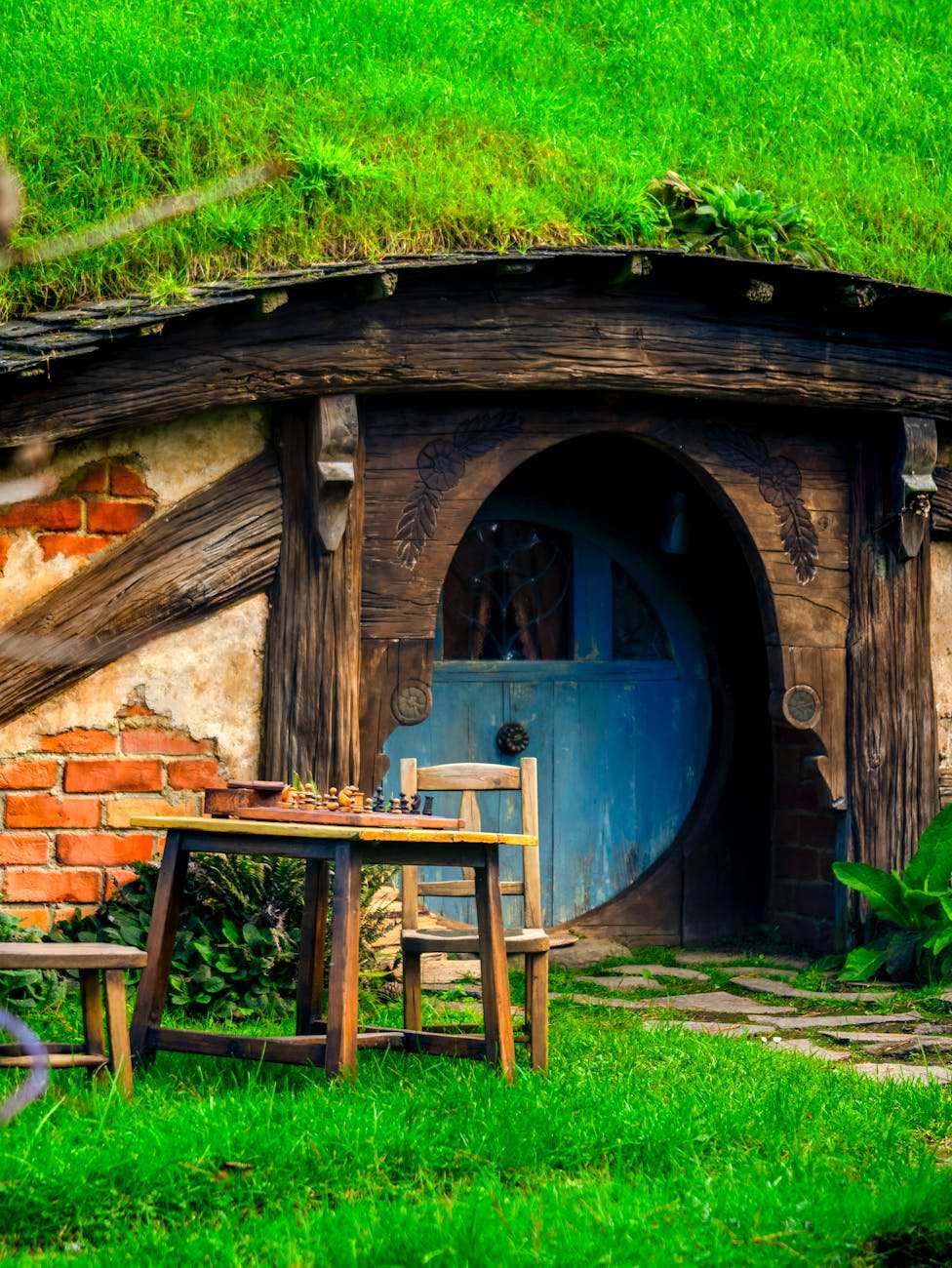
    Parnell vs the rest of Auckland

    Parnell sits in a unique position in the city’s geography. Where Britomart is corporate, Ponsonby is hip and design-led, K Road is creative and edgier, and Newmarket is mall-shopping focused, Parnell is the heritage-village option — quieter than the rest, more residential, with deeper roots in Auckland’s 19th-century history. The suburb’s blend of Victorian villas, the country’s largest cathedral, the Rose Gardens, and a curated café scene makes it the city’s most-loved heritage neighbourhood. Aucklanders treat Parnell as a Sunday-afternoon destination — the kind of suburb where you don’t rush, where you read the menu twice, and where you might spend longer than you planned in a heritage cottage that’s now a homeware shop.

    A perfect Parnell day

    • 9:00am — Coffee at Red Rabbit Coffee Co. on Faraday Street. Specialty single-origin pour-overs.
    • 9:30am — Walk to La Cigale French Market (Saturday) or Cibo (other days) for a long brunch.
    • 11:00am — Wander Parnell Village heritage shopping precinct.
    • 12:30pm — Visit Holy Trinity Cathedral and the original St Mary’s-in-Holy Trinity church next door.
    • 1:30pm — Walk to Auckland War Memorial Museum (15 mins uphill through Parnell streets); afternoon at the museum.
    • 4:00pm — Wander down through Auckland Domain to the Wintergardens.
    • 5:00pm — Walk back to Parnell Road; pre-dinner drinks at Domain Bay Brewing.
    • 7:00pm — Dinner at Cibo or Barulho.

    How to get to Parnell

    • By bus — Inner Link bus from Britomart, every 10-15 mins. Stops on Parnell Road. $2.20 with HOP card.
    • By train — Western Line to Parnell Station; 8 mins from Britomart. Then 5-min walk to Parnell Road.
    • By foot — 25-min walk from Britomart through Albert Park and across Symonds Street.
    • By Uber/taxi — 5-7 mins from CBD, $10-15.
    • By car — on-street parking on Parnell Road is paid Mon-Sat 8am-6pm. Side streets are free but heavily used by residents.

    Hidden Parnell — places locals love

    • Kinder House (1857) — one of Auckland’s oldest house museums, set on Parnell Road. Open Wed-Sun, $5 entry.
    • Auckland Bowling Club (1861) — historic bowling club; visitors welcome to spectate or arrange a “have a roll” session for $20.
    • Parnell Library — heritage building converted into Auckland’s most beautiful library branch. Free public access; striking period reading rooms.
    • Old St Mary’s Church — the original 1849 wooden Gothic church, moved across Parnell Road on rollers in 1982. Free entry next to Holy Trinity.
    • St Stephen’s Avenue heritage walk — a 30-minute residential walk past some of Parnell’s most photographed villas.
    • Athfield Architects’ Cibo conversion — the heritage villa housing Cibo restaurant is one of Auckland’s most-photographed adaptive-reuse projects.
    • Parnell Antiques Centre — 30+ dealers under one roof; the city’s most concentrated antique shopping.
    • Tāmaki Drive Strand — the descent from Parnell to the waterfront passes some hidden Victorian villas and harbour glimpses.

    Parnell vs other neighbourhoods

    • Parnell vs Ponsonby: Parnell is heritage-led and quieter; Ponsonby is design-led and more vibrant. Parnell for history, Ponsonby for fashion.
    • Parnell vs Britomart: Parnell has village character with heritage cottages; Britomart is corporate-polished with renovated warehouses.
    • Parnell vs Newmarket: Parnell is independent boutiques; Newmarket is malls and chain stores.
    • Parnell vs Devonport: Parnell is mainland heritage; Devonport is North-Shore village heritage. Both worth visiting; Devonport requires a 12-min ferry.

    Best time to visit Parnell

    Parnell is rewarding year-round but seasonally distinct:

    • Summer (Dec-Feb): Rose Gardens at peak bloom, outdoor café trade, Festival of Roses ramp-up.
    • Autumn (Mar-May): stable weather, Easter Sunday markets, second flush of roses through April.
    • Winter (Jun-Aug): heritage cathedral and museum visits favoured indoors; cosy café atmosphere.
    • Spring (Sep-Nov): Festival of Roses (mid-November) is the year’s biggest Parnell event.

    The Saturday La Cigale market is the year-round highlight — go early (8:30-10am) for the best produce and to avoid crowds.

    Heritage walking in Parnell

    Parnell’s side streets — particularly Pollen Street, Brown Street, Curran Street and Renall Street — are lined with restored Victorian and Edwardian villas. A 60-minute walking circuit gives you the full heritage experience. Auckland Council publishes a free downloadable heritage walk map at aucklandcouncil.govt.nz.

    Headline buildings to look for: Ewelme Cottage (1864); Kinder House (1857), Auckland’s oldest house museum; the original St Mary’s church (1849); Holy Trinity Cathedral (1973); the heritage Cibo villa; and the converted timber cottages along Parnell Village.

    Combine Parnell with these nearby attractions

    • Auckland War Memorial Museum — 15-minute walk uphill through the Domain. World-class Māori, Pacific, natural history and war collections.
    • Auckland Domain & Wintergardens — 5-minute walk; 75-hectare park with two heritage glasshouses (free).
    • Newmarket — 12-minute walk south; Westfield Newmarket plus Broadway shopping.
    • Britomart precinct — 10-minute Inner Link bus ride west; Auckland’s most polished CBD precinct.
    • Auckland Art Gallery Toi o Tāmaki — 20-minute walk through Albert Park; New Zealand’s largest art collection.
    • Mt Eden volcano — 15-minute drive; volcano summit with 360° city views.
    • Mission Bay — 15-minute drive east via Tāmaki Drive; calm-water family beach.

    Parnell FAQs

    Is Parnell worth visiting?

    Yes — for heritage and history fans, Parnell is one of Auckland’s most rewarding neighbourhoods. Pair with Auckland Museum and Auckland Domain for a full half-day cultural visit.

    How long does Parnell take?

    2-3 hours for highlights (cathedral + Rose Gardens + brunch). Half-day combining with Auckland Museum. Full day if you add the Domain and Wintergardens.

    Are the Rose Gardens free?

    Yes — entry to the Parnell Rose Gardens (Dove-Myer Robinson Park and Nancy Steen Garden) is free, sunrise to sunset.

    When do the roses bloom?

    Roses bloom October through April, with peak November-March. The Parnell Festival of Roses (mid-November) coincides with the height of the season.

    Where is La Cigale French Market?

    69 St Georges Bay Road, Parnell. Saturdays only, 8:30am-1:30pm. Free entry; pay at vendors.

    What’s the best brunch in Parnell?

    Cibo for the heritage villa setting; La Cigale French Market on Saturdays. Rosie for a more casual neighbourhood feel.

    Is Holy Trinity Cathedral free to enter?

    Yes — free entry, 10am-3pm daily for visitors (Sundays for services).

    Can I walk from CBD to Parnell?

    Yes — about 25 minutes from Britomart through Albert Park and across Symonds Street. Pleasant walk; mostly downhill on the way back.

    Where can I park in Parnell?

    On-street parking on Parnell Road is paid Mon-Sat 8am-6pm. Free street parking is widely available on side streets (Brown Street, Curran Street, Pollen Street). Auckland Domain has free parking nearby.

    Is Parnell family-friendly?

    Yes — the Rose Gardens have lawns for picnics; the cathedral and St Mary’s are kid-welcoming; cafés have kids’ menus. Auckland Domain (5-min walk away) has playgrounds and a duck pond.

    Parnell with kids

    Parnell is genuinely family-friendly during the day. The Rose Gardens have lawns for picnics, the cathedral and St Mary’s are kid-welcoming (and quiet enough that toddlers can wander), most cafés have crayons and kids’ menus. Auckland Domain (5-min walk away) has playgrounds and a duck pond. La Cigale market on Saturdays has food trucks and a kid-friendly atmosphere. The Kinder House museum allows hands-on exploration suitable for ages 6+. Stroller-friendly throughout. Families with under-5s do well to combine Parnell with the Auckland Domain Wintergardens and the Auckland Museum’s Discovery Centres for a half-day cultural-plus-outdoor visit.

    Tips for visiting Parnell

    • Pair Parnell with Auckland Museum for a full half-day cultural visit.
    • Saturdays are best for La Cigale French Market — get there before 11am to avoid crowds.
    • The Rose Gardens are most photogenic at golden hour (1 hour before sunset).
    • Cibo’s brunch is best booked ahead at weekends.
    • Heritage walking is most pleasant on weekday mornings when the streets are quietest.
    • The Inner Link bus is your best Parnell-CBD shuttle.
    • Combine with the Auckland Domain Wintergardens for free indoor garden visits.
    • The Parnell Festival of Roses (mid-November) is the year’s busiest weekend; book accommodation early if visiting.
    • Parnell antiques are best browsed Tuesday-Friday when shops are quietest.
    • Holy Trinity’s free Wednesday tours are a hidden gem if your visit aligns.

    The bottom line

    Parnell is Auckland’s most heritage-rich neighbourhood — a five-minute drive from the CBD that delivers Victorian villas, the country’s largest cathedral, beautifully maintained rose gardens, and a strong specialty coffee scene. Pair with Auckland Museum and the Domain for one of the city’s best half-day cultural visits.

    Plan more with our Auckland neighbourhoods guide, our Auckland Museum guide, and our Ponsonby neighbourhood guide for the contrast between Auckland’s two most-loved heritage suburbs. Pair this with our best cafes in Auckland rundown and our things to do in Auckland guide for a complete cultural day.