Category: Travel Planning

Auckland trip planning essentials: budgets, visas, best time to visit, safety.

  • Best Time to Visit Auckland (Month-by-Month Guide for 2026)

    Best Time to Visit Auckland (Month-by-Month Guide for 2026)

    Auckland sits at 36° south in the warm-temperate subtropical band — which means the sea is swimmable for five months of the year, it rarely frosts, and the weather can pivot three times between breakfast and dinner. Picking the best time to visit Auckland comes down to what you want: bath-warm harbours, cheap hotel rates, music festivals, hiking trails that stay dry, or the kind of mild winter that still lets you sit outside at a café. This 2026 guide breaks the year down month by month — temperatures, rainfall, events, crowds, prices — and tells you straight which month is best for your trip style.

    Sunny Auckland summer beach with turquoise water and clear skies
    Late summer (Feb-Mar) is the best time to visit Auckland for beach weather.

    Best Time to Visit Auckland: The Quick Answer

    For most travellers, the best time to visit Auckland is late February through March. The sea peaks at 21°C, rainfall drops to the year’s second-lowest, school holidays have ended, Pasifika Festival and the Auckland Arts Festival both fall in March, and hotel rates ease off the December-January peak by 20-30%. If you want beach weather with smaller crowds and softer prices, that four-to-six-week window is the sweet spot. Budget travellers should flip the calendar and come in May, June, or August, when airfares drop 30-40% and hotels run winter specials — Auckland’s winter is cold-ish and wet but never brutal, with averages around 14-15°C.

    Auckland Climate at a Glance

    Auckland’s climate is oceanic subtropical, moderated by harbours on both sides of the isthmus. The defining features: no extreme temperatures, year-round humidity, frequent but brief rainfall, and the famous “four seasons in one day” — you can leave Ponsonby in sun and arrive at Mission Bay in a squall twenty minutes later. The city averages 2,060 sunshine hours and 1,210 mm of rainfall annually, spread across roughly 137 rain days. Summer is warm and humid (January high 23.6°C, sea 20°C), winter is mild and wet (July high 14.4°C, sea 15.6°C).

    Seasons are reversed from the Northern Hemisphere. Summer runs December-February, autumn March-May, winter June-August, spring September-November. UV is extreme — the ozone layer is thinner at these latitudes, so UV12+ readings are normal in January and sunscreen is essential year-round, even on overcast days. See our full breakdown of packing, layering and the region’s micro-climates in the Auckland events & festivals guide.

    Auckland Weather by Month (2026 Data Table)

    MonthAvg High °CAvg Low °CRainfall mmRainy DaysSunshine hrs/daySea Temp °C
    January23.616.67587.520.0
    February24.117.06577.021.0
    March22.615.58586.020.5
    April19.913.1100115.019.4
    May17.511.3115124.518.0
    June15.29.2125153.516.6
    July14.48.2145164.015.6
    August14.98.8120154.515.1
    September16.410.2105135.015.1
    October17.611.7100125.515.6
    November19.413.285106.516.8
    December21.715.39596.518.5

    Data sourced from NIWA (New Zealand’s National Institute of Water and Atmospheric Research) 30-year averages. Sea temperature becomes comfortable for swimming (≥18°C) from December through April. UV index peaks December-February at 12+ (extreme) and sits at 6-7 (high) even in June.

    Auckland Month-by-Month Guide

    January in Auckland — Peak Summer, Peak Prices

    Kiwis call this the summer. Schools are on holiday until late January, offices are empty, and Aucklanders crowd the beaches and campgrounds. Expect warm days (23.6°C average high, 28-30°C on heat peaks), long daylight (sunrise 6am, sunset 8:45pm), and the year’s highest UV. The water is swimmable, the Hauraki Gulf is full of yachts, and the city hums with outdoor dining. Downsides: this is the most expensive month for flights and hotels (+30-50% above annual average), big attractions book out, and traffic out of the city on weekends can be grim.

    Key January 2026 events: ASB Classic tennis (WTA 5-11 Jan, ATP 12-17 Jan) at the ASB Tennis Arena; Auckland Anniversary Day Regatta (26 Jan, Waitematā Harbour) — a century-old sailing spectacle that doubles as a public holiday; Splore Festival (late Jan or early Feb) — boutique music + arts on Tāpapakanga Beach. Best for: beach lovers, sailors, families with kids on summer break.

    February in Auckland — The Warmest Month

    February is Auckland’s warmest and driest month — 24.1°C average high, sea at 21°C, only 65 mm rainfall. It’s also the busiest month for cruise ships, as the southern summer circuit swings through. Hotel prices stay elevated until schools return mid-February, then crowds thin. This is prime Waiheke Island wine-tour season: vineyards are harvesting, cellar doors stay open late, and the ferry leaves every 30 minutes.

    Key February 2026 events: Waitangi Day (6 Feb, public holiday, commemorations at Ōkahu Bay); BNZ Auckland Lantern Festival (26 Feb – 1 Mar at Manukau Sports Bowl) — thousands of Chinese lanterns for the Lunar New Year, Year of the Horse in 2026. Best for: warmest sea swimming, wine tours, couples.

    Auckland Waitemata Harbour with yachts in summer sunshine
    Auckland summer delivers sea temperatures up to 21°C and long daylight hours.

    March in Auckland — The Sweet-Spot Month

    If you only read one paragraph of this guide, read this one. March is arguably Auckland’s best month for visitors — warm enough (22.6°C high, sea at 20.5°C), dry enough (85 mm, 8 rain days), prices easing, cruise season still running, and the city’s biggest cultural festivals clustered together. The evenings begin to cool by late March, but days remain beach-friendly.

    Key March 2026 events: Auckland Arts Festival (Te Ahurei Toi o Tāmaki) 5-22 March — 18 days of international theatre, dance, music and visual art across the Aotea Centre, Q Theatre, Civic, and harbourside pop-ups; Pasifika Festival 14-15 March at Western Springs — the world’s largest Pacific cultural festival, free entry, seven island villages with food, music and dance; ASB Polyfest 18-21 March (Diversity & Pacific stages) and 30 March – 2 April (Māori stage) at Manukau Sports Bowl — the world’s largest secondary-schools Polynesian dance festival. Best for: culture vultures, festival-hoppers, first-time visitors wanting the full Auckland taster.

    April in Auckland — Shoulder Season

    The first true shoulder month. Temperatures drop to 19.9°C, rainfall picks up to 100 mm, and school holidays split the month in two — Easter weekend is a mini-peak, the rest of April is quieter and cheaper. Autumn foliage hits Cornwall Park and the Auckland Domain late in the month. Hiking the Coast to Coast Walkway is perfect in April: cool enough for the full 16 km, dry enough most days.

    Key April 2026 events: Royal Easter Show (3-6 April weekend) at ASB Showgrounds — rides, rodeo, agricultural displays; ANZAC Day (25 April) — dawn service at the Auckland War Memorial Museum on Mt. Eden, one of Auckland’s most moving civic events. Best for: hikers, families wanting the Easter Show, travellers on a shoulder budget.

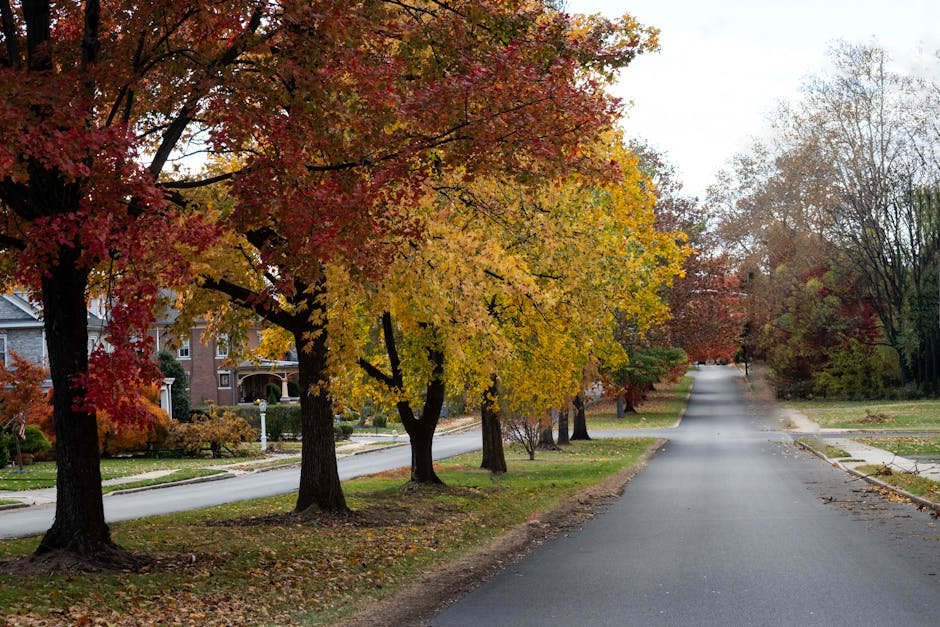
    Autumn leaves on a park path typical of Auckland's Cornwall Park in April-May
    March to May shoulder season is Auckland’s sweet spot for weather, crowds and price.

    May in Auckland — The Best Value Month

    May is the value traveller’s secret weapon. Temperatures still hit 17.5°C — perfectly fine for sightseeing, cafés, galleries, and vineyards — while airfares drop 15-25% and hotels run winter-early-bird rates. Crowds evaporate. The flip-side is rising rainfall (115 mm, 12 rain days) and shorter days (sunset 5:30pm by month’s end). Bring a waterproof layer and you’ll have Auckland mostly to yourself.

    Key May 2026 events: Auckland Writers Festival (Waituhi o Tāmaki) 12-17 May at Aotea Centre — the southern hemisphere’s biggest literary festival, 200+ authors, nearly all events ticketed but many free. Best for: budget travellers, culture/literary fans, couples on long stays.

    June in Auckland — Winter Begins, Prices Bottom Out

    Winter proper. Averages drop to 15.2°C high, 9.2°C low. Rainfall picks up to 125 mm across 15 rain days, sunshine drops to 3.5 hours/day. It’s Auckland’s gloomiest month — but it’s also the cheapest. Hotels run at 40% below peak rates, airfares from Australia and the Pacific drop to sale levels, and big attractions (Auckland Zoo, Kelly Tarlton’s, Sky Tower) are quiet. Day trips become weather-dependent; book a few indoor plan-B options.

    Key June 2026 events: NZ International Film Festival (Whānau Mārama) starts mid-June at the Civic and the Event Cinemas chain — 150+ international and NZ films. Best for: film buffs, budget travellers, travellers who prioritise museums and galleries over beaches.

    July in Auckland — Matariki & the Coldest Month

    July is Auckland’s coldest (14.4°C high, 8.2°C low) and wettest (145 mm, 16 rain days). It’s also culturally one of the richest months — Matariki, the Māori New Year public holiday (Friday 10 July 2026), triggers two weeks of hautapu ceremonies, light shows, storytelling nights, and free public events across the city. The Sky Tower and Harbour Bridge are illuminated in themed colours; Ngāti Whātua Ōrākei host a dawn hautapu at Takaparawhau (Bastion Point).

    Key July 2026 events: Matariki Festival Auckland 4-19 July, citywide; Auckland Restaurant Month opening events (main festival in August); skiing/snowboarding day trips become viable to Mt Ruapehu or the family Snowplanet indoor dome. Best for: culture travellers, Matariki experience, indoor-attractions fans. See our Auckland culture, history & Māori heritage guide for Matariki customs.

    Rainy winter street with umbrella typical of Auckland in June-July
    Auckland winter (June-August) is wet but mild — hotel rates drop 30-40%.

    August in Auckland — Restaurant Month

    Still winter (14.9°C high), still wet (120 mm), but August is Auckland’s foodie month. Restaurant Month (1-31 August) runs 150+ participating restaurants offering set menus, beverage pairings, chef collabs, and one-off pop-ups. This is when you can eat at three-hat flagships (Ahi, Cassia, Masu) on a $75 prix fixe. It’s also rugby season, with All Blacks home tests at Eden Park drawing big crowds.

    Key August 2026 events: Auckland Restaurant Month 1-31 August; Bledisloe Cup rugby (dates TBC) at Eden Park if scheduled at Auckland. Best for: foodies, budget travellers wanting fine dining, rugby fans.

    September in Auckland — Spring Returns

    Spring officially starts 1 September. Temperatures climb to 16.4°C, daylight extends to 12 hours, and rainfall eases slightly (105 mm, 13 rain days). Kōwhai and cherry trees bloom mid-month, the Auckland Botanical Gardens burst into colour, and school-holiday breaks fall in late September. Sea is still cold (15.1°C, not swimmable) but hiking and cycling are excellent — the Twin Coast cycleway, Rotoroa Island day trips, and Goat Island snorkelling (wetsuit required) all come alive.

    Key September 2026 events: Auckland Heritage Festival late Sep to mid-Oct — free heritage walks, historic house openings, Māori pā site tours across the region. Best for: shoulder-season travellers, hikers, gardeners, history buffs.

    October in Auckland — Shoulder Warmth

    October is the northern spring equivalent — 17.6°C high, 12 rain days, and a genuine sense the city is waking up for summer. Cafés open their courtyards, Viaduct bars get their first warm nights, and vineyards across Kumeu and Matakana reopen for cellar-door tastings. Hotel rates are still well below peak (-15 to -20%). Labour Day weekend (around 27 Oct) is the first domestic-travel spike.

    Key October 2026 events: Diwali Festival mid-October at Aotea Square — free, enormous, Indian community-hosted festival of lights, dance, food. Best for: shoulder-season couples, cyclists, wine tours, cultural festival hoppers.

    November in Auckland — Pre-Summer Warm-Up

    November is genuinely lovely — 19.4°C high, 85 mm rainfall, and the sea climbing back to 16.8°C (wetsuit swimming). It’s the last shoulder month before December’s peak: prices are normal, crowds are moderate, and the city is at its outdoor-social best. This is the best month for the Barfoot & Thompson Auckland Marathon (Sunday 1 November 2026, 35th edition) — the iconic run across the Harbour Bridge from Devonport to Victoria Park, with 5k, 11k, half and full-marathon distances.

    Key November 2026 events: Auckland Marathon (1 Nov); Farmers Santa Parade (last Sunday of November, Queen Street) — an Auckland institution since 1933, free, family-focused. Best for: runners, fitness travellers, families, pre-summer couples.

    December in Auckland — Summer & the Christmas Peak

    Early December is arguably better than January — 21.7°C high, sea at 18.5°C, prices still manageable, and festivities ramping up. Then school breaks up around 20 December and everything changes: hotels hit peak rates, domestic flights fill, Aucklanders head to the holiday homes, and the city runs on half-staff between Christmas and New Year. New Year’s Eve brings the Sky Tower fireworks — 2025→2026 featured a major pyrotechnics and projection show; 2026→2027 is expected to do the same.

    Key December 2026 events: Coca-Cola Christmas in the Park Saturday 12 December at Auckland Domain — free outdoor Christmas concert plus fireworks, 200,000+ attendees; New Year’s Eve 31 December — Sky Tower fireworks, viewable citywide, best viewing spots include Mt Eden summit, Bastion Point, and the Viaduct. Best for: festive atmosphere, firework hunters, travellers combining Auckland with a Pacific onwards trip. Book 4+ months out.

    Best Time to Visit Auckland by Season

    Summer in Auckland (December–February)

    The headline season. Warmest weather (21-24°C), longest daylight, warmest sea (18-21°C), and the biggest calendar of beach events, sailing, festivals and al fresco dining. Also the most expensive, most crowded, and occasionally humid (January can feel tropical). Book flights and hotels at least 4 months ahead. Sunscreen is not negotiable.

    Autumn in Auckland (March–May)

    Many Aucklanders’ favourite season. March is still summer-feeling, April brings autumn foliage, May is cool but dry enough for sightseeing. Prices normalise in March, drop meaningfully by May. Best balance of weather, crowds, and cost for non-beach travellers. Pack layers — you’ll want both a T-shirt and a warm jacket in April/May.

    Winter in Auckland (June–August)

    Mildly cold and wet. Averages 14-16°C, no snow (it has never snowed at sea level in Auckland in recorded history), but plenty of rain and wind. The upside: rock-bottom prices, empty attractions, Matariki culture, Restaurant Month, and the kind of quiet city mornings regulars love. Pack waterproofs, a warm jacket, and an umbrella. Indoor-heavy itineraries work well (museums, galleries, restaurants, the Sky Tower, Weta Workshop Unleashed, thermal pools at Parakai).

    Spring in Auckland (September–November)

    Auckland blooms. Temperatures climb from 16°C to 19°C, the sea starts warming, daylight extends, and the city shifts outdoors again. Shoulder prices through October, normal prices in November. Great for hiking, cycling, wine tours, and pre-peak visits. Pack for variability — morning frost is gone but cold fronts can still bring wind/rain.

    When to Visit Auckland by Traveller Type

    Traveller TypeBest MonthsWhy
    Overall best weatherFebruary – MarchWarmest sea, lowest rainfall, long days
    Families with kidsMid-Jan to early Feb, or school holidays (mid-Apr, early-Jul, late-Sep)Beach-warm water, all attractions open, holiday events
    Couples / romanceMarch, October – NovemberVineyards open, shoulder crowds, dining deals
    Budget travellersMay – AugustFlights and hotels 30-40% off; Restaurant Month in Aug
    Outdoor adventure / hikingNovember – AprilDry trails, long daylight (up to 14.5 hrs in Dec)
    Beach / swimmingDecember – MarchSea ≥18°C; lifeguards on patrol at Piha, Muriwai, Takapuna
    Wine / WaihekeFebruary – AprilHarvest season; warm sunny cellar-door weather
    Whale watching (Hauraki Gulf)Year-round for Bryde’s whales; June – Nov for orcas/humpbacks migratingDifferent species by season
    Cultural / Māori experienceJuly (Matariki)Public holiday, festival, traditional ceremonies
    Festival hoppersFebruary – MarchLantern + Arts Fest + Pasifika + Polyfest stack
    FoodiesAugustRestaurant Month, 150+ venues with set menus
    RunnersNovemberAuckland Marathon + cool mornings
    Digital nomads / long-stayApril – May or September – OctoberMild, cheap, not wet yet / drying out
    Avoiding crowdsMay, June, SeptemberLowest visitor volume
    Sailing / regatta fansJanuary – MarchRegatta season, consistent winds

    Cheapest Time to Visit Auckland

    The cheapest months to fly to Auckland are May, June, and August — airfares from Australia, the Pacific, North America, and Europe drop 30-40% below annual averages. June is typically the absolute lowest. Avoid: 20 December – 10 January (+40-70% on flights, +50-70% on hotels) and Easter weekend (mini-spike). Hotels follow the same curve — midweek June-August nights in four-star Auckland hotels can drop as low as NZ$150-180 versus NZ$350-450 in late December.

    Additional ways to save: book 90-120 days ahead for summer; use Tuesday/Wednesday flight departures (cheaper than weekend); combine Auckland with lower-demand South Island cities (Christchurch is often much cheaper in peak season than Auckland). For hotel pricing by area, see our best areas to stay in Auckland guide.

    Peak Season vs Shoulder vs Low Season — What to Expect

    PeriodCrowdsFlight PricesHotel PricesNotes
    20 Dec – 10 JanHighest+40% above avg+50 to +70%Book 6 months ahead; most Kiwis on leave
    11 Jan – 28 FebHigh+20 to +30%+20 to +40%Warmest, driest; school returns late Jan
    MarchMediumAverageAverageBest weather-to-crowd ratio
    AprilMedium (Easter spike)Slight dipSlight dipEaster weekend a mini-peak
    MayLow to Medium-15 to -25%-20%Writers Festival bump
    June – AugustLowest-30 to -40%-30 to -40%Wet; great hotel deals; Matariki + Restaurant Month
    September – OctoberLow to Medium-15 to -25%-15 to -20%Spring shoulder; school holidays bump late Sep
    NovemberMediumAverageAverageMarathon + pre-Christmas
    1-19 DecemberMedium to HighRisingRisingGood balance before holiday surge

    Auckland 2026 Events Calendar

    Lantern festival coloured lanterns at night similar to Auckland's BNZ Lantern Festival
    The BNZ Auckland Lantern Festival runs 26 Feb – 1 Mar 2026 at Manukau Sports Bowl.
    MonthEventDates 2026Venue
    JanASB Classic Tennis (WTA/ATP)5-17 JanASB Tennis Arena
    JanAuckland Anniversary Regatta26 JanWaitematā Harbour
    Jan/FebSplore FestivalLate Jan/early FebTāpapakanga
    FebWaitangi Day6 FebŌkahu Bay
    Feb/MarBNZ Lantern Festival26 Feb – 1 MarManukau Sports Bowl
    MarAuckland Arts Festival5-22 MarMulti-venue CBD
    MarPasifika Festival14-15 MarWestern Springs Park
    MarASB Polyfest18-21 Mar / 30 Mar – 2 AprManukau Sports Bowl / Due Drop
    AprRoyal Easter Show3-6 AprASB Showgrounds
    AprANZAC Day25 AprAuckland Museum
    MayAuckland Writers Festival12-17 MayAotea Centre
    JunNZ International Film FestivalMid-Jun to early JulCivic & others
    JulMatariki public holiday10 JulNationwide
    JulMatariki Festival Auckland4-19 JulCitywide
    AugAuckland Restaurant Month1-31 AugCitywide
    Sep/OctAuckland Heritage FestivalLate Sep – mid-OctCitywide
    OctDiwali FestivalMid-OctAotea Square
    NovAuckland Marathon1 NovHarbour Bridge
    NovFarmers Santa ParadeLast Sun NovQueen St
    DecChristmas in the Park12 DecAuckland Domain
    DecNew Year’s Eve Fireworks31 DecSky Tower

    What to Pack for Auckland (by Season)

    Summer (Dec-Feb): Lightweight layers, swimwear, sandals, UV-protective sunglasses, SPF 50+ sunscreen, sunhat, a light rain jacket (showers arrive fast), reef-safe mineral sunscreen for beaches, refillable water bottle. A warm layer for breezy harbour evenings.

    Autumn (Mar-May): Layering pieces — T-shirts, long-sleeves, a warm jumper, a waterproof jacket, comfortable walking shoes, light scarf for evenings. Swimwear still useful through April for warmer days and heated pools.

    Winter (Jun-Aug): Waterproof jacket (essential), umbrella, warm sweater, thermal base layer for early mornings, waterproof shoes, beanie/gloves for exposed days, layers for indoor heating which varies widely in NZ buildings. It never gets below freezing in Auckland, so you don’t need parka-grade warmth.

    Spring (Sep-Nov): Same layering as autumn — weather is variable. By November you can pack swimwear, sunscreen, and light summer clothes alongside a warm jacket for evenings.

    Year-round essentials: hiking shoes if you plan to walk any of the Waitākere or tūpuna maunga trails, a waterproof bag cover, NZ plug adapter (Type I, 230V), contactless bank card or AT HOP for public transport, and a sense of humour about weather surprises.

    Worst Time to Visit Auckland

    Honestly, no month is a total write-off — but if we had to rank:

    Late June to mid-July: Wettest, coldest, shortest days. If you need sunshine and beach access, this isn’t the window. Late December to early January: Peak prices, peak crowds, peak traffic, half the CBD shut for holidays between Dec 25-Jan 5. Cyclone tail season (Jan-Mar): Ex-tropical cyclones occasionally reach the upper North Island bringing heavy rain and wind — not destructive at Auckland latitude but can disrupt ferries, outdoor events, and Waiheke trips. Track forecasts at metservice.com during a visit.

    Frequently Asked Questions

    What is the best month to visit Auckland?

    For most travellers, late February to March — warmest sea temperatures (20-21°C), driest weather (65-85 mm rainfall), lowest-crowds-of-summer, and three major festivals (Lantern, Arts, Pasifika). Late March is the single best week.

    What is the cheapest month to fly to Auckland?

    May, June, and August. Airfares from Australia, North America, Asia, and Europe typically run 30-40% below annual averages. June is usually the absolute lowest.

    Is Auckland worth visiting in winter?

    Yes — if you’re flexible. Winter delivers Matariki festival, Restaurant Month (August), NZ International Film Festival, empty museums/galleries/Sky Tower, and the lowest prices of the year. The trade-offs are wetter weather, shorter days, and 15°C temperatures. Pack waterproofs and plan indoor-heavy days.

    How many days do you need in Auckland?

    Three days covers the CBD highlights (Sky Tower, Auckland Museum, Viaduct, Mt Eden). Five days lets you add Waiheke, a West Coast beach day (Piha or Muriwai), and Devonport. Seven days lets you slot in Waitākere Ranges hiking, Matakana wine country, and a Hauraki Gulf island (Rangitoto or Tiritiri Matangi).

    What is the rainiest month in Auckland?

    July, averaging 145 mm across 16 rain days. June and August are close behind. The good news: Auckland rain is usually showery rather than all-day — a 30-minute downpour followed by sun is the classic winter pattern.

    Can you swim in Auckland in June / October / March?

    March is peak swimming (sea 20.5°C). October is not swimmable without a wetsuit (15.6°C). June is definitely not swimmable (16.6°C and falling). Auckland’s swimmable window is December through April, with February-March optimal.

    Is February or March better for visiting Auckland?

    Both are excellent. February is warmer (24.1°C vs 22.6°C) and drier (65 mm vs 85 mm) — pick it for pure beach weather. March is cheaper, less crowded, and has all three major festivals. March wins for culture and value; February wins for sun.

    What should I pack for Auckland weather?

    Layering is the whole answer. Even in summer, pack a light rain jacket. In winter, bring waterproofs and an umbrella. Year-round, bring SPF 50+ sunscreen (NZ UV is extreme), comfortable walking shoes, and at least one warm layer. Auckland’s “four seasons in one day” is real.

    When is whale-watching season in Auckland?

    Bryde’s whales live in the Hauraki Gulf year-round. Orcas appear in summer (Dec-Mar) hunting stingrays in the shallows. Humpback whales migrate through the outer gulf June-November. For reliable sightings, book a Hauraki Gulf marine tour in February or March.

    Is Auckland crowded at Christmas / New Year?

    The CBD is actually quiet between Dec 25 and Jan 2 — most Aucklanders head to beaches and holiday homes elsewhere. But beach suburbs, Waiheke, and the Coromandel peninsula (a few hours east) are packed. Expect sparse cafés in the city, full beaches on the coast. New Year’s Eve in the Viaduct and around the Sky Tower is crowded but festive.

    The Final Verdict — Our Pick for Best Time to Visit Auckland

    If we had to book one week blind, it would be the third week of March: sea still at 20°C, daytime highs 22°C, Pasifika Festival on the 14-15th, Auckland Arts Festival closing out on the 22nd, hotel rates 25% below January peak, and long enough daylight for beach mornings and late dinners. Book flights and accommodation 90-120 days out, fly into Auckland Airport on a Tuesday, stay in Britomart or Viaduct for walkability, and fill your calendar with one festival, one beach day, one vineyard trip, and one CBD dining crawl. That’s the Auckland sweet spot.

  • Auckland Māori Culture, History & Heritage: The 2026 Visitor’s Guide

    Auckland Māori Culture, History & Heritage: The 2026 Visitor’s Guide

    Auckland’s English name came in 1840. Its Māori name — Tāmaki Makaurau, “Tāmaki desired by many” — is nearly 800 years older, and it describes the place more honestly. Long before it was New Zealand’s biggest city, this isthmus of 14 volcanic cones, two harbours, and fertile lava-soil gardens was the most-fought-over piece of land in Aotearoa, because it was the most valuable. Today, that deep Māori history isn’t hidden away in a museum corner. It shapes how Aucklanders greet each other (kia ora), the names of our streets and suburbs (Remuera, Orākei, Ōtāhuhu, Takapuna), the maunga we walk up every weekend, and the way the city celebrates Matariki as a national holiday. This is the definitive 2026 guide to Auckland’s Māori culture, history, and heritage experiences — where to go, what to do, and how to engage respectfully.

    Intricate Maori wood carving representing Tamaki Makaurau heritage
    Māori whakairo (carving) tells the ancestral stories of Tāmaki Makaurau through every curve and spiral.

    Tāmaki Makaurau: why Auckland’s Māori name matters

    “Tāmaki Makaurau” translates literally as “Tāmaki of a hundred lovers” — a poetic phrase for a place so desirable that countless iwi (tribes) wanted to hold it. The name acknowledges that Auckland’s volcanic soils, sheltered harbours, and position on the narrowest part of the North Island made it the most contested territory in pre-European New Zealand. You’ll see Tāmaki Makaurau everywhere: on government signage, Auckland Council branding, the sides of buses, in news broadcasts. Learning to say it (roughly “tah-mah-kee mah-kow-row”) is the first courtesy visitors can extend to the city.

    The mana whenua (tribal groups with customary authority) of central Tāmaki Makaurau today include Ngāti Whātua Ōrākei, Ngāti Pāoa, Ngāti Te Ata, Te Kawerau ā Maki, Te Ākitai Waiohua, and Ngāi Tai ki Tāmaki, among others. Each holds specific ancestral connections to different parts of the region. In 2026, more than 25% of Auckland’s population identifies as Māori or Pacific Islander, making the city one of the largest Polynesian metropolises on earth.

    A brief history of Māori Auckland

    Māori arrived in Aotearoa aboard waka hourua — double-hulled voyaging canoes — from East Polynesia roughly 750 years ago. The waka most strongly associated with Tāmaki Makaurau is Tainui, whose landing near modern-day Takapuna is still commemorated annually. Over subsequent centuries, iwi built extensive pā (fortified settlements) on the region’s volcanic cones, cultivated kumara (sweet potato) gardens in the rich basalt soils, and harvested the Hauraki Gulf’s abundant seafood. At peak, the cones of Maungakiekie (One Tree Hill), Maungawhau (Mt Eden), Takarunga (Mt Victoria), and Maungarei (Mt Wellington) were all major fortified villages with populations running into the thousands.

    Volcanic cone tupuna maunga in the Auckland region
    Auckland’s 14 tūpuna maunga (ancestral volcanic cones) are co-governed by mana whenua and Auckland Council.

    The late 18th and early 19th centuries brought devastating inter-tribal conflict known as the Musket Wars. The isthmus was largely depopulated by the 1820s as Ngāpuhi raids from the north displaced many Tāmaki iwi. When Governor William Hobson chose the site as the new capital of the British colony in 1840, negotiating with Ngāti Whātua chief Apihai Te Kawau, much of the surrounding land was effectively uninhabited — which is one reason, though not the only one, the site was chosen.

    The following 150 years saw Ngāti Whātua Ōrākei lose almost all their ancestral land at Ōrākei and Takaparawhau (Bastion Point) through a series of government purchases and confiscations. The 1977–78 Bastion Point occupation, in which 222 protesters were arrested on day 507 of a peaceful occupation, became one of New Zealand’s defining Māori rights protests. It eventually led to the 1987 return of Takaparawhau to Ngāti Whātua and set the stage for the Treaty of Waitangi settlements that reshape the city today.

    Auckland Museum: the world’s best Māori collection

    Auckland War Memorial Museum holds one of the world’s finest collections of Māori taonga (treasures) and should be the single anchor point for any visitor wanting to engage with Māori culture in Auckland. Three key galleries occupy the entire ground floor. Te Ao Tūroa presents the Māori natural world; Māori Court displays more than 1,000 taonga including the magnificent 25-metre waka taua “Te Toki a Tāpiri” (the last great war canoe, c.1836); and Tāmaki Herenga Waka tells the story of Auckland’s own iwi and their relationship to the land.

    Museum display of Maori taonga artifacts and heritage items
    Auckland Museum’s Māori galleries hold the world’s most significant collection of taonga.

    The star of the collection is Hotunui, a fully intact 19th-century wharenui (meeting house) inside the museum — one of only two such carved meeting houses on permanent indoor display anywhere. You can walk inside (remove your shoes first, as you would on any marae) and sit beneath carvings that have been watching visitors since 1878. This alone is worth an hour.

    Daily Māori cultural performances run three times a day (11:00 am, 12:30 pm, and 1:30 pm) in a dedicated performance space. A 30-minute programme covers powhiri (welcome), waiata (song), poi, haka, and a brief explanation of each element. Tickets are around NZ$35 adult / $18 child in 2026 and are worth the price even for families who’ve never seen Māori performing arts. Book online — sessions frequently sell out in peak summer. Photography is permitted during the finale haka.

    Takaparawhau (Bastion Point) and Ngāti Whātua Ōrākei

    Takaparawhau — the headland east of the CBD overlooking Ōrākei Basin and the inner Waitematā — is the single most politically important piece of land in modern Māori Auckland. It is the ancestral papakāinga (home village) of Ngāti Whātua Ōrākei, the 1977–78 occupation site, and today hosts Michael Joseph Savage Memorial Park, a public walking reserve, and the Takaparawhau Reserve. The views back across the harbour to the CBD are spectacular.

    Visiting respectfully: walk the Tahuna Tōrea Reserve coastal track which skirts the headland and includes interpretive panels telling Ngāti Whātua’s story. The Savage Memorial is a national monument; take a moment. For a deeper engagement, Ngāti Whātua Ōrākei offers guided cultural tours of Ōrākei marae a few minutes’ walk inland — bookings through their tribal office at orakei.maori.nz. In 2026 they run a popular Tāmaki Herenga Waka harbour tour that departs from the Viaduct, explaining Auckland’s history from mana whenua perspective on the water.

    Matariki 2026: the Māori New Year

    Matariki — the rising of the Pleiades star cluster in mid-winter — became New Zealand’s first indigenous public holiday in 2022. In 2026, the Matariki public holiday falls on Friday, 10 July. The observance is deeply tied to remembrance, celebration of the past year, and hopes for the year ahead. Auckland’s Matariki programme is the country’s largest, running from late June through mid-July.

    Traditional Maori cultural performance at Auckland Museum
    Auckland Museum’s daily Māori cultural performances are a reliable first experience for visitors.

    The signature event is the Matariki hautapu ceremony at Takaparawhau on 10 July 2026. Hosted by Ngāti Whātua Ōrākei and broadcast live by TVNZ and RNZ, it is the nationally televised dawn ceremony where the names of those who died the previous year are read to the rising Matariki stars. Attendance is free; the ceremony begins at approximately 6:30 am. Dress warmly — Auckland July dawns are around 7°C with dew on the grass — and bring a torch. Expect 2,000–5,000 attendees. Parking fills by 5:30 am; take an Uber.

    Other key Auckland Matariki 2026 events: the Matariki Festival at the Auckland Domain (free, late June weekend); Manu Aute Kite Day at Bastion Point (traditional kite-making, second Sunday of July); Matariki Light Trail at Auckland Botanic Gardens (evening walking trail with installations by Māori artists, ticketed, sells out); Auckland Art Gallery late-night openings with Matariki-themed exhibitions; SkyCity Sky Tower Matariki light display (seven coloured beams for the seven Matariki stars). Most events are free. Start at nzmatariki.com for the official programme and book ticketed events weeks in advance.

    The 14 tūpuna maunga: Auckland’s ancestral mountains

    Auckland is built on a volcanic field of more than 50 cones and craters, 14 of which are classified as tūpuna maunga (ancestral mountains). In 2014, ownership of all 14 was returned to mana whenua as part of the Tāmaki Collective Treaty settlement, and they are now co-governed by the Tūpuna Maunga Authority — a 50/50 partnership between iwi and Auckland Council. Visiting one of these maunga is the most direct way to walk through Auckland’s Māori heritage.

    The most visited is Maungawhau (Mt Eden) — 196 metres, 10 minutes from the CBD, with a deep crater “te ipu-a-Mataoho” (the bowl of the volcano-god Mataoho) and 360-degree views. The summit road has been closed to private vehicles since 2018 out of respect for the maunga; walk up via the grassed path from Mt Eden Road (15 minutes). Maungakiekie (One Tree Hill) is the largest and most significant of the maunga, with Cornwall Park’s free-roaming sheep, 182-metre summit obelisk, and elaborate 19th-century terracing still visible on its flanks. Takarunga (Mt Victoria) in Devonport has historic military tunnels at its base and views back to the CBD. Maungarei (Mt Wellington) is the highest (135 metres) with the most intact pā terraces. Ōwairaka (Mt Albert) and Maungauika (North Head) round out the accessible list.

    Visiting etiquette: these are sacred places, not just parks. Don’t sit on the summit stones or terraces, don’t eat lunch at the summit (eat on the approach instead), keep dogs on leash, remove rubbish, and approach in a spirit of respect. Guided tours of the maunga are available through Ngā Mana Whenua o Tāmaki Makaurau and several tourism operators.

    Māori guided experiences in and around Auckland

    Beyond Auckland Museum, there are a handful of excellent mana-whenua-led experiences worth booking in advance.

    Potiki Adventures

    Potiki Adventures is a Māori-owned tour company running half-day and full-day cultural tours around Auckland. Their signature Mana Whenua Māori Tour visits Mt Eden, takes in the stories of Tāmaki Makaurau, and includes waiata and karakia at significant sites. Around NZ$150 adult / $75 child. The company has won the Supreme Māori Tourism Award multiple times.

    TIME Unlimited Tours — Maunga Hikoi

    TIME Unlimited is a long-established Māori-led operator with full-day Auckland tours combining Auckland Museum, Mt Eden, and a cultural meal. They also run “Te Ara Manawa” waterfront walking tours focused on pre-European Tāmaki stories. From NZ$220 pp full-day.

    Waka experience on the Waitematā

    Auckland Sea Kayaks and Ngāti Whātua Ōrākei occasionally run waka (canoe) paddling experiences on the Waitematā Harbour using traditional waka ama (outrigger canoes). When running, these are extraordinary. Bookings erratic — check with Ngāti Whātua Ōrākei’s tourism arm or Waka Eco Tours closer to your travel dates.

    Polynesian voyaging waka hourua on a harbour
    Waka hourua (voyaging canoes) are the vessels that carried Māori to Aotearoa from East Polynesia.

    If you want more: Rotorua as a cultural day trip

    Auckland is the best place in New Zealand for Māori history, archaeology, and urban cultural experiences. For full-immersion evening cultural shows — the classic powhiri, hāngī (earth-oven) dinner, and concert format — Rotorua, 2.5 hours south, is still the best destination. Mitai Māori Village, Tamaki Māori Village, and Te Puia are the three major operators. You can do it as a two-day Auckland + Rotorua combination: drive down Saturday morning, see a cultural evening, stay overnight, return Sunday via Hobbiton. InterCity buses and organised coach tours run daily from Auckland.

    This is not a criticism of Auckland’s offering — it’s a recognition that Rotorua’s cultural tourism infrastructure is older and more developed. But for visitors with a week in Auckland, the city’s own Māori heritage is substantial and doesn’t require a road trip.

    Auckland Art Gallery Toi o Tāmaki holds New Zealand’s most significant collection of contemporary Māori art alongside its historic Goldie and Lindauer portrait collections. The gallery’s ongoing exhibition Toi Tū Toi Ora: Contemporary Māori Art — first shown in 2020–21 as the largest-ever Māori contemporary art exhibition — seeded a permanent Māori-centred curatorial programme. Key artists in the collection include Ralph Hotere, Robyn Kahukiwa, Shane Cotton, Lisa Reihana, and Colin McCahon.

    Entry is free for New Zealand residents; international visitors pay NZ$20 (under 14s free). The gallery sits in Albert Park at the top of Queen Street, open 10am–5pm daily. The historic Charles Goldie portraits of Māori elders painted in the early 20th century are housed in the Mackelvie Gallery and are among the most-reproduced Māori images anywhere — worth the visit alone.

    Karanga-a-Hape Station: history under Queen Street

    When Auckland’s City Rail Link opens in late 2026, one of its new underground stations will be named Karanga-a-Hape. The station sits beneath the famous K Road and is named after the rangatira (chief) Hape, who according to oral tradition was the first ancestor to stake a claim to the isthmus. The public art programme commissioned by CRL features major works by contemporary Māori artists including Reuben Paterson, Lisa Reihana, and Maureen Lander. These aren’t subway decorations — they’re some of the most ambitious public art installations anywhere in Australasia, and visiting them will be free once the stations open.

    The other new underground station, Te Waihorotiu, beneath Aotea Square on Queen Street, takes its name from the ancient Waihorotiu stream that once flowed openly down what is now Queen Street before being culverted in the 19th century. The stream still flows beneath the city today. Both names were gifted by mana whenua as part of the CRL project’s partnership with Ngāti Whātua Ōrākei, Ngāi Tai ki Tāmaki, and Te Ākitai Waiohua.

    Visiting a marae: what to expect

    A marae is the ceremonial meeting ground of an iwi or hapū, centred around a wharenui (meeting house) and often including a wharekai (dining hall), ablutions block, and urupā (cemetery). Marae are active community and ceremonial spaces, not tourist attractions — you cannot simply walk in. Access requires an invitation, and usually a pōwhiri (formal welcome).

    Traditional Maori wharenui meeting house at a marae
    The wharenui is the carved meeting house at the heart of a marae, embodying ancestral stories.

    The best way for visitors to experience a marae is through a guided cultural tour. Potiki Adventures and TIME Unlimited both occasionally include a marae visit by arrangement with Ngāti Whātua Ōrākei’s Ōrākei marae. If you’re invited to a marae visit, dress modestly (long pants / dress, covered shoulders), bring a gift of food for the wharekai, remove shoes before entering the wharenui, and follow your host’s lead on when to speak, sing, and eat. A powhiri typically involves a karanga (formal call by a kuia, or female elder), whaikōrero (speeches by male elders), waiata (song), hongi (pressing of noses — a greeting of shared breath), and a shared meal.

    Auckland hosts dozens of marae, including Ōrākei Marae (Ngāti Whātua Ōrākei, accepts visiting groups), Mataatua Marae at Unitec (educational), Ōrākei College Marae, Hoani Waititi Marae in West Auckland, Papatūānuku Kōkiri Marae in Māngere (strong environmental kaupapa), and many more. Individual visitors should not turn up unannounced.

    Māori craft and language workshops

    Visitors keen to learn a specific Māori craft or practice have surprising options in Auckland. Raranga (flax weaving) workshops run at Te Wānanga o Aotearoa’s Manukau campus and occasionally at the Auckland Museum education wing — half-day sessions where you weave your own putiputi (flax flower) or kete (basket). Ta moko (traditional tattooing) studios like Te Uhi a Mataora and various others on K Road can discuss the meaning and tikanga of moko, though receiving one requires a longer consultation. Te Reo Māori (Māori language) crash courses for visitors run at Te Wānanga o Aotearoa and the Auckland Central Library.

    Traditional Maori flax weaving (raranga) at a cultural workshop
    Raranga — Māori flax weaving — is taught at weekend workshops across Auckland.

    Even a basic vocabulary changes how Auckland feels: kia ora (hello), tēnā koe (formal hello to one person), ka pai (good), whānau (family), kai (food), waiata (song), whenua (land), moana (sea), haere rā (goodbye). Auckland Council publishes a free guide to pronunciation and everyday te reo greetings on its website.

    Māori food and kai in Auckland

    Māori cuisine — centred around hāngī (food cooked in an earth oven), seafood, kumara, and native herbs like horopito and kawakawa — is finally stepping out of the community-dinner space and into Auckland’s restaurant scene. Two restaurants lead the way.

    Kai Eatery in multiple Auckland locations (CBD, Newmarket, Manukau) is a fast-casual chain serving hāngī bowls, rewena (traditional Māori sourdough bread), and fry bread tacos. A hāngī bowl is around NZ$20. Hiakai (in Wellington, but worth mentioning for national context) set the template for fine-dining Māori cuisine. In Auckland, look for Hāngī-themed events at MKR Eatery in South Auckland and pop-up dinners at Hōhepa in the CBD. For proper hāngī, several South Auckland marae host public hāngī dinners during Matariki and on Treaty weekend.

    Native-ingredient-forward restaurants (not strictly Māori but using rongoā Māori herbs and native kai) include Ahi (Commercial Bay), Onslow (CBD), Amano (Britomart), and Cazador (Dominion Road). Try horopito-smoked fish, kawakawa cocktails, kina (sea urchin), pāua (abalone), and crayfish when in season.

    How to engage respectfully with Māori culture as a visitor

    The short version: be curious, be respectful, ask before photographing, don’t touch taonga or sacred sites, and follow your Māori guide’s lead. The slightly longer version:

    • Photography: Always ask before photographing people, performers, or ceremonial items. Never photograph inside a wharenui without explicit permission. Photography of taonga in Auckland Museum’s Māori galleries is permitted but think about how you’d feel if someone photographed your grandmother’s wedding ring without asking.
    • Touch: Do not touch any taonga, carving, or sacred stone unless invited to. The concept of tapu (sacred/restricted) applies to many objects and places.
    • Maunga: Don’t sit on summit stones; stay on marked paths; don’t eat or drink at the summit.
    • Language: Learn and attempt te reo greetings. Māori speakers routinely correct pronunciation kindly — accept corrections graciously.
    • Donations: Marae and tribal cultural programmes run largely on koha (gift/donation). Asking “is there a koha?” at any Māori cultural event is good form. $20 per person is a reasonable baseline.
    • Selfies with performers: Always ask first. Post-performance photos are normally welcome; mid-performance are not.

    A 2-day Māori heritage itinerary in Auckland

    If you have two full days to focus on Māori culture and history in Auckland, this is the itinerary that consistently draws the most positive feedback.

    Day 1: Auckland Museum and Takaparawhau

    Start at Auckland Museum at 10am. Spend 2 hours in the Māori galleries (Te Toki a Tāpiri, Hotunui, Tāmaki Herenga Waka). Attend the 11am cultural performance. Lunch at the museum café. Walk down through the Auckland Domain, bus or drive 15 minutes to Takaparawhau (Bastion Point). Walk the Tahuna Tōrea coastal track, visit the Savage Memorial, and read the interpretation panels. Sunset at the Bastion Point lookout — extraordinary views back to the CBD. Dinner at Kai Eatery Newmarket (hāngī bowl, rewena bread).

    Day 2: Maunga hīkoi and Art Gallery

    Morning: walk Maungakiekie (One Tree Hill) from Cornwall Park, then Maungawhau (Mt Eden) — both before lunch. Lunch in Mt Eden village (Kokako or Circus Circus). Afternoon: Auckland Art Gallery Toi o Tāmaki for the Māori art collection and current exhibitions (2–3 hours). Evening: if in July, catch a Matariki light event at the Botanic Gardens or a Māori cultural performance at one of Auckland’s theatres; otherwise dinner at Ahi, Amano, or Onslow with native-ingredient-forward menus.

    Frequently asked questions: Māori culture in Auckland

    How do I pronounce Māori words correctly?

    Māori pronunciation is phonetic and consistent. Five vowels: a (as in “car”), e (“ten”), i (“see”), o (“taught”), u (“too”). The digraph wh is pronounced like an English “f” in most dialects (“Whangārei” = “Fahn-gah-ray”). The digraph ng is pronounced as in “singer”, not “finger”. Macrons (the bar over vowels like ā, ē, ī, ō, ū) indicate long vowels. Tāmaki Makaurau = “Tah-mah-kee Mah-kow-row”.

    Who are the mana whenua of Auckland?

    Multiple iwi hold mana whenua status across Tāmaki Makaurau: Ngāti Whātua Ōrākei (central Auckland including the CBD and Ōrākei), Ngāti Pāoa (Hauraki Gulf islands and east Auckland), Te Kawerau ā Maki (west Auckland), Ngāi Tai ki Tāmaki (east coast and Motutapu), Te Ākitai Waiohua (south Auckland), and several others. The Auckland Council formally recognizes 19 iwi and hapū with mana whenua interests.

    What is the Treaty of Waitangi and why does it matter?

    The Treaty of Waitangi (Te Tiriti o Waitangi), signed in 1840 between representatives of the British Crown and over 500 Māori chiefs, is New Zealand’s founding document. It established the terms of British settlement and promised Māori continued rangatiratanga (sovereignty/self-determination) over their lands and taonga. Breaches of the Treaty — particularly land confiscations — drove a century of Māori protest and, since 1975, a formal claims process through the Waitangi Tribunal. Treaty settlements have returned land, co-governance of maunga and waterways, and cash compensation to iwi across New Zealand, including the Tāmaki Collective settlement that restored the 14 tūpuna maunga to mana whenua.

    Are Māori cultural events free to attend?

    Many public-facing Matariki events are free (hautapu ceremony, kite day, community celebrations). Auckland Museum’s daily cultural performances are ticketed. Mana-whenua-led tours (Potiki Adventures, TIME Unlimited) are paid. As a general principle, free events run on koha (donations) and offering a small donation is always appreciated.

    Should I hongi (press noses) when greeting?

    Only in formal contexts and only when invited to by a Māori host. The hongi is the shared breath of life (hā) and is reserved for the end of a pōwhiri. Visitors are typically shown when and how to hongi by their host. A handshake, kia ora, and direct eye contact is perfectly appropriate in everyday Māori-Pākehā interactions.

    Can I photograph Māori carvings and performances?

    Generally yes, with consent. Auckland Museum’s Māori galleries allow photography (no flash). During cultural performances, wait until the performers invite photography — usually at the finale. Inside a wharenui, ask the host first. Do not photograph tangihanga (funeral proceedings) at a marae. Be especially careful around urupā (cemeteries) — these are tapu and should not be photographed.

    What’s the single best Māori cultural experience in Auckland?

    For first-time visitors with limited time, the Auckland Museum Māori gallery + daily cultural performance combination is the most reliably excellent. For those with more time and appetite for depth, a mana-whenua-led tour with Potiki Adventures or TIME Unlimited adds the personal storytelling that a museum cannot. If you’re in Auckland in July, attending the Matariki hautapu ceremony at Takaparawhau is a once-in-a-lifetime experience.

    Is Māori cultural content appropriate for children?

    Yes — Auckland Museum’s daily cultural performances are specifically designed to be family-friendly and children regularly cite them as a trip highlight. Matariki public events are child-focused. The 14 tūpuna maunga are all family-friendly walks. Kite day at Takaparawhau is an especially kid-oriented Matariki event. The only content to handle carefully is tangihanga (funeral) imagery, which is sometimes part of museum exhibits.

    What’s the difference between Māori and Pacific Islander culture?

    Māori are the indigenous people of Aotearoa New Zealand, who arrived from East Polynesia roughly 750 years ago. Pacific Islanders in Auckland include Samoans, Tongans, Cook Islanders, Niueans, Fijians, Tuvaluans, Tokelauans, and others who have migrated in larger numbers since the 1950s. Māori and Pacific peoples share deep ancestral, linguistic, and cultural ties (all are descendants of the broader Polynesian/Austronesian voyaging cultures), but they are distinct peoples with distinct tikanga, languages, and histories. Auckland celebrates both — Matariki (Māori) and Pasifika Festival (Pacific) are the biggest annual cultural events.

    Where can I buy authentic Māori art and crafts?

    For authenticity, look for toi iho-marked works (the official Māori authenticity mark) or buy directly from Māori artists. Reliable sellers in Auckland include the Auckland Museum shop, Auckland Art Gallery shop, Pauanesia (Britomart), Native Agent (Britomart), and Elephant House on K Road. Avoid airport gift shops, which often stock cheap imports. Prices for genuine carved pounamu (greenstone) pendants start at NZ$150; authentic woven kete from around NZ$80; bone carvings from $60. If in doubt, ask to meet the artist or see authenticity paperwork.

    Tāmaki Makaurau is still a Māori city

    Auckland’s demographic picture can obscure the fact that this is, and always was, a Māori place. Beneath the glass towers and motorways, the maunga are still the maunga; Takaparawhau still watches the harbour; the CRL stations carry Ngāti Whātua names; and every July, Matariki rises over the city and a dawn ceremony at Bastion Point gathers thousands to remember the year past. As a visitor, engaging with Māori culture isn’t a checkbox on a tourist itinerary — it’s how you come to understand what Tāmaki Makaurau actually is and always has been. Take your time, be curious, ask questions, and accept the answers that are given.

    Come back to this guide. We update it annually in July with current Matariki programmes, new mana-whenua-led experiences, museum exhibition schedules, and newly-opened public art installations around the city.

  • Auckland with Kids 2026: Complete Family Travel Guide

    Auckland with Kids 2026: Complete Family Travel Guide

    Auckland is arguably the most family-friendly major city in Australasia — not because it’s designed around tourists, but because it’s built around the outdoors. The city’s 1.7 million residents have an almost religious commitment to beaches, parks, and “getting the kids out of the house.” For visiting families that translates into free playgrounds on nearly every corner, safe calm-water beaches a short ferry ride from the CBD, a compact, walkable downtown, ferries and trains children love for their own sake, and a genuine welcome for kids in cafés, restaurants, and museums. This is the definitive 2026 guide to visiting Auckland as a family — whether your kids are babies, toddlers, tweens, or teens.

    Family with children enjoying a beach day in Auckland
    Auckland beaches, ferries, and parks make it one of Australasia’s easiest cities to visit with children.

    Why Auckland works so well for families

    Four things make Auckland stand out compared to Sydney, Melbourne, or Brisbane for a family trip: safety, scale, nature, and pace. The CBD is small enough to walk end to end with a stroller in 25 minutes. Crime against tourists is extremely low. The harbour and the Hauraki Gulf mean you’re never more than 10 minutes from calm water, and the west-coast wilderness is an hour away. And culturally, Aucklanders simply assume children will be in public spaces — you’ll find changing tables in most cafés, high chairs as standard, and pre-schoolers running barefoot through restaurants on a Sunday afternoon without anyone batting an eye.

    The other quiet advantage is universal healthcare access for emergencies. Starship Children’s Hospital in Grafton is one of the world’s leading pediatric hospitals and emergency care is free for visitors under 18. Combined with New Zealand’s ACC (Accident Compensation Corporation) scheme, which covers accidental injury to anyone on NZ soil regardless of nationality, Auckland is simply one of the safest major cities on earth to have something go wrong in with a child.

    Best time to visit Auckland with kids

    The short answer: December through March for beach-focused trips, April or October–November for shoulder-season value, and July for a ski-and-city combination if you’re pairing Auckland with Ruapehu. Auckland’s school holidays run late December to early February (long summer), mid to late April (two weeks), early to mid July (two weeks), and late September to early October (two weeks). If you want to avoid crowds at zoos, aquariums, and trampoline parks, skip these windows. If you want your kids to meet Kiwi kids at the playground, they’re a good time.

    Winter (June–August) is Auckland’s least-favoured family window, but it can work surprisingly well. Temperatures rarely drop below 8°C, indoor attractions like MOTAT, Kelly Tarlton’s, Auckland Museum, and Snowplanet are quieter, and hotels drop rates by 30–40%. Just expect rain and pack accordingly. Summer is the obvious choice but book accommodation at least three months out for December 20 to January 15 — it’s the busiest tourist window of the year and many family-friendly apartments sell out.

    Where to stay in Auckland with kids

    The best family bases in Auckland split into three categories: CBD apartments for convenience and walkability, Mission Bay and Takapuna for beach access, and Devonport for a quiet seaside village feel. A fourth option — Pullman Auckland Airport — only makes sense if you have an early flight or want a full resort pool day before heading home.

    CBD: Cordis, SkyCity, Pullman, and apartment rentals

    Cordis Auckland on Symonds Street is the most family-aware of Auckland’s five-star hotels — they offer a “Kids Stay & Eat Free” package year-round for children under 12 in their parents’ room, with a large heated indoor lap pool and a rooftop pool added in the 2023 Pinnacle Tower expansion. SkyCity’s Horizon Hotel has family suites and the convenience of the SkyCity complex (multiple restaurants, cinema, Sky Tower observation deck on-site) but the casino attached can feel loud at night. Pullman Auckland is a solid mid-tier with good-sized rooms and a rooftop pool with harbour views.

    For families of four or more, apartment rentals on Airbnb or through Quest, Urban St, or Citylife work out significantly cheaper than two hotel rooms. Look for Viaduct Harbour, Wynyard Quarter, or Britomart listings — kids will be near the ferry terminal, Silo Park, and the waterfront playgrounds, and you’ll have a kitchen for morning cereal and late-night snacks.

    Beach suburbs: Mission Bay, Takapuna, Devonport

    Mission Bay (10 minutes east of the CBD by bus or car) is Auckland’s most family-obvious beach suburb — a curved calm-water beach directly across from a stretch of cafés, gelato shops, and a large free playground. Takapuna on the North Shore has the same setup at larger scale with Mt Victoria views and easier parking. Devonport, reached by a 12-minute ferry from the CBD (free for under 5s), offers a historic village feel with North Head’s tunnels and cannons for kids to explore. All three have a mix of hotels, serviced apartments, and holiday homes.

    Pullman Auckland Airport

    If you’re flying in or out at an awkward hour, Pullman Auckland Airport is the city’s best airport hotel for families. Its outdoor swimming pool, in-room Netflix, and walking distance to Butler Café for kid-friendly breakfasts make the usual pre-flight stress almost enjoyable. Don’t book this as your main Auckland base — it’s 25 minutes from the CBD and you’ll waste holiday time on transfers — but it’s an excellent bookend.

    Getting around Auckland with kids

    Auckland’s public transport is a genuine asset for families. Children under 5 travel free on all AT (Auckland Transport) buses, trains, and ferries at all times. Children aged 5–15 pay half-fare with an AT HOP card. The HOP card costs NZ$5 and can be bought at any 7-Eleven, Britomart, or Snapper store. Once the City Rail Link opens in late 2026, you’ll be able to ride a train directly to Aotea (Queen Street), Karanga-a-Hape (K Road), and Mt Eden for the same flat fare — meaning the new underground stations will be a legitimate kids’ attraction in their own right.

    The Devonport ferry is almost unreasonably enjoyable for kids under 10 — a 12-minute ride, open upper deck, and good views of tugs and container ships. The Waiheke ferry at 40 minutes is a bit long for under-threes but fine for older children, especially if you promise Oneroa beach on arrival. Buy a Day Pass ($22 adult, $11 child) if you’re planning more than two trips in a day.

    Family aboard an Auckland harbour ferry bound for Devonport
    Children under 5 travel free on Auckland’s entire bus, train, and ferry network.

    Uber and taxis are plentiful, but you are legally required to use an approved child restraint for any child under 7 and “discouraged but not required” up to 14. Not all Ubers carry booster seats, so download the Uber app’s “Car Seat” option in advance, or bring your own compact booster. Zoomy (a local ride-share) has a better track record with car seats. For driving yourselves, every international license is valid for 12 months and rental agencies routinely rent car seats at around NZ$8–12 per day.

    Top 10 Auckland attractions for kids (ranked)

    We’ve ranked these by a simple metric: how often parents in our reader surveys report their children asked to “go back tomorrow.” It’s an imperfect measure but it catches the attractions that punch above their weight for family value. Prices shown are 2026 gate rates; discounts of 10–25% are available if booked online in advance.

    1. Auckland Zoo (Western Springs) — NZ$26 adult / $14 child

    Auckland Zoo has transformed in the last decade with the opening of its “Te Wao Nui” New Zealand native zone and a multi-million-dollar South East Asia jungle track featuring tigers, orangutans, and a free-flight tropical aviary. Plan a full day — there’s a large playground, frequent keeper talks, and the zoo sits next to MOTAT (see below) which can be combined in one day via the connecting tram. Strollers welcome, all paths sealed, multiple cafés. Under-2s free.

    Child looking at a giraffe at Auckland Zoo
    Auckland Zoo pairs perfectly with the adjacent MOTAT museum via the connecting vintage tram.

    2. Kelly Tarlton’s SEA LIFE Aquarium (Ōrākei) — NZ$44 adult / $27 child

    Kelly Tarlton’s is Auckland’s single most reliably magical attraction for under-10s. The highlights are the walk-through acrylic tunnels with sharks and stingrays overhead, the Antarctic penguin colony (gentoos and kings), and the scheduled feeding talks. It’s located on Tamaki Drive 10 minutes east of the CBD with a free courtesy shuttle from the Ferry Building. Entry is pricey so book online for 15% savings, and plan two hours minimum. Babies in front carriers are easier than strollers in the tunnels.

    Child watching fish in an aquarium tunnel like Kelly Tarlton's
    Kelly Tarlton’s underwater tunnels remain one of Auckland’s most memorable family experiences.

    3. MOTAT — Museum of Transport & Technology — NZ$19 adult / $10 child

    MOTAT is a secret weapon for rainy Auckland days. Two sites (Great North Road and Motions Road) connected by vintage trams cover everything from early aviation (a Lancaster, a Solent flying boat) to a walk-in working Victorian village, a pumphouse engineers’ hall, and hands-on interactive kids’ science. Kids aged 4–12 get the most from it. Combo Zoo + MOTAT day tickets are available at both gates for around NZ$40 adult / $22 child.

    Kids at an interactive science and technology museum exhibit
    MOTAT’s hands-on science exhibits are ideal for children aged 4–12 on Auckland rainy days.

    4. Auckland War Memorial Museum — donation entry for NZ residents, NZ$28 adult / free under 14 for international

    It sounds intimidating, but Auckland Museum is genuinely excellent for children. The natural history floor has a life-size moa, a giant earthquake simulator, and a working volcano exhibit that rumbles every 15 minutes. The first floor hosts daily 30-minute Māori cultural performances at 11:00 am, 12:30 pm, and 1:30 pm that children routinely name as a trip highlight. The building sits in the 75-hectare Auckland Domain with free playgrounds and wide lawns for running around.

    5. Silo Park & Wynyard Quarter — free

    Silo Park’s giant public playground is the best free attraction in the entire CBD. Climbing towers, tube slides, a trampoline, a splash pad in summer, a basketball half-court, plus lunch at Wynyard Pavilion or the Fish Market 200 metres away. Friday Night Markets run here December through March with street food, bands, and an outdoor cinema. Combined with the Wynyard Crossing swing bridge over to Viaduct Harbour, this is an easy half-day for zero dollars.

    Colorful children's playground suitable for Auckland families
    Silo Park is Auckland’s best free central playground — a full half-day for zero dollars.

    6. Sky Tower — NZ$35 adult / $15 child

    At 328 metres, the Sky Tower is the tallest building in the Southern Hemisphere and the observation deck has a glass floor for kids to jump up and down on. Tickets come with 48-hour re-entry, so do one sunset visit and return the next morning for the daylight view. Teens over 10 and parents can do the SkyWalk (a harnessed stroll around the top) or SkyJump (a controlled base jump) — a memorable 13th-birthday trip.

    7. Rangitoto Island day trip — ferry NZ$48 adult / $25 child return

    Rangitoto is Auckland’s youngest volcano (erupted ~600 years ago) and an easy day trip for families with children who can walk 2–3 hours. A 25-minute ferry from the downtown terminal drops you at the base; a 1-hour uphill walk through bare lava fields and a lava tube cave reaches the summit, with 360-degree views of the Hauraki Gulf as the reward. Go early (9:15 am ferry), pack water, and bring sturdy shoes. There’s no food, no shops, and no fresh water on the island.

    8. Snowplanet (Silverdale) — NZ$79 adult / $59 child for a 3-hour session

    Snowplanet is Auckland’s indoor ski slope — a genuine snowy mountain experience 25 minutes north of the CBD, running year-round. Ski school classes start at age 4. It’s the best indoor option in Auckland for heavy-rain days and older kids will love it. Lift tickets include gear hire; private lessons add NZ$90/hour.

    9. Butterfly Creek (near the airport) — NZ$24 adult / $18 child

    Butterfly Creek is a small privately-owned zoo with butterflies, a croc swamp, saltwater crocs and alligators, a farm petting zoo, and a miniature train. It’s 5 minutes from Auckland Airport and perfectly sized for 3- to 8-year-olds. A brilliant final-day option if your flight is in the evening — luggage storage is available.

    10. Mission Bay + gelato — free (or NZ$8 for gelato)

    Mission Bay gets this spot because it’s the attraction children ask for on repeat visits. Calm east-coast water, a broad sandy beach, a large free playground at the north end, a pohutukawa-lined grass strip for picnics, and a strip of cafés and gelato shops directly across the road. Free parking is limited; buses from Britomart run every 15 minutes and take 20 minutes.

    Children building sandcastles on an Auckland family-friendly beach
    East-coast beaches like Mission Bay are calm enough for small children to swim safely.

    Best things to do in Auckland by age

    Under 2s: Infants & toddlers

    Auckland is stroller-heaven for under-2s. The CBD waterfront from Silo Park to the ferry terminal is fully pram-friendly. Feeding rooms with private booths exist at Commercial Bay, Britomart (ground floor), Sylvia Park, and Westfield Newmarket. Cornwall Park and One Tree Hill have wide flat paths, free-roaming sheep, cows, and lambs in spring, and a café. The free La Rosa playgroup at Grey Lynn Community Centre runs Wednesdays 9:30–11:30 and welcomes visiting families. Skip ferry rides over 20 minutes and anything requiring seatbelts for long periods.

    Ages 3–5: Pre-schoolers

    This is the sweet spot for Butterfly Creek, the Auckland Zoo kids’ playground, Kelly Tarlton’s, the ferry to Devonport, and the free Silo Park trampoline. Add Tip Top Ice Cream Factory tours ($25 adult / $15 child, bookings essential) for an indoor rainy-day fix. Pre-schoolers love the miniature trains at the Auckland Botanic Gardens (free entry, running Saturdays). At this age Rangitoto is too far a walk, but Devonport’s North Head tunnels are the perfect adventure — free, 45 minutes of exploring with flashlights.

    Ages 6–9: Primary schoolers

    Now you unlock nearly everything. Auckland Museum’s volcano exhibit, the Sky Tower glass floor, MOTAT’s hands-on gallery, Rangitoto summit, Snowplanet ski school, the Super Pass Auckland (Sky Tower + Kelly Tarlton’s + Zoo + Museum for NZ$99 — saves 35% versus gate prices). Add trampoline parks (Extreme Edge Panmure, JumpFlex North Shore), laser tag at Megazone, and the Onehunga Go-Kart track. Glow-worm walks in the Waitakere Ranges after dark are magical but require a car and good shoes.

    Ages 10–13: Tweens

    Tweens love Waiheke Island as a full day trip — take the 40-minute ferry, rent bikes or join the Explorer hop-on-hop-off bus, and hit beaches and vineyard lunches (kids menus at most wineries, non-alcoholic mocktails everywhere). Paddle Hauraki Gulf kayaks from Mission Bay to Rangitoto (4-hour guided trip, age 10+). Surfing lessons at Muriwai with Learn To Surf NZ start at age 8. Horseriding on Muriwai Beach through Auckland Horse Treks is a brilliant half-day. For teens-in-training: SkyWalk at the Sky Tower has a minimum age of 10.

    Teens (14+)

    Teens thrive in Auckland. EcoZip Adventures’ three ziplines across a Waiheke vineyard (min age 6 but most popular with teens). The SkyJump base jump (min age 10, but teens love it). Bridge Climb Auckland (up the Auckland Harbour Bridge — min age 10). A day of canyoning in the Waitakere Ranges. Karaoke rooms on K Road (all-ages until 10 pm). Silo Cinema outdoor movies in summer. Ponsonby and Newmarket shopping. A Warriors game at Go Media Stadium or a Blues rugby match at Eden Park. Escape rooms at Escape Masters CBD.

    Rainy-day rescue map

    Auckland gets roughly 130 rainy days a year, so factor in weather. Our go-to rainy-day sequence for families: morning at MOTAT (2–3 hours), lunch in the MOTAT café, then a short drive or tram to Auckland Zoo for the covered indoor pavilions (big cats, tigers, South America gallery, Galápagos tortoises). If that’s too much walking, swap the zoo for Kelly Tarlton’s. Other indoor rainy-day winners: Extreme Edge climbing (Panmure, Glen Eden), Rollerland on the North Shore, Snowplanet, Monteith’s Pumphouse kids’ cinema in Henderson, Takapuna Library’s under-5s storytimes (Wednesdays 10:30).

    Shopping malls in Auckland have become legitimate rainy-day destinations. Sylvia Park (New Zealand’s largest mall) has an indoor playground, Chipmunks, 15 dining options with kids menus, and an Event Cinemas multiplex. Westfield Newmarket has a rooftop play area and great food hall. Commercial Bay downtown has a smaller but higher-end food hall with covered harbour views.

    Auckland’s best free playgrounds

    Auckland Council manages more than 900 public playgrounds and most are genuinely good. These are the standouts families return to: Silo Park (CBD, central, giant and ocean-front), Potters Park (Mt Eden, huge regional play area), Tui Glen Reserve (Henderson, purpose-built for preschoolers), Bayswater Park (North Shore, waterfront), Takapuna Beach Reserve (flying fox, climbing spider, right on sand), Madills Farm Playground (Kohimarama, farm-animal themed), Olympic Reserve (Newmarket, central and shaded), Barry Curtis Park (Flat Bush, destination scale with a pump track), and Seascape Playground at Auckland Zoo’s exterior (free to use even without zoo entry).

    Family-friendly beaches (calm water)

    Stick to east-coast beaches for calm water with young children. The Pacific swell on the west coast (Piha, Muriwai, Bethells) is beautiful to look at but has dangerous rips — safe only when patrolled by surf lifesavers and at the flags. East-coast winners for families: Mission Bay (most central), Kohimarama (bigger, less crowded), St Heliers (village feel), Takapuna (wide sand), Cheltenham (tidal rock pools), Narrow Neck, Long Bay Regional Park (sheltered, grass reserve, playgrounds), Orewa (7 km of sand), Omaha (summer-only crowd), and Maraetai (east Auckland, extended sandbar for wading).

    Rock pools are a great kids’ activity at low tide. Cheltenham Beach has the city’s best — a stretch of exposed basalt south of the beach with small crabs, starfish, and anemones. Long Bay’s northern end rock pools are a close second. Always check tide times: Auckland Council’s free Auckland Harbours app shows predictions for every east-coast beach.

    Free things to do with kids in Auckland

    Auckland on a family budget is genuinely viable. A reasonable free-day itinerary: ferry to Devonport ($11 return for an adult, under-5s free), walk or bus to North Head, picnic at Cheltenham Beach, ferry back to Viaduct, play at Silo Park, then the 45-minute walk along the harbour back to your accommodation. Round it out with a free evening at the Auckland Botanic Gardens in Manurewa (closes 8pm summer) or the Cornwall Park Astronomical Observatory (free Tuesday night public viewings). Auckland Art Gallery is free for NZ residents and charges only NZ$20 for international adults — under 14s always free.

    Best day trips from Auckland with kids

    Four day trips from Auckland work reliably well with children: Waiheke Island (40-minute ferry, beaches, beaches, beaches, with Sky Tower views on the ferry back), Hobbiton Movie Set (2-hour drive — Hobbit-obsessed kids will remember this for life), Waitomo Glowworm Caves (2.5-hour drive — magical for ages 6+), and Rotorua (2.5-hour drive — geothermal pools, Māori cultural experiences, luging at Skyline, and Rainbow Springs wildlife park).

    We specifically do not recommend Bay of Islands as a day trip from Auckland with young kids — it’s 3 hours each way and most families regret the long day in the car. Stay overnight at Paihia or don’t go. Similarly, the Coromandel’s Cathedral Cove and Hot Water Beach work better as overnight stops given the 2-hour drive plus ferry crossing if you drive via the 360 loop.

    Eating out in Auckland with kids

    Auckland’s café culture is extraordinarily kid-welcoming. Default to these family-tested cafés: Little & Friday (Belmont, Newmarket — amazing baking, crayons at tables), Orphans Kitchen (Ponsonby — $10 kids breakfasts, huge courtyard), Hello Beasty (Britomart — pan-Asian kids menu including steamed buns), Amano (Britomart — Italian, superb kids pasta), The Store Britomart (all-day, kid-friendly), The Fed (Britomart — diner-style, guaranteed win with tweens), Sunday Painters (Takapuna — beachfront, playground attached). Most Auckland cafés have kids menus around $10–15 and high chairs as standard.

    For dinner, Auckland’s best family-friendly restaurants include Ima Cuisine (Fort Street, Middle Eastern shared plates), Saan (K Road, Thai with kids menu), The Federal Delicatessen (CBD, pastrami sandwiches), Burger Burger (multiple locations, $9 kids menu), Depot (CBD, small plates, noisy so kids fit in), and White + Wong’s (Viaduct, Asian fusion with kids menu). Most restaurants in Auckland do not require bookings for under-6 pm dinners — walk in.

    Suggested family itineraries

    3-day Auckland with kids itinerary

    Day 1 (arrival): Check in CBD. Walk the Viaduct to Silo Park, playground and Wynyard Pavilion lunch. Afternoon Sky Tower and hotel pool swim. Early dinner Federal Delicatessen, bed by 8.

    Day 2 (beaches day): 9am ferry to Devonport. North Head exploration, then lunch at Corelli’s Café. Bus/drive to Cheltenham Beach, rock pools, swim. Ferry back, dinner Ponsonby Central.

    Day 3 (big attraction day): Open at Auckland Zoo (9:30). Tram to MOTAT for lunch and 2 hours. Return to CBD via the Link bus. Dinner Hello Beasty, gelato at Giapo (world-famous, ask for theatrical service).

    5-day Auckland with kids itinerary

    Days 1–3 as above. Day 4: full-day Waiheke — 9am ferry, Oneroa Beach, hop-on-off bus to Onetangi, lunch at Mudbrick or the Oyster Inn (kids menu at both), afternoon Palm Beach, sunset ferry back. Day 5: full-day trip to Rangitoto if kids are 7+ (summit walk) or Kelly Tarlton’s + Auckland Museum if they’re under 7.

    7-day Auckland with kids itinerary

    As the 5-day plus Day 6: day trip to Hobbiton (2-hour drive each way, 2-hour Hobbiton tour, lunch at the Shire’s Rest). Day 7: slow morning at Mission Bay — swim, gelato, playground. Afternoon Auckland Art Gallery (free for kids) followed by Commercial Bay shopping and harbour-view dinner at Soul Bar.

    Health, safety & essentials with kids

    Auckland’s UV index is among the highest on earth in summer — regularly 12+ between November and March. Slip, slop, slap, wrap is a national religion for a reason. Apply SPF50+ every 90 minutes, use rash tops, and wide-brim hats are sold for $10 at any Kmart or Farmers. Avoid the 11am–3pm sun where possible. New Zealand pharmacies sell excellent children’s sunscreens — Cancer Society and Sun Sense are trusted local brands.

    Drinking water from Auckland taps is safe everywhere in the city. Public toilets are signposted as “toilets” or use the Auckland Council “Toilets” map (free on their website). Breastfeeding in public is legally protected and culturally normalized. For medical emergencies, Starship Children’s Hospital (Park Road, Grafton) is the pediatric hospital of record; call 111 for ambulance or visit any 24-hour clinic (White Cross Ascot on Greenlane Road is excellent and close to CBD). ACC cover means even international visitors get treated free for accidental injuries. Bring European Health Insurance or equivalent travel insurance anyway for non-accident illness.

    Pharmacies (chemists) are plentiful. UniChem and Life Pharmacy chains are everywhere, generally open 9–6, with some 24-hour pharmacies (Auckland City 24-hour Pharmacy on 60 Broadway, Newmarket). You’ll find infant paracetamol (Pamol), children’s sunscreen, rehydration sachets, nappies, and nearly any international brand of formula.

    Auckland family events calendar 2026

    Time your trip to one of these family-focused Auckland events and the whole trip improves: Santa Parade (last Sunday of November, central CBD), Christmas in the Park (early December, Auckland Domain, free), Lantern Festival (mid-February, Manukau, free, Lunar New Year lanterns), Pasifika Festival (March, Western Springs, free, Pacific cultural performances), Auckland Easter Show (April, ASB Showgrounds, classic fair), Matariki celebrations (early July, citywide, including free events at Te Puna o Waiōrea and Takaparawhau), NZ International Children’s Film Festival (July school holidays), Crackerjacks at Auckland Zoo (various school holiday programmes), Auckland on Water Boat Show (September), Diwali Festival of Lights (October/November, Aotea Square, free).

    Typical Auckland family trip budget (2026)

    A realistic daily family budget for a family of four in Auckland: Budget NZ$400/day (Airbnb outside CBD, bus and ferry transit, one free activity, one paid attraction, supermarket breakfasts and picnics with one café dinner). Mid-range NZ$700/day (CBD hotel family room, one major attraction daily, two café meals, one restaurant dinner). Upscale NZ$1,400/day (Cordis or SkyCity suite, private tours, Waiheke wine tours, fine dining, rental car with car seats). A 5-day family trip for four at mid-range is roughly NZ$5,500 including attractions but excluding international flights.

    Auckland family travel FAQ

    What age is best to first visit Auckland with kids?

    Four to ten is the sweet spot — old enough to remember the trip, young enough that the free stuff (playgrounds, beaches, ferries) is as exciting as the paid attractions. Under-twos travel essentially free everywhere but won’t remember it. Teens get excellent value but you’ll pay full or near-full rates almost everywhere.

    Do we need a rental car with kids?

    For a CBD-focused 3-5 day trip, no — Auckland’s bus, train, and ferry network cover Devonport, Mission Bay, Waiheke, Rangitoto, and the zoo/MOTAT. Rent a car only for day trips to Hobbiton, Waitomo, the west-coast beaches, or Waitakere Ranges. Even then consider Cheap Cars Auckland’s half-day rentals or InterCity bus day tours.

    Is Auckland stroller-friendly?

    Yes, very. The CBD waterfront, Britomart, Viaduct, Silo Park, Wynyard Quarter, Mission Bay, and Takapuna are flat and sealed. Parnell and Ponsonby high streets have some steep side streets. All buses have low floors and fold-down ramps. Ferries have level boarding. Most major attractions (zoo, museum, Kelly Tarlton’s, MOTAT) have step-free routes.

    Can we buy formula and nappies easily?

    Yes — Countdown, New World, Pak’nSave supermarkets and Chemist Warehouse stock all major formula brands (Aptamil, Karicare, S-26), nappies (Huggies, Rascal + Friends, Treasures), and baby food. Prices are broadly comparable to Australian supermarkets. Specialty brands (Holle, HiPP) are available at Unichem pharmacies. Pack a small starter supply for arrival day but don’t over-pack.

    Is Auckland CBD safe with kids at night?

    The Viaduct, Britomart, Commercial Bay, Wynyard Quarter, Newmarket, and Parnell are perfectly safe for families at any hour. The upper end of Queen Street (near Aotea Square and Karangahape Road) can feel edgier after 10 pm — not dangerous, but more homelessness and night-life noise. Avoid walking through Myers Park after dark. Use Uber or taxis instead of walking long distances in the CBD after 11 pm.

    What if it rains the whole time?

    Auckland’s rain tends to come in 2-hour bursts rather than all-day deluges — it’s rare to lose a full day. But if you do, chain: MOTAT, Kelly Tarlton’s, Auckland Museum, Snowplanet, Extreme Edge climbing, trampoline parks, Sylvia Park mall, Event Cinemas Queen Street (kids’ cinema club on weekend mornings). Add hotel pool time. Auckland has enough indoor family activities to fill a full week in rain if absolutely necessary.

    Is Waiheke a good day trip with young kids?

    Yes, for ages 3 and up. The 40-minute ferry is a highlight in itself, and Oneroa Beach is safe, calm, and 5 minutes’ walk from the wharf. Rent a stroller-friendly Explorer hop-on/off bus day pass. Under 3s can find the ferry a long sit, so bring snacks and a tablet. Mudbrick and The Oyster Inn both have kids menus and lawn space for running around between courses.

    How well does Auckland handle food allergies?

    Excellent. Gluten-free, dairy-free, and nut-free menus are standard at nearly every Auckland café. All packaged food sold in NZ is required by law to label the 14 major allergens. Notify the restaurant when booking (most take bookings via OpenTable or the Resy-equivalent Book A Table), and staff will flag the chef. Celiac NZ’s website has a vetted list of certified gluten-free Auckland restaurants.

    Is breastfeeding and bottle-feeding welcomed in public?

    Yes — breastfeeding in public is legally protected in New Zealand and culturally completely normal in Auckland. You’ll see mothers feeding on café tables, in the museum, on ferries, and at the beach without anyone noticing. Parents’ rooms with private feeding booths, changing tables, and microwaves for warming bottles are located at Commercial Bay, Britomart (ground floor), Sylvia Park, Westfield Newmarket, and both airport terminals.

    How do we handle jet lag with kids?

    For families arriving from North America or Europe, the 14–20 hours of transit are the hardest part. Our reliably-tested playbook: land in the morning, stay awake with a beach visit and lots of daylight, first night bedtime at 8 pm local. Expect 3–4 am wakeups on days 2–3 — have cereal, books, and a kids tablet ready. By day 4 you’re over it. Pullman Auckland Airport or a CBD hotel with blackout curtains are worth the cost for the first 48 hours.

    Final tips for a great family trip

    Auckland rewards families who slow down. A day that reads “Mission Bay + gelato + playground + ferry ride” on paper beats a day that reads “Sky Tower + zoo + museum + harbour cruise” for nearly every kid under 10. Layer one paid attraction into each day, leave an entire afternoon for the beach or the pool, and build in an early dinner and 8pm bedtime for the parents’ sanity. Pack rash tops, high-factor sunscreen, a light waterproof jacket, and one warm layer per child (Auckland’s famous “four seasons in a day” is real — 22°C sunshine can become 14°C drizzle in an hour). Finally: download the AT Mobile app on day 1, get a HOP card within your first hour, and your transport problem is solved for the whole trip.

    If you’ve got specific questions about travelling to Auckland with kids — from jet-lag tips for under-2s to which Waiheke vineyard has the best kids menu — bookmark this page and come back. We update this guide quarterly with new attractions, seasonal events, and reader-reported gems.

  • Auckland Events & Festivals Calendar 2026: Month-by-Month Guide

    Auckland Events & Festivals Calendar 2026: Month-by-Month Guide

    Auckland runs on festivals. The city stages more than 400 public events a year — Lunar New Year lanterns in February, the largest Pacific festival on Earth in March, a Māori New Year in July, Diwali in October, a waterfront Christmas in December, and a year-round slate of concerts, markets, sporting fixtures and cultural nights in between. This is the only complete 2026 Auckland events calendar you need: month-by-month listings with verified dates, practical transport notes for the new City Rail Link stations opening in the second half of 2026, and honest advice on which festivals suit which travellers.

    Festival crowd enjoying an Auckland event at night
    Auckland hosts 400+ public events every year.

    Why Auckland is New Zealand’s festival capital

    Auckland holds 1.7 million people — a third of New Zealand — on an isthmus wedged between two harbours, and the demographic mix is Asia-Pacific in a way no other New Zealand city is. The result: Auckland hosts the Southern Hemisphere’s biggest Pacific festival, New Zealand’s biggest Lantern Festival, one of the Southern Hemisphere’s largest Diwali celebrations, and the national Matariki hautapu ceremony in 2026. Add Eden Park for stadium concerts and All Blacks tests, Spark Arena for indoor touring acts, the new NZICC from late 2025 for conferences, the reopened Aotea Centre for theatre, and the restored Civic for film festivals — and Auckland plausibly hosts more major-city-scale events per capita than anywhere else in the country.

    How to use this calendar

    Each entry lists the 2026 date where confirmed, the venue, whether entry is free or ticketed, and family-suitability. We’ve flagged events that change significantly after the City Rail Link opens in the second half of 2026 — the new Te Waihorotiu Station (under Aotea Square) and Karanga-a-Hape Station (K Road) cut transit time from the suburbs to most event venues by 20 minutes. Matakana, Silo Park and Western Springs still require a bus or car; the Southern Line train still serves Manukau and Eden Park. Tickets should come from Ticketmaster NZ, Ticketek, Eventfinda, iTicket or directly from venue websites; avoid resale platforms which have become the largest source of Auckland event fraud in 2025.

    Auckland’s 2026 at a glance

    The twelve marquee events of the Auckland year: ASB Classic tennis (early January), Auckland Anniversary Day regatta (26 January), BNZ Lantern Festival (late February), Auckland Pride (February), Pasifika Festival (mid March), Moana Auckland Ocean Festival (late February–mid March), NZ International Comedy Festival (May), Auckland Writers Festival (mid May), Matariki Festival Tāmaki (early–mid July), BNZ Auckland Diwali Festival (October), Farmers Santa Parade (late November), Coca-Cola Christmas in the Park (early December). Around those are hundreds of smaller events: night markets, gallery openings, stadium concerts, test matches, and the recurring weekend events we cover at the end of this guide.

    January: summer tennis and harbour regatta

    Auckland’s summer peaks in January. Schools are out until early February, the weather holds at 22–26°C, and the city runs two signature openers. The ASB Classic (5–17 January 2026 at the ASB Tennis Arena on Stanley Street) is the final ATP/WTA warm-up before the Australian Open; past winners include Serena Williams, Andy Murray, and Venus Williams. Day tickets start around $35; week passes hit $300. Free outdoor screening of finals usually runs at Takutai Square in Britomart. Laneway Festival mid-January takes over Albert Park for indie music — 2026 confirmed headliners to be announced.

    Auckland Anniversary Day (Monday 26 January 2026) is Auckland’s founding anniversary — a provincial public holiday. The centrepiece is the Anniversary Day Regatta on the Waitematā, the world’s largest one-day sailing regatta with 1,000+ boats from classic yachts to whaleboat crews and kayaks. Best harbourfront vantage points: North Head (free, best view overall), Devonport waterfront, Mission Bay, and the Wynyard Quarter viewing platform. Free.

    February: Lantern Festival, Pride, and Waitangi Day

    Lanterns glowing at the Auckland BNZ Lantern Festival
    Auckland’s Lantern Festival marks Lunar New Year each February.

    February is Auckland’s biggest festival month. Waitangi Day (6 February) is the national holiday commemorating the 1840 signing of Te Tiriti o Waitangi; in Auckland the headline event is Waitangi ki Ōkahu at Ōrākei hosted by Ngāti Whātua Ōrākei — free community day with kapa haka, kōrero, waka paddles on Okahu Bay, and hāngī. Waitangi ki Manukau runs a similar programme in the south.

    The BNZ Auckland Lantern Festival (26 February–1 March 2026) celebrates the Lunar New Year with 800+ handcrafted lanterns filling Manukau Sports Bowl, three stages of Chinese dance and music, and a food street of 80+ stalls. Attendance is ~200,000 over four nights. It’s New Zealand’s largest Lantern Festival. Free entry. Transport: Southern Line train to Homai Station + free shuttle; driving is chaos, don’t.

    Auckland Pride Festival runs the full month with 190+ events including the Ending HIV Big Gay Out (15 February 2026 at Coyle Park, Point Chevalier — free), the Pride March through Ponsonby (February date TBC), drag shows, queer art programmes at Basement Theatre, and the annual Pride Dawn Service. Most individual events are ticketed but many are free. Pride replaced the older Pride Parade with a community-led Pride March after 2018.

    Also in February: Splore Festival (20–22 February 2026, Tāpapakanga Regional Park one hour east — our favourite boutique festival in New Zealand, three-day ticketed camping event); Vector Lights on Harbour Bridge (30 January–8 February 2026, new installation designed by Ngāti Whātua Ōrākei — free, viewable from Westhaven and North Wharf).

    March: Pasifika and the Moana Auckland Ocean Festival

    Pacific Islander cultural dance at the Pasifika Festival
    Pasifika is the Southern Hemisphere’s largest Pacific cultural festival.

    The Pasifika Festival (14–15 March 2026 at Western Springs Park) is the single most important Pacific cultural event in the world outside the islands themselves. Eight permanent cultural villages — Samoa, Tonga, Cook Islands, Niue, Tokelau, Tuvalu, Fiji and Kiribati — serve food, hold workshops, and stage cultural performances. Auckland has the largest Pacific population of any city anywhere (260,000+), and Pasifika is where that heritage is most visibly celebrated. ~70,000 attendees over two days. Free entry. Bus 195 from Britomart to Western Springs or the Outer Link.

    Moana Auckland — New Zealand’s Ocean Festival (28 February–15 March 2026) is an umbrella programme of 50+ events celebrating Auckland’s relationship with the sea. Centrepieces include the Auckland Boat Show (5–8 March at Viaduct Events Centre), the New Zealand Millennium Cup superyacht regatta in the Bay of Islands, and the Auckland Wooden Boat Festival (13–15 March) at Silo Park with 80+ restored classic yachts, live music, and demonstrations of traditional boatbuilding. Most events free; some ticketed.

    Also in March: Polyfest (13–16 March 2026 at Manukau Sports Bowl) is the world’s largest secondary-school Polynesian cultural festival with 75+ Auckland schools competing across Samoan, Tongan, Niuean, Cook Islands, Tokelauan, Māori and Diversity stages; Z Manu World Champs (the international bombing/dive-bomb championship at Parnell Baths); and Auckland World of Cultures festival.

    April: Armageddon and Anzac Day

    Armageddon Expo (25–27 April 2026 at Auckland Showgrounds) is New Zealand’s biggest pop culture convention — anime, gaming, cosplay, comics, and celebrity guests. A typical Armageddon draws 80,000+ over three days. Day passes around $45. It runs Easter Weekend in Auckland before touring the rest of New Zealand. Anzac Day (25 April) is a public holiday; the main dawn service is at the Auckland War Memorial Museum, with 10,000+ attending. Suburban dawn services run at Devonport, Takapuna, Pt Chevalier, and Mount Albert. Free and deeply moving; wear warm layers.

    April is also Auckland’s best theatre month. Q Theatre and Basement Theatre typically programme new New Zealand work through autumn, and the Dreamer immersive installation (3–12 April 2026, NZICC) and DARKLIGHT at Aotea Centre (9–18 April 2026) are major 2026-specific confirmations.

    May: Comedy Festival and Writers Festival

    The NZ International Comedy Festival (1–24 May 2026) is the country’s biggest comedy event with 200+ shows across venues including Q Theatre, Basement, the Classic on Queen Street, and smaller rooms in Ponsonby and K Road. International headliners book fast; local previews at $15 are the best value comedy in Auckland year-round. The festival closes with the Comedy Gala broadcast on TVNZ.

    The Auckland Writers Festival Waituhi o Tāmaki (12–17 May 2026 at Aotea Centre) is one of the largest in the Southern Hemisphere — 80,000+ attendees, 200+ sessions with international and New Zealand authors. Sessions are $25–$45 individually; the Streetside programme at Britomart (5 May) is free and worth building a day around. 2026 headliner announcements land in February.

    June–July: winter arts and Matariki

    Winter night sky for the Matariki Maori New Year celebration
    Matariki — the Maori New Year — is celebrated in July.

    The NZ International Film Festival (Whānau Mārama) runs late June–early July with 150+ films at the Civic, Rialto Newmarket, and the Academy. Festival passes around $250; single tickets from $20. The Auckland Cabaret Festival and the NZSO winter season (Romeo and Juliet at the Town Hall, 12 June 2026) fill out the cold-month cultural programme.

    The defining event of the Auckland winter is Matariki — the Māori New Year. Matariki is New Zealand’s newest public holiday (since 2022), observed each year in late June or early July when the Matariki (Pleiades) star cluster rises before dawn. In 2026 the national hautapu ceremony — the formal Matariki dawn ritual — will be hosted at Takaparawhau (Bastion Point) on 10 July 2026 by Ngāti Whātua Ōrākei, mana whenua of central Tāmaki. This is the first time the ceremony has been hosted at Takaparawhau since the holiday was established; the event is free and open to all, though tikanga (protocol) applies — arrive before dawn, dress warmly, and follow the guidance of the kaikaranga.

    Matariki Festival Tāmaki (4–19 July 2026) runs 100+ events across the city: kite-making days at Auckland Museum, Matariki-themed hāngī at Te Oro (Glen Innes), sunrise hikes on Maungawhau, star-mapping nights at Stardome, and the annual Auckland Museum Matariki exhibition. The whole festival is largely free. For visitors wanting a respectful and authentic introduction to Māori culture, Matariki is by far the best time to visit Auckland.

    August: Restaurant Month and design

    Heart of the City Winter Restaurant Month (all August) is Auckland’s big food moment: 80+ CBD restaurants offer set-menus at $25/$45/$65 price points, with a cocktail-pairing programme at major bars. It’s the best month for fine-dining value in the city. Cook the Books and the Auckland Seafood Festival at Viaduct run alongside. Auckland Design Week (dates TBC 2026) brings studio tours, talks, and open-studio events across Ponsonby, K Road and Newmarket design precincts.

    September: heritage and dance

    Auckland Heritage Festival runs for 16 days in late September / early October with 300+ free events — open-doors tours of heritage buildings normally closed to the public, guided walks, talks, and bus tours. Our pick: the open-doors tour of the Civic Theatre auditorium. Tempo Dance Festival brings contemporary dance to Q Theatre and Aotea. Māori Language Week (Te Wiki o te Reo Māori) falls in mid-September — a good week to book a Māori-led cultural tour or te reo taster class.

    October: Diwali and rugby

    The BNZ Auckland Diwali Festival (mid-October 2026, dates to be confirmed at Aotea Square and Queen Street) is New Zealand’s biggest celebration of the Hindu festival of lights — 100,000+ attendees over two evenings, Bollywood dance stages, Indian food street, fireworks closing each night. Free entry. For the diaspora and for visitors curious about Auckland’s Indian community (Auckland has 170,000+ residents of Indian heritage), Diwali is the essential night out.

    Rugby heats up in October. The All Blacks home test schedule includes an Eden Park match (10 October 2026 vs Australia confirmed). Morepork Oktoberfest (3 October 2026) takes over Shed 10 at Queens Wharf. Spring markets start around the city — La Cigale’s new-season menu, Matakana’s first stone fruit.

    November: sport, concerts, Santa Parade

    Eden Park rugby match in Auckland with spectators
    Eden Park is New Zealand’s national rugby stadium.

    November is Auckland’s biggest stadium month. The confirmed headliner for 2026: Robbie Williams BritPop Tour (24 November 2026 at Eden Park) — a rare stadium concert for Auckland, tickets already selling. Other confirmed 2026 tour dates will update through the year. The Melbourne Cup (first Tuesday of November) is an unofficial public event — fancy-dress lunches at Viaduct, Silo, Britomart and every Ellerslie Racecourse hospitality box; book weeks ahead.

    The Farmers Santa Parade (last Sunday of November, usually ~30 November 2026) is Auckland’s family classic since 1934 — 500,000 spectators along Queen Street watching floats, marching bands and Santa’s final arrival at Auckland’s Farmers flagship store. Free. Arrive 90 minutes early for a good spot; Wellesley Street corner is traditionally quieter than Queen–Victoria.

    December: Christmas and New Year

    Christmas lights and tree at an Auckland outdoor Christmas event
    Auckland’s Christmas in the Park draws 200,000 people to the Domain.

    Coca-Cola Christmas in the Park (early December 2026 at the Auckland Domain) is the largest outdoor Christmas concert in the Southern Hemisphere — 200,000+ attendees spread across the Domain’s natural amphitheatre, three hours of live music, fireworks, and a community sing-along. Free entry; bring a picnic rug. The Franklin Road Christmas Lights at Ponsonby (nightly 1–25 December) are Auckland’s most photographed street decoration — 50+ houses competing, free to walk.

    Concerts on the calendar: Guns N’ Roses (17 December 2026 at Eden Park). Silo Park Summer Series runs every weekend — free outdoor music at Silo Park, food trucks, and cinema nights. AUM New Year’s Festival (30 December 2026–2 January 2027) — Auckland’s summer bush doof / camping festival at Redwood Park, Hunua.

    Things to do in Auckland any weekend

    Beyond the annual calendar, Auckland has a deep recurring-event layer that’s often more rewarding than the headliners. Weekend staples: Matakana Farmers’ Market (Saturdays 8am–1pm, one hour north — the original and still the best), La Cigale French Market (Parnell, Saturdays 8am–1pm and Sundays 9am–1:30pm — Auckland’s top gourmet market), Silo Park Markets (Sundays in summer at Silo Park, Wynyard Quarter), Clevedon Farmers’ Market (Sundays 8:30am–1pm, South Auckland), Takapuna Sunday Market (Sundays 6:30am–noon, one of the country’s biggest), and Balmoral Street Food Market (Saturdays from 4pm at Potter Park). Evening recurring: Britomart Late (first Thursday of the month — galleries and shops open till 9pm with live music), and the permanent Karangahape Road late-night bar-and-music scene.

    The sport calendar

    Auckland’s major sport seasons: Super Rugby (Blues at Eden Park) February to June; NRL Warriors at Go Media Stadium March to September; All Blacks home tests July to October (2026 confirmed: Ireland 18 July, Australia 10 October, both at Eden Park); ASB Classic tennis in January; Auckland Nines sevens rugby periodically; and ITM Super Bowl cricket. Spark Arena hosts NBL basketball (Auckland Tuatara) and Vodafone Events Centre hosts netball (Northern Mystics).

    Getting to Auckland events after the City Rail Link opens

    The single biggest change to the Auckland event calendar in 2026 isn’t a festival — it’s the opening of the City Rail Link (CRL) in the second half of 2026. The CRL’s two new stations, Te Waihorotiu (under Aotea Square) and Karanga-a-Hape (under K Road), drop trains from Britomart into the middle of the CBD entertainment district for the first time ever. Events that previously required a 15-minute walk from Britomart (Aotea Centre, Civic Theatre, Auckland Town Hall, Queen Street, Karangahape Road) will now have underground rail access. Eden Park stays on the Western Line (Kingsland Station) and Manukau Sports Bowl stays on the Southern Line (Homai for Lantern Festival); those don’t change. The best transport guide for the city post-CRL is our Getting Around Auckland guide.

    Plan your trip around an event

    If you’re deciding when to visit Auckland around a festival, these are our pairings: culture-first travellers — visit for Matariki (July) or Pasifika (March). Food and wine travellers — August Restaurant Month or Matakana Food & Wine Festival (March). Music and stadium fans — November–December when the biggest acts tour. Sport-forward travellers — July and October for All Blacks tests; February for ASB Classic. Family travellers — February (Lantern Festival family-friendly), March (Pasifika), November (Santa Parade), December (Christmas in the Park). Where to stay for each is in our where to stay guide — book the CBD for Lantern/Matariki/Writers/Diwali/Santa Parade; Ponsonby for Comedy and Pride; Western Springs-adjacent (Grey Lynn, Westmere) for Pasifika.

    Frequently asked questions

    When is Matariki 2026?

    The Matariki public holiday in 2026 falls on 10 July. The Matariki Festival Tāmaki runs 4–19 July with 100+ events. The national hautapu ā-motu ceremony will be held at Takaparawhau (Bastion Point) at dawn on 10 July, hosted by Ngāti Whātua Ōrākei.

    What is Auckland’s biggest festival?

    By attendance, the BNZ Auckland Lantern Festival (~200,000 over four nights) and the Farmers Santa Parade (~500,000 along Queen Street) are the biggest. By cultural significance for New Zealand, Matariki and Pasifika are the most important.

    Are Auckland festivals free?

    Most of Auckland’s biggest festivals — Lantern Festival, Pasifika, Diwali, Big Gay Out, Santa Parade, Christmas in the Park, Matariki hautapu — are free to enter. Ticketed festivals (Writers Festival, Comedy Festival, Laneway, Splore) run $25–$300. Stadium concerts are $80–$300 depending on act and seat.

    What’s the best time of year to visit Auckland for events?

    February–March covers the Auckland cultural festival peak (Lantern, Pasifika, Moana); November–December covers the stadium concert peak and the two biggest free family events (Santa Parade, Christmas in the Park); July is the cultural sweet spot thanks to Matariki.

    How do I get to Manukau Sports Bowl for the Lantern Festival?

    The easiest route is the Southern Line train from Britomart or Newmarket to Homai Station (40 minutes), then the free Lantern Festival shuttle which runs every 10 minutes during festival hours. Driving to the Sports Bowl is not recommended — parking fills by 4pm on festival days.

    What’s on in Auckland this weekend?

    Check the official OurAuckland events feed and the AucklandNZ events listing — both update daily. Eventfinda is the best source for ticketed shows. La Cigale on Saturday morning is almost always running.

    Is Auckland Anniversary Day a public holiday?

    Yes — it’s observed on the Monday nearest 29 January (Monday 26 January 2026). The Anniversary Day Regatta on the Waitematā runs that day. Most shops and attractions are open; public transport runs a weekend schedule.

    Can tourists attend Waitangi Day events in Auckland?

    Yes. Waitangi ki Ōkahu at Ōrākei and Waitangi ki Manukau are free public community days with kapa haka, food and kōrero. Tikanga (protocol) applies — observe and listen rather than taking photographs without permission, and follow any guidance from kaitiaki on site.

    What’s the most family-friendly Auckland festival?

    The Lantern Festival (February) and Pasifika Festival (March) are both very family-friendly with kids’ areas, food from every price point, and large safe spaces. The Farmers Santa Parade (November) and Christmas in the Park (December) are Auckland’s two classic family traditions. The Diwali Festival (October) has dedicated kids’ stages. All are free.

    Where should I buy tickets safely?

    Ticketmaster NZ, Ticketek, Eventfinda, iTICKET, and direct venue websites are the five legitimate primary channels. Avoid Viagogo and other resale platforms — they are not approved resellers for most Auckland events and have been the largest source of ticket fraud in the New Zealand market through 2024–2025. If a ticket is sold out legitimately, Ticketek has an official resale route; otherwise, the show is sold out.

    Auckland event weather: what to expect by month

    Auckland’s “four seasons in one day” reputation is real, and it shapes how you dress for outdoor events. Summer events (December–February) sit in 22–27°C daytime highs but can drop to 16°C by evening; pack a light layer for any outdoor festival that continues after sunset. Autumn events (March–May, including Pasifika, Comedy, Writers) are our favourite weather window — 18–22°C daytime, low rain risk, light crowds. Winter (June–August — Matariki, Film Festival, Restaurant Month) is genuinely cool at 10–15°C with high rain probability; the upside is most winter events are indoor or indoor-adjacent. Spring (September–November — Diwali, Santa Parade) swings between seasons within the same day.

    Practical outdoor-event kit: waterproof jacket (the single most useful piece of clothing to pack for Auckland year-round), lightweight fleece or jumper, closed-toe shoes (Western Springs and Manukau Sports Bowl both have grass-and-dirt footing that mud up quickly), reef-safe SPF50+ sunscreen even on overcast days (New Zealand’s UV is world-high), and a picnic rug for free events at parks. Reusable water bottles are welcome at all Auckland festivals; single-use plastic has been phased out of council-run events since 2024.

    Auckland’s cultural event capacities

    Outdoor Eden Park stadium concert at night in Auckland
    Eden Park hosts Auckland’s biggest touring concerts.

    Knowing a venue’s capacity helps you judge both ticket scarcity and experience. Auckland’s big six: Eden Park (50,000 — rugby tests, Guns N’ Roses, Robbie Williams, Ed Sheeran), Go Media Stadium Mt Smart (30,000 — Warriors NRL, touring pop), Spark Arena (12,000 — indoor touring arena, most of your international pop acts), Aotea Centre / ASB Theatre (2,300 — ballet, orchestra, musicals), Civic Theatre (2,250 — film festival, touring comedians), Auckland Town Hall (1,700 — classical, NZSO). Smaller but essential: Q Theatre (450, Queen Street theatre), The Classic (150, Queen Street comedy), Basement Theatre (100, emerging work), Galatos (700, indie music K Road), and the Powerstation (750, music in Mt Eden).

    Night markets and late-night Auckland

    Auckland is not a 24-hour city, but its night-market and late-dining scene is healthier than ever. Auckland Night Markets (rotating nights across Henderson, Pakuranga, Glenfield, Papatoetoe, Mangere, and Ormiston) feature 100+ stalls of predominantly Asian food from Thursday to Sunday evenings. Balmoral Street Food Market (Saturday evenings at Potter Park) is the inner-city pick. Silo Sessions on summer Fridays fill Silo Park with DJs and food trucks until late. Karangahape Road has become Auckland’s late-night corridor post-midnight — live music at Whammy, Neck of the Woods, and Wine Cellar; late food at Coco’s Cantina; and a bar culture that reliably runs to 3am on weekends.

    Booking and scam warnings

    A quick repeat: only buy tickets from Ticketmaster NZ, Ticketek, Eventfinda, iTICKET, or directly from venue websites. Genuine resales (when an event sells out) are handled by the primary platforms themselves through official resale queues. Scam tickets from Facebook Marketplace and resale sites have become a major problem for every Auckland stadium show since 2023. If a deal looks too good the day before an event, it is almost always fraudulent. For in-demand events like Eden Park concerts, join the pre-sale email list from the venue or tour promoter a month in advance — that’s where most cheap tickets actually go.

    Keep checking back

    This Auckland events calendar is updated quarterly with confirmed 2026 dates and additions as they lock in. Major 2026 announcements we’re watching for: Auckland Pride Festival 2026 full programme (usually drops mid-January), Auckland Writers Festival lineup (early February), NZ International Comedy Festival headliners (March), and the Matariki Festival Tāmaki programme (May). For broader trip planning, start with our Auckland travel guide. For a deeper dive on Auckland’s Māori heritage — especially if you’re planning around Matariki — our culture guide covers it end-to-end.

  • 25 Best Day Trips from Auckland in 2026 (With or Without a Car)

    25 Best Day Trips from Auckland in 2026 (With or Without a Car)

    Auckland’s greatest advantage as a base is what sits around it. Within an hour of the CBD you have wild black-sand surf beaches on the Tasman coast, open-sanctuary bird islands in the Hauraki Gulf, vineyards on Waiheke, rolling farmland at Matakana, and waterfalls tumbling out of the Hunua Ranges. Push on a little further and you reach Hobbiton, Rotorua’s geysers and hot pools, the glowworms at Waitomo, Cathedral Cove on the Coromandel, and the Bay of Islands up north. New Zealand is a compact country, and Auckland is its best staging post.

    This guide covers 25 of the best day trips from Auckland, honestly categorised by driving time, with what to see, how to do it without a car where possible, real petrol and tour costs, and a season-by-season picker at the end. We bias towards trips you can do in a single long day from the CBD and return home for dinner. We flag the trips (Bay of Islands, Great Barrier Island) that work as day trips on paper but really need an overnight to enjoy properly.

    Vineyard with Hauraki Gulf view on Waiheke Island day trip
    Waiheke Island is Auckland’s most popular day trip.

    How to use this guide: the tier system

    Driving times from Auckland’s central city vary wildly with traffic, which is why most “one-hour day trip” lists are misleading. We have grouped each trip by realistic one-way travel time outside of the morning and evening peaks.

    Tier 1 — Under one hour, or reachable by ferry. These are the no-brainer day trips. You can leave after breakfast, be home for a late dinner, and still have seven or eight hours at your destination. Waiheke, Rangitoto, Devonport, Piha, Muriwai, Karekare, Bethells, Waitakere Ranges, Hunua Falls, Tiritiri Matangi.

    Tier 2 — One to two hours each way. Longer but still very doable in a day. Matakana, Tawharanui, Wenderholm, Puhoi, Kumeu wineries, Goat Island marine reserve, Clevedon, Maraetai.

    Tier 3 — Two to three hours each way. Full-day commitments; leave by 8am, home by 8pm. Hamilton Gardens, western Coromandel, Cathedral Cove and Hot Water Beach, Whangarei, Raglan.

    Tier 4 — Long day, consider overnight. Hobbiton, Waitomo, Rotorua, Bay of Islands, Great Barrier Island. These trips work but require pre-dawn starts and late-evening returns. If you can spare a second night, take it.

    Day trips from Auckland without a car

    Before the individual trips, a practical note for visitors who are not driving. Auckland’s public transport options out of the CBD are actually stronger than they look. The three most useful are the Fullers360 ferry network, the InterCity coach, and guided tour operators.

    Fullers360 from the downtown Ferry Building serves Waiheke, Rangitoto, Motutapu, Devonport, Tiritiri Matangi, Great Barrier (via SeaLink), Half Moon Bay, and Bayswater. A day pass or return ticket combined with on-island buses or bike hire gets you a full day on Waiheke or Rangitoto without a car.

    InterCity is the main long-distance coach operator. From SkyCity Coach Terminal you can reach Hamilton (1:45), Rotorua (3:45), Waitomo (3:30 with transfer), Whangarei (2:45) and Paihia (3:45) in a day. Round-trip day returns are feasible on the Hamilton and Whangarei runs; Rotorua and Paihia are better overnight.

    Tour operators (GreatSights, Hobbiton Movie Set Tours, AWOL, Auckland Adventures, Naked Bus day trips, JetPark Rotorua) run door-to-door from central Auckland. They are expensive but take every logistical problem out of the equation — the Hobbiton day tour is effectively the only practical way to reach Hobbiton from Auckland without your own vehicle.

    Tier 1: the ten best short-range day trips

    1. Waiheke Island

    Oneroa Beach village on Waiheke Island near Auckland
    Oneroa Beach is Waiheke’s walkable main village.

    Time from CBD: 40-minute Fullers360 passenger ferry from the Ferry Building, or 45 minutes on a car ferry from Half Moon Bay.
    Best for: Wine lovers, beachgoers, couples, a first “wow” day trip.

    Waiheke is the most popular day trip out of Auckland for a reason. It has thirty-plus vineyards, some of New Zealand’s best beaches (Oneroa, Palm Beach, Onetangi), three excellent restaurants with big reputations (Mudbrick, Cable Bay, The Oyster Inn), and a 20-minute ferry that turns into the year’s favourite booze cruise on a summer afternoon.

    The easy version is ferry plus the Explorer hop-on-hop-off bus, which includes return ferry and unlimited bus rides for around NZ$69 adult. The luxurious version is a booked wine tour with lunch at a cellar door — budget NZ$200–250 per person with transfers. DIY with the 502 and 503 buses is cheap (pay with AT HOP) but requires planning around the hourly timetable. The return ferries from Matiatia run back to Auckland every half hour until about 11pm in summer.

    2. Rangitoto Island

    Time from CBD: 25-minute ferry.
    Best for: Hikers, geology nerds, families with active kids.

    Rangitoto is Auckland’s youngest volcano, born in an eruption about 600 years ago — which means the island is still the same shape the first Maori visitors saw. The summit walk is an hour up on a well-formed track through pohutukawa forest, crossing fields of black volcanic scoria. At the top you get a 360-degree view over the Hauraki Gulf with the city skyline as a backdrop. Lava caves near the top are worth the short detour — bring a torch. Take sun protection and a lot of water; there is no cafe on the island.

    3. Devonport

    Time from CBD: 12-minute ferry.
    Best for: Short half-day trips, cruise passengers, anyone wanting a harbour view back at the Auckland skyline.

    Devonport earns a full entry in our Auckland Neighbourhoods Guide, but as a day trip it is the quickest big return on effort in the entire city. Summit Mount Victoria for the view, walk to Cheltenham Beach, lunch on the waterfront.

    4. Piha Beach

    Time from CBD: 45 minutes by car; no public transport.
    Best for: Photographers, surfers, drama-seekers.

    Piha is the most famous beach in Auckland: Lion Rock, black sand, pounding Tasman surf, the Piha Surf Life Saving Club immortalised by the TV show Piha Rescue. The drive in through the Waitakere Ranges is an experience in itself — steep hairpins through native bush, then the dramatic descent to the beach. You can climb Lion Rock (partially closed above the ridge), walk to Kitekite Falls (a 40-minute bush return walk), or simply drink at the Piha Cafe and watch the surfers. Swim only between the flags in summer: this is the most rescue-heavy beach in New Zealand.

    5. Muriwai Beach

    Time from CBD: 45 minutes by car.
    Best for: Birdwatchers (August–March), surfers, long clifftop walks.

    Muriwai has two reasons to visit: the gannet colony (takapu) on the Otakamiro Point headland, and the beach itself — one of the few in New Zealand where you can legally drive on the sand. The gannet colony is active from early August through late March; outside those months the birds have flown to Australia. Short boardwalks around the colony give close views. The beach to the south stretches for over 50 km up the west coast; sunset from the dunes is superb.

    6. Karekare

    Time from CBD: 55 minutes by car.
    Best for: Film location fans (Jane Campion’s The Piano), solitude seekers, waterfall hunters.

    Karekare is Piha’s quieter southern neighbour. The beach is as dramatic but half as busy. A 15-minute walk inland leads to Karekare Falls, one of the prettiest short waterfalls in the Auckland region. There are no shops; pack your lunch.

    7. Bethells Beach / Te Henga

    Time from CBD: 50 minutes by car.
    Best for: Photographers, walkers, anyone seeking an “undiscovered” west coast beach.

    Bethells (Te Henga) has the dunes, the black sand, the driftwood photography shots — and a fantastic short walk inland to Lake Wainamu, a freshwater lake surrounded by towering sand dunes. Climb the dunes and run down. The route is a 90-minute return walk. Best done at low tide, otherwise the stream crossing can be chest-deep.

    8. Waitakere Ranges and Arataki Visitor Centre

    Time from CBD: 35 minutes by car.
    Best for: Short forest walks, family-friendly nature, panoramic views over Auckland.

    The Waitakere Ranges Regional Park protects more than 16,000 hectares of native bush west of Auckland. A large number of tracks are currently closed or rerouted under a rahui declared by Te Kawerau a Maki to protect kauri trees from kauri dieback disease. Before you go, check the Auckland Council “Tracks Open Now” page for the current list — this changes regularly.

    The reliably open routes include: the Arataki Visitor Centre and its short accessible track; several boardwalked sections around Karekare and Piha; and the Hillary Trail in specific segments. Even if you do nothing else, an hour at Arataki for the Maori-designed visitor centre, the giant pou (carved post), and the view over to Manukau is worth the drive.

    9. Hunua Ranges and Hunua Falls

    Time from CBD: 55 minutes by car.
    Best for: Mountain bikers, waterfall swimmers, a less-touristed alternative to Waitakere.

    The Hunua Ranges sit southeast of Auckland and are largely kauri-dieback free, which means most tracks are open. Hunua Falls is a 30-metre waterfall with a swimming hole at the base and a 10-minute walk from the car park. The Cosseys Dam loop and the Wairoa Loop are popular mountain biking tracks.

    10. Tiritiri Matangi Island

    Time from CBD: 75-minute ferry (departs Auckland Wed–Sun in peak).
    Best for: Serious birdwatchers, nature photographers.

    Tiritiri Matangi is an open scientific reserve managed by DOC and the Supporters of Tiritiri Matangi. The island has been completely restored — rats, stoats and cats eradicated, native trees planted, endangered birds released. Walking the tracks you will see takahe, kokako, stitchbird (hihi), North Island robin, saddleback (tieke), and red-crowned parakeet at close range. Optional guided tours on arrival (NZ$10) are outstanding. Book ferries in advance — they sell out in summer.

    Tier 2: one- to two-hour day trips

    11. Matakana Village

    Matakana vineyard landscape one hour north of Auckland
    Matakana’s vineyards and farmers’ market sit an hour north of Auckland.

    Time from CBD: 70 minutes on the Puhoi motorway.
    Best for: Saturday markets, wine tasting, food lovers, art gallery crawls.

    The Matakana Farmers’ Market on Saturday mornings is the best in the Auckland region — pastries from The Dutch Bakery, oysters from Mahurangi, cheeses from Puhoi Valley. The village itself is small, with a heritage cinema showing arthouse films and the Morris & James Pottery studio just outside. Add on the Brick Bay Sculpture Trail (a vineyard walk with 60+ sculptures) for a full day.

    12. Tawharanui Regional Park

    Time from CBD: 90 minutes.
    Best for: Beach hikers, snorkellers, picnic families.

    Tawharanui is a peninsula park protected by a predator-proof fence, with one of Auckland’s most beautiful white-sand beaches (Anchor Bay), walking tracks across grassy farmland to rocky headlands, and a small inland valley where native birds are recovering. Pair it with Matakana or Omaha Beach for a combined day.

    13. Wenderholm Regional Park

    Time from CBD: 50 minutes.
    Best for: Families with small kids, swimming, short walks.

    Wenderholm is a grassy estuary-side park north of the Puhoi tunnels, with an excellent swimming beach, ancient pohutukawa trees, and a short walk up to a lookout. The park has free parking and barbecues. Easy, gentle, perfect for a day that does not involve anything strenuous.

    14. Puhoi

    Time from CBD: 50 minutes.
    Best for: A two-hour detour on the way north, kayakers, cheese lovers.

    Puhoi is a tiny Bohemian settlement (the original settlers were 19th-century immigrants from the region now in the Czech Republic). The Puhoi Pub serves a good lunch, the Puhoi Valley Cheese Cafe just down the road is excellent, and Puhoi River Canoes run kayak trips down the tidal river to Wenderholm.

    15. Kumeu wineries

    Time from CBD: 35 minutes.
    Best for: Wine tastings without a ferry, shorter alternative to Waiheke.

    Kumeu is Auckland’s closest wine region — a cluster of mostly family-owned wineries northwest of the city. Kumeu River is internationally celebrated for its chardonnay. Soljans makes a good extended lunch stop. Hallertau Brewery (in nearby Riverhead) is a world-class craft brewery with an excellent kitchen.

    16. Goat Island Marine Reserve

    Time from CBD: 90 minutes.
    Best for: Snorkelling, glass-bottom boats, families.

    Goat Island (Cape Rodney-Okakari Point Marine Reserve) was New Zealand’s first marine reserve and is extraordinary for snorkelling straight off the beach — huge snapper, blue maomao, sometimes kingfish, all accustomed to divers. The glass-bottom boat is a good option for non-swimmers. Hire gear from the centre just above the beach.

    17. Clevedon

    Time from CBD: 45 minutes southeast.
    Best for: Farmers’ market hunters, oyster eaters.

    Clevedon is a rural village east of the CBD with a Sunday farmers’ market that rivals Matakana’s. Clevedon oysters (Clevedon Coast Oysters) are famous and you can often taste at the gate. Pair with Kawakawa Bay for a quiet east-coast beach afternoon.

    18. Maraetai and Kawakawa Bay

    Time from CBD: 60 minutes southeast.
    Best for: A calm, crowd-free summer swim far from the west coast surf.

    Maraetai and Kawakawa Bay sit on the Pohutukawa Coast — the stretch of coast that blazes red in December. Both have gentle swimming beaches and grass behind the sand for picnics. The Hunua Ranges are ten minutes further along.

    Tier 3: two- to three-hour day trips

    19. Hamilton Gardens

    Time from CBD: 100 minutes by car or InterCity coach.
    Best for: Garden-lovers, families with older kids, rainy-day alternatives.

    Hamilton Gardens is one of New Zealand’s most surprising visitor attractions — 21 themed gardens (Italian Renaissance, Chinese Scholar’s, Japanese Contemplation, Tudor, Surrealist, Indian Char Bagh, and several more) arranged around a loop path. Admission is free for garden entry; the themed “Enclosed Gardens” costs a small fee. A good half-day stop on its own, or pair with a Waikato River walk.

    20. Coromandel Peninsula west side

    Time from CBD: 105 minutes to Thames.
    Best for: Heritage mining towns, scenic drives.

    Thames is the gateway town to the Coromandel, a heritage mining settlement that anchors the west coast of the peninsula. The drive up from Auckland along the Firth of Thames is pleasant and flat; beyond Thames the road narrows and winds up towards Coromandel town (another 55 minutes). A good Tier-3 day stops at Thames, explores Coromandel town or the Driving Creek Railway (a fun handbuilt narrow-gauge railway), and loops back.

    21. Cathedral Cove and Hot Water Beach

    Cathedral Cove limestone arch on the Coromandel Peninsula
    Cathedral Cove anchors a popular day trip east of Auckland.

    Time from CBD: 150 minutes to Hahei/Hot Water Beach.
    Best for: Iconic coastal photography, dig-your-own hot pools.

    Cathedral Cove is the limestone sea arch seen in the Narnia films and on half of New Zealand’s tourism posters. The walking track was damaged by Cyclone Gabrielle in 2023 and has been progressively reopened — in early 2026 the main track has partial closures with a detour in place. Check the Department of Conservation page before you go. Water-taxi access from Hahei remains reliable and takes the guesswork out. Hot Water Beach, 10 minutes away, is the place to dig your own natural hot pool in the sand two hours either side of low tide. Bring a spade (the Hot Waves cafe rents them).

    22. Whangarei and Whangarei Falls

    Time from CBD: 150 minutes.
    Best for: Northland day trips, waterfalls, the Hundertwasser Art Centre.

    Whangarei is Northland’s largest town and worth the drive for three things: Whangarei Falls (26m, a 5-minute walk from the car park), the Hundertwasser Art Centre (a 2022-opened museum in a gloriously wonky building designed by the Austrian artist), and the Town Basin waterfront walk. A solid alternative to Paihia as a Northland day trip.

    23. Raglan

    Time from CBD: 150 minutes.
    Best for: Surfers, hippie vibes, the best surf break in New Zealand.

    Raglan is a small surf town on the Waikato west coast, famous for the long left-hand point break at Manu Bay. The town itself is compact and laid-back, with Sunday markets, excellent ice cream at Harbour View Icecream, and the beautiful black-sand Ngarunui Beach (the main family beach, patrolled in summer). Bridal Veil Falls (Wairereinga) is a 50m waterfall 20 minutes inland.

    Tier 4: long days (consider overnighting)

    24. Hobbiton Movie Set

    Rolling green farmland near the Hobbiton Movie Set at Matamata
    The rolling Waikato farmland south of Auckland forms Hobbiton’s backdrop.

    Time from CBD: 130 minutes drive each way to Matamata.
    Best for: Lord of the Rings fans (obligatory), garden lovers, anyone wanting a guided “wow” day.

    Hobbiton is the working farm that Peter Jackson turned into the Shire for The Lord of the Rings and The Hobbit, and then left intact as a permanent attraction. The 2-hour guided tour walks you through all 44 hobbit holes, the Green Dragon Inn, and the Party Tree. As a day trip from Auckland, the standard option is the Hobbiton Movie Set Tours bus (8am from Sky City, home around 6pm, around NZ$329 including tour). Self-drive is cheaper but you still need to book the site tour. The newer Second Breakfast and Evening Banquet tours are harder to pair with a same-day return to Auckland.

    25. Waitomo Glowworm Caves

    Limestone cave entrance in the Waitomo region of New Zealand
    The Waitomo Caves are a classic long day trip from Auckland.

    Time from CBD: 165 minutes drive each way.
    Best for: First-time New Zealand visitors, families, adventure cavers.

    The Waitomo Caves are a limestone cave system famous for a species of glowworm (Arachnocampa luminosa) that lights the cave ceilings like a starfield. The standard 45-minute Waitomo Caves boat tour glides silently under tens of thousands of glowworms in the Glowworm Grotto — one of the genuine bucket-list experiences in New Zealand. Adventure options include blackwater rafting (tubing through the caves with the Legendary Black Water Rafting Company). Combine Waitomo with Hobbiton on a long guided day.

    26. Rotorua

    Steaming geothermal pool near Rotorua south of Auckland
    Rotorua’s geothermal pools sit under three hours south of Auckland.

    Time from CBD: 165 minutes drive.
    Best for: Geothermal sights, Maori cultural experiences, hot pools.

    Rotorua is New Zealand’s geothermal hub — geysers, steaming hot pools, bubbling mud, and a deeply rooted Te Arawa Maori culture. In a long day you can do Te Puia (the Pohutu geyser, the Maori carving and weaving schools, an evening cultural performance), Wai-O-Tapu Thermal Wonderland (the Champagne Pool, Lady Knox Geyser), and the Polynesian Spa for a hot pool soak before driving home. Staying overnight opens up much more: Redwoods Nightlights, Hells Gate, Lake Tarawera, white-water rafting on the Kaituna.

    27. Bay of Islands / Paihia

    Time from CBD: 180+ minutes drive each way.
    Best for: History buffs (Waitangi Treaty Grounds), dolphin cruises — but realistically needs an overnight.

    The Bay of Islands is a 144-island archipelago in Northland with Paihia as its tourist base and Russell (the country’s first European capital) across the water. On paper it is possible as a very long day trip from Auckland; in practice the drive is dead time and you end up with three hours on the ground. GreatSights runs a day coach that gets you in, but we only recommend it for visitors with a single spare day and no flexibility. With two days, add a Hole in the Rock cruise, a kayak in the bay, and Waitangi Treaty Grounds for a complete Northland mini-trip.

    28. Great Barrier Island (Aotea)

    Time from CBD: 30-minute flight (Barrier Air) or 4.5-hour ferry.
    Best for: Dark-sky stargazers, wilderness lovers, hot-pool hikers (Kaitoke Hot Springs).

    Great Barrier is the third-largest Hauraki Gulf island and a designated International Dark Sky Sanctuary — one of only a handful in the world. It is big, rugged, remote, off the national grid, and requires an overnight minimum. A day trip by plane is technically possible but you will spend more time in the air than on the island. Mention as a “take more time” option.

    Day trips with kids

    Our most recommended family day trips from Auckland are: Devonport (12-minute ferry, beach, ice cream), Rangitoto (summit hike older kids can manage), Tiritiri Matangi (easy walks, extraordinary birds), Muriwai gannets, Wenderholm (safe swimming and grassy picnic space), Waitomo glowworms, Hobbiton, Hamilton Gardens, and Kelly Tarlton’s (technically in-city but feels like a day trip). Piha, Karekare and Muriwai can have strong currents — fine for beach play, strict about swimming between flags.

    Winter day trips (June–August)

    Auckland winters are cool (8–15°C) and wet, but rarely freezing. The smart winter day trips are: Rotorua (hot pools, geothermal steam at its photogenic best in cold air), Waitomo Caves (no change in temperature underground), Hamilton Gardens (many enclosed gardens), Matakana and Kumeu wineries (long lunches by fireplaces), Hobbiton (quieter crowds, and the Green Dragon Inn fire is perfect), and Devonport (take the ferry, stay in cafes). Avoid west coast beach days in winter — the Tasman is cold and the weather often rough.

    Self-drive vs guided tours: a cost comparison

    Guided tours (Hobbiton, Waitomo, Rotorua) run NZ$289–399 per person for an all-in day including transport. Self-driving the same trips costs roughly NZ$50–90 in petrol (rental car costs aside) plus the site admission — around NZ$120–180 total for one person, dropping fast per head as a group. If you are a couple or a family, self-drive almost always wins on cost. If you are a solo traveller or not driving, guided tours are competitive once you factor in rental car day rates of NZ$80–120.

    EV charging stops

    New Zealand’s EV charging network has matured significantly by 2026. On the main southern route (Auckland to Rotorua / Hobbiton / Waitomo), Tesla Superchargers are at Pokeno, Bombay, and Taupo; ChargeNet DC fast chargers are at Meremere, Huntly, Hamilton and Cambridge. On the northern route (Auckland to Matakana / Paihia), fast chargers are at Silverdale, Warkworth, and Wellsford. For west coast day trips (Piha, Muriwai), return on a single charge — there is no charging at the beaches themselves. Always use PlugShare or ChargeNet apps before departing.

    Suggested 3-day day-trip itinerary

    Day 1: Waiheke Island ferry, Explorer Bus, lunch at Mudbrick, back for dinner in the Viaduct.
    Day 2: Drive west at 8am: Arataki, Piha, Karekare Falls, Muriwai gannets at sunset. Back for dinner in Ponsonby.
    Day 3: Hobbiton Movie Set Tour (full day with guided bus), Auckland for a late supper.

    Suggested 7-day day-trip itinerary

    Day 1: Devonport half-day, Viaduct evening.
    Day 2: Waiheke Island full day.
    Day 3: West coast: Piha, Karekare, Bethells.
    Day 4: Matakana Saturday market + Tawharanui.
    Day 5: Hobbiton + Waitomo (long guided day).
    Day 6: Tiritiri Matangi bird sanctuary.
    Day 7: Coromandel overnight — Cathedral Cove, Hot Water Beach.

    Frequently asked questions

    What’s the best day trip from Auckland without a car?

    Waiheke Island by Fullers360 ferry plus the Explorer Bus is the easiest and most spectacular car-free day trip. Devonport and Rangitoto are also excellent, both under 25 minutes on the same ferries.

    Can you do Hobbiton as a day trip from Auckland?

    Yes. Hobbiton Movie Set Tours run door-to-door day coaches from SkyCity (depart around 8am, return around 6pm). Self-drive is 2 hours 10 minutes each way to Matamata. The tour itself is 2 hours on-site.

    Is Bay of Islands doable in one day?

    Technically yes (3 hours each way), realistically no — you will have three hours on the ground, which is not enough to do a Hole in the Rock cruise, see Waitangi, and look around Russell. Take at least one night.

    What day trip is best with young children?

    Devonport (12-minute ferry, easy, ice cream) for under-fives. Wenderholm (safe swim, grass, barbecues) for families of any age. Tiritiri Matangi for kids old enough to walk a few km — the bird encounters are magical.

    Best day trip in winter (June–August)?

    Rotorua. The geothermal steam is at its most visible in cold air, the hot pools are at peak appeal, and crowds are thinnest. Waitomo and Hobbiton are also excellent — indoor or shelter-heavy options that do not depend on weather.

    How much does a Waiheke day trip cost in 2026?

    Return Fullers360 passenger ferry is around NZ$59 adult. The Explorer Bus add-on is around NZ$69 adult including ferry. A booked wine tour with lunch runs NZ$200–280 per person. Lunch at a cellar door is NZ$40–90 per person depending on venue.

    Is Cathedral Cove open in 2026?

    Partially. The walking track suffered major damage in the 2023 Cyclone Gabrielle and has been progressively reopened. Check the Department of Conservation page (doc.govt.nz) before your trip for current status. Water-taxi access from Hahei remains reliable year-round.

    Do I need to book Tiritiri Matangi ferry in advance?

    Yes — the ferry sells out in peak season and does not run every day. Book directly with Fullers360 a week or more in advance for weekend visits, and add the optional guided walk for an extra NZ$10.

    Can I do Rotorua and Hobbiton in the same day?

    Yes — Hobbiton sits on the drive to Rotorua. A 7am start, 10am Hobbiton tour, 1pm arrive in Rotorua, Te Puia in the afternoon, dinner at Eat Streat, 9pm departure back to Auckland. Expect a very long day.

    What’s the closest “wow” day trip to Auckland?

    Waiheke Island or Piha Beach. Both are under 45 minutes and both deliver the “I cannot believe this is 45 minutes from the city” reaction.

    Final planning tips

    A few things to know before you drive. Auckland peak traffic is 7.30–9am outbound and 4.30–6.30pm inbound — leave before or after both. Petrol on the west coast (Piha, Muriwai, Bethells) is non-existent; fuel up in Titirangi or Henderson. West coast beaches and many Waitakere tracks have no mobile coverage. Northland roads (past Warkworth) have a higher crash rate than any other region and need extra attention. Ferry timetables shift seasonally — always check the day before.

    Auckland’s strength as a base is that almost any direction is a good one. Pick trips that match your energy rather than your guidebook. Two gentle days on Waiheke beats a forced Rotorua sprint. And keep at least one morning free — the best day trip in Auckland is often the one your hosts tell you about over dinner.

  • Auckland Neighborhoods Guide 2026: Where to Stay, Eat & Explore

    Auckland Neighborhoods Guide 2026: Where to Stay, Eat & Explore

    Auckland is not a city you experience from a single neighbourhood. It is an isthmus — a thin neck of land squeezed between two harbours, cracked open by fifty-odd volcanoes, and stitched together in 2026 by a brand new underground rail line. Where you stay, where you eat, where you walk in the morning, and where you choose to spend a rainy afternoon: all of that is a neighbourhood decision. Get it right and Auckland unfolds easily. Get it wrong and you spend half your trip in Ubers.

    This Auckland neighbourhoods guide explains what every major area actually feels like, who should base themselves there, and how they all connect now that the City Rail Link has rewired central Auckland. We cover the city centre and Britomart; Ponsonby, K Road and Grey Lynn; Parnell, Newmarket and Mount Eden; the ferry villages of Devonport and Takapuna; the Tamaki Drive bays of Mission Bay, Kohimarama and St Heliers; and the multicultural west at Sandringham and Mt Albert. We tell you which to skip after dark, which to visit on a cruise-ship day, and which to call home for a week.

    Auckland CBD skyline with Sky Tower viewed from the harbour
    Auckland’s CBD anchors a collection of walkable tourist neighbourhoods.

    How Auckland is laid out (and why it matters)

    Auckland sits on a narrow strip of land called the Tamaki Isthmus, with the Waitemata Harbour to the north and the Manukau Harbour to the south. The central city — the bit most visitors see — is only about four kilometres across at its narrowest. That geography is why Aucklanders obsess over bridges, ferries and tunnels, and it is why the 2026 opening of the City Rail Link mattered so much.

    For tourist purposes, think of Auckland in six rings. The innermost is the central city: CBD, Britomart, Viaduct Harbour and Wynyard Quarter. Wrap the next ring around it and you get the walkable inner suburbs: Ponsonby, K Road, Grey Lynn, Freemans Bay, Parnell, Newmarket, Eden Terrace and Newton. The third ring is the volcanic belt — Mount Eden, Mount Albert, One Tree Hill, Kingsland, Sandringham — suburbs built around grassy volcanic cones. The fourth is the Tamaki Drive bays: Mission Bay, Kohimarama, St Heliers, Orakei. Fifth is the lower North Shore, reached by ferry or harbour bridge: Devonport, Takapuna, Milford, Cheltenham. The outermost ring is the west (Titirangi, Henderson, New Lynn) and the east (Howick, Botany) and the south (Otahuhu, Manurewa).

    Most first-time visitors spend 90% of their time in rings one to four. That is where this guide focuses.

    The 2026 City Rail Link changed everything

    Until late 2025, Auckland’s rail network was a dead-end loop: every train out of Britomart had to reverse back through the same tunnel. The City Rail Link fixed that by cutting a 3.45 km double-track tunnel beneath the CBD and adding three new underground stations. The difference for visitors is huge.

    The three new stations are Te Waihorotiu (at Aotea Square, the real city-centre heart), Karanga-a-Hape (under K Road), and Maungawhau (at Mount Eden). What used to be a twenty-minute walk or a bus-with-traffic from the waterfront to K Road or Mount Eden is now a five-minute underground ride. Trains run every four to six minutes at peak through the central tunnel. If you are staying downtown, this is the first time in Auckland’s history that genuinely car-free travel between the core inner suburbs is easy.

    Practical upshot: you can now sensibly stay in the CBD and do morning coffee on K Road, an afternoon summit walk at Mount Eden, and a late dinner in Kingsland, all by train. That was not true a year ago.

    Where should you base yourself? A decision matrix

    Before we walk through every neighbourhood, here is the blunt version. Pick whichever of these sounds most like your trip.

    • First-time visitor with 2–4 nights — Stay in the CBD or Britomart. Everything else is a quick walk, train or ferry.
    • Foodie/boutique traveller — Ponsonby. You’ll walk out of your hotel and into excellent restaurants.
    • Nightlife/LGBTQ+/music — K Road (Karangahape Road). Now rail-served, edgy, late.
    • Family with kids — Takapuna, Mission Bay, or Viaduct/Wynyard. Beach access, playgrounds, space.
    • Romantic weekend — Devonport or Viaduct. Small-scale, waterfront, walkable.
    • Business/conference — Britomart, Viaduct, or Parnell depending on venue.
    • Budget/hostel — CBD or City Centre for transport access; avoid isolated outer stays.
    • Luxury — Viaduct Park Hyatt, Hotel Britomart, InterContinental Auckland, or SkyCity Horizon.
    • Cruise-ship day visit — Stick to Queens Wharf walking radius or grab a ferry to Devonport.
    • Week or more — Airbnb in Ponsonby, Grey Lynn or Parnell for the village feel.

    Central City (CBD)

    Pedestrianised Queen Street in the Auckland city centre CBD
    The pedestrianised upper Queen Street in the Auckland city centre.

    Vibe: Compact downtown business district that turns into an entertainment hub at night. High-rise, high-energy, mildly chaotic.

    Who it’s for: Almost every first-time visitor. The CBD puts you within a 15-minute walk of Britomart, the Viaduct, Wynyard Quarter, Karangahape Road (or three minutes by train), and all three Sky Tower/SkyCity attractions. Every major ferry leaves from here.

    Key landmarks: Sky Tower (with SkyWalk, SkyJump and The Sugar Club restaurant at the top), Aotea Square, Auckland Art Gallery Toi o Tamaki, Albert Park, Queen Street, the historic Civic Theatre, and the pedestrianised upper Queen Street that runs through the centre.

    Where to stay: Cordis Auckland at the top end of Queen Street is still arguably the best big-city hotel in New Zealand. Grand Windsor Hotel (MGallery), SO/ Auckland and Sofitel Viaduct sit in the mid-upper luxury tier. SkyCity Grand and SkyCity Horizon both connect directly to the casino/Sky Tower complex. For mid-range: M Social Auckland, Four Points by Sheraton, Rydges. For budget: Attic Backpackers, YHA Auckland, Haka Lodge.

    Where to eat: Cassia for Indian, Cocoro for Japanese fine dining, Amano and Depot for casual bistro, Andiamo’s for breakfast, The Sugar Club for view dining in the Sky Tower.

    Downsides: The stretch of Queen Street between Customs Street and Victoria Street can feel bleak late at night — not unsafe, but not pretty. Some of the older mid-range hotel stock is tired. The CBD empties out on Sunday mornings.

    Britomart, Viaduct Harbour and Wynyard Quarter

    Viaduct Harbour waterfront dining and superyachts in Auckland
    Viaduct Harbour is Auckland’s most polished waterfront dining precinct.

    Vibe: Polished, waterfront, food-and-drink focused. Britomart is a restored Edwardian warehouse district that now holds Auckland’s tightest cluster of good design shops and restaurants. The Viaduct, five minutes west, is a built-for-the-2000-America’s-Cup marina crammed with bars, restaurants, superyachts and luxury hotels. Wynyard Quarter, over the lifting Wynyard Crossing bridge, is the most recent addition — a former industrial zone turned playground, with Silo Park, North Wharf dining, and the Silo Markets on summer Fridays.

    Who it’s for: Couples, design-conscious travellers, anyone who wants to step out of the hotel and be eating or drinking within thirty seconds. Cruise passengers arriving at Queens Wharf — you are already here.

    Where to stay: Hotel Britomart (NZ’s first 5 Green Star hotel), Park Hyatt Auckland on the Viaduct, QT Auckland, and the Sofitel Viaduct Harbour. All four are top-tier.

    Where to eat and drink: Ortolana and Amano (Britomart), kingi at Hotel Britomart, Cafe Hanoi, The Grove (just off Britomart), Soul Bar (Viaduct), Azabu (at QT and Viaduct), Ahi (Commercial Bay), Bedford Soda & Liquor. Silo Park hosts free outdoor films on summer Fridays.

    Downsides: Expensive. Very exposed to weather — when a southerly rolls in off the harbour, the Viaduct can feel bleak. Some streets are dead on Sunday mornings before 10am.

    Ponsonby

    Cafe tables and boutique shops on Ponsonby Road in Auckland
    Ponsonby Road mixes heritage villas with independent cafes and boutiques.

    Vibe: Ponsonby Road is a 1.5 km strip of restored Victorian villas, brunch spots, independent boutiques and design studios. It is the neighbourhood most aligned with international ideas of a “cool Auckland suburb” — think Fitzroy in Melbourne or Williamsburg in Brooklyn, but with more sunshine and hill views. The side streets (Richmond Road, Jervois Road, Franklin Road) are leafy and residential.

    Who it’s for: Foodies, boutique travellers, LGBTQ+ visitors (Ponsonby has long been Auckland’s most openly gay-friendly neighbourhood), anyone who values walking over sightseeing.

    Key landmarks: Ponsonby Central (a courtyard of restaurants and a food hall), the Civic-era villas along Franklin Road (famous for their Christmas lights every December), Three Lamps at the northern end, Karangahape Road (K Road) at the southern end.

    Where to stay: Great Ponsonby Arthotel is the perennial favourite — a heritage villa B&B with art-filled rooms. Ponsonby Manor is a boutique option. For self-catering, Airbnb is strong across Ponsonby, Grey Lynn and Freemans Bay.

    Where to eat: Orphans Kitchen, Cocoro at Three Lamps (Japanese fine dining), SPQR (the long-running Italian), Ponsonby Central (multiple venues under one roof, including Bird on a Wire for rotisserie chicken and Saan for Thai), Dear Jervois on the Jervois Road side. For coffee: Scarecrow, Kokako, Espresso Workshop.

    Downsides: Parking is genuinely terrible. If you are staying here and have a rental car, factor that into your hotel choice. Ponsonby is not especially close to the ferry terminals, so harbour-based activities (Waiheke, Rangitoto, Devonport) require a short bus or Uber back into town.

    Karangahape Road (K Road)

    Vibe: Edgy, queer, creative, late. K Road runs along the ridge that connects Ponsonby to the CBD. For decades it was Auckland’s fringe — dive bars, strip clubs, vintage shops, art galleries, political graffiti. It is now gentrifying quickly, not least because the new Karanga-a-Hape City Rail Link station opened directly beneath it. Some long-standing legacy venues have closed; a raft of new ones have opened. It remains Auckland’s most culturally distinctive strip.

    Who it’s for: Nightlife seekers, LGBTQ+ visitors (Family, Eagle), live music fans, vintage hunters, anyone who finds Ponsonby too polished.

    Where to eat and drink: Caretaker (low-lit cocktail bar), Hallelujah Bar, Coco’s Cantina (a K Road institution, back in the original space after a detour), Peach Pit, Apero (wine and small plates), Mexico, and the late-night Hopetoun Alpha venue for gigs. Coffee: Bestie in St Kevin’s Arcade.

    Where to stay: There is not a lot of K Road-specific accommodation. Most visitors stay in the CBD or Ponsonby and walk (or now take the train) over.

    Downsides: The far eastern end of K Road (towards Upper Queen) still has a rough edge at 2am. Solo walkers should stick to the busier western half after midnight.

    Parnell

    Heritage buildings on Parnell Road in Auckland's oldest suburb
    Parnell Road retains some of Auckland’s earliest colonial architecture.

    Vibe: Auckland’s oldest suburb, dating from the 1840s. Parnell Road is a gentler, quieter, older-skewing counterpart to Ponsonby — heritage cottages restored as antique shops, galleries, cafes and fine dining. Auckland Domain (the city’s largest park) and Auckland War Memorial Museum sit at its western edge.

    Who it’s for: Cultural travellers, museum-goers, older visitors, anyone allergic to loud inner-city bar noise.

    Key landmarks: Auckland War Memorial Museum (on a volcano in the Domain, outstanding Maori and Pacific collections), Holy Trinity Cathedral, Parnell Rose Gardens, Kinder House (Auckland’s oldest stone residence).

    Where to stay: Parnell Hotel & Conference Centre, City Lodge Parnell, and a long list of B&Bs in restored villas.

    Where to eat: Paris Butter (one of New Zealand’s most celebrated restaurants, if you can get a booking), Non Solo Pizza, Woodpecker Hill, Cibo, La Cigale French Market on weekends.

    Downsides: Quiet after 9pm. If you want bars and nightlife, you will be getting an Uber into the city or to Ponsonby every night.

    Newmarket

    Vibe: Auckland’s main shopping suburb. Westfield Newmarket, Nuffield Street, and Broadway form a commercial belt with every major international brand, the Rialto Cinemas, and a dense cluster of restaurants. Less heritage than Parnell, more polished than Ponsonby.

    Who it’s for: Shoppers, professionals, anyone who wants easy access to the Domain, Museum and Eden Park without paying central-city hotel prices.

    Where to eat: The French Cafe, Eight.Two, Teed Street Larder for coffee, Osteria Toto, Rosie.

    Downsides: Can feel corporate outside business hours. Not a destination for visitors looking for indie atmosphere.

    Mount Eden (Maungawhau), Kingsland and Eden Terrace

    Vibe: This is the volcanic belt. Mount Eden Village (around Mount Eden Road) is small, leafy and family-friendly, anchored by Maungawhau itself — the highest natural point in central Auckland, with 360-degree views and an extraordinary volcanic crater at the summit. Kingsland, one suburb west, is the craft-beer-and-brunch suburb with Eden Park (NZ’s largest stadium) on its edge. Eden Terrace, between Kingsland and the CBD, is the most underrated — home to Auckland’s best specialty coffee cluster and now rail-served via Maungawhau CRL station.

    Who it’s for: Sports fans (Eden Park matches), families, couples who want village feel at 15 minutes from downtown.

    Key landmarks: Maungawhau/Mount Eden summit (walking-only access; the crater is a sacred Maori site and visitors are asked not to walk into it), Eden Park, Potters Park, Mount Eden Village shops.

    Where to eat: Molten (Mount Eden), Odettes (Eden Terrace), Kokako Organic Cafe, Brothers Beer (Kingsland), Galbraith’s Alehouse (Mount Eden — Auckland’s oldest craft brewery), The Refreshment Room (Kingsland station). Newer openings cluster around Maungawhau station.

    Downsides: Eden Park match days bring traffic chaos to Kingsland — plan around them.

    Devonport and the lower North Shore

    Devonport village and ferry terminal on Auckland's North Shore
    Devonport is a 12-minute ferry from downtown Auckland.

    Vibe: Twelve minutes across the harbour by ferry, Devonport is the easiest half-day trip any visitor can take. A Victorian seaside town that was Auckland’s naval base, it has restored wooden villas, bookshops, cafes, and two small volcanoes (Mount Victoria and North Head) that deliver the best free view of the Auckland skyline in the city. Cheltenham Beach, a 15-minute walk from the ferry, is one of Auckland’s most photogenic.

    Who it’s for: Couples, families with older kids, anyone who likes the idea of stepping off a ferry into a village. If your trip is three nights or longer, consider a night or two here instead of in the CBD — you can ferry into town by day and come back to a quieter base.

    Key landmarks: Mount Victoria (Takarunga) summit, North Head (Maungauika) historic reserve with tunnels and gun emplacements, Cheltenham Beach, Torpedo Bay Navy Museum, Devonport Chocolates.

    Where to stay: The Esplanade Hotel (right opposite the ferry terminal), Peace and Plenty Inn, Parklane Motor Lodge.

    Where to eat: Devon on the Wharf, Bette’s at the Esplanade, Calliope Road Cafe, The Engine Room (one of New Zealand’s most loved bistros, just across the isthmus in Northcote).

    Downsides: Ferry runs stop about 11.30pm — late nights on the wrong side of the harbour mean an expensive Uber home.

    Takapuna

    Takapuna Beach on Auckland's North Shore with Rangitoto volcano
    Takapuna Beach faces the volcanic silhouette of Rangitoto Island.

    Vibe: The North Shore’s main urban beach town, twenty minutes from the CBD by bus on the Northern Busway (or ferry to Bayswater and a short walk). Takapuna Beach is a long golden crescent with an uninterrupted view of Rangitoto — one of Auckland’s defining images. The town centre has a Sunday farmers’ market, a bookshop-cafe on Hurstmere Road, and a healthy restaurant scene.

    Who it’s for: Families who want a beach base, runners who want a morning loop, anyone who values calm over city hum.

    Where to stay: Takapuna has a strong Airbnb/serviced apartment market. Quest Takapuna and Spencer on Byron Hotel are easy mid-range options.

    Where to eat: Takapuna Beach Cafe for breakfast on the sand, Saan’s little sister branch, Catroux for lunch, The Engine Room across in Northcote for dinner.

    Tamaki Drive: Mission Bay, Kohimarama and St Heliers

    Vibe: Tamaki Drive is the 8 km waterfront road that curves east from the CBD, through Orakei, past Okahu Bay, and out to three successive beachfront villages. Mission Bay is the busiest — a long strip of beach, a heritage fountain, and a row of ice-cream parlours and restaurants. Kohimarama is quieter and more residential. St Heliers, at the end of the road, has the best-quality restaurant cluster of the three.

    Who it’s for: Runners and cyclists (Tamaki Drive is Auckland’s best waterfront bike path), families with young kids, anyone who wants to feel they are on the beach without leaving the city.

    Key landmarks: Kelly Tarlton’s Sea Life Aquarium (in a former stormwater tank under the road at Orakei), Bastion Point (with its memorial and strong Ngati Whatua o Orakei history), Mission Bay Fountain, Achilles Point lookout above St Heliers.

    Where to eat: Benedict’s of Mission Bay for breakfast, Hello Beasty at Mission Bay for Korean-influenced plates, Aneka (Indonesian) in St Heliers.

    Grey Lynn and Freemans Bay

    Grey Lynn sits just west of Ponsonby; Freemans Bay just east. Both are residential suburbs of restored Victorian and Edwardian villas, with their own neighbourhood cafe clusters (Richmond Road, Williamson Ave, Franklin Road). There are no landmark attractions, but the streets themselves are among the prettiest in the country, and Grey Lynn Park is a favourite local picnic spot. Great for Airbnb stays longer than a week.

    Sandringham, Mt Albert and the multicultural dining belt

    Dominion Road, Sandringham Road and New North Road form a multicultural food corridor south of the CBD. This is where to go for the best Indian, Sri Lankan, Malaysian, Ethiopian and Cambodian food in Auckland. Paradise Indian on Sandringham Road is a landmark. Mt Albert and Mt Eden are the two volcanic cones bracketing the area; both are walkable for views.

    Titirangi and the west

    Titirangi is the gateway village to the Waitakere Ranges and Piha. If you are doing west coast beach day trips and want a bush-suburb base, consider a night or two out here — Lopdell House hosts a gallery and Te Uru Contemporary Art Gallery, and the Kauri Grove cafe is a local favourite. New Lynn is the transport hub, with trains direct to Britomart.

    One-day neighbourhood walking itinerary

    If you only have a day to feel out central Auckland’s neighbourhoods on foot, try this loop. Start with coffee and a pastry in Britomart (Bestie-level quality at Mondays or Remedy). Walk west along the waterfront to the Viaduct and Wynyard Quarter, then cut south up Union Street to K Road. Coffee at Bestie in St Kevin’s Arcade, then westwards down Ponsonby Road for lunch at Ponsonby Central. From there, Uber or bus south to Mount Eden Village, and summit Maungawhau for the best volcanic-crater view in Auckland. Train from Maungawhau station back to Britomart for dinner in Britomart or the Viaduct.

    Two-day extended itinerary

    Day two: Ferry to Devonport first thing, summit Mount Victoria, walk to Cheltenham Beach, ferry back, lunch in Parnell followed by the Auckland Museum, train to Newmarket for shopping, and an evening on K Road or in the Viaduct.

    Cruise-day micro-itineraries

    Cruise ships dock at Queens Wharf in the CBD. With four hours, walk Britomart, ride the Sky Tower, and eat at Amano. With six hours, add a return ferry to Devonport. With eight hours, ferry to Waiheke Island or take a half-day wine tour. Avoid renting a car for a single cruise day — traffic and parking will eat your time.

    Safety, nightlife, and what to skip after dark

    Auckland is safe by international big-city standards. Normal precautions apply. Be mindful on Queen Street between Customs and Victoria late at night (it is not unsafe, just sparse and sometimes intoxicated). Avoid isolated stretches of Tamaki Drive well after dark if you are walking. Take a cab from K Road after midnight rather than walking unknown side streets.

    Frequently asked questions

    Which Auckland neighbourhood is best for first-time visitors?

    The CBD or Britomart. Everything else is a walk, ferry or short train ride away, and the new City Rail Link now makes K Road and Mount Eden trivial to reach from downtown. First-timers with three or four nights rarely regret staying centrally.

    Is it better to stay in the CBD or in Ponsonby?

    Depends on priorities. CBD wins on transport (ferries, airport bus, trains to everywhere). Ponsonby wins on walkable-to-dinner density and village atmosphere. For a three-night trip, CBD is usually simpler. For a week or more, Ponsonby feels more like living in Auckland.

    How do I get from the airport to each neighbourhood?

    The SkyDrive express bus runs to the CBD in about 55 minutes for roughly NZ$20 and is the cheapest hassle-free option. Uber to the CBD is typically NZ$55–75. Public bus 380 to Puhinui plus train to Britomart is the cheapest route at around NZ$10–12. For North Shore stays, the airport shuttle services are the easiest.

    Is K Road safe at night in 2026?

    Yes, broadly. K Road has gentrified significantly since the new CRL station opened. The busy western half (from Ponsonby to Pitt Street) is well populated late into the night. The far eastern end past Upper Queen Street is quieter and we recommend an Uber after midnight.

    What’s the best neighbourhood for families?

    For urban convenience with space: Viaduct and Wynyard Quarter (playgrounds, beach, Silo Park). For beach focus: Takapuna or Mission Bay. For village feel: Devonport, with the ferry as built-in entertainment.

    Which suburbs are reachable on the City Rail Link?

    The three new CRL stations serve Te Waihorotiu (Aotea/city centre), Karanga-a-Hape (K Road) and Maungawhau (Mount Eden/Eden Terrace). The wider rail network then connects out to Newmarket, Kingsland, Mt Albert, New Lynn, Henderson, and south to Otahuhu, Manukau and Papakura.

    Where should cruise passengers spend a short day?

    Walk off at Queens Wharf, do Britomart and the Viaduct on foot, then either ride the Sky Tower, ferry to Devonport for a 2.5-hour round trip including Mount Victoria, or book a half-day Waiheke wine tour.

    What’s the difference between Mission Bay and Takapuna?

    Mission Bay is on the south side of the harbour (Tamaki Drive, CBD side), a 15-minute drive or bus from downtown, and sits on a single road strip. Takapuna is on the North Shore (across the harbour), a 20-minute bus on the Northern Busway, and has a proper town centre behind the beach. Takapuna’s beach is arguably better; Mission Bay is easier if you are not crossing the bridge.

    Can I walk between Auckland’s main neighbourhoods?

    Yes, within the central core. CBD to Ponsonby is about 25 minutes walking. CBD to Parnell is 20. CBD to Newmarket is 30–40 (walk via Parnell is prettier). Britomart to K Road is 15. Mount Eden, Grey Lynn, Devonport and Takapuna are too far to walk — use the train, bus, or ferry.

    Which neighbourhood has the best restaurants?

    For highest concentration, Britomart/Viaduct. For independent-led dining, Ponsonby. For single-standout fine dining, Parnell (Paris Butter). For multicultural value, the Dominion and Sandringham Road belt through Eden Terrace and Sandringham.

    Getting between neighbourhoods: practical timings

    Auckland’s neighbourhoods cluster close enough that ten-minute hops are the norm in the inner ring, but the harbour crossings and bridge traffic can add surprise time. The realistic 2026 numbers, off-peak, are as follows.

    From Britomart: to Aotea/Te Waihorotiu is a three-minute train or 10-minute walk. To Karanga-a-Hape (K Road) is five minutes on the CRL. To Maungawhau (Mount Eden) is seven minutes. To Newmarket is nine minutes direct by train (two per hour). To Kingsland is 13 minutes. To Devonport is 12 minutes by ferry, running every half hour in daytime.

    On the surface, Mission Bay is about 15 minutes by bus (routes 745, 747) or Uber from the CBD. Takapuna is 20 minutes on the Northern Busway NX1. Ponsonby is a 10–15 minute Uber or 15-minute Link bus (Inner Link). Parnell is a 15-minute walk from Britomart up Parnell Rise. Waiheke Island is a 40-minute ferry from the same terminal. Airport to CBD is 55 minutes on SkyDrive in light traffic.

    Peak-time (7.30–9am, 4.30–6.30pm) Uber or taxi trips can easily double. Rail and ferry run to schedule regardless, so using them during rush hours is always faster than sitting on Victoria Street.

    Accommodation quick reference by neighbourhood

    CBD (central): Cordis, SkyCity Grand, SkyCity Horizon, SO/ Auckland, M Social, Grand Windsor (MGallery), Four Points by Sheraton, Rydges, Hotel DeBrett, Attic Backpackers, YHA Auckland.

    Britomart/Viaduct: Hotel Britomart, Park Hyatt Auckland, QT Auckland, Sofitel Viaduct Harbour, Adina Apartment Hotel.

    Ponsonby: Great Ponsonby Arthotel, Ponsonby Manor, Ponsonby Backpackers (cheap and cheerful), various Airbnbs in restored villas.

    Parnell: Parnell Hotel & Conference Centre, Quest Carlaw Park, City Lodge Parnell, City Central on Gladstone.

    Newmarket: Quest Newmarket, Best Western Newmarket, 198 Broadway Apartments.

    Mount Eden/Kingsland: Bavaria Bed & Breakfast Hotel, Eden Park B&B, Airbnb is dominant.

    Devonport: The Esplanade Hotel, Peace and Plenty Inn, Parklane Motor Lodge, Hyatt House Auckland (nearby, across the bridge).

    Takapuna: Quest Takapuna, Spencer on Byron, Emerald Inn.

    Airport (Mangere): Novotel Auckland Airport, Tainui Auckland Airport Hotel (Cloud-linked Maori-owned hotel), Travelodge Gateway. Airport hotels are useful for very early flights only — they are not a viable central base.

    Accessibility: which neighbourhoods work best for mobility needs

    Auckland is hillier than it looks from the harbour. For travellers using wheelchairs or with limited mobility, the flattest and most accessible inner neighbourhoods are Britomart, the Viaduct, Wynyard Quarter, Newmarket, and Mission Bay. Each has level pavements, modern hotels with full accessibility, and easy access to accessible transport.

    Ponsonby has some steep Victorian cross-streets but Ponsonby Road itself is walkable and most restaurants are accessible. Parnell is steeper — the rise from Britomart up to Parnell Road is notable. K Road is ridge-top and flat once you are on it, but the Queen Street approach is a proper climb. Mount Eden Village is flat, but the summit walk is steep and gravel.

    The new CRL stations are fully accessible. Auckland Transport’s Total Mobility scheme offers discounted taxis for eligible visitors from partner countries; the Maritime Museum, Museum, Auckland Art Gallery, Kelly Tarlton’s and the Sky Tower all offer wheelchair access.

    Epsom, Remuera, Ellerslie and the inner-east

    These leafy eastern suburbs south of the Domain are largely residential and do not draw many visitors on their own, but they are useful to know. Remuera Road runs through the middle of what is still one of Auckland’s wealthiest belts, with small cafe clusters around Upland Road and Remuera Village. Epsom sits between Mount Eden and Newmarket, with One Tree Hill (Maungakiekie — the city’s largest volcanic cone) on its southwestern edge. Ellerslie has the racecourse (Auckland Cup Week in March) and a small village centre.

    If you are staying longer and want a quiet, leafy residential Airbnb within easy range of the city, these are excellent areas — especially for repeat visitors who already know the inner belt.

    Maori place names and their meanings

    Every central neighbourhood sits on land with a Maori name that predates European settlement, and you will increasingly see both names used on signs, maps and train station displays. A short primer: Auckland itself is Tamaki Makaurau, meaning “Tamaki desired by many” — a reference to the strategic value of the isthmus. Maungawhau is Mount Eden (“mountain of the whau tree”). Maungakiekie is One Tree Hill (“mountain of the kiekie vine”). Karangahape is the ridge name for K Road. Takarunga is Mount Victoria in Devonport. Maungauika is North Head. Takapuna translates roughly to “spring on the hillside”. Using these names (and attempting pronunciation) is appreciated and is increasingly the norm in Auckland itself.

    Final planning tips

    Three rules hold for almost every visitor deciding where to base a stay. First: stay close to transport. The isthmus geography means that every spare 20 minutes spent getting across town is stolen from everything else you wanted to do. Second: mix one inner-city night with one village night. Do three in the CBD and then a night in Devonport or Ponsonby for contrast. Third: the CRL opened this year — you now genuinely do not need a car for inner-Auckland travel, so do not rent one unless your plan involves west coast beaches or a specific day trip. Every neighbourhood in this guide is reachable within 30 minutes from any other on public transport, and most of them in 15.

    Auckland is a quiet-surprise city for visitors: it does not shout for your attention, but spend four days moving between the right neighbourhoods and it wins you over. Pick a main base, then explore at least three of the others. That is the trip people write home about.

  • Getting Around Auckland: The Complete 2026 Transport Guide

    Getting Around Auckland: The Complete 2026 Transport Guide

    Auckland is a city of 1.7 million people spread across an isthmus between two harbours, three volcanic cones inside the central suburbs, and dozens of islands out in the Hauraki Gulf. That geography makes getting around Auckland a different proposition from most cities its size — more ferries than most, a train network that is about to double its central capacity with the opening of the City Rail Link in 2026, a fast North Shore busway, and a serious congestion problem on the Harbour Bridge at peak times that no amount of planning has yet solved.

    The good news for visitors is that the inner zone of the city — the CBD, Ponsonby, Parnell, Newmarket, Mount Eden, and the inner bays — is genuinely well served by public transport, particularly once you have an AT HOP card. This is the complete 2026 guide to getting around Auckland: how to use the train, bus, and ferry network; what a rental car actually costs; when to choose an Uber versus a taxi; how the airport transfer options compare; what’s changing in 2026; and the practical tips that will save you time and money.

    Traffic crossing a harbour bridge similar to Auckland Harbour Bridge
    Auckland Harbour Bridge traffic is the city’s most famous bottleneck.

    What’s Changing in 2026: The City Rail Link and Fare Rises

    The single biggest transport change in Auckland’s modern history arrives in 2026 with the opening of the City Rail Link (CRL). The CRL is a 3.45-kilometre twin-tunnel underground rail line that runs beneath the CBD and connects Britomart station back around to Mount Eden, doubling the central city’s rail capacity and cutting travel times significantly. Two new underground stations — Te Waihorotiu (under Aotea Square, between the Civic and the Auckland Art Gallery) and Karanga-a-Hape (on Karangahape Road, with entrances on Mercury Lane and Beresford Square) — open with the line. A refurbished Maungawhau / Mount Eden station serves as the western interchange. For visitors, the result is that train travel from Britomart to K’ Road, Mount Eden, and the western suburbs becomes meaningfully faster and more frequent.

    The second change is a fare adjustment that took effect on 1 February 2026. Auckland Transport lifted bus and train fares by approximately 10–25 cents per journey and ferry fares by 40–60 cents. AT HOP card holders still pay less than cash fares, and the $50 weekly cap and $20 daily cap for bus and train travel remain in place — meaning most visitors will still find public transport good value. Auckland Transport also expanded contactless payment at bus and train gates across the network from November 2024, so Visa and Mastercard taps now work almost everywhere (at roughly the same price as AT HOP card fares).

    AT HOP Card: How to Pay for Public Transport in Auckland

    Public transport bus on an Auckland city street with passengers boarding
    Auckland’s bus network is the backbone of the city’s public transport.

    The AT HOP card is Auckland Transport’s reusable smart card and the default way to pay for buses, trains, and ferries. It costs NZ$5 to buy (non-refundable), and you top it up with credit. HOP fares are approximately 20–30% cheaper than cash fares, and the $50 weekly cap (Monday–Sunday) means that once you’ve spent NZ$50 on bus and train travel in a single calendar week, every additional bus and train journey that week is free. This makes HOP the obvious choice for anyone staying more than two or three days.

    You can buy AT HOP cards at the ticket desks in most train stations, including Britomart and Maungawhau / Mount Eden, at the Ferry Building, and at many convenience stores and 7-Eleven outlets. Top up at the same locations, at any AT HOP top-up machine, through the AT Mobile app, or automatically online.

    The alternative, for shorter visits, is contactless payment. From November 2024, Auckland Transport has rolled out contactless Visa and Mastercard taps at gates and on-board readers across buses, trains, and ferries. The fare you pay is the same as the HOP fare, and no card purchase is required — just tap your bank card or phone (Apple Pay / Google Pay) at the reader. It is the easiest option for a one- or two-day visit.

    Auckland Trains: Routes, Frequency, and the City Rail Link

    Modern train station platform similar to Britomart in downtown Auckland
    Britomart is Auckland’s central train station.

    Auckland has four electric rail lines: the Western Line (Britomart to Swanson, via Mount Eden, Kingsland, and Morningside), the Southern Line (Britomart to Papakura, via Newmarket), the Eastern Line (Britomart to Manukau, via Panmure and Sylvia Park), and the Onehunga Line. Trains run roughly every 10–15 minutes on weekdays (less often on weekends and evenings), and every line currently terminates at Britomart. Once the City Rail Link opens later in 2026, the Western and Southern lines will run as continuous services through Te Waihorotiu and Karanga-a-Hape stations, with greatly improved frequency.

    For visitors, the most useful train journeys are: Britomart to Mount Eden and Kingsland (for Eden Park and Mount Eden cafes); Britomart to Parnell (single stop, for the Domain and Auckland Museum walk); Britomart to Newmarket (one stop past Parnell, for shopping); and Britomart to Sylvia Park (for the country’s largest shopping centre). A single zone one journey on HOP is NZ$2.30; a two-zone journey (e.g. Britomart to Kingsland) is NZ$3.80.

    Auckland Ferries: The Best Way to Travel Across the Harbour

    Commuter ferry at a terminal like Auckland Downtown Ferry Terminal
    Commuter ferries serve the North Shore and Hauraki Gulf islands.

    Auckland’s ferry network is one of its great pleasures. Most services depart from the Downtown Ferry Terminal next to Britomart, in the heart of the CBD. Core commuter and visitor routes include Devonport (12 minutes; essential short trip), Bayswater, Birkenhead, Northcote Point, Half Moon Bay, Stanley Bay, Hobsonville Point, and West Harbour. Scenic and island services go to Waiheke Island (40 minutes; the country’s best wine-island day trip), Rangitoto Island (25 minutes; a short volcanic hike), Motutapu, Tiritiri Matangi (75 minutes; a predator-free bird sanctuary), and Great Barrier Island (four to five hours; a more ambitious day or overnight trip).

    A single ferry to Devonport with HOP is approximately NZ$8.80; Waiheke is around NZ$30 return on the Fullers360 service. For visitors, the Devonport return is the single best short ferry ride — 24 minutes of harbour views round-trip and an immediate change of scene at the other end. Ferries run roughly every 30 minutes through the middle of the day and more frequently at commuter peaks.

    Auckland Buses: The Frequent Network and the Link Routes

    The Auckland bus network is run by Auckland Transport and covers everywhere the train and ferry don’t. For visitors, the easiest buses to understand are the three Link routes: the City Link (a free inner-city loop between the Ferry Building and Karangahape Road), the Inner Link (a loop that connects the CBD with Ponsonby, Herne Bay, Parnell, and Newmarket), and the Outer Link (a larger loop out to Grey Lynn, Kingsland, Mount Eden, and back). The Link routes run every 7–15 minutes and are marked in distinctive colours on every stop — red for City, green for Inner, orange for Outer.

    Beyond the Link routes, the Frequent Network — a set of bus routes that run every 15 minutes or better, seven days a week — is the backbone of the city. Key Frequent Network routes include the NX1 and NX2 Northern Busway expresses (Takapuna, Albany, Silverdale), the 70 and 75 to Botany and Howick, the 27H and 27W to Three Kings, and the 18 down Great North Road. The AT Mobile app is the best way to plan a route and see real-time arrival boards.

    The Northern Busway: Auckland’s Fastest Route to the North Shore

    The Northern Busway — a dedicated bus corridor that runs parallel to the motorway from Akoranga to Albany — is the single most efficient piece of public transport in Auckland. NX1 buses run every 5–10 minutes at peak and every 10–15 off-peak, connecting the Britomart bus station to Smales Farm, Sunnynook, Constellation, and Albany. A journey from the CBD to Takapuna takes about 20 minutes regardless of traffic — a remarkable result on a route that can take an hour in a private car when the Harbour Bridge jams.

    For visitors staying in Takapuna, Albany, or anywhere north of the bridge, the NX1 should be your default for trips into the CBD. An extension of the busway to the north, the Penlink project, will open a new connection from Whangaparāoa to the motorway — expected to be fully operational during 2026 — though this is mostly relevant for those doing day trips to the Hibiscus Coast.

    Auckland Airport Transfers: How to Get to and From AKL

    Airport arrivals area like Auckland International Airport terminal
    Auckland International Airport is 21 km south of the CBD.

    Auckland International Airport (AKL) is 21 kilometres south of the CBD in Mangere. Your options for getting into the city, in rough order of cost:

    SkyDrive Bus

    The SkyDrive Airport Express is the fastest direct bus service between the international and domestic terminals and central Auckland. Journey time is typically 30–45 minutes; tickets cost around NZ$20 one-way and NZ$30 return. Buses run every 15–20 minutes from roughly 4 am to 10 pm. This is the best-value option for most visitors travelling solo or as a couple.

    Public Bus (AT Metro)

    Route 380 AirportLink connects the airport to Manukau or Papatoetoe train stations, where you can transfer to a train to Britomart. A full AT HOP journey from the airport to the CBD is around NZ$10–$12 and takes 65–90 minutes. It’s the cheapest option but only worth it if you’re travelling on a very tight budget.

    Uber and Rideshare

    Uber and the local rideshare app Ola operate at the airport. A standard Uber from AKL to the CBD typically costs NZ$50–$65, plus a NZ$5.50 airport pickup fee. UberX is the most-used option; Uber Comfort or Uber Premier are available at higher rates. Journey times are usually 30–45 minutes, longer in peak traffic.

    Taxi

    Metered taxis from the airport rank are typically NZ$75–$95 to the CBD — a bit more expensive than Uber but straightforward and reliable. Co-op and Corporate Cabs are the two biggest fleets at the airport.

    Private Transfer and Shuttle

    Several private shuttle companies run door-to-door services to hotels across Auckland. Expect NZ$30–$45 per person; they’re cheapest when the shuttle is shared with other passengers. Companies like Super Shuttle are bookable online in advance and are often the best choice for families or those with heavy luggage.

    Uber, Rideshare, and Taxis in Auckland

    Inside the city, Uber is the default rideshare option. Typical inner-city fares: NZ$12–$18 for a short CBD-to-Ponsonby ride, NZ$18–$28 for CBD to Newmarket, and NZ$22–$35 for CBD to Mount Eden or Takapuna. Surge pricing kicks in on weekend nights and during events. Ola is the main alternative and is often a few dollars cheaper. Didi, the Chinese rideshare service, also operates in Auckland. Local taxi fleets like Corporate Cabs, Co-op Taxis, and Alert Taxis provide traditional metered services and are a reliable pre-book option for early airport trips.

    Renting a Car in Auckland: When It’s Worth It

    Rental car driving on a scenic New Zealand road on an Auckland road trip
    A rental car opens up day trips from Auckland to the west coast and beyond.

    If you plan to stay in central Auckland for three or four days of sightseeing, a rental car is more trouble than it’s worth. Parking in the CBD is expensive (NZ$35–$55 for overnight valet at most hotels), the city centre is congested at peak times, and trains, ferries, and Ubers cover most tourist needs. But if you’re planning day trips — Waitakere Ranges, Piha and Muriwai beaches, Hibiscus Coast, Matakana wine country, the Coromandel — a rental car is the best way to do it, and often the only way.

    Expect to pay NZ$80–$120 per day for a compact rental from the major chains (Avis, Budget, Hertz, Europcar, Enterprise, Thrifty) in peak season, or NZ$55–$85 in shoulder months. Local operators like Go Rentals, Jucy, and Apex are typically 15–30% cheaper. All offer unlimited kilometre packages; check the insurance excess carefully — standard excess levels are NZ$3,000–$5,000 unless you buy a reduced-excess package (typically NZ$20–$35 per day extra).

    Where to Pick Up a Rental

    Most visitors pick up their rental at the airport, which has depots for all the major and local chains. City depots exist but are often harder to reach and no cheaper. If you’re only renting for a day trip, booking from the airport and then driving straight out of the city at the start of your day works well. Many Auckland visitors skip the rental entirely during their CBD days and rent only for a 1–3 day side trip.

    Driving Rules Visitors Should Know

    New Zealand drives on the left. The urban speed limit is 50 km/h unless posted otherwise; rural roads are 100 km/h; motorways vary between 80 and 110 km/h, signed clearly. You must carry your licence while driving; international visitors can use a valid overseas licence or an international driving permit for up to 12 months. Seatbelts are compulsory for all passengers, and using a phone in hand while driving is illegal and heavily fined. Drink-driving limits are strict: 0 for drivers under 20, and 250 mcg/litre breath alcohol (approximately 0.05% BAC) for everyone else. Fuel runs approximately NZ$2.70–$2.90 per litre for 91 regular in 2026.

    Tolls and Congestion

    Auckland has several toll roads. The most relevant for tourists is the Northern Gateway Toll Road (SH1 between Orewa and Puhoi, relevant if you’re driving north to Matakana or the Bay of Islands) at around NZ$3 per car. Tolls are paid online, not at booths — look up your registration at nzta.govt.nz within five days of travel. A new time-of-use congestion charge for central Auckland is also under discussion and may roll out during 2026; if you’re driving into the CBD, check the latest Auckland Council and Waka Kotahi guidance before your visit.

    Parking in Auckland

    Parking in central Auckland is almost entirely paid — either on-street via the AT Park app or via a pay-and-display meter, or in one of the many city car parks. Typical CBD meter rates are NZ$4–$6 per hour between 8 am and 6 pm, Monday to Saturday; free on Sundays and public holidays in most zones. Downtown Car Park, Civic Car Park, and SkyCity Car Park are the three biggest CBD garages, charging NZ$5–$7 per hour with an NZ$25–$40 daily cap. If you’re parking for several days, booking a space at a Park & Ride near Albany, Akoranga, or Sylvia Park and taking the bus or train in is dramatically cheaper.

    Walking and Cycling in Auckland

    Cyclist on an e-bike riding along a city waterfront path like Auckland
    Auckland’s waterfront cycleways are the easiest way into the cycling network.

    Central Auckland is very walkable once you accept the hills. From Britomart you can reach the Viaduct (5 minutes), Commercial Bay and the Ferry Building (3 minutes), Aotea Square (10 minutes), Albert Park and the Auckland Art Gallery (12 minutes), and the base of the Sky Tower (8 minutes) all on foot. The walk up Queen Street to K’ Road is 20 minutes and is one of the best gentle introductions to the city’s geography.

    Auckland’s cycling infrastructure has improved substantially. The Northwestern Cycleway connects the CBD through Point Chevalier to the West; the Tamaki Drive waterfront cycleway takes you from the CBD along the harbour to Mission Bay, St Heliers, and Saint Georges Bay; the Te Ara I Whiti / Lightpath is a stunning, pink-illuminated elevated cycleway that takes you from Upper Queen Street to Karangahape Road; and the Northcote Safe Cycle Route connects Akoranga bus station to Northcote Point. Bike shares include Beam and Lime e-scooters and e-bikes, available across the CBD — download the apps, scan the QR code, and go. Expect NZ$1 to unlock plus NZ$0.40–$0.55 per minute.

    Traditional bike hire from shops like Adventure Cycles and Bike the Bridge runs NZ$35–$55 per day for a road bike or hybrid. For e-bike rentals the rate is typically NZ$75–$95 per day. Several operators offer guided Waiheke Island bike tours that combine the ferry trip with a day of winery riding.

    Getting to the Islands: Ferry Services and Water Taxis

    The Hauraki Gulf islands are one of Auckland’s defining attractions. Your options:

    Fullers360 operates the main visitor ferry network — Waiheke (Matiatia Bay), Rangitoto, Motutapu, Tiritiri Matangi, and some private charters. SeaLink operates car and passenger ferries to Waiheke (Kennedy Point) and Great Barrier Island — the only way to take a rental car to Waiheke. 360 Discovery runs gulf cruises to Tiritiri Matangi and the Coromandel Peninsula. For bespoke transfers, Auckland Water Taxis and Explore Group offer private water taxi services to and from any harbour pick-up point.

    Book ferry tickets online in advance in peak summer, especially for weekends — Waiheke sailings can sell out on sunny Saturdays and Sundays. The SeaLink car ferry needs to be booked at least 24–48 hours ahead.

    Day Trips From Auckland: Transport Choices

    A handful of day trips shape how visitors think about transport. Here’s how to do each:

    Waiheke Island: Ferry only (no bridge exists). Fullers360 from Downtown Ferry Terminal, 40 minutes, return NZ$30 with HOP. On the island, take the 1, 50A, or 50B bus, a taxi, a rental car from Waiheke Rentals at Matiatia, or book an organised wine tour. Rangitoto Island: Ferry only, 25 minutes from downtown; pack water, sunscreen, and walking shoes for the one-hour summit hike. Waitakere Ranges, Piha, and Muriwai: Rental car is the best option; no direct public transport reaches the beaches, and the windy roads are part of the experience. Matakana and the Hibiscus Coast: One hour by car on SH1 north; no rail connection, and buses are slow. A rental is essentially mandatory. Hobbiton: Two hours south of Auckland in Matamata; book a tour bus from Auckland that includes transport (most tours depart the CBD around 7:30 am and return by 6 pm).

    Accessibility on Auckland Transport

    Auckland Transport has made significant accessibility improvements over the past decade. All current electric trains are step-free between platform and carriage; all buses on the Frequent Network are low-floor with ramps; most ferry services have step-free boarding at Downtown Ferry Terminal and major wharves. Mobility scooter users and wheelchair travellers should contact Auckland Transport directly for route advice and any needed ferry ramp support. The AT Mobile app has step-free journey planning built in. All new City Rail Link stations (Te Waihorotiu, Karanga-a-Hape, and the refurbished Mount Eden / Maungawhau) are fully accessible.

    Frequently Asked Questions About Getting Around Auckland

    How much does public transport cost in Auckland?

    With an AT HOP card or contactless payment, a zone-one bus or train journey is NZ$2.30; a two-zone journey is NZ$3.80. The $50 weekly cap and $20 daily cap for bus and train travel mean most visitors pay less than expected. Ferries are priced separately, with the Devonport return around NZ$8.80 and Waiheke around NZ$30 return.

    Should I rent a car in Auckland?

    Only if you’re doing day trips outside the inner city (Waitakere Ranges, Piha, Muriwai, Matakana, Hibiscus Coast, Coromandel) or if you’re staying in the outer suburbs. For a central-Auckland-only trip of three to five days, public transport, walking, and the occasional Uber cover everything you need at a much lower cost.

    Is Uber available in Auckland?

    Yes. Uber, Ola, and Didi all operate in Auckland. Uber is the most common. Inner-city fares run NZ$12–$18 and airport-to-CBD fares run NZ$50–$65 plus a NZ$5.50 airport pickup fee.

    What is the best way to get from Auckland Airport to the CBD?

    For solo and couple travellers, the SkyDrive Airport Express bus is the best value at around NZ$20 one-way and 30–45 minutes travel time. For groups of three or more, an Uber (around NZ$55–$70 with the airport fee) is often cheaper per person. For budget travellers with light luggage, the AirportLink bus + train combination costs around NZ$10–$12.

    Can I use a contactless card on Auckland public transport?

    Yes. From November 2024, contactless Visa and Mastercard taps (including Apple Pay and Google Pay) work across Auckland buses, trains, and ferries. The fare is the same as an AT HOP fare. No pre-purchase required — just tap your bank card or phone at the reader.

    When does the City Rail Link open?

    The City Rail Link is scheduled to open in 2026, adding two new underground stations — Te Waihorotiu (Aotea Square) and Karanga-a-Hape (Karangahape Road) — and dramatically improving rail frequency and connectivity through the CBD. Check the CRL website or Auckland Transport for the current opening timeline.

    Are Auckland trains and buses safe at night?

    Yes. Auckland’s public transport network is well-patrolled and safe. Late-night services (after around 11 pm) run at reduced frequency, so check the timetable or the AT Mobile app. Most visitors use Uber or taxi for late-night journeys because services drop off rather than for safety reasons.

    Final Practical Tips

    Five tips that will save time and money. First, download the AT Mobile app before your trip — it handles top-ups, journey planning, and live arrival boards in one place. Second, always travel with your HOP card or a contactless card; buying paper tickets works but costs more and is slower. Third, take the ferry to Devonport at least once, even if you don’t need to — it’s the best 12-minute city tour anywhere in the southern hemisphere. Fourth, avoid driving across the Harbour Bridge at peak times (7:30–9 am and 4:30–6:30 pm on weekdays); take the NX1 bus or a ferry instead. Fifth, book Waiheke ferries online in advance on summer weekends; same-day standby tickets often sell out on sunny days.

    Auckland is a car-friendly city that works best for visitors when they don’t use a car. Lean into the trains, buses, and ferries, walk the inner-city loops, and save the rental for a day trip out to the west coast beaches or up to Matakana. Get that mix right and you’ll see more of Auckland, more comfortably, than most locals manage in a month.

  • Auckland Food & Drink Guide 2026: Best Restaurants, Cafes & Bars

    Auckland Food & Drink Guide 2026: Best Restaurants, Cafes & Bars

    Auckland’s food scene in 2026 is the most exciting it has ever been. The city has moved decisively past the old “lamb, seafood, and sauvignon blanc” cliché into something far more interesting: Pacific-meets-Asian fine dining rewriting the rules of what New Zealand food means; a Korean cafe wave redefining the morning coffee; island-hopping wine country 40 minutes from downtown; and — for the first time — the imminent arrival of the Michelin Guide in New Zealand, due to launch in 2026 and already reshaping ambitions across the country’s restaurant kitchens.

    This is the complete 2026 guide to eating and drinking in Auckland. It covers the best restaurants (fine-dining and casual), the neighbourhoods to focus on, Auckland’s famous cafe culture, wine and craft beer, food markets, late-night bars, and practical advice on tipping, reservations, and how to find the best-value meals. Whether you have one dinner in Auckland or ten, this is how to eat well here.

    Fine dining plated appetizer at an upscale Auckland restaurant
    A plated appetiser at an Auckland fine-dining restaurant. | Photo: Amar Preciado on Pexels

    The State of Auckland’s Food Scene in 2026

    Three big shifts define the Auckland food scene going into 2026. First, the confirmed launch of the Michelin Guide in New Zealand in 2026 has galvanised the city’s chefs. Auckland expects the largest share of the country’s first-ever Michelin stars, and several restaurants have quietly raised their ambitions, retrained their teams, and refreshed their menus in preparation. Second, Pacific and Māori-influenced fine dining — championed by chefs like Monique Fiso, Henry Onesemo at Tala, and the team at Hiakai — has moved from novelty to a cornerstone of how New Zealand food presents itself internationally. Third, the Korean cafe wave has exploded: nine new Korean-led cafes opened in central Auckland across 2024 and 2025, including Rumours, Cosmo, Kompass, Receptionist Safehouse, and Holiday, and they are among the most interesting places to drink coffee in the city.

    Underneath these headlines, the staples are as strong as ever. Wellington may still win the annual Best Chef debates, but Auckland’s Zennon Wijlens of Paris Butter took Cuisine magazine’s Best Chef of the Year in 2025. Forest, led by Plabita Florence, won the Metro Supreme Award in 2024. Ahi, The Grove, Cocoro, Ahi Suu, and Cassia continue to deliver some of the country’s finest fine-dining experiences. And Auckland’s cafe scene — still the busiest per-capita in the world — continues to set the tone for what New Zealand does with coffee and brunch.

    Best Restaurants in Auckland for 2026

    Chef carefully plating a modern dish at an Auckland fine dining restaurant
    An Auckland chef plates a tasting-menu course.

    Paris Butter (Herne Bay) — Contemporary French

    Chef Zennon Wijlens’s Paris Butter has been the most-talked-about restaurant in Auckland for two years running and took the Cuisine Best Chef of the Year award in 2025. The room is small and quietly beautiful; the menu is a precise, quietly confident take on modern French cooking built around New Zealand produce. Expect an evolving tasting menu rather than à la carte, and book three to four weeks ahead. It is the single best pick for a special occasion in Auckland.

    Tala (Commercial Bay) — Pacific Fine Dining

    Chef Henry Onesemo’s Tala was named to TIME magazine’s World’s Greatest Places list for 2026, and it is arguably the most important restaurant in the country right now. The menu draws on Onesemo’s Samoan heritage and his time at Nobu and Noma, weaving coconut, pandan, fermented breadfruit, and line-caught Pacific fish into a tasting menu that feels unlike anything else in New Zealand. Book far in advance; the dining room is compact and the nightly seatings fill quickly.

    Forest (Freemans Bay) — Plant-Forward Fine Dining

    Plabita Florence’s Forest took the Metro Supreme Award in 2024, and the kitchen has only become more confident since. Forest is vegetable-driven but not vegetarian — seafood and meat feature — and the cooking marries Indian technique with New Zealand product. It’s one of the most genuinely creative menus in the country, and excellent for diners looking for something that isn’t steak-and-potato fine dining.

    Cassia (CBD) — Modern Indian

    Sid and Chand Sahrawat’s Cassia remains the benchmark for modern Indian dining in Australasia, nearly a decade after opening. The basement dining room on Fort Lane is moody and warm; the menu keeps one foot in regional Indian cooking and the other in contemporary technique. The tasting menu is the classic way to order, but the à la carte also rewards anyone willing to share widely across the table.

    Cocoro (Ponsonby) — Kaiseki-Inspired Japanese

    Chef Makoto Tokuyama’s Cocoro has quietly held its place at the top of Auckland’s Japanese fine-dining category since 2013. The kaiseki-inspired tasting menu showcases New Zealand ingredients through Japanese technique; the sake list is the most considered in Auckland. Intimate, focused, and worth every dollar.

    The Grove (CBD) — Modern European

    Long a fixture on the top-10 list for the country, The Grove on St Patrick’s Square continues to deliver elegant, restrained modern European cooking. A classic choice for a polished, unfussy fine-dining dinner, particularly for business guests.

    Ahi (Commercial Bay) — Modern New Zealand

    Ben Bayly’s Ahi at Commercial Bay draws on whenua, moana, and māra — land, sea, and garden — with an open kitchen that makes the theatre part of the experience. The tasting menu is famously generous and the wine pairings lean heavily on small New Zealand producers.

    kingi (Hotel Britomart) — Sustainable Seafood

    kingi is the sustainability-first seafood restaurant on the ground floor of Hotel Britomart. The kitchen works with small-boat, line-caught species and moves menus based on the catch that week. Expect crispy-skin snapper, line-caught kingfish crudo, and the best local oysters in town.

    Amano (Britomart) — All-Day Italian

    If you want a restaurant that is excellent from breakfast pastries through to evening antipasti and pasta, Amano in Britomart is Auckland’s best all-day dining room. The open kitchen turns out handmade pasta at pace; the wine list is deep in Italian small producers.

    Azabu (Ponsonby) — Japanese-Peruvian

    Azabu’s Nikkei menu — Japanese technique with Peruvian accents — has been one of Ponsonby Road’s hottest tables for years. The ceviche and tiradito dishes are the stars; the room is always packed and noisy. Book ahead for weekends.

    Soul Bar & Bistro (Viaduct) — Waterfront Classic

    The Auckland Viaduct classic. Soul remains the go-to waterfront-terrace dinner when you want seafood, a view of the superyachts, and a celebratory bottle of Central Otago pinot noir. It is not the most cutting-edge restaurant in the city, but it does what it does exceptionally well.

    Depot Eatery (CBD) — Casual, No-Reservations

    Al Brown’s Depot, on Federal Street between SkyCity and the CBD, still takes no reservations, and there is still a queue almost every night for the raw bar, the skillet-fried eggs, and the wood-roasted chicken. It’s the closest thing Auckland has to a perfect casual dinner. Go early or be prepared to wait.

    Auckland’s Best Cafes and Brunch Spots

    Brunch and flat white coffee at an Auckland cafe, the heart of Auckland cafe culture
    Flat whites and brunch plates are the heart of Auckland’s cafe culture.

    Cafes are the category Auckland does better than anywhere else on earth per capita. The flat white is the default; espresso is excellent almost everywhere; brunch is an event. Budget NZ$18–$28 for a brunch plate with coffee at a good cafe.

    Federal Delicatessen (CBD)

    Al Brown’s take on a New York-style Jewish deli. The Reuben sandwich, the matzo ball soup, and the milkshakes are Auckland classics. A reliable, mid-priced, all-day choice on Federal Street.

    Best Ugly Bagels (City Works Depot & multiple)

    Wood-fired Montreal-style bagels, the best in the country. Quick, cheap, and the standard takeaway breakfast for inner-city workers. Lines move fast.

    Orphans Kitchen (Ponsonby)

    Ponsonby Road’s cornerstone restaurant-cafe for over a decade. Lovely short menus built from small-farm produce, whole-animal butchery, and sourdough from the in-house bakery. An essential Auckland cafe.

    Fort Greene (Karangahape Road)

    The K’ Road brunch fixture for anyone who wants a serious-looking plate. Ingredients-forward, beautifully presented, and always busy on weekends. Arrive before ten or expect a wait.

    Daily Bread (Point Chevalier, Mt Eden, Ponsonby)

    Auckland’s best bakery-cafes. Croissants, canelés, and sourdough loaves that compete with anything in Australasia. The Point Chevalier location is the flagship, but all three stores are excellent.

    Scarecrow (Freyberg Place, CBD)

    A destination brunch spot on Freyberg Place with a grocer, florist, and wine shop attached. Weekend wait times can be long; go mid-morning on weekdays.

    The Korean Cafe Wave

    Stylish Korean-inspired cafe interior representing Auckland's Korean cafe wave
    A Korean-style cafe interior typical of the new wave in Auckland.

    One of the most exciting stories in Auckland dining over the past two years has been the rapid arrival of Korean-owned, Korean-influenced cafes in the city centre. The new wave picks up Korean cafe aesthetics — minimal concrete-and-plywood interiors, long pour-over bars, custard-filled pastries, roasted-grain lattes — and combines them with Auckland’s existing flat-white fluency. The essential list right now includes Rumours (Viaduct), Cosmo (K’ Road), Kompass (Britomart), Receptionist Safehouse (Ponsonby), and Holiday (High Street). All are worth a morning of your trip.

    Waiheke Island: Auckland’s Wine Country

    Wine glasses at a vineyard tasting resembling Waiheke Island, Auckland
    Wine tasting on Waiheke Island is a short ferry ride from Auckland.

    Forty minutes by ferry from downtown Auckland, Waiheke Island is home to more than 30 vineyards producing some of New Zealand’s best syrah, Bordeaux blends, chardonnay, and rosé. A day trip from the city is one of the most pleasurable things you can do here, and a serious food-and-wine tour is worth planning a full day around.

    The flagship estates to book are Mudbrick (classic restaurant-with-view, the Instagram-famous option), Man O’ War (remote and spectacular, with the best beach on the island just below), Te Motu (celebrated Bordeaux blends), Stonyridge (the island’s original fine-wine estate), Cable Bay (with one of the island’s best restaurants), The Oyster Inn (in Oneroa village, famous for oysters and rosé), and Wild On Waiheke (a family-friendly option with beer and archery alongside wine). A full wine-tour bus or private driver can take you to three estates in a day. Book well in advance in peak summer.

    Auckland’s Seafood and Fish Market

    Fresh seafood display reminiscent of Auckland Fish Market's daily catch
    Fresh seafood is central to Auckland’s food identity.

    The Auckland Fish Market on the Wynyard Quarter is the best single stop for fresh seafood in the city. The ground floor is a working auction-floor and fishmonger; upstairs are counters for tempura, sushi, fish & chips, oysters, chowder, and whitebait fritters. Eating here is inexpensive by Auckland standards and a good lunch pick on a sunny day — sit outside with a plate of tempura and look at the harbour.

    For a sit-down seafood dinner, kingi (Hotel Britomart, mentioned above), Soul Bar & Bistro on the Viaduct, and Pescado in Ponsonby are the three to consider. All work with New Zealand’s line-caught fisheries and serve exceptional local oysters. Bluff oysters are in season roughly March through August; Te Matuku oysters from Waiheke are in season year-round.

    Auckland’s Best Bars, Rooftops, and Nightlife

    Evening cocktails at a rooftop bar with city skyline like Auckland rooftop bars
    Rooftop bars are one of Auckland’s signature evening experiences.

    Caretaker (Britomart) — Hidden Cocktail Bar

    A downstairs speakeasy-style cocktail bar that has been Auckland’s top mixology destination for years. Ring the bell; the bartender mixes to your palate rather than from a menu.

    Deadshot (Ponsonby) — Modern Cocktails

    Ponsonby Road’s most ambitious bar. A tight list of beautifully constructed cocktails and one of the best bar teams in the country.

    The Landing (Commercial Bay) and The Glasshouse (Hotel Britomart)

    The two best waterside rooftops in Auckland. The Landing is on the InterContinental’s pool deck; The Glasshouse is on top of Hotel Britomart, with harbour views straight out over the ferry terminal.

    Hi-So (SO/ Hotel) and Esther at QT

    Hi-So on the 16th floor of the SO/ Hotel has the highest bar view in the city. QT’s Esther rooftop is the lively, see-and-be-seen Viaduct choice. Both are a good pre-dinner stop.

    Bedford Soda & Liquor (Ponsonby) and Golden Dawn (Ponsonby)

    For a neighbourhood-bar atmosphere, these two Ponsonby Road mainstays are the classic after-dinner picks. Good music, good crowds, and no reservations needed.

    Hallertau Brewbar (Riverhead) and local craft beer

    Auckland has a serious craft beer scene. Hallertau in Riverhead and Liberty Brewing are the country-side breweries; in the city, Brothers Beer (City Works Depot), Sawmill (Commercial Bay), and Galbraith’s Alehouse (Mount Eden) are all excellent. A craft beer tour of Auckland easily fills an afternoon.

    Auckland Food Markets and Night Markets

    Night market with street food vendors similar to Auckland night markets
    Auckland’s night markets specialise in pan-Asian street food.

    Auckland’s food markets are one of the city’s best-kept visitor secrets. The Auckland Night Markets rotate across different suburban carparks during the week — the Papatoetoe, Henderson, and Glenfield markets in particular are famous for their pan-Asian street food, from Malaysian laksa and Korean corn dogs to Vietnamese sugarcane prawns. The markets run from roughly 5 pm to 11 pm and are almost all cash- and card-friendly; bring an appetite.

    On weekends, the Britomart Farmers Market (Saturdays at Takutai Square) and La Cigale French Market (Parnell, Saturdays and Sundays) are the two must-visits for Auckland’s best artisan producers. Both are as much a social scene as a food shop.

    New Zealand Wine in Auckland

    New Zealand wine punches well above its weight, and Auckland is the best place in the country to drink through a broad selection. Beyond Waiheke, expect to see Marlborough sauvignon blanc, Central Otago pinot noir, Hawke’s Bay syrah and Bordeaux blends, Martinborough pinot, Nelson aromatic whites, and a growing category of skin-contact, low-intervention and field-blend wines from boutique producers across both islands. At higher-end restaurants, many menus lean heavily on small New Zealand producers with careful vintage selection and generous by-the-glass lists.

    For retail wine shopping, Caro’s (Parnell), Glengarry (multiple locations), and Point Wines (Point Chevalier) are the three best independent shops. For wine-focused dining, The Wine Cellar on K’ Road, Annabel’s in Ponsonby, and Kazuya Ponsonby (French-Japanese, small list of serious natural wines) are excellent.

    Budget Eating: Where to Eat Well Cheaply in Auckland

    Auckland is not cheap, but it is not as expensive as it looks if you know where to eat. The best budget strategy is to treat lunch as your main meal out — many fine-dining spots have set-price lunch menus at NZ$45–$60 for two courses — and then eat casually for dinner.

    For under NZ$20, the best options are: the food hall at Commercial Bay (two floors, every cuisine, generous portions); Dominion Road in Balmoral, Auckland’s 2km-long strip of Chinese and Taiwanese restaurants; Sandringham Road for Indian dosa, curry houses, and Gujarati sweets; Ferry Building food court for a quick waterfront lunch; and Chinatown at Karangahape Road / Upper Queen Street for pho, banh mi, and hand-pulled noodles. A banh mi from Cafe Hanoi’s takeaway window sits at the top of anyone’s cheap-eats list.

    Where to Eat by Neighbourhood

    CBD and Britomart

    Most of the fine-dining cluster is here. Head to Britomart for Amano, Ortolana, kingi, and Kazuya, and to Federal Street for Depot, Masu, and Federal Delicatessen. The Commercial Bay food hall solves lunch.

    Ponsonby and Grey Lynn

    The best all-round dining neighbourhood in the city. Paris Butter (Herne Bay adjacent), Azabu, Orphans Kitchen, Coco’s Cantina, Ponsonby Central, Deadshot, Bedford — you can walk the length of Ponsonby Road and pick a dozen excellent places.

    Karangahape Road (K’ Road)

    The late-night quarter. Cosmo for Korean coffee, Coco’s Cantina (classic Italian bistro), Fort Greene for brunch, The Wine Cellar for an evening glass, and Apero for natural wine and French bistro classics.

    Parnell and Newmarket

    Parnell has some of the city’s best neighbourhood Italian (Non Solo Pizza), French (La Fuente), and cafes (Rosie). Newmarket adds Kazuya off Teed Street and a scattering of modern Asian restaurants.

    Takapuna, Devonport, and the North Shore

    For a North Shore dinner, Engine Room in Northcote (a modern bistro that is a genuine destination), Tok Tok in Devonport, and Takapuna Beach Cafe are the three to know. Devonport is best for a leisurely weekend lunch after a ferry ride.

    Practical Tips for Dining in Auckland

    Reservations, Timing, and Dress Code

    Reservations are essential for fine-dining restaurants, particularly Paris Butter, Tala, Forest, Cassia, and Cocoro — book three to four weeks ahead. Most other restaurants take reservations through OpenTable or their websites. Dinner service typically starts at 5:30–6 pm and last seatings are usually 9–9:30 pm on weeknights. Smart-casual dress is the standard; jacket-and-tie requirements don’t really exist in New Zealand.

    Tipping and Service Charges

    Tipping is not required anywhere in New Zealand. Service charges are not added to bills at restaurants. If you’re very happy with your service, rounding up or leaving 10% is a nice gesture but in no way expected — wages are full at New Zealand restaurants. A 15% GST is already included in the menu price, so the figure you see is the figure you pay.

    Dietary Requirements

    Auckland restaurants are unusually well set up for dietary requirements. Vegetarian and vegan menus are common (Forest being a flagship), gluten-free options are nearly universal, and staff are typically well trained on allergens. Always mention allergies when you book; most fine-dining restaurants will adjust a tasting menu with 24–48 hours’ notice.

    Corkage and BYO

    Many Auckland restaurants still offer BYO wine, though the fine-dining tier typically does not. Where available, corkage runs NZ$15–$25 per bottle. For a BYO neighbourhood dinner, try Non Solo Pizza (Parnell), Coco’s Cantina (K’ Road), or many of the Indian and Thai restaurants on Dominion Road.

    Frequently Asked Questions

    What are the best restaurants in Auckland right now?

    For 2026, Paris Butter, Tala, Forest, Cassia, Cocoro, and Ahi are the six most-booked fine-dining restaurants in the city. Each offers a tasting menu format and requires reservations several weeks ahead.

    Does Auckland have Michelin-starred restaurants?

    Not yet — but the Michelin Guide is launching in New Zealand in 2026, and Auckland is expected to receive the largest share of the country’s first stars. Watch this space over the coming year.

    How much does dinner cost in Auckland?

    A casual dinner with a glass of wine runs NZ$45–$80 per person. A mid-range dinner at a good neighbourhood restaurant is NZ$80–$130 per person. Fine-dining tasting menus without wine are typically NZ$180–$280; with matched wines they run NZ$320–$450. All include the 15% GST.

    What is the famous New Zealand coffee?

    The flat white is the New Zealand cafe staple: a double shot of espresso with velvety, micro-foamed milk, served in a small cup. Order one at any Auckland cafe and you’ll get something excellent. The long black, short black, and piccolo are the other classic orders.

    Can I do a winery day trip from Auckland?

    Yes. Waiheke Island is 40 minutes by ferry from downtown and has over 30 vineyards — most visitors take a full day there. The Matakana wine region, 40 minutes’ drive north of the city, is the other option; smaller, quieter, and a lovely short drive.

    Is Auckland good for vegetarians?

    Very much so. Forest, Beirut, Apero, Basque Kitchen, Cassia (modern Indian), and most Asian restaurants have strong vegetarian menus. Vegan dining is also widely catered for, including at most fine-dining restaurants with notice.

    One Perfect Eating Day in Auckland

    If you only have one full day to eat your way around the city, here is how to do it. Start with a flat white and a croissant at Daily Bread in Ponsonby, then walk along Ponsonby Road to Orphans Kitchen for a slow brunch. Take a ferry out to Waiheke Island, eat a long lunch and do a tasting at Mudbrick or Cable Bay, and come back mid-afternoon. Have a pre-dinner cocktail at Caretaker in Britomart, then walk around the corner to Ahi or Tala at Commercial Bay for a tasting-menu dinner. Finish with a nightcap on the rooftop at The Glasshouse above Hotel Britomart, looking out over the harbour. That one day tells you more about Auckland than almost anything else you could do here.

    Auckland’s Coffee Culture: A Closer Look

    Auckland takes coffee as seriously as any city on earth. Third-wave roasters have been shaping the local palate since the late 1990s, and the city now produces its own coffee identity: rich, silky-textured flat whites on the European espresso tradition, paired with a cafe aesthetic that prizes simplicity, sourcing, and great bread. The standard Auckland breakfast order — a flat white and a slice of sourdough with something green on top — is not a cliché; it is the city’s lived food identity. Expect to pay NZ$5.50–$7 for a flat white and NZ$16–$24 for brunch dishes at the better cafes.

    The key roasters to know are Allpress (the city’s biggest third-wave house, with flagship on Drake Street in Freemans Bay), Coffee Supreme (originally Wellington, now everywhere in Auckland), Atomic (Kingsland-based, served widely), and Flight Coffee (Wellington again, with an excellent Auckland cafe on High Street). The roasters’ cafes are often the best place to drink their beans — the Allpress Drake Street cafe remains a benchmark for how to present espresso.

    For specialty single-origin pours, the Korean cafe wave has raised the bar. Rumours, Cosmo, Receptionist Safehouse, and Kompass all take batch brew, pour-over, and slow-drip seriously and many source from Korean and Asian microroasters. Other specialty stops: Eighthirty (Newmarket and CBD), Kokako (Grey Lynn, organic and fair-trade), and Chuffed (High Street, a long-running CBD specialty cafe).

    Restaurants for Special Occasions and Celebrations

    If you’re planning a special meal for a birthday, anniversary, or celebration, a few restaurants stand out for rooms and experiences that match the food. For a harbour view worth the fuss, book a window table at Soul Bar & Bistro (Viaduct) or Euro (Princes Wharf). For a quiet, romantic tasting menu, Cocoro or Paris Butter are the two to beat. For a sense of occasion with theatre and spectacle, Ahi‘s open-kitchen counter is a particularly good choice. For a long lunch that spills into the afternoon, Waiheke Island’s Mudbrick or Cable Bay — book the early seating, take the ferry back at sunset.

    For a pre-theatre dinner near the Civic or the Aotea Centre, Ostro on Tyler Street has a quick, polished set-menu option; Farina on Federal Street is a go-to for Italian before a SkyCity show. For an after-theatre late supper, the kitchen at Caretaker stays open, and the dining room at Apero on K’ Road welcomes late tables.

    New Zealand Ingredients Worth Seeking Out

    Good Auckland menus lean heavily on the country’s exceptional produce. A few names to watch for when you scan a menu. Te Mana lamb — a crossbred lamb with higher fat marbling, raised in Central South Island, has become a favoured protein at fine-dining restaurants. Akaroa salmon from Banks Peninsula and Big Glory Bay king salmon from Stewart Island are the two premium salmon labels. Te Matuku oysters from Waiheke are the year-round local oyster; Bluff oysters, in season March to August, are the country’s most celebrated. Ōra king salmon is the Marlborough farmed king salmon that you’ll see on high-end menus worldwide. Hāpuku, kingfish, snapper, john dory, trevally, and groper are the core New Zealand line-caught fish species. For vegetables, look out for Kōura (freshwater crayfish), feijoa (a distinctly New Zealand fruit), and horopito (a native peppery herb).

    Auckland’s Asian Food Strip: Dominion Road and Sandringham

    One of Auckland’s defining food experiences is a dinner walk down Dominion Road or a curry crawl along Sandringham Road. Dominion Road, which runs south from Eden Terrace to Mount Roskill, has more than 100 Chinese, Taiwanese, Malaysian, Korean, and Vietnamese restaurants along its length. Highlights include Eden Noodles (hand-pulled biang biang noodles), New Flavour (Sichuan hot pot), Tasty Table (Taiwanese beef noodle soup), Paradise Indian (Indian-Malaysian), and the Balmoral food court cluster for late-night eating. Sandringham Road is Auckland’s South Indian hub — Satya Chai Lounge for chaat, Paradise for biryani, and Sri Pinang for Malaysian are the entry points. Meals at both strips run NZ$18–$30 per person and are as good as anything you’ll find in Melbourne or Sydney.

    Food Tours and Culinary Experiences

    If you want a guided food experience, Auckland has several excellent options. Big Foody Food Tours runs small-group walking tours that combine city history with tastings across Britomart, Karangahape Road, and Ponsonby. Ananda Tours runs Waiheke Island wine-and-food tours that visit three or four vineyards with lunch included. Auckland Seafood School, run by the Auckland Fish Market upstairs, offers half-day cooking classes taught by working chefs — a great rainy-day option.

    For a more ambitious day out, Matakana (one hour north of the city by car) is the country’s quiet wine-and-food village — a weekend farmers’ market, a Saturday morning cheese shop, a dozen cellar doors including Ascension, The Vintry, and Runner Duck, and Takatu lodge for a long, slow lunch overlooking vineyards. Many visitors pair a Matakana day with a visit to the Goat Island Marine Reserve or the Pakiri Beach horse treks. This is the best day trip outside the city for food-focused travellers.

  • Where to Stay in Auckland: Best Neighbourhoods & Hotels for 2026

    Where to Stay in Auckland: Best Neighbourhoods & Hotels for 2026

    Choosing where to stay in Auckland shapes your entire trip more than almost any other decision. Book a room in the CBD and you’ll wake up a short walk from the waterfront, Sky Tower, and half a dozen ferry wharves. Pick Ponsonby and you’ll swap high-rise views for leafy villa-lined streets, craft cocktail bars, and the city’s most interesting food. Choose Devonport or Takapuna and you’ll trade density for sea breeze, harbour views back toward the skyline, and a genuinely different pace of life. Auckland is a big, spread-out city — it covers more land than Los Angeles — so the neighbourhood you pick matters.

    This guide covers every option a visitor realistically considers for 2026: the seven most useful neighbourhoods, the best hotels in each category (luxury, boutique, mid-range, budget, family, and serviced apartments), and honest advice on which trade-offs to make for your trip. Whether you’re stopping in Auckland for 48 hours before a South Island flight, basing yourself here for a week of day trips to Waiheke and the Waitakeres, or travelling with kids who need a pool and kitchen, this page tells you where to book — and why.

    Luxury Auckland hotel room with ocean and harbour view, ideal for upscale accommodation
    A harbour-facing luxury hotel room in Auckland’s CBD. | Photo: Balazs Simon on Pexels

    How to Choose Your Auckland Neighbourhood

    If you remember only one thing, make it this: Auckland has good public transport inside a fairly small zone — roughly the CBD, Ponsonby, Parnell, Newmarket, and the inner bays — and then it spreads out fast. Past about 7 km from Queen Street, you really do need a car or a tolerance for long bus rides. For a short, sightseeing-focused trip, stay inside that inner zone and use buses, trains, and ferries. For a longer stay with kids, or a base for exploring vineyards, beaches, and bush walks, a North Shore suburb like Devonport or Takapuna gives you more space and a car-friendly layout.

    Cost varies less than you might expect. Mid-range four-star hotels in the CBD typically run NZ$220–$320 per night in shoulder season and NZ$280–$450 in peak summer (late December through February). Boutique properties in Ponsonby and Parnell land in a similar band but with more character. Luxury hotels like the InterContinental Auckland or SkyCity Grand sit at NZ$550–$900+. Hostels and backpacker dorms start around NZ$45 for a shared bed. Serviced apartments are often the best-value option for stays of three nights or more, particularly for families.

    The Best Auckland Neighbourhoods for Tourists in 2026

    Auckland CBD — Best for First-Time Visitors and Short Stays

    Modern Auckland CBD hotel lobby with sophisticated design for city centre stays
    A modern Auckland CBD hotel lobby. | Photo: Mahmoud Alaydi on Pexels

    The CBD is the default choice for good reason. From a hotel near Queen Street or the Viaduct, you can walk to the Sky Tower, Commercial Bay, the ferry terminal for Devonport and Waiheke, Britomart station (for trains), the SkyCity precinct, the Auckland Art Gallery, and Albert Park. When the new City Rail Link opens in 2026, the CBD becomes even better connected — two brand-new underground stations, Te Waihorotiu (under Aotea Square) and Karanga-a-Hape (Karangahape Road), will cut travel times across the isthmus and transform how quickly you can move between inner-city districts.

    Inside the CBD there are micro-neighbourhoods worth distinguishing. The Viaduct Harbour and Wynyard Quarter are Auckland’s waterfront dining and superyacht zone, lively by day and night. The Britomart precinct is more polished — heritage warehouses converted into upscale shops, hotels, and restaurants, and the single best block for dinner out. Queen Street is the main shopping spine, noisier and more budget-friendly. Karangahape Road (K’ Road) is the edgier, late-night quarter, home to live music, vintage shops, and some of the city’s best late bars.

    Downsides: the CBD empties out on Sundays, some blocks south of Mayoral Drive feel bleak after dark, and you pay more per square metre of room than in the suburbs. If you want big-city convenience, though, nothing beats it.

    Viaduct Harbour and Wynyard Quarter — Best for Waterfront Views

    Technically part of the CBD but worth calling out separately, the Viaduct is the strip most visitors picture when they imagine Auckland: glittering superyachts, harbourside restaurants, the America’s Cup Village, and a broad pedestrian promenade. Hotels here put you directly on the water with ferry, bus, and train all within five minutes. The trade-off is noise — weekend crowds can be loud until late — and premium pricing. Wynyard Quarter, the peninsula just west, is quieter and greener, with the Wynyard Crossing footbridge linking you back to the Viaduct in a couple of minutes.

    Britomart and Commercial Bay — Best for Dining and Shopping

    The Britomart precinct is Auckland’s design-conscious heart: old brick bond stores now full of New Zealand fashion designers, jewellers, and restaurants. Commercial Bay, the glass-fronted complex next door, adds two floors of international shopping and one of the country’s best food halls. Britomart station is the central hub for trains, and the Downtown Ferry Terminal is a two-minute walk. Stay here and you’ll eat exceptionally well without ever needing a taxi.

    Ponsonby — Best for Foodies, Cafes, and Nightlife

    Stylish Auckland boutique hotel bedroom with designer decor in Ponsonby
    A boutique bedroom in the Ponsonby style. | Photo: Max Vakhtbovych on Pexels

    Ponsonby is the neighbourhood most repeat visitors fall in love with. A kilometre of villas, courtyards, and one of the country’s best dining strips — Ponsonby Road — runs along a gentle ridge a couple of kilometres west of the CBD. This is where you’ll find some of Auckland’s most interesting restaurants (including Paris Butter, whose chef Zennon Wijlens was named Cuisine’s Best Chef of the Year for 2025), craft cocktail bars, independent boutiques, and the city’s Saturday markets at Ponsonby Central.

    Accommodation in Ponsonby skews boutique and apartment-style rather than big-brand hotel. The Convent Hotel, a converted former convent, is the best-known property, but there’s also a growing number of stylish short-stay apartments on side streets off the main road. Ponsonby is 15–25 minutes on foot from the CBD along Victoria Street, or 10 minutes on the frequent Link bus (the Outer Link in particular). Choose it if you care more about food and design than about walking to the Sky Tower.

    Parnell — Best for a Quieter, Heritage Base

    East of the CBD across the Domain, Parnell is Auckland’s oldest suburb and its most genteel. Parnell Road is lined with renovated Victorian cottages that now house antique shops, galleries, cafes, and a scattering of restaurants. Auckland Museum and the Auckland Domain (the city’s central park) sit on the ridge just above, and Parnell Train Station gives you a fast, direct connection into Britomart. Stay here if you want to feel like a local in a leafy, low-rise setting and don’t mind being slightly off the main tourist track. Boutique hotels and B&Bs dominate the accommodation mix.

    Newmarket — Best for Shopping

    If your idea of a good trip is a serious shopping day, base yourself in Newmarket. The Westfield Newmarket complex and Broadway’s independent stores together form Auckland’s biggest retail district, with everything from high-street brands to New Zealand designers like Karen Walker, Zambesi, and Kate Sylvester. Newmarket has a train station (one stop from Britomart) and sits just south of the Domain, so it’s well-placed for quick trips into the CBD. Hotels here are generally mid-range, modern, and more affordable than CBD equivalents, particularly on weekends.

    Devonport — Best for Harbour Views and a Village Feel

    Breakfast tray in a sunny B&B bedroom reminiscent of Devonport, Auckland
    A sunny bed-and-breakfast room in the Devonport style. | Photo: Gabriella Ally on Pexels

    Devonport is where you stay if you want Auckland to feel like a seaside village. A 12-minute ferry ride from the downtown terminal drops you into a compact North Shore suburb of Victorian and Edwardian houses, old naval-base buildings, cafes, and independent bookshops. Mount Victoria (Takarunga) rises behind the ferry wharf with one of the finest city views in New Zealand — the entire Auckland skyline, the harbour, Rangitoto Island, and the Hauraki Gulf all in one frame.

    Accommodation in Devonport is dominated by B&Bs and small hotels in heritage villas. There’s no nightlife to speak of and only a handful of restaurants stay open past nine, so this isn’t the base for a party trip — but for couples, writers, or anyone on a second visit to Auckland who wants calm, it’s excellent. Ferries run until around 11 pm and cost about NZ$8.80 each way with an AT HOP card.

    Takapuna — Best for Beach and Family Stays

    Five kilometres further up the North Shore, Takapuna is the beach suburb locals pick for summer weekends. A long white-sand beach curves around to Milford, Lake Pupuke sits a block back from the sand, and Hurstmere Road has enough cafes, restaurants, and boutiques to fill a relaxed day without needing to cross the bridge. Takapuna works best if you have a car or are happy on the fast NX1 northern busway, which reaches the CBD in about 20 minutes. Hotels and serviced apartments here are excellent value compared with central Auckland, and the beach lifestyle is hard to beat for families.

    Mission Bay, Mount Eden, and the Outer Suburbs

    If you want beach-walking distance, Mission Bay (a 10-minute bus or drive east of the CBD) has a string of cafes along the Tamaki Drive waterfront and a sandy swimming beach. Mount Eden offers suburban calm, the volcanic cone itself for sunset views, and a short train ride into the city. These are comfortable choices for second-time visitors who already know they prefer residential streets to hotel districts — but they work best with a car.

    Best Luxury Hotels in Auckland

    Auckland’s luxury scene clusters tightly around the CBD and harbour. Budget NZ$550–$900 per night for a deluxe room in peak summer, and expect world-class views of the harbour, Sky Tower, or both.

    InterContinental Auckland (Commercial Bay)

    Opened in 2023 and still the most-talked-about luxury arrival of the decade, the InterContinental sits above Commercial Bay with uninterrupted views of the Waitemata Harbour from almost every room. Its Advieh restaurant has quickly become one of the city’s go-to tables, and the rooftop pool is the signature shot for Auckland’s luxury category. If you want to walk out the front door and be on the water, this is the pick.

    Park Hyatt Auckland

    Right on the waterfront at Wynyard Quarter, the Park Hyatt is Auckland’s most resort-like city hotel. Rooms are large by Auckland standards, the 25-metre lap pool faces the harbour, and the restaurant and cocktail bar are regularly packed with locals, not just hotel guests. It’s the right pick for a slower, luxury-soak trip where the hotel is part of the experience.

    Hotel Britomart

    The first 5 Green Star-rated hotel in New Zealand, Hotel Britomart is the chic, design-led option. Its look is heavy on Tasmanian oak, thick wool, and dark bricks that echo the surrounding heritage buildings, and the restaurant, kingi, serves some of the best sustainably sourced fish in the country. Book one of the Landing suites if you want knock-out harbour views; otherwise the standard rooms are compact but beautifully finished.

    SkyCity Grand Hotel and the Horizon by SkyCity

    SkyCity’s two luxury hotels sit right next to the Sky Tower. The Grand is the original five-star property; The Horizon, opened in 2025 as part of the New Zealand International Convention Centre expansion, is the newer, more contemporary option with floor-to-ceiling city views from higher floors. Both give you direct access to SkyCity’s restaurants, the casino, and the theatre complex — convenient for conference travellers and anyone attending a show.

    QT Auckland

    QT sits on the Viaduct with playful, art-forward interiors that are a real contrast to the more restrained luxury hotels further east. The signature Esther restaurant serves Mediterranean sharing plates, and the rooftop bar looks straight across the harbour. This is the luxury pick for travellers who want colour, personality, and a lively lobby scene rather than a quiet, traditional hush.

    Best Boutique Hotels in Auckland

    Auckland’s boutique hotels are smaller, often in heritage buildings, and usually cost NZ$280–$500 per night. They trade spa amenities and gym facilities for character, personal service, and neighbourhood immersion.

    The Hotel Britomart (repeat)

    Although we’ve listed it under luxury, Hotel Britomart’s 99 rooms and boutique feel also put it at the top of this category. For a smaller property with a neighbourhood feel and a sense of Aotearoa design, it’s the best one-decision hotel in the city.

    The Convent Hotel (Ponsonby)

    Housed in the former St Mary’s Convent on Vinegar Lane, this small hotel is the only accommodation of its kind in Ponsonby. Stripped timber, beautifully preserved heritage details, and a downstairs bar that’s a draw for locals make it genuinely memorable. It’s a five-minute walk from the restaurants of Ponsonby Road and a 15-minute walk (or five-minute ride) from the CBD.

    Hotel DeBrett (CBD)

    Perhaps the city’s best-known boutique, Hotel DeBrett has 25 rooms in a restored 1841 hotel building on High Street. Each room is styled differently — bold colours, chunky rugs, period furnishings — and the downstairs Corner Bar is an Auckland institution. High Street itself is full of independent fashion and jewellery shops.

    The Grand by SkyCity Auckland and heritage alternatives

    If you love heritage architecture, consider the Heritage Auckland (a converted 1920s department store, with a split between the Hotel Wing and the Tower Wing apartments) or the Sofitel Viaduct Harbour, whose glass-and-steel building hides a surprisingly discreet interior. Both sit in the luxury boutique price band.

    The Surrey Hotel (Grey Lynn)

    A short walk over the ridge from Ponsonby, the Surrey combines boutique rooms with studio apartments and a pool — unusual for a small inner-suburb property. It’s the best pick if you want Ponsonby’s atmosphere with a slightly more affordable rate and a leafy residential setting.

    Best Mid-Range Hotels in Auckland

    Most Auckland visitors book in the NZ$220–$350 band and land at one of the mid-range chain or independent hotels below. All are solidly reliable, well-located, and easy to book through standard channels.

    M Social Auckland (Viaduct)

    One of the best locations in the city for the price. M Social is on the edge of the Viaduct Harbour with harbour-view rooms, a compact gym, and a buzzy ground-floor restaurant that spills onto the boardwalk. If you want to walk everywhere, this is often the best-value choice.

    Four Points by Sheraton Auckland

    A well-priced Marriott family hotel at the harbour end of Queen Street, with two onsite restaurants and large, modern rooms. It’s particularly good for longer stays thanks to the in-room amenities and the walk-everywhere location.

    Hotel Grand Windsor (MGallery)

    Queen Street-facing with an old-world European feel inside, the Grand Windsor is a quieter MGallery property that punches above its rate. It’s within ten minutes’ walk of the ferry terminal, Britomart, and Aotea Square.

    Rydges Auckland

    A reliable, straightforward four-star at the top of Queen Street, next to Aotea Square and the Civic Theatre. Ask for a corner room with a city-view window. Rates are consistently among the most competitive in the CBD mid-range tier.

    Cordis Auckland (Upper Queen)

    A larger and more full-service property, Cordis has a rooftop pool, a good restaurant (Eight) with international stations, and one of the city’s best mid-range spa offerings. It’s close to the Auckland Art Gallery and the top of Queen Street, with easy access to the motorway for day trips out of the city.

    Best Budget Hotels and Hostels in Auckland

    Two backpackers walking into an Auckland hostel dormitory with bunk beds
    Auckland’s hostel scene is well set up for backpackers. | Photo: Ketut Subiyanto on Pexels

    Auckland has a strong hostel and budget hotel scene, particularly along K’ Road and lower Queen Street. Expect NZ$45–$70 per dorm bed and NZ$130–$190 for a private double in a budget hotel.

    Attic Backpackers

    Named one of the best hostels in Oceania in 2024, Attic Backpackers is a small, relaxed hostel tucked above Fort Street in the CBD. Dorms are modern, private rooms are available, and it has a strong social vibe without being rowdy. Walk to Britomart and the ferry terminal in five minutes.

    YHA Auckland City

    The big, reliable option. YHA has hundreds of beds in a purpose-built hostel on Turner Street, with ensuite dorms, private rooms, a large kitchen, and a rooftop terrace. It’s a solid pick if you want clean, organised, budget accommodation with lots of travellers to meet.

    Haka Lodge Auckland

    On K’ Road, Haka Lodge is a smaller, more design-minded budget option that feels more like a boutique hostel. Pod-style dorms and private rooms; a good kitchen and lounge. It’s close to some of Auckland’s best late-night dining on K’ Road and Ponsonby Road.

    Nomads Auckland and Base Auckland

    For the classic backpacker experience — bigger dorms, onsite bars, organised tours — Nomads and Base (both on Queen Street, Fort Street and nearby) are the biggest and most party-friendly hostels in the city. Expect to make friends fast.

    The Albion Hotel (budget boutique)

    Recently refreshed, the Albion is an old pub hotel on the corner of Wellesley and Hobson Streets that now runs clean, simple rooms at prices well below the four-star CBD average. Go in with realistic expectations and you’ll be rewarded with an excellent location and straightforward value.

    Best Serviced Apartments and Vacation Rentals in Auckland

    Auckland city skyline at night from a high-rise vacation rental apartment balcony
    The view from a high-rise Auckland vacation rental. | Photo: IslandHopper X on Pexels

    For stays of three nights or more — especially with family or friends — a serviced apartment or holiday rental almost always beats a hotel on cost per person, and it gives you a kitchen, laundry, and more room to spread out. Auckland has an unusually large supply because many CBD apartment towers offer units on short-term booking platforms.

    The Quadrant Hotel and Suites (CBD)

    A dependable serviced-apartment hotel on Waterloo Quadrant with kitchenettes, laundry facilities, and spacious one-bedroom units. Walk to the ferry terminal, Britomart, and the Domain in under 15 minutes. Often one of the best family-room rates in the CBD.

    Oaks Hotels (multiple Auckland locations)

    The Oaks group runs several serviced-apartment hotels in Auckland — Oaks Auckland Harbour, Oaks Auckland Smith, and others. All offer studios through to two-bedroom apartments with full kitchens and laundry facilities. These are a go-to for extended-stay business travellers and families.

    Stamford Residences and the Spencer on Byron

    For genuinely large apartments in hotel buildings, Stamford Residences (on Albert Street) offers three-bedroom units with harbour views, while the Spencer on Byron in Takapuna has rooftop apartments with private spa pools — particularly good if you want a car-friendly base close to the beach and don’t need to be in the CBD.

    Airbnb and Holiday Home Rentals

    Auckland Council requires online accommodation providers to register their properties, so the stock of compliant Airbnb rentals is smaller and more professional than it once was. You’ll still find plenty of apartments in Viaduct, Wynyard Quarter, and Parnell; for families, look in Devonport and Takapuna, where whole-house rentals are often much better value than two hotel rooms. Book well ahead for summer, especially between Christmas and Waitangi weekend.

    Best Family Hotels in Auckland

    Child wearing goggles in a hotel outdoor pool ideal for family-friendly Auckland stays
    A pool is a practical must-have for Auckland family stays. | Photo: Manuel Campagnoli on Pexels

    Auckland is a famously family-friendly destination, and the right hotel makes a big difference. Priorities for parents: a pool, a kitchen (or at least a kitchenette), proximity to attractions, and a reasonable walk to a grocery store.

    Cordis Auckland

    Cordis’s rooftop pool is the best in the CBD for kids — sheltered, heated, and with a full-length view over the city. Family rooms are roomy for an Auckland hotel, and Eight restaurant is a buffet kids enjoy. Best for first-time visitors doing the Sky Tower, Auckland Domain, and Museum.

    Sudima Hotel Auckland City

    The newest family-friendly chain option at the top of Queen Street, Sudima has a focus on accessibility (good for families with specific access needs) and some of the larger family rooms in the CBD. Rates are consistently mid-range.

    The Spencer on Byron (Takapuna)

    The pick for a beach-based family holiday. Apartments come with full kitchens and laundry facilities; there’s a heated indoor pool, a rooftop gym, and Takapuna Beach is a 10-minute walk away. From here you can base yourself for a week of North Shore beaches, ferry trips into town, and day trips to Waiheke and the Hibiscus Coast.

    Kingsgate Hotel Auckland and other budget family options

    If you’re keeping costs tight with a family of four, Kingsgate (near Victoria Park) and the slightly more central Travelodge Auckland Wynyard Quarter both offer straightforward family rooms and are walking distance from the waterfront. Neither is luxurious, but both are clean, reliable, and well priced.

    Best Hotels Near Auckland Airport

    If you have an early flight or a long layover, staying near Auckland International Airport (AKL) in Mangere saves an unpleasant pre-dawn drive. The airport cluster includes the Novotel Auckland Airport (connected to the international terminal by covered walkway — the only true airport hotel), the Pullman Auckland Airport (across the road, slightly quieter), the Sudima Auckland Airport, and several Holiday Inn and Ibis properties. None of these put you in Auckland proper — there’s nothing walkable around the airport — but all offer shuttle services and are perfect for a one-night stopover. Budget NZ$180–$300 depending on property and season.

    When to Book and How to Save

    Peak Season, Shoulder Season, and Low Season

    Auckland’s peak tourism months are December through February (summer), which is also when rates are highest. March, April, October, and November are lovely shoulder months — the weather is still warm, the city is less crowded, and hotel rates can be 20–30% lower. June through September is the low season: cool and often wet, but rates are at their best and the city feels very liveable. For the lowest possible rates, avoid weekends around major events like the Auckland Marathon, Pasifika, Lantern Festival, and big rugby or concert weekends at Eden Park.

    Booking Channels and Loyalty Programmes

    For chain hotels, booking direct through the brand’s website usually matches or beats the OTAs (Booking.com, Expedia) and earns loyalty points. For independent boutique and apartment-style stays, OTAs often hold better inventory. It’s always worth checking both. Rates at Auckland hotels are fully refundable on most fares up to 24 hours before arrival, so booking early and adjusting later is straightforward.

    Frequently Asked Questions About Where to Stay in Auckland

    What is the best area to stay in Auckland for tourists?

    The Auckland CBD — specifically the Viaduct Harbour, Britomart, and lower Queen Street — is the best area for most first-time visitors. It’s walking distance from the Sky Tower, ferry terminal, Commercial Bay, and Britomart train station, so you can reach nearly every major attraction without a car. For a quieter, more local feel on a second visit, choose Ponsonby, Parnell, or Devonport.

    Is Auckland CBD safe at night?

    Auckland is generally safe, and the central areas around Viaduct, Britomart, and Queen Street north of Mayoral Drive are well lit and busy late into the evening. Some blocks further south of Mayoral Drive (lower Queen and Hobson streets) can feel quieter after midnight; use taxis or rideshare if you’re uncertain. K’ Road is lively and safe for most visitors but rowdier late on weekends.

    How much does it cost to stay in Auckland per night?

    Expect NZ$130–$190 per night for budget hotels and private hostel rooms, NZ$220–$350 for mid-range four-star hotels, NZ$280–$500 for boutique properties, and NZ$550–$900+ for luxury. Serviced apartments typically sit in the mid-range band and offer the best value for longer stays. Rates rise 20–40% in peak summer and during major events.

    Is it better to stay in Auckland CBD or Devonport?

    The CBD is more convenient for sightseeing and nightlife; Devonport is quieter, more charming, and gives you a genuine sense of Auckland’s maritime village character. For a two- or three-night trip, the CBD wins on time efficiency. For a longer stay, couples, or a second visit, Devonport is often the more memorable choice — and the 12-minute ferry ride into the city becomes part of the experience.

    Can I walk from Auckland airport to any hotels?

    Only the Novotel Auckland Airport is connected directly to the international terminal by covered walkway. The Pullman, Sudima, Holiday Inn, and Ibis properties nearby all require either the hotel shuttle or a short drive. There’s no walkable area around the airport itself.

    Do Auckland hotels include breakfast?

    Most four-star and above hotels offer a breakfast buffet for an additional NZ$30–$45 per person. Booking a rate with breakfast included is sometimes worthwhile for families, but Auckland has such a strong cafe scene that many visitors prefer to take breakfast out. A good flat white and brunch plate at a local cafe typically costs NZ$18–$28.

    Where should I stay in Auckland with kids?

    For families, either Cordis Auckland in the CBD (for the pool and proximity to the Sky Tower, Auckland Museum, and Domain) or The Spencer on Byron in Takapuna (for the beach lifestyle, apartment-style rooms, and kitchen/laundry). Serviced apartments generally suit families better than standard hotel rooms.

    Final Tips Before You Book

    A last handful of practical notes. First, Auckland hotels almost all use the ground floor + levels labelling system, so don’t be surprised when the lifts skip from Level 1 to Level 2 via the “Mezzanine.” Second, pay-by-plate parking applies everywhere in the CBD — read the hotel’s parking policy carefully; overnight valet or self-park is NZ$35–$55 typically, and it’s often cheaper to leave a rental at an airport car park and take the bus in. Third, tipping is not required anywhere in New Zealand; service charges are not added to bills. Finally, New Zealand’s Goods and Services Tax (GST) of 15% is included in all quoted rates, so the number you see is the number you pay.

    Whatever neighbourhood you pick, you’ll find that Auckland rewards unhurried days. Take the ferry to Devonport at least once, even if you’re staying downtown. Walk the full length of Ponsonby Road on a Saturday morning. Catch a train to Parnell for a pre-dinner stroll through the Domain. Auckland’s accommodation is good. But it’s what’s outside your hotel door that makes the trip.

  • Auckland Travel Guide 2026: The Complete Visitor’s Handbook

    Auckland Travel Guide 2026: The Complete Visitor’s Handbook

    Last updated: 18 April 2026. This is our flagship Auckland travel guide — bookmarked, updated quarterly, and built from first-hand visits plus the most recent Auckland Transport, Auckland Council and tourism-board data.

    Auckland — or Tāmaki Makaurau, “the place desired by many” — is New Zealand’s largest city, busiest international gateway and almost always a visitor’s first stop on a North Island trip. Strung across two harbours, sprinkled with 53 dormant volcanoes and surrounded by wine islands, black-sand beaches and native rainforest, it packs a remarkable amount of variety into a compact 40km urban core. This Auckland travel guide is a complete, evergreen handbook designed for first-timers and repeat visitors in 2026: when to go, how many days you need, how to get around (including the brand-new City Rail Link), where to stay, what to see, what it costs, and the practical details — visas, money, safety, Wi-Fi — that make or break a trip.

    Auckland skyline featuring the Sky Tower rising above the waterfront
    Auckland’s Sky Tower and CBD skyline above the Waitematā Harbour waterfront.

    Auckland travel guide in 60 seconds

    Auckland is best visited between late November and April, with December to March the prime summer window. Most first-time visitors spend 3 to 4 days in the city before heading to the rest of New Zealand, while those taking day trips to Waiheke, Hobbiton or the Bay of Islands should budget 5 to 7 days. Expect daily costs of roughly NZ$130 (budget), NZ$280 (mid-range) or NZ$550+ (luxury). The city is safe, English-speaking, and increasingly well-connected by public transport now that the City Rail Link has opened. You’ll want an AT HOP card (NZ$5), an NZeTA (if your passport requires one), and comfortable walking shoes — Auckland rewards travellers who explore on foot.

    What this guide covers

    Why visit Auckland in 2026

    Auckland is often described as the “City of Sails” — there are more boats per capita here than in almost any other city on earth. But that nickname undersells the place. Auckland is built on 53 volcanic cones, sits between two harbours (Waitematā and Manukau) and is surrounded by the Hauraki Gulf, a marine park of 50-plus islands. You can spend the morning drinking flat whites in an inner-city laneway, catch a 40-minute ferry to a world-class wine region, and finish the day watching a sunset over native rainforest — all without leaving the greater Auckland region.

    The city’s 1.7 million residents come from more than 220 ethnic backgrounds, which is why Auckland has the biggest Polynesian population of any city in the world and one of the most dynamic food scenes in the Pacific. It’s also the jumping-off point for most of the North Island’s headline experiences: Hobbiton, Rotorua, Waitomo Glow-worm Caves, the Bay of Islands and the Coromandel Peninsula are all within a day’s drive.

    2026 is a particularly good year to visit. The City Rail Link — the biggest transport project in New Zealand’s history — opens to passengers in the second half of the year, adding two new underground stations (Te Waihorotiu in the midtown shopping district and Karanga-a-Hape on K’ Road) and cutting cross-city journeys to minutes. The waterfront regeneration around Wynyard Quarter continues to deliver new restaurants and public spaces, and a run of major summer events — from the ASB Classic tennis in January to Pasifika Festival in March and the Auckland Arts Festival in late summer — keeps the city humming.

    Aerial view of Auckland harbour with the Harbour Bridge and city skyline
    The Waitematā Harbour and Auckland Harbour Bridge — the city sprawls across two harbours and 53 volcanoes.

    Best time to visit Auckland

    Auckland has a mild, maritime climate — it rarely gets very hot, very cold, or very dry. That makes it a year-round destination, but the experience changes a lot depending on when you arrive.

    Summer (December–February): peak season

    Summer is Auckland at full volume. Average highs are 23–25°C (73–77°F), the sea is warm enough to swim, and every beach, island and rooftop bar is in use. It’s also school-holiday season (mid-December to late January), so expect higher accommodation prices, busy roads on Friday afternoons and packed ferries to Waiheke. Book hotels, Waiheke vineyards and Hobbiton tours weeks in advance. Upside: this is when Auckland’s outdoor personality shines brightest.

    Autumn (March–May): the sweet spot

    Many locals will tell you autumn is the best time to visit Auckland. Temperatures sit at a comfortable 18–22°C, the sea is still swimmable well into April, the summer crowds have thinned and prices dip. March is especially good — it overlaps with the Pasifika Festival (the largest Polynesian cultural festival in the world) and the Auckland Arts Festival, and it catches the tail end of wine-country harvest on Waiheke.

    Winter (June–August): quiet and moody

    Auckland winters are mild by world standards — average highs of 14–16°C (57–61°F) — but they are genuinely wet. Expect 8–14 rainy days a month. On the plus side, winter is cheapest for flights and hotels, museums and galleries are empty, and the Matariki (Māori New Year) celebrations in late June and early July are now a public holiday and one of the city’s most meaningful cultural events. Winter is also the best season for wine tasting on Waiheke (no crowds) and for seeing Auckland’s volcanic peaks in moody, cinematic light.

    Spring (September–November): shoulder season bargains

    Spring brings unpredictable weather (you can genuinely have four seasons in one day in Auckland) but also baby farm animals, pōhutukawa trees starting to bud, and October half-term crowds that are much smaller than summer. By late November, temperatures are climbing into the low 20s and the beaches are warming up — all without the summer price tag.

    For a full month-by-month breakdown of weather, events, crowds and costs, see our detailed guide to the best time to visit Auckland and the companion Auckland weather year-round guide.

    How many days do you need in Auckland?

    The short answer: spend 3 days in Auckland if it’s part of a wider New Zealand trip, 5 days if Auckland is your main destination, and 7+ days if you want to combine the city with two or three regional day trips.

    • 1–2 days — Enough for Sky Tower, the Auckland War Memorial Museum, a waterfront walk and dinner in Ponsonby. Tight.
    • 3 days — Add a full day on Waiheke Island and a half-day exploring a volcano (Mount Eden or Rangitoto). This is the “minimum comfortable” stay.
    • 5 days — Add a west-coast day (Piha and the Waitakere Ranges), plus Devonport by ferry for a morning.
    • 7 days — Add Hobbiton and Waitomo Caves as a single long day trip, or an overnight in the Coromandel. You’ll also have time to repeat your favourite neighbourhood for a proper long lunch.

    If you’re still weighing it up, our deep-dive on how many days to spend in Auckland breaks down sample schedules for every trip length, and Auckland vs Wellington vs Queenstown helps if you’re choosing a single North Island base.

    How much does a trip to Auckland cost?

    Auckland isn’t cheap by Southeast Asian or Eastern European standards, but it’s good value compared to Sydney, Tokyo or most European capitals. Below are realistic per-person daily budgets for 2026, based on actual 2026 prices (accommodation, transport, food, one paid activity per day).

    Travel styleAccommodationFoodTransportActivitiesDaily total
    BackpackerNZ$45 (dorm)NZ$35NZ$10 (AT HOP)NZ$35NZ$125–140
    Mid-rangeNZ$160 (3★ hotel / private room)NZ$70NZ$15NZ$45NZ$270–300
    UpscaleNZ$350+ (4★/5★)NZ$130NZ$25 + taxi/UberNZ$80–150NZ$550–700

    A few price anchors to calibrate against: a flat white in a good café is NZ$5.50–6.50, a pint of craft beer is NZ$12–14, a sit-down restaurant main is NZ$28–42, Sky Tower entry is NZ$45, the Waiheke ferry return is NZ$63, and a Hobbiton guided tour from Auckland is NZ$120+ (transfers usually extra). Our complete Auckland travel budget guide breaks every line item down by category.

    Getting to Auckland & from the airport

    Flying into Auckland

    Auckland Airport (AKL) is New Zealand’s busiest international gateway, with direct flights to most Australian cities, major Asian hubs (Singapore, Hong Kong, Tokyo, Shanghai, Seoul), the US west coast (Los Angeles, San Francisco, Houston, Chicago), Doha, Dubai, Vancouver and the Pacific Islands. It’s about 22km south of the city centre.

    Airport to city: the 3 main options

    • AirportLink bus + train — the cheapest public option at around NZ$10–12 with an AT HOP card. Runs every 10 minutes between 4:30am and 12:40am. Takes you to Puhinui Station, where you jump on a train into the CBD. Total travel time 55–70 minutes.
    • SkyDrive shuttle — direct express coach to the CBD, roughly NZ$20 one-way, 45–55 minutes.
    • Uber / Taxi — NZ$55–85 depending on time of day and traffic, 35–55 minutes. Easily the fastest if you’re travelling with luggage or a family.

    AT HOP cards are sold from vending machines outside Door 4 of the domestic terminal and at Take Home Convenience in the international terminal — cost NZ$5, with a NZ$1 minimum top-up. If you’re only in Auckland a few days, contactless Visa/Mastercard now also works on buses, trains and ferries (though the HOP card is usually cheaper).

    Getting around Auckland (including the new City Rail Link)

    Auckland ferry sailing to Devonport across Waitematā Harbour
    Ferries from the downtown terminal connect Auckland to Devonport, Waiheke, Rangitoto and more.

    Auckland’s public transport network is run by Auckland Transport (AT) and has transformed in the last five years. With an AT HOP card you tag on and off buses, trains and ferries across the whole region, paying a single zone-based fare that tops out at around NZ$6.50 for the longest trips. Daily and weekly caps mean you won’t overspend.

    The City Rail Link — Auckland’s biggest 2026 upgrade

    The biggest single change in Auckland since the Harbour Bridge opened is the City Rail Link (CRL), a $5.5 billion underground rail project that opens to passengers in the second half of 2026. Two twin 3.45km tunnels connect Waitematā (Britomart) and Maungawhau (Mount Eden) stations via two brand-new underground stations: Te Waihorotiu (entrances on Victoria and Wellesley Streets, in the heart of the midtown shopping and theatre district) and Karanga-a-Hape (entrances on Mercury Lane and Beresford Square, serving K’ Road). Te Waihorotiu is expected to become New Zealand’s busiest train station. Practically, CRL turns the rail network from a one-entry city line into a frequent metro-style cross-town service, and it makes staying in midtown or K’ Road dramatically more practical.

    Buses

    The bus network is Auckland’s most comprehensive mode and connects areas the trains don’t. Frequent routes (labelled with blue “Frequent” branding) run every 15 minutes or better, 7am–7pm, seven days a week. The CityLink loop (NZ$1.20 with a HOP card) is a cheap way to move between Britomart, Queen Street, K’ Road and the Wynyard Quarter.

    Ferries

    Half the fun of Auckland is on the water. Regular passenger ferries connect downtown to Devonport (12 minutes), Waiheke Island (40 minutes), Rangitoto (25 minutes), Half Moon Bay and Gulf Harbour. Adult returns start around NZ$15 for the inner harbour. Sailings are frequent from 6am to about 11:30pm.

    Trains

    Auckland’s electric train network has four lines — Southern, Eastern, Onehunga and Western — all running through Britomart in the CBD. Once the City Rail Link opens fully, trains will run through-the-city rather than terminating, increasing peak-hour frequency dramatically. From early 2026, fares rose a modest 5.1% across the network.

    Driving, cycling and rideshare

    You don’t need a car to enjoy Auckland — in fact, it’s often a hindrance in the CBD, where parking is expensive (NZ$8–12/hour) and motorways clog at peak. Rent a car only for day trips west, north or into the Coromandel. Uber, Ola and Didi all operate. Cycling infrastructure keeps improving, with the Northwestern, Tāmaki Drive and SkyPath Harbour Bridge paths all highly rated. Our full Auckland transport guide breaks it all down.

    15 must-do experiences in Auckland

    This is our short list — the ones we recommend almost every visitor do at least once. For the full treatment, see our pillar on the best things to do in Auckland.

    1. Sky Tower observation deck and SkyWalk — At 328m, the Southern Hemisphere’s tallest freestanding structure. Visit at sunset for the double view: city in daylight, then lit up at night. Adrenaline option: the SkyWalk (harness-free guided walk on the outer ring) or the SkyJump base-jump.
    2. Waiheke Island day trip — A 40-minute ferry to a subtropical wine island with 20-plus cellar doors, olive groves, art galleries and beach restaurants. Go with a small-group wine tour or DIY by bus.
    3. Auckland War Memorial Museum — World-class collection of Māori and Pacific taonga (treasures), a live cultural performance including haka, and a moving WWI and WWII gallery.
    4. Maungawhau / Mount Eden — Auckland’s tallest volcano, an easy 20-minute hike to a 360° summit view with the crater at your feet. Sacred to Māori — stay on the paths.
    5. Rangitoto Island — A 25-minute ferry to Auckland’s youngest volcano (about 600 years old), with a two-hour walk to a summit crater through some of the largest pōhutukawa forest in the world.
    6. Viaduct & Wynyard Quarter — The restored waterfront — 1990s America’s Cup meets 2020s public space. Great for an evening stroll, casual dinner and people-watching.
    7. Ponsonby & K’ Road — Auckland’s creative, queer and hospitality heart. Saturday morning = brunch in Ponsonby; Friday night = live music on K’ Road.
    8. Auckland Art Gallery Toi o Tāmaki — Free entry to Oceania’s largest art collection, with a particularly strong contemporary Māori and Pacific programme.
    9. Devonport ferry — A 12-minute ride to a Victorian seaside village with two walkable volcanoes (Mount Victoria and North Head) and some of the best city-skyline photos going.
    10. Piha & the Waitakere Ranges — A one-hour drive west to wild, black-sand surf beaches, rainforest walks and Lion Rock. Go on a sunny day, take your swimmers, and be careful of rip currents.
    11. Auckland Zoo & MOTAT — Two strong half-days, one wildlife-focused, one transport-and-technology.
    12. Tāmaki Hikoi cultural walk — A small-group Māori-led walk around the volcanic landscape and Māori narrative of the CBD. Short, moving, highly recommended.
    13. Auckland Fish Market — Breakfast on the wharf, morning seafood shopping, then an evening cooking class overlooking the fishing fleet.
    14. Cornwall Park & One Tree Hill (Maungakiekie) — An urban farm with sheep, a Māori pā site and a 360° view, all within 10 minutes of the CBD.
    15. Auckland Harbour Bridge climb or bungy — Climb the 86m arch for a guided city panorama, or bungy-jump straight off it. One of the best adrenaline activities in the city.
    Green crater of Mount Eden (Maungawhau) volcano in Auckland
    Maungawhau / Mount Eden, Auckland’s tallest natural peak and a former Māori pā site.

    Best Auckland neighbourhoods to explore

    Auckland’s character lives in its suburbs. Here are the eight most rewarding for visitors. Our complete Auckland neighbourhoods guide covers fifteen in depth.

    • CBD / Britomart — The waterfront end of the centre. Transport hub, restaurant-dense, walkable to Sky Tower, Viaduct and ferries. Best base for first-timers.
    • Ponsonby — Victorian villas, indie boutiques, first-rate restaurants and Ponsonby Central food hall. Brunch culture HQ.
    • K’ Road (Karangahape Road) — Former red-light strip, now Auckland’s most eclectic strip: live-music venues, queer-friendly bars, record stores, Malaysian and Ethiopian hole-in-the-walls. Direct access from the new CRL station.
    • Parnell — Auckland’s oldest suburb. Quiet tree-lined streets, boutique shopping, Parnell Rose Gardens, gateway to Auckland Domain and the museum.
    • Mission Bay & Tāmaki Drive — A 15-minute bus from the CBD along the harbour to a genuine urban beach with gelato, fish & chips and views of Rangitoto.
    • Devonport — Ferry-across-the-harbour village feel, Victorian architecture, two walk-up volcanoes, the Navy Museum and great seafood.
    • North Shore beaches — Takapuna, Milford and Narrow Neck are locals’ favourite summer beaches, 20 minutes from the CBD by bus.
    • Mount Eden village — Leafy, residential, with the Mount Eden summit walk, great brunch spots and easy train access to the new CRL network.
    Outdoor café in an Auckland inner-city suburb
    Inner-city suburbs like Ponsonby, Parnell and Mount Eden are Auckland’s brunch and café heartlands.

    For where to actually sleep, see our pillar guide: Where to Stay in Auckland.

    Auckland food & drink: what and where to eat

    Auckland punches well above its weight for food. The combination of Pacific Rim produce, a huge Polynesian and Asian migrant population, and a coffee culture locals treat like religion means you’ll eat extremely well.

    Dishes and drinks to try

    • Flat white — New Zealand (and Australia) still argue over who invented it. Auckland baristas routinely place in world championships. NZ$5.50–6.50.
    • Fish & chips — The coastal staple: snapper, trevally or tarakihi, fresh, in newspaper, eaten on a beach.
    • Hāngī — Traditional Māori earth-oven feast, usually including pork, chicken, kūmara and cabbage, often served with a cultural performance.
    • Green-lipped mussels — Large, endemic to NZ, cheap and spectacular with white wine and lemon.
    • New Zealand wine — Marlborough Sauvignon Blanc and Central Otago Pinot Noir get the headlines, but Waiheke Syrah and Bordeaux-style reds are what locals drink.
    • Pavlova, hokey pokey ice cream and L&P — The trifecta of Kiwi nostalgia desserts and soft drinks.

    Food districts to target

    • Britomart — Fine dining and modern bistros in restored 1900s warehouses.
    • Ponsonby Central — A covered food hall with a dozen restaurants under one roof.
    • Commercial Bay — The waterfront dining precinct inside the CBD retail complex.
    • K’ Road — Cheap, multicultural, open late. Ramen, Malaysian, Ethiopian, vegan.
    • Dominion Road — Auckland’s best Chinese and Taiwanese food, including two Michelin-recommended dumpling houses.
    • Sandringham — South Indian and Sri Lankan capital of New Zealand.
    • Wynyard Quarter — Waterfront seafood and wine bars with Harbour Bridge views.

    See our full Auckland food & drink guide for named restaurants by budget and cuisine.

    Top day trips from Auckland

    Hobbit hole at the Hobbiton Movie Set, a popular day trip from Auckland
    Hobbiton Movie Set is one of the single most popular day trips from Auckland.

    Auckland is the best base in New Zealand for day trips because so much of the country’s headline scenery is within 2–3 hours. Our short list:

    • Waiheke Island — 40-minute ferry. Wine tasting, beach lunch, swimming. Easily done independently.
    • Hobbiton Movie Set — 2 hours by coach. Guided tour of the Lord of the Rings shooting location. Book ahead; don’t drive — the pick-ups are well run.
    • Waitomo Glow-worm Caves — 2 hours 20 minutes. Usually combined with Hobbiton as a big 12-hour day.
    • Rotorua — 3 hours. Geothermal parks, Māori cultural evening, mud baths. Arguably worth an overnight.
    • Bay of Islands (Paihia & Russell) — 3 hours 15 minutes. Best done as an overnight. Treaty of Waitangi grounds, Hole in the Rock boat trip.
    • Coromandel Peninsula — 2 hours to Thames, then wind. Cathedral Cove, Hot Water Beach.
    • Piha & Karekare — 45 minutes west. Black-sand surf beaches inside the Waitakere Ranges.

    Our full 25 best day trips from Auckland guide compares drive times, prices and effort-to-reward ratios.

    Waiheke Island vineyard overlooking the Hauraki Gulf near Auckland
    Waiheke Island — Auckland’s boutique wine island, 40 minutes by ferry from downtown.

    Māori culture, history & Tāmaki Makaurau

    Māori cultural performance with traditional carving and dress
    Tāmaki Makaurau — “the place desired by many” — has a deep, living Māori story.

    Auckland’s Māori name is Tāmaki Makaurau, which roughly translates as “the place desired by many” — a reference to the abundance of food, canoe portages, and strategic volcanic viewpoints that drew tribes to the isthmus from around 1350. The earliest settlers terraced the volcanic cones into fortified pā sites and cultivated 2,000 hectares of kūmara (sweet potato) gardens across the isthmus. By the early 1700s the dominant tribe was Te Waiohua; in the 1740s Ngāti Whātua-o-Kaipara moved south and took the isthmus. Today the region’s mana whenua (people of the land) are six iwi: Ngāti Whātua Ōrākei, Ngāti Pāoa, Ngāi Tai ki Tāmaki, Te Kawerau ā Maki, Ngāti Te Ata and Te Ākitai Waiohua.

    That history is very present when you visit. The volcanoes you climb — Maungawhau, Maungakiekie, North Head — are all former pā. Tāmaki Hikoi walking tours, the Māori Court at Auckland Museum, and Matariki celebrations each winter are all excellent ways to engage. For the deep dive, see Auckland culture, history & Māori heritage.

    Safety, health & emergencies

    Auckland is a safe city by international standards. Violent crime against visitors is rare, and the city consistently ranks in the world’s top 10 on liveability and safety indices. That said, a few sensible precautions:

    • Emergency number: 111 (police, fire, ambulance — 24/7, free from any phone).
    • Non-emergency police: 105.
    • Car break-ins around beach and hiking carparks are the most common property crime. Do not leave bags visible in cars, even briefly.
    • K’ Road and parts of Fort Street get rowdy late on weekends — not unsafe, just noisy.
    • Swim only between the flags at surf beaches (Piha, Muriwai, Bethells, Karekare). Rip currents are serious.
    • Tap water is safe to drink everywhere.
    • UV is intense — the sun here burns faster than in Europe or Asia, even on cloudy days.

    For a thorough review, see Is Auckland safe for tourists?.

    Money, tipping & practical tips

    • Currency — New Zealand dollar (NZD). Roughly 0.60 USD or 0.55 EUR in 2026.
    • Cards — Auckland is almost cashless. Contactless Visa, Mastercard and Apple/Google Pay are accepted almost everywhere. Tipping on card machines is increasingly common but not expected.
    • ATMs — Widely available; withdraw NZD rather than paying in your home currency (avoid “dynamic currency conversion”).
    • Tipping — Not expected. Round up at a café or tip 10% for genuinely exceptional restaurant service, but it is not part of the culture.
    • Visa / NZeTA — Most US, UK, EU, Canadian, Japanese, Australian and other visa-waiver passport holders need an NZeTA (New Zealand Electronic Travel Authority) and must pay the NZ$100 International Visitor Conservation and Tourism Levy. Total cost roughly NZ$123, valid up to 2 years. Apply via the official NZ Immigration website at immigration.govt.nz. See our full NZeTA guide.
    • SIM / eSIM — Prepaid SIMs from Spark, One NZ and 2degrees from about NZ$29 for 7 days with 15–25GB data. Airalo and Holafly eSIMs work well too. See our Auckland SIM & wifi guide.
    • Plugs — New Zealand uses Type I plugs (same as Australia), 230V/50Hz.
    • Time zone — NZDT (UTC+13) in summer, NZST (UTC+12) in winter.
    • Driving — On the left. International licences valid for 12 months.
    • Smoking / vaping — Banned in all indoor public spaces and many outdoor ones.

    For a category-by-category breakdown, see Money in Auckland: currency, ATMs, cards & tipping and Tipping & etiquette in Auckland.

    Sample Auckland itineraries

    2 days in Auckland (stopover)

    • Day 1 — Ferry to Devonport for breakfast; Auckland War Memorial Museum & Domain; late lunch in Ponsonby; sunset Sky Tower.
    • Day 2 — Waiheke Island (vineyard lunch + beach swim); dinner in the Viaduct.

    3 days in Auckland (recommended minimum)

    • Day 1 — Walking tour of CBD, Sky Tower, Wynyard Quarter.
    • Day 2 — Waiheke Island wine + beach day.
    • Day 3 — Mount Eden sunrise, Auckland Museum, Ponsonby brunch, K’ Road evening.

    5 days in Auckland (the comfortable city trip)

    • Day 1 — CBD, Sky Tower, Viaduct dinner.
    • Day 2 — Waiheke.
    • Day 3 — Devonport morning, Auckland Museum afternoon.
    • Day 4 — Piha and the Waitakere Ranges (day trip).
    • Day 5 — Ponsonby brunch, Auckland Art Gallery, Mount Eden sunset.

    7 days in Auckland + surrounds

    • Days 1–3 — Auckland CBD, Waiheke, Mount Eden.
    • Day 4 — Hobbiton + Waitomo (long day trip).
    • Day 5 — Piha & Waitakere Ranges.
    • Day 6 — Day trip or overnight in the Coromandel (Cathedral Cove, Hot Water Beach).
    • Day 7 — Return to Auckland for Ponsonby brunch, Auckland Zoo or MOTAT, farewell dinner in Britomart.

    Looking for a detailed hour-by-hour plan? See first time in Auckland: the complete guide.

    Piha Beach with Lion Rock and black sand on Auckland's west coast
    Piha Beach — Auckland’s most iconic west-coast surf beach, 45 minutes from the CBD.

    What to pack for Auckland

    The single most useful Auckland packing rule: layers, always. Even in summer you can get 25°C at midday and 14°C and rainy by sunset. A light waterproof jacket earns its place in the suitcase year-round.

    • Summer (Dec–Feb): light shirts, shorts, a light jumper for evenings, swimwear, reef-safe SPF 50+, a cap, walking shoes, rain jacket.
    • Autumn (Mar–May): jeans, long sleeves, light jumper, waterproof jacket, swimsuit (for early autumn).
    • Winter (Jun–Aug): warm mid-layer, waterproof jacket, umbrella, wool socks, closed shoes, thermal leggings for day hikes.
    • Spring (Sep–Nov): mix of layers; add a jumper for evenings.
    • Year-round: universal Type I plug adapter, refillable water bottle, reef-safe sunscreen, day pack.

    See the full Auckland packing list by season.

    Rugged west-coast coastline of Auckland with cliffs and ocean
    Auckland’s rugged west coast and the Waitakere Ranges rainforest are 45 minutes from the CBD.

    Auckland events & seasonal highlights

    Auckland is a festival city. Timing your trip to catch one of the headline annual events often doubles the experience, and many are free or low-cost. The calendar below covers the ones we think are worth organising a trip around.

    • January — ASB Classic tennis. Two weeks of WTA and ATP tennis at Stanley Street, with more top-10 players than most tournaments its size.
    • February — Splore and Laneway festivals. Splore is a three-day summer music and arts festival at Tapapakanga Regional Park (an hour south of Auckland). Laneway brings international indie acts to Western Springs.
    • February — Lantern Festival. One of the Southern Hemisphere’s biggest Lunar New Year celebrations, free in Auckland Domain. Food stalls alone are worth the trip.
    • March — Pasifika Festival. The world’s largest celebration of Pacific Island culture. Free, family-friendly, and one of the best events anywhere for food, music and dance.
    • March — Auckland Arts Festival. Three weeks of theatre, dance, music and visual art across the city; many shows are free.
    • May — Auckland Writers Festival. A top-tier literary festival; international headliners, packed sessions.
    • June–July — Matariki. The Māori New Year, now a public holiday. Light installations, community gatherings, stargazing, and a quieter, more reflective season.
    • October — Diwali. Auckland’s Indian community turns Aotea Square into a food, music and fireworks celebration across two days.
    • November — Auckland Marathon and Farmers Santa Parade. The marathon runs across the Harbour Bridge (closed to cars). The Santa Parade on the last Sunday of November is a family institution.
    • December — Auckland Anniversary Regatta (28 Dec / 1 Feb). Hundreds of yachts race in and out of the Waitematā Harbour; best watched from Mount Victoria in Devonport.

    For the full year, see our Auckland events & festivals calendar.

    Travelling to Auckland with kids

    Auckland is one of the most family-friendly cities we cover. Most museums are free or low-cost, playgrounds are excellent, beaches within the Waitematā Harbour are calm and safe, and almost every major attraction has a family ticket. Auckland Zoo, MOTAT, Kelly Tarlton’s SEA LIFE Aquarium, the Wynyard Quarter’s giant playground, and Butterfly Creek are the big five for young kids. For tweens and teens, add the Sky Tower, Devonport ferry, bungy, and a Waiheke beach day. School-holiday programmes fill up quickly — book ahead if you’re visiting in late December or early January. See our full Auckland with kids family travel guide for age-specific recommendations.

    Auckland travel guide FAQs

    Is Auckland worth visiting?

    Yes — for most travellers, Auckland is very much worth 3 to 5 days, especially if you want to combine city life (world-class food, multicultural neighbourhoods, a world-leading art museum) with easy-access nature: wine islands, rainforest, surf beaches and volcanoes, all inside a 60-minute drive. Travellers on very tight New Zealand itineraries who are chasing alpine or lake scenery sometimes skip Auckland. The rest of us would keep coming back.

    What is the best month to visit Auckland?

    March is our favourite single month: warm, dry, less crowded than peak summer, and it catches Pasifika Festival and wine-country harvest. February and late November are also very strong.

    How safe is Auckland for tourists in 2026?

    Very safe. Violent crime against visitors is rare; the main risks are car break-ins at beach/hiking carparks and dangerous swimming conditions at west-coast surf beaches. Emergency number is 111.

    Do I need a visa to visit Auckland?

    Most visitors on visa-waiver passports (US, UK, EU, Canada, Australia, Japan, Singapore, etc.) need an NZeTA plus the International Visitor Conservation and Tourism Levy — roughly NZ$123 total, valid up to 2 years. Apply through the official NZ Immigration site at least 72 hours before flying. See our NZeTA guide.

    How do I get from Auckland Airport to the city?

    The cheapest route is the AirportLink bus to Puhinui Station and a train into the CBD (NZ$10–12, ~65 minutes). SkyDrive express coach takes you directly to the CBD in about 45 minutes for around NZ$20. Uber or taxi costs NZ$55–85 and takes 35–55 minutes.

    Do I need a car in Auckland?

    Not for the city itself — public transport, Uber and walking handle it. Rent a car only for day trips west (Piha / Waitakere Ranges), north (Matakana, Goat Island) or east (Coromandel). Parking in the CBD is expensive (NZ$8–12/hour).

    What is Auckland known for?

    Auckland is known as the “City of Sails” for its dense boat ownership, its 53 dormant volcanoes, the Sky Tower, Waiheke Island wine, the world’s largest Polynesian population, its Māori heritage as Tāmaki Makaurau, and as New Zealand’s main gateway for international tourism.

    What to read next

    This guide is the home page of our Auckland travel guide cluster — 13 deeper articles that go section-by-section into everything above. We recommend reading next:

    Have questions we haven’t covered? Drop them in the comments below — we update this Auckland travel guide quarterly and answer every first-time-visitor question we get asked.

    Image credits: Kwin M, Ollie Craig, Christopher Solly, Belle Co, Ben Mack, New Zealand, Robert Stokoe, Callie Kirkwood, Tyler Lastovich and Eclipse Chasers via Pexels. Sources: Auckland Transport, Auckland Council, New Zealand Immigration, Te Ara — the Encyclopedia of New Zealand, Tūpuna Maunga Authority.