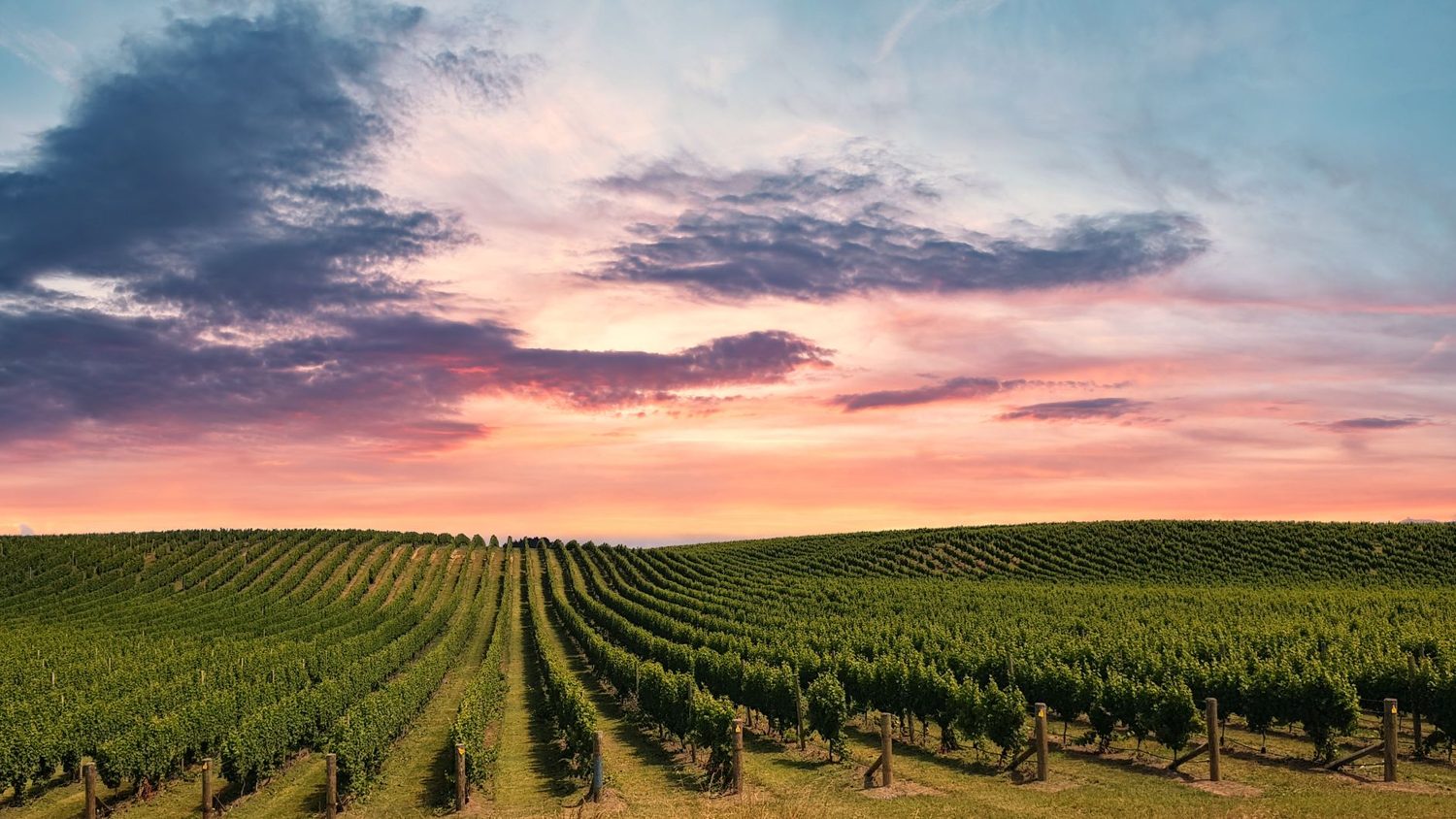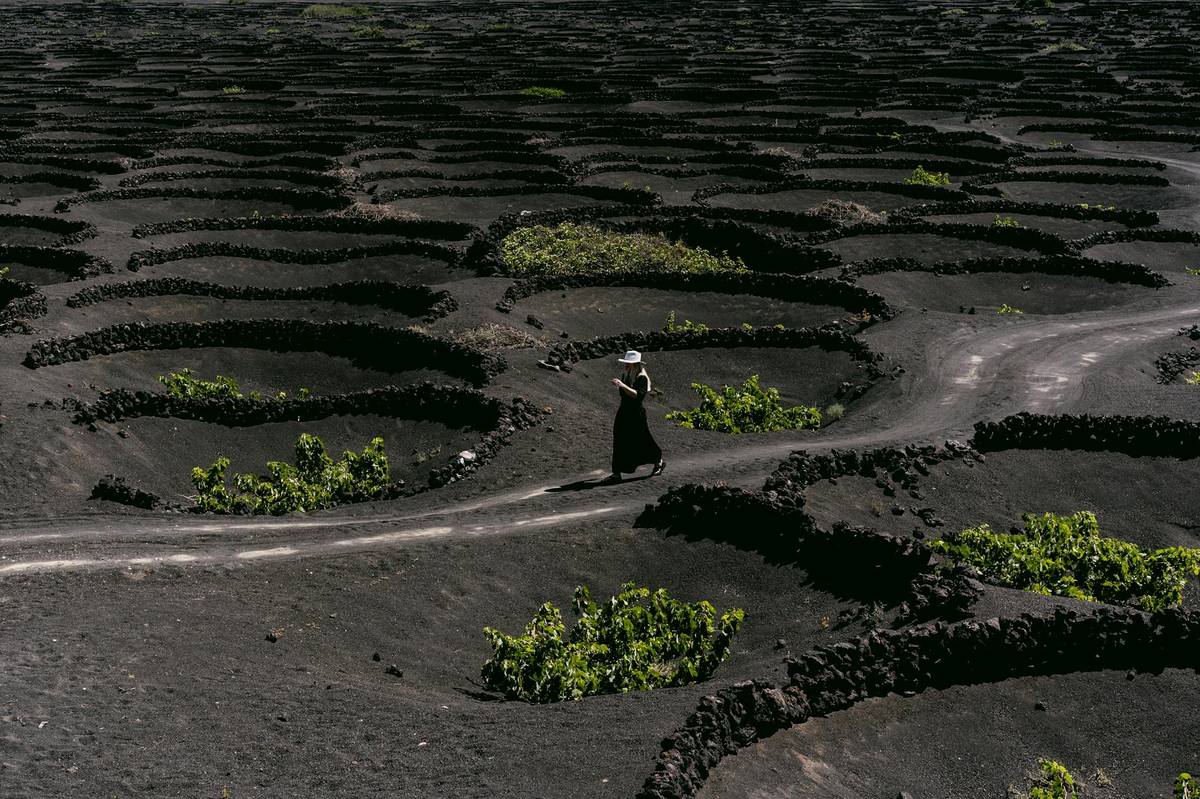
Waiheke Island is Auckland’s favourite, and New Zealand’s most visited, day-trip destination — a 40-minute ferry from Downtown Auckland delivers you to an island of vineyards, olive groves, white-sand beaches, boutique restaurants and art galleries. Roughly 9,500 people live there year-round, and on a summer weekend the population can double as day-trippers arrive to sip at the cellar doors, hike the coastal trails and swim at Oneroa or Palm Beach. This guide walks through everything you need to plan a day trip to Waiheke — how to get there, the best wineries and beaches, what to eat, how to budget, and whether it’s worth staying overnight instead.

Quick facts: Waiheke at a glance
- Distance from Auckland CBD: 17 km, 40-minute ferry
- Ferry fare (adult return): around NZ$62 (Fullers360 passenger); NZ$121+ one-way (SeaLink vehicle)
- Size: 92 km², second-largest island in the Hauraki Gulf
- Population: ~9,500 permanent, can triple in summer weekends
- Signature products: Bordeaux-blend and syrah red wines, olive oil, honey
- Best beaches: Oneroa, Palm Beach, Onetangi
- Best wineries: Mudbrick, Stonyridge, Cable Bay, Te Motu, Man O’ War
- Best month to visit: February or March (warm, dry, shoulder-crowded)
- Typical day-trip cost per person: NZ$200–300 including ferry, wine and lunch
Is a Waiheke day trip worth it?
Yes — Waiheke routinely features in global “best islands” lists and is Auckland’s single most popular day trip for good reason. In one day you can cellar-door taste at three of New Zealand’s best syrah and Bordeaux-blend producers, eat a vineyard-lunch with harbour views, swim at a safe sheltered beach, and walk a coastal clifftop track, all without leaving Auckland region. It suits couples, wine lovers, walkers and first-time Auckland visitors particularly well. The main trade-off is cost — a standard day trip with wine tasting and a mid-range lunch runs NZ$200–300 per person before any souvenir purchases.
How to get to Waiheke Island from Auckland

The standard option is the Fullers360 passenger ferry from the Downtown Ferry Terminal at the bottom of Queen Street. Sailings run roughly every 30 minutes from around 6am until late in the evening in summer, and about every hour off-season. The journey takes 40 minutes and delivers you to Matiatia Wharf on the west end of the island. Adult return is around NZ$62 (NZ$31 one-way), and child return is around NZ$35. An Explorer bus+ferry combo at about NZ$76 adult gives you unlimited hop-on-hop-off bus travel on the island and is excellent value for first-time visitors who want to see four or five beaches or vineyards in a day.
If you want to bring a car, SeaLink operates a vehicle ferry from Half Moon Bay (east Auckland, about a 25-minute drive from the CBD) to Kennedy Point on Waiheke. The journey takes 45 minutes and a one-way car fare starts around NZ$121 for a standard car with driver, plus passengers. SeaLink also runs a slower passenger/vehicle service from Wynyard Quarter on weekends and public holidays in summer. For a faster, pricier option, Auckland Seaplanes runs charter flights from the Viaduct to Waiheke that take about eight minutes each way.
Getting around Waiheke once you arrive
Waiheke is 19 km long and surprisingly hilly, so walking everywhere is not realistic unless you’re planning to stay within Oneroa village. There are five practical ways to get around:
- Public bus (Auckland Transport) — the 50 series buses connect Matiatia to Oneroa, Onetangi, Palm Beach and Rocky Bay. Tap on with an AT HOP card for the cheapest fare. Practical if you have an hour to wait between services and don’t mind walking the last kilometre to a cellar door.
- Explorer bus (hop-on-hop-off) — loops the island with commentary and stops at the main beaches, villages and several wineries. Combined with the ferry fare it’s the most common way day-trippers move around.
- Wine tour — guided 4–5 hour small-group tour with three cellar doors visited, a vineyard lunch often included, and a driver. NZ$180–250 per person depending on operator. Best choice for a stress-free tasting day.
- Rental car — Waiheke Rental Cars and Island Rental Cars have desks at Matiatia. From around NZ$80/day. Ideal if you want to visit the more remote eastern beaches or Stony Batter.
- Rental e-bike or scooter — Onya Bike and Ecozip rent e-bikes for NZ$75–95/day. Good for the central and western part of the island but the eastern hills are tough work without an e-motor. Do not rent a standard pedal bike unless you’re an experienced cyclist — Waiheke’s hills are no joke.
Best Waiheke wineries and cellar doors

Waiheke is home to about 30 wineries, around half of which have public cellar doors. The island specialises in full-bodied reds — especially Bordeaux-blend (cabernet sauvignon, merlot, cabernet franc) and syrah, which thrive in the dry, sunny microclimate. Rosé, chardonnay and increasingly sauvignon blanc are also grown. Tasting fees range from NZ$10–25 per person for a flight of 4–5 wines, typically credited against any bottle purchase.
- Mudbrick Vineyard — the most photographed Waiheke winery, with cottage-style architecture and sweeping city views from its elevated terrace. Fine-dining restaurant, archive cellar and casual bistro.
- Cable Bay Vineyards — modernist architecture, panoramic views of Auckland city and a strong restaurant. Particularly good for sunset.
- Stonyridge Vineyard — legendary for its flagship Bordeaux blend “Larose”, considered one of New Zealand’s greatest red wines. Casual Mediterranean-style verandah restaurant.
- Te Motu Vineyard — right next to Stonyridge and similarly renowned for Bordeaux blends. The restaurant, The Shed, is one of the island’s best.
- Man O’ War Vineyards — remote, on the eastern end of the island overlooking its own beach. Picnic-style cellar door with some of the best casual wine-and-view experiences on Waiheke.
- Passage Rock Wines — small-scale and family-run, consistently underrated. Award-winning syrah and an excellent wood-fired pizza menu.
- Goldie Estate — Waiheke’s oldest commercial vineyard (planted 1978). Relaxed tasting room with a ploughman’s platter menu.
- Obsidian Vineyard — small, organic, excellent across varietals. Seasonal weekend-only tastings.
- Tantalus Estate — brewery and vineyard in one, hidden up a gravel lane. Modern tasting room, great beer list alongside the wines.
- Kennedy Point Vineyard — organic and biodynamic, quiet tasting room with harbour views near the SeaLink wharf.
For a first visit, pick one “iconic” winery (Mudbrick or Stonyridge), one mid-tier (Tantalus or Passage Rock) and one more intimate cellar door (Obsidian or Kennedy Point). Most day-trippers run out of time after three tastings — don’t try to cram in five.
Best beaches on Waiheke

Waiheke’s beaches face the sheltered Hauraki Gulf rather than the open sea, so the water is calm, clear and warm enough for swimming from December through April. Six to know:
- Oneroa Beach — the busy main beach below the main village. Café on the sand, safe swimming, perfect for a quick first dip. Ten minutes’ walk from the Matiatia ferry.
- Little Oneroa — smaller cove next to Oneroa, family-friendly with a playground and toilets. Lifeguards in summer.
- Palm Beach — white sand, crystal water, slightly quieter than Oneroa. Great for a long swim-and-read afternoon. Has a small café.
- Onetangi Beach — Waiheke’s longest beach at 1.9 km. Several bars and restaurants open onto the sand including the famed Charlie Farley’s. Best at sunset.
- Cactus Bay — often described as the island’s most beautiful beach, but accessible only by boat, kayak or a long cross-country walk. Not practical as a ferry day trip add-on unless you’re on a kayaking tour.
- Man O’ War Bay — at the far east of the island, with the Man O’ War winery cellar door 100 metres from the sand. Remote but stunning.
Wine tours vs. self-guided tastings
For a first-time visitor who wants to taste at three cellar doors in a day, a small-group wine tour is hard to beat — you get a driver, context-setting commentary between stops, usually an included lunch, and no stress about timing the bus. Operators like Ananda Tours, Fullers360 Wine on Waiheke, Waiheke Wine Tours and EcoZip Wine Tours run daily departures from Matiatia from around 10:30am, returning by 4pm. Expect to pay NZ$180–260 per person depending on which wineries are included and whether lunch is covered. Self-guided tasting via the Explorer bus is cheaper (NZ$60 bus plus tasting fees) and works well for independent travellers — just plan the bus timetable carefully, because waits between services can stretch to 40 minutes.
Best walks and hikes on Waiheke
The Te Ara Hura network is a 100 km loop of coastal paths that circumnavigate the island — serious walkers can do it in four or five days. For a day trip, most visitors tackle a short section:
- Oneroa to Palm Beach coastal walk — 1.5 hours each way, through bush and along clifftops. Good for between the ferry and a cellar door.
- Church Bay to Mudbrick loop — 45 minutes, finishes at Mudbrick’s cellar door. Pure magic at sunset.
- Stony Batter historic reserve — an hour’s loop through WWII gun tunnels at the east end; requires a car or taxi to access.
- Whakanewha Regional Park — 2–3 hours of well-marked bush tracks, good for birdwatching, with a sheltered bay at the end.
Where to eat on Waiheke

Waiheke’s restaurants punch above their weight. Book ahead for lunch on weekends and throughout summer — the best winery restaurants are booked out a month in advance for peak weekends. Top picks:
- The Shed at Te Motu — consistently rated the island’s best vineyard restaurant. Mediterranean-inspired sharing plates, long wooden tables, a tasting-menu format.
- Mudbrick Restaurant — fine dining with sweeping views. The five-course tasting is the island’s classic occasion meal.
- Cable Bay Dining — contemporary New Zealand food, exceptional wine list, sunset views.
- Poderi Crisci — Italian vineyard in a Tuscan-style setting; long Italian lunches with wine matching.
- Casita Miro — Spanish tapas in a mosaic-tiled courtyard, next to Te Motu.
- Charlie Farley’s — casual beach bar at Onetangi, feet-in-the-sand dining.
- Dragonfired — wood-fired pizza truck parked at Little Oneroa Beach. Takeaway only, cult-followed.
- Oyster Inn — Oneroa village’s classic bistro with rooms upstairs. Oysters, fish and great wine list.
- Stonyridge Verandah — shareable Mediterranean plates on an outdoor verandah, perfect mid-afternoon stop.
Waiheke art, history and culture
Waiheke has long been a magnet for New Zealand artists, with more than 80 working studios scattered across the island. The Waiheke Art Gallery at the Artworks Complex in Oneroa is the hub — free admission, changing exhibitions by island and national artists, and information on the self-guided Art Trail that takes in about 25 open studios. Connells Bay Sculpture Park on the island’s south coast is a 60-hectare working farm studded with large-scale outdoor sculpture; guided tours run from October to May (booking required). Every second summer, headland to headland, Waiheke hosts the biennial “Sculpture on the Gulf” trail — 2027 is the next edition.
Waiheke’s pre-European name is Te Motu-Arai-Roa, “the long sheltering island”, and Ngāti Paoa are its mana whenua (indigenous guardians). The island’s history moved through the early 20th century as a Pākehā holiday destination, a 1970s counter-cultural community, and finally to the vineyard-and-lifestyle island it’s known as today. For a deeper cultural experience, the Waiheke Historical Society Museum at Onetangi (open Sundays and Wednesdays) and occasional Ngāti Paoa-led storytelling walks provide genuine context to the landscape.
Suggested one-day itineraries
The wine taster — 10am ferry to Matiatia. Wine tour pickup at the wharf. Visit Stonyridge, Mudbrick, and Obsidian with a light lunch at Stonyridge. Drop at Oneroa at 4pm, walk the village, grab an oyster at The Oyster Inn, 6pm ferry back.
The beach-and-bite day — 9am ferry, Explorer bus pass. Morning at Oneroa Beach with coffee at The Courtyard. Lunch on the sand at Charlie Farley’s at Onetangi. Afternoon at Palm Beach. Sunset drink at Cable Bay, 8pm ferry back.
The hiker — 8am ferry. Walk the coastal track from Matiatia to Oneroa to Palm Beach (three hours each way with time for swims). Lunch at Palm Beach Cafe. Head back along the same track or bus from Palm Beach to Oneroa. Dinner at the Oyster Inn, late ferry home.
The all-rounder — 9am ferry. Explorer bus to Stonyridge for 10:30 tasting. Bus to Onetangi Beach for a swim and lunch. Bus back to Oneroa for a village walk and coffee. Sunset tasting at Mudbrick. Dinner in Oneroa, late ferry.
The romantic weekend — two-night stay at a Waiheke villa. Day 1: relaxed morning, afternoon at Palm Beach, dinner at The Shed. Day 2: hike the coastal path, lunch at Stonyridge, afternoon kayak from Matiatia, dinner at Cable Bay. Day 3: brunch in Oneroa, ferry back.
Waiheke for families with kids
While Waiheke is best known as an adult-friendly wine destination, it also works well for families. Palm Beach and Little Oneroa are safe swim beaches with playgrounds, toilets and cafés on the sand. EcoZip Adventures runs a three-zipline course through native bush with a 1.4 km forest walk loop — minimum age five. Rangihoua Estate offers children’s plates at its olive-oil tasting and the surrounding paddocks are a good run-around for young kids while parents taste. The Waiheke Museum, the Artworks Complex’s playground, and Dragonfired Pizza at Little Oneroa Beach round out a very kid-friendly day. Most wineries welcome children during daylight hours; several (Mudbrick, Stonyridge, Poderi Crisci) have dedicated children’s menus. See our kid-friendly Auckland guide for more family ideas across the region.
How much does a Waiheke day trip cost?
A budget day-tripper can visit Waiheke for around NZ$120 per person: NZ$62 ferry, NZ$20 bus fares, NZ$25 lunch at a café and NZ$15 tasting at one winery. A mid-range day (NZ$200–300 per person) adds a wine tour (NZ$180) and a vineyard lunch (NZ$70–90). A high-end day (NZ$400+) includes helicopter or seaplane transfer, fine-dining lunch at Mudbrick and bottle purchases at tastings.
Should you stay overnight on Waiheke?
If you have the flexibility, yes. Staying overnight lets you see the eastern half of the island (Man O’ War, Stony Batter, Onetangi) without the pressure of a 6pm ferry, and experience the much quieter evening island after the day-trippers have all left on the last ferry. Accommodation ranges from backpacker hostels in Oneroa (from NZ$40/night) through boutique B&Bs and self-contained villas (NZ$250–600/night) to the luxury Delamore Lodge (NZ$800+/night). Book ahead for any summer weekend — the island routinely sells out from December to March.
What to pack for a Waiheke day trip
Waiheke is more exposed than central Auckland and can swing from blazing sun to brisk sea breeze inside an hour, so layers are essential. In summer, pack a hat, sunscreen (Waiheke’s UV is fierce — NZ sits under the thinnest ozone layer in the world), swimwear under your clothes, a reusable water bottle, and a light jumper or jacket for the ferry trip home after sunset. Comfortable shoes are a must — the cellar doors often have gravel driveways, and the coastal tracks are uneven. In autumn and winter, a waterproof shell and warmer layers are sensible; in spring, bring an extra layer for cool mornings. If you plan to buy wine, a small backpack or tote lets you carry bottles comfortably on the ferry.
Seven tips for a better Waiheke day trip
- Book the first ferry on busy weekends. 8am or 9am sailings are rarely full, but 10am and 11am regularly sell out between December and March. A standby ticket gets you on only if space allows — don’t risk it on a peak day.
- Don’t try to see everything. Three cellar doors, one lunch, one beach and a walk is a full day. Attempting five wineries plus two beaches is how day-trippers end up rushed, tired and tipsy.
- Book restaurant reservations before you board the ferry. Oneroa, Onetangi and winery restaurants all have 12:30pm rushes — a booking saves you from an hour’s wait.
- Carry cash. Most cellar doors and restaurants take cards, but a few smaller operators are cash-only and some art galleries add surcharges on cards.
- Bring your own corkscrew and glasses if picnicking. Bottle-shop wine is cheaper than cellar-door wine; Waiheke’s public beaches are perfect picnic settings; a corkscrew and basic glasses make it feel special.
- Check the last ferry time. In summer the last return ferry is often 10pm–11pm, but in winter it can be as early as 8:30pm. Missing it means an unplanned overnight at considerable cost.
- Don’t drink and drive. New Zealand’s drink-drive limits are strict (0.05 BAC, zero tolerance under 20). If you’re driving the rental car, use spit buckets at tastings or nominate a non-drinking driver.
Best time of year to visit Waiheke
Summer (December–March) is peak Waiheke — warm enough to swim, long evenings, every cellar door and restaurant open. Book well ahead. Autumn (April–May) is the sweet spot: mild temperatures, grape harvest season, fewer crowds and cheaper accommodation. Winter (June–August) is quieter; many cellar doors close or go weekend-only, but the views are crisp and harbour walks are brisk and beautiful. Spring (September–November) brings new-season releases and warmer afternoons. The one weekend to avoid if you don’t like crowds is the Waiheke Wine & Food Festival in mid-February, when the island is at absolute capacity.
Frequently asked questions about Waiheke day trips
How far is Waiheke from Auckland?
About 17 km from the CBD as the crow flies. The Fullers360 passenger ferry from Downtown Auckland takes 40 minutes, running every 30 minutes from early morning to late evening. A SeaLink vehicle ferry from Half Moon Bay takes 45 minutes.
Do you need a car on Waiheke?
No — the Explorer bus, public buses and wine tours cover most day-trip itineraries. A car becomes useful only if you want to reach the eastern end (Man O’ War, Stony Batter) or if you are staying multiple nights.
Can you do Waiheke as a half-day trip?
Technically yes, but it’s not recommended. By the time you factor in a 40-minute ferry each way and the 15–30 minutes of transport to a cellar door, a half day leaves you only 2–3 hours on the island. Plan for a full day (9am–6pm at minimum) or stay overnight.
Which is the best Waiheke winery for views?
Mudbrick and Cable Bay both have panoramic views of Auckland city across the harbour. Mudbrick is more classic in style; Cable Bay more modernist. Both are at their best at sunset.
Which is the best Waiheke winery for wine?
Stonyridge and Te Motu are next to each other and both produce top-tier Bordeaux-style reds. For a smaller, more intimate tasting, Obsidian and Passage Rock are excellent. Man O’ War is the scenery-plus-wine dark horse.
Can you swim on Waiheke?
Yes — the Hauraki Gulf beaches (Oneroa, Little Oneroa, Palm Beach, Onetangi) are sheltered, calm and warm enough to swim in from late spring through autumn (November to April). Water temperatures peak at around 20°C in February.
Is Waiheke expensive?
Yes, by New Zealand standards. A vineyard lunch is NZ$60–100 per person, a wine tour NZ$180–250 per person, and most hotels start at NZ$300/night. Budget travellers can still enjoy the island by using public buses, packing a picnic and limiting cellar-door tastings to one or two.
Is the Waiheke ferry cheaper if booked in advance?
Fullers360 fares don’t fluctuate by booking date, but they sometimes offer online-only bundle deals (ferry + bus + wine) that are cheaper than buying each component separately. Always compare the Explorer bus combo fare with a ferry-only fare plus bus passes.
Are there any non-wine things to do on Waiheke?
Plenty — swimming, coastal walking (Te Ara Hura), sea-kayaking, ziplining with Ecozip, olive-oil tastings at Rangihoua Estate, a zipline tour through native bush, Stony Batter’s WWII tunnels, the Artworks Complex in Oneroa with galleries and a small cinema, and the Dead Dog Bay sculpture trail.
Can you bring dogs to Waiheke?
Yes, but the ferry companies have specific rules (dogs on leads, outside decks only) and many beaches have seasonal dog bans. Check Auckland Council’s dog access map before you travel.
Can you do Waiheke and Rangitoto in one day?
Not really — both are full-day propositions and the ferries don’t directly connect. Pick one per day. If you only have one day to spare, Waiheke is the better choice for wine and food; Rangitoto is better for volcanic hiking.
Do I need to book a wine tour in advance?
Yes, particularly in summer and on weekends. Small-group tours book out a week or more ahead from December to March. If you’re self-driving or on the Explorer bus, individual cellar doors generally take walk-ins except for the most popular weekends when tastings can be reservation-only.
For more day-trip ideas from Auckland, see our Piha Beach guide and our overall Auckland CBD guide for where to stay in the city before and after your Waiheke trip. For broader trip planning, our best time to visit Auckland guide breaks down each month.