Auckland CBD Guide: Precincts, Attractions & Where to Stay (2026)
A local's Auckland CBD guide: top precincts, attractions, restaurants, bars, hotels and the best streets to explore on foot, from Britomart to K Road.
This article contains advertising. Our booking links are routed through a partner that adds commission tracking automatically, so if you book through one we earn a commission from the provider, at no extra cost to you. It never affects what we recommend. Affiliate disclosure
Most people’s first taste of New Zealand is the Auckland CBD, and a lot of them never really leave it — which is fine, because the central city packs more into a walkable few square kilometres than anywhere else in the country. It runs from the ferry terminals on the harbour’s edge up the Queen Street valley to Karangahape Road, and along the way it splits into a dozen little precincts, each with its own character. This is a local’s walk-through: where to go, what to eat, where to stay, and the small things that make a 48-hour visit click. If you want more on that side of things, see our Grey Lynn Auckland guide.
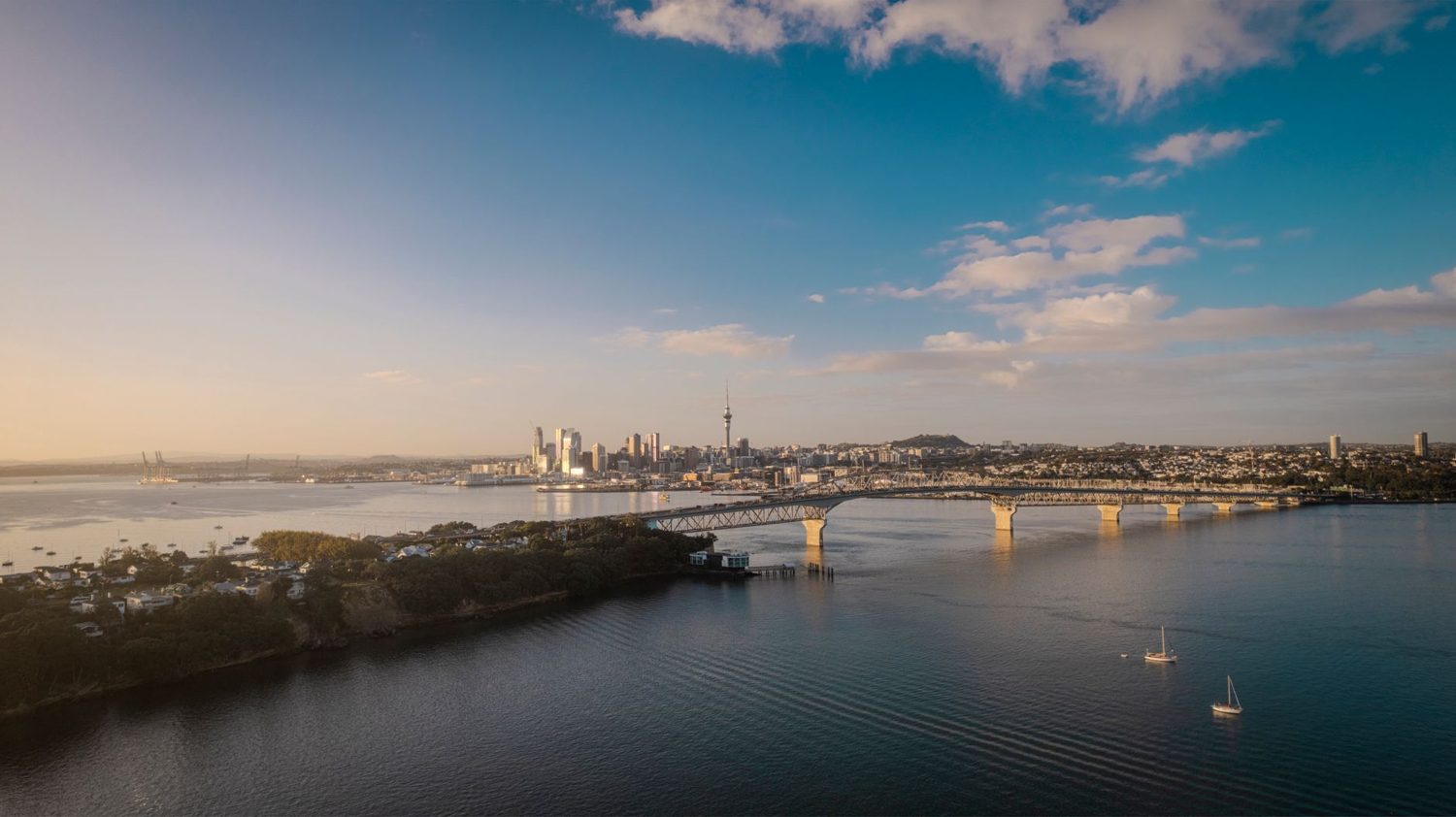
The Auckland CBD is the compact, walkable heart of the city, wrapped by water on three sides and stitched together by the free City Link bus. Its main precincts — Britomart, the Viaduct, Wynyard Quarter, Queen Street, High Street and K Road — sit within a 20-minute stroll of each other, with the 328-metre Sky Tower as your constant landmark for finding your way back.
Here’s the single most useful thing I can tell you about the place: treat it as a harbour town, not a generic downtown. Wherever you stand in the CBD, you’re less than ten minutes from a ferry, a marina or a waterside park. Plan around the water and you’ll have a far better time.
Auckland CBD precincts at a glance
Before we walk through them one by one, here’s the quick map of what each precinct is for. Think of it as a cheat sheet for deciding where to spend your morning versus your evening.
| Precinct | Best for | Vibe |
|---|---|---|
| Britomart | Dining, NZ fashion, the main train station | Polished, heritage-meets-new |
| Viaduct Harbour | Waterfront bars, superyachts, sunset drinks | Lively, see-and-be-seen |
| Wynyard Quarter | Families, playgrounds, casual harbourside eats | Relaxed, open, waterside |
| Commercial Bay / Downtown | Luxury shopping, food hall lunches, ferries | Sleek, busy, central |
| Queen Street | High-street shopping, civic venues | Workaday spine |
| High Street / Fort Lane | Boutiques, laneway bars | Small-scale, characterful |
| Federal Street | Sky Tower, destination restaurants | Foodie strip |
| Karangahape Road (K Road) | Vintage, live music, late nights | Gritty, creative, bohemian |
If this whets your appetite for the wider city, the CBD is the flagship chapter of our Auckland Neighborhoods Guide 2026: Where to Stay, Eat & Explore, which sets it in context alongside the suburbs.
Getting your bearings
The CBD covers roughly four square kilometres but feels smaller, because the stretch you’ll actually use — the waterfront up to Aotea Square — is about 1.2 kilometres and almost dead flat along Quay Street. Past that, the city climbs two low ridges either side of the Queen Street valley. The Sky Tower is your anchor: if you can see it, you can orient yourself.
One thing that surprises visitors is how lived-in it is. The CBD is New Zealand’s densest residential area, home to tens of thousands of people, so it has a real seven-day rhythm rather than emptying out after work. Restaurants and bars stay open late, especially around Britomart, the Viaduct and Wynyard Quarter. The edges — upper Queen Street and parts of K Road — are quieter and a bit rougher after dark, which is worth knowing when you pick a hotel.
How to get there and around
From the airport, the cheapest run into town is the SkyDrive coach or the AirportLink bus paired with a train on an AT HOP card. A rideshare or taxi is faster door-to-door but costs a fair bit more, and takes around 40 minutes with clear roads. Arriving by cruise ship is the easy one — you dock at Queens Wharf and step straight into the CBD.
Once you’re downtown, walking covers most of it, and the free City Link bus loops between Wynyard Quarter, the waterfront, Queen Street and Karangahape Road every few minutes through the day. It’s the single best tool for saving your legs on the one real hill up to K Road. Grab an AT HOP card for cheaper fares the moment you plan to go beyond the centre — the full picture is in our Getting Around Auckland: The Complete 2026 Transport Guide.
Worth flagging for anyone visiting from late 2026: the City Rail Link is set to open, adding two new underground stations in the CBD and turning Britomart into a through-station. When it’s running, getting across the city will be far quicker than any older guidebook suggests, so double-check current services rather than trusting dated advice.
Britomart: the polished heart
If you only have time to wander one precinct, make it Britomart. Two decades ago it was a tired warehouse quarter; now it’s the city’s most stylish patch, where restored red-brick buildings share cobbled laneways with sleek new towers and a rotating cast of New Zealand designers. It’s the easiest place in the CBD to drift around and fall into a good lunch by accident.
The train station sits at its southern edge in the grand old Chief Post Office building, and Takutai Square gives you a patch of lawn to sit on. The eating is strong across the board — Amano for Italian, Ortolana for garden-fresh brunch, Kingi for seafood in the Hotel Britomart, Cafe Hanoi for Vietnamese in an old warehouse. For a genuinely local souvenir, the homegrown fashion labels clustered here beat anything you’ll find on the high street.
Viaduct Harbour: waterfront bars and superyachts
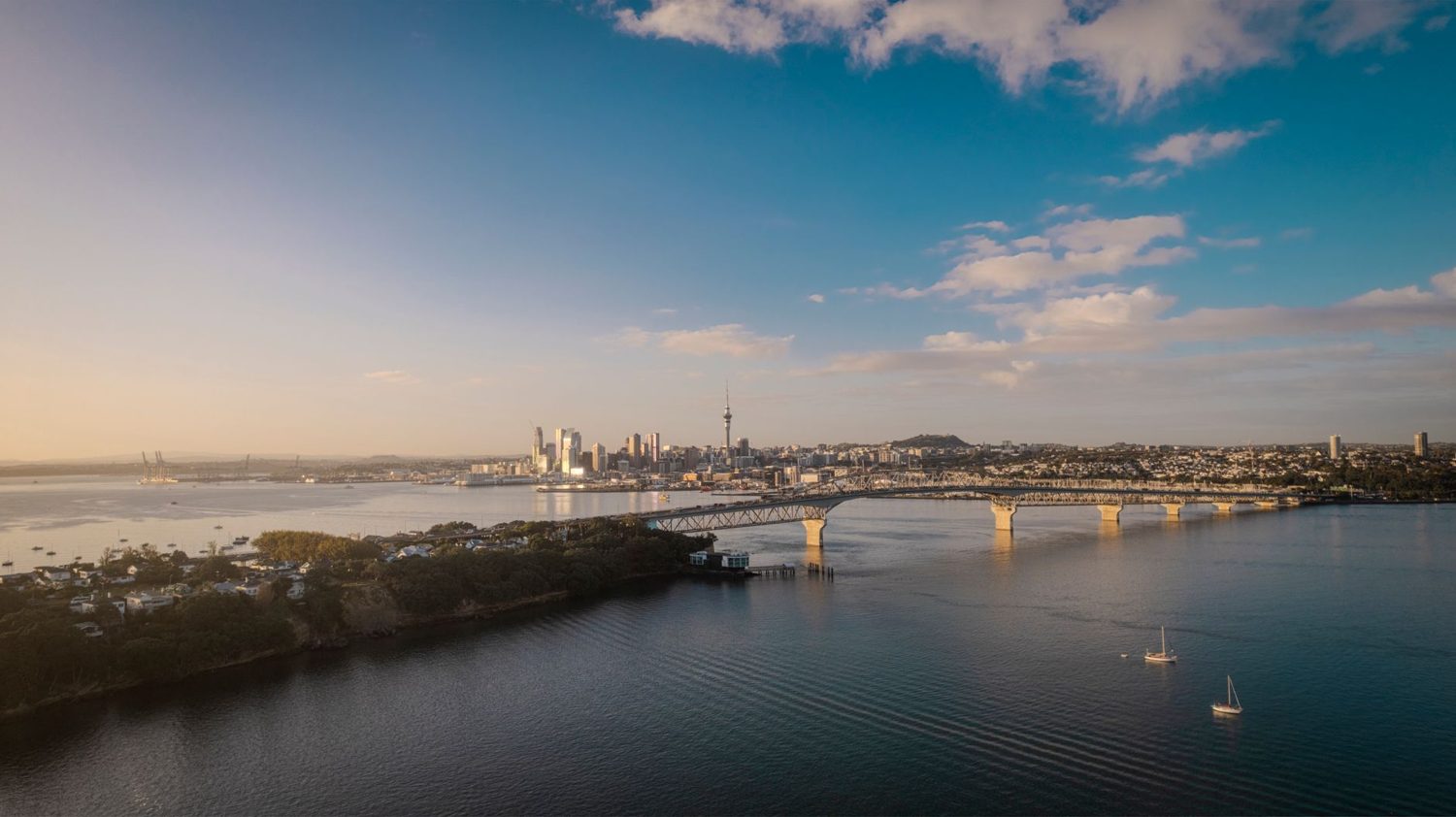
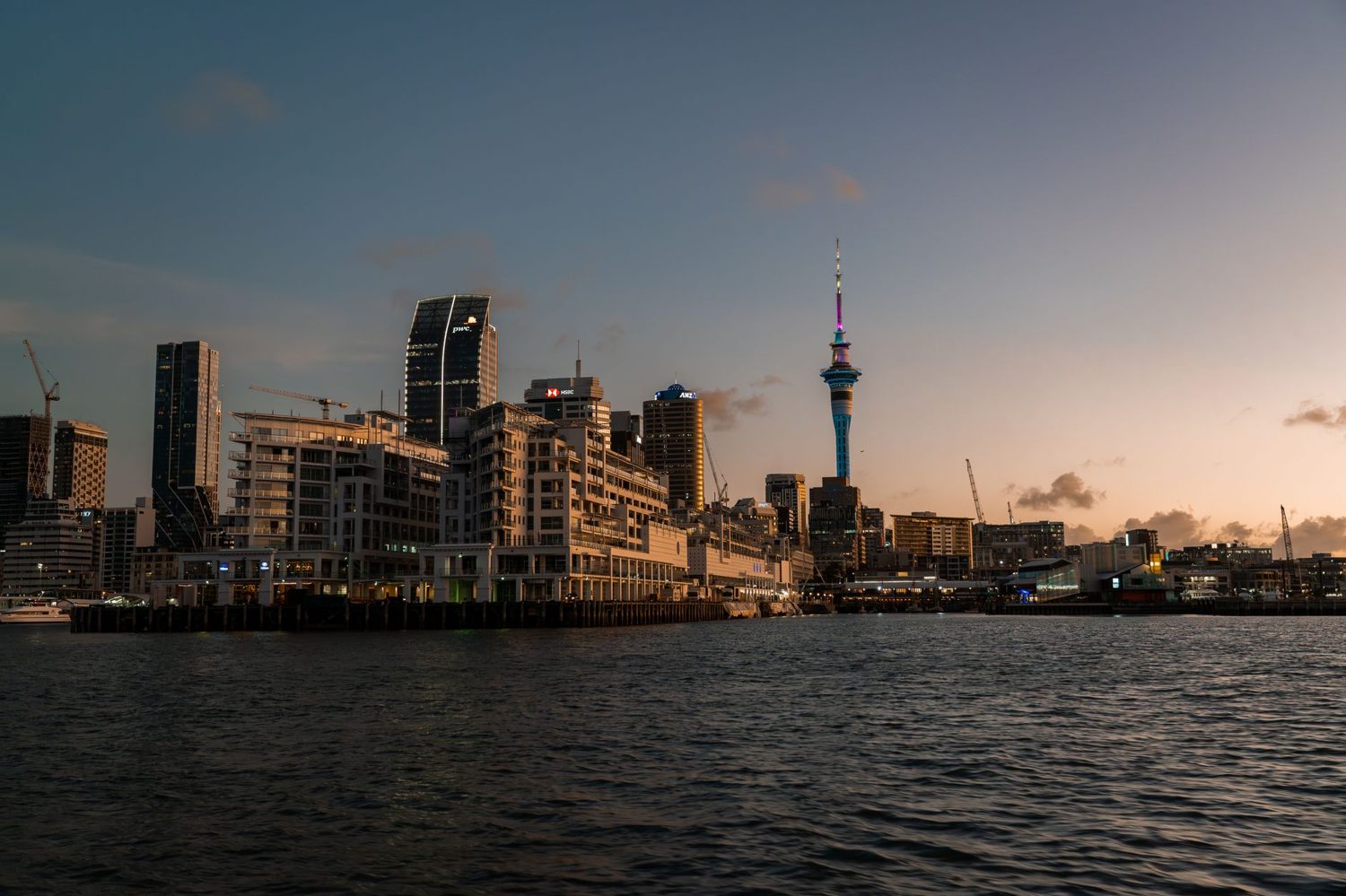
Walk west along Quay Street, cross the little Te Wero footbridge, and you’re in the Viaduct — a horseshoe marina that was the America’s Cup village back in 2000 and still feels like the city’s party zone. It’s ringed with waterfront restaurants and bars, busiest with the after-work crowd. Honestly, one of the best free things you can do in the CBD is simply walk the boardwalk here after sunset, superyachts lit up and the Harbour Bridge glowing in the distance.
At the western end sits the New Zealand Maritime Museum, an easy hour on Polynesian voyaging and America’s Cup history, and it runs short harbour sails on a historic scow most summer days. Next door, the Viaduct Events Centre hosts the Auckland Seafood Festival each January along with shows through the year. For where to eat and drink here in detail, our Auckland Food & Drink Guide 2026: Best Restaurants, Cafes & Bars has the full list.
Wynyard Quarter: the family-friendly waterfront
Cross the Wynyard Crossing lift-bridge and you reach the CBD’s newest precinct, a former tank farm reborn as a waterfront neighbourhood. This is the family zone: one of the city’s best playgrounds at Silo Park, outdoor cinema in summer, water features and a skatepark, and wide traffic-free boardwalks that run right to the water’s edge.
The highlights are casual and mostly free — Saturday-morning markets at Silo Park over the warmer months, the Karanga Plaza tidal steps where kids paddle at high tide, and the Auckland Fish Market for harbourside sashimi. The headland at the northern tip is being turned into an expanded public park, opening in stages, so expect more green space here each year. If you’re travelling with children, this and the rest of the family scene get the full treatment in our Auckland with Kids 2026: Complete Family Travel Guide.
Queen Street: the central spine
Queen Street runs north to south from the ferries up to K Road, and it’s the city’s historic retail strip. Chunks of it have been reworked recently with wider pavements, cycle lanes and new trees. It’s a workable high street for the chains and the heritage department store, but for higher-end fashion and local labels you’re better off in Britomart, Commercial Bay or on High Street.
Halfway up, Aotea Square is the civic heart, flanked by the Town Hall, the Aotea Centre and the beautiful old Civic Theatre — check what’s on before you visit, since a show is the best reason to be here. Just off it, Myers Park drops into a green gully that makes a pleasant shortcut toward K Road by day, though it’s quiet after dark.
High Street and the laneways
Tucked between Queen Street and the Viaduct, High Street and its neighbours (Shortland Street, O’Connell Street) make up the best small-scale shopping in the CBD — local designers, specialist bookshops, indie jewellers and galleries packed into heritage buildings. Fort Lane and Vulcan Lane are the narrow laneways that come alive with bars after six, and you can happily barhop your way back toward Britomart on foot without ever needing transport.
Commercial Bay and Downtown
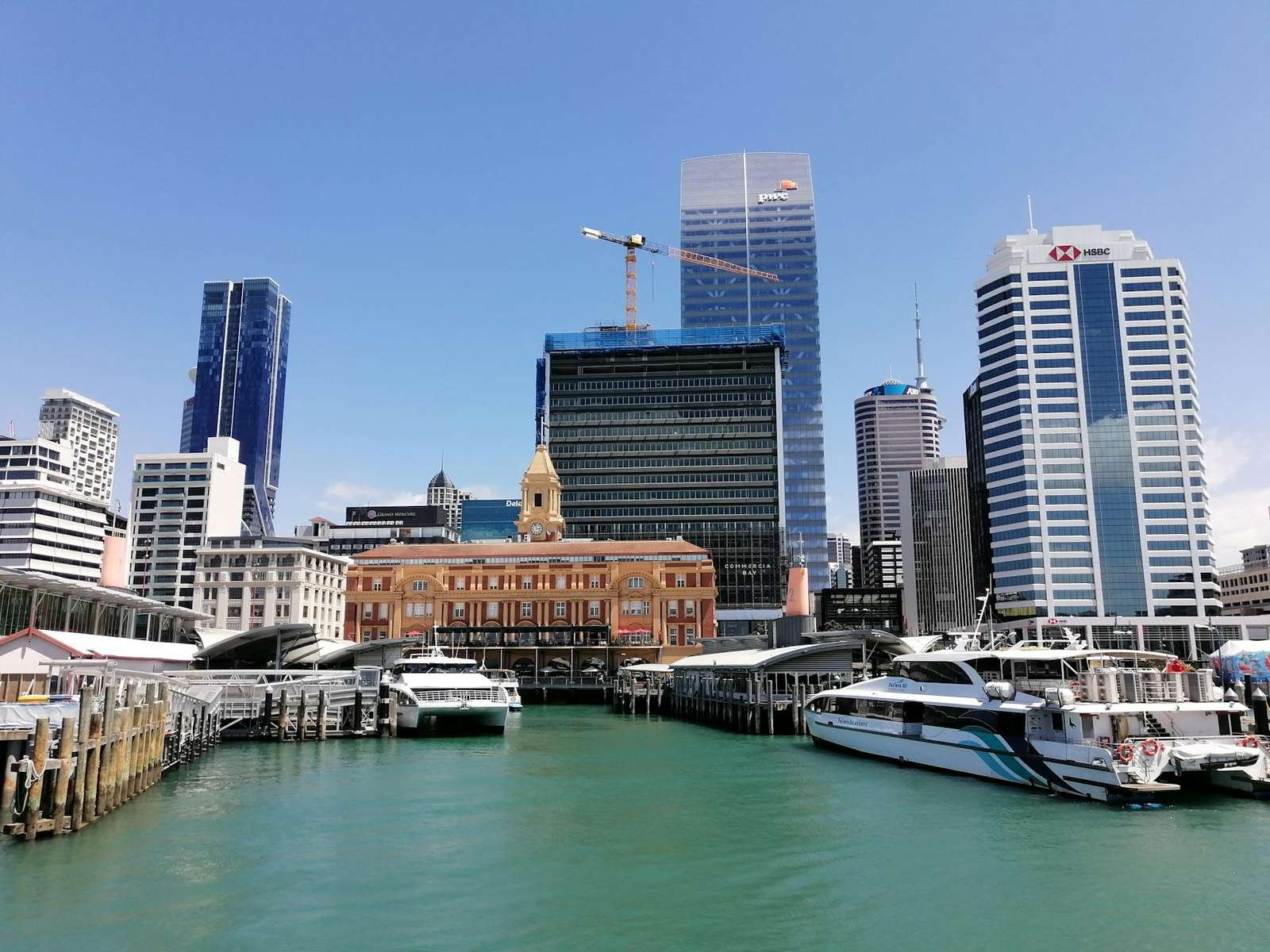
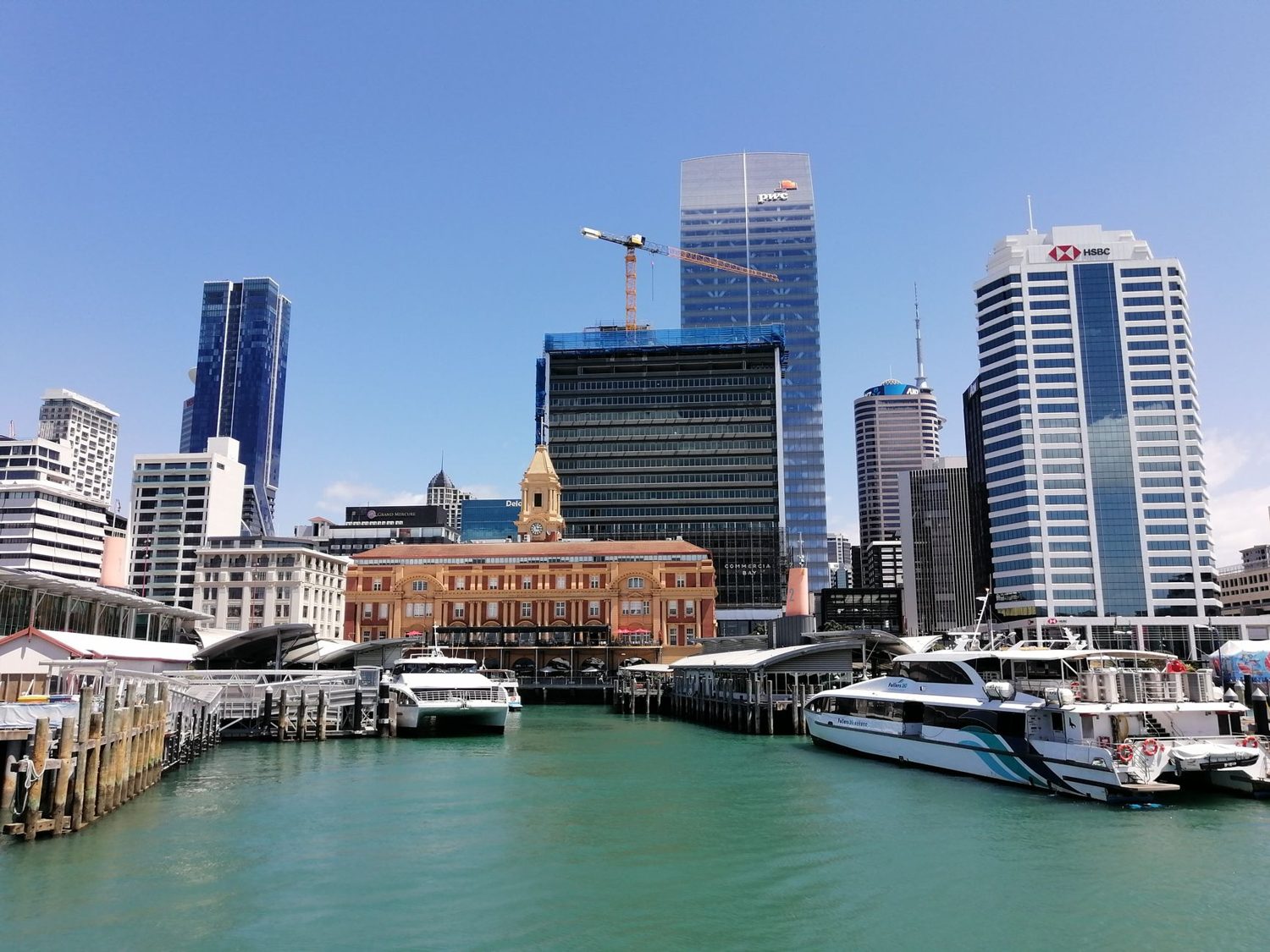
Commercial Bay is the CBD’s flagship retail and dining centre, built into the base of a tower on Quay Street with three levels of shops — international luxury, New Zealand fashion, and a food hall on the lower level that’s the best-value quick lunch downtown. Right next door is the 1912 Ferry Building, where the ferries leave for Devonport, Waiheke, Rangitoto and the gulf islands. It’s the natural hub for turning a CBD stay into a day on the water.
Federal Street and the Sky Tower
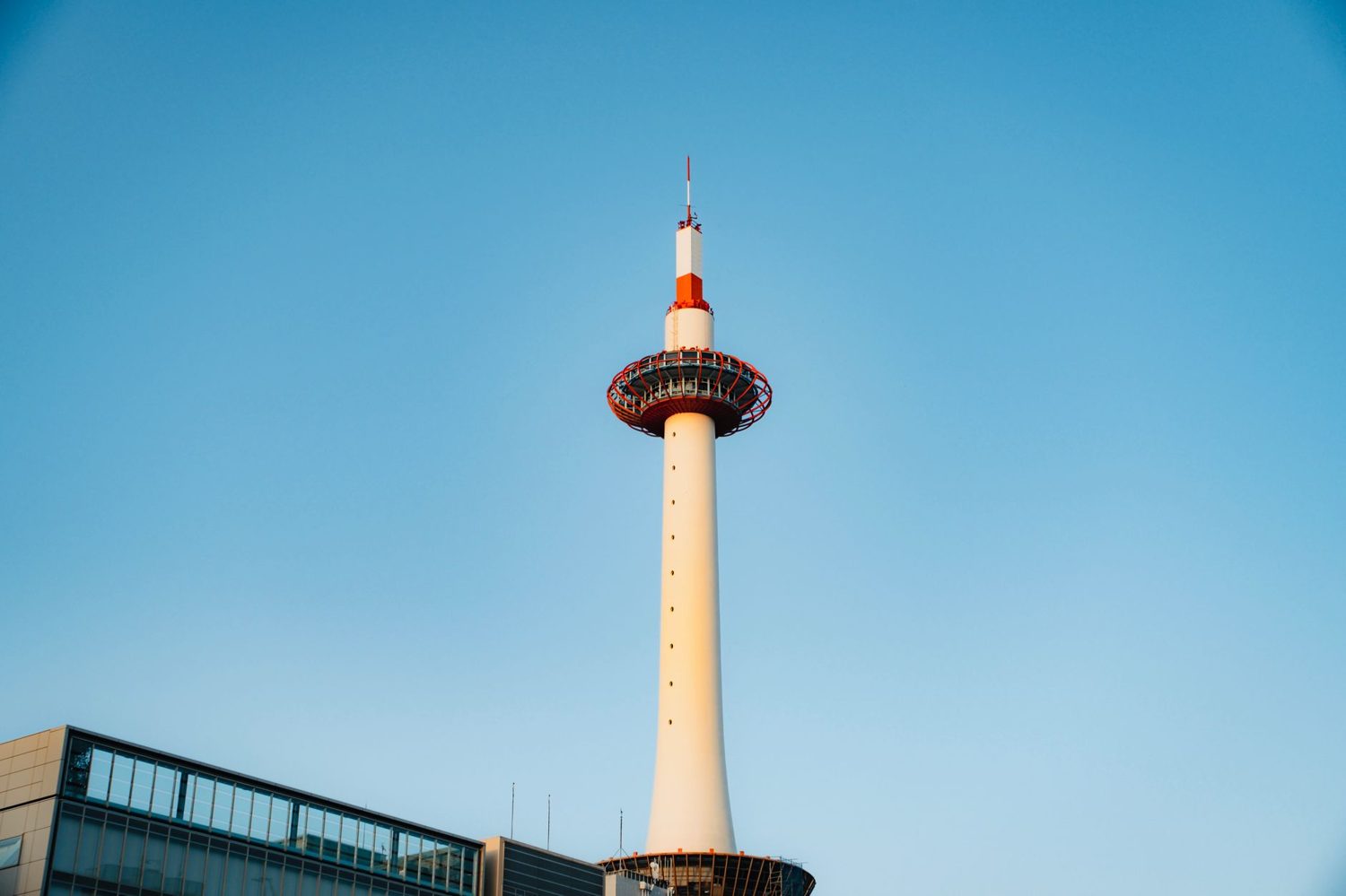
Federal Street is a short strip at the foot of the Sky Tower that’s quietly become one of the city’s best food precincts, with a run of destination restaurants within 100 metres of each other. The tower itself is the obvious landmark, and at 328 metres it’s the tallest freestanding structure in the Southern Hemisphere.
A general admission ticket to the observation levels costs around NZ$40 for an adult and about NZ$20 for children aged 6 to 14, with under-fives free (confirm current pricing when you book). That gets you three viewing levels — the main deck at 186 metres, the Lookout at 192 metres, and the Sky Deck up at 220 metres — with 360-degree views over the Hauraki Gulf. Adrenaline types can add the outdoor SkyWalk around the pergola or the SkyJump wire-descent. My tip: go late afternoon in summer, when the light softens and the sun shifts west over the harbour.
Karangahape Road (K Road)
K Road marks the southern edge of the CBD and it’s the creative, slightly scruffy counterpoint to the shiny waterfront — independent design stores, vintage boutiques, rainbow-strung bars, brunch cafes, live-music rooms and some of the best cheap eats in town. It feels more bohemian than anywhere else in the centre, and our street-by-street K Road guide walks the strip end to end. A new station opening on the City Rail Link will put K Road minutes from Britomart, and that’s already sparking a wave of new openings. For the after-dark side of it, see our Auckland Shopping & Nightlife Guide 2026: Where to Shop & Party.
A 48-hour CBD plan
Day one: Drop your bags and start in Britomart with lunch, then walk the waterfront through Commercial Bay to the Viaduct. Book a late-afternoon Sky Tower ticket for the best light, then come back to the Viaduct for a sunset drink. Dinner in Britomart, a nightcap in a Fort Lane bar.
Day two: Coffee and a pastry, then catch the mid-morning Devonport ferry. Climb North Head for the city view, browse the village, grab a pie, and be back in the CBD by early afternoon. Spend it at the free Auckland Art Gallery and a wander through Albert Park up to K Road, then finish with an early dinner and live music on K Road before heading back down.
The best things to do in the CBD
- Sky Tower observation deck — 360-degree views from up to 220 metres, plus a revolving restaurant.
- Auckland Art Gallery Toi o Tāmaki — free entry to the country’s biggest art collection.
- New Zealand Maritime Museum — at the Viaduct, with short harbour sails in summer.
- Walk the waterfront — the Wynyard-to-Britomart loop, about an hour with coffee stops.
- Devonport ferry day trip — a 12-minute crossing to a Victorian seaside village.
- Rangitoto Island — ferry across and hike the volcano for the best view back at the city.
- Viaduct sunset drink — the CBD classic, boardwalk and superyachts included.
- K Road evening — dinner and live music on a weekend night.
For even more ideas across the whole city, our 65 Best Things to Do in Auckland (2026): An Insider’s Guide is the master list, and the events side of the calendar lives in our Auckland Events & Festivals Calendar 2026: Month-by-Month Guide.
Where to eat
The CBD has the densest restaurant scene in the country and covers every cuisine at every price. For a special dinner, the contemporary New Zealand and modern Japanese names in and around Commercial Bay and Federal Street are the ones to book ahead. For a good feed on a budget, the food halls at Commercial Bay and the Britomart laneways, plus the Auckland Fish Market, all do quality meals for under NZ$20.
Broadly, Federal Street and Fort Lane are your after-work bar strips, the Viaduct is louder and pricier, and K Road is where the late crowd heads for live music. If you want the full breakdown by cuisine, occasion and budget, that’s exactly what the Auckland Food & Drink Guide 2026: Best Restaurants, Cafes & Bars is for.
Where to stay in the CBD
For a first visit, Britomart is the most polished base — walking distance to the ferries, the train station, the best restaurants and the shopping. The Viaduct and Wynyard Quarter put you right on the waterfront, which is lovely if you want harbour views out your window. The cluster of larger hotels around mid-Queen Street and Federal Street tends to be better value and still central, if a little further from the atmospheric strips. Our Britomart Auckland guide covers this in more depth.
The one area I’d think twice about is upper Queen Street above Mayoral Drive, where the budget beds sit but the late-night feel is rougher. For a proper neighbourhood-by-neighbourhood comparison, see our Where to Stay in Auckland: Best Neighbourhoods & Hotels for 2026 guide. If you decide the central city isn’t quite your speed, the leafy villages nearby are worth a look — our Ponsonby Guide: Auckland’s Coolest Neighbourhood (2026), Parnell Auckland Guide: Cafes, Heritage & Parks (2026), Newmarket Auckland: Shopping, Dining & Hotels Guide (2026) and Mt Eden Village Guide: Cafes, Shops & Hotels (2026) each cover a short trip from the centre, while across the harbour our Takapuna and North Shore guide covers the beach suburbs.
Parking, and getting out for a day
If you’re driving, plan to park in a building — on-street parking is metered, scarce and time-limited on most blocks. The commercial parking buildings run early-bird and weekend flat rates that are usually far cheaper than the NZ$35–60 a night most CBD hotels charge for valet. Honestly, though, you won’t need a car much in the centre itself.
Where a car does help is escaping for a day. The west-coast beaches want a rental, but the best trips leave right from the Ferry Building — Devonport, Rangitoto, Waiheke and the further gulf islands. Our 25 Best Day Trips from Auckland in 2026 (With or Without a Car) and Auckland Beaches & Outdoor Adventures: The Complete 2026 Guide cover the options both ways.
Is the CBD safe, and when should you visit?
By international standards the CBD is generally safe, including at night on the busy strips — the waterfront, Britomart, the Viaduct, Wynyard Quarter, Commercial Bay, High Street and Federal Street all keep steady foot traffic until late. Upper Queen Street and some connecting side streets are quieter and can feel edgier late on weekends. Stick to well-lit main streets, keep valuables out of sight, and take a rideshare for anything more than a short walk after midnight.
As for timing, the CBD works year-round but feels very different by season. Summer (roughly December to March) is peak, with long warm evenings on the terraces and constant free events on the waterfront — book hotels well ahead. Autumn is the quiet sweet spot for mild weather without the crowds; winter is cooler and wetter but cheaper and easy to book; spring warms up with the events calendar building again. To weigh it all up alongside the rest of your trip, our Auckland Travel Guide 2026: The Complete Visitor’s Handbook ties the seasons together. And if the harbour culture draws you in, the deeper story is in our Auckland Māori Culture, History & Heritage: The 2026 Visitor’s Guide.
Frequently Asked Questions
Is Auckland CBD worth visiting?
Yes. It’s New Zealand’s only genuine downtown at scale, and it packs the country’s best waterfront, its densest dining scene and a cluster of free attractions into a tight, walkable core. Most first-time visitors spend at least two or three nights here even when they’re touring the rest of the country, and it’s an easy base for day trips.
How many days do I need in Auckland CBD?
Two nights is enough to see the main precincts and one major museum. Three nights lets you add a ferry day trip to Devonport or Rangitoto without feeling rushed. Four nights gives you room for a full Waiheke or west-coast beach day on top, which is when the central city really shows its value as a launchpad.
What’s the best area of the CBD to stay in?
Britomart wins for atmosphere and walkability, with the ferries and train station on your doorstep. The Viaduct and Wynyard Quarter are best for waterfront views, Federal Street suits anyone wanting the Sky Tower and top restaurants close by, and mid-Queen Street offers better-value hotels that are still central.
Is the Sky Tower worth it?
If it’s a clear day, yes. At 328 metres it’s the tallest structure in the Southern Hemisphere, and the three observation levels give sweeping 360-degree views over the Hauraki Gulf. A general admission ticket runs around NZ$40 for adults; go in late afternoon for the best summer light. Confirm current pricing when you book online.
Is Auckland CBD walkable?
Very. The waterfront-to-Aotea Square core is flat and only about 1.2 kilometres end to end. The one real climb is up to Karangahape Road, roughly 15 to 20 minutes on foot, and even that is covered by the free City Link bus that loops the whole central city through the day.
Final thoughts
The Auckland CBD rewards a slower pace than most visitors give it. Walk it precinct by precinct, keep the water in view, lean on the free City Link bus for the hill, and build in at least one ferry trip from the Ferry Building — that combination turns a functional stopover into the part of the trip people are surprised to have loved. Confirm current prices and the City Rail Link’s opening before you go, and the rest falls into place easily.
Last updated: July 2026. Written by the Auckland Tourism Guide team.
Photo credits
- Photo: Donovan Kelly via Pexels
- Photo: New Zealand via Pexels
- Photo: Ollie Craig via Pexels
- Photo: Kuan-yu Huang via Pexels
Most of what is on this page can be strung together into one very good day on foot, with a ferry at the start of it. If you are working with a single day in the city, our one day in Auckland itinerary sequences the waterfront, the Domain and the gallery so that you are not doubling back across the centre.