Piha Beach Guide: Auckland’s Iconic West Coast Beach (2026)
Piha Beach guide: how to reach Auckland's black-sand surf beach, swim safety and rip currents, Lion Rock, Kitekite Falls walk, parking, cafes and best time to go.
This article contains advertising. Our booking links are routed through a partner that adds commission tracking automatically, so if you book through one we earn a commission from the provider, at no extra cost to you. It never affects what we recommend. Affiliate disclosure
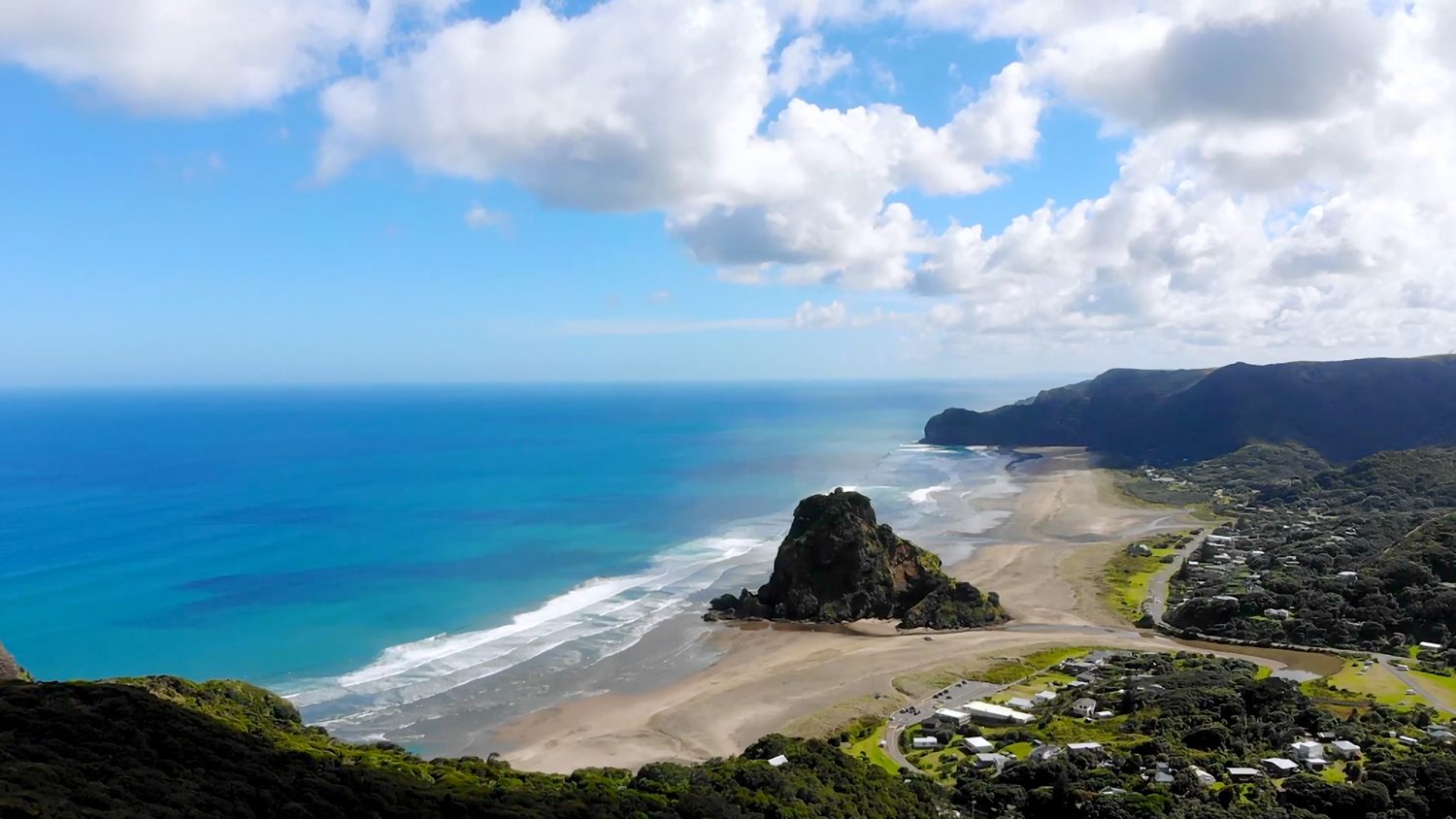
The first time I drove out to Piha, I came over the last ridge on the Waitākere road, the bush fell away, and there it was: a long black sweep of sand, the Tasman throwing itself at the shore, and Lion Rock sitting square in the middle of it like it owned the place. Auckland has plenty of pretty beaches. Piha is not one of them. Piha is wild, and that is exactly why people keep coming back.
Piha Beach is Auckland’s most famous west coast beach, a black ironsand surf beach about 40 to 45 minutes’ drive west of the city through the Waitākere Ranges. It is known for powerful surf and dangerous rip currents, the landmark Lion Rock at its centre, and native-bush walks like Kitekite Falls nearby. Swim only between the patrol flags.
Piha at a glance
Here is the short version before you commit to the drive. I would read the safety row twice.
| Detail | What to know |
|---|---|
| Location | West coast of Auckland, on the Tasman Sea, inside the Waitākere Ranges Regional Park |
| Distance from CBD | About 40 km, roughly 40 to 45 minutes by car in light traffic |
| Public transport | None direct. You need a car or an organised tour |
| The beach | A 3 km curve of black ironsand split by Lion Rock into North and South Piha |
| Sand | Black, iron-rich, and dangerously hot underfoot in summer. Bring sandals |
| Swimming | Strong rips year-round. Only swim between the red-and-yellow flags when lifeguards are on patrol |
| Patrol season | Roughly late October (Labour Weekend) to Easter, daily in peak summer |
| Famous for | Surf, Lion Rock, the Piha Rescue TV series, west coast sunsets |
| Facilities | Two small stores, a handful of cafés, summer lifeguard towers, a motor camp. No supermarket, ATM or petrol station |
| Parking | Free sealed lots at the main beach and Lion Rock. They fill by about 10am on hot summer weekends |
That last line about no petrol, no ATM and no supermarket trips people up constantly, so I have said it twice on purpose. Piha is a village of around 600 permanent residents that balloons to several thousand on a good summer Saturday, and it has never pretended to be a resort. Treat it like the small, remote place it is and you will have a far better day. For the wider context on how Piha fits into the region’s coastline, our Auckland Beaches & Outdoor Adventures: The Complete 2026 Guide lays out every beach worth your time.
Why the sand is black
People always ask, so here it is. Piha’s sand is black because it is loaded with titanomagnetite, an iron-rich mineral washed out of the volcanic Taranaki coastline and carried north on the currents. It is genuinely magnetic in places, which is a fun party trick with a fridge magnet. It is also the reason the beach turns into a hotplate. On a hot day the sand can hit 50°C or more, and bare feet between about 11am and 4pm in midsummer is a real burn risk, not a figure of speech. If you want to understand the volcanic story behind all this, our guide to Auckland Volcanoes: Geological History & 53 Volcanic Cones (2026) covers the geology that shaped the whole region.
How to get to Piha from Auckland
Piha is 40 to 45 minutes from the CBD via State Highway 16, Scenic Drive and Piha Road. There is no direct bus and, at the time of writing, no regular shuttle either. Here is how I would actually get there.
Drive yourself
By far the easiest option, and the one I recommend. Parking is free, with large sealed lots at the main beach and at Lion Rock. The catch is timing: on sunny summer weekends the lots fill from about 10am, so an early start saves you a frustrating crawl looking for a space. The road in from Titirangi is narrow and winding with no shoulder, so take it steady and watch for oncoming traffic and cyclists on the blind corners.
Uber or taxi
Possible, but I would not plan a day around it. Expect roughly NZ$85 to $120 each way, and getting a return ride can be genuinely hard because mobile coverage in the village is patchy. Only really worth it if you are staying overnight and can pre-book your ride back.
Organised day tour
A good call if you do not want to drive the winding roads. Several operators run Waitākere-and-Piha day tours from the city, among them Bush & Beach, Time Unlimited and Auckland Scenic Tours. Most combine a short bushwalk at Arataki, a stop at Karekare or Kitekite Falls, and an hour or two at Piha, usually in the NZ$200 to $300 per person range including transport and lunch. If you are weighing up a range of excursions, our 25 Best Day Trips from Auckland in 2026 (With or Without a Car) guide compares options and costs.
Whichever way you arrive, stop at the Arataki Visitor Centre on Scenic Drive on the way out. It is free, open daily, has your first big Tasman view and a short Māori-carved interpretive walk, and it is the best place to get your bearings for the Waitākere Ranges before you drop down to the coast.
Lion Rock and getting your bearings
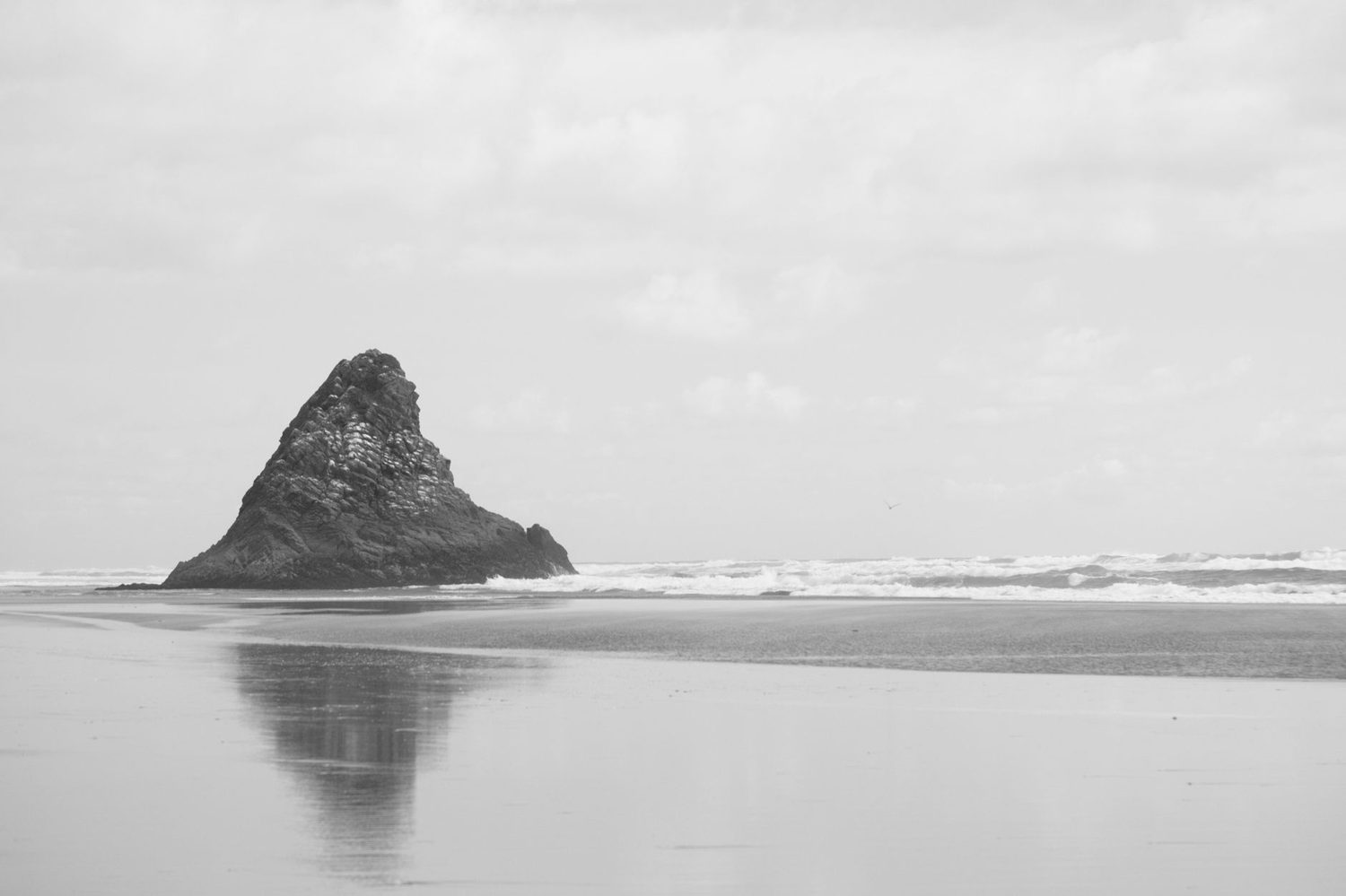
Lion Rock, or Te Piha, is the 101-metre volcanic remnant that rises straight out of the middle of the beach and, from the south, genuinely does look like a lion lying down. It is the most photographed thing on the west coast and it splits Piha into two working halves.
An important 2026 note: the track to the Lion Rock summit is closed indefinitely for safety reasons, after a run of rockfalls and ongoing reassessment following the 2023 Cyclone Gabrielle damage. This was still the case in mid-2026. The partway viewing platform at the base is open and honestly gives you the best photos anyway, so you are not missing much. Please ignore older social media posts showing people on the summit. That route is not accessible, and rescue services actively discourage anyone from trying it.
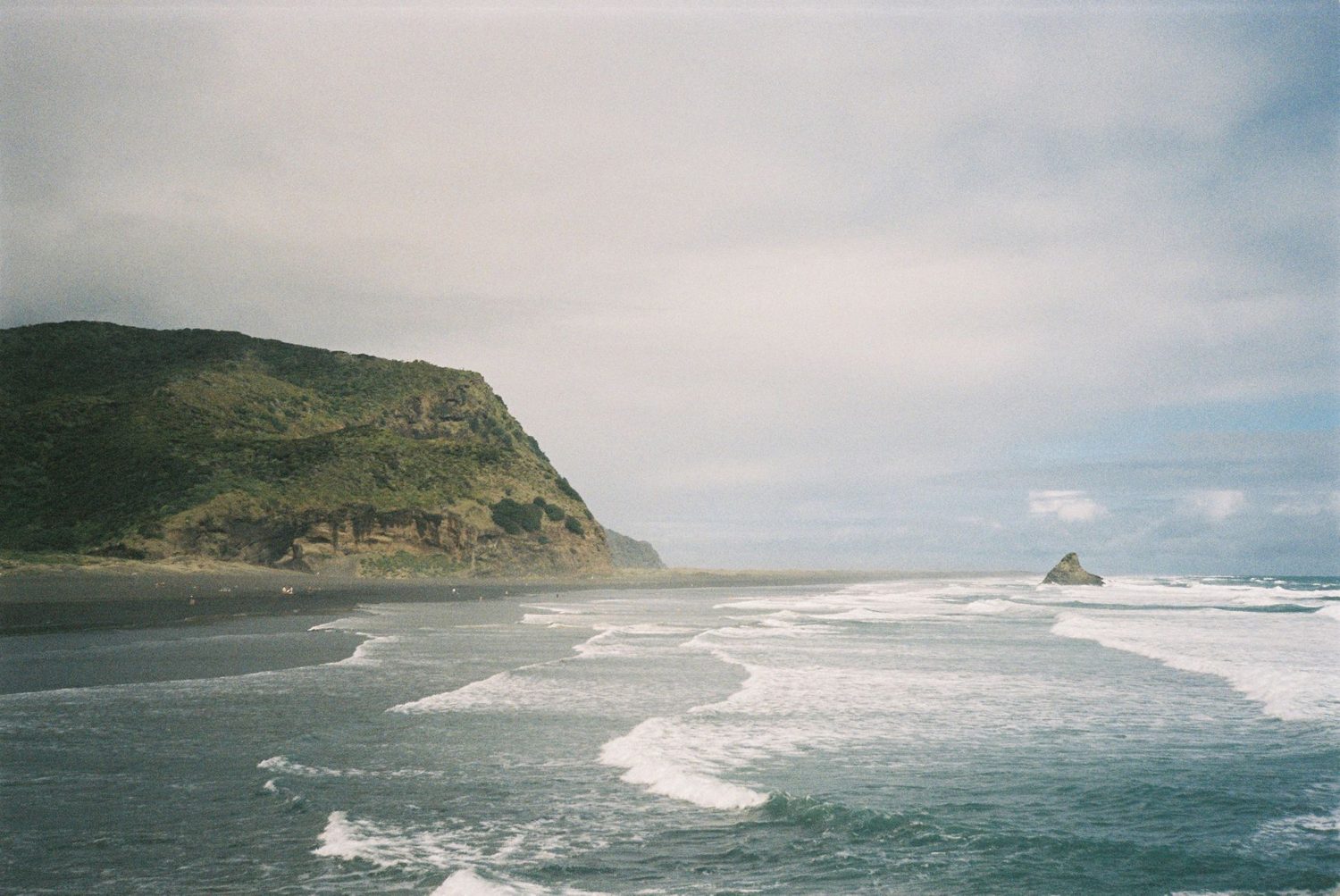
Once you are down on the sand, orientation is simple. North Piha sits to the right of Lion Rock as you face the sea. It is the more sheltered stretch, home to the main surf break, the North Piha Surf Club, and the northern headland route across to Whites Beach. South Piha, to the left, is narrower and usually quieter, with The Gap rock formation at its far end.
Surfing at Piha
Piha is New Zealand’s most famous city-adjacent surf beach, and it earns the reputation. The main North Piha peak just north of Lion Rock picks up swell year-round and delivers a consistent shoulder-to-head-high beach break, which means it gets crowded fast on any decent day. If you are learning, surf lessons run daily through operators like Piha Surf School, and you are looking at around NZ$80 to $100 for a two-hour small-group session with board and wetsuit included.
Here is the part I will not soften: the surf at Piha is powerful and it is dangerous. Rip currents are routine and can drag even a strong swimmer out to sea in under a minute. The Piha Surf Lifesaving Club is one of the busiest in the country, pulling off hundreds of rescues every summer. If you are not genuinely confident in big ocean water, take a lesson with a professional or stay between the flags. Do not freelance it.
Swimming and water safety
This is the section that matters most, so I have kept it plain. Piha is a patrolled beach in summer only, roughly Labour Weekend in late October to Easter. In peak season lifeguards patrol the flagged zone daily from around 10am to 5pm; in the shoulder months it is weekends only. Outside those hours, and outside summer altogether, nobody is watching, and the risk of being caught in a rip with no help is real.
The rules from Surf Life Saving New Zealand are short and worth following to the letter:
- Always swim between the red-and-yellow flags. They mark the safest, current-free zone the lifeguards have identified for that day.
- Never swim alone, even if you are a strong swimmer.
- Never swim after drinking.
- If a rip catches you, do not fight it. Float, raise an arm for help, and let it carry you out. It will ease off, and then you swim parallel to the beach to escape it before heading back in.
- Do not go in the surf zone if you cannot confidently swim 50 metres in a pool.
- Watch children every second. Flash rips can form in water that only reaches your waist.
None of this is meant to scare you off. It is meant to get you home. Experienced swimmers drown at Piha every few years, almost always outside the flags or outside patrol hours. Respect that, and Piha is a magnificent place to be in the water.
Walking tracks and waterfalls
The Waitākere Ranges Regional Park has been under a rolling kauri dieback protection programme since 2018, and a lot of tracks are closed to stop the disease spreading. Closures change regularly, so check the Auckland Council website before you go rather than trusting any list, including this one. Here is where things stood as of my last check in 2026:
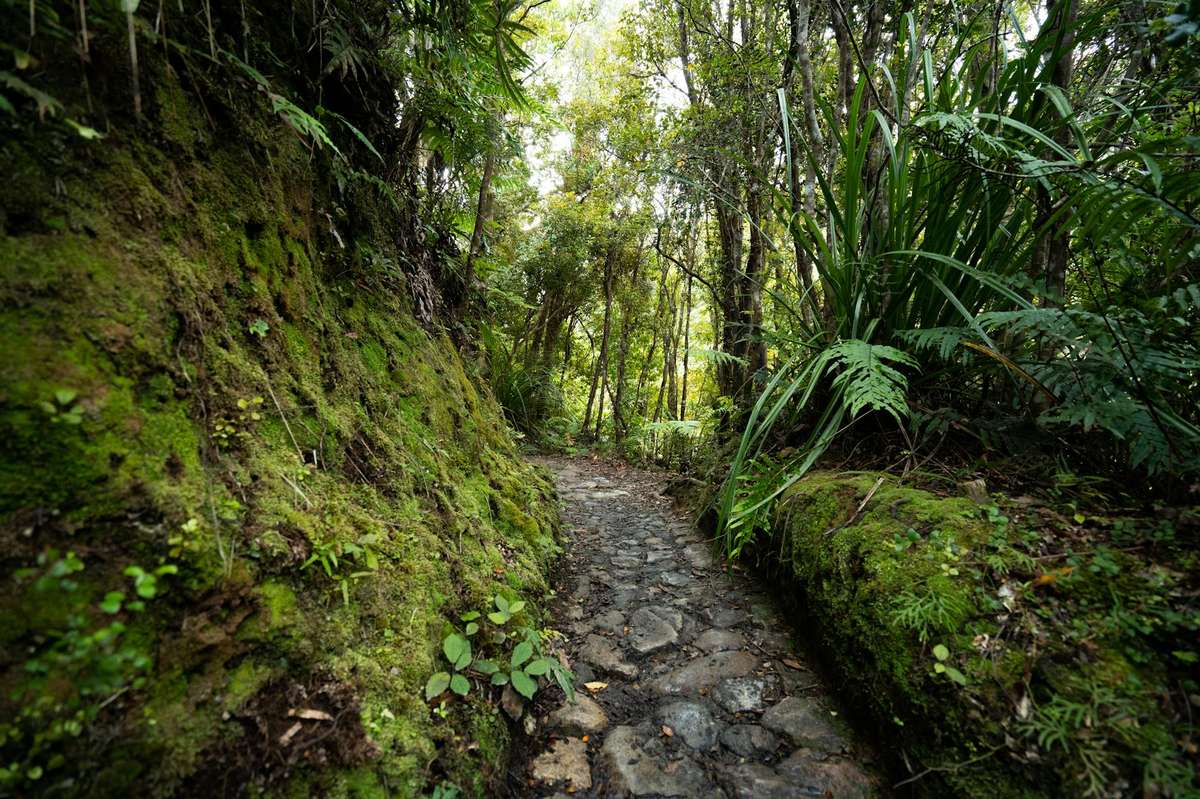
- Kitekite Falls Track — open. The classic Piha walk: about 40 minutes each way through native bush to a lovely three-tiered waterfall. Easy grade, with boot-wash stations at each end. The upper Knutzen loop remains closed.
- Mercer Bay Loop — open. A 75-minute clifftop loop from the Piha Road turnoff, and arguably the best short walk in the region for the dramatic views south toward Karekare.
- Tasman Lookout Track — open. A 20-minute walk from the south end of the beach to a clifftop viewpoint over The Gap. Easy.
- White Track to Whites Beach — open at the time of writing.
- Fairy Falls Track — closed for kauri protection, with no reopening date.
- Lion Rock summit track — closed indefinitely (see above).
- Pararaha Valley Track — partially open. Check the council site.
One rule I will not let you skip: use the boot-wash stations at every track entry and exit, stay on the boardwalks, and never step off into a kauri root zone. Kauri dieback is irreversible, and this single habit is the most useful thing you can do to keep these forests alive for the people who come after you. Piha sits alongside a string of great walking spots, and if you are chasing summit views, our Mt Eden Auckland: Maungawhau Summit Walk Guide (2026) covers the city’s most accessible volcanic climb.
Sunset and photography
Piha faces dead west, straight into the Tasman, which makes it one of the best sunset beaches anywhere near Auckland. The shot everyone wants is from the Tasman Lookout at the southern end, with Lion Rock silhouetted mid-frame and the sun dropping into the sea behind it. Give yourself time: arrive about 45 minutes before sunset, allow 20 minutes to walk up, and pack a torch for the way down, because the track goes properly dark within about 20 minutes of the sun disappearing. Our surfing in Auckland guide covers this in more depth.
The Mercer Bay Loop is another cracking sunset walk, though the car park there closes at dusk, so check the signage. And if you want the same golden light with fewer people on a weekend, Karekare, 15 minutes south, delivers.
A half-day Piha itinerary
Most people do Piha as a half-day loop out and back. If you have a full day, here is roughly how I would run it.
- 9:00am — Leave the CBD. Pull in at Arataki Visitor Centre for the views and a leg stretch.
- 10:15am — Arrive at Piha, park near Lion Rock, walk the sand and up to the partway platform for photos.
- 11:00am — Kitekite Falls walk: about 90 minutes round trip with time at the falls.
- 1:00pm — Lunch at the Piha Café or the Piha Store. Keep it simple: toasties, burgers, coffee.
- 2:00pm — Beach time. Swim between the flags in summer, walk north toward the lifeguard tower, or take a surf lesson.
- 4:00pm — Head to the Tasman Lookout or Mercer Bay for sunset shots.
- 7:00pm — Back in the city.
Food and drink at Piha
Do not come expecting a dining scene, because there isn’t one, and that is part of the charm. The Piha Café at the RSA is the mainstay, doing all-day brunch, burgers, coffee and a cold beer on an outdoor terrace. The Piha Store at the main beach handles takeaway pies, ice creams, basic groceries and boogie board hire. For an actual sit-down dinner you will need to drive: Little Huia is about 10 minutes away and the Bethells Beach Café roughly 20. If you are staying the night, self-catering is the norm, so stock up at a West Auckland supermarket before you head out over the ranges. Planning your meals for the whole trip? Our Auckland Food & Drink Guide 2026: Best Restaurants, Cafes & Bars covers where to eat once you are back in town.
Piha with kids
Piha can be genuinely good with children in summer, during patrolled hours, but it asks for more vigilance than a calm east-coast beach. Keep everyone between the flags. A small lagoon forms near the main surf club at low tide and gives toddlers safer, shallower paddling. The Kitekite Falls walk is manageable for active over-fives, and the Piha Camp at the southern end has a small playground. The one non-negotiable: never leave kids unattended in the surf, even when it looks calm, because rips can appear out of nowhere. For gentler days out with little ones, our Auckland with Kids 2026: Complete Family Travel Guide lists calmer alternatives.
Taking your dog to Piha
Dog rules here are strict and they are enforced. In summer (December to February) dogs are banned from the beach between 10am and 7pm, and outside those hours they must be under control. Year-round, dogs must be leashed in the dune-protection zones and on the Kitekite and other bush tracks. The rules shift, so check Auckland Council’s site before you travel with a dog.
When to visit Piha
Peak season is late December to early February: long hot days, patrolled swimming, packed car parks, the full Piha experience. If crowds are not your thing, avoid summer weekends between roughly 11am and 3pm and go early or late instead. Personally I rate March and April most highly: the sea is still warm, the beach is patrolled on weekends up to Easter, and the crowds have thinned out. Winter (June to August) is wildly beautiful but rough and cold, with the Tasman often running 3 to 4 metre swells and no patrols on duty. Spring (September to November) is lovely for walks and sunsets, though the water is still too cold for most people. For a month-by-month breakdown across the whole city, our Auckland Events & Festivals Calendar 2026: Month-by-Month Guide helps you time a trip.
Weather and swell, season by season
Because it faces the open ocean, Piha runs wetter, windier and cooler than central Auckland. A typical January day is 21 to 25°C with sea temperatures around 18 to 20°C, comfortable in a rashie. Winter highs sit at 12 to 14°C with water near 14°C, so a wetsuit is essential. Winds are usually southwest, which gives cross-shore surf conditions; a nor’easter produces the cleanest breaking waves. Watch for afternoon sea fog on hot, still days, which can roll in and drop the temperature 5°C in minutes, so a light jacket in the day pack is smart. The heaviest rain falls June to September, sometimes hard enough to close the access roads.
Staying overnight at Piha
Accommodation is limited to the Piha Domain motor camp, the Piha Beachfront Holiday Park, and a scattering of private bach (holiday cottage) rentals on Airbnb. Prices run from around NZ$35 for a tent site at the Domain up to NZ$350 to $700 a night for a three-bedroom beach house on a summer weekend, and you will want to book months ahead for mid-December to late January. I think a night here is worth it if you can swing it: the village is at its best in the quiet hours, early morning before the surfers arrive and late evening with the Tasman booming offshore. If you are still mapping out where to base yourself around the region, our Where to Stay in Auckland: Best Neighbourhoods & Hotels for 2026 guide breaks it down.
History, Māori heritage and the landscape
Piha sits within the rohe (traditional territory) of Te Kawerau ā Maki, the iwi whose connection to the Waitākere Ranges runs back hundreds of years before European settlement. The name Piha refers to the rippling of the waves, and it has belonged to Lion Rock and the surrounding beach for generations. A Māori pā (fortified village) once crowned Lion Rock itself, a strategic lookout with commanding views up and down the coast. The rāhui (customary prohibition on access) that Te Kawerau ā Maki placed across the ranges in 2017 to protect the kauri is the reason many tracks remain closed, and visitors are asked to respect it wherever it is signposted.
European settlement arrived in the 19th century as a small fishing community, followed by a logging boom that stripped the ridges of their giant kauri. The Waitākere Ranges Regional Park was established in 1940 and has grown to today’s roughly 17,000 hectares of regenerating native bush. Piha’s fame grew mid-century as Aucklanders built holiday baches along the dunes, and again this century once the Piha Rescue television series introduced the beach to viewers around the world.
Seven tips for a better Piha day
- Arrive early on summer weekends. The main car park fills by 10am on hot Saturdays and Sundays. A 9am arrival means shaded parking, an emptier beach and first pick at the café.
- Check the surf forecast before you drive out. A 4-metre swell with onshore wind makes the beach both dangerous and unpleasant. SwellNet, Surfline and the MetService surf reports all cover Piha.
- Fill up on fuel before you leave the city. There is no petrol station at Piha, Karekare, Huia or Bethells. The last reliable forecourt is Titirangi on the way out.
- Carry a bit of cash. Coverage is patchy and EFTPOS occasionally drops out, so a small amount of cash keeps you from getting stuck.
- Respect the rāhui and the boot-wash stations. Kauri dieback cannot be undone. Stay on the boardwalks and scrub your boots at every track entry and exit.
- Pack a torch for a sunset walk. The Tasman Lookout and Mercer Bay tracks go pitch dark within 20 minutes of sunset.
- Treat the ocean with respect. If the lifeguards are off duty and you are not a very strong ocean swimmer, admire the water from the sand and live to surf another day.
Piha versus Karekare, Muriwai and Bethells
Auckland’s west coast has four main black-sand beaches within about a 30-minute drive of each other, and each has its own personality. Here is how I steer people.
- Piha — the most famous, the busiest, the best surf, the most amenities. The default first visit.
- Karekare — quieter and more dramatic, the setting for Jane Campion’s film The Piano, with no café but a lovely walk to Karekare Falls. Our Karekare Beach Guide: Auckland’s Wild West Coast (2026) has the details.
- Muriwai — home to Auckland’s gannet colony from September to March, better for photography than swimming given the strong currents.
- Bethells (Te Henga) — the quietest of the four, with big sand dunes and the Lake Wainamu walk as highlights. See our Bethells Beach (Te Henga) Guide: Auckland’s Wild West Coast (2026).
If it is your first trip, start with Piha. If you have been before or want the wild coast to yourself, point the car at Karekare or Bethells for the same drive and far fewer people. For calmer, swimmable city beaches on the other coast, compare our Mission Bay Beach Guide: Auckland’s Seaside Playground (2026) and Takapuna Beach Auckland: Swim, Dine & Markets Guide (2026).
Frequently Asked Questions
Is Piha Beach safe to swim?
Only when it is patrolled and only between the red-and-yellow flags. Piha has strong rip currents all year and is one of New Zealand’s most dangerous beaches for unsupervised swimmers. Never swim outside the flags or when lifeguards are off duty.
How long does it take to drive to Piha from Auckland?
About 45 minutes from the CBD in light traffic, and closer to an hour on a busy summer weekend. The road from Titirangi is winding with no shoulder, so drive carefully and watch for cyclists and oncoming cars.
Can you climb Lion Rock?
Not right now. The summit track is closed indefinitely for safety after rockfalls and storm damage. The partway platform is still open and gives you an excellent vantage point for photos.
Is there public transport to Piha?
No regular bus service at the time of writing. Uber and taxis exist but are expensive and unreliable for the return trip. A rental car or an organised tour are the practical ways to get there. Our Getting Around Auckland: The Complete 2026 Transport Guide covers your options.
Does Piha have black sand, and does it get hot?
Yes and yes. Piha’s distinctive black iron sand heats up fast in summer and can reach 50°C or more. Wear sandals for the walk to the water between about 11am and 4pm, or you risk serious burns.
Final thoughts
Piha is not a beach you tick off and forget. It is loud, raw and a little bit unforgiving, and that is precisely what makes it stick with you. Come with a full tank, some cash, sandals for the hot sand and a healthy respect for the water, keep yourself between the flags, and you will understand within about ten minutes why Aucklanders have been driving out over those ranges for generations. If you are building a wider itinerary, our 65 Best Things to Do in Auckland (2026): An Insider’s Guide and the full Auckland Travel Guide 2026: The Complete Visitor’s Handbook will help you fit Piha into the rest of your trip.
Last updated: July 2026. Written by the Auckland Tourism Guide team.
Photo credits
- Photo: thanhhoa tran via Pexels
- Photo: Amanda Brabant via Pexels
Piha works best as its own day rather than as an afternoon bolted onto something else — the drive alone is an hour each way on winding road. Our 3 days in Auckland itinerary gives it the whole of day three, pairs it with Cornwall Park on the way out, and explains why bad weather is not a reason to cancel this particular day.