Waiheke Island Day Trip from Auckland: Complete 2026 Guide
Plan the perfect Waiheke Island day trip from Auckland: 40-minute ferry, the best wineries and beaches, vineyard dining, tours, costs and insider tips.
This article contains advertising. Our booking links are routed through a partner that adds commission tracking automatically, so if you book through one we earn a commission from the provider, at no extra cost to you. It never affects what we recommend. Affiliate disclosure
I still remember the first time I did the Waiheke ferry as a proper day trip rather than a rushed afternoon: I caught a mid-morning boat from downtown, was standing in a vineyard with a glass of syrah by 11am, swam at Oneroa after lunch, and was back in the city for dinner. That is the whole appeal of a Waiheke Island day trip in one sentence. It is a 40-minute crossing from central Auckland to an island of wineries, olive groves, white-sand beaches and art studios, and you can pack a genuinely memorable day into the hours between two ferries. Our Rangitoto Motutapu day trip guide covers this in more depth.
This guide is the version I give friends who are visiting: how to get there, which cellar doors and beaches are actually worth your limited time, where to eat, what it costs, and the honest answer to whether you should just stay the night instead.
What is a Waiheke Island day trip?
A Waiheke Island day trip is a return ferry crossing from downtown Auckland (about 40 minutes each way) to spend a day tasting wine, swimming at Hauraki Gulf beaches, walking coastal tracks and eating at vineyard restaurants. Most people go for the wine and the views. You do not need a car, and a full day runs roughly 9am to 6pm.
Waiheke day trip at a glance
Here is the quick version if you are planning on the fly. I have hedged the ferry fares deliberately because they shift with season and operator, so treat these as a planning guide and check the operator’s site before you book.
| Detail | What to expect |
|---|---|
| Distance from downtown Auckland | About 17 km; a 40-minute passenger ferry |
| Passenger ferry fare (adult return) | Roughly NZ$46-62, varying by operator and peak/off-peak |
| Vehicle ferry (SeaLink, one-way car) | From around NZ$121 for a car with driver |
| Best-known wineries | Mudbrick, Cable Bay, Tantalus, Stonyridge, Te Motu, Man O’ War |
| Best swim beaches | Oneroa, Palm Beach, Onetangi |
| Getting around | Hop-on hop-off bus, public bus, wine tour, rental car or e-bike |
| Best months | February to April: warm, dry, harvest season |
| Typical cost per person | NZ$120 budget; NZ$200-300 for a wine-tour-and-lunch day |
| How long you need | A full day (9am-6pm) minimum; ideally overnight |
Is a Waiheke day trip worth it?
Yes, and I say that as someone who is usually sceptical of over-hyped “you have to do this” attractions. In a single day you can taste at three of New Zealand’s best red-wine producers, eat lunch on a terrace looking back at the Auckland skyline, and still get a swim in at a sheltered beach. That combination is genuinely hard to find anywhere else this close to a city.
The honest catch is cost. This is not a cheap day out. A standard trip with tastings and a mid-range vineyard lunch lands somewhere around NZ$200 to NZ$300 per person before you buy a single bottle to take home. If that number makes you wince, skip ahead to the budget section, because you can absolutely do Waiheke for a lot less.
Waiheke works best for couples, wine lovers, walkers and first-time visitors who want one standout day out of the city. If your trip is packed with other options, it is worth weighing against the alternatives in our roundup of the 25 Best Day Trips from Auckland in 2026 (With or Without a Car).
How to get to Waiheke Island from Auckland
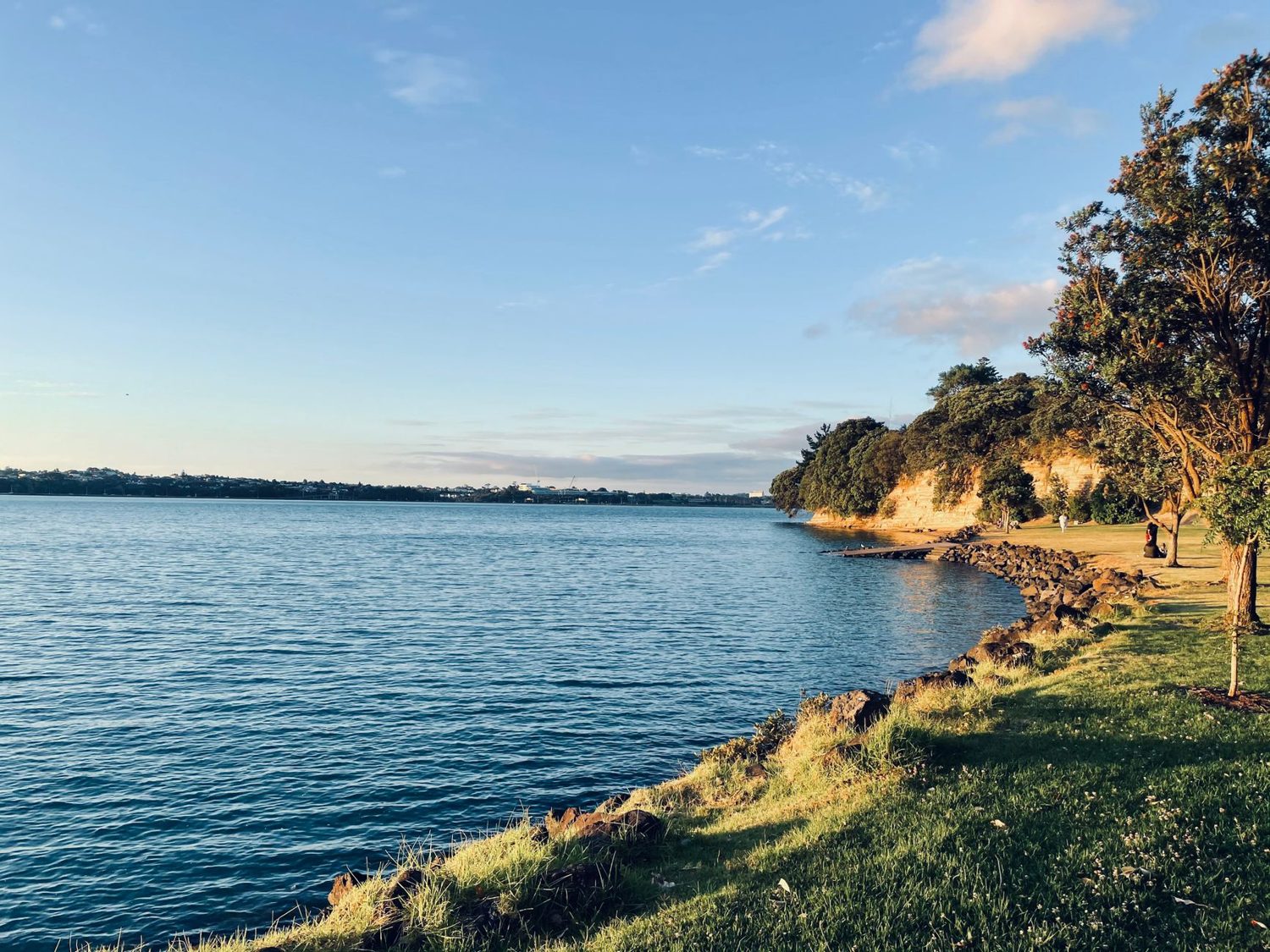
The default way across is the passenger ferry from the Downtown Ferry Terminal at the bottom of Queen Street. Sailings run frequently through the day, roughly every half hour in summer and about hourly off-season, and the crossing takes 40 minutes to Matiatia Wharf on the island’s western end. Adult return fares sit in the region of NZ$46 to NZ$62 depending on operator and whether you travel at peak times, and there are cheaper off-peak and multi-trip options if your timing is flexible.
One tip worth knowing: more than one operator now runs the route, so it pays to compare. The larger ferries can build long queues on a hot Saturday, while smaller operators sell guaranteed spots that let you skip the crush. Whichever you pick, a combined bus-and-ferry pass (around NZ$76 for an adult) bundles unlimited hop-on hop-off island bus travel and is good value if you want to see several beaches or vineyards in a day.
If you want your own car, or a hire car picked up in Auckland, SeaLink runs a vehicle ferry from Half Moon Bay in east Auckland (about a 25-minute drive from the CBD) across to Kennedy Point on Waiheke. The crossing takes around 45 minutes and a one-way car fare starts near NZ$121 for a standard vehicle with driver, plus passenger fares on top. Honestly, for a day trip I would leave the car behind unless you are chasing the remote eastern beaches. For a faster, splashier arrival, seaplane charters from the Viaduct reach the island in under ten minutes.
For the wider picture on Auckland’s harbour boats, our Getting Around Auckland: The Complete 2026 Transport Guide covers how the ferry network connects to trains and buses once you are back on the mainland.
Getting around Waiheke once you arrive
Waiheke is about 19 km long and properly hilly, so do not assume you will walk everywhere. Unless you are staying put in Oneroa village, you will want a plan. These are your five real options.
- Hop-on hop-off Explorer bus. Loops the island with commentary and meets the ferries, stopping at the main beaches, villages and several wineries. Combined with your ferry fare, this is how most day-trippers get around.
- Public bus. Auckland Transport’s 50-series buses link Matiatia with Oneroa, Onetangi, Palm Beach and Rocky Bay. Tap on with an AT HOP card for the cheapest fare. Fine if you do not mind waiting between services and walking the last stretch to a cellar door.
- Small-group wine tour. A 4-5 hour guided run with a driver, three cellar doors and often lunch included. Expect roughly NZ$180-260 per person. This is the low-stress choice, and no one has to nominate a sober driver.
- Rental car. Desks at Matiatia hire from around NZ$80 a day. Worth it only if you are heading to the far eastern beaches or Stony Batter.
- E-bike or scooter. Around NZ$75-95 a day. Great for the central and western island, but the eastern hills will punish you without an electric motor. Do not hire a standard pedal bike unless you are a confident cyclist. Waiheke’s hills are no joke.
Best Waiheke wineries and cellar doors
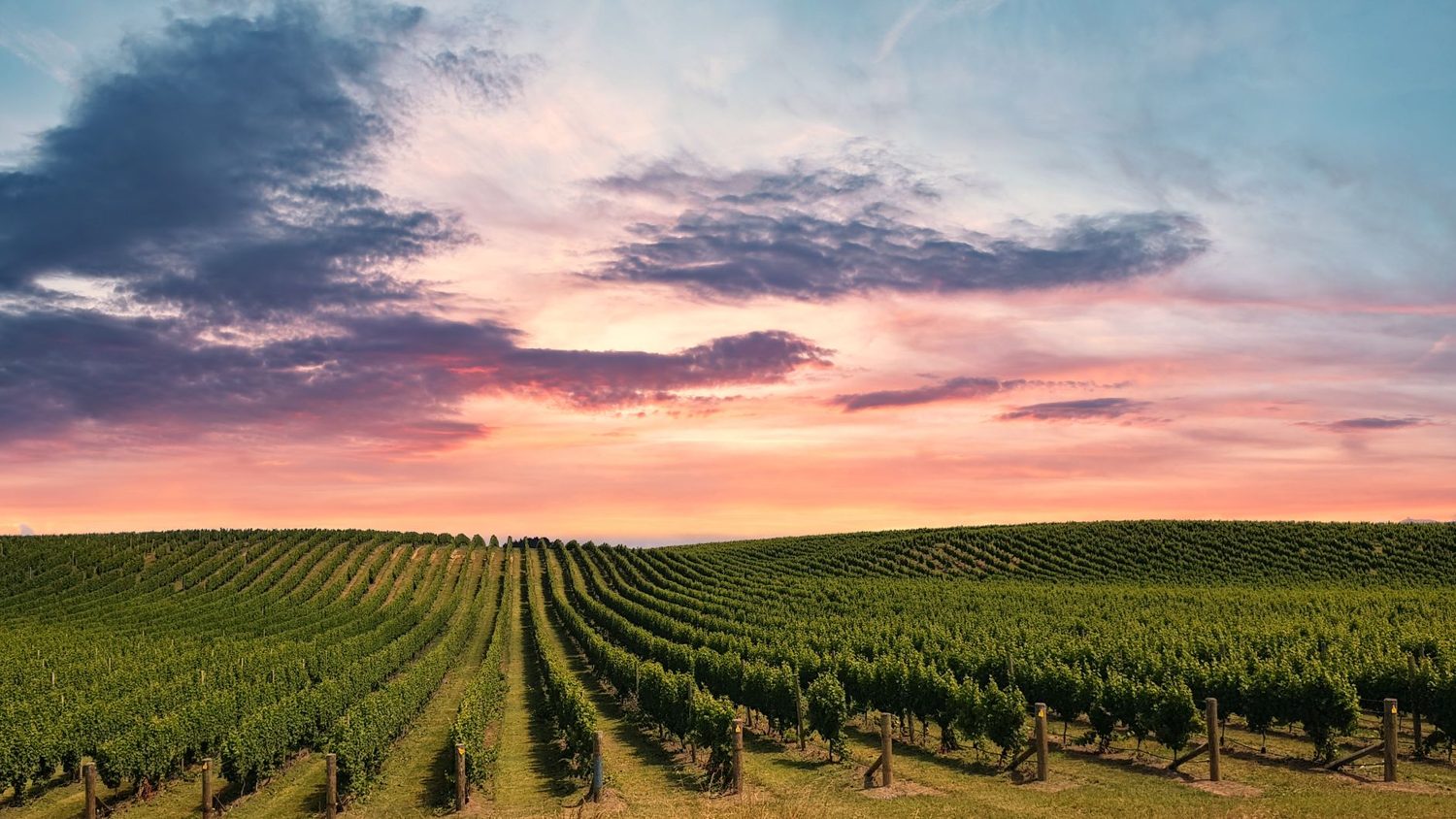
Wine is why most people come. Waiheke has around 30 wineries, roughly half with public cellar doors, and the island specialises in full-bodied reds. Its Bordeaux blends (cabernet, merlot, cabernet franc) and syrah do particularly well in the dry, sunny microclimate, and you will also find rose, chardonnay and increasingly sauvignon blanc. Tasting flights typically run NZ$10-25 for four or five wines, and that fee is usually credited if you buy a bottle.
A few worth building a day around:
- Mudbrick Vineyard. The most photographed cellar door on the island, with cottage-style buildings and a terrace looking straight back at the city. There is fine dining and a more casual bistro.
- Cable Bay Vineyards. Sharp modernist architecture, big views across to Auckland and a strong restaurant. My pick for sunset.
- Tantalus Estate. A vineyard and brewery in one, up a gravel lane, with a modern tasting room and a good beer list for anyone in your group who is not drinking wine.
- Stonyridge Vineyard. Famous for its flagship Bordeaux blend, “Larose,” widely rated among New Zealand’s great reds. The verandah restaurant is relaxed and Mediterranean.
- Te Motu Vineyard. Right beside Stonyridge and just as respected for its blends. Its restaurant, The Shed, is one of the island’s best.
- Man O’ War Vineyards. Out on the remote eastern end, overlooking its own bay. The picnic-style cellar door is one of the best casual wine-and-view spots anywhere on Waiheke.
- Passage Rock Wines. Small, family-run and consistently underrated, with award-winning syrah and wood-fired pizza.
- Obsidian Vineyard. Small, organic and strong across the board. Tastings are often weekend-only.
My advice for a first visit: pick one icon (Mudbrick or Stonyridge), one mid-tier (Tantalus or Passage Rock) and one intimate cellar door (Obsidian or Man O’ War). Three is a full day. I have watched people try to cram in five and end up rushed, footsore and a little too merry to remember the last one.
Best beaches on Waiheke
Waiheke’s beaches face the sheltered Hauraki Gulf rather than the open ocean, so the water is calm, clear and warm enough to swim from about December through April. These are the ones I would actually get off the bus for.
- Oneroa Beach. The main beach below the village, with a cafe on the sand and safe swimming. Ten minutes’ walk from Matiatia, so it is the easy first dip.
- Little Oneroa. A smaller cove next door, family-friendly, with a playground, toilets and summer lifeguards.
- Palm Beach. White sand, clear water and a bit quieter than Oneroa. This is where I go for a long swim-and-read afternoon.
- Onetangi Beach. The island’s longest at nearly 2 km, with bars and restaurants opening onto the sand, including the well-loved Charlie Farley’s. Lovely at sunset.
- Cactus Bay. Often called the island’s prettiest, but reachable only by boat, kayak or a long walk. Not a realistic ferry-day add-on unless you are on a kayaking tour.
- Man O’ War Bay. Far east, with the Man O’ War cellar door barely 100 metres from the sand. Remote, and worth it if you have wheels.
Want more coastline once you are back in the city? Our guide to Auckland Beaches & Outdoor Adventures: The Complete 2026 Guide covers the wild west-coast surf beaches that are the opposite of Waiheke’s calm gulf coves.
Wine tours versus self-guided tasting
If it is your first time and you want to taste at three cellar doors without watching a bus timetable, a small-group tour is hard to beat. You get a driver, a bit of context between stops, usually lunch, and no stress about who stays sober. Several operators run daily from Matiatia from mid-morning, back by late afternoon, for roughly NZ$180-260 depending on the wineries and whether lunch is included.
Self-guided tasting off the Explorer bus is cheaper (bus pass plus tasting fees) and suits independent travellers who like setting their own pace. The one thing to respect is the timetable, because waits between services can stretch out. I have happily done it both ways; the tour is for relaxing, the bus is for saving money.
Best walks and hikes on Waiheke
The Te Ara Hura network is a 100 km loop of coastal paths circling the island, and serious walkers can spread it across four or five days. For a day trip, most people just do a section:
- Oneroa to Palm Beach coastal walk. Around 1.5 hours each way through bush and along the clifftops. Good to slot between the ferry and a cellar door.
- Church Bay to Mudbrick loop. About 45 minutes, finishing at Mudbrick’s cellar door. Time it for sunset.
- Stony Batter historic reserve. An hour’s loop through WWII gun tunnels at the eastern end; you will need a car or taxi to reach it.
- Whakanewha Regional Park. Two to three hours of well-marked bush track, good for birdwatching, with a sheltered bay at the end.
Where to eat on Waiheke
Waiheke’s restaurants punch above the island’s size. Book ahead for weekend lunches and all through summer, because the best winery restaurants fill up a month out for peak dates. My shortlist:
- The Shed at Te Motu. Regularly rated the island’s best vineyard restaurant. Mediterranean sharing plates on long wooden tables.
- Mudbrick Restaurant. Fine dining with the big view. The classic Waiheke occasion meal.
- Cable Bay Dining. Contemporary New Zealand food, a serious wine list and sunset views.
- Casita Miro. Spanish tapas in a mosaic-tiled courtyard, right by Te Motu.
- Charlie Farley’s. Casual, feet-in-the-sand beach bar at Onetangi.
- Dragonfired. A wood-fired pizza truck at Little Oneroa. Takeaway only, and quietly a cult.
- The Oyster Inn. Oneroa village’s classic bistro, with oysters, fish and a good wine list.
If food is a big part of your trip, our Auckland Food & Drink Guide 2026: Best Restaurants, Cafes & Bars rounds out where to eat back in the city on either side of your ferry.
Waiheke art, history and culture
Waiheke has drawn New Zealand artists for decades, with dozens of working studios scattered across it. The hub is the Waiheke Art Gallery at the Artworks Complex in Oneroa, which has free entry, changing exhibitions and information on the self-guided art trail through open studios. On the south coast, Connells Bay Sculpture Park is a working farm dotted with large outdoor sculpture, with guided tours running spring through autumn (book ahead). And every second summer the island hosts Sculpture on the Gulf, a headland-to-headland outdoor sculpture trail that is one of the region’s standout art events.
The island’s older name is Te Motu-Arai-Roa, “the long sheltering island,” and Ngati Paoa are its mana whenua. Waiheke’s story runs from an early holiday spot, through a 1970s counter-cultural community, to today’s vineyard-and-lifestyle island. For genuine context, the Waiheke Museum at Onetangi (open selected days) is a low-key but rewarding stop, and it pairs well with our wider Auckland Maori Culture, History & Heritage: The 2026 Visitor’s Guide.
Suggested one-day itineraries
The wine taster. Mid-morning ferry to Matiatia, tour pickup at the wharf. Stonyridge, Mudbrick and Obsidian with a light lunch at Stonyridge. Dropped at Oneroa mid-afternoon for a village wander and an oyster at The Oyster Inn, then an early-evening ferry home.
The beach-and-bite day. Morning ferry with a bus pass. Coffee and a swim at Oneroa, lunch on the sand at Charlie Farley’s in Onetangi, an afternoon at Palm Beach, then a sunset drink at Cable Bay before a late ferry.
The walker. Early ferry, then the coastal track from Matiatia to Oneroa to Palm Beach with swims along the way. Lunch at Palm Beach, bus back to Oneroa, dinner at The Oyster Inn and a late ferry home.
The all-rounder. Morning ferry and the Explorer bus. A mid-morning tasting at Stonyridge, a swim and lunch at Onetangi, a village stroll and coffee in Oneroa, a sunset tasting at Mudbrick, then dinner and the last boat.
Waiheke for families with kids
Waiheke reads as an adults’ wine island, but it works well with kids too. Palm Beach and Little Oneroa are safe swimming beaches with playgrounds, toilets and cafes. EcoZip Adventures runs a three-line zipline course through native bush with a forest-walk loop, minimum age five, which is a reliable hit. Several wineries welcome children during the day and a few keep kids’ menus. The Waiheke Museum and the Dragonfired pizza truck round out an easy family day. For more ideas once you are back on the mainland, see our Auckland with Kids 2026: Complete Family Travel Guide.
How much does a Waiheke day trip cost?
You have real control over the number here. A budget day-tripper can do Waiheke for around NZ$120 per person: ferry, a bit of bus fare, a cafe lunch and one tasting. A mid-range day of NZ$200-300 adds a wine tour and a proper vineyard lunch. A high-end day north of NZ$400 brings in a seaplane transfer, fine dining and a few bottles to carry home.
The single biggest lever is transport and tastings: swap the tour for the hop-on bus, picnic instead of a sit-down vineyard lunch, and limit yourself to one or two cellar doors, and the cost drops fast. If you are budgeting your whole trip, our Auckland transport guide and the wider Auckland Travel Guide 2026: The Complete Visitor’s Handbook help you slot Waiheke into the bigger picture.
Should you stay overnight on Waiheke?
If you can spare the time, yes. Staying over lets you reach the eastern half of the island (Man O’ War, Stony Batter, Onetangi) without racing a 6pm ferry, and the island goes quiet and lovely once the day-trippers have gone home. Accommodation runs from Oneroa hostel beds through boutique B&Bs and self-contained villas to a couple of genuine luxury lodges. Book well ahead for any summer weekend, because the island regularly sells out from December to March. If you would rather base yourself in the city, our Where to Stay in Auckland: Best Neighbourhoods & Hotels for 2026 guide sorts the CBD options.
Practical tips for a better Waiheke day trip
A few things I have learned the slightly-hard way:
- Book an earlier ferry on busy weekends. The 8am and 9am boats are rarely full; the mid-morning ones sell out in summer. A standby ticket only gets you on if there is space, so do not gamble on a peak day.
- Do not try to see everything. Three cellar doors, one lunch, one beach and a short walk is a genuinely full day.
- Reserve your lunch before you board. The 12:30 rush is real at village and winery restaurants; a booking saves you an hour of standing around.
- Carry a bit of cash. Most places take cards, but the odd small cellar door or gallery does not.
- Check the last ferry. In summer it can run late, but off-season the final boat is much earlier. Missing it means an unplanned (and pricey) night.
- Do not drink and drive. New Zealand’s limits are strict, with zero tolerance for drivers under 20. If you have hired a car, use the spit buckets or nominate a non-drinker.
Best time of year to visit Waiheke
Summer (December to March) is peak Waiheke: warm enough to swim, long evenings, everything open. Book ahead. Autumn (April to May) is my personal sweet spot, with mild days, the grape harvest and thinner crowds. Winter (June to August) is quiet and some cellar doors go weekend-only, but the light is crisp and the harbour walks are beautiful. Spring (September to November) brings new-season releases and warming afternoons. The one date to avoid if crowds are not your thing is the mid-February wine and food festival, when the island runs at full capacity. Our Auckland Events & Festivals Calendar 2026: Month-by-Month Guide flags the dates worth planning around.
Frequently Asked Questions
How far is Waiheke from Auckland?
About 17 km from the city centre. The passenger ferry from downtown Auckland takes 40 minutes and runs frequently through the day. The SeaLink vehicle ferry from Half Moon Bay takes around 45 minutes.
Do you need a car on Waiheke?
No. The hop-on hop-off bus, public buses and wine tours cover almost every day-trip plan. A car only really helps if you want the far eastern end (Man O’ War, Stony Batter) or you are staying several nights.
Can you do Waiheke as a half-day trip?
You can, but I would not. Once you subtract 40 minutes of ferry each way plus transfers to a cellar door, a half day leaves only two or three hours on the island. Plan a full day of 9am to 6pm at minimum, or stay over.
Which Waiheke winery has the best views?
Mudbrick and Cable Bay both look straight back across the harbour to the Auckland skyline. Mudbrick is the classic look; Cable Bay is more modernist. Both are at their best at sunset.
Is the Waiheke ferry cheaper if you book ahead?
Fares do not usually swing much on booking date, but operators run off-peak fares and online bundle deals (ferry plus bus plus wine) that can beat buying each part separately. Compare the combined pass against a ferry-only fare plus bus passes before you commit.
Final thoughts
Waiheke earns its reputation. For the price of a 40-minute ferry you get wine, beaches, coastal walks and long vineyard lunches, all without leaving the Auckland region. Keep the plan simple, book your ferry and lunch ahead in summer, and do not try to squeeze in a fifth winery. If you fall for the place the way most people do, give yourself a night there next time. And if you are weighing it against other options, the volcanic hiking of a Rangitoto trip or the geothermal draw of a Rotorua Day Trip from Auckland: Itinerary & Tours (2026) and Hobbiton Day Trip from Auckland: Tours, Tickets & Tips (2026) make good companion reads.
Last updated: July 2026. Written by the Auckland Tourism Guide team.
Photo credits
- Photo: Anastasia Yudin via Pexels
- Photo: Akash Sudan via Pexels
Waiheke is the default second day for anyone on a short Auckland stay, and it is worth understanding how it fits around everything else before you commit a date to it. Our 48-hour Auckland itinerary puts the island on day two deliberately, and explains why the decision should wait until you have seen a forecast.


