Auckland Public Transport & AT HOP Card: A Tourist’s Guide (2026)
How to use the AT HOP card and Auckland public transport in 2026: fares, zones, daily caps, buses, trains and ferries, plus airport transfers and app tips.
This article contains advertising. Our booking links are routed through a partner that adds commission tracking automatically, so if you book through one we earn a commission from the provider, at no extra cost to you. It never affects what we recommend. Affiliate disclosure
Here’s the thing about getting around Auckland: the city sprawls, hills get in the way, and taxis add up fast. But the public transport network is genuinely decent, and there’s one small piece of plastic that makes the whole thing click into place. That’s the AT HOP card, the rechargeable travel card run by Auckland Transport (AT). It charges the same adult fares as tapping a contactless bank card, but it adds a seven-day fare cap and the concession fares contactless can’t give you. It’s easy to overthink this. You don’t need to. Buy the card, tag on, tag off, and the network mostly takes care of itself. If you want more on that side of things, see our walking tours Auckland guide.
This guide walks you through all of it: how the AT HOP card works, what fares actually cost in 2026, how buses, trains and ferries fit together, the routes worth knowing, the daily and weekly caps that quietly cap your spending, and the airport run. Fares move around and services change, so treat the numbers here as a strong guide and confirm anything time-sensitive at AT.govt.nz before you travel.
The short answer
Buy an AT HOP card on arrival (around $25, which includes about $20 of travel credit). Tag on at the start of every trip and tag off at the end, including on buses. A one-zone adult bus or train trip costs $3, and on HOP your spending caps at $50 over seven days. Contactless bank cards work too, at the same adult fares, with a $20 daily cap instead.
Auckland transport at a glance
| What you need to know | The quick version |
|---|---|
| Best payment method | AT HOP card (same adult fares as contactless, plus a 7-day cap and concession fares) |
| Card cost | ~$5 card fee + credit (usually sold at ~$25 total) |
| Typical 1-zone fare (2026) | $3.00 adult, on HOP or contactless |
| Daily fare cap | $20 when you pay by contactless (spend more, the rest of the day is free) |
| Weekly fare cap | $50 on AT HOP, over 7 days from your first eligible trip |
| Transfers | Free within 30 minutes on one continuous journey |
| Modes | Buses, electric trains (3 lines), harbour ferries |
| Kids under 5 | Free with a paying adult |
| Best app | AT Mobile (live times, trip planner, top-ups) |
| Airport to city | AirportLink bus on HOP, or Uber / shuttle |
| Check before you ride | AT.govt.nz for live times, fares and disruptions |
A quick note on the numbers before we go deeper. AT lifted fares on 1 February 2026, so the figures below reflect that change. Children under 5 always travel free with a paying adult, and kids aged 5 to 15 travel free on weekends and public holidays if they’re on a registered HOP card. That last detail matters more than it sounds, and I’ll come back to it.
The AT HOP card, explained properly
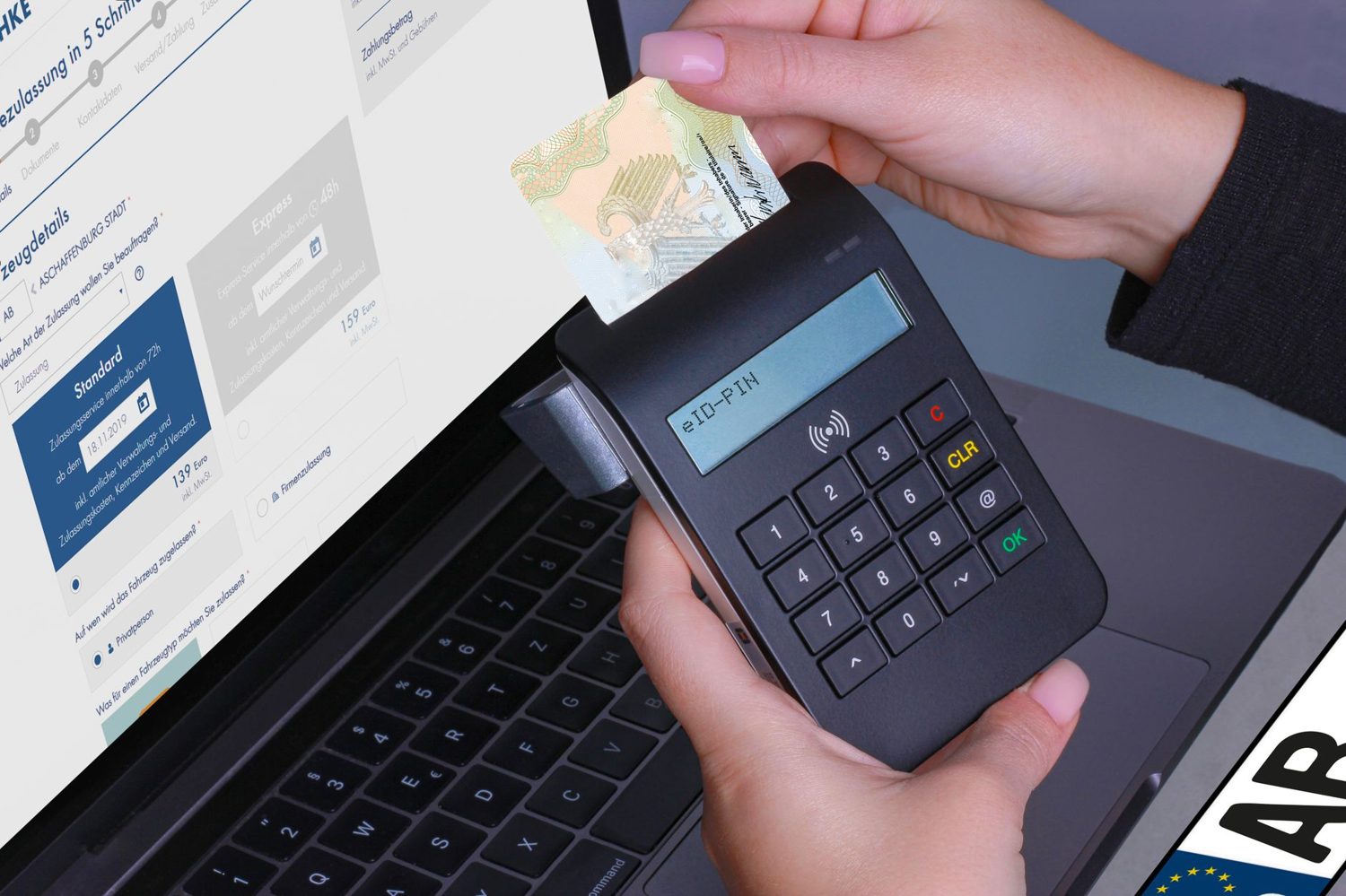
If you take one thing from this page, make it this: get a HOP card. Contactless works, and each tap costs the same adult fare as on HOP. The card earns its small fee in other ways: concession fares, including child fares, need an AT HOP card, and its $50 seven-day cap suits a longer stay, where contactless caps at $20 a day. The card is also just less hassle, no wondering whether your foreign bank card will play nicely with the reader at 7am.
What it costs
The card carries a one-off fee of around $5, which you don’t get back. On top of that you load travel credit. Most retailers sell the card pre-loaded, so you’ll typically hand over about $25 and walk away with roughly $20 of credit ready to go. You top up whenever you’re running low, and there’s no minimum trip count or expiry drama to worry about on a normal visit.
Where to buy one
You’ve got options, and a couple of them are genuinely convenient for arriving visitors:
- Auckland Airport vending machines. There are HOP machines at both the international and domestic terminals, so you can grab a card the moment you land and use it on the AirportLink bus.
- Waitematā Station (Britomart) customer service centre. Right in the downtown transport hub. Ideal if you’re arriving by train or coming off a cruise ship next door.
- Train station machines. Ticket machines at stations like Waitematā (Britomart) and Newmarket sell cards and handle top-ups.
- Retailers around town. Look for the AT HOP sticker on the door. Plenty of convenience stores, dairies and petrol stations (BP, Z) carry them, and central-city coverage is good.
- Online at AT.govt.nz. Free delivery within New Zealand, but allow time, so this suits people planning well ahead rather than same-day.
Register it on day one
You don’t have to register your card. But do it anyway, it takes about five minutes online and it protects your balance if the card goes missing. Registration also unlocks online top-ups, travel history, child concessions and a low-balance reminder in the app. If you skip this step and lose an unregistered card, the credit on it is simply gone. Not worth the risk for the sake of five minutes.
Topping up
Once you’re set up, adding credit is easy:
- In person at station machines, customer service centres or participating retailers, cash or card. The balance is available immediately.
- Online through your account (registered cards only). Handy, though a top-up done this way can take up to an hour to land on the card.
- AT Mobile app using your phone’s NFC, the most useful in-the-moment option when you’re standing on a platform realising you’re short.
- Auto top-up, which tops the card up automatically when it drops below a set level. The most painless choice for longer stays.
Getting your money back at the end
Leaving town with credit still on the card? You can get unused balance refunded at an AT customer service centre. The card fee itself isn’t refundable, and larger refunds may come by bank transfer rather than cash. Honestly, if you’ve only got a few dollars left, most people just hang onto the card for next time or pass it to a friend. It’ll still work when you return.
How fares and zones work
Auckland’s bus and train fares run on a zone system, nine zones across the region. What you pay depends on how many zone boundaries your journey crosses, not the exact distance. The central city sits in one zone, which covers Britomart, the Wynyard Quarter, Karangahape Road and inner suburbs like Ponsonby. So most short city trips are the cheapest single-zone fare. Our Auckland scenic drives guide covers this in more depth.
Rough 2026 fares
These are adult fares from the 1 February 2026 adjustment, and they’re the same whether you tag a HOP card or tap a contactless card:
- 1 zone (say, a hop across the city centre): $3.00.
- 2 zones (a trip that crosses one zone boundary): $4.90.
- 3 zones and up: the fare climbs per zone, but there’s a ceiling, see below.
Contactless bank-card fares are the same, and there’s no cash accepted on buses at all. Fares do shift periodically, so if a few cents matters to your budgeting, the live figures live at AT.govt.nz.
The single-journey cap
Here’s a nice quirk. A single journey is capped at four zones of travel, even if you physically cross more. Go from the city out to the far edge of the network and you’ll still only pay the four-zone fare. And transfers between bus, train and inner-harbour ferry within 30 minutes count as one continuous journey, so you’re not charged again just for changing modes mid-trip.
Daily and weekly caps (the quiet money-saver)
This is my favourite part of the system, and plenty of visitors never notice it working. Pay by contactless and your spending on AT services caps at $20 in a single day. Hit that ceiling and everything else you ride that day is free. On an AT HOP card the cap is $50 over seven days, counted from the first eligible trip on your card rather than a Monday-to-Sunday week. Once you cross it, the rest of that seven-day stretch is free. The caps don’t cover mid- or outer-harbour ferries or the Waiheke ferry. Both caps apply automatically. You don’t buy a pass, you don’t push a button, it just happens in the background.
Kids’ fares
- Under 5: free, always, with a paying adult. No card needed.
- 5 to 15 on a registered HOP card: a solid discount off adult fares on weekdays, and free on weekends and public holidays.
- 5 to 15 without a registered card: this is the trap. Bus drivers don’t take cash, so a child needs a registered HOP card to ride a bus at the child fare. Sort the registration out early and you’ll avoid an awkward moment at the door.
Auckland buses
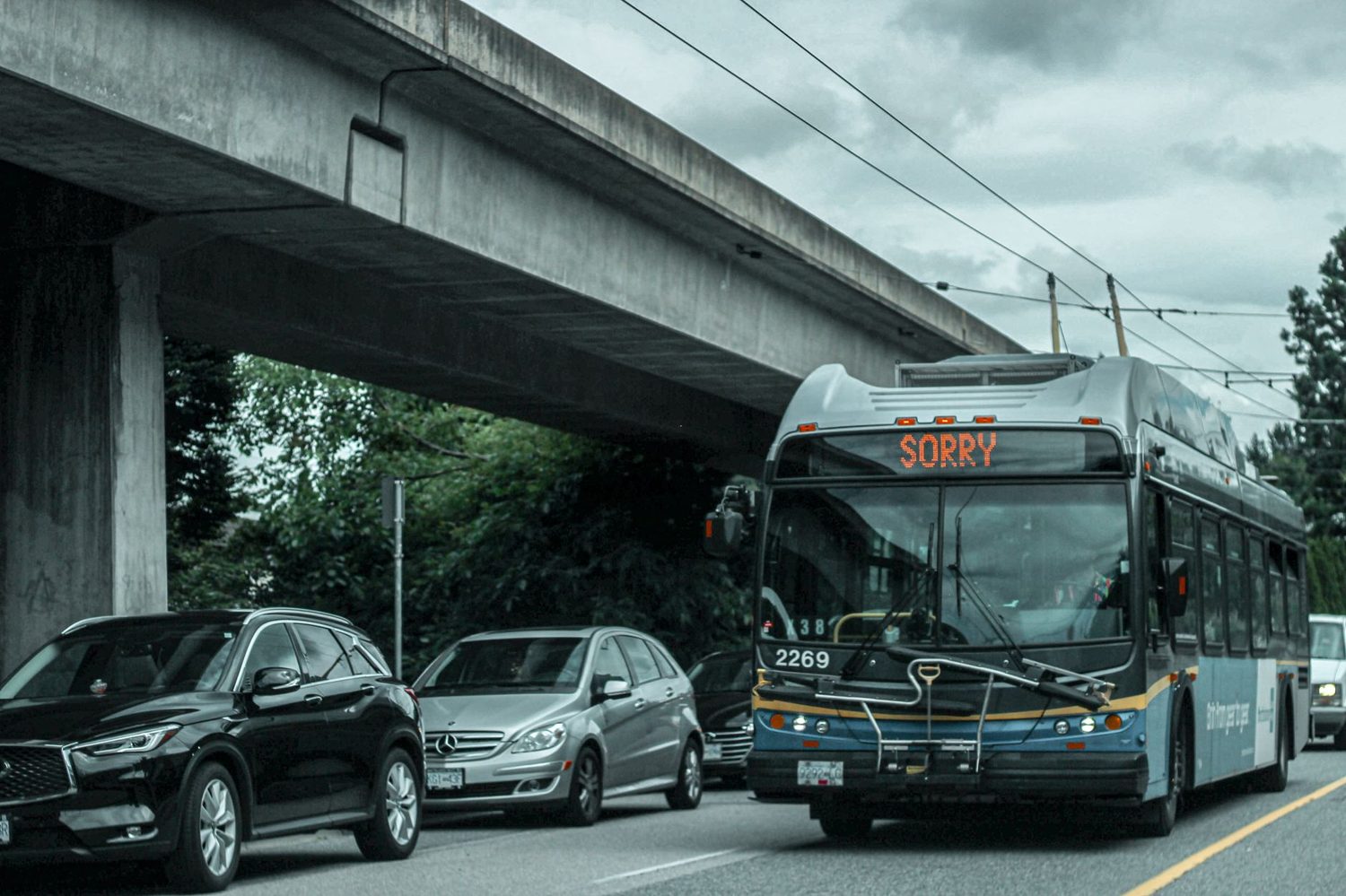
Buses do most of the heavy lifting here. There are dozens of routes, frequent service on the main corridors, and buses reach residential suburbs right across the region, including many the trains and ferries don’t. AT’s key frequent routes run at least every 15 minutes from 7am to 7pm, seven days a week; check the route timetable for other hours.
The routes visitors actually use
- Inner Link: a loop through the city centre, Auckland Museum, Parnell, Newmarket and Karangahape Road. If I had to pick one bus for a first-time visitor, this is it. Runs frequently, all day.
- Outer Link: a wider loop taking in Mt Eden, Mt Albert, Pt Chevalier and Ponsonby, useful for attractions outside the immediate centre.
- Tamaki Link: heads out to Mission Bay and St Heliers along the waterfront. This is your beach bus for the eastern bays.
- NX1 / NX2: the Northern Express to the North Shore, running on a dedicated busway that skips the motorway traffic. Fast and frequent.
- WX1: the Western Express out to Westgate.
- City Link: a short, cheap loop through the central spine, Karangahape Road, Queen Street, Britomart, Wynyard Quarter. Great for quick hops.
How to actually ride one
A few things trip up newcomers, so here’s the drill:
- Wave the bus down. Stand at the stop and put your hand out as it approaches, buses won’t stop for a passive bystander.
- Board at the front and tag your HOP card on the reader inside the door.
- No cash, no paper tickets. HOP or contactless only.
- Press the red stop button before your stop. The bus won’t stop unless someone’s requested it.
- Tag off before you step down. Forget, and you’ll be charged the maximum fare, so make it a habit.
Auckland trains
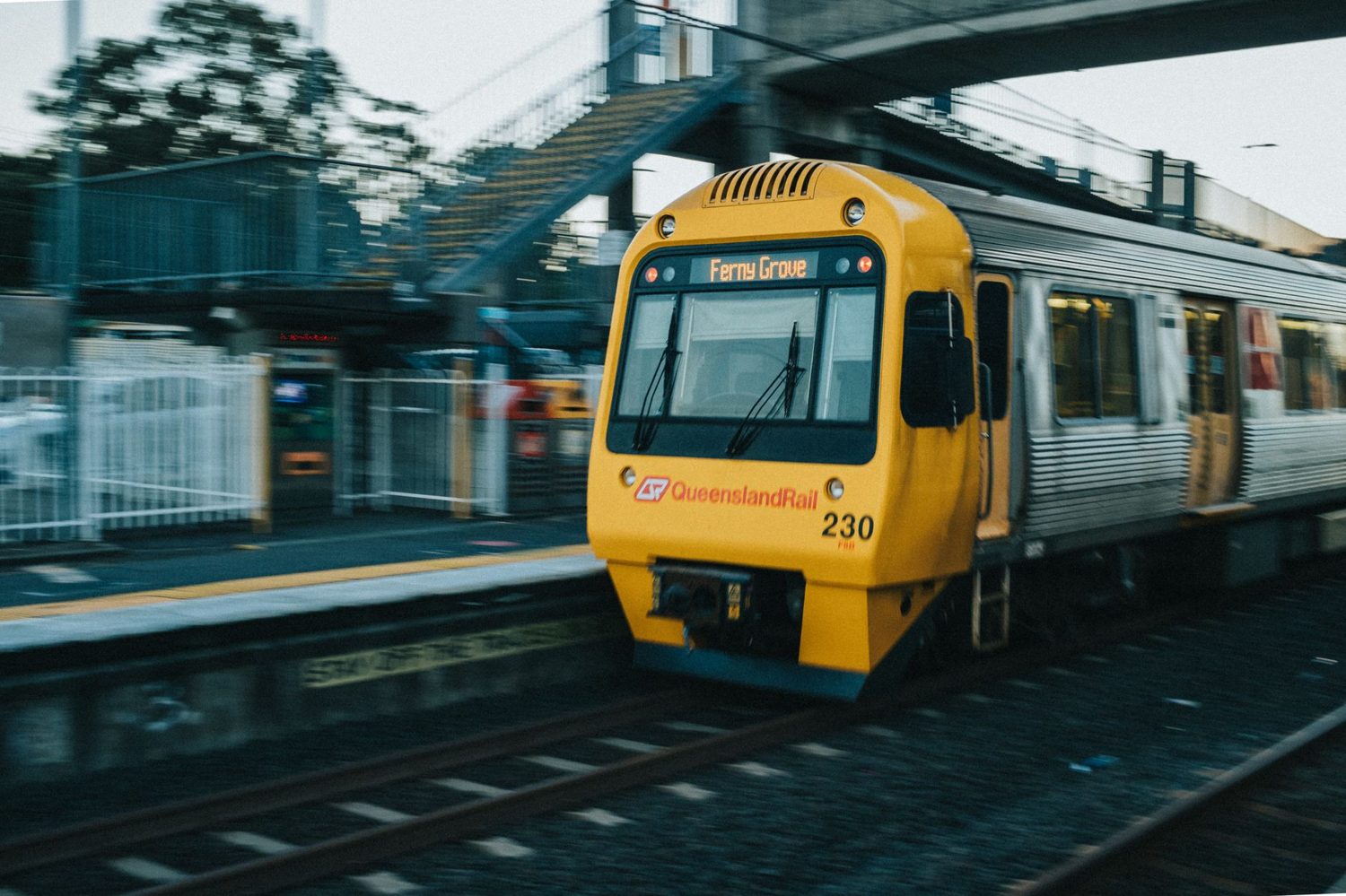
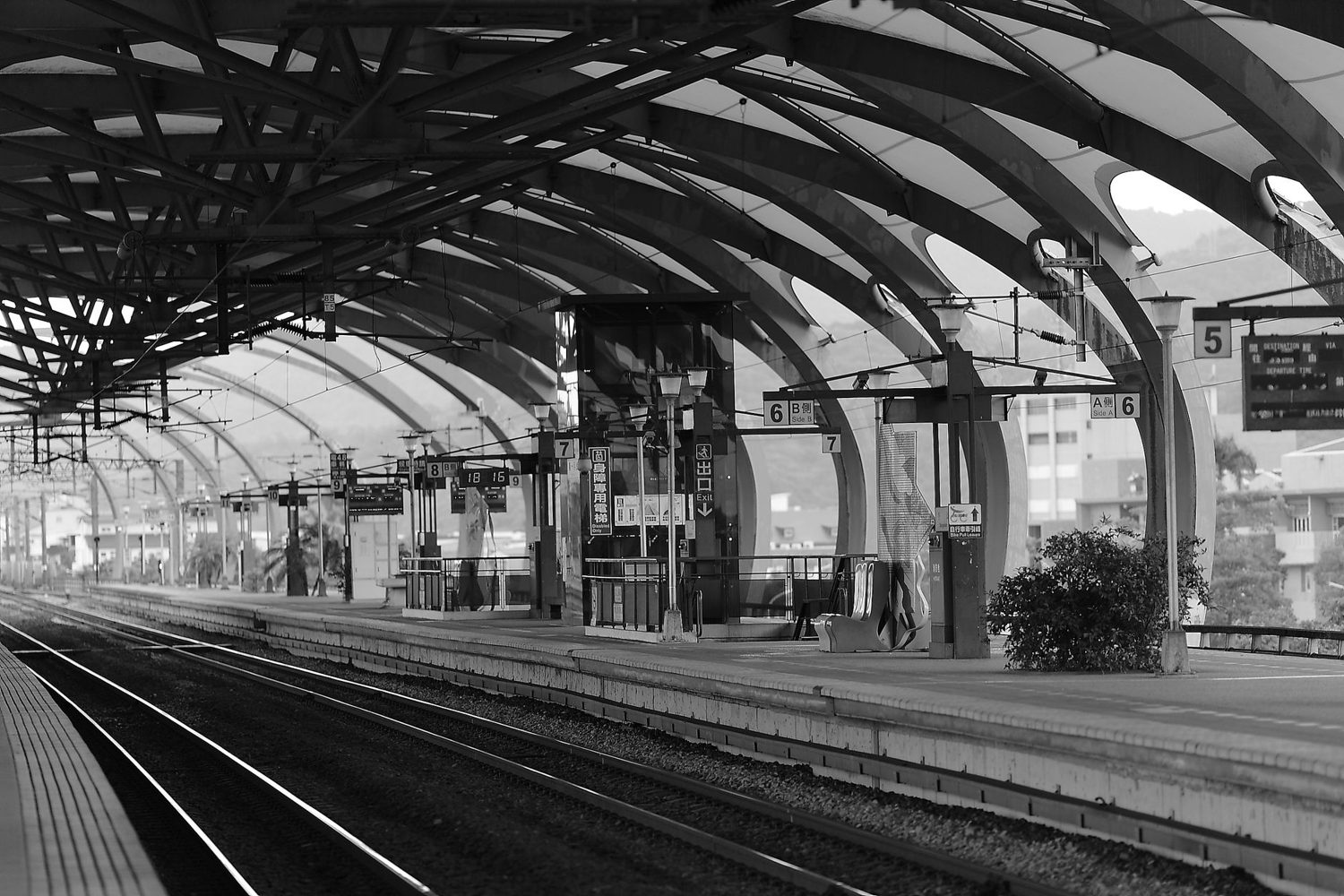
The train network is fully electric, clean and reliable, and for cross-city trips it often beats sitting in traffic. Since the City Rail Link opened on 13 September 2026, three lines run through the city centre instead of ending there: the East West Line (Swanson to Manukau via the CRL loop), the South City Line (Pukekohe to the city centre, through the loop) and the Onehunga West Line (Onehunga to Henderson off-peak, Onehunga to Maungawhau at peak). For visitors, the East West Line earns its keep, it stops at Maungawhau near Mt Eden’s volcano, at Kingsland for Eden Park, and out toward the MOTAT and zoo area.
Trains run frequently during weekday peaks, less often off-peak, including late evenings and weekends, so check the timetable for your trip. Last services through the city centre are late evening, so if you’re planning a big night, check the final departure before you commit.
The City Rail Link, and why it matters in 2026
The City Rail Link (CRL) is the biggest thing to happen to Auckland’s rail network in generations, a tunnel under the city centre with two new underground stations, Te Waihorotiu (Albert Street) and Karanga-a-Hape (for K Road). Since it opened on 13 September 2026 it has doubled rail capacity through the central city and put stations right under the busiest parts of town for the first time.
The CRL opened to passengers on Sunday 13 September 2026. Alongside the two underground stations, it brought the rebuilt Maungawhau station, where Mt Eden station used to be, and turned Waitematā Station (Britomart) into a through station. Timetables changed with the new network, so check AT.govt.nz for current times rather than relying on an old schedule.
Handy stations for visitors
- Waitematā (Britomart): the central hub, wired into the bus terminals and steps from the ferry building.
- Newmarket: change here between lines, and you’re in the middle of Auckland’s best shopping.
- Parnell: walkable to the Auckland Museum and the Domain.
- Maungawhau: the rebuilt station where Mt Eden station used to be, a short uphill walk to the volcano summit and its views.
- Kingsland: the match-day station for Eden Park (rugby, cricket, the odd big concert).
- Onehunga: for the Cornwall Park and One Tree Hill walk.
Auckland ferries
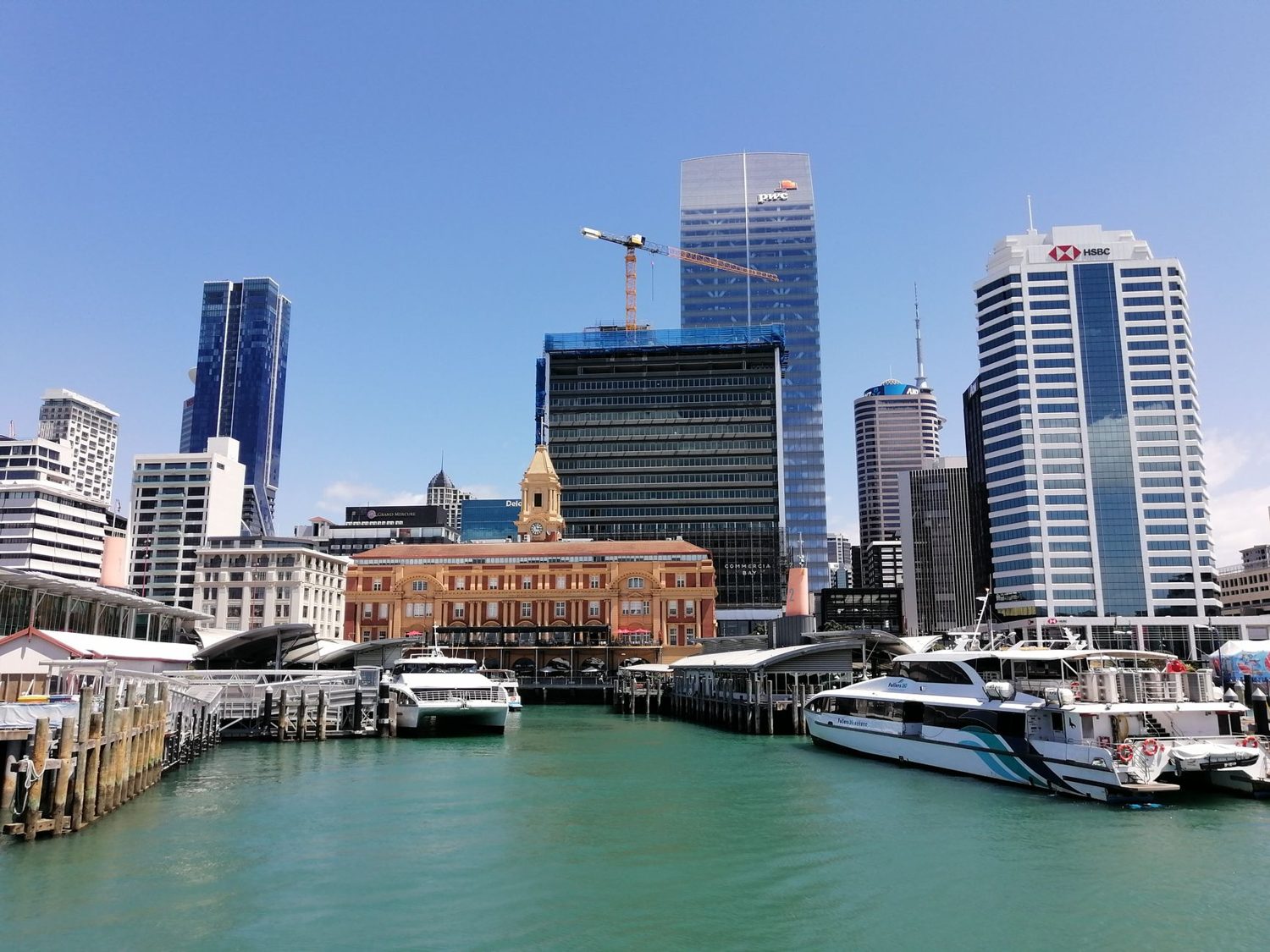
Ferries are the part of the network that stops feeling like transport and starts feeling like an outing. They leave from the downtown terminal beside Britomart, and even the short commuter runs come with a proper harbour view. Some of these sit inside the standard HOP fare system and some don’t, which is the one thing worth getting straight.
- Devonport (about 12 minutes): the classic. Frequent, quick, and a lovely seaside village at the other end.
- Bayswater, Birkenhead, Northcote Point: handy runs to the near North Shore suburbs.
- Half Moon Bay: out to the eastern suburbs.
- Hobsonville Point / West Harbour: for the northwestern waterfront.
- Waiheke Island (about 40 minutes): the wine-and-beaches day trip, run commercially by Fullers360. You can pay with AT HOP, but not with contactless.
- Rangitoto Island: the service out to the volcanic cone in the gulf, also separately ticketed.
The key distinction: inner-harbour ferries like Devonport, Bayswater and Birkenhead are part of the standard HOP fare system, discounts and caps included. The Waiheke and Rangitoto services are run by a commercial operator that sets its own fares, so AT’s fare caps don’t apply. On the Waiheke ferry you can still pay with AT HOP, though not with contactless; for Rangitoto, check the operator’s ticketing before you go.
Getting from the airport to the city
There’s no direct train to Auckland Airport yet, that’s a project for the future. For now, your main options are:
- AirportLink bus: a regular AT bus service you pay for with HOP or contactless. It connects to the rail network at Puhinui, and it’s the budget pick. Not the fastest, but easy and cheap for a solo traveller.
- Shuttle: door-to-door private shuttles to city hotels, more than the bus, less than a taxi.
- Uber or taxi: direct and door-to-door, with a price that depends on the ride you choose, so compare the live fare and the traffic with public transport. For two or more people with luggage, the per-head maths often isn’t far off the bus.
- Rental car: major companies including Avis, Budget and Hertz have desks at the airport, sensible if you’re heading straight out of the city rather than into it.
My honest take: solo and watching the budget, take the AirportLink. Two of you with bags and a city hotel booked, an Uber or shuttle is often barely more per person and saves you the transfers. For a full breakdown, see our Auckland Airport to CBD: All Transfer Options (2026 Guide).
Reaching Auckland’s main sights without a car
Most of the big-ticket attractions are reachable on public transport. A quick cheat sheet:
- Sky Tower: walkable from anywhere central, or any bus into Customs Street.
- Auckland Museum and the Domain: Inner Link bus to Parnell, or train to Parnell Station and a short walk.
- Mt Eden summit: East West Line to Maungawhau Station, then uphill on foot.
- One Tree Hill / Cornwall Park: Onehunga West Line to Onehunga, then a walk.
- Mission Bay: Tamaki Link bus along the waterfront.
- Devonport: the ferry, of course.
- Eden Park: East West Line to Kingsland on match days, with extra services laid on.
- Auckland Zoo and MOTAT: East West Line to Mt Albert, then a short walk or connecting bus.
Planning a day out of town is a different exercise, some of the best spots need a car. Our guide to 25 Best Day Trips from Auckland in 2026 (With or Without a Car) sorts out which is which, and the Auckland Beaches & Outdoor Adventures: The Complete 2026 Guide covers the coast (the wild west-coast beaches, in particular, really do want a car).
The AT Mobile app
Download the AT Mobile app before your first trip. It’s free, and it’s the single most useful tool for riding the network with confidence. It gives you live arrival times, a trip planner that stitches together bus, train and ferry with walking directions, service alerts, and HOP balance checks with NFC top-up. Set a low-balance reminder and you’ll never get caught short on a platform.
If you’d rather not add another app, Google Maps folds in AT’s data and does a solid job of trip planning. Apple Maps handles public transport directions here too. But for balance top-ups and the most reliable live times, the official app wins.
Accessibility
The network is broadly accessible, with a few gaps worth checking ahead:
- All trains offer level, step-free boarding.
- Buses are low-floor with ramps the driver will deploy on request.
- Ferries are accessible at the major terminals, including downtown and Devonport.
- The big stations have lifts, but some smaller ones are step-only, so check your specific stops.
- Accessible toilets and audio-visual next-stop announcements are standard at major stations and on modern vehicles.
For the full, up-to-date picture of which stations have what, AT publishes station-by-station accessibility details at AT.govt.nz.
Safety and etiquette
Auckland’s public transport is safe day and night, solo travellers included. A few local norms:
- Late at night on a quiet train, most people sit toward the front near the train manager. Do the same if it feels more comfortable.
- Giving up your seat for elderly or pregnant passengers is expected.
- Keep phone calls quiet, riders here tend toward the low-key.
- Bikes travel free on trains off-peak and on most ferries.
- Dogs aren’t allowed on buses or trains beyond certified service animals.
Mistakes visitors make (and how to dodge them)
- Forgetting to tag off. You’ll cop the maximum fare. Tag off every time, even when it feels pointless.
- Trying to pay cash on a bus. It won’t work. Sort payment before you board.
- Switching payment method mid-journey. This breaks the free-transfer window. Use the same card the whole way through.
- Missing the last train. Late-night departures end earlier than you’d hope. Check before you plan a big evening.
- Boarding the wrong branch of a route. Some routes split (NX1 versus NX2, for instance). Read the destination on the front of the bus, not just the number.
When public transport isn’t the answer
It’s brilliant value, but not for every situation. Quick guide to when I’d switch it up:
- Staying entirely central? Walk. Save transport for trips beyond walking range.
- Heading to the west-coast beaches (Piha, Karekare, Bethells)? Rent a car, there’s little to no public transport out there.
- Family of four with luggage? An Uber can undercut four separate fares.
- After 11pm? The buses and trains have clocked off. Uber it, and our guide to Auckland Uber fares, taxis and rideshare apps covers what a late ride actually costs.
Tips for a stress-free ride
- Buy your HOP card on day one and load a bit of extra credit so you’re not topping up constantly.
- Get the AT Mobile app before your first trip, the trip planner is worth it.
- Lean on the Inner Link bus for the museum, Parnell, Newmarket and Karangahape Road without overthinking it.
- For Waiheke, walk to the downtown terminal and tag on with HOP or buy a Fullers360 ticket, since contactless won’t work on that ferry.
- Keep your card somewhere easy to reach, the readers don’t always beep loudly, so watch for the confirmation.
- On a five-plus-day trip with regular longer journeys, the $50 weekly cap will probably kick in, factor that into your budget.
Frequently Asked Questions
Should I get a HOP card or just use contactless?
Adult fares are the same either way, so contactless is fine for a short visit with a few rides. Get the HOP card if you’re travelling with children or need any other concession fare, which only HOP gives you, or if you’ll ride enough over a week for its $50 seven-day cap to matter. Contactless has a $20 daily cap instead.
Can I use my overseas debit or credit card?
Yes. Contactless Visa, Mastercard, American Express and UnionPay cards work on the readers, as do phones and watches set up for contactless payment. Your bank may add a small foreign-transaction fee per tap, so check your card’s terms before you rely on it.
How do I get to Waiheke Island?
Take the ferry from the downtown terminal, around 40 minutes. Fullers360 runs it commercially and sets its own fares, so AT’s fare caps don’t apply, but you can pay with your AT HOP card or buy a ticket from Fullers360. Contactless isn’t accepted on this crossing.
Are there day passes?
Not as a separate product, but you don’t need one. Pay by contactless and the $20 daily cap does the same job automatically, ride enough in a day and the rest is free, no pass to buy. On an AT HOP card, the $50 seven-day cap works the same way over a week.
Where can I top up my HOP card?
Online through your account (registered cards), the AT Mobile app via NFC, station ticket machines, customer service centres, and any retailer showing the AT HOP sticker. In-person top-ups are instant, online ones can take up to an hour to reach the card.
Final thoughts
Auckland’s public transport won’t win awards for speed on every cross-city trip, but it’s safe, good value, and once you’ve got a HOP card in your pocket and the app on your phone, it’s genuinely easy to use. Spend the first ten minutes of your trip sorting those two things out and the rest of your visit gets cheaper and simpler, no daily reckoning with Uber surge pricing, no hunting for parking.
For the bigger picture, start with our pillar guide, Getting Around Auckland: The Complete 2026 Transport Guide, then go deeper on each mode with the Auckland Buses for Tourists: Best Routes & Tips (2026), the Auckland Trains Guide: Lines, Fares & Stations (2026) and the Auckland Ferries: Routes & Schedules (2026 Guide). Once you know how to get around, the 65 Best Things to Do in Auckland (2026): An Insider’s Guide and the Auckland Travel Guide 2026: The Complete Visitor’s Handbook will help you fill the days, and Where to Stay in Auckland: Best Neighbourhoods & Hotels for 2026 covers where to base yourself.
Last updated: July 2026. Written by the Auckland Tourism Guide team.
Photo credits
- Photo: Erik Mclean via Pexels
- Photo: REINER SCT via Pexels
- Photo: Marcus Ireland via Pexels
- Photo: New Zealand via Pexels
Knowing how the system works is one thing; knowing what it lets you actually do with three days is another. Our guide to Auckland without a car turns this network into an itinerary — cones, ferries, islands and the eastern bays — and lists the west coast destinations that need a tour or a single day of hire.