Author: aucklandtourism_4ju0oq

  • Auckland Buses for Tourists: Best Routes & Tips (2026)

    Auckland Buses for Tourists: Best Routes & Tips (2026)

    Auckland buses are the workhorse of the city’s public transport network — 80+ routes operated by Auckland Transport (AT), connecting the CBD with the inner suburbs and out to the airport, North Shore, and far-west regions. For tourists, the bus network is genuinely useful, particularly the colour-coded “Link” loop services that connect the most visitor-friendly precincts. This complete Auckland buses guide covers everything tourists need to know — the best routes for sightseeing, fares, the four Link buses, the Northern Express to the North Shore, the AirportLink, and how to use the AT HOP card to ride.
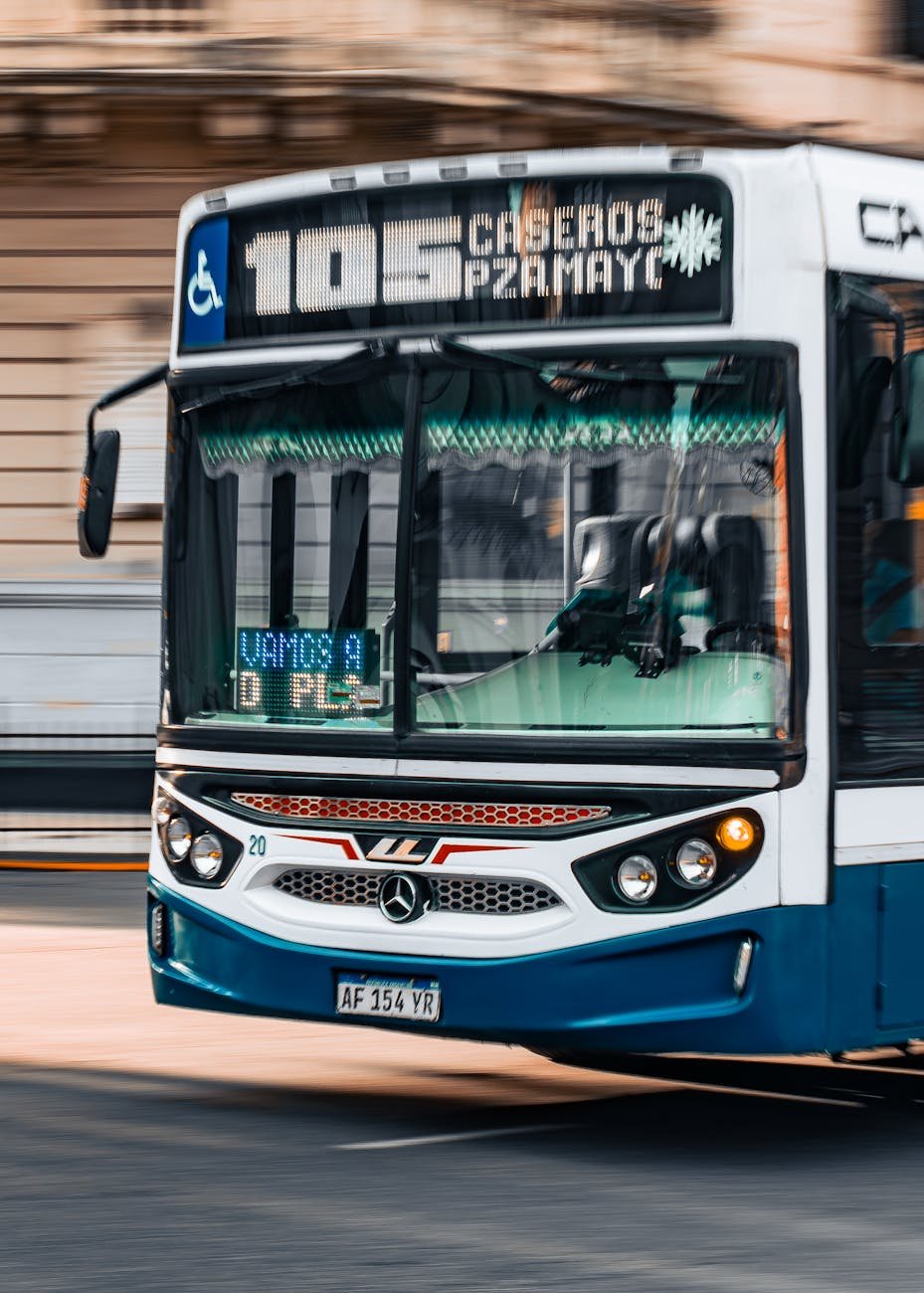
    Modern Auckland city bus on a city street
    Auckland’s bus network is the workhorse of the AT public transport system, with 80+ routes.

    Auckland buses at a glance

    • Operator: Auckland Transport (AT)
    • Number of routes: 80+ across the Auckland region
    • Operating hours: 5am-12am most routes; some 24-hour services on key corridors
    • Fares: $2.20 (1 zone HOP) to $7.10 (5+ zones HOP); contactless +20%
    • Daily fare cap: $20
    • Weekly fare cap: $50 (Mon-Sun)
    • Payment: AT HOP card (best value), contactless card, Apple Pay, Google Pay
    • Cash: NOT accepted on buses
    • Best for tourists: Inner Link, City Link, Outer Link, NX1 Northern Express, AirportLink
    • Real-time tracking: AT Mobile app, Google Maps

    The Link buses — Auckland’s tourist loops
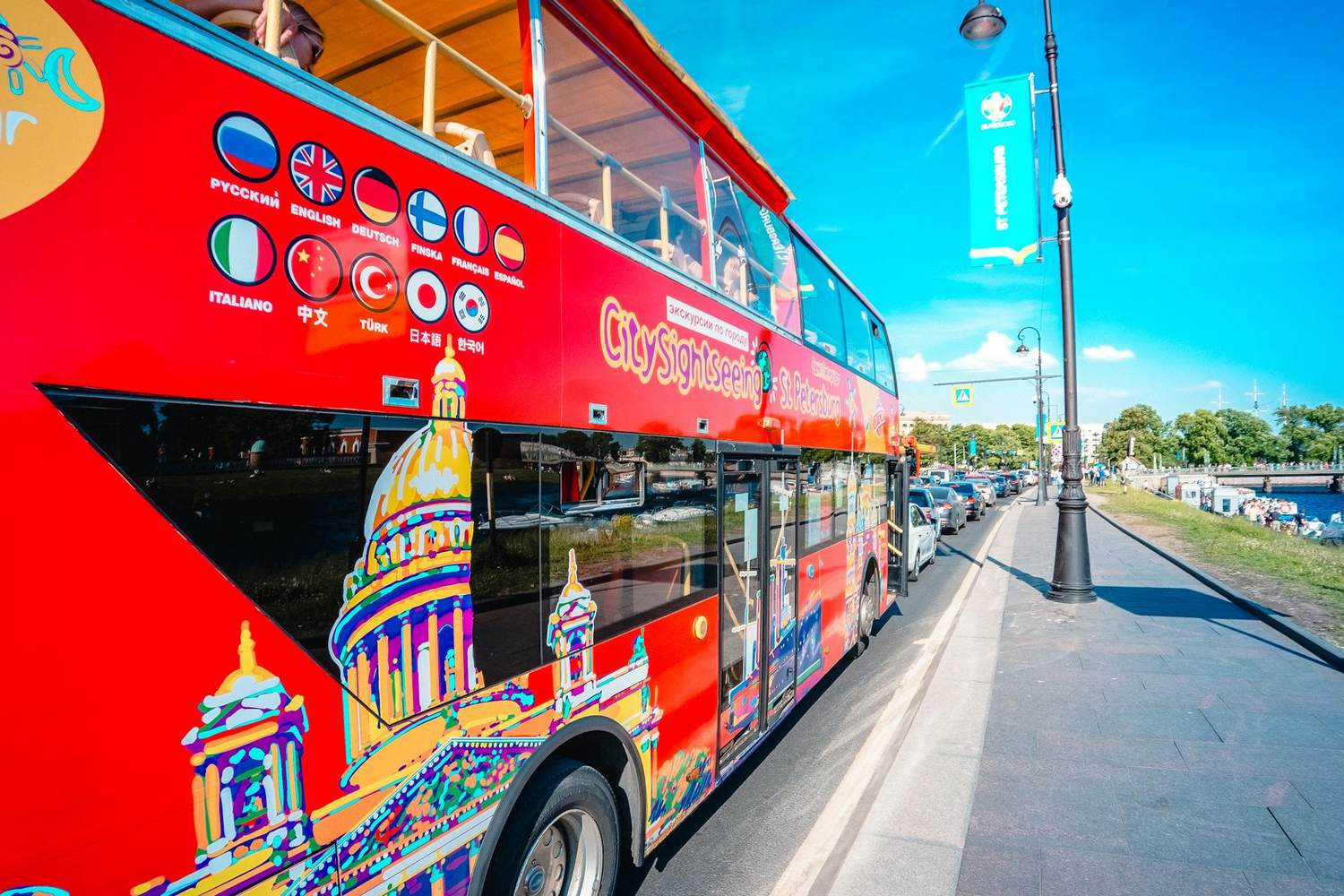
    Double-decker city bus with tourists
    The NX1 Northern Express runs to the North Shore on Auckland’s only dedicated busway.

    Auckland Transport runs four colour-coded “Link” loop bus services that are designed to circle key visitor precincts. They’re the easiest way for tourists to get around without a rental car.

    CityLink (Red Bus) — the Queen Street loop

    The CityLink runs every 7-15 minutes from 7am-11pm and does a tight loop through the CBD core. The route runs from Wynyard Quarter through Britomart up Queen Street to Aotea Square, on to Karangahape Road, returning through Myers Park and Queen Street to Wynyard Quarter.

    • Fare: $1 flat fare (cash equivalent); free with HOP card if transferring from another AT service.
    • Frequency: Every 7-15 minutes
    • Hours: 7am-11pm daily
    • Best for: short hops along Queen Street; Britomart to K Road

    Inner Link (Green Bus) — the inner-suburbs loop

    The most useful tourist bus. The Inner Link runs every 10-15 minutes from 7am-11:30pm in a circular route. The route circles Britomart → Parnell → Newmarket → Karangahape Road → Ponsonby Road → Victoria Park → Britomart. Single zone fare ($2.20 with HOP card).

    • Fare: $2.20 with HOP card / $2.65 contactless
    • Frequency: Every 10-15 minutes
    • Hours: 7am-11:30pm daily
    • Connects: Britomart, Parnell (for Auckland Museum), Newmarket (for Westfield Newmarket), K Road (creative precinct), Ponsonby Road
    • Best for: getting from CBD to Auckland Museum, Newmarket shopping, Ponsonby brunch — all the major tourist precincts

    Outer Link (Amber Bus) — the broader loop

    The Outer Link runs every 15 minutes through a wider route — Wellesley Street CBD, past the universities, through Parnell, Newmarket, Epsom, Balmoral, Mt Eden, St Lukes, Mt Albert (for MOTAT and the Auckland Zoo via short walk), Westmere, Herne Bay, and back to Wellesley Street.

    • Fare: $2.20-$4.05 with HOP card depending on zones travelled
    • Frequency: Every 15 minutes
    • Hours: 7am-10pm daily
    • Best for: reaching MOTAT, Auckland Zoo, Mt Eden volcano, Epsom, Westmere

    Tāmaki Link — to Mission Bay

    The Tāmaki Link runs from Britomart along Tāmaki Drive to Saint Heliers via Mission Bay. The bus to take to East Coast beaches.

    • Fare: $2.20 with HOP card
    • Frequency: Every 15 minutes peak; every 30 mins off-peak
    • Best for: Mission Bay beach trips, St Heliers Bay walks, Kelly Tarlton’s

    Northern Express (NX1 / NX2) — the North Shore busway

    The Northern Express buses are Auckland’s only true rapid-transit buses, running on a dedicated busway separated from regular traffic. They’re fast, frequent, and the easiest way to reach the North Shore.

    • NX1 — Britomart to Albany; full express service.
    • NX2 — Britomart to Hibiscus Coast (Silverdale); slightly fewer stops.
    • Frequency: Every 5-10 minutes peak; every 15 minutes off-peak
    • Hours: 5am-1am most routes
    • Fare: $4.05-$5.30 with HOP card depending on stops
    • Travel time: 25 mins to Akoranga, 35 mins to Albany, 50 mins to Silverdale
    • Best for: Devonport (transfer to ferry), Takapuna Beach, Westfield Albany, North Shore beaches

    AirportLink — Auckland Airport bus

    The AirportLink is Auckland Transport’s public bus from Auckland Airport to the CBD. It’s the cheapest airport-to-CBD option, though not the fastest.

    • Route: Auckland Airport → Manukau → Eastern Line train to Britomart (one-bus, two-mode journey)
    • Fare: $18 with HOP card / $22 contactless
    • Frequency: Every 15-30 minutes from 5:30am to 11pm
    • Travel time: 60-65 minutes to Britomart
    • Stops: Domestic and International terminals; major bus changes at Manukau station

    For most travellers, the AirportLink is fine for solo or two-person budget trips. For families with luggage or anyone in a hurry, Uber/SkyDrive ($80-110, 35-50 mins) is faster.

    Auckland buses fare structure
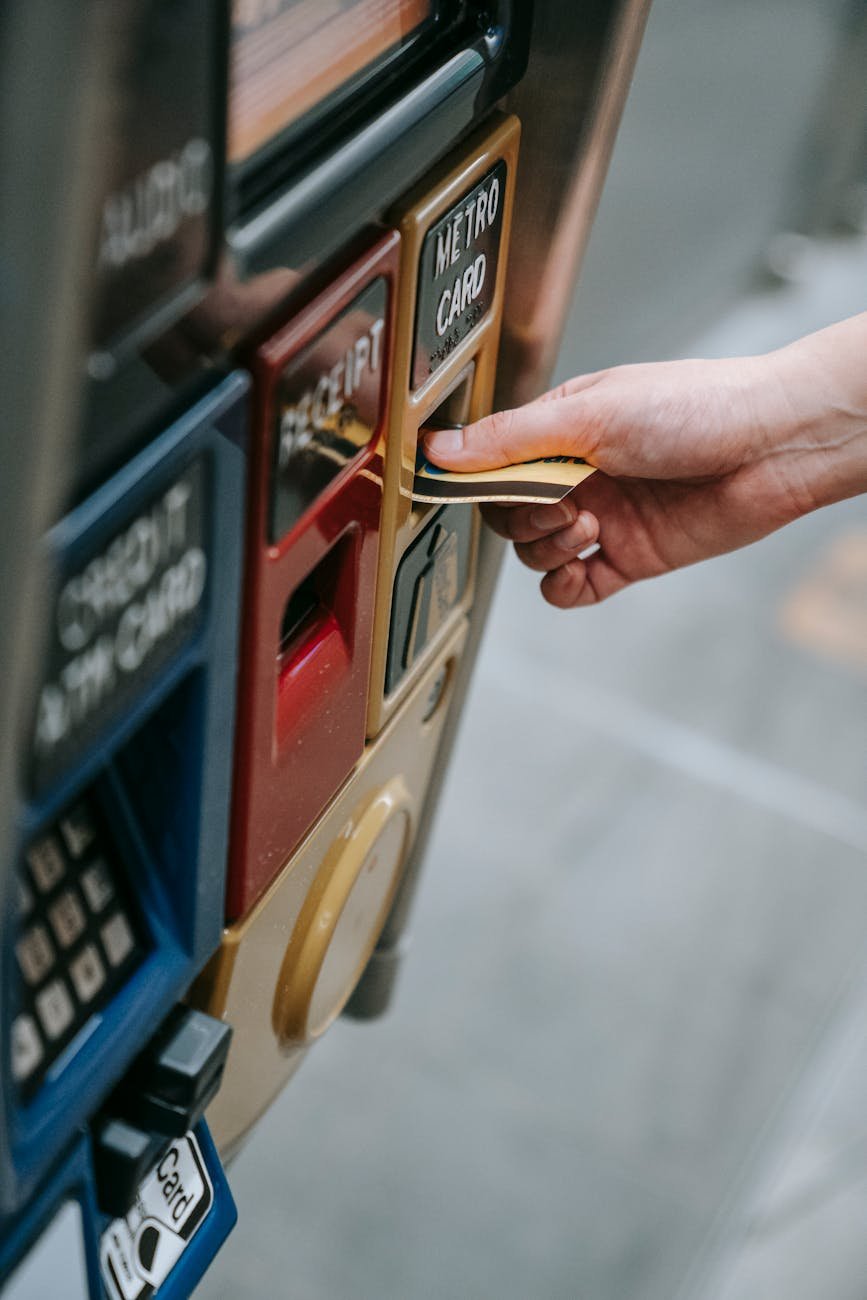
    AT HOP transit card and contactless payment
    AT HOP card delivers 20% off most bus fares — buy one before your first ride.

    Auckland buses use a zone-based fare system across 9 fare zones. The price depends on how many zones you cross, not how long you travel. The CBD is part of “Zone 1” — covering Britomart, Wynyard Quarter, K Road, Ponsonby and Newton.

    2026 fares (after 1 February 2026 increase)

    • 1 zone (CBD only): $2.20 HOP / $2.65 contactless
    • 2 zones: $4.05 HOP / $4.85 contactless
    • 3 zones: $5.30 HOP / $6.35 contactless
    • 4 zones: $6.30 HOP / $7.55 contactless
    • 5+ zones: capped at 4-zone fare for the same journey ($7.10 HOP / $8.50 contactless)
    • CityLink: $1 cash equivalent / FREE with HOP card if transferring

    Daily and weekly fare caps

    • Daily cap: $20 — once you’ve spent $20 in a calendar day, the rest of your travel is free.
    • Weekly cap: $50 (Mon-Sun) — once you hit $50 in a week, the rest of the week is free.

    Children’s fares

    • Under 5: free always with a paying adult
    • 5-15 with registered HOP card: 40% off adult fares Mon-Fri; FREE on weekends and public holidays
    • 5-15 without registered HOP card: child cash fares only available on trains and ferries (buses don’t accept cash)

    How to ride an Auckland bus
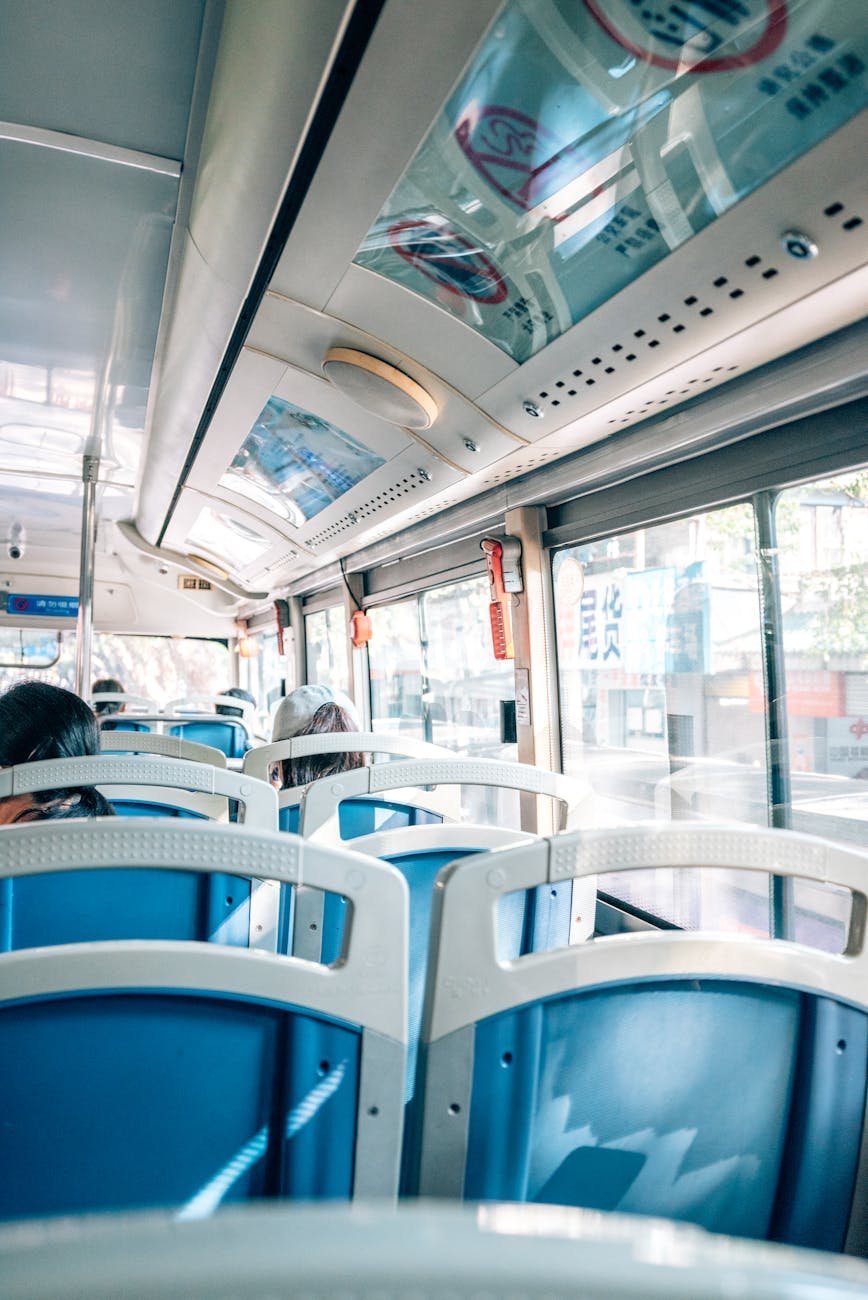
    Modern bus interior with passenger seats
    Auckland buses are mostly low-floor, accessible and air-conditioned.
    • Step 1 — stand at the bus stop. Put your hand out as the bus approaches. Buses don’t stop unless you signal.
    • Step 2 — board through the front door. Tap your HOP card on the reader inside the door.
    • Step 3 — bus drivers don’t accept cash and don’t issue tickets. HOP card or contactless card only.
    • Step 4 — for your stop, press the red “Stop” button on the handrails — buses don’t automatically stop at every stop.
    • Step 5 — tap your HOP card again on a reader inside the bus before stepping off. Forgetting to tag off charges you the maximum 4-zone fare.

    Don’t expect a “Thanks driver” cheer like in some cities — but many local riders do thank the driver as they get off. It’s a small Auckland courtesy worth adopting.

    A perfect bus-only Auckland day

    If you want to see the city without renting a car or paying for Ubers, here’s a one-day bus-only itinerary that hits the major precincts:

    • 9am — board Inner Link from Britomart toward Parnell.
    • 9:15am — alight at Parnell Road; walk to Auckland Museum (10 mins).
    • 11am — Māori cultural performance at the museum.
    • 12pm — walk to Parnell Village for lunch at Cibo or Rosie.
    • 1:30pm — Inner Link from Parnell to Newmarket; browse Westfield Newmarket.
    • 3pm — Inner Link to K Road; explore the creative precinct.
    • 4pm — Inner Link to Ponsonby; afternoon coffee at Bambina.
    • 5:30pm — Inner Link back to Britomart for dinner.

    Total bus cost: $20 daily cap reached. All major tourist precincts touched. No rental car or Uber required. The Inner Link is genuinely the best $20 you’ll spend on Auckland transport.

    Where to catch buses in the CBD
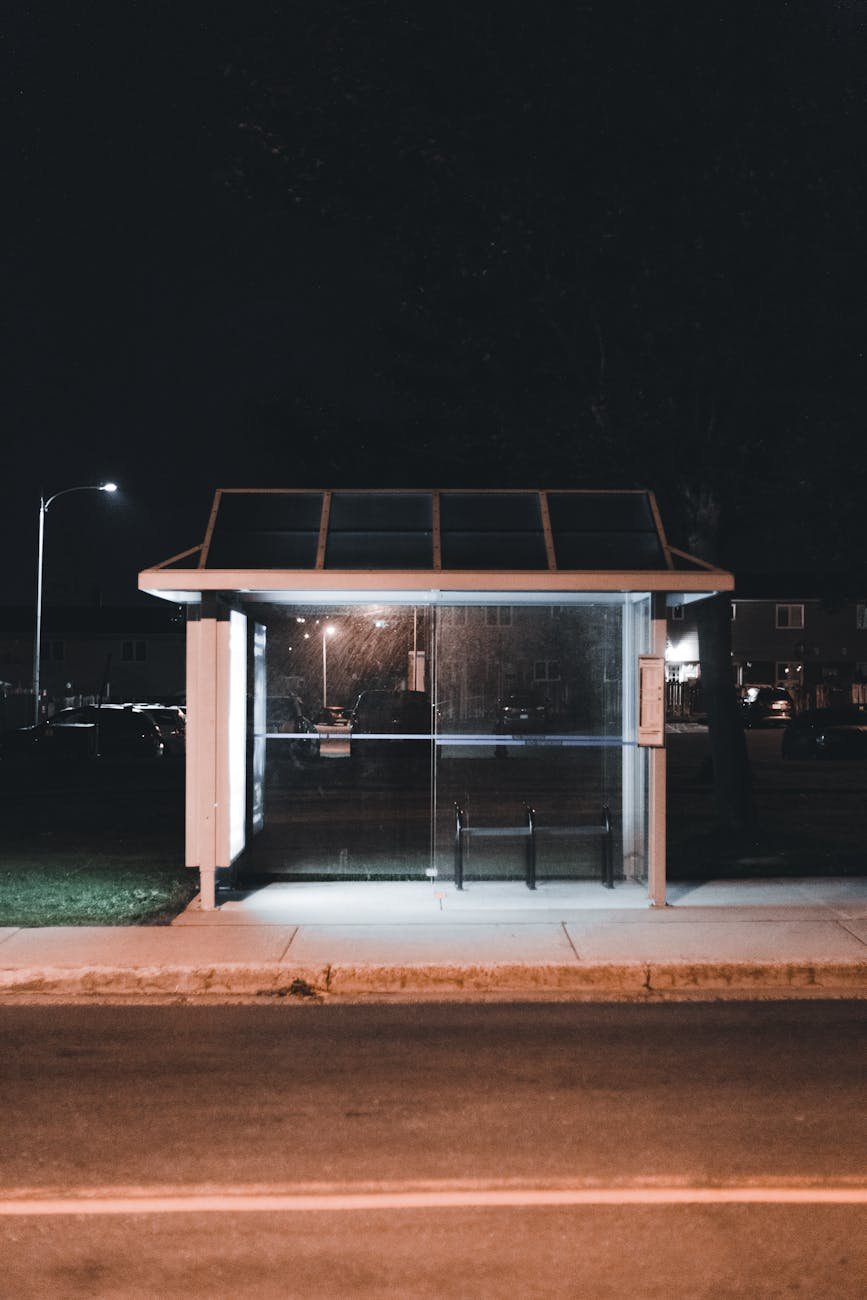
    Modern bus stop with passengers waiting
    Auckland’s main bus interchange is at Britomart Transport Centre in the CBD.
    • Britomart Transport Centre — the main bus interchange. Connections to Inner Link, Outer Link, Tāmaki Link, NX1, NX2, AirportLink, plus dozens of suburban routes.
    • Wellesley Street Bus Hub — the secondary interchange for Outer Link, university buses, and central CBD routes.
    • Aotea Square — a key central stop on multiple routes including CityLink and many western routes.
    • Parnell Road — stops at multiple points, particularly for Inner Link and Outer Link.
    • Ponsonby Road — Inner Link and Outer Link stops every 200-300 metres.
    • K Road — Inner Link and CityLink interchange.

    Bus journey times — CBD to key destinations

    • Britomart to Sky Tower: 5 min walk (no bus needed)
    • Britomart to Auckland Museum (Parnell): 12-15 min via Inner Link bus + 10-min walk
    • Britomart to Newmarket: 12 min via Inner Link bus or 15 min via Western Line train
    • Britomart to Ponsonby Road: 15-20 min via Inner Link bus
    • Britomart to Mt Eden volcano: 20 min via Western Line train + 10-min walk
    • Britomart to Mission Bay: 25 min via Tāmaki Link bus
    • Britomart to MOTAT: 30 min via Outer Link or Western Line + walk
    • Britomart to Westfield Albany: 50 min via NX1
    • Britomart to Auckland Airport: 60 min via AirportLink
    • Britomart to Westgate: 40 min via WX1
    • Britomart to Karangahape Road: 5-7 min via CityLink
    • Britomart to Aotea Square: 5-7 min via CityLink or 10-min walk

    Best Auckland bus routes for tourists

    • Inner Link — for Auckland Museum, Parnell, Newmarket, K Road, Ponsonby. The single most useful tourist bus.
    • Outer Link — for MOTAT, Auckland Zoo (Mt Albert area), Mt Eden volcano, Westmere.
    • Tāmaki Link — for Mission Bay, St Heliers Bay, Kelly Tarlton’s.
    • NX1 Northern Express — for Devonport (transfer to ferry), Takapuna, Westfield Albany.
    • AirportLink — for Auckland Airport.
    • WX1 Western Express — for Westgate, Henderson, North-West shopping.
    • 30 / 31 / 32 series — from CBD to Onehunga (for Onehunga Bay, ferry to Cornwallis).
    • 23 / 25 series — from CBD to Mt Eden village and Eden Park.

    Night buses and 24-hour services

    Auckland’s bus network has reduced overnight services. Most buses stop running between 11pm and midnight; some key corridors (NX1, Inner Link) run until 1am Friday and Saturday nights. After buses stop, Uber, taxis, or 24-hour CityHop on-demand services are your only options.

    • Last buses Britomart to Ponsonby: 12:15am (Inner Link)
    • Last buses Britomart to Albany: 12:30am (NX1)
    • Last buses Britomart to Mission Bay: 11:30pm (Tāmaki Link)
    • Last AirportLink: 11pm (last departure to airport from Britomart)

    Hop on hop off tourist buses

    Auckland Explorer is a private hop-on hop-off bus aimed specifically at tourists. The double-decker red bus runs a circular route hitting all major attractions — Sky Tower, Auckland Museum, Parnell, Mission Bay (with Kelly Tarlton’s), Auckland Domain, Auckland Zoo, MOTAT, and back to the CBD.

    • Single-day ticket: $54 adult / $30 child
    • Two-day ticket: $89 adult / $48 child
    • Departures: every 30 minutes from Princes Wharf 9am-3pm summer, less frequent winter
    • Multilingual commentary: 8 languages including English, Mandarin, Japanese, German
    • Best for: first-time visitors, cruise-ship one-day visitors, those who want flexibility without learning the AT bus system

    The hop-on hop-off bus is more expensive than AT public buses but more convenient for first-time visitors who want a guided audio commentary tour combined with the flexibility to disembark at major attractions. For visitors with 3+ days in Auckland, the AT public bus network is significantly better value.

    AT Mobile app — your bus toolkit

    The AT Mobile app (free, iOS and Android) is essential for navigating Auckland buses:

    • Live arrival times for every bus stop
    • Trip planner with real-time alerts
    • HOP card balance check and tap-to-top-up
    • Saved favourites for stops you use regularly
    • Plain-text journey instructions including transfers
    • Service alerts and disruption notifications
    • Real-time bus-on-map tracking

    Google Maps integrates AT data and works well for planning. Apple Maps in NZ also includes public transport directions.

    Common Auckland bus mistakes to avoid

    • Forgetting to tag off. Auckland’s biggest visitor mistake — automatically charges max 4-zone fare. Always tap off, even at the same stop.
    • Trying to pay cash. Bus drivers don’t accept cash. Get a HOP card or use contactless before boarding.
    • Mixing payment methods. Tagging on with a HOP card and tagging off with contactless breaks the 30-minute transfer rule. Use the same payment for the whole journey.
    • Missing the last bus. Last buses depart between 11:30pm and 1am depending on route. Check before late-night plans.
    • Not checking which bus serves which destination. Some routes branch (NX1 vs NX2; East 70 vs West 70). Verify on the front of the bus, not just the route number.
    • Boarding the wrong direction. Inner Link runs both clockwise and counter-clockwise — check the destination on the front-of-bus screen.
    • Buying a HOP card with low balance. Make sure you start with at least $20 credit if your first trip is the AirportLink.
    • Forgetting to register your card. Unregistered HOP cards lose their balance if lost. Register online at AT.govt.nz on day one.

    Buses vs trains vs ferries

    • Buses — most flexible, most routes, slower. Best for inner-city and suburb-to-CBD trips.
    • Trains — faster on the four electrified lines. Best for Mt Eden, Newmarket, Ellerslie, Manukau, and outer southern suburbs.
    • Ferries — photogenic and necessary for harbour destinations. Devonport, Bayswater, Birkenhead, Half Moon Bay.

    Use buses primarily; trains for cross-city to Newmarket or Mt Eden; ferries for harbour day trips.

    Bus accessibility in Auckland

    Auckland Transport has invested significantly in accessibility over the past decade. All AT buses are low-floor and equipped with ramps for wheelchair users, who travel free with a Total Mobility scheme card. Drivers will deploy the ramp on request without hesitation. Service animals are universally welcome. For visually impaired passengers, audio announcements are standard on most buses, calling out upcoming stops; visual displays show next-stop information at the front of the bus. Most major bus stops have tactile ground surface indicators and braille information panels. Hearing-impaired passengers can use the AT Mobile app’s text-based trip planning. The Total Mobility scheme provides discounted taxi vouchers for residents with mobility-affecting conditions; tourist eligibility is limited but disabled visitors with a recognised international card may apply.

    Auckland buses FAQs

    How much do Auckland buses cost?

    $2.20 for a 1-zone HOP fare (CBD only); $7.10 for the longest fare. Daily cap is $20; weekly cap is $50.

    Can I pay cash on Auckland buses?

    No — bus drivers don’t accept cash. HOP card, contactless card (Visa, Mastercard, Apple Pay, Google Pay) only.

    How do I buy an AT HOP card?

    $5 plus credit at any AT customer service centre, train station ticket machine, or participating retailer (most BP, Z service stations and corner shops). Most retailers sell pre-loaded $25 cards ($5 card + $20 credit).

    Is the Inner Link bus free?

    No — the Inner Link is $2.20 with HOP card. Only the CityLink (Red Bus) has a free transfer benefit when used after a paid HOP card service.

    Are Auckland buses safe at night?

    Yes — generally very safe. Late-night buses (after 11pm) can have fewer passengers but no specific safety concerns. Sit near the front near the driver if you prefer extra visibility.

    What’s the best bus to get to Auckland Museum?

    The Inner Link bus stops on Parnell Road, a 10-minute walk from Auckland Museum. Tāmaki Link is an alternative.

    Can I take a bike on a bus?

    No — bikes aren’t allowed on Auckland buses. Bikes are welcome on most trains (off-peak weekday and all-day weekend) and on most inner-harbour ferries.

    Are Auckland buses wheelchair accessible?

    Yes — all AT buses are low-floor and wheelchair accessible. Drivers will deploy the ramp on request. Service animals are welcome.

    What’s the airport bus from Auckland?

    The AirportLink is the AT public bus, $18 with HOP card. SkyDrive is a private shuttle, $32. Uber/taxi $80-110.

    Can I transfer between buses for one fare?

    Yes — within 30 minutes of tagging off your first bus, transfers count as a single journey for fare-cap purposes. Use the same HOP card or contactless device for all legs.

    Where can I find Auckland bus routes?

    AT.govt.nz has a complete map. The AT Mobile app shows live timetables. Google Maps integrates AT routes for trip planning.

    Buses for major events

    Auckland Transport runs additional bus services for major events. NRL Nines, Auckland Marathon, Splore Festival shuttles, Lantern Festival shuttles, and All Blacks/Football Ferns matches at Eden Park all see expanded bus services. Special event tickets often include free public transport — check the event ticket details. Eden Park has a dedicated Western Line train service from Britomart on match days, plus charter buses from the CBD. Stadium events at Mt Smart Stadium and Spark Arena have direct bus services from Britomart. AT publishes event-specific timetables 1-2 weeks ahead.

    Tips for using Auckland buses

    • Buy a HOP card on day one and load $40-60. Saves topping up mid-trip.
    • Download the AT Mobile app before your first ride.
    • Use the Inner Link to reach all major tourist precincts.
    • Avoid morning peak (7:30-9am) on key corridors; buses are crowded.
    • Always tag off — failure to do so charges max 4-zone fare automatically.
    • Press the “Stop” button at least 100 metres before your stop.
    • The CityLink is essentially free with a HOP card if you’ve already used it once that day.
    • For the longest day-trip needs, the $20 daily cap means cap-stacking your travel.
    • Check the front of the bus before boarding — some routes branch (NX1 vs NX2).
    • Auckland bus stops are well-spaced; expect to walk 200-400 metres to your start stop.

    The bottom line

    Auckland’s bus network is genuinely tourist-friendly once you understand the four Link buses and the major route corridors. With an AT HOP card in hand and the AT Mobile app on your phone, you can reach every major tourist precinct from the CBD without renting a car. For longer day-trip needs (Rotorua, Hobbiton, west-coast beaches), pair buses with rental car or organised tours; for everything inside the city limits, buses cover the territory affordably.

    Plan more transport with our complete getting around Auckland guide, our Auckland public transport guide, and our Auckland airport to CBD options. For broader trip planning, our how many days in Auckland guide ties together transport choices with itinerary planning, and our Auckland CBD guide shows what’s within walking and short-bus distance of central hotels.
  • 15 Best Brunch Spots in Auckland: Locals’ Favourites (2026)

    15 Best Brunch Spots in Auckland: Locals’ Favourites (2026)

    Auckland’s brunch scene rivals Melbourne’s. The country’s largest city has built a weekend ritual around eggs benedict, ricotta hotcakes, avocado smash, bottomless mimosas and serious specialty coffee — every neighbourhood has its standout brunch venues, and most cafés deliver a brunch experience that genuinely impresses international visitors. This complete best brunch Auckland guide covers the 15 must-try spots across the CBD, Britomart, Ponsonby, Grey Lynn, Parnell, Devonport and beyond — what to order, when to go, and where to find Auckland’s best bottomless brunch deals.

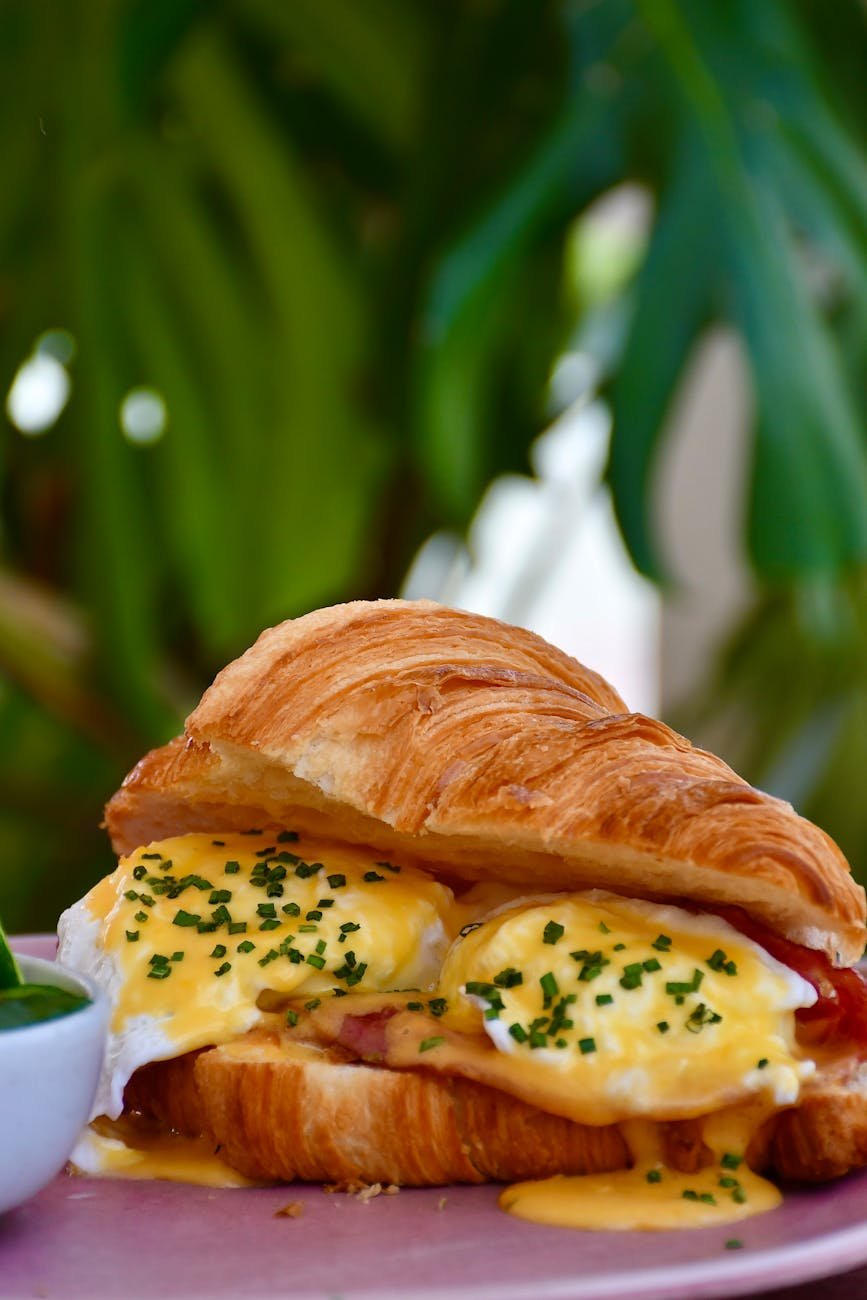
    Eggs benedict at an Auckland brunch cafe table
    Auckland’s brunch scene rivals Melbourne with serious eggs benedict, hotcakes and bottomless mimosas.

    Top 15 Auckland brunch spots at a glance

    • 1. Daily Bread (Britomart) — the city’s most-loved bakery-cafe with kaya French toast and pain au chocolat.
    • 2. Orphans Kitchen (Ponsonby) — Tom Hishon’s farm-to-table brunch institution.
    • 3. The Lula Inn (Viaduct) — Auckland’s most renowned bottomless brunch.
    • 4. Lucky 8 (Ponsonby) — Asian-fusion brunch with bottomless deals weekends.
    • 5. Bestie (Britomart & K Road) — Middle Eastern brunch and shakshuka.
    • 6. Bambina (Ponsonby) — design-led Italian brunch with Aperol spritz from 11am.
    • 7. Cibo (Parnell) — heritage-villa brunch with smoked-fish kedgeree and soufflé pancakes.
    • 8. Khu Khu (Ponsonby) — Thai-influenced bottomless brunch.
    • 9. Amano (Britomart) — Hipgroup’s Italian café-bakery on Tyler Street.
    • 10. Cosset (Birkenhead Point) — the North Shore’s most-photographed brunch.
    • 11. Federal Delicatessen (Federal Street) — NYC-deli all-day breakfast with pastrami bagels.
    • 12. Williams Eatery (Grey Lynn) — beach-vibe brunch in a corner villa.
    • 13. Bird on a Wire (Ponsonby) — chicken-and-egg café with strong morning trade.
    • 14. ThirtyOne (Ponsonby) — Saturday two-course bottomless brunch with cocktails.
    • 15. Devonport Bakery — ferry-trip brunch destination with the city’s best ham-and-cheese croissant.

    Best brunch by neighbourhood

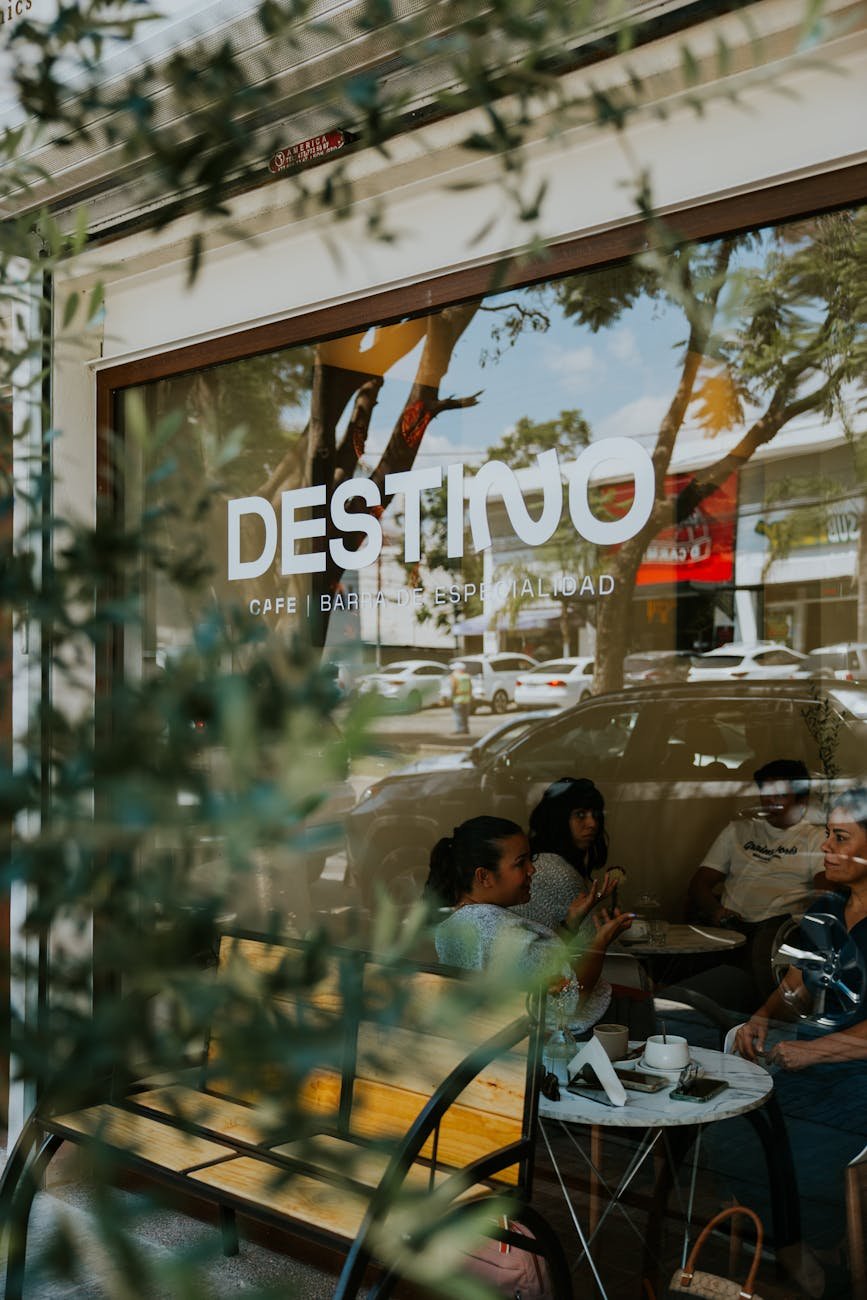
    Friends having brunch at an Auckland cafe outdoor terrace
    Auckland brunch culture is a weekend social ritual — book ahead at popular spots.

    CBD & Britomart

    • Daily Bread (Britomart) — the original Britomart outpost in the converted Buckland Building. Pastries are the star but the all-day brunch menu (kaya French toast, ricotta hotcakes, avocado smash with feta) is excellent. Allpress coffee. Saturday queues from 9:30am — get there before 8:30am or after 11:30am. 7am-3pm daily.
    • Bestie (Commercial Bay) — Hipgroup’s Britomart outpost with Middle Eastern-leaning menu — labneh, shakshuka, lamb on flatbread, Persian eggs. Camper Coffee. 8am-4pm daily.
    • Amano (Britomart) — Italian café-bakery on Tyler Street. Walk-in bakery counter, sit-down breakfast and lunch menus running cleanly Italian. Allpress coffee. 7am-11pm.
    • Federal Delicatessen (Federal Street) — Al Brown’s NYC-style deli. Pastrami bagels and full all-day breakfasts. 7am-late.
    • Mexico (Federal Street) — Mexican brunch dishes (huevos rancheros, breakfast burritos), top-tier mezcal for boozy weekend brunch. 11am-late.
    • The Lula Inn (Viaduct Harbour) — Auckland’s most renowned bottomless brunch. Two-hour bottomless mimosas, Aperol spritz, and house wine paired with brunch dishes including Lula’s Benedict. 11:30am-2pm Fri-Sun.

    Ponsonby & K Road

    • Orphans Kitchen (Ponsonby Road) — Tom Hishon’s farm-to-table all-day kitchen. Spinach and silverbeet on Daily Bread sourdough is the signature dish. Coffee Supreme. 7am-3pm.
    • Daily Bread (Williamson Avenue) — the original. Same pastry counter as Britomart with a more residential pace. 7am-3pm.
    • Bambina (Ponsonby Road) — design-led brunch with Italian leanings. Ricotta pancakes, Spanish baked eggs. Pavement seating is prime people-watching. 7am-3pm.
    • Bird on a Wire (Ponsonby Road) — chef Mark Wallbank’s chicken-and-egg café. Roast chicken plate is the order, but the breakfast menu (from 8am) is solid.
    • Major Sprout (Ponsonby Road) — all plant-based but ambitious enough to convert sceptics. Vegan pancakes are exceptional. 8am-3pm.
    • Lucky 8 (Ponsonby Road) — Asian-fusion brunch with bottomless deals (Fri/Sat/Sun 11:30am-1:30pm, $75). Eggs benedict ravioli is the signature.
    • Khu Khu (Ponsonby) — Thai-influenced brunch. $55 every Fri/Sat/Sun for 90 minutes of bottomless prosecco, mimosas, sangria with a Tamsang dish.
    • ThirtyOne (Ponsonby) — Saturday two-course brunch with unlimited beers, prosecco, cocktails and mimosas (11:30am and 1:30pm seatings).
    • Bestie (St Kevin’s Arcade, K Road) — the original Bestie inside the historic St Kevin’s Arcade. Same kitchen as Britomart with an arcade-café vibe. 8am-4pm.
    • Burnt Butter Diner (Eden Terrace) — filter-coffee-only spot for the dedicated. Multiple single-origin beans, AeroPress and Chemex preparation. Small toast-and-eggs menu.

    Grey Lynn & Westmere

    • Williams Eatery (Westmere) — beach-style café with strong all-day menu — house-made granola, açaí bowls, eggs benedict, lunch wraps. Allpress coffee. 7am-3pm.
    • Ozone Coffee Roasters (Grey Lynn) — the New Plymouth coffee roaster’s flagship café. Light, airy converted-warehouse space with full coffee programme and an inventive seasonal brunch menu.
    • Bee’s Knees (Westmere) — family-friendly brunch with a beehive theme. Honeycomb on toast, lemon-curd hotcakes. Big garden for kids.

    Parnell & Newmarket

    • Cibo (Parnell) — the daytime brunch at this restored heritage villa is excellent — soufflé pancakes, smoked-fish kedgeree, Italian baked eggs. Garden setting. 8am-10pm.
    • La Cigale French Market (Parnell) — Saturday-morning institution with crepes, fresh oysters, brioche, charcuterie. Saturday 8:30am-1:30pm only.
    • Eighthirty Coffee Roasters (Newmarket) — the flagship of one of Auckland’s most-respected roasters. Pastries and a small all-day menu.

    North Shore & East Auckland

    • Cosset (Birkenhead Point) — North Shore’s brunch destination. Modern menu (smashed pumpkin, halloumi stacks), beautiful plating, harbour glimpses. Coffee Supreme. 7:30am-3pm.
    • Devonport Bakery — ferry-trip brunch. Family-run since 1995. Long queues on summer weekends but worth it.
    • The Stables Café (Takapuna) — beachfront brunch five minutes from the sand. 7am-4pm.
    • Mission Bay Pavilion / Mecca Mission Bay — beachfront brunch with views. 7am-4pm.
    • Saint Heliers Bay Bistro — classier sister beach to Mission. Bistro-style brunch with poached eggs on house-made hash, smoked salmon platters. 7:30am-late.

    What to order

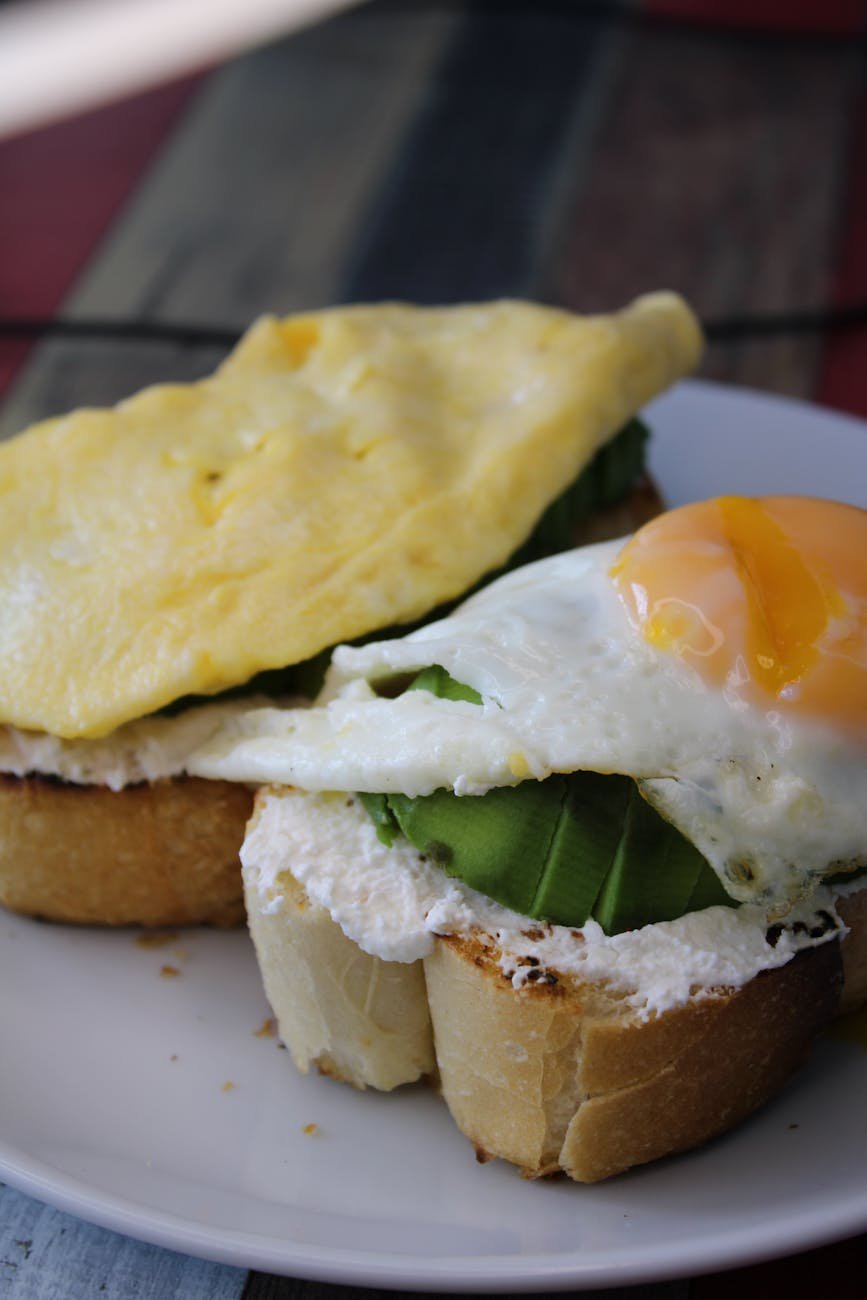
    Avocado smash with poached egg on toast
    Avocado smash is the millennial Auckland brunch dish, served in every cafe in Ponsonby and Britomart.
    • Eggs benedict / Florentine / Royale — still the queen of brunch. Variations on hollandaise + poached eggs + bread + ham/spinach/salmon ($24-28).
    • Avocado smash — the famous millennial avocado toast, usually with feta, dukkah, poached egg ($22-26).
    • Mince on toast — a Kiwi staple — savoury beef mince on sourdough, often with a poached egg. Underrated.
    • Hotcakes / soufflé pancakes / ricotta hotcakes — Sunday brunch indulgence ($24-28).
    • Big breakfast — eggs, bacon, sausage, hashed potatoes, mushrooms, tomato, beans, sourdough ($28-34).
    • Shakshuka — baked eggs in spiced tomato sauce with feta and herbs.
    • Açaí or smoothie bowls — for the health-driven crowd ($18-24).
    • Granola — house-made, with poached fruit and yoghurt ($16-20).
    • Kaya French toast — Singapore-style coconut-egg jam on thick toast (Daily Bread’s signature).
    • Lamb on flatbread — Middle Eastern spiced lamb with tahini and pomegranate (Bestie signature).

    Bottomless brunch deals

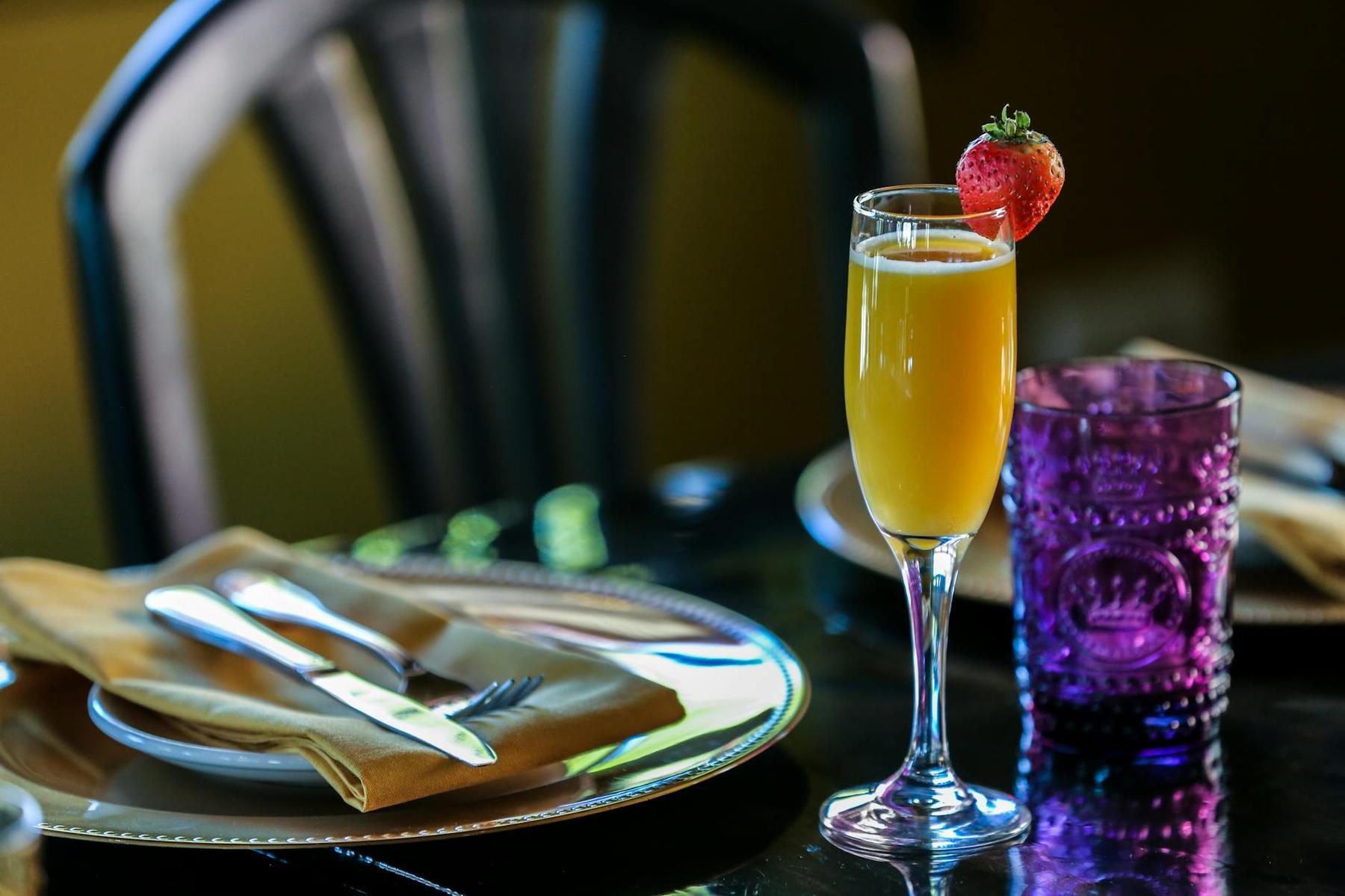
    Mimosa champagne glass with orange at brunch
    Bottomless brunch deals at Lula Inn, Lucky 8 and Khu Khu run weekend afternoons in Auckland.
    • The Lula Inn (Viaduct) — 2 hours, $89 includes Lula’s Benedict + bottomless mimosas, Aperol spritz, house wine. Fri/Sat/Sun 11:30am-2:30pm.
    • Lucky 8 (Ponsonby) — 2 hours, $75. Includes one brunch dish + bottomless prosecco, spritz, mimosas. Fri/Sat/Sun 11:30am-1:30pm.
    • Khu Khu (Ponsonby) — 90 minutes, $55. One Tamsang dish + bottomless prosecco, mimosas, sangria, beer. Fri/Sat/Sun.
    • ThirtyOne (Ponsonby) — 2 hours, $89. Two courses + unlimited beers, proseccos, cocktails, mimosas. Saturday 11:30am and 1:30pm seatings.
    • Elmo’s (Ponsonby) — 2 hours of prosecco, mimosas, spritz, or house beer with one brunch item. Sat/Sun.

    Bottomless brunch sessions sell out 1-2 weeks ahead during summer. Book online via the venue’s website or DesignMyNight. Most include 18+ rules and a 2-drink-max-per-30-minute pace.

    Hidden brunch gems

    • Honey Bones (Brown Street, Ponsonby) — a Ponsonby alternative with smaller queues than Daily Bread. Excellent coffee and an idiosyncratic brunch menu.
    • The Strawberry Field (Williamson Avenue, Ponsonby) — a working florist plus pâtisserie. Good takeaway pastries and a small breakfast bar.
    • Atomic Coffee Roasters (Pollen Street, Grey Lynn) — watch the roasting in action behind glass. Limited but solid menu (try the kimchi grilled cheese).
    • Mr Toms (Britomart) — tiny morning espresso bar with custom seven-bean blends. Pastries on offer.
    • Hello Beasty (Eden Terrace) — beautifully plated brunch in a redeveloped industrial space.
    • Ima Cuisine (Fort Street, CBD) — Israeli-influenced brunch and lunch. Shakshuka with merguez, sabich, hummus bowls.
    • Garage Project Cellar Door (Mt Eden) — craft brewery doubling as a strong daytime café in the morning.
    • Circus Circus (Mt Eden Road) — family-friendly stalwart with a circus-themed interior and play area.

    When to go

    • Saturday 9-11am — the city’s busiest brunch slot. Queues at every popular spot. Avoid unless you arrive at 8:30am.
    • Saturday 12-2pm — bottomless brunch peak.
    • Sunday 9-11am — slightly quieter than Saturday but still busy.
    • Sunday 12-2pm — the social brunch peak; bottomless brunch deals run.
    • Weekday 7-9am — commuter trade; quick coffees and pastries.
    • Weekday 9-11am — the calmest brunch slots — quiet, well-paced service.
    • Weekday 11am-2pm — lunch crowd starts; brunch options remain on most menus.

    Most Auckland brunch venues close mid-afternoon (3-4pm). Auckland has a strong “café morning, restaurant evening” culture — very few all-day brunch venues serve dinner.

    Auckland brunch culture

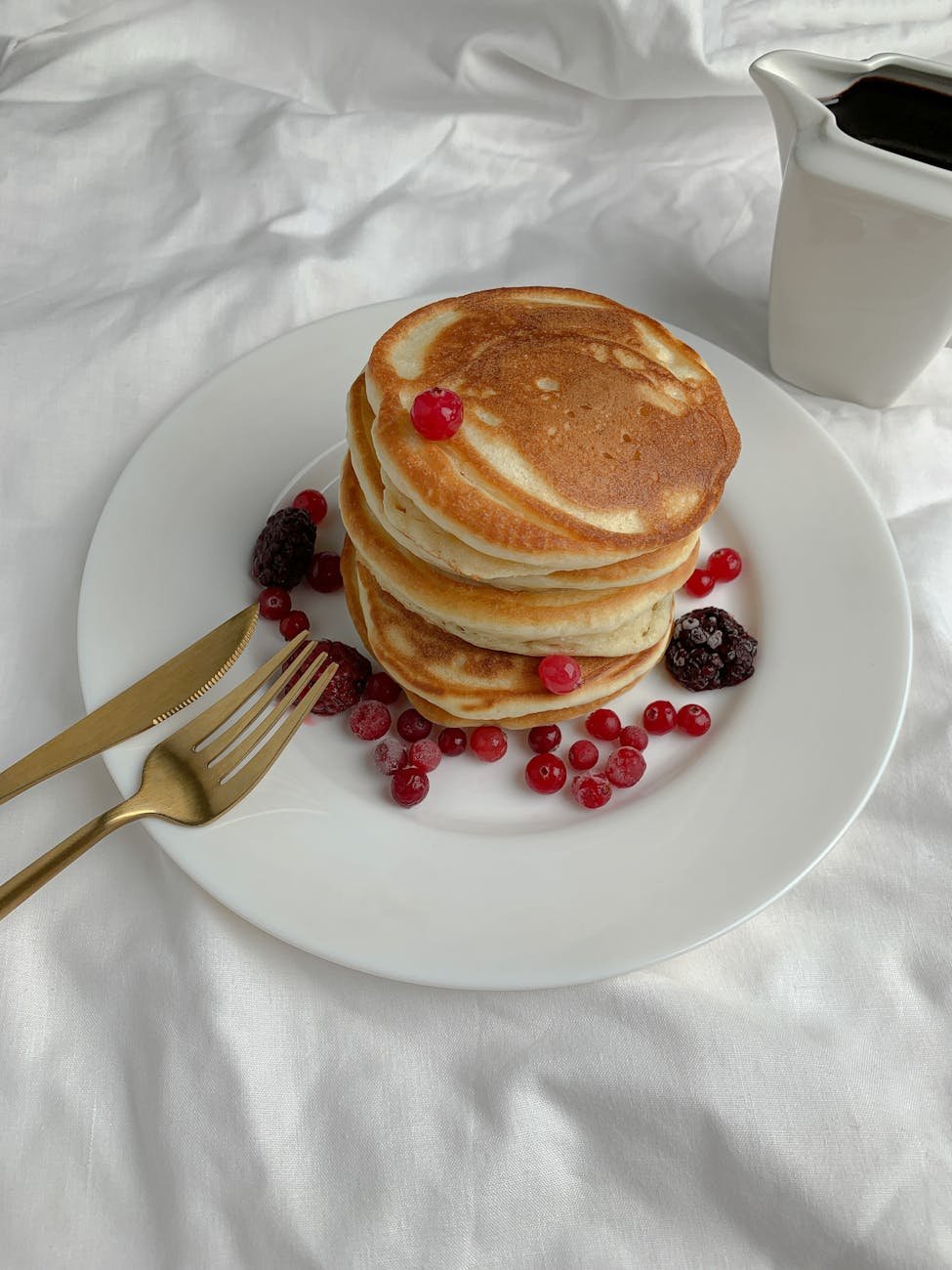
    Stack of pancakes with berries on a brunch plate
    Ricotta hotcakes are an Auckland brunch staple at Daily Bread, Bambina and Cibo.

    Brunch in Auckland is a weekend social ritual. The city’s brunch culture started in the early 2000s as a Melbourne import and has evolved its own distinct style — focused on specialty coffee (the flat white was invented in NZ or Australia, depending on who you ask), high-quality NZ produce (avocado, pasture-fed eggs, locally-cured pork, NZ-grown stone fruit), and a “leisurely 90-minute meal” pace that’s longer than most other cuisines.

    What to expect: a 60-90 minute meal, ordered at the counter at most cafés (table service is common but not universal); coffee comes after food; tipping is not expected; bills are usually split easily; vegan/gluten-free options are everywhere; outdoor seating is the default in summer; brunch is welcomed by groups (4-8 people) without booking at most cafés. Loud children are tolerated until about 11:30am, after which most popular brunch spots become more adult-leaning.

    Brunch dishes ranked by Aucklanders

    • Daily Bread’s kaya French toast (Britomart/Ponsonby) — Singapore-style coconut-egg jam on thick toast. The most-ordered single dish in Auckland brunch.
    • Orphans Kitchen’s spinach and silverbeet on Daily Bread sourdough — simple, pristine ingredients done perfectly.
    • Bestie’s lamb on flatbread — Middle Eastern spiced lamb with tahini, pomegranate, sumac yoghurt.
    • Lula Inn’s Lula’s Benedict — the bottomless brunch headliner; eggs benedict on house-baked English muffin with hollandaise.
    • Cibo’s smoked-fish kedgeree — a colonial-era brunch dish revived perfectly. Comes with a tea pot.
    • Bambina’s Spanish baked eggs — rich tomato and chorizo sauce, runny egg, sourdough soldiers.
    • Cosset’s pumpkin and halloumi stack — a vegetarian dish that converts the meat-only crowd.
    • Devonport Bakery’s ham and cheese croissant — the simple option, executed flawlessly.
    • Federal Deli’s pastrami bagel — not strictly brunch, but the right call when you’ve had your fill of poached eggs.
    • Lucky 8’s eggs benedict ravioli — Asian-fusion twist on the classic; only available at Lucky 8.

    Auckland’s brunch districts ranked

    • 1. Ponsonby — the country’s brunch heartland. Daily Bread, Orphans, Bambina, Major Sprout, Bird on a Wire. Saturday 9-11am queues are legendary.
    • 2. Britomart — polished, design-led, premium pricing. Daily Bread, Bestie, Amano. Cruise-ship visitors anchor here.
    • 3. Grey Lynn / Westmere — roaster-led, third-wave coffee. Ozone, Williams Eatery, Bee’s Knees.
    • 4. Parnell — heritage-villa brunch. Cibo, La Cigale market, Rosie.
    • 5. Devonport / North Shore — ferry-trip destination brunch. Devonport Bakery, Cosset, The Stables.
    • 6. Eastern Bays (Mission Bay, St Heliers) — beachfront brunch. Mission Bay Pavilion, Mecca, Saint Heliers Bay Bistro.
    • 7. K Road / Eden Terrace — creative, edgier, brew-focused. Bestie at St Kevin’s Arcade, Daily Daily, Burnt Butter Diner.

    Auckland brunch by traveller type

    • First-time visitors: Daily Bread Britomart for the iconic Auckland brunch experience.
    • Foodies: Orphans Kitchen Ponsonby for farm-to-table excellence.
    • Couples: Cibo Parnell for the heritage-villa garden setting.
    • Hen / bachelorette parties: The Lula Inn or ThirtyOne for bottomless brunch.
    • Families with kids: Bee’s Knees Westmere or Circus Circus Mt Eden.
    • Solo travellers: Bestie at St Kevin’s Arcade — counter seating, busy social vibe.
    • Health-focused: Major Sprout Ponsonby (plant-based) or Williams Eatery Westmere.
    • Coffee enthusiasts: Ozone Grey Lynn or Burnt Butter Diner Eden Terrace.
    • Cruise ship visitors: Daily Bread Britomart or Bestie Commercial Bay (5-min walk from Princes Wharf).
    • Older travellers: Cibo Parnell or Mecca Mission Bay for table service.
    • Design enthusiasts: Bambina Ponsonby or Flotsam & Jetsam Ponsonby.

    Auckland brunch FAQs

    What’s the best brunch in Auckland?

    Daily Bread Britomart and Orphans Kitchen Ponsonby are the consensus top two. For bottomless brunch, The Lula Inn at Viaduct Harbour leads.

    How much does brunch cost in Auckland?

    $24-32 per person for a brunch dish, $6.50-7 for a flat white. Two-people brunch with coffees typically lands $60-85 including tip. Bottomless brunch deals run $55-89 per person for 90 minutes to 2 hours.

    Do I need to book brunch in Auckland?

    For bottomless brunch sessions: yes, 1-2 weeks ahead in summer. For café brunch: walk-in is the norm. Arrive at 8:30am or after 11:30am to avoid weekend queues.

    When does brunch run?

    Most cafés open 7am and serve brunch until 3pm. Some bottomless deals run later, until 5pm. Weekends are the brunch peak; weekdays are quieter.

    Are Auckland brunch spots vegan-friendly?

    Yes. Most have multiple vegan options. Major Sprout is fully plant-based. Bestie, Williams Eatery, Hello Beasty all have strong vegan menus. Plant milks are universal.

    Are kids welcome at Auckland brunch?

    Yes — most cafés have kids’ menus and crayons. Bee’s Knees (Westmere), Circus Circus (Mt Eden) and Williams Eatery have play areas. Avoid 12-2pm Sundays at the popular spots if you have very young kids.

    Where is the most Instagrammable brunch in Auckland?

    Bambina (Ponsonby) and Flotsam & Jetsam (Ponsonby) for design-led plating. The Lula Inn (Viaduct) for harbour-front photography. Cosset (Birkenhead) for North Shore views.

    Is Auckland brunch coffee good?

    Among the best in the world. Auckland’s specialty coffee scene punches above its weight. Local roasters Coffee Supreme, Allpress, Atomic, Ozone, Eighthirty and Camper supply most café menus.

    Where can I find gluten-free brunch?

    Most cafés have gluten-free options. Bambina, Williams Eatery and Major Sprout have particularly extensive gluten-free menus. Coeliac-safe certification is rarer; confirm with the kitchen if highly sensitive.

    Where is Auckland’s best Sunday brunch?

    Park Hyatt’s Onemata, Cordis Auckland’s Eight, and SO/ Auckland’s Harbour Society are some of Auckland’s best Sunday brunch experiences for premium dining. For café brunch, Daily Bread, Orphans Kitchen and Cibo lead.

    Auckland brunch trends in 2026

    Auckland’s brunch scene has evolved sharply through the 2020s. Trends to know in 2026:

    • Korean-influenced brunch. Kimchi grilled cheese, Korean fried-chicken brunch bowls, and milk-tea coffee blends are appearing on menus across Ponsonby and Britomart.
    • Bottomless brunch growth. What was a niche concept five years ago is now a Saturday and Sunday staple at five major Auckland venues.
    • Specialty oat milk premiums. Some cafés now charge $1 for oat milk; others have made it standard with no upcharge.
    • Filipino baking influence. Ube hotcakes, ensaymada, leche flan-topped lattes appear at hipster cafés.
    • Sustainability sourcing. Daily Bread, Ozone, Hello Beasty publish supplier names on menus; locally-milled flours and seasonal-only menus are differentiators.
    • Filter coffee revival. Burnt Butter Diner, Daily Daily and Espresso Workshop have built filter-only loyal followings.
    • Late-morning bottomless replacing late-night clubbing. Sunday-afternoon brunch has overtaken Saturday-night drinking as the city’s biggest social activity.
    • Mocktail-inclusive bottomless menus. Bottomless deals now consistently include high-quality mocktails for non-drinkers.

    Tips for the perfect Auckland brunch

    • Arrive at 8:30am for the calmest experience at popular spots.
    • Walk in — most cafés don’t take bookings for under-6 groups.
    • Book bottomless brunch 1-2 weeks ahead in summer.
    • Try a flat white if you don’t know what to order — it’s the local default.
    • Order coffee with food rather than after — most cafés hold espressos until your meal is plated.
    • Don’t tip excessively. The bill price is the price; staff are paid a living wage.
    • Many cafés offer takeaway “regulars” cards — five coffees stamps unlocks a free one.
    • If a café is heaving, walk one street over — Auckland has so many that the second-best option is rarely far.
    • Most cafés are dog-friendly outside (and often inside on quiet days).
    • Bring cash for small extras (tipping, market vendors). Most main bills are paid by card.

    Auckland brunch coffee 101

    Coffee is the foundation of any Auckland brunch and worth understanding before you order. The default Kiwi coffee is the flat white — a double shot of espresso topped with steamed milk and a thin layer of microfoam. Slightly stronger and less foamy than a latte; less foamy than a cappuccino. The flat white was invented in either New Zealand or Australia (the dispute is ongoing) and Auckland baristas pour them with serious precision. Other options:

    • Long black — double shot pulled into hot water; Aussie-style americano with a denser cup.
    • Short black — single espresso shot, Italian-style.
    • Cappuccino — equal espresso, milk and foam; usually dusted with cocoa.
    • Mocha — hot chocolate plus espresso.
    • Piccolo / Cortado — single shot of espresso with equal warm milk in a small glass; espresso-forward.
    • Filter / batch brew — available at brew-focused cafés like Espresso Workshop, Daily Daily and Burnt Butter Diner.
    • Decaf — Swiss water process, available everywhere.
    • Plant milks — oat is standard, almond and soy widely available, coconut occasionally. Add $0.50-1.

    Auckland’s main roasters supply most cafés: Coffee Supreme (Wellington-founded, smooth, chocolatey, ubiquitous), Allpress (Auckland, large-scale, balanced), Atomic (Auckland third-wave pioneer, brighter), Ozone (New Plymouth via London, single-origin focus), Eighthirty (Auckland boutique, balanced), and Camper (younger Auckland brand, frequently in design-led cafés).

    A perfect Auckland brunch weekend

    • Saturday 8:30am — Daily Bread Britomart for kaya French toast and a flat white.
    • Saturday 11am — walk Britomart precinct, browse heritage warehouses.
    • Saturday 12:30pm — The Lula Inn for bottomless brunch ($89, 2 hours).
    • Sunday 9am — ferry to Devonport for Devonport Bakery’s ham-and-cheese croissant.
    • Sunday 11am — Mt Victoria walk for the harbour view.
    • Sunday 12:30pm — ferry back to CBD; lunch at Williams Eatery (Westmere).
    • Sunday 3pm — coffee and pastry at Bambina (Ponsonby) or Olaf’s Bakery.

    The bottom line

    Auckland’s brunch scene is genuinely world-class — high-quality coffee, well-sourced ingredients, design-led venues, and bottomless deals at the city’s most-loved bars. Whether you have one weekend or a full week, building your Auckland mornings around brunch at Daily Bread, Orphans, Cibo and the bottomless options is one of the easiest ways to fall in love with the city’s slow-paced, harbour-edge weekend rhythm.

    Plan more food experiences with our complete Auckland food & drink guide, our best cafes in Auckland rundown, and our best restaurants in Auckland CBD list for the full Auckland eat-and-drink picture.

  • 10 Best Luxury Hotels in Auckland for 2026

    10 Best Luxury Hotels in Auckland for 2026

    Auckland’s luxury hotel scene has been transformed over the past three years, with the 2024 openings of Horizon by SkyCity, voco Auckland City Centre, Hotel Indigo and Mövenpick adding nearly 1,000 new five-star rooms to a market already led by Park Hyatt, Sofitel and Hotel Britomart. This complete luxury hotels Auckland guide covers the top 10 five-star and premium luxury options in the city — locations, what each does best, signature suites and amenities, and how to choose between them for your stay.

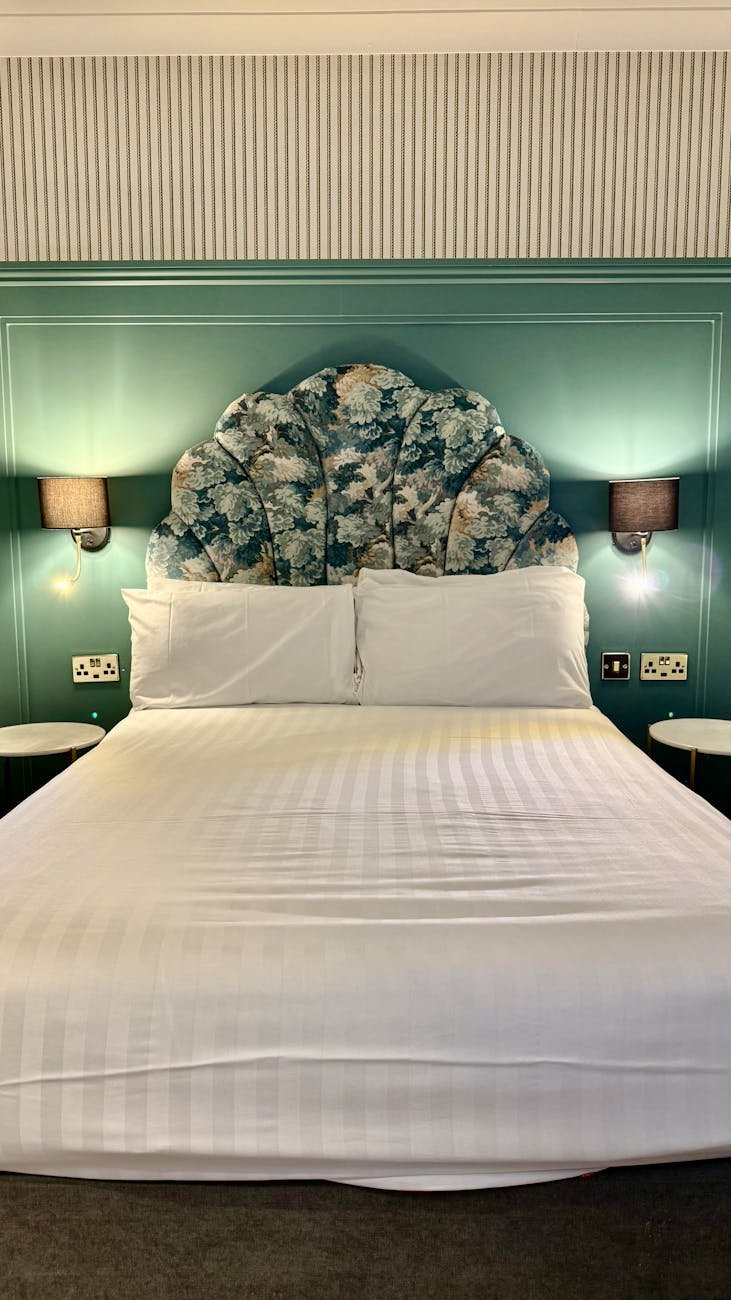
    Luxury hotel suite with harbour view and elegant bedroom
    Auckland’s luxury hotels lead with Park Hyatt, Sofitel and Horizon by SkyCity at $620–1,200/night.

    Top 10 Auckland luxury hotels at a glance

    • 1. Park Hyatt Auckland — from $750/night. Wynyard Quarter waterfront, 195 rooms, Onemata restaurant, 25m lap pool.
    • 2. Horizon by SkyCity — from $620/night. Federal Street, 191 rooms, opened 2024.
    • 3. Sofitel Auckland Viaduct Harbour — from $480/night. Viaduct, 172 rooms, classic French luxury.
    • 4. The Hotel Britomart — from $400/night. Britomart, 99 rooms + 5 Landing Suites, NZ’s first 5 Green Star hotel.
    • 5. Cordis Auckland — from $390/night. Aotea Quarter, 632 rooms, Chuan Spa, two heated pools.
    • 6. Mövenpick Hotel Auckland — from $380/night. Customs Street West, opened 2023, French luxury.
    • 7. Hotel Indigo Auckland — from $360/night. Albert Street heritage building, 235 rooms, opened 2024.
    • 8. Pullman Auckland — from $340/night. Princes Street, 340 rooms, indoor pool, recently refreshed.
    • 9. SO/ Auckland — from $300/night. Customs Street, 130 rooms, Karen Walker design, rooftop bar.
    • 10. Stamford Plaza Auckland — from $360/night. Albert Street, 286 rooms, sweeping harbour views from upper floors.

    1. Park Hyatt Auckland

    Luxury hotel rooftop infinity pool with harbour views
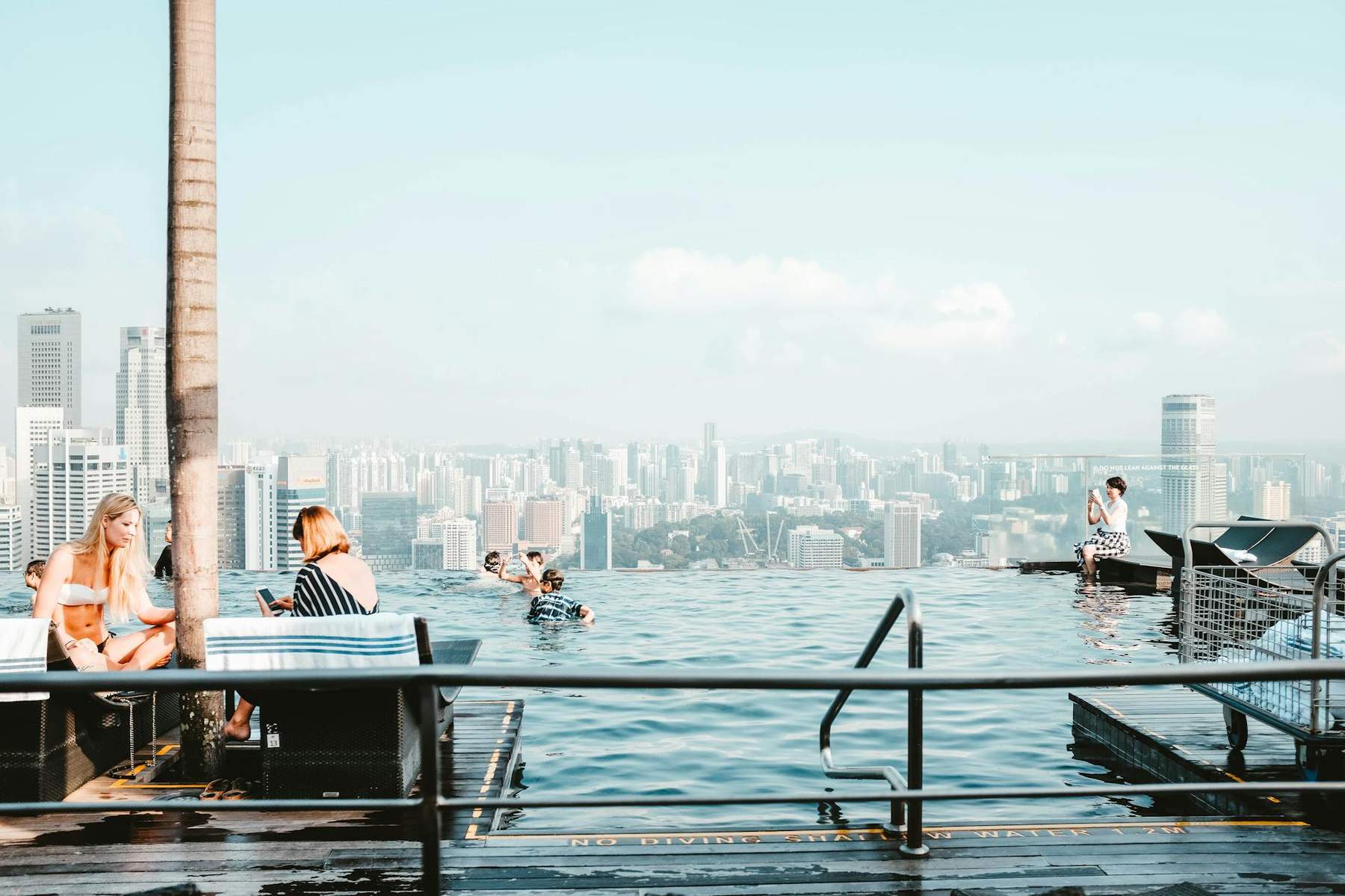
    Park Hyatt Auckland’s 25m lap pool and Cordis Pinnacle rooftop pool lead Auckland’s hotel pools.

    From $750/night | Wynyard Quarter | 195 rooms

    New Zealand’s most expensive hotel and the unanimous winner of “Auckland’s most polished luxury experience”. Sitting directly on the Viaduct waterfront with the Hauraki Gulf out the window, the Park Hyatt brings the brand’s signature “residential luxury” feel to Auckland.

    • Rooms: 195 rooms; every room has a private balcony
    • Premium and above: floor-to-ceiling harbour views
    • Pool: 25-metre lap pool with glass wall onto the harbour
    • Spa: 6-treatment-room spa
    • Dining: Onemata (signature, chef Glenn Sayer), Galaxy Bar, the Pantry, Captain’s Bar
    • Service: Auckland’s most-praised concierge service; Hyatt Privilege Club benefits
    • Location: Viaduct restaurants on the doorstep, Britomart 8 minutes, Sky Tower 10 minutes
    • Best for: high-end couples, anniversary stays, business travellers expensing it

    Suites range from $1,200 to $5,000+ for the Presidential Suite. Hyatt’s loyalty programme makes Park Hyatt particularly appealing for repeat travellers — Globalist members receive complimentary upgrades, breakfast, and lounge access. Onemata’s breakfast is a destination in its own right and is booked solid most weekends.

    2. Horizon by SkyCity

    Marble luxury hotel lobby with chandelier and elegant design
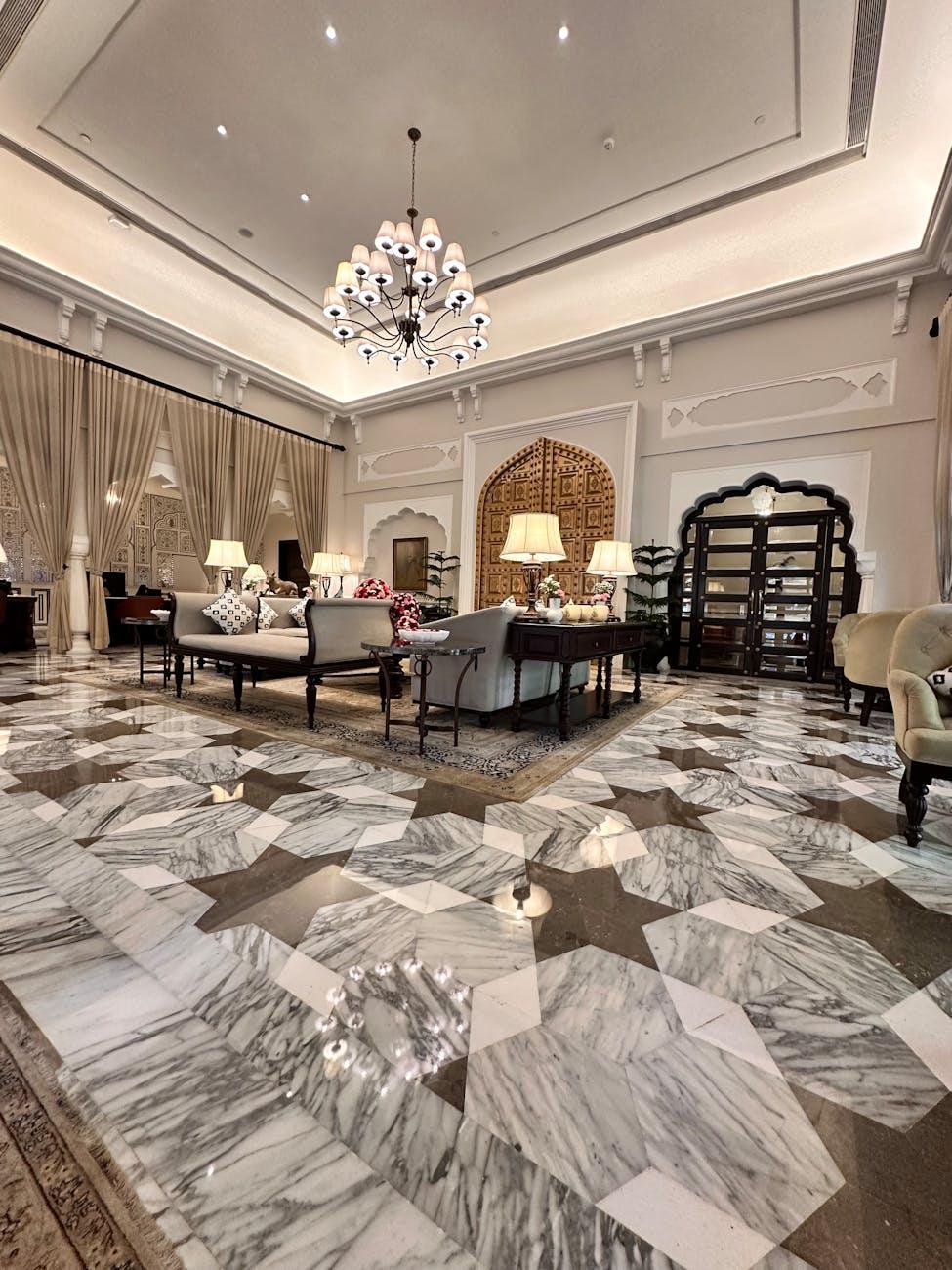
    Hotel Indigo, Horizon and Park Hyatt all feature world-class lobby designs by international architects.

    From $620/night | Federal Street | 191 rooms

    Auckland’s newest 5-star, opened 2024 as SkyCity’s flagship luxury property. The lobby features a 12-storey suspended pōhutukawa-leaf installation by Chris Charteris that has become a tourist destination in its own right.

    • Rooms: 191 rooms with mood lighting, automated drapes, premium bathrooms with rain showers
    • Lobby art: 12-storey Chris Charteris pōhutukawa leaf installation
    • Dining: The Grill (steakhouse), Onyx Lobby Bar (cocktails), Garrison Public House (relaxed)
    • Spa: integrated wellness floor
    • Pool: heated infinity pool with city skyline views
    • Direct access: SkyCity casino, Sky Tower, conference centre, Federal Street
    • Best for: visitors who want the newest and most polished experience

    Horizon’s central CBD location and direct connection to Federal Street’s restaurants make it ideal for visitors who want everything within walking distance. The Sky Tower entrance is integrated; the casino is one floor up. Premium suites have living rooms with separate dining areas. Onyx Lobby Bar’s afternoon and pre-dinner drinks are some of the most stylish in the city.

    3. Sofitel Auckland Viaduct Harbour

    From $480/night | Viaduct Harbour | 172 rooms

    The original luxury anchor of the Viaduct precinct. Classic French-style luxury — full marble bathrooms, oversized rooms (35 m² minimum), Le Spa wellness centre, and Lava Dining for excellent fine-dining seafood.

    • Rooms: 172 rooms; all with marble bathrooms and luxury linens
    • Harbour-facing rooms: request specifically — they put you 5 metres from superyachts
    • Pool: heated indoor pool plus rooftop pool
    • Spa: Le Spa Sofitel — full menu of treatments
    • Dining: Lava Dining (seafood, fine), Sofitel Lounge, the bar
    • Best for: classic luxury seekers, business travel, anniversary stays
    • Distance to Britomart: 7-minute walk

    Sofitel’s location on Viaduct Harbour puts you directly in the city’s most polished restaurant precinct. Friday-night fireworks over the Viaduct are visible from harbour-facing rooms. The Accor ALL loyalty programme makes this a strong choice for Marriott Bonvoy or Accor members.

    4. The Hotel Britomart

    From $400/night | Britomart | 99 rooms + 5 Landing Suites

    New Zealand’s first 5 Green Star certified hotel, opened in 2020 and now a design-press darling. The 99 standard rooms are compact but exquisitely thought-out — handmade brick walls, bespoke furniture by NZ designer Cheshire, James Dunlop linens.

    • Standard rooms: 99 compact rooms (20-25 m²); luxurious finishes despite small footprint
    • Landing Suites (in heritage 1910 Buckland Building): five large suites with private terraces, freestanding tubs, harbour views — among the best hotel rooms in NZ
    • Sustainability: NZ’s first 5 Green Star hotel, no-plastic-bottles policy, locally-sourced food
    • Dining: kingi (NZ’s best seafood restaurant by some critics) on the ground floor; the Lobby Bar; partnership rates with Britomart’s other restaurants
    • Spa: partnership with the Pātha Spa
    • No pool: partnership rates with neighbouring fitness centres for swim access
    • Distance to ferry: 4-minute walk
    • Best for: design-conscious travellers, sustainability-minded guests, aesthetic-led travellers

    The Hotel Britomart was named to Conde Nast Traveler’s “Hot List” — the only NZ hotel and one of just two in Australasia. Standard rooms are the country’s most-photographed compact luxury rooms; the Landing Suites are some of the best hotel rooms in the country, full stop. The hotel’s location at the heart of the Britomart precinct puts you on a network of laneways with bars, restaurants and shops.

    5. Cordis Auckland

    From $390/night | Aotea Quarter | 632 rooms

    Luxury hotel spa with relaxation room and treatment menu
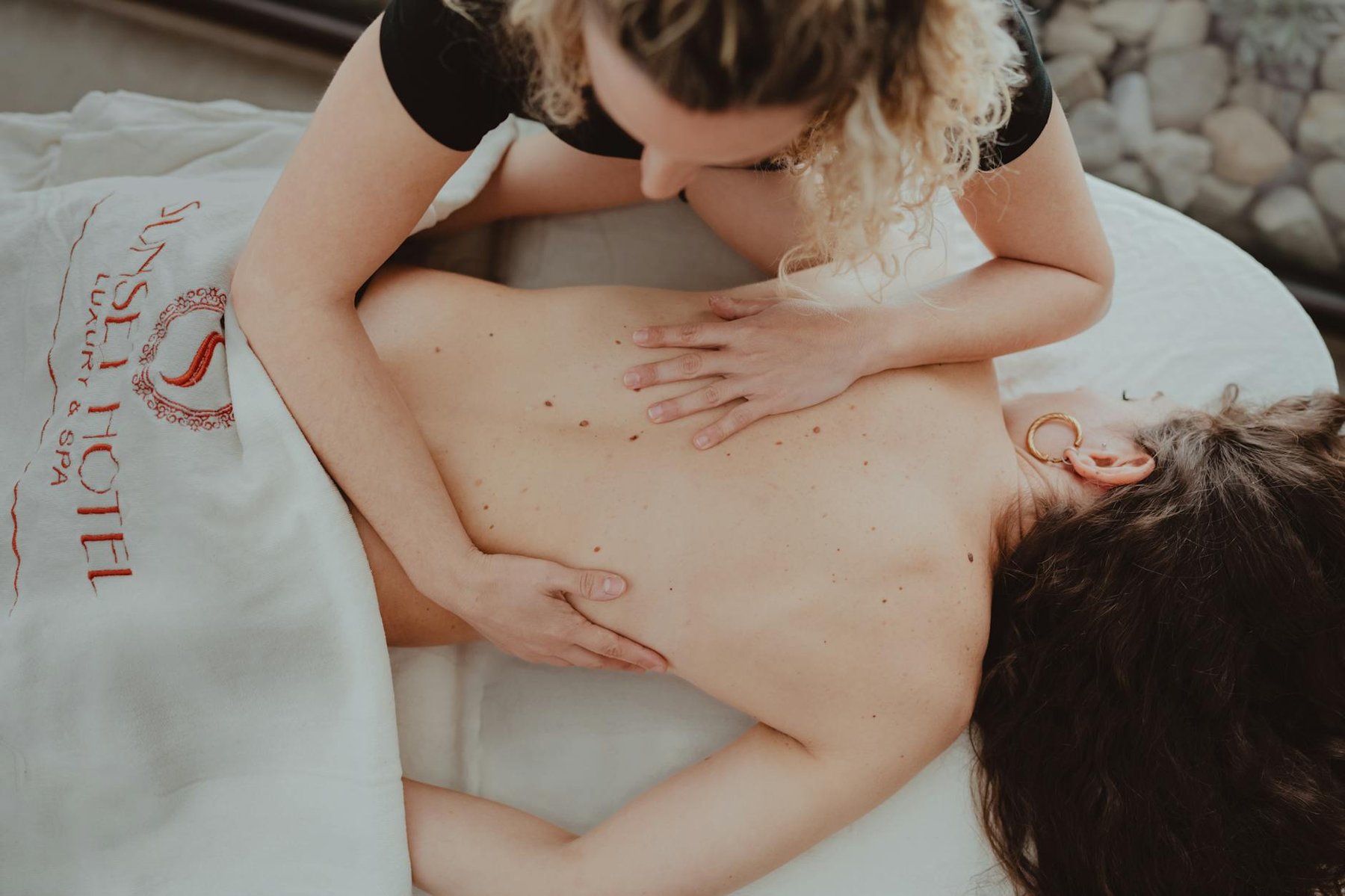
    Cordis Chuan Spa is Auckland’s most extensive hotel spa, with hammam and full-day packages.

    If you want big-hotel amenities with a luxury feel, Cordis delivers. 632 rooms, two heated pools (one rooftop with Sky Tower views), six restaurants and bars, the country’s most extensive hotel spa.

    • Rooms: 632 rooms across original tower and the 2021 Pinnacle tower extension
    • Pinnacle Club Lounge: 244 rooms have private lounge access including breakfast and evening drinks
    • Pools: two heated — original indoor and rooftop with Sky Tower view
    • Spa: Chuan Spa — Auckland’s most extensive hotel spa, with hammam, sauna, and full-day packages
    • Dining: Eight Restaurant (Auckland’s best buffet), Our Land is Alive (sustainability-focused fine dining), Crab Shack, Inhale (rooftop bar), Bar 60
    • Conference: NZ’s largest hotel conference centre (3,000-person capacity)
    • Best for: families, larger groups, conference attendees, resort-style amenities lovers

    Cordis is the largest CBD hotel and feels like a destination in its own right. The Pinnacle Club Lounge is excellent value if booked at the right rate — typically $50-100/night more for the upgrade but includes breakfast, all-day snacks, and evening drinks. The Eight Restaurant buffet is genuinely good and locally booked for special occasions.

    6. Mövenpick Hotel Auckland

    From $380/night | Customs Street West | 281 rooms

    The Swiss-Egyptian luxury brand opened its Auckland flagship in 2023. French-luxury feel with Swiss precision. Nespresso machines in every room.

    • Rooms: 281 rooms with marble bathrooms and Nespresso machines
    • Dining: Mövenpick Café (signature ice cream and chocolate), the brasserie
    • Pool: rooftop infinity pool
    • Spa: compact wellness floor
    • Loyalty: Accor ALL programme integration
    • Best for: Accor loyalty members, French luxury enthusiasts

    Mövenpick’s chocolate offering is a real differentiator — the in-house chocolate counter delivers Swiss-quality treats included with afternoon tea service. The brand’s known for the “Tea Time” tradition: complimentary chocolate hour at 4pm daily for guests.

    7. Hotel Indigo Auckland

    From $360/night | Albert Street | 235 rooms

    Restored in 2024 inside the heritage 1928 Imperial Building (originally a department store), Hotel Indigo brings IHG’s boutique brand to Auckland with serious local flavour.

    • Rooms: 235 rooms with artwork from local creators, custom linens, marble-accented bathrooms
    • Heritage building: 1928 Imperial Building restored to luxury hotel
    • Dining: Cocoro (modern Japanese, omakase), Lobby Bar, courtyard dining
    • Pool: indoor heated pool
    • Spa: small treatment area
    • Loyalty: IHG One Rewards integration
    • Best for: design-led travellers, IHG loyalty members

    Hotel Indigo’s heritage shell with contemporary luxury inside makes it Auckland’s most “boutique-luxury” feeling option — without the small-hotel-only inventory of true boutique stays. The Cocoro restaurant on the ground floor is a destination omakase experience.

    8. Pullman Auckland

    From $340/night | Princes Street | 340 rooms

    Refreshed in 2024 with new-look rooms and refurbished public areas. The Pullman is Accor’s “premium upper-mid-luxury” brand and delivers polished business-and-leisure stays.

    • Rooms: 340 rooms; many with city or Albert Park views
    • Pool: indoor heated pool
    • Dining: Tapestry Dining (signature), Atrium Lounge
    • Conference: 12 meeting rooms
    • Best for: business travellers, Accor loyalty members

    9. SO/ Auckland

    From $300/night | Customs Street | 130 rooms

    The Accor lifestyle brand brings playful luxury with rooms designed by NZ fashion icon Karen Walker. Each room references her signature aesthetic — bold black-and-white graphics, cheeky monochrome details.

    • Rooms: 130 rooms; all designed by Karen Walker
    • Rooftop bar: Harbour Society — one of Auckland’s best rooftop bars
    • Dining: the rooftop restaurant + lobby café
    • No pool: partnership rates with nearby fitness centres
    • Best for: fashion-conscious travellers, weekend cocktail crowd

    SO/ Auckland’s rooftop Harbour Society is a destination in its own right — an elegant cocktail bar with city views and one of Auckland’s best Sunday brunches. The hotel sits at the cruise terminal end of Customs Street, perfect for cruise pre/post-stays.

    10. Stamford Plaza Auckland

    From $360/night | Albert Street | 286 rooms

    Long-running Auckland classic. Sweeping harbour views from upper floors. Recently refreshed; now part of the Stamford Plaza international portfolio.

    • Rooms: 286 rooms; upper floors have spectacular harbour views
    • Pool: heated indoor pool
    • Dining: Knight’s Restaurant, Stamford Bar & Brassiere
    • Best for: view seekers, return visitors

    Auckland luxury hotels by location

    Luxury hotels cluster in five distinct CBD precincts, each with its own character:

    • Wynyard Quarter (waterfront, residential-luxury feel): Park Hyatt is the only true 5-star here. The precinct offers waterfront restaurants, the Silo Park weekend market, and a quieter atmosphere than the busier CBD core. 10-15 minutes’ walk to Britomart and Viaduct.
    • Viaduct Harbour (super-yacht waterfront, Friday-night fireworks): Sofitel and the smaller QT Auckland anchor this precinct. Surrounded by Auckland’s most polished restaurants, the Viaduct delivers harbour-front meals 30 metres from your hotel room. 7-minute walk to Britomart.
    • Britomart (heritage-warehouse design, Auckland’s most polished district): The Hotel Britomart and the recently-opened InterContinental Auckland anchor this transit-hub precinct. Network of laneway bars and restaurants on every side. Direct integration with Britomart train station and the cruise terminal makes Britomart hotels uniquely well-connected.
    • Federal Street and Sky Tower precinct (entertainment-led): Horizon by SkyCity, Hotel Indigo and the smaller SO/ Auckland and Mövenpick all sit in or adjacent to this precinct. Federal Street’s “eat street” with multiple destination restaurants is on the doorstep, and the Sky Tower, casino and conference centre are integrated with the SkyCity properties.
    • Aotea Quarter (theatre district, slightly removed from waterfront): Cordis Auckland is the main 5-star here. Quieter than the waterfront precincts, with the Aotea Centre, Q Theatre and Karangahape Road bars within walking distance. 15-minute walk to Britomart but feels removed from the cruise crowds.

    Different precincts suit different trip types. First-time visitors usually do best in Britomart or Viaduct — closest to the cruise terminal, museums and most attractions. Repeat visitors looking for a quieter stay might choose Wynyard Quarter or Aotea Quarter for a calmer atmosphere with the same quality of accommodation.

    Honourable mentions

    • InterContinental Auckland — opened 2023 in the historic Britomart Hotel — IHG’s flagship luxury option.
    • QT Auckland — design-forward boutique on the Viaduct.
    • The Convent Hotel — Ponsonby boutique stay in a converted convent.
    • Naumi Studio Hotel Auckland — Singapore’s Naumi brand brings maximalist boutique design at mid-range prices.
    • Heritage Auckland — heritage Albert Park location with Victorian charm.
    • Adina Apartment Hotel Britomart — apartment-style luxury for stays of 3+ nights.

    Best luxury hotel for…

    • Honeymoon: Park Hyatt Premium Marina suite or Hotel Britomart Landing Suite.
    • Anniversary: Sofitel Viaduct Prestige Suite or Park Hyatt Diplomat Suite.
    • Business with family: Cordis Auckland (Pinnacle Club Lounge for adults, kids’ pool).
    • Cruise stay: SO/ Auckland (3-min walk to terminal) or Mövenpick.
    • Spa-focused: Cordis (Chuan Spa) or Sofitel (Le Spa).
    • Pool-focused: Park Hyatt (25m lap pool) or Cordis (Pinnacle rooftop pool).
    • Dining-focused: Park Hyatt (Onemata) or Hotel Britomart (kingi).
    • View-focused: Sofitel harbour-facing room or Stamford Plaza upper floors.
    • Design-led travellers: The Hotel Britomart, Hotel Indigo, SO/ Auckland.
    • Newest experience: Horizon by SkyCity (2024).
    • Sustainability: The Hotel Britomart (5 Green Star).

    Rooms vs suites — what you actually get

    Auckland’s luxury hotel market splits roughly into three room categories. Standard rooms (typically 25-35 m²) cost $300-500/night and are excellent at all the hotels above; they include premium bedding, marble or stone bathrooms, dedicated workspace, and most amenities. Premium or executive rooms (35-50 m²) cost $500-800/night and add features like club lounge access, view-facing positioning, larger bathrooms with separate showers and tubs, sometimes a small living area. Suites (50-200+ m²) range from $800 to $5,000+ and add separate living rooms, often dining areas, multiple bathrooms, and signature features (private terraces, freestanding tubs, premium views, butler service at the top tier).

    For most travellers, premium-room or executive-floor options at Park Hyatt, Cordis, Sofitel and Horizon offer the best value-to-luxury ratio. Suites are worth the upgrade for honeymoons, anniversaries, or stays where you’ll spend significant time in the room. The Hotel Britomart’s Landing Suites are an exception — at $700-1,000/night they punch well above their price class with private terraces and design-led interiors that rival far more expensive options.

    Loyalty programmes and direct-booking benefits

    Fine dining restaurant with elegant table setting
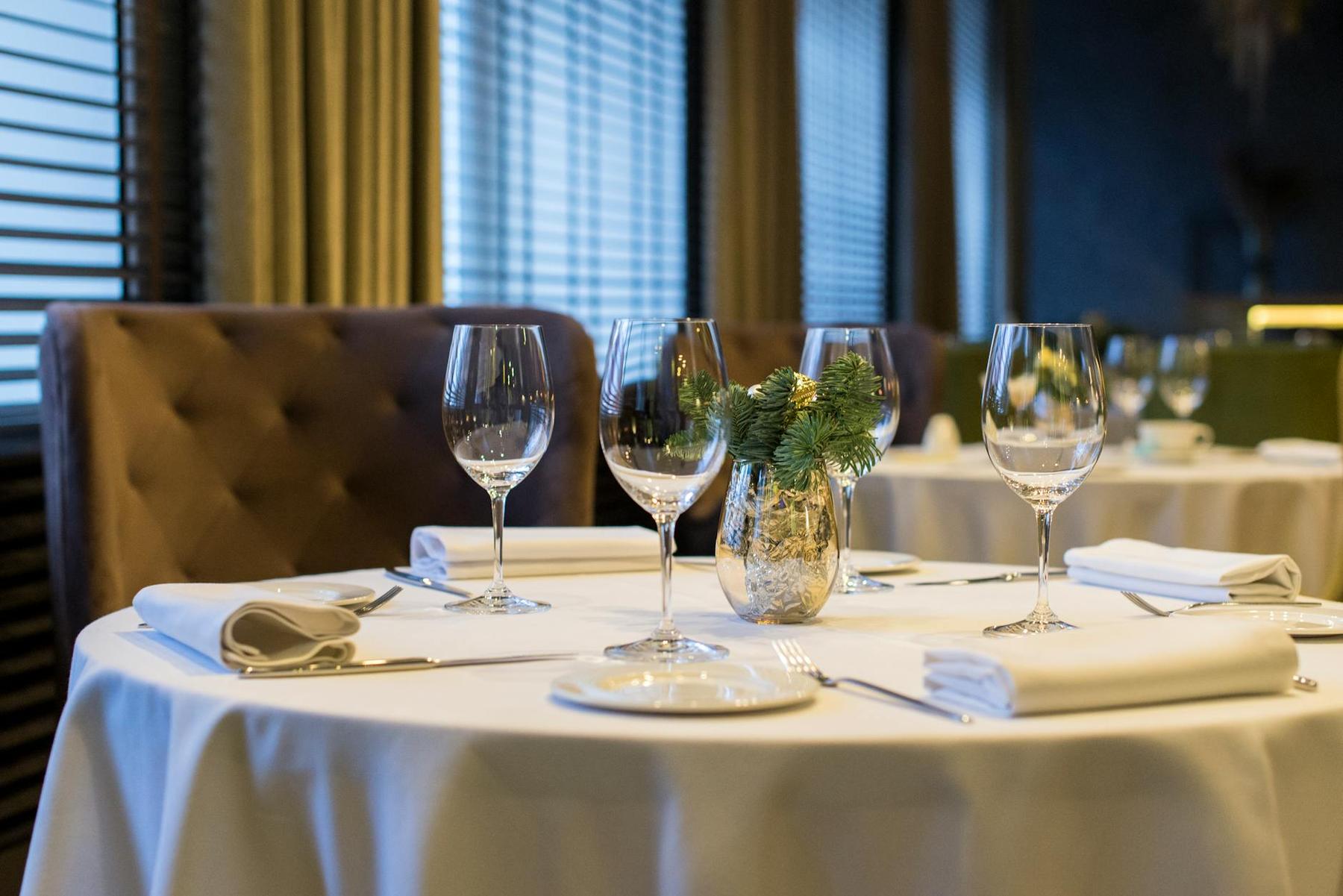
    Park Hyatt’s Onemata, Horizon’s The Grill and Cordis Eight set the bar for hotel restaurants.
    • Hyatt Privilege Club — Park Hyatt; Globalist members get free upgrades, breakfast, lounge.
    • Accor ALL — Sofitel, SO/, Pullman, Mövenpick; Platinum/Diamond status earns lounge access and upgrades.
    • IHG One Rewards — Hotel Indigo, Crowne Plaza, voco; Diamond tier earns suite upgrades.
    • Marriott Bonvoy — no current Auckland luxury Marriott property; closest is The Westin in the Tasmania.
    • Direct-book benefits — most hotels match third-party rates and add free benefits (early check-in, room upgrades, late check-out, free wifi, breakfast credit, $50 dining credit).

    For maximum value, decide on your loyalty programme and book direct with the hotel within that ecosystem. Loyalty status rewards become particularly valuable at Park Hyatt and Cordis, where lounge access and upgrades meaningfully change the experience.

    Auckland luxury hotels — what’s coming in 2026-2027

    Auckland’s luxury hotel pipeline includes a few new developments worth watching:

    • InterContinental Auckland (opened 2023) — IHG’s flagship Auckland property in the heritage Britomart Hotel building; 180+ rooms.
    • The Grand by SkyCity — SkyCity’s secondary luxury offering alongside Horizon, focusing on extended stays.
    • Auckland EDITION (planned for 2027) — Marriott’s lifestyle luxury brand, planned for the Wynyard Quarter precinct.
    • Conrad Auckland (rumoured) — Hilton’s luxury brand has been rumoured for the city for several years; no confirmed opening date.
    • Six Senses Auckland (rumoured) — luxury wellness brand has been linked to a potential central Auckland site.

    The strong recent expansion of Auckland’s luxury hotel inventory (Horizon, Indigo, voco, Mövenpick all opened 2023-2024) is producing more competitive pricing on premium rooms — particularly during shoulder seasons. Travellers who could only access budget hotels in pre-2020 Auckland now find genuine luxury options at $400-500/night with strategic booking.

    Booking strategy

    • Off-peak (May to September): rates 30-40% lower than summer peak; book 1-2 weeks ahead.
    • Shoulder (April, October-November): moderate rates; book 3-4 weeks ahead.
    • Peak (December-February): highest rates; book 2-3 months ahead.
    • Cruise season (October-April): rates spike around cruise-ship visits — check the Ports of Auckland calendar.
    • Major events (Splore, Lantern Festival, Pasifika, Auckland Marathon): rates surge; book 2-3 months ahead.
    • Refundable rates cost 10-15% more but are worth it for international travel given weather and travel disruption risk.
    • Weekday rates 30-40% cheaper than weekend at most luxury hotels.

    A perfect 3-night luxury Auckland stay

    If you’re putting together a 3-night luxury Auckland trip, here’s the ideal three-property strategy: night 1 at the Hotel Britomart’s Landing Suite ($700-1,000/night) for design-led arrival in Auckland’s most polished precinct; night 2 at the Park Hyatt Auckland ($750-1,500/night) for the country’s flagship five-star experience and harbour-front pool; night 3 at Cordis Auckland’s Pinnacle Club Lounge ($550-700/night) for full-resort amenities and a relaxed final night.

    Total spend: roughly $2,000-3,200 across three nights for two adults including breakfast (booked direct with loyalty benefits). Every hotel offers a different angle on luxury — design-led, classic-luxury, resort-amenity — and the variety makes for a richer overall experience than three nights at a single property. Most luxury hotels offer concierge-arranged transfers between properties for a small fee.

    FAQs

    What’s the most luxurious hotel in Auckland?

    Park Hyatt Auckland — by some margin the most expensive and most polished luxury hotel in NZ.

    How much does a luxury hotel cost in Auckland?

    $400-1,200/night for entry-level five-star rooms; $1,500-5,000+ for premium suites. Park Hyatt’s Diplomat Suite peaks around $5,000+.

    Are Auckland luxury hotels worth it?

    Yes for travellers prioritising service, location, dining and amenities. Mid-range luxury (Hotel Indigo, Cordis, Mövenpick) at $360-400/night offer most of the experience without the Park Hyatt premium.

    Which Auckland luxury hotel has the best pool?

    Park Hyatt’s 25-metre lap pool with glass wall onto the harbour. Cordis Pinnacle’s heated rooftop pool with Sky Tower view is a strong second.

    Which Auckland luxury hotel has the best spa?

    Cordis Chuan Spa — extensive treatment menu, hammam, sauna, full-day packages. Sofitel’s Le Spa is a strong runner-up.

    Which Auckland luxury hotel has the best restaurant?

    Park Hyatt’s Onemata is the consensus winner; The Hotel Britomart’s kingi (signature seafood) and Horizon’s The Grill (steakhouse) round out the top three.

    Are Auckland luxury hotels family-friendly?

    Yes — Cordis and Park Hyatt have particularly strong family programmes. Cordis has dedicated family rooms with two queen beds and a kids’ pool; Park Hyatt offers complimentary kids’ programmes during school holidays.

    Which Auckland luxury hotel is best for honeymoons?

    Park Hyatt’s Premium Marina rooms and Hotel Britomart’s Landing Suites are the two best honeymoon options. Add a couple’s spa treatment and a Saturday-evening Onemata dinner for the full experience.

    When should I book?

    2-3 months ahead for peak summer (December-February); 4-6 weeks for shoulder seasons; 1-2 weeks for off-peak (May-September). Major event weekends require 3+ months.

    Do Auckland luxury hotels offer airport transfers?

    Most don’t run their own dedicated shuttles. Concierge services can arrange private cars ($150-200) or taxis ($80-100). The AirportLink bus ($18 with HOP card) and SkyDrive shuttle ($32) are public alternatives.

    Are there all-inclusive luxury hotels in Auckland?

    No — Auckland’s luxury hotels operate on traditional bed-and-breakfast or room-only models. For all-inclusive luxury in NZ, consider lodges like Treetops near Rotorua, Kauri Cliffs in Northland, or The Lodge at Kauri Cliffs.
    Tips for a luxury Auckland stay

    • Pre-book restaurant reservations 2-3 weeks ahead, particularly Onemata, kingi, Lava Dining.
    • Confirm view orientation when booking — “harbour view” vs “harbour glimpse” matters.
    • Use loyalty programmes’ priority booking for the most-prized suites.
    • Concierge services are excellent at all top-tier Auckland hotels — use them for restaurant booking, helicopter transfers, day-trip arrangements.
    • Sunday brunches at Park Hyatt’s Onemata, Cordis’s Eight, and SO/ Auckland’s Harbour Society are some of Auckland’s best weekend experiences.
    • Hotel pools are typically heated but check before booking if you’ll prioritise pool time.
    • Spa packages (3-treatment-day deals) deliver substantially better value than à la carte treatments.
    • Late checkout (1pm or 2pm) is usually free for elite loyalty members; otherwise $50-100.
    • Helicopter transfers from the airport are available for $1,000+ — surprisingly common during cruise season.
    • Many Auckland luxury hotels offer “Bed & Breakfast” packages adding $80-120/night for two — worth it given $35-50 hotel breakfast prices.

    A note on Auckland luxury beyond hotels

    Two adjacent luxury experiences are worth knowing about for visitors looking beyond a hotel stay. First, luxury lodges within a 90-minute drive of Auckland: Treetops Lodge near Rotorua, Kauri Cliffs in Northland, The Lodge at Kauri Cliffs, and Helena Bay Lodge each offer all-inclusive luxury wilderness stays at $1,200-3,000 per night. Helicopter transfers from Auckland are common. These lodges complement an Auckland CBD stay if you have 7+ days in the country.

    Second, luxury serviced apartments in central Auckland offer an alternative to hotels for stays of 3+ nights. Adina Apartment Hotel Britomart leads this category at $260-500/night for full apartments with kitchens. The Quest brand has multiple Auckland locations. For families or longer stays, apartment-style luxury delivers significantly better value than hotel suites at the same price point.

    The bottom line

    Park Hyatt Auckland is the country’s most-polished luxury hotel and the choice for travellers who want NZ’s flagship five-star experience. The Hotel Britomart, Hotel Indigo and Horizon by SkyCity deliver design-led luxury at $400-650/night. Cordis and Sofitel offer big-hotel amenities for travellers who prioritise pools, spas, and multiple dining venues. Whichever you choose, Auckland’s luxury hotel scene is now competitive with any city in the Pacific.

    Plan more with our complete where to stay in Auckland pillar, our best hotels in Auckland CBD guide, and our best areas to stay in Auckland guide for full accommodation context. Cap your luxury stay with the polished restaurants in our best restaurants Auckland CBD guide and the upscale brunch spots in our best cafes Auckland rundown.

  • Auckland Art Gallery Toi o Tāmaki: Full Visitor’s Guide (2026)

    Auckland Art Gallery Toi o Tāmaki: Full Visitor’s Guide (2026)

    Auckland Art Gallery Toi o Tāmaki is New Zealand’s largest art institution and one of the country’s most-visited free attractions — 15,000+ works covering Aotearoa’s historic, modern and contemporary art, plus major Māori and Pacific holdings, plus a regular programme of internationally significant special exhibitions (Picasso lands in October 2026). Free entry to the permanent collection makes it Auckland’s best free attraction. This complete Auckland Art Gallery visitor’s guide covers what to see, opening hours, ticket info for special exhibitions, tours, the café, accessibility and how to get the most out of a visit.

    Auckland Art Gallery interior with paintings on display
    Auckland Art Gallery Toi o Tāmaki is New Zealand’s largest art institution with 15,000+ works.

    Quick facts

    • Address: Cnr Kitchener and Wellesley Streets, Auckland CBD 1010
    • Hours: 10am–5pm daily (closed Christmas Day)
    • Free entry: Permanent collection — free for all visitors
    • Special exhibition fees: $20-30 adult typical (Picasso October 2026 — TBA)
    • Free guided tours: 1:30pm Tuesday, Wednesday and Friday — building and collection highlights
    • Best time to visit: Weekday mornings 10am-12pm — fewest crowds
    • Time needed: 1.5–3 hours typical; 4+ hours for special exhibition deep-dive
    • Wheelchair accessible: Yes — full accessibility, lifts, accessible toilets
    • Phone: +64 9 379 1349
    • Website: aucklandartgallery.com

    A brief history

    Auckland Art Gallery opened in 1888 as one of the first dedicated art galleries in the Southern Hemisphere. The original heritage building (1887) is a French Renaissance-style stone structure that remains the visual anchor of the gallery. A major 2011 redevelopment doubled the gallery’s footprint with a striking timber-and-glass extension by award-winning Sydney architects fjmt + Archimedia, and earned the World Building of the Year award.

    The gallery sits on the south edge of Auckland’s CBD, fronting Albert Park and a five-minute walk from Britomart, the Sky Tower, and Karangahape Road. Its location makes it one of the most accessible cultural attractions in the city, and its free permanent admission has made it a daily-visited free attraction for both locals and tourists.

    The collection

    Historic painted portraits in art gallery setting
    Ngā Taonga Tūturu: Treasured Māori Portraits showcases Lindauer’s iconic 19th-century portraits.

    New Zealand historic art

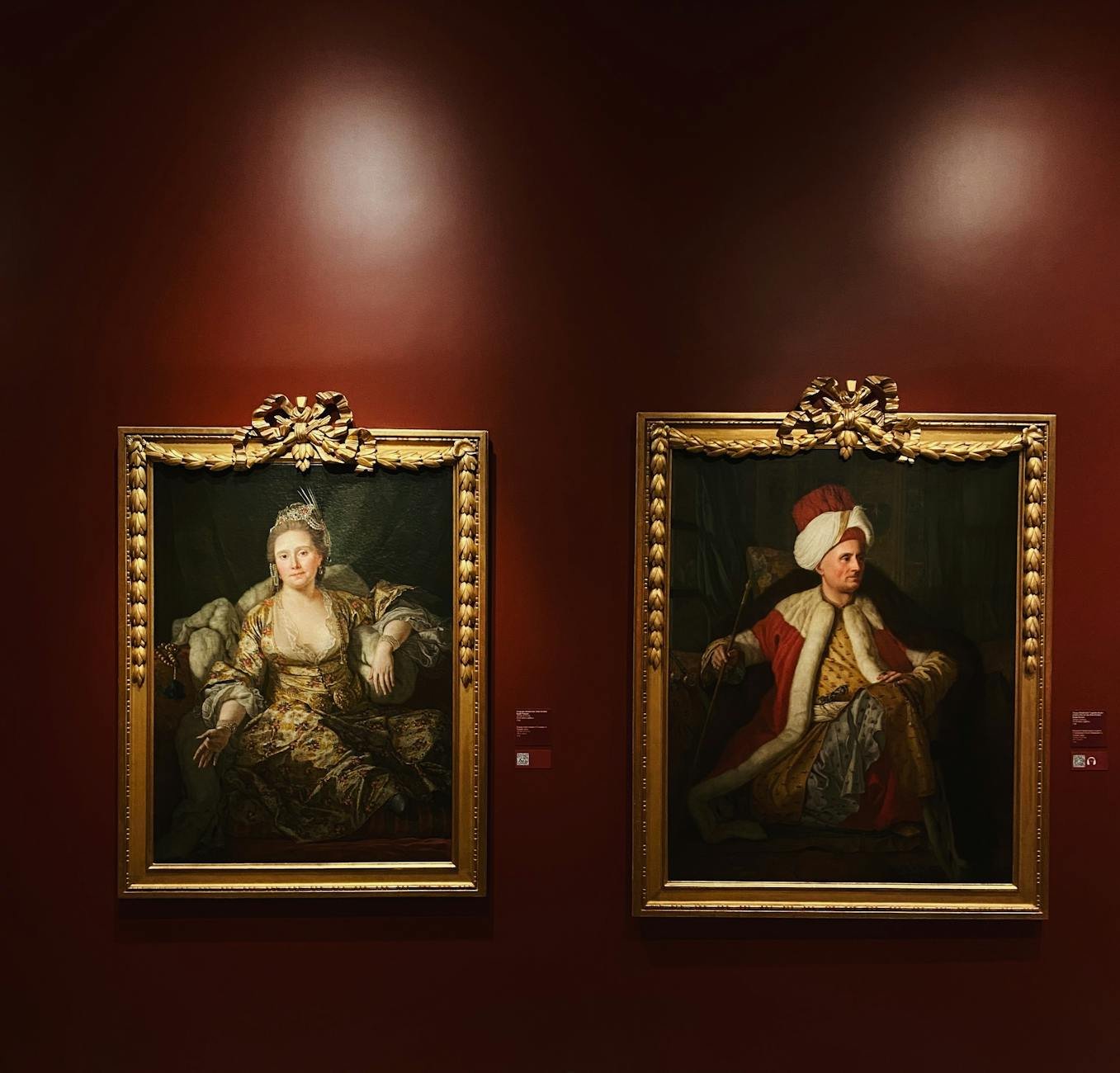
    The gallery holds a definitive collection of 19th and early 20th-century New Zealand painters: Charles Goldie, Gottfried Lindauer, James Nairn, Frances Hodgkins, Petrus van der Velden, Christopher Perkins. Goldie’s Māori portraits and Lindauer’s series are particularly significant as historical records of named Māori figures. Hodgkins’ watercolours bridge NZ historic painting with European modernism.

    New Zealand modern and contemporary

    The 20th-century holdings include Colin McCahon (NZ’s most-celebrated modernist; the gallery owns his masterpiece The Days and Nights of God), Ralph Hotere, Toss Woollaston, Rita Angus, Don Binney, and Pat Hanly. Contemporary holdings include Lisa Reihana, Shane Cotton, Bill Hammond, Yvonne Todd, Michael Parekowhai (his “On First Looking into Chapman’s Homer” is a gallery highlight), Lonnie Hutchinson and Brett Graham.

    Māori and Pacific art

    While Auckland Museum holds the major historical Māori taonga collection, Auckland Art Gallery’s holdings focus on contemporary and 20th-century Māori and Pacific art. Major artists include Ralph Hotere, Selwyn Muru, Robyn Kahukiwa, Shane Cotton, Lisa Reihana, Brett Graham, Tim Richards, and a strong Pacific contingent including John Pule, Fatu Feu’u, and Robert Jahnke.

    European art

    The European collection covers 14th–20th century art, including Lippi, Tintoretto, Veronese, Titian (attributed), Sir Peter Lely, Sir Joshua Reynolds, Constable, Turner, Gainsborough, Bonnard, Cézanne, Picasso (his sketches and minor works are part of the permanent collection ahead of the major October 2026 special exhibition), Henry Moore, Augustus John and Stanley Spencer.

    Must-see works

    • Colin McCahon, The Days and Nights of God — a 1977 ten-panel masterwork; one of NZ’s most important paintings.
    • Charles Goldie, Tame Tūmai — meticulously painted Māori portrait demonstrating Goldie’s hallmark technique.
    • Gottfried Lindauer’s Māori portraits — formal Victorian-style oil portraits of named chiefs and notable figures.
    • Michael Parekowhai, “On First Looking into Chapman’s Homer” — red-lacquered Steinway piano covered in carved Māori motifs; one of NZ’s most-photographed contemporary artworks.
    • Frances Hodgkins watercolours — early 20th-century works that bridge NZ landscape and European modernism.
    • Lisa Reihana, “in Pursuit of Venus [infected]” — 32-metre digital wallpaper that re-interprets 18th-century Pacific colonial imagery.
    • Petrus van der Velden, Mountain Stream — Dutch-NZ painter’s atmospheric Southern Alps landscape.
    • Bill Hammond, Watching for Buller’s Birds — the artist’s signature bird-figure compositions.
    • Selected European masters — Pissarro, Sisley, Sir Joshua Reynolds, Augustus John portraits.

    2026 special exhibitions

    Contemporary art exhibition with modern installations
    The gallery’s contemporary programme runs major international shows, including Picasso (Oct 2026).
    • Taimoana | Coastlines: Art in Aotearoa — ongoing collection rehang focused on coastal themes in NZ art.
    • Giacometti Without End — drawings, prints and sculpture by Alberto Giacometti, on show through 2026.
    • Ngā Taonga Tūturu: Treasured Māori Portraits — permanent display of historic Māori portraits including Lindauer.
    • Threads of Time: Travel, Trade and Textiles — textile-art exhibition exploring colonial connections.
    • In Trust for Tomorrow: The Greg J Moyle Foundation Bequest (from 23 May 2026, free) — contemporary works newly bequeathed to the gallery.
    • Family Album: Queer Aotearoa (4 July 2026 – 28 February 2027, free) — a major exhibition of LGBTQ+ artists from Aotearoa.
    • Picasso: Designed by Paul Smith (10 October 2026 – 1 February 2027, ticketed) — major international touring show pairing Picasso’s work with British designer Paul Smith’s curation.

    The Picasso exhibition is the headline 2026 event — book ahead online at aucklandartgallery.com once tickets release in mid-2026. Special exhibition tickets typically run $25-40 adult.

    Tours and guided experiences

    People visiting an art gallery and browsing exhibits
    Free entry to the permanent collection makes Auckland Art Gallery one of the city’s best free attractions.
    • Free guided tours: 1:30pm Tuesday, Wednesday and Friday — covers the building’s architectural significance plus 8-10 highlight works. 60 minutes.
    • Free building tours: 11am Saturday — focuses on the heritage and modern architecture.
    • Special exhibition tours: often included with ticket; daily during Picasso exhibition.
    • Family tours: first Sunday of each month, free, kid-focused 30-minute walk.
    • Audio guide: $5; covers the entire permanent collection plus current special exhibition.
    • Private group tours: bookable for $250+ for groups of 8-15.

    Creative Learning Centre — for kids and families

    The Creative Learning Centre is a dedicated free hands-on art space for kids on the gallery’s basement level. Activities rotate through the year — drawing, collage, sculpture, digital art, performance, gallery trails. Open during school holidays daily and weekends throughout the year.
    • Free entry; no booking required
    • Suitable for ages 3-12 (younger children supervised, older kids independent)
    • Sessions usually run 10am-12pm and 1pm-3pm
    • School holiday programmes are themed around current exhibitions
    • Take-home art supplies available

    Sculpture courtyard and architecture

    Auckland Art Gallery outdoor sculpture courtyard
    The Art Gallery’s free sculpture courtyard sits between the heritage and modern wings.
    The courtyard between the heritage 1888 building and the 2011 timber-and-glass extension is one of Auckland’s best free public spaces. Outdoor sculptures rotate; recent installations have included Anish Kapoor, Antony Gormley, and several NZ contemporary sculptors. The courtyard offers shaded seating, free wifi, and a beautiful view back into the gallery’s atrium. Worth 15 minutes even if you don’t enter the gallery.
    The 2011 extension’s timber-roofed atrium is itself a major architectural draw. Designed by Francis-Jones Morehen Thorp + Archimedia, the building uses 30,000+ pieces of locally-sourced kauri timber, with a flowing roofline that mimics native pōhutukawa branches. Architecture students from around the world visit specifically for the building.

    Membership and supporting the gallery

    Auckland Art Gallery offers a free annual membership that unlocks several visitor benefits. Membership is open to anyone with an email address and includes priority booking for ticketed exhibitions (important for major shows like Picasso 2026), a 10% discount in the gallery shop and café, invitations to opening events for new exhibitions, and discounted member-priced tickets to selected events. Sign up at the gallery’s information desk or online at aucklandartgallery.com/members. Paid supporter levels (Patron $250+/year) offer additional perks including exhibition catalogues, private tours and behind-the-scenes access.

    The gallery is publicly funded by Auckland Council with a private foundation supporting acquisitions and major exhibition costs. Donations are welcomed at the front desk and online. Bequests like the Greg J Moyle Foundation Bequest (opening 23 May 2026) form an important part of how the gallery’s collection grows.

    Where to eat

    The gallery’s on-site café (level 0) serves coffee, light meals, sandwiches, salads and cakes. Quality is good, prices museum-standard ($14 sandwich, $7 flat white). Outdoor seating in the sculpture courtyard.

    Other nearby options:

    • Albert Park kiosk — takeaway coffee and snacks, 5-minute walk away.
    • The Quad (University of Auckland) — coffee carts and food trucks, 8-minute walk; weekday only.
    • Britomart restaurants — 10-minute walk; full sit-down lunch options.
    • Ima Cuisine (Fort Street) — Israeli-influenced brunch, 12-minute walk.
    • Mexico (Federal Street) — Mexican fusion lunch, 8-minute walk.

    Suggested visit itineraries

    90-minute highlights tour

    • 10–10:15: arrive, orient via the welcome desk
    • 10:15–10:45: NZ historic gallery (Goldie, Lindauer)
    • 10:45–11:15: NZ modern gallery (McCahon, Hotere)
    • 11:15–11:45: Contemporary NZ + Pacific gallery
    • 11:45–12:00: Sculpture courtyard, exit

    Half-day deep dive (3-4 hours)

    • 10:00: arrive; pick up audio guide
    • 10:30: free guided tour (1:30pm Tue/Wed/Fri)
    • 11:30: NZ historic and modern galleries
    • 12:30: lunch at the café
    • 1:30: European art collection
    • 2:30: special exhibition
    • 3:30: Pacific contemporary, sculpture courtyard, exit

    With kids (1.5-2 hours)

    • 10:00: arrive, pick up family activity pack
    • 10:15: Creative Learning Centre activity (45 mins)
    • 11:00: 30-minute walk through highlights — focus on McCahon, Parekowhai’s piano, Lindauer’s portraits
    • 11:30: sculpture courtyard play
    • 12:00: café lunch + Albert Park visit

    A walk through the gallery floor by floor

    Auckland Art Gallery is spread across two main buildings (the 1888 heritage stone block and the 2011 timber-and-glass extension), with collections divided across multiple levels. Here’s a logical walking sequence:

    • Level 0 (entrance, foyer, café, gift shop) — start here for orientation and audio guides.
    • Level 1 (heritage building) — NZ historic art (Goldie, Lindauer, Hodgkins). The original 1888 atrium with timber-vaulted ceilings sits here.
    • Level 1 (modern extension) — major contemporary NZ exhibitions and rotating installations.
    • Level 2 (heritage building) — European masters and 19th-century works.
    • Level 2 (modern extension) — special exhibitions (Picasso lands here in October 2026).
    • Level 3 — contemporary Pacific art, photography and rotating thematic shows.
    • Lower level — Creative Learning Centre (kids), library, education spaces.

    Most visitors spend the bulk of their time on Level 1 (NZ art) and the special exhibition floor. The European art galleries on Level 2 are often quieter and reward unhurried browsing. The Pacific contemporary gallery on Level 3 is one of the most overlooked rooms — start here on a return visit if you’ve already covered the main galleries.

    Combine with these nearby attractions

    • Albert Park (5 mins walk) — heritage Victorian park with band rotunda, statues, and sloping lawns. Free.
    • University of Auckland Old Government House (10 mins walk) — heritage building tours sometimes available; self-guided exterior viewing always free.
    • Auckland Library central branch (5 mins walk) — free wifi, kids’ programmes, café.
    • Auckland Town Hall (5 mins walk) — heritage venue with regular free lunchtime concerts.
    • Sky Tower (15 mins walk) — observation deck and SkyJump.
    • Britomart (10 mins walk) — laneway dining and shopping.
    • Karangahape Road (15 mins walk uphill) — creative-led retail and bars.

    Accessibility and visitor info

    • Fully wheelchair accessible — lifts to all levels, accessible toilets on every floor
    • Free wheelchair loan at the front desk
    • Service animals welcome
    • Audio descriptions and tactile tours available — book ahead via the gallery’s accessibility team
    • Sensory-friendly hours run on the first Sunday of each month, 9:30am–10am before public opening
    • Photography welcome (no flash) in permanent galleries; some special exhibitions restrict photography
    • Free wifi throughout
    • Lockers available ($2 coin) for bags and coats
    • Strollers and prams welcome — gallery is fully pram-accessible

    Special events and late-night openings

    Auckland Art Gallery’s events programme runs year-round and adds significantly to the visitor experience. Major recurring events include:

    • Late Night Art — selected Friday evenings the gallery stays open until 10pm with live music, talks, drinks and themed gallery experiences.
    • Family Sundays — first Sunday of each month, free family-friendly activities and tours.
    • Curator’s Talks — monthly free lunchtime talks by gallery curators on specific works or exhibitions.
    • Art Therapy Wellness Programmes — regular drop-in sessions led by qualified art therapists for visitors managing stress or grief; free.
    • School holiday programmes — daily children’s activities themed around current exhibitions.
    • Major exhibition openings — Picasso opening in October 2026 will include themed evening events; check the website near the date.
    • Concerts — occasional Auckland Philharmonia and chamber music performances in the heritage atrium.
    • Auckland Arts Festival residencies — March each year, the gallery hosts visiting international artists.

    Photography and Instagram-worthy spots

    • Atrium ceiling shot — the timber-vaulted ceiling of the 2011 extension is one of the most-photographed Auckland interiors. Best at midday when sunlight floods through the skylight.
    • Heritage staircase — the 1888 building’s grand stone staircase is a classic backdrop for portraits.
    • Michael Parekowhai’s piano — the red-lacquered piano on Level 1 is the gallery’s most-photographed contemporary work; visitors often pose alongside it.
    • Sculpture courtyard — rotating outdoor pieces against the timber-clad extension wall.
    • Albert Park gates from the gallery foyer — looking out, the view onto Auckland’s heritage Victorian park gates is striking.
    • Lindauer portrait gallery — the dim warm lighting in the Ngā Taonga Tūturu room creates dramatic portrait-photography conditions.

    Auckland Art Gallery vs other NZ galleries

    • Auckland Art Gallery vs Te Papa (Wellington): Auckland focuses on art collections; Te Papa is a broader national museum covering art, history, natural history and culture.
    • Auckland Art Gallery vs Christchurch Art Gallery: Auckland holds NZ’s largest collection; Christchurch is excellent for contemporary art.
    • Auckland Art Gallery vs Auckland Museum: Art Gallery focuses on visual art (paintings, sculpture, photography); Auckland Museum focuses on Māori taonga, natural history and war.

    A perfect art-gallery day in Auckland

    If you want to combine the Auckland Art Gallery with broader cultural pursuits, this is the best single-day route. Start with brunch at Daily Bread Britomart or Bestie at St Kevin’s Arcade. Walk uphill to the gallery (10-15 minutes from Britomart, 5 minutes from K Road) and join the 11am opening for the quietest experience. Plan 90 minutes through the permanent collection, including the cultural performance hours at Auckland War Memorial Museum if combining. Lunch at the gallery café in the sculpture courtyard or 5-min walk to Albert Park kiosks. Afternoon: Auckland War Memorial Museum (free for Aucklanders, $32 for international visitors) for the Māori Court and natural history galleries — 2 hours. Finish with sunset at Auckland Domain or coffee at the Wintergarden Café. Dinner in Britomart at kingi or Augustus Bistro. Total day: 9 hours of high-quality cultural content for under $80 per person if you skip the special exhibition.

    FAQs

    Is Auckland Art Gallery free?

    Yes — entry to the permanent collection is free for all visitors. Special exhibitions (e.g. Picasso, October 2026) carry an additional ticket fee, typically $25-40 adult.

    What are the opening hours?

    10am-5pm daily, except Christmas Day. Public holidays operate normal hours.

    How long should I spend at Auckland Art Gallery?

    1.5 hours for a quick highlights visit, 3-4 hours for a thorough exploration including the special exhibition. Add 30 minutes for the Creative Learning Centre with kids.

    Are guided tours free?

    Yes — free guided tours run at 1:30pm Tuesday, Wednesday, Friday. Free building tours run at 11am Saturday. Special exhibition tours are often included with the ticket.

    Can I take photos?

    Yes, in the permanent collection (no flash). Some special exhibitions restrict photography — check signage. Selfie sticks are not permitted.

    Is parking available?

    Limited paid parking on nearby streets. The Civic Carpark on Mayoral Drive (5-min walk) is the closest large carpark. Most visitors arrive by public transport — the gallery is a 5-minute walk from Britomart Train Station.

    Are kids welcome?

    Yes — the Creative Learning Centre is dedicated for kids, plus the gallery’s family-friendly atmosphere welcomes children. Free family activity packs available at the front desk.

    Is there a gift shop?

    Yes — the gallery shop sells art books, exhibition catalogues, NZ designer prints, jewellery, and high-quality souvenirs related to the collection. Open during gallery hours.

    Can I rent the building?

    Yes — the gallery rents the heritage and modern atriums for private events (weddings, corporate). Bookings via the events team at the gallery.

    Where can I see Lindauer’s Māori portraits?

    Auckland Art Gallery’s Ngā Taonga Tūturu: Treasured Māori Portraits exhibition is the permanent home for the gallery’s Lindauer collection. Free entry.

    Is the Picasso exhibition included with general entry?

    No — Picasso: Designed by Paul Smith (10 October 2026 – 1 February 2027) is a ticketed special exhibition. Tickets release mid-2026; expect $30-40 adult. Members of the gallery (free annual subscription) receive priority booking.

    Best work-by-work walk

    If you have only 60 minutes and want a focused, work-by-work tour rather than free-form browsing, this 9-stop walk hits the gallery’s most-significant pieces:

    • 1. Goldie’s “Tame Tūmai” — NZ historic gallery, level 1.
    • 2. Lindauer’s portrait of Te Rangihiwinui Te Keepa — Ngā Taonga Tūturu room.
    • 3. Frances Hodgkins watercolour selection — NZ historic.
    • 4. Petrus van der Velden, “Mountain Stream” — NZ historic.
    • 5. Colin McCahon, “The Days and Nights of God” — NZ modern.
    • 6. Ralph Hotere panel — NZ contemporary.
    • 7. Michael Parekowhai, “On First Looking into Chapman’s Homer” — NZ contemporary.
    • 8. Lisa Reihana, “in Pursuit of Venus [infected]” — NZ contemporary, immersive media room.
    • 9. European masters selection (Reynolds, Gainsborough, Pissarro) — Level 2 heritage building.

    This walk takes about an hour at a focused pace. Stop at each piece, read the label, sit if there’s a bench. The audio guide adds commentary at most stops.

    Tips for visiting

    • Arrive at 10am opening for the quietest experience.
    • Time your visit around the 1:30pm free guided tour for a structured highlights walk.
    • Pre-book Picasso tickets online once they release in mid-2026 — major shows sell out quickly.
    • Bring a friend for the European masters gallery — the room is best discussed.
    • The sculpture courtyard is one of central Auckland’s best lunch spots — bring a sandwich and sit there.
    • The Library central branch is a 5-minute walk away — combine if researching NZ art history.
    • The 2011 extension’s atrium is best photographed at midday when sunlight floods the timber roof.
    • If you’re with kids, the Creative Learning Centre opens at 10am — head straight there to start.
    • Free Tuesday concerts are sometimes hosted in the heritage building’s atrium — check the gallery’s website.

    The bottom line

    Auckland Art Gallery Toi o Tāmaki is one of the very best things to do in Auckland and one of the country’s strongest free attractions. The permanent collection is excellent on its own; the building’s award-winning architecture is worth a visit; and the rotating special exhibitions deliver world-class shows (Picasso lands October 2026). Plan 90 minutes to 4 hours depending on appetite.

    Plan more with our complete things to do in Auckland guide, our Auckland Museum guide, and our Auckland CBD guide for the full central city experience. Pair an Art Gallery visit with our Auckland Museum Māori Exhibits guide for back-to-back deep dives into Māori art across both institutions.

  • How Many Days Do You Need in Auckland? (2-7 Day Guide)

    How Many Days Do You Need in Auckland? (2-7 Day Guide)

    The single most-asked question about an Auckland trip is “how many days do I need?” The honest answer: it depends on what you want, but for most international visitors the sweet spot is 3-5 days — enough to see the city’s headline attractions, escape to one or two day-trip destinations, and absorb the New Zealand pace without rushing. This complete how many days in Auckland guide breaks down 1, 2, 3, 5 and 7-day itineraries with sample schedules, the best fits for each trip length, and what gets cut as you trim time.

    Auckland city skyline with Sky Tower and harbour bridge views
    How many days in Auckland depends on your interests — 2 days for highlights, 5+ for day trips.

    The short answer

    • 1 day: only if Auckland is a stopover. You’ll see the Sky Tower, Britomart, and a beach, and that’s it.
    • 2 days: the absolute minimum. Highlights of the city plus one major neighbourhood (Ponsonby or Devonport).
    • 3 days: the genuine sweet spot for most travellers. City + one day trip (Waiheke or Devonport).
    • 5 days: ideal for a comprehensive Auckland visit. Two day trips, plus full city exploration and a slower pace.
    • 7 days: Auckland as a gateway plus deeper immersion — Rotorua/Hobbiton, west-coast beaches, Hauraki Gulf islands, multiple neighbourhoods.
    • 10+ days: Auckland as the centre of a North Island road trip — combine with Bay of Islands, Coromandel, Rotorua, Taupō, Wellington.

    For a first-time international visitor, 3-4 days in Auckland as part of a 10-14 day NZ trip is the most common recommendation. For a city-only “weekend break” from Sydney or Melbourne, 3 days works well. For a stopover en route between Asia and the US, 1-2 days covers the highlights without major time investment.

    1 day in Auckland (stopover only)

    Auckland Sky Tower lit up at night with city skyline
    Day 1 of any Auckland trip should anchor on Sky Tower, Britomart and the Viaduct.

    Suitable only if you have a long airport layover or you’re cruise-ship docked for the day. You’ll get a flavour of the city but won’t dig deep.

    • Morning — Sky Tower observation (book ahead, $34 adult) — 1 hour for the view.
    • Late morning — Walk to Britomart and Commercial Bay — coffee at Daily Bread, browse the heritage warehouse precinct.
    • Lunch — Viaduct Harbour seafood at one of Auckland’s harbour-front restaurants (Soul Bar, Lava Dining).
    • Afternoon — Auckland War Memorial Museum (1.5–2 hours) — focus on Māori Court and the cultural performance.
    • Late afternoon — Auckland Domain or Mt Eden volcano summit for the city view.
    • Evening — Dinner in Britomart or Ponsonby, then back to the airport/cruise terminal.

    What gets cut: Waiheke, Devonport ferry, west-coast beaches, Auckland Art Gallery, all neighbourhood exploration beyond a quick walk.

    2 days in Auckland

    The minimum to feel like you’ve actually been in Auckland. Add one major neighbourhood plus a half-day for the harbour or a beach.

    Day 1 — CBD & harbour

    • Morning: Sky Tower + Britomart and Commercial Bay
    • Late morning: Auckland Art Gallery (free permanent collection)
    • Lunch: Viaduct Harbour or Britomart restaurant
    • Afternoon: Auckland War Memorial Museum + Domain
    • Evening: Dinner in Britomart, sunset cocktails at SO/ Auckland’s Harbour Society

    Day 2 — Devonport & Ponsonby

    • Morning: Devonport ferry (12 min, $9 return), brunch at Devonport Bakery
    • Mid-morning: walk up Mt Victoria for the harbour view
    • Late morning: ferry back to Britomart
    • Lunch: Ponsonby brunch at Daily Bread or Orphans Kitchen
    • Afternoon: Ponsonby Road shopping and walk through Western Park
    • Evening: Dinner at Prego, Saan or Daphnes Taverna in Ponsonby

    3 days in Auckland — the sweet spot

    Auckland city walking street with pedestrians
    Most of central Auckland is walkable in 2 days — you’ll need a car for outer suburbs and day trips.

    The recommended trip length for most first-time visitors. Full city exploration plus one day trip and a more relaxed pace.

    Day 1 — CBD & museums

    • Sky Tower + Britomart + Commercial Bay (morning)
    • Auckland Art Gallery + lunch (midday)
    • Auckland Museum + Domain (afternoon)
    • Dinner in Britomart, evening at the Viaduct (evening)

    Day 2 — Waiheke Island day trip

    Waiheke Island vineyard in summer New Zealand
    Add Waiheke Island for day 3, Rotorua for day 5, the West Coast beaches for day 7.
    • 40-min Fullers360 ferry from Britomart ($62 return)
    • Wine-tasting tour or self-drive to Mudbrick, Cable Bay, Stonyridge
    • Lunch at one of the winery restaurants
    • Beach time at Onetangi or Palm Beach
    • Return ferry by 5pm; dinner back in Auckland CBD

    Day 3 — Ponsonby + Mission Bay

    • Brunch at Daily Bread Williamson (Ponsonby) — slow morning
    • Ponsonby Road shopping + Western Park (late morning)
    • Lunch at Bestie or Bambina (Ponsonby)
    • Afternoon at Mission Bay beach + Tāmaki Drive walk
    • Sunset and ice cream at Mission Bay; dinner back in CBD

    5 days in Auckland — comprehensive

    The ideal length for travellers with time and an interest in seeing every aspect of Auckland. Two day trips, plus a deeper exploration of the city and one west-coast beach day.

    Day 1 — CBD & museums

    As above — Sky Tower, Britomart, Auckland Art Gallery, Auckland Museum, dinner in Britomart.

    Day 2 — Waiheke Island

    Wineries, beaches, lunch at Mudbrick or Cable Bay. Stay later (last ferry around 11pm) for sunset on the island.

    Day 3 — Ponsonby + Mission Bay

    Slow brunch, neighbourhood shopping, beach afternoon. As above.

    Day 4 — West coast beaches

    • Morning drive to Piha (45 mins from CBD)
    • Walk Lion Rock, Kitekite Falls, see the dramatic black-sand beach
    • Lunch at Piha Café
    • Afternoon: Karekare or Bethells Beach, then drive back
    • Dinner at a Westmere or Grey Lynn café

    Day 5 — Devonport + Hauraki Gulf

    • Morning: ferry to Devonport, walk up Mt Victoria
    • Late morning: drive or ferry back, then lunch at Britomart or Ponsonby
    • Afternoon: explore Auckland Domain Wintergardens, K Road creative scene, or shopping
    • Evening: farewell dinner at one of Auckland’s flagship restaurants

    7 days in Auckland — deeper immersion

    Beyond 5 days, you have time for a Rotorua/Hobbiton overnight, a Bay of Islands day, and meaningful exploration of multiple neighbourhoods. Auckland becomes the gateway to the North Island.

    Days 1-3 — As per the 3-day itinerary

    City highlights, Waiheke, Ponsonby + Mission Bay.

    Day 4-5 — Rotorua overnight

    • Day 4: drive to Rotorua (3 hours), Te Puia geothermal park, Polynesian Spa, evening Te Pā Tū cultural performance and hāngī dinner
    • Day 5: morning at Wai-O-Tapu, drive back to Auckland via Hobbiton (book ahead $129)

    Day 6 — West coast beaches

    Piha, Karekare, Bethells. Full day west of Auckland.

    Day 7 — Devonport + final shopping

    Morning Devonport, afternoon at Westfield Newmarket or Britomart, farewell dinner.

    10+ days — Auckland as a gateway

    For travellers with 10+ days, Auckland becomes the centre of a North Island road trip. Combine 3-4 days in Auckland with:

    • Bay of Islands (3 hours north) — 2 days for Paihia, Russell, Cape Reinga.
    • Coromandel Peninsula (2-3 hours east) — 2-3 days for Hot Water Beach, Cathedral Cove, Whangamatā.
    • Rotorua (3 hours south) — 1-2 days as above.
    • Taupō & Tongariro (4 hours south) — 1-2 days for Lake Taupō, Tongariro Alpine Crossing.
    • Hawke’s Bay (5 hours southeast) — 2-3 days for wineries and art deco Napier.
    • Wellington (8-9 hours south) — 1-2 days at the country’s capital.

    For first-time NZ visitors aiming to fly in and out of Auckland, a 14-day road trip allows you to circle the North Island with strong daily variety. For South Island combo trips, 7 days in Auckland and the upper North Island leaves 7 for the South.

    Sample full-day schedules

    To help you plan your time, here are sample hour-by-hour schedules for the most-asked Auckland trip lengths.

    A perfect day 1 in Auckland

    • 8:30am — coffee and pastry at Daily Bread Britomart
    • 9:30am — Sky Tower observation
    • 11:00am — walk to Auckland Art Gallery (free permanent collection)
    • 12:30pm — lunch at Viaduct Harbour
    • 2:00pm — Auckland Museum, focus on Māori Court
    • 3:00pm — Māori cultural performance (book the 2:30pm)
    • 4:30pm — Auckland Domain Wintergardens, tea at the café
    • 5:30pm — return to CBD
    • 7:00pm — sunset cocktails at SO/ Auckland’s Harbour Society
    • 8:00pm — dinner in Britomart (kingi at The Hotel Britomart, Saan, or Augustus Bistro)

    A perfect day 2 in Auckland

    • 8:00am — Devonport ferry from Britomart (12 mins)
    • 8:30am — brunch at Devonport Bakery
    • 9:30am — walk up Mt Victoria for harbour views
    • 10:30am — Devonport main street browsing
    • 11:30am — return ferry to Britomart
    • 12:30pm — lunch in Ponsonby (Daily Bread or Bambina)
    • 2:00pm — Ponsonby Road shopping, Western Park stroll
    • 4:00pm — coffee at Bird on a Wire
    • 5:30pm — return to hotel, relax
    • 7:30pm — dinner at Prego, Saan or Daphnes Taverna in Ponsonby

    By traveller type

    Travel planning map and journal for trip itinerary
    Use our day-by-day Auckland itineraries to plan a 2, 3, 5 or 7-day trip.
    • Adventure travellers: 5 days minimum. West-coast beaches, Hauraki Gulf sea kayaking, Coast to Coast walkway, Sky Tower SkyWalk and SkyJump.
    • Foodies: 3-5 days. Brunch tours of Ponsonby and Britomart, plus Waiheke vineyards and Restaurant Month deals if visiting in August.
    • Families with kids: 4-5 days. Auckland Zoo, Kelly Tarlton’s, Auckland Domain, Mission Bay, Devonport ferry, free playgrounds.
    • Cultural enthusiasts: 4-5 days. Auckland Museum Māori Court, Auckland Art Gallery, plus a Rotorua overnight or Pasifika events.
    • Cruise stopover: 1 day. Sky Tower, Britomart, Auckland Museum, harbour views.
    • Business travellers: 2-3 days extension after meetings. CBD highlights plus Ponsonby and Devonport.
    • Honeymoon couples: 5-7 days. Park Hyatt, Sofitel, Waiheke, west-coast beaches, fine dining at Onemata, Esther.

    If you only have one day, pick by interest

    • Beach lover: Mission Bay morning swim → Tāmaki Drive walk → Devonport ferry afternoon → return for sunset.
    • Foodie: Daily Bread Britomart breakfast → Auckland Museum lunch → Ponsonby afternoon café crawl → Britomart restaurant dinner.
    • Culture / history: Auckland Art Gallery morning → Auckland Museum afternoon (with cultural performance) → Wynyard Quarter evening dinner.
    • Adventure: Sky Tower SkyJump and SkyWalk → ferry to Rangitoto Island for the volcanic walk → return for waterfront dinner.
    • Shopping: Britomart precinct → Commercial Bay → Westfield Newmarket → Newmarket dinner.
    • Family: Auckland Zoo (paid) or Auckland Museum (free for Aucklanders) → Wynyard Quarter splash pad and playgrounds → Mission Bay afternoon.

    By season

    • Summer (Dec–Feb) — 5+ days to take advantage of beach and outdoor weather; book accommodation 2-3 months ahead.
    • Autumn (Mar–May) — 3-5 days; the most stable weather window of the year.
    • Winter (Jun–Aug) — 3 days; cooler weather makes longer outdoor itineraries less appealing, but cultural and culinary attractions shine.
    • Spring (Sep–Nov) — 4-5 days; warm enough for outdoor exploration, fewer crowds, lower prices.

    What to skip if time is short

    • 1-2 days: skip west-coast beaches, Rotorua, Hauraki Gulf islands beyond Waiheke.
    • 2-3 days: skip the west coast or Hauraki Gulf; pick one.
    • 3-4 days: can do west coast OR Waiheke OR Devonport, plus the city — pick two.
    • 5-7 days: can do all of the above; consider adding Rotorua overnight if 7+ days.

    Common Auckland time-allocation mistakes

    • Trying to do Rotorua in 1 day from Auckland. 6 hours of driving plus 5 hours of attractions is brutal — overnight if at all possible.
    • Skipping Waiheke for the Hauraki Gulf. Waiheke is the easiest, most rewarding day trip — don’t substitute Rangitoto if you’re new to Auckland.
    • Underbudgeting time at Auckland Museum. A 30-minute hit doesn’t do the Māori Court justice. Plan 90+ minutes.
    • Overcommitting day-trip distance. Bay of Islands and Coromandel are 3+ hours each way — they don’t work as Auckland day trips. Rotorua is 3 hours and is barely day-tripable.
    • Booking a rental car for a CBD-only trip. Public transport plus Uber covers the city better than driving. Book a car only if you’re heading west, south or to the Hauraki Gulf islands beyond Waiheke.
    • Cramming a fly-in fly-out same-day stopover. You’ll see less than you’d hope. Even a 6-hour layover is hardly enough for the Sky Tower.
    • Ignoring jet lag. Auckland is 12 hours ahead of UK; 5+ hours ahead of US east coast. Plan a slow first day.

    Auckland trip cost by length

    • 1 day stopover: $200-300 per person (transit + lunch + Sky Tower + dinner).
    • 2 days: $500-1,200 per person depending on hotel choice.
    • 3 days: $750-1,800 per person; the most-cost-effective trip length per day.
    • 5 days: $1,200-3,500 per person; major day trip costs add ~$200-450/day to the base.
    • 7 days: $2,000-5,500 per person; budget for car rental ($60/day) if including Rotorua and west coast.

    Auckland is mid-priced by international standards — comparable to mid-tier US cities and slightly cheaper than Sydney or London. Major costs: accommodation (largest share), restaurants ($40-80 per person dinner), Waiheke ferry ($62), Auckland Museum ($55 combined ticket).

    Auckland vs other NZ cities — time allocation

    If you’re combining Auckland with other NZ destinations, here’s how time stacks up:

    • Auckland 4 days + Bay of Islands 3 days = 7-day Northland trip.
    • Auckland 4 days + Rotorua 2 days + Wellington 2 days = 8-day North Island highlights.
    • Auckland 3 days + Queenstown 4 days = 7-day NZ taster.
    • Auckland 4 days + Christchurch + Queenstown 7 days = 11-day NZ comprehensive.
    • Auckland 5 days + 14-day NZ road trip = 19 days, the dream first-time NZ visit.

    Cruise stopover specifics

    Auckland is a major cruise port, with up to six ships docking on peak summer days. Most cruise visitors have 8-10 hours in the city before the ship departs at 5-6pm. The single-day itinerary above works well for cruise visitors with one important note: stay close to the cruise terminal. From Princes Wharf, the Sky Tower, Britomart and Auckland War Memorial Museum are all walkable; Mt Eden, Devonport and Mission Bay each require a 15-25 minute Uber. Resist the urge to attempt Waiheke unless you have at least 9 hours port-time.

    FAQs

    Is 2 days enough in Auckland?

    Just barely — you’ll see the headline city attractions and one neighbourhood (Ponsonby, Devonport or Mission Bay) but skip Waiheke and the west coast. Suitable for tight schedules or a city-only stopover.

    Is 3 days enough in Auckland?

    Yes — 3 days is the sweet spot. Full city exploration plus one day trip (Waiheke being the most popular).

    Is 5 days too long for Auckland?

    No — 5 days lets you do two day trips and explore multiple neighbourhoods at a relaxed pace. Most travellers leave Auckland after 5 days wishing they had a 6th.

    Should I include Rotorua in my Auckland trip?

    Yes if you have 5+ total days — overnight in Rotorua delivers cultural experiences, geothermal landscapes and Hobbiton you can’t get in Auckland. Add 2 days to your Auckland plan for the round trip.

    When is Auckland busiest?

    Late December through early February (NZ summer holidays). February is statistically the warmest and busiest month. June-August are the quietest.

    Do I need a car in Auckland?

    Not for the CBD and inner suburbs — Auckland’s bus, train and ferry network with HOP card covers most attractions. For west-coast beaches, Rotorua, or Hauraki Gulf islands beyond Waiheke, a rental car or organised tour is needed.

    Where should I base myself?

    Britomart, Viaduct, or Wynyard Quarter for first-time visitors — all walkable to attractions and connected to public transport. Ponsonby for design-led travellers; Devonport for a village feel; Newmarket for shopping focus.

    Is Auckland walkable?

    The CBD is walkable; outer attractions (Mt Eden, Ponsonby, Mission Bay, Devonport) require bus, train, ferry or Uber. Auckland Council has expanded the inner-city pedestrian network significantly through 2024–2026.

    How does Auckland compare to Sydney for trip length?

    Auckland needs 1-2 fewer days than Sydney for the equivalent city experience. Sydney’s CBD is denser; Auckland’s appeal is more spread between city, harbour, and day-trip islands. 3 days Auckland ≈ 4 days Sydney.

    Can I see Auckland in a single afternoon?

    You can see the Sky Tower, Britomart, Viaduct and a quick Auckland Museum visit in 5-6 hours. It’s a flavour, not a city tour. For cruise visitors with limited time, focus on Sky Tower + Britomart + a short Auckland Museum visit.

    What if I have 4 days exactly?

    Use the 3-day itinerary plus an extra day for either: west-coast beaches, a second Hauraki Gulf island (Rangitoto), or deeper neighbourhood exploration (Ponsonby + K Road + Newmarket combined).

    Trip length advice from Auckland locals

    If you ask 100 Aucklanders how long a tourist should spend in their city, the answer clusters around 3-5 days. But the underlying advice is consistent: don’t rush. Auckland’s defining quality is the proximity of city, harbour, and wilderness — getting from CBD to a wild west-coast beach takes 45 minutes. From a vineyard on Waiheke back to your hotel, 1 hour. From a volcanic summit view to dinner in Britomart, 30 minutes. Travellers who race through in 2 days miss the contrast that makes Auckland special; travellers who stretch to 5-7 days come away understanding why locals stay.

    The other consistent advice: build in unstructured time. Auckland reveals itself best to walkers who get lost in Britomart laneways, who take the wrong ferry to Half Moon Bay, who order an extra coffee and watch boats in the Viaduct. Plans that rush from attraction to attraction miss the city’s slow-moving harbour-edge texture. Build in at least one half-day with no plan in your itinerary, particularly if you’re staying 4+ days.

    Tips for trip-length planning

    • Add a buffer day at the start to recover from jet lag (Auckland is 12 hours ahead of UK, +5 from US east coast).
    • Don’t pack the last day with departure-day activities — give yourself a relaxed final morning before the airport.
    • If you’re road-tripping the North Island after Auckland, plan a “transition day” between Auckland and your next destination.
    • Cruise visitors with limited time should focus on what’s walkable from Princes Wharf — the Sky Tower, Britomart, and Auckland Museum are reachable, west-coast beaches and Waiheke are not.
    • Auckland sees most of its tourists do shorter visits than they’d ideally want. If your schedule allows, lengthen rather than shorten.

    The bottom line

    Three days is the most popular Auckland trip length and the best balance of city + day trip + neighbourhood experience. Five days is the ideal for travellers with time. Seven days lets Auckland become a hub for North Island exploration. Plan around what you most want — beaches, food, culture, day trips, family time — and let the itinerary follow from there.

    Plan more with our complete Auckland travel guide, our best time to visit Auckland, and our day trips from Auckland guide for itinerary inspiration. Pair this with our best areas to stay in Auckland guide and our Auckland public transport guide to lock in the rest of your trip.

  • Best Shopping Malls in Auckland (2026 Locals’ Picks)

    Best Shopping Malls in Auckland (2026 Locals’ Picks)

    Auckland has a deeper shopping mall scene than most cities its size — five major shopping centres, a dozen mid-sized malls, and one of the country’s only premium open-air outlet centres. From New Zealand’s largest mall (Sylvia Park) to the harbour-edge polish of Commercial Bay, Auckland’s shopping centres anchor the city’s retail spend. This complete best shopping malls Auckland guide covers the top 10 — store selection, food courts, parking, transport access, and what makes each one worth a visit.

    Modern Auckland shopping mall interior with stores and skylight
    Auckland’s shopping malls range from harbour-front Commercial Bay to NZ’s largest, Sylvia Park.

    Top 10 Auckland shopping malls at a glance

    • 1. Sylvia Park — NZ’s largest mall, 240+ stores, 30+ dining options. Mt Wellington.
    • 2. Westfield Newmarket — premium fashion-led mall. Newmarket.
    • 3. Commercial Bay — harbour-edge premium with 100+ retailers and dining. CBD.
    • 4. Westfield Albany — the North Shore’s flagship mall. Albany.
    • 5. Westfield St Lukes — family-focused mid-range. Mt Albert.
    • 6. Mānawa Bay — Auckland’s newest premium open-air outlet. Near the airport.
    • 7. Westfield Manukau City — South Auckland’s main mall.
    • 8. Botany Town Centre — open-air, family-friendly East Auckland mall.
    • 9. Westgate Shopping Centre — West Auckland’s main mall.
    • 10. Dressmart Onehunga — Auckland’s longest-running outlet mall.

    1. Sylvia Park

    Aerial view of a large modern shopping mall building
    Sylvia Park is New Zealand’s largest shopping centre with 240+ stores across two levels.

    New Zealand’s largest shopping centre, with 240+ stores across two main levels and a recently expanded “Galleria” extension. Anchor stores include Farmers, Kmart, Pak’nSave, Countdown, Cotton On Mega, JB Hi-Fi, Briscoes and Rebel Sport. Premium brands include Country Road, Witchery, Sass & Bide and several international labels.

    • Address: 286 Mt Wellington Highway, Mt Wellington, Auckland 1060
    • Hours: 9am–7pm Mon–Wed, 9am–9pm Thu–Fri, 9am–6pm Sat–Sun
    • Parking: 5,500 free parking spaces on multiple levels
    • Public transport: Sylvia Park train station next door (Eastern Line), buses 70/72/746
    • Dining: 30+ restaurants and a major food court
    • Cinema: Hoyts Sylvia Park (12 screens including Lux)
    • Other: events space, kids’ play areas, Westpac branch

    Sylvia Park is the closest thing Auckland has to a one-stop destination shopping experience. The mall is busy on weekends, particularly Saturday afternoons, but the size and variety of stores justifies a visit. The new Galleria wing opened in 2023 and includes a curated mix of premium boutiques, design stores and lifestyle brands.

    2. Westfield Newmarket

    Auckland’s premium fashion-led mall, redeveloped in 2019 and now anchoring the broader Newmarket retail precinct. Westfield Newmarket has 200+ stores spread over five levels, with a strong fashion focus including David Jones (the only Australian department store in NZ), Country Road flagship, Witchery, Cotton On, Trenery, Sportsgirl, Industrie, Mecca Cosmetica and Lululemon.

    Fashion store window display with mannequins and signage
    Westfield Newmarket leads Auckland for premium fashion with David Jones and 200+ retailers.
    • Address: 277 Broadway, Newmarket, Auckland 1023
    • Hours: 10am–7pm Mon–Wed, 10am–9pm Thu–Fri, 10am–6pm Sat–Sun
    • Parking: Multi-level paid parking (first 3 hours free with shopping spend)
    • Public transport: Newmarket train station (Western, Onehunga and Southern lines), 10+ bus routes
    • Dining: 30+ restaurants including a rooftop food precinct with city views
    • Cinema: Event Cinemas (10 screens including IMAX, Gold Class and BoutiqueCinemas)
    • Other: rooftop garden bar, art gallery space, kids’ play area

    Westfield Newmarket has become Auckland’s go-to mall for premium fashion shopping and has the best mall food court in the country. The rooftop dining precinct (Le Garde Manger, Lin Manuel, Hello Beasty, Daikoku) is a destination in its own right. Combined with Newmarket’s broader retail strip (Broadway, Nuffield Street, Teed Street), it’s the best mall-plus-neighbourhood shopping experience in Auckland.

    3. Commercial Bay

    Auckland CBD’s premium harbour-edge mall, integrated with Britomart Train Station and the cruise terminal. Commercial Bay opened in 2020 with 100+ premium retailers across three levels and a rooftop dining precinct.

    • Address: 7 Queen Street, Auckland CBD 1010
    • Hours: 10am–7pm Mon–Wed, 10am–9pm Thu–Fri, 10am–6pm Sat–Sun (food & drink later)
    • Parking: Underground paid parking
    • Public transport: Britomart Train Station integrated with the building
    • Dining: Harbour Eats food precinct, plus 25+ restaurants and bars
    • Stores: Country Road flagship, Mecca, Witchery, Apple, Lululemon, plus several luxury watch and jewellery brands
    • Other: direct access to Britomart precinct laneways

    Commercial Bay is the most polished CBD shopping experience and pairs perfectly with the Britomart precinct’s network of laneway boutiques and dining. The rooftop dining precinct has harbour views and serves continuous food and drink from morning to late evening — one of Auckland’s best lunch and pre-dinner spots. Cruise visitors typically anchor a CBD shopping day at Commercial Bay before walking through Britomart.

    4. Westfield Albany

    The North Shore’s main shopping centre, sitting just off the Northern Motorway about 20 minutes north of the CBD. 130+ stores across two levels with a strong family focus.

    • Address: 219 Don McKinnon Drive, Albany 0632
    • Hours: 9am–7pm Mon–Wed, 9am–9pm Thu–Fri, 9am–6pm Sat–Sun
    • Parking: Free, 4,500+ spaces
    • Public transport: NX1 Northern Express bus from Britomart (50 mins)
    • Dining: Food court plus several sit-down restaurants
    • Cinema: Event Cinemas (8 screens including IMAX)
    • Other: Ice rink, kids’ playground, Auckland’s only Smiggle store

    Anchor stores include Farmers, Pak’nSave, Kmart, Briscoes, Rebel Sport, JB Hi-Fi and The Warehouse. Premium fashion is more limited than Sylvia Park or Newmarket but the family/everyday shopping experience is strong. The integrated ice rink (open year-round) makes it a popular school-holiday destination.

    5. Westfield St Lukes

    The mid-Auckland family-focused mall in Mt Albert, redeveloped in 2014 and refreshed again in 2022. 130+ stores with strong family-friendly amenities.

    • Address: 80 St Lukes Road, Mt Albert, Auckland 1025
    • Hours: 9am–7pm Mon–Wed, 9am–9pm Thu–Fri, 9am–6pm Sat–Sun
    • Parking: Free, multi-level
    • Public transport: Western Line train to Mt Albert (15-min walk), buses 200/220/22
    • Dining: Food court plus chain restaurants
    • Cinema: No cinema (closest is Westfield Newmarket)

    Anchor stores: Kmart, Farmers, Pak’nSave, Countdown, Briscoes, Cotton On Mega, JB Hi-Fi. The St Lukes precinct works well as a quieter alternative to Sylvia Park for everyday shopping needs.

    6. Mānawa Bay (Auckland Airport precinct)

    Premium outlet shopping centre with brand stores
    Mānawa Bay near Auckland Airport is Auckland’s newest premium open-air outlet destination.

    Auckland’s newest premium open-air outlet shopping centre, opened in 2024 by Auckland Airport’s commercial property arm. 100+ outlet stores from premium NZ and international brands at 30–70% off retail.

    • Address: 1 Manawa Drive, Mangere, Auckland 2022
    • Hours: 10am–6pm daily
    • Parking: Free
    • Public transport: Free shuttle from Auckland Airport (every 15 mins); AirportLink bus from CBD with airport transfer
    • Dining: Open-air food court with NZ and international cuisines
    • Brands: Polo Ralph Lauren, Coach, Tommy Hilfiger, Calvin Klein, Adidas, Nike, Country Road outlet, Witchery outlet, Mecca outlet

    Mānawa Bay’s design is open-air with covered walkways between buildings — better than enclosed malls in good weather. The free shuttle from Auckland Airport makes it a popular pre-flight stop for travellers. Genuine outlet pricing (30–70% off RRP) on premium brands. Auckland’s best discount-shopping experience.

    7. Westfield Manukau City

    South Auckland’s main mall, set in the Manukau commercial district 25 minutes from the CBD. 200+ stores anchored by Farmers, Kmart, Pak’nSave and a major Cotton On.

    • Address: 7 Davies Avenue, Manukau, Auckland 2104
    • Hours: 9am–7pm Mon–Wed, 9am–9pm Thu–Fri, 9am–6pm Sat–Sun
    • Parking: Free
    • Public transport: Manukau Train Station (Eastern Line)
    • Dining: Food court with strong Pacific Island and Asian cuisine options
    • Cinema: Hoyts Manukau (10 screens)

    Strong reflection of South Auckland’s diverse population, with excellent Pacific Island and Asian food options in the food court. Less premium than Newmarket but solid for everyday shopping. Direct rail link from CBD makes it easy to reach.

    8. Botany Town Centre

    East Auckland’s main shopping precinct with an open-air design — different to the enclosed malls of the rest of the city. 100+ stores arranged around outdoor walkways and gardens.

    • Address: 588 Chapel Road, Botany Downs, Auckland 2010
    • Hours: 9am–7pm Mon–Wed, 9am–9pm Thu–Fri, 9am–6pm Sat–Sun
    • Parking: Free
    • Public transport: Bus 712 from Half Moon Bay or 313 from Howick
    • Dining: Open-air food precinct with table service options
    • Cinema: Hoyts Botany Downs (10 screens)

    Open-air format makes for a more pleasant shopping experience in good weather. Strong everyday-fashion and homewares offering. Particularly popular with East Auckland residents but worth a visit for the open-air format alone.

    9. Westgate Shopping Centre

    West Auckland’s main mall, sitting in the rapidly-growing Westgate precinct. 130+ stores plus a major Costco-equivalent The Warehouse, big-box retail (Bunnings, Mitre 10), and a separate Hub at Westgate strip mall.

    • Address: Maki Street, Westgate, Auckland 0614
    • Hours: 9am–7pm Mon–Wed, 9am–9pm Thu–Fri, 9am–6pm Sat–Sun
    • Parking: Free, very large
    • Public transport: WX1 Western Express bus from CBD (40 mins)
    • Dining: Food court plus chain restaurants in adjacent strip

    Westgate is functional and family-friendly rather than premium. The 2024 expansion added a Costco-equivalent The Warehouse Mega and several new fashion retailers. West Auckland’s primary mall option.

    10. Dressmart Onehunga

    Auckland’s longest-running outlet centre — a covered indoor format with 70+ outlet stores. Smaller and older than Mānawa Bay but with established outlet brands.

    • Address: 151 Arthur Street, Onehunga, Auckland 1061
    • Hours: 10am–6pm daily
    • Parking: Free
    • Public transport: Onehunga Line train to Onehunga, then 10-min walk
    • Brands: Country Road outlet, Witchery outlet, Trenery outlet, Esprit, Sketchers, plus various NZ designers

    Other notable Auckland shopping centres

    • Eastridge Shopping Centre (Mission Bay) — small mall behind Mission Bay beach with mid-range retail.
    • Lynnmall (New Lynn) — West Auckland’s secondary mall with fresh produce market.
    • Smales Farm (Takapuna) — office-park-style precinct with retail and dining.
    • Henderson Mall — West Auckland mid-size mall.
    • Westfield Pakuranga — East Auckland mid-size mall, recently refreshed.
    • Highland Park (Pakuranga) — family-focused East Auckland mall.
    • Westgate Hub — open-air strip mall adjacent to the main Westgate.
    • Queens Arcade (CBD) — a small heritage Queen Street arcade with boutique stores.
    • The Strand Arcade (CBD) — heritage shopping arcade between Queen Street and Elliott Street.

    Auckland mall food courts compared

    Mall food court with diverse dining options and seating
    Sylvia Park, Westfield Newmarket and Commercial Bay all feature 30+ food court vendors.
    • Westfield Newmarket rooftop — the country’s best mall food precinct; sit-down restaurants with views.
    • Commercial Bay Harbour Eats — harbour-front food precinct with international cuisines.
    • Sylvia Park food court — 30+ vendors including Asian, Italian, Mexican, dessert.
    • Westfield Manukau — strong Pacific Island and Asian options.
    • Mānawa Bay — open-air food precinct with NZ artisan vendors.

    Sales calendar for Auckland malls

    Auckland malls follow a predictable annual sales calendar — knowing it can save you 20–60% on planned purchases:

    • Boxing Day (26 December) — the year’s biggest sale. Lines from 8am, doors open 9am at most malls. 30–60% off across the board.
    • End-of-summer sale (mid-late January) — summer fashion clearance ahead of autumn-winter range arrival.
    • Mid-year sale (June–July) — most stores hold a 20–40% mid-year clearance; winter fashion peaks here.
    • End-of-financial-year (March 31) — some retailers, particularly homewares and electronics, run year-end discounts.
    • Click Frenzy (mid-November) — NZ’s online-shopping mega-sale; many in-store deals match the online prices.
    • Black Friday (last Friday of November) — grew sharply through the 2020s; now nearly equivalent to Boxing Day at major malls.
    • Cyber Monday (Monday after Black Friday) — online-focused but in-store also discounts.
    • End-of-winter (late August) — winter clothing clearance.

    Best Auckland mall for…

    • Premium fashion: Westfield Newmarket (David Jones, Country Road, Witchery flagships)
    • Outlet shopping: Mānawa Bay (newest), Dressmart Onehunga (older alternative)
    • Everyday shopping: Sylvia Park (size and variety) or your nearest Westfield
    • CBD convenience: Commercial Bay (integrated with Britomart and the cruise terminal)
    • Family with kids: Westfield Albany (ice rink), Botany Town Centre (open-air)
    • Cinema night: Westfield Newmarket (Event IMAX, Gold Class)
    • Tax-free shopping: Auckland Airport DFS Galleria (international departures)
    • Pacific Island products: Otara Market or Westfield Manukau

    Auckland mall trends to watch in 2026

    Auckland’s mall scene has been reshaped over the past two years. Five trends to know:

    • Outlet centres are surging. Mānawa Bay’s 2024 opening confirmed the shift toward open-air outlet shopping; Dressmart Onehunga has refreshed its tenant mix in response.
    • Premium destination dining. Westfield Newmarket’s rooftop and Commercial Bay’s Harbour Eats have shifted malls from food-court-only to destination-dining venues with sit-down restaurants and bars trading until late.
    • Cinema premiumisation. Event Cinemas’ Gold Class, IMAX and BoutiqueCinemas at Westfield Newmarket and Westfield Albany have lifted mall cinema beyond standard multiplexes.
    • Department store contraction. Smith & Caugheys closed its 144-year-old Queen Street flagship in 2024, leaving David Jones (Westfield Newmarket only) as the sole premium department store in the city.
    • Open-air mall design. Newer developments — Mānawa Bay, Westgate’s recent expansions, Botany Town Centre — favour open-air formats over enclosed atriums.

    Mall opening hours and trading days

    Auckland malls follow a predictable weekly pattern:

    • Mon–Wed: 9am–7pm (10am for premium malls like Westfield Newmarket)
    • Thu–Fri: 9am–9pm (Thursday is the traditional late-night shopping evening)
    • Sat: 9am–6pm
    • Sun: 10am–6pm
    • Public holidays: Most malls open with reduced hours; closed on Christmas Day, Good Friday and ANZAC Day morning
    • Easter Sunday: historic NZ trading restrictions limit retail; some tourist-focused locations exempt

    A perfect Auckland mall day

    If you’re a serious mall shopper visiting Auckland for the first time, here’s the route to maximise variety and quality in a single day:

    • 9:30am — Coffee at Britomart’s Daily Bread café, then walk into Commercial Bay for the harbour-front premium browse (1.5 hours).
    • 11:30am — Catch the Western Line train to Newmarket Station (15 mins). Walk into Westfield Newmarket.
    • 12:00pm — Lunch at the rooftop dining precinct — Hello Beasty for Asian-fusion or Le Garde Manger for French.
    • 1:30pm — Browse David Jones, Country Road flagship and the premium fashion levels (2 hours).
    • 3:30pm — Cab or Eastern Line train to Sylvia Park (10 mins).
    • 4:00pm — Browse Sylvia Park’s anchor stores and Galleria wing (1.5 hours).
    • 5:30pm — Catch the train back to Britomart and finish with sunset cocktails at SO/ Auckland’s Harbour Society.

    Three malls, three neighbourhoods, full premium-fashion plus everyday-shopping coverage in one day. For dedicated outlet shoppers, swap the third mall for Mānawa Bay (free shuttle from the airport, easier from the airport-end accommodation).

    Mall vs neighbourhood shopping in Auckland

    Auckland’s best shopping isn’t all in malls. Several neighbourhoods offer concentrated independent retail strips that rival the malls:

    • Britomart precinct — heritage warehouses converted to high-end retail and dining.
    • Ponsonby Road — design-led independent boutiques and NZ designers.
    • Newmarket — Westfield Newmarket plus the surrounding Broadway and Nuffield Street precincts.
    • Karangahape Road — vintage stores and creative-led boutiques.
    • Devonport — village-style independent shopping near the ferry terminal.
    • Mt Eden Road — small independent retailers and specialty stores.
    • High Street & Vulcan Lane (CBD) — heritage retail strip with independent fashion.

    FAQs

    What’s the largest shopping mall in Auckland?

    Sylvia Park is New Zealand’s largest shopping centre with 240+ stores across two main levels and the recently expanded Galleria wing.

    Is Westfield Newmarket worth visiting?

    Yes — for premium fashion shopping it’s the country’s best mall, with David Jones (the only Australian department store in NZ), Country Road flagship, and a 30+ rooftop dining precinct.

    What’s the best mall in the Auckland CBD?

    Commercial Bay — integrated with Britomart Train Station, 100+ premium retailers, harbour views, and a rooftop dining precinct. The most polished CBD shopping experience.

    Where can I find outlet shopping in Auckland?

    Mānawa Bay (newest, near the airport) is the premium outlet centre. Dressmart Onehunga is the older alternative with an indoor format. Both offer 30–70% off retail prices on premium brands.

    When are Auckland malls open?

    Generally 9am–7pm Mon–Wed, 9am–9pm Thu–Fri, 9am–6pm Sat, 10am–6pm Sun. Premium malls like Westfield Newmarket open at 10am.

    Is parking free at Auckland malls?

    Free at most malls (Sylvia Park, Westfield Albany, Westfield St Lukes, Botany, Westgate, Mānawa Bay, Manukau). Westfield Newmarket and Commercial Bay charge after a free first 2-3 hours.

    Can I get to Auckland malls by public transport?

    Yes — Sylvia Park, Westfield Manukau, and Newmarket all have train stations next door or nearby. Commercial Bay is integrated with Britomart. Westfield Albany is reached by NX1 bus from CBD. WX1 bus serves Westgate.

    Are there department stores in Auckland?

    David Jones (Westfield Newmarket only) is the major department store. Smith & Caugheys closed its Auckland flagship in 2024. Farmers operates as a major mid-range department store with branches at most malls. Kmart serves the budget department-store role.

    When are Boxing Day sales in Auckland?

    26 December — but most malls open from 9am with major discounts kicking off pre-Christmas. The biggest sales run from 26 December through mid-January.

    Are Auckland malls open on Sundays?

    Yes, generally 10am–6pm. All major malls trade Sundays except for the four legally restricted days: Christmas Day, Good Friday, Easter Sunday and ANZAC Day morning.

    Where can I find tax-free shopping?

    Auckland Airport’s DFS Galleria (departures) offers tax-free shopping for international travellers. Many premium retailers also offer GST refund schemes for international visitors via the Tourist Refund Scheme — check at the time of purchase.

    Tips for Auckland mall shopping

    • Thursday and Friday late-night trading (until 9pm) is the quietest time for premium malls.
    • Saturday afternoons are the busiest at every Auckland mall — avoid if you dislike crowds.
    • Westfield Newmarket has the best food court but the most paid parking; budget mid-range malls have free parking.
    • Mānawa Bay’s free shuttle from Auckland Airport makes it a viable last-day pre-flight stop.
    • The DFS Galleria at the airport often has better international brand pricing than the city-mall counterparts.
    • If you have a Korean, Chinese or Indian fashion preference, Westfield Manukau and Sylvia Park have stronger options than Newmarket.
    • Auckland Council’s free downtown carpark (Victoria Street) is sometimes cheaper than the Commercial Bay underground option for short visits.
    • Mall apps (Westfield app, Sylvia Park app) deliver loyalty discounts and digital parking — worth downloading on arrival.

    The bottom line

    Auckland’s mall scene punches above its weight, with five top-tier shopping centres covering everything from premium fashion (Westfield Newmarket) to harbour-front polish (Commercial Bay) to outlet bargains (Mānawa Bay). For most visitors, Westfield Newmarket and Commercial Bay deliver the best mall experiences; for everyday and family shopping, Sylvia Park is unbeatable for size and variety. Combine mall shopping with Auckland’s neighbourhood retail strips — Britomart, Ponsonby and High Street — for a complete city retail experience.

    Plan more retail with our complete Auckland shopping & nightlife pillar, our Ponsonby neighbourhood guide, and our Auckland CBD guide for the central retail experience. For visitors arriving by air, check our Auckland airport to CBD guide which includes connections to Mānawa Bay outlet shopping near the airport.

  • Auckland Museum Māori Exhibits Guide (2026)

    Auckland Museum Māori Exhibits Guide (2026)

    The Māori Court at the Auckland War Memorial Museum holds one of the most significant collections of Māori taonga (treasures) anywhere in the world — a 25-metre war canoe carved from a single tōtara tree, a fully carved meeting house from 1878, sacred pounamu, traditional weapons, ancestral portraits, and daily live performances of waiata, poi, haka and storytelling. For most visitors to Auckland, this single gallery is the most important Māori cultural experience in the country outside of Rotorua. This complete Auckland Museum Māori guide covers the headline taonga, the cultural performance, what to look for, and how to engage respectfully with the collection.

    Traditional Māori wood carving showcasing intricate New Zealand cultural artistry
    The Auckland Museum’s Māori Court holds one of the world’s most significant collections of Māori taonga.

    Why the Māori Court matters

    The Māori Court fills an entire wing of Auckland Museum’s ground floor and tells the story of Māori arrival in Aotearoa around 1280, the development of distinct iwi (tribes) and rohe (regions), pre-contact culture, the impact of European colonisation, and the modern revitalisation of te reo Māori (the Māori language) and tikanga Māori (Māori protocols). The collection is held under partnership with mana whenua iwi (the local hapū with traditional authority) — most taonga remain owned by their iwi and are loaned to the museum on long-term care arrangements rather than donated outright.

    Renovations in 2023 extensively reorganised the Māori Court with new interpretation, multimedia displays and video stations explaining the stories behind each major taonga. The relocations were guided by mana whenua and Te Papa Whakahiku (the Māori Court advisory board). The new layout positions Te Toki a Tāpiri (the war canoe) at the centre, with Hotunui (the meeting house) directly behind, and several smaller carved buildings and storehouses arranged around them.

    Te Toki a Tāpiri — the great war canoe

    Traditional Māori waka taua war canoe with detailed carvings
    Te Toki a Tāpiri is a 25-metre waka taua carved from a single tōtara tree around 1830.

    The single most spectacular object in the museum and the largest surviving traditional waka taua (war canoe) in the world. Te Toki a Tāpiri was carved around 1830 from a single tōtara tree by master carvers Te Waaka Perohuka and Raharuhi Rukupō for the Ngāti Kahungunu chief Te Waaka Tarakau. The canoe could carry up to 100 warriors and would have been a powerful symbol of mana (authority) and military strength.

    The waka has a remarkable post-construction history — it was given to Te Waaka Perohuka of Rongowhakaata, presented to the Ngāpuhi chiefs Tāmati Wāka Nene and Patuone in 1853 as a peacemaking gift, sold to Ngāti Te Ata of Waiuku, confiscated by the colonial government in 1863 during the Waikato War, and finally placed under the guardianship of Paora Tūhaere of Ngāti Whātua, who negotiated for its placement at Auckland Museum in the 1870s and 1880s for protection and preservation.

    Things to look for: the tauihu (prow figure) and taurapa (stern carving) layered with whakapapa (genealogical references); the manaia and tiki figures; the curving spiral patterns (kowhaiwhai); and the painted detailing in red ochre. The waka is wholly carved by hand without metal tools — every cut is from stone or shell. Take your time. The plaques nearby explain individual carvings; an audio guide (free) gives the deeper history.

    Hotunui — the carved meeting house

    Carved Māori meeting house interior with tukutuku panels and kōwhaiwhai
    Hotunui is a fully carved whare rūnanga built in 1878 — visitors can step inside.

    One of the most complete pre-1900 carved meeting houses in any museum. Hotunui (named after a Ngāti Maru ancestor) was built in 1878 by Wepiha Apanui at Whakatāne for his daughter Mereana, who married into Ngāti Maru. The house was loaned to Auckland Museum in 1925 by Eruini Taipari and the Ngāti Maru iwi for preservation.

    Visitors are welcome to enter the meeting house. Protocol matters: remove your shoes; speak quietly; photography is permitted (no flash); don’t touch the carvings; sit cross-legged on the matting if you want to take time inside. A short karakia (prayer) is sometimes performed by museum cultural staff before opening the door each morning. Look for:

    • Poupou (wall panels) — ancestor figures carved into the wall. Each represents a specific tūpuna (ancestor) of Ngāti Maru.
    • Heke (rafters) — painted kōwhaiwhai patterns symbolising heart, life, growth.
    • Tukutuku (woven panels) — harakeke (flax) and kiekie weaving in geometric patterns.
    • Tāhuhu (ridgepole) — the long central beam representing the spine of the ancestor whose body is the house itself.
    • Pou tokomanawa (central pole) — “the heart pillar”; carved with the chief’s image.

    The interpretation panel outside Hotunui explains each named carving. Take 15 minutes inside. The house is one of the quietest spots in the museum and rewards a slow visit.

    Pataka and storehouse carvings

    Around the perimeter of the Māori Court are several smaller carved structures:

    • Te Oha — a Ngāti Kahungunu storehouse with carved barge boards depicting ancestors.
    • Te Puawai o Te Arawa — a Te Arawa pataka (food storehouse) with intricate carving above the entrance.
    • Te Rangitakaroro — a 4-metre carved post depicting an ancestor; once part of a larger fortified pā.
    • Various smaller carvings — tekoteko (gable figures), maihi (barge boards), and amo (vertical posts).

    These storehouses are not just utilitarian — they’re elevated above ground level (to keep food safe from rats), heavily decorated to honour the ancestors who provided the food, and often depict named tūpuna in their carvings. They represent the sacred connection between food (kai) and ancestral memory in pre-contact Māori culture.

    Pounamu — sacred greenstone

    Māori pounamu (greenstone) carved jewellery and taonga
    The Māori Court showcases pounamu (greenstone) taonga from across Te Wai Pounamu (the South Island).

    The Māori Court holds one of the most important pounamu collections in any museum. Pounamu (also known as greenstone or jade) is a hard nephrite jade found only in specific rivers and beaches in Te Wai Pounamu (the South Island of New Zealand). It is extremely hard, takes a beautiful polish, and was historically the most valuable material in pre-contact Māori society — used for tools, weapons, jewellery and ceremonial taonga.

    Headline pieces include:

    • Mere pounamu — short, flat-bladed clubs that were the most-prized weapons in pre-contact Māori warfare. The museum holds several named mere with chiefly genealogies.
    • Hei tiki — traditional pendants in human form, worn at the chest. Often handed down between generations.
    • Toki — adzes and chisels used for woodworking.
    • Patu — club-style weapons made from various stone, including pounamu.
    • Manaia and koru pendants — stylised mythological creatures and unfurling fern frond designs.

    Pounamu remains taonga today. The museum gift shop sells contemporary pieces, all certified for fair trade and authenticity (look for the toi iho mark). Prices range from $80 for small pendants to $1,500+ for larger carved pieces.

    Lindauer’s Māori portraits

    Gottfried Lindauer was a 19th-century Bohemian artist who painted dozens of Māori chiefs and notable figures across the late 19th century, often working from photographs. Auckland Museum holds one of the most important collections of his portraits — formal oil paintings of named Māori leaders that have become some of the most-reproduced Māori images in New Zealand history.

    The portraits are displayed in a separate gallery alongside the main Māori Court. They’ve been the subject of significant Māori-led repatriation discussions over recent decades — many of the people depicted were ancestors of living Māori communities, and questions about cultural ownership of likenesses remain ongoing. Read the panels carefully; they explain the complex relationships between sitter, artist, and contemporary descendants.

    Tools, weapons and everyday taonga

    Beyond the headline waka and meeting house, the Māori Court holds thousands of smaller taonga that show how everyday Māori life worked before and after European contact. Highlights to seek out:

    • Mau rākau weapons — taiaha (long-handled clubs), patu (short clubs), kotiate (lobed weapons), tewhatewha (axe-heads with feathers).
    • Fishing taonga — intricate matau (fish hooks) carved from bone, stone, and shell; large nets; harpoon-like weapons for hunting tuna (eels) and shark.
    • Musical instruments — pūtātara (conch trumpets), kōauau (bone flutes), pūrerehua (bullroarers), pūtōrino (flute-trumpets).
    • Personal adornment — ngutu pou and tā moko (facial tattoo) chisels and pigment containers, ear pendants (pekapeka and similar), comb and hair-tying taonga.
    • Domestic taonga — kete (woven flax baskets), ipu (gourds), patu paraoa (whalebone striking implements), wakahuia (small treasure boxes).
    • Cloaks (kahu) — korowai (tassel-decorated cloaks), kahu kiwi (kiwi-feather cloaks), kahu huruhuru (multicolour feather cloaks). The museum holds dozens.

    The cloak collection is particularly significant — a kahu kiwi cloak might require feathers from 40+ kiwi birds, a level of preciousness that meant cloaks were inherited and never sold or traded outside iwi. Many on display were donated or returned to descendant iwi for ceremonial use and then placed back on display under shared-care agreements.

    Te reo Māori in the gallery

    Most labels are dual-language English and te reo Māori, increasingly with te reo first. The interpretation panels also include phonetic pronunciation guides for visitors not familiar with te reo. Useful words to know before your visit:

    • Taonga — treasure or precious thing
    • Tūpuna — ancestor
    • Whare — house
    • Whare rūnanga — meeting house
    • Pataka — elevated storehouse
    • Waka — canoe; waka taua = war canoe
    • Iwi — tribe or extended family group
    • Hapū — sub-tribe or kinship group
    • Marae — meeting place / community centre
    • Aotearoa — Māori name for New Zealand (“land of the long white cloud”)
    • Tāmaki Makaurau — Māori name for Auckland (“Tāmaki of a thousand lovers”)
    • Mauri — life force / spiritual essence
    • Tikanga — cultural protocol
    • Mana — authority / spiritual power

    Daily Māori cultural performances

    Traditional Māori haka performance with full vocal and physical delivery
    Daily Māori cultural performances in the Māori Court include waiata, poi, haka and storytelling.

    Performances run four times a day in the Māori Court (11am, 12pm, 1:30pm, 2:30pm) — 30 minutes each, in front of Te Toki a Tāpiri. Each performance includes:

    • Pōwhiri — formal welcome from the performers, including a karanga (call) and whaikōrero (speech of welcome).
    • Mihi — introductions and explanation of cultural protocols.
    • Waiata — traditional Māori song.
    • Poi — women’s dance with tethered weights, including spinning and rhythm sequences.
    • Rākau — stick games using small pieces of wood.
    • Storytelling — the histories of Te Toki a Tāpiri and Hotunui.
    • Origins of the haka — demonstration and explanation of the famous war/celebration dance.
    • Live haka — full performance, vocally and physically. Audience are welcomed to wiri (tremble hands) along.
    • Q&A — performers stay for questions and photos.

    The performance is included in the combined ticket ($55 adult, $28 child) — by far the best-value way to add cultural depth to a museum visit. Performers rotate through the year and many are kapa haka competitors in their own right. Audience size is intimate (30-60 people typical), and performers actively encourage participation.

    Māori Court vs other Māori cultural experiences

    • Auckland Museum Māori Court (this guide): 30-minute performance + permanent collection. $55 combined ticket. Convenient for Auckland-only visitors.
    • Te Pā Tū (Rotorua): 4-hour evening cultural experience with full hāngī dinner. Adult $145.
    • Te Puia (Rotorua): daytime cultural performance + geothermal valley + carving school. Adult $129 combined.
    • Whakarewarewa (Rotorua): living Māori village tour. Adult $80 with performance.
    • Mitai Māori Village (Rotorua): evening hāngī, glow-worm walk, waka arrival. Adult $135.

    For Auckland-based visitors short on time, the Auckland Museum Māori Court is the best Māori cultural experience available. For deeper engagement, Rotorua-based experiences offer more time and are usually paired with food and longer performances.

    Suggested order of visit

    For the best experience, follow this order through the Māori Court:

    • Step 1 — stand in the centre of the court and orient yourself. The waka points toward the entrance; Hotunui sits behind it; the perimeter holds the smaller carved buildings.
    • Step 2 — read the introduction panel near the gallery entrance. It explains how taonga arrive at the museum (loan, gift, repatriation) and the role of mana whenua in current curation.
    • Step 3 — spend 15-20 minutes circling Te Toki a Tāpiri. Read the carving panels. Look at the prow first, then the stern.
    • Step 4 — remove your shoes and enter Hotunui. Sit on the matting for 10 minutes. Quietly look up at the ridgepole and around at the wall panels.
    • Step 5 — visit the smaller pataka and storehouses around the perimeter (Te Oha, Te Puawai o Te Arawa, Te Rangitakaroro).
    • Step 6 — attend the next cultural performance.
    • Step 7 — spend 20 minutes in the pounamu cases.
    • Step 8 — visit the Lindauer portrait gallery to round out the historical context.
    • Step 9 — finish in the Discovery Centre on the same floor for hands-on cultural activities, especially with kids.

    Cultural protocols (tikanga)

    • Stand for the karanga and pōwhiri — these are sacred opening ceremonies.
    • Don’t touch carvings, taonga or display cases. Many objects retain spiritual mana (authority).
    • Photography is welcome (no flash) in most areas. Some sacred items are marked “no photography” — respect signage.
    • Inside Hotunui meeting house: remove shoes, speak quietly, no eating or drinking.
    • Don’t sit on tables or surfaces in the gallery — Māori protocol regards food and tables as separate categories that shouldn’t mix.
    • If you’re invited to wiri (hand-tremble) during the haka, do it with full energy — half-hearted participation is considered disrespectful.
    • Tipping is not expected — performers are paid professional staff.
    • “Kia ora” is universally appreciated as a greeting; “tēnā koe” is more formal.

    Time needed at the Māori Court

    • Quick visit (30 mins): Te Toki a Tāpiri, Hotunui exterior, brief look at pounamu cases.
    • Highlights tour (60 mins): the above + full cultural performance.
    • Deep dive (90-120 mins): the above + reading interpretation panels + Lindauer portrait gallery + pataka close-up + audio guide.

    For a thoughtful first visit, plan 90-120 minutes. The Māori Court rewards slow exploration and quiet contemplation more than hurried museum-pacing. If you have only one focal experience at Auckland Museum, this is the one.

    FAQs

    Is the Māori Court free?

    Free for Auckland residents (with proof of address). Donation-based for NZ residents from outside Auckland. International visitors pay general admission ($32 adult). Add the cultural performance for $23 more ($55 combined adult ticket).

    Can I take photos in the Māori Court?

    Yes, in most areas, with no flash. Some items marked “no photography” should be respected. Inside Hotunui meeting house, photography is welcomed but should be quiet and respectful.

    When are the cultural performances?

    Daily at 11am, 12pm, 1:30pm and 2:30pm. Each performance runs 30 minutes. Booking is recommended in summer; otherwise walk-in is fine.

    How long does the performance last?

    30 minutes (welcome, songs, dance, haka, Q&A). Combined with self-guided viewing of Te Toki a Tāpiri and Hotunui, plan 90-120 minutes for the full Māori Court experience.

    Can I enter the Hotunui meeting house?

    Yes — Hotunui is open to visitors. Remove your shoes before entering, speak quietly, take time to look at the carvings inside.

    Are guided tours available?

    Self-guided visit with audio guide ($5) is the standard. Private guided tours can be arranged through the museum’s group bookings team. Free 60-min “Discovering the Māori Court” guided tours run on Saturdays at 11am.

    Are kids welcome?

    Yes — the Māori Court is family-friendly, and kids especially enjoy the cultural performance (haka is exciting and brief). Children’s activity packs are free at the museum entrance, including Māori Court trails.

    Is the Māori Court accessible?

    Yes — fully wheelchair accessible with lift access, accessible toilets, and free wheelchair loan at the museum entrance. Hotunui meeting house has level access.

    What’s the difference between the Māori Court and Pacific Lifeways?

    The Māori Court covers Māori-specific taonga and culture (Tāmaki Makaurau and broader Aotearoa). Pacific Lifeways (also on the ground floor) covers the wider Pacific — Samoa, Tonga, Fiji, Cook Islands, Niue, Tuvalu, Tokelau and beyond. Both are world-class, complementary collections.

    Can I buy Māori taonga at the museum?

    The museum gift shop sells contemporary Māori-designed and Māori-made jewellery, pounamu pieces, weaving and prints. Look for the toi iho mark certifying genuine Māori-made items. Pieces start around $80 and rise to $1,500+ for larger carved taonga.

    Should I visit Auckland Museum Māori Court if I’m going to Rotorua?

    Yes — they offer different experiences. The Māori Court holds the world’s largest collection of pre-1900 Māori taonga. Rotorua’s experiences focus on living cultural performance, hāngī meals, and geothermal-cultural connection. See both if you have time.

    Tips for visiting the Māori Court

    • Arrive at 10am opening — the Māori Court is the museum’s quietest gallery before 11am.
    • Plan your visit around the 11am or 12pm cultural performance.
    • Listen to the audio guide ($5) — the spoken narration adds layers the labels can’t.
    • Read the panels next to Te Toki a Tāpiri before circling around — the carvings make more sense once you know the whakapapa.
    • Inside Hotunui, sit on the matting cross-legged for 5 minutes — it’s the most contemplative experience in the museum.
    • Don’t rush. The Māori Court is the museum’s most layered gallery.
    • If you’re with kids, the Discovery Centre on the same floor has hands-on Māori cultural activities.
    • Visit the Lindauer portrait gallery — it’s a less-touristed extension of the Māori Court.
    • The free Saturday 11am guided tour is excellent value if your visit happens to fall on a Saturday morning.

    Recent changes and ongoing curation

    The Māori Court has been substantially reorganised over the past decade in partnership with mana whenua iwi (the local Māori communities with traditional authority over Tāmaki Makaurau). The 2023 redevelopment introduced new mātauranga Māori (Māori knowledge) interpretive content, a kaitiaki-led approach to display and labelling, and revised positioning of taonga based on iwi guidance. Some pieces previously on permanent display are now rotated periodically with the originating iwi taking turns hosting them on their marae.

    Active ongoing work includes the digitisation of the entire collection (4.5 million items museum-wide, of which several hundred thousand are Māori taonga), repatriation conversations with overseas museums holding Māori taonga, and the development of new community-curated exhibitions. Visitors can expect to see different rotating displays in 2026 versus, say, 2018.

    The bottom line

    The Auckland Museum Māori Court is the most important Māori cultural experience available to most Auckland visitors. Te Toki a Tāpiri alone justifies the visit — the world’s largest surviving traditional war canoe, layered with two centuries of post-construction history. Combined with Hotunui, the pounamu collection, the Lindauer portrait gallery, and the daily cultural performance, the Māori Court fills 90-120 minutes with experiences you simply can’t get elsewhere.

    Plan more cultural experiences with our complete Auckland culture, history & Māori heritage pillar, our Auckland Museum guide, and our Rotorua day trip rundown for a deeper Māori cultural day.

  • 30 Free Things for Kids to Do in Auckland (2026 Parent-Approved)

    30 Free Things for Kids to Do in Auckland (2026 Parent-Approved)

    Auckland is genuinely one of the world’s best cities for free family days out. The combination of 50+ regional parks, 750 council-maintained playgrounds, free-entry museums, miles of safe-swim beaches, and Auckland Council’s exceptional summer events programme means you can entertain kids for a week without paying for a single ticket. This free things for kids in Auckland guide covers 30+ genuinely free family activities — playgrounds, beaches, museums, libraries, parks, nature walks, summer festivals — across every Auckland region. Each one we’ve personally tested with kids in 2025–2026.

    Children playing on a playground at an Auckland park
    Auckland delivers more free family fun than most cities with parks, beaches, museums and libraries.

    Free Auckland attractions you can’t miss

    1. Cornwall Park & One Tree Hill

    Auckland’s most-loved heritage park (240 hectares) is a working farm with sheep, cows, lambs in spring, plus walking tracks to the summit of Maungakiekie/One Tree Hill volcano. Free entry. Kids love the lamb-bottle-feeding sessions in September–October. The 360° view from the summit is one of the best in the city.

    2. Auckland Botanic Gardens

    64 hectares of themed gardens and a fantastic children’s playground (the “Children’s Garden”). Free entry, free parking, open daylight hours every day. Kids’ trail map at the visitor centre. Sculpture in the Gardens biennial exhibition (free) runs through summer with 30+ outdoor sculptures.

    3. Wynyard Quarter playgrounds & splash pad

    Auckland’s most creative public play space — designed playgrounds with timber, ropes and silos, plus a free splash pad on warmer days. Basketball half-courts, table tennis, scooter ramps. Surrounded by waterfront cafés if you want to escape kid-zone briefly.

    4. Ambury Regional Park

    A working farm 15 minutes from CBD on the Manukau Harbour. Sheep, goats, chickens, pigs, ducks. Kids can wander among the animals. Picnic areas, walking tracks. Free entry. Open weekends and during school holidays.

    Children petting and feeding farm animals at a city farm
    Ambury Regional Park’s working farm is one of Auckland’s best free family days out.

    5. Auckland Domain & Wintergardens

    The city’s oldest park (75 hectares) plus the free-entry Wintergardens (two heritage glasshouses). Duck pond, sports fields, walking tracks, summer free events. Auckland War Memorial Museum sits on top — free for Aucklanders, donation-based for NZ residents.

    Best free Auckland beaches for kids

    Kids building sandcastles and playing at an Auckland beach
    Mission Bay, Cheltenham, Takapuna and Devonport are free, safe family beaches.
    • 6. Mission Bay — calm shallow water, golden sand, Memorial Fountain, ice cream parlours, playground.
    • 7. St Heliers Bay — quieter than Mission Bay, more upmarket, swim platform.
    • 8. Cheltenham Beach (Devonport) — flat sandy beach with spectacular Rangitoto Island view; ferry trip from CBD.
    • 9. Takapuna Beach — long stretch of sand, cafés behind, basalt rock pools to explore at low tide.
    • 10. Long Bay Regional Park — sheltered bay, large grassy reserve, BBQ areas, marine reserve for snorkelling.
    • 11. Cornwallis Beach — west of the city; calm Manukau Harbour beach with playground.
    • 12. Wenderholm Regional Park — river-and-ocean beach 45 mins north; horse-riding nearby.

    Note: Avoid west-coast beaches (Piha, Karekare, Bethells, Muriwai) for swimming with kids — strong rips and powerful surf. Visit them for the dramatic scenery only.

    Free playgrounds & play spaces

    Children climbing and swinging on park playground equipment
    Auckland Council maintains 750+ free playgrounds across the region — a major family resource.
    • 13. Cox’s Bay Reserve playground (Westmere) — waterfront play space with ropes, slides, swings.
    • 14. Western Park (Ponsonby) — two playgrounds (under-6 and 6-12), giant slip-and-slide artwork.
    • 15. Western Springs playground — by the lake, plus free duck-feeding and a 1km walking circuit.
    • 16. Madills Farm Reserve (Kohimarama) — small but excellent playground with a large grassed area.
    • 17. Onepoto Domain (Northcote) — dinosaur-themed adventure playground.
    • 18. Eastern Bays playgrounds — Mission Bay, St Heliers Bay, Glendowie all have waterfront playgrounds.
    • 19. Botanic Gardens Children’s Garden — dedicated kids’ garden with flower mazes, water features.
    • 20. Albany Coast Park — brand-new (2025) regional playground with massive climbing structures.

    Free museums & cultural attractions

    Children reading books and learning at a library
    Auckland Libraries run free storytimes, LEGO clubs, Wriggle and Rhyme sessions across all branches.
    • 21. Auckland War Memorial Museum — free for Auckland residents; donation for NZ residents. Discovery Centres for kids on the ground floor.
    • 22. Auckland Art Gallery Toi o Tāmaki — free entry for permanent collection. Creative Learning Centre with hands-on art for kids.
    • 23. New Zealand Maritime Museum — free for Auckland residents. Tall ship visits, kids’ activities, model boat-making.
    • 24. Devonport Naval Museum — free entry; military and naval heritage on Auckland’s North Shore.
    • 25. Stardome Observatory exterior — free entry to grounds and gardens (planetarium shows are paid).
    • 26. Auckland Libraries — 55 branches across the region. Free storytimes, LEGO clubs, Wriggle and Rhyme sessions, school holiday programmes.
    • 27. Auckland Town Hall — free public access; check for free lunchtime concerts during the year.

    Auckland’s hidden free family gems

    Beyond the obvious flagship attractions, Auckland’s families have a network of low-key free spaces that reward exploration:

    • Auckland Botanic Gardens Edible Gardens — a huge demonstration vegetable garden with free seasonal recipes and tasting events.
    • Hobsonville Point waterfront — free boat ramp area with kids’ play structures and harbour views.
    • The Cloud at Queens Wharf — covered weather-proof public space, great for cruise-ship watching.
    • Albany splash pad and reserve — Auckland’s North Shore counterpart to Wynyard’s splash pad.
    • Te Ara Awataha greenway (Northcote) — a brand-new urban park with walking and cycling trails through wetlands.
    • Pukekohe Community Pool (free entry to outdoor splash area) — 1-hour drive south but worth it on hot days.
    • Pasifika cultural events at Aotea Square — regular free public-festival days with kids’ activities.
    • Howick Historical Village exterior — free walk-through of the 1840s NZ village (paid to enter buildings).
    • Auckland Lantern Festival — the year’s largest free family event (late February, see our February events guide).
    • Christmas in the Park (December) — free outdoor concert at Auckland Domain, the country’s largest open-air Christmas concert.

    Free outdoor adventures

    • 28. Mt Eden / Maungawhau — short volcano walk to a 360° city view; takes 15 mins from car park.
    • 29. Mt Victoria / Takarunga (Devonport) — ferry to Devonport, then 15-min walk up the volcanic cone for views.
    • 30. Bastion Point lookout — 5-minute walk from the carpark; great for sunset views.
    • 31. Takapuna Lake Pupuke walk — easy 4 km lakeside walk; ducks and pied stilts to spot.
    • 32. Cornwall Park bullocks paddock — see the Cornwall Park beef herd close-up.
    • 33. Long Bay nature trail — short loop trail through native bush; great with kids.
    • 34. Te Henga (Bethells) loop track — family-friendly half-day west-coast walk.
    • 35. Coast to Coast walkway — for older kids/teens, the 16 km walk from Onehunga to Devonport.

    Free things in West Auckland for kids

    • Te Henga (Bethells) Beach — dramatic west-coast beach (do not swim — strong rips), but great rock pools and Lake Wainamu sand-dune slide.
    • Arataki Visitor Centre — free entry to the Waitākere Ranges visitor centre with displays on bush, kauri, kiwi, and access to short native bush walks.
    • Cornwallis Beach (Manukau) — calm sheltered beach with playground; west-Auckland’s safe family-swim option.
    • Kumeu River Reserve — walking and picnic park with native bush.
    • Te Atatu Peninsula playground — wide harbour-front playground with views and BBQs.
    • Henderson Library — West Auckland’s largest library branch with strong kids’ programmes.
    • Western Springs free concerts — the Western Springs amphitheatre hosts occasional free outdoor concerts in summer.

    Free Auckland summer events

    • Music in Parks — free outdoor concerts across summer (December–March). Family-friendly.
    • Movies in Parks — free outdoor cinema; family classics in February.
    • BNZ Auckland Lantern Festival — free entry, children’s activity zone.
    • Pasifika Festival — Western Springs, March; free entry, children’s stages.
    • Auckland Anniversary Day Regatta — last Monday January, watch from the harbour.
    • Chinese New Year street festivals — Aotea Square, mid-late January.
    • Diwali Festival of Lights — October at Aotea Square.
    • Christmas in the Park — December at Auckland Domain.

    Free things on a rainy day

    • Auckland Public Library — local branch, kids’ section, free wifi
    • Auckland Art Gallery — Creative Learning Centre activities
    • Auckland Museum (free for Aucklanders) — Discovery Centres
    • Westfield malls — kids’ play areas at Newmarket and Sylvia Park
    • Wintergarden tropical glasshouse — warm and humid, kids love the koi pond
    • Kelly Tarlton’s exterior at Mission Bay — view fish through the lobby (paid for inside)
    • The Cloud at Queens Wharf — covered space, view of cruise ships and ferries

    Free swimming pools & splash pads

    • Wynyard Quarter splash pad — free, summer only, supervised on weekends.
    • Onepoto splash pad — free splash pad in Northcote.
    • Te Auaunga splash pad (Mt Roskill) — free family-friendly water play area.
    • Albany splash pad — free, in Albany Aquatic Park grounds (separate from paid pools).

    Free public pools are limited in Auckland (most council pools charge $5+ per visit), but the splash pads above offer a similar experience for free.

    Free public art and sculpture trails

    Auckland’s public art programme is one of New Zealand’s best, and most of it is free to walk. Highlights to seek out:

    • Wynyard Quarter sculpture trail — 18 outdoor sculptures along the harbour walk; map available at Wynyard Quarter visitor centre.
    • Sky Path North Wharf to Westhaven — connects Wynyard Quarter to the Marina with public art panels and views.
    • Karangahape Road street art — the city’s best concentration of legal street art murals.
    • Auckland Art Gallery sculpture courtyard — free entry to the outdoor sculpture courtyard at the gallery.
    • Auckland Botanic Gardens Sculpture in the Gardens — biennial outdoor exhibition, runs summer; 30+ free sculptures across the gardens.
    • Eden Park 50/50 sculpture — a giant outdoor sculpture marking 50 years of women in cricket.
    • Devonport Naval Heritage Trail — free walk including the historic Naval Cemetery and several public artworks.

    Free educational programmes

    Auckland Libraries offer some of the best free children’s programmes in the country, with sessions running across every age group:

    • Wriggle and Rhyme — baby and toddler music and movement, weekly at most branches.
    • Storytimes — 3–5 year olds, weekly at most branches.
    • LEGO clubs — 6–10 year olds, weekly or biweekly.
    • Code Club — 8–12 year olds, weekly.
    • Teen reading clubs — 12+ year olds, monthly.
    • School holiday programmes — craft, science and nature themes, daily during school holidays.
    • Maker spaces — 3D printers, vinyl cutters, sewing machines available with free booking at select branches.
    • Author talks — regular free events at the Central Library on Lorne Street.

    By age group

    Toddlers (under 4)

    Wynyard Quarter splash pad, Cornwall Park lambs (in season), Auckland Domain duck pond, library Wriggle and Rhyme sessions, Western Park toddler playground, Cox’s Bay reserve, Botanic Gardens Children’s Garden.

    Preschool to early primary (4–8)

    Ambury Regional Park farm, Mission Bay beach, Stardome grounds, Auckland Museum Discovery Centres, Movies in Parks, Long Bay marine reserve rock pools, Onepoto dinosaur playground.

    Primary to intermediate (8–12)

    One Tree Hill summit walk, Mt Eden volcano, Takapuna lakeside walk, Devonport ferry trip + Mt Victoria walk, Auckland Art Gallery Creative Learning Centre, Maritime Museum, Cornwall Park.

    Tweens and teens (13+)

    Coast to Coast walkway, Te Henga (Bethells) loop track, Bastion Point lookout, Auckland Art Gallery contemporary exhibitions, library teen events, Movies in Parks, free concerts, Western Springs playground area for skating/scooting.

    Cheap-but-not-free additions

    Worth a mention if you’re stretching the “free” budget slightly:

    • Devonport ferry — $9 return for adults, free for under-5s; one of the city’s best experiences.
    • Auckland Libraries makerspace — 3D printers and craft supplies, often free or $2/session.
    • Auckland Council pools off-peak — 5pm onwards midweek, $5 per child.
    • Stardome Observatory — $15 child for planetarium shows.
    • MOTAT — $10 child entry; great rainy-day option.
    • Inner Link bus — all-day exploration of inner Auckland for $2.20 with HOP card.

    Auckland for visiting families on a budget

    For international families visiting Auckland on a budget, the city is one of the most family-friendly destinations in the Pacific. Free attractions cover most major experiences — Cornwall Park, Auckland Domain, Mission Bay, Devonport (with a paid $9 return ferry), the city’s libraries and most of the major events programme. Combined with the $20 daily HOP card cap (kids 5-15 free on weekends), a family of four can do Auckland for less than $50/day in transport and attractions, leaving room in the budget for the paid icons (Auckland Zoo $84 family, Kelly Tarlton’s $95 family, Auckland Museum cultural performance $120 family) on selected days.

    Tip: combine your free days with mid-range hotel options like the Travelodge Wynyard Quarter (from $170/night with breakfast) and apartment-style stays at Adina Britomart (from $260/night, kitchen included). Cooking 2 of 3 meals in your apartment versus eating out at brunch cafés (typical $80–100 for a family brunch) can save another $200/day.

    Tips for free family adventures

    • Pack picnic food — Auckland park gates rarely have shops nearby and prices spike in summer.
    • Auckland Council’s free playgrounds have water fountains; bring refillable water bottles.
    • Sun protection: SPF 50+ sunscreen, sunhat, rashie for swimming. UV is extreme.
    • Public toilets are at every major park, beach and library — Auckland Council standard.
    • Many libraries offer free wifi; helpful if your kids need a screen break on a rainy day.
    • Check Auckland Council’s events calendar (aucklandnz.com/events) for school holiday programmes.
    • The AT Mobile app’s “Family Day Pass” caps at $20 per day for the whole family on public transport.
    • School holidays in NZ: late September to mid October, mid December to early February, mid April for two weeks, early to mid July for two weeks.
    • Auckland is dog-friendly — check Auckland Council’s beach and park dog rules; off-lead times often align with quiet morning beach visits.
    • Most attractions on this list are stroller-friendly. Long Bay and Wenderholm have proper paths.

    Free family days, week by week

    If you’re staying in Auckland with kids for a week, here’s a 7-day rotation of free family activities that covers the highlights without repeating destinations:

    • Day 1 — Cornwall Park lambs and One Tree Hill summit; afternoon at the Botanic Gardens Children’s Garden.
    • Day 2 — Mission Bay beach, Tāmaki Drive walk to St Heliers, fountain show at sunset.
    • Day 3 — Devonport ferry trip ($9 return), Mt Victoria summit walk, Cheltenham Beach swim.
    • Day 4 — Auckland Domain morning at the Wintergardens; afternoon at the Auckland Museum (free for Aucklanders).
    • Day 5 — Wynyard Quarter splash pad and playgrounds; library Wriggle and Rhyme session.
    • Day 6 — Long Bay regional park beach and rock-pool exploration; afternoon Auckland Art Gallery Creative Learning Centre.
    • Day 7 — Ambury Regional Park farm; afternoon at Western Springs Lake and playground.

    That’s 7 days of full-on family adventures with the only paid expense being the $9 Devonport ferry — and if your kids are under 5, even that’s free. The total budget for a family of four for the week could easily come in under $100 just for transport, with free entry at every destination.

    A free Auckland family day

    • 9:00am — Wriggle and Rhyme at the local library, free.
    • 10:00am — Cornwall Park: see the lambs (spring), walk to One Tree Hill summit, picnic on the grass.
    • 12:30pm — Lunch from your packed picnic.
    • 1:30pm — Drive to Mission Bay, swim, ice cream at one of the parlours (paid extra).
    • 3:30pm — Walk along Tāmaki Drive to Mission Bay’s Memorial Fountain.
    • 5:00pm — Home for dinner.

    Free hidden walks and trails for older kids

    • Coast to Coast walkway — 16 km from Onehunga harbour to Devonport via 6 volcanoes. Splits into manageable 4–5 km sections for older kids.
    • Achilles Point lookout walk — 30-min loop from the carpark at the eastern end of Tāmaki Drive; panoramic views.
    • Mt Eden summit walk — 15-minute walk to the summit of Auckland’s most accessible volcano. Good with kids 6+.
    • Mt Victoria + Devonport ferry — ferry to Devonport then 15-minute walk up the cone. Combines a transport adventure with a hike.
    • Long Bay nature trail — 3 km loop through native bush; tūī and kererū birds.
    • Tāmaki Drive promenade — 8 km waterfront walk, manageable in sections for kids 8+.
    • Hauraki Trail — off-road cycling trail at Hauraki Plains (1-hr drive south); free, family-friendly, mostly flat.
    • Coromandel Walkway from Karaka Bay — 45-min stroll through coastal bush with bird life.

    FAQs

    Is Auckland Zoo free?

    No — Auckland Zoo is paid ($29 adult, $13 child). Western Springs Park surrounding the zoo is free and has playgrounds, lake walking and bike trails.

    Are Auckland museums free for tourists?

    Auckland Museum is donation-based for NZ residents but $32 adult for international visitors. Auckland Art Gallery is free for permanent collection; special exhibitions cost extra.

    What’s the best free thing to do with toddlers?

    Wynyard Quarter splash pad in summer, Auckland Domain duck pond, Cornwall Park lambs in spring, library Wriggle and Rhyme sessions are all top-tier toddler-friendly free experiences.

    Is the Auckland public library good for kids?

    Excellent. 55 branches with kids’ sections, free storytimes, LEGO clubs, school holiday programmes, and 3D printer access at some makerspaces. Free wifi throughout. The Central Library on Lorne Street has the largest kids’ programme.

    Are Auckland regional parks free?

    Yes — all 28 Auckland regional parks are free to enter. Some have paid camping ($10–18 per site per night). Day-use is free, including BBQ areas and walking tracks.

    Are Auckland beaches free?

    Yes — every Auckland beach is free, with public access, public toilets and outdoor showers at most. Lifeguards patrol main beaches in summer.

    Where can I find a free splash pad?

    Wynyard Quarter, Onepoto, Te Auaunga (Mt Roskill), Albany Aquatic Park grounds. Open in summer (October–April), supervised on weekends.

    Are there free events in school holidays?

    Yes — Auckland Council runs free school-holiday programmes at libraries, art galleries and major parks. Programme published 2 weeks before each holiday.

    Is there free Wi-Fi in public parks?

    Yes — Auckland Council provides free wifi at major parks and reserves (Auckland Domain, Cornwall Park, Western Springs Lake). Slower than home wifi but adequate for browsing.

    Are the playgrounds open year round?

    Yes — all council playgrounds are open every day from sunrise to sunset. Splash pads run summer only (October–April).

    What if it rains?

    Library, Auckland Art Gallery, Auckland Museum (free for Aucklanders), Wintergarden glasshouses, the Cloud at Queens Wharf, and Westfield malls all work as rain-day backups. Library storytimes especially good for under-5s.

    The bottom line

    Auckland is a budget-conscious family’s dream — beautiful free parks, safe free beaches, free playgrounds in every neighbourhood, and a council-funded summer programme that delivers world-class free events to every corner of the city. Plan ahead, pack your picnic, and you can entertain your kids for a week without paying a single ticket.

    Plan more family activities with our complete Auckland with kids pillar, our kid-friendly activities in Auckland guide, and our Auckland beaches & outdoor adventures rundown. Always check Auckland Council’s events calendar at aucklandnz.com for free family events running during your visit window — the programme expands during school holidays and summer.

  • Auckland Events in February 2026: Lantern Festival, Splore & More

    Auckland Events in February 2026: Lantern Festival, Splore & More

    February is Auckland’s busiest events month — the city’s hottest weather (average highs of 23.7°C) coincides with the country’s biggest summer festivals, the BNZ Auckland Lantern Festival, Splore at nearby Tāpapakanga, Waitangi Day commemorations on 6 February, and a packed calendar of music, food, sport, and Māori cultural events. This complete Auckland events February 2026 guide covers everything happening in and around the city — what’s on, when, where, and how to get tickets — so you can plan a perfect Auckland summer visit.

    Chinese lantern festival display lights at night
    February in Auckland brings the Lantern Festival, Splore, Waitangi Day and the city’s biggest summer celebrations.

    Why February is Auckland’s best events month

    February delivers the country’s most stable summer weather — warm, dry, with longer evenings than December. School holidays end in late January, so the city is busy with locals and back-to-work crowds rather than overflowing summer-tourist traffic. The Pacific Ocean is at its warmest (sea temperatures peak at 22°C in the third week of February). The wider New Zealand events calendar peaks too: Splore Festival, the Lantern Festival, Sculpture in the Gardens, NRL Nines if scheduled, and the run-up to the start of the cultural calendar.

    If you can pick any month to visit Auckland for events, February is the answer. Combine a 4–5 day Auckland visit with one major festival weekend (Splore on 20–22 Feb is the obvious pick) and you have one of the best summer holidays in the Southern Hemisphere.

    Top Auckland events in February 2026

    Waitangi Day — Friday 6 February

    New Zealand flag with Waitangi Day national celebration imagery
    Waitangi Day on 6 February is New Zealand’s national day, marked across Auckland with cultural events.

    Waitangi Day on Friday 6 February is New Zealand’s national day, commemorating the signing of the Treaty of Waitangi in 1840 — the founding document of the modern nation. It’s a public holiday with banks, schools and many businesses closed, but Auckland has a packed cultural programme:

    • Waitangi @ Waititi 2026 — the major Auckland Waitangi Day festival, held at Parrs Park (West Auckland). Free entry, 10am–6pm. Live music, kapa haka performances, Māori food vendors, kids’ activities, traditional games. Family-friendly.
    • Hoani Waititi Marae open day — across the road from Parrs Park, with traditional pōwhiri (welcoming ceremony) for visitors and Treaty of Waitangi educational sessions.
    • Auckland Domain pōwhiri — traditional Māori welcoming and dawn karakia (morning prayer) at the Auckland War Memorial Museum. Free.
    • Waitangi Day at Western Park (Ponsonby) — small-scale community festival.
    • Auckland Art Gallery — free entry; Waitangi Day-themed exhibitions and tours.
    • Auckland Museum — free entry for all on Waitangi Day; cultural performances and Treaty exhibitions.

    Many Auckland restaurants and cafés are open on Waitangi Day (with public-holiday surcharges). Public transport runs reduced timetables; ferries run as normal.

    Splore Festival — 20–22 February

    Outdoor summer music festival with crowd at Tāpapakanga Regional Park
    Splore Festival 2026 runs 20–22 February at Tāpapakanga Regional Park south of Auckland.

    Splore is New Zealand’s most-loved boutique summer music festival, held under pōhutukawa trees at Tāpapakanga Regional Park (an hour south of Auckland). Three days of music, art, dance, beach, and food in February’s perfect summer weather. The 2026 lineup launches a “bold new vision” with a wider mix of international and NZ artists.

    • Dates: Friday 20 February to Sunday 22 February 2026
    • Location: Tāpapakanga Regional Park, an hour’s drive south of Auckland CBD
    • Tickets: 3-day pass from $385 (including camping); single-day from $185
    • Camping: tent, campervan and “glamping” packages available; sold out by January for most years
    • Highlights: beachside main stage, art installations, pop-up swimming, dance workshops, kids’ zone, food trucks
    • Capacity: 12,000 — sells out

    Buy tickets at splore.net or through Eventfinda. Auckland CBD shuttle buses run to the festival site for non-camping ticket holders. The festival is dog- and family-friendly until 9pm; over-18s only after that.

    BNZ Auckland Lantern Festival — Thursday 26 February

    Hundreds of glowing Chinese lanterns illuminating the night sky
    BNZ Auckland Lantern Festival lights up Manukau Sports Bowl on Thursday 26 February 2026.

    Auckland’s largest free public event, drawing 200,000 visitors over a long weekend to celebrate the Chinese Lunar New Year. The 2026 festival moves to Manukau Sports Bowl in South Auckland for the first time, expanding from previous Auckland Domain footprint.

    • Dates: Thursday 26 February to Sunday 1 March 2026
    • Location: Manukau Sports Bowl, Manukau City
    • Cost: Free entry
    • Hours: 5pm–11pm Thursday/Friday; noon–11pm Saturday/Sunday
    • Highlights: 800+ illuminated lanterns, 100+ market stalls, Chinese cuisine, lion and dragon dances, fireworks each evening
    • Best time: Thursday opening night for smaller crowds; or Sunday afternoon for family-friendly atmosphere

    Free shuttle buses run from Britomart and Newmarket. Train: Southern Line to Manukau Station, then 5-minute walk. Driving is discouraged — parking fills by 5:30pm Thursdays and Fridays.

    Auckland Pride Parade — Saturday 7 February

    Auckland’s annual Pride Parade and street party run on the first Saturday of February each year. The parade route runs along Ponsonby Road from St Marys Bay to Western Park, finishing with a free outdoor street party at Western Park with live music, performances, and food trucks. 50,000+ attendees in recent years.

    • Date: Saturday 7 February 2026
    • Parade time: 7pm departure, finishing 9pm at Western Park
    • Festival venue: Western Park, Ponsonby Road
    • Cost: Free
    • Pride Festival — Auckland Pride runs a 3-week associated festival 7 February to 28 February with concerts, art shows, drag performances and panel discussions across the city

    Sculpture in the Gardens — through February

    The biennial outdoor sculpture exhibition at Auckland Botanic Gardens (Manurewa) — 30+ contemporary New Zealand sculptures across 10 hectares of garden. Free entry. Runs late November to early March (final weekend usually first weekend of March). Excellent for families with kids and one of Auckland’s most-loved free arts events.

    Auckland Anniversary Day Regatta — last Monday January (carryover effect)

    Although Anniversary Day is the last Monday of January, the Tāmaki Herenga Waka Festival celebrating Māori culture and waka (canoes) on the Waitematā Harbour runs into early February. Free events at the Wynyard Quarter and Auckland Domain.

    Music in Parks & Movies in Parks

    Auckland city skyline on a warm summer evening
    February is Auckland’s warmest month with average highs of 23.7°C and 7+ hours of sunshine daily.

    Auckland Council’s free summer programmes run through February — over 60 free outdoor concerts (Music in Parks) and 25+ free outdoor cinema nights (Movies in Parks) across the city’s regional parks and central reserves. February dates include the Auckland Domain (Saturday 14 February), Cornwall Park, Western Springs Lake, and dozens of suburban parks. Bring a picnic blanket and a basket. Programme published at aucklandnz.com/events.

    Other notable February events

    • Auckland Folk Festival — three days of folk and acoustic music at Kumeu Showgrounds, mid-February. Tickets $130 weekend.
    • Auckland Bach Festival — weeklong classical music event at the Holy Trinity Cathedral, late February.
    • Symphonic Splash — the Auckland Philharmonia’s free outdoor concert at Eden Park, usually first Saturday of February.
    • Coastal Classic Yacht Race — not in February, but the Auckland yachting calendar is in full swing with weekly Wednesday-night races at Westhaven and weekend regattas.
    • Auckland Boat Show — Eden Park, late February. Tickets $25.
    • NZ Comedy Festival ticket launch — tickets for the April–May festival go on sale early February.
    • Cricket internationals — if scheduled, BlackCaps test or T20 series often plays at Eden Park in February.
    • Whangarei Heads Festival — 2-hour drive north, but the regional Northland summer festivals run February.
    • Gay Auckland Big Out — annual community fundraiser, last weekend of February.
    • Coro Cup horse racing — Ellerslie Racecourse, late February (check date).

    Sport in February

    • NRL Nines — if scheduled, this rugby league knockout tournament at Eden Park is one of summer’s biggest sporting events. Check NRL.com for 2026 confirmation.
    • BlackCaps cricket — February is peak T20 and ODI cricket season. Eden Park hosts most matches; ticket from $40. Check nzc.nz for fixtures.
    • Domestic golf and tennis — minor events at Royal Auckland Golf Club and ASB Tennis Centre.
    • Sailing — the SailGP Auckland event sometimes runs in early February. Check sailgp.com.
    • Auckland Marathon — NOT in February (last Sunday October).

    Food & drink events

    • Auckland Wine Week — early February, with tastings and dinners at venues across the city.
    • Pacific Foodfest — mid-February, multi-day food festival celebrating Pacific Island cuisine. Free entry.
    • Restaurant Month previews — some restaurants begin their August Restaurant Month menus on a soft basis through February.
    • Farmers’ markets — all running at peak summer programmes; La Cigale Parnell (Saturday), Britomart Country Market (Saturday), Grey Lynn Farmers Market (Sunday).

    Arts & culture in February

    • Auckland Arts Festival — the major arts festival usually runs over March, but pre-festival events appear in February.
    • Auckland Theatre Company — Q Theatre and ASB Waterfront Theatre programmes resume in February with major productions.
    • Auckland Philharmonia — February summer concerts at the Town Hall.
    • Auckland Art Gallery — usually launches major summer exhibition in February; recent years have featured David Bowie, Surrealism, Yayoi Kusama.
    • NZ Comedy Festival — April–May event but ticket sales open in February.

    Lantern Festival in detail

    The BNZ Auckland Lantern Festival has been an Auckland fixture since 2000 and is now one of the largest free Lunar New Year festivals in the Asia-Pacific outside of China itself. The 2026 festival’s relocation from Auckland Domain to Manukau Sports Bowl marks a major shift — the new site allows a larger event footprint, easier parking and rail access, and integration with Auckland’s southern Asian communities.

    What to expect: 800+ illuminated lanterns ranging in size from 30cm hand-held to 8-metre dragons; a continuous programme of cultural performances on three stages (lion dance, dragon dance, tai chi, calligraphy demonstrations); 100+ market stalls selling Chinese, Korean, Vietnamese, Thai and Malaysian street food; nightly fireworks at 9pm; family activity zones with crafts and games; a Chinese tea ceremony pavilion; and a fortune-telling tent. Plan 3–4 hours minimum to experience properly. Best for evening visits — lanterns are most spectacular after dark.

    Markets in February

    • Silo Park Market — Friday/Saturday/Sunday evenings 4–10pm; food trucks, live music, retro market.
    • La Cigale French Market — Saturday mornings 8:30am–1:30pm at Parnell.
    • Britomart Country Market — Saturday mornings 8am–noon.
    • Otara Market — Saturday mornings, the Pacific market in South Auckland.
    • Auckland Sunday Market (Aotea Square) — Sunday 8am–noon, broad mix of artisan vendors.
    • Avondale Market — Sunday mornings, the city’s most authentic Asian market.

    Splore Festival in detail

    Splore deserves a deeper look because it’s the festival most likely to anchor an Auckland-area summer trip. Held since 2004 at Tāpapakanga Regional Park, Splore has built a reputation as the country’s most thoughtfully programmed summer festival — small enough to feel intimate (12,000 capacity vs Glastonbury’s 200,000), with a broad music programme that spans NZ acts, established Australian and Pacific artists, and one or two big international names per year. Past headliners have included Banks, Rüfüs Du Sol, Confidence Man, Blanck Mass and Sampa the Great.

    The festival’s setting is its main asset — three days under pōhutukawa trees on a curved bay with the Hauraki Gulf as your backdrop. Five stages range from main-stage dance to the acoustic Living Lounge to a talks and storytelling tent. The festival programs daytime art workshops, dance classes, kids’ activities (until 9pm Friday), and night-time DJ sets. Camping options run from basic tent sites ($385 per ticket) to glamping cabins ($1,200+ per ticket). Day passes ($185) cover non-camping attendance.

    Practical tips: book ferry-bus combo tickets if you’re coming from Auckland CBD; the festival site is 90 minutes by road. The festival is alcohol-licensed but BYO is permitted in the campsite. Cash is needed at some stalls. Sunscreen, swimsuit, refillable water bottle and earplugs are essential. The lost-and-found tent is the most-visited tent on Sunday morning.

    February events for kids and families

    • Lantern Festival kids’ zone — face painting, dragon dance lessons, lantern-making
    • Sculpture in the Gardens — kids’ trail through the sculpture park
    • Movies in Parks — family-friendly films early evening
    • Auckland Zoo — Summer Lates: open until 7pm Friday/Saturday February
    • MOTAT — February school holiday programme (kids in NZ go back early February)
    • Stardome Observatory — summer Friday-night star shows
    • Kelly Tarlton’s — February school holiday activities
    • Splore kids’ zone — family-friendly festival programme until 9pm Friday

    Free outdoor films and music — week by week

    Auckland Council’s free Music in Parks and Movies in Parks programmes are the heart of the February summer. Highlights to watch for in 2026:

    • Music in Parks 1 February — Cornwall Park, free open-air concert
    • Movies in Parks 7 February — Western Park, family classic
    • Music in Parks 14 February — Auckland Domain, NZ headliner
    • Movies in Parks 14 February — Western Springs, family-friendly film
    • Music in Parks 21 February — Coyle Park, neighbourhood concert
    • Movies in Parks 28 February — Cox’s Bay Reserve, blockbuster classic

    Movies start at sunset (around 8:30pm); music concerts run 5–7pm. Bring a picnic blanket, a sweater for after dark, and a torch for walking back to your car. Programmes are typically published in early January at aucklandnz.com.

    Cruise season in February

    February is peak cruise season in Auckland — the city’s downtown ferry terminal at Princes Wharf typically sees 4–6 cruise ships per week, bringing 30,000+ visitors to the CBD on peak days. Cruise dates can mean busier streets, longer queues at major attractions, and sold-out restaurants. Check portsofauckland.co.nz for daily cruise schedules. The biggest cruise ships dock at Queens Wharf — visible from Britomart and Wynyard Quarter. If you want a quieter Auckland experience, choose your dates around the cruise calendar.

    A perfect February weekend in Auckland

    • Friday evening — arrive in Auckland; dinner at Britomart, sunset cocktails at SO/ Auckland’s Harbour Society.
    • Saturday morning — brunch at Daily Bread Britomart; visit Auckland Art Gallery’s summer exhibition.
    • Saturday afternoon — Tāmaki Drive walk and Mission Bay swim; ice cream at Movenpick.
    • Saturday evening — Music in Parks free concert at Auckland Domain or a movie at Movies in Parks.
    • Sunday morning — ferry to Devonport; brunch at Devonport Bakery.
    • Sunday afternoon — La Cigale French Market or Britomart Country Market; afternoon at Auckland Domain Wintergardens.
    • Sunday evening — Pasifika-inspired dinner at one of Auckland’s Polynesian restaurants.

    Practical tips for visiting Auckland in February

    • Book accommodation 2–3 months ahead — February is peak summer.
    • Pack layers — humidity is high in February (70–80%), with afternoon thunderstorms possible.
    • Sun protection is essential — UV peaks at 11–12 (extreme).
    • Public transport gets crowded on event days — leave earlier and use multiple transport options.
    • Weekday events are quieter than weekend equivalents; consider mid-week festival days.
    • Festival camping sells out in January — book Splore and similar events well ahead.
    • Check the weather forecast 24–48 hours ahead — sub-tropical thunderstorms can disrupt outdoor events.
    • Holiday surcharges apply on Waitangi Day (typically 15% surcharge at restaurants).

    Free events vs ticketed events in February

    One of February’s appeals is the heavy weighting toward free events. Of the major February happenings, the Lantern Festival, Auckland Pride, Sculpture in the Gardens, Movies in Parks, Music in Parks, Tāmaki Herenga Waka, and most farmers markets are free to attend. Ticketed events tend to be the multi-day festivals (Splore at $385 weekend), individual sporting events ($40–80), arts festivals and theatre. A budget-conscious traveller can build a 5-day February visit anchored entirely by free events with restaurant meals as the only major spend.

    FAQs

    When is the Auckland Lantern Festival 2026?

    Thursday 26 February to Sunday 1 March 2026 at Manukau Sports Bowl. Free entry. Open 5pm–11pm Thursday and Friday; noon–11pm Saturday and Sunday.

    Is Splore worth visiting?

    Yes — Splore is widely considered New Zealand’s best boutique festival. The setting (beachside under pōhutukawa trees) is unique. Tickets sell out months ahead. If you can’t get tickets, day passes for Friday and Sunday sometimes remain available.

    Are Auckland events free?

    Many are. The Lantern Festival, Pride street party, Music/Movies in Parks, Sculpture in the Gardens, Waitangi Day commemorations, and most major markets are free to enter.

    Where can I see the Lantern Festival?

    2026 location: Manukau Sports Bowl in South Auckland. Take the Southern Line train to Manukau Station, or free shuttle buses from Britomart and Newmarket. The festival has 800+ illuminated lanterns, 100+ market stalls, and live performances.

    Is Pasifika in February?

    No — Pasifika Festival 2026 is on Saturday 14 March and Sunday 15 March at Western Springs (not in February).

    What’s the weather like in February?

    Auckland’s warmest month — average highs 23.7°C, lows 16.3°C. Sea temperature peaks at 22°C. Humidity 70–80%, with occasional afternoon thunderstorms. UV is extreme — pack SPF 50+ sunscreen and a sunhat.

    Should I book accommodation early?

    Yes — February is peak summer. Book 2–3 months ahead for major event weekends (Splore weekend, Lantern Festival weekend, Auckland Pride weekend).

    Are public transport schedules different on Waitangi Day?

    Yes — buses and trains run a Sunday timetable. Ferries usually run as normal. Check at.govt.nz/holidays.

    When does Auckland school holiday programme start in 2026?

    School year 2026 begins around 4 February. Most kids are at school by 7 February. February is therefore quieter for family-only attractions but busier with international visitors.

    Are events kid-friendly?

    Most are. The Lantern Festival, Sculpture in the Gardens, Movies in Parks, Music in Parks, and most markets are family-friendly and free. Splore has a kids’ zone but limits families to before 9pm Friday.

    Do I need to pre-book to enter free events?

    Most free events don’t require booking. Some Music in Parks concerts have free reserved seating that books out — check the AucklandNZ.com events calendar.

    Insider tips for February in Auckland

    • Book Splore tickets in October the previous year — they sell out fast.
    • Lantern Festival opening night (Thursday) has the smallest crowds; Sunday afternoon is the most family-friendly.
    • Movies in Parks dates rotate venues — check the AucklandNZ.com calendar two weeks ahead.
    • February humidity makes evening events more comfortable than midday — plan museums and shopping for hot afternoons.
    • Free fireworks at the Lantern Festival are at 9pm each night; arrive 30 minutes early for the best vantage point.
    • Auckland Pride Parade closes Ponsonby Road from late afternoon — Uber is more reliable than driving on parade evening.
    • Splore’s small day-pass allocation often releases Friday morning of the festival; check the website for last-minute availability.

    The bottom line

    February is Auckland’s busiest, warmest, and most exciting events month. Pick a major festival or event as the anchor — Splore, the Lantern Festival, or Auckland Pride — and build a 4–7 day visit around it. Book accommodation early and pack for warm humid weather. The Auckland summer events calendar genuinely rivals any city of similar size in the Southern Hemisphere.

    Plan more events with our complete Auckland events & festivals guide, our January events guide, and our best time to visit Auckland for seasonal trade-offs.

  • Mission Bay Beach Guide: Auckland’s Seaside Playground (2026)

    Mission Bay Beach Guide: Auckland’s Seaside Playground (2026)

    Mission Bay is Auckland’s most popular city beach — a 300-metre sweep of golden sand 15 minutes from the CBD, with a turquoise harbour, an iconic memorial fountain, dozens of restaurants and ice cream shops on Tāmaki Drive, and the city’s best sunset stroll. Locals pack the beach on summer weekends, joggers and cyclists fly along the promenade year-round, and the Berkeley arthouse cinema, gelato counters and seafood restaurants make it a complete day-out destination. This complete Mission Bay Auckland guide covers the beach, the fountain, the dining strip, the walks, the events, and how to make the most of one of the city’s best free attractions.

    Auckland beach with golden sand and calm water at Mission Bay
    Mission Bay is Auckland’s most popular beach — calm, family-friendly and 15 minutes from the CBD.

    Quick facts

    • Location: 88 Tāmaki Drive, Mission Bay 1071 — 6 km east of the CBD
    • Beach length: 300 metres golden sand
    • Water: Hauraki Gulf — calm, sheltered, naturally protected from prevailing westerlies
    • Best for: Family swimming, sunbathing, ice-cream-fuelled afternoons, casual al fresco dining
    • How to get there: 15-min drive from CBD, or 25-min Tāmaki Link bus ($2.20 with HOP card)
    • Best time of day: Mornings for jogging, late afternoon for swimming, sunset for restaurants
    • Best time of year: December to March (sea temperature 19–22°C)
    • Free attractions: Beach, Memorial Fountain, walking promenade, playground
    • Paid attractions: Berkeley Cinema, Ferg’s Kayaks, restaurants, ice cream

    The beach

    Mission Bay’s beach is a textbook calm-water family beach. The 300-metre arc of fine golden sand faces north-east into the Hauraki Gulf, sheltered by the headlands at either end. The water is shallow well out from shore — wadeable to chest-height for adults 30 metres from the sand line — making it one of the safest swim beaches in central Auckland. Lifeguard patrols operate weekends from late November to early April; midweek summer days are unpatrolled.

    Sea temperatures peak at 22°C in February and bottom out at 14°C in August. Comfortable swimming runs December to April. Locals swim year-round but most visitors will want a wetsuit outside summer. Water quality is generally excellent — Auckland Council monitors regularly and posts current results on the safeswim.org.nz website. After heavy rain (more than 25 mm in 48 hours), runoff can briefly affect water quality; check the website before swimming.

    Facilities on the beach include public toilets and changing rooms (free), outdoor showers, lifeguard tower (summer), and a children’s play area at the western end. Free parking on Tāmaki Drive and side streets is plentiful most days but fills by 11am on summer weekends. Lockers are not available — leave valuables in the car or carry them with you.

    The Memorial Fountain

    Memorial Sicilian marble fountain with water gushing in the park
    The Trevor Roberts Memorial Fountain is the iconic centrepiece of Mission Bay’s seaside park.

    The Trevor Roberts Memorial Fountain is the photographic centrepiece of Mission Bay. Carved from Sicilian marble with bronze sea monsters at the base, the fountain plays at regular intervals throughout the day — water plumes shoot 12 metres high. After dark, programmable coloured lighting illuminates the fountain for a particularly photogenic sight. The surrounding park has lawn for picnicking, mature pōhutukawa trees, and benches for fountain-watching. The fountain runs daily 9am–11pm in summer and 9am–8pm in winter.

    Tāmaki Drive promenade

    Auckland waterfront walking path with joggers and view of the harbour
    The Tāmaki Drive promenade connects Mission Bay to St Heliers and Ōrākei.

    Mission Bay sits in the middle of one of Auckland’s best urban walks — the Tāmaki Drive promenade. The 8 km path runs from Ōkahu Bay (near Ōrākei) through Mission Bay, Kohimarama, St Heliers Bay, and out to the Achilles Point lookout. The path is paved, flat and shared between walkers, joggers, cyclists and rollerbladers. Most visitors walk to St Heliers and back from Mission Bay (45 minutes each way) for a stunning harbour-side stroll with views of Rangitoto Island, the city skyline and the Hauraki Gulf.

    The full Tāmaki Drive promenade from the Ferry Terminal to Achilles Point is 11 km, or 22 km return — a popular long run or cycle. The promenade was widened and resurfaced in 2024 with a dedicated cycle lane. Rentals available at Ferg’s Kayaks (Mission Bay end) and Adventure Capital (Ōrākei end).

    Where to eat

    Beachfront restaurant with outdoor dining at sunset
    Mission Bay’s Tāmaki Drive strip offers Italian, Mediterranean, casual eats and sunset cocktails.
    • Portofino (71 Tāmaki Drive) — traditional Northern Italian; pizza, pasta, risotto, with views of the beach. Open daily lunch and dinner.
    • Bodrum Kitchen (81 Tāmaki Drive) — Mediterranean street food with indoor and outdoor seating; affordable shared plates from $14.
    • De Fontein Belgian Beer Café — 90+ Belgian beers, pommes frites, mussels, weekend live jazz.
    • Bald Eagle Diner — American-diner-style for fish tacos, woodfired pizza, milkshakes; family-friendly.
    • The Rolling Pin — Mission Bay’s go-to bakery and brunch café; coffee, breakfast, slices, sandwiches.
    • Mission Bay Pavilion — casual brunch with broad menu, beachside terrace.
    • Mecca Mission Bay — slightly more polished Mediterranean-inspired café open from breakfast through dinner.
    • The Salty Dog — casual fish-and-chips on the beach; takeaway-friendly.
    • Hai Hai Korean Diner — Korean fried chicken, bibimbap, kimchi pancakes; great late-night option.
    • Tartufo Pizzeria — award-winning wood-fired pizza; takeaway booking recommended.

    Ice cream — the Mission Bay institution

    Ice cream cone in summer at the beach
    Mission Bay’s ice cream parlours — Movenpick, Kohu Road and Giapo — draw queues all summer.

    Mission Bay’s ice cream culture is a city institution. Five dedicated ice cream parlours line Tāmaki Drive plus the gelato counter inside Movenpick — expect 15-minute queues on summer afternoons. The big four:

    • Movenpick — Swiss premium ice cream; classic flavours, beach-perfect waffles, harbour view from the upstairs deck.
    • Kohu Road Ice Cream — NZ-made small-batch with rotating seasonal flavours (feijoa, kawakawa, manuka honey).
    • Giapo — theatrical, sculpted gelato with edible decorations and umami flavours; Mission Bay outpost of the Auckland CBD original.
    • Lik & Smile — classic family ice cream parlour with a 99-flavour wall and old-school sundaes.

    Combined ice-cream-and-stroll loop: ice cream at one of the parlours, walk along the promenade to the fountain, sit on the grass facing the water at sunset. The most-ordered Auckland summer experience on Instagram.

    Things to do at Mission Bay

    • Swim and sunbathe — the obvious one. Calm water, fine sand, good for small kids.
    • Walk or jog the promenade — as far as your legs will carry you (St Heliers and back is the classic).
    • Cycle or rollerblade — rent at Ferg’s Kayaks ($25/half day for bikes; rollerblades $20/half day).
    • Kayak — Ferg’s Kayaks rents single ($35/2 hours) and double kayaks; explore the bays around Ōrākei and Hobson Bay.
    • Stand-up paddle board — SUP rentals from $40/2 hours.
    • Berkeley Cinema — arthouse cinema with three screens; great for a rainy afternoon. Tickets from $19.
    • Watch the fountain at night — light show after dark, particularly photogenic.
    • Sunset on the grass — bring a picnic, pack a glass of wine, watch the sun drop behind the city skyline.
    • Saturday farmers’ market — Mission Bay Market runs at the carpark on Saturdays 9am–1pm in summer.
    • Snorkel — the rocky points at the eastern end have some marine life; bring your own gear.

    Mission Bay with kids

    Mission Bay is one of Auckland’s best family-day destinations. The beach is shallow and calm — safe for toddlers. The grassed park has space for picnic blankets. The playground at the western end has equipment for under-8s. The Memorial Fountain is mesmerising. Movenpick ice cream comes with a beach view. The Berkeley Cinema runs kids’ programmes during school holidays. Public toilets and outdoor showers are plentiful. Stroller-friendly throughout. Recommended for: ages 2–12.

    How to get to Mission Bay

    • Bus: Tāmaki Link from Britomart, every 15 mins. 25-minute trip. $2.20 with HOP card.
    • Drive: 15 minutes via Quay Street and Tāmaki Drive. Free street parking on Tāmaki Drive (1-hour limit closest to fountain) and side streets (unlimited). On peak summer weekends, expect to park 5–10 minutes’ walk from the beach.
    • Walk: 90 minutes from Britomart along Tāmaki Drive — a beautiful walk in itself.
    • Cycle: 25 minutes via the Tāmaki Drive cycle lane. Bike rentals at Adventure Capital (Ōrākei).
    • Uber/taxi: $20–25 from Britomart, 15 minutes.

    Best photography spots

    • The fountain at sunset — west-facing into the city skyline; 6:30pm winter, 8:45pm summer.
    • The promenade looking east — Rangitoto Island in frame at sunrise.
    • The Pōhutukawa trees in December — the trees in the park bloom red Christmas-week.
    • The Memorial Fountain at night — coloured-light show creates kaleidoscopic shots.
    • From Achilles Point lookout — 6 km east of Mission Bay, panoramic views of all the eastern bays plus Rangitoto.
    • From the beach looking west — the city skyline and Sky Tower at sunset are quintessentially Auckland.

    Mission Bay vs other Auckland beaches

    • Mission Bay vs St Heliers: Mission Bay is busier and more developed; St Heliers (15-min walk east) is quieter and slightly more upmarket.
    • Mission Bay vs Cheltenham (North Shore): Cheltenham is more secluded; Mission Bay is more convenient.
    • Mission Bay vs Takapuna: Takapuna is wider, longer, more spread out; Mission Bay is compact, denser dining strip.
    • Mission Bay vs Piha: Piha is rugged west-coast surf beach; Mission Bay is calm east-coast swimming. Different experiences entirely.
    • Mission Bay vs Devonport: Devonport is a beach plus a heritage village (12 min ferry from CBD); Mission Bay is beach + dining strip.

    Sailing, watersports and boating from Mission Bay

    The calm Hauraki Gulf water makes Mission Bay an excellent launching point for casual watersports. Ferg’s Kayaks at Mission Bay rents single sea kayaks ($35/2 hours) and double kayaks ($55/2 hours). Stand-up paddle boards run $40 for two hours. For longer paddles, a guided 3-hour Rangitoto Island sea kayak trip (departing from Ōrākei, neighbouring Mission Bay) costs $129pp and includes the dramatic crossing to the volcanic island. Lessons available for first-timers.

    Local sailing clubs occasionally run beginner sailing courses (October–March, $400 for a 5-day course). The Royal Akarana Yacht Club at Ōkahu Bay (10 min from Mission Bay) is the closest yacht club; Kohimarama Yacht Club just east of Mission Bay runs Optimist sailing for under-12s during summer holidays. Yacht charters for half-day Hauraki Gulf cruises start at $750 for groups of up to 8 people from Westhaven.

    Where to stay near Mission Bay

    Most visitors stay in the CBD or Britomart and visit Mission Bay as a day-trip. For those who want to base in Mission Bay itself, accommodation options are limited but include:

    • Mission Bay apartments — several apartment-style stays via Airbnb and Booking.com, $200–350/night.
    • Quality Hotel Parnell — 10-minute drive away in Parnell, $200/night.
    • St Heliers Bed and Breakfast — small heritage B&Bs in St Heliers, 15 min walk from Mission Bay.
    • Cordis Auckland — 5-star CBD hotel, 12 minutes by Uber to Mission Bay.
    • The Hotel Britomart — CBD luxury, 12 minutes by Uber to Mission Bay.

    The CBD is the practical base for most visitors — Mission Bay is a 15-minute Uber, and you keep access to all of central Auckland’s other attractions.

    Events at Mission Bay

    • Mission Bay Market — Saturday 9am–1pm in summer; produce, food trucks, craft.
    • Movies in the Park (Music in Parks) — free outdoor cinema and live music, weekend evenings in February and March.
    • Christmas at the Bay — December community festival, fireworks late December.
    • Auckland Marathon (last Sunday October) — the marathon course passes Mission Bay; runners between 9am and noon.
    • New Year’s Eve — family-friendly fireworks at 9pm, larger Sky Tower fireworks at midnight visible from the beach.

    Mission Bay history

    Mission Bay takes its name from the Melanesian Mission school established here in 1859 by Bishop George Augustus Selwyn for boys from Norfolk Island and the Pacific. The original 1859 stone Melanesian Mission building still stands at 22 Tāmaki Drive — now a small public museum and Auckland Council heritage site, free to visit on the second Sunday of each month.

    The Trevor Roberts Memorial Fountain was funded by a 1949 bequest from the Roberts family in memory of their son who died in World War II. The Sicilian marble was shipped from Italy in 1950 and the fountain officially opened in 1953. The current bronze sea-monster sculptures were added in 1997 during a major restoration.

    Tāmaki Drive itself was built in the 1930s as a Depression-era public works project — a coastal promenade that today carries 24,000 vehicles a day past one of Auckland’s most photographed shorelines. The 2024 promenade upgrade widened the path from 2.5 to 4 metres and added separated cycle and walking lanes.

    A perfect Mission Bay day

    • 10:00am — Brunch at Mecca Mission Bay or The Rolling Pin.
    • 11:30am — Walk the promenade to St Heliers (45 mins).
    • 12:30pm — Coffee at St Heliers Bay Bistro before walking back.
    • 1:30pm — Sunbathe and swim at Mission Bay beach.
    • 3:30pm — Ice cream at Movenpick or Kohu Road.
    • 4:30pm — Sit by the fountain.
    • 5:30pm — Berkeley Cinema for an arthouse afternoon film, OR sunset cocktails at De Fontein Belgian Beer Café.
    • 7:30pm — Dinner at Portofino or Bodrum Kitchen with the fountain visible from the table.

    FAQs

    Is Mission Bay safe to swim?

    Yes — calm and shallow, lifeguard-patrolled in summer, water quality monitored. Check safeswim.org.nz for current water quality before swimming, especially after heavy rain.

    When is the best time to visit?

    Late afternoon (3–6pm) is best — sunbathing, then sunset, then dining. Mornings are quieter and good for jogging. Avoid 11am–2pm summer Saturdays unless you don’t mind crowds.

    Is parking free?

    Yes — Tāmaki Drive parking is free with a 1-hour limit closer to the fountain, and unlimited free parking on side streets. Spots fill from 10am on summer weekends.

    Is Mission Bay dog friendly?

    Yes, with restrictions. Off-lead dogs are allowed on the beach before 10am and after 6pm in summer; on lead at all times along Tāmaki Drive promenade. Plenty of dog-water stations and waste bins.

    Are there any sharks?

    Hauraki Gulf has small bronze whaler sharks but no shark attacks have ever been recorded at Mission Bay. The shallow protected water makes it a poor habitat for predator species.

    Are there toilets and showers?

    Yes — public toilets and outdoor cold-water showers near the playground and at the eastern end of the beach. Free.

    Can I have a barbecue?

    Yes — public gas barbecues are at the western end. Free. First-come first-served on weekends. Bring your own meat, oil, utensils.

    Is alcohol allowed?

    No — Auckland Council has a 24/7 alcohol ban on the entire Mission Bay beach and reserve area. Wine with dinner at restaurants is fine; on the beach itself is not.

    How much time should I plan?

    2–3 hours for a swim + lunch + ice cream. 5–6 hours for the full Tāmaki Drive walk + beach + dinner. A weekend afternoon and evening fills naturally.

    When is sunset?

    Auckland sunset times: 6:30pm in midwinter, 8:45pm at the December solstice. Mission Bay’s western view of the city skyline puts the sun roughly behind the Sky Tower in summer.

    Can I bring a picnic?

    Yes — picnicking on the grassed park is encouraged. Bring blankets and food; alcohol-free.

    Are there cycle paths?

    Yes — Tāmaki Drive has a dedicated cycle lane along most of its length. Use it; the road is fast and not cyclist-friendly.

    Mission Bay in winter

    Mission Bay reads as a summer destination but a winter visit has its own quiet charm. Sea is too cool for swimming (14–17°C, June–August) but the promenade walking is excellent — the lower sun creates dramatic harbour light, the pōhutukawa trees show their dark structure, and the cafés are calmer than peak summer. Most restaurants have outdoor heating; some run winter promotions through Restaurant Month (August). Berkeley Cinema’s matinee programme is strongest in winter. Sunday afternoons in winter draw a smaller, more local crowd to the strip — exactly what you want if you’ve already done the Auckland tourist circuit and want to see the city as locals live it.

    A summer evening at Mission Bay

    The most-loved Mission Bay routine for locals is a summer evening stroll. From around 5pm, joggers and dog-walkers replace the daytime sunbathers. The grass park fills with families having pre-dinner picnics. Restaurants on Tāmaki Drive open their pavement terraces. The Memorial Fountain begins its evening light cycle. By 7pm the beach has emptied and the dining strip is full. By 9pm the fountain is putting on a coloured-light show against the dark water and Sky Tower glows on the horizon. By 10pm most restaurants have shut down kitchens and the strip quietens until the next morning’s joggers arrive at 6am. If you have one evening to spend out of the CBD on a summer trip, this is the routine to copy: 5:30pm walk along Tāmaki Drive, 6:30pm picnic on the grass with takeaway from one of the restaurants, 8pm ice cream and fountain photos, 9pm Uber back to your hotel.

    Tips from regular Mission Bay visitors

    • Bring a beach umbrella or rashie for kids — UV is intense, especially November to March.
    • Park on Patteson Avenue (one block back from Tāmaki Drive) — usually space and a 3-minute walk to the beach.
    • Movenpick on a Saturday afternoon = 15-min queue. Order at 4pm or after 8pm to skip the line.
    • The grass area in front of the fountain is a prime sunset picnic spot — arrive 30 mins before sunset to claim a piece.
    • For a quieter beach with the same sand, walk 15 minutes east to St Heliers Bay.
    • The Saturday Mission Bay market often has live music — worth a visit even if you’re not shopping.
    • Sea temps follow the weather by ~3 weeks — early November is still cool, late March is still warm.
    • If you’ve forgotten swim gear, the surf shop opposite the beach hires towels and rashies.
    • The Berkeley Cinema sells discounted tickets ($14) before noon.
    • Stand-up paddle boarding and kayak hire booking ahead at peak summer is essential.

    The bottom line

    Mission Bay is Auckland’s most reliable beach day out — calm water, family-friendly facilities, a stunning urban promenade, and one of the city’s best dining and ice cream strips, all 15 minutes from the CBD. Whether you have one afternoon or every weekend, Mission Bay rewards repeat visits.

    Plan more beach trips with our complete Auckland beaches & outdoor adventures guide, browse the Auckland with kids pillar, and read our kid-friendly activities in Auckland rundown for a family-perfect itinerary.