Author: aucklandtourism_4ju0oq

  • Rotorua Day Trip from Auckland: Itinerary & Tours (2026)

    Rotorua Day Trip from Auckland: Itinerary & Tours (2026)

    A Rotorua day trip from Auckland is the most popular long day-trip in the North Island — a 3-hour drive south takes you from Auckland’s harbour-city polish to a steaming, bubbling, smoke-scented geothermal landscape that’s the heart of New Zealand’s Māori cultural world. In one long day you can stand within metres of an erupting geyser, watch master Māori carvers at work, see live kiwi birds, and bathe in mineral hot springs before driving home. This complete guide covers everything you need: how to drive there, what to see, what tours include, costs, the best itinerary, and whether to do it as a day trip or stay overnight.
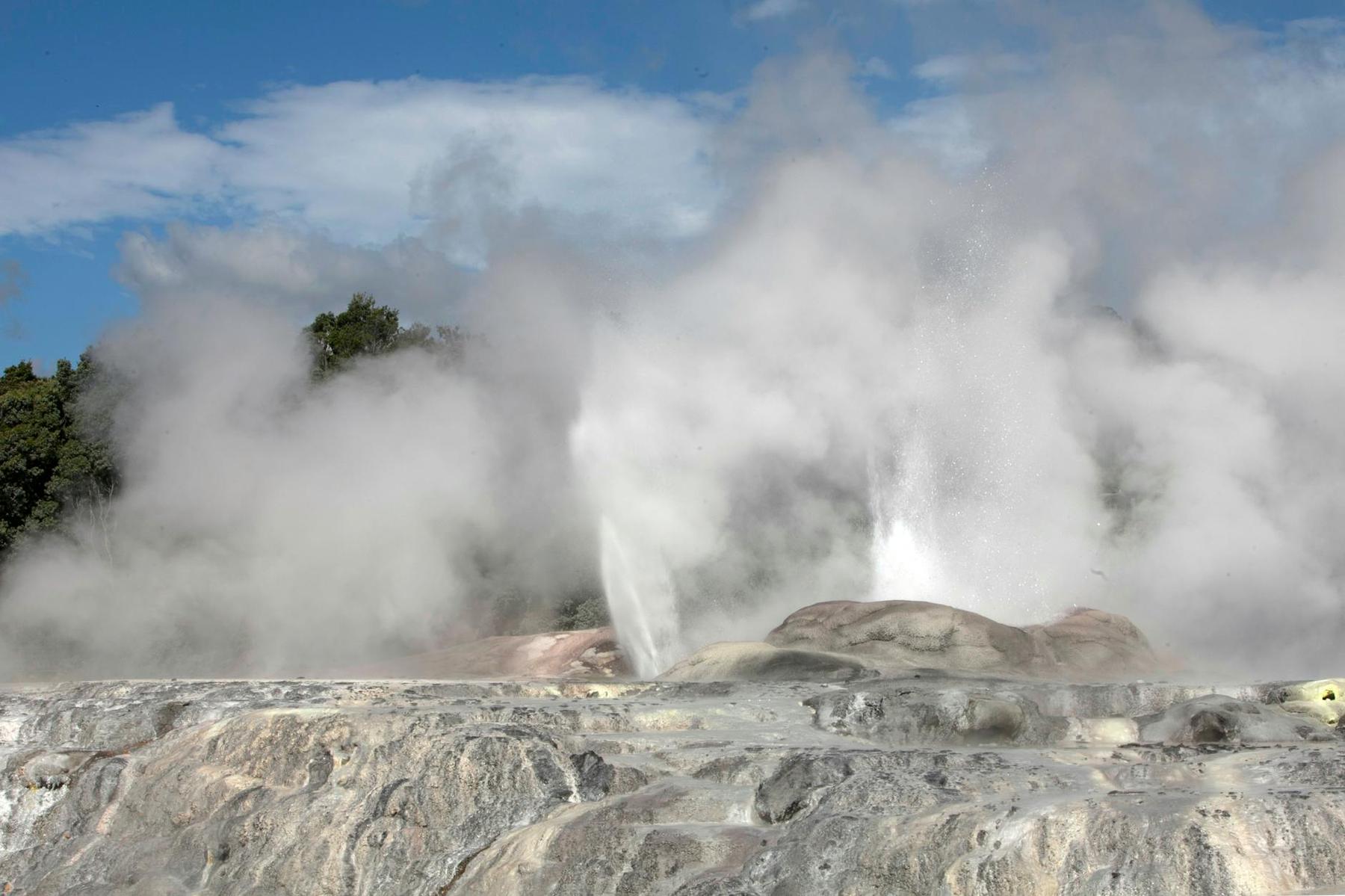
    Rotorua geothermal geyser with steam erupting at Te Puia
    A Rotorua day trip from Auckland delivers New Zealand’s most active geothermal landscape and Māori cultural heart.

    Honest take: Rotorua deserves more than a single day, and we’d usually push you toward an overnight stay. But if your Auckland trip is short and Rotorua is the only chance to see geothermal New Zealand and a Māori cultural performance, a 12-hour day trip works. Read on for both options — driving yourself and joining a tour — plus whether the day trip is worth it for you.

    Quick facts

    • Distance from Auckland: 227 km via SH1 and SH5
    • Driving time: 2.75–3 hours each way (no traffic)
    • Total day-trip duration: 12–14 hours door to door
    • Cost (self-drive): $130–250 per person inc fuel, attractions and meals
    • Cost (organised tour): $295–450 per person all-inclusive
    • Best time of year: Year-round; geothermal attractions are most dramatic in cool weather (more visible steam)
    • Top attractions: Te Puia (Pōhutu Geyser, Māori cultural performance), Whakarewarewa, Wai-O-Tapu, Polynesian Spa, Skyline Rotorua, Redwoods Treewalk
    • Recommended for: Visitors with at least 3 spare days in Auckland; first-time NZ visitors keen to see Māori culture and geothermal landscapes

    Driving from Auckland to Rotorua
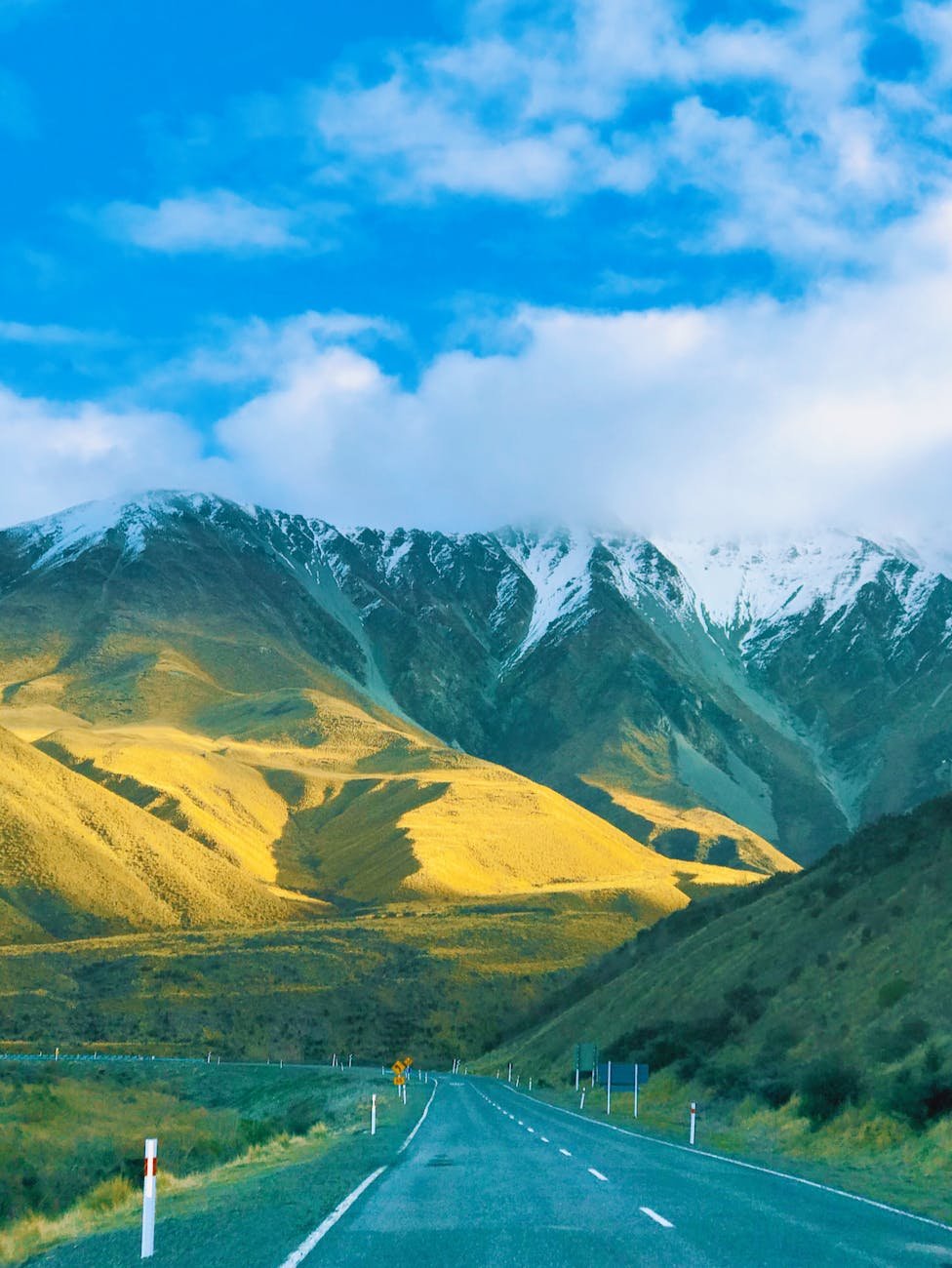
    New Zealand countryside road with rolling green hills
    The 227 km drive from Auckland to Rotorua takes 3 hours via SH1 and SH5.

    The route

    Take SH1 (Southern Motorway) south out of Auckland — past Manukau, through the rural Bombay Hills, and on through Hamilton (1.5 hours). After Hamilton, switch to SH5 at Tirau (the corrugated-iron sheep town — worth a 10-min photo stop). SH5 winds south through Mamaku Forest before descending into Rotorua. Total drive: 2:45–3:00 in normal conditions.

    When to leave Auckland

    Departing Auckland by 7am gets you to Rotorua by 10am — the optimal arrival time, before the cruise-tour buses pile in around 11am. A 7am departure gives you 5–6 hours in Rotorua before driving home. Avoid Friday afternoon return traffic from 3pm onward — Hamilton motorway can crawl. A 3:30pm departure from Rotorua puts you back at Auckland CBD by 6:30–7pm.

    Rental cars

    Auckland Airport and CBD locations rent compact cars from $55–80 per day. Hertz, Avis, Budget, Europcar and a strong cluster of NZ-based budget operators (GO Rentals, JUCY, Apex). Pickups in the CBD save the drive to the airport — Britomart-area locations include Avis (Customs Street West) and JUCY (Beach Road). Confirm Bluetooth, USB chargers, and full tank-to-tank fuel rate before driving off.

    Fuel costs

    Round-trip fuel for a compact petrol car at $2.95/L: about $80. EVs can charge for free at the Hampton Downs and Tirau ChargeNet stations on the route. Most Auckland rental cars are now hybrid; expect lower fuel costs.

    Or take a Rotorua day-tour from Auckland

    If you’d rather not drive 6 hours yourself, several Auckland-based operators run organised day trips with hotel pickup at 7am and return by 8pm. Most include all attraction entries, lunch, and pickup/drop-off. You sit in an air-conditioned coach, doze if you want, and arrive with no logistics. Fees run $295–450 per person depending on itinerary.

    Top operators

    • Auckland & Beyond Tours — small-group focus, Te Puia + Wai-O-Tapu, $360pp.
    • Cheeky Kiwi Travel — includes Hobbiton Movie Set option (longer day, $479pp), or Rotorua-only $295pp.
    • Bush & Beach — small-group eco-tour with Te Puia, $385pp.
    • GreatSights NZ — coach-based mass-market tour, $295pp.
    • InterCity bus from Auckland — public bus, $50 each way; you’d add the cost of attractions yourself.

    Top attractions in Rotorua

    Te Puia
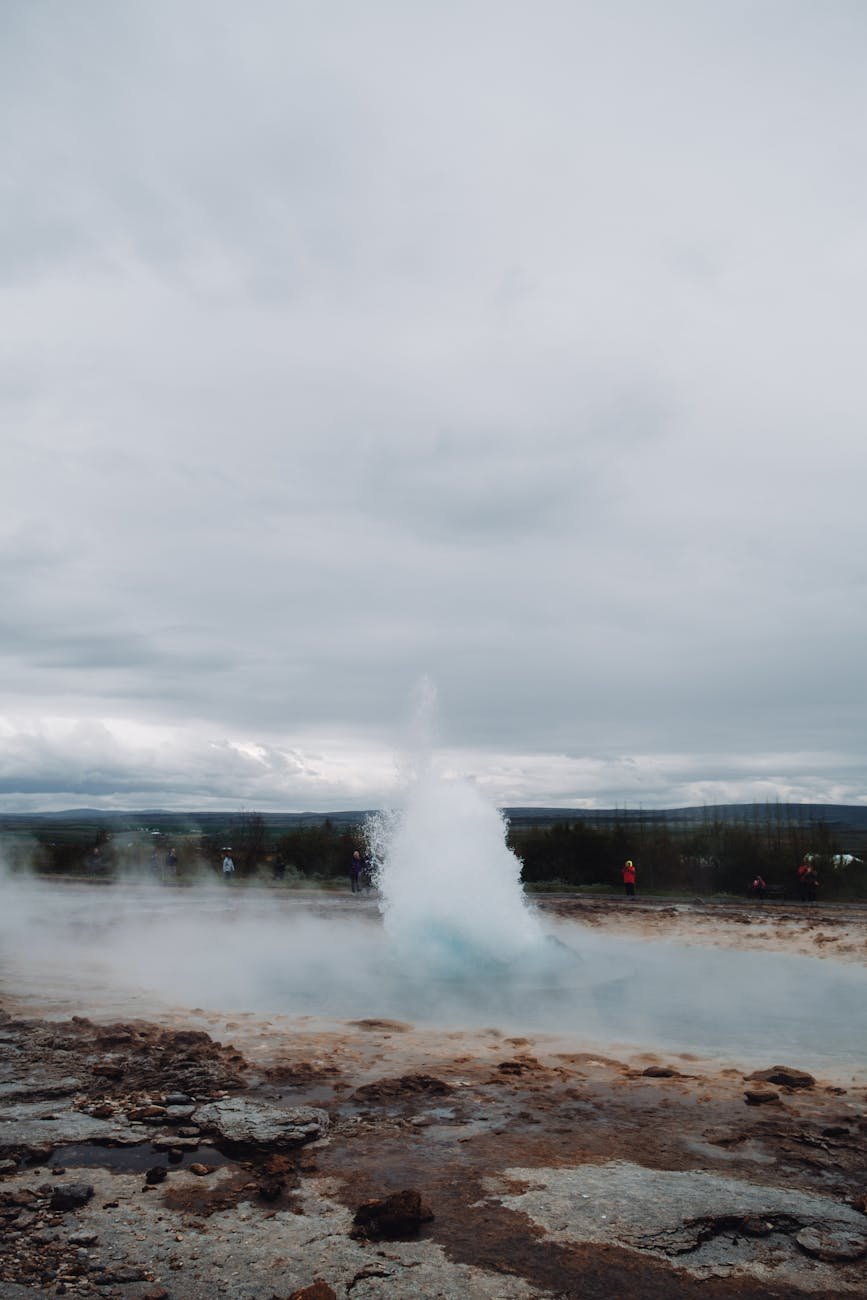
    Geothermal geyser erupting steam high into the air
    Pōhutu Geyser at Te Puia erupts up to 30 metres high every hour or two.

    The single most important Rotorua attraction. Te Puia is a 60-hectare geothermal valley owned and run by the New Zealand Māori Arts and Crafts Institute. The site contains:

    • Pōhutu Geyser — New Zealand’s most active geyser, erupting up to 30 metres several times an hour; the world’s largest reliable geyser.
    • Prince of Wales Feathers Geyser — erupts before Pōhutu as a “warm-up”.
    • Bubbling mud pools — hot, photogenic, sulphur-scented.
    • Kiwi Conservation Centre — see live kiwi birds in a darkened nocturnal enclosure.
    • Carving school — watch master carvers at work using traditional Māori techniques.
    • Weaving school — live demonstrations of harakeke (NZ flax) weaving.
    • Pōwhiri (formal welcome) and cultural performance — daily 11am, 2pm and 4pm.
    • Hāngī lunch — traditional earth-cooked meal available with extended ticket.

    Entry: $79 adult / $40 child for general admission; $129 adult / $65 child with cultural performance and hāngī. The 90-minute guided tour ($25 add-on) is excellent and recommended for first-timers. Te Puia is open 8am–5pm summer, 9am–4pm winter.

    Whakarewarewa Living Māori Village

    Adjoining Te Puia, Whakarewarewa is a working Māori village where 22 families still live in geothermal homes — they cook in the hot pools, bathe in the steaming creek, and host visitors on guided tours. Entry $50pp for self-guided visit; $80pp for guided tour and cultural performance. Less polished than Te Puia but more authentic — you’re walking through a living community, not a curated park.

    Wai-O-Tapu Thermal Wonderland

    Often visited alongside Te Puia for variety. Wai-O-Tapu is a 30-min drive south of Rotorua and is best known for the Champagne Pool — a 65 m diameter hot spring with vivid orange and green mineral edges, the most-photographed image of Rotorua. Other highlights include the Devil’s Bath (lurid yellow-green pool) and Lady Knox Geyser (which is artificially “induced” daily at 10:15am with biodegradable soap — somewhat of a tourism gimmick). Entry $54 adult / $18 child.

    Polynesian Spa

    Rotorua’s flagship hot-pools complex on the Lake Rotorua shore. 28 mineral pools with varying temperatures (35°C to 42°C) and mineral content (alkaline silica or acidic sulphur). The Lake Spa Retreat adult-only area ($80pp/2 hours) is the high-end option; the family pools are $30 adult / $15 child. The Deluxe Lake Spa includes private cabanas and lake views. Excellent post-driving day option.

    Skyline Rotorua & Luge

    Gondola up Mount Ngongotaha for panoramic views of Lake Rotorua, plus the famous Skyline Luge — gravity-driven karts on three downhill tracks. Adventurous fun for all ages. Gondola + 3 luge rides: $79 adult / $58 child. Also has a swing, zip lines and restaurants. Open 9am–8pm.

    Redwoods Treewalk

    A 700 m elevated walkway through a 90-year-old Californian redwood forest, including 28 illuminated suspension bridges. Free during daylight; the Treewalk Nightlights ($45 adult / $25 child) is gorgeous after dark. Open 8:30am–10:30pm in summer; reduced hours winter.

    Government Gardens & Tudor Towers

    Rotorua’s Edwardian-era public gardens and the iconic mock-Tudor bath house (now the Rotorua Museum, currently being seismically strengthened — closed for renovation through 2026). Free to walk. Worth 30 minutes if combining with Polynesian Spa next door.

    Ohinemutu

    The original Māori settlement on the lakefront, with a stunning 1905 timber church (St Faith’s Anglican Church) where Māori carvings and stained glass blend Christian and Māori imagery. Free to visit; donations welcome. Hot pools steam in residents’ backyards.

    Lake Rotorua and the lakes district
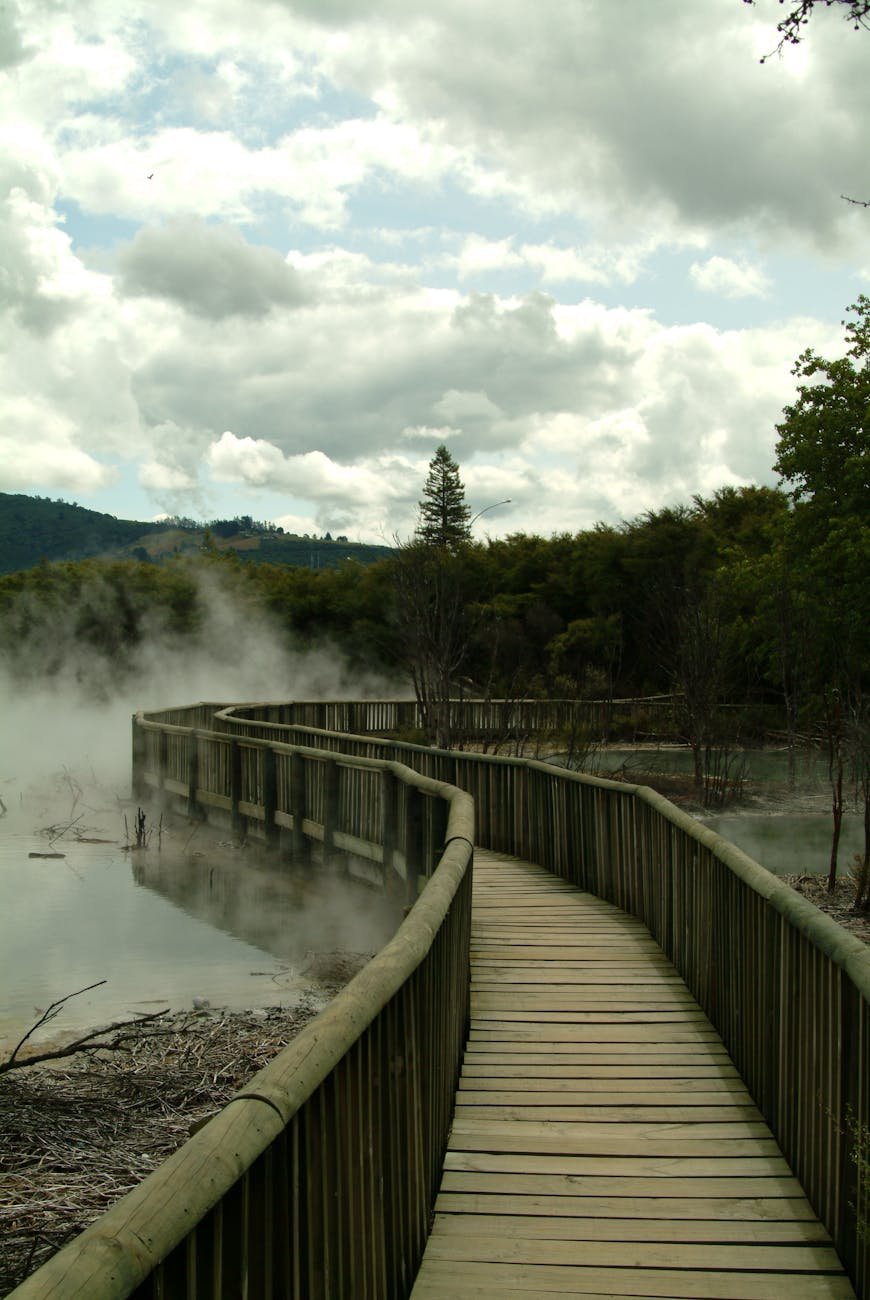
    Lake Rotorua mirror-still water at sunrise with steam rising
    Lake Rotorua is the largest of 18 lakes in the volcanic Rotorua district.

    Lake Rotorua is the largest of 18 lakes in the district, formed in an ancient volcanic caldera. Stand on the lakefront at Sulphur Point and you can see steam rising from the water. Mokoia Island sits in the middle — a wildlife sanctuary you can visit by boat. For a longer day, consider visiting Lake Tarawera (where the Pink & White Terraces were destroyed in the 1886 eruption) or Lake Tikitapu (the Blue Lake) and Lake Rotokakahi (the Green Lake). Excellent walking and mountain-biking around all three.

    Māori cultural performance
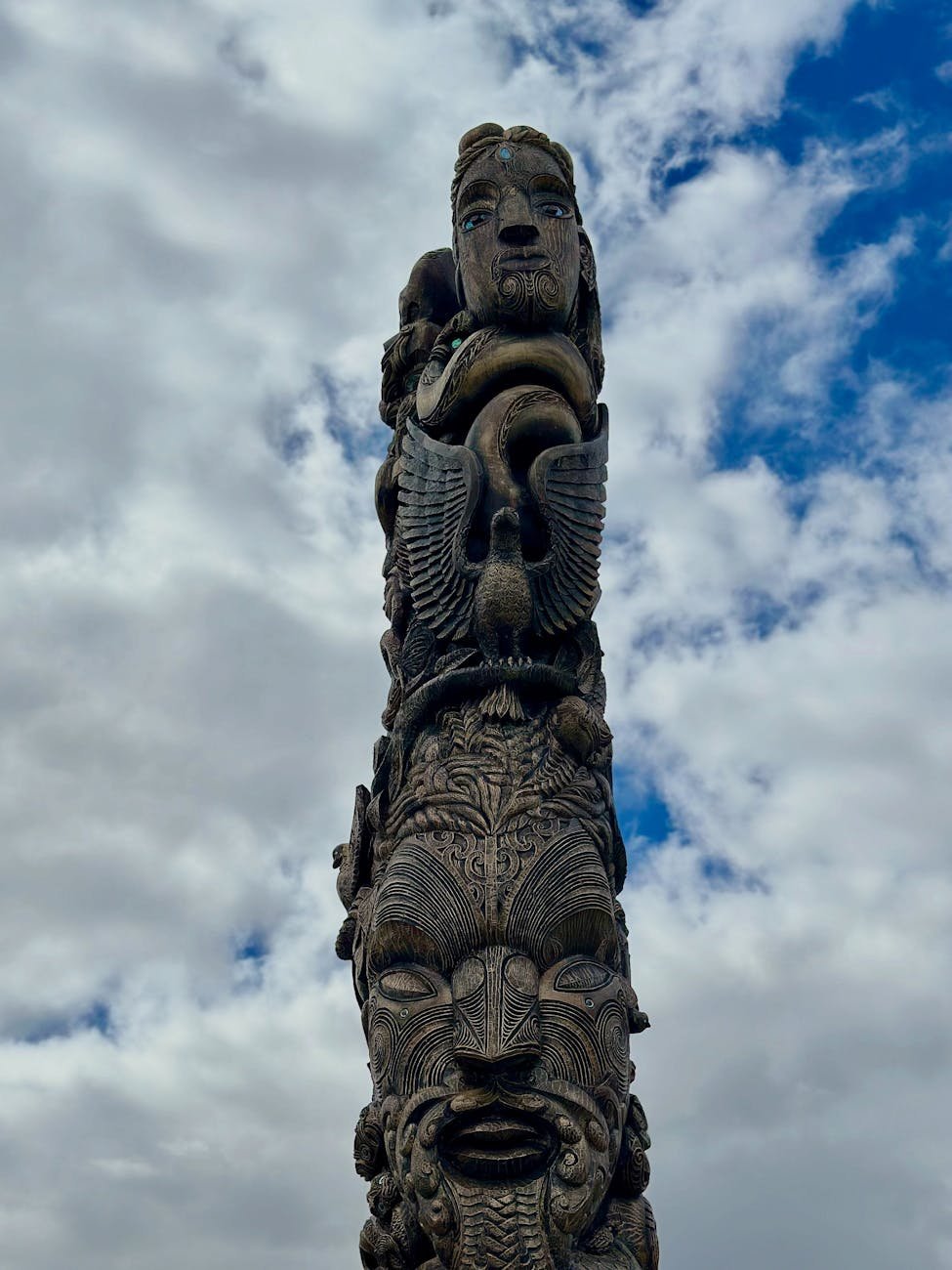
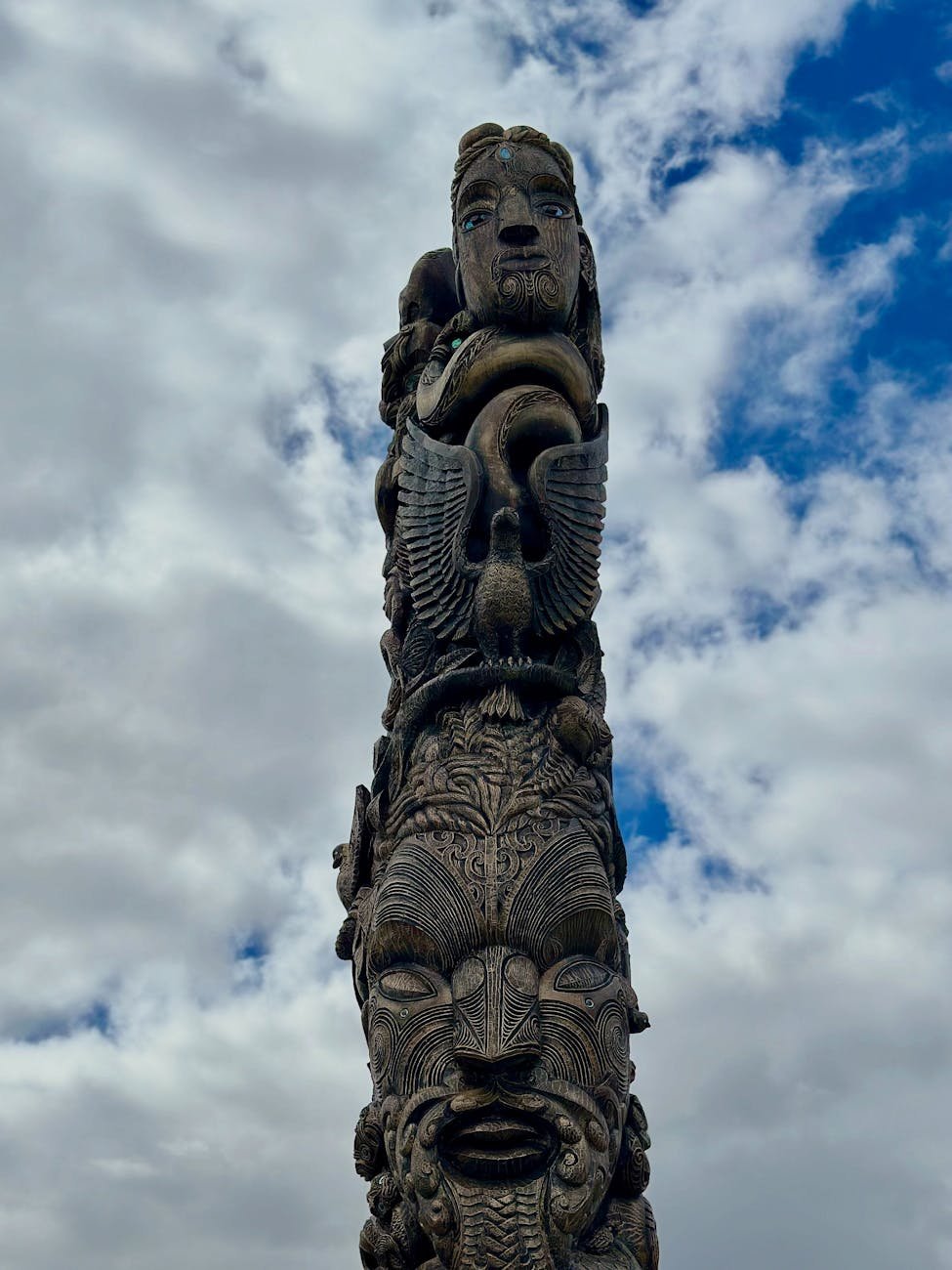
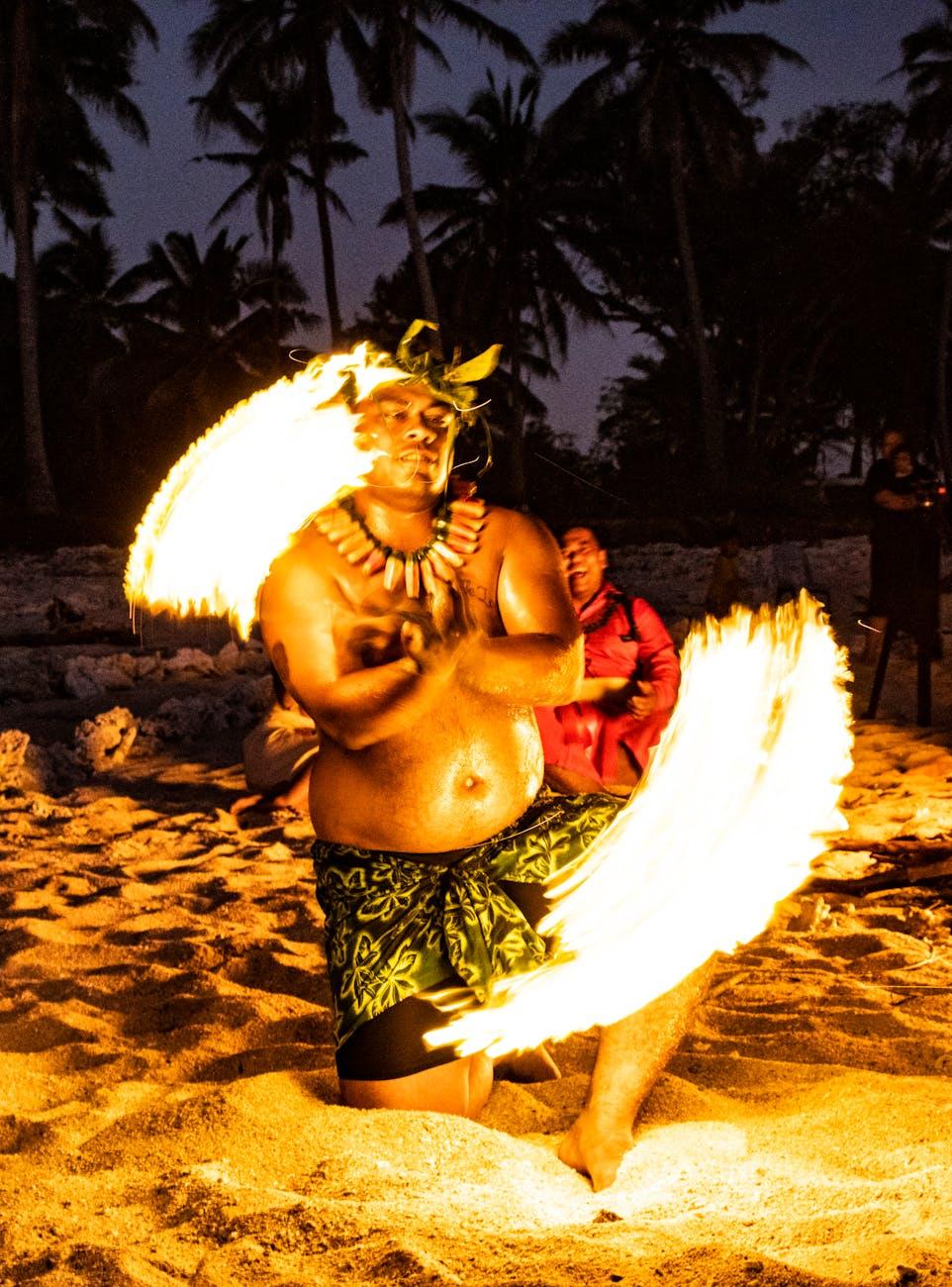
    Traditional Māori cultural performance with carving and dance
    Te Puia and Whakarewarewa offer the country’s most authentic Māori cultural experiences.

    Rotorua is the heart of New Zealand’s Māori cultural tourism, with multiple high-quality cultural performance options. Best of these:

    • Te Pā Tū (formerly Tamaki Māori Village) — the country’s gold standard. Evening pōwhiri, cultural performances, hāngī dinner. Adult $145, child $89. 4-hour experience.
    • Mitai Māori Village — evening cultural experience with hāngī, glow-worm walk, and Māori warriors arriving by waka. Adult $135.
    • Te Puia daytime cultural performance — 30-min show, included with combined admission ticket.
    • Whakarewarewa daytime — includes village walk and cultural show, more authentic atmosphere.

    For a single day trip, the Te Puia daytime show is the most workable. Te Pā Tū and Mitai are evening experiences requiring an overnight stay.

    Suggested Rotorua day-trip itinerary

    • 7:00am — Depart Auckland CBD via SH1.
    • 9:30am — Quick break at Tirau for coffee and a pastry; photograph the corrugated-iron sheep and shepherd buildings.
    • 10:00am — Arrive Te Puia. Buy combined ticket with cultural performance ($129).
    • 10:15–11:00am — Self-guided tour of geothermal valley; see Pōhutu Geyser, mud pools, kiwi enclosure.
    • 11:00am — Cultural performance.
    • 12:00pm — Lunch at Te Puia café (or, for a hāngī experience, the Te Heketanga restaurant if available).
    • 1:00pm — Drive to Polynesian Spa (10 mins).
    • 1:15–2:30pm — Hot pool soak.
    • 2:45pm — Coffee and Government Gardens stroll.
    • 3:30pm — Begin drive back to Auckland.
    • 6:30–7pm — Arrive Auckland; dinner in Britomart or Ponsonby.

    This itinerary covers the most essential Rotorua experience. Add Wai-O-Tapu and you’ll need an overnight; same with Skyline Luge and Redwoods Treewalk evening visits.

    Where to stay if you go overnight

    • Pullman Rotorua — the closest 5-star to Te Puia and Government Gardens; 130 rooms with pools and spa. From $290/night.
    • Regent of Rotorua — mid-range boutique hotel with private heated pools; excellent location near Polynesian Spa. From $240/night.
    • Distinction Hotel Rotorua — reliable mid-range with thermal pools and Eat Streat next door. From $190/night.
    • Holiday Inn Rotorua — family-friendly mid-range with kids’ pools and steam vents in the gardens. From $200/night.
    • Treetops Lodge & Estate — luxury wilderness lodge in 2,500-acre forest 30 mins out of town. From $1,200/night all-inclusive.
    • Wai Ora Lakeside Spa Resort — Māori-owned luxury resort on the lake with private mineral pools in each suite. From $580/night.
    • Camping & backpackers — Top 10 Holiday Park (cabins from $90), Rotorua Top Spot Backpackers (dorms from $40), free freedom camping at Whakatāne Heads (35 min east).

    Other Rotorua attractions worth knowing about

    • Velocity Valley Adventure Park — bungee, swings, jet sprint boats, free fall. Adults $35–95 per activity.
    • Agrodome — working farm with sheep show; classic NZ tourist staple. Tour $59 adult.
    • Mount Tarawera 4WD tour — guided 4WD up to the volcano that destroyed the Pink & White Terraces in 1886. From $295.
    • Lake Tarawera boat cruise — historic Tarawera Trail by boat. From $109.
    • Wingspan National Bird of Prey Centre — see kārearea (NZ falcon) and ruru (morepork) up close. Adult $30.
    • Mountain biking the Whakarewarewa Forest — 180 km of world-class trails, free entry; bike rental from $69/day.
    • Hells Gate — Maori-owned geothermal park with mud baths and sulphur spa. Adult $50.
    • Buried Village of Te Wairoa — archaeological site of the village destroyed by Mt Tarawera in 1886. Adult $36.
    • Ogo Rotorua — roll downhill in a giant inflatable ball. Adult $59.

    Where to eat in Rotorua

    • Eat Streat (Tutanekai Street) — Rotorua’s main restaurant strip, semi-pedestrianised with overhead heating in winter. Choose from Capers, Atticus Finch, Volcanic Hills, Waterside.
    • Stem Restaurant — Rotorua’s stand-out fine dining; chef’s tasting menu uses local geothermal-cooked ingredients.
    • Urbano Bistro — long-running Italian-leaning bistro on Pukuatua Street.
    • Lakeside Café — coffee, brunch, and views of Lake Rotorua.
    • Te Puia café — on-site at the geothermal park; convenient if pressed for time.
    • Hāngī experiences — Te Pā Tū, Mitai, and Tamaki all serve traditional earth-cooked dinners.

    Day trip vs overnight stay

    The single biggest question: is Rotorua worth a day trip from Auckland, or should you stay overnight?

    Choose a day trip if:

    • You have only 3–4 nights in Auckland and don’t have time to relocate
    • You’re okay with 6 hours of driving in a single day
    • You only want the highlight reel — Te Puia, hot springs, lake views
    • You don’t want to skip Auckland’s restaurants and harbour for 2 nights

    Stay overnight if:

    • You want to do an evening Māori cultural experience like Te Pā Tū or Mitai
    • You want to see Wai-O-Tapu, Skyline Rotorua, Redwoods Treewalk plus Te Puia
    • You’re keen on lake activities (kayak, fishing, cruises)
    • You’re heading further south to Taupō, Tongariro or Wellington
    • You want to relax — driving 6 hours plus 5 hours of attractions in a single day is brutal

    If you have 4 days or more in NZ, splitting Rotorua into a 1-night stay (drive down day 1, full Rotorua day 2, drive back day 3 morning) gives a far better experience. Hotels start around $180/night for mid-range; the Polynesian Spa-adjacent Regent of Rotorua is a popular choice ($240/night).

    Geothermal safety and respect

    Rotorua’s geothermal landscapes are sacred to local iwi (Māori tribes) and are also genuinely dangerous. Stay on marked paths at every site. Hot pools and steaming ground can be 100°C+ at the surface, with deeper water often hotter still — incidents involving tourists straying off paths have been fatal as recently as 2014. Photographing performers in cultural performances is generally welcomed but always ask first; flash photography is discouraged inside meeting houses (whare). When entering a marae or a meeting house, follow the protocols (pōwhiri, removing shoes) explained by your guide. Don’t touch sacred objects (taonga) without invitation. Tipping is not expected — Māori cultural performances are paid services. The performers, carvers, weavers, and tour guides at Te Puia, Whakarewarewa and Te Pā Tū are trained mātauranga Māori (Māori knowledge) practitioners and are happy to explain culture, history and tikanga (protocols) when asked respectfully.

    What about Hobbiton?

    Hobbiton Movie Set sits halfway between Auckland and Rotorua near Matamata, about 1:45 from Auckland and 1:00 from Rotorua. It’s possible to combine Hobbiton with a Rotorua day trip but you’re stretching to a 14-hour day. Most operators offering combo tours use a 6am Auckland pickup with arrival home around 9pm. Cost $479+pp. If Hobbiton is your priority, consider a dedicated Hobbiton-only day trip from Auckland (about $200pp) and skip Rotorua, or do both as a 2-day trip with overnight in Rotorua.

    Best Rotorua experiences for first-time visitors

    If you have to pick three things in Rotorua, our hit-list looks like this. First, Te Puia for the Pōhutu Geyser, kiwi conservation centre and the daily cultural performance — you won’t get a more concentrated dose of Māori cultural and geothermal heritage anywhere in New Zealand. Second, Polynesian Spa or Wai Ora for a 90-minute mineral-pool soak — the water is genuinely therapeutic and the post-driving recovery is real. Third, a meal at Eat Streat with a Māori-inspired menu (Stem Restaurant or Atticus Finch lead this category). For longer stays, layer on Whakarewarewa Living Village for cultural depth, Wai-O-Tapu for visual spectacle, and the Redwoods Treewalk Nightlights after dinner for a perfect family-friendly evening.

    Costs at a glance

    • Self-drive day trip (per couple): $260–500 ($55–80 fuel + $258 Te Puia + Polynesian Spa + lunch)
    • Self-drive overnight (per couple): $560–900 (above + $240 hotel + $80 dinner + extra activities)
    • Bus day-tour (per person): $295–450 all-inclusive
    • Bus + Hobbiton combo (per person): $479+ all-inclusive
    • InterCity bus (return): $100 plus all attractions paid separately

    For most couples, self-drive is the cheaper option but tours offer real time savings and expert commentary. Solo travellers usually save money joining a tour group rather than renting a car for a day.

    Stops along the way (Auckland to Rotorua)

    The drive south offers several worthwhile stops if you have time:

    • Hampton Downs — the largest motorsport circuit in the North Island; not a stop unless you have race tickets, but visible from SH1.
    • Huntly — small Waikato town; mining heritage and the lakes.
    • Hamilton Gardens — a 30-min detour to one of New Zealand’s best public garden complexes. Free entry. Worth a stop on a longer trip.
    • Tirau — the corrugated-iron sheep, dog and shepherd at the i-Site information centre. Photo stop, takeaway lunch at Sheep Café.
    • Putaruru Blue Spring (Te Waihou Walkway) — the source of 70% of New Zealand’s bottled water; vivid blue spring with crystal-clear water. 30-minute walk from car park. Free, but a 25-minute detour from SH5.
    • Hobbiton Movie Set (Matamata) — 30-min detour from Tirau. Tours run 9am–4pm; book ahead. Adult $129.
    • Mamaku Forest — the final 15 minutes before descending into Rotorua; native bush and waterfall pull-offs.

    Tips for a great Rotorua day

    • Pre-book your Te Puia or Wai-O-Tapu ticket online — saves queue time on arrival.
    • Combine a 90-minute guided tour with self-exploration at Te Puia for the deepest experience.
    • Wear closed-toe walking shoes — geothermal paths get slippery and steamy.
    • Take a swimsuit and quick-dry towel in your day pack — Polynesian Spa is a stand-out finisher.
    • Set off from Auckland by 7am at the latest. Earlier (6am) gives you a buffer for traffic.
    • If driving, fill up in Hamilton (cheaper fuel) or Tirau (last fuel before Rotorua).
    • Lunch is included in most organised tours. Self-drivers should book Eat Streat or Te Puia café.
    • Cell coverage is reliable on the route except in the Mamaku Forest section.
    • Free public toilets at Tirau, Wai-O-Tapu, Lake Rotorua foreshore.
    • If overnighting, book accommodation 3–4 weeks ahead in summer.
    • Bring a windbreaker — geyser viewing platforms are exposed and breezy.
    • For a Māori greeting, “Kia ora” (hello/well-being) is universally appreciated.

    FAQs

    How long does the drive to Rotorua take?

    2:45–3 hours each way without traffic. Friday afternoon return traffic can add 30–60 minutes. Sunday evening returns are generally smooth.

    Is Rotorua day-trippable from Auckland?

    Yes, but it’s a long day — 12 hours door to door. You’ll see one or two attractions and have a hot-pool soak. For more, stay overnight.

    What does Rotorua smell like?

    Sulphur — a strong rotten-egg smell from the geothermal activity. It’s harmless and you stop noticing within 30 minutes. The smell is strongest near Whakarewarewa and the lake foreshore.

    Should I do Te Puia or Wai-O-Tapu?

    Te Puia for the cultural and conservation focus (Pōhutu Geyser, kiwi, carving school, Māori performance). Wai-O-Tapu for the visual spectacle (Champagne Pool, Devil’s Bath). Both for the comprehensive experience — a day trip can squeeze in only one.

    Are tours worth the extra cost?

    If you’re a couple, self-driving works out cheaper ($130–250pp vs $295–450pp for tours). For solo travellers, families with kids, or anyone uncomfortable with NZ driving, tours are excellent value when you factor in expert commentary, all entries, and lunch. Bus pickup is direct from your hotel.

    What should I pack?

    Walking shoes, swimsuit and towel for hot pools, light layers, sunscreen (UV is high), light raincoat. Most attractions have lockers. Bring cash for small vendors though most accept cards.

    Can I see snow?

    Not in Rotorua itself (low altitude, mild winters). Mount Ruapehu’s ski fields are 1.5 hours further south.

    Is Rotorua good with kids?

    Excellent. Kids love the geysers, mud pools, kiwi birds, Skyline Luge, Redwoods Treewalk and hot pools. Te Puia’s Kiwi Conservation Centre is a highlight. Most attractions have child concessions of 40-50% off.

    Is the geothermal activity safe?

    Yes — all visitor sites are managed and fenced where necessary. Stay on marked paths. Don’t touch hot pools or steaming ground. Te Puia, Wai-O-Tapu and Whakarewarewa are well-maintained.

    Best time of year for Rotorua?

    Year-round. Cool winter days (June–August) actually intensify the visual drama of the geothermal steam. Summer (December–February) is busiest and warmest for hot-pool comfort. Spring and autumn are quietest.

    How does Rotorua compare to Yellowstone or Iceland?

    Smaller scale than Yellowstone but more accessible — you can stand within metres of an erupting geyser at Te Puia. Less dramatic landscape than Iceland’s Geysir region but more cultural depth via Māori interpretation.

    The bottom line

    A Rotorua day trip from Auckland is a long but memorable experience. With a 7am start, you can see Pōhutu Geyser, witness a Māori cultural performance, soak in mineral hot pools, and be back in Auckland for dinner. If you have 4 days or more in New Zealand, an overnight stay opens up evening Māori cultural experiences and a wider range of attractions. Either way, Rotorua delivers an iconic North Island experience that no Auckland visitor should miss if their trip is more than 4 nights.

    Plan more day trips with our complete day trips from Auckland guide, browse our Auckland culture, history & Māori heritage pillar, and read our Auckland Museum guide for an Auckland-based Māori cultural experience.
  • Ponsonby Guide: Auckland’s Coolest Neighbourhood (2026)

    Ponsonby Guide: Auckland’s Coolest Neighbourhood (2026)

    Ponsonby is Auckland’s coolest neighbourhood and the city’s most-loved high street wrapped into a single, walkable strip. Restored Victorian villas now house design boutiques, brunch institutions, neighbourhood bars and award-winning restaurants. The locals are creative, the dogs are well-groomed, and the weekend brunch queues stretch around the block. This complete Ponsonby Auckland guide covers everything you need to navigate the suburb like a local: the best cafés, restaurants and bars, the Ponsonby Central food court, where to shop, where to stay, how to get there, and how to spend a perfect day on Auckland’s most stylish street.

    Auckland Ponsonby Road with historic Victorian villa shopfronts and trees
    Ponsonby Road is Auckland’s most stylish high street, lined with restored Victorian villas and shops.

    If you have any time at all in Auckland, Ponsonby deserves a half-day at minimum and a full day if you want to do it properly. It’s a 5-minute Uber from the CBD, a 15-minute walk from the Sky Tower, and a different city entirely from the corporate Britomart precinct. Read on for the most comprehensive Ponsonby guide on the web, written from regular on-foot reconnaissance through 2025–2026.

    Ponsonby at a glance

    • Location: Inner-west Auckland, 2 km west of the CBD
    • Population: ~9,000 (Ponsonby suburb proper); 23,000 across Ponsonby/Grey Lynn/Westmere
    • Key streets: Ponsonby Road (the main strip), Three Lamps area at the north end, Karangahape Road junction at the south end
    • Architecture: Restored Victorian and Edwardian villas, plus mid-century commercial conversions
    • Vibe: Brunch culture, design-led retail, evening dining, weekend market culture
    • Hours: Cafés open 7am–4pm; restaurants and bars run from noon to midnight (kitchens close around 10pm)
    • How long to spend: Half-day for highlights, full day for shopping + dining + Western Park stroll
    • Best for: Foodies, design-led travellers, fashion-conscious visitors, brunch enthusiasts

    A brief history

    Ponsonby developed in the late 19th century as a working-class suburb of villas built for railway workers and tradespeople, named after Lord Ponsonby (Governor of New Zealand 1885–1890). Through the 20th century the suburb became a Polynesian heartland — Samoan, Tongan, Niuean and Cook Islands families settled in the timber villas through the 60s and 70s. The 1980s saw the suburb gentrified by artists, writers and gay communities; the 1990s and 2000s brought café and design-led retail; the 2010s sealed Ponsonby’s reputation as Auckland’s most desirable inner-city address. Today the suburb is a dense mix of all of those layers — Pacific Island churches, queer-owned bars, Asian-fusion restaurants and Daily Bread’s pain au chocolat counter all share the same street.

    Where to eat

    Trendy Ponsonby cafe with outdoor seating and brunch service
    Ponsonby is the heartland of Auckland’s brunch culture with iconic cafes like Orphans Kitchen and Bambina.

    Brunch & café

    • Daily Bread (Williamson Avenue) — the original Daily Bread bakery and brunch spot. Pastry counter is the star but the all-day menu (kaya French toast, ricotta hotcakes) is excellent. Open 7am–3pm.
    • Orphans Kitchen (Ponsonby Road) — Tom Hishon’s farm-to-table all-day kitchen. Spinach and silverbeet on Daily Bread sourdough is the signature dish. Coffee Supreme.
    • Bambina (Ponsonby Road) — design-led brunch with strong Italian leanings. Ricotta pancakes, Spanish baked eggs, Aperol spritzes from 11am.
    • Bird on a Wire (Ponsonby Road) — the chicken-and-egg café from chef Mark Wallbank. Strong from 8am.
    • Major Sprout (Ponsonby Road) — all plant-based, but ambitious enough to convert sceptics. Vegan pancakes are exceptional.
    • Nood Food (Ponsonby Road) — health-driven brunch with strong gluten-free and vegan options. Atomic coffee.
    • Olaf’s Bakery (Ponsonby Road) — serious bakery, no sit-down; sourdough loaves and rye worth the queue.

    Restaurants

    Italian restaurant with pizza and pasta dining setting
    Prego, Daphnes, Tutto Bene and Bedford Soda anchor Ponsonby’s destination dining scene.
    • Prego (Ponsonby Road) — Auckland’s most-loved Italian restaurant for over 30 years. Pizzas, pasta, wood-fired calzones. Always book.
    • Daphnes Taverna (Ponsonby Road) — Mediterranean-Greek with sharing plates, generous mezze, lamb shoulder for two.
    • Tutto Bene (Ponsonby Road) — classic neighbourhood Italian; the linguine vongole is unbeatable.
    • Saan (Ponsonby Road) — Northern Thai street food. Crispy pork belly, larb gai, sticky rice. Booking essential.
    • Cocoro (Ponsonby) — a polished modern Japanese restaurant with omakase and serious sake list.
    • Augustus Bistro (Ponsonby Road) — contemporary New Zealand fine-casual; great wine list.
    • The Blue Breeze Inn (Ponsonby Central) — mod-Cantonese with a tiki-bar twist. Try the smoked duck pancakes.
    • Café Hanoi (Ponsonby Central) — Vietnamese street food in an industrial-chic space. The pho is excellent.
    • Andiamo (Ponsonby Road) — long-running modern Italian; weekday lunch deals are strong.
    • El Sizzling Chorizo (Ponsonby Road) — Argentinian steakhouse, Argentinian Malbec, big steaks and sharing platters.

    Ponsonby Central — the food court

    Ponsonby Central is the suburb’s converted-warehouse food precinct, hosting 20+ eateries under one roof. It’s the most efficient way to sample several Ponsonby restaurants in a single visit. Anchor venues include The Blue Breeze Inn (Cantonese), Café Hanoi (Vietnamese), Saan (Thai), Bedford Soda & Liquor (cocktails & pizza), Sweat Shop Brew Kitchen (craft beer & burgers), Dida’s Wine Lounge (wine bar), Tom & Sue’s (American diner), and a rotating cast of pop-ups and weekend events. Entry is free; just walk in. Open 7am–11pm daily.

    Where to drink

    • Chapel Bar & Bistro (Ponsonby Road) — the suburb’s oldest neighbourhood bar; live music nights, extensive beer list, hearty pub food.
    • Bedford Soda & Liquor (Ponsonby Central) — playful cocktail bar with Brooklyn-style dive feel; serves wood-fired pizza.
    • Dida’s Wine Lounge (Ponsonby Central) — 60+ wines by the glass, NZ-led list with a deep European backbone.
    • Golden Dawn (Ponsonby Road) — hidden courtyard bar in a 1907 villa; live music, DJs, summer beer-garden vibe.
    • SPQR (Ponsonby Road) — Italian restaurant by day, packed wine bar from 5pm; Aperol-spritz capital of the suburb.
    • Mea Culpa (Ponsonby Road) — tiny Italian-style aperitivo bar with house-cured charcuterie and natural wine.
    • Lucha Lounge (Ponsonby Road) — Mexican-themed bar with a serious mezcal list and weekend margaritas.
    • The Long Room (Three Lamps) — classic Auckland pub, screen sport, fish-and-chips menu.

    Where to shop

    Boutique fashion shopping street with displays and design-led storefronts
    Ponsonby Road is Auckland’s premier independent retail strip with NZ designers and boutiques.

    Fashion & design

    • Karen Walker (Ponsonby Road) — the New Zealand designer’s flagship store; runway pieces alongside Karen’s accessible line.
    • Workshop (Ponsonby Road) — long-running NZ fashion mainstay with men’s and women’s lines.
    • Zambesi (Ponsonby Road) — avant-garde NZ design house with a global cult following.
    • Standard Issue (Ponsonby Road) — Auckland-made knitwear in merino and possum-merino.
    • Kowtow (Ponsonby Road) — ethical, organic-cotton-led NZ basics with a strong following.
    • Trelise Cooper (Ponsonby Road) — the Auckland women’s brand for occasion dressing.
    • Hailwood (Ponsonby Road) — Adrian Hailwood’s flagship NZ designer store.
    • Storm (Ponsonby Road) — NZ leather and accessories with a strong handbag selection.

    Home, gift & lifestyle

    • Father Rabbit (Williamson Avenue) — beautifully curated home and lifestyle goods, from linen sheets to ceramic plates.
    • Country Road / Trenery (Ponsonby Road) — Aussie casual brand with strong Auckland presence.
    • Tessuti (Ponsonby Road) — high-end Italian fabrics and homewares.
    • City Stitch (Ponsonby Road) — independent bookstore and gallery.
    • The Ginger Tree (Ponsonby Road) — Asian-inspired homewares and gifts.
    • Ponsonby Antique Centre (Ponsonby Road) — 50+ dealers under one roof, from Persian rugs to mid-century lamps.

    Things to do beyond eating & shopping

    Auckland park with grass and children playing in green space
    Western Park provides the suburb’s main green space, with playgrounds and walking paths.

    Western Park

    Ponsonby’s flagship green space, sitting at the southern end of the suburb just below the K Road junction. Sloping lawns, mature pōhutukawa and oak trees, two playgrounds (one for under-6s, one for older kids), public art (look for the giant slip and slide), basketball half-courts and barbecue areas. Free entry. Particularly busy on summer weekends with picnicking families.

    Three Lamps area

    The northern junction of Ponsonby Road, College Hill, and Jervois Road, named after the heritage three-bulb lamp standard at the corner. Three Lamps Plaza is a mini precinct of cafés, the Long Room pub, and a few specialty stores. Heritage walkers should look for the Sacred Heart Church and the Ponsonby Pony Club building.

    Saturday markets

    The Grey Lynn Farmers Market (Sundays 9am–12:30pm at Grey Lynn Community Centre) is a 10-minute walk from Ponsonby Road and worth the trip — local produce, baked goods, NZ honey, knife-sharpening service. Free entry, dog friendly.

    Auckland Theatre Company at Q Theatre

    While Q Theatre is technically just outside Ponsonby (at the K Road end), it’s the suburb’s main live theatre venue. Year-round programme of contemporary plays, comedy nights, and the annual NZ International Comedy Festival.

    Heritage walking

    The side streets off Ponsonby Road — Brown Street, Pollen Street, Williamson Avenue — are lined with restored Victorian villas. A 60-minute walk through Pollen, Brown, Curran, and Renall streets shows off some of the city’s best heritage residential architecture. Auckland Council publishes a free Ponsonby Heritage Walk map at aucklandcouncil.govt.nz.

    A perfect Ponsonby day

    • 9:00am — Brunch at Daily Bread (Williamson Avenue). Order the kaya French toast, a flat white, and a pain au chocolat for the road.
    • 10:30am — Walk down Williamson to Ponsonby Road. Browse Father Rabbit, Karen Walker, Zambesi, Workshop.
    • 12:30pm — Drop into Ponsonby Central for a wander; quick taco from Lucha Lounge or pho from Café Hanoi for lunch.
    • 2:00pm — Side-street walk past Brown Street and Pollen Street villas; finish at Western Park for a sit on the grass.
    • 3:30pm — Coffee and pastry at Bambina or Olaf’s Bakery.
    • 5:30pm — Aperol Spritz at SPQR or Mea Culpa for the people-watching peak.
    • 7:30pm — Dinner at Prego (book ahead), Saan or Daphnes Taverna.
    • 9:30pm — Cocktails at Bedford Soda or Golden Dawn; live music if Chapel Bar has it on.

    Ponsonby Road street by street

    Ponsonby Road runs about 2 km north–south. Here’s how the strip breaks down so you can plan around it.

    Three Lamps end (north)

    The northern entry, anchored by the heritage Three Lamps lamp standard. Quieter, more residential, with the Long Room pub, Sacred Heart Church, and a few independent boutiques. Ferry-trip walkers from Westhaven Marina arrive at this end. Williamson Avenue branches off west.

    Mid-strip (Pollen to Brown Street)

    The food and shopping heartland. Ponsonby Central, Bambina, Bird on a Wire, Major Sprout, Karen Walker, Workshop, Zambesi all sit on this 600-metre stretch. Where you’ll spend most of your time.

    Lower strip (Brown to Karangahape Road junction)

    Slightly edgier, with bar venues like SPQR and Mea Culpa, more vintage and independent retail, and the entrance to Western Park. The K Road junction at the very south is the boundary between Ponsonby and Newton.

    Where to stay in Ponsonby

    Ponsonby has limited hotel inventory — most visitors stay in the CBD and Uber over (5–7 mins). The main options:

    • The Convent Hotel — a charming heritage boutique stay in a converted convent. 11 rooms, beautifully renovated.
    • Verandahs Backpackers — further south on the Newton border; backpacker rates from $35 dorm bed.
    • Boutique Hotel B&B (multiple) — Williamson Avenue and Brown Street have small B&Bs in restored villas.
    • Airbnb / serviced apartment — the highest density of inventory; expect $150–280/night.

    Most visitors should stay in the CBD or Britomart and use Ponsonby as a destination. See our best hotels in Auckland CBD guide for accommodation options.

    How to get to Ponsonby

    • Walk: from CBD, 15–20 minutes uphill via Victoria Street West, then College Hill and onto Ponsonby Road.
    • Outer Link bus: direct from Britomart, every 10–15 minutes daytime, 25 mins. Stops on Ponsonby Road. $2.20 with HOP card.
    • Uber / taxi: 5–7 mins from CBD, $10–15.
    • Driving and parking: on-street parking on Ponsonby Road is paid Mon–Sat 8am–10pm. Side streets are free but heavily used by residents.

    Best time to visit

    Ponsonby is excellent year-round. Highlights by season:

    • Summer (Dec–Feb): outdoor pavement seating peaks; Christmas decorations through December; Aperol-Spritz weather.
    • Autumn (Mar–May): the best weather for walking; restaurant calendars are strong; quieter than summer.
    • Winter (Jun–Aug): cosy bar nights, Restaurant Month deals in August, fewer crowds.
    • Spring (Sep–Nov): blossoms in Western Park; weekend brunch starts to spill outside again.

    For the best Ponsonby Road buzz, aim for Friday or Saturday afternoon and evening. Sunday brunch is the best people-watching window. Monday is the suburb’s quietest day — many restaurants are closed or have reduced menus.

    Ponsonby Festival, Pride and other events

    • Auckland Pride Parade (February): the parade ends at Western Park with a free street party. Ponsonby Road is closed for the day.
    • Ponsonby Road Christmas Festival (early December): closed-street market, live music, family-friendly.
    • Auckland Restaurant Month (August): most Ponsonby restaurants offer prix-fixe deals from $50.
    • NZ International Comedy Festival (late April – mid May): Q Theatre and venues across Ponsonby host nightly shows.
    • Ponsonby Pony Club open day (rotating): the historic showground hosts seasonal events.

    Ponsonby for foodies — beyond the obvious

    The Ponsonby food scene is dense enough to fill a weekend. Beyond the listed restaurants, watch for these foodie-only highlights: weekly chef’s-table dinners at Augustus Bistro (book direct), wine-paired Friday “Saan-day” tastings, Bedford Soda’s Tuesday $14 pizza nights, the Sunday-only paella at El Sizzling Chorizo, and the rotating pop-up dinners hosted in the Ponsonby Central courtyard. The Auckland Council “Ponsonby Eats” trail (printable from aucklandnz.com) maps 35 venues.

    For an Auckland-only specialty, look for places serving pavlova (the sweet meringue dessert), L&P (lemon-lime soft drink), feijoas and tamarillos in season, and locally caught snapper or kingfish. Ponsonby restaurants generally source seafood directly from the Hauraki Gulf and produce from regional growers, and many publish suppliers on their menus or websites — a real differentiator versus the chains in Newmarket or Britomart. The result is the freshest seafood and seasonal vegetables in the city, paired with strong NZ wine lists that lean heavily on Marlborough sauvignon blanc, Central Otago pinot noir, and Hawke’s Bay reds.

    FAQs

    Is Ponsonby worth visiting?

    Yes — for most visitors, Ponsonby is a half-day to full-day must-do. The food, design retail and Victorian streetscape are all genuinely high-calibre. If you have only one neighbourhood to explore beyond the CBD, Ponsonby is the choice.

    How long does Ponsonby take?

    2–3 hours for a quick brunch and walk; half-day for shopping plus brunch; full day with brunch + shopping + lunch + dinner. Long-form visitors easily spend a full evening just at Ponsonby Central.

    Is Ponsonby family-friendly?

    Largely yes — Western Park has two playgrounds, most cafés have kids’ menus, and Ponsonby Central is welcoming during the day. Evening dining is more adult-leaning. Pram navigation is fine on Ponsonby Road and side streets.

    Is Ponsonby safe?

    Yes — among the safest inner suburbs in Auckland day or night. Ponsonby Road is well-lit and busy until late. The Karangahape Road junction (south end) gets edgier after midnight; stick to Ponsonby Road proper if walking late.

    When are Ponsonby restaurants open?

    Most cafés open at 7am; lunch service runs noon–3pm; dinner service from 5:30pm with kitchens closing 10pm. Many are closed Mondays or have reduced hours. Sunday lunch is the busiest brunch slot.

    Do I need a car?

    No. Ponsonby is best explored on foot. Get there by bus, walk, or Uber, and walk the strip itself. Parking on Ponsonby Road is paid and competitive on weekends.

    Where can I get the best brunch in Ponsonby?

    Daily Bread (Williamson) and Orphans Kitchen (Ponsonby Road) are widely considered the two best. Bambina, Bird on a Wire and Major Sprout are strong runners-up. Ponsonby Central’s brunch options are more casual but solid.

    Are reservations needed at Ponsonby restaurants?

    For dinner at popular restaurants (Prego, Saan, Daphnes, Cocoro): yes, especially weekends. For café brunch: walk-in is the norm — arrive 8:30am or after 11:30am to avoid weekend queues. Ponsonby Central is walk-in always.

    What’s the best time of day for shopping?

    Weekdays 11am–4pm. Most shops open 10am and close 5–6pm Mon–Sat, with reduced Sunday hours. Avoid 12–1pm Saturday — the lunchtime brunch crowd dominates the strip and parking is fierce.

    Is Ponsonby pet-friendly?

    Very. Many cafés have dog bowls outside, Western Park has off-lead areas, and most outdoor restaurant seating welcomes dogs. Auckland Council has dog-access rules for Western Park (off-lead before 9am and after 5pm).

    What other neighbourhoods should I visit nearby?

    Grey Lynn (next door, more residential, Sunday market), Westmere (a 10-min walk west, family-friendly café strip), Karangahape Road (south, edgier creative scene), Herne Bay (15-min walk, pricier), and the CBD. See our Auckland neighbourhoods guide for a full comparison.

    A Ponsonby evening: drinks and dinner

    Friday and Saturday nights are when Ponsonby comes into its own as a destination. Start with sundowner aperitivi at SPQR or Mea Culpa around 5:30pm — both serve negronis, Aperol spritzes and small charcuterie boards perfect for the golden-hour Ponsonby Road people-watching. Move on to dinner at one of the booked restaurants — Prego, Saan, Daphnes Taverna, Cocoro or Augustus Bistro all serve dinner from 5:30pm to 10pm. After dinner, slip into Bedford Soda & Liquor for cocktails (the Toasted Old Fashioned is a signature), or Golden Dawn’s hidden courtyard for live music and DJs. Late-night options run to midnight or 1am — most kitchens close by 10:30pm but bars stay open. The strip is well-policed and pleasant to walk all evening. Uber back to your hotel for a $10–15 fare.

    Hidden Ponsonby — places locals love

    • St Marys Bay walk — from the western end of Williamson Avenue, descend through the residential streets to the harbourfront. Hidden harbour glimpses, secret stairs, and Westhaven Marina at the bottom.
    • Pollen Street villas — one of Auckland’s most photogenic residential blocks. Pure Victorian wooden villa porn at sunset.
    • The Vinyl Countdown (Brown Street) — Auckland’s best independent record store, with strong NZ music section and a Sunday drop-in DJ booth.
    • Honey Bones Café (Brown Street) — a Ponsonby alternative for those wanting smaller queues. Excellent coffee and an idiosyncratic brunch menu.
    • The Strawberry Field — a working florist plus pâtisserie on Williamson Avenue. Good takeaway pastries.
    • Ponsonby Pony Club showground — a working pony club with Sunday lessons and seasonal open days; one of the surprises of the suburb.
    • Sacred Heart Cathedral — the 1894 Catholic cathedral on the Three Lamps end, with stunning stained-glass windows. Free entry; weekday lunchtime services.
    • The Ponsonby Road tile shops — a handful of high-end European tile importers with showrooms hidden behind the cafés. Worth a peek if you’re into design.

    Insider tips

    • Saturday morning is the best people-watching slot but the queues are real — arrive at 8:30am or after 11:30am for brunch.
    • Many cafés don’t accept bookings — walk in or use the queue as your turn.
    • If a restaurant is fully booked, ask if they have a “wait list” or “bar seating” — most popular places hold 4–6 bar seats for walk-ins.
    • Park on Williamson Avenue (cheaper meters) rather than Ponsonby Road if you must drive.
    • The Inner City Express on the Ponsonby Road bus stops are well-spaced; check the AT Mobile app for live arrivals.
    • For a less-touristy alternative, walk one block west to Brown Street and find Honey Bones (BYO café), Brown Street Cafe (low-key brunch) and Strawberry Field (florist + pâtisserie).
    • The Ponsonby Road farmers’ market on Sundays at Grey Lynn Community Centre is just 10 mins’ walk and worth it for produce and pastries.
    • Daily Bread sells loaves of bread to take away from 11am — good for a hotel-room snack later.

    Ponsonby with kids

    Despite Ponsonby’s reputation as adult-cool, the suburb is genuinely family-friendly during the day. Western Park has Auckland’s best inner-city slide and two distinct playgrounds for under-6s and 6-12s. Most cafés have kids’ menus and crayons; Ponsonby Central’s communal-style seating welcomes loud children. Daily Bread’s Williamson location has a small backyard kids tend to gravitate to. Major Sprout and Bestie’s plant-based menus suit kids’ cleaner palates. Avoid sit-down dinners after 6:30pm with under-5s — the strip becomes adult-leaning quickly. Ferg’s Kayaks at Westhaven is a 15-min walk west and good for older kids. The Auckland Council’s free playground app maps every nearby playground and splash pad if you’re with little ones.

    Ponsonby vs other Auckland neighbourhoods

    • Ponsonby vs Britomart: Ponsonby is residential-village-feel, design-led independent retail, brunch-led. Britomart is corporate-polished, big-brand retail, wine-bar evening crowd.
    • Ponsonby vs Karangahape Road (K Road): Ponsonby is mainstream-cool. K Road is creative, edgier, queer-led, vintage-store dense.
    • Ponsonby vs Parnell: Ponsonby is hip and food-led; Parnell is heritage and high-end, more antique stores and fine dining.
    • Ponsonby vs Newmarket: Ponsonby is independent boutiques and brunch; Newmarket is malls (Westfield) and chain stores.
    • Ponsonby vs Devonport: Ponsonby is on the inner-west; Devonport is on the North Shore (12-min ferry from CBD), seaside-village character.

    The bottom line

    Ponsonby is Auckland at its most polished and most fun — a single walkable strip where the country’s best brunch, sharpest design retail, and most-loved restaurants all sit shoulder-to-shoulder in restored Victorian villas. Half a day on Ponsonby Road, anchored by a brunch and rounded out with shopping or an aperitif, is one of the highest-quality four-hour experiences Auckland delivers.

    Plan the rest of your trip with our Auckland neighbourhoods guide, our best cafes in Auckland rundown, and our Auckland food & drink pillar for the full eat-and-drink picture.

  • Auckland Public Transport & AT HOP Card: A Tourist’s Guide (2026)

    Auckland Public Transport & AT HOP Card: A Tourist’s Guide (2026)

    Auckland’s public transport network is run by Auckland Transport (AT) and links 1.7 million people across 1,100 km² with buses, trains and ferries. For visitors it’s a genuinely useful, generally reliable network — and far cheaper than taxis or rental cars, particularly inside the CBD. The single most important tool for using it is the AT HOP card, a rechargeable smart card that gives you 20% off most fares versus paying contactless and stops you fumbling for cash on every ride. This complete Auckland public transport guide walks you through everything you need: how to buy a HOP card, the fare system, how each mode works, the best routes for tourists, day passes, weekly caps, accessibility, and the airport options.

    Modern city bus representing Auckland public transport network
    Auckland Transport (AT) operates the buses, trains and ferries that move the city.

    Fares quoted are 2026 levels, effective from 1 February 2026 (the date of AT’s most recent 5.1% weighted-average fare increase). Children under 5 always travel free with a paying adult. Children 5–15 travel free on weekends and public holidays with a registered HOP card.

    The 60-second summary

    • Buy an AT HOP card on arrival ($5 plus credit, total $25 from any AT customer service centre, train station ticket machine or many convenience stores).
    • Tag on at the start of each trip and tag off at the end — including bus journeys (bus drivers don’t issue tickets).
    • Most CBD-area trips cost $2.20 (one zone). Longest cross-Auckland journeys cap at $7.10.
    • Daily fare cap is $20. If you spend more than $20 in a single day, the rest of your trips are free.
    • Weekly cap is $50. Once you spend $50 in a calendar week (Mon–Sun), the rest of your travel that week is free.
    • You can also pay contactless (Visa, Mastercard, Apple Pay, Google Pay) — same caps but ~20% higher fare on each trip.
    • Check journeys at AT.govt.nz or the AT Mobile app for live timetables and disruptions.

    The AT HOP card

    AT HOP transit card with contactless payment technology
    The AT HOP card costs $5 plus credit and gives 20% off most fares versus contactless.

    How much does an AT HOP card cost?

    The card itself costs $5 (non-refundable purchase fee). On purchase, you load credit on top — most retailers sell the card pre-loaded with $20, making the total $25. You can top up online, at any AT customer service centre, train station ticket machine, or at any participating retailer (look for the AT HOP sticker — most BP service stations, Z petrol stations, and Asian-owned dairies and supermarkets in central Auckland).

    Where to buy a HOP card

    • Britomart Customer Service Centre — at Britomart Transport Centre. Best for first-time visitors arriving by train from the airport or bus from the cruise terminal.
    • Newmarket Customer Service Centre — for visitors staying in Newmarket or Parnell.
    • AT.govt.nz online — order, ship to your home address (best if buying ahead, allow 5–7 days delivery internationally).
    • Train station ticket machines — at Britomart, Newmarket, Parnell, Grafton, Mt Albert, Manurewa, Papakura. Cards available, top-ups available.
    • Retailers — many corner shops display the AT HOP sign. CBD coverage is excellent.

    Registering your HOP card

    You don’t have to register. But registering (free, at AT.govt.nz) gives you several benefits: balance protection if your card is lost, online top-up, online travel history, child concessions, and access to the AT Mobile app’s “set a low balance reminder” feature. Registration takes 5 minutes online with your card number and a verified email address.

    Topping up

    • Online (registered cards): instant top-up via debit/credit card; minimum $5, maximum $250 balance.
    • AT Mobile app: tap-to-top-up using NFC — most useful in-the-moment option.
    • Train ticket machines: cash, EFTPOS or credit card.
    • Retail vendors: cash or EFTPOS.
    • Auto top-up: set automatic $20 top-ups when balance falls below $10. The most painless option for longer stays.

    Refunding unused balance

    If you’re leaving and want your unused balance back, refunds are processed at any AT customer service centre. The $5 card fee is non-refundable. Allow 10–15 minutes — staff will need to validate the card and process the refund (cash or bank transfer for amounts over $50). For amounts under $20 most visitors simply leave the card with friends or family for next time.

    Auckland’s fare zones

    Auckland is divided into 9 fare zones for bus and train travel. The price you pay depends on how many zones your journey crosses. The CBD is part of “Zone 1” — the same zone covers Britomart, Wynyard Quarter, K Road and the inner suburbs of Ponsonby and Newton.

    2026 fares (after 1 February 2026 increase)

    • 1 zone (e.g. CBD only): $2.20 HOP / $2.65 contactless / $4.00 cash (no cash on bus)
    • 2 zones (CBD to Mt Eden, Ponsonby to Newmarket): $4.05 HOP / $4.85 contactless
    • 3 zones (CBD to Westmere, Mt Albert): $5.30 HOP / $6.35 contactless
    • 4 zones (CBD to outer suburbs): $6.30 HOP / $7.55 contactless
    • 5–9 zones (CBD to outer Auckland — Manurewa, Albany, Henderson): $7.10 HOP / $8.50 contactless (capped at 4 zones for transfers)

    Fare cap

    Even if you travel further than 4 zones in a single tap-on/tap-off journey, the maximum charge is the 4-zone fare ($6.30 HOP). Transfers within 30 minutes between bus, train and inner-harbour ferry count as a single journey for fare-cap purposes.

    Day cap and weekly cap

    The daily HOP card cap is $20 — you’ll never spend more than that in a calendar day on AT services (bus, train, inner-harbour ferry). The weekly cap is $50, calculated Monday to Sunday. After hitting $50 in a single calendar week, the rest of your travel is free until the following Monday morning. Both caps apply automatically with no action needed.

    Children’s fares

    • Under 5: free always with a paying adult (no card needed).
    • 5–15 with registered HOP card: 40% off adult fares on weekdays. Free on weekends and public holidays.
    • 5–15 without registered HOP card: child cash fares ($1 per zone) — but bus drivers don’t accept cash, so the card-registration step is essential for kids riding buses.

    Auckland buses

    Auckland’s bus network is the workhorse of the system — 80+ routes across the city, frequent services on the main corridors, and the only way to reach many residential suburbs. Most CBD-area buses run every 5–15 minutes from 6am to 11pm Mon–Fri, with reduced services Saturday and Sunday.

    The most useful bus routes for visitors

    • Inner Link (Inner Loop): a circular route through the CBD, Auckland Museum, Parnell, Newmarket, Karangahape Road and back. The most useful tourist bus. Every 10–15 minutes, 7am–11:30pm daily. Single zone fare ($2.20).
    • Outer Link: Britomart to Mt Eden, Mt Albert, Pt Chevalier, Westmere and Ponsonby. Useful for non-CBD attractions. Every 15 mins.
    • Tāmaki Link: Britomart to Saint Heliers via Mission Bay. The bus to take to East Coast beaches.
    • NX1 / NX2: Northern Express from CBD to North Shore (Albany, Hibiscus Coast). Dedicated busway, fast and frequent.
    • WX1: Western Express from CBD to Westgate. Faster than the equivalent train route.
    • City Link: short loop through K Road, Queen Street, Britomart and Wynyard Quarter. $1 flat fare. Useful for very short hops.

    How to ride an Auckland bus

    • Stand at the bus stop and put your hand out as the bus approaches. Buses don’t stop unless you signal.
    • Board through the front door. Tap your HOP card on the reader inside the door.
    • Bus drivers don’t accept cash and don’t issue tickets. HOP card or contactless card only.
    • For your stop, press the red “Stop” button on the handrails — buses don’t automatically stop at every stop.
    • Tap your HOP card again on a reader inside the bus before stepping off. Forgetting to tag off charges you the maximum 4-zone fare automatically.
    • Don’t expect a “Thanks driver” cheer like in some cities — but many local riders do thank the driver as they get off.

    Auckland trains

    Modern commuter train at an Auckland train station
    Auckland’s electric trains run on four lines from Britomart through the suburbs.

    Auckland’s commuter rail network is fully electric, modern and reliable. Four lines radiate from Britomart in the CBD: Western (to Henderson and Swanson), Southern (to Papakura and Pukekohe), Eastern (to Manukau via Panmure), and Onehunga (to Onehunga). The Western Line is the most useful for tourists — it stops at Mt Eden (for the volcano), Kingsland (for Eden Park stadium), Mt Albert (for the unitec/MOTAT area) and New Lynn.

    Trains run every 10–20 minutes during peak times (7–9am, 4–7pm Mon–Fri), every 20–30 minutes off-peak, and hourly evenings and weekends. Last trains depart Britomart between 11:30pm and midnight depending on line.

    CRL — the City Rail Link

    The City Rail Link is Auckland’s largest infrastructure project ever — a 3.5 km underground rail tunnel through the CBD with two new stations (Aotea Station and Karangahape Station). Scheduled to open late 2026, the CRL will roughly double train capacity and add direct CBD connectivity to neighbourhoods around K Road and Queen Street. Construction has caused intermittent disruptions on Albert Street since 2018; check current status at AT.govt.nz before riding through Britomart.

    Useful train stations for visitors

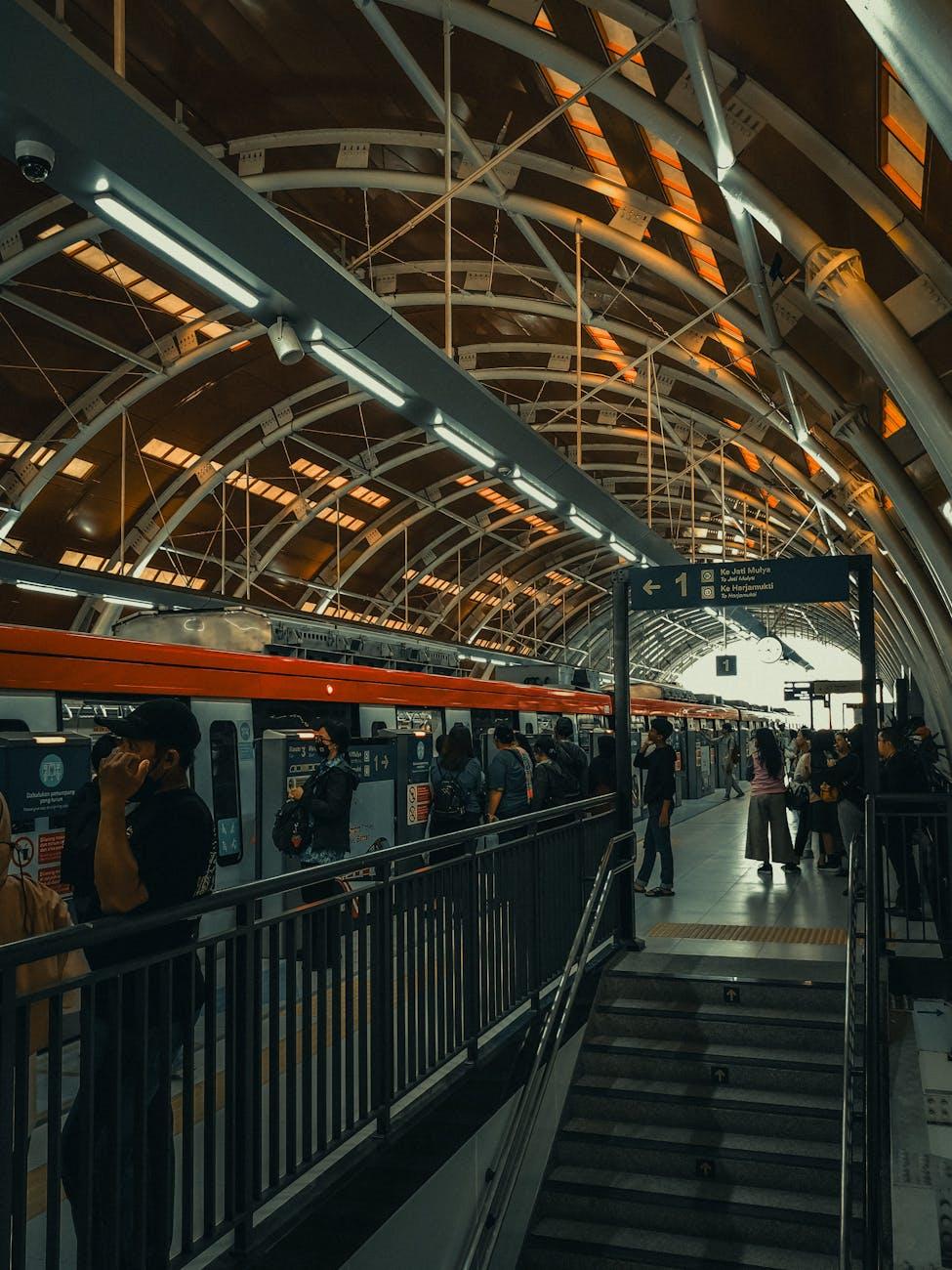
    Modern train station platform in Auckland CBD
    Britomart Transport Centre is Auckland’s CBD hub for trains, buses and Waiheke ferries.
    • Britomart: the central CBD station, integrated with bus terminals and the cruise terminal next door
    • Newmarket: change here for the Onehunga and Western lines; surrounded by Westfield Newmarket shopping
    • Parnell: 15-minute walk from Auckland Museum and Auckland Domain
    • Mt Eden: 10-minute walk to Mt Eden volcano summit
    • Kingsland: match-day train for Eden Park (rugby, cricket, occasional concerts)
    • Onehunga: for Cornwall Park / One Tree Hill volcano walk

    Auckland ferries

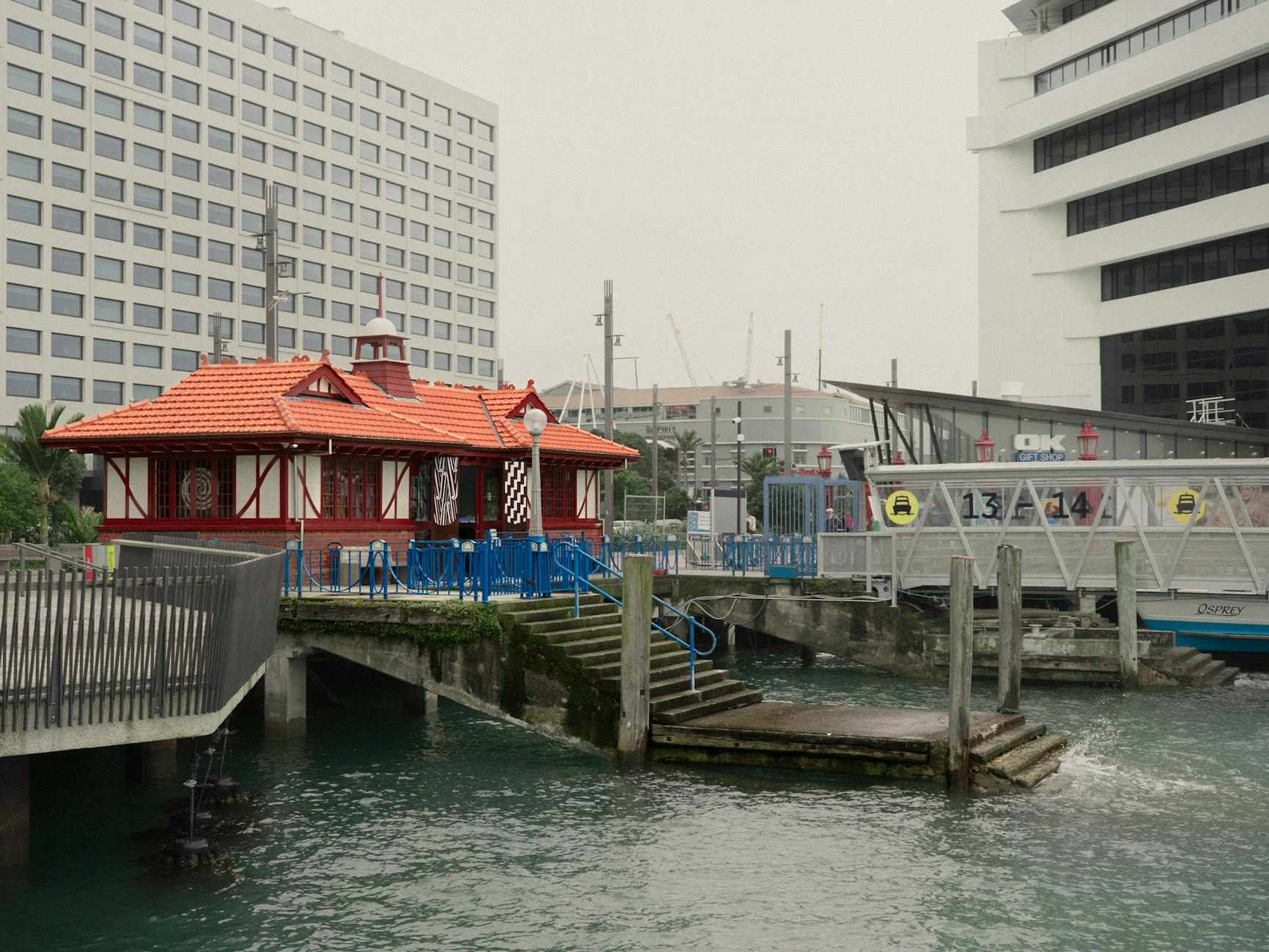
    Auckland ferry at the downtown harbour terminal
    Ferries to Devonport, Waiheke and Rangitoto depart from the downtown ferry terminal.

    Ferries are Auckland’s most photogenic transport mode and a destination in their own right. The downtown ferry terminal sits beside Britomart and runs services to:

    • Devonport (12 min, every 15–30 min): the most popular tourist ferry. $9 return on HOP card. Daily 6am–11:30pm.
    • Bayswater (25 min, hourly): for the North Shore marina district.
    • Half Moon Bay (45 min, every 30 min): for east Auckland and Pakuranga.
    • Birkenhead and Northcote Point (15–20 min, every 30 min): for the harbour suburbs.
    • Hobsonville Point and West Harbour (40 min): for the Hobsonville waterfront.
    • Waiheke Island (40 min, hourly): via Fullers360 (NOT included in HOP card universal fare; separate $62 return ticket).
    • Rangitoto Island (25 min, several daily): Fullers360 service to the iconic volcano cone in the Hauraki Gulf.

    Important: inner-harbour ferries (Devonport, Bayswater, Birkenhead, Half Moon Bay, Northcote Point, Hobsonville) are part of the standard HOP card fare system. Ferries to Waiheke and Rakino are separately ticketed and operate by Fullers360. Standard HOP card discounts and caps don’t apply to those services.

    Airport to CBD options

    Auckland Airport doesn’t have a direct rail link yet (planned for the 2030s). Current options:

    • AirportLink bus: AT public bus service, $18 with HOP card / $22 contactless. Every 15 mins from 5:30am to 11:00pm. Goes via Manukau and takes about 50–60 minutes to reach Britomart.
    • SkyDrive shuttle: private shuttle service, $32 single / $54 return. About 45 mins to CBD hotels.
    • Uber / taxi: $80–110 to CBD depending on traffic and time. 35–50 mins.
    • Rental car: all major rental companies at the airport. About 35 mins to CBD via the Southern and Central motorways.

    The AirportLink is the cheapest option but not the fastest. For a single traveller on a budget, it’s fine. For two travellers with luggage and a hotel commitment in the CBD, Uber/SkyDrive often work out faster and barely more expensive per person.

    Getting to Auckland’s main attractions by public transport

    • Sky Tower: walk from any CBD hotel (5–15 minutes) or take any bus to Customs Street.
    • Auckland Museum / Domain: Inner Link bus to Parnell Road and walk 10 mins, or train to Parnell Station and walk 15 mins.
    • Mt Eden volcano summit: Western Line train to Mt Eden Station, then 10-minute walk uphill.
    • One Tree Hill / Cornwall Park: Onehunga Line train to Onehunga, then 15-min walk; or bus 30 from Britomart.
    • Mission Bay beach: Tāmaki Link bus from Britomart, 25 minutes.
    • Devonport: ferry from downtown terminal, 12 minutes.
    • Waiheke Island: Fullers360 ferry from downtown terminal, 40 minutes (separate ticket, not on HOP).
    • Eden Park stadium: Western Line train to Kingsland, then 5-minute walk. Special services on match days.
    • MOTAT (Museum of Transport & Technology): Western Line train to Mt Albert Station, then 10-min walk.
    • Auckland Zoo: bus 18 from Customs Street; or 25-minute walk from Mt Albert Station.
    • Kelly Tarlton’s: Tāmaki Link bus from Britomart, alight at Orakei Drive.
    • Auckland Botanic Gardens: Southern Line train to Manurewa, then bus 365 (about 15 mins).

    AT Mobile app

    The AT Mobile app (free, iOS and Android) is genuinely useful for visitors. Features include:

    • Live arrival times for every bus stop, train station and ferry terminal
    • Trip planner — type your destination, get bus/train/ferry options with walking directions
    • Service alerts and disruption notifications
    • HOP card balance check and tap-to-top-up
    • Saved favourites for stops you use regularly
    • Plain-text journey instructions including transfer times

    Google Maps integrates AT data and works well for trip planning if you don’t want to download another app. Apple Maps in New Zealand also includes public transport directions.

    Accessibility

    • All Auckland trains are wheelchair accessible with level boarding
    • All buses are low-floor and wheelchair accessible — drivers will deploy the ramp on request
    • Ferries are wheelchair accessible at major terminals (downtown, Devonport, Half Moon Bay)
    • Major train stations (Britomart, Newmarket, Manurewa, Papakura) have lifts
    • Some smaller stations are step-only — check AT.govt.nz/accessibility for full station list
    • Total Mobility scheme provides discounted taxi vouchers for residents with mobility-affecting conditions; tourist eligibility is limited
    • Accessible toilets at all major stations and ferry terminals
    • Audio announcements on trains and ferries; visual displays show next stop on most modern buses

    Safety and etiquette

    • Auckland public transport is safe day and night, including for solo travellers
    • Avoid empty CBD trains very late at night — most riders sit near the conductor’s compartment
    • Standing for elderly passengers and pregnant women is expected courtesy
    • Talk quietly on phones — Auckland riders are generally quiet
    • Eating and drinking on trains and buses is allowed but discouraged for hot food
    • Bikes ride free on trains (off-peak only — 9am–3pm and after 7pm weekdays, all day weekends) and most ferries
    • Dogs are not permitted on buses or trains except certified service animals (and some inner-harbour ferries by exception)

    Common visitor mistakes (and how to avoid them)

    • Forgetting to tag off: automatically charged max 4-zone fare. Always tag off, even at the same stop.
    • Trying to pay cash on a bus: not accepted. Get a HOP card or use contactless before boarding.
    • Tagging on with a different payment method on transfer: breaks the 30-minute transfer rule. Use the same HOP card or contactless device for the whole journey.
    • Missing the last train: last departures from Britomart are 11:30pm–midnight depending on line. Check before late-night plans.
    • Boarding the wrong bus on the same route: some routes branch (e.g. NX1 vs NX2). Check the screen on the front of the bus, not just the route number.
    • Buying a HOP card at the airport with low balance: the AirportLink fare is $18 (HOP), so make sure you start with at least $20 credit if your card is brand-new.

    FAQs

    Is Auckland public transport good?

    Adequate. CBD-area services are frequent and reliable. Cross-city trips often need a transfer (bus to train or vice versa) and can take 45–60 minutes for what’s a 20-minute drive. The City Rail Link opening in late 2026 will significantly improve cross-city travel times and station coverage.

    Should I get a HOP card or use contactless?

    HOP card if you’ll be in Auckland 3+ days or use public transport more than once. The 20% discount on every fare repays the $5 card fee in 2–3 trips. Contactless if you’re in Auckland for a day or two and unlikely to ride more than 4 times. Same caps apply either way.

    Can I use my international debit/credit card?

    Yes. Visa and Mastercard contactless work; foreign-issued cards may incur a small foreign-transaction fee from your bank ($0.20–0.50 per ride). Apple Pay and Google Pay also work.

    How do I get to Waiheke Island?

    Fullers360 runs ferries from the downtown ferry terminal — about 40 minutes, $62 adult return. The HOP card 20% discount and fare caps don’t apply. Ferries run every 30–60 mins 6am–11:30pm.

    Are there day passes?

    Not formally — but the daily $20 fare cap effectively functions as a day pass. Once you tap on at $2.20 fares about 9 times, the cap kicks in and the rest of the day is free.

    Can I ride for free if I have a Senior or Total Mobility card?

    SuperGold cards are issued only to NZ residents 65+ and provide free off-peak travel (after 9am Mon–Fri, all day weekends). Tourists are not eligible for SuperGold or Total Mobility discounts.

    Where can I top up my HOP card?

    Online via AT.govt.nz (registered cards only), the AT Mobile app (NFC top-up), train station ticket machines, AT customer service centres, and many participating retailers. Look for the “AT HOP” sticker on the door at convenience stores, BP and Z service stations.

    Do trains and buses run on Christmas Day?

    Most services don’t run on Christmas Day, Good Friday, or ANZAC Day morning (services resume from 1pm). Check AT.govt.nz/holidays for the full list. Saturday timetable runs on most other public holidays.

    Is there a tourist transport pass?

    Auckland doesn’t have a true tourist pass equivalent to London’s Oyster Visitor Card. The HOP card is the universal pass — buy one, top up, ride freely.

    What if I lose my HOP card?

    If your card is registered, log into AT.govt.nz, mark it lost, and the balance is transferable to a replacement card ($5 fee). If unregistered, the balance is gone — register your card on day one to avoid this.

    Is Auckland public transport clean?

    Trains and ferries — yes, generally very clean. Buses — varies by route and operator. Inner Link and central CBD buses are well-maintained. Outer-suburb services occasionally show wear.

    Public transport vs other options

    Public transport is excellent value but not the right choice for every situation. Here’s a quick guide to when to switch modes.

    • CBD-only stay: walk most places. Public transport for trips beyond walking range.
    • Going to West Coast beaches (Piha, Karekare, Bethells): rental car only — limited or no public transport.
    • Day trip to Waiheke Island: ferry to the island, then on-island bus, taxi or e-bike.
    • Family of 4 with luggage: Uber or shuttle is often cheaper and faster than 4 separate transport fares.
    • Late-night trips (after 11pm): Uber. Last buses and trains have left for the night.
    • Multi-stop suburban day: rental car or Uber adds up; HOP card capped at $20/day.
    • Travelling with mobility impairment: Total Mobility taxis where available; otherwise accessible buses and trains both work.

    Tips for stress-free Auckland public transport

    • Buy your HOP card on day one and load $40–60 to start. You’ll cover most short trips without topping up again.
    • Download the AT Mobile app before your first ride. The trip planner is reliable and live.
    • Use the Inner Link bus to get to Auckland Museum, Parnell, Newmarket and Karangahape Road from the CBD without thinking.
    • For Waiheke ferry, walk to the downtown ferry terminal and buy your ticket directly from Fullers360 — don’t try to use HOP for these services.
    • Avoid morning peak (7:30–9am) on the Western Line if you can — services are frequent but very crowded.
    • Keep your HOP card in an easy-to-reach pocket. Tagging on/off is a one-second action and the readers don’t always make a clear noise.
    • Set a low-balance reminder ($10) in the app so you don’t run out unexpectedly during a journey.
    • If you’re travelling further than one zone often (e.g. North Shore to CBD), consider whether the weekly $50 cap will hit before your trip ends — for 5+ day stays it usually does.

    Auckland transport in 2026 and beyond

    Auckland’s transport network is in the middle of its biggest transformation in 50 years. The City Rail Link tunnel and two new underground stations (Aotea and Karangahape) open in late 2026, doubling rail capacity through the CBD and creating direct rail access to K Road and Queen Street neighbourhoods for the first time. Mid-2027 sees the start of construction on the Northwest Rapid Transit busway extension, and AT plans to roll out battery-electric buses across the entire fleet by 2030. The contactless payments system launched in November 2024 will likely be expanded to include EFTPOS and bank-account-linked options in late 2026.

    For visitors, this means continued service improvements but also intermittent disruption. If you’re visiting late 2026 or early 2027, check the AT.govt.nz disruption page on arrival to spot any service replacements or closures that might affect your itinerary. Where buses replace trains during planned closures, the HOP card fare and capping rules still apply.

    The bottom line

    Auckland’s public transport network — HOP card in hand, Inner Link bus on tap, Britomart trains for cross-city trips, ferries for harbour adventures — is by far the best-value way to explore the city. Spend the first ten minutes setting up a HOP card and downloading the AT Mobile app, and the rest of your trip becomes much easier and substantially cheaper than relying on Uber.

    Plan the rest of your trip with our complete getting around Auckland guide, our Auckland airport to CBD options, and our deeper Auckland CBD guide for what to do once you’ve arrived.

  • Best Cafes in Auckland: 30 Must-Visit Spots (2026)

    Best Cafes in Auckland: 30 Must-Visit Spots (2026)

    Auckland’s coffee scene punches well above its weight. The country’s largest city sits firmly in the global top five for per-capita coffee consumption, hosts six respected local roasters (Coffee Supreme, Allpress, Atomic, Eighthirty, Ozone and Camper), and has built a brunch culture that rivals Melbourne and Sydney. From third-wave specialty cafés in Britomart warehouses to surf-town bakeries in Devonport, the city’s café scene runs deep. This complete best cafes in Auckland guide covers the 30 must-visit spots across every district — what they do well, what to order, when to go, and how to find the genuinely good places among the merely-okay.

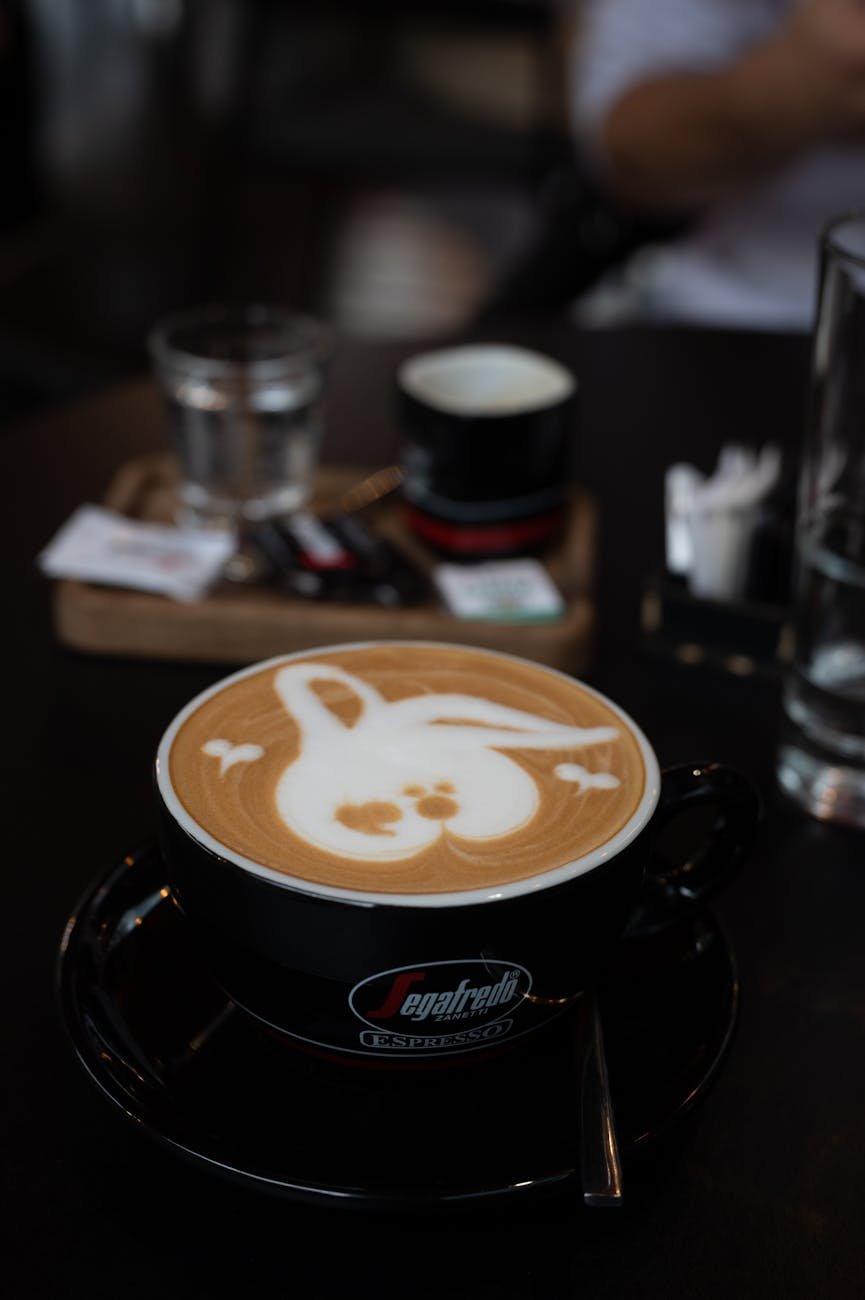
    Latte art coffee cup at an Auckland specialty cafe
    Auckland’s coffee scene rivals Melbourne with world-class roasters and skilled baristas.

    We’ve eaten across all of Auckland’s main café districts in 2025–2026 and curated the list around four criteria: coffee quality, food quality, atmosphere and consistency. Prices are 2026 standard ($6.50–7 for a flat white, $24–32 for brunch dishes). Times listed are typical opening hours — confirm directly for public holidays.

    CBD & Britomart cafés

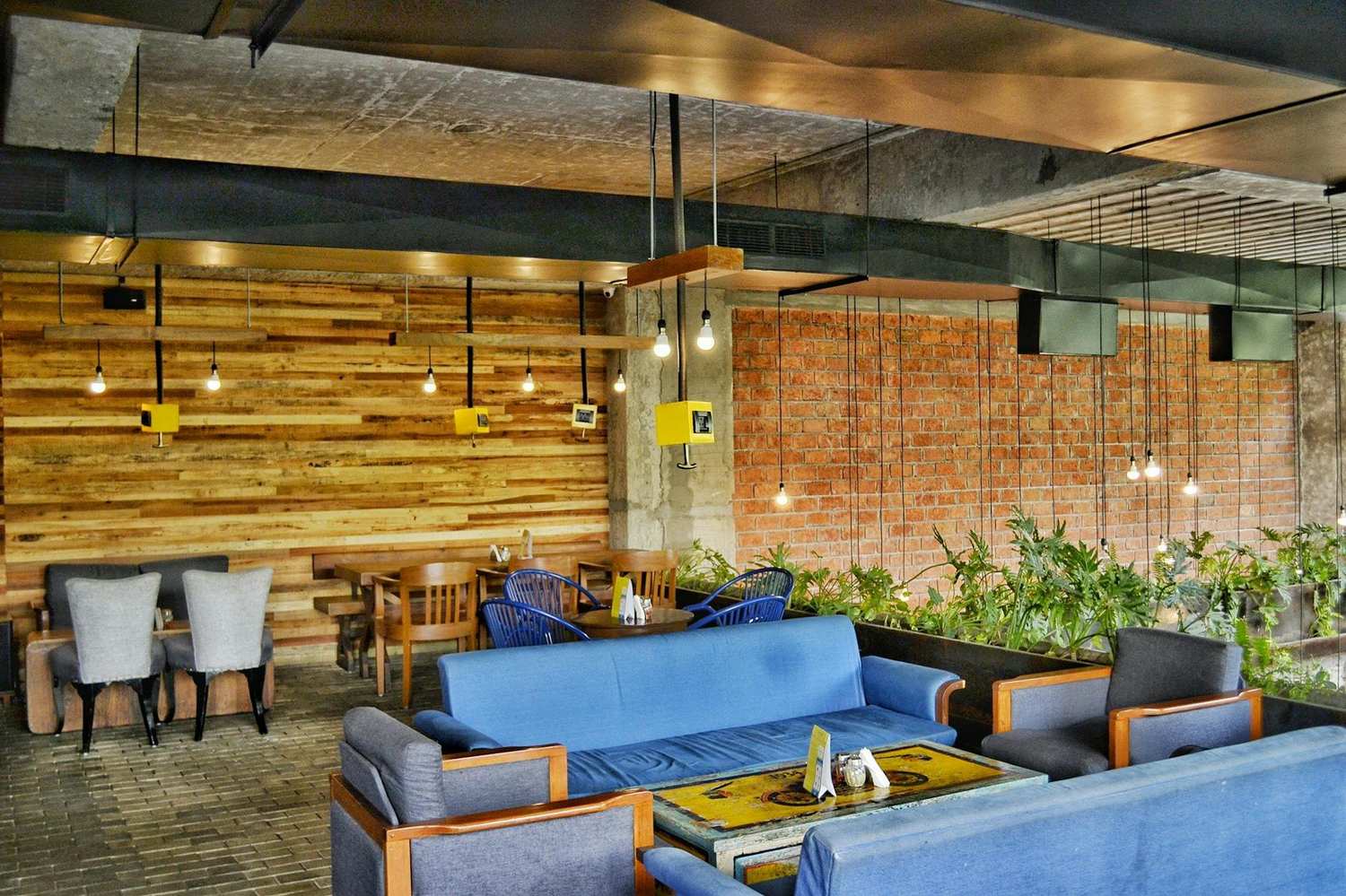
    Modern Auckland cafe interior with wood and industrial design
    From Britomart warehouses to Ponsonby villas, Auckland cafes deliver design-forward spaces.

    1. Daily Bread (Britomart)

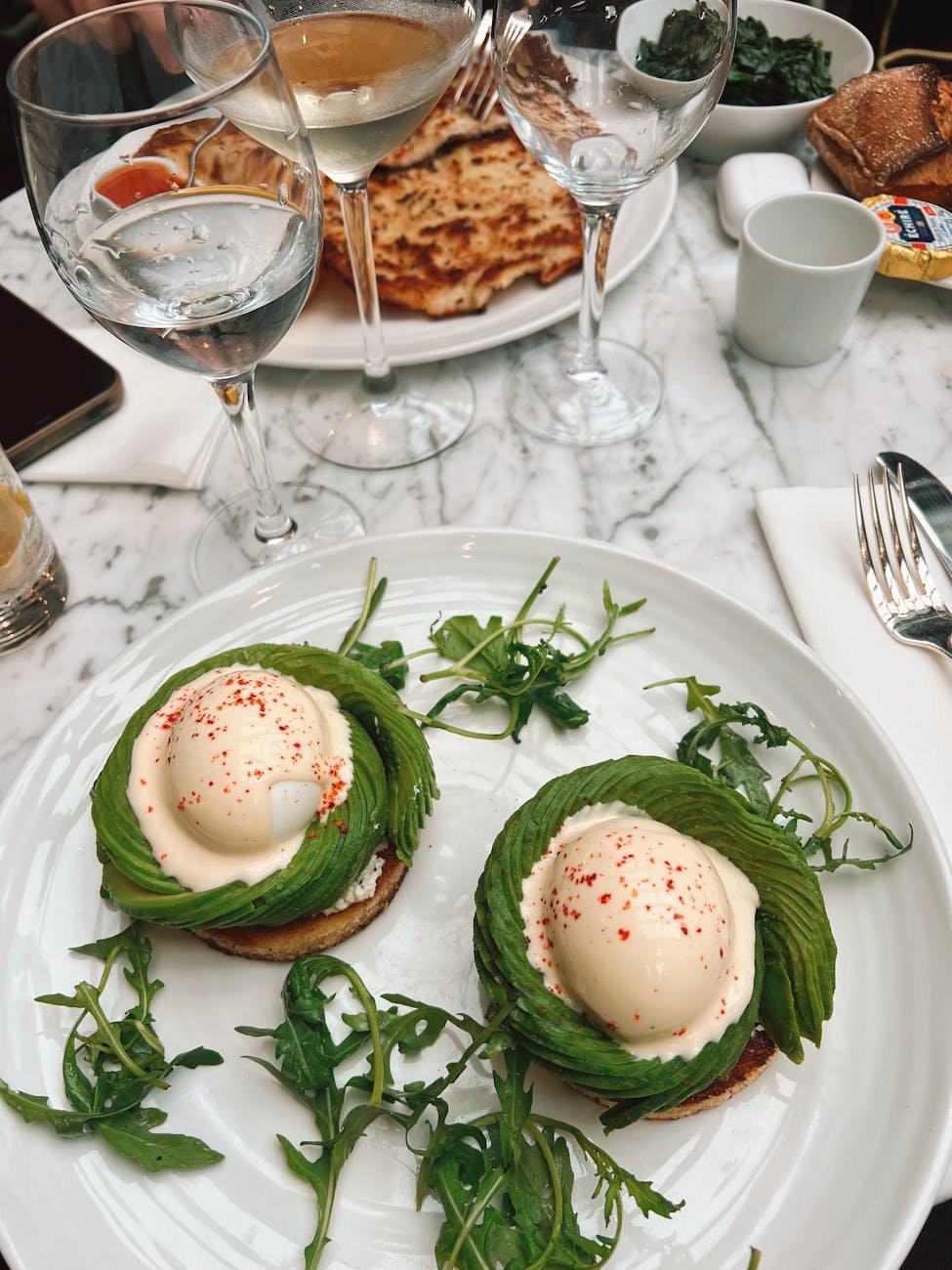
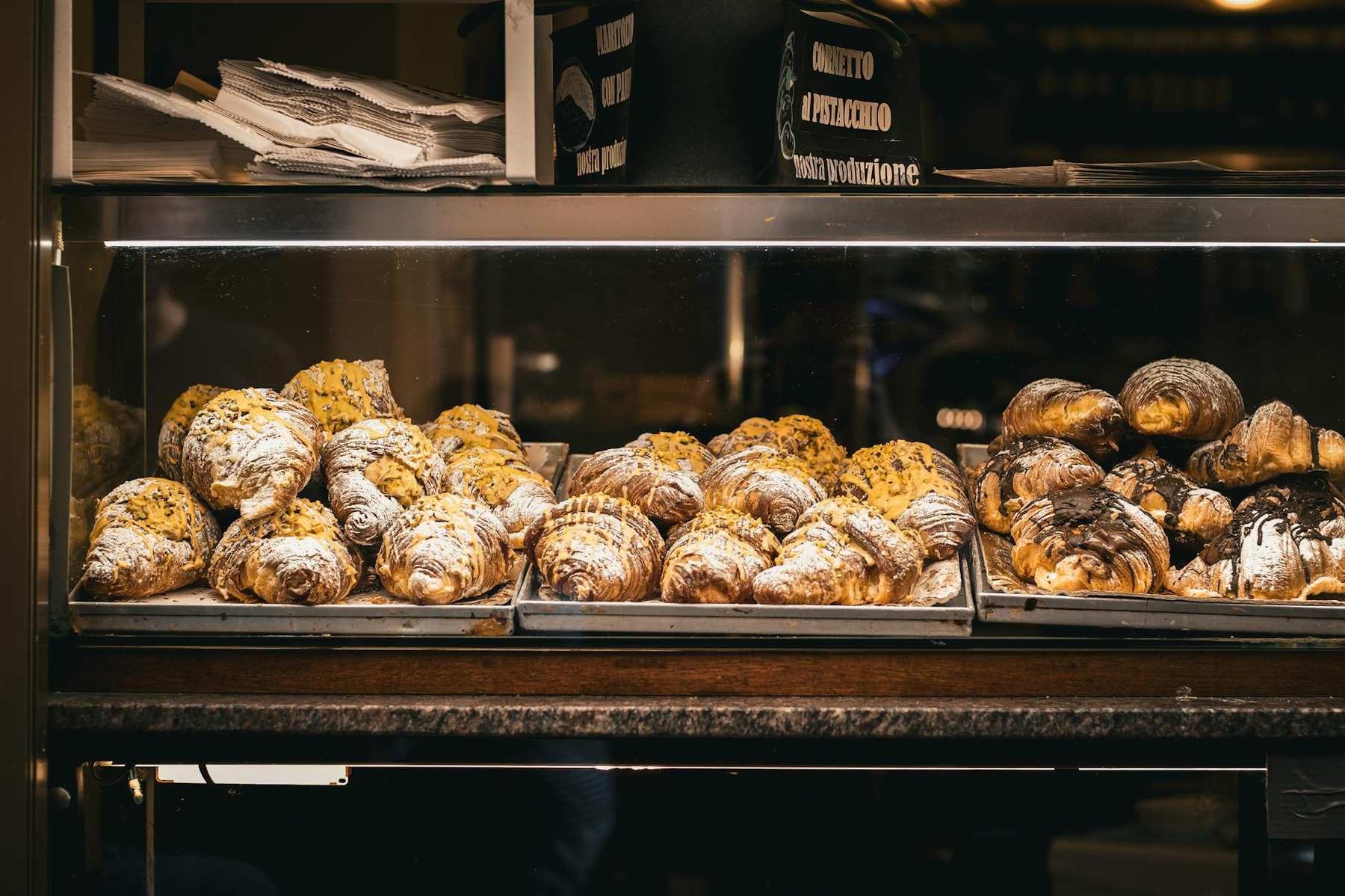
    The flagship of Auckland’s most-loved bakery group, in the converted Buckland Building. Pastries are the star — pain au chocolat, kaya French toast, custard slice, the cinnamon scroll. The all-day menu adds avocado smash, eggs benedict and the city’s best mince on toast. Coffee is by Allpress. Brunch queues from 9:30am Saturday — get there before 8:30 or after 11:30. Open 7am–3pm daily.

    2. Amano (Britomart)

    Hipgroup’s Italian café-bakery on Tyler Street is a Britomart institution. The bakery counter is as good as anywhere in the city — sourdough, baguettes, focaccia, almond croissants. Sit-down breakfast and lunch menus run cleanly Italian: ricotta hotcakes, ham-and-egg pinsa, freshly made pasta from $32 at lunch. Coffee is Allpress. Open 7am–11pm — useful for late dinner if you want a more relaxed alternative to the buzzy Britomart restaurants.

    3. Bestie (Britomart)

    St Kevin’s Arcade’s beloved Bestie outpost in Britomart sits inside Commercial Bay. All-day brunch with a Middle Eastern slant — labneh, shakshuka with gem squash, lamb on flatbread, Persian eggs. Coffee is by Camper Coffee. Famously colourful interior. Open 8am–4pm daily.

    4. Federal Delicatessen (Federal Street)

    Al Brown’s New York-style deli serves coffee and full breakfasts in a tiled diner setting. Pastrami and corned-beef bagels are exceptional, and the all-day breakfast (eggs, bacon, sausage, beans, toast) is a hangover saviour. Open 7am–late, daily.

    5. Mexico (Federal Street)

    Not a traditional café but a popular brunch spot with Mexican-leaning egg dishes (huevos rancheros, breakfast burritos), top-tier mezcal and tequila for a Sunday boozy brunch. Coffee is solid. Open 11am–late.

    6. Espresso Workshop (Britomart)

    For brew-focused, no-food caffeine pilgrims. House-roasted beans, multiple brew methods (V60, AeroPress, batch), and skilled baristas. Compact stand-and-go format. Open 7am–4pm weekdays, 8am–4pm weekends.

    Ponsonby cafés

    7. Daily Bread (Ponsonby)

    The original Daily Bread on Williamson Avenue is what put the brand on the map. Walk-up bakery counter for pastries, plus a sit-down all-day brunch menu in the back garden. Same pastry quality as Britomart with a more residential, slower pace. Open 7am–3pm daily.

    8. Orphans Kitchen (Ponsonby Road)

    Tom Hishon’s farm-to-table all-day kitchen has been a Ponsonby Road institution for over a decade. The breakfast menu is short and impeccable: spinach and silverbeet on Daily Bread sourdough, soft-boiled eggs, smoked salmon, kawakawa-cured kingfish. Coffee is Coffee Supreme. Genuinely terrific food at midrange brunch prices ($26–32). Open 7am–3pm.

    9. Bambina (Ponsonby Road)

    Sister to nearby SPQR but with a brighter all-day menu. Ricotta pancakes, Spanish baked eggs, smoked fish dip with sourdough toast. Strong gluten-free and dairy-free options. Coffee is Coffee Supreme. Pavement seating is prime people-watching territory. Open 7am–3pm.

    10. Nood Food (Ponsonby Road)

    For health-driven brunch — bowls, smoothies, raw cakes, vegan and gluten-free menus extensive. Coffee is Atomic. Bright, light interior. A reliable option if you’ve been on the croissants for a few days. Open 7am–4pm.

    11. Flotsam & Jetsam (Ponsonby Road)

    Brunch with a strong design eye — pastel-and-tile interior, photo-friendly plates, Aperol spritzes from 11am. The “everything bagel” with cream cheese, avocado and smoked salmon is the Instagram star. Coffee is Coffee Supreme. Open 8am–3pm.

    Grey Lynn & Westmere cafés

    12. Ozone Coffee Roasters (Grey Lynn)

    The flagship of New Plymouth-born Ozone, who also have a London outpost in Shoreditch. Light, airy converted-warehouse space with full coffee program (espresso, batch brew, V60), an inventive seasonal brunch menu and a serious wine list for the lunch-into-dinner crowd. Dog-friendly, big windows, communal tables. Open 7am–3pm weekdays, 8am–4pm weekends.

    13. Atomic Coffee Roasters (Grey Lynn HQ)

    Atomic’s Grey Lynn HQ café (Pollen Street) lets you watch the roasting in action behind glass. Coffee is the obvious draw, but the food has improved sharply — try the kimchi grilled cheese or breakfast tostada. Limited but solid menu. Open 7am–3pm.

    14. Williams Eatery (Grey Lynn)

    Beach-style café with a strong all-day menu — house-made granola, açaí bowls, eggs benedict variations, lunch wraps and salads. Coffee is Allpress. The corner-villa setting on Williamson Avenue is one of Grey Lynn’s prettiest. Open 7am–3pm.

    Mt Eden & Sandringham cafés

    15. Garage Project Cellar Door (Mt Eden)

    The Auckland outpost of Wellington’s craft brewery brings beer-and-burger lunches but is also a strong daytime café in the morning — coffee, pastries, and a few breakfast options. Industrial-warehouse vibe. Open 8am–10pm.

    16. Circus Circus (Mt Eden)

    Mt Eden Road’s cheerful family-friendly stalwart. Big breakfast menu, kid-friendly options (pancakes, French toast, waffles), and a circus-themed interior with a play area in the back. Coffee is Allpress. Brunch from 8am, closes 3pm.

    17. Hello Beasty (Eden Terrace)

    Slightly out of the way but worth it for the beautifully plated brunch — hotcakes with seasonal fruit, Shakshuka with feta, Asian-influenced bowls. Coffee is Allpress. Tucked into a redeveloped industrial space. Open 7:30am–3pm.

    Karangahape Road & Eden Terrace

    Barista pouring espresso shot for a coffee at an Auckland cafe
    Auckland baristas champion local roasters Coffee Supreme, Allpress, Atomic and Eighthirty.

    18. Daily Daily Coffeemakers (K Road)

    K Road’s brew-focused tiny coffee bar. House-roasted beans, multiple methods, intentionally minimal food (pastries from a guest baker each week). Standing-room mostly, but you don’t go for the seating — you go for the espresso. Open 7am–4pm weekdays, 8am–4pm weekends.

    19. Bestie (St Kevin’s Arcade, K Road)

    The original Bestie inside the historic St Kevin’s Arcade. Same kitchen as the Britomart sister but in an arcade-café setting that buzzes with K Road creative crowd. Brunch heavy on shakshuka, labneh, lamb. Open 8am–4pm.

    20. Burnt Butter Diner (Eden Terrace)

    Filter-coffee-only spot for the truly dedicated. Multiple single-origin beans rotating each week, AeroPress and Chemex preparation, and a small menu of toast, eggs and pastries. The opposite of “I’ll just have a flat white” — order at the counter, talk to the barista, learn something. Open 7am–3pm.

    Parnell & Newmarket cafés

    21. Cibo (Parnell)

    More restaurant than café but the daytime brunch menu is excellent — soufflé pancakes, smoked-fish kedgeree, Italian baked eggs. Coffee is house-roasted. The garden setting in a converted villa is one of the best brunch spaces in the city. Open 8am–10pm.

    22. La Cigale French Market (Parnell)

    Saturday-morning institution. Walk-around French market with crepes, fresh oysters, brioche, charcuterie and cheese vendors. Pop-up tables for sit-down coffee and pastries. Open Saturday 8:30am–1:30pm only — get there before 11am to avoid the crush.

    23. Eighthirty Coffee Roasters (Newmarket)

    The flagship of one of Auckland’s most-respected roasters. Full coffee menu, very good pastries, and a small all-day menu. Sleek, modern, design-forward space. Open 7am–4pm weekdays, 8am–3pm weekends.

    North Shore cafés (Devonport, Takapuna)

    Brunch plate with eggs benedict and avocado toast at a cafe
    Brunch is a religion in Auckland — eggs benedict, avocado toast and the famous mince on toast.

    24. The Stables Café (Takapuna)

    The pick of Takapuna’s beachfront cafés — Allpress coffee, brunch with broad menu, and a sunny deck five minutes from the sand. Open 7am–4pm.

    25. Devonport Bakery

    Walk off the Devonport ferry, turn right, eat the world’s best ham-and-cheese croissant. Family-run since 1995. Long queues on summer weekends but worth it. Open 6:30am–4pm.

    26. Cosset (Birkenhead Point)

    North Shore’s brunch destination du jour. Modern menu (smashed pumpkin, halloumi stacks), beautiful plating, harbour glimpses. Coffee is Coffee Supreme. Open 7:30am–3pm.

    Beachside & outer Auckland

    27. Mission Bay Pavilion / Mecca Mission Bay

    Two sides of the same beachfront strip — Pavilion is the casual brunch option, Mecca Mission Bay the slightly more polished one. Both deliver flat whites with a beach view. Open 7am–4pm.

    28. Saint Heliers Bay Bistro

    The classier sister beach down from Mission. Bistro-style brunch with poached eggs on house-made hash, smoked salmon platters, and sea views. Open 7:30am–late.

    29. Piha Café

    The only proper café at Piha Beach. Strong brunch menu after a west-coast walk — eggs benedict, big breakfasts, milkshakes and burgers from lunch onward. Open 8am–4pm.

    30. Honey at Smith & Caugheys (CBD)

    Department-store brunch at the historic Smith & Caughey’s. High-tea-style options alongside more substantial brunch dishes; tasteful, classic, with white-tablecloth service. Open 9am–3pm.

    Specialty cafés worth a detour

    Beyond the main 30, a handful of niche venues are worth seeking out for specific cravings.

    • Bird on a Wire (Ponsonby Road) — the city’s most-loved chicken-and-egg cafe, set up by chef Mark Wallbank. The roast chicken plate is the order, but the breakfast menu (from 8am) is a strong runner-up.
    • Mr Toms (Britomart) — tiny morning espresso bar with custom seven-bean blends. Great for an espresso-forward coffee on the go before exploring the city.
    • Major Sprout (Ponsonby) — plant-based brunch at its most ambitious. Vegan pancakes that converted plenty of carnivores; coffee is excellent.
    • The Garden Shed (Mt Eden Road) — a bouquet of small dining rooms in a historic villa with wraparound veranda; classic brunch with elegant plating.
    • Ima Cuisine (CBD) — Israeli-influenced brunch and lunch on Fort Street. Shakshuka with merguez, sabich, hummus bowls. Some of the most flavour-packed plates in the city.
    • Olaf’s Bakery (Ponsonby Road) — for serious bakery only, no sit-down. Sourdough and rye loaves that locals queue 30 minutes for on Saturday mornings.
    • Bee’s Knees (Westmere) — family-friendly brunch with a beehive theme. Honeycomb on toast, lemon-curd hotcakes. Big garden for kids.
    • SPQR (Ponsonby Road) — mostly known for its Italian dinner menu but a strong brunch from 11am with carbonara crumpets and Italian baked eggs.

    Auckland’s main coffee roasters explained

    Most café menus list their roaster prominently. Knowing the local roasters helps you predict what you’ll get:

    • Coffee Supreme: Wellington-founded, now ubiquitous. Reliable, consistent, slightly chocolatey. Crowd favourite.
    • Allpress: Auckland-founded, large-scale, café-trade leader. Smooth, balanced, unfussy.
    • Atomic: Auckland’s third-wave pioneer. Brighter, more acidic, espresso-focused.
    • Ozone: New Plymouth via London. Single-origin focus, lighter roasts, more nuance.
    • Eighthirty: Auckland boutique. Curated micro-lots, balanced roasts, specialty-cafe favourite.
    • Camper: Younger Auckland brand. Quirky branding, high-quality beans, frequently appears in design-led cafés.

    What to order at an Auckland café

    Pastries and croissants on display at an Auckland bakery cafe
    Daily Bread, Bestie and Amano lead Auckland’s exceptional bakery and pastry scene.

    Coffee

    The default Kiwi coffee is the flat white — a double shot of espresso topped with steamed milk and a thin layer of microfoam. Slightly stronger and less foamy than a latte; less foamy than a cappuccino. The flat white was invented in either New Zealand or Australia (the dispute is ongoing) and Auckland baristas pour them with serious precision.

    • Flat white: the local default. $6.50–7.
    • Long black: double shot pulled into hot water (Aussie-style americano with a hotter, denser cup).
    • Short black: single shot, Italian espresso style.
    • Cappuccino: equal parts espresso, steamed milk and foam. Often dusted with cocoa.
    • Mocha: hot chocolate plus espresso.
    • Piccolo / Cortado: single shot of espresso with equal volume of warm milk in a small glass. Great espresso-forward option.
    • Filter / batch brew: available at brew-focused cafés (Espresso Workshop, Daily Daily, Burnt Butter Diner).
    • Decaf: available everywhere; usually Swiss water process.
    • Plant milks: oat is standard, almond and soy widely available, coconut occasionally. Add $0.50–1.

    Brunch dishes

    • Eggs benedict / Florentine / Royale: still the queen of brunch. Variations on hollandaise + poached eggs + bread + ham/spinach/salmon ($24–28).
    • Avocado smash: the famous millennial avocado toast, usually with feta, dukkah, poached egg ($22–26).
    • Mince on toast: a Kiwi staple — savoury beef mince on sourdough, often with a poached egg. Underrated.
    • Hotcakes / soufflé pancakes: Sunday brunch indulgence, typically with whipped mascarpone and seasonal fruit ($24–28).
    • Big breakfast: eggs, bacon, sausage, hashed potatoes, mushrooms, tomato, beans, sourdough ($28–34).
    • Shakshuka: baked eggs in spiced tomato sauce with feta and herbs.
    • Açaí or smoothie bowls: for the health-driven crowd ($18–24).
    • Granola: house-made, with poached fruit and yoghurt ($16–20).

    A perfect Auckland café day

    If you have one full day to dedicate to Auckland’s café scene, this is the route we’d take.

    • 7:30am — Espresso Workshop or Mr Toms (Britomart) for a brew-focused morning espresso, no food, just the lift-off.
    • 9:00am — Daily Bread Britomart for proper breakfast — kaya French toast, a flat white, a pain au chocolat for the road.
    • 11:00am — Walk or bus to Ozone Coffee Roasters (Grey Lynn) for a second coffee — try a single-origin batch brew here. Browse the bean shelf for souvenirs.
    • 12:30pm — Walk to Williams Eatery (Westmere) for a leisurely lunch in the corner-villa setting. Order a long lunch wrap and a glass of wine.
    • 2:30pm — Coffee at Daily Bread Ponsonby; the bakery counter for an afternoon snack.
    • 4:00pm — Walk down Ponsonby Road exploring the boutique shops between cafés.
    • 5:30pm — Cocktails at Bambina or SPQR for the Ponsonby Road sunset crowd.

    Three coffees, two meals, walks between, and a complete tour of two of Auckland’s strongest café districts. Total budget about $120 per person.

    When to go & how to avoid queues

    • Best times: weekday mornings 7–9am or 10–11:30am. Saturday and Sunday 8:30am or after 12pm.
    • Worst times: Saturday 9–11am at any of the popular spots. Expect 30–60 minute waits at Daily Bread, Orphans, Bestie, Cosset, Cibo on weekends.
    • School holidays: mid-July and mid-October push families out for brunch — book ahead at the popular spots.
    • Most cafés don’t take bookings for under 6 people. Walk-in only.
    • Most cafés close mid-afternoon (3–4pm). Auckland has a strong “café morning, restaurant evening” culture; very few all-day venues serve dinner.

    Brunch dishes worth ordering at least once

    • Daily Bread’s kaya French toast — Singapore-style coconut-egg jam on thick toast. The Britomart and Ponsonby outpost staple.
    • Bestie’s lamb on flatbread — Middle Eastern spiced lamb with tahini, pomegranate and sumac yoghurt.
    • Orphans Kitchen’s spinach and silverbeet on Daily Bread sourdough — simple, pristine ingredients done perfectly.
    • Cibo’s smoked-fish kedgeree — a colonial-era brunch dish revived perfectly. Comes with a tea pot.
    • Cosset’s pumpkin and halloumi stack — a vegetarian brunch dish that converts the meat-only crowd.
    • Federal Deli’s pastrami bagel — not strictly brunch, but the right call when you’ve had your fill of poached eggs.
    • Mexico’s huevos rancheros — Mexican breakfast fully realised, with house-made tortillas and a fresh salsa.
    • Devonport Bakery’s ham and cheese croissant — the simple option, executed flawlessly.

    Auckland café districts compared

    • Britomart: polished, design-led, expensive. Best for visiting tourists with luxury budgets.
    • Ponsonby: Auckland’s brunch heartland — busy, well-heeled, design-driven. Mid-to-upper price.
    • Grey Lynn: roaster-led, third-wave coffee. Great for serious coffee fans.
    • Karangahape Road: creative, edgier, value-driven. Strong brew programs.
    • Mt Eden: family-friendly, residential. Less buzz, more breathing room.
    • Parnell / Newmarket: classic, sit-down brunch with serious food.
    • Devonport / Takapuna: ferry-trip brunch, beach-side. Slower pace.

    Auckland café etiquette

    • Tipping is not expected — the bill is the bill. A 5–10% optional tip on exceptional service is becoming more common but still rare.
    • Coffee comes after food. Most baristas hold espresso orders until your meal is plated, so you don’t sit with cold coffee.
    • Most cafés are dog-friendly outside (and often inside on quiet days). Ask before bringing your dog inside.
    • Many cafés accept contactless cards (PayWave) and Apple/Google Pay. Cash is becoming optional but always accepted.
    • The brunch deluge ends at 3pm sharp. Don’t expect a 3:30pm sit-down at a brunch venue.
    • “Splitting bills” or “separate bills” is common. Ask at the counter.

    Auckland café FAQs

    What is the best café in Auckland?

    For brunch quality, Orphans Kitchen on Ponsonby Road and Daily Bread Britomart are widely considered the best two. For coffee specifically, Ozone Roasters in Grey Lynn is hard to beat. For atmosphere and design, The Hotel Britomart’s lobby café and Bestie at St Kevin’s Arcade lead. There’s no single “best” — it depends on what you value most.

    How much does brunch cost in Auckland?

    $24–32 per person for a brunch dish, $6.50–7 for a flat white. Two-people brunch with coffees typically lands $60–85 including tip. Higher-end places (Cibo, Cosset) can hit $40+ per dish; budget options (Federal Deli, Devonport Bakery) can come in under $20 per dish.

    Are Auckland cafés open every day?

    Most are open seven days, though Mondays are the most likely closed day for smaller venues. Christmas Day, Good Friday and ANZAC Day morning are universal closures. Easter Sunday has limited trading laws — most cafés that open on Easter Sunday are Tourist-area cafés in Britomart, Viaduct or Ponsonby.

    Can I get a coffee after 3pm?

    Yes — most CBD cafés and Britomart spots stay open until 4–5pm. After 5pm, you’ll need to head to a restaurant, hotel café or one of the small number of late-trading cafés (Amano, Cibo). For an espresso post-dinner, most restaurants serve coffee with dessert.

    Are Auckland cafés vegetarian/vegan friendly?

    Yes. Most have multiple vegetarian options on the brunch menu. Strong vegan-friendly options at Nood Food, Bestie, Williams Eatery, Hello Beasty and most Daily Bread locations. Plant milks are universally available.

    Are Auckland cafés gluten-free friendly?

    Yes. Gluten-free bread is widely available (typically a $2 surcharge). Bambina, Williams Eatery and Nood Food have particularly extensive GF menus. Coeliac-safe certification is rarer; if you’re highly sensitive, confirm with the kitchen.

    Where is the best brunch in Auckland?

    For brunch as a meal-and-experience: Orphans Kitchen (Ponsonby), Daily Bread (Britomart or Ponsonby), Cosset (Birkenhead), Cibo (Parnell). For brunch as quick-and-tasty: Bestie (Britomart or K Road), Amano (Britomart), Bambina (Ponsonby). For brunch with kids: Circus Circus (Mt Eden) and Bee’s Knees (Westmere) both have play areas.

    Do Auckland cafés take bookings?

    Most don’t, especially on weekends. Larger venues (Cibo, Federal Deli, Cosset) accept bookings for groups of 6+ via OpenTable or directly. For brunch, walk-ins remain the norm — arrive 8:30am or earlier on weekends to skip the queue at the popular spots.

    What time do Auckland cafés open?

    7am for most CBD cafés on weekdays (catering to commuters). 8am for most weekend openings. The earliest opener for full brunch is Devonport Bakery (6:30am). Federal Deli stays open the latest among “café” venues, until 11pm.

    Is Auckland coffee comparable to Melbourne?

    For specialty coffee, the gap has closed sharply. Auckland’s top cafes (Ozone, Espresso Workshop, Daily Daily, Eighthirty) are world-class. Melbourne still has more density and depth, but Auckland’s standard is excellent. Weak coffee at any decent café is now rare.

    Auckland café trends to know

    Auckland’s café market evolves fast. Five trends shaping the 2026 scene: Korean-influenced brunch (kimchi grilled cheese, Korean fried-chicken bowls, milk tea coffee blends), specialty oat milk premiums (some cafés now charge $1 for oat — others have made it standard), Filipino baking (ube hotcakes, ensaymada, leche flan-topped lattes appearing on Auckland menus), open-fire weekend cooking (a few cafés now have wood-fired ovens running on Saturdays for special menus), and a return to filter coffee for the early morning crowd.

    Sustainability has become a real differentiator. Daily Bread, Ozone, Hello Beasty and several Britomart venues have moved to compostable packaging, locally-milled flours and seasonal-only menus. If sustainability matters to your spending, ask the café about their roaster’s farm-direct relationships — Allpress, Ozone and Camper publish sourcing reports.

    Tips from Auckland café locals

    • Get there early. Brunch lines on weekends double after 9:30am.
    • Order a flat white if you don’t know what to order. It’s the local default for a reason.
    • Don’t tip excessively. The bill price is the price; staff are paid a living wage by law.
    • Many cafés do takeaway “regulars” cards — five coffees stamps unlocks a free one.
    • Pastry-only orders are entirely acceptable — you can get an excellent coffee and a pastry for $12 and call it brunch.
    • Most cafés have free wifi but appreciate a “buy something every hour” rule for laptop campers.
    • Saturday-morning markets (La Cigale Parnell, Britomart Country Market) are great alternatives to traditional café brunch.
    • If a cafe is heaving, walk one street over — Auckland has so many that the second-best option is rarely far.

    The bottom line

    Auckland is a serious café city. Whether you spend three weeks here or three days, you’ll have eaten well by every measure if you anchor each morning at one of the venues on this list. Start your day with a flat white from Coffee Supreme or Allpress, settle into a long brunch on a sunny deck, and let the Auckland café culture become the unhurried structure your trip needs.

    Pair your café tour with our complete Auckland food & drink guide, browse the best restaurants in Auckland CBD, and explore the CBD precincts for a full city food itinerary.

  • 15 Best Hotels in Auckland CBD (2026 Reviewed)

    15 Best Hotels in Auckland CBD (2026 Reviewed)

    Auckland’s CBD is the city’s most concentrated hotel district — more than 60 hotels across roughly two square kilometres, ranging from $90-a-night boutique stays to $1,000+ luxury suites with harbour views. Picking the right one is the difference between waking up to the Sky Tower out your window and trekking 30 minutes for a coffee. This complete best hotels in Auckland CBD guide breaks down the 15 best options across luxury, mid-range, boutique and budget — with locations, prices, what each does well, and who they suit.

    Luxury Auckland CBD hotel room with skyline city view
    Auckland CBD’s luxury hotels offer harbour and skyline views from the heart of the city.

    We’ve stayed in or visited every hotel on this list within the past year. Prices reflect 2026 standard rates outside of major events (those can double during NRL Nines, the Auckland Marathon weekend or NYE). Star ratings reflect Qualmark and Tripadvisor consensus, not just marketing claims. We’ve focused on the CBD proper — Britomart, Viaduct, Wynyard Quarter, Aotea Quarter, Federal Street, Queen Street and the Karangahape Road end. For Ponsonby, Parnell or suburban stays, see our broader best areas to stay in Auckland guide.

    At a glance: our top 15

    • 1. Park Hyatt Auckland — $750+ — Best luxury harbourfront, Wynyard Quarter
    • 2. The Hotel Britomart — $400+ — NZ’s first 5 Green Star hotel, Britomart precinct
    • 3. Sofitel Auckland Viaduct Harbour — $480+ — Classic luxury, walkable to Viaduct restaurants
    • 4. Cordis Auckland — $390+ — Big-hotel luxury near Aotea Square, two pools
    • 5. Horizon by SkyCity — $620+ — Newest 5-star, lobby art piece is a must-see
    • 6. Hotel Indigo Auckland — $360+ — Heritage-restored boutique on Albert Street
    • 7. QT Auckland — $320+ — Design-forward, art-led, on Viaduct waterfront
    • 8. SO/ Auckland — $300+ — Sky-high views from the top of Customs Street
    • 9. Hotel DeBrett — $290+ — Boutique heritage on High Street, retro design
    • 10. voco Auckland City Centre — $260+ — IHG’s newest, sustainability-focused
    • 11. M Social Auckland — $200+ — Mid-range with quirky design, Princes Wharf
    • 12. Crowne Plaza Auckland — $230+ — Reliable mid-range, Albert Street
    • 13. Naumi Studio Hotel Auckland — $190+ — Maximalist boutique, Customs Street
    • 14. Travelodge Hotel Auckland Wynyard Quarter — $170+ — Best mid-range value
    • 15. JUCY Snooze Queen Street — $90+ — Pod-style budget

    Luxury hotels (5-star, $400+)

    Modern luxury hotel lobby interior with elegant design
    Five-star Auckland hotels deliver world-class lobby experiences and harbour-front locations.

    1. Park Hyatt Auckland

    From $750/night | Wynyard Quarter | 195 rooms

    Auckland’s reigning best-in-class luxury hotel, sitting directly on the Viaduct waterfront with the Hauraki Gulf out the window. The Park Hyatt brings the brand’s signature “residential luxury” feel — every room has a private balcony, marble bathrooms with deep soaking tubs, and floor-to-ceiling harbour views from Premium and above. The 25-metre lap pool is one of the city’s best, and Onemata restaurant under chef Glenn Sayer is a destination in its own right (try the breakfast — booked solid most weekends). Walk-everything location: Viaduct restaurants on the doorstep, Britomart 8 minutes, Sky Tower 10 minutes, ferry terminal 5 minutes. Best for: high-end couples, business travellers expensing it, and anyone who wants Auckland’s most polished service.

    2. The Hotel Britomart

    From $400/night | Britomart | 99 rooms (plus 5 Landing Suites)

    New Zealand’s first 5 Green Star certified hotel, opened in 2020 and already a design-press darling. The 99 standard rooms are compact but exquisitely thought-out — handmade brick walls, bespoke furniture by NZ designer Cheshire, James Dunlop linens. The five Landing Suites in the heritage 1910 Buckland Building are some of the most beautiful hotel rooms in the country, with private terraces and freestanding tubs. kingi restaurant downstairs is one of Auckland’s best seafood spots. Britomart precinct location means a network of laneway bars, restaurants and shops on every side. Best for: design-conscious travellers, sustainability-minded guests, and anyone who values aesthetic detail.

    3. Sofitel Auckland Viaduct Harbour

    From $480/night | Viaduct Harbour | 172 rooms

    The original luxury anchor of the Viaduct precinct. Classic French-style luxury with full marble bathrooms, oversized rooms (35 m² minimum), Le Spa wellness centre, and Lava Dining for excellent fine-dining seafood. The harbour-facing rooms (request specifically) put you 5 metres from superyachts and the Friday-night fireworks. Walking distance: 30 seconds to Viaduct restaurants, 5 minutes to fish market, 7 minutes to Britomart. Best for: classic luxury seekers, business travel, anniversary stays.

    4. Cordis Auckland

    From $390/night | Aotea Quarter | 632 rooms (largest CBD hotel)

    If you want big-hotel amenities — heated rooftop pool with Sky Tower views, Chuan Spa, six restaurants and bars, fitness centre — Cordis delivers. The Pinnacle tower added 244 club-level rooms in 2021 with private lounge access. Eight Restaurant has Auckland’s best buffet (yes, really — locals book it for special occasions), with seven live cooking stations. Location is a step away from the CBD core but that’s a feature: Aotea Square’s theatres and Q Theatre are next door, with Karangahape Road bars 10 minutes uphill. Best for: families, larger groups, conference attendees, anyone who wants resort-style amenities in a city hotel.

    5. Horizon by SkyCity

    From $620/night | Federal Street | 191 rooms

    Opened 2024 and already winning awards, Horizon is SkyCity’s flagship 5-star property. The lobby alone is worth a visit — a 12-storey suspended pōhutukawa-leaf installation by Chris Charteris. Rooms are spacious, contemporary and tech-forward (mood lighting, automated drapes, premium bathrooms with rain showers and deep tubs). The Grill is a serious steakhouse, and Onyx Lobby Bar is one of central Auckland’s best places for a pre-dinner cocktail. Direct access to SkyCity casino, Sky Tower, conference centre and Federal Street’s restaurants. Best for: travellers who want the newest and most polished experience and anyone who values seamless access to entertainment.

    Boutique and design hotels ($280–500)

    Stylish boutique hotel bedroom with contemporary design
    Auckland’s boutique hotels deliver local character and unique design — perfect for design-led travellers.

    6. Hotel Indigo Auckland

    From $360/night | Albert Street | 235 rooms

    Restored in 2024 inside the heritage 1928 Imperial Building (originally a department store), Hotel Indigo brings IHG’s boutique brand to Auckland with serious local flavour. Rooms feature artwork from local creators, custom linens, and bathrooms with marble accents. Cocoro restaurant is a polished modern Japanese spot — the omakase is a worthy splurge. Location is dead-central — Federal Street, Sky Tower and Britomart all within 5 minutes. Best for: design-led travellers who want luxury without the corporate-hotel feel.

    7. QT Auckland

    From $320/night | Viaduct | 150 rooms

    The Auckland outpost of Australia’s beloved QT chain brings serious art-led design — uniformed bell staff, gallery-style corridors, and Esther restaurant on the rooftop with a Mediterranean menu and harbour views. Rooms are smaller than at the bigger 5-stars but punch well above their footprint with sumptuous textiles, smart minibars, and excellent bathroom amenities. Walking distance: 5 minutes to Viaduct, 7 minutes to Britomart. Best for: design enthusiasts, couples on a romantic break, and travellers who appreciate hotels with personality.

    8. SO/ Auckland

    From $300/night | Customs Street | 130 rooms

    The Accor lifestyle brand brings playful luxury with rooms designed by NZ fashion icon Karen Walker. Each room references her signature aesthetic — bold black-and-white graphics, cheeky monochrome details, and surprisingly spacious bathrooms. Harbour Society on the 16th floor is one of Auckland’s best rooftop bars (and a popular wedding venue). Position is excellent — Britomart and Commercial Bay 5 minutes, ferry terminal 3 minutes. Best for: fashion- and lifestyle-conscious travellers, younger luxury seekers.

    9. Hotel DeBrett

    From $290/night | High Street | 25 rooms

    Auckland’s longest-running boutique hotel, restored from a 1925 art-deco building on High Street with a wonderfully retro courtyard bar. Rooms are individually designed (each is different), with restored mid-century furniture and original art. Housebar is a local favourite for cocktails. Location is the High Street/Vulcan Lane heart of the original CBD — surrounded by indie boutiques, bars and restaurants. Best for: heritage and atmosphere lovers, repeat Auckland visitors, design pilgrims.

    10. voco Auckland City Centre

    From $260/night | Wyndham/Albert Street corner | 217 rooms

    IHG’s voco brand opened the Auckland City Centre property in 2024 with a strong sustainability focus — sustainable bedding, refillable bathroom amenities, locally sourced food. Rooms are mid-sized with contemporary design, hand-picked artworks and marble bathrooms with rain showers. Location is dead-central, two minutes from the Aotea Centre. Voco’s loyalty programme integration with IHG One Rewards makes it a strong points-redemption choice. Best for: sustainability-minded travellers, IHG loyalty members.

    Mid-range hotels (4-star, $180–280)

    Auckland CBD harbour skyline showing Sky Tower and downtown buildings
    Auckland CBD hotels put the Sky Tower, Viaduct and Britomart within walking distance.

    11. M Social Auckland

    From $200/night | Princes Wharf | 190 rooms

    Sitting at the end of Princes Wharf with cruise ships docking outside, M Social brings young, design-led mid-range with quirky cinema-themed corridors and harbour views from most rooms. Beast & Butterflies restaurant has a playful all-day menu. The location is unbeatable for ferry terminal access. Best for: cruise passengers, families wanting harbour views without 5-star prices.

    12. Crowne Plaza Auckland

    From $230/night | Albert Street | 352 rooms

    Auckland’s most reliable big-brand mid-range, with consistent rooms (recently refreshed), a heated indoor pool, and a substantial fitness centre. Location is mid-CBD — 5 min walk to Britomart, 7 min to Sky Tower. Loyalty programme integration with IHG One Rewards. Best for: business travellers, cruise pre/post-stays, anyone wanting predictable comfort.

    13. Naumi Studio Hotel Auckland

    From $190/night | Customs Street West | 81 rooms

    Singapore’s Naumi brand brings maximalist boutique design at mid-range prices. Rooms are bold — patterned wallpaper, jewel tones, custom furniture — and the rooftop bar Sugar Club has cocktails and DJs on weekends. Some rooms have plunge tubs in the bathroom and balconies with city views. Best for: boutique seekers on a mid-range budget, weekend cocktail crowds.

    14. Travelodge Hotel Auckland Wynyard Quarter

    From $170/night | Wynyard Quarter | 280 rooms

    The best-value mid-range in central Auckland by some margin. Rooms are simple, clean and contemporary, breakfast included on most rate plans, and the Wynyard Quarter location is a 10–15 minute walk from Viaduct, Britomart and the CBD core — quieter at night and surrounded by waterfront restaurants and the Silo Park playground. Best for: budget-conscious travellers, families, anyone prioritising value.

    Budget and pod hotels (under $150)

    15. JUCY Snooze Queen Street

    From $90/night | Queen Street | 220 capsules + 28 private rooms

    Auckland’s only proper Japanese-style pod hotel — capsules with privacy curtains, individual lighting, charging ports and locker access. Private en-suite rooms also available for those who prefer four walls. Common areas include a kitchen, lounge, and laundry. Position right on Queen Street — 3 minutes to Aotea Centre, 10 minutes to Britomart. Best for: solo travellers, backpackers, anyone wanting a clean budget option in the centre.

    Honourable mentions

    • Adina Apartment Hotel Britomart — apartment-style stays from $260, kitchen and laundry, ideal for stays of 3+ nights
    • The Convent Hotel — Ponsonby boutique stay (a short Uber from CBD), charming heritage rooms
    • Mövenpick Hotel Auckland — opened 2023 on Customs Street West, French luxury with Nespresso machines in every room
    • Pullman Auckland — Princes Street, recently refreshed, indoor pool, business-traveller standby
    • Stamford Plaza Auckland — Albert Street, sweeping harbour views from upper floors, classic 5-star
    • Haka Lodge — backpacker hostel, Karangahape Road end, social scene

    Best Auckland CBD hotels by traveller type

    For honeymoon or anniversary

    Park Hyatt Auckland (harbour views and pool), Sofitel Auckland Viaduct (classic French luxury), or The Hotel Britomart Landing Suites (private terrace and freestanding tub) are the obvious choices. Add a champagne breakfast and a couple’s spa treatment for the full experience.
    For families with kids

    Cordis Auckland (heated pool, family rooms, safe inner-city location) and M Social Auckland (harbour views with kids’ menus) work best. The Cordis pool deck is genuinely fun for older kids, and the buffet breakfast is a hit. For longer stays, Adina Apartment Hotel Britomart’s apartments make life easier.

    For business travellers

    Crowne Plaza, Pullman, voco and Mövenpick all offer reliable corporate-grade rooms with desks, fast wifi, and 24-hour fitness centres. Cordis Pinnacle Club and Sofitel Club levels include private lounges with breakfast and evening drinks if you want to escape the lobby.

    For solo travellers

    JUCY Snooze for budget, Naumi Studio for design, M Social for sociable atmosphere. The CBD is well-lit and safe at night for solo wanderers, particularly in Britomart and around Sky Tower.

    For cruise passengers

    M Social (literally on the cruise terminal), SO/ Auckland (3 minutes’ walk), Mövenpick and the Hotel Britomart all provide perfect pre- and post-cruise stays. Most offer luggage storage on day of departure for late checkouts.

    Hotel pools, spas and views

    Hotel rooftop infinity pool with city views
    Auckland luxury hotels including Sofitel Viaduct and Cordis offer rooftop pools and spas.
    • Best pool: Park Hyatt’s 25-metre lap pool with harbour view glass wall
    • Best rooftop pool: Cordis Pinnacle pool — heated, glass-edged, Sky Tower views
    • Best spa: Cordis Chuan Spa — extensive treatment menu, hammam, sauna, full-day packages
    • Best harbour-view rooms: Sofitel Viaduct (request harbour-facing) or Park Hyatt Premium Marina rooms
    • Best Sky Tower view: Horizon by SkyCity (you can practically touch it) or Crowne Plaza upper floors
    • Best rooftop bar: SO/ Auckland’s Harbour Society or QT Auckland’s Esther

    Booking strategy and best deals

    • Book direct with the hotel — most match third-party rates and add free benefits (early check-in, room upgrades, late check-out)
    • Sign up for hotel loyalty programmes (Hyatt Privilege, Accor ALL, IHG One, Marriott Bonvoy) — sometimes the points beat the dollar discount
    • Book mid-week stays — Sunday to Thursday rates are often 30–40% cheaper than weekends in summer
    • Avoid major event weekends: NRL Nines (early March), Auckland Marathon (last weekend October), New Year’s Eve, Pasifika Festival weekend, RWC matches if relevant
    • Cruise season (October–April) lifts CBD rates by 15–20% on weekends with major ships in port — check the ports of Auckland calendar
    • Refundable rates cost 10–15% more but are worth it for international travel given weather and travel disruption risk
    • Most hotels offer free or paid valet parking ($50–80/night). If you have a rental car, factor this into your total

    Best Auckland CBD hotel locations explained

    Britomart precinct

    Auckland’s most polished district — heritage warehouses converted to high-end retail and dining, the city’s transport hub (Britomart Station and Commercial Bay), and a network of laneways with bars and cafés. Hotels here (The Hotel Britomart, M Social, SO/, Mövenpick) put you at the centre of city life.

    Viaduct Harbour

    The waterfront restaurant strip — superyachts, Friday-night fireworks, and a 5-minute walk to the ferry terminal. Hotels (Sofitel, QT) deliver harbour views and immediate restaurant access. A 7–10 minute walk to Britomart.

    Wynyard Quarter

    Quieter waterfront district with the Park Hyatt anchor. Surrounded by Silo Park (markets, free events), waterfront restaurants and the future Auckland aquarium development. 10–15 minutes’ walk to Viaduct and Britomart.

    Federal Street and Sky Tower precinct

    The original Federal Street is now a chef-led “eat street” with multiple destination restaurants. Horizon and SkyCity Hotel anchor the precinct. Five-minute walk to Aotea Square, 5 minutes to Viaduct.

    Aotea Quarter and theatre district

    Cordis and the Civic Theatre area — slightly removed from waterfront but central for Aotea Centre, Q Theatre, Karangahape Road bars and arts events. Surrounded by Asian restaurants and bubble tea shops.

    FAQs

    Where should I stay in Auckland CBD for the first time?

    Britomart precinct (The Hotel Britomart, M Social, SO/) or Viaduct Harbour (Sofitel, QT, Park Hyatt). Both put you at the city’s most active districts within walking distance of all major attractions, transport, and Auckland’s best dining.

    Are Auckland CBD hotels safe at night?

    Yes, generally. Britomart, Viaduct and Federal Street are well-lit and busy until late. Karangahape Road’s south end can be edgier after midnight (it’s the bar district). Avoid the upper end of Queen Street alone late at night.

    Do CBD hotels offer airport shuttles?

    Most don’t run their own shuttle. Instead, use the AirportLink/CityLink shuttle (every 15 minutes, $32 single), the public AirportLink bus (50 minutes via Manukau, $18 with HOP card), or Uber/taxi (about $80–100, 35–50 minutes depending on traffic). Check our Auckland airport to CBD guide for full options.

    What’s the average Auckland CBD hotel price?

    $280 per night for a comfortable mid-range room is a good benchmark for 2026. Luxury starts around $400 and rises to $1,000+ for top suites. Budget rooms (under $150) are limited to a small number of pod hotels and budget chains.

    When should I book?

    Three to four months ahead for peak summer (December–February) and major event weekends. Two to four weeks ahead is fine for most other times — Auckland CBD has substantial inventory and last-minute deals are common in winter.

    Are pet-friendly hotels available?

    QT Auckland and SO/ Auckland are the most consistent pet-welcoming options. Most other hotels accept guide and assistance dogs only. Confirm directly when booking.

    Is there an Airbnb option in central Auckland?

    Auckland has an extensive Airbnb market, but recent regulations limit short-term rentals in some buildings. Apartment hotels like Adina, Quest and Sebel offer apartment-style stays with full amenities and clearer rules. They tend to deliver better value over 4+ nights.

    Do Auckland CBD hotels have parking?

    Most have valet or self-park options at $40–80 per night. Cordis, Crowne Plaza and Sofitel have on-site garages. Some boutique hotels (DeBrett) direct guests to nearby commercial parks. Factor parking into your total cost — it’s often cheaper to skip the rental car for the CBD portion of your trip and rely on AT HOP card public transport.

    What about hostels?

    Auckland’s main backpacker hostels are Haka Lodge, BBH-affiliated YHA Auckland City, Verandahs Backpackers (in Newton, near K Road), and JUCY Snooze (more capsule than hostel). Dorm beds run $35–55, private rooms $90–130.

    Are Auckland CBD hotels accessible?

    Newer 5-star hotels (Park Hyatt, Hotel Britomart, Horizon, voco, Hotel Indigo, Mövenpick) all offer multiple wheelchair-accessible rooms with roll-in showers and grab bars. Older heritage properties (Hotel DeBrett) have limited accessibility — check directly with the hotel before booking.

    Tips from frequent Auckland CBD hotel guests

    • Always request a higher floor — Auckland has very little high-rise outside the CBD, so even floors 8–12 deliver striking views
    • Confirm your view orientation before booking — “harbour view” vs “harbour glimpse” is the difference between five stars and disappointment at most properties
    • If you arrive on a cruise day, expect lobby chaos at 11am and 4pm — request late check-in or use the concierge to fast-track
    • Ask about Auckland Anniversary weekend, NRL Nines, Pasifika Festival, and Auckland Marathon dates if you have flexibility — moving by 24 hours can save 30%
    • The northerly aspect (sunny side, with Sky Tower views from Britomart hotels) costs more — but only matters if you’ll spend daylight hours in the room
    • Auckland summers are humid — confirm air conditioning works in older heritage properties before booking January–February stays
    • Hotel laundry is expensive ($30+ for a small load); use the public laundromats in the CBD if you’re stretching a stay
    • Most CBD hotels participate in TripAdvisor and Booking.com — check verified reviews from the past 90 days for current condition rather than aggregate scores

    What to expect from Auckland hotels in 2026

    The CBD hotel market has shifted markedly in the past three years. Pre-pandemic, Auckland CBD inventory peaked at roughly 4,500 rooms across 35 hotels. The 2024 opening of Horizon by SkyCity, voco Auckland City Centre, Hotel Indigo and Mövenpick added almost 1,000 new luxury and upper-midscale rooms. Combined with the slow but steady recovery of cruise season and corporate travel, the result is a market with strong choice and competitive pricing — particularly mid-week and outside peak summer.

    Five trends to expect on your 2026 stay: more sustainability-focused properties (voco, The Hotel Britomart, and Park Hyatt all have strong programmes); contactless check-in via mobile app at most major chains; rising minibar and breakfast prices (factor $30–45 for hotel breakfast); enhanced loyalty perks for direct bookings; and more design-led mid-range options as Naumi, voco and refurbished Crowne Plaza properties chase the boutique market.

    What’s included — and what isn’t

    Standard room rates at Auckland hotels typically include wifi (free at all properties on this list), housekeeping, in-room amenities (kettle, basic tea/coffee, hairdryer), and access to fitness centres and pools where available. What’s usually extra: breakfast (typically $35–55 per person at luxury hotels, $25–35 at mid-range), valet parking, minibar, in-room dining service charges, and pay-on-arrival deposits for incidentals.

    Look for “include breakfast” rate plans — at luxury and upper-midscale hotels they often add only $40–60 per night for two adults but cover full buffets that would otherwise cost $80+. Loyalty members at IHG, Accor, Hyatt and Marriott can score complimentary upgrades, late checkout, and Club Lounge access at gold-tier and above — worth the points-redemption math if you’re already collecting.

    The bottom line

    For most travellers, our top recommendation is The Hotel Britomart for design-led luxury at a sensible price, the Park Hyatt for outright luxury, Travelodge Wynyard Quarter for best mid-range value, and JUCY Snooze for budget. The CBD’s compact layout means every hotel on this list puts you within a 15-minute walk of all major attractions — pick the one that fits your budget, style and trip purpose, and the rest of Auckland follows easily.

    Plan the rest of your trip with our best areas to stay in Auckland guide for neighbourhood comparisons, our Auckland CBD guide for what to do once you’ve checked in, and our where to stay in Auckland pillar for the full picture.

  • Auckland War Memorial Museum Guide: Tickets, Highlights & Tips (2026)

    Auckland War Memorial Museum Guide: Tickets, Highlights & Tips (2026)

    Set on a hilltop in the centre of Auckland Domain — the city’s oldest park — the Auckland War Memorial Museum (Tāmaki Paenga Hira) is one of New Zealand’s most important cultural institutions and the single best place in the country to learn about Māori, Pacific and natural heritage. The neoclassical 1929 building houses three floors of internationally significant collections, daily Māori cultural performances, and a moving war memorial that reaches all the way back to the New Zealand Wars of the 1840s.

    Auckland War Memorial Museum neoclassical building exterior on Auckland Domain
    The Auckland War Memorial Museum sits atop Auckland Domain in a striking neoclassical building.

    This complete Auckland Museum guide covers everything you need: ticket prices, opening hours, the must-see exhibits, the daily Māori cultural performance, how long to spend, accessibility, kid-friendly highlights, the on-site cafés, the gift shop, and how to combine your visit with the rest of Auckland Domain. Whether you have an hour between meetings or a whole afternoon to lose to the collection, this guide will help you make the most of it.

    Quick facts

    • Address: The Auckland Domain, Parnell, Auckland 1010
    • Opening hours: 10am–5pm daily (open every day except Christmas Day)
    • Free entry for Auckland residents (rates apply to NZ residents and international visitors)
    • International visitor admission (2026): $32 adult / $16 child (5–15) / $80 family (2 adults + up to 3 children)
    • NZ resident admission: Donation-based ($10 suggested)
    • Combined ticket with Māori cultural performance: $55 adult / $28 child
    • Best time to visit: Weekday mornings (10am–11:30am) — quietest, best light through the gallery skylights
    • Time needed: 2–4 hours (3 hours typical)
    • Wheelchair accessible: Yes — full accessibility, lifts, accessible toilets, wheelchairs available free of charge
    • Parking: Limited paid parking on-site; free street parking 5–10 min walk; closest train station is Parnell (15 min walk)
    • Phone: +64 9 309 0443
    • Website: aucklandmuseum.com

    Auckland Museum tickets and prices (2026)

    Pricing is tiered by residency. Auckland ratepayers (residents) get free general admission as part of their council rates — bring photo ID with an Auckland address. New Zealand residents from outside Auckland are admitted on a donation basis. International visitors and visitors from outside Auckland to the museum’s special exhibitions pay the standard ticket price.

    Standard general admission

    • Adult: $32
    • Child (5–15): $16
    • Child under 5: free
    • Family (2 adults + up to 3 children): $80
    • NZ resident: donation ($10 suggested, free for Aucklanders)
    • Senior / student / community services card: $24

    Combined cultural performance ticket

    The combined ticket adds the daily Māori cultural performance to general admission for $23 more — by far the best-value option. Performances run at 11am, 12pm, 1:30pm and 2:30pm and last 30 minutes. The combined ticket is $55 adult / $28 child / $140 family. We recommend the combined ticket to almost every first-time visitor — the performance is one of the most authentic Māori cultural experiences in Auckland and rivals what you’d see in Rotorua.

    Special exhibition tickets

    Special exhibitions (recent examples: Ancient Egypt, Pompeii, Tūrangawaewae: A Place to Stand) are usually $30 adult / $15 child on top of general admission, or $50 adult / $25 child as a standalone ticket. These exhibitions sell out at peak times — book online ahead.

    How to buy tickets

    Buy at the front desk on arrival, or online at aucklandmuseum.com. Online booking lets you skip the queue at peak times (school holidays, summer weekends, cruise ship days). Third-party platforms like Klook, GetYourGuide and Viator sometimes offer marginal discounts but rarely beat the museum’s own website.

    A brief history

    The museum was founded in 1852, making it one of the oldest in the country. The current building, designed by Grierson, Aimer & Draffin in a grand neoclassical style, opened in 1929 as a memorial to Auckland soldiers who died in the First World War. After the Second World War, the museum became a memorial to the dead of both wars and subsequent conflicts. The Holocaust memorial Wall of Remembrance and the names listed in the Hall of Memories are some of the most affecting parts of the visit.

    The museum has expanded twice — the dome atrium added in 2007 brought a soaring central public space, and the 2024 refurbishment of the Pacific Lifeways gallery is a current highlight. The collection now numbers more than 4.5 million items, of which only a small fraction is on display at any time.

    The must-see exhibits

    Interior of a museum gallery showcasing exhibition displays
    Auckland Museum houses internationally significant Māori, Pacific, natural history and war galleries.

    Te Toki a Tāpiri — the great waka taua

    The single most spectacular object in the museum. Te Toki a Tāpiri is a 25-metre-long waka taua (war canoe) carved from a single tōtara tree felled around 1830. Built for the Ngāti Kahungunu chief Te Waaka Perohuka, it could carry 100 warriors. Today it dominates the entire south-eastern wing of the ground floor — its sheer scale is hard to convey from photographs. Spend a few minutes reading the carvings: the prow figure (tauihu) and stern (taurapa) are layered with whakapapa (ancestral lineage).

    Hotunui — the carved meeting house

    The fully carved whare rūnanga (meeting house) named Hotunui was built in 1878 by Wepiha Apanui at Whakatāne for his daughter Mereana. Every interior surface — walls, ceiling, rafters — is decorated with carvings, woven panels (tukutuku) and painted designs (kōwhaiwhai). Visitors are welcome to enter after a brief karakia and explanation. Take your shoes off, observe quietly, and photograph respectfully (no flash). It’s one of the most complete carved houses outside a marae anywhere in New Zealand.

    Traditional Māori wood carving showcasing intricate New Zealand cultural artistry
    The museum’s Māori Court features Te Toki a Tāpiri waka taua and the carved meeting house Hotunui.

    Pacific Lifeways

    Reopened in 2024 after a major refurbishment, this gallery covers the cultures of the Pacific Islands — Samoa, Tonga, Fiji, the Cook Islands, Niue, Tuvalu, Tokelau, French Polynesia and beyond. New Zealand has the largest Polynesian population of any country, and Pacific Lifeways is one of the world’s most important Pacific cultural collections, with thousands of objects and stories told largely in the words of Pacific community members. Particular highlights: the Tongan ngatu (decorated bark cloth), Cook Islands wooden gods, and the Samoan fale (traditional house).

    Weird and Wonderful natural history

    The first floor’s natural history galleries cover New Zealand’s strange, isolated wildlife: extinct moa skeletons (some 3 metres tall), the giant Haast’s eagle, dinosaur fossils, gigantic squid, and the iconic kiwi. The “Weird and Wonderful” interactive section is particularly popular with kids. The Origins gallery walks through New Zealand’s geological birth from Gondwana to the present.

    Volcanoes

    Auckland sits on top of 53 volcanoes — they’re not extinct, just dormant. The volcanoes gallery on the ground floor includes a simulated eruption experience inside a recreated suburban living room as a Rangitoto-style eruption unfolds outside the window. It’s surprisingly intense and a useful lesson in why Auckland Council monitors the volcanic field so closely. (Don’t worry — the field is currently rated low risk by GeoNet.)

    Scars on the Heart — the war galleries

    The top floor is dedicated to memorialising New Zealand’s wartime experiences from the New Zealand Wars (1845–1872) through both World Wars and on to peacekeeping operations. The Hall of Memories is a quiet, reverent space inscribed with the names of more than 30,000 Auckland servicemen and women who died on overseas service. The Spitfire suspended above the gallery and the recreated WWI trench bring the personal stories home. Allow at least 45 minutes to do this floor justice.

    The Cenotaph

    Outside the main entrance, the Cenotaph is the focal point of Auckland’s annual ANZAC Day dawn service (25 April). Inscriptions list the conflicts, and the steps lead the eye out across the city below. Worth a few quiet minutes after your visit.

    The Māori cultural performance

    Polynesian cultural performance featuring traditional dance and song
    Daily Māori cultural performances feature waiata, poi, haka and storytelling at Auckland Museum.

    Performances run four times a day (11am, 12pm, 1:30pm, 2:30pm) in the Māori Court alongside Te Toki a Tāpiri and Hotunui. Each lasts about 30 minutes and includes:

    • Pōwhiri — formal welcome and karanga
    • Mihi — introduction and explanation of cultural protocols
    • Waiata — traditional songs
    • Poi — women’s dance with tethered weights
    • Stick games — rākau
    • Storytelling about Te Toki a Tāpiri and Hotunui
    • Origins and meaning of the haka
    • Live haka performance — full vocal and physical performance
    • Q&A with the performers
    • Photo opportunity at the end

    The performances are delivered by a rotating company of Māori performers, many of whom are kapa haka competitive performers in their own right. They actively encourage audience participation — be ready to stand for the pōwhiri, sing along to the waiata, and respond to the haka with a shaky-handed wiri of your own. Don’t be embarrassed; everyone tries, no one is graded.

    If you’re choosing between the Auckland Museum performance and a Rotorua-based experience like Te Pā Tū or Mitai Māori Village, the Auckland Museum version is shorter and lower-key but excellent value, particularly if you’re not heading south. For a full-evening hāngī (earth-cooked feast) and longer cultural immersion, Rotorua remains the gold standard.

    Suggested visit itineraries

    The 90-minute highlights tour

    • 10–10:15 — Arrive, ticket, brief look around the dome atrium
    • 10:15–10:45 — Māori Court (Te Toki a Tāpiri, Hotunui)
    • 10:45–11:15 — Pacific Lifeways highlights
    • 11:00 — Cultural performance (book the 11am)
    • 11:30 — Quick top-floor war memorial visit
    • 12:00 — Café or onward

    The half-day deep dive (3–4 hours)

    • 10:00 — Ground floor: Māori Court, full reading of Te Toki a Tāpiri panels
    • 11:00 — Cultural performance
    • 11:30 — Pacific Lifeways
    • 12:30 — Lunch at the museum café or nearby Wintergarden Café
    • 1:30 — Volcanoes and natural history first floor
    • 2:45 — Top floor: Scars on the Heart and Hall of Memories
    • 3:30 — Gift shop, Cenotaph, walk back through Auckland Domain

    With kids (2–3 hours)

    • 10:00 — Cultural performance (the haka grabs kids’ attention immediately)
    • 10:45 — Discovery Centres on the ground floor (hands-on, Māori- and Pacific-themed)
    • 11:30 — Weird and Wonderful first floor: dinosaurs, moa, giant squid
    • 12:15 — Volcanoes simulator (loud, exciting, safe for over-fives)
    • 12:45 — Café lunch
    • 1:30 — Outdoor: Auckland Domain Wintergardens duck pond, sports fields

    Getting to Auckland Museum

    By public transport

    The closest train station is Parnell — about a 15-minute walk uphill through the Domain. Buses 64, 70, 75 and 75A stop on Parnell Road, a 10-minute walk away. The most direct option from CBD hotels is the Link bus (Inner Link, every 15 mins) which stops at Parnell Road. Use an AT HOP card or contactless card for $2 fares from the CBD.

    By car

    Limited paid parking is available on-site (rates from $4/hr) — these spots fill by 11am on weekends. Free street parking is available on Maunsell Road (10-min walk) and around the Domain on most weekdays. Do not park on the parking restricted Domain roads — fines are heavy.

    By foot

    From the Britomart end of Queen Street, the museum is a 25-minute uphill walk (about 2 km) through Albert Park, across Symonds Street and into the Domain. From a Parnell hotel, it’s a 10–15 minute downhill walk. Auckland Domain itself is one of Auckland’s best walking parks — allow time before or after to explore the Wintergardens, sports fields and the Pukekawa volcano cone.

    Auckland Domain — the museum’s setting

    Auckland Domain large green park space surrounding the museum
    The 75-hectare Auckland Domain is the city’s oldest park and home to the museum.

    The 75-hectare Auckland Domain (Pukekawa) is the city’s oldest park, set on the slopes of an old volcanic crater. Beyond the museum, the Domain offers some of central Auckland’s best walking trails, the Wintergardens (free entry; tropical and temperate glasshouses), Auckland Bowling Club, sports fields used by Auckland Cricket and rugby clubs, and a duck pond that’s a favourite with kids. Allow at least an hour to walk around if the weather is good.

    The Domain regularly hosts major events: Lantern Festival (February), Christmas in the Park (December — the largest open-air concert in New Zealand), Music in Parks free summer concerts, and ANZAC Day dawn service. Check the events calendar before visiting; many events involve temporary closures or paid ticketing.

    Where to eat at Auckland Museum

    The on-site café (level 1, accessed from the dome atrium) serves coffee, light meals, sandwiches, salads and cakes. Quality is good, prices are museum-standard ($14 for a sandwich, $7 for a flat white). The Wintergarden Café (in the Domain about 5 minutes’ walk away) offers more substantial meals and brunch in a beautiful glasshouse setting — book ahead at weekends.

    For a longer lunch off-site, walk down to Parnell Road and try Cibo (modern bistro, lunch from $32), Domain Bay Brewing (craft beer and wood-fired pizza), or Roukai Lane Eatery (Asian fusion). Britomart restaurants are a 20-minute downhill walk and offer Auckland’s most concentrated dining scene.

    The gift shop

    The museum shop is genuinely better than most. It stocks Māori-designed jewellery, woven kete (handbags), pounamu (greenstone) carvings authenticated for fair trade, books on New Zealand history and Māori language, art prints, and quality souvenirs that make the airport gift shop look like a service station. Prices are mid-range — pounamu pieces start around $80 and rise sharply for larger or more intricate carvings. Look for the toi iho mark for genuine Māori-made items.

    Accessibility and visitor tips

    • The museum is fully wheelchair accessible: lifts to all floors, accessible toilets on every level, free wheelchair loans at the front desk
    • An accessible drop-off zone is on the south side of the building
    • Service animals are welcome
    • Audio guides are available in English, Māori, Mandarin, Korean, Japanese and German for $5
    • Sensory-friendly visiting hours run on the first Sunday of each month — 9:30–10am, before general opening
    • Kids’ backpacks (free) include a museum trail and crayons; pick up at the desk
    • Lockers are available for large bags ($2 coin)
    • Photography is welcome (no flash) except in some special exhibitions
    • Wifi is free throughout the building — connect to “AucklandMuseum_Free”

    Best time to visit

    The museum is busiest from 11am to 2pm on weekends, school holidays, and cruise-ship days. Aim for a 10am–11am arrival on a weekday for the quietest experience and the best gallery light. Tuesday and Wednesday mornings are usually the calmest. Rainy days send everyone indoors — if the forecast is showers, expect bigger crowds.

    Late afternoon (3–4pm) is also a good window — most school groups have left by then, and the Domain’s golden-hour light through the gallery skylights is gorgeous. The museum closes at 5pm sharp, so don’t arrive after 3:30pm if you want to see the major collections properly.

    Special exhibitions and events

    Auckland Museum runs a strong rolling programme of special exhibitions on top of its permanent collection. Recent shows have included Ancient Worlds: Egypt, Pompeii: The Cursed Empire, Tūrangawaewae: A Place to Stand, and Voices of the Pacific. Special exhibitions usually run 3–6 months and require an additional ticket on top of general admission. Check the museum’s online calendar before booking to time your visit with a major show, or to avoid them if you’d prefer a quieter day in the permanent galleries.

    The museum also runs a regular events programme: lunchtime curator talks (free, Wednesdays), school holiday workshops for kids, late-night Friday openings during summer, ANZAC Day dawn service (25 April, attended by 10,000+ people), Matariki celebrations in late June or early July (Māori New Year), and a wide range of public lectures. Most events are listed at aucklandmuseum.com/whats-on.

    Combine your visit with these nearby attractions

    • Auckland Domain Wintergardens (5 min walk) — free entry, two heritage glasshouses with tropical and temperate plants, Edwardian sunken courtyard, café
    • Parnell Village (15 min walk downhill) — boutique shopping, Cathedral of the Holy Trinity, La Cigale French Market on weekend mornings, Cibo for fine dining
    • Newmarket (15 min by Inner Link bus) — Auckland’s premier shopping district with Westfield Newmarket and Broadway
    • Auckland Botanic Gardens at Manukau — different gardens, 30 minutes away by car, free entry
    • Mount Eden / Maungawhau (15 min by car) — volcanic crater with the city’s best 360° viewpoint
    • Auckland Art Gallery Toi o Tāmaki (20 min walk) — Australasia’s largest collection of NZ art, free entry to permanent galleries

    Auckland Museum vs Te Papa

    New Zealand has two world-class national museums — Auckland Museum and Te Papa Tongarewa in Wellington. They’re complementary, not competitive. Auckland Museum is the country’s flagship for Māori, Pacific and natural history collections, with strong war and military galleries. Te Papa is the national museum and focuses more on contemporary New Zealand identity, Treaty of Waitangi history, an enormous earthquake simulator, and visiting blockbuster international shows. If you have time, see both. If you only see one and you’re an Auckland-only visitor, the Māori Court alone justifies the visit.

    Auckland Museum FAQs

    How long should I spend at Auckland Museum?

    Two to four hours is typical, three hours is ideal. Quick highlights tours can be done in 90 minutes. A complete deep-dive across all three floors and a special exhibition will fill a full half-day. Add 30 minutes for the cultural performance.

    Is Auckland Museum free?

    Free for Auckland residents (with proof of address). New Zealand residents from outside Auckland are admitted on a donation basis. International visitors pay a standard ticket price ($32 adult). Children under 5 are free for everyone. Special exhibitions usually carry an additional fee.

    Can I bring my pram or buggy?

    Yes. The museum is fully pram-accessible, with lifts between floors and parent rooms with baby change facilities on each level. Pram parking is available outside the dome atrium for those who prefer not to navigate the lifts.

    Is there a coat check?

    No formal coat check, but $2 coin-operated lockers in the foyer are large enough for a backpack, jacket and umbrella. Larger bags can be left at the front desk on request.

    Are dogs allowed?

    Only certified service animals are allowed inside the building. Dogs are welcome in the surrounding Auckland Domain on leads, with off-lead areas available at certain times — check Auckland Council’s dog access rules for the Domain before visiting.

    When is the best time to visit?

    Weekday mornings 10–11:30am are quietest. Aim to arrive at opening, see the cultural performance at 11am, and finish before the school groups arrive after 12pm. Avoid weekends in summer and the period 11am–2pm on rainy days.

    Can I take photographs?

    Yes, photography is welcome in all permanent galleries (no flash, no tripods without prior permission). Some special exhibitions and certain Māori taonga (treasures) are marked “no photography” — respect the signage. The Hotunui meeting house is photographable but visitors are asked to be quiet and respectful inside.

    Is the cultural performance worth it?

    Yes — it’s one of the best-value cultural experiences in Auckland for $23 extra. The performance is intimate (30–60 audience members), the performers are highly skilled, and the haka is delivered live at full volume. If you’re not heading to Rotorua, this is the most accessible way to experience kapa haka on your Auckland visit.

    Is there food on-site?

    Yes, the museum café serves coffee, sandwiches, salads, cakes and light meals. Wintergarden Café in the Domain offers more substantial brunch and lunch in a glasshouse setting. Parnell Road restaurants are a 10-minute walk for a longer sit-down meal.

    Is Auckland Museum suitable for kids?

    Yes. Discovery Centres on the ground floor offer hands-on activities for ages 4–10. The natural history galleries (dinosaurs, moa, giant squid) capture younger imaginations. The Volcanoes simulator is exciting but loud — best for ages 5 and up. The cultural performance is engaging and brief enough for short attention spans. Free children’s trails and activity backpacks are available at the front desk.

    Can I combine the museum with other Auckland Domain attractions?

    Yes. Plan to spend a half-day combining the museum with the Wintergardens (10 minutes’ walk away — free), the Domain Wintergarden Café for lunch, and a walk along the Domain’s tracks. The walk to the summit of Pukekawa (the volcanic cone the museum sits on) takes 5 minutes from the front entrance and offers good city views.

    Insider tips from a frequent visitor

    • Buy tickets online to skip the foyer queue — particularly important on cruise-ship days when the queue can stretch outside
    • Start at the top floor (war memorial) and work down — the war galleries are emotionally heavy and best tackled while fresh
    • Bring a refillable water bottle — fountains are on every level
    • The acoustics of the dome atrium are superb — listen for the live string performances on busy weekends
    • Don’t miss the small but moving Holocaust memorial just off the Hall of Memories
    • The Pacific Lifeways gallery is the museum’s quietest spot mid-afternoon — perfect for a contemplative break
    • If your performance is at 11am, line up at the Māori Court ten minutes early for the best seats
    • The museum’s library and research centre is free for visitors with a query, with strong genealogy resources for descendants of Auckland soldiers and early settlers

    The bottom line

    Auckland War Memorial Museum is one of the very few “must-do” stops on any Auckland visit. The Māori and Pacific collections are world-class, the cultural performance is genuinely moving, and the building itself is one of the city’s architectural highlights. Combine a weekday-morning visit with the cultural performance and a stroll through Auckland Domain afterward, and you have a perfect three-to-four-hour anchor for your Auckland day.

    Plan the rest of your trip with our complete things to do in Auckland guide, dive into Auckland’s culture, history and Māori heritage, browse the Auckland CBD guide, and check the Auckland events calendar for upcoming festivals and exhibitions.

  • Auckland Weather: Month-by-Month Forecast & What to Pack (2026)

    Auckland Weather: Month-by-Month Forecast & What to Pack (2026)

    Auckland’s weather is the single biggest factor that will shape your trip. Get it right and you’ll be swimming at black-sand surf beaches, sipping wine at island vineyards and exploring volcanic hilltops in T-shirt weather. Get it wrong and you’ll be ducking horizontal rain showers in a CBD doorway, wondering why your “summer holiday” needs a fleece. The good news: Auckland’s oceanic, sub-tropical climate is genuinely mild year-round — there’s no real off-season — but each month has its own personality.

    Auckland city skyline showing seasonal weather conditions year-round
    Auckland’s oceanic climate brings four distinct seasons in a single mild package.

    This complete Auckland weather guide walks you through every month of the year — temperatures, rainfall, sunshine hours, sea temperatures, what to pack, what to do, what to expect — so you can plan a trip that actually matches the weather you’ll get. We’ve cross-referenced NIWA climate data, Auckland Transport seasonal advice and on-the-ground experience to bring you the most useful month-by-month breakdown anywhere online.

    Auckland weather at a glance

    Auckland sits at latitude 36.85°S — roughly the same distance from the equator as Sydney or Los Angeles, but with a very different feel. The city is wrapped on three sides by water (the Tasman Sea to the west, the Hauraki Gulf to the east, the Manukau Harbour to the south), and that ocean influence dominates the climate. There are no cold continental winters and no scorching summers — just a perpetually mild oceanic climate that locals call “four seasons in one day”.

    • Climate type: Oceanic / sub-tropical (Köppen Cfb)
    • Annual average temperature: 15.6°C (60°F)
    • Warmest month: February — average high 23.7°C, low 16.3°C
    • Coolest month: July — average high 14.7°C, low 7.9°C
    • Wettest month: July (147 mm rainfall, 14 rainy days)
    • Driest month: February (75 mm rainfall, 10 rainy days)
    • Sunshine hours: 2,060 per year — one of New Zealand’s sunniest cities
    • Sea temperature range: 14°C (Aug) to 22°C (Feb)
    • Frost: Rare in central Auckland; occasional in outer southern suburbs
    • Snow: Effectively never (last meaningful CBD snow: 1939)

    Two practical takeaways: it’s never very cold, but it does rain a lot — Auckland averages 1,210 mm of rainfall a year, more than London (601 mm) or Sydney (1,213 mm). Showers are usually short and sharp, not all-day soakers. Always pack a light rain layer, even in February.

    Auckland’s four seasons (Southern Hemisphere)

    Remember: Auckland is in the Southern Hemisphere, so the seasons are flipped from Europe and North America. December–February is summer; June–August is winter. New Zealand also observes daylight saving from late September to early April — so summer evenings stretch to 9pm, while winter nights start at 5:30pm.

    Summer: December to February

    Sunny summer day at an Auckland beach with blue sky
    Auckland summer (Dec–Feb) averages 24°C with warm sea temperatures and packed beaches.

    This is peak season — long warm days, the sea is finally swimmable, and the city empties out to the beaches. Highs of 23–25°C, lows of 15–17°C, sunshine hours of 7–8 per day, and sea temperatures peaking at 22°C in February. Humidity climbs into the 70s and 80s on muggy days, particularly January, but ocean breezes keep everything comfortable. Expect occasional thunderstorms and sub-tropical downpours, especially late afternoons.

    What to do: swim at Mission Bay, Cheltenham, Takapuna or the wild west-coast beaches; ferry to Waiheke for wine; ASB Classic tennis (early January); Auckland Anniversary Day Regatta (last Monday of January); Music in Parks and Movies in Parks free events.

    What to pack: shorts, T-shirts, sundresses, two swimsuits (one always drying), a light jumper for evenings, sunscreen SPF 50+ (UV index regularly hits 9–11 — extreme), sunglasses, a wide-brim hat, and a fold-away rain jacket. The Kiwi sun is unforgiving — the ozone hole effect makes UV roughly 40% more intense than at the same latitude in the Northern Hemisphere.

    Autumn: March to May

    Autumn leaves on a tree in New Zealand showing autumn colours
    Auckland autumn (Mar–May) is mild and stable — many locals’ favourite season.

    March is essentially summer extended — warm, settled, often sunnier than February. April cools gently to highs of 20°C and lows of 12°C, and May brings the first real chill with highs of 17°C and lows of 9°C. Rainfall increases through autumn, particularly in May. Sea temperatures stay swimmable through March (20°C) but drop to 17°C by May.

    What to do: hiking the Hunua Ranges and Waitākere tracks (cooler, less mosquitoes); winery tours of Waiheke and Matakana; Auckland Lantern Festival in March; Pasifika Festival; vineyard harvest events; long walks along the waterfront. Crowds are noticeably thinner than peak summer — book accommodation 2–4 weeks ahead, not 2–3 months.

    What to pack: jeans and trousers, T-shirts and long-sleeved tops, a sweater or light jacket, comfortable walking shoes, a packable umbrella, a wind-resistant rain layer for May. You’ll still want sunscreen — UV is moderate but not negligible.

    Winter: June to August

    Rainy winter day on an Auckland city street
    Auckland winter brings cool 11–15°C days, the year’s heaviest rainfall and dramatic skies.

    Auckland winters are mild compared to most of the world — highs of 14–16°C, lows of 7–9°C — but they’re damp. June, July and August deliver Auckland’s wettest weather, with July averaging 147 mm of rain across 14 rainy days. Daylight is short (sunset around 5:15pm in mid-June) and the wind off the Tasman can bite. Mountains in the central North Island do get snow, but Auckland itself doesn’t.

    What to do: NZ International Comedy Festival (May–June); Matariki — the Māori New Year, public holiday in late June or early July with cultural events across the city; Restaurant Month deals; cosy whisky bars and cafes in Britomart and Ponsonby; ferry trips on Hauraki Gulf storm-watching days; ski day-trips down to Mount Ruapehu (3.5 hours’ drive). Crowds are at their thinnest, and accommodation rates are at their lowest.

    What to pack: waterproof jacket (essential), warm sweater or fleece, jeans, closed-toe shoes (preferably waterproof), scarf, beanie, packable umbrella, layers. New Zealand homes are famously poorly insulated and often colder indoors than out — bring an extra layer for evenings.

    Spring: September to November

    Spring blossoms blooming in New Zealand garden
    Auckland spring (Sep–Nov) brings rapidly warming days and the famous pōhutukawa bloom.

    Spring is volatile but rewards you for showing up. September is still cool — highs of 15°C — but by November the city has properly turned, with highs of 19°C, sea temperatures climbing back to 17°C, and gardens exploding into bloom. The pōhutukawa (New Zealand Christmas tree) flowers crimson from late November. Watch for “spring storms” in September and October — sharp wind events that can cancel ferries.

    What to do: Auckland Diwali Festival (October); New Zealand Fashion Week; whale and dolphin tours (active spring season); Auckland Botanic Gardens and Cornwall Park spring bloom; the city’s parks come alive after winter. Crowds remain manageable through September and October but ramp up sharply in late November as Christmas holiday season approaches.

    What to pack: layers, layers, layers — a T-shirt, a long-sleeve top, a sweater, a packable rain shell. Add a sunhat and sunscreen for late spring. Closed-toe shoes for windy harbour walks; sandals or trainers for warmer days.

    Auckland weather month by month

    January — peak summer

    Average high 23°C, low 15°C, rainfall 75 mm across 10 days, sunshine 7–8 hours/day, sea 21°C. The first three weeks are New Zealand’s main holiday period — the city is half-empty as locals flee to the beach, but accommodation rates are at their highest and beach towns like Pauanui and Mt Maunganui are heaving. Auckland Anniversary Day (last Monday) brings the biggest sailing regatta in the Southern Hemisphere onto the Waitematā Harbour. ASB Classic women’s tennis runs early January, men’s tennis the second week. UV peaks at 12 (extreme) — sunscreen is non-negotiable.

    February — warmest month

    Average high 23.7°C, low 16.3°C, rainfall 75 mm, sunshine 7 hours/day, sea 22°C (warmest of year). Often considered Auckland’s best month — kids are back at school, crowds thin out, and the weather is at its most stable. Lantern Festival in mid-February draws 200,000+ visitors to Auckland Domain. Splore music festival (third weekend) is the country’s most acclaimed boutique festival. Humidity is high — pack moisture-wicking clothing.

    March — Indian summer

    Average high 22°C, low 14.7°C, rainfall 88 mm, sunshine 6.5 hours/day, sea 20°C. March often outperforms February for sun — settled weather and lower humidity make this many locals’ favourite month. Pasifika Festival celebrates Pacific Island cultures at Western Springs (mid-March). Wineries on Waiheke and in Matakana host harvest events. Sea remains swimmable, beaches uncrowded.

    April — autumn arrives

    Average high 19.7°C, low 12.6°C, rainfall 100 mm, sunshine 5.5 hours/day, sea 18°C. ANZAC Day on 25 April marks the start of the cool season — dawn services at the Auckland War Memorial Museum and around the city. Daylight saving ends on the first Sunday of April, so evenings get noticeably shorter. Easter falls in March or April — a four-day public holiday with major retail closures on Good Friday and Easter Sunday.

    May — pre-winter

    Average high 16.6°C, low 10.4°C, rainfall 113 mm, sunshine 4.5 hours/day, sea 17°C. The first cold snap of the year typically lands in early May. Auckland is mostly dry but rainfall jumps. NZ International Comedy Festival kicks off late May. Auckland Writers Festival mid-May draws major international literary names. A great month for accommodation deals and food-and-drink discounts as Restaurant Month gears up.

    June — winter begins

    Average high 14.7°C, low 8.5°C, rainfall 137 mm, sunshine 4 hours/day, sea 15°C. Shortest days of the year — sunset before 5:15pm at the solstice (around 21 June). Matariki public holiday falls in late June or early July depending on the lunar calendar — expect cultural events, light installations and Māori-led ceremonies. School holidays mid-July push families to ski fields. Auckland’s coldest mornings dip to 5°C in outer suburbs but rarely freeze in the CBD.

    July — wettest, coolest

    Average high 14.5°C, low 7.9°C, rainfall 147 mm, sunshine 4 hours/day, sea 14°C. The year’s wettest month and the coldest mornings, but daylight is already getting longer after the solstice. Auckland International Film Festival starts late July at the Civic Theatre and runs through August. School holidays give way to a quieter August. Best time for budget travel — flights and accommodation are at their lowest, particularly mid-week.

    August — late winter

    Average high 15°C, low 8.6°C, rainfall 132 mm, sunshine 4.5 hours/day, sea 14°C. Slightly drier than July, with longer days and the first hints of spring colour in late August. Auckland Restaurant Month delivers prix-fixe menus from $50 at the city’s best venues. Bell-bottoms of bird species (tūī, kererū) become noticeable in suburban gardens.

    September — spring stirs

    Average high 15.5°C, low 9.4°C, rainfall 99 mm, sunshine 5 hours/day, sea 14°C. Cherry blossoms appear in Auckland Botanic Gardens and Cornwall Park. Daylight saving begins on the last Sunday of September — clocks spring forward. Magnolia and rhododendron season. The first warm-weather bookings start arriving for summer — book ahead if you’re aiming for January–February visits.

    October — proper spring

    Average high 17°C, low 11°C, rainfall 102 mm, sunshine 5.5 hours/day, sea 15°C. School holidays mid-October bring families out. Diwali Festival of Lights at Aotea Square in late October. Auckland Marathon (last Sunday of October) brings 17,000+ runners across the Harbour Bridge. Whale watching is excellent — humpbacks pass through the Hauraki Gulf en route to Antarctic feeding grounds.

    November — summer warm-up

    Average high 19°C, low 12.6°C, rainfall 92 mm, sunshine 6.5 hours/day, sea 17°C. Pōhutukawa trees burst into red bloom from late November — Auckland’s signature Christmas image. NZ Fashion Week mid-November. Garden festivals; the Heroic Garden Festival opens private CBD gardens to the public. Sea temperatures still on the cool side for swimming but local kids are already in.

    December — early summer

    Average high 21°C, low 14°C, rainfall 92 mm, sunshine 7 hours/day, sea 19°C. Christmas in summer — a strange experience for first-time visitors. Schools and many businesses close from 22 December to mid-January. Boxing Day sales drive the year’s biggest retail crowds. Sky Tower fireworks light up the city on New Year’s Eve. Beaches busy on weekends; book popular restaurants and ferry tickets to Waiheke ahead.

    When is the best time to visit Auckland?

    The honest answer depends on what you want.

    • For warmest weather and beach: February. Warmest sea, most stable weather, slightly thinner crowds than January.
    • For best value: May–August. Accommodation can be 30–50% cheaper than peak summer.
    • For sweet-spot weather without summer crowds: March or November. Mild days, smaller crowds, full price relief mid-shoulder.
    • For festivals and events: January (regatta, ASB Classic), February (Lantern, Splore), March (Pasifika), October (Diwali), New Year’s Eve.
    • For wine touring: March–April (post-harvest events) or October (vineyard re-openings, white wine releases).
    • For hiking and outdoors: March–May or September–November. Cooler, fewer mosquitoes, drier than midsummer downpours.
    • For Māori cultural events: Late June or early July (Matariki); Anniversary Day late January (Tāmaki Herenga Waka Festival).

    For most international visitors with flexible dates, late February through April is the sweet spot — the weather is at its most reliable, the city is in full swing, and crowds are manageable. October and November offer similar weather and even smaller crowds, though the mid-November pōhutukawa bloom comes too late for spring planners.

    Auckland weather quirks every visitor should know

    “Four seasons in one day”

    This isn’t a marketing slogan — it’s a daily reality. A 22°C sunny morning can flip to a 14°C wet afternoon as a southerly front sweeps through. Always carry a packable rain layer and a thin warm layer, regardless of the morning forecast. Watch the harbour: when whitecaps form on the Waitematā, the wind is about to shift.

    UV is brutal

    Don’t underestimate the New Zealand sun. The ozone hole over Antarctica thins protection over New Zealand, and the unpolluted air means more UV reaches the ground. Auckland’s UV index regularly hits 11–12 in summer (extreme — burn time under 10 minutes). The “slip, slop, slap, wrap” rule (slip on a shirt, slop on sunscreen, slap on a hat, wrap on sunglasses) is taught from kindergarten. Apply broad-spectrum SPF 50+ every two hours when outdoors, and reapply after swimming.

    West coast vs east coast micro-climates

    The city straddles two coasts with very different weather. The west coast (Piha, Karekare, Bethells, Muriwai) faces the Tasman Sea — wilder, windier, wetter, wave-pounded black-sand beaches. The east coast (Mission Bay, St Heliers, Takapuna, Cheltenham) faces the Hauraki Gulf — sheltered, sunnier, calmer, golden-sand swim beaches. If west-coast weather looks rough, east-coast beaches are usually fine. CBD weather is closer to east-coast conditions.

    Wind chill matters

    Auckland is one of the windiest cities in the world by some measures, especially in winter when westerlies and southerlies dominate. A 14°C day with 30 km/h wind feels like 10°C. Pack a wind-resistant outer layer rather than a heavy coat — you’ll be more comfortable.

    Indoor temperatures lag outside

    Older New Zealand homes (anything pre-2008) have famously poor insulation and minimal heating. Hostels, Airbnbs and motels are notoriously colder inside than out in winter. Modern hotels and serviced apartments are usually fine. If you’re staying in budget accommodation in winter, check that the listing has a heat pump or pack your warmest pyjamas.

    Auckland weather and outdoor activities

    Most visitor activities are weather-resilient if you plan around the conditions. Some are weather-dependent. Here’s how to think about it:

    • Sky Tower SkyWalk and SkyJump: run rain or shine, but cancelled in high winds (above 30 km/h sustained). Check before you book.
    • Waiheke ferries: 99% reliable; Fullers cancels in extreme southerlies — check the AT app for service status before heading to the ferry terminal.
    • West-coast beach trips: avoid in heavy rain (slips on the access roads), strong westerlies (dangerous surf) or thunderstorms.
    • Hiking the Waitākere Ranges and Hunua Falls: tracks open in light rain, close after major storms. Some tracks are kauri dieback closed indefinitely — check the Auckland Council website before you go.
    • Sailing on the Waitematā: best in 10–20 knots from anywhere except the south. Lots of operators run year-round.
    • Kelly Tarlton’s, Auckland Museum, Auckland Art Gallery, MOTAT, Stardome: excellent rainy-day options.
    • Wineries: mostly indoor tastings — viable in any weather, plus open-air decks for fine days.

    What to pack for Auckland weather

    Year-round essentials

    • Packable, breathable rain shell (Gore-Tex or similar)
    • One thin warm layer — merino base layer or fleece
    • Comfortable walking shoes
    • SPF 50+ broad-spectrum sunscreen
    • Sunglasses (polarised for harbour glare)
    • Wide-brim hat in summer / beanie in winter
    • Travel umbrella (compact, wind-resistant)
    • Insect repellent for bush walks (sandflies on west-coast trails)
    • Reusable water bottle (Auckland tap water is excellent)

    Summer extras

    • Two swimsuits (so one is always dry)
    • Beach towel (microfibre packs smaller)
    • Reef-safe sunscreen for the ocean
    • Sandals or jandals (flip-flops)
    • Light long-sleeve top for sun protection

    Winter extras

    • Waterproof shoes or boots
    • Warm sweater or jumper
    • Scarf and gloves for cold mornings
    • Thermal layers if you’re heading to the ski fields
    • Cosy pyjamas — see notes on indoor heating

    Auckland weather forecasts and apps

    The most reliable Auckland forecasts come from MetService (the official New Zealand meteorological service) and NIWA. The MetService app is free, accurate, and pulls hourly forecasts. WeatherWatch.co.nz is a good independent alternative with strong commentary. Avoid relying on global apps like Apple Weather or Google for fine-grained accuracy — they often miss localised showers. RainViewer is excellent for tracking individual squalls in real-time radar.

    For surf, swell and tide information: Surf2Surf, Surfline and the Coastguard NZ app. For UV index and burn-time predictions: NIWA’s UVI Atlas. For tramping and outdoor track conditions: the Department of Conservation app and Auckland Council’s regional parks pages.

    Auckland weather FAQs

    Does it snow in Auckland?

    Effectively never. The last meaningful snow in central Auckland fell in 1939. Brief snow flurries occasionally reach outer southern suburbs in extreme cold snaps, but the city’s coastal sub-tropical climate keeps freezing temperatures rare. For real snow, head south to Mount Ruapehu (3.5 hours) in winter.

    What’s the rainiest month in Auckland?

    July, with an average of 147 mm of rainfall across 14 rainy days. June and August are also wet (130+ mm each). The driest months are January and February (around 75 mm each), though summer downpours when they happen can be intense.

    Is the sea warm enough to swim in winter?

    Not for most people. Sea temperatures bottom out at 14°C in August — uncomfortable without a wetsuit. May to October sees temperatures of 14–17°C. Comfortable swimming runs December to April (18–22°C). Local surfers wear 4/3mm or 5/4mm wetsuits in winter and 3/2mm in summer.

    When is the cheapest time to visit Auckland?

    May to early September. Hotels can be 30–50% cheaper than December–February peak. International flight prices follow a similar pattern, especially mid-week departures. The shoulder months of late April, October and November also offer significant savings without true winter weather.

    When is the worst weather in Auckland?

    July is statistically the wettest and coolest. June, July and August see the shortest days and the most southerly storms. That said, “worst” weather in Auckland still means highs of 14–15°C — far from extreme. Summer can produce its own challenges in the form of subtropical thunderstorms and ex-tropical cyclones (rare but disruptive), most likely January through March.

    Are summers humid in Auckland?

    Yes, moderately. Humidity averages 70–80% in January and February, with sticky overnight lows in the high teens. Air conditioning is increasingly common but isn’t universal — ask before booking accommodation in summer if humidity bothers you.

    When does daylight saving start and end?

    New Zealand Daylight Time runs from the last Sunday in September to the first Sunday in April. Clocks spring forward 1 hour at 2am on the start date, fall back 1 hour at 3am on the end date. Daylight saving extends summer evenings to 9:30pm at the solstice — perfect for outdoor dining.

    Should I bring an umbrella or a raincoat?

    Both, ideally. Auckland’s wind often makes umbrellas useless — the rain comes sideways. A breathable rain shell handles most weather. A small wind-resistant umbrella (the inverted, double-canopy type) is a useful backup for CBD wandering between cafés.

    What’s the weather like for the Sky Tower views?

    Best viewing days are stable, settled days with light westerly winds — common in February, March and November. Avoid heavy-shower days (visibility drops to 1–2 km). Sunset visits are spectacular year-round; clear winter mornings give the sharpest distance views to the Hauraki Gulf islands and Coromandel.

    Does Auckland get cyclones?

    Auckland sits at the southern edge of the South Pacific cyclone belt. True cyclones don’t reach the city, but ex-tropical cyclones — weakened tropical systems heading south — occasionally bring damaging wind and rain. The peak risk window is late January to early April. February 2023’s Cyclone Gabrielle brought severe damage to parts of Auckland, but events of that scale are rare. Standard travel insurance covers weather disruption.

    Is Auckland warmer than Wellington?

    Yes, consistently. Auckland averages 2–3°C warmer year-round, has fewer windy days (Wellington is the windiest capital in the world), and gets more sunshine hours. South Island cities (Christchurch, Queenstown) are colder again, with proper snowy winters.

    The bottom line

    Auckland’s weather is mild, ocean-influenced and changeable — and that’s exactly what makes it so liveable. There’s no bad time to visit, just different versions of the same generally agreeable climate. Layer up, pack a rain shell, slap on sunscreen, and you’ll be ready for whatever the day throws at you.

    Ready to plan your trip? Start with our complete Auckland travel guide, then explore the best time to visit Auckland for a deeper dive into seasonal trade-offs. Once you’ve picked your dates, browse things to do in Auckland, our Auckland events calendar, and where to stay to lock in the rest.

  • Best Kid-Friendly Activities in Auckland (2026 Family Guide)

    Best Kid-Friendly Activities in Auckland (2026 Family Guide)

    Auckland is one of New Zealand’s most family-friendly cities — a mild climate, dozens of free playgrounds and beaches, excellent museums, a world-class zoo, and no shortage of rainy-day indoor options. Whether you’re visiting with toddlers, primary-schoolers or tweens, there’s enough here to fill a week of kid-pleasing days without repeating a single activity. This guide rounds up the best kid-friendly activities in Auckland in 2026, split by age group, indoors versus outdoors, and by budget — plus the few places you can skip.

    One of Auckland’s great strengths for family travel is that the best attractions are tightly clustered. Auckland Zoo and MOTAT share a site at Western Springs; Kelly Tarlton’s is a 10-minute drive from Mission Bay Beach; Stardome sits right next to One Tree Hill and Cornwall Park. A single day can combine two flagship paid attractions with a free beach or park without anyone needing to cross town twice. Equally important: public transport, walking and ferries work well with children, and distances to the best day-trip destinations are short enough that a family can get out, do something memorable, and be back at the hotel by dinner.

    Family with children in an Auckland park
    Auckland is one of New Zealand’s most family-friendly cities.

    Auckland’s top kid-friendly attractions

    Auckland’s major paid attractions cluster around three themes: animals, science and adrenaline. The five blockbusters every family should consider are:

    • Auckland Zoo — 16 hectares, around 130 species, NZ$29 adult / NZ$13 child (4–14). Western Springs, 15 minutes from the CBD.
    • Kelly Tarlton’s SEA LIFE Aquarium — underwater glass tunnels, penguins, sharks, stingrays. NZ$44 adult / NZ$28 child. Tamaki Drive, 10 minutes east of the CBD.
    • MOTAT (Museum of Transport & Technology) — trams, steam trains, interactive science. NZ$19 adult / NZ$10 child. Western Springs, next to the Zoo.
    • Stardome Observatory & Planetarium — planetarium shows, telescope viewings, Mt Eden crater site. From NZ$18 adult / NZ$12 child.
    • Rainbow’s End theme park — New Zealand’s largest theme park, rollercoasters, log flume, motion master. NZ$69 unlimited pass. Manukau, 25 minutes south.

    If you’re visiting with kids for three or four days, a combination of two or three of these plus a beach or a regional park typically fills the trip well without exhausting anyone.

    Auckland Zoo

    Children watching animals at Auckland Zoo
    Auckland Zoo’s South East Asia Jungle Track is a favourite with kids.

    Auckland Zoo has been on the must-do family list for generations, and continuous upgrades keep it there. The South East Asia Jungle Track — a loop through the tiger, orangutan, gibbon and otter habitats — is the flagship exhibit and is genuinely one of the best immersive zoo experiences in Australasia. Children who arrive expecting caged animals are often amazed by how naturalistic the enclosures feel. Other highlights include the giraffe-feeding platform (small daily fee), the Te Wao Nui New Zealand native section (home to kiwi in the Night House), and the South America precinct with capybara and tapirs.

    Plan on 3–4 hours to see the zoo properly without rushing. Daily keeper talks run on a published schedule — pick two or three of interest before you enter. On-site café and picnic lawns work well for a lunch break. For families visiting multiple times or travelling around New Zealand, an Auckland Zoo annual pass pays off after two visits.

    Kelly Tarlton’s SEA LIFE Aquarium

    Kelly Tarlton’s, on Tamaki Drive in Mission Bay, is Auckland’s iconic underwater experience. The flagship attraction is the curved acrylic tunnel that takes you walking under stingrays, sharks and schools of native fish. A sub-Antarctic zone houses gentoo and king penguins in a simulated Antarctic climate. Smaller sections cover seahorses, turtles and a “Shipwreck: Encounters with the Deep” zone that delights school-age kids.
    The total visit takes about 90 minutes to 2 hours. It combines well with Mission Bay Beach next door — a swim and fish-and-chips lunch before or after. Book online for a small discount and to avoid queues on rainy days (when the aquarium becomes a rainy-day default for many families).

    MOTAT and Stardome

    Children at interactive science exhibits in an Auckland museum
    MOTAT and Stardome are Auckland’s top hands-on museums for kids.

    MOTAT sprawls over two sites connected by a working heritage tram (kids ride free on the tram with adult admission). The main site features the Aviation Hall with vintage aircraft you can walk among, a pioneer village, and hands-on science and technology exhibits. It’s open year-round and works particularly well for the 5–12 age bracket. A day pass gets you unlimited tram rides, which is half the fun.

    Stardome Observatory, in One Tree Hill/Cornwall Park, runs 45-minute planetarium shows most days with content tailored by age group (family shows are a gentle introduction to the solar system; school-holiday shows tend to be more focused on the NZ night sky). Public telescope viewing nights run Wednesday and Friday evenings — weather dependent. Stardome pairs well with a Cornwall Park picnic and a walk up One Tree Hill before or after.

    Rainbow’s End theme park

    Rainbow’s End in Manukau is New Zealand’s only full-scale theme park — not Disneyland, but genuinely fun for kids 6–16. Headline rides include the Fearfall (18-storey drop tower), the Corkscrew Coaster, the Log Flume and the Motion Master theatre. A Kidz Kingdom zone covers smaller children with gentler rides. The all-day unlimited-rides Superpass is NZ$69 and works out well for a full day. Plan for 4–6 hours on site and book online for small discounts and queue-skip entry. Avoid the first weekend of the school holidays — peak crowds, long queues — and aim for a midweek day if possible.

    Auckland War Memorial Museum

    The Auckland Museum, sitting in the Auckland Domain, is free for Auckland residents (suggested donation for international visitors, around NZ$25 adult). The Māori and Pacific galleries on the ground floor are globally significant, and kids particularly love the Māori waka (war canoe) and the meeting house. Upstairs, the natural history galleries include a large dinosaur and volcano section that tends to be a kid favourite. Daily Māori cultural performances (around 30 minutes) are included with admission and give kids an unforgettable introduction to haka and waiata. Plan 2 hours, or longer if a special exhibition is running.

    Best playgrounds in Auckland

    Children at a modern Auckland adventure playground
    Auckland has dozens of free, world-class adventure playgrounds.

    Auckland Council has invested heavily in free destination playgrounds over the past decade and the result is one of the best free-play networks of any city in the Southern Hemisphere. Standout playgrounds to know:

    • Silo Park — Wynyard Quarter waterfront, right in the CBD. Climbing structure, slides, shipping-container climbing, in-ground trampoline. Café and tidal steps nearby.
    • Madills Farm Reserve — Kohimarama. Large playground with a flying fox.
    • Shakespear Regional Park — Whangaparāoa, 45 minutes north. Farm animals, beach, bush walks, playground in one.
    • Cornwall Park — central Auckland, in the shadow of One Tree Hill. Huge heritage park, playground, kiosk café.
    • Ambury Regional Park — Mangere, 25 minutes south. A free working farm — feed the sheep, chickens, cows. Toilets, picnic lawns.
    • Takapuna Beach Playground — North Shore beachside playground with shade sails.
    • Orewa Playground — a long stretch of playground structures along Orewa Beach, 35 minutes north.
    • Freyberg Place — central CBD pocket park with a compact play structure.

    Safe swim beaches for kids

    Children playing on a safe Auckland harbour beach
    Auckland’s inner harbour beaches are ideal for young children.

    Auckland’s east coast beaches (along the Waitematā Harbour and further out the Hauraki Gulf) are sheltered, tidal, calm and safe for young children. Pick from:

    • Mission Bay — CBD-accessible, café-lined, patrolled in summer. The best “first Auckland beach” with kids.
    • Kohimarama Beach — quieter than Mission Bay, good shade trees.
    • St Heliers Bay — sheltered, compact, with a great playground right next door.
    • Takapuna Beach — North Shore equivalent of Mission Bay; playground, café strip, ferry-accessible via Devonport plus bus.
    • Narrow Neck Beach — Devonport; quieter, safer, with a playground and café.
    • Long Bay — 20 minutes north on the North Shore; flat, safe, with a regional park.
    • Orewa Beach — 3 km of flat sand, shallow swimming, boardwalk, playgrounds.

    The west coast beaches (Piha, Bethells, Karekare, Muriwai) are dramatic and beautiful but NOT safe for young children in the sea — rip currents are severe and drownings happen most years. Walking the sand and exploring the rock pools at low tide is fine, but swim only on east-coast beaches with young kids. See our Piha guide for more context on west-coast safety.

    Indoor and rainy-day activities

    Auckland averages 180 rainy days per year, so a rainy-day plan is essential. Options:

    • Trampoline parks — BOUNCEinc Penrose, Flippin’ Fun Rosedale, Gravity NZ Avondale and JUMP Takanini all offer 1-hour jump sessions from NZ$20 per child. Good for the 5–14 bracket.
    • Butterfly Creek — indoor and outdoor animal park near the airport. Butterflies, reptiles, farmyard, dinosaur-themed train.
    • Snowplanet — indoor snow park at Silverdale with skiing, snowboarding and kids’ tubing lanes. Good for any age 5+.
    • TePapa-equivalent: Auckland Museum, MOTAT, Stardome, Voyager New Zealand Maritime Museum.
    • Auckland Art Gallery — free entry, and the Families Sundays programme runs most weekends with free kids’ art activities.
    • Escape rooms — Escape Masters, Auckland Escape Rooms, Escape the Room — suit 10+ children with parents.
    • 10-pin bowling — AMF Botany and Lucky Strike in the CBD.
    • Cinemas — IMAX at Queen Street, Event Cinemas Westfield Albany, Silverscreen Devonport (heritage art-house cinema).
    • Wonderfly Airpark — indoor aerial adventure park at Wairau Valley.

    By age group

    Toddlers (1–4)

    Auckland Zoo (especially the giraffe and meerkat zones), Ambury farm park, Silo Park and Karanga Plaza’s tidal steps, the North Wharf playground in Wynyard Quarter, and short ferries to Devonport. Kelly Tarlton’s works if you have at least a 3-year-old who’ll stay interested. Butterfly Creek’s farmyard is a gentle all-day outing.

    Primary school (5–10)

    The core Auckland family itinerary: Zoo + MOTAT in one day, Kelly Tarlton’s + Mission Bay in another, Auckland Museum with a Māori cultural performance, Stardome planetarium on a rainy evening, Ambury farm for a half day. Rainbow’s End for a full-day treat. Beach days at Takapuna, Mission Bay or Long Bay.

    Tweens (10–13)

    Rainbow’s End for thrill rides, an escape room, a Stardome evening session, the Sky Tower observation deck (SkyWalk/SkyJump have a minimum age of 10 and 35 kg — allow thrill-seeking kids a go). A Devonport ferry + Mt Victoria walk + lunch and ice cream makes a great independent-feel half day. Waiheke Island (see Waiheke day trip guide) works well for active tweens.

    Teens (14+)

    Sky Tower SkyWalk and SkyJump, Auckland Bridge Climb, a west-coast surf lesson at Piha or Muriwai, a kayak tour from Okahu Bay to Browns Island, a day of hiking Rangitoto Island, a mountain bike trail in the Woodhill Forest or the Riverhead MTB Park, a visit to Weta Workshop Unleashed in the CBD, a Laneway or rugby event if the timing aligns.

    Day trips from Auckland with kids

    Auckland’s regional parks and gulf islands add a dimension of adventure to a family trip that’s hard to replicate in a city alone. The five best family day trips are:

    • Devonport — 12-minute ferry, half day at the seaside village, climb Mt Victoria for panoramic views, browse heritage shops, ice cream on the ferry back. Suits all ages.
    • Rangitoto Island — 25-minute ferry, moderate uphill walk to the volcanic summit (approximately 2 hours return). Best for ages 7+ who can handle the rough volcanic path. Excellent for a slightly older, active family.
    • Tiritiri Matangi Island — 75-minute ferry to a predator-free sanctuary island. Guided walks see wild takahē, tui, kokako and kiwi (Ranger-led evening tours). Unforgettable for older kids interested in nature.
    • Shakespear Regional Park — 45 minutes by car, combines a working farm, safe swim beach, coastal walks and a large playground. Arguably the single best family regional park near the CBD.
    • Waiheke Island — 40-minute ferry, beach and gentle walking. Most vineyard restaurants welcome kids with kids’ menus. See our Waiheke day trip guide.

    Seasonal tips for family visits

    Summer (December–March): beach-first programme, book the Zoo and Kelly Tarlton’s early in the day to beat the school-holiday crowds, check Movies in Parks and Music in Parks for free summer evening entertainment. UV is extreme — hats, sunscreen and rash shirts at the beach are essential.

    Autumn (April–May): mild, less crowded, excellent for zoo-and-park combinations. Late-afternoon storms sometimes disrupt beach plans. Good value for accommodation.

    Winter (June–August): lean heavily on indoor activities. Trampoline parks, museums, Stardome, Kelly Tarlton’s and Snowplanet all come into their own. Shoulder of school-holiday weeks is cheapest; early-July NZ school-holiday weeks are busy.

    Spring (September–November): wild-flower time at Cornwall Park, whales and dolphins on Hauraki Gulf cruises, gentle beach days (water still cool for swimming until December). Good balance of outdoor access and shoulder-season prices.

    Free things to do with kids in Auckland

    • Ambury Regional Park farm — free to wander, feed sheep, walk to beach.
    • Cornwall Park and One Tree Hill — summit climb, cricket pitches, picnic lawns.
    • Auckland Domain — Wintergardens, duck pond, open lawns.
    • Silo Park playground and tidal steps.
    • Mission Bay, Takapuna, St Heliers Beaches.
    • Wynyard Quarter walk and free events (Movies in Parks in summer).
    • Auckland Art Gallery — free entry, kids’ activities on Sundays.
    • Orewa Boardwalk and beach.
    • Shakespear Regional Park — free farm-beach-bush combination.
    • Devonport ferry + Mt Victoria walk (ferry costs a fare; the rest is free).

    Safety and practical tips for families

    • Sun safety — New Zealand’s UV is among the most intense in the world. Apply sunscreen every two hours; pack hats, rash shirts and sunglasses. Burning can happen in 15 minutes at midday.
    • Beach safety — swim only at patrolled east-coast and harbour beaches with young kids; avoid the west-coast surf beaches for swimming.
    • Walk-friendly footwear — Auckland is hilly; even short city walks involve stairs. Running shoes or sturdy sandals work better than pool slides.
    • Water bottles — Auckland tap water is safe and excellent; refill free at public fountains along the waterfront.
    • Emergency contacts — 111 for emergencies (police, ambulance, fire); the Healthline 0800 611 116 is free for non-urgent medical advice.
    • Breastfeeding and baby changing — Auckland Airport, shopping centres, libraries and most large cafés have family rooms or dedicated feeding areas.
    • Weather planning — Auckland’s weather turns fast; always have a backup indoor plan.

    Where to eat with kids in Auckland

    Most Auckland restaurants welcome children, but a few kid-friendly favourites are worth knowing:

    • Harbour Eats — Commercial Bay food hall with 11 stalls; something for every kid.
    • Giapo — artisan gelato on Queen Street; children’s-imagination-level presentations.
    • Little & Friday — Newmarket and Takapuna; excellent baking and kids’ size treats.
    • BurgerBurger — a small NZ chain (Ponsonby, Takapuna, Newmarket); reliable family burgers.
    • Ferg Kitchen (Ferg Burger) — CBD outpost of Queenstown’s famous burger brand.
    • Ostro (Britomart) — upmarket Mediterranean but has an excellent kids’ menu.
    • Mission Bay — full strip of beachfront cafés and ice-cream vendors.
    • Devonport village cafés — whole strip of family-friendly brunch options.

    Cheap and free outdoor adventures

    Some of Auckland’s best days with kids cost nothing beyond petrol or a ferry ticket. A low-cost long weekend can look like this: climb Mt Eden for volcanic-crater views and city panoramas (free, 30-minute round-trip walk); fly a kite at Bastion Point or Takapuna Beach on a breezy day; rock-pool-hunt at Cheltenham Beach in Devonport at low tide; picnic and run wild at the Auckland Botanic Gardens (free entry, huge family-friendly space); spend an afternoon at Motat’s free-to-visit Friday-night programme (periodic — check the calendar); watch the Vector Lights on the Harbour Bridge from Silo Park; or ride the outer-CBD ferries for the pure thrill of being on the water. None of these cost more than a few dollars per family and each makes a genuine memory.

    Where to stay with kids in Auckland

    For families, apart-hotels and apartments work better than compact hotel rooms. Mission Bay (for beaches), Takapuna (for harbour-side vibe and access to North Shore), Parnell and Wynyard Quarter all suit families. CBD apart-hotels in the Britomart and Viaduct zones make a good city base. Our best areas to stay in Auckland guide has detailed breakdowns for each neighbourhood by traveller type.

    Getting around Auckland with kids

    Children under 5 travel free on Auckland public transport (trains, buses, ferries) with a fare-paying adult. Ages 5–15 get a concession fare with an AT HOP card. The free CityLink bus in the CBD is handy for getting between Wynyard Quarter and Karangahape Road without walking up the hill with tired kids. Devonport, Waiheke and Rangitoto ferries are excellent family activities in their own right. For out-of-city trips (Piha, Shakespear), a rental car is essential. Prams fit easily on trains and ferries; some buses are lower-floor and pram-accessible, others less so — check the AT Mobile app.

    Seasonal and school holiday tips

    New Zealand school holidays fall in late September–early October, late December–late January, mid-to-late April, and mid-to-late July. Local attractions are busiest during NZ school holidays. If you’re visiting from overseas, booking ahead becomes essential during these weeks — the Zoo, Kelly Tarlton’s and Rainbow’s End all see their peak daily numbers, and weekend ticket availability can drop to online-only.

    If possible, visit major attractions on weekdays rather than weekends, and aim for opening-time (usually 9am or 9:30am) arrivals to beat both queue times and peak heat on summer days. Most attractions offer small online-booking discounts (5–10%) compared to gate prices, which adds up across a family of four.

    A sample 3-day Auckland kids’ itinerary

    Day 1: Morning at Auckland Zoo. Lunch at Ponsonby Central. Afternoon at MOTAT using the zoo-to-MOTAT free tram shuttle. Evening at Silo Park for sunset and Movies in Parks (summer) or dinner in the CBD.

    Day 2: Ferry to Devonport. Climb Mt Victoria. Ice cream at Devonport Village. Back to Auckland. Afternoon at Kelly Tarlton’s. Dinner at Mission Bay with a walk on the beach.

    Day 3: Auckland Museum’s Māori and Pacific galleries with the cultural performance. Picnic lunch in the Domain. Afternoon at Rainbow’s End or Ambury Regional Park (depending on weather). Dinner in Britomart or Federal Street.

    One to skip: Waiwera Thermal Resort

    Older guides often list Waiwera Thermal Resort as a kid-friendly Auckland attraction. Waiwera has been closed since 2018 and remains closed at the time of writing. There is no date confirmed for reopening. Don’t plan a trip around it. Parakai Springs in Helensville is the closest open hot-pool alternative within the Auckland region.

    Frequently asked questions about Auckland with kids

    Is Auckland good for a family holiday?

    Yes — Auckland is one of New Zealand’s most family-friendly cities, with safe beaches, free playgrounds, great museums, a world-class zoo, manageable distances and an easy public transport system.

    What’s the best time to visit Auckland with kids?

    December to March for beach and outdoor days, with the busiest crowds in January. Shoulder seasons (October–November, April) are quieter and have milder weather, and are better value for accommodation. See our best time to visit Auckland guide for month-by-month detail.

    How much does a family trip to Auckland cost?

    For a family of four, budget around NZ$800–1,200 per day including accommodation, food, transport and one paid attraction. Free activities (parks, beaches, waterfront walks, Art Gallery) keep costs down considerably.

    Is Auckland Zoo worth it?

    Yes — it’s consistently one of the best-rated family attractions in New Zealand. Allow at least 3 hours. Book online for small discounts and to skip the queue.

    What’s the minimum age for SkyJump and SkyWalk?

    10 years old and a minimum weight of 35 kg for both activities. Check the SkyCity website for current requirements and booking. See our Sky Tower guide for the full rundown.

    Are Auckland beaches safe for young children?

    The east-coast and harbour beaches (Mission Bay, Kohimarama, Takapuna, St Heliers, Long Bay) are generally safe for young children, especially at low tide. The west-coast beaches (Piha, Bethells, Muriwai, Karekare) have strong surf and rip currents and are NOT safe for young children to swim.

    Do kids travel free on Auckland public transport?

    Children under 5 travel free with a fare-paying adult. Ages 5–15 get a concession fare with an AT HOP card.

    What’s open on rainy days for kids in Auckland?

    Kelly Tarlton’s, Auckland Museum, MOTAT, Stardome, trampoline parks (BOUNCEinc, Flippin’ Fun, Gravity NZ, JUMP Takanini), Auckland Art Gallery, Butterfly Creek and Snowplanet all work well on rainy days.

    Is Rainbow’s End worth visiting?

    Yes if you have children 6–16 and a full day to spare. The Superpass at around NZ$69 gets you unlimited rides and works out to excellent value.

    How many days do you need in Auckland with kids?

    Three to four days covers the headline attractions plus a beach day and a ferry-based half-day. Five days lets you add Rainbow’s End or a Waiheke day trip comfortably. A week lets you add west-coast day trips and a regional-park visit.

    Is Waiwera Thermal Resort open?

    No — Waiwera has been closed since 2018. Parakai Springs in Helensville is the nearest open hot-pool option within the Auckland region.

    For more Auckland planning, see our Auckland CBD guide, best areas to stay and our best time to visit Auckland guides.

  • Auckland Events in January 2026: Complete Calendar & Guide

    Auckland Events in January 2026: Complete Calendar & Guide

    January is Auckland’s biggest month on the calendar — the long summer holiday, warm evenings, the America’s Cup-era harbour at its sparkliest, and a packed line-up of world-class sport, outdoor cinema, free concerts and cultural festivals. If you’re planning a trip around Auckland events in January 2026 (or researching for 2027), this guide covers every major fixture, the free-and-almost-free programmes that run through the month, the best spots to enjoy them, and how to plan around the one unmissable public holiday — Auckland Anniversary Day.

    Fireworks over Auckland harbour at New Year
    January is Auckland’s biggest month for outdoor events and festivals.

    Auckland in January at a glance

    January is peak summer in Auckland. Days are long (sunrise around 6am, sunset around 8:45pm), highs are 23–26°C and the sea is at its warmest at 20–22°C. The school summer holidays run until late January, which fills beaches, museums and outdoor venues with local families in the first two weeks of the month, then eases off from the 28th onwards as schools go back. Hotels are at peak rates and many restaurants run reservation-only on weekends — book accommodation and popular restaurants a month or more in advance if you’re arriving between Christmas and Auckland Anniversary Day.

    Key dates for January 2026

    • Wed 1 Jan — New Year’s Day (public holiday)
    • Thu 2 Jan — Day after New Year (public holiday)
    • Early Jan (4–11 Jan) — ASB Classic WTA women’s tennis tournament
    • Mid Jan (12–18 Jan) — ASB Classic ATP men’s tennis tournament
    • Mon 26 Jan — Auckland Anniversary Day (regional public holiday)
    • Sat 24 or Sun 25 Jan — Auckland Anniversary Day Regatta
    • Late Jan (date TBC) — Tāmaki Herenga Waka Festival (waterfront, Anniversary weekend)
    • Late Jan — Lantern Festival (dates floating to align with Chinese New Year)

    New Year’s Eve and New Year’s Day

    Sky Tower fireworks over Auckland CBD on New Year's Eve
    The Sky Tower’s midnight fireworks are Auckland’s most-watched event.

    Auckland’s most famous January event technically happens the night before — the Sky Tower’s 10-minute midnight fireworks display, one of the first major New Year displays in the world because of New Zealand’s time zone. The best viewing spots are along the waterfront from Wynyard Quarter to Britomart (free), the Viaduct, Devonport (accessible by ferry), and the Auckland Domain looking back across the CBD. The fireworks are launched from the Sky Tower itself, so anywhere with a clear CBD view will do. Be aware: bars and restaurants with a view are ticketed-only and heavily booked by September; if you haven’t booked, head to the waterfront at around 10pm to stake a good spot. Public transport runs on a special extended schedule; Uber surges heavily from about 11:30pm, so plan a walk home or book an Uber well in advance.

    1 January and 2 January are both public holidays in New Zealand, meaning many cafés, restaurants, shops and attractions close or run reduced hours, and most supermarkets charge a 15% public holiday surcharge. Plan a gentle morning: a recovery brunch at a café that’s open (Federal & Wolfe, Best Ugly Bagels, Odettes Eatery are usually open), a walk along the waterfront and a swim at Mission Bay.

    ASB Classic tennis

    Tennis tournament at ASB Tennis Centre Auckland
    The ASB Classic kicks off the global tennis season each January.

    The ASB Classic is the first ATP and WTA tour event of the global tennis season and has been a January fixture in Auckland since 1956. The women’s tournament runs in the first week of January, followed by the men’s in the second week, at the ASB Tennis Centre in Parnell. Tickets start at around NZ$40 for early-round ground passes and run to NZ$200+ for finals weekend in the main stadium. Previous years have seen Serena Williams, Venus Williams, Naomi Osaka, Rafael Nadal and countless other top players use the event as a warm-up for the Australian Open. For 2026, confirmed early entries include a mix of top-50 players — check asbclassic.co.nz for the final draw, released in mid-December.

    The Tennis Centre is a 15-minute walk from Britomart via Parnell, or a short bus on the Tāmaki Drive route. The venue has a small food court, outdoor courts for side-matches where you can watch qualifiers up close, and an open-air terrace that makes for an excellent day out even for non-tennis-obsessives.

    Auckland Anniversary Day and the Regatta

    Sailing boats competing in the Auckland Anniversary Day Regatta
    The Anniversary Day Regatta is the world’s largest single-day yachting event.

    Auckland Anniversary Day, always observed on the Monday closest to 29 January, is the region’s own public holiday, commemorating the founding of Auckland in 1840. In 2026 it falls on Monday 26 January, creating a three-day weekend (Saturday 24, Sunday 25, Monday 26). The city effectively shuts down for a long weekend of harbour-based events.

    The centrepiece is the Anniversary Day Regatta, claimed (plausibly) to be the largest single-day yachting event in the world. The harbour fills with around 1,000 boats — from classic wooden yachts to modern super-maxis to tall ships — racing across the Waitematā in a series of categorised events. Races are best viewed from the free public ferries, from Mission Bay, from the North Shore esplanade, or from a vantage point like Mt Victoria in Devonport. Regatta day is historically the Monday of the weekend, but in recent years has sometimes been held on the Saturday — check the Regatta’s website in December for 2026 dates. There’s no ticketing — you just pick your viewpoint and watch the boats.

    Parallel to the Regatta, the waterfront hosts the Tāmaki Herenga Waka Festival — a free three-day celebration of Māori and Pacific culture on Queens Wharf and Te Komititanga Square. Expect traditional waka (canoe) demonstrations, kapa haka performances, Pacific food stalls, storytelling and workshops. The 2026 programme is announced in early January. Entry is free.

    Music in Parks

    Music in Parks is Auckland Council’s free summer concert series, running across various parks from late December through late February. Most weekends feature two or three concerts — typically indie, soul, funk, orchestral or family concerts. January highlights often include the Auckland Philharmonia Orchestra in the Auckland Domain, a Pasifika-focused concert at Manurewa’s Mountfort Park, and indie line-ups at Western Springs and Victoria Park. Bring a picnic blanket, arrive an hour before start for good lawn positions, and treat it as a relaxed family afternoon. The full 2026 programme is published by Auckland Council in late November on the “What’s On Auckland” site.

    Movies in Parks

    Outdoor cinema in an Auckland park on a summer evening
    Free outdoor movies run across Auckland parks through January and February.

    Movies in Parks is Auckland’s free outdoor cinema programme, running from late December through early March with 30+ screenings across Auckland’s regional parks. The schedule is a mix of family films (Encanto, Moana, Paddington types) and grown-up favourites (Top Gun: Maverick, Barbie, Oppenheimer in past years). Screenings start at dusk (around 8:45pm in January) and are held at locations including Victoria Park, Silo Park (Wynyard Quarter), Pt Chevalier Beach, Ōrākei Basin and several outer suburbs. Bring blankets, low chairs and insect repellent. Check the full 2026 schedule at eventfinda.co.nz or aucklandnz.com from mid-December.

    Laneway Festival

    Auckland’s biggest single-day indie music festival usually lands on the Auckland Anniversary weekend, typically the Monday public holiday at Albert Park (central CBD). The 2026 line-up is announced in October 2025. Previous headliners include Lorde, The Strokes, Clairo, Arca and many of the biggest names in alternative music globally. Tickets start around NZ$165 for general admission, with VIP options at NZ$290+. Sold out in advance most years — buy as soon as pre-sales open. Check lanewayfestival.com for up-to-date information.

    Lantern Festival

    The Auckland Lantern Festival is a free four-night event celebrating Chinese New Year and Asian cultures more broadly. The festival has moved locations over the years and for 2026 is likely to be in the Auckland Domain with the central Lantern Installation Trail drawing an estimated 100,000 visitors across the four nights. Expect giant glowing lanterns (some up to 15 metres tall), lion-dance performances, live music, and dozens of food trucks offering regional Chinese, Korean, Japanese and Southeast Asian specialities. The 2026 festival will fall on or close to the Chinese New Year weekend in mid-to-late January — check the official ATEED/Auckland Live announcements in early December for exact dates.

    Sculpture in the Gardens

    Sculpture in the Gardens is a biennial outdoor sculpture trail through the Auckland Botanic Gardens, typically running from November to February. The 2025–2026 edition is the current one at the time of writing and features around 30 large-scale works from leading New Zealand and international sculptors, set against the Botanic Gardens’ 64 hectares of themed plantings. The trail is free, family-friendly and takes about 90 minutes to walk at a leisurely pace. The gardens are 20 minutes south of the CBD by car, or accessible by public bus (the 391 and 395 services). The next edition is scheduled for summer 2027–2028.

    Vector Lights on the Auckland Harbour Bridge

    Not an “event” as such, but worth knowing about: the Auckland Harbour Bridge is illuminated every evening from sunset to midnight with the Vector Lights programmable LED display. Special themed shows — around public holidays, cultural events (Matariki, Chinese New Year, Pride), sporting events — are announced in advance and create a short, dramatic spectacle over the harbour. Best viewpoints include Wynyard Quarter’s Silo Park, Westhaven Marina, Bayswater in Devonport, and from any of the Devonport ferries. No tickets needed.

    Sport in January

    Beyond the ASB Classic tennis, January is an active month for sport in Auckland. The Super Smash cricket tournament runs through January at Eden Park’s Outer Oval and occasionally the Bay of Plenty. Rugby sevens and domestic fixtures occupy Eden Park (check Eden Park’s events calendar). The Auckland Marathon qualifier series runs training events through the month, and the Weet-Bix Kids TRYathlon circuit holds two Auckland dates in January (Western Springs and Takapuna) — free to enter for kids 7–15. Check NZ Cricket, NZ Rugby and Sport NZ websites for fixtures.

    Food and wine events

    The Auckland Seafood Festival at the Viaduct Events Centre lands on the Auckland Anniversary weekend — three days of oyster-shucking, whole-fish-grilling, celebrity-chef demos and local wine and craft-beer tastings. General admission around NZ$20, with food and drink purchased separately inside. The Waiheke Wine & Food Festival typically runs in mid-February rather than January, but the New World Wine & Food Show often has a January date — check eventfinda.co.nz.

    For more casual food, the La Cigale French Market in Parnell (Saturday mornings year-round) and the Britomart Saturday market are both at their liveliest in January, with peak-season produce and gelato stands alongside the regular stallholders.

    Free and family-friendly January events

    • Sky Tower New Year fireworks — free, waterfront viewing.
    • Tāmaki Herenga Waka Festival — three days of free Māori/Pacific culture at Queens Wharf.
    • Music in Parks — free concerts every weekend in parks across the region.
    • Movies in Parks — free outdoor cinema weekly through January.
    • Auckland Lantern Festival — four free nights, giant lanterns, food stalls.
    • Sculpture in the Gardens — free sculpture trail at the Botanic Gardens (2025–26 edition).
    • Anniversary Day Regatta — free to watch from the waterfront or Devonport.
    • Weet-Bix Kids TRYathlon — free kids’ event at Western Springs and Takapuna.
    • Auckland Art Gallery — free year-round entry to the permanent collection.
    • Walking the waterfront — Wynyard Quarter, Viaduct and Tamaki Drive at their summer best.

    Sample January itinerary: five days in Auckland

    Here’s a five-day Auckland trip designed around late-January events, assuming you arrive on Friday 23 January for the Anniversary weekend.

    Friday 23 Jan (arrival): Check in, afternoon walk along the Viaduct waterfront, sunset drink at a rooftop bar with CBD views, dinner at Amano or Kingi in Britomart.

    Saturday 24 Jan: Morning at the Auckland Seafood Festival at the Viaduct Events Centre. Afternoon at Mission Bay for a swim. Back to Wynyard Quarter for a free Movies in Parks screening after dinner at one of the waterfront restaurants.

    Sunday 25 Jan: Ferry to Devonport. Climb North Head or Mt Victoria for views. Lunch at Devonport Village. Return ferry in time for the Tāmaki Herenga Waka Festival on Queens Wharf. Evening at the Auckland Lantern Festival at the Domain.

    Monday 26 Jan (Anniversary Day): Morning brunch near the waterfront. Watch the Anniversary Day Regatta from the North Shore or Mission Bay. Afternoon at the Laneway Festival (ticketed) at Albert Park, or continue free festival hopping at the waterfront.

    Tuesday 27 Jan: ASB Classic tennis ground pass at the ASB Tennis Centre in Parnell. Dinner in Parnell or back in the CBD.

    Best beaches and outdoor spots in January

    Mission Bay, Kohimarama and St Heliers on Tāmaki Drive are the CBD-accessible swim beaches — flat, safe and patrolled on the busiest summer weekends. Takapuna Beach on the North Shore is equally popular. Cheltenham Beach at Devonport is quieter. For a west-coast adventure, Piha (with full caveats about surf safety — see our Piha guide) or Bethells are iconic. For a full-day escape, the Waiheke Island beaches are at their absolute best in January — see our Waiheke day trip guide.

    Getting around during January events

    Public transport is the single best way to move around during January’s busiest event days. An AT HOP card gets you discounted fares across trains, buses and ferries, and most special event services (Regatta day ferries, New Year’s Eve extended runs, ASB Classic shuttle buses from Britomart) are free to HOP users within event zones. Parking in the CBD is expensive, scarce and heavily policed on event days — expect to pay NZ$25–40 for a few hours of central parking on Anniversary weekend. Uber surges significantly on New Year’s Eve (often 2–4x) and around festival venues; book rides well ahead or walk if possible. For beach-day trips to Mission Bay or Takapuna, the 75 bus and the Devonport ferry respectively are cheap, frequent and much easier than driving.

    Where to stay in Auckland for January events

    Britomart and the Viaduct put you walking-distance from the waterfront for the Regatta and New Year fireworks. Parnell (near the ASB Tennis Centre) is convenient for tennis fans. Devonport is a great base if you want ferry-ride access to the CBD events and a quieter evening base afterwards. Book accommodation two to three months ahead for January — rates peak between 28 December and 3 February, and the best-value rooms sell out first. See our full best areas to stay in Auckland guide for a neighbourhood breakdown.

    Events by week in January 2026

    Week 1 (1–4 Jan): New Year’s Day public holiday, the last of the holiday programming in the Domain and at Wynyard Quarter, Movies in Parks kicks off its second half of the season. Quieter week in the CBD as locals are at baches.

    Week 2 (5–11 Jan): ASB Classic WTA women’s tennis dominates. Music in Parks and Movies in Parks continue. Good week to visit Waiheke or Piha between tennis matches.

    Week 3 (12–18 Jan): ASB Classic ATP men’s tennis. Movies in Parks and Music in Parks continue. Schools return in most regions the following week.

    Week 4 (19–25 Jan): Lantern Festival typically lands this week. Seafood Festival opens on the Friday. Summer schools back, so beaches are a little quieter midweek.

    Week 5 (26–31 Jan): Anniversary Day Monday, Regatta, Laneway Festival. Biggest weekend of the month. Book everything well in advance.

    Practical tips for January in Auckland

    1. Pack sunscreen and a hat. New Zealand’s UV is extreme in January — you can burn in 15 minutes at midday.
    2. Book everything early. Hotels, rental cars, popular restaurants, Waiheke ferries, tennis tickets — all sell out further ahead than you’d expect.
    3. Watch the wind. Auckland’s coastal forecasts change quickly; have a Plan B for windy days.
    4. Use the AT Mobile app. Journey planner, HOP card top-ups and real-time bus/ferry info are all in one place.
    5. Arrive at events early. Parking, car parks and ferry queues all fill fast on busy days.
    6. Remember the public holiday surcharges. Many cafés and restaurants add a 15% surcharge on NYD, 2 Jan and Anniversary Day — it’s legal and clearly flagged.
    7. Dress in layers. January evenings often cool to 15°C even after 25°C afternoons.

    Frequently asked questions about Auckland events in January

    What’s the biggest event in Auckland in January?

    The Auckland Anniversary Day long weekend (24–26 January 2026) brings together the Anniversary Day Regatta, Tāmaki Herenga Waka Festival, Auckland Seafood Festival and Laneway Festival — it’s the biggest concentration of events in the city’s calendar.

    When is Auckland Anniversary Day in 2026?

    Monday 26 January 2026.

    Are shops open on Auckland Anniversary Day?

    Most large retailers are open, but many cafés and small shops close or run reduced hours. Supermarkets are open but may apply a 15% public holiday surcharge.

    Where can I watch the Anniversary Day Regatta?

    Good free spots include Mission Bay, the Wynyard Quarter waterfront, Devonport’s North Head, and Mount Victoria. Public ferries also provide good viewing while crossing the harbour.

    Can I still get ASB Classic tickets?

    Outer-court ground passes are often available on the day, even for finals. Stadium seats for the weekend finals sell out earlier. Check asbclassic.co.nz.

    Is the Lantern Festival free?

    Yes. The Lantern Festival is a free community event. Food and drink are paid-for at the on-site stalls.

    What’s the weather like in Auckland in January?

    Warm and relatively dry. Highs average 23–26°C, lows 15–18°C. Sunshine is long (14 hours of daylight) but UV is high. Occasional humid thundery spells and ex-tropical weather events can bring short bursts of heavy rain.

    Is January a good time to visit Auckland?

    January is the busiest and most event-packed month of the year, with the warmest weather. The trade-off is higher accommodation prices and crowded beaches. Most visitors rate it excellent despite the busyness — see our best time to visit Auckland guide for month-by-month comparison.

    Do I need to book restaurants in January?

    Yes for dinner at any top-tier restaurant, and for weekend brunch at popular places. Midweek lunches and daytime cafés usually take walk-ins.

    Where’s the best place to watch the Sky Tower fireworks?

    Anywhere along the waterfront with a clear CBD view. Silo Park and Wynyard Quarter are excellent, Devonport’s North Head looks back across the harbour, and Mt Eden’s summit gives a longer-distance panorama. Book ticketed rooftop bars months in advance.

    Are there kid-friendly events in Auckland in January?

    Lots — the Lantern Festival, Weet-Bix Kids TRYathlon, Music in Parks family concerts and Sculpture in the Gardens all suit kids. See our kid-friendly Auckland guide for a broader list.

    For more Auckland planning, see our full Auckland CBD guide and our best restaurants in Auckland CBD roundup for dinner bookings around your event days.

  • Piha Beach Guide: Auckland’s Iconic West Coast Beach (2026)

    Piha Beach Guide: Auckland’s Iconic West Coast Beach (2026)

    Piha is Auckland’s most famous beach — a wild, black-iron-sand stretch 45 minutes’ drive west of the city, backed by native rainforest and guarded by the hulking Lion Rock at its centre. It’s one of the top surf beaches in New Zealand, the home of the long-running Piha Rescue television series, and the usual half-day trip for Auckland visitors who want a taste of the rugged west coast. This guide covers everything you need to plan a Piha day trip — how to get there, what to do, safety essentials, walking tracks, and the important 2026 closures to know about before you go.

    Piha Beach wide black sand shoreline with Lion Rock
    Piha’s black ironsand beach is Auckland’s most iconic west coast destination.

    Piha at a glance

    Piha sits on the Tasman Sea coast, 40 km west of Auckland CBD through the Waitākere Ranges. The beach itself is a 3 km curve of black sand divided by Lion Rock into North Piha and South Piha, with a separate quieter cove, Te Waha Point, at the far southern end. Roughly 600 people live in Piha year-round, swelling to several thousand on a hot summer weekend. There are two small stores, a handful of cafés, lifeguard towers (summer only), a motor camp, and a scattering of bach-style holiday rentals. What there isn’t is a resort, a supermarket, ATM or petrol station — plan accordingly.

    Piha’s black sand is made of titanomagnetite, an iron-rich mineral washed out of the volcanic Taranaki coastline and carried north by ocean currents. On a hot day the sand can reach 50°C or more — bare feet are a serious burn risk between 11am and 4pm in midsummer. Bring sandals even for a short walk to the water.

    How to get to Piha from Auckland

    Piha is 40–45 minutes from the CBD by car via State Highway 16, Scenic Drive and Piha Road. There is no direct public bus, and no regular shuttle service running at the time of writing. The practical options are:

    • Your own or rental car — by far the easiest. Parking at Piha is free, with large sealed lots at the main beach and at Lion Rock. In summer the lots fill from about 10am on sunny weekends — arrive early.
    • Uber/taxi — possible but expensive (NZ$85–120 each way), and return trips can be hard to get because of patchy mobile coverage in the village. Not recommended unless you’re staying overnight and can pre-book a return.
    • Organised day tour — several operators run Waitākere-and-Piha day tours from Auckland (Bush & Beach, Time Unlimited, Auckland Scenic Tours) that combine a short bushwalk at Arataki, a stop at Karekare or Kitekite Falls, and an hour or two at Piha. NZ$200–300 per person including transport and lunch.
    • Cycle — possible only for strong riders; the Scenic Drive road is narrow and winding, with long climbs. Not recommended for casual cyclists.

    On the drive out, stop at the Arataki Visitor Centre on Scenic Drive for your first Tasman Sea view, a short Māori-carved interpretive walk and forest panoramas. It’s free, open daily, and is the best orientation point for the Waitākere Ranges.

    Lion Rock and beach orientation

    Lion Rock headland rising from Piha Beach at low tide
    Lion Rock divides Piha into North and South Piha; the summit track is closed indefinitely.

    Lion Rock (Te Piha) is a 101-metre-high volcanic remnant that rises from the centre of Piha Beach and resembles a lion at rest when viewed from the south. It’s the most photographed landmark on the west coast and splits the beach into two functional halves.

    Important 2026 update: the track to the Lion Rock summit remains closed indefinitely for safety reasons after a series of rockfalls and the ongoing reassessment following Cyclone Gabrielle damage. The partway viewing platform at the base of the rock is open and still provides excellent photographs. Ignore social media posts from earlier years showing hikers on the summit — this route is not currently accessible, and rescue services actively discourage people from attempting it.

    North Piha, on the right-hand side of Lion Rock as you face the sea, is the more sheltered stretch, with the main surf break, the North Piha Surf Club, and easier access to Whites Beach via the northern headland. South Piha, to the left, is narrower and often less crowded, with The Gap rock formation at the far end.

    Surfing at Piha

    Surfers riding the Tasman Sea waves at Piha Beach
    Piha is one of New Zealand’s best-known surf beaches – swim only between the flags.

    Piha is New Zealand’s most famous urban-adjacent surf beach, producing world-class waves year-round and a consistent beach-break shoulder-to-head-high on most swells. The main North Piha peak sits just north of Lion Rock and is crowded on any decent swell. Surf lessons for beginners run daily from Piha Beach through operators like Piha Surf School — expect NZ$80–100 for a two-hour small-group lesson with board and wetsuit.

    The surf at Piha is also famously powerful and dangerous. Rip currents are routine and can pull even strong swimmers out to sea in under a minute. The Piha Surf Lifesaving Club is one of New Zealand’s busiest, conducting hundreds of rescues each summer. If you’re not confident in the ocean, swim only between the red-and-yellow flags and never swim outside them or at unpatrolled times.

    Swimming and water safety

    Piha is a patrolled beach only during summer (Labour Weekend to Easter, roughly late October to early April). Lifeguards patrol the flagged zone daily from around 10am to 5pm in peak season and on weekends only in the shoulder season. Outside these hours and outside summer, the beach is not patrolled and the risk of getting caught in a rip without help is real.

    Safety rules from Surf Life Saving NZ:

    • Always swim between the red-and-yellow flags. They mark the safest current-free zone the lifeguards have identified that day.
    • Never swim alone, even for strong swimmers.
    • Never swim after drinking alcohol.
    • If you’re caught in a rip, don’t panic. Float, raise an arm for help, and let the rip take you out — it will slacken, then swim parallel to the beach to get out of it before heading back in.
    • Don’t swim in the surf zone if you can’t confidently swim 50 metres in a pool.
    • Watch children constantly; flash rip currents can form in waist-deep water.

    Piha walking tracks and waterfalls

    Kitekite Falls three-tier waterfall in native bush near Piha
    Kitekite Falls is an easy 40-minute walk from the Piha car park.

    The Waitākere Ranges Regional Park has been under a rolling kauri dieback protection programme since 2018, with many tracks closed to prevent the spread of kauri disease. Before you visit, check the Auckland Council website for the most current track status, as closures change regularly. The situation at the time of writing in April 2026:

    • Kitekite Falls Track — OPEN. The classic Piha walk. 40 minutes each way through native bush to a three-tiered waterfall. Easy grade, boot-wash stations at entry and exit. The upper Knutzen Track loop remains closed.
    • Mercer Bay Loop — OPEN. 75-minute clifftop loop from the Piha Road turnoff. Arguably the best short walk in the region — dramatic clifftop views south towards Karekare.
    • Fairy Falls Track — CLOSED for kauri protection (no reopening date).
    • Lion Rock summit track — CLOSED indefinitely (see above).
    • Tasman Lookout Track — OPEN. 20-minute walk from the south end of Piha Beach to a clifftop viewpoint over The Gap. Easy grade.
    • Pararaha Valley Track — PARTIALLY OPEN. Check Auckland Council.
    • White Track to Whites Beach — OPEN at the time of writing.

    Always use the boot-wash stations at track entries and exits. Stay on boardwalks and never step off into kauri root zones. This is the single most important thing you can do to protect the Waitākere Ranges for future visitors.

    Sunset and photography

    Sunset over the Tasman Sea at Piha Beach Auckland
    Piha faces due west, making it one of Auckland’s best sunset spots.

    Piha faces due west and catches the full sunset drama of the Tasman Sea. The classic photograph is shot from the Tasman Lookout at the south end of the beach, with Lion Rock silhouetted mid-frame and a low sun dropping into the ocean. Arrive 45 minutes before sunset, allow 20 minutes to walk up to the lookout, and have a torch for the walk back — the track becomes dark quickly after the sun drops.

    The Mercer Bay Loop is another dramatic sunset walk (but closes the car park at dusk — check signage). Karekare Beach, 15 minutes south, offers the same sunset quality with fewer people on weekends.

    What to do in Piha: a half-day itinerary

    A typical Piha day trip from Auckland works well as a half-day drive out and back, or a full day with extras. Here’s a suggested full-day plan:

    1. 9:00am — Leave the CBD. Stop at Arataki Visitor Centre for views.
    2. 10:15am — Arrive Piha. Park near Lion Rock. Short walk on the beach and up to the Lion Rock partway platform for photos.
    3. 11:00am — Kitekite Falls walk (40 minutes each way plus time at the waterfall = 1.5 hours round trip).
    4. 1:00pm — Lunch at Piha Café or The Piha Store. Simple menu — toasties, burgers, coffee.
    5. 2:00pm — Beach time: swim between the flags (summer), walk the beach north towards the lifeguard tower, or book a surf lesson.
    6. 4:00pm — Drive to the Tasman Lookout or Mercer Bay for sunset photos.
    7. 7:00pm — Back in the CBD.

    Food and drink at Piha

    The village has only a handful of food options. The Piha Café (at the RSA) is the mainstay, serving all-day brunch, burgers, coffee and cold beer with an outdoor terrace. The Piha Store at the main beach carries takeaway pies, ice creams, basic groceries, and rents out boogie boards. For a sit-down dinner, Murriwai’s Rustic Kitchen at Little Huia (10 minutes drive) and the Bethells Beach Café (20 minutes drive) are worth the drive. If you’re staying overnight, self-catering is the norm — stock up at a West Auckland supermarket before heading out.

    Piha for families with kids

    Piha can be excellent with kids during summer patrolled hours, but requires more vigilance than a typical east-coast beach. Swim only between the flags; a small lagoon forms near the main surf club at low tide and provides safer shallow paddling for toddlers. The Kitekite Falls walk is manageable for active over-fives. The Piha Camp at the south end of the beach has a small playground. Don’t leave kids unattended in the surf at any time, even if the water looks calm — rip currents can form suddenly. See our kid-friendly Auckland guide for calmer alternatives with young children.

    Dog access at Piha

    Dog rules at Piha are complex and enforced. In summer (December to February), dogs are banned from the beach between 10am and 7pm. Outside those hours they must be under control. Year-round, dogs must be on a leash in the dune-protection zones and on the Kitekite and other bush walking tracks. Check the current rules on Auckland Council’s website before you travel with your dog.

    When to visit Piha

    Peak season is late December to early February — long hot days, patrolled swimming, busy car parks, the full-experience Piha. Avoid summer weekends between 11am and 3pm if you dislike crowds; early starts (pre-10am) or late arrivals (post-3pm) are much quieter. March and April are excellent — warm sea, fewer people, still patrolled on weekends until Easter. Winter (June–August) is wildly beautiful but rough and cold; the Tasman often runs at 3–4 metre swells, and the beach is unpatrolled. Spring (September–November) is good for walks and sunsets but the water is too cold for most swimmers.

    Weather, swell and what to expect in each season

    Piha’s west-coast location means it’s wetter, windier and cooler than central Auckland. Typical January highs are 21–25°C with sea temperatures of 18–20°C — comfortable for swimming in a rashie. Winter highs sit at 12–14°C with water around 14°C — wetsuit required. Winds are typically south-west, which creates cross-shore conditions for surfing; a nor’easter will produce the cleanest breaking waves. Afternoon sea fog can roll in on hot still days and drop the temperature 5°C in minutes — a light jacket in your day pack is smart insurance. Rain falls most heavily June–September, with occasional intense downpours that close the access roads.

    Staying overnight at Piha

    Accommodation at Piha is limited to the Piha Domain motor camp, Piha Beachfront Holiday Park and a scattering of private bach (holiday cottage) rentals on Airbnb. Prices range from around NZ$35 per tent site at the Domain to NZ$350–700 per night for a three-bedroom beach house on a summer weekend. Book months ahead for mid-December to late January. Staying a night lets you see the village in its quietest, most atmospheric moments — early morning before surfers arrive, and late evening with the Tasman crashing offshore.

    Piha’s history, Māori heritage and landscape

    Piha sits within the rohe (traditional territory) of Te Kawerau ā Maki, the iwi whose ancestral connection to the Waitākere Ranges pre-dates European settlement by hundreds of years. The name “Piha” refers to the rippling of the waves and has been used for Lion Rock and the surrounding beach for generations. The Piha Māori pā (fortified village) once crowned Lion Rock itself, a strategic vantage point with commanding views north and south. The rāhui (customary prohibition on access) imposed by Te Kawerau ā Maki across the Waitākere Ranges in 2017 to protect kauri is the reason many walking tracks remain closed, and visitors are asked to respect the rāhui wherever signposted.

    European settlement came in the 19th century in the form of a small fishing community, followed by a logging boom that stripped the ridges of their giant kauri. The Waitākere Ranges Regional Park was established in 1940 and has been progressively expanded to its current 17,000 hectares of regenerating native bush. Piha’s reputation grew in the mid-20th century as Aucklanders built holiday baches along the dunes, and again in the 21st century after the television series Piha Rescue introduced the beach to a global audience.
    Seven tips for a better Piha visit

    1. Arrive early on summer weekends. The main car park fills by 10am on hot Saturdays and Sundays. A 9am arrival means shaded parking, an emptier beach and first choice at the café.
    2. Check the surf forecast before driving out. A 4-metre swell and onshore winds make the beach dangerous and uncomfortable. SwellNet, Surfline and MetService surf reports cover Piha.
    3. Fill up on fuel before leaving the city. There’s no petrol station in Piha, Karekare, Huia or Bethells. The last reliable forecourt is Titirangi on the way out.
    4. Carry cash. Mobile coverage is patchy; EFTPOS networks occasionally go down; a small amount of cash avoids being stuck.
    5. Respect the rāhui and boot-wash stations. Kauri dieback is irreversible. Never step off boardwalks into root zones, and use boot-wash at every track entry and exit.
    6. Bring a torch for a sunset walk. The Tasman Lookout and Mercer Bay tracks become pitch-dark within 20 minutes of sunset.
    7. Treat the ocean with caution. Experienced swimmers drown at Piha every few years. If lifeguards aren’t on duty and you’re not a very strong ocean swimmer, admire the water from the sand.

    Piha vs. Karekare vs. Muriwai vs. Bethells

    Auckland’s west coast has four main black-sand beaches within a 30-minute drive of each other. Each has a different personality:

    • Piha — most famous, busiest, best surf, most amenities.
    • Karekare — quieter, more dramatic, setting for Jane Campion’s The Piano. No café. Karekare Falls worth the walk.
    • Muriwai — home to Auckland’s gannet colony (September–March); less suited for swimming because of stronger currents; excellent for photography.
    • Bethells Beach (Te Henga) — quietest; sand dunes and Lake Wainamu walk are highlights; no cafés on beach.

    If it’s your first visit, Piha is the default choice. If you’ve been before or want fewer crowds, Karekare or Bethells offer a wilder experience in the same drive.
    Frequently asked questions about Piha

    Is Piha Beach safe to swim?

    Only when patrolled and only between the red-and-yellow flags. Piha has strong rip currents year-round and is one of New Zealand’s most dangerous beaches for unsupervised swimmers. Never swim at unpatrolled times.
    How long does it take to drive to Piha from Auckland?

    About 45 minutes from the CBD in light traffic. In summer weekend traffic allow an hour. The road from Titirangi is winding with no shoulder — drive carefully and watch for cyclists and oncoming traffic.

    Can you climb Lion Rock?

    Not at the moment. The summit track is closed indefinitely. The partway platform is still accessible and provides an excellent vantage point for photos.

    Is there public transport to Piha?

    No regular bus service at the time of writing. Uber and taxis are available but expensive and unreliable for return trips. Rental car or organised tour are the practical options.

    Is the Kitekite Falls walk open?

    Yes. The main lower-falls track is open. The upper Knutzen loop remains closed for kauri dieback protection. Use the boot-wash stations at entry and exit.

    Is there cellphone reception at Piha?

    Patchy. Coverage is reasonable in the village centre on most networks (Spark, One NZ) but drops out entirely in the hills on the way in. Download offline maps before you leave the city.

    Are there cafés or restaurants at Piha?

    The Piha Café at the RSA serves all-day brunch and pub meals. The Piha Store carries takeaway food and basics. For dinner options, drive 10–20 minutes to Little Huia or Bethells. There is no supermarket and no ATM in the village.

    Does Piha have black sand?

    Yes — distinctive black iron sand that gets very hot in summer. Wear sandals on the walk to the water between 11am and 4pm or risk serious burns.

    Can you camp at Piha?

    Yes at the Piha Domain motor camp and the Piha Beachfront Holiday Park. Book ahead in summer. Freedom camping is not allowed anywhere in the Waitākere Ranges.

    What should I bring to Piha?

    Sun protection (hat, sunscreen, sunglasses), drinking water (the shops sell it but get busy), swimwear and towel, a light jacket for cool afternoons, sandals for hot sand, cash as a backup, and a phone with offline maps loaded.

    For more day trips from Auckland, see our Waiheke Island day trip guide and our full Auckland CBD guide. For seasonal planning, our best time to visit Auckland guide breaks down each month.