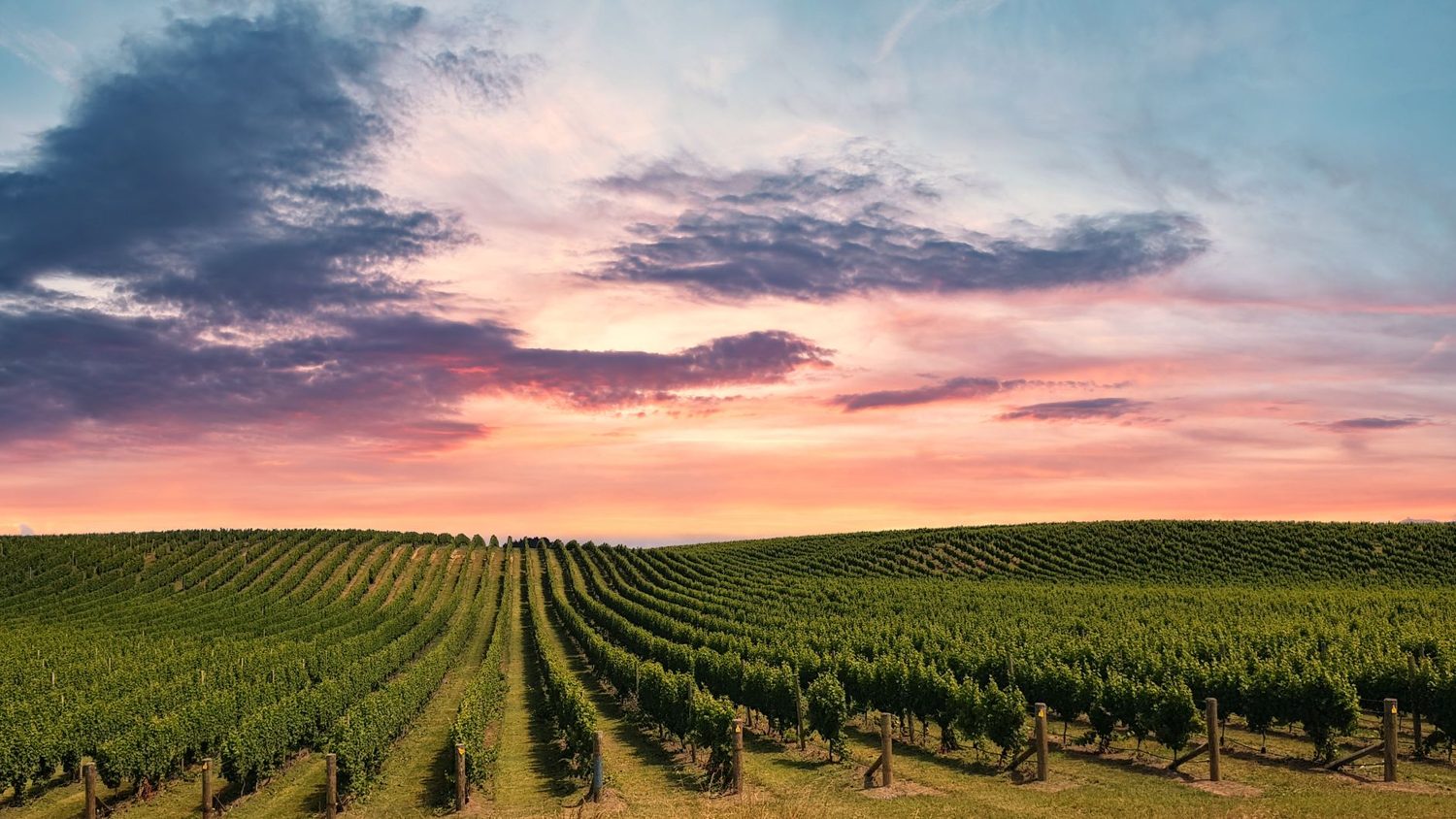
25 Best Day Trips from Auckland in 2026 (With or Without a Car)
The best day trips from Auckland: Waiheke, Hobbiton, Waitomo, Rotorua, Coromandel and west-coast beaches, with real drive times, costs and tips.

This article contains advertising. Our booking links are routed through a partner that adds commission tracking automatically, so if you book through one we earn a commission from the provider, at no extra cost to you. It never affects what we recommend. Affiliate disclosure
Ask me the single best thing about basing yourself in Auckland, and it is not the city itself. It is everything within reach of it. You can be standing on a black-sand surf beach 45 minutes after leaving your hotel, watching gannets wheel over a headland an hour north, or sipping chardonnay on a vineyard terrace that you reached by a 40-minute ferry ride. New Zealand is a small country, and Auckland is the best jumping-off point it has.
The best day trips from Auckland fall into a handful of clear directions. East into the Hauraki Gulf sit the islands. South lie the caves, the movie set, and the geothermal country. West is the wild Tasman coast of black sand and surf. And the Coromandel and the north each have their own pull. This guide walks you through every one of them, with honest drive and ferry times, how to get there with or without a car, how long to give it, who each trip suits, a feel for cost, and my own take after doing most of these more times than I can count.
Day trips from Auckland at a glance
Here is the shortlist. Times are one-way and assume you dodge the morning and evening peaks. “Half day” means you can pair it with something else; “full day” means it fills the day on its own.
| Destination | Drive or ferry time | Half or full day | Best for |
|---|---|---|---|
| Waiheke Island | 40 min ferry | Full day | Wine, beaches, couples |
| Rangitoto Island | 25 min ferry | Half to full day | Hikers, volcano geology |
| Tiritiri Matangi | 75 min ferry | Full day | Serious birdwatchers |
| Devonport | 12 min ferry | Half day | Quick harbour escape |
| Piha Beach | 45 min drive | Half to full day | Surf, drama, photographers |
| Karekare | 55 min drive | Half day | Solitude, waterfall walks |
| Bethells Beach | 50 min drive | Half day | Dunes, quiet, walkers |
| Muriwai (gannets) | 45 min drive | Half day | Birdlife Aug–Apr, sunsets |
| Matakana | 70 min drive | Full day | Markets, wine, food |
| Goat Island | 90 min drive | Half to full day | Snorkelling, families |
| Hamilton Gardens | 90 min drive | Half to full day | Gardens, rainy days |
| Raglan | 2.5 hr drive | Full day | Surfers, laid-back vibe |
| Cathedral Cove & Hot Water Beach | 2.5 hr drive | Full day | Coastal icons, hot pools |
| Hobbiton | 2 hr drive | Full day | Film fans, guided ease |
| Waitomo Caves | 2.5–3 hr drive | Full day | Glowworms, first-timers |
| Rotorua | 2.5–3 hr drive | Full day (overnight better) | Geothermal, Māori culture |
| Bay of Islands | 3 hr+ drive | Overnight better | History, dolphin cruises |
A quick word on driving times before we start. Every “one-hour day trip” list you read is quietly lying to you, because Auckland traffic can double a journey between 7.30 and 9am outbound, and again between 4.30 and 6.30pm coming home. The times in this guide are realistic off-peak numbers. Leave before the morning rush and you buy yourself an extra hour at the far end. If you are working out the wider logistics of moving around the region, our complete 2026 transport guide covers ferries, trains, buses and car hire in detail.
Getting out of Auckland without a car
Plenty of visitors never touch a steering wheel here, and you can still do a surprising number of these trips. Three networks do the heavy lifting.
The first is the Fullers360 ferry network out of the downtown Ferry Building. It serves Waiheke, Rangitoto, Motutapu, Devonport, Half Moon Bay and Bayswater directly, and the Explore Group runs the Tiritiri Matangi service. A return ticket plus an on-island bus or bike hire gets you a full day on Waiheke or Rangitoto with no car at all.
The second is InterCity, the main long-distance coach line, running from the SkyCity Coach Terminal. You can reach Hamilton in about an hour and three-quarters, Whangarei in around two and three-quarters, and Rotorua, Waitomo and Paihia in roughly three and a half to four. The Hamilton and Whangarei runs work as a same-day return; Rotorua and Paihia are far better as an overnight.
The third is the guided tour operators — GreatSights, Hobbiton Movie Set Tours, Bush and Beach, and a handful of small-group specialists — who run door-to-door from central Auckland. They cost more, but they remove every logistical headache, and for somewhere like Hobbiton a guided coach is effectively the only practical way to get there without your own vehicle. If you would rather stay closer to base on a car-free day, our roundup of the 65 best things to do in Auckland has plenty that never needs a car.
Island day trips in the Hauraki Gulf

The Hauraki Gulf is Auckland’s front garden, and its islands are the day trips I send first-timers on without hesitation. You swap the car for a boat, the crossing is part of the fun, and each island has its own completely different character.
Waiheke Island: wine, beaches and the easiest big day out
Time from the CBD: 40-minute Fullers360 passenger ferry from the Ferry Building, or about 45 minutes on the SeaLink car ferry from Half Moon Bay.
How long: A full day, easily. You could spend three.
Best for: Wine lovers, beachgoers, couples, and anyone who wants their first “I can’t believe this is 40 minutes from the city” moment.
Waiheke is the most popular day trip out of Auckland, and it has earned that spot. There are more than thirty vineyards on an island you can drive across in half an hour, three or four of New Zealand’s best-known beaches — Oneroa, Palm Beach, Onetangi — and a cluster of restaurants with reputations that stretch well beyond the country. Mudbrick, Cable Bay and The Oyster Inn all pull people over on the ferry for lunch alone.
The easy way to do it is the ferry plus the Explorer hop-on-hop-off bus, which bundles the return crossing with unlimited bus rides. The indulgent way is a booked wine tour with a cellar-door lunch, which will run you somewhere around NZ$200 to $280 a head with transfers included. The thrifty way is the ferry plus the local 502 and 503 buses, paid with an AT HOP card, which costs very little but means planning around a roughly hourly timetable.
One thing worth flagging for 2026: the Waiheke ferry fares changed this year. An off-peak adult return (departing Auckland from 1pm) now sits around NZ$46.50, while a walk-up return at busier times is closer to NZ$62, and a family ticket lands near NZ$99. If your day is flexible, a late-morning arrival on the off-peak fare saves real money. Return ferries from Matiatia run roughly every half hour into the late evening in summer, so there is no rush to leave.
My take: give Waiheke a whole unhurried day rather than trying to bolt it onto anything else. Two or three vineyards, a long lunch, an afternoon swim, and the last ferry home as the light goes gold over the gulf is close to a perfect Auckland day. If you want the full breakdown of vineyards, beaches and timings, we have a dedicated Waiheke Island day trip guide that goes deep on planning it.
Rangitoto Island: Auckland’s youngest volcano
Time from the CBD: 25-minute ferry.
How long: Half a day for the summit; a full day if you add the Motutapu walk.
Best for: Hikers, anyone who likes their geology fresh, and families with kids old enough to manage a steady climb.
Rangitoto is the symmetrical cone you see from almost everywhere in Auckland, and it is astonishingly young — it rose out of the sea in an eruption only about 600 years ago. That means the island looks much as the first Māori visitors would have seen it. The summit walk is around an hour up a well-formed track that climbs through the largest pōhutukawa forest in the world, across black scoria fields, to a 259-metre summit with a full 360-degree view over the gulf and the city skyline.
Near the top, a short detour drops you into a set of lava caves — bring a torch and you can walk through them. There is no cafe and no fresh water on the island, so carry plenty of water, sun cover and sturdy shoes; the scoria is sharp and the exposed sections get hot. Bikes and buggies are not allowed, and neither are dogs. If you have the energy, a causeway links Rangitoto to neighbouring Motutapu, where you can extend the day with a longer coastal walk.
Tiritiri Matangi: one of the great bird sanctuaries
Time from the CBD: 75-minute ferry, running Wednesday to Sunday.
How long: A full day, dictated by the ferry timetable.
Best for: Serious birdwatchers and nature photographers.
Tiritiri Matangi is an open scientific reserve, jointly cared for by the Department of Conservation and a devoted volunteer society, and it is one of New Zealand’s genuine conservation success stories. Predators were eradicated, hundreds of thousands of native trees were planted, and rare birds were reintroduced. The result is that on a walk here you can come face to face with takahē, kōkako, hihi (stitchbird), North Island robin, tīeke (saddleback) and red-crowned parakeet, often at astonishingly close range.
The ferry runs five days a week. On Wednesday to Friday it leaves Auckland around 9am; on weekends and public holidays it leaves earlier, near 8.30am, giving you longer on the island. Book ahead — the boat has a capped capacity to protect the reserve and it regularly sells out days or weeks in advance in summer. The optional guided walk on arrival costs only about NZ$10 and is worth every cent; the volunteer guides know exactly where the shy birds are, and our full Tiritiri Matangi day trip guide covers the ferry timetable, the tracks and the birds you are most likely to see.
Devonport: the quickest return on effort in the city
Time from the CBD: 12-minute ferry.
How long: Half a day.
Best for: A short escape, cruise passengers with a few hours, and anyone who wants to look back at the Auckland skyline from the water.
Devonport barely counts as a day trip because it is so close, but the payoff for a 12-minute ferry is out of all proportion to the effort. Climb Mount Victoria for the view back across the harbour, walk around to Cheltenham Beach, browse the bookshops and cafes along the waterfront, and be back in the city by mid-afternoon. It gets a full write-up as a suburb in our Auckland neighbourhoods guide, but as a low-effort half day it is hard to beat.
West-coast beaches: Auckland’s wild Tasman side

Drive 40 minutes west of the city, over the Waitākere Ranges, and you arrive somewhere that feels like a different country. The Tasman coast is all black iron sand, pounding surf, sheer cliffs and moody weather. These beaches are staggeringly beautiful and genuinely dangerous in the water, so the rule everywhere out here is simple: swim only between the flags in summer, and treat the sea with respect. You will not find much public transport, so these are self-drive or small-group-tour trips. Fuel up before you leave the suburbs — there are no petrol stations on the coast itself. For the wider picture of coastal Auckland, our beaches and outdoor adventures guide is a good companion to this section.
Piha: the most famous beach in Auckland
Time from the CBD: 45 minutes by car; no public transport.
How long: Half a day, or a full day with walks.
Best for: Photographers, surfers and anyone who likes their scenery on the dramatic side.
Piha is the west coast beach everyone knows. Lion Rock rises straight out of the black sand, the surf rolls in relentlessly off the Tasman, and the Piha Surf Life Saving Club became a household name through the old Piha Rescue television series. Getting there is half the experience — the road drops through native bush in a series of tight hairpins before the sudden reveal of the beach far below.
Once you are down, you can climb the lower part of Lion Rock (the upper section above the ridge is closed for safety), walk the roughly 40-minute return track to the pretty Kitekite Falls, or just settle in at the Piha Cafe and watch the surfers get pummelled. A word of genuine caution: Piha has powerful rips and is one of the most rescue-heavy beaches in the country. Swim between the flags, keep small children close, and never turn your back on the water. We keep a dedicated Piha Beach day trip guide with the walks, tides and safety detail spelled out.
Karekare: Piha’s quieter, cinematic neighbour
Time from the CBD: 55 minutes by car.
How long: Half a day.
Best for: Film-location fans, solitude seekers and short waterfall walks.
Karekare sits just south of Piha and feels like its introverted sibling — every bit as dramatic, but with a fraction of the crowds. This is where Jane Campion filmed the opening of The Piano, and the wide sweep of black sand backed by cliffs still has that brooding, cinematic quality. A gentle 15-minute walk inland brings you to Karekare Falls, one of the loveliest short waterfalls in the region. There are no shops of any kind, so pack whatever you plan to eat and drink. If you want it in one place, our Karekare Beach guide covers the walks and the tide timing.
Bethells Beach (Te Henga): dunes, driftwood and a hidden lake
Time from the CBD: 50 minutes by car.
How long: Half a day.
Best for: Photographers, walkers, and anyone chasing a west coast beach with almost no one on it.
Bethells, known by its Māori name Te Henga, has the full west coast set — black sand, driftwood, big dunes — plus one thing the others do not: a superb short walk inland to Lake Wainamu, a freshwater lake ringed by towering sand dunes you can climb and run down. The route is around a 90-minute return and is best done near low tide, because the stream crossing on the way can get chest-deep when the tide is up. Time it right and you get the beach, the dunes and the lake in one easy loop. Our Bethells Beach guide has the low-tide timing worked out.
Muriwai: gannets on the cliff edge
Time from the CBD: 45 minutes by car.
How long: Half a day.
Best for: Birdwatchers (roughly August to April), surfers and long clifftop walks.
Muriwai has two draws. The first is the takapu (Australasian gannet) colony perched on the Otakamiro Point headland, where short boardwalks let you stand almost within touching distance of hundreds of nesting seabirds. The gannets arrive to nest from around August, and the chicks fledge through to roughly April, with the busiest and best viewing across the summer from about October to February — outside that window most of the birds have flown to Australia. The second draw is the beach itself, one of the few in the country where you can legally drive on the sand, running north up the coast for more than 50 kilometres. Sunset from the dunes here is one of the great free shows in Auckland, and our Muriwai gannet colony day trip guide covers the boardwalks, the nesting season and where to park.
The Waitākere Ranges and Arataki
Time from the CBD: 35 minutes by car.
How long: One to a few hours, often as a stop on the way to a beach.
Best for: Short forest walks, family-friendly nature and a panoramic view over the city.
The Waitākere Ranges Regional Park protects more than 16,000 hectares of native rainforest west of the city, and it is the green wall you cross on the way to the coast. There is an important catch: many tracks are closed or rerouted under a rāhui declared by the local iwi, Te Kawerau ā Maki, to slow the spread of kauri dieback disease. The good news for 2026 is that several tracks have recently reopened — the Zion Hill, Kuataika and Smyth Ridge tracks came back online in May 2026 after years shut. The situation changes often, so check the Auckland Council “tracks open now” map before you set out.
Even if you only have an hour, the Arataki Visitor Centre is worth the drive on its own for its striking Māori-designed building, the giant carved pou that greets you, and the sweeping view south to the Manukau Harbour. It makes a natural first stop before dropping down to Piha or Karekare, and our Piha and Waitākere Ranges day trip itinerary strings the whole west-coast loop together.
The Hunua Ranges: waterfalls to the southeast
Time from the CBD: 55 minutes by car.
How long: Half a day.
Best for: Mountain bikers, waterfall swimmers and anyone wanting a quieter alternative to the Waitākeres.
Southeast of the city, the Hunua Ranges are largely free of kauri dieback, which means most of their tracks stay open. The star is Hunua Falls, a 30-metre curtain of water with a swimming hole at its base, reached by a gentle 10-minute walk from the car park. The Cosseys and Wairoa loops nearby are popular with mountain bikers. It is a good pick on a day when the west coast tracks are closed or the surf coast weather looks grim.
Caves and Hobbiton: the classic long day south

Head south on the motorway and within a couple of hours you reach two of the North Island’s headline attractions: the glowworm caves at Waitomo and the Hobbiton movie set near Matamata. Both are firmly full-day trips from Auckland, and both work either self-driven or on a guided coach. Because they sit within an hour of each other, plenty of people combine them into one big day.
Hobbiton: stepping into the Shire
Time from the CBD: about 2 hours’ drive each way to Matamata.
How long: A full day.
Best for: Lord of the Rings and Hobbit fans, garden lovers, and anyone who wants a guided day with zero logistics to sort.
Hobbiton is the working sheep farm that Peter Jackson turned into the Shire, then kept intact as a permanent set. The standard Signature Tour walks you for around two hours through all 44 hobbit holes, past the Party Tree, and finishes with a drink at the Green Dragon Inn. On-site the Signature Tour runs about NZ$170 for an adult in 2026, with a Second Breakfast option around NZ$200 and an Evening Banquet around NZ$240.
As a day trip from Auckland, you have two routes. A door-to-door guided coach — from operators like GreatSights, Bush and Beach or the Hobbiton company itself — typically leaves the city around 8am and has you home by early evening, and depending on the operator and whether lunch is included, runs anywhere from roughly NZ$235 to $425 a head. Self-driving is cheaper: you pay only fuel plus the on-site tour ticket, though you still must pre-book a tour time slot because you cannot wander the set unguided. The newer breakfast and banquet tours are hard to pair with a same-day return to Auckland, so save those for an overnight.
My take: Hobbiton is one of the few attractions that lands even if you are lukewarm on the films — the craft and the detail of the place are genuinely charming. If you are not driving, just book the coach and enjoy the day. Our Hobbiton day trip guide compares the tour options and ticket types in full.
Waitomo Glowworm Caves: a starfield underground
Time from the CBD: 2.5 to 3 hours’ drive each way (about 150 km).
How long: A full day.
Best for: First-time visitors to New Zealand, families and adventure cavers.
The Waitomo Caves are a limestone system famous for a native glowworm, Arachnocampa luminosa, that studs the cave ceilings with tiny blue-green lights like a starfield. The classic experience is the roughly 45-minute Waitomo Glowworm Caves tour, which finishes with a silent boat glide beneath tens of thousands of glowworms in the Glowworm Grotto. It is one of those attractions that genuinely lives up to its reputation. Adult admission to the main cave sits around NZ$59 in 2026, with children about NZ$26.
If you want more adrenaline, the Legendary Black Water Rafting Company runs blackwater rafting trips that have you floating through the caves on an inner tube in the dark. Guided day tours from Auckland, including transport and cave admission, generally run somewhere in the NZ$195 to $285 range. Self-driving is far cheaper if you are a couple or a family — just the fuel and the ticket — and lets you add Hobbiton on the way. Our Waitomo glowworm caves guide lays out the cave options, the blackwater rafting grades and the drive.
Geothermal country: Rotorua
Rotorua: geysers, mud and Māori culture
Time from the CBD: 2.5 to 3 hours’ drive (about 226 km).
How long: A very full day; an overnight opens up far more.
Best for: Geothermal landscapes, Māori cultural experiences and a soak in natural hot pools.
Rotorua is the beating geothermal heart of the North Island — geysers, steaming ground, bubbling mud pools, and a deeply rooted Te Arawa Māori culture that shapes the whole visitor experience. You will smell the sulphur before you see the town, and that is part of the charm.
In a single long day you can realistically do Te Puia, where a guided tour takes in the Pōhutu Geyser (which can throw water more than 30 metres into the air), plus the national carving and weaving schools and a cultural performance. Add the Wai-O-Tapu Thermal Wonderland with its luridly coloured Champagne Pool and the punctual Lady Knox Geyser, then round it off with a soak at the Polynesian Spa overlooking the lake before the drive home. That is a packed twelve-hour day, so a pre-dawn start is essential.
Stay a night and Rotorua unfolds properly: the Redwoods Nightlights treewalk, Hells Gate, Lake Tarawera, mountain biking in the Whakarewarewa Forest, and white-water rafting on the Kaituna with its 7-metre waterfall drop. Honestly, if you can spare the second day, take it — the drive each way is a lot to swallow for a single day on the ground. We break the whole thing down, day-trip versus overnight, in our Rotorua day trip guide.
The Coromandel: coastal icons east of Auckland
The Coromandel Peninsula juts into the Pacific southeast of Auckland, and it delivers some of the most photographed coastline in the country. The catch is distance: the eastern beaches are a solid two and a half hours away, and the peninsula roads are narrow and winding, so a Coromandel day trip is an early start and a late finish.
Cathedral Cove and Hot Water Beach
Time from the CBD: about 2.5 hours to Hahei and Hot Water Beach.
How long: A full day.
Best for: Iconic coastal photography and digging your own hot pool in the sand.
Cathedral Cove is the great limestone sea arch you have seen on countless New Zealand postcards and in the Narnia films. Here is the important 2026 update: the walking track suffered serious storm damage in recent years and was closed for a long stretch, but it reopened on 30 January 2026 after major clearing and a geotechnical inspection. The Department of Conservation is urging real caution — the landscape is unstable, rockfalls and landslides are possible in any weather and especially after rain, and the side tracks to Gemstone Bay and Stingray Bay, along with the Hahei Beach walking route, remain closed. Check the DOC page before you go, and if the track is shut or you would rather skip the walk, a water taxi from Hahei is a reliable way to reach the cove.
Ten minutes away is Hot Water Beach, where a thermal spring seeps up through the sand and you can dig your own hot pool at the water’s edge. This only works for about two hours either side of low tide, so check the tide chart before you commit to the drive — turn up at high tide and there is nothing to see. Bring a spade, or rent one from the Hot Waves cafe by the car park. Our Coromandel Peninsula day trip guide maps out how to fit both into one day around the tides.
The western Coromandel: Thames and Coromandel town
Time from the CBD: about 105 minutes to Thames.
How long: A full day.
Best for: Heritage mining towns and a scenic coastal drive.
If the eastern beaches feel too far, the western side of the peninsula is closer and gentler. Thames is the old gold-mining town that anchors the coast, reached by a flat, pleasant drive along the Firth of Thames. Beyond it the road narrows and climbs for another 55 minutes or so up to Coromandel town, home to the wonderfully eccentric Driving Creek Railway — a hand-built narrow-gauge line that a potter spent decades constructing up through regenerating bush. It makes a relaxed full day without the two-and-a-half-hour haul to the far coast.
North of Auckland: Matakana, Goat Island and the Bay of Islands
Head north and the trips range from an easy hour up the motorway to a full-blown Northland expedition. Note that the roads north of Warkworth carry a higher crash rate than most of the country, so give them your full attention.
Matakana: markets, wine and a slow country day
Time from the CBD: about 70 minutes up the Pūhoi motorway.
How long: A full day.
Best for: Saturday markets, wine tasting, food lovers and a gentle art-and-gallery amble.
The Matakana Farmers’ Market on a Saturday morning is, to my mind, the best in the wider Auckland region — think fresh pastries, Mahurangi oysters and Puhoi Valley cheese, all eaten while you wander. The village itself is small and easy, with a heritage cinema showing arthouse films and the Morris & James pottery just outside town. Add the Brick Bay Sculpture Trail, a walk through a vineyard dotted with dozens of contemporary sculptures, and you have a full, unhurried day. Nearby Tāwharanui Regional Park, a predator-fenced peninsula with the gorgeous white sand of Anchor Bay, and Omaha Beach both pair beautifully with a Matakana morning.
Goat Island Marine Reserve: snorkelling off the beach
Time from the CBD: about 90 minutes.
How long: Half to a full day.
Best for: Snorkellers, glass-bottom-boat riders and families.
Goat Island — officially the Cape Rodney-Okakari Point Marine Reserve — was the first marine reserve in New Zealand, and decades of protection have made it remarkable. You can wade in off the beach and snorkel among big snapper, shoals of blue maomao and the occasional kingfish, all so used to people that they barely move aside. If you would rather stay dry, a glass-bottom boat runs from the beach. You can hire snorkel gear from the shop just above the sand, and it is an excellent day out with older children.
Bay of Islands: a long day, but better overnight
Time from the CBD: 3 hours and more each way (about 231 km to Paihia).
How long: Doable in a day on paper; much better as an overnight.
Best for: History buffs, dolphin and Hole in the Rock cruises — with the honest caveat that a day trip barely does it justice.
The Bay of Islands is a scatter of 144 islands off the Northland coast, with Paihia as its tourist hub and historic Russell — the country’s first European capital — just across the water. It is genuinely special: the Waitangi Treaty Grounds are the most important historical site in New Zealand, and the boat cruises out to the Hole in the Rock are superb. The problem is the maths. At three-plus hours each way, a day trip leaves you only two or three hours on the ground, which is not enough to fit a cruise, Waitangi and a look around Russell. GreatSights runs a day coach that gets you there, and I only suggest it for someone with a single fixed spare day and no flexibility. Give it a night and everything relaxes: a Hole in the Rock cruise, a paddle in the bay, and Waitangi across two easy days.
South to the Waikato: Hamilton Gardens and Raglan
The Waikato, the farming region directly south of Auckland, has two day trips worth the drive that often get overlooked in favour of the bigger names further on.
Hamilton Gardens: 21 gardens from around the world
Time from the CBD: about 90 minutes by car, or by InterCity coach.
How long: Half to a full day.
Best for: Garden lovers, families with older kids and a good rainy-day fallback.
Hamilton Gardens is one of the most quietly surprising attractions in the country. Rather than one big garden, it is a series of 21 themed enclosures arranged around a loop — an Italian Renaissance garden, a Chinese Scholar’s garden, a Japanese Garden of Contemplation, a Tudor garden, a Surrealist garden, an Indian Char Bagh and more. Wandering between them feels like a whistle-stop tour of garden history around the world. General entry to the grounds is free, with a modest charge for the enclosed themed gardens. It stands well on its own for a half day, or you can pair it with a stroll along the Waikato River.
Raglan: New Zealand’s most famous surf town
Time from the CBD: about 2.5 hours by car.
How long: A full day.
Best for: Surfers, laid-back beach days and a slower pace.
Raglan is a small, easygoing surf town on the Waikato’s west coast, best known for the long left-hand point break at Manu Bay — one of the most celebrated waves in the world. The town itself is compact and relaxed, with a Sunday market, very good ice cream, and the black-sand Ngarunui Beach, which is patrolled in summer and safe for families. Twenty minutes inland, the 55-metre Bridal Veil Falls (Waireinga) is an easy, rewarding stop. It is a long drive for a day, but a fine one if you want surf-town calm rather than tourist crowds.
Self-drive versus guided tours: what it costs
For the longer trips south — Hobbiton, Waitomo, Rotorua — the question of whether to drive yourself or book a tour comes down mostly to how many of you there are.
A guided day tour with door-to-door transport typically runs somewhere between NZ$195 and $425 per person depending on the destination, the operator and whether lunch is thrown in. Driving the same trip yourself costs roughly NZ$40 to $90 in fuel plus the site admission — so for one person, all-in, you are often looking at NZ$120 to $180 before any rental car day rate. The crucial thing is that fuel and the car cost the same whether one person travels or four, so the per-head cost of self-driving plummets with each extra passenger.
The upshot: if you are a couple or a family, self-driving almost always wins on cost and flexibility. If you are travelling solo, or you simply do not want to drive after a long-haul flight, a guided tour is competitive once you factor in daily car hire of around NZ$80 to $120, and it removes every logistical worry.
Charging an EV on your day trip
If you are in an electric car, New Zealand’s charging network has matured a lot by 2026. On the main southern route toward Rotorua, Hobbiton and Waitomo you will find Tesla Superchargers at Pōkeno, Bombay and Taupō, and ChargeNet fast chargers at Meremere, Huntly, Hamilton and Cambridge. On the northern route toward Matakana and Paihia there are fast chargers at Silverdale, Warkworth and Wellsford. The west coast beaches have no charging at all, so plan to do Piha, Karekare, Bethells or Muriwai on a single charge and top up back in the suburbs. Whatever your route, check the PlugShare or ChargeNet app before you leave.
Day trips with kids
Some of these trips are made for families and some are not. My most-recommended with children are Devonport (a 12-minute ferry, a safe beach and ice cream), Rangitoto (a summit climb that older kids find a proper adventure), Tiritiri Matangi (easy walking and close-up encounters with rare birds), the Muriwai gannets, Wenderholm Regional Park north of the Pūhoi tunnels (safe swimming, grass to run on and free barbecues), Waitomo, Hobbiton and Hamilton Gardens. The west coast surf beaches are wonderful for sandcastle-building and rock-pooling but have strong currents, so keep swimming strictly between the flags. If you are building a whole trip around the little ones, our Auckland with kids guide has a lot more in this vein.
The best day trips by season

Auckland winters (June to August) are cool and often wet — think 8 to 15°C — but rarely freezing, and the season changes what makes sense. The smart winter day trips are Rotorua, where the geothermal steam is at its most photogenic in cold air and the hot pools are at their most appealing; Waitomo, where it never changes temperature underground; Hamilton Gardens, with plenty of enclosed spaces; the Matakana and Kumeu wineries, made for a long lunch by a fireplace; and Hobbiton, which is quieter in winter and where the Green Dragon fire is exactly what you want. I would skip the west coast beaches in winter, when the Tasman is cold and the weather frequently rough.
Summer (December to March) flips it: this is west coast beach season, the gannets are on the cliffs at Muriwai, the pōhutukawa blaze red along the coast, and the Waiheke ferry turns into a floating party on a warm afternoon. Spring and autumn are the sweet spot for almost everything else — decent weather, thinner crowds and easier bookings. If you are timing a visit around festivals as well, our month-by-month events calendar is worth a look.
A three-day day-trip plan
If you have three days and want a strong sampler of what the region does best, this is how I would spend them.
Day one: The Waiheke ferry, the Explorer bus or a wine tour, a long lunch at a cellar door, an afternoon swim, and the ferry home in time for dinner in the Viaduct.
Day two: Head west early — Arataki for the view, Piha for the surf and Kitekite Falls, Karekare Falls, and finish with sunset and the gannets at Muriwai before dinner in Ponsonby.
Day three: The big one south — a guided Hobbiton coach for an easy full day, or self-drive Hobbiton and Waitomo together if you are up for a dawn start.
A seven-day day-trip plan
With a week you can pace it properly and reach further afield.
Day one: A gentle Devonport half day to find your feet, then an evening in the Viaduct.
Day two: A full day on Waiheke.
Day three: The west coast — Piha, Karekare and Bethells.
Day four: The Matakana Saturday market and Tāwharanui.
Day five: Hobbiton and Waitomo on one long guided or self-driven day.
Day six: Tiritiri Matangi for the birds.
Day seven: The Coromandel — Cathedral Cove and Hot Water Beach, ideally with a night on the peninsula so you are not rushing the tides.
If you are still deciding where to base yourself for all this, our where to stay in Auckland guide breaks down the neighbourhoods, and the broader Auckland travel guide ties the whole trip together.
Frequently Asked Questions
What is the best day trip from Auckland without a car?
Waiheke Island by Fullers360 ferry, combined with the Explorer hop-on-hop-off bus, is the easiest and most rewarding car-free option — you get vineyards, beaches and restaurants with zero driving. Devonport and Rangitoto are also excellent and sit under 25 minutes away on the same ferry network. For anywhere further, a guided coach is your friend.
Can you visit Hobbiton as a day trip from Auckland?
Yes, comfortably. Hobbiton Movie Set Tours and operators like GreatSights and Bush and Beach run door-to-door day coaches from central Auckland, usually leaving around 8am and returning by early evening. If you drive yourself it is about two hours each way to Matamata, and the on-site tour runs roughly two hours — but you must pre-book a tour time slot either way, as you cannot enter the set unguided.
Is the Bay of Islands doable in one day?
On paper, yes — it is about three hours each way. In practice, no. That leaves you only two or three hours on the ground, which is not enough for a Hole in the Rock cruise, the Waitangi Treaty Grounds and a look around Russell. If the Bay of Islands is a priority, give it at least one overnight so the long drive is worth it.
Is Cathedral Cove open in 2026?
Yes, with caveats. The main walking track reopened on 30 January 2026 after extended storm-damage repairs, but the Department of Conservation warns that the land is unstable and rockfalls are possible, so take care and check the DOC page before you go. The side tracks to Gemstone Bay and Stingray Bay and the Hahei Beach route remain closed. A water taxi from Hahei is a reliable alternative to the walk.
Which day trip is best with young children?
For under-fives, Devonport is ideal — a 12-minute ferry, a calm beach and ice cream, all with no driving. Wenderholm Regional Park north of the city offers safe swimming, grass and free barbecues for families of any age. For children old enough to walk a few kilometres, Tiritiri Matangi delivers close-up encounters with rare birds that genuinely stick with kids.
What is the best day trip from Auckland in winter?
Rotorua tops the list — the geothermal steam is at its most dramatic in cold air, the hot pools are exactly what you want, and the crowds are thinnest. Waitomo is another strong winter pick, since it stays the same temperature underground year-round, and Hobbiton is quieter and cosier by the Green Dragon fire. Save the west coast beaches for summer.
Final thoughts
The real luxury of visiting Auckland is that almost every direction out of the city is a good one. You can chase surf and black sand to the west, glide out to a vineyard island in the east, drop into a glowworm cave or a geyser field to the south, or point the car north toward markets and marine reserves. My honest advice is to pick trips that match your energy rather than ticking off a list — two slow days on Waiheke will do more for you than a forced sprint to Rotorua and back.
Fuel up before the west coast, book the Waiheke and Tiritiri ferries ahead in summer, check the tide before Hot Water Beach and the DOC page before Cathedral Cove, and leave before the morning rush. And keep at least one morning loose. The best day trip you take here is often the one a local tips you off about over dinner — so ask around, and stay flexible.
Last updated: July 2026. Written by the Auckland Tourism Guide team.
Photo credits
- Photo: Akash Sudan via Pexels
- Photo: Tom Macret via Pexels
- Photo: Tom Macret via Pexels
- Photo: Donovan Kelly via Pexels
- Photo: Richard Pan via Pexels
Worth deciding where in your week these belong before you book one. A regional day trip is a ten-to-thirteen-hour commitment, which makes it a poor choice for the day before a flight and a good one for the middle of a longer stay. Our guide to planning an Auckland itinerary covers how to slot the long days in without hollowing out the rest of the trip.
Worth being clear-eyed about the trade: on a three-day stay, a regional day trip does not slot in alongside everything else — it replaces the west coast day. Our 3 days in Auckland itinerary sets out that choice with rough door-to-door times for each option and a verdict on which ones survive being compressed into a day.