Auckland Māori Culture, History & Heritage: The 2026 Visitor’s Guide
The 2026 guide to Auckland Maori culture experiences: museum galleries, mana-whenua tours, the tupuna maunga, Matariki, marae etiquette and heritage.
This article contains advertising. Our booking links are routed through a partner that adds commission tracking automatically, so if you book through one we earn a commission from the provider, at no extra cost to you. It never affects what we recommend. Affiliate disclosure
Auckland got its English name in 1840. Its Māori name is roughly 800 years older, and it tells you far more about the place: Tāmaki Makaurau, usually translated as “Tāmaki desired by many.” Long before this became New Zealand’s largest city, the isthmus of volcanic cones, twin harbours, and deep lava-fed soils was the most fought-over ground in Aotearoa, precisely because it was the most valuable. If you want to understand Auckland, start with the people who named it.
This is a full guide to Auckland Māori culture experiences for visitors in 2026 — where to go, what you’ll actually see and learn, and how to engage in a way that respects the people whose stories these are. If you want more on that side of things, see our Auckland theatres and performing arts guide.
The short answer: the best introductions are Auckland War Memorial Museum’s Māori galleries and daily cultural performance, a mana-whenua-led tour with an operator such as Potiki Adventures or TIME Unlimited, a walk up one of the tūpuna maunga (ancestral volcanic cones), and — if you visit in early July — the Matariki (Māori New Year) programme, the largest in the country.
Auckland Māori culture experiences at a glance
| Experience | Where | What you’ll learn | Time needed |
|---|---|---|---|
| Māori galleries + cultural performance | Auckland War Memorial Museum, the Domain | Taonga, waka taua, whakairo, haka, waiata, poi | Half a day |
| Mana-whenua-led cultural tour | Central Auckland + a maunga | Tāmaki Makaurau history told by descendants; karakia, waiata | Half to full day |
| Tūpuna maunga walk | Maungawhau, Maungakiekie, Takarunga and others | Pā terracing, craters, and the significance of the maunga | 1–2 hours each |
| Matariki (Māori New Year) | Takaparawhau, the Domain, city centre | Remembrance, star lore, community celebration | Late June to mid-July |
| Contemporary Māori art | Auckland Art Gallery Toi o Tāmaki, Albert Park | Whakairo, historic portraits, living Māori artists | 2–3 hours |
| Colonial heritage walk | Parnell, Devonport, Britomart | Early Auckland, mission architecture, the port’s founding | Half a day |
Use the sections below to build your own route, or skip to the two-day heritage itinerary near the end. Throughout, I’ve flagged the etiquette that matters, and where you should follow the guidance of local hosts rather than anything written here.
Tāmaki Makaurau: why Auckland’s Māori name matters
“Tāmaki Makaurau” is often rendered “Tāmaki desired by many” or, more poetically, “Tāmaki of a hundred lovers.” Either way the meaning is the same: this was a place so desirable that many iwi (tribes) wanted to hold it. Sitting on the narrowest part of the North Island, with fertile volcanic soils and two sheltered harbours giving access north, south, east and west, the isthmus was the strategic prize of pre-European New Zealand.
You’ll see the name everywhere once you start looking — on Auckland Council branding, government signage, buses, news broadcasts, and increasingly on shopfronts. Learning to say it is the first small courtesy a visitor can offer. It runs roughly “Tah-mah-kee Mah-kow-row,” with every vowel given its full value.
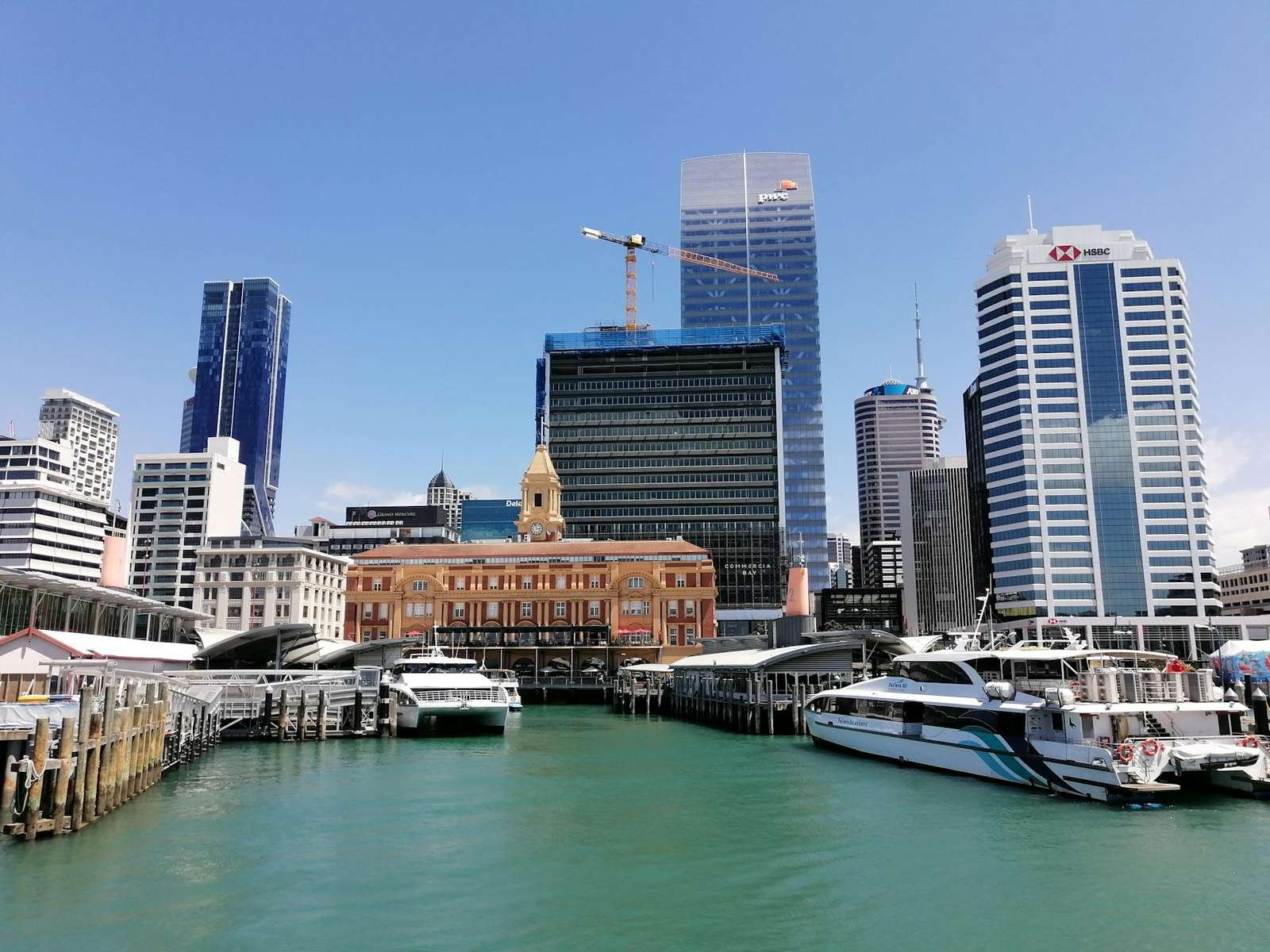
The name is one of many Māori words woven through daily Auckland life. People greet each other with “kia ora.” Suburbs carry their original names — Remuera, Ōrākei, Ōtāhuhu, Takapuna, Maungawhau. The maunga that Aucklanders climb on weekends are ancestral sites. For the deeper story of how the city grew from pā and gardens into a modern metropolis, our companion guide to the history of Auckland from Tāmaki Makaurau to today covers the full timeline.
Who are the mana whenua?
Mana whenua are the iwi and hapū (tribal groups) who hold customary authority over the land as kaitiaki — guardians. In central Tāmaki Makaurau these include Ngāti Whātua Ōrākei, whose ancestral connection covers much of the city centre and Ōrākei. Across the wider region, groups with recognised mana whenua interests include Ngāti Pāoa, Te Kawerau ā Maki, Ngāi Tai ki Tāmaki, Te Ākitai Waiohua, Ngāti Te Ata and others — Auckland Council formally engages with a large number of iwi and hapū authorities across the region.
Each holds specific ancestral relationships to different parts of the land, water and maunga. I’ve kept the descriptions here deliberately general; the detail of who holds what, and the tikanga (customary practice) attached to each place, belongs to those communities to tell. When you take a guided experience, you’ll hear it from the people whose story it is, which is exactly as it should be.
One statistic worth carrying with you: Auckland is one of the largest Polynesian cities on earth. A substantial share of the population identifies as Māori or Pacific, and that living presence — not just the historic sites — is a big part of what makes the culture here feel immediate rather than preserved behind glass.
A brief history of Māori Auckland
Māori reached Aotearoa aboard waka hourua — double-hulled voyaging canoes — from East Polynesia, with settlement of the region generally dated to around the 14th century. Several waka are associated with the Tāmaki area through whakapapa (genealogy). Over the following centuries, iwi built extensive pā (fortified settlements) on the volcanic cones, cultivated vast kūmara (sweet potato) gardens in the warm basalt soils, and drew on the seafood of the Hauraki Gulf.
At the height of settlement, several of the cones — including Maungakiekie (One Tree Hill), Maungawhau (Mt Eden), Takarunga (Mt Victoria) and Maungarei (Mt Wellington) — were major fortified villages, their flanks terraced with kāinga, storage pits and defensive works. Historians estimate the isthmus supported thousands of people, with more than 2,000 hectares of gardens across the region at its peak. The dominant power for a long stretch was the Waiohua confederation.
The late 18th and early 19th centuries brought upheaval. The introduction of muskets fuelled a period of intense inter-tribal conflict, and by the 1820s much of the isthmus had been depopulated as northern raids displaced many Tāmaki iwi. When Governor William Hobson chose the site as the capital of the new British colony in 1840 — negotiating with the Ngāti Whātua chief Apihai Te Kawau — the surrounding land was comparatively empty, which was one factor, though not the only one, in the choice.
What followed over the next 150 years is a harder story. Ngāti Whātua Ōrākei lost almost all of their ancestral land at Ōrākei and Takaparawhau through a long sequence of Crown purchases, public works takings and confiscations. Understanding this is essential to understanding modern Auckland, and it runs directly into the colonial-era heritage you can still walk through today — a thread we pick up in detail in the guide to Auckland colonial history, heritage sites and walking tours.
If it is the buildings themselves you are after, our guide to Auckland’s heritage buildings worth seeing maps what survives of the Victorian and Edwardian city and, more usefully, tells you which ones you can actually get inside.
Takaparawhau (Bastion Point): the occupation that changed New Zealand
Takaparawhau — the headland east of the city centre overlooking Ōrākei Basin and the inner Waitematā — is the single most politically significant piece of ground in modern Māori Auckland. It is the ancestral home of Ngāti Whātua Ōrākei, and in 1977–78 it became the site of one of the country’s defining protests.
When the government moved to develop the land for housing rather than return it, members of Ngāti Whātua and supporters, led by Joe Hawke, occupied the reserve. The occupation lasted 506 days and included the building of a temporary marae, housing and gardens. It ended on 25 May 1978, when several hundred police and army personnel forcibly cleared the site and 222 people were arrested. During the occupation, a fire claimed the life of a young girl, Joanna Hawke — a loss still remembered there.
The scale of the eviction, and the images of it, helped shift national opinion. In the late 1980s the land was returned to Ngāti Whātua Ōrākei with compensation as part of the Treaty of Waitangi settlement process. Today the headland holds a public reserve, coastal walking tracks with interpretation panels, and the Michael Joseph Savage Memorial. The views back across the harbour to the city are among the best in Auckland — but come knowing what happened here.
Auckland War Memorial Museum: the world’s finest Māori collection
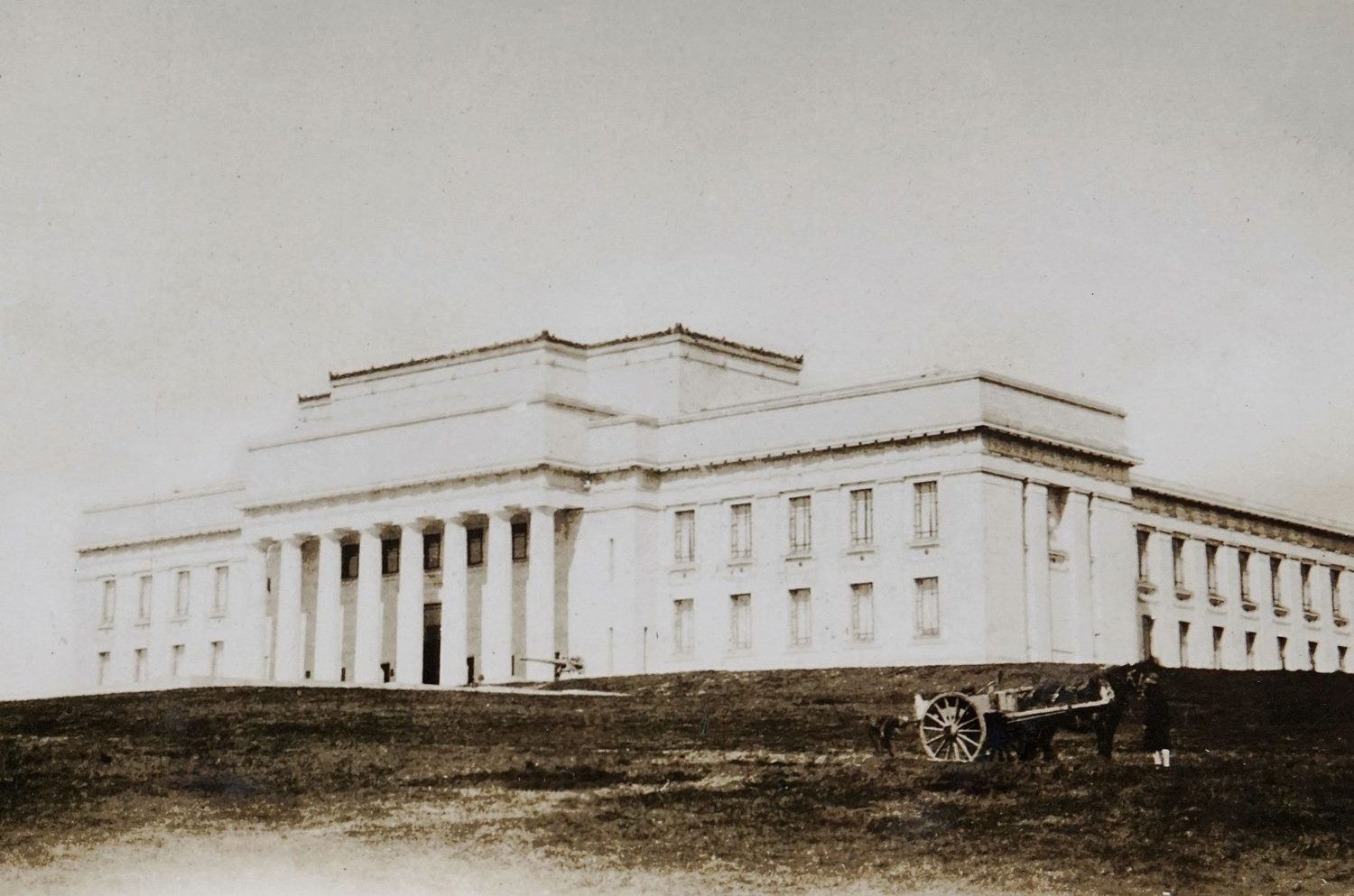
If you do only one thing from this guide, make it the Māori galleries at Auckland War Memorial Museum. This is the natural anchor for any visitor engaging with Māori culture in the city, holding one of the world’s greatest collections of Māori taonga (treasures), and the entire ground floor is given over to it.
Important: Te Marae Ātea Māori Court and the Pacific galleries have been closed since May 2025, after asbestos was found in the 1929 building. Most of the museum reopened in October 2025, but these galleries have not, and no reopening date has been published. That means the collection’s headline pieces — Te Toki ā Tāpiri, the roughly 25-metre waka taua thought to be the last great war canoe used in battle, along with Hotunui and the Kaitaia carving — cannot currently be seen. Note that the museum’s own marketing pages have not all caught up with this, so check directly before you build a visit around the taonga. Our guide to Māori cultural experiences in Auckland covers what is open instead.
The quiet showstopper, when it is open, is Hotunui, a fully intact wharenui (carved meeting house) given by Ngāti Awa to Ngāti Maru in 1878 and one of very few carved meeting houses on permanent indoor display anywhere. In normal times you remove your shoes, step inside and sit beneath carvings that have watched over visitors for close to 150 years. It is inside the closed section and cannot be visited at present.
For a room-by-room breakdown of every gallery, the carvings to look for, and how the collection is organised, our dedicated Auckland Museum Māori exhibits guide for 2026 goes far deeper than there’s room for here, and the broader Auckland Museum visitor guide covers tickets, transport and the rest of the building.
The daily Māori cultural performance
The museum runs a live Māori cultural performance at least twice a day, and up to four times in summer — the museum publishes conflicting schedules on its own website, so check when you book. Expect to pay somewhere between NZ$30 and NZ$45 depending on ticket type and whether you are a New Zealander. The programme runs around 30 minutes through waiata (song), poi, a weapons demonstration and haka, with the performers explaining each element as they go, and the group stays out afterwards to talk and take photographs. Because the Māori Court is shut, confirm the meeting point on the day.
Expect to pay in the region of NZ$35 for an adult and about NZ$18 for a child in 2026, often bundled with general museum admission. Book online ahead of time, because sessions sell out in the summer peak. Photography is generally welcomed during the finale haka, but wait for the performers’ cue rather than shooting throughout.
Mana-whenua-led tours and Māori guided experiences

A museum can show you the objects; a guide descended from the people who made them can tell you what they mean. Beyond the museum, a handful of Māori-owned and Māori-led operators run excellent experiences around Auckland. Book these ahead — group sizes are small and the best ones fill.
Potiki Adventures
Potiki Adventures is a Māori-owned company directed by Bianca Ranson. The tour currently listed on their own site is a Waiheke Island day tour at around NZ$175 adult and NZ$80 child, ferry extra, taking in a pā site with kūmara pits and defensive terraces, carving and tā moko, and te reo revitalisation. A Mt Eden “mana whenua” tour circulates on aggregator sites but is not on their website. Their own site has not been updated since 2015, so contact them to confirm they are running before you plan around it.
TIME Unlimited Tours
TIME Unlimited is a long-established Māori-led operator, actively trading, whose full-day Auckland Māori tour takes in Tāmaki Drive, the volcanic cones, carvings and the Waitākere Ranges out to the west coast, for two to fifteen people from around NZ$495 per person. One point of precision: co-founder Ceillhe Sperath is Ngāpuhi, a Northland iwi, so the company is Māori-led but its principals are not mana whenua of Tāmaki Makaurau. There is no marae visit or pōwhiri on this tour. For the mana whenua alternative, Te Wharekura on Quay Street and Te Manu Taupua at Ōrākei are both run by Ngāti Whātua Ōrākei; our guide to booking Māori cultural experiences compares them.
Harbour and waka experiences
Some of the most memorable experiences happen on the water. Ngāti Whātua Ōrākei’s tourism arm has run harbour tours that recount Auckland’s history from a mana whenua perspective as you move across the Waitematā, and various operators occasionally run waka (canoe) paddling on the harbour. Availability shifts season to season, so check current schedules close to your travel dates. If you want to combine cultural touring with the wider set of activities on offer, the roundup of the best things to do in Auckland is a useful companion, and general getting around Auckland advice will help you link the stops together.
The 14 tūpuna maunga: Auckland’s ancestral mountains
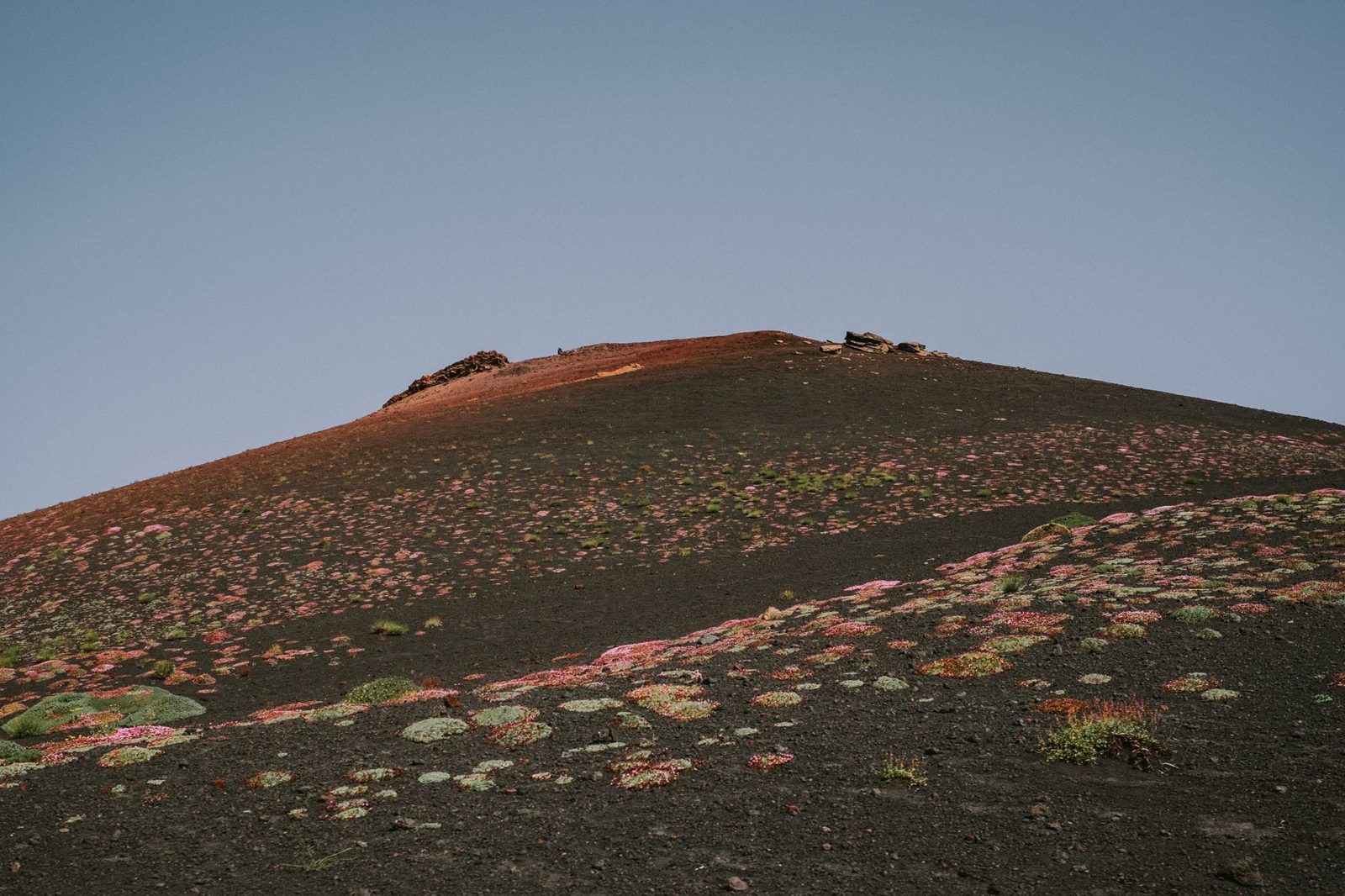
Auckland sits on a volcanic field of more than 50 cones and craters, and the geological history of Auckland’s volcanoes explains how the field formed. Fourteen of them are recognised as tūpuna maunga — ancestral mountains. In 2014, ownership of all fourteen was returned to mana whenua under the Tāmaki Collective Treaty settlement, and they are now cared for by the Tūpuna Maunga Authority, a co-governance partnership between iwi and Auckland Council. Walking one of these maunga is the most direct way to stand inside Auckland’s Māori history.
Maungawhau (Mt Eden) is the most visited — 196 metres, about ten minutes from the city centre, with a deep crater and 360-degree views. The summit road was permanently closed to private vehicles in 2016 out of respect for the maunga, so you walk up on foot via the grassed path (around 15 minutes from Mt Eden Road). The crater, Te Ipu Kai a Mataaho, is wāhi tapu — sacred ground — and you should not enter or climb down into it. For a full walking guide to the cone, its history and the best routes up, see our Mt Eden (Maungawhau) visitor guide.
Maungakiekie (One Tree Hill) is the largest and one of the most significant maunga, ringed by Cornwall Park with its free-roaming sheep, an obelisk at the 182-metre summit, and remarkably intact 19th-century terracing across its slopes — some of the clearest pā earthworks you can see in the city. Takarunga (Mt Victoria) in Devonport pairs harbour views with historic military tunnels around its base. Maungarei (Mt Wellington) carries some of the best-preserved pā terraces of all. Ōwairaka (Mt Albert) and Maungauika (North Head) round out the most accessible list.
Treat these as sacred places rather than ordinary parks. Stay on the marked paths; don’t sit or climb on the summit stones or terraces; take your rubbish with you; keep dogs on a lead; and if you want to eat, do it on the approach rather than at the tihi (summit). Several tour operators and mana whenua groups run guided maunga walks that add the layer of meaning a self-guided climb can’t.
Matariki 2026: the Māori New Year
Matariki — the reappearance of the Matariki (Pleiades) star cluster in mid-winter — became New Zealand’s first indigenous public holiday in 2022. In 2026 the public holiday falls on Friday 10 July. The observance is tied to remembrance of those who have died, celebration of the year that has passed, and hopes for the year ahead. Auckland’s Matariki programme is the country’s largest, spanning well over a hundred events from late June into mid-July, many of them free.
The centrepiece in 2026 is the national dawn ceremony, the Hautapu ā Motu at Takaparawhau, hosted by Ngāti Whātua Ōrākei and broadcast nationwide, under the theme “Matariki herenga waka — for everyone.” This is the ceremony where the names of those who died in the past year are offered to the rising stars. Attendance is free and it begins early — around dawn, with proceedings from roughly 5:30 am. Dress for cold: an Auckland July dawn hovers around 7°C with heavy dew, so bring warm layers and a torch. Thousands attend, parking fills long before sunrise, and a taxi or rideshare is the sensible way in.
Beyond the dawn ceremony, the wider programme typically includes a large festival in and around the city centre with Māori food, art and music markets timed to the cluster’s peak visibility; Manu Aute (kite) events that are especially good for children; light and projection installations by Māori artists; late openings and Matariki exhibitions at the Auckland Art Gallery; and a Stardome planetarium season on the stars themselves. Details shift year to year, so check the official Matariki programme and book any ticketed events well ahead. Our Auckland events and festivals calendar for 2026 tracks the full month-by-month picture, and if you’re travelling with children, the Auckland with kids family travel guide flags the most child-friendly Matariki activities.
Contemporary Māori art: Auckland Art Gallery Toi o Tāmaki
Auckland Art Gallery Toi o Tāmaki, at the top of Queen Street in Albert Park, holds New Zealand’s most significant collection of contemporary Māori art alongside historic portraiture. Entry to the general collection is free for New Zealand residents; international visitors pay a modest admission (children under 14 free), and the gallery is open daily.
The historic heart of the Māori holdings is the collection of 19th- and early-20th-century portraits of Māori tūpuna (ancestors) by Gottfried Lindauer and Charles Goldie — among the most reproduced images of Māori anywhere. These are now shown in a dedicated space, Ngā Taonga Tūturu, which pairs the paintings with whakairo (carvings) to frame them within te ao Māori (the Māori world) rather than only as European art. The gallery has also expanded its Māori-centred programme in recent years, building on the landmark contemporary Māori art surveys it has staged.
Look out for the major names in the collection — artists such as Ralph Hotere, Robyn Kahukiwa, Shane Cotton, Lisa Reihana and Colin McCahon — whose work carries Māori themes and perspectives into a fully contemporary register. Even an hour here reshapes how you read everything else in the city, and it anchors a wider circuit of public and dealer galleries around Auckland where contemporary Māori artists show regularly. For the full layout, current exhibitions and practical details, our Auckland Art Gallery visitor guide has you covered.
Colonial history and heritage sites
Auckland’s Māori story and its colonial story are not separate; they are the same story told from the moment of contact onward. Once you’ve absorbed the pre-European picture, the surviving colonial-era buildings read very differently — as the physical mark of the settlement that reshaped Tāmaki Makaurau. A few precincts let you walk through it.
Parnell
Parnell is Auckland’s oldest suburb and the easiest place to see early colonial architecture on foot. A heritage walk of a couple of hours links a cluster of survivors: St Mary’s-in-Holy Trinity, a timber Gothic church dating from 1849; Kinder House, an 1857 stone cottage connected to the early Anglican mission; and Ewelme Cottage, an 1864 kauri-timber home preserved with its original contents. Nearby, Holy Trinity Cathedral is often described as the world’s only cathedral in a Polynesian Gothic style — a building that literally fuses the two traditions this guide is about. Our Māori place names in Auckland explained guide covers this in more depth.
Devonport and the North Shore
A short ferry ride across the harbour, Devonport combines a Victorian seaside village with layers of far older and much newer history. A gentle walk takes in colonial villas and the maritime heritage of the waterfront, while Maungauika (North Head) rises above the village with roughly 800 years of history in one place — Māori pā earthworks overlaid by 19th-century coastal defences and Cold War-era tunnels you can explore. It’s one of the clearest illustrations anywhere in Auckland of how the same ground has been used and reused across centuries.
Britomart and the waterfront
Down on the city waterfront, the Britomart precinct’s restored Victorian and Edwardian warehouses mark the area where colonial Auckland’s port and commerce took root, now repurposed into a walkable quarter of shops and eating places. It sits close to the reclaimed land that has completely reshaped the original shoreline the first settlers knew.
The City Rail Link and Māori place-names returning
Auckland’s biggest recent infrastructure project, the City Rail Link, has quietly become one of the city’s most significant cultural statements. Its underground stations carry names gifted by mana whenua — for example Karanga-a-Hape beneath Karangahape Road, which honours an ancestor associated with the earliest claims to the isthmus, and Te Waihorotiu beneath the city centre, named for the stream that once flowed openly down what is now Queen Street before it was culverted. The stations feature ambitious public artworks commissioned from leading contemporary Māori artists, so that a piece of everyday transport doubles as a permanent, free gallery of Māori art, and at ground level the murals along Karangahape Road and around Britomart carry a lot of the same energy. For the full sweep of the city’s past — pre-European, colonial and modern — the history of Auckland guide ties these threads together.
Visiting a marae: what to expect and how to behave
A marae is the ceremonial meeting ground of an iwi or hapū, centred on a wharenui (meeting house) and usually including a wharekai (dining hall) and other buildings. Marae are living community and ceremonial spaces, not tourist attractions — you can’t simply walk in. Access generally requires an invitation, and often a pōwhiri (formal welcome). For most visitors, the right way to experience a marae is through a guided cultural tour that has arranged access in advance.
If you are invited onto a marae, a few points of tikanga apply almost everywhere. Arrive on time — it’s considered rude to wander in once a pōwhiri has begun. Dress modestly, with covered shoulders and long trousers or a skirt or dress. Bring a koha (a gift, usually money, given discreetly to the hosts). Remove your shoes before entering the wharenui. Keep phones switched off during the welcome. Don’t eat or drink during the pōwhiri or inside the meeting house, and let the kaumātua (elders) go first at meals, waiting for the karakia (blessing) before you start.
A pōwhiri typically unfolds through a karanga (a call of welcome, traditionally by a senior woman), whaikōrero (speeches), waiata (song to support the speakers), the presentation of koha, and then the hongi — the pressing of noses and foreheads that represents the sharing of breath and life. Your hosts will guide you through when to move, when to sing and when to greet. Follow their lead in everything; every marae has its own kawa (protocols), and the single best rule is to ask your host what is expected rather than assume.
Learning the language and the crafts
Even a small amount of te reo Māori changes how Auckland feels. A handful of words will carry you a long way: kia ora (hello, thanks), tēnā koe (a more formal hello to one person), ka pai (good), whānau (family), kai (food), waiata (song), whenua (land), moana (sea) and haere rā (goodbye). Pronunciation is consistent once you learn the vowels, and locals will happily and kindly correct you — accept the correction graciously and try again.
If you want to go hands-on, Auckland has more options than most visitors expect. Raranga (flax weaving) workshops run periodically through community education providers and occasionally through the museum’s education programmes, where you can weave a simple putiputi (flax flower) or start a kete (basket). Studios associated with tā moko (traditional tattooing) can talk you through the meaning and tikanga of moko, though receiving one is a serious commitment requiring proper consultation. Short introductory te reo Māori courses appear from time to time through wānanga and public libraries.
Māori and Pacific: two distinct cultures, one city
It’s worth being clear on a distinction that trips up many visitors. Māori are the indigenous people of Aotearoa New Zealand. Pacific peoples in Auckland — Samoan, Tongan, Cook Islands Māori, Niuean, Fijian, Tuvaluan, Tokelauan and others — largely arrived through migration from the mid-20th century onward. All descend from the broader Polynesian voyaging world and share deep ancestral and linguistic ties, but they are distinct peoples with their own languages, tikanga and histories.
Auckland celebrates both, and the two biggest cultural events on the calendar reflect that: Matariki for Māori in mid-winter, and the Pasifika Festival, one of the largest Pacific cultural gatherings anywhere, in the warmer months. If your visit coincides with either, it’s the single fastest way to feel the living culture of the city rather than only its history. The events and festivals calendar will tell you what’s on while you’re here.
Buying authentic Māori art and taonga
Pounamu — New Zealand greenstone, a form of nephrite jade — is the material most visitors want to take home, and it repays a little care. Pounamu is found only in New Zealand, chiefly on the South Island’s West Coast (Te Wai Pounamu, “the waters of greenstone”), and it is regarded as a taonga with real spiritual weight. Ngāi Tahu, the South Island iwi, are recognised as its guardians. A carved pounamu pendant connects the wearer to land, ancestors and story — it is not simply a souvenir.
The catch is that a good deal of “New Zealand greenstone” on sale is actually carved from stone imported from overseas. To buy with confidence, look for the toi iho mark (a registered authenticity mark for Māori arts), or buy directly from Māori artists and reputable galleries that clearly state the origin of their stone; authentic Ngāi Tahu pounamu even carries a traceability code you can look up online. Museum and gallery shops, and established Māori-owned stores in precincts such as Britomart and along Karangahape Road, are reliable. Airport gift shops often are not. If a carving’s origin isn’t clearly stated, ask — and expect a genuine piece of carved pounamu to be priced accordingly rather than cheap. If shopping is part of your plan, our Auckland shopping and nightlife guide maps out the districts.
How to engage respectfully as a visitor
The short version: be curious, ask before you photograph, don’t touch taonga or sacred sites, offer a koha where one is appropriate, and follow the lead of your Māori hosts. A little more detail:
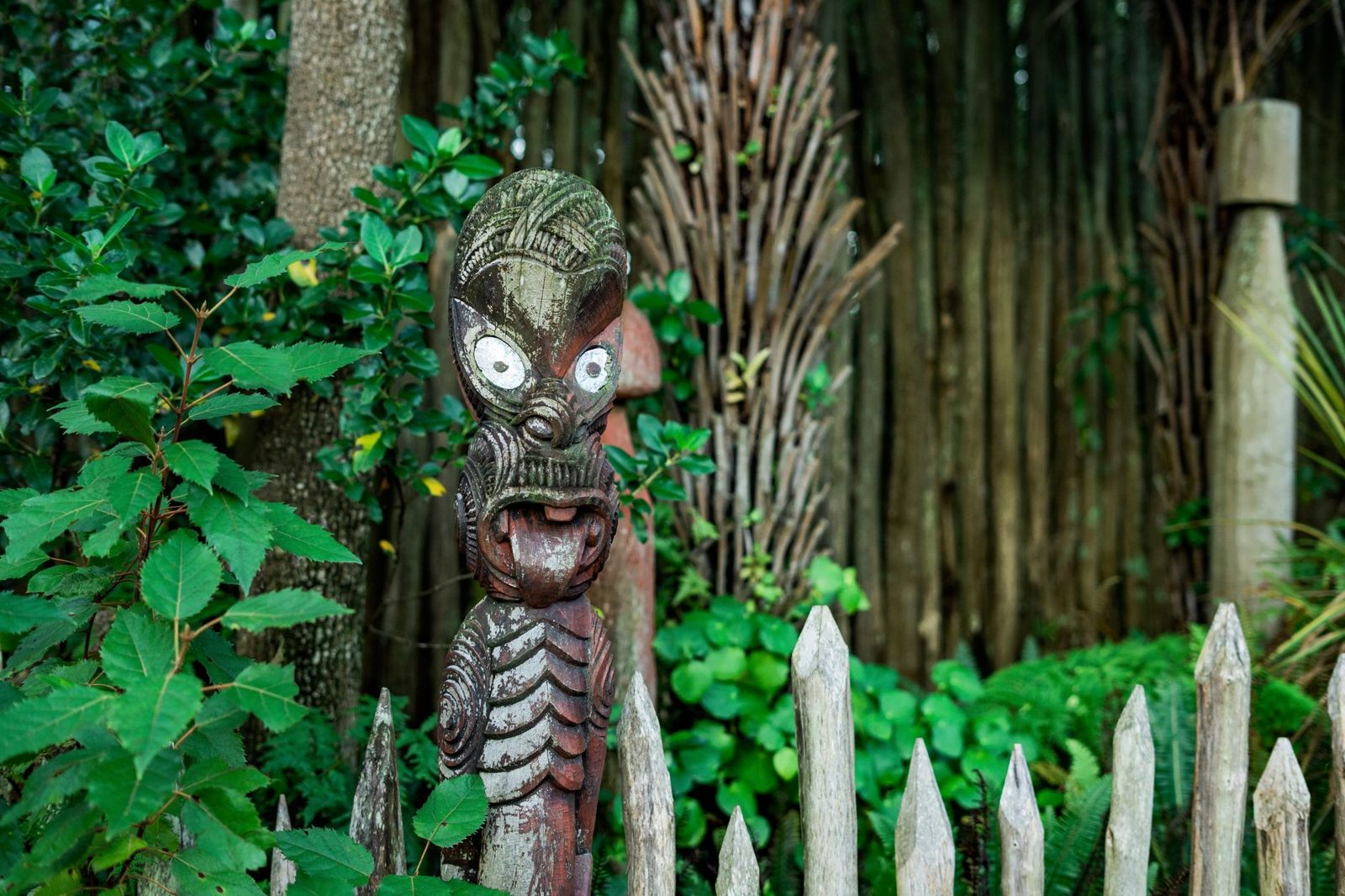
- Photography. Always ask before photographing people, performers or ceremonial objects. Wait for performers to invite photography, usually at the finale. Photography of taonga in the museum’s Māori galleries is generally allowed without flash, but treat these objects with the care you’d want shown to a family heirloom.
- Touch. Don’t handle any taonga, carving or sacred stone unless you’re invited to. Many objects and places carry tapu — a state of being sacred or restricted.
- The maunga. Stay on the paths, keep off the summit stones and terraces, and don’t enter the craters, which are wāhi tapu.
- Urupā (cemeteries). These are tapu. Don’t enter or photograph them.
- Koha. Many marae and community cultural programmes run on koha (donations). Asking “is there a koha?” at a Māori cultural event is good form, and a modest per-person contribution is always appreciated.
- Language. Attempt te reo greetings, and take correction of your pronunciation as the kindness it usually is.
None of this is meant to make you anxious. Aucklanders and mana whenua hosts are, in my experience, warm and generous with visitors who show genuine respect. The point is simply to arrive as a guest rather than a spectator.
A two-day Māori heritage itinerary in Auckland

If you can give two full days to Auckland’s culture and history, this is a route that consistently earns the best feedback. Adjust the timing to the season and to what’s on.
Day one: the museum and Takaparawhau
Start at Auckland War Memorial Museum when it opens. Spend a couple of hours in the Māori galleries — Te Toki a Tāpiri, Hotunui, and the Tāmaki stories — and catch the late-morning cultural performance. Have lunch at the museum café, then walk down through the Auckland Domain. From there it’s a short hop to Takaparawhau (Bastion Point): walk the coastal track, read the interpretation panels, and take in the Savage Memorial with the harbour spread out below. Stay for the late-afternoon light on the city skyline. For dinner, seek out a spot serving hāngī-style or native-ingredient food; the Auckland food and drink guide points you to the current standouts.
Day two: maunga, art and the city’s Māori names
Begin with a maunga walk — Maungakiekie (One Tree Hill) through Cornwall Park, then Maungawhau (Mt Eden) if you’re feeling energetic, both before lunch. Eat in Mt Eden village. In the afternoon, head to Auckland Art Gallery Toi o Tāmaki for the Māori portraiture and contemporary collection, allowing two to three hours. If you’re in town in early July, finish with a Matariki event in the evening; otherwise, wander the city centre and, once the City Rail Link stations are open, seek out the public artworks and Māori station names in Te Waihorotiu and Karanga-a-Hape. A guided tour with one of the city’s cultural operators can also fill either day with the personal storytelling a self-guided route can’t match.
Two days is enough for a real introduction, not a complete one. If you have longer, a mana-whenua-led tour early in your trip will change how you see everything that follows — book it first, then let the rest of your time build on it. Where you base yourself makes the logistics easier too; the where to stay in Auckland guide and the Auckland neighbourhoods guide break down the areas closest to the sites above.
Going further afield
Auckland is the strongest base in the country for Māori history, archaeology and urban cultural experiences. For the classic full-immersion evening — a formal welcome, a hāngī dinner cooked in an earth oven, and a concert of song and haka — many visitors add a trip south to Rotorua, about two and a half hours away, where several long-running villages specialise in exactly that format. It pairs naturally with a broader loop; the day trips from Auckland guide lays out the options, and the wider Auckland travel guide helps you slot culture into a full itinerary alongside the coast and islands.
This isn’t a knock on Auckland — it’s simply that Rotorua’s cultural-tourism infrastructure is older and more developed. For a visitor with a week in Auckland, the city’s own Māori heritage is more than enough to fill several rewarding days without leaving town.
Frequently Asked Questions
What is the single best Māori cultural experience in Auckland?
For a first visit with limited time, the Auckland War Memorial Museum’s Māori galleries combined with the daily cultural performance is the most reliably excellent choice — it works for every age and requires no advance planning beyond booking the performance. If you have more time and want depth, add a mana-whenua-led tour with an operator such as Potiki Adventures or TIME Unlimited, which brings the personal storytelling a museum can’t. And if you’re in Auckland in early July, the Matariki dawn ceremony at Takaparawhau is a rare and moving thing to witness.
How do I engage respectfully with Māori culture and sacred sites?
Ask before photographing people, performers or ceremonial objects; don’t touch taonga (treasures) or carvings unless invited; stay on marked paths on the maunga and keep off summit stones and out of craters, which are sacred; and don’t enter or photograph urupā (cemeteries). Where a koha (donation) is customary, offer one. Attempt te reo Māori greetings and accept gentle corrections graciously. Above all, when you’re with a Māori host or guide, follow their lead — local tikanga (protocol) always takes precedence over any general advice, including this guide.
Can I visit a marae in Auckland as a tourist?
Not on a walk-in basis. A marae is a living community and ceremonial space, and access generally requires an invitation and often a pōwhiri (formal welcome). The appropriate way for visitors to experience one is through a guided cultural tour that has arranged access in advance. If you are invited, dress modestly, bring a koha, remove your shoes before entering the wharenui (meeting house), keep your phone off during the welcome, and follow your host’s guidance throughout.
When is Matariki in 2026, and what happens in Auckland?
The Matariki public holiday falls on Friday 10 July 2026. Auckland runs the country’s largest programme — well over a hundred events from late June into mid-July, most of them free. The centrepiece is the national dawn hautapu ceremony at Takaparawhau, hosted by Ngāti Whātua Ōrākei and broadcast nationwide, alongside city-centre markets, kite events, light installations by Māori artists, and gallery and planetarium programmes. Check the official Matariki programme and book any ticketed events well ahead.
Should I hongi (press noses) when I meet people?
Only in formal contexts, and only when a Māori host invites you to. The hongi is the sharing of the breath of life and is usually reserved for the conclusion of a pōwhiri, where your host will show you exactly when and how. In everyday situations, a handshake with a warm “kia ora” and eye contact is completely appropriate. Some marae have also adjusted their tikanga in recent years, so take your cue from the people welcoming you.
Where can I buy authentic Māori art and pounamu?
Buy from Māori artists directly, or from reputable galleries and museum shops that clearly state the origin of their stone. Look for the toi iho authenticity mark, and note that genuine Ngāi Tahu pounamu carries a traceability code you can check online. Reliable options include the shops at Auckland War Memorial Museum and Auckland Art Gallery, and established Māori-owned stores in precincts such as Britomart and along Karangahape Road. Be wary of airport gift shops and of “greenstone” whose origin isn’t stated — a lot of it is carved from imported stone.
Final thoughts
Auckland’s skyline of glass towers and motorways can make it easy to miss what this place actually is. But the maunga are still the maunga; Takaparawhau still watches over the harbour; the new rail stations carry names gifted by mana whenua; and every July, Matariki rises over the city and thousands gather at dawn to remember the year that has gone. Engaging with Māori culture here isn’t a box to tick on an itinerary — it’s how you come to understand Tāmaki Makaurau, the place desired by many, as it has always been.
Take your time, ask questions, and accept the answers you’re given. Come as a guest, follow the guidance of the people whose stories these are, and you’ll leave understanding Auckland in a way that no view from the Sky Tower can give you. We update this guide each year with current Matariki dates, new mana-whenua-led experiences, and the latest museum and gallery programmes.
Last updated: July 2026. Written by the Auckland Tourism Guide team.
Photo credits
- Photo: Gaurav Kumar via Pexels
- Photo: Matteo Badini via Pexels
- Photo: Suzy Hazelwood via Pexels
- Photo: Robert Stokoe via Pexels
- Photo: Petra Reid via Pexels