Auckland Events & Festivals Calendar 2026: Month-by-Month Guide
Your year-round Auckland events calendar: festivals, concerts and sport by season, from Pasifika and Matariki to Diwali, the Lantern Festival and more.

This article contains advertising. Our booking links are routed through a partner that adds commission tracking automatically, so if you book through one we earn a commission from the provider, at no extra cost to you. It never affects what we recommend. Affiliate disclosure
Auckland does not really have an off-season. In the twelve years I have lived here, I have learned to plan my calendar around the city’s events rather than the other way round: the sailing regatta that turns the harbour white with sails in late January, the smell of Samoan umu smoke drifting across Western Springs in March, the pre-dawn cold of a Matariki ceremony in July, the fireworks that close each night of Diwali in spring. If you time a trip right, an event can become the reason you remember the whole holiday. Our Auckland events October guide covers this in more depth.
This is a year-round Auckland events calendar, organised by season and month, covering the festivals, concerts, sport and markets that actually fill the city’s diary. I have kept it honest about one thing throughout: dates move. Festivals shift with the lunar calendar, promoters reshuffle tour schedules, and a headline act confirmed in January can vanish by March. So treat every date here as a strong guide and confirm the exact day on the official site before you book flights around it.
The short answer: Auckland’s event calendar peaks twice a year. Late summer into autumn (January to March) brings the biggest cultural festivals: the Anniversary regatta, Lantern Festival, Pasifika, and Auckland Arts Festival. Late spring into summer (November to December) brings stadium concerts and the two huge free family events, the Santa Parade and Christmas in the Park. Winter’s quiet highlight is Matariki, the Māori New Year, in July. If you want more on that side of things, see our Auckland events November guide.
Auckland’s event year at a glance
Before we go month by month, here is the shape of the year. Auckland’s seasons run opposite to the Northern Hemisphere, so “summer” means December to February and “winter” means June to August. Each season has its own rhythm and its own reasons to visit.
| Season | Signature events | The vibe |
|---|---|---|
| Summer (Dec–Feb) | New Year fireworks, Anniversary Day regatta, ASB Classic tennis, Laneway, Splore, Lantern Festival, Christmas in the Park | Long warm evenings, outdoor everything, the city at its most sociable and its most crowded |
| Autumn (Mar–May) | Pasifika, Auckland Arts Festival, Moana Ocean Festival, Comedy Festival, Writers Festival | The best weather window of the year, big cultural programmes, thinner crowds than summer |
| Winter (Jun–Aug) | Matariki, NZ International Film Festival, Restaurant Month, All Blacks and rugby, indoor arts | Cool and often wet, but the cultural and food calendar is quietly at its most rewarding |
| Spring (Sep–Nov) | Heritage Festival, Diwali, Auckland Marathon, Santa Parade, spring concerts and cricket | Unsettled weather, warming days, and the run-up to the summer concert season |
If you want a fuller month-by-month breakdown of what is on right now, I keep detailed monthly guides that go deeper than this pillar: Auckland Events in January 2026: Complete Calendar & Guide, Auckland Events in February 2026: Lantern Festival, Splore & More, Auckland Events in March 2026: Pasifika, Arts Festival & More, Auckland Events in April 2026: Concerts, Festivals & Comedy, Auckland Events in May 2026: Comedy, Writers, Sport & More, and Auckland Events in June 2026: Matariki, Festivals & Sport. Those cover the shoulder-of-the-week listings, small gigs and pop-ups that a year-long guide can’t fit.
Summer: New Year, the regatta, and festival season kicks off

Summer is Auckland at full volume. Schools break up before Christmas and don’t go back until early February, so the whole city is in holiday mode. Days sit around 22 to 26 degrees, the pōhutukawa trees flower crimson along the coast, and almost everything happens outdoors. It is the busiest and priciest time to visit, and for a lot of people it is also the best.
New Year’s Eve on the waterfront
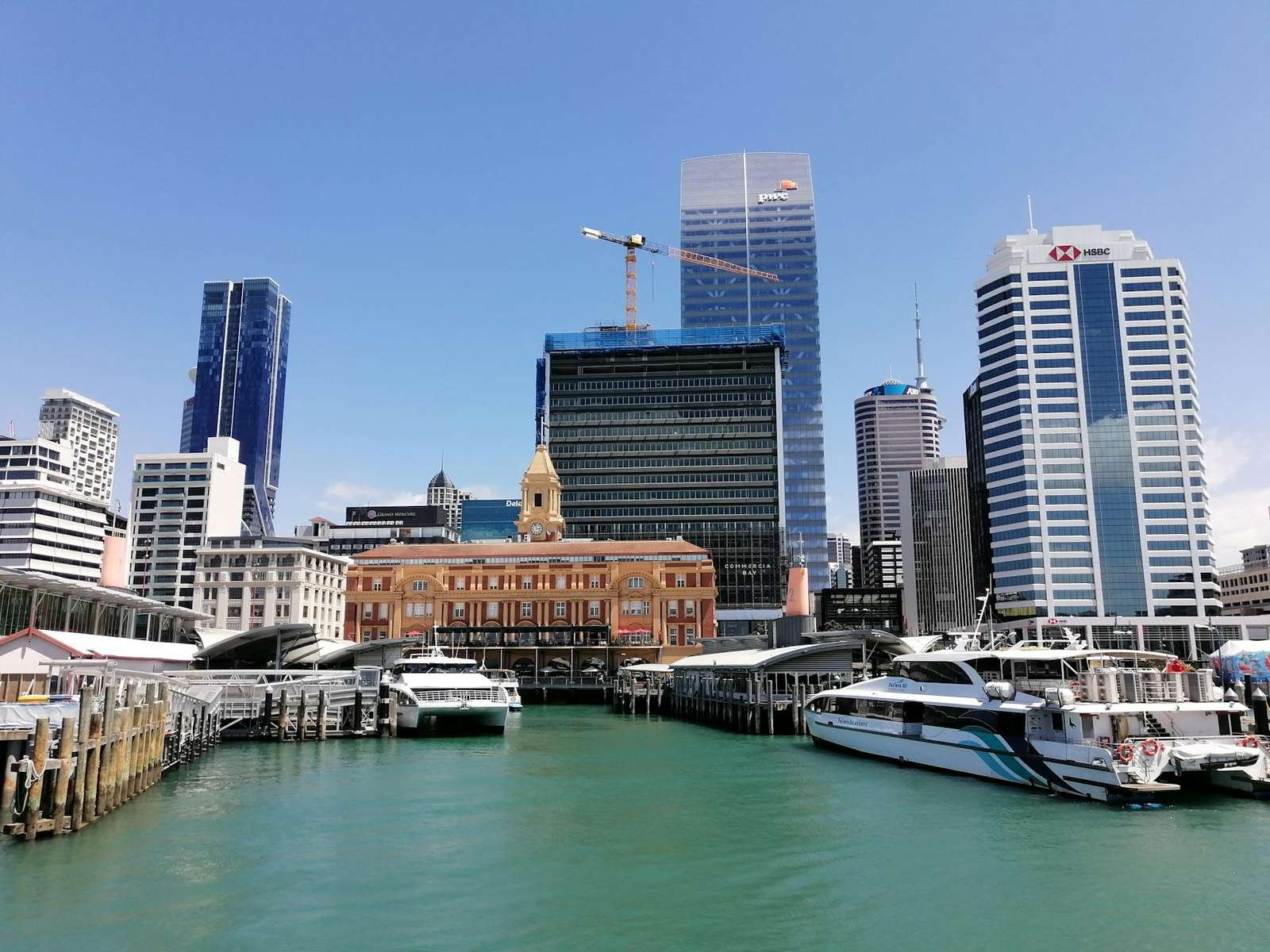
Auckland sees in the new year with a fireworks show launched from the Sky Tower, the tall spike you can see from most of the city. The best free viewing spots are the waterfront around the Viaduct and Wynyard Quarter, the Harbour Bridge lookouts at Westhaven, and any north-facing vantage on the North Shore. There is no single ticketed event you need; people gather in parks and along the harbour with picnics. Public transport runs late on the night, which is by far the smartest way to get home.
ASB Classic tennis
The ASB Classic is the country’s biggest tennis tournament and the last warm-up before the Australian Open, so the draw regularly includes top-50 names. It usually runs across the first two weeks of January at the ASB Tennis Arena on Stanley Street; in 2026 it is on from 5 to 17 January, with the women’s week first and the men’s week following. Day tickets start around the mid-30s and week passes climb toward the low hundreds. Ground passes are good value early in the tournament, when you can watch several matches on the outside courts for a single price.
Laneway Festival
St Jerome’s Laneway Festival is Auckland’s big indie and alternative music day, usually held in late January. It has moved venues over the years, so check the current location when the lineup drops. The crowd skews young, the lineup leans toward buzzy international and Australasian acts, and it sells out most years. If you want a single day of contemporary live music to anchor a summer visit, this is the one to watch for.
Auckland Anniversary Day and the regatta
Auckland Anniversary Day is a regional public holiday marking the founding of the province, observed on the Monday nearest 29 January; in 2026 that falls on Monday 26 January. The centrepiece is the Auckland Anniversary Day Regatta on the Waitematā Harbour, one of the oldest and largest one-day regattas in the world, with hundreds of vessels from classic yachts to dragon boats and tugboats taking to the water. It is free to watch. The best vantage points are North Head in Devonport for the widest view, the Devonport waterfront itself, Mission Bay, and the Wynyard Quarter. Most shops and attractions stay open, but public transport runs a weekend timetable, so allow extra time.
Splore
Splore is my favourite of the boutique summer festivals, a three-day camping event held at Tāpapakanga Regional Park about an hour east of the city, usually in February; in 2026 it runs 20 to 22 February after a break. It blends music across several stages with art installations, swimming off the beach, and a genuinely warm community feel. It is ticketed and includes camping, and it sells out, so it is a plan-ahead rather than a turn-up event.
Cricket at Eden Park
Summer is cricket season, and Eden Park hosts international matches through the warmer months. In the 2025–26 summer the Black Caps face a run of touring sides, and the ground stages a White Ferns and Black Caps double-header against South Africa on 20 March 2026. Twenty20 internationals under lights are the most atmospheric way to see a game if you are new to the sport. Fixtures and tickets are confirmed closer to the season through New Zealand Cricket and the venue, so check both.
Christmas in the Park and the December run-in
December belongs to the free family classics. Coca-Cola Christmas in the Park at the Auckland Domain is one of the largest outdoor Christmas concerts in the Southern Hemisphere, drawing enormous crowds to the Domain’s natural amphitheatre for an evening of live music and fireworks, usually in early December. Bring a picnic rug and arrive early for a good patch of grass. The Franklin Road Christmas lights in Ponsonby, where dozens of houses go all-out with displays through December, are free to wander and a lovely low-key evening. Summer is also stadium concert season: recent years have brought the likes of Robbie Williams (24 November 2026) and Guns N’ Roses (17 December 2026) to Eden Park. Pair this with our Auckland events December guide.
Autumn: Pasifika, the Arts Festival, and the best weather of the year
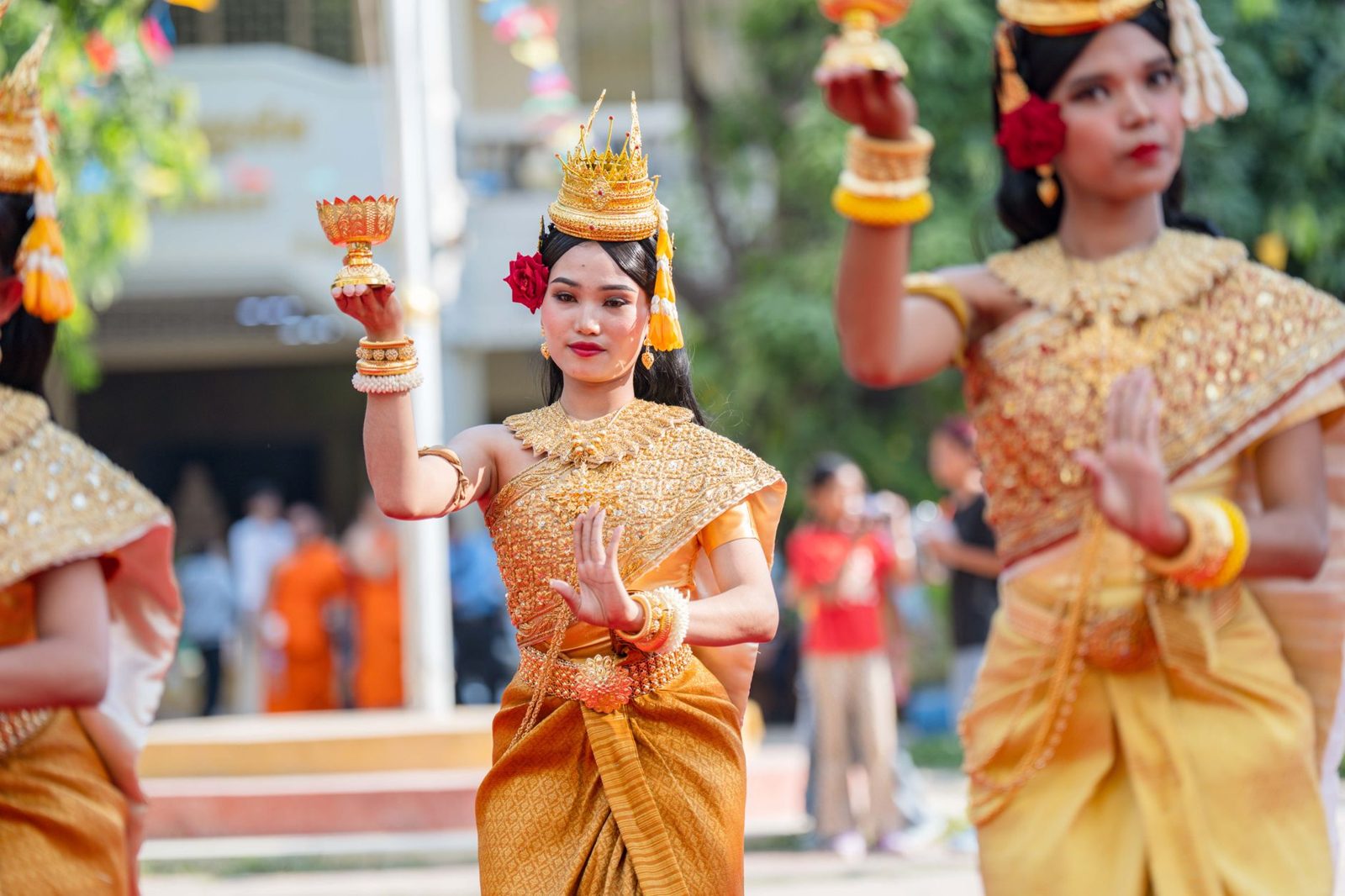
If you asked me the single best window to visit Auckland, I would say autumn, roughly March into early May. The summer crowds thin out, the weather is often settled and mild at 18 to 22 degrees, and the cultural calendar is extraordinary. This is when the city’s two biggest cultural festivals land back to back, and when Auckland’s Pacific and multicultural character is most visible.
Auckland Lantern Festival
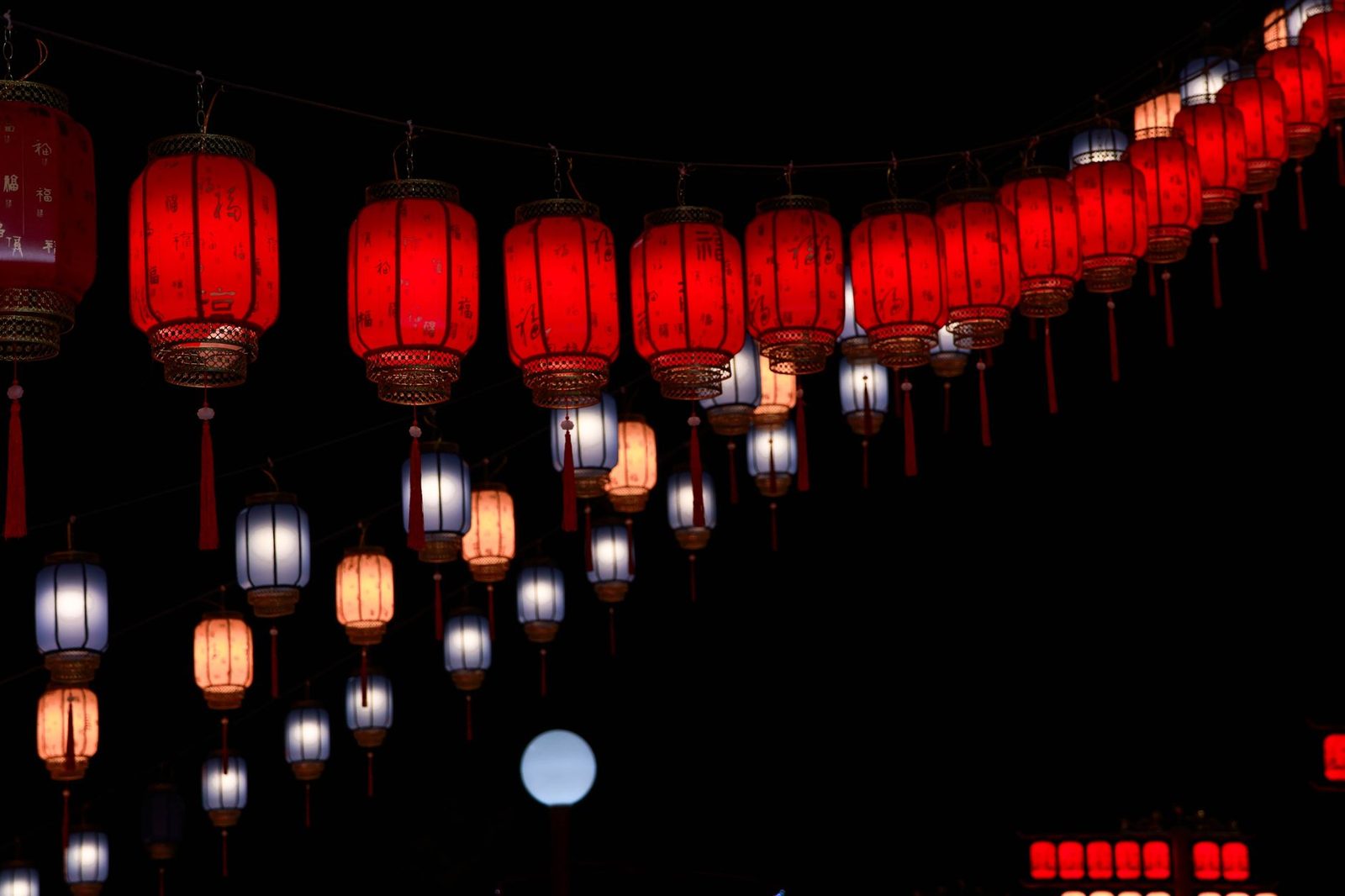
The Lantern Festival technically straddles the summer–autumn line, usually landing in late February to mark the Lunar New Year. In 2026 it runs 26 February to 1 March at the Manukau Sports Bowl, celebrating the Year of the Horse, open each evening from around 4pm until 10:30pm. Hundreds of handcrafted lanterns light the park, several stages carry Chinese dance and music, and a long food street serves dumplings, skewers and sweets. It is free, and it is New Zealand’s largest Lantern Festival. Take the Southern Line train to Homai Station and the free festival shuttle; driving to the Sports Bowl is genuinely miserable on festival nights. Our February events guide has more on getting there and when to go to dodge the worst of the crowds.
Pasifika Festival
Pasifika is the reason a lot of visitors come to Auckland in March, and rightly so. Held at Western Springs Park, usually in mid-March and confirmed for 14 to 15 March 2026, it is the largest Pacific cultural festival in the world outside the islands themselves. The festival is built around villages representing Pacific nations including Samoa, Tonga, the Cook Islands, Niue, Tokelau, Tuvalu, Fiji and Kiribati, each with its own food, crafts, workshops and stage of traditional and contemporary performance. Auckland has the largest Pacific population of any city on earth, and Pasifika is where that heritage is celebrated most openly. Entry is free. Take the bus toward Western Springs from the central city, or the Outer Link, and go early on the Saturday for the fullest programme.
Auckland Arts Festival
The Auckland Arts Festival is the city’s flagship performing-arts event, running for around three weeks in March; in 2026 it is on from 5 to 22 March. The programme spans theatre, dance, music, visual art and large-scale free outdoor works, drawing New Zealand’s leading companies alongside Māori, Pacific and international artists. Some events are free and staged in public spaces; the ticketed shows range widely in price. It overlaps beautifully with Pasifika and the Moana festival, so mid-March is the single densest fortnight on the whole Auckland calendar. If you are an arts traveller, that is when to come.
Moana Auckland Ocean Festival
Moana Auckland is New Zealand’s ocean festival, an umbrella of events celebrating the city’s relationship with the sea; in 2026 it runs 28 February to 15 March. It gathers long-standing favourites under one banner, including the Auckland Boat Show at the Viaduct, the Auckland Wooden Boat Festival at Silo Park with its fleet of restored classic yachts, and the Z Manu World Champs, the gloriously chaotic bomb-diving championship. Most of it is free to watch, with some ticketed elements. It is a very Auckland thing, and it slots neatly into the same weeks as the Arts Festival and Pasifika.
Polyfest
Polyfest, held at the Manukau Sports Bowl usually in mid-March, is the largest secondary-school Polynesian cultural festival in the world, with dozens of Auckland schools competing across Samoan, Tongan, Niuean, Cook Islands, Māori, and diversity stages. It is less of a tourist event than Pasifika and more of a community one, which is exactly what makes it worth seeking out. The standard of the kapa haka and Pacific dance from teenagers is genuinely remarkable, and it is a window into how deeply these cultures are woven into the city’s schools.
NZ International Comedy Festival
The NZ International Comedy Festival runs across most of May, with 2026 dates of 1 to 24 May, and it is the country’s biggest comedy event, staging hundreds of shows across venues including Q Theatre, the Basement, the Civic and the Classic on Queen Street. International headliners sell fast, but the real value is in the cheap local previews, where you can see rising New Zealand comedians for the price of a couple of coffees. The festival usually closes with a televised gala. You can find the current lineup and my picks in the May events guide.
Auckland Writers Festival
The Auckland Writers Festival, usually held in mid-May at the Aotea Centre, is one of the largest literary festivals in the Southern Hemisphere, with a couple of hundred sessions pairing international and New Zealand authors across a long weekend. Individual sessions are modestly priced and the free “Streetside” programme is worth planning a day around. It is a civilised, thoroughly enjoyable few days, and the headliners are usually announced early in the year.
Lantern to Diwali: the cultural festival thread
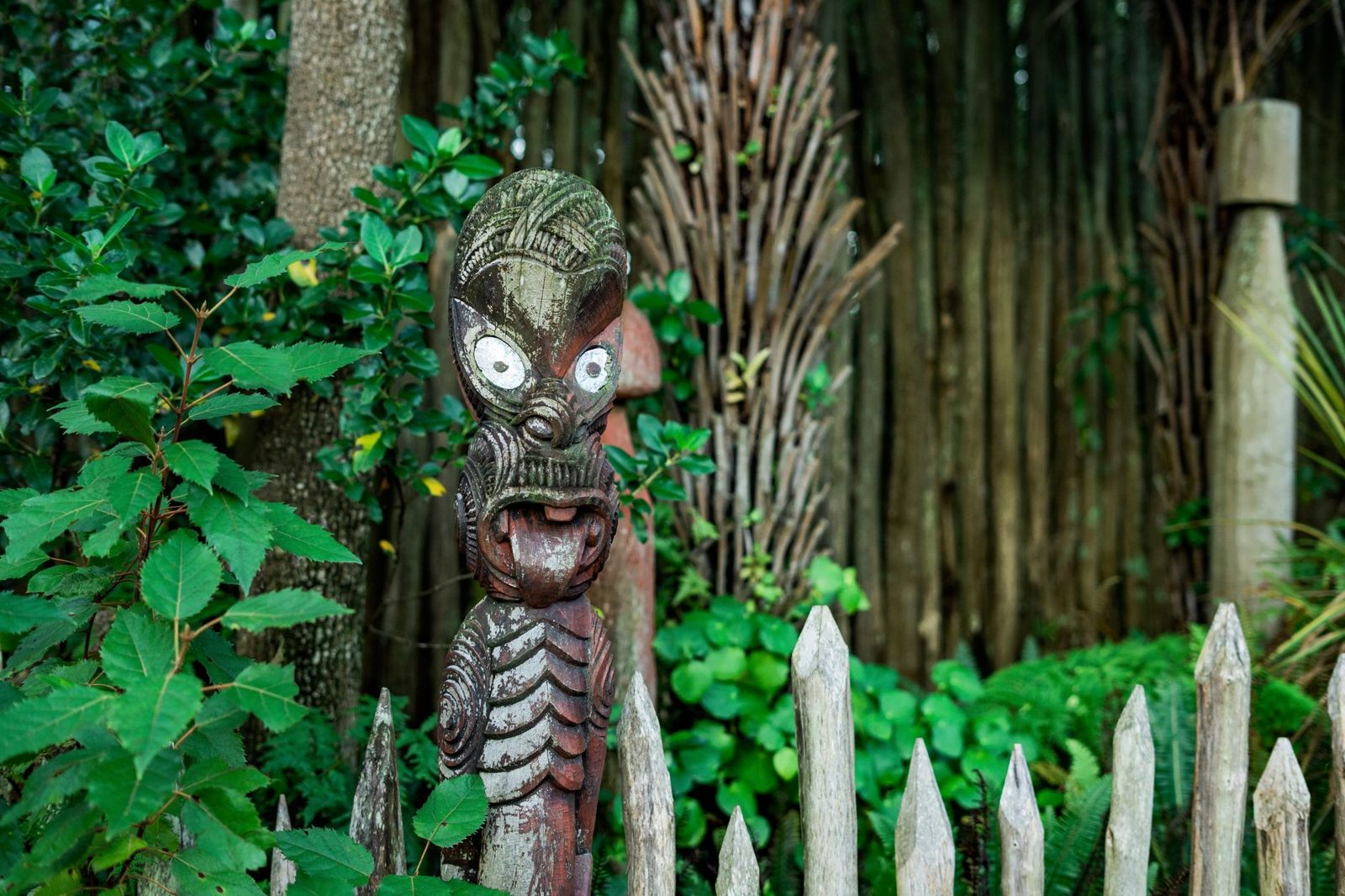
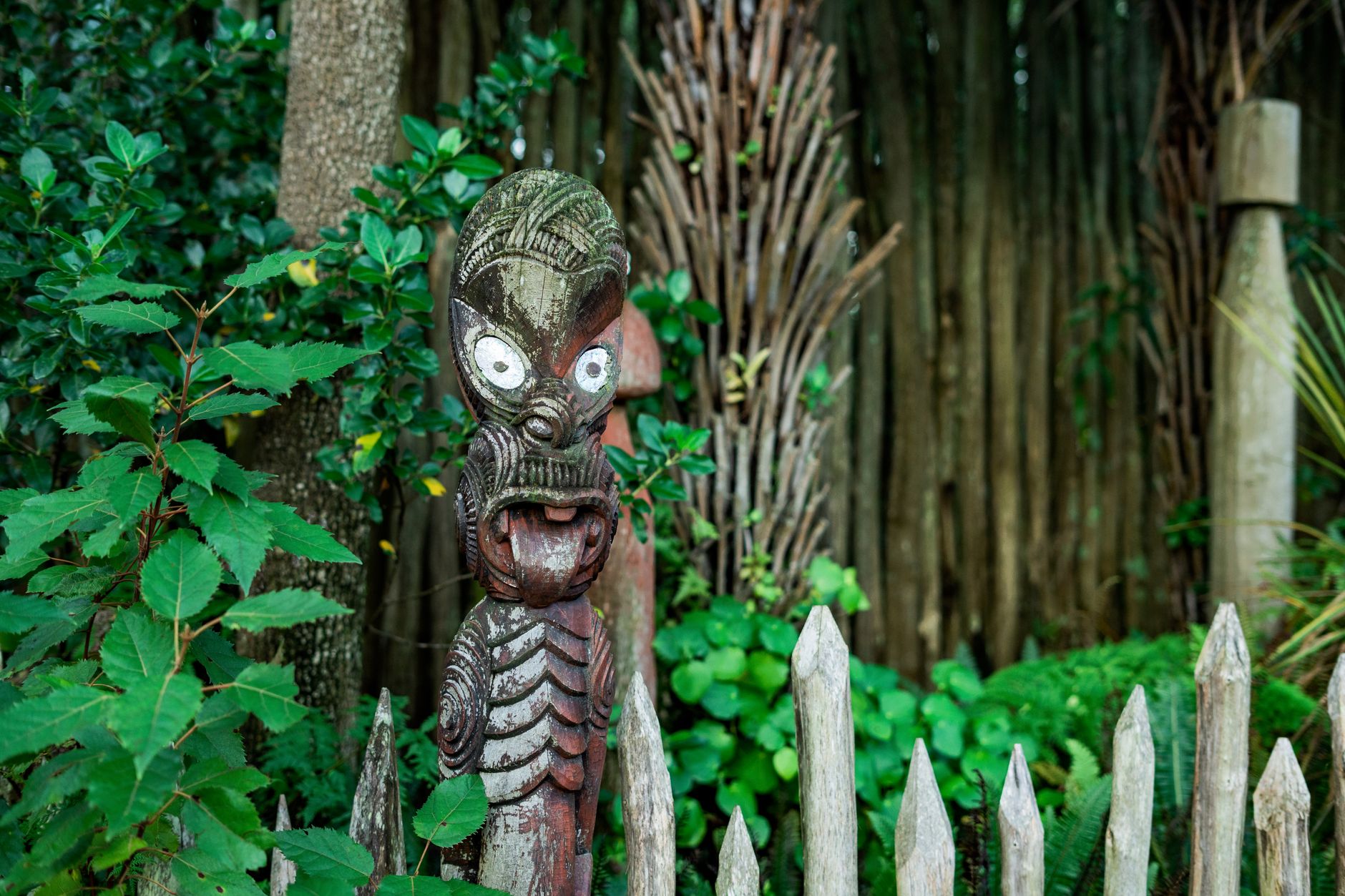
Something worth understanding about Auckland is how its calendar mirrors its people. The Lantern Festival, Pasifika, Diwali and Matariki are not add-ons for tourists; they are the living celebrations of the communities who make up the city. If you want the context behind Matariki in particular, our guide to Auckland Māori culture, history and heritage is the place to start, and it pairs naturally with a winter visit.
Winter: Matariki, film, and the quiet best of the calendar
Winter, June to August, is Auckland’s underrated season. Yes, it is cool at 10 to 15 degrees and the rain can settle in for days. But the crowds vanish, accommodation is cheaper, and the cultural and food calendar is quietly at its strongest. And winter holds the one event I would tell any visitor to build a trip around if they can.
Matariki, the Māori New Year
Matariki is the rising of the Matariki (Pleiades) star cluster before dawn, which marks the Māori New Year, and since 2022 it has been a national public holiday. Because it follows the lunar calendar, the date moves each year; in 2026 the public holiday falls on Friday 10 July, with the main period of observation across 9 to 11 July. Around it, Auckland runs a festival of dozens of events across the city, from kite-making days and hāngī to sunrise walks up the maunga (volcanic cones) and star-mapping nights at the Stardome observatory, which our July events guide lists in more detail. Much of it is free.
Matariki is a time for remembrance, for gathering, and for looking ahead, and it is observed with real depth here. If you attend a dawn ceremony, come before first light, dress warmly, and follow the guidance of those leading it; this is a cultural occasion, not a show, and being a respectful guest is the whole point. For anyone wanting a genuine introduction to Māori culture, I think Matariki is the best time of year to be in Auckland, and it is worth weighing against summer when you decide when to visit; our Auckland Māori culture, history and heritage guide explains the traditions behind it in depth.
NZ International Film Festival
The NZ International Film Festival brings a big programme of international and New Zealand cinema to grand old venues like the restored Civic, the Rialto in Newmarket, and the Academy. It has traditionally run around July, though in 2026 it stretches later, roughly late July into September. There are festival passes for the committed and single tickets for the casual, and there are few better ways to spend a wet Auckland winter evening than in the Civic’s star-ceilinged auditorium.
Restaurant Month
Restaurant Month runs across all of August and is Auckland’s big food event, now in its sixteenth year, and it anchors a month that our August events guide covers week by week. Dozens of central-city restaurants offer set menus at fixed price points, generally around $30, $45, and $55 and up, alongside a programme of chef collaborations, tastings and one-off dinners. It is the single best month for eating well in Auckland without paying full freight at the top tables. If food is a big part of how you travel, plan an August trip around it and pair it with our Auckland food and drink guide for the standout restaurants, cafes and bars year-round.
A note on Elemental AKL
For several winters Auckland ran Elemental AKL, a festival of light, food and music spread across July. It has been under review recently, so I would not bank on it running in its old form; check the official Auckland tourism channels for whatever winter programming is confirmed for the year you are visiting. Winter festivals here have a habit of evolving, so it pays to look rather than assume.
Rugby and winter sport
Winter is rugby season. Eden Park, the national stadium, hosts All Blacks home tests through the middle of the year; in 2026 the confirmed fixtures include the All Blacks against Ireland on 18 July and against Australia on 10 October. Super Rugby runs from February to around June with the Blues at Eden Park, and the NRL’s Warriors play league at Go Media Stadium (Mt Smart) across the winter. A test match at a packed Eden Park is one of the great Auckland sporting experiences, but tickets for the big ones go quickly, so plan ahead.
Spring: Heritage, Diwali, the marathon, and the run to summer

Spring, September to November, is Auckland’s transition season. The weather swings between winter and summer within a single day, the gardens come alive, and the calendar builds toward the busy summer concert run. It also holds one of the city’s biggest and most joyful festivals. Our Auckland events September guide goes further on the practical detail.
Auckland Heritage Festival
The Auckland Heritage Festival runs for a couple of weeks from late September into October, with 2026 dates of 26 September to 11 October and a food-history theme, “Tastes of Tāmaki”. It opens the doors on hundreds of largely free events: tours of heritage buildings usually closed to the public, guided walks, talks, and bus tours. My pick over the years has been getting inside places you cannot normally see, from historic homes to the grand old theatres. It is a low-key, curious, rewarding fortnight, and a great way to understand how the city came to be.
Diwali Festival
The Auckland Diwali Festival is New Zealand’s biggest celebration of the Hindu festival of lights, lighting up central Auckland around Aotea Square and Queen Street, usually in October; in 2026 it is on 31 October to 1 November. Expect Bollywood and classical dance stages, a long Indian food street, and fireworks to close each evening, drawing very large crowds across the two nights. Auckland has a substantial Indian community, and Diwali is where that heritage spills joyfully into the middle of the city. It is free, and it is one of my favourite nights on the whole calendar.
Auckland Marathon
The Barfoot & Thompson Runaway Auckland Marathon is the country’s biggest marathon event, usually held on a Sunday in early November; in 2026 it is on 1 November. The highlight is running across the Auckland Harbour Bridge, which is closed to traffic for the event and open to runners only on this one morning of the year. There is a full marathon, a half, and shorter distances including a kids’ event, so it suits everyone from serious runners to families. Even if you are not running, the finish area has a good atmosphere.
Spring cricket and the Santa Parade
Cricket returns to Eden Park in spring: in 2026 the Black Caps play India in a Twenty20 international on 30 October and a one-day international on 4 November. And November closes with the Farmers Santa Parade, an Auckland institution since the 1930s, when floats, marching bands and Santa himself make their way down Queen Street to enormous crowds, usually on a Sunday late in the month. It is free, it is for the kids, and the atmosphere is lovely. Arrive early for a spot near the front, and note that the corners away from the main Queen Street intersections are usually less crammed.
Concerts and major sport at Auckland’s venues
Beyond the festival calendar, a lot of the biggest nights out in Auckland are one-off concerts and sporting fixtures at the city’s major venues. Knowing where things happen and how big each place is helps you judge both ticket scarcity and what kind of night to expect.
Eden Park
Eden Park is New Zealand’s national stadium, seating around 50,000. It is the home of All Blacks tests and Super Rugby, and in recent years it has opened up more to stadium concerts, hosting the very biggest touring acts; 2026 dates on the books include Robbie Williams on 24 November and Guns N’ Roses on 17 December. It sits on the Western Line at Kingsland Station, a short walk from the ground, which is by far the easiest way in and out on event nights.
Spark Arena
Spark Arena, near the waterfront and Britomart, is the main indoor arena, holding around 12,000. It is where most of the international pop, rock and touring shows land, along with family productions and some sport. Because it is central, it is an easy walk from the CBD and from public transport, which makes it the most convenient big venue in the city.
Go Media Stadium (Mt Smart)
Go Media Stadium at Mt Smart, seating around 30,000, is the home of the NRL’s Warriors and a regular host of large outdoor concerts and touring pop acts. It is in the southern suburbs, so trains on the Southern Line plus a short walk or shuttle are the standard way to get there for big events.
The theatres and mid-size rooms
For everything below stadium scale, Auckland has a deep bench of venues: the Aotea Centre and its ASB Theatre for ballet, orchestra and musicals; the restored Civic Theatre for film festivals and touring comedians; the Auckland Town Hall for classical concerts; and smaller rooms like Q Theatre, the Basement, Galatos and the Powerstation for theatre, comedy and live music. Many of these cluster around Aotea Square and Queen Street in the middle of the city, so a night at one pairs easily with dinner nearby.
How to get tickets (and avoid getting scammed)
New Zealand has four main official ticketing companies: Ticketmaster, Ticketek, iTICKET and Eventfinda, plus direct venue box offices. These are the authorised sellers, and they are the only places I would buy. When an event genuinely sells out, the official platforms sometimes run their own verified resale queues; that is the safe way to find a returned ticket.
What I would avoid is unauthorised resale sites, Viagogo chief among them. It is not an authorised seller for New Zealand events, tickets bought there can cost far more than face value, and there is no guarantee they will get you in the door. Ticket scams on social-media marketplaces have become a real problem for big Auckland shows, and the rule of thumb is simple: if a too-good deal appears the day before a sold-out event, assume it is fake. For in-demand concerts, join the venue or promoter’s pre-sale email list weeks ahead, which is where most of the affordable tickets actually go.
Markets and recurring weekend events
Not every good weekend in Auckland needs a festival. The city has a deep layer of recurring markets and regular events that are often more rewarding than the headline acts, and most of them are free to browse. If you find yourself here on an ordinary weekend, this is where I would point you.
For food and produce, the standouts are the Matakana Farmers’ Market on Saturday mornings about an hour north, which started the whole New Zealand farmers’-market movement and is still one of the best; La Cigale French Market in Parnell on Saturdays and Sundays, Auckland’s top gourmet market; the Clevedon Farmers’ Market on Sundays in the rural south; and the enormous Takapuna Sunday Market on the North Shore. Silo Park in the Wynyard Quarter runs weekend markets and free outdoor events through summer, and the Balmoral Street Food Market on Saturday evenings is the inner-city pick.
After dark, the Auckland Night Markets rotate through suburban car parks across the week, serving mostly Asian street food from stalls into the evening, and are a cheap, cheerful way to eat. Karangahape Road (K Road) is the city’s most reliable late-night corridor, with live-music rooms and bars that run well past midnight on weekends. And in the central city, keep an eye out for late-shopping evenings around Britomart, when galleries and shops stay open with music.
Markets barely scratch the surface of what fills an ordinary Auckland day. For the full picture, our guides to the best things to do in Auckland and the city’s neighbourhoods are the natural next reads, and if you want to escape the city entirely, the best day trips from Auckland guide covers Matakana, Waiheke and beyond.
Planning a trip around an Auckland event
If you are choosing when to come based on what is on, here is how I would match traveller to season. Culture-first travellers should aim for Matariki in July or Pasifika in March. Food and wine travellers want August’s Restaurant Month. Music and stadium fans should look at November and December, when the biggest acts tour. Sport-forward travellers want July and October for All Blacks tests, or January for the tennis. And families are best served by February’s Lantern Festival, March’s Pasifika, and the November–December double of the Santa Parade and Christmas in the Park.
Wherever an event is, book accommodation nearby and early. For the central-city festivals (Lantern, Matariki, Writers, Diwali, Santa Parade) the CBD is ideal; for the Comedy Festival and its Ponsonby and K Road venues, stay on that side of town; and for Pasifika, being near Western Springs in Grey Lynn or Westmere saves you a lot of transport hassle. Our where to stay in Auckland guide breaks the neighbourhoods down, and the getting around Auckland guide covers trains, buses and ferries, which are almost always the right call on event days when parking evaporates.
One practical note on weather: pack for “four seasons in one day”, which is not a cliché here so much as a daily reality. A waterproof jacket is the single most useful thing to bring year-round, closed-toe shoes save you at the grass-and-mud park venues, and even on overcast days the sun is fierce, so sunscreen matters. Reusable water bottles are welcome at council-run festivals, most of which have phased out single-use plastic. For families specifically, our Auckland with kids guide flags which events have dedicated kids’ areas.
Frequently asked questions
When is Matariki in 2026?
The Matariki public holiday in 2026 falls on Friday 10 July, with the main period of observation across roughly 9 to 11 July. Because Matariki follows the lunar calendar, the date changes each year, so always check the current year’s date. Auckland runs a festival of events across the surrounding weeks, much of it free.
What is Auckland’s biggest festival?
It depends how you measure it. By sheer attendance, the free events top the list: the Lantern Festival, the Diwali Festival, the Santa Parade and Christmas in the Park all draw huge crowds. By cultural significance for New Zealand, Matariki and Pasifika are the most important. Pasifika is the largest Pacific cultural festival in the world outside the islands.
Are Auckland’s festivals free?
Many of the biggest ones are. The Lantern Festival, Pasifika, Diwali, the Santa Parade, Christmas in the Park, and the Matariki ceremonies are all free to attend. Ticketed festivals such as the Writers Festival, Comedy Festival, Laneway and Splore vary widely in price, and stadium concerts run higher again depending on the act and your seat.
What is the best time of year to visit Auckland for events?
For the densest cultural calendar, come in autumn, roughly late February to March, when the Lantern Festival, Pasifika, the Arts Festival and the Moana Ocean Festival all overlap and the weather is at its best. For stadium concerts and the big free family events, come in November and December. For a meaningful cultural experience with far fewer crowds, come for Matariki in July.
How do I get to the Lantern Festival at Manukau Sports Bowl?
Take the Southern Line train from Britomart or Newmarket to Homai Station, then the free festival shuttle that runs frequently during festival hours. Driving is not recommended, as parking near the Sports Bowl fills up early on festival evenings and the traffic is heavy. The train-and-shuttle combination is much faster and less stressful.
Where should I buy tickets safely?
Stick to the official channels: Ticketmaster, Ticketek, iTICKET, Eventfinda, and direct venue box offices. These are New Zealand’s authorised ticketing companies. Avoid unauthorised resale sites such as Viagogo, which is not an approved seller for New Zealand events and cannot guarantee entry. If an event has sold out, the official platforms sometimes run verified resale queues, which is the only safe way to find a returned ticket.
Final thoughts
The thing I would most want a first-time visitor to understand is that Auckland’s calendar is really a portrait of its people. The lanterns in February, the umu smoke at Pasifika in March, the pre-dawn karakia at Matariki in July, the fireworks over Diwali in spring: these are the city’s communities celebrating themselves out loud, and being welcomed into that as a visitor is the best of what Auckland offers.
Pick a season that suits how you like to travel, choose one or two events to build your days around, and then leave room for the smaller stuff, the Saturday market, the late-night gig on K Road, the free concert at Silo Park. And whatever you circle on the calendar, confirm the date on the official site first, because in this city the diary is always moving. For the current month’s full listings, dip into the monthly guides, and for everything else Auckland, the rest of the site has you covered.
Last updated: July 2026. Written by the Auckland Tourism Guide team.
Photo credits
- Photo: Mirian Managadze via Pexels
- Photo: Serhii Volyk via Pexels
- Photo: SARET SAYON via Pexels
- Photo: 浪 郭 via Pexels
- Photo: Suvan Chowdhury via Pexels
Some weekends are simply better than others here — Auckland Anniversary in late January, the week around Matariki, and Pasifika in March all change what a couple of days in the city can hold. Our Auckland weekend itinerary flags which ones are worth timing a visit around and which weeks to avoid.