Where to Stay in Auckland: Best Neighbourhoods & Hotels for 2026
Where to stay in Auckland: the best neighbourhoods for tourists, plus top luxury, boutique, budget and family hotels, with prices and booking tips.

This article contains advertising. Our booking links are routed through a partner that adds commission tracking automatically, so if you book through one we earn a commission from the provider, at no extra cost to you. It never affects what we recommend. Affiliate disclosure
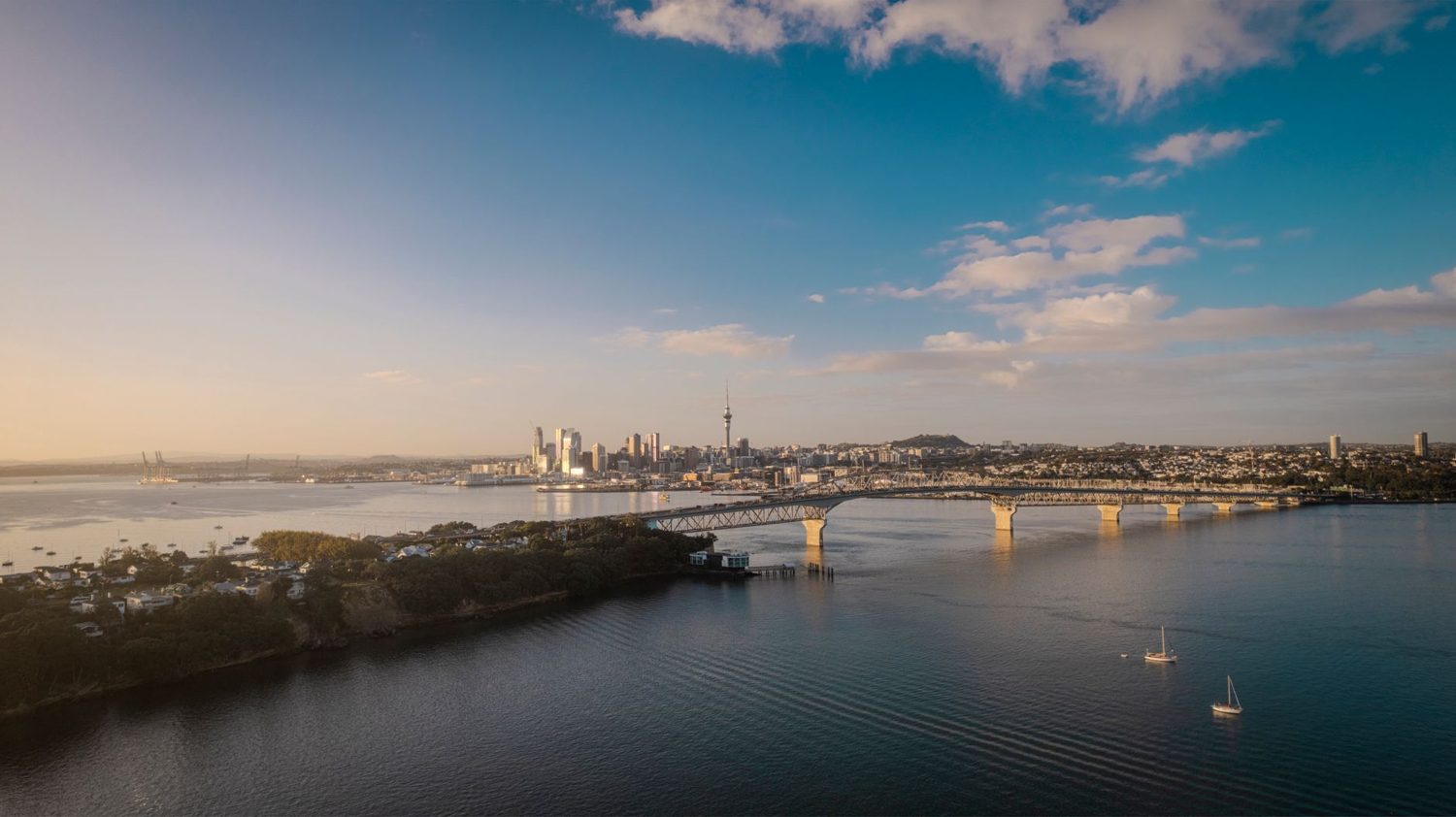
Where you sleep in Auckland changes your whole trip more than almost any other choice you make. Book near the water in the city centre and you wake up a short stroll from the Sky Tower, the ferry wharves, and a hundred places to eat. Choose Ponsonby and you swap high-rise glass for leafy villa streets and the best food in the city. Pick Devonport or Takapuna and you trade density for sea air, a ferry commute, and a slower rhythm. Auckland sprawls — it covers more ground than Los Angeles — so the pin you drop on the map really does decide how much of your day disappears into buses.
The short answer: for most first-time visitors, stay in the Auckland CBD around the Viaduct Harbour, Britomart, or lower Queen Street. You can walk to the Sky Tower, the ferry terminal, Commercial Bay, and Britomart train station, so you reach nearly every headline sight without a car. On a return trip, or if you want a calmer base, Ponsonby, Parnell, or Devonport are the ones to shortlist.
This guide covers every option a visitor realistically weighs up for 2026. I go neighbourhood by neighbourhood with the vibe, the pros, the cons, who each one suits, and example places to stay. Then I break it down by hotel type — luxury, boutique and mid-range, budget and hostels, serviced apartments, Airbnb, and family. After that: how much to pay, when to book, which areas to skip, and how to get in from the airport without a fuss. For the bigger picture beyond your room, our Auckland Travel Guide 2026: The Complete Visitor’s Handbook is the companion piece to this page.
Auckland Accommodation at a Glance
Here is the whole city compressed into one table. Rough nightly prices are for a standard double in shoulder season through to peak summer; they climb in late December and February, and dip in winter. All New Zealand rates already include 15% GST, so the number you see is the number you pay.
| Neighbourhood | Vibe | Best for | Rough nightly price (NZ$) |
|---|---|---|---|
| CBD / Britomart / Viaduct | Walkable, waterfront, busy | First-timers, short stays, sightseeing | $220–$450 |
| Ponsonby | Leafy, foodie, design-led | Food and nightlife lovers, repeat visitors | $250–$500 |
| Parnell | Heritage, quiet, genteel | Couples, a calmer base near the Domain | $220–$420 |
| Newmarket | Retail-focused, modern | Serious shoppers, good-value weekends | $180–$320 |
| Mount Eden | Suburban, volcanic-cone views | Second visits, a residential feel | $180–$320 |
| Devonport | Seaside village, historic | Couples, calm, harbour views | $200–$400 |
| Takapuna | Beach suburb, relaxed | Families, beach holidays, car-based trips | $200–$400 |
| Near the airport (Mangere) | Functional, no walkable area | Early flights, long layovers | $180–$300 |
How to Choose Your Auckland Neighbourhood
If you take one idea from this whole guide, make it this one. Auckland has genuinely good public transport inside a fairly small ring — roughly the CBD, Ponsonby, Parnell, Newmarket, and the inner bays — and then it thins out fast. Past about 7 km from Queen Street you really do want a car, or a high tolerance for long bus rides. For a short, sightseeing-heavy trip, stay inside that inner ring and lean on buses, trains, and ferries. For a longer stay, a family holiday, or a base for vineyards and bush walks, a North Shore suburb like Devonport or Takapuna gives you more room and a layout built around driving. Our Auckland holiday parks guide covers this in more depth.
There is one change worth planning around. Auckland’s City Rail Link — a pair of underground tunnels with two new central stations, Te Waihorotiu (at Victoria and Wellesley Streets, midtown) and Karanga-a-Hape (on Karangahape Road) — is due to open in the second half of 2026. Once it runs, moving across the inner city by train gets dramatically faster, and Te Waihorotiu is expected to become the country’s busiest station. If your trip lands late in the year, staying near either of those stations is a smart hedge. For the full picture, see our Getting Around Auckland: The Complete 2026 Transport Guide.
Cost varies less between neighbourhoods than you might expect. Independent averages put a mid-range Auckland hotel room somewhere around NZ$220–$320 in the shoulder seasons and NZ$280–$450 at the height of summer. Boutique places in Ponsonby and Parnell land in a similar band but with more personality. Luxury hotels sit well above that. Hostels start near NZ$45 for a shared dorm bed. And serviced apartments are often the quiet winner for any stay of three nights or more, especially for families. If you want the deeper neighbourhood-by-neighbourhood breakdown, our guide to the Best Areas to Stay in Auckland for Tourists (2026) goes further than I can here. If you want more on that side of things, see our best hotels near Sky Tower guide.
The Best Auckland Neighbourhoods for Tourists in 2026
Auckland CBD — Best for First-Time Visitors and Short Stays
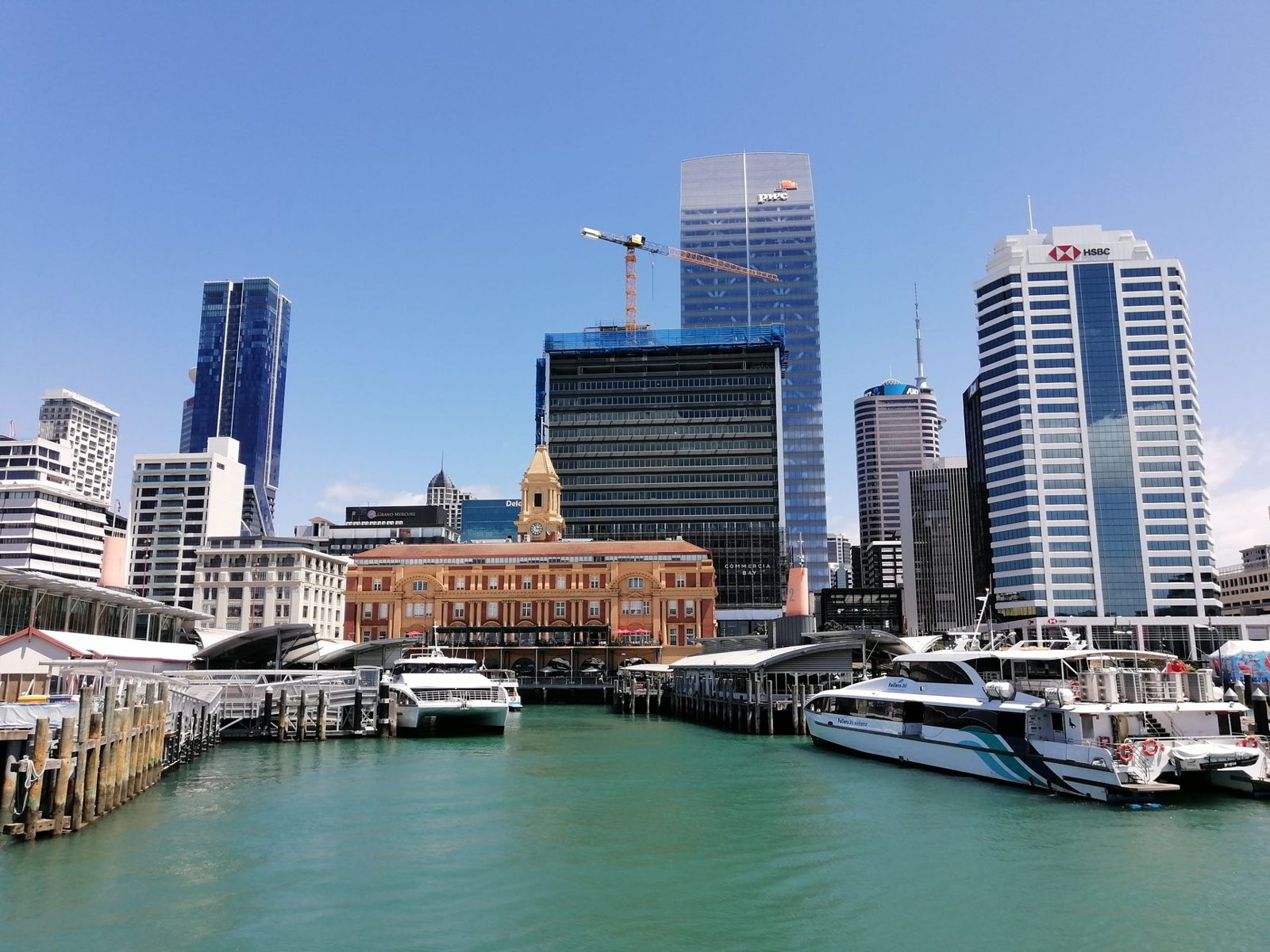
The vibe: dense, walkable, and busy day and night, with the harbour on one edge and the Sky Tower overhead. This is the default for good reason. From a room near Queen Street or the Viaduct you can walk to the Sky Tower, Commercial Bay, the ferry terminal for Devonport and Waiheke, Britomart station for trains, the SkyCity precinct, the Auckland Art Gallery, and Albert Park.
Inside the CBD there are a few micro-neighbourhoods worth telling apart. The Viaduct Harbour and Wynyard Quarter are the waterfront dining and superyacht strip, lively from brunch to late. The Britomart precinct is more polished — heritage warehouses turned into upmarket shops, hotels, and restaurants, and the single best block in the city for dinner. Queen Street is the main shopping spine, noisier and cheaper. Karangahape Road (K’ Road) is the edgier late-night quarter, with live music, vintage shops, and some of the best late bars in town.
Pros: unbeatable walkability, every transport mode on your doorstep, the widest range of hotels and restaurants, and it gets even better connected when the City Rail Link opens. Cons: you pay more per square metre of room than in the suburbs, the centre empties out on Sundays, and a few blocks south of Mayoral Drive feel bleak after dark. Who it suits: first-timers, short-stay travellers, and anyone who wants big-city convenience without a rental car.
Example stays: the InterContinental Auckland and Park Hyatt for luxury, Hotel Britomart and Hotel DeBrett for design-led boutique, M Social and the Grand Windsor for mid-range, and Attic Backpackers or YHA Auckland City for budget. Our roundup of the 15 Best Hotels in Auckland CBD (2026 Reviewed) walks through the pick of them in detail.
Viaduct Harbour and Wynyard Quarter — Best for Waterfront Views
The vibe: the postcard version of Auckland. This is the strip most people picture — superyachts, harbourside restaurants, the old America’s Cup Village, and a wide pedestrian promenade. Technically part of the CBD, it earns its own mention because staying here puts you right on the water, with ferry, bus, and train all inside five minutes.
Pros: the best harbour views in the city, restaurants at your feet, and a genuinely lovely place to walk at dusk. Wynyard Quarter, the peninsula just west, is quieter and greener, linked back to the Viaduct by the Wynyard Crossing footbridge in a couple of minutes. Cons: weekend crowds can be loud until late, and you pay a premium for the address. Who it suits: couples, view-chasers, and anyone who wants the water to be the first thing they see each morning. Example stays: Park Hyatt Auckland, QT Auckland, and M Social all sit on or beside the water here, and our roundup of the best Auckland waterfront hotels compares them side by side. Pair this with our Auckland hotels with harbour views guide.
Britomart and Commercial Bay — Best for Dining and Shopping
The vibe: Auckland’s design-conscious heart. Old brick bond stores now hold New Zealand fashion designers, jewellers, and some of the best restaurants in the country, while the glass-fronted Commercial Bay complex next door adds two floors of shopping and one of the city’s best food halls. Britomart station is the central hub for trains, and the downtown ferry terminal is a two-minute walk.
Pros: you eat exceptionally well without ever needing a taxi, and you are perfectly placed for both the ferries and the trains. Cons: it is one of the pricier pockets of the CBD, and it is more polished than gritty if that is not your thing. Who it suits: food and design lovers, and anyone who wants to shop and dine on foot. Example stays: Hotel Britomart is the obvious anchor; the Sofitel Viaduct Harbour and Four Points by Sheraton are close by. To eat your way through the area properly, keep our Auckland Food & Drink Guide 2026: Best Restaurants, Cafes & Bars open.
Ponsonby — Best for Foodies, Cafes, and Nightlife
The vibe: the neighbourhood most repeat visitors fall for. A kilometre of villas, courtyards, and one of the country’s best dining strips runs along a gentle ridge a couple of kilometres west of the CBD. Ponsonby has been named one of the world’s coolest neighbourhoods, and it earns it — this is where you find the most interesting restaurants, craft cocktail bars, independent boutiques, and the Saturday markets at Ponsonby Central.
Pros: the food and the atmosphere are the best in Auckland, the streets are leafy and residential, and you can still see the Sky Tower from parts of it. It is close enough to feel central — a 15-to-25-minute walk into town, or about 10 minutes on the frequent Link bus. Cons: accommodation skews boutique and apartment-style rather than big-brand hotel, so there is less choice, and you are not walking to the ferry terminal. Who it suits: anyone who cares more about food and design than about ticking off the Sky Tower on day one.
Example stays: The Convent Hotel, a beautifully converted former convent on Vinegar Lane, is the standout, backed by a growing crop of stylish short-stay apartments on the side streets. For the wider picture of the suburb — where to eat, drink, and wander — see our Auckland Neighborhoods Guide 2026: Where to Stay, Eat & Explore.
Parnell — Best for a Quieter, Heritage Base
The vibe: Auckland’s oldest suburb, and its most genteel. Just east of the CBD across the Domain, Parnell Road is lined with renovated Victorian cottages that now hold antique shops, galleries, cafes, and a scattering of good restaurants. It has an almost village feel with a polished edge.
Pros: Auckland Museum and the Auckland Domain, the city’s central park, sit on the ridge just above, and Parnell train station gives you a fast, direct run into Britomart. It is leafy, low-rise, and calm. Cons: you are slightly off the main tourist track, and nightlife is limited. Who it suits: couples, culture-minded travellers, and anyone who wants to feel like a local rather than a tourist. Example stays: boutique hotels and B&Bs dominate here. If a pre-dinner stroll through a big green park sounds like your kind of evening, our Auckland Beaches & Outdoor Adventures: The Complete 2026 Guide has more on the Domain and beyond.
Newmarket — Best for Shopping
The vibe: retail, and plenty of it. If your idea of a good day is a serious shopping run, base yourself here. The Westfield Newmarket complex and Broadway’s independent stores together make up Auckland’s biggest retail district, from high-street brands to New Zealand designers like Karen Walker, Zambesi, and Kate Sylvester.
Pros: Newmarket has its own train station, one stop from Britomart, and sits just south of the Domain, so quick trips into the CBD are easy. Hotels here tend to be modern, mid-range, and more affordable than their CBD equivalents, especially on weekends. Cons: it is more workaday than charming, and it is quieter at night. Who it suits: dedicated shoppers, and travellers chasing better value within striking distance of the centre.
Mount Eden — Best for a Local, Residential Feel
The vibe: suburban calm with a volcano in the middle of it. Mount Eden (Maungawhau) is the highest natural point on the isthmus, and the summit delivers one of the best free views in the city, right across the CBD and both harbours. The village below has a low-key strip of cafes and restaurants.
Pros: a genuine neighbourhood feel, that sunset-worthy volcanic cone, and a short train ride into town. Cons: it works best with a car, and there is not much in the way of tourist infrastructure. Who it suits: second-time visitors who already know they prefer residential streets to hotel districts. Example stays: mostly guesthouses, B&Bs, and short-stay rentals rather than hotels.
Devonport — Best for Harbour Views and a Village Feel
The vibe: Auckland as a seaside village. A 12-minute ferry from the downtown terminal drops you into a compact North Shore suburb of Victorian and Edwardian houses, old naval buildings, cafes, and independent bookshops. Mount Victoria (Takarunga) rises behind the wharf with one of the finest views in New Zealand — the whole skyline, the harbour, Rangitoto Island, and the Hauraki Gulf in a single frame.
Pros: real charm, a proper sense of the city’s maritime history, and that ferry ride, which becomes part of the pleasure of staying here. Cons: there is next to no nightlife, and only a handful of restaurants stay open past nine, so this is not a base for a party trip. Who it suits: couples, writers, and anyone on a return visit who wants calm over convenience. Example stays: B&Bs and small hotels in heritage villas. Inner-harbour ferries run until late evening, with an AT HOP daily fare cap of around NZ$20 covering your trips there and back.
Takapuna — Best for Beach and Family Stays
The vibe: the beach suburb locals pick for summer weekends. Five kilometres further up the North Shore, Takapuna has a long white-sand beach that curves around toward Milford, a freshwater lake (Lake Pupuke) a block back from the sea, and enough cafes, restaurants, and boutiques on Hurstmere Road to fill a relaxed day without crossing the bridge.
Pros: excellent value on hotels and serviced apartments compared with central Auckland, a genuine beach lifestyle, and the fast NX1 northern busway, which reaches the CBD in about 20 minutes. Cons: you are across the harbour bridge from the main sights, and it works best with a car. Who it suits: families and beach-first travellers. Example stays: The Spencer on Byron is the family standout, with apartment-style rooms and a heated pool. Planning around little ones? Our Auckland with Kids 2026: Complete Family Travel Guide pairs neatly with a Takapuna base.
Mission Bay and the Eastern Bays
The vibe: beachside cafe culture, a short hop east of the centre. Mission Bay sits about 10 minutes east of the CBD by bus or car, with a string of cafes along the Tamaki Drive waterfront and a sandy swimming beach. Who it suits: second-time visitors who want to swim before breakfast and do not mind being a bus ride from the action. It works best with a car, and accommodation leans toward apartments and short-stay rentals rather than hotels.
Where to Stay in Auckland by Hotel Type
Best Luxury Hotels in Auckland
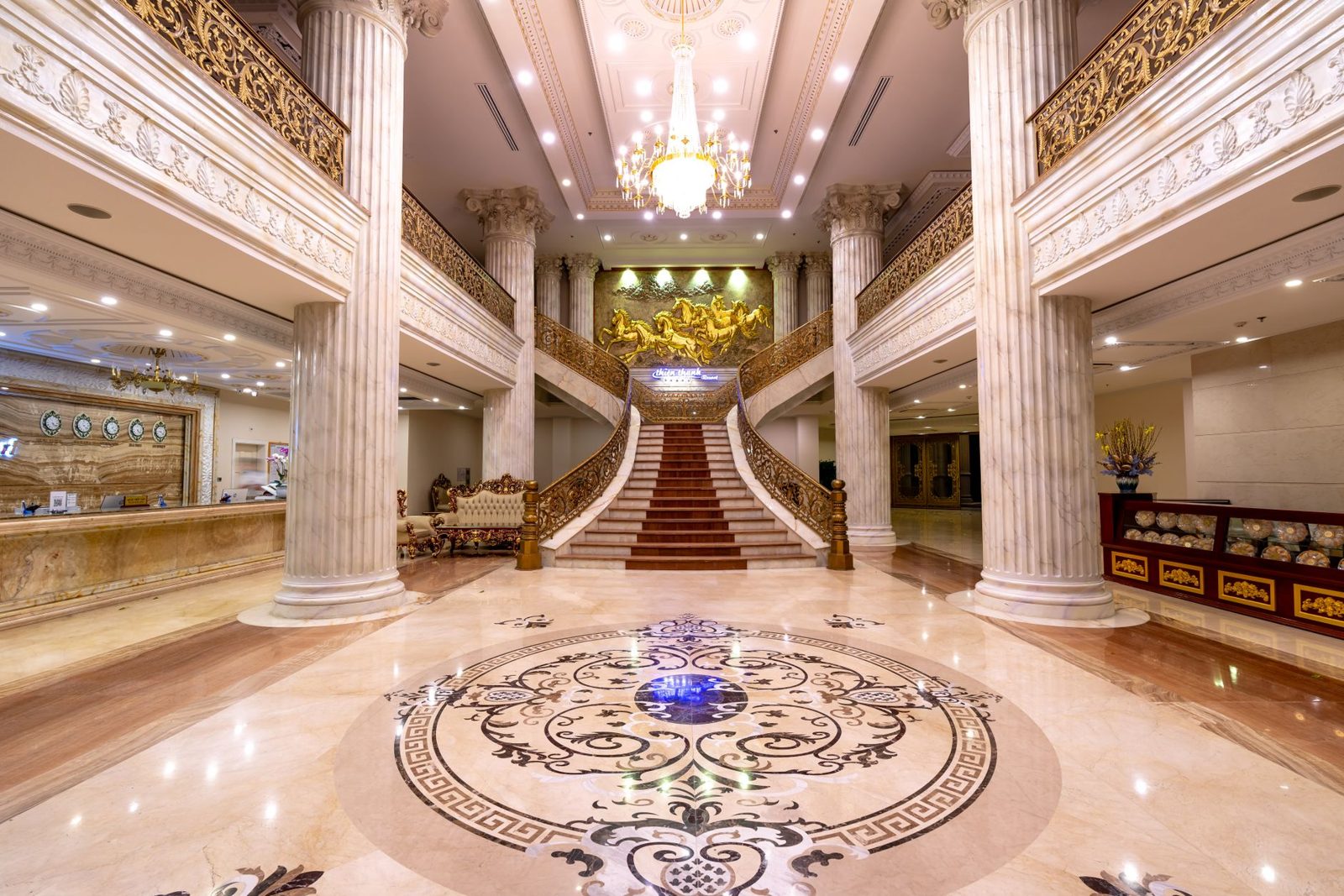
Auckland’s luxury scene clusters tightly around the CBD and harbour. Budget somewhere around NZ$550–$900 a night for a deluxe room in peak summer, and expect serious views of the harbour, the Sky Tower, or both. A handful of properties stand out.
The InterContinental Auckland, above Commercial Bay, is the most-talked-about luxury arrival of recent years, with harbour views from almost every room and a rooftop pool that has become the signature shot for the category. The Park Hyatt Auckland, right on the water at Wynyard Quarter, is the most resort-like city hotel in town — large rooms by Auckland standards, a 25-metre pool facing the harbour, and restaurants that pull in locals, not just guests. Hotel Britomart, New Zealand’s first 5 Green Star-rated hotel, is the design-led pick, all Tasmanian oak, wool, and dark brick, with the excellent kingi restaurant downstairs. QT Auckland on the Viaduct is the playful, art-forward option, and the two SkyCity hotels — the Grand and the newer Horizon — put you right beside the Sky Tower with direct access to its restaurants and theatres.
For the full shortlist with room-by-room detail, see our guide to the 10 Best Luxury Hotels in Auckland for 2026.
Best Boutique and Mid-Range Hotels in Auckland
Between the five-star towers and the hostels sits the band where most visitors actually book: characterful boutiques from about NZ$280–$500, and reliable mid-range hotels from roughly NZ$220–$350. Boutique places trade spa and gym facilities for personality and neighbourhood immersion, and our guide to the best boutique hotels in Auckland runs through the pick of them.
On the boutique side, Hotel DeBrett is the best known — 25 individually styled rooms in a restored 1841 building on High Street, above a bar that is an Auckland institution. The Convent Hotel in Ponsonby is the only accommodation of its kind in that suburb, and The Surrey Hotel in nearby Grey Lynn pairs boutique rooms with studio apartments and a pool at a gentler rate. Heritage fans should look at the Heritage Auckland, a converted 1920s department store.
For mid-range, M Social on the edge of the Viaduct is often the best value walk-everywhere pick, with harbour-view rooms and a buzzy ground-floor restaurant. Four Points by Sheraton sits at the harbour end of Queen Street, the Hotel Grand Windsor (MGallery) brings an old-world European feel just off the main drag, and Cordis Auckland at the top of Queen Street is the larger, full-service choice, with a rooftop pool and a good buffet restaurant.
Best Budget Hotels and Hostels in Auckland
Auckland has a strong budget and backpacker scene, concentrated along K’ Road and lower Queen Street. Reckon on NZ$45–$70 for a dorm bed and NZ$130–$190 for a private double in a budget hotel.
Attic Backpackers, tucked above Fort Street in the CBD, is a small, relaxed hostel with a strong social feel and a five-minute walk to Britomart and the ferries. YHA Auckland City on Turner Street is the big, dependable option, with ensuite dorms, private rooms, a large kitchen, and a rooftop terrace. Haka Lodge on K’ Road is the design-minded, boutique-hostel choice, while Nomads and Base are the biggest, most party-friendly hostels if you want onsite bars and organised tours. For a full run-down, our Best Budget Hotels & Hostels in Auckland (2026 Picks) covers the lot, including cheap private-room options.
Best Serviced Apartments and Vacation Rentals in Auckland
For any stay of three nights or more — especially with family or friends — a serviced apartment almost always beats a hotel on cost per person, and it hands you a kitchen, a laundry, and room to spread out. Auckland has an unusually deep supply because so many CBD towers list units on short-stay platforms.
The Quadrant Hotel and Suites on Waterloo Quadrant is a dependable serviced-apartment hotel with kitchenettes and often one of the better family-room rates in the CBD. The Oaks group runs several apartment-hotels across the city, from studios to two-bedroom units with full kitchens. For genuinely large apartments in hotel buildings, Stamford Residences on Albert Street offers three-bedroom units with harbour views, and the Spencer on Byron in Takapuna has rooftop apartments with private spa pools.
Airbnb and Holiday Home Rentals
Auckland Council requires online accommodation hosts to register their properties, so the stock of compliant Airbnb rentals is smaller and more professional than it once was. You will still find plenty of apartments in the Viaduct, Wynyard Quarter, and Parnell, and for families, Devonport and Takapuna are where whole-house rentals often beat two hotel rooms on price. Book well ahead for summer, particularly the stretch between Christmas and Waitangi weekend in early February. Our guide to the Best Airbnbs in Auckland: Top Picks by Area (2026) points you to the standout listings by neighbourhood.
Best Family Hotels in Auckland
Auckland is an easy city to travel with kids, and the right base makes a real difference. Parents tend to prioritise the same short list: a pool, a kitchen or at least a kitchenette, an easy walk to attractions, and a supermarket nearby.
Cordis Auckland has the best rooftop pool in the CBD for children — sheltered, heated, and looking out over the city — plus roomy family rooms and a buffet that keeps everyone happy. The Spencer on Byron in Takapuna is the pick for a beach-based family week, with full-kitchen apartments, a heated indoor pool, and the beach a 10-minute walk away. On a tighter budget, Kingsgate Hotel near Victoria Park and the Travelodge Auckland Wynyard Quarter both offer straightforward family rooms within walking distance of the waterfront. For more options and the reasoning behind them, see our Best Family Hotels in Auckland (2026 Picks).
How Much to Pay and When to Book
Peak, Shoulder, and Low Season
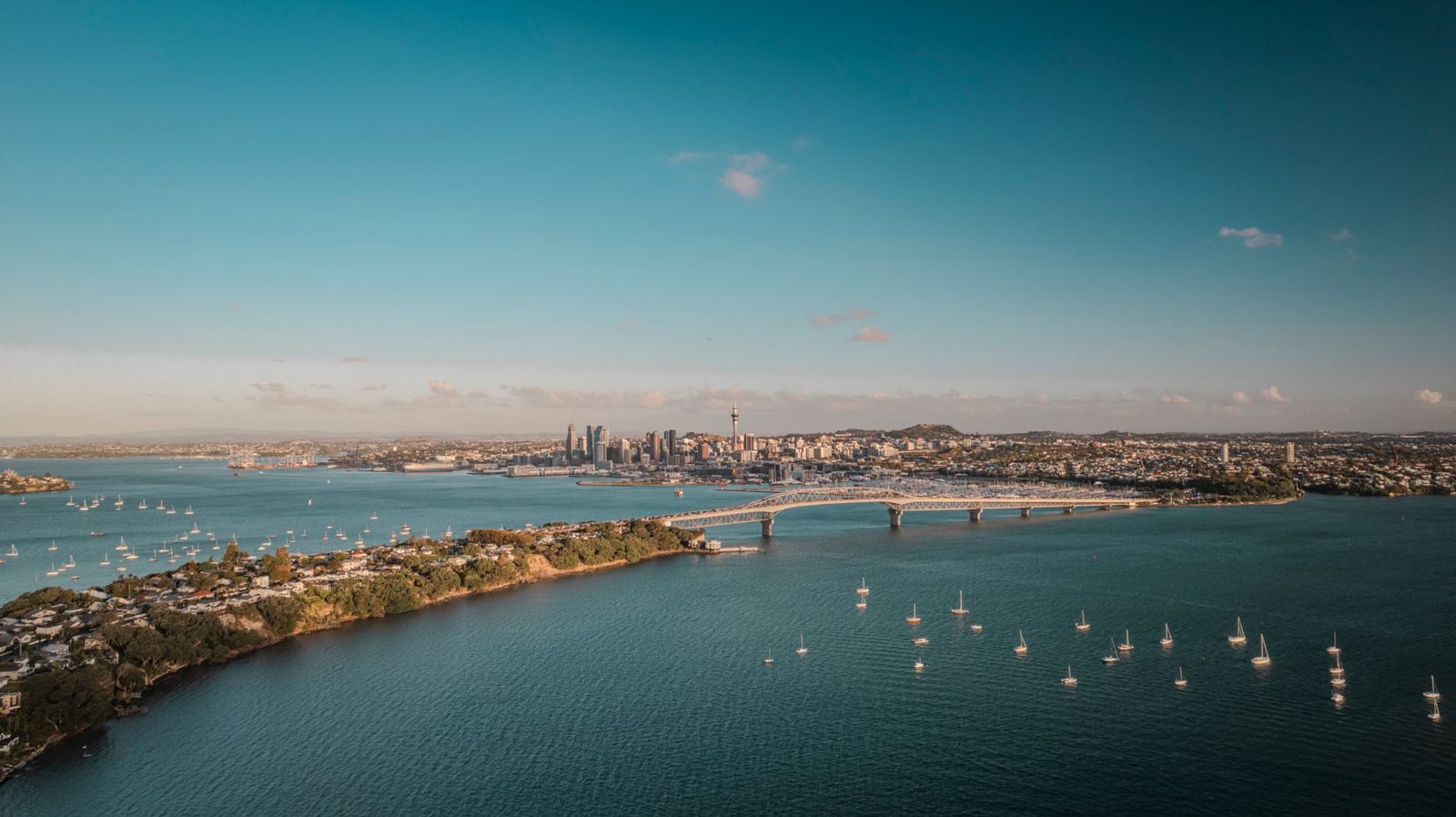
Auckland’s peak runs December through February, over the southern summer, and that is when rates are highest — independent data has prices topping out around February. March, April, October, and November are the sweet-spot shoulder months: still warm, less crowded, and often 20–30% cheaper on the room rate. June through September is the low season, cool and often wet, but the best value of the year and a genuinely liveable time to be in the city.
Whenever you come, watch the events calendar. Rates spike around the Auckland Marathon, Pasifika, the Lantern Festival, and any big rugby or concert weekend at Eden Park. If you are chasing the lowest possible price, avoid those dates; if you are coming for one of them, book early. Our Auckland Events & Festivals Calendar 2026: Month-by-Month Guide lays out what is on when.
Booking Channels and How to Save
For chain hotels, booking direct on the brand website usually matches or beats the big travel sites and earns you loyalty points, so it is worth a two-minute price check. For independent boutiques and apartment-style stays, the online travel agencies often hold better inventory, so compare both. Most Auckland hotels offer fully refundable rates up to 24 hours before arrival, which means you can lock in something early and adjust later with little risk. And if you are filling your days with paid attractions rather than just your hotel, our list of the 65 Best Things to Do in Auckland (2026): An Insider’s Guide will help you decide how central you actually need to be.
Areas to Avoid for Tourists
Auckland is a safe city by international standards, and nowhere in the visitor zone is genuinely off-limits. That said, a little judgement helps. A few blocks of the lower CBD south of Mayoral Drive — parts of lower Queen and Hobson Streets — can feel quiet and a bit rough after midnight, and alcohol-related trouble on Queen Street picks up late on weekends. Nothing about that should stop you booking centrally; just take a taxi or rideshare rather than walking long stretches alone in the small hours.
Beyond the tourist ring, some of the outer suburbs of South and West Auckland have higher crime rates and simply are not set up for visitors — you would only end up out there if a listing looked suspiciously cheap. If a deal seems too good to be true and the address is a suburb you have never heard of, that is your cue to check where it actually is on a map. Stick to the neighbourhoods in this guide and you will be on solid ground. The reassuring news: the Viaduct, Britomart, Ponsonby, Parnell, Mission Bay, and Devonport are all considered comfortably safe, well-patrolled parts of the city.
Getting from Auckland Airport to Your Hotel
Auckland International Airport (AKL) sits in Mangere, about 21 km south of the city, and there is no train directly to it, so plan your first-day transfer before you land. You have three main choices.
The SkyDrive express bus runs every 30 minutes between both airport terminals and the SkyCity bus terminal in the CBD, taking roughly 35 minutes outside peak traffic; check the fare when you book. It is the simplest door-to-centre option if your hotel is downtown. For the budget route, the AirportLink bus shuttles between the airport and Puhinui Station every 10 minutes, where you connect to a train into the city — the whole trip costs about NZ$6.50 for an adult (three zones) on an AT HOP card or contactless and is the cheapest way in. A taxi or rideshare runs roughly NZ$45–$90 to the CBD depending on traffic and demand, and makes most sense with luggage, a family, or a late arrival.
If you would rather not deal with any of this on arrival day, staying near the airport for one night is a reasonable move for very early flights. The Novotel Auckland Airport is the only true airport hotel, connected to the international terminal by a covered walkway; the Pullman, Sudima, Holiday Inn, and Ibis properties across the road all run shuttles. None put you in Auckland proper — there is nothing walkable out there — but for a one-night stopover they do the job, at roughly NZ$180–$300 depending on property and season. For every option and current fares, our full Auckland Airport to CBD transfer guide has the detail.
A Few Practical Notes Before You Book
A last handful of things that trip up first-time visitors. New Zealand hotels use ground floor plus levels, so do not be thrown when the lift jumps from Level 1 to Level 2 past a mezzanine. Parking in the CBD is pay-by-plate almost everywhere — read your hotel’s parking policy carefully, because overnight valet or self-park typically runs NZ$35–$55, and it is often cheaper to leave a rental at an airport car park and bus in. Tipping is not expected anywhere in New Zealand, and service charges are not added to bills. And as noted up top, the 15% GST is already baked into every quoted rate.
Frequently Asked Questions
What is the best area to stay in Auckland for tourists?
The Auckland CBD — specifically the Viaduct Harbour, Britomart, and lower Queen Street — is the best area for most first-time visitors. It is walking distance from the Sky Tower, the ferry terminal, Commercial Bay, and Britomart train station, so you can reach nearly every major sight without a car. For a quieter, more local feel on a second visit, choose Ponsonby, Parnell, or Devonport.
Is Auckland CBD safe at night?
Auckland is generally safe, and the central areas around the Viaduct, Britomart, and Queen Street north of Mayoral Drive are well lit and busy well into the evening. Some blocks further south of Mayoral Drive can feel quieter and a little rough after midnight, so use a taxi or rideshare if you are unsure. K’ Road is lively and fine for most visitors but rowdier late on weekends.
How much does it cost to stay in Auckland per night?
Expect roughly NZ$130–$190 a night for budget hotels and private hostel rooms, NZ$220–$350 for mid-range four-star hotels, NZ$280–$500 for boutique properties, and NZ$550–$900 or more for luxury. Serviced apartments usually sit in the mid-range band and offer the best value for longer stays. Rates climb 20–40% in peak summer and around major events.
Is it better to stay in Auckland CBD or Devonport?
The CBD is more convenient for sightseeing and nightlife; Devonport is quieter, more charming, and gives you a real sense of Auckland’s maritime village character. For a two- or three-night trip, the CBD wins on time. For a longer stay, a couple, or a return visit, Devonport is often the more memorable choice — and the 12-minute ferry into the city becomes part of the experience.
Where should I stay in Auckland with kids?
For families, either Cordis Auckland in the CBD — for the rooftop pool and its closeness to the Sky Tower, Auckland Museum, and Domain — or The Spencer on Byron in Takapuna, for the beach lifestyle and apartment-style rooms with a kitchen and laundry. Serviced apartments generally suit families better than standard hotel rooms.
How do I get from Auckland Airport to the city?
The SkyDrive express bus runs to the CBD every 30 minutes, taking roughly 35 minutes; check the fare when you book. The cheapest option is the AirportLink bus to Puhinui Station plus a train into the city, about NZ$6.50 for an adult on an AT HOP card or contactless. A taxi or rideshare costs about NZ$45–$90. Only the Novotel Auckland Airport is walkable from a terminal; every other airport hotel runs a shuttle.
Final Thoughts
Where you stay in Auckland comes down to what you want your mornings to look like. If it is walking out the door to the Sky Tower and a ferry wharf, book in the CBD around the Viaduct or Britomart. If it is a flat white on a leafy street lined with the best restaurants in the city, choose Ponsonby. If it is sea air, harbour views, and a slower pace, take the ferry to Devonport or drive to Takapuna. There is no single right answer — only the one that fits your trip.
Whatever neighbourhood you land on, Auckland rewards unhurried days. Take the ferry to Devonport at least once, even if you are staying downtown. Walk the full length of Ponsonby Road on a Saturday morning. Catch a train to Parnell for a pre-dinner stroll through the Domain. Once you have a base sorted, our 25 Best Day Trips from Auckland in 2026 (With or Without a Car) and our Auckland Māori Culture, History & Heritage: The 2026 Visitor’s Guide will help you fill the days beyond your hotel door. The accommodation is good. But it is what is outside your room that makes the trip.
Last updated: July 2026. Written by the Auckland Tourism Guide team.
Photo credits
- Photo: Ollie Craig via Pexels
- Photo: New Zealand via Pexels
- Photo: Callie Kirkwood via Pexels
- Photo: Ollie Craig via Pexels
- Photo: Quang Nguyen Vinh via Pexels