Auckland Art Gallery Toi o Tāmaki: Full Visitor’s Guide (2026)
Auckland Art Gallery Toi o Tāmaki is free to enter. Our guide covers collection highlights, opening hours, the 2026 Picasso show, tours and tips.

This article contains advertising. Our booking links are routed through a partner that adds commission tracking automatically, so if you book through one we earn a commission from the provider, at no extra cost to you. It never affects what we recommend. Affiliate disclosure
I’ve lost count of how many times I’ve walked into Auckland Art Gallery Toi o Tāmaki and not paid a cent. That still surprises people. The city’s biggest art institution, more than 15,000 works spanning historic, modern and contemporary art from Aotearoa and beyond, and general entry costs nothing. You pay only for the big ticketed shows, and even then there’s usually something free running alongside. I come here on rainy afternoons, on lunch breaks, with visiting friends who “aren’t really into art” and leave surprised. This guide is everything I’ve learned from those visits. Our free things to do in Auckland guide covers this in more depth.
Short on time? Here’s the direct answer. Auckland Art Gallery Toi o Tāmaki sits on the corner of Kitchener and Wellesley Streets in the CBD, opens 10am to 5pm daily (later on Fridays), and general admission is free. Special exhibitions like Picasso in late 2026 are ticketed. Budget 1.5 to 3 hours.
Auckland Art Gallery at a glance
| Detail | What to know |
|---|---|
| Address | Cnr Kitchener & Wellesley Streets, Auckland CBD 1010 |
| Opening hours | 10am–5pm daily; open later (to around 9pm) on Fridays — check the website before a late visit |
| General entry | Free for everyone |
| Special exhibitions | Ticketed; roughly $25–40 adult (Picasso pricing to be confirmed) |
| Free guided tours | Daily highlights tours, typically early afternoon — times shift, so confirm on arrival |
| Quietest time | Weekday mornings, 10am–noon |
| Time needed | 1.5–3 hours; 4+ for a special-exhibition deep dive |
| Accessibility | Full wheelchair access, lifts, accessible toilets |
| Getting there | 5-minute walk from Britomart; Albert Park at the back door |
| Website | aucklandartgallery.com |
A quick word on the free part, because it trips visitors up. Free entry gets you into the permanent collection and most of the smaller shows. The blockbuster touring exhibitions carry a ticket. If you’re on a budget, you can have a genuinely full afternoon here without spending anything, and I’ve done exactly that plenty of times. The trade-off is that the collection rotates, so the exact painting a friend raved about might be in storage the week you arrive. Don’t build your whole visit around one work; treat whatever’s hanging as the day’s menu and you’ll never leave disappointed.
If you’re mapping out a wider trip, this gallery slots neatly into a day of sightseeing. It pairs well with the other CBD attractions in our 65 Best Things to Do in Auckland (2026): An Insider’s Guide, and it’s one of the few marquee sights that won’t dent your wallet.
A short history of the building
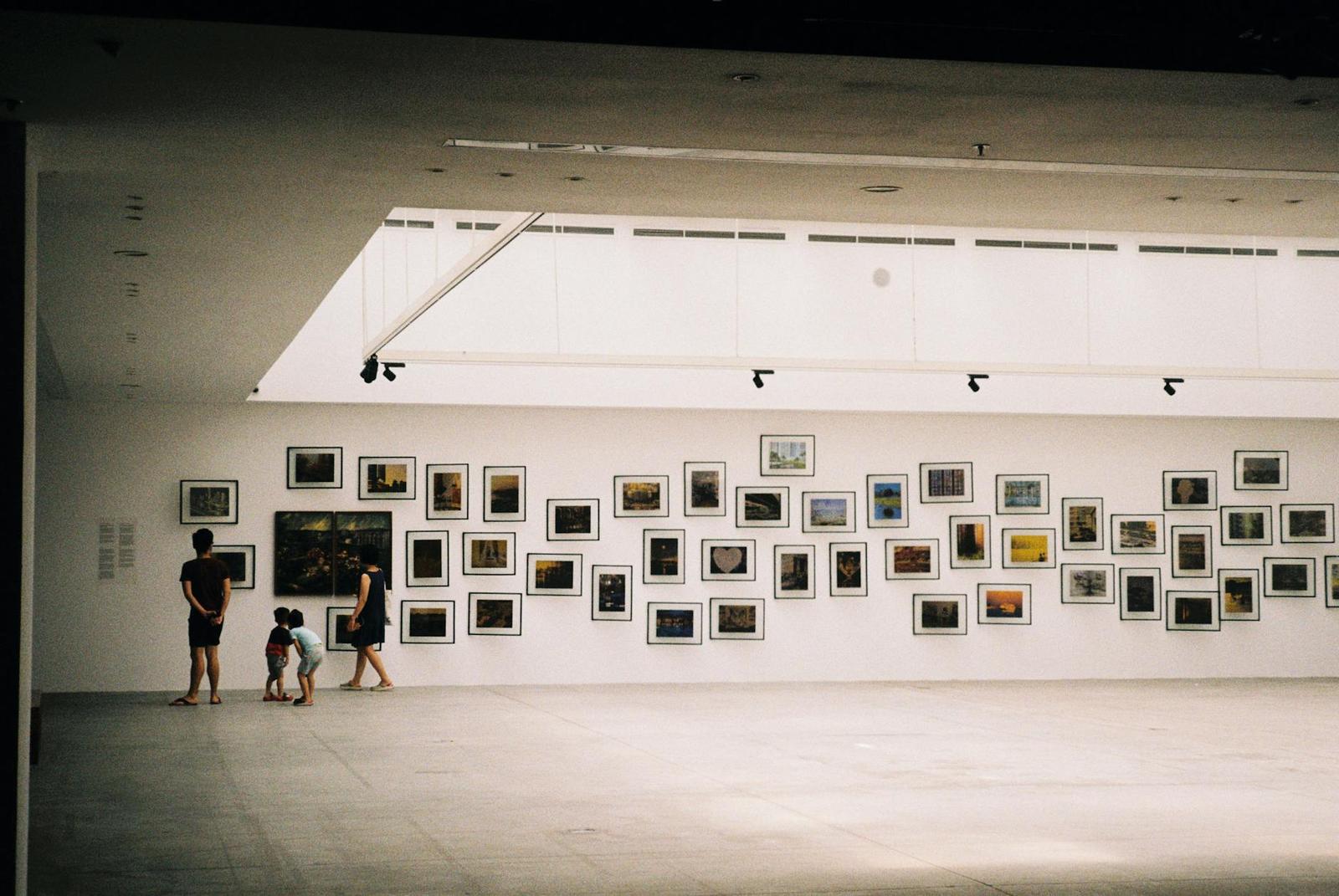
The gallery opened in 1888, making it one of the first dedicated public art galleries anywhere in the Southern Hemisphere. That original heritage building, a French Renaissance-style stone pile from 1887, is still the visual anchor when you approach from Kitchener Street. It looks like a gallery is supposed to look, all arched windows and civic seriousness.
The transformation came in 2011. A redevelopment by Sydney architects Francis-Jones Morehen Thorp with Archimedia roughly doubled the footprint and added a soaring timber-and-glass wing that went on to win World Building of the Year. I’ll be honest: the first time I saw the two halves stitched together I wasn’t sure they belonged in the same sentence, let alone the same building. They grow on you fast. The old stone and the new kauri timber end up talking to each other.

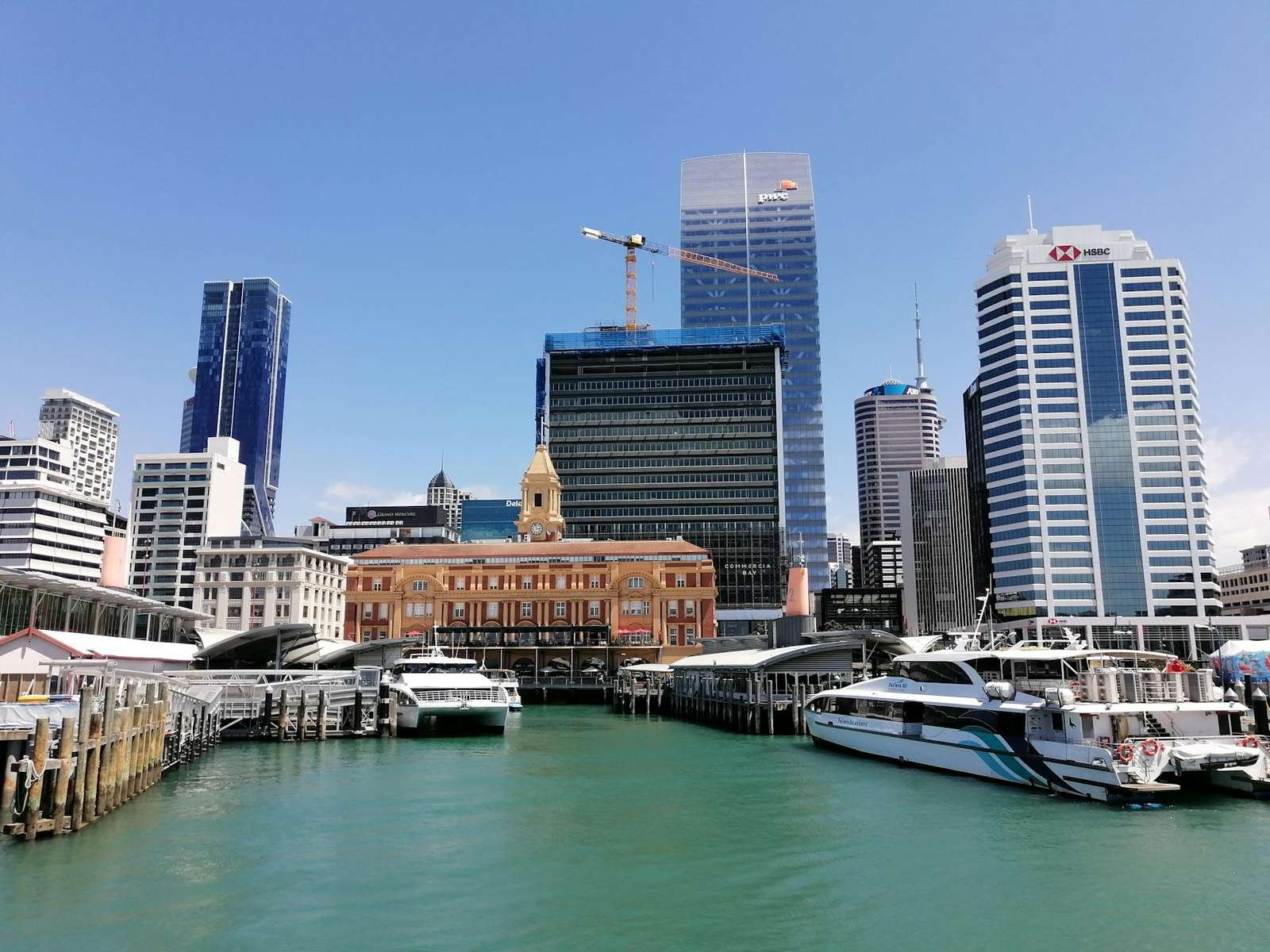
Location helps too. The gallery hugs the southern edge of the CBD, fronting Albert Park, five minutes on foot from Britomart, the Sky Tower and Karangahape Road. If you’re already exploring the city centre it’s almost impossible to miss.
The collection: what’s actually worth your time
With 15,000-plus works, you’re never seeing all of it, and you shouldn’t try. Here’s how I’d break the collection down so you can spend your time on what matters to you.
New Zealand historic art
This is where a lot of first-timers linger, and rightly so. The gallery holds a definitive run of 19th and early 20th-century New Zealand painters: Charles Goldie, Gottfried Lindauer, James Nairn, Frances Hodgkins, Petrus van der Velden, Christopher Perkins. Goldie’s and Lindauer’s Māori portraits carry real historical weight, because they’re records of named individuals, not anonymous “types.” Stand close to a Goldie and the detail in the moko and the skin is almost unnerving. Hodgkins’ watercolours, meanwhile, quietly bridge New Zealand painting and European modernism.
New Zealand modern and contemporary
The 20th-century holdings are the heart of the place for me. Colin McCahon, the country’s towering modernist, is here, including his ten-panel masterwork The Days and Nights of God. You’ll also find Ralph Hotere, Toss Woollaston, Rita Angus, Don Binney and Pat Hanly. On the contemporary side: Lisa Reihana, Shane Cotton, Bill Hammond, Yvonne Todd, Michael Parekowhai, Lonnie Hutchinson and Brett Graham. Parekowhai’s red-lacquered, carved Steinway piano is one of the most photographed artworks in the country, and yes, it deserves the attention.
Māori and Pacific art
A useful thing to know: the major historical Māori taonga collection lives at the Auckland War Memorial Museum, not here. This gallery’s strength is contemporary and 20th-century Māori and Pacific art. That means Hotere, Selwyn Muru, Robyn Kahukiwa, Shane Cotton, Reihana and Brett Graham, plus a strong Pacific contingent including John Pule, Fatu Feu’u and Robert Jahnke. If you want the full cultural picture, do both institutions; our Auckland War Memorial Museum Guide: Tickets, Highlights & Tips (2026) covers the other half of the story.
European art
The European rooms are the ones most people skip, which is exactly why I like them. They’re quieter, and the collection spans the 14th to 20th centuries: names like Lippi, Tintoretto, Veronese, a Titian (attributed), Reynolds, Constable, Turner, Gainsborough, Bonnard and Cézanne. There’s Picasso in the permanent holdings too, which makes the big 2026 show feel like a homecoming of sorts. You won’t find a floor-to-ceiling Louvre here, and that’s the point: it’s a considered, browsable collection rather than an exhausting one, and on a weekday you’ll sometimes have a room to yourself.
Must-see works
If you only have an hour and want the greatest hits, point yourself at these.
- Colin McCahon, The Days and Nights of God — a 1977 ten-panel work and one of New Zealand’s most important paintings. Give it a few minutes; it rewards patience.
- Charles Goldie, Tame Tūmai — a Māori portrait that shows off Goldie’s almost photographic technique.
- Gottfried Lindauer’s Māori portraits — formal Victorian-style oils of named chiefs and notable figures.
- Michael Parekowhai, On First Looking into Chapman’s Homer — that carved red piano. The one everyone photographs.
- Frances Hodgkins watercolours — where New Zealand landscape meets European modernism.
- Lisa Reihana, in Pursuit of Venus [infected] — a 32-metre moving digital wallpaper reworking 18th-century Pacific colonial imagery. Genuinely mesmerising.
- Petrus van der Velden, Mountain Stream — an atmospheric Southern Alps landscape.
- Bill Hammond, Watching for Buller’s Birds — his signature bird-figure world.
2026 special exhibitions
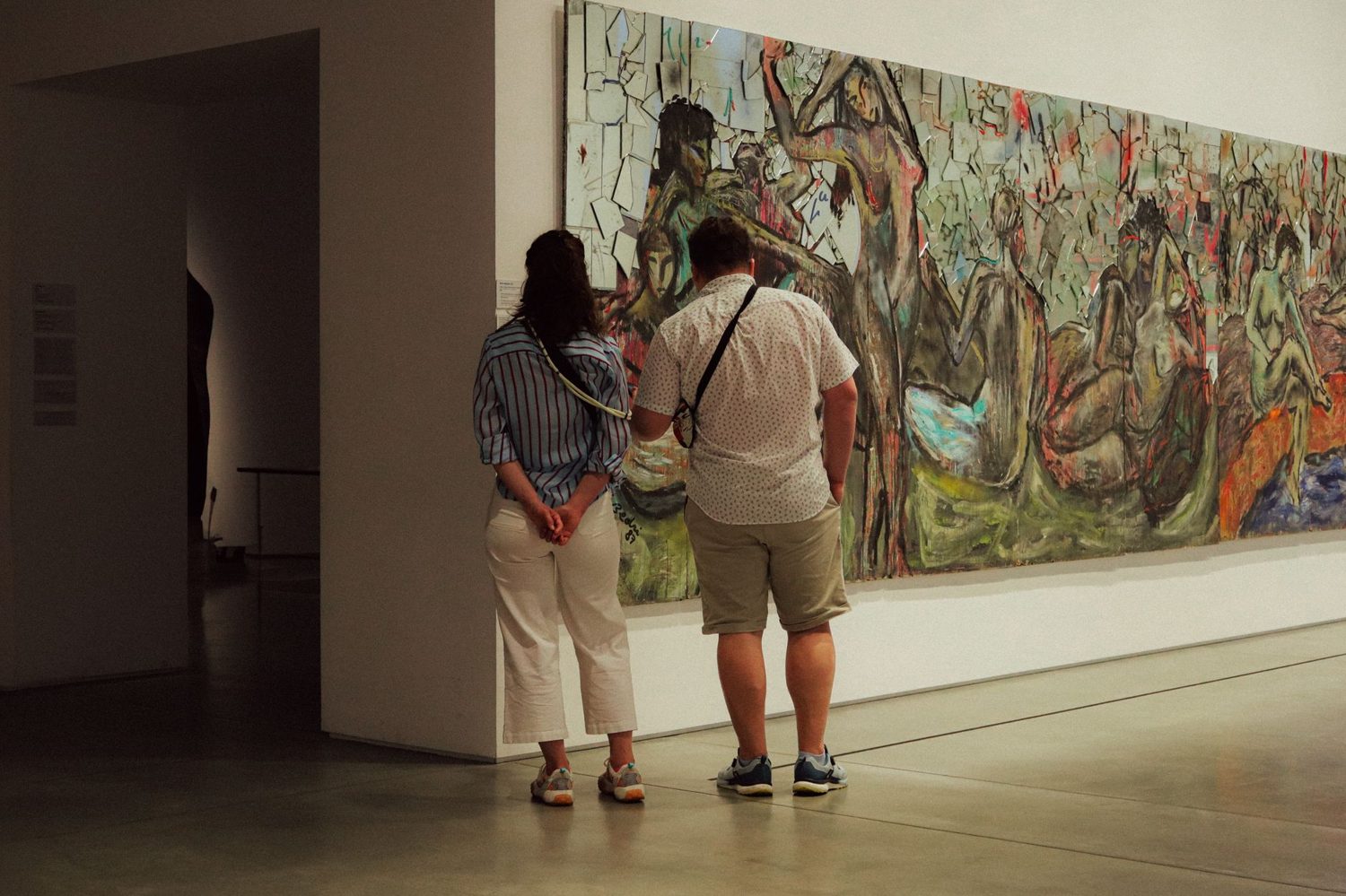
The permanent collection is the backbone, but the changing programme is what pulls me back through the year. Here’s what’s on the 2026 calendar, based on the gallery’s own announcements. As always, confirm dates and prices on the website before you make a special trip, since these do shift.
- Taimoana | Coastlines: Art in Aotearoa — an ongoing collection rehang built around coastal themes in New Zealand art. Free.
- Giacometti Without End — drawings, prints and sculpture by Alberto Giacometti, showing through 2026.
- Ngā Taonga Tūturu: Treasured Māori Portraits — the standing display of historic Māori portraits, Lindauer included.
- Threads of Time: Travel, Trade and Textiles — a textile-focused show tracing colonial connections.
- In Trust for Tomorrow: The Greg J Moyle Foundation Bequest — newly bequeathed contemporary works, opening 23 May 2026, free.
- Family Album: Queer Aotearoa — a major exhibition of LGBTQ+ artists from Aotearoa, running 4 July 2026 to 28 February 2027, free.
- Picasso: Designed by Paul Smith — the headline event. Running 10 October 2026 to 1 February 2027, ticketed. It draws on the Musée national Picasso–Paris and pairs Picasso’s paintings, sculptures, ceramics, prints and drawings with playful gallery environments designed by British fashion designer Sir Paul Smith.
The Picasso show is the one to plan around. It’s the first major Picasso exhibition in Aotearoa in more than 30 years, and it will be busy. Tickets were set to release in mid-2026 with pricing to be confirmed, so book online the moment they go live and aim for a weekday morning slot if you can.
Tours and guided experiences

I’d nudge every first-timer toward a free guided tour. A good docent turns a room of paintings into a set of stories, and you notice things you’d have walked straight past. The exact schedule moves around, so check the day’s times at the welcome desk or online, but here’s the general shape of what’s on offer.
- Free highlights tours — usually early afternoon on several days a week, covering the architecture and eight to ten key works. Around 60 minutes.
- Free building tours — often weekend mornings, focused on the heritage and modern architecture.
- Special exhibition tours — frequently included with your ticket during major shows.
- Family tours — a monthly kid-focused walk, free, roughly 30 minutes.
- Audio guide — a small charge (around $5), covering the permanent collection and current special show.
- Private group tours — bookable for groups; expect to pay a set fee.
Bringing kids: the Creative Learning Centre
If you’ve got children, head straight for the Creative Learning Centre on the lower level. It’s a free, hands-on art space, and it’s the reason my nieces think the gallery is “the fun museum.” Activities rotate through the year, drawing, collage, sculpture, digital art, gallery trails, and there are take-home supplies.
- Free entry, no booking needed.
- Best for ages 3–12 (little ones supervised, older kids can roam).
- Sessions usually run mid-morning and again after lunch.
- School-holiday programmes are themed around current exhibitions and run daily.
For a fuller day of family-friendly ideas around the city, our Auckland with Kids 2026: Complete Family Travel Guide lines up the gallery with other low-stress options.
The sculpture courtyard and the architecture
Even if you never step inside a gallery, walk into the courtyard between the 1888 stone building and the 2011 timber wing. It’s one of the best free public spaces in the CBD: shaded seating, free wifi, rotating outdoor sculpture (past installations have included Anish Kapoor and Antony Gormley), and a lovely view back into the glowing atrium. Fifteen minutes here is time well spent.
The atrium itself is worth craning your neck at. The 2011 extension uses tens of thousands of pieces of locally sourced kauri, and the roofline flows in a way that echoes the branching canopy of a pōhutukawa. Architecture students fly in specifically to see it, which tells you something.
Where to eat, in the gallery and nearby
The on-site café handles coffee, sandwiches, salads and cakes at the sort of prices you’d expect from a museum café (think a few dollars for a flat white, more for a sandwich). It’s perfectly good, and you can take your coffee out into the courtyard.
If you’d rather range a little further, you’ve got options within a short walk:
- Albert Park kiosk — takeaway coffee and snacks, five minutes away.
- The Quad, University of Auckland — coffee carts and food trucks on weekdays, eight minutes.
- Britomart restaurants — proper sit-down lunches, ten minutes.
- Ima Cuisine, Fort Street — Israeli-influenced brunch, twelve minutes.
- Mexico, Federal Street — Mexican fusion, eight minutes.
Hungry for more? Our Auckland Food & Drink Guide 2026: Best Restaurants, Cafes & Bars maps out the wider CBD dining scene.
Suggested itineraries
90-minute highlights
- Arrive, orient yourself at the welcome desk.
- NZ historic gallery: Goldie, Lindauer.
- NZ modern gallery: McCahon, Hotere.
- Contemporary NZ and Pacific.
- Finish in the sculpture courtyard.
Half-day deep dive (3–4 hours)
- Arrive and grab an audio guide.
- Join the free highlights tour when it runs.
- Work through the NZ historic and modern galleries.
- Lunch at the café.
- European art, then the special exhibition.
- Pacific contemporary and the courtyard on your way out.
With kids (1.5–2 hours)
- Arrive, pick up a family activity pack.
- Creative Learning Centre session (about 45 minutes).
- A short highlights walk: McCahon, Parekowhai’s piano, Lindauer.
- Courtyard run-around, then café lunch and Albert Park.
Getting the layout: floor by floor
The collection is split across the 1888 heritage block and the 2011 extension, over several levels. Here’s a walking sequence that flows well.
- Level 0 — entrance, foyer, café, shop. Start here for orientation and audio guides.
- Level 1, heritage building — NZ historic art, under the original timber-vaulted atrium.
- Level 1, extension — major contemporary NZ shows and rotating installations.
- Level 2, heritage building — European masters and 19th-century works.
- Level 2, extension — special exhibitions (Picasso lands here in October 2026).
- Level 3 — contemporary Pacific art, photography, thematic shows.
- Lower level — Creative Learning Centre, library, education spaces.
Most people cluster on Level 1 and the special-exhibition floor. My tip: the European rooms on Level 2 and the Pacific gallery on Level 3 are the quiet gems. On a return visit, start there before the crowds drift up.
Combine your visit with nearby sights
One of the gallery’s best features is what surrounds it. All of these are a short stroll away.
- Albert Park (5 min) — a heritage Victorian park with a band rotunda and sloping lawns. Free.
- Old Government House (10 min) — heritage building; exterior viewing is always free.
- Central City Library (5 min) — free wifi, kids’ programmes, a café.
- Auckland Town Hall (5 min) — heritage venue with regular free lunchtime concerts.
- Sky Tower (15 min) — the observation deck and, for the brave, the SkyJump. See our Sky Tower Auckland: Tickets, Tips & What to Expect in 2026.
Want more animal-focused days out for the family? Both Auckland Zoo Guide: Tickets, Animals & Tips (2026) and Kelly Tarlton’s Sea Life Aquarium Guide: Tickets & Tips (2026) pair well with a CBD morning at the gallery. And to understand the Māori history threaded through the collection, our Auckland Māori Culture, History & Heritage: The 2026 Visitor’s Guide is a good companion read.
Membership and supporting the gallery
Here’s a tip most day-trippers miss: the free annual membership. It costs nothing, you sign up with an email address at the information desk or online, and it earns its keep the moment a big show like Picasso comes to town. Members get priority booking for ticketed exhibitions, a 10% discount in the shop and café, and invitations to opening events. If there’s any chance you’ll want tickets to a marquee exhibition, join before they release.
Behind the free entry sits public funding from Auckland Council, topped up by a private foundation that supports acquisitions and the cost of major shows. Donations are welcome at the front desk and online, and paid supporter tiers add extras like exhibition catalogues and behind-the-scenes access. Gifts to the collection matter more than you’d think: the Greg J Moyle Foundation Bequest, opening 23 May 2026, is a recent example of how the holdings keep growing. If you get real value from a free visit, dropping a few dollars in the box on the way out feels fair.
Practical tips from someone who visits a lot
- Go in the morning. Weekday mornings between 10am and noon are calmest by a wide margin.
- Fridays run late. The gallery stays open later on Fridays, which makes for a relaxed after-work visit. Confirm the closing time first.
- Sign up for free membership. It’s genuinely free, unlocks priority booking for ticketed shows (handy for Picasso), and gets you a discount in the shop and café.
- The permanent collection rotates. Works come off display, so a specific painting isn’t guaranteed. Ask at the desk if there’s something you’re set on seeing.
- Bags and cloakroom. Large bags usually need to go in the cloakroom; travel light.
- It’s a rainy-day hero. Free, indoors, central. When the Auckland weather turns, this is my first move.
Getting here without a car is easy; our Getting Around Auckland: The Complete 2026 Transport Guide covers trains, buses and the HOP card.
Frequently Asked Questions
Is Auckland Art Gallery free?
Yes. General entry to Auckland Art Gallery Toi o Tāmaki is free for everyone, and that covers the permanent collection plus most smaller exhibitions. Only the major ticketed shows, like the 2026 Picasso exhibition, carry a charge. You can easily spend a full afternoon here without paying anything.
What are the opening hours?
The gallery is open 10am to 5pm daily, with later hours (typically to around 9pm) on Fridays. It closes on Christmas Day. Because seasonal and Friday hours can change, it’s worth a quick check of aucklandartgallery.com before a late or holiday visit.
How long should I spend at the gallery?
Most visitors are happy with 1.5 to 3 hours. That’s enough for the New Zealand historic and modern galleries plus the sculpture courtyard. If a special exhibition is on and you want to take your time, budget four hours or more.
Is it suitable for children?
Very much so. The free Creative Learning Centre on the lower level runs hands-on activities for ages 3 to 12, with daily sessions during school holidays. Kids also tend to love Parekowhai’s carved red piano and the outdoor sculptures, so it’s an easy win for families.
Do I need to book the Picasso exhibition in advance?
Yes, if you can. Picasso: Designed by Paul Smith runs 10 October 2026 to 1 February 2027 and is expected to draw large crowds. Tickets were due to release in mid-2026 with pricing to be confirmed. Book online as soon as they’re available and choose a weekday morning for a calmer experience.
Final thoughts
If someone visiting Auckland asked me for one indoor recommendation, this would be it, and not just because it’s free. It’s the clearest window into who New Zealand artists are and have been, from Goldie’s portraits to Reihana’s moving images, all under a building that’s a work of art in its own right. Come in the morning, wander without a plan, join a tour if one’s running, and let the quieter European and Pacific rooms surprise you. Then step out into Albert Park and keep exploring; the rest of the CBD is right there. For the bigger picture, start with our insider’s guide to the best things to do in Auckland.
Last updated: July 2026. Written by the Auckland Tourism Guide team.
Photo credits
- Photo: Darya Sannikova via Pexels
- Photo: sephylmism via Pexels
- Photo: rana aldemir via Pexels
- Photo: Burcu Elmas via Pexels
A free permanent collection ten minutes from the waterfront makes this the obvious first move when the sky opens, and it is rarely the only thing you will want that day. Our guide to a rainy day in Auckland for adults builds a full wet day around it, from the Domain Wintergardens through to where to eat afterwards.