Author: aucklandtourism_4ju0oq

  • Waiheke Island Day Trip from Auckland: Complete 2026 Guide

    Waiheke Island Day Trip from Auckland: Complete 2026 Guide

    Waiheke Island is Auckland’s favourite, and New Zealand’s most visited, day-trip destination — a 40-minute ferry from Downtown Auckland delivers you to an island of vineyards, olive groves, white-sand beaches, boutique restaurants and art galleries. Roughly 9,500 people live there year-round, and on a summer weekend the population can double as day-trippers arrive to sip at the cellar doors, hike the coastal trails and swim at Oneroa or Palm Beach. This guide walks through everything you need to plan a day trip to Waiheke — how to get there, the best wineries and beaches, what to eat, how to budget, and whether it’s worth staying overnight instead.
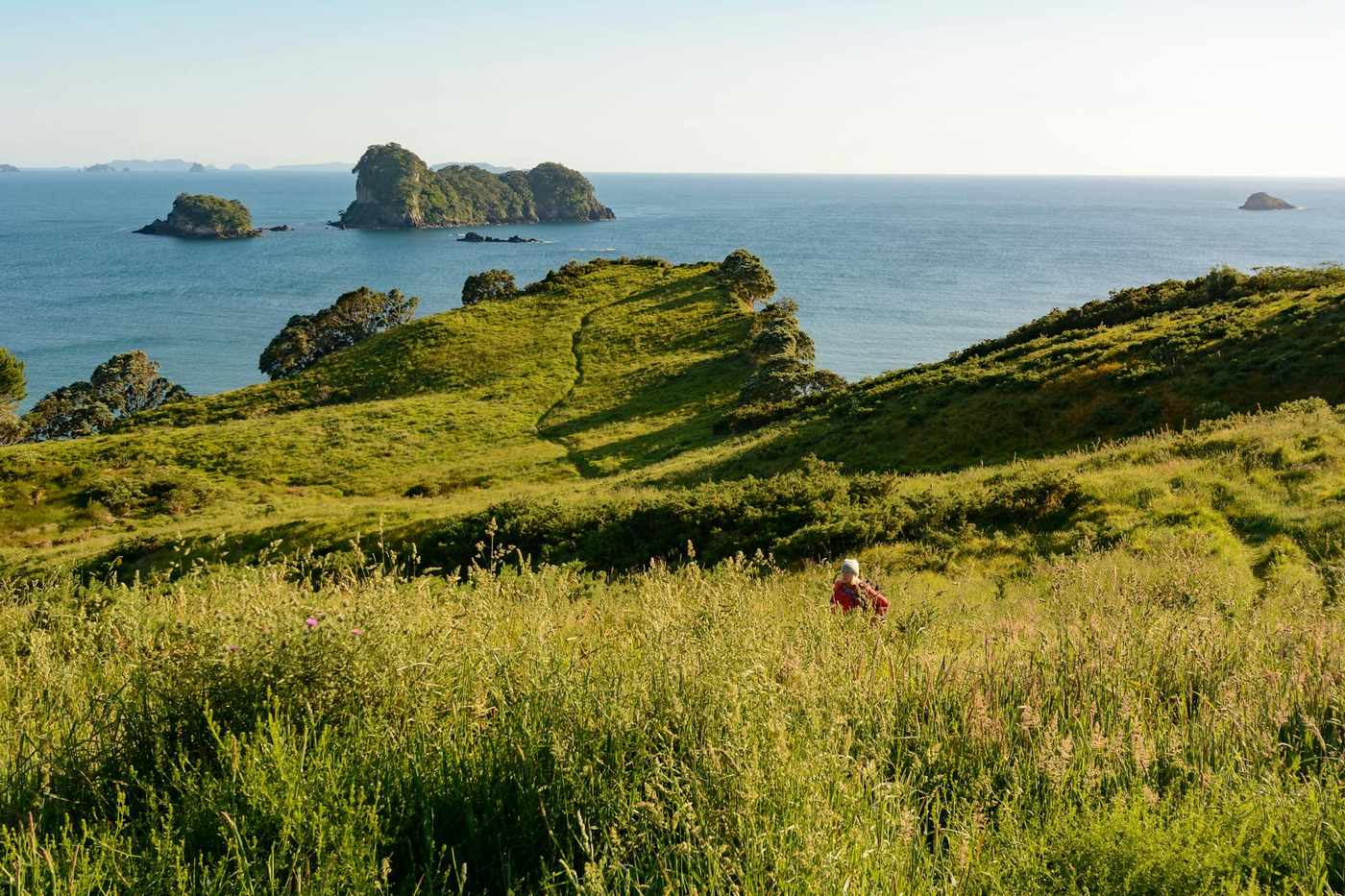
    Vineyard rows overlooking Hauraki Gulf on Waiheke Island
    Waiheke’s vineyards are its calling card for day-trippers.

    Quick facts: Waiheke at a glance

    • Distance from Auckland CBD: 17 km, 40-minute ferry
    • Ferry fare (adult return): around NZ$62 (Fullers360 passenger); NZ$121+ one-way (SeaLink vehicle)
    • Size: 92 km², second-largest island in the Hauraki Gulf
    • Population: ~9,500 permanent, can triple in summer weekends
    • Signature products: Bordeaux-blend and syrah red wines, olive oil, honey
    • Best beaches: Oneroa, Palm Beach, Onetangi
    • Best wineries: Mudbrick, Stonyridge, Cable Bay, Te Motu, Man O’ War
    • Best month to visit: February or March (warm, dry, shoulder-crowded)
    • Typical day-trip cost per person: NZ$200–300 including ferry, wine and lunch

    Is a Waiheke day trip worth it?

    Yes — Waiheke routinely features in global “best islands” lists and is Auckland’s single most popular day trip for good reason. In one day you can cellar-door taste at three of New Zealand’s best syrah and Bordeaux-blend producers, eat a vineyard-lunch with harbour views, swim at a safe sheltered beach, and walk a coastal clifftop track, all without leaving Auckland region. It suits couples, wine lovers, walkers and first-time Auckland visitors particularly well. The main trade-off is cost — a standard day trip with wine tasting and a mid-range lunch runs NZ$200–300 per person before any souvenir purchases.

    How to get to Waiheke Island from Auckland
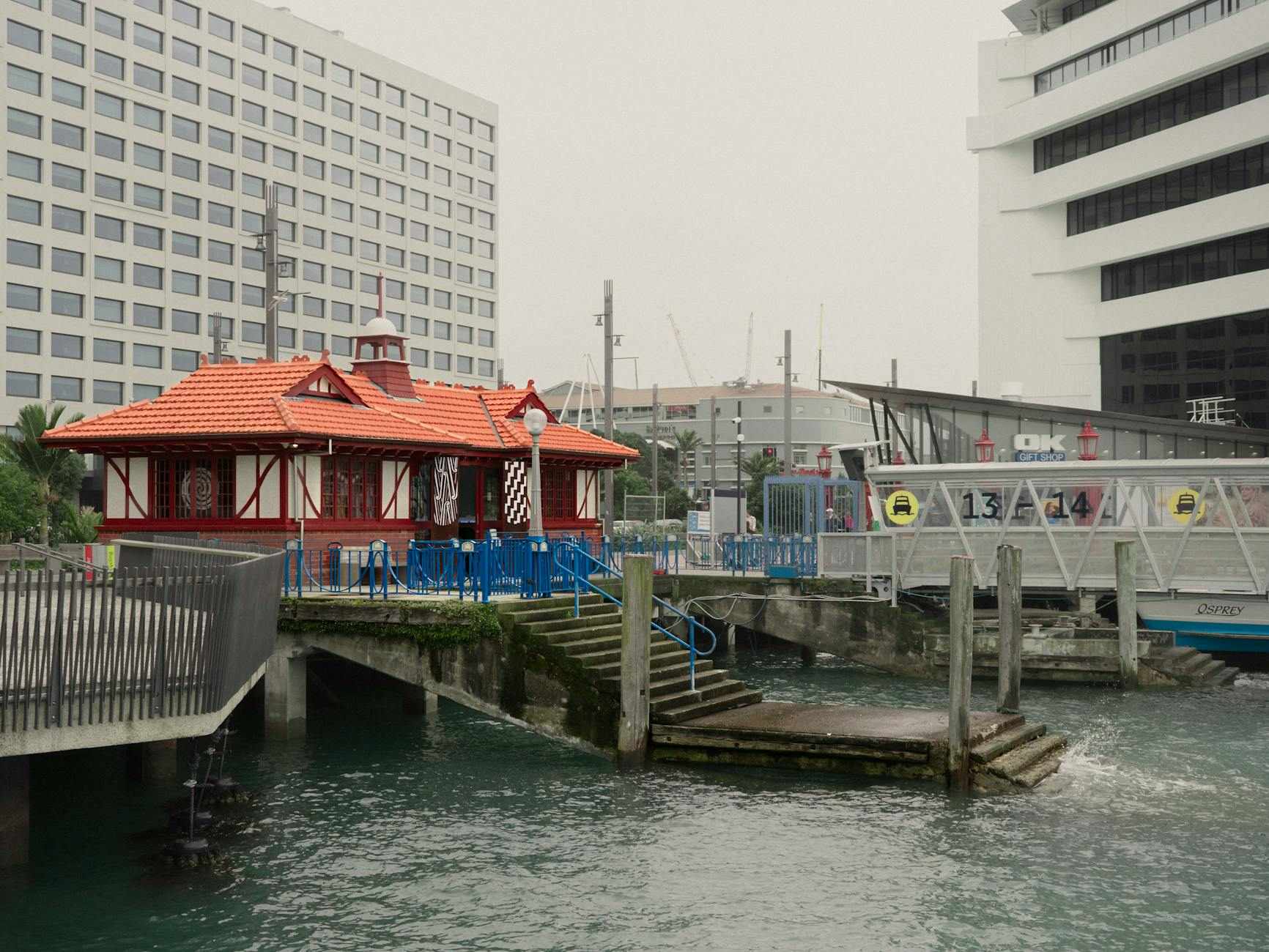
    Auckland passenger ferry crossing to Waiheke Island
    The Waiheke ferry leaves from Downtown Auckland every 30 minutes.

    The standard option is the Fullers360 passenger ferry from the Downtown Ferry Terminal at the bottom of Queen Street. Sailings run roughly every 30 minutes from around 6am until late in the evening in summer, and about every hour off-season. The journey takes 40 minutes and delivers you to Matiatia Wharf on the west end of the island. Adult return is around NZ$62 (NZ$31 one-way), and child return is around NZ$35. An Explorer bus+ferry combo at about NZ$76 adult gives you unlimited hop-on-hop-off bus travel on the island and is excellent value for first-time visitors who want to see four or five beaches or vineyards in a day.

    If you want to bring a car, SeaLink operates a vehicle ferry from Half Moon Bay (east Auckland, about a 25-minute drive from the CBD) to Kennedy Point on Waiheke. The journey takes 45 minutes and a one-way car fare starts around NZ$121 for a standard car with driver, plus passengers. SeaLink also runs a slower passenger/vehicle service from Wynyard Quarter on weekends and public holidays in summer. For a faster, pricier option, Auckland Seaplanes runs charter flights from the Viaduct to Waiheke that take about eight minutes each way.

    Getting around Waiheke once you arrive

    Waiheke is 19 km long and surprisingly hilly, so walking everywhere is not realistic unless you’re planning to stay within Oneroa village. There are five practical ways to get around:

    • Public bus (Auckland Transport) — the 50 series buses connect Matiatia to Oneroa, Onetangi, Palm Beach and Rocky Bay. Tap on with an AT HOP card for the cheapest fare. Practical if you have an hour to wait between services and don’t mind walking the last kilometre to a cellar door.
    • Explorer bus (hop-on-hop-off) — loops the island with commentary and stops at the main beaches, villages and several wineries. Combined with the ferry fare it’s the most common way day-trippers move around.
    • Wine tour — guided 4–5 hour small-group tour with three cellar doors visited, a vineyard lunch often included, and a driver. NZ$180–250 per person depending on operator. Best choice for a stress-free tasting day.
    • Rental car — Waiheke Rental Cars and Island Rental Cars have desks at Matiatia. From around NZ$80/day. Ideal if you want to visit the more remote eastern beaches or Stony Batter.
    • Rental e-bike or scooter — Onya Bike and Ecozip rent e-bikes for NZ$75–95/day. Good for the central and western part of the island but the eastern hills are tough work without an e-motor. Do not rent a standard pedal bike unless you’re an experienced cyclist — Waiheke’s hills are no joke.

    Best Waiheke wineries and cellar doors
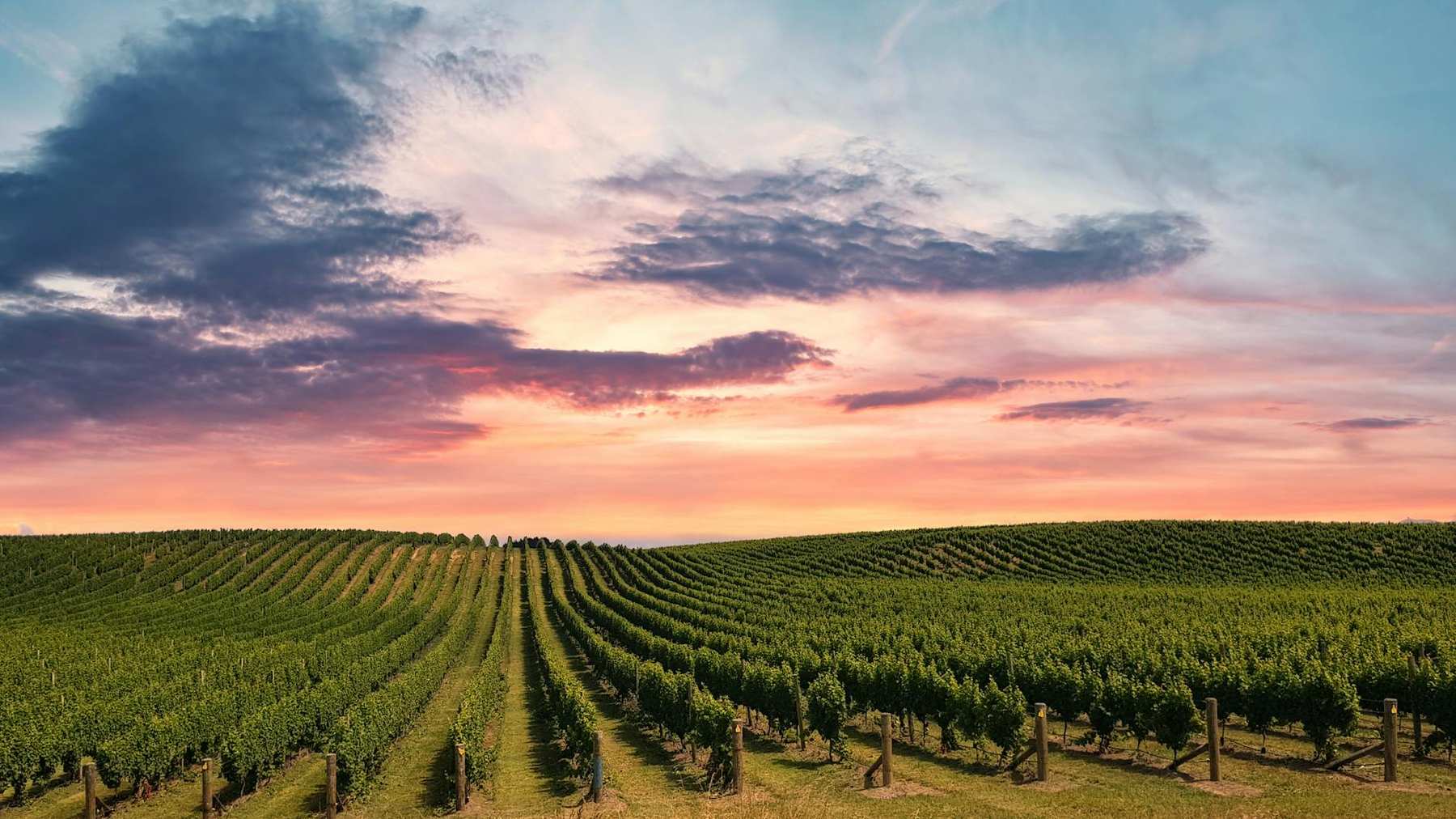
    Winery cellar door and terrace overlooking vines on Waiheke
    Cellar door tastings are the highlight of any Waiheke day trip.

    Waiheke is home to about 30 wineries, around half of which have public cellar doors. The island specialises in full-bodied reds — especially Bordeaux-blend (cabernet sauvignon, merlot, cabernet franc) and syrah, which thrive in the dry, sunny microclimate. Rosé, chardonnay and increasingly sauvignon blanc are also grown. Tasting fees range from NZ$10–25 per person for a flight of 4–5 wines, typically credited against any bottle purchase.

    • Mudbrick Vineyard — the most photographed Waiheke winery, with cottage-style architecture and sweeping city views from its elevated terrace. Fine-dining restaurant, archive cellar and casual bistro.
    • Cable Bay Vineyards — modernist architecture, panoramic views of Auckland city and a strong restaurant. Particularly good for sunset.
    • Stonyridge Vineyard — legendary for its flagship Bordeaux blend “Larose”, considered one of New Zealand’s greatest red wines. Casual Mediterranean-style verandah restaurant.
    • Te Motu Vineyard — right next to Stonyridge and similarly renowned for Bordeaux blends. The restaurant, The Shed, is one of the island’s best.
    • Man O’ War Vineyards — remote, on the eastern end of the island overlooking its own beach. Picnic-style cellar door with some of the best casual wine-and-view experiences on Waiheke.
    • Passage Rock Wines — small-scale and family-run, consistently underrated. Award-winning syrah and an excellent wood-fired pizza menu.
    • Goldie Estate — Waiheke’s oldest commercial vineyard (planted 1978). Relaxed tasting room with a ploughman’s platter menu.
    • Obsidian Vineyard — small, organic, excellent across varietals. Seasonal weekend-only tastings.
    • Tantalus Estate — brewery and vineyard in one, hidden up a gravel lane. Modern tasting room, great beer list alongside the wines.
    • Kennedy Point Vineyard — organic and biodynamic, quiet tasting room with harbour views near the SeaLink wharf.

    For a first visit, pick one “iconic” winery (Mudbrick or Stonyridge), one mid-tier (Tantalus or Passage Rock) and one more intimate cellar door (Obsidian or Kennedy Point). Most day-trippers run out of time after three tastings — don’t try to cram in five.

    Best beaches on Waiheke
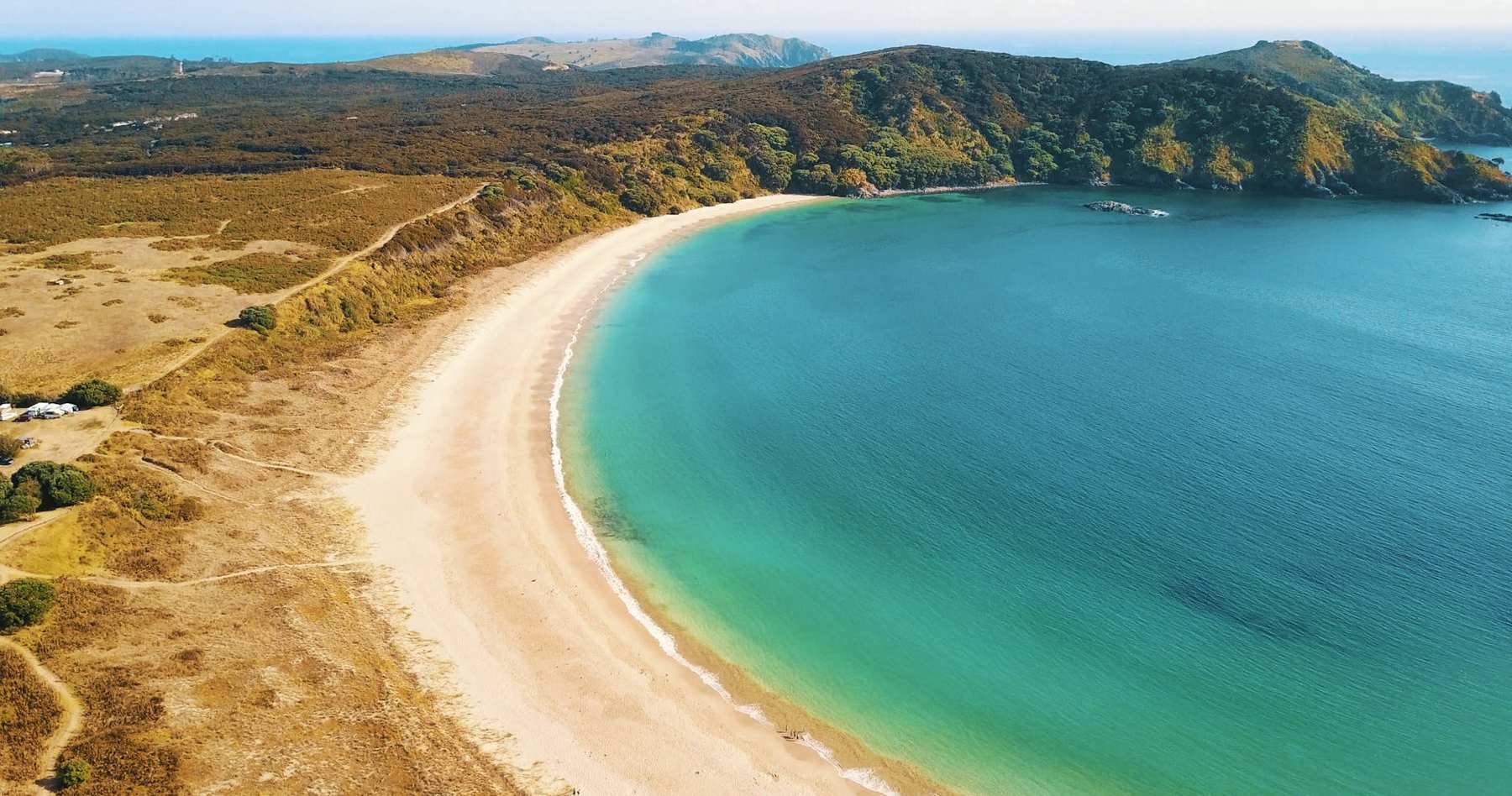
    White sand beach with clear blue water on Waiheke Island
    Oneroa and Onetangi are Waiheke’s most popular swim beaches.

    Waiheke’s beaches face the sheltered Hauraki Gulf rather than the open sea, so the water is calm, clear and warm enough for swimming from December through April. Six to know:

    • Oneroa Beach — the busy main beach below the main village. Café on the sand, safe swimming, perfect for a quick first dip. Ten minutes’ walk from the Matiatia ferry.
    • Little Oneroa — smaller cove next to Oneroa, family-friendly with a playground and toilets. Lifeguards in summer.
    • Palm Beach — white sand, crystal water, slightly quieter than Oneroa. Great for a long swim-and-read afternoon. Has a small café.
    • Onetangi Beach — Waiheke’s longest beach at 1.9 km. Several bars and restaurants open onto the sand including the famed Charlie Farley’s. Best at sunset.
    • Cactus Bay — often described as the island’s most beautiful beach, but accessible only by boat, kayak or a long cross-country walk. Not practical as a ferry day trip add-on unless you’re on a kayaking tour.
    • Man O’ War Bay — at the far east of the island, with the Man O’ War winery cellar door 100 metres from the sand. Remote but stunning.

    Wine tours vs. self-guided tastings

    For a first-time visitor who wants to taste at three cellar doors in a day, a small-group wine tour is hard to beat — you get a driver, context-setting commentary between stops, usually an included lunch, and no stress about timing the bus. Operators like Ananda Tours, Fullers360 Wine on Waiheke, Waiheke Wine Tours and EcoZip Wine Tours run daily departures from Matiatia from around 10:30am, returning by 4pm. Expect to pay NZ$180–260 per person depending on which wineries are included and whether lunch is covered. Self-guided tasting via the Explorer bus is cheaper (NZ$60 bus plus tasting fees) and works well for independent travellers — just plan the bus timetable carefully, because waits between services can stretch to 40 minutes.

    Best walks and hikes on Waiheke

    The Te Ara Hura network is a 100 km loop of coastal paths that circumnavigate the island — serious walkers can do it in four or five days. For a day trip, most visitors tackle a short section:

    • Oneroa to Palm Beach coastal walk — 1.5 hours each way, through bush and along clifftops. Good for between the ferry and a cellar door.
    • Church Bay to Mudbrick loop — 45 minutes, finishes at Mudbrick’s cellar door. Pure magic at sunset.
    • Stony Batter historic reserve — an hour’s loop through WWII gun tunnels at the east end; requires a car or taxi to access.
    • Whakanewha Regional Park — 2–3 hours of well-marked bush tracks, good for birdwatching, with a sheltered bay at the end.

    Where to eat on Waiheke
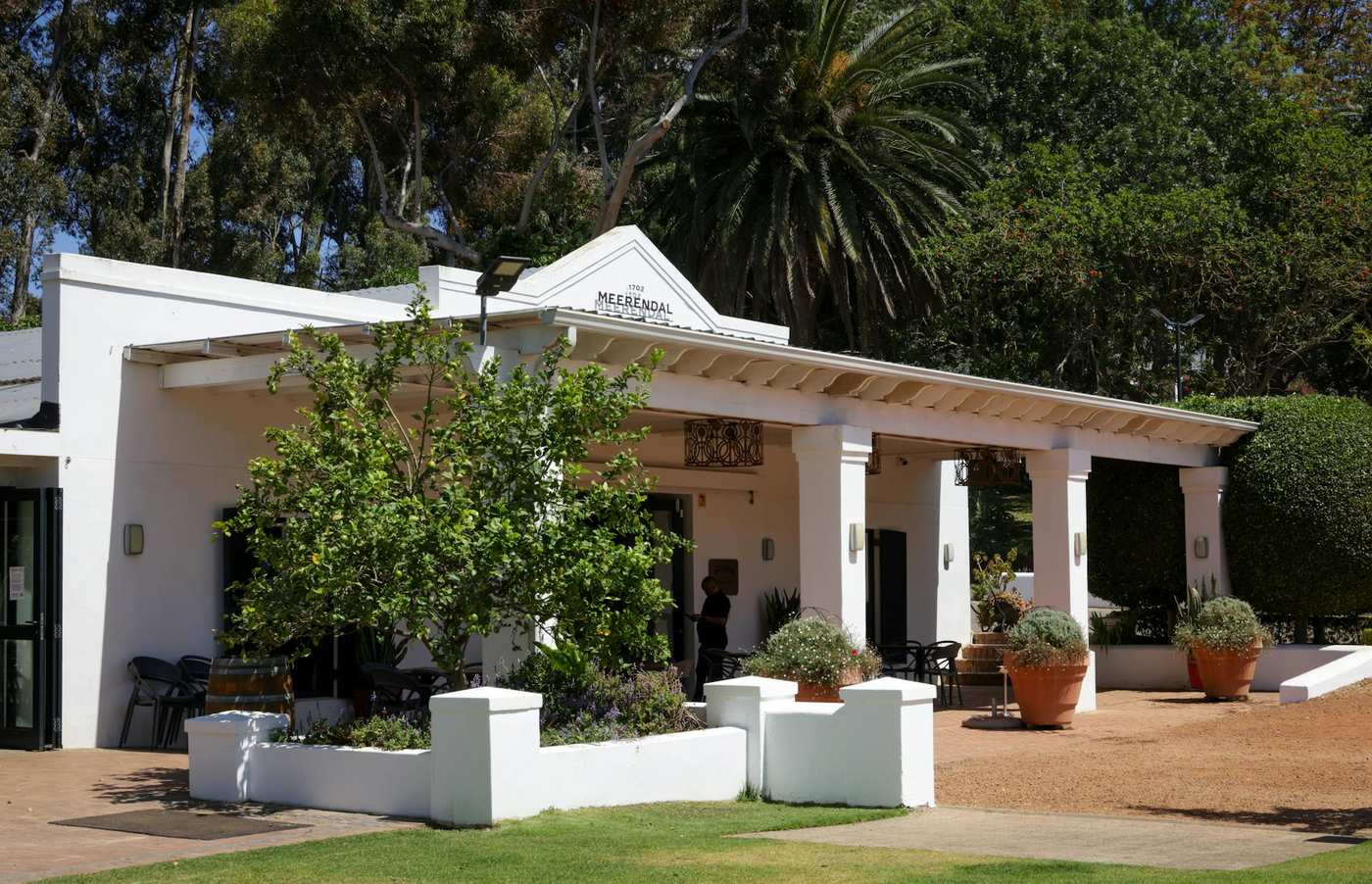
    Outdoor vineyard restaurant terrace on Waiheke Island
    Long, lazy vineyard lunches are a Waiheke essential.

    Waiheke’s restaurants punch above their weight. Book ahead for lunch on weekends and throughout summer — the best winery restaurants are booked out a month in advance for peak weekends. Top picks:

    • The Shed at Te Motu — consistently rated the island’s best vineyard restaurant. Mediterranean-inspired sharing plates, long wooden tables, a tasting-menu format.
    • Mudbrick Restaurant — fine dining with sweeping views. The five-course tasting is the island’s classic occasion meal.
    • Cable Bay Dining — contemporary New Zealand food, exceptional wine list, sunset views.
    • Poderi Crisci — Italian vineyard in a Tuscan-style setting; long Italian lunches with wine matching.
    • Casita Miro — Spanish tapas in a mosaic-tiled courtyard, next to Te Motu.
    • Charlie Farley’s — casual beach bar at Onetangi, feet-in-the-sand dining.
    • Dragonfired — wood-fired pizza truck parked at Little Oneroa Beach. Takeaway only, cult-followed.
    • Oyster Inn — Oneroa village’s classic bistro with rooms upstairs. Oysters, fish and great wine list.
    • Stonyridge Verandah — shareable Mediterranean plates on an outdoor verandah, perfect mid-afternoon stop.

    Waiheke art, history and culture

    Waiheke has long been a magnet for New Zealand artists, with more than 80 working studios scattered across the island. The Waiheke Art Gallery at the Artworks Complex in Oneroa is the hub — free admission, changing exhibitions by island and national artists, and information on the self-guided Art Trail that takes in about 25 open studios. Connells Bay Sculpture Park on the island’s south coast is a 60-hectare working farm studded with large-scale outdoor sculpture; guided tours run from October to May (booking required). Every second summer, headland to headland, Waiheke hosts the biennial “Sculpture on the Gulf” trail — 2027 is the next edition.

    Waiheke’s pre-European name is Te Motu-Arai-Roa, “the long sheltering island”, and Ngāti Paoa are its mana whenua (indigenous guardians). The island’s history moved through the early 20th century as a Pākehā holiday destination, a 1970s counter-cultural community, and finally to the vineyard-and-lifestyle island it’s known as today. For a deeper cultural experience, the Waiheke Historical Society Museum at Onetangi (open Sundays and Wednesdays) and occasional Ngāti Paoa-led storytelling walks provide genuine context to the landscape.

    Suggested one-day itineraries

    The wine taster — 10am ferry to Matiatia. Wine tour pickup at the wharf. Visit Stonyridge, Mudbrick, and Obsidian with a light lunch at Stonyridge. Drop at Oneroa at 4pm, walk the village, grab an oyster at The Oyster Inn, 6pm ferry back.

    The beach-and-bite day — 9am ferry, Explorer bus pass. Morning at Oneroa Beach with coffee at The Courtyard. Lunch on the sand at Charlie Farley’s at Onetangi. Afternoon at Palm Beach. Sunset drink at Cable Bay, 8pm ferry back.

    The hiker — 8am ferry. Walk the coastal track from Matiatia to Oneroa to Palm Beach (three hours each way with time for swims). Lunch at Palm Beach Cafe. Head back along the same track or bus from Palm Beach to Oneroa. Dinner at the Oyster Inn, late ferry home.

    The all-rounder — 9am ferry. Explorer bus to Stonyridge for 10:30 tasting. Bus to Onetangi Beach for a swim and lunch. Bus back to Oneroa for a village walk and coffee. Sunset tasting at Mudbrick. Dinner in Oneroa, late ferry.

    The romantic weekend — two-night stay at a Waiheke villa. Day 1: relaxed morning, afternoon at Palm Beach, dinner at The Shed. Day 2: hike the coastal path, lunch at Stonyridge, afternoon kayak from Matiatia, dinner at Cable Bay. Day 3: brunch in Oneroa, ferry back.

    Waiheke for families with kids

    While Waiheke is best known as an adult-friendly wine destination, it also works well for families. Palm Beach and Little Oneroa are safe swim beaches with playgrounds, toilets and cafés on the sand. EcoZip Adventures runs a three-zipline course through native bush with a 1.4 km forest walk loop — minimum age five. Rangihoua Estate offers children’s plates at its olive-oil tasting and the surrounding paddocks are a good run-around for young kids while parents taste. The Waiheke Museum, the Artworks Complex’s playground, and Dragonfired Pizza at Little Oneroa Beach round out a very kid-friendly day. Most wineries welcome children during daylight hours; several (Mudbrick, Stonyridge, Poderi Crisci) have dedicated children’s menus. See our kid-friendly Auckland guide for more family ideas across the region.

    How much does a Waiheke day trip cost?

    A budget day-tripper can visit Waiheke for around NZ$120 per person: NZ$62 ferry, NZ$20 bus fares, NZ$25 lunch at a café and NZ$15 tasting at one winery. A mid-range day (NZ$200–300 per person) adds a wine tour (NZ$180) and a vineyard lunch (NZ$70–90). A high-end day (NZ$400+) includes helicopter or seaplane transfer, fine-dining lunch at Mudbrick and bottle purchases at tastings.

    Should you stay overnight on Waiheke?

    If you have the flexibility, yes. Staying overnight lets you see the eastern half of the island (Man O’ War, Stony Batter, Onetangi) without the pressure of a 6pm ferry, and experience the much quieter evening island after the day-trippers have all left on the last ferry. Accommodation ranges from backpacker hostels in Oneroa (from NZ$40/night) through boutique B&Bs and self-contained villas (NZ$250–600/night) to the luxury Delamore Lodge (NZ$800+/night). Book ahead for any summer weekend — the island routinely sells out from December to March.

    What to pack for a Waiheke day trip

    Waiheke is more exposed than central Auckland and can swing from blazing sun to brisk sea breeze inside an hour, so layers are essential. In summer, pack a hat, sunscreen (Waiheke’s UV is fierce — NZ sits under the thinnest ozone layer in the world), swimwear under your clothes, a reusable water bottle, and a light jumper or jacket for the ferry trip home after sunset. Comfortable shoes are a must — the cellar doors often have gravel driveways, and the coastal tracks are uneven. In autumn and winter, a waterproof shell and warmer layers are sensible; in spring, bring an extra layer for cool mornings. If you plan to buy wine, a small backpack or tote lets you carry bottles comfortably on the ferry.

    Seven tips for a better Waiheke day trip

    1. Book the first ferry on busy weekends. 8am or 9am sailings are rarely full, but 10am and 11am regularly sell out between December and March. A standby ticket gets you on only if space allows — don’t risk it on a peak day.
    2. Don’t try to see everything. Three cellar doors, one lunch, one beach and a walk is a full day. Attempting five wineries plus two beaches is how day-trippers end up rushed, tired and tipsy.
    3. Book restaurant reservations before you board the ferry. Oneroa, Onetangi and winery restaurants all have 12:30pm rushes — a booking saves you from an hour’s wait.
    4. Carry cash. Most cellar doors and restaurants take cards, but a few smaller operators are cash-only and some art galleries add surcharges on cards.
    5. Bring your own corkscrew and glasses if picnicking. Bottle-shop wine is cheaper than cellar-door wine; Waiheke’s public beaches are perfect picnic settings; a corkscrew and basic glasses make it feel special.
    6. Check the last ferry time. In summer the last return ferry is often 10pm–11pm, but in winter it can be as early as 8:30pm. Missing it means an unplanned overnight at considerable cost.
    7. Don’t drink and drive. New Zealand’s drink-drive limits are strict (0.05 BAC, zero tolerance under 20). If you’re driving the rental car, use spit buckets at tastings or nominate a non-drinking driver.

    Best time of year to visit Waiheke

    Summer (December–March) is peak Waiheke — warm enough to swim, long evenings, every cellar door and restaurant open. Book well ahead. Autumn (April–May) is the sweet spot: mild temperatures, grape harvest season, fewer crowds and cheaper accommodation. Winter (June–August) is quieter; many cellar doors close or go weekend-only, but the views are crisp and harbour walks are brisk and beautiful. Spring (September–November) brings new-season releases and warmer afternoons. The one weekend to avoid if you don’t like crowds is the Waiheke Wine & Food Festival in mid-February, when the island is at absolute capacity.

    Frequently asked questions about Waiheke day trips

    How far is Waiheke from Auckland?

    About 17 km from the CBD as the crow flies. The Fullers360 passenger ferry from Downtown Auckland takes 40 minutes, running every 30 minutes from early morning to late evening. A SeaLink vehicle ferry from Half Moon Bay takes 45 minutes.

    Do you need a car on Waiheke?

    No — the Explorer bus, public buses and wine tours cover most day-trip itineraries. A car becomes useful only if you want to reach the eastern end (Man O’ War, Stony Batter) or if you are staying multiple nights.

    Can you do Waiheke as a half-day trip?

    Technically yes, but it’s not recommended. By the time you factor in a 40-minute ferry each way and the 15–30 minutes of transport to a cellar door, a half day leaves you only 2–3 hours on the island. Plan for a full day (9am–6pm at minimum) or stay overnight.

    Which is the best Waiheke winery for views?

    Mudbrick and Cable Bay both have panoramic views of Auckland city across the harbour. Mudbrick is more classic in style; Cable Bay more modernist. Both are at their best at sunset.

    Which is the best Waiheke winery for wine?

    Stonyridge and Te Motu are next to each other and both produce top-tier Bordeaux-style reds. For a smaller, more intimate tasting, Obsidian and Passage Rock are excellent. Man O’ War is the scenery-plus-wine dark horse.

    Can you swim on Waiheke?

    Yes — the Hauraki Gulf beaches (Oneroa, Little Oneroa, Palm Beach, Onetangi) are sheltered, calm and warm enough to swim in from late spring through autumn (November to April). Water temperatures peak at around 20°C in February.

    Is Waiheke expensive?

    Yes, by New Zealand standards. A vineyard lunch is NZ$60–100 per person, a wine tour NZ$180–250 per person, and most hotels start at NZ$300/night. Budget travellers can still enjoy the island by using public buses, packing a picnic and limiting cellar-door tastings to one or two.

    Is the Waiheke ferry cheaper if booked in advance?

    Fullers360 fares don’t fluctuate by booking date, but they sometimes offer online-only bundle deals (ferry + bus + wine) that are cheaper than buying each component separately. Always compare the Explorer bus combo fare with a ferry-only fare plus bus passes.

    Are there any non-wine things to do on Waiheke?

    Plenty — swimming, coastal walking (Te Ara Hura), sea-kayaking, ziplining with Ecozip, olive-oil tastings at Rangihoua Estate, a zipline tour through native bush, Stony Batter’s WWII tunnels, the Artworks Complex in Oneroa with galleries and a small cinema, and the Dead Dog Bay sculpture trail.

    Can you bring dogs to Waiheke?

    Yes, but the ferry companies have specific rules (dogs on leads, outside decks only) and many beaches have seasonal dog bans. Check Auckland Council’s dog access map before you travel.

    Can you do Waiheke and Rangitoto in one day?

    Not really — both are full-day propositions and the ferries don’t directly connect. Pick one per day. If you only have one day to spare, Waiheke is the better choice for wine and food; Rangitoto is better for volcanic hiking.

    Do I need to book a wine tour in advance?

    Yes, particularly in summer and on weekends. Small-group tours book out a week or more ahead from December to March. If you’re self-driving or on the Explorer bus, individual cellar doors generally take walk-ins except for the most popular weekends when tastings can be reservation-only.

    For more day-trip ideas from Auckland, see our Piha Beach guide and our overall Auckland CBD guide for where to stay in the city before and after your Waiheke trip. For broader trip planning, our best time to visit Auckland guide breaks down each month.
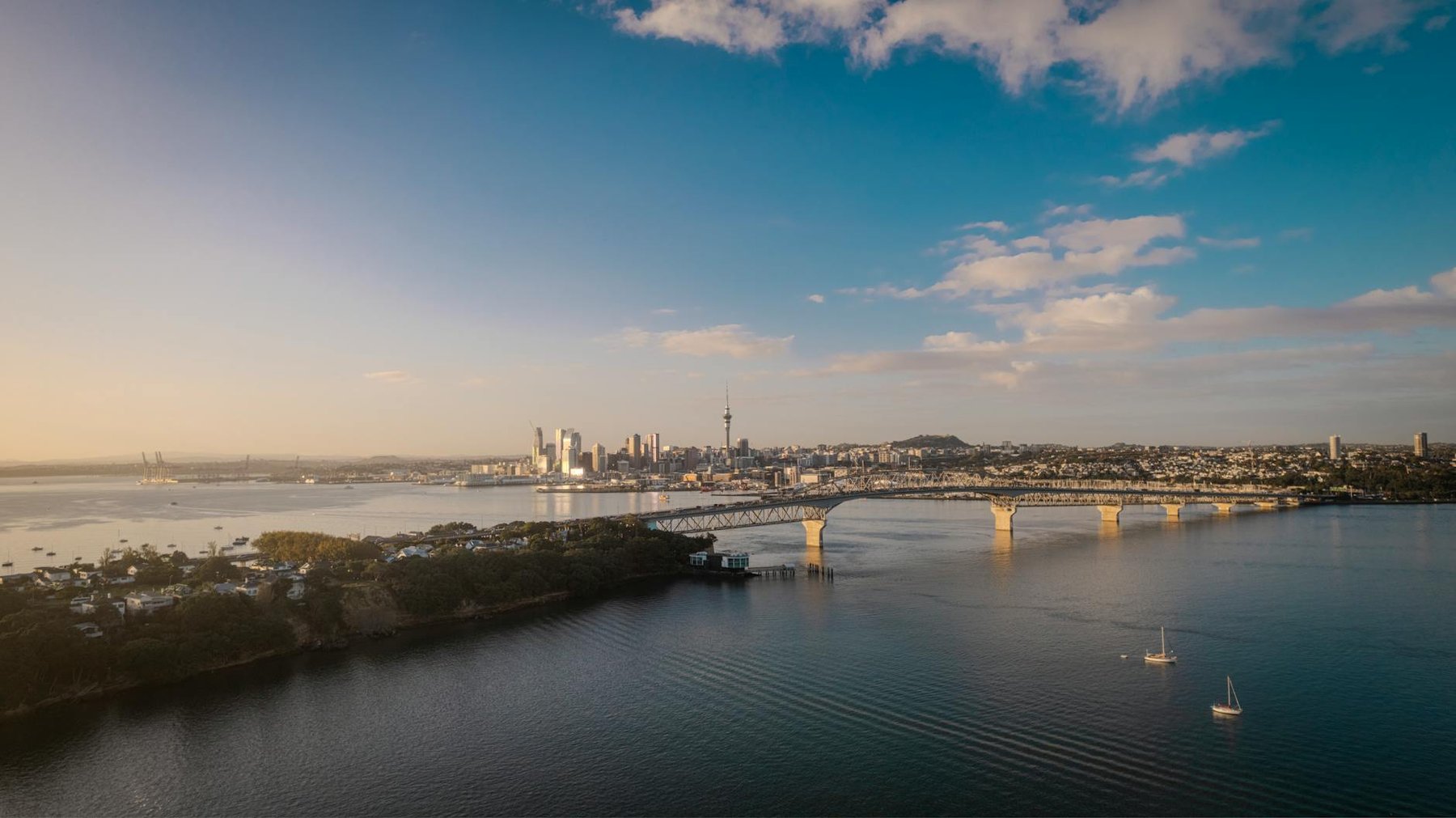
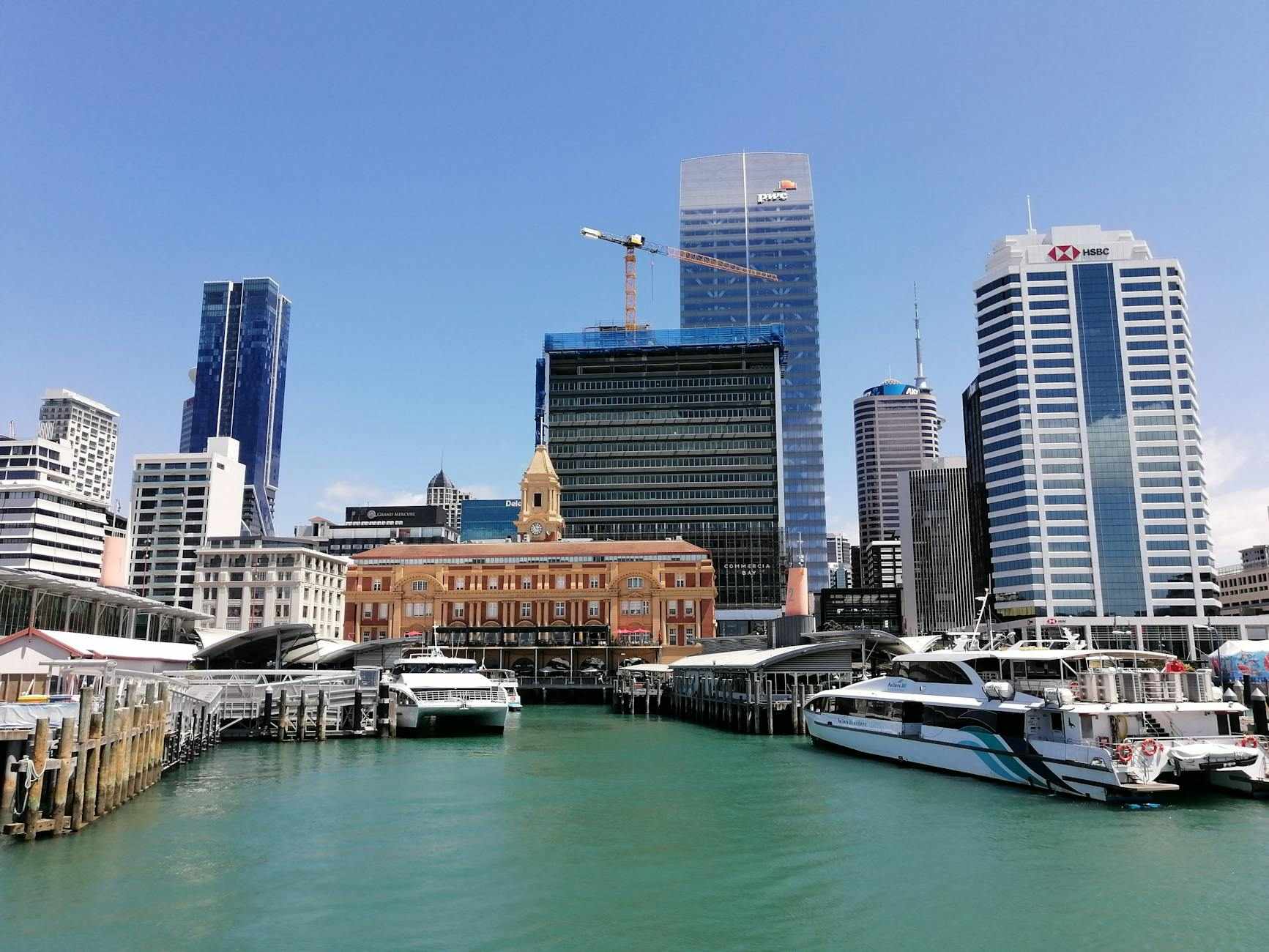
  • Auckland CBD Guide: Precincts, Attractions & Where to Stay (2026)

    Auckland CBD Guide: Precincts, Attractions & Where to Stay (2026)

    Auckland’s Central Business District is the compact, walkable core where most international visitors start their New Zealand trip — and where many of them spend their whole Auckland stay. It stretches from the ferry terminals on Quay Street up the Queen Street valley to Karangahape Road, and takes in about a dozen distinct precincts along the way: Britomart, Viaduct Harbour, Wynyard Quarter, Commercial Bay, Downtown, Queen Street, High Street/Fort Lane, Aotea, Federal Street, Victoria Park, and K Road. This guide walks through every CBD precinct, what to do in each, how to get around, where to stay, and the local tips that turn a standard 48-hour CBD visit into a trip you remember.

    Auckland is unlike any other CBD in Australasia in that it is hemmed in by water on three sides — the Waitematā Harbour to the north, the Viaduct to the north-west, and Freemans Bay to the west — so almost every precinct feels the ocean. Anywhere you stand in the CBD you are less than ten minutes’ walk from a ferry terminal, a marina, a beach or a harbour-side park. This is the single most useful thing to know about Auckland: treat the city like a harbour town rather than a generic downtown and you will plan a better trip.

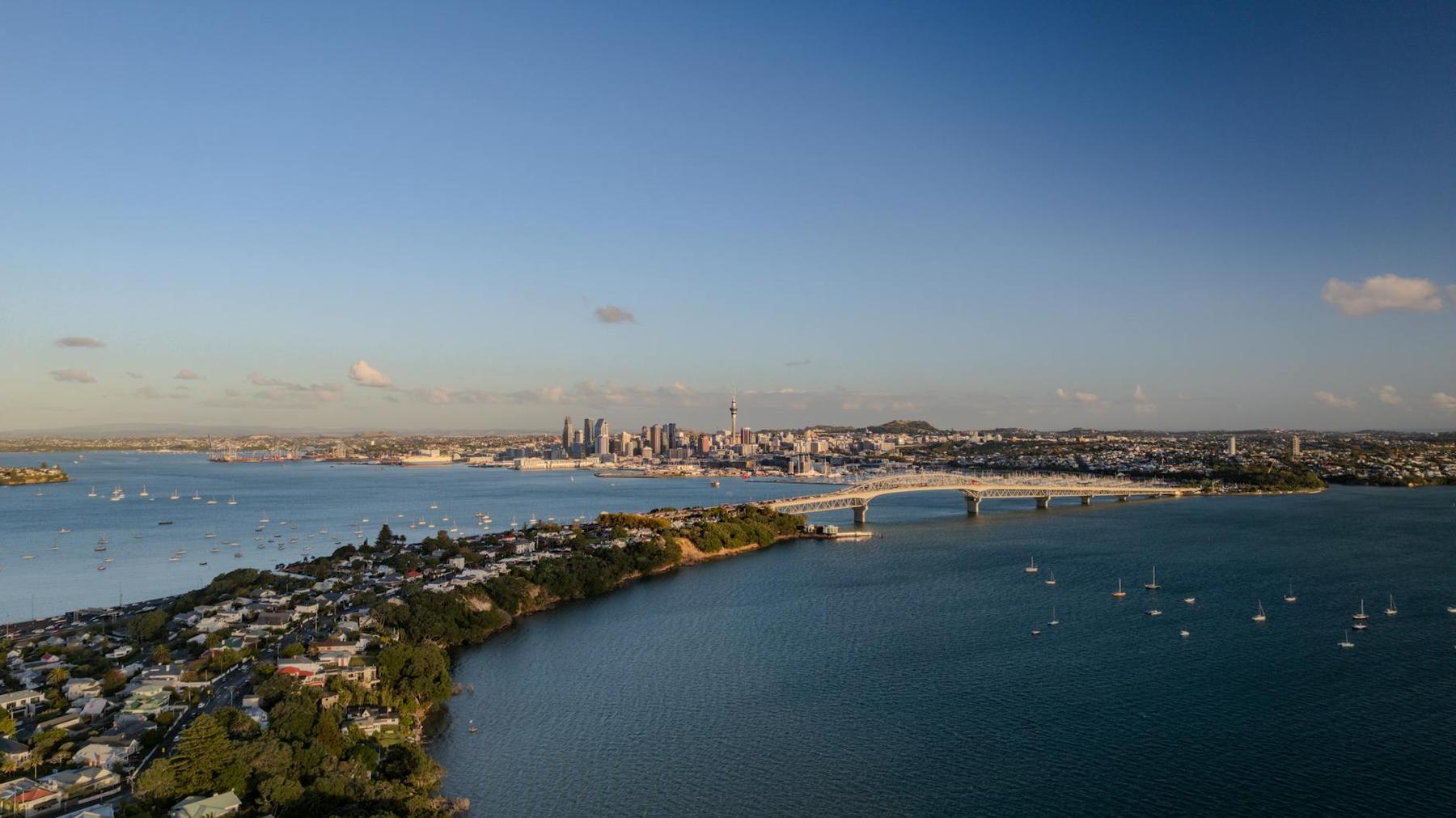
    Auckland CBD skyline with Sky Tower and harbour
    Auckland’s CBD is a compact, walkable downtown hub.

    Auckland CBD at a glance

    The CBD covers roughly 4.3 square kilometres but feels smaller because the main visitor spine — the waterfront to Aotea Square — is about 1.2 kilometres end to end and almost entirely flat along Quay Street. Beyond that spine the CBD climbs two ridges: Queen Street is the valley, Symonds Street to the east sits on a low ridge with the University of Auckland, and Hobson/Nelson Street runs the western ridge. The Sky Tower is the orientation landmark — if you can see it, you can find your way back.

    Auckland’s CBD is the densest residential area in New Zealand, home to roughly 50,000 people, which gives it a very different feel from the daytime-only downtowns of many other cities. Restaurants, bars and shops are open late, and there’s a genuine seven-day rhythm across Britomart, the Viaduct and Wynyard Quarter. That said, the edges of the CBD — particularly sections of upper Queen Street and parts of Karangahape Road — are quieter and less polished than the waterfront core.

    How to get to and around the CBD

    From Auckland Airport, the cheapest options are the SkyDrive coach (NZ$20 adult, runs every 15 minutes, about 50 minutes to Waitematā/Britomart Station) or AirportLink bus + train (NZ$7.80 with an AT HOP card, roughly 70 minutes). An Uber or taxi costs NZ$55–95 depending on traffic and takes about 40 minutes in free-flowing conditions. If you’re arriving by cruise ship, you dock right at Queens Wharf — you’re already in the CBD the moment you step off the gangway.

    Once you’re downtown the CBD is genuinely walkable, and the free City Link bus (Route 202, red buses) loops every seven to ten minutes between Wynyard Quarter, the waterfront, Queen Street and Karangahape Road from about 6am to 11pm. The CityLink is free inside the CBD zone and is the single best tool for visitors who want to save their legs. An AT HOP card (NZ$5 deposit) gives you cheaper fares on every train, bus and ferry across Auckland and is essential if you’re planning to go beyond the CBD.

    Auckland’s long-awaited City Rail Link is scheduled to open in late 2026, adding two new underground stations inside the CBD — Te Waihorotiu (under Wellesley Street) and Karangahape — and turning Britomart into a through-station renamed Waitematā. Trains will run every few minutes between the CBD and the suburbs. Visitors arriving after the opening will find public transport dramatically faster than anything described in older guidebooks.

    Britomart: the polished heritage precinct

    Britomart heritage buildings and transport hub in Auckland CBD
    Britomart blends heritage architecture with upmarket shops and dining.

    Britomart is the 18-square-block district bounded by the waterfront, Queen Street, Customs Street and Britomart Place. Two decades ago it was a tired warehouse quarter; today it’s Auckland’s most polished mixed-use precinct, where heritage red-brick warehouses share streets with sleek new towers, and cobblestone laneways host a rotating line-up of New Zealand and international designers. It’s the easiest place in the CBD to wander aimlessly and stumble into a perfect lunch.

    Waitematā Station (the underground rail hub formerly called Britomart) sits at the southern edge in the beautifully restored Chief Post Office building. Above ground, Takutai Square is a lawn where workers sprawl at lunchtime and concerts play in summer. The restaurant line-up is strong across price points: Amano for Italian, Ortolana for garden-to-plate brunch, Kingi for seafood in the Hotel Britomart, and Cafe Hanoi for Vietnamese in an old warehouse. For a Kiwi-only souvenir, check Karen Walker, Deadly Ponies and Kate Sylvester, all clustered in the precinct.

    Viaduct Harbour: superyachts, seafood and sunset bars

    Yachts moored at Viaduct Harbour in central Auckland
    The Viaduct is Auckland’s superyacht and waterfront dining precinct.

    Walk west along Quay Street from Britomart, cross the Te Wero pedestrian bridge, and you’re in the Viaduct — a horseshoe-shaped marina that was the America’s Cup village in 2000 and still feels like Auckland’s celebration zone. It’s ringed with waterfront restaurants (Soul Bar is the see-and-be-seen classic, Harbourside serves seafood on a heritage first floor) and buzzier bars pitched at after-work crowds. A walk around the boardwalk after sunset, with superyachts lit up and the Harbour Bridge glowing, is one of the CBD’s signature free experiences.

    The New Zealand Maritime Museum sits at the Viaduct’s western end — a worthwhile hour for anyone interested in Polynesian voyaging, America’s Cup history or Auckland’s harbour past. It runs short harbour sails on a historic scow most summer days, included with museum admission. Just beyond it, the Viaduct Events Centre hosts the Auckland Seafood Festival every January and rolling trade and consumer shows through the year.

    Wynyard Quarter: the family-friendly waterfront

    Wynyard Quarter waterfront Auckland with silo park
    Wynyard Quarter is the CBD’s family-friendly waterfront playground.

    Cross the Wynyard Crossing lift-bridge from the Viaduct and you’re in the CBD’s newest precinct, Wynyard Quarter — a former tank farm that’s been redeveloped into a waterfront neighbourhood with one of Auckland’s best public playgrounds at Silo Park, an outdoor cinema in summer, and a line of restaurants along North Wharf with harbour-side outdoor seating. It’s the CBD’s most family-friendly zone, with dozens of water features, a skatepark, and wide traffic-free boardwalks that take you right to the water’s edge.

    Highlights include the Saturday morning Silo Park markets (October to March), the Karanga Plaza tidal steps (kids can swim in summer at high tide), Auckland Fish Market for harbour-side sashimi, and a rotating series of free pop-up events on Jellicoe Street. At the northern tip, the Wynyard Point headland is being transformed into an expanded public park over the next few years — parts are already open as lawn and walking tracks, and the rest will progressively open through 2026 and 2027.

    Queen Street: the CBD’s central spine

    Queen Street shopping spine of Auckland CBD
    Queen Street runs north-south through the heart of the CBD.

    Queen Street runs north–south from the ferry terminals up to Karangahape Road and is the CBD’s historic retail and tram spine. Several sections have recently been converted into streetscape-upgraded zones with wider pavements, cycle lanes and new trees ahead of the 2026 City Rail Link opening. It’s a workable shopping strip — Farmers, Smith & Caughey’s heritage department store, Whitcoulls, Chemist Warehouse, Glassons and all the fast-fashion chains — but for higher-end fashion and local labels head to Britomart, Commercial Bay or High Street instead.

    Aotea Square, halfway up Queen Street, is the civic heart of the CBD. The Auckland Town Hall, Aotea Centre and Civic Theatre form a cluster of major venues (check what’s on before you visit). Further up, Myers Park drops down a gully to the south and is a pleasant green shortcut to Karangahape Road, though it can feel quiet after dark.

    High Street and Fort Lane: boutique shopping and bars

    Between Queen Street and the Viaduct, the parallel streets of High Street, Shortland Street and O’Connell Street are Auckland’s best walkable shopping district. Local designers (Zambesi, Workshop, Storm), specialist bookshops, Unity Books, indie jewellers and art galleries are packed into heritage buildings along a short stretch. Fort Lane and Vulcan Lane are narrow laneways lined with bars that come alive after 6pm — you can barhop your way back to Britomart in an evening without ever catching a bus.

    Commercial Bay and Downtown

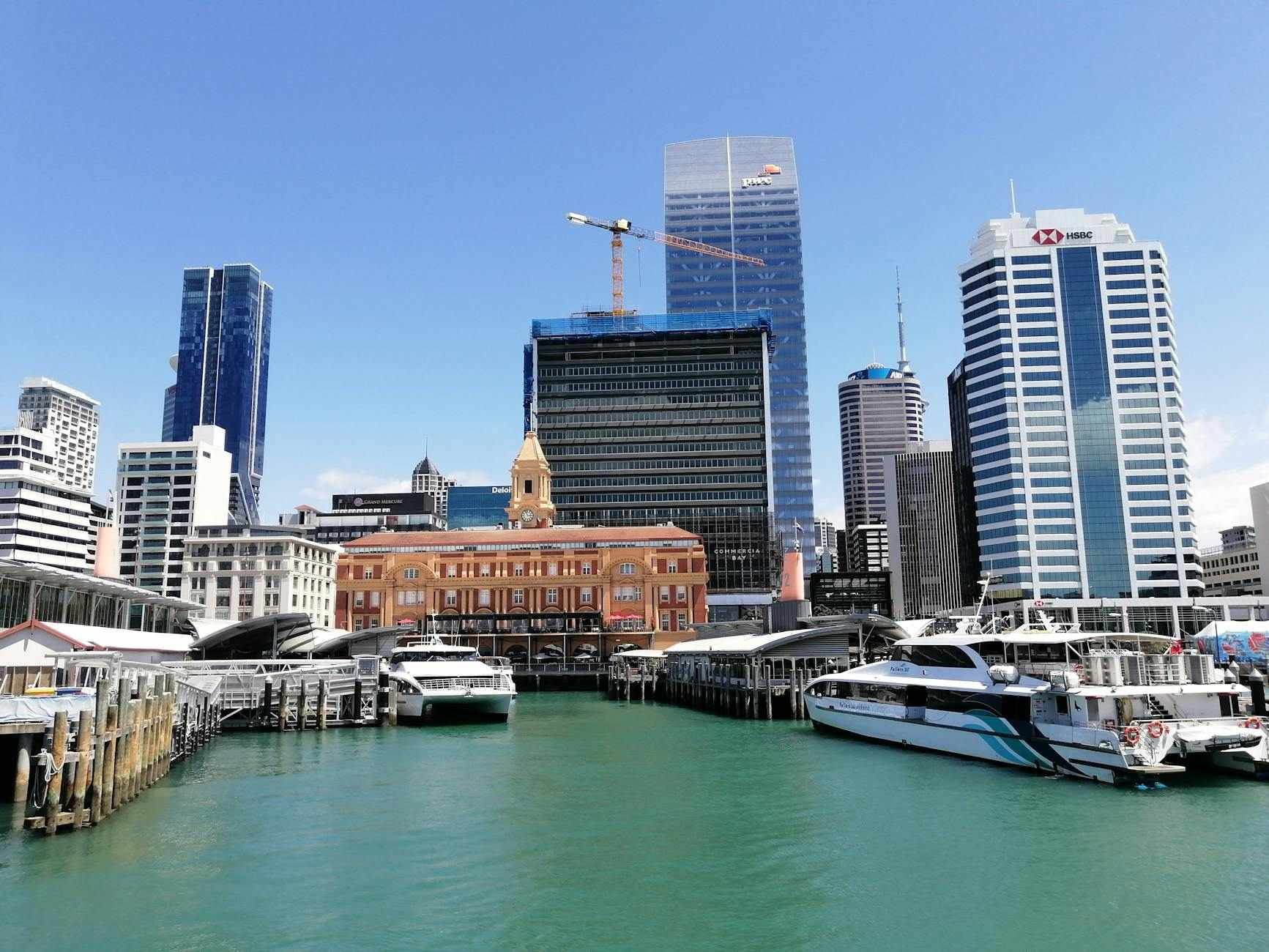
    Commercial Bay opened in 2020 and is the CBD’s newest flagship retail and dining centre, carved into the base of the Commercial Bay tower on Quay Street. There are about 120 stores across three levels — international luxury (Gucci, Tiffany, Rimowa), New Zealand fashion, and a Harbour Eats food hall on the lower level with 11 food stalls that’s the CBD’s best lunchtime value. Just east sits the Ferry Building (1912) where Fullers360 departs for Devonport, Waiheke, Rangitoto and the gulf islands; just west is the Downtown precinct which flows into the Viaduct via the Te Wānanga waterfront terrace.

    Federal Street and the SkyCity precinct

    Federal Street is a short two-block strip at the base of the Sky Tower that has evolved into one of the city’s best food precincts, with Peter Gordon’s The Grill, Masu Robata Grill, Depot Eatery and Sean Connolly’s operation all within 100 metres of each other. The Sky Tower itself (NZ$32–40 for the observation deck) offers 360-degree views of the Hauraki Gulf, and is the platform for SkyWalk (the outdoor walk around the 192m-high pergola) and SkyJump (a base-jump-by-wire from 192m). The SkyCity complex also houses two hotels, a convention centre and the NZ International Convention Centre which opens from 2026.

    Victoria Park and the western edge

    Victoria Park is the CBD’s large flat sports reserve, home to the Victoria Park Market complex (a converted Victorian-era rubbish incinerator tower houses a food hall and boutique shops). The surrounding Freemans Bay is Auckland’s oldest residential suburb — a short walk west takes you into Ponsonby via the College Hill climb.

    Karangahape Road (K Road)

    Karangahape Road is the southern boundary of the CBD and Auckland’s alt-culture heart — independent design stores, vintage boutiques, rainbow-strung LGBTQ+ bars, brunch cafés, live music venues and some of the city’s best cheap-eats strips. It feels grittier and more bohemian than the waterfront. The new Karangahape Station opens on the City Rail Link in late 2026, which will bring K Road three minutes from Britomart and is already triggering a wave of new openings.

    A suggested 48-hour CBD itinerary

    Day 1 (arrival): Land, drop bags, and start at Britomart — lunch at Ortolana or Amano, then walk the waterfront via Commercial Bay and Princes Wharf to the Viaduct. Book a late-afternoon Sky Tower observation deck ticket (views are best at about 4pm–5pm in summer when the sun shifts west), then head back to the Viaduct for a sunset drink at Soul Bar or Ostro. Dinner at Kingi or Cafe Hanoi in Britomart; nightcap at Caretaker or Jack Tar.

    Day 2 (full day): Morning coffee and pastry at Odettes Eatery in City Works Depot, then take the 10am Devonport ferry (NZ$8.80 return with HOP). Climb North Head for city views, browse Devonport Village, grab a pie at The Patriot. Back to the CBD by 2pm. Spend the afternoon at the Auckland Art Gallery (free) and a walk through Albert Park to Karangahape Road. Early dinner on K Road (Coco’s Cantina or Cotto) and live music at The Wine Cellar or Whammy Bar before heading back down to Britomart.

    Top things to do in Auckland CBD

    • Sky Tower observation deck — 360° views of the Hauraki Gulf, Orbit 360° revolving restaurant on level 52.
    • Auckland War Memorial Museum — in the Domain park just east of the CBD; Māori and Pacific galleries are world-class.
    • Auckland Art Gallery Toi o Tāmaki — free entry to New Zealand’s biggest art collection, on Kitchener Street.
    • New Zealand Maritime Museum — Viaduct end, great short harbour sails on a historic scow.
    • Walk the waterfront — Wynyard to Britomart loop, about an hour with coffee stops.
    • Devonport ferry day trip — 12-minute ferry from the Ferry Building; best value half-day in the CBD.
    • Rangitoto Island day trip — 25 minutes by ferry; hike to the summit for the best view of Auckland.
    • Harbour bridge climb or bungy — book at Auckland Bridge Climb, meet at Westhaven.
    • Viaduct waterfront sunset drink — Ostro or Soul Bar’s terrace is the CBD classic.
    • K Road evening — dinner and live music on a weekend night.

    Where to stay in Auckland CBD

    For first-time visitors, Britomart is the most polished base: walking distance to ferries, the main train station, restaurants and shopping. Top picks are Hotel Britomart (Auckland’s first 5 Green Star hotel), The Hotel Britomart and QT Auckland. The Viaduct and Wynyard Quarter put you in the waterfront thick of it — Park Hyatt at the Viaduct is the CBD’s top luxury address, The Sebel Auckland Viaduct is a solid mid-range apart-hotel.

    Mid Queen Street and Federal Street have a cluster of large hotels (Grand Millennium, The Grand by SkyCity, Hilton on Princes Wharf) that tend to be better value than Britomart or the Viaduct but further from the atmospheric strips. Upper Queen Street is where most budget hotels and backpackers sit — avoid the stretch above Mayoral Drive if street noise and a rougher late-night feel bother you. See our full best areas to stay in Auckland guide for a neighbourhood-by-neighbourhood breakdown.

    Best times of year to visit the CBD

    The CBD is a year-round destination but feels very different by season. Summer (December–March) is peak — long warm evenings on outdoor terraces, regular free events on the waterfront and at Silo Park, and the big annual fixtures like the Auckland Anniversary Regatta, ASB Classic tennis and the Lantern Festival. Book hotels well ahead for mid-January to mid-February. Autumn (April–May) is the sweet spot for travellers who want mild weather without crowds, and autumn colour in Albert Park and the Domain. Winter (June–August) is cooler (10–16°C) and wetter but still pleasant; hotel rates drop and restaurant reservations are easy. Spring (September–November) brings warmer days and an active events calendar ahead of summer, and the gardens in the Domain are at their best.

    Where to eat in Auckland CBD

    The CBD has New Zealand’s densest restaurant scene and serves every cuisine at every price point. Headline fine-dining names include Ahi (contemporary NZ, Commercial Bay), Kazuya (modern Japanese, Symonds Street), and Paris Butter (neo-bistro, Herne Bay just west of the CBD). For mid-range eats with a view, Harbourside, Kingi, Ostro and Amano are all reliable choices. Our full best restaurants in Auckland CBD article breaks down fine dining, brunch, budget eats and cuisine-by-cuisine picks.

    For fast, high-quality lunches on a budget, Harbour Eats in Commercial Bay, the Britomart Pavilions lane, Auckland Fish Market and the many food courts in the Atrium on Elliott, Chancery and the Downtown complex all deliver quality meals under NZ$20. Federal Street and Fort Lane are the best after-work bar strips; the Viaduct is louder and pricier; K Road is where the late-night crowd heads for live music.

    Shopping in the CBD

    For international luxury head to Commercial Bay. For New Zealand designers, Britomart and High Street are the strongest strips — Karen Walker, Kate Sylvester, Zambesi, Workshop, Storm, World and Ingrid Starnes all have flagship stores clustered within a 10-minute walk. Smith & Caughey’s on Queen Street is the historic flagship department store. K Road is where to go for vintage, upcycled and indie-designer gear. For food and souvenirs, the Auckland Fish Market, Auckland’s Night Markets (several locations, check the calendar) and the Wynyard Quarter’s weekend markets are all worth a browse.

    Parking in Auckland CBD

    If you’re driving in, expect to park in a building — on-street parking is metered, scarce and limited to two hours on most blocks. Reliable CBD parking buildings with frequent early-bird and weekend rates include Downtown Car Park (Customs Street), Victoria Street Car Park, Civic Car Park (Mayoral Drive), Wilson Parking’s many locations and Tournament Parking Britomart. Weekend flat rates are typically around NZ$8–12 for a full day. If you’re staying in a CBD hotel, note that most charge NZ$35–60 per night for valet parking — an early-bird at a commercial building nearby is often much cheaper.

    Getting out of the CBD for a day

    One of the CBD’s great strengths is how easily you can leave it for a day. The Ferry Building on Quay Street is the starting point for some of Auckland’s best half-day and full-day trips: 12 minutes to the Victorian seaside village of Devonport, 25 minutes to volcanic Rangitoto Island for the summit hike, 40 minutes to the vineyards and beaches of Waiheke, and longer sailings to Tiritiri Matangi bird sanctuary, Great Barrier Island and Kawau. For west coast beaches (Piha, Bethells, Muriwai), a rental car is essential — budget 45 minutes to an hour of driving each way. See our Piha guide and Waiheke day trip guide for full details.

    Is Auckland CBD safe?

    The CBD is generally safe by international standards, including at night on the main strips — the waterfront, Britomart, the Viaduct, Wynyard Quarter, Commercial Bay, High Street and Federal Street all have consistent foot traffic until late. Upper Queen Street (above Wellesley Street) and the connecting side streets are quieter and occasionally have rough-sleeping and boisterous behaviour, especially late on Friday and Saturday nights. Stick to well-lit main streets, keep valuables out of sight, and take an Uber for anything more than a 10-minute walk after midnight. Women travelling solo generally feel comfortable in the CBD, but the usual big-city common sense applies.

    Best CBD walks and free activities

    • Waterfront loop — Wynyard Quarter to Britomart via the Viaduct; 2–3 km, flat, free.
    • Albert Park and University — Victorian park, statues, an easy climb from Queen Street.
    • The Domain — 75-hectare inner-city park, the Wintergardens, the Museum; 15 minutes walk from Britomart.
    • Takutai Square to K Road — up the Queen Street ridge via Aotea Square; a full CBD cross-section in 45 minutes.
    • Auckland Art Gallery — free entry, two hours easily.
    • Wynyard Quarter to Westhaven Marina — waterfront, less touristy, great at sunset.

    Frequently asked questions

    Is Auckland CBD worth visiting?

    Yes. It’s New Zealand’s only genuine downtown at scale and packs the country’s best waterfront, urban dining and a cluster of free attractions (Art Gallery, Wynyard Quarter, waterfront, Albert Park) into a tight walkable core. Most first-time visitors spend at least 2–3 nights in the CBD even when touring the rest of the country.

    How many days do I need in Auckland CBD?

    Two nights is enough to see the main precincts and key museum. Three nights lets you add a ferry day trip to Devonport or Rangitoto. Four nights gives you a comfortable Waiheke or west-coast beach day on top.

    What’s the best area of the CBD to stay in?

    Britomart for atmosphere and walkability, Viaduct/Wynyard for waterfront views, Federal Street/SkyCity for Sky Tower access, mid-Queen Street for better-value mid-range hotels.

    Is Auckland CBD walkable?

    Very — the waterfront-to-Aotea Square core is flat and about 1.2 km. Getting up to K Road is the one hill, about 15–20 minutes on foot. The free City Link bus loops the whole CBD.

    What’s the closest CBD attraction to the cruise terminal?

    You step off the gangway on Queens Wharf and you’re already at the Viaduct entrance and Commercial Bay. The Sky Tower is a 10-minute walk; Britomart is across the road.

    When does the City Rail Link open?

    Late 2026. When it opens, Britomart becomes Waitematā Station and two new underground stations — Te Waihorotiu (under Wellesley Street) and Karangahape — come online. Journey times across Auckland will drop substantially.

    Where is the best sunset spot in the CBD?

    Wynyard Point and Silo Park look due west over the Waitematā Harbour. The Viaduct boardwalk and the Sky Tower observation deck are both excellent paid alternatives.

    What’s the best free thing to do in the CBD?

    The Auckland Art Gallery and the waterfront walk are both free and excellent. If it’s hot, head for the Silo Park tidal steps or the Wynyard Quarter playground with kids.

    Can I drink tap water in Auckland CBD?

    Yes — Auckland tap water is some of the highest quality in the world and free drinking fountains are common along the waterfront.

    Are there free things to do in Auckland CBD for families?

    Yes — the Silo Park playground, Karanga Plaza tidal steps, Wynyard Quarter waterfront, Albert Park and the free Auckland Art Gallery all work well for kids. Our best kid-friendly activities in Auckland guide has more options citywide.

    For a broader look at when to plan your trip, see our best time to visit Auckland guide, and for day-trip ideas that are easy to add onto a CBD-based stay, our Waiheke day trip, Piha Beach and Sky Tower guides are the most popular starting points.

  • Auckland Airport to CBD: All Transfer Options (2026 Guide)

    Auckland Airport to CBD: All Transfer Options (2026 Guide)

    Auckland Airport (AKL) sits roughly 20 km south of the CBD in the Māngere suburb, and the drive in normally takes 30-45 minutes outside of peak traffic. There are six practical ways to get between the airport and downtown Auckland: the SkyDrive express bus, the AirportLink bus-to-train combo, a ride-share or taxi, a private shuttle, a hire car, or a pre-booked hotel transfer. Each is very different in cost (NZ$7.80 to NZ$180+), time (30 min to 90+ min), and comfort. This is our working, updated 2026 guide to the Auckland Airport to CBD transfer, with live fares, timetables, pick-up points, and the specific advice most guides miss.

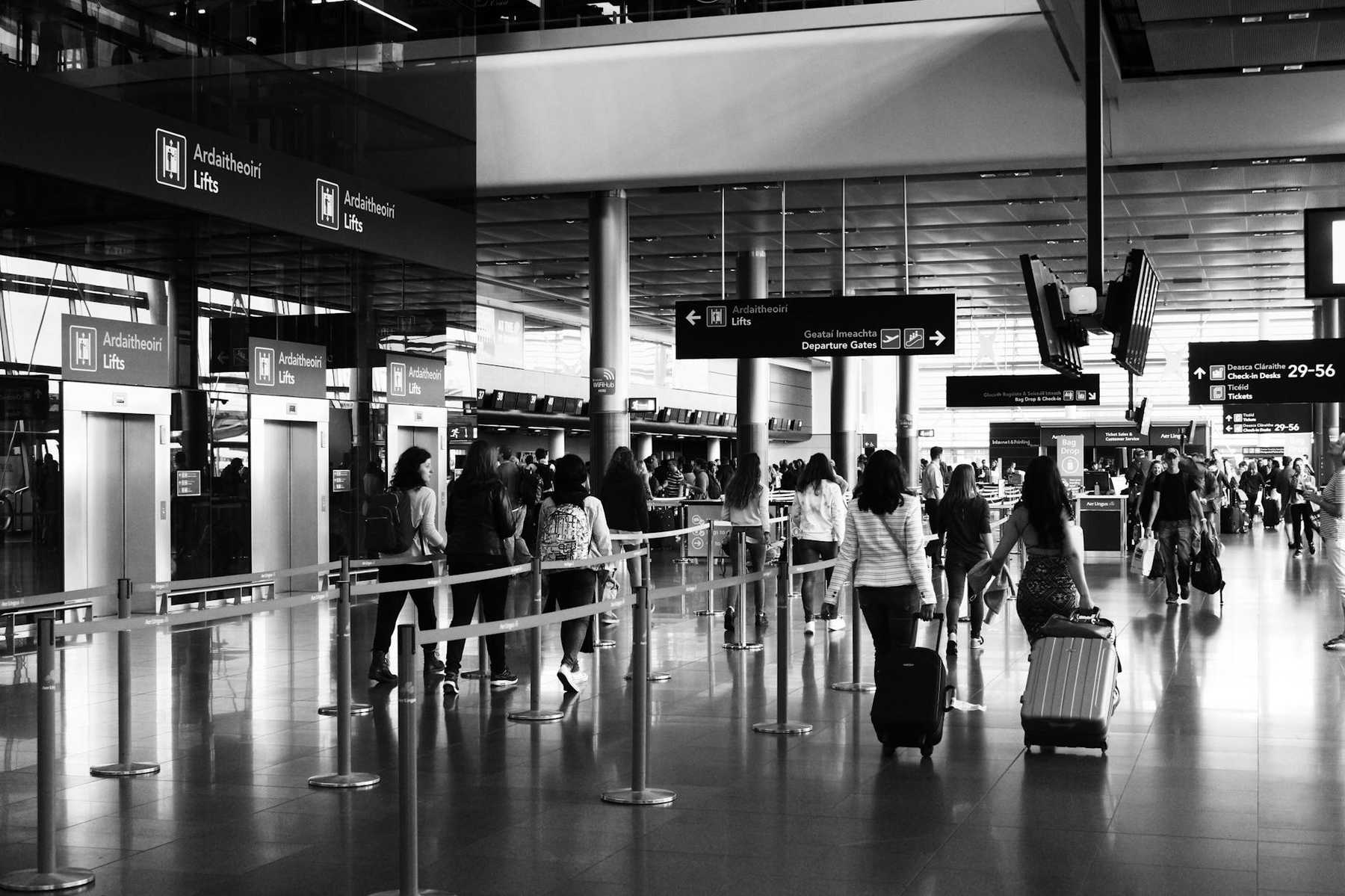
    Airport terminal with travelers and luggage similar to Auckland Airport
    Auckland Airport (AKL) is 20 km south of the CBD and is served by six main transfer options.

    Auckland Airport to CBD: Quick Comparison Table

    OptionCost (NZD)TimeFrequencyBest For
    SkyDrive Express Bus$20 one-way / $35 return50-65 minEvery 30 min, 5 am-10:30 pmSolo / couples on a budget
    AirportLink + Train$7.80 with AT HOP card65-85 minEvery 10-15 min, 4 am-1 amCheapest; light luggage
    Uber / Ride-share$55-95 (surge up to $120)30-45 minOn demand, 24/72-4 people with luggage
    Metered taxi$75-9530-45 min24/7 at arrivalsLate arrivals / no app
    Super Shuttle / Green Cabs$38 first pax, $9 each add’l45-75 minOn demandLarge groups / door-to-door
    Rental car$45-120/day plus fuel & parking30-45 min drive24/7Onward roadtrips
    Private transfer (luxury)$150-25030-40 minBy bookingBusiness / VIP / hotels

    Bottom line: SkyDrive is the best single-option default for most tourists — fixed fare, direct to SkyCity in the CBD, luggage-friendly, and cheaper than a taxi. AirportLink + train is cheapest if you can manage the short walk and one transfer. Uber/taxi is fastest for 2+ adults with bags, and the per-person cost is competitive once split. We break down each below.

    Auckland Airport Layout (International vs Domestic)

    Auckland Airport has two passenger terminals around 500 metres apart: the International Terminal (long-haul flights) and the Domestic Terminal (Air New Zealand, Jetstar, and other internal carriers). A free inter-terminal shuttle bus runs every 15 minutes from 5:30 am to 10 pm; outside those hours a clearly-marked walking path (10-12 minutes) connects the two with green footprints painted on the ground. A new combined terminal is being built to merge them, with initial stages opening from late 2026 onwards, but for all of 2026 the current two-terminal layout is what travellers will encounter.

    All ride-share, taxi, SkyDrive, and AirportLink pickups happen at the Transport Hub — a purpose-built covered loading zone adjacent to both terminals. Rental car branches are on the lower ground floor of the International Terminal and at a dedicated lot near the Domestic Terminal. Free Wi-Fi is available throughout both terminals, and there’s a 24-hour currency exchange counter in International arrivals.

    Option 1: SkyDrive Express Bus (Best All-Round Value)

    Modern city bus similar to the SkyDrive Auckland Airport express
    SkyDrive runs every 30 minutes between AKL and SkyCity for a flat $20 one-way fare.

    SkyDrive is the privately-operated express bus between Auckland Airport and SkyCity in the CBD. It replaced the older SkyBus service in mid-2023 and is now the default airport bus for most tourists. Buses run every 30 minutes from 5 am to 10:30 pm, seven days a week, with additional night services on weekends.

    • Fare: NZ$20 one-way adult, NZ$35 return, NZ$10 one-way child (5-15), under 5 free.
    • Route: Direct from both International and Domestic terminals (Transport Hub bay 3) to SkyCity Terminal on Hobson Street in the CBD. No intermediate stops.
    • Time: 50-65 minutes — faster than the train route, slightly slower than a direct Uber because the bus uses bus lanes and makes a single stop at SkyCity.
    • Luggage: Under-bus hold with no limit on bag count. Drivers handle loading. Bikes and surfboards are accepted as space permits.
    • Wi-Fi and power: Free onboard Wi-Fi and USB charging at every seat.
    • Booking: Walk-up tickets at the Transport Hub kiosk, on the bus (contactless card), or pre-booked online at skydrive.co.nz (small discount for pre-paid).
    • Accessibility: All SkyDrive buses are wheelchair accessible with low-floor loading.

    From SkyCity Terminal the major CBD hotels are all a 5-15 minute walk or a NZ$10-15 short taxi ride. Hotels within a walking radius of SkyCity include Cordis, Pullman, SO/ Auckland, Hotel Britomart, Sofitel Viaduct, Park Hyatt, The Grand by SkyCity, and SkyCity itself. For hotels in Ponsonby, Parnell, Newmarket, or Mission Bay, take a quick Uber from SkyCity — the marginal cost on top of the bus fare is NZ$15-25.

    Option 2: AirportLink Bus + Train (Cheapest Transfer)

    Commuter train at a station platform similar to Auckland's Puhinui Station
    AirportLink connects to the Southern Line train at Puhinui Station for a NZ$7.80 fare to the CBD.

    The AirportLink bus is a dedicated shuttle between Auckland Airport and Puhinui Station (5 km / 10 minutes). At Puhinui you transfer to the Southern Line train into Britomart Station at the north end of the CBD. The combined fare is NZ$7.80 one-way when paid with an AT HOP card — by a large margin the cheapest airport transfer in Auckland.

    • Fare: NZ$7.80 one-way with AT HOP card (NZ$5 card purchase + load); NZ$11 with contactless card / cash. Children 5-15 at child concession rate; under 5 free.
    • Route: Airport → Puhinui Station (AirportLink bus, 10-12 min) → Britomart Station (train, 35-45 min). One transfer.
    • Time: 65-85 minutes total door-to-door including transfer wait.
    • Frequency: AirportLink bus every 10 minutes, 4 am to 1 am. Southern Line trains every 10-20 min depending on time of day.
    • Where to catch: AirportLink loads at the Transport Hub bay 2, directly opposite SkyDrive’s bay 3.
    • AT HOP card: Buy at the AT customer service kiosk at the Transport Hub (open 6 am-10 pm) or at the AT Customer Centre at Britomart. Tag on and tag off at all buses and trains.
    • Luggage: Full-size luggage is allowed but there are no dedicated luggage racks on the train. For more than one check-in bag per traveller, SkyDrive or a ride-share is easier.
    • Accessibility: All trains and AirportLink buses are wheelchair accessible. Lift access at Britomart.

    This option became much more attractive after the City Rail Link (CRL) opens in late 2026 — the new Te Waihorotiu Station in the heart of the CBD will be the first stop after Britomart, cutting walking distance to most CBD hotels in half. For travellers arriving before the CRL opens, Britomart Station is still only a 5-10 minute walk from Hotel Britomart, the Ferry Building, Soul Bar, and most Britomart/Viaduct hotels; an Uber from Britomart to anywhere else in the CBD is NZ$10-15.

    Option 3: Uber, Taxi & Ride-Share

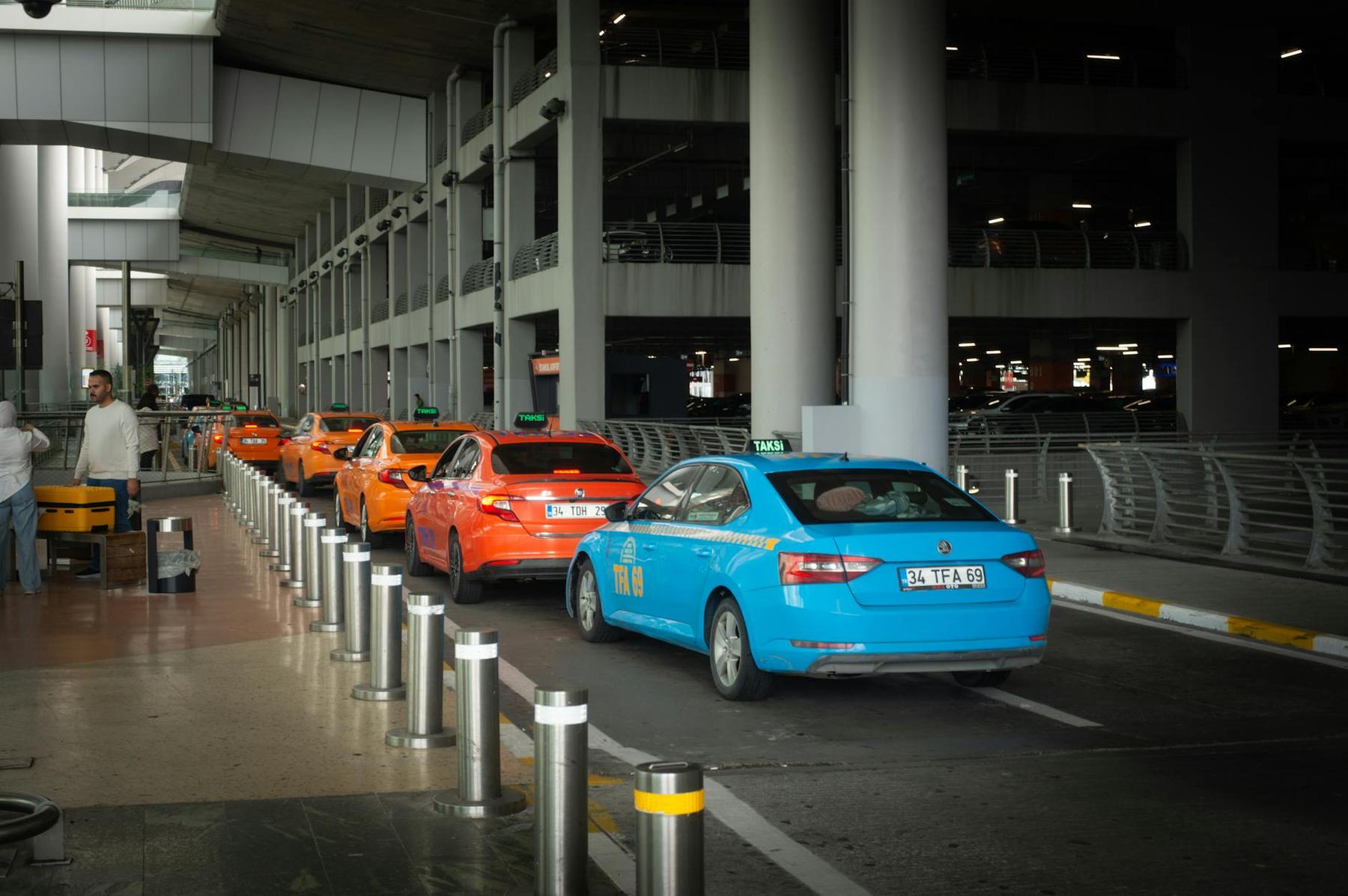
    Taxi rank at airport arrivals similar to Auckland Airport Transport Hub
    Uber and metered taxis queue at the Transport Hub next to the arrivals doors.

    Uber, Zoomy, and Ola are the three main ride-share apps operating at Auckland Airport. All three use dedicated pickup zones at the Transport Hub — the driver app will guide the pickup. The fare from AKL to the CBD ranges NZ$55-95 depending on surge pricing, with a modest NZ$5 airport fee tacked on. At peak times (7-9 am and 4-7 pm on weekdays, Sunday evenings during cruise season) surge can push fares to NZ$100-130.

    • Uber: NZ$55-95 typical. UberX, Uber Comfort, Uber XL (6-seater), and Uber Pet available. UberX is the default for two passengers with one or two bags each.
    • Zoomy: Local competitor, fares NZ$50-90. Often a few dollars cheaper than Uber in off-peak hours.
    • Ola: Less inventory in NZ; fares broadly similar to Uber.
    • Metered taxi: Auckland Co-op Taxis, Corporate Cabs, Alert Taxis, and Green Cabs hold the rank outside arrivals. Fares run NZ$75-95 to the CBD, with a $4 airport surcharge. Taxis accept credit cards and charge a ~3% surcharge for non-cash payment.
    • Time: 30-45 minutes via the SH20 motorway and Waterview Tunnel, longer at peak. Many drivers will route via SH1 at peak times to avoid the motorway merge.

    For groups of 2-4 people with luggage, a single Uber or taxi is often the best value — two SkyDrive fares are NZ$40, a single Uber is frequently NZ$60 and door-to-door to any hotel in the CBD or inner suburbs. The app-based fare visibility also removes the taxi-driver-takes-a-scenic-route risk that used to be a minor Auckland problem before ride-share arrived.

    Option 4: Super Shuttle & Private Shuttles

    Super Shuttle runs a shared door-to-door shuttle service from the airport to any Auckland address. The first passenger pays NZ$38, each additional passenger in your party pays NZ$9, and the driver will drop you at your hotel after potentially picking up or dropping off other travellers. For groups of 3-5 with moderate luggage this is often the cheapest door-to-door option available.

    • Cost: NZ$38 first passenger, NZ$9 each additional to the same address. For 4 people = NZ$65 total.
    • Time: 45-75 minutes — it varies depending on how many stops the shuttle makes before yours. Expect to be the first or last drop depending on luck.
    • Booking: Online at supershuttle.co.nz, or by phone after you land. Walk-up often available but pre-booking guarantees a seat.
    • Luggage: Generous under-bus space. Good for families with multiple bags.
    • Accessibility: Accessible vehicles by request when booking.

    Green Cabs, JetBus, and a handful of smaller operators also run shared shuttles at similar price points. All of them load at the Transport Hub next to SkyDrive and AirportLink.

    Option 5: Rental Car

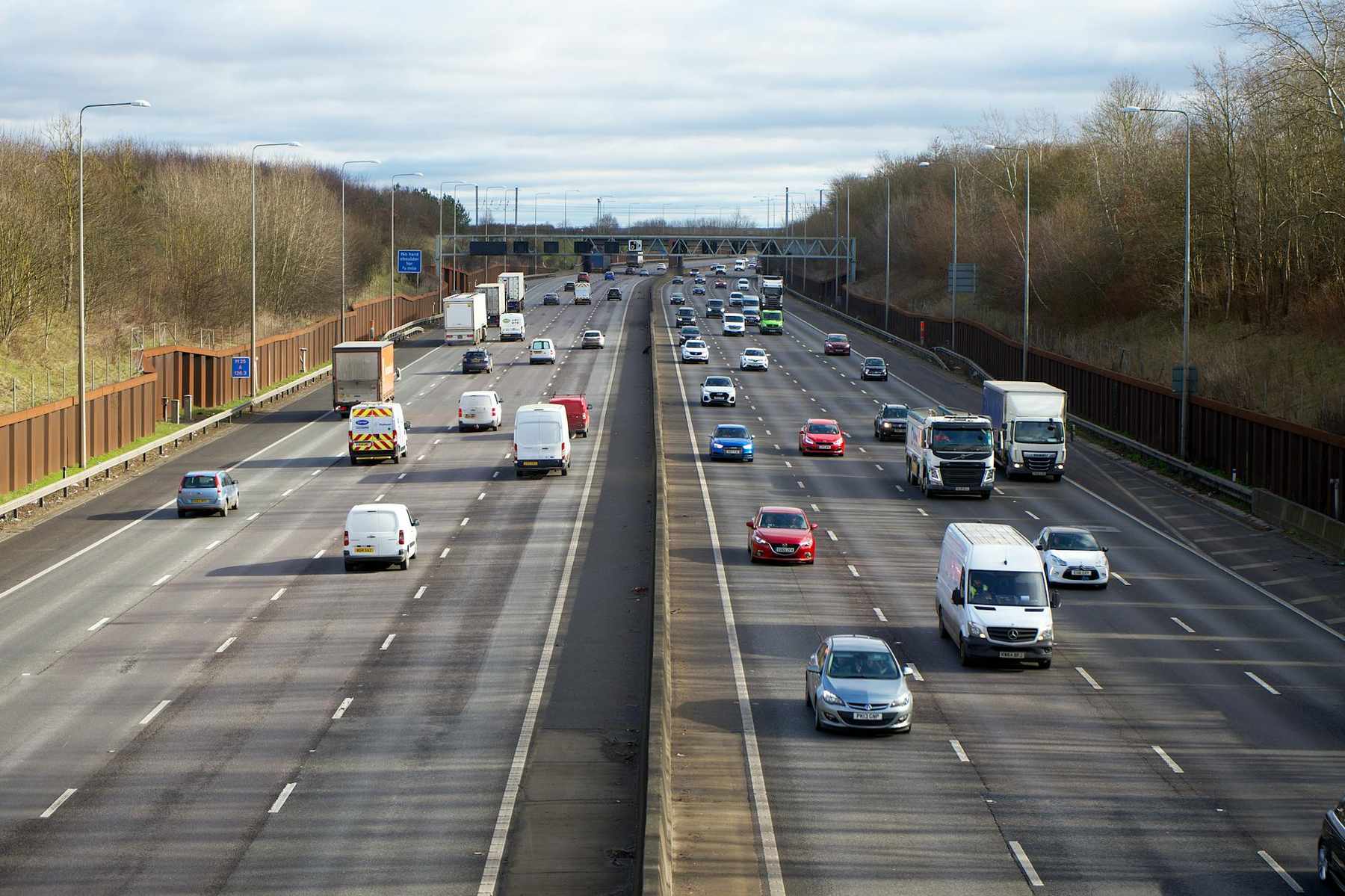
    Motorway highway driving toward a city similar to SH20 into Auckland
    SH20 and the Waterview Tunnel connect AKL to the CBD via SH16 or SH1 in 25-30 minutes without traffic.

    A rental car makes sense if you’re leaving Auckland for a road trip — the Bay of Islands, Rotorua, the Coromandel — but it is a poor choice for travellers staying in the CBD. The reasons are simple: the CBD has world-class public transport, all the attractions are walkable, and CBD hotel parking costs NZ$45-70 per night. If you must rent a car for the city, rent it for the day of departure only.

    • Major brands at AKL: Avis, Budget, Hertz, Europcar, Thrifty, Jucy, Apex, Enterprise, Ezy, and GO Rentals. All have counters in the International Terminal rental car lobby and separate collection points at the adjacent rental lot.
    • Typical daily rate: NZ$45-90 for compact and mid-size cars; NZ$80-150 for SUVs and 7-seaters; NZ$120+ for campervans. Add insurance excess reductions and fuel.
    • Drive to CBD: 25-30 min via SH20 north, through the Waterview Tunnel, onto SH16 and off at the Fanshawe/Customs exits. Clear signage the entire way.
    • Parking in CBD: Most hotels NZ$45-70 per night. Wilson Parking and Tournament Parking offer public garages at NZ$25-35 per day.
    • Driving rules: Drive on the LEFT. International licence translations are required if your licence isn’t in English. Blood alcohol limit 0.05% (0.00% for under-20s). Speed limit 100 km/h motorways, 50 km/h urban, often 30-40 km/h in the CBD.

    If you’re heading straight out of Auckland — for example, flying in and driving north to Bay of Islands the same day — pick up the car at the airport and skip the CBD leg entirely. For travellers spending 2-3 days in the city first, rent the car on the day you leave (most agencies deliver to central hotels for a small fee, or you can grab an Uber back to the airport and pick up there).

    Option 6: Private Transfer & Hotel Limo

    Private chauffeur transfers run NZ$150-250 for a CBD drop, typically in a BMW 5-Series, Mercedes E-Class, or a Tesla Model Y. Operators include Blacklane, Auckland Luxury Tours, Executive Car Services, and Transfer Auckland. Bookings are made online in advance; the driver meets you in arrivals holding a name placard. Most high-end CBD hotels (Park Hyatt, Cordis, InterContinental, Sofitel, Hotel Britomart) can arrange a limousine transfer for their guests at similar rates — this is the easiest option if you want to skip the logistics entirely.

    Private transfers are worth the money for late-night arrivals with significant luggage, cruise passengers arriving with check-in bags plus cabin luggage, and business travellers on a schedule. Outside of those specific cases the marginal comfort over a regular Uber is probably not worth the NZ$100 premium.

    Airport-to-CBD Time Estimates (Peak vs Off-Peak)

    Time of DayUber/TaxiSkyDriveAirportLink+Train
    Weekday peak (7-9 am, 4-7 pm)45-75 min55-80 min70-95 min
    Weekday off-peak30-40 min50-60 min65-80 min
    Weekends30-45 min50-65 min65-85 min
    Late night (10 pm+)25-35 minSkyDrive ends 10:30 pmTrains to 1 am
    Early morning (before 5 am)25-35 minFrom 5 amFrom 4 am

    Night Arrivals & Early Flights: What’s Open

    Late arrivals are common in Auckland because many long-haul flights from the US and Asia land between 4 am and 7 am or between 10 pm and midnight. Here’s what runs late and early:

    • Uber / Zoomy / Taxi: 24/7, always the easiest late-night option.
    • AirportLink bus: 4 am to 1 am — handles all but the deepest overnight windows.
    • Southern Line trains: First Britomart-bound train from Puhinui is approximately 4:30 am weekdays, 5:30 am weekends. Last train approximately 11:45 pm Sun-Thu, 1:30 am Fri-Sat (via the Papakura service with timed connections).
    • SkyDrive: 5 am to 10:30 pm, with some weekend late services. Not an option for overnight arrivals.
    • Super Shuttle / private transfers: 24/7 on booking.
    • International Terminal: Fully open 24/7; check-in counters typically open 3 hours before departure. A handful of cafés, bars, and the convenience store run until midnight and reopen at 4 am.
    • Domestic Terminal: Closed to non-passengers from roughly 11 pm to 4:30 am; limited retail after 9 pm.

    If your flight lands between 1 am and 4 am — which is uncommon but possible on some US West Coast arrivals — Uber is your only practical option. Most drivers will accept the trip; surge pricing is typically mild at that hour because Auckland has low overnight demand.

    CBD to Auckland Airport (Reverse Journey)

    Going back to the airport is almost identical to the inbound journey with one important twist: allow extra time for peak traffic. The southbound motorway (SH1 south and SH20 east) is often slow between 3 pm and 7 pm on weekdays, and Sunday afternoons during summer can be unexpectedly heavy with holiday traffic.

    • SkyDrive: Departs SkyCity Terminal every 30 minutes, 4:30 am to 10 pm. Book online or pay at the kiosk. Aim for a bus 3-3.5 hours before an international flight departure.
    • AirportLink + train: From Britomart, Southern Line to Puhinui (every 10-20 min), then AirportLink to AKL. Total 55-80 min. Board the train at least 3.5 hours before an international flight.
    • Uber / taxi: NZ$55-95 to AKL. Pre-book for 6-8 am departures (common US/Asia flight window) or request the Uber as you leave the hotel to avoid a wait.
    • Hotel concierge: Most CBD hotels will pre-book a taxi for a specific pickup time — always the easiest option for early-morning flights.

    The general rule of thumb: for international flights, be at the airport 3 hours before departure (check-in usually opens 3 hours out). For domestic, 1.5 hours. Add an extra 30 minutes of travel buffer during weekday peak or Sunday evenings.

    Auckland Airport Services & Amenities

    • Left luggage: Located in both International and Domestic. NZ$12-25 per item per day depending on size. Open 5 am to 10 pm.
    • SIM cards: Spark, One NZ, and 2degrees kiosks in International arrivals; $35-60 for a tourist SIM with generous data.
    • Currency exchange: Travelex 24/7 in International arrivals. Bankrate is mediocre — use an ATM or a travel card if you can.
    • ATMs: ANZ, ASB, BNZ, and Westpac machines at both terminals. Most accept international cards with a NZ$3-5 surcharge.
    • Food: Best Ugly Bagels, Wendy’s, Café Sierra, Urban Project, and Jacks Point operate landside; there’s also the usual airside food court. Landside dining is limited after 10 pm.
    • Wi-Fi: Free unlimited Wi-Fi airport-wide.
    • Shower: Available in the International departures area for an hourly fee (around NZ$15).
    • Sleep pods: Minute Suites-style sleep pods are planned for 2026 in the new integrated terminal; not yet available in 2026.
    • Lounges: Emirates, Air New Zealand, Qantas, Strata (Priority Pass), and Plaza Premium all operate airside in International departures.

    Cruise Passengers & Ferry Terminal Transfers

    Auckland’s Princes Wharf Cruise Terminal is at the heart of the CBD waterfront, a 10-minute walk from SkyCity and Britomart. If you’re flying in and boarding a cruise, SkyDrive drops right at SkyCity (then walk 10 minutes or grab a NZ$10 Uber to Princes Wharf). If you’re disembarking and flying out the same day, private transfer companies specifically cater to cruise passengers with guaranteed pickup from the terminal at around NZ$120-180 for a direct AKL drop including luggage handling. Some cruise lines include coach transfers to the airport as an add-on.

    Accessibility at Auckland Airport

    • All terminals are step-free with full lift and ramp access.
    • SkyDrive, AirportLink, and all Southern Line trains are wheelchair accessible.
    • Total Mobility scheme discount taxis are available — prearrange with Auckland Co-op Taxis or Corporate Cabs.
    • Accessible toilets and Changing Places facilities on every level.
    • Visual and hearing-impaired services include induction loops at check-in and service counters; service animals welcome.
    • Airport-wide assistance is available via the Ambulatory Assistance desk at each terminal entrance — book 48 hours ahead through your airline for guaranteed meet-and-greet at the aircraft door.

    Traveller Recommendations by Group Type

    Traveller TypeBest OptionWhy
    Solo budget travellerAirportLink + train$7.80 fare unbeatable
    Solo / couple, light bagsSkyDrive$20-40 with zero transfers
    Couple with 2+ check-in bagsUberSingle trip door-to-door
    Family (3-5) with bagsSuper ShuttleCheapest door-to-door group option
    Business travellerUber / private transferTime certainty
    Cruise passengerPrivate transfer or SkyDrive + walkLuggage handling
    Road-tripping onwardRental car from AKLSkip CBD entirely
    Late-night arrivalUber or 24/7 private transferOnly 24/7 options

    Tips for a Smooth Auckland Airport Transfer

    1. Buy an AT HOP card if staying a week-plus — it saves 25-30% off all bus, train, and ferry fares, not just the airport transfer.
    2. Pre-download Uber, Zoomy and the AT Metro app before you arrive — trying to set these up on hotel Wi-Fi is an avoidable headache.
    3. SkyDrive is now at SkyCity only — the old Britomart stop was discontinued. If your hotel is in Britomart/Viaduct, AirportLink+train gets you closer.
    4. Check the Waterview Tunnel status — rare closures are announced on nzta.govt.nz and can add 20-30 min.
    5. Avoid rental cars in the CBD — parking is expensive and traffic is slow. Rent on the day you leave.
    6. Book airport arrival Uber in advance for 6-7 am weekday departures — surge is usually moderate but not guaranteed.
    7. Don’t tip drivers — New Zealand doesn’t have a tipping culture.
    8. Biosecurity is strict — don’t carry food, plant material, wood products, or dirty hiking boots without declaring them.

    Frequently Asked Questions

    What is the cheapest way from Auckland Airport to the CBD?

    AirportLink bus + Southern Line train with an AT HOP card — NZ$7.80 one-way. It takes 65-85 minutes door-to-door to Britomart Station and runs 4 am to 1 am.

    How long does it take from Auckland Airport to the city centre?

    30-45 minutes by Uber or taxi in normal traffic, 50-65 minutes by SkyDrive express bus, or 65-85 minutes via AirportLink bus + Southern Line train. Add 20-30 minutes during weekday peak hours (7-9 am and 4-7 pm).

    Is there a train from Auckland Airport to the CBD?

    There is no direct train. The AirportLink bus runs from the airport to Puhinui Station (5 km, 10 min), where you transfer to the Southern Line train to Britomart. Combined fare NZ$7.80 with AT HOP. A direct rail link to the airport is planned but not expected before the 2030s.

    Does Uber work at Auckland Airport?

    Yes, Uber operates 24/7 at AKL. The pickup zone is at the Transport Hub adjacent to both terminals. Expected fare to the CBD is NZ$55-95 depending on surge. Zoomy and Ola also operate from the same pickup area.

    How much is a taxi from Auckland Airport to the city?

    A metered taxi from AKL to the CBD is typically NZ$75-95 plus a NZ$4 airport surcharge. All major CBD hotels are covered at that price range. Fares are slightly higher overnight (10 pm-5 am) and during public holidays.

    Do I need to tip taxi or Uber drivers in Auckland?

    No — tipping is not expected in New Zealand. Rounding the fare up to the nearest dollar for excellent service is appreciated but optional.

    Is SkyDrive better than Uber?

    For solo travellers and couples, SkyDrive (NZ$20 one-way) is usually cheaper than Uber (NZ$55-95). For 2+ adults with luggage, Uber is often cheaper per person once split, and always faster door-to-door. Pick SkyDrive for predictability, Uber for speed.

    Can I use AT HOP card for the airport transfer?

    Yes — AT HOP card works on the AirportLink bus and Southern Line train for a combined NZ$7.80 fare. SkyDrive does NOT accept AT HOP (it’s a private operator; use cash, card, or pre-booked ticket). Ride-share apps and taxis don’t use HOP.

    Are there luggage limits on Auckland’s public transport?

    Buses and trains have no hard luggage limit but have no dedicated luggage racks. One piece of check-in baggage plus carry-on per person is manageable. Two-plus check-in bags per person — take SkyDrive (under-bus hold) or a ride-share.

    Is Auckland Airport open 24 hours?

    The International Terminal is open 24/7. The Domestic Terminal closes to non-passengers from approximately 11 pm to 4:30 am. There’s always security and some food/beverage available landside at International, and all airside is open around flight times.

    The Verdict — Best Way to Get from AKL to the CBD

    For most travellers, SkyDrive is the safe default — NZ$20, direct to SkyCity, under an hour, no app required. If you’re counting dollars or want practice with Auckland’s public transport, use the AirportLink + Southern Line combination at NZ$7.80; it’s easy, reliable, and gets you to Britomart in the heart of the CBD. If you’re two or more travellers with real luggage, an Uber at NZ$55-95 split between you is fast, door-to-door, and usually the best blend of cost and convenience. Once you land and figure out your onward plans, our getting around Auckland guide covers buses, trains, ferries, and Waiheke Island transfers; our best areas to stay guide covers which CBD precincts suit your trip; and our best time to visit Auckland guide helps plan around traffic-heavy holiday weekends.

  • Best Restaurants in Auckland CBD (2026): Fine Dining to Cheap Eats

    Best Restaurants in Auckland CBD (2026): Fine Dining to Cheap Eats

    Auckland’s central city has quietly become one of the Southern Hemisphere’s most interesting dining destinations. Six Cuisine-hatted restaurants sit within a 15-minute walk of each other, Pacific and Māori fine dining has taken a permanent seat at the top table (Metita and Tala both won major national awards in 2025), and the best new openings of 2026 — Kureta’s omakase counter at JW Marriott, Bistro Saine in the restored Hotel Indigo — have raised the ceiling again. This is our working, updated guide to the best restaurants in Auckland CBD for 2026: fine dining, waterfront, Britomart favourites, Asian, Italian, cheap eats, best for views, best for date night, and the reservation hacks that actually save you money.

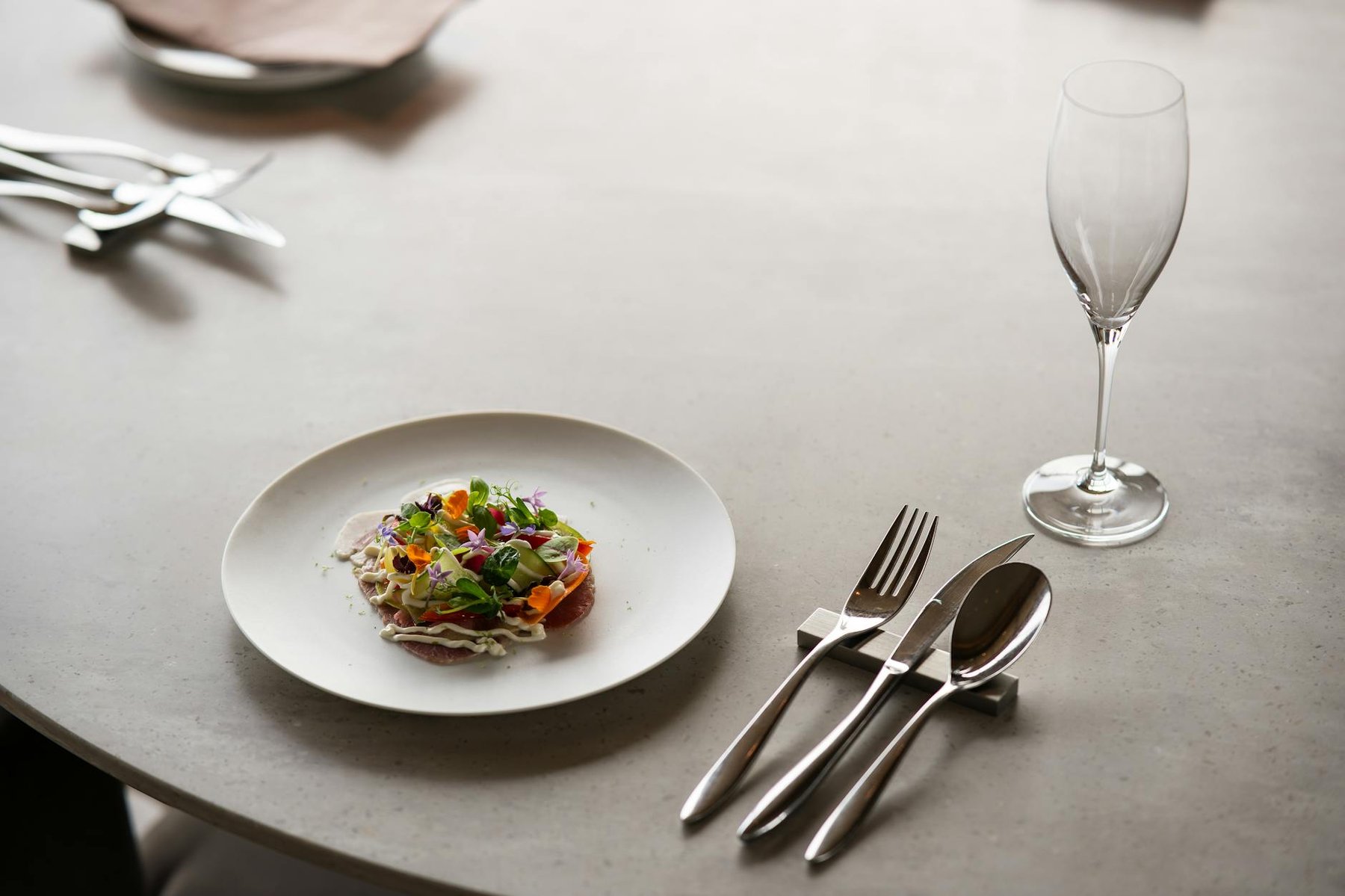
    Fine dining table setting at an Auckland CBD restaurant
    Auckland’s CBD hosts six of New Zealand’s top Cuisine-hatted restaurants within a short walk.

    How We Chose the Best Restaurants in Auckland CBD

    Shortlist built from the 2025 Cuisine Good Food Awards (New Zealand’s hats system), Metro Top 50, Viva (NZ Herald) Top 50, Urban List Auckland A-List, Heart of the City’s official CBD dining guide, and cross-referenced with current TripAdvisor, Google and OpenTable ratings. Michelin has no NZ guide — Cuisine hats and Metro Top 50 are the equivalent quality benchmarks here. We’ve included everything from $15 ramen bars to $350 tasting menus, and flagged closures that still appear on outdated lists (Euro closed; Sugar Club closed; The French Café relocated).

    Top 10 Best Restaurants in Auckland CBD (2026)

    • Ahi — Commercial Bay. Ben Bayly’s three-hat flagship. Fire-kissed New Zealand produce, Rangitoto views, seasonal tasting menus. Consistently NZ’s highest-rated restaurant.
    • The Grove — St Patrick’s Square. Perennial Metro Top 50 restaurant; Michelin-worthy tasting-menu benchmark with tight contemporary service.
    • Metita — SkyCity. Michael Meredith’s modern Samoan fine dining; Viva-starred; the definitive Pacific fine-dining experience in Auckland.
    • Masu by Nic Watt — SkyCity. Modern Japanese robata grill, internationally acclaimed, great for groups and business dinners.
    • Cassia — Fort Lane. Sid Sahrawat’s contemporary Indian — cumin lamb shoulder and black daal are icons, multiple hats, always booked.
    • Onslow — Princes St. Josh Emett’s CBD flagship. Smart-casual modern NZ, wood-fired produce, excellent wine list.
    • Kureta — JW Marriott (opened 2026). Aki Nakamura’s new teppan omakase counter. Buzzy opening of the year.
    • Bistro Saine — Hotel Indigo (opened 2026). French-leaning bistro in a heritage building; the best new European opening since Gilt.
    • Homeland — Wynyard Quarter. Peter Gordon’s Pasifika-NZ kitchen and cooking school — fusion with integrity.
    • Tala — CBD. Viva Supreme Winner; TIME 100 Greatest Places nomination. Modern Samoan done with cheek and depth.

    Fine Dining in Auckland CBD

    RestaurantLocationStyleTypical Spend pp
    AhiCommercial BayModern NZ, fire-focused$220-320
    The GroveSt Patrick’s SquareTasting-menu fine dining$220-300
    MetitaSkyCityModern Pacific / Samoan$180-260
    MasuSkyCityModern Japanese robata$150-240
    CassiaFort LaneContemporary Indian$140-200
    OnslowPrinces StModern NZ$130-190
    KuretaJW MarriottTeppan omakase$280-380
    Bistro SaineHotel IndigoEuropean bistro$140-200
    Orbit 360°Sky Tower Level 52Revolving NZ fine dining$110-180
    OnemataPark Hyatt WynyardHotel fine dining harbour$180-260
    PastureCBDIntimate tasting counter$350+

    Book 3-4 weeks ahead for Ahi, Cassia, Metita, The Grove, Onslow, and Kureta in peak season. Pasture is a 6-seat counter — book 6+ weeks out. For more on Orbit 360° at the Sky Tower, see our Sky Tower Auckland guide.

    Contemporary New Zealand Restaurants

    The “contemporary NZ” category is the broadest and most rewarding part of the Auckland dining map. These restaurants use locally-grown produce, wild-caught seafood, and small-farm meat, then apply technique borrowed from France, Japan, and Italy without being beholden to any single tradition. This is where travellers who want to understand “New Zealand food” should focus their bookings.

    • Culprit — City Works Depot loft. Chef Jordan MacDonald’s seasonal small-plates menu is printed daily on a single sheet; you order the whole list or trust the chef’s choice. The natural-wine list is one of the deepest in the city and service is relaxed enough that nobody flinches at three-hour lunches.
    • Depot Eatery & Oyster Bar — Federal St. Al Brown’s iconic share-plate oyster bar has been buzzing since 2011 and still feels essential. The snapper sliders, crispy broccoli, and kina custard are menu fixtures for a reason. No bookings for the main room — walk in, grab a bar stool, order a martini.
    • Hugo’s Bistro — Shortland St. A chalkboard Euro-NZ bistro that feels like a Paris corner restaurant transplanted to the CBD. Lunch is quietly one of the best-value meals in town, and their wines-by-the-glass list punches well above the price point.
    • Azabu CBD — Commercial Bay. Nikkei cuisine (Japanese-Peruvian fusion), with tiradito, ceviche, and robata grilled meats priced well below most fine-dining rooms. The cocktail program is stunning — order the pisco sour.
    • Homeland — Wynyard Quarter. Peter Gordon’s Pasifika-NZ flagship doubles as a cooking school and indigenous-produce laboratory. Menus change constantly but always feature kumara, fish from local waters, and pan-Pacific spicing. A genuinely unique Auckland restaurant.
    • Pasture — CBD. The six-seat tasting counter is a pilgrimage venue for serious food travellers. Ed Verner’s fermentation-led cooking sits at roughly $350 per person without wine and usually requires a six-week lead time for bookings.
    • Gilt Brasserie — Princes Wharf. A handsome waterside brasserie with proper steak frites, a raw bar, and a wine list that leans old-world. Excellent for special-occasion dinners that don’t want to commit to a tasting menu.
    • Sid at The French Café — Symonds St (relocated 2024). Sid and Chand Sahrawat’s reworked take on the venue formerly known as The French Café. Tasting menus only, quiet dining room, heavy hitter for anniversary dinners.

    Italian Restaurants in the CBD

    Auckland’s Italian scene is the strongest it’s ever been. The city has real Neapolitan pizza at K Road, hand-rolled pasta counters in the CBD, and at least three trattorias that could hold their own in Melbourne or Sydney. Italian dining tends to start earlier (6 pm) and runs through to 10 pm; most of the good rooms are booked solid on Fridays and Saturdays.

    • Baduzzi — Wynyard. The meatball is famous for a reason — made with veal, pork, and beef, finished in a rich tomato sugo, and served with soft polenta. The bar seats are first-come-first-served and catch the golden-hour light across Viaduct Harbour. Group-friendly and always buzzing.
    • Toto — Nelson St. A long-running classic trattoria in a converted heritage building with soaring brick arches. The wine list leans deep into Piedmont and Tuscany. Old-school service, perfect veal Milanese, and tiramisu that’s worth the trip alone.
    • Farina — Ponsonby (short cab from CBD). Roman-style thin-crust pizza and hand-cut pasta with a tight menu that changes seasonally. The carbonara is a standard-bearer for Auckland.
    • Amano — Britomart. Technically an Italian-leaning bakery bistro but it fits here: the sourdough focaccia, handmade pasta, and weekend brunch are all exceptional. Go mid-morning for lighter crowds.
    • Cotto — City fringe (Karangahape Road corridor). A compact pasta and wine bar where the menu changes daily based on produce and mood. Sit at the counter, order two pastas and a glass of Barbera, thank us later.
    • Pici — K Road. Hand-rolled pasta counter with a natural-wine focus. Book early; 24 seats means Saturdays disappear a week out.
    • Pasta & Co — multiple CBD. Fresh pasta takeaway and casual sit-down. The best option for a quick, filling lunch under $25.
    • Bivacco — Viaduct. Rooftop Italian with a panoramic harbour deck; aperitivo hour (4-6 pm) is the city’s best value for a view and a Negroni.

    Asian Restaurants in Auckland CBD

    Asian dining in Auckland is extraordinarily deep for a city of 1.7 million. Japanese, Chinese, Korean, Thai, Vietnamese, Malaysian, and Nikkei (Japanese-Peruvian) are all represented at a very high level, with several rooms operating at genuine international fine-dining standard. Book the omakase and kaiseki rooms 2-4 weeks out; most casual Asian venues take walk-ins.

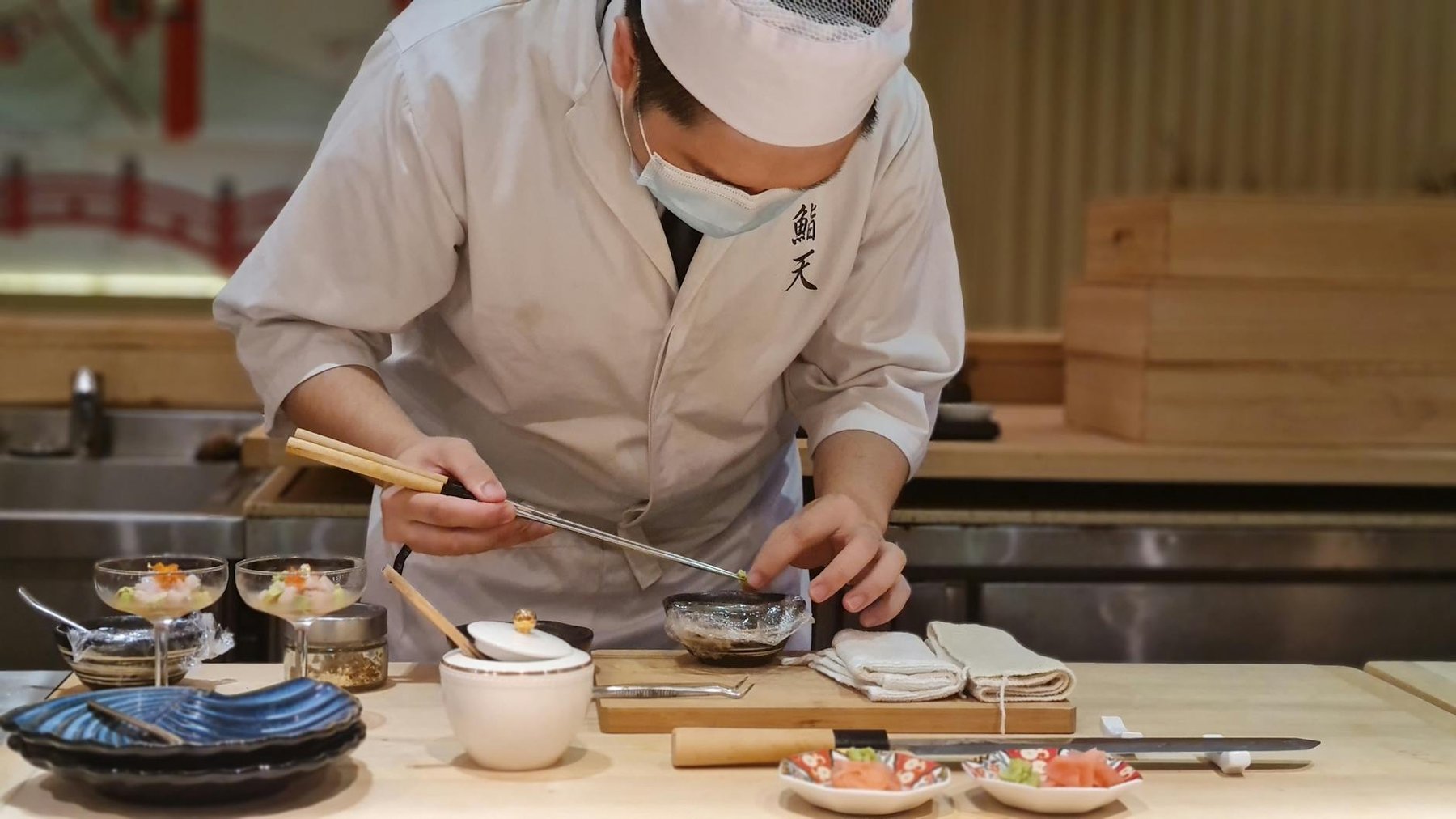
    Japanese chef preparing omakase sushi similar to Masu or Cocoro in Auckland
    Masu by Nic Watt brings internationally acclaimed modern Japanese to SkyCity.
    • Masu by Nic Watt — SkyCity. Modern Japanese robata with an open grill at the centre of the room. Business-dinner gold standard; the tasting menu with sake pairing at $180 is one of the city’s best value high-end experiences.
    • Huami — SkyCity. Modern Chinese with a proper Peking duck carving ritual tableside. Book a booth for groups of four or more; the yum cha lunch service on weekends is excellent.
    • Han — CBD. Premium Korean BBQ focused on rare cuts and Hanwoo-style beef. Ingredient-led, with properly-aged kimchi and house-made banchan. Expensive but memorable.
    • Tanuki’s Cave — Queen St. A basement izakaya classic that has been full every night for more than two decades. Yakitori skewers, sake flights, and a no-bookings policy — arrive at 5:30 pm and join the queue, or 9 pm onwards for the late shift.
    • Cocoro — Ponsonby (short cab from CBD). Kaiseki Japanese fine dining with two Cuisine hats. Quiet, precise, and the best bet for a proper multi-course Japanese tasting experience in Auckland.
    • Ebisu — Britomart. A design-led izakaya and sushi restaurant with a strong robata program. The lunch bento is one of the better-value CBD lunches at around $28.
    • Azabu — Commercial Bay and Ponsonby. Nikkei cuisine with a killer cocktail list — the tiraditos, grilled meats, and pisco sours are standouts.
    • Saan — Ponsonby (short cab). Northern Thai, genuinely fiery, and the best Thai meal you can eat within 15 minutes of the CBD. The nam prik ong (pork and tomato dip with crudités) is unmissable.
    • Gochu — Commercial Bay. Modern Korean, ideal for groups, with a generous share-plate menu and a strong soju cocktail list.
    • Chul’s — Commercial Bay. Premium Korean omakase opened in 2026; 12 seats, chef-led menus, around $220 per person without drinks.
    • Hello Beasty — Viaduct. Pan-Asian share plates — Vietnamese, Chinese, Thai, Korean. Loud, boozy, great for groups of 8-15.
    • White + Wong’s — Viaduct. Casual Asian fusion — dependable for families with kids or mixed groups who can’t agree on a single cuisine.
    • Madam Woo — Britomart. Josh Emett and Fleur Caulton’s Asian street-food brand; hawker bowls, bao, and cocktails in a colourful room.
    • Café Hanoi — Britomart. Modern Vietnamese, with a rigorous approach to pho and bún that respects the traditions but plates them elegantly.

    Britomart Restaurants (Foodie Epicentre)

    Britomart is Auckland’s densest concentration of high-quality restaurants. Within a three-block grid you have a three-hat flagship, a Pasifika chef’s room, a Spanish fire-kitchen, two bakeries, a Vietnamese modern kitchen, and half a dozen bars that would be landmark venues in any other city. Walking between them takes 90 seconds. The whole precinct was restored from heritage wool stores in 2011 and has kept its brick-and-iron character.

    • Amano — Italian-leaning flagship bakery-bistro, brunch to dinner. The focaccia alone is worth the walk.
    • Ortolana — Garden-to-table and vegetable-forward; the ingredients come from the Hip Group’s own farm in Kumeu. Elegant room, lingering Sunday lunches.
    • Kingi — Hotel Britomart. Chef Tom Hishon’s sustainable NZ fish room — the menu is organised by species rather than cooking method, which is both unusual and educational.
    • Mr Morris — Sean Connolly’s mid-range star; a wood-fired menu with Mediterranean leanings and a proper bar program.
    • Alma — Spanish fire-cooked share plates, strong gin and tonic list, and a buzzy terrace. Great for a late-night dinner after drinks.
    • The Crab Shack — Casual seafood buckets, lobster rolls, and paper-lined trays. Kids and groups of tourists love it.
    • Britomart Country Club — Group-friendly modern NZ with a famous boozy weekend brunch that runs to 3 pm.
    • Ada — Modern Middle Eastern with wood-fired flatbreads, mezze, and slow-cooked lamb.
    • Ebisu — Japanese izakaya (listed in Asian too).
    • Ahi — Commercial Bay end of Britomart (the jewel — also in fine dining).
    • Café Hanoi — Modern Vietnamese, great for lunch.
    • Madam Woo — Asian hawker fare from Josh Emett.

    Viaduct Harbour Restaurants

    Waterfront restaurant terrace overlooking a harbour like Auckland's Viaduct
    Viaduct and Wynyard restaurants deliver the best harbour views in the CBD.
    • Soul Bar & Bistro — The long-running see-and-be-seen Viaduct institution. Brunch, lunch, and dinner; expect to pay a premium for the waterside deck but the kitchen delivers — the steak frites and the oysters are always on point.
    • Saint Alice — Rooftop Mediterranean share plates and the best sunset bar in the CBD. Book the 5:30 pm seating in summer to catch golden hour across Waitematā Harbour.
    • Dr Rudi’s Rooftop Brewing — Rooftop pub with on-site brewery, craft beer, and wood-fired pizzas. A Friday-night staple; arrive before 6 pm to get a table.
    • Oyster & Chop — A seafood and steak classic with a broad deck that hangs over the water. Dependable, reservations available, and the raw bar is a strong lunch option.
    • La Marée — New 2026 French seafood restaurant at the Sofitel Viaduct Harbour. Plateaux de fruits de mer, bouillabaisse, and a deep Champagne list.
    • Hello Beasty — Pan-Asian share plates, also listed in Asian. Big group energy and a late-night drinks menu.
    • Cibo — Technically in Parnell but a short walk or cab from the Viaduct; a repeat Viva Top 50 restaurant known for contemporary NZ lunches in a leafy courtyard.
    • Harbourside Ocean Bar & Grill — Upstairs in the Ferry Building. Seafood-heavy menu, historic room, and arguably the best harbour view at the dining-room level in the CBD.
    • Headquarters — Rooftop bar with food that’s genuinely good; a local favourite for pre-dinner drinks with Harbour Bridge views.

    Wynyard Quarter Restaurants

    • Jack Tar — casual waterside all-day eatery.
    • The Conservatory — Park Hyatt glasshouse brunch and high tea.
    • Onemata — Park Hyatt fine dining.
    • Baduzzi — Mediterranean meatballs (also in Italian).
    • Homeland — Peter Gordon Pasifika.

    Budget & Casual Eats in Auckland CBD

    • Ima Cuisine — Fort St. Family-run Israeli; falafel plates, sabich, bread that stops you mid-sentence. Under $25 mains.
    • Tanpopo — Lorne St. Cheap-and-cheerful Japanese student favourite; bento, ramen, karaage.
    • Daily Bread — Commercial Bay. Sourdough bakery-café; egg sandwiches are a genuine Auckland thing.
    • Best Ugly Bagels — City Works Depot. Wood-fired Montreal-style bagels.
    • Federal Delicatessen — Federal St. Al Brown’s NY-style diner; reubens, matzo ball soup, gravy fries.
    • Xi’an Food Bar — CBD. Hand-pulled noodles, lamb cumin, chilli oil wontons; under $18 mains.
    • Peach’s Hot Chicken — CBD pop-ups. Nashville hot chicken sandwiches.
    • Miss Clawdy — Commercial Bay. New Orleans po’boys and gumbo.
    • Wise Boys — Commercial Bay & Federal St. Vegan smash burgers.
    • Depot Eatery — mid-range but walk-in friendly and cheaper than it looks at lunch.

    Auckland CBD Brunch & Café Breakfast

    Brunch plate of eggs and avocado on sourdough at an Auckland cafe
    Auckland brunch culture is led by Federal Delicatessen, Amano and Hugo’s Bistro.
    • Federal Delicatessen — diner classics, matzo ball soup.
    • Milse — Britomart. Pastries, hot chocolate, sweet focus.
    • Daily Bread — Commercial Bay. Sourdough and egg sandwiches.
    • Hugo’s Bistro — Shortland St. Brunch-to-dinner bistro.
    • Amano — Britomart. Bakery-driven brunch.
    • Ortolana — Britomart. Garden brunch plates.
    • Odettes Eatery — City Works Depot. Photogenic plates, sunny dining room.

    Vegan & Vegetarian Restaurants in the CBD

    • Forest — Dominion Rd (fringe). Plabita Florence’s plant-forward tasting menu — Auckland’s best vegetarian fine-dining experience.
    • Wise Boys — vegan smash burgers, multiple CBD locations.
    • Mint Kitchen — Queen St. Plant-based quick lunch.
    • Khu Khu — CBD. Entirely vegan Thai, excellent curry flights.
    • East Restaurant — Federal St. Mod-Asian vegetarian, Sunday vegan yum cha.

    Pacific & Māori Cuisine in Auckland

    • Metita — SkyCity. Michael Meredith’s Samoan fine dining.
    • Tala — CBD. Viva Supreme Winner; TIME 100 Greatest Places; modern Samoan.
    • Homeland — Wynyard Quarter. Peter Gordon’s Pasifika-NZ flagship and cooking school.
    • Kai Eatery — Queen St food court. Fry bread, boil-up, hāngi plates. Casual, authentic, affordable.

    For a deeper dive into Māori food culture and where to eat it, see our Auckland culture, history & Māori heritage pillar.

    Cheap Eats & Food Halls

    • Elliott Stables — Elliott St. Multi-vendor international food hall; bench seating; 12+ cuisines.
    • Commercial Bay Harbour Eats — Lower Queen. Food hall with Wise Boys, Daily Bread, Tanoshi, Miann.
    • Food Nation — Federal St. Healthy grab-and-go.
    • Auckland Night Markets — Saturday Aotea Square; Friday Papatoetoe; Sunday Pakuranga. Hawker-style seasonal.

    Best Restaurants in Auckland CBD for Views

    • Orbit 360° — Sky Tower, Level 52, rotating dining at 190 m.
    • The Sky Lounge — Sky Tower, Level 50. Champagne and cocktails; casual bites.
    • Saint Alice — Viaduct rooftop, Mediterranean share plates, the city’s best sunset bar.
    • Dr Rudi’s — Viaduct rooftop, craft beer and pizza.
    • Soul Bar — Viaduct waterside dining.
    • Onemata / The Conservatory — Park Hyatt, Wynyard waterfront.
    • Ahi — Commercial Bay, Rangitoto and harbour from the floor-to-ceiling glass.
    • Bivacco — Viaduct rooftop, SkyBar sibling with a panoramic deck.

    Best for Date Night, Groups, and Business Lunch

    Date Night: Cassia (intimate, dark, spiced), Gilt Brasserie (waterside Princes Wharf elegance), Cocoro (kaiseki hush), Pasture (counter seating for two), Bistro Saine (heritage room, French-leaning), Kureta omakase (8 seats, chef’s hand).

    Groups (8-20): Hello Beasty, Britomart Country Club, White + Wong’s, Ortolana, Alma, Soul Bar, Hello Beasty, Masu large-format omakase.

    Business Lunch: Onslow, Ortolana, Botswana Butchery (Quay St), Amano, Federal Delicatessen (casual), Depot. All have quieter lunch sections and tables that can take laptops pre-meal.

    Special-Occasion Celebration: Ahi, The Grove, Metita, Orbit 360°, Masu, Kureta, Pasture, Onemata.

    Solo Dining (counter/bar seats): Tanuki’s Cave, Depot oyster bar, Kureta counter, Best Ugly, Ebisu bar, Amano bar stools, Culprit.

    Auckland CBD Cocktail & Wine Bars

    Craft cocktail with garnish at an elegant Auckland bar
    Britomart’s Caretaker and Deadshot lead Auckland’s craft cocktail scene.

    Save room for post-dinner cocktails at Caretaker (Britomart basement, dealer’s-choice cocktails), Deadshot (Britomart, tight list and sharp service), Bivacco (Viaduct rooftop), Annabel’s (High Street, disco energy), Impala (CBD, dimly-lit classic), Jefferson (whisky bar), and Apéro (K Road, natural wine). Full breakdown in our Auckland shopping & nightlife guide.

    How to Get Reservations (and Deals)

    • Book 2-4 weeks ahead for Ahi, Cassia, Metita, The Grove, Onslow, Kureta. Pasture is 6+ weeks.
    • OpenTable is the dominant NZ platform. Used by Ortolana, Amano, Soul, Saint Alice, Cibo, and most Britomart/Viaduct/Wynyard venues.
    • First Table gives 50% off food for the first booking of the night at ~497 Auckland venues; $10 booking fee; 90-120 min window; drinks excluded. Look for first-seating slots around 5-5:30pm.
    • Restaurant Month Auckland (1-31 August) — set menus at 150+ venues, unique degustations, chef collab nights; the single best month to eat at three-hat restaurants without full fine-dining cost.
    • Cuisine Good Food Awards publish hatted lists in August — book new hats immediately that week.
    • Credit-card holds and 24-48 hour cancellation policies are now standard. Don’t be surprised.
    • Walk-ins: Depot, Federal Delicatessen, Tanuki’s Cave, Best Ugly, Wise Boys, Commercial Bay food hall counters, Kai Eatery.

    Frequently Asked Questions

    What is the best restaurant in Auckland CBD?

    Ahi at Commercial Bay — three Cuisine hats, a Metro Top 50 fixture, and perennial “best restaurant in NZ” in Viva and Metro voting. Ben Bayly’s fire-led tasting menus and the harbour view from the dining room are the best pairing in the country right now.

    Does New Zealand have Michelin stars?

    No. Michelin has never published a New Zealand guide. The local equivalent quality benchmarks are Cuisine Good Food Awards hats (three-hat is the top honour) and the Metro Top 50. Both are widely respected.

    How much does dinner in Auckland CBD cost?

    Casual $25-45 per person for a filling plate plus a drink; mid-range $60-100; fine dining with wine $180-350. Tasting-menu flagships (Ahi, Pasture, Kureta) run $300-450 with pairings.

    Is tipping expected in Auckland?

    No. Service is built into wages. 10% for excellent service is optional and appreciated; leaving nothing is perfectly normal. Round up on taxis if you want to.

    Is a service charge added to the bill?

    No standard service charge. Most restaurants do add a 15% public-holiday surcharge on public holidays (Christmas Day, New Year’s Day, Waitangi Day, ANZAC Day, Easter Monday, King’s Birthday, Matariki, Labour Day, Auckland Anniversary Day). Menus will say so.

    What is the dress code at Auckland restaurants?

    Smart-casual for fine dining — no sportswear, closed shoes expected. Jeans and sneakers are fine at every casual venue, most bistros, and even some mid-tier fine-dining. There are no jacket-required restaurants in Auckland CBD.

    How far in advance should I book?

    Three to four weeks for hatted venues (Ahi, Cassia, Metita, The Grove, Masu). One week for most Britomart, Viaduct and Wynyard restaurants. Same day for casual eateries. Pasture is a 6-seat counter — book 6+ weeks out.

    Best Auckland restaurant with a view?

    Orbit 360° at the Sky Tower rotating at 190 m — nothing in NZ comes close for a dinner view. For a harbour-level alternative, Ahi (Commercial Bay) or Saint Alice (Viaduct rooftop).

    Best area to walk between dinner spots?

    The Britomart → Commercial Bay → Viaduct → Wynyard corridor. Completely flat, all waterfront, 25 minutes end-to-end. You can easily start with pre-dinner drinks in Britomart, dinner in the Viaduct, and post-dinner dessert cocktails in Wynyard.

    Any Māori or Pacific fine-dining options in Auckland?

    Yes — and this is one of the best recent developments in Auckland dining. Metita (Michael Meredith, SkyCity) is the Samoan fine-dining flagship. Tala won Viva Supreme Winner in 2025. Homeland (Peter Gordon) is Pasifika-NZ. Kai Eatery serves casual Māori food (fry bread, boil-up) on Queen Street. Hiakai (Monique Fiso) is in Wellington, not Auckland.

    The Verdict — Where to Eat in Auckland CBD

    If you only have one dinner: Ahi at Commercial Bay, booked three weeks ahead, 7pm Saturday in summer. If you have a weekend: Amano brunch, Cassia dinner, Masu lunch, Orbit 360° sunset. On a budget: Xi’an Food Bar lunch, Federal Deli breakfast, Ima Cuisine dinner, Commercial Bay food hall for variety. Use First Table for 50% food discounts at 5pm slots; book Restaurant Month set menus in August for the cheapest three-hat experience of the year. Pair dinners with our best areas to stay guide for logistics, and our Auckland shopping & nightlife guide for post-dinner bars.

  • Best Areas to Stay in Auckland for Tourists (2026)

    Best Areas to Stay in Auckland for Tourists (2026)

    Auckland sprawls across two harbours and 50 volcanic cones, which means where you sleep can completely reshape your trip. A hotel in Britomart walks you to ferries, trains, and 40+ restaurants in 5 minutes. A B&B in Devonport puts you on a postcard waterfront village with a 12-minute ferry ride back to the CBD. A bach on Waiheke gives you vineyards and beaches but ties you to ferry schedules. This 2026 guide breaks down the best areas to stay in Auckland for 11 neighbourhoods, with current NZD price ranges, pros and cons, standout hotels, and clear picks for each traveller type — from luxury couples to budget backpackers to families with kids.

    Auckland Viaduct Harbour with superyachts, restaurants and waterfront hotels
    Viaduct Harbour and Wynyard Quarter are Auckland’s premium waterfront stay precinct.

    Best Areas to Stay in Auckland — Quick-Pick Chart

    Traveller TypeRecommended AreaBackup PickFrom (NZD/night)
    First-time visitorsBritomart / CBDViaduct Harbour$150
    Couples / romanceViaduct HarbourDevonport or Waiheke$260
    Families with kidsNewmarket (apartments)Mission Bay$180
    Luxury travellersViaduct (Park Hyatt)Britomart or Waiheke$450
    Budget travellersCBD hostelsMount Eden Airbnb$40 dorm / $110 private
    BackpackersQueen St / K RoadPonsonby$40
    Business travellersCBDNewmarket$220
    Long stays (1+ week)Newmarket apartmentsMount Eden$140
    Beach loversMission BayTakapuna$200
    Early flightPullman Auckland AirportNovotel Airport$260

    Auckland Neighbourhoods Map Overview

    Auckland is narrow — the central isthmus is only about 2 km wide at its skinniest point. The Waitematā Harbour divides the CBD (south side) from the North Shore (Devonport, Takapuna — north side), connected by the iconic Harbour Bridge and half-hourly ferries. East of the CBD, the Tamaki Drive strip rolls along the coast through Mission Bay, Kohimarama, and St Heliers. Inner-ring residential suburbs sit minutes from downtown: Ponsonby west, Parnell east, Newmarket south, Mount Eden south. Further afield, Waiheke Island is a 40-minute ferry from the Downtown terminal, and Auckland Airport is 20 km south — roughly 30-55 minutes to the CBD depending on traffic (see our Auckland Airport to CBD guide for all options).

    1. Auckland CBD / Queen Street — Best for First-Timers

    Auckland Queen Street CBD by day with shops and shoppers
    Queen Street and Britomart form the walkable tourist heart of Auckland.

    Vibe: The walkable commercial core — Sky Tower, Queen Street shopping, Aotea Square, theatres, Commercial Bay mall, and the Britomart train station. Late 2026 brings a major upgrade: Te Waihorotiu Station opens on Wellesley Street as part of the City Rail Link, turning the midtown blocks into a proper transit hub.

    Pros: Everything on foot — Sky Tower, Viaduct, Britomart, Aotea, ferries are all 10-15 minutes max. Biggest hotel and hostel selection at every price point. Ferry terminal, SkyDrive bus, and upcoming CRL trains all hub here. Median CBD hotel sits around NZ$150-200/night outside peak.

    Cons: Mid-Queen Street has some tired blocks; CRL construction still causes pavement noise near Wellesley/Victoria into 2026; some streets quiet after 9pm if you’re hunting nightlife (head to Britomart or the Viaduct for energy).

    Hotels by tier (NZD/night starting rates, peak rates +30-50%):

    • Luxury ($320-550): SO/ Auckland, Cordis Auckland, Pullman Auckland, Sofitel Viaduct Harbour (just over the CBD edge)
    • Upscale ($220-340): Grand Mercure, M Social, QT Auckland
    • Mid ($150-220): Rydges Auckland, CityLife Auckland, Novotel Auckland Ellerslie
    • Budget ($40-160): YHA Auckland City, Nomads, Haka Lodge (dorm $40-90, private $110-160)

    Best for: First-time visitors, 2-3 night stays, walking-oriented itineraries.

    2. Viaduct Harbour & Wynyard Quarter — Best for Couples & Waterfront

    Vibe: Auckland’s premium waterfront precinct. Superyachts on the berths, America’s Cup bases, rooftop bars, a boardwalk that links to Silo Park playgrounds and the North Wharf dining strip. Feels like a resort slipped into the edge of the CBD.

    Pros: Best sunsets in the city, 8-minute walk to Britomart, dense fine-dining (Ahi, Saint Alice, Soul Bar, Oyster & Chop, La Marée), sailing charters leave right from here, fireworks view for NYE. Park Hyatt Auckland is arguably NZ’s best 5-star hotel.

    Cons: 25-30% pricier than the CBD average; limited grocery/pharmacy/day-to-day amenities; Saturday-night noise from the bars if your room faces Customs Street.

    Hotels (NZD/night): Park Hyatt Auckland ($550-850), Sofitel Auckland Viaduct Harbour ($320-480), Hilton Auckland on Princes Wharf ($350-520), The Sebel Quay West ($260-380).

    Best for: Couples, anniversaries, honeymoons, sailing day-trippers, design-hotel fans, travellers who want waterfront views out the window.

    3. Britomart — Best for Boutique & Foodies

    Elegant lobby of a boutique luxury hotel typical of Britomart Auckland
    Hotel Britomart is New Zealand’s only 5 Green Star-rated hotel.

    Vibe: Restored Edwardian warehouses turned into designer flagships (Karen Walker, Zambesi, Kate Sylvester), the Commercial Bay food hall, and the best concentration of restaurants per square metre in NZ — Ahi, Amano, Ortolana, Kingi, Mr Morris. All anchored on Britomart train station (and from late 2026, a 6-minute CRL ride to Te Waihorotiu and Karanga-a-Hape).

    Pros: Walk-everywhere density — ferries 2 min, Viaduct 5 min, Queen Street 5 min. Best food + shopping combination. Genuinely stylish hotels.

    Cons: Small footprint — boutique hotels book 6-8 weeks out for peak. Tyler and Galway Street weekend noise from nearby bars.

    Hotels: Hotel Britomart (NZ’s only 5 Green Star hotel, from NZ$380), The Hotel Britomart Landing Suites ($520-720), QT Auckland ($340-480 on Viaduct edge). Apartment stays through Quality Hotel Parnell’s Britomart annexes.

    Best for: Foodies, design-conscious travellers, repeat Auckland visitors who want the city at walking pace.

    4. Ponsonby — Best for Trendy Stays & Café Culture

    Cafe and villa streetscape similar to Auckland's Ponsonby Road
    Ponsonby’s villa-lined strip is Auckland’s boutique and café capital.

    Vibe: Villa-lined hipster strip 20 minutes’ walk west of the CBD. Ponsonby Road runs 2 km of restaurants, cocktail bars, galleries, and independent fashion. Ponsonby Central food hall is the neighbourhood heart. Karangahape Road (K Road) caps the eastern edge with vintage shops and LGBTQ+ nightlife.

    Pros: Auckland’s best café scene (Orphans Kitchen, Little & Friday, Bestie, Dear Jervois). Boutique B&Bs in restored villas. Walkable to CBD (20 min) or 10 minute bus. Distinctive neighbourhood feel.

    Cons: Thin hotel stock — mostly boutique B&Bs and Airbnbs. K Road end gets rowdy after midnight on Fridays and Saturdays (fine by day, just avoid the side streets alone at 3am).

    Stays: The Great Ponsonby ArtHotel ($220-340), The Convent (Grey Lynn edge, $290+), restored villa Airbnbs ($180-380). Check our Auckland with kids guide for family-friendly villas with backyards.

    Best for: 30-something travellers, food/design lovers, repeat visitors, couples wanting the local-feel alternative to CBD.

    5. Parnell — Best for History & Quieter Stays

    Vibe: Auckland’s oldest suburb. Villas on quiet tree-lined streets, Parnell Road cafés, the Parnell Rose Gardens, Holy Trinity Cathedral, and easy walks into the Auckland Domain (the city’s central park) and the Auckland War Memorial Museum.

    Pros: 15-20 minute walk to the CBD or 5-minute train from Parnell Station to Britomart. Upmarket cafés (Cibo, Rosie), antique galleries, village feel, quieter evenings than Ponsonby.

    Cons: Some hill walking on the way to CBD. Fewer nightlife options; the strip winds down by 10pm.

    Hotels: Heritage Auckland (just over the border in the CBD), City Lodge, Quality Hotel Parnell, Parnell’s Village Motor Lodge ($160-260 mid-tier).

    Best for: Culture-first travellers, museum-goers, couples wanting village calm with CBD proximity.

    6. Newmarket — Best for Shopping & Family Apartments

    Vibe: Shopping destination. Westfield Newmarket has 400+ stores across 5 levels (one of NZ’s biggest malls), and Broadway is the city’s main fashion strip. Close to Eden Park rugby stadium and Auckland Zoo.

    Pros: One-stop family shopping, train to Britomart in 7 minutes, apartment-hotel stock with kitchens and washing machines (great for longer stays). Easier parking than CBD.

    Cons: Less tourist-focused — a more local/corporate feel. You’ll use transit to reach the waterfront and major attractions.

    Hotels: Grand Millennium (Parnell/Newmarket edge), Ramada Suites Newmarket, Proximity Apartments, Ascend Newmarket ($170-290 mid-tier, $300-420 upscale).

    Best for: Families (apartment stays with kitchens), business travellers with hospital/uni meetings, long stays, rugby fans.

    7. Mission Bay / Kohimarama / St Heliers — Best for Beach Lovers

    Vibe: East-coast suburban beach strip along Tamaki Drive. Art Deco Selwyn Fountain at Mission Bay, ice-cream culture, beachfront promenade, views across to Rangitoto. The Tamaki Drive cycleway runs from the CBD out to St Heliers — one of Auckland’s best flat rides.

    Pros: Swimmable beaches, 10-15 minutes from CBD by bus 769/767, fish-and-chips culture, Rangitoto views, family-friendly atmosphere. Great summer bases.

    Cons: Minimal traditional hotel stock — mostly holiday rentals, Airbnbs, and serviced apartments. Less walkable to nightlife; you’ll need bus or rideshare after dinner.

    Stays: Boutique B&Bs, serviced apartments (OYO Auckland, Accor Vacation Club Mission Bay), beachfront Airbnbs ($200-420/night).

    Best for: Summer travellers, families with kids, joggers/cyclists, couples wanting a quieter sleep with easy CBD access.

    8. Devonport & the North Shore — Best for Heritage & Ferry Romance

    Ferry arriving at a waterfront village similar to Devonport Auckland
    Devonport is a 12-minute ferry ride from downtown Auckland.

    Vibe: Victorian seaside village with a naval heritage. 12-minute ferry from the Downtown Ferry Terminal deposits you at the foot of Victoria Road — Edwardian shopfronts, boutique cafés, the Devonport Chocolates flagship, and the 186 m Mt Victoria volcano walk just behind. Cheltenham Beach (a 10-min walk) looks straight at Rangitoto.

    Pros: Postcard harbour views from the ferry both ways, boutique B&Bs with character, historic navy-town feel, quieter than the CBD without being remote.

    Cons: Quieter after dark, last ferry returning ~11:30pm weekdays/1am weekends. Restaurant scene more modest than CBD or Ponsonby.

    Hotels: The Esplanade Hotel (heritage landmark on the foreshore, $240+), Peace & Plenty Inn B&B, The Devonport Motel, villa Airbnbs ($220-420). Takapuna (10-min bus north) adds Spencer on Byron ($260+) plus Takapuna Beach cafés.

    Best for: Romantic escapes, second-visit travellers, cruise passengers wanting a heritage flavour, travellers who like being on water.

    9. Mount Eden — Best for Locals-Feel & Long Stays

    Vibe: Authentic residential suburb. The 196 m Mount Eden / Maungawhau volcanic summit has a 360° city view (the most popular free viewpoint in Auckland), and Mount Eden Village’s main street is full of indie cafés, bookshops, and yoga studios.

    Pros: Authentic local neighbourhood, cheaper than inner CBD, train to Britomart in 10 minutes from Mount Eden station, Eden Park rugby within walking distance, one of the best free view points in the city.

    Cons: Thin hotel stock — mostly Airbnbs and B&Bs. You need transit to reach the waterfront.

    Stays: Bavaria B&B, Eden Park B&B, Airbnb villas and apartments ($140-240/night).

    Best for: Long stays (2+ weeks), remote workers, rugby fans during a Test series, travellers wanting a neighbourhood life rather than a hotel.

    10. Auckland Airport / Manukau — Best Only for Early Flights

    Vibe: Airport precinct. Not a “visit Auckland” base — treat it as a transit zone.

    Pros: Walk or 2-minute shuttle to terminals. Day-use rooms available. New integrated terminal construction (ongoing through 2028-29) makes having a pre-flight room convenient. Free shuttles from Novotel, Sudima, Holiday Inn.

    Cons: 45 min drive to the CBD. No walkable attractions. You’re eating hotel or chain food.

    Hotels: Te Arikinui Pullman Auckland Airport (new flagship, $340-450), Novotel Auckland Airport (connected to International via covered walkway, $260-360), Naumi Auckland Airport (design-led, day-use rooms from $140 for 8 hours), Sudima, ibis Budget ($120-180).

    Best for: Pre-dawn departures, long layovers, cruise connections. For first or last night in the city proper, always choose CBD or a closer suburb.

    11. Waiheke Island — Best for a Splurge or Retreat

    Vibe: A 40-minute ferry east of downtown. Vineyards, beaches, olive groves, and an art-community feel. Often called the Hamptons of New Zealand but with proper surf beaches. 30+ wineries with cellar doors open to the public.

    Pros: Stunning lodges and villas with Gulf views, full wine-country experience, swimmable beaches (Oneroa, Palm Beach, Onetangi), slower pace, still day-trippable from CBD.

    Cons: Expensive ($500-1,500+/night for premium lodges), ferry schedule ties you (last sailings around 11:45pm), limited grocery/banking hours, no major hotel chains — mostly boutique properties.

    Stays: Delamore Lodge ($1,200+, luxury vineyard boutique), Omana Luxury Villas ($900+), Waiheke Waterfront Lodge ($650+), The Oyster Inn (Oneroa village, $380+), plus a wide Airbnb spread from $220 up.

    Best for: Honeymoons, milestone celebrations, wine lovers, last 2-3 nights of a NZ trip as a wind-down.

    Best Areas to Stay in Auckland by Traveller Type

    • First-time visitors: CBD (Queen St/Wellesley) or Britomart — density, walkability, transit.
    • Couples: Viaduct Harbour (waterfront glamour), Devonport (heritage ferry romance), Waiheke (splurge retreat).
    • Families with kids: Newmarket apartment-hotels (kitchens, shopping, Eden Park, zoo nearby) or Mission Bay for a beach-heavy summer trip. See our Auckland with kids guide for attractions and itineraries.
    • Luxury travellers: Park Hyatt (Viaduct), Hotel Britomart, Delamore Lodge (Waiheke), Cordis Auckland (CBD).
    • Budget travellers: CBD hostels (YHA Auckland City, Nomads, Haka Lodge), Mount Eden Airbnb rooms, off-peak hotel deals.
    • Backpackers: Queen Street + K Road hostel strip, $40-90 dorm beds, kitchen-share culture.
    • Business travellers: Cordis, Pullman, SO/ Auckland — all CBD, all close to the ICC and major office towers.
    • Long stays (1+ weeks): Newmarket and Mount Eden serviced apartments; Ponsonby Airbnb villas.
    • Beach lovers: Mission Bay (east), Takapuna (north) or Cheltenham Beach (Devonport).

    Average Nightly Rates by Area (NZD, 2026)

    AreaBudgetMidLuxury
    CBD$40-110$150-250$320-550
    Viaduct / Wynyard$260-340$450-850
    Britomart$280-380$380-720
    Ponsonby$120-180$180-300$300-450
    Parnell$90-150$160-260$280-400
    Newmarket$100-160$170-290$300-420
    Mission Bay$200-320$350-550
    Devonport$130-190$200-320$340-500
    Mount Eden$90-140$140-240
    Airport$120-180$200-320$340-450
    Waiheke$220-380$400-650$700-1,500+

    Peak December-February rates run 30-50% higher. Book 60+ days ahead for summer. Winter (June-August) can be 30-40% below these figures on flexible dates — see our best time to visit Auckland pricing breakdown.

    Getting Between Auckland Neighbourhoods

    AT HOP card covers bus, train and ferry with a $50 weekly cap. Since November 2024, contactless Visa/Mastercard/Amex/Apple Pay/Google Pay also work on all public transport. The Motu Move national contactless system is rolling out through 2026 with no price change for Auckland users.

    City Rail Link opens in the second half of 2026, adding underground stations at Te Waihorotiu (Midtown, adjacent to the Sky Tower) and Karanga-a-Hape (K Road), and restructuring the train network so every line reaches Britomart via the CBD loop. This is the biggest change to Auckland public transit in 80 years.

    • Ferries: Devonport (12 min), Waiheke (40 min), Half Moon Bay, Bayswater — all leave from the Downtown Ferry Terminal next to Britomart.
    • Buses: Tamaki Link (CBD–Mission Bay–St Heliers, every 10 min), InnerLink loop (CBD–Ponsonby–Parnell–Newmarket), CityLink (Queen St shuttle).
    • Trains: Southern Line to Newmarket and on to Puhinui/airport transfer; Western Line to Mount Eden and Kingsland (Eden Park).
    • Walking: CBD-Ponsonby 20-25 min, CBD-Parnell 20 min, CBD-Viaduct 5-8 min, Britomart-Wynyard 15 min.
    • Rideshare: Uber, Ola and Zoomy widely available; $18-28 for CBD-Mission Bay or CBD-Ponsonby off-peak.

    Safety Considerations

    Auckland is a safe destination by international capital-city standards. Violent crime against tourists is rare; common-sense precautions are all that’s needed.

    • CBD, Britomart, Viaduct, Wynyard: well-lit, patrolled, safe any hour.
    • Karangahape Road (K Road): vibrant and walkable by day and early evening. After midnight on Fridays and Saturdays, pub/club crowds get boisterous — not dangerous, but noisy. Avoid side streets alone at 3am.
    • Lower Queen Street: occasional panhandling and late-night incidents near the hostel blocks. Walk main streets after 11pm.
    • Aotea Square / Myers Park: fine by day, skip as a shortcut after dark.
    • North Shore, Devonport, Parnell, Ponsonby main strip, Mission Bay: consistently low-risk.

    After the last train, use AT NightRider buses (Fri/Sat), an official taxi from a rank, or rideshare. Emergency: 111.

    Frequently Asked Questions

    What is the best area to stay in Auckland for first-time visitors?

    Britomart or the CBD. Both put you within 15 minutes’ walk of the Sky Tower, Viaduct, ferries, and the Auckland War Memorial Museum (via short bus/walk). Britomart adds boutique hotels, the best food density, and the Downtown Ferry Terminal next door.

    Is Auckland CBD safe at night?

    Yes, generally. The main streets and waterfront are patrolled and well-lit. Use rideshare or a taxi rather than walking solo through Aotea Square or Myers Park very late, and avoid the back blocks off lower Queen Street alone after midnight.

    How many days should I spend in Auckland?

    Three days covers the core — Sky Tower, Auckland Museum, Viaduct, Mt Eden, a ferry to Devonport. Five days lets you add Waiheke and a west coast beach (Piha or Muriwai). Seven days lets you fit Waitākere Ranges hiking, Matakana wine country, and Tiritiri Matangi bird sanctuary.

    Is Ponsonby or Parnell better?

    Ponsonby for food/bars/design and a trendy base; Parnell for quieter calm, museum access, and heritage character. Both are 15-20 minutes’ walk from the CBD. Ponsonby is better if you want evenings out; Parnell is better if you’re museum- and park-focused.

    Should I stay on Waiheke Island or day-trip from Auckland?

    Day-trip if you have under 5 days total in Auckland (ferry out after breakfast, last ferry back). Stay on Waiheke for 2-3 nights if you want the full vineyard-and-beach experience and are celebrating something — sunset at a cellar door, dinner, and rolling into a lodge without a ferry clock is the right way to do it.

    What is the best area in Auckland for families with kids?

    Newmarket (for apartment-hotels with kitchens, Westfield mall, zoo nearby, trains to everywhere) or Mission Bay (beach base, Tamaki Drive cycleway, ice cream culture). CBD works if you want walkable attractions, but kitchen apartments in Newmarket are usually better value for longer family stays.

    Do I need a car to stay in Auckland?

    No — in fact, parking a car in the CBD is expensive ($35-55/day) and often unnecessary. Skip the car rental if you’re CBD-based and use ferries, trains, buses, and rideshare. Pick up a car only if you’re heading to the West Coast beaches, Waitākere Ranges, Coromandel, or onward to Rotorua/Bay of Islands.

    How far is Devonport from Auckland CBD?

    12 minutes by ferry from the Downtown Ferry Terminal. Ferries run every 15-30 minutes, last sailing back ~11:30pm weekdays and ~1am weekends. By road it’s 10 km over the Harbour Bridge, usually 15-25 minutes depending on traffic.

    What’s the cheapest area to stay in Auckland?

    CBD hostels give you the cheapest beds ($40-90 dorm, $110-160 private). For private rooms at value rates, look at Mount Eden and Parnell Airbnbs ($90-180). Winter (June-August) drops all categories by 25-40%.

    When are Auckland hotel prices lowest?

    May through August — shoulder and winter. Rates drop 25-40% below summer peaks. Restaurant Month (August) is a great excuse to combine cheap hotel rates with discounted fine-dining set menus. December-January is the most expensive window.

    The Verdict — Where to Stay in Auckland

    One neighbourhood to rule them all: Britomart. Hotels with character, the best dining density in the country, the Downtown Ferry Terminal next door, Commercial Bay mall, and (from late 2026) Te Waihorotiu CRL Station five minutes away. If your dates fall out of Britomart availability, go Viaduct for waterfront or Queen Street CBD for walkability and value. Splurge a last night or two on Waiheke if the itinerary allows.

    Cross-reference our best restaurants Auckland CBD guide for where to eat once you’ve chosen a hotel, and our shopping and nightlife guide for the nightlife scene in each precinct.

  • Sky Tower Auckland: Tickets, Tips & What to Expect in 2026

    Sky Tower Auckland: Tickets, Tips & What to Expect in 2026

    At 328 metres, the Sky Tower Auckland is the tallest free-standing structure in the Southern Hemisphere and the city’s signature landmark — visible from every suburb, most ferries, and half of Waiheke Island. For tourists, it’s three things at once: a 360° observation deck with views to the Bombay Hills and Great Barrier Island, an adrenaline platform (SkyJump and SkyWalk run from the tower’s outer ring at 192 m), and a rotating fine-dining restaurant. This 2026 guide covers current ticket prices, opening hours, how to get there when the City Rail Link opens at Te Waihorotiu Station (late 2026, on the Sky Tower’s doorstep), what to expect on each of the three observation levels, the SkyJump vs SkyWalk decision, dining at Orbit 360° and The Sky Lounge, accessibility, and 10 FAQs that actually help you plan.

    Sky Tower rising above Auckland CBD skyline on a sunny day
    The 328 m Sky Tower is Auckland’s most visited paid attraction.

    Sky Tower Auckland: The Quick Facts

    Built in 1997, located at the corner of Victoria and Federal Streets (72 Victoria Street West) in the heart of the CBD, the Sky Tower is part of the SkyCity Auckland precinct. Three observation levels — Main Observation (186 m, with glass floor panels), The Lookout (192 m, launch level for SkyJump and SkyWalk), and Sky Deck (220 m, highest). Three glass-fronted high-speed lifts carry up to 225 people each at 18 km/h; the ascent takes about 40 seconds. On a clear day, visibility extends up to 82 km. Average visit time is 45-90 minutes; Orbit 360° dining adds 1.5-2 hours; SkyJump takes 45-60 minutes total; SkyWalk 75-90 minutes.

    Sky Tower Auckland Ticket Prices (2026)

    Ticket TypePrice (NZD)
    Adult (15+)$47
    Child (10-14)$32
    Child (3-9)$25
    Child (2 and under)Free
    Senior$45
    Family Pack (2 adults + up to 2 kids)$125
    April 2026 School Holiday Family Pack$99 (2 adults + 2 kids)