Auckland Food & Drink Guide 2026: Best Restaurants, Cafes & Bars
Find the best restaurants in Auckland for 2026: fine dining, cafes, seafood, cheap eats, bars and Waiheke wine, with local tips for every budget.

This article contains advertising. Our booking links are routed through a partner that adds commission tracking automatically, so if you book through one we earn a commission from the provider, at no extra cost to you. It never affects what we recommend. Affiliate disclosure
I’ve eaten my way around this city for the better part of two decades, and I still get texts from friends flying in that say the same thing: “Where do we actually eat?” This is my honest answer, updated for 2026.
The best restaurants in Auckland right now span Pacific and Māori fine dining, a serious cafe culture, cheap-eats strips like Dominion Road, waterfront seafood, and Waiheke Island wine country 40 minutes by ferry. For a special dinner, book Paris Butter, Tala, Forest, Cassia or Ahi. For everyday brilliance, follow the flat white and the noodle bowl. Here’s how to eat well at every budget. Our best breweries in Auckland guide covers this in more depth.
This is a big guide because Auckland deserves one. I’ve organised it by how you’ll actually plan a trip: fine dining first, then cafes and brunch, seafood, cheap eats, bars, markets, wine, and neighbourhood-by-neighbourhood picks, with a practical section on booking and tipping at the end. If you want to go deeper on any one category, I link out to my dedicated guides as we go, including the full rundown of Best Restaurants in Auckland CBD (2026): Fine Dining to Cheap Eats. If you want more on that side of things, see our Auckland food markets guide.
Auckland’s Food Scene in 2026: What’s Changed
A few years ago the shorthand for New Zealand food was lamb, seafood and sauvignon blanc. That’s still here, and still good. But the city has moved somewhere far more interesting.
Three shifts define eating here in 2026. First, Pacific and Māori-influenced fine dining has gone from novelty to the main event, with chefs cooking their own heritage rather than borrowing someone else’s. Second, a wave of Korean-owned cafes has reshaped how the city drinks coffee, layering pour-over bars and custard pastries onto Auckland’s existing flat-white fluency. Third, the Michelin Guide is arriving in New Zealand, and the anticipation alone has pushed kitchens across the city to sharpen up. Pair this with our best bars Auckland guide.
Underneath the headlines, the staples are as strong as ever. Auckland’s cafe scene is among the busiest per capita anywhere on earth, the seafood is genuinely exceptional, and you can eat a superb bowl of hand-pulled noodles for the price of two coffees. My job here is to point you at the good stuff and, just as usefully, tell you what to skip.
At a Glance: Where to Eat in Auckland
If you only skim one thing, make it this. Here’s how I’d match a neighbourhood to what you’re in the mood for and roughly what you’ll pay.
| Area / Strip | Best known for | Price vibe | Go for |
|---|---|---|---|
| Britomart & CBD waterfront | Fine dining, all-day dining, rooftop bars | $$$–$$$$ | A special dinner, a walkable restaurant crawl |
| Ponsonby & Grey Lynn | Modern restaurants, cafes, cocktail bars | $$–$$$ | The best all-round night out |
| Karangahape Road (K’ Road) | Late-night eats, natural wine, Korean coffee | $$–$$$ | A long, loose evening |
| Dominion Road (Balmoral) | Chinese, Taiwanese, Malaysian noodles | $ | Cheap, brilliant, authentic dinner |
| Sandringham Road | South Indian, dosa, biryani, sweets | $ | A curry crawl on a budget |
| Wynyard Quarter & Viaduct | Seafood, waterfront terraces, fish market | $–$$$ | Oysters and a harbour view |
| Waiheke Island | Vineyard restaurants, wine, long lunches | $$$–$$$$ | A day trip built around food and wine |
| Devonport & North Shore | Bistros, beachside cafes, weekend lunch | $$–$$$ | A ferry ride and a slow lunch |
Prices here are per person for a meal, roughly: $ is under NZ$25, $$ is NZ$25–60, $$$ is NZ$60–120, and $$$$ is a tasting-menu splurge. All New Zealand menu prices already include 15% GST, so the number you see is the number you pay. More on that below.
Best Restaurants in Auckland for a Special Dinner
Let’s start where most people start their planning: the fine-dining tier. These are the rooms I send people to for a milestone, and I’ve been to all of them more than once. If you want the full list with more detail, I keep a running guide to the Best Fine Dining Restaurants in Auckland (2026), but here are my headline picks.
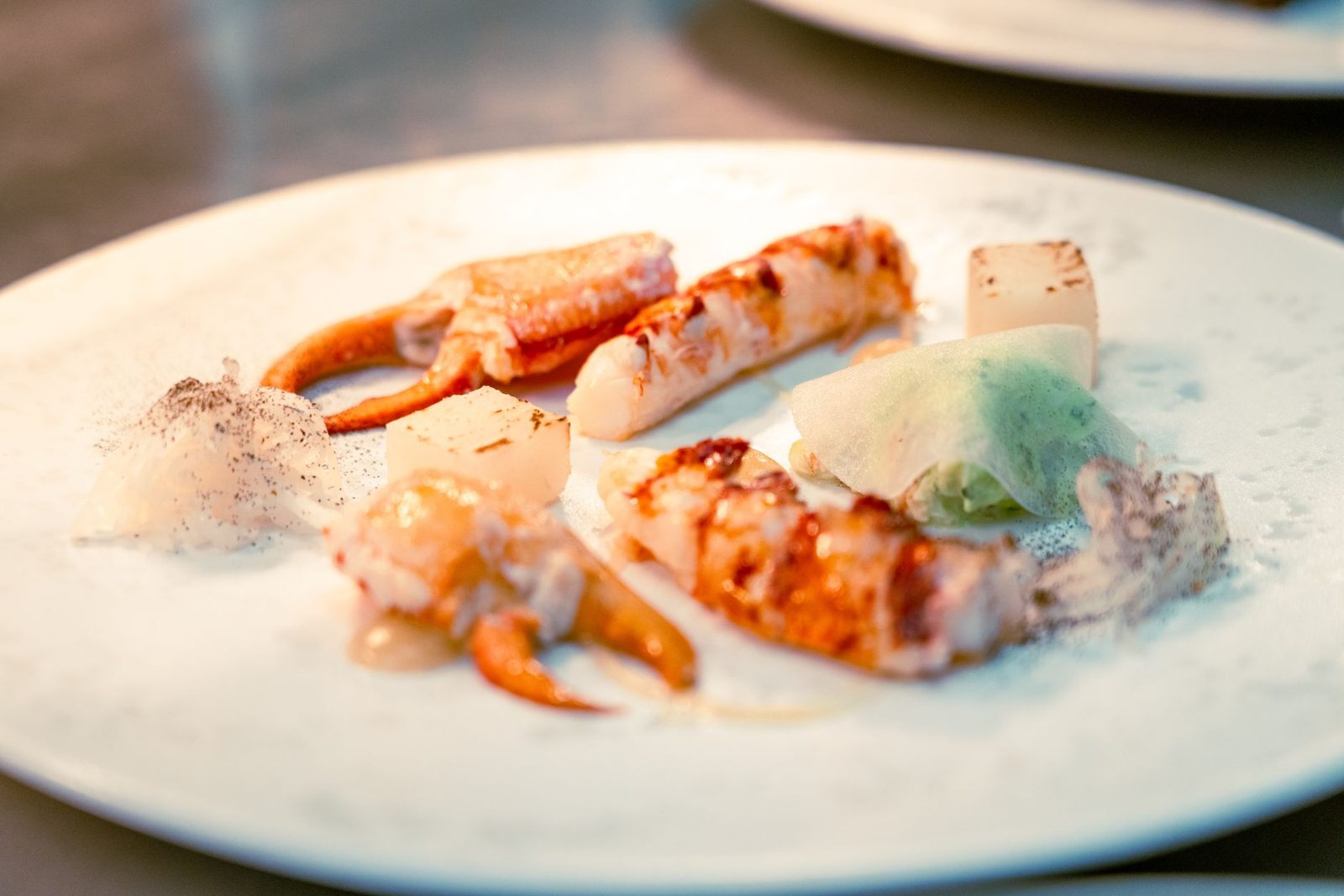
Paris Butter (Herne Bay) — Contemporary French
This is my number-one recommendation for a special occasion in Auckland, full stop. Chef Zennon Wijlens has built a small, quietly beautiful room in Herne Bay and a menu that reads like modern French but tastes distinctly of New Zealand produce.
You order a tasting menu here rather than à la carte, and the “Evolution” menu comes in six or eight courses (roughly NZ$195 and NZ$260 respectively, with wine pairings on top). It’s precise without being fussy. Book three to four weeks ahead, especially for a weekend.
Tala (Parnell) — Pacific Fine Dining
Tala might be the most important restaurant in the country right now. Chef Henry Onesemo cooks his Samoan heritage through the lens of time spent in serious kitchens abroad, including a traditional Samoan open-fire oven at the centre of the kitchen.
Expect coconut, pandan, fermented breadfruit and line-caught Pacific fish woven through a tasting menu that genuinely tastes like nowhere else. The dining room is compact and seatings fill fast, so book well in advance. Honestly, if you eat at one “destination” restaurant this trip, make it this one.
Forest (New Lynn) — Plant-Forward Fine Dining
Plabita Florence’s Forest took Metro’s Supreme Restaurant of the Year and it’s the best vegetable-driven fine dining in the city. Crucially, it’s not strictly vegetarian, seafood and meat do appear, but the kitchen leads with produce and marries Indian technique with New Zealand ingredients.
It’s out in New Lynn rather than the inner suburbs, which puts some people off. Don’t let it. This is one of the most creative kitchens in the country and worth the trip west.
Cassia (relocating in 2026) — Modern Indian
Sid and Chand Sahrawat’s Cassia has been the benchmark for modern Indian dining in Australasia for close to a decade. One thing to know for 2026: Cassia is moving on from its long-time basement home and relocating, so check the current address when you book. Wherever it lands, the cooking, one foot in regional India, one in contemporary technique, is worth chasing down.
Cocoro (Ponsonby) — Kaiseki-Inspired Japanese
Chef Makoto Tokuyama’s Cocoro has quietly sat at the top of Auckland’s Japanese fine-dining category for years. The kaiseki-style tasting menu runs New Zealand ingredients through Japanese technique, and the sake list is the most thoughtful in town. Intimate, focused, and a lovely choice for a quiet, romantic dinner.
Ahi (Commercial Bay) — Modern New Zealand
Ben Bayly’s Ahi draws on whenua, moana and māra, land, sea and garden, with an open kitchen that turns the meal into theatre. The set menu sits around NZ$139 per person, which makes it one of the better-value ways into serious cooking in the CBD. Book the counter if you can; watching the pass is half the fun.
The Grove (CBD) — Modern European
A long-standing fixture on the country’s top-restaurant lists, The Grove on St Patrick’s Square does restrained, elegant modern European food. It’s my pick for a polished, low-drama dinner, particularly with business guests who want quiet and comfort rather than spectacle.
New in 2026 worth watching
A few newer rooms have caught my eye. SuMI at City Works Depot channels a Tokyo izakaya, cooking over white-oak charcoal that gives the whole place a sweet, smoky smell. Bistro Saine, inside the Hotel Indigo on Albert Street, is a confident, ingredient-led European bistro revival. And MASU on Federal Street remains one of the best robata grills in the city if you want contemporary Japanese cooked over hot coals. All three take bookings and I’d grab one for a Friday or Saturday.
The best casual dinner in the city
One more before we leave restaurants: Al Brown’s Depot on Federal Street takes no reservations and still draws a queue most nights, for good reason. The raw bar, the skillet-fried eggs and the wood-roasted chicken make it the closest thing Auckland has to a perfect casual dinner. Go early, around 5:30pm, or be ready to wait with a drink. It’s my default recommendation for anyone who wants something excellent without the tasting-menu commitment or the three-week booking window.
Auckland’s Cafes and Brunch: The Category We Do Best
If there’s one thing Auckland does better than almost anywhere, it’s cafes. The flat white is the default order, espresso is excellent almost everywhere, and weekend brunch is a genuine event. Budget roughly NZ$18–28 for a brunch plate with a coffee at a good spot, and expect a wait between 10am and noon on weekends.
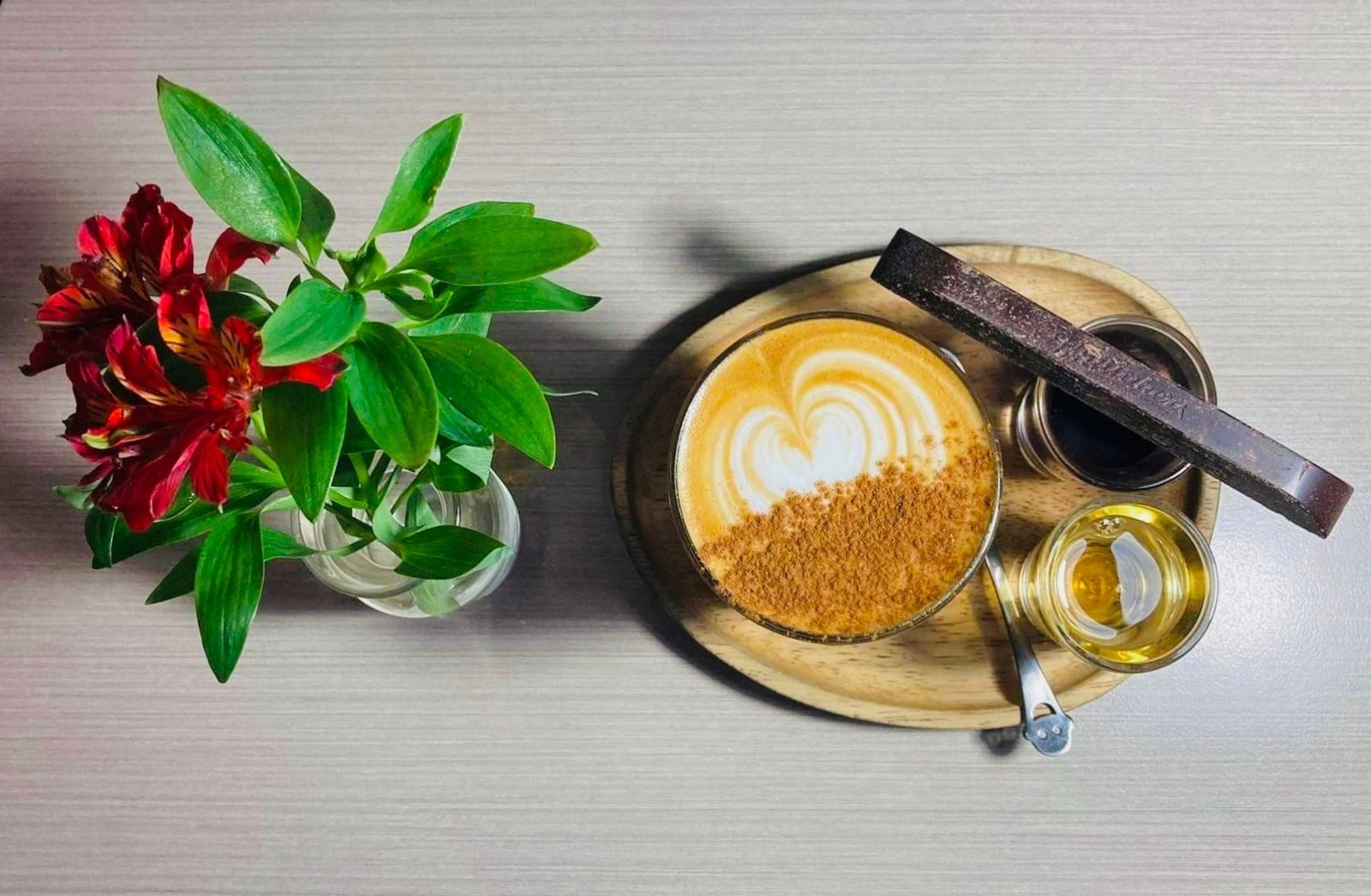
What follows are my everyday favourites. For the full spread I keep two dedicated lists you’ll want: the Best Cafes in Auckland: 30 Must-Visit Spots (2026) and, if you’re specifically after the morning meal, my roundup of the 15 Best Brunch Spots in Auckland: Locals’ Favourites (2026).
Honey Bones (Grey Lynn)
People drive across town for the bacon butty and the Middle Eastern-leaning menu here, and the flat whites have that silky finish that separates a good Auckland cafe from a great one. Weekends get busy, so go early or aim for a weekday.
Orphans Kitchen (Ponsonby)
Ponsonby Road’s cornerstone cafe-restaurant for more than a decade. Short menus built from small-farm produce, whole-animal butchery and sourdough from the in-house bakery. If I could only send you to one Ponsonby cafe, it’d be this.
Daily Bread (Point Chevalier, Mt Eden, Ponsonby)
Auckland’s best bakery-cafes, no argument. The croissants, canelés and sourdough loaves stand up to anything in Australasia. Point Chevalier is the flagship, but all the stores are excellent. Grab a pastry and a coffee and eat it in the sun.
Best Ugly Bagels (City Works Depot & more)
Wood-fired Montreal-style bagels, the best in the country and the standard quick breakfast for inner-city workers. Cheap, fast, and the lines move quickly. My order: a wood-fired bagel with cream cheese and a long black.
Fort Greene (Karangahape Road)
The K’ Road brunch fixture for a serious-looking plate. Ingredients-forward, beautifully presented, and reliably rammed on weekends. Get there before ten or plan to wait.
Odettes (City Works Depot)
An all-day, Mediterranean-leaning eatery with some of the best gluten-free brunch options in the city and an espresso-infused smoothie that shouldn’t work but does. Good for a group with mixed dietary needs.
Scarecrow (Freyberg Place, CBD)
A destination brunch spot with a grocer, florist and wine shop attached. Weekend waits can be long, so I go mid-morning on a weekday and treat it as a proper sit-down.
The Korean cafe wave
This is one of the most exciting stories in Auckland dining over the past two years. Korean-owned cafes have brought minimal concrete-and-plywood rooms, long pour-over bars, custard-filled pastries and roasted-grain lattes to the city centre.
My essential list right now: Rumours (Viaduct), Cosmo (K’ Road), Kompass (Britomart), Receptionist Safehouse (Ponsonby) and Holiday (High Street). They take batch brew, pour-over and slow-drip seriously, often sourcing from Korean and Asian microroasters. Any one of them is worth a slow morning.
The roasters worth knowing
Auckland has taken coffee seriously since the late 1990s, and the roasters’ own cafes are usually the best place to drink their beans. Allpress (flagship on Drake Street in Freemans Bay) is the benchmark; Coffee Supreme and Atomic (Kingsland) are served widely; Kokako in Grey Lynn does excellent organic, fair-trade coffee; and Chuffed on High Street has been a CBD specialty stalwart for years. Expect to pay around NZ$5.50–7 for a flat white.
Seafood in Auckland: Oysters, Fish Market and Waterfront
Auckland grows oysters fat and sweet in the Hauraki Gulf and lands superb line-caught fish year-round. Seafood is where the city’s location really pays off, and you can eat it cheaply at a market counter or splash out at a waterfront table.
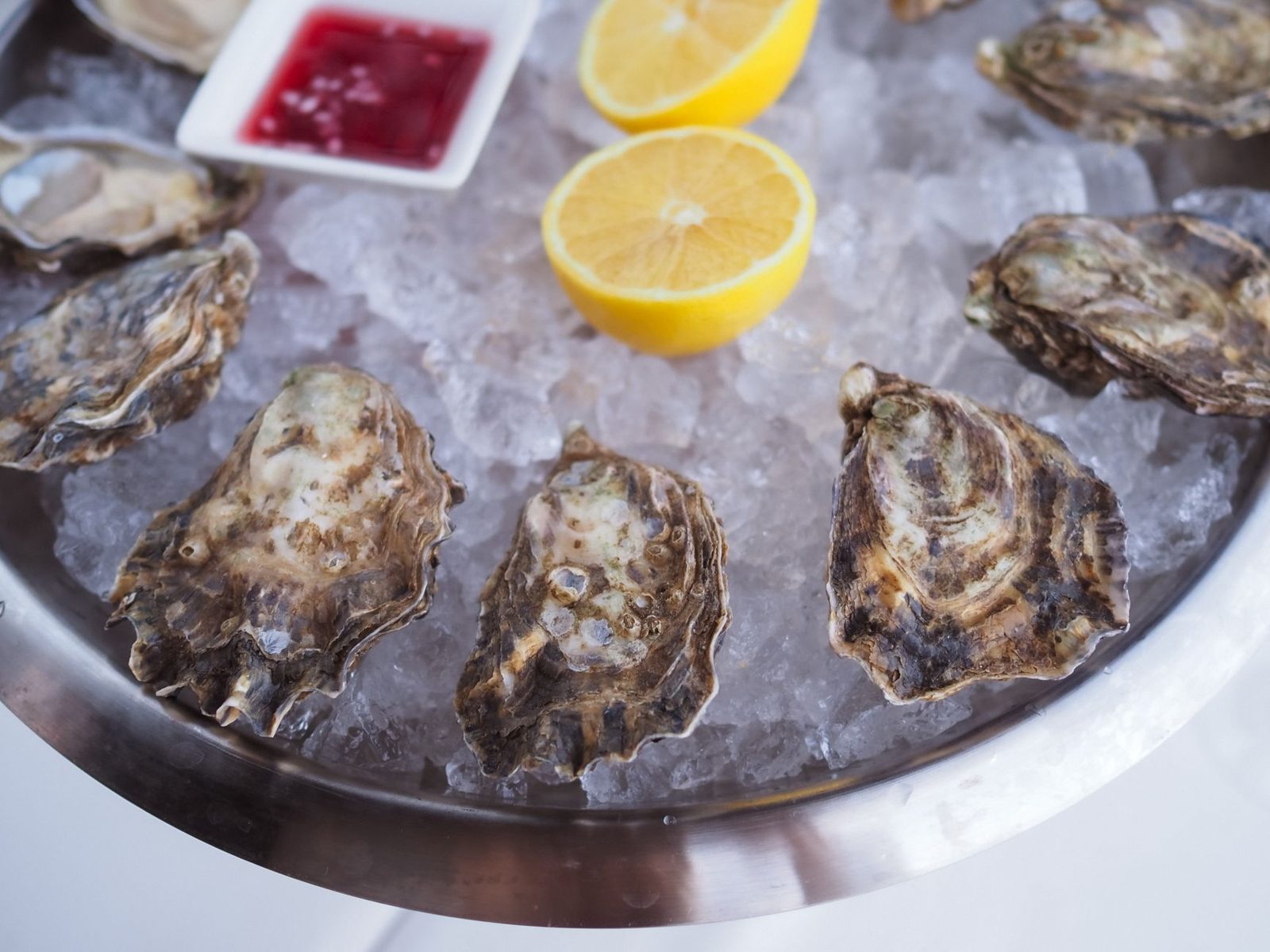
I’ve pulled my full ranking into a separate guide to the Best Seafood Restaurants in Auckland (2026), but here’s where I actually take people.
Auckland Fish Market (Wynyard Quarter)
Start here. Established back in 1904 and redeveloped into a modern food hall, the market pairs a working fishmonger downstairs with counters upstairs for tempura, sushi, fish and chips, chowder and, of course, oysters. Vendors like the fish-and-chip and sushi counters keep it casual and cheap. On a sunny day, grab a plate, sit outside and watch the harbour. It’s one of the best-value lunches in the city.
kingi (Hotel Britomart)
My pick for a sit-down seafood dinner. kingi is sustainability-first, changing the menu with the week’s catch and working with small-boat, line-caught species. Expect crispy-skin snapper, kingfish crudo, crayfish tacos, a pāua bolognese that regulars swear by, and the best local oysters in town.
Soul Bar & Bistro (Viaduct)
The Viaduct classic. Soul isn’t the most cutting-edge kitchen in the city, but for oysters, raw fish, a view of the superyachts and a celebratory bottle of Central Otago pinot, it does exactly what it sets out to do. Book a terrace table on a warm evening.
More seafood worth a table
A few others earn their spot: Trivet brings a Polynesian sharing menu with a raw bar of Te Matuku oysters and octopus carpaccio; Sails at Westhaven Marina does quintessential waterfront dining with scallops, snapper ceviche and crayfish; and FISH inside the Hilton on Princes Wharf is a reliable long-lunch or sunset option. On oysters: Bluff oysters are in season roughly March to August and are the country’s most celebrated, while Te Matuku oysters from Waiheke are excellent year-round.
New Zealand seafood worth knowing on a menu
A quick primer so you can order with confidence. The core line-caught fish you’ll see are snapper, kingfish, John Dory, trevally, gurnard and hāpuku (groper), all excellent and sustainably managed. On the premium end, look for Ōra King salmon from Marlborough and Big Glory Bay king salmon from Stewart Island. Green-lipped mussels and Cloudy Bay clams turn up in raw bars and pasta, and pāua (abalone) is the local delicacy, rich and a little chewy, worth trying at least once. If you see whitebait fritters in season (spring), order them; they’re a genuinely local treat.
Cheap Eats: How to Eat Brilliantly on a Budget
Auckland is not a cheap city, but it’s nowhere near as expensive as the fine-dining prices suggest, if you know where to point yourself. My core strategy: treat lunch as your main meal out (many upmarket spots do set lunches at NZ$45–60 for two courses), then eat casually at night on the great immigrant food strips.
For the deep dive, I keep a whole guide to the Best Cheap Eats in Auckland: 25 Meals Under $20 (2026). Here’s the short version.
Dominion Road (Balmoral)
This is the single best cheap-eats decision in Auckland. Dominion Road runs south from the city fringe and packs in more than a hundred Chinese, Taiwanese, Malaysian, Korean and Vietnamese restaurants, and it anchors my wider guide to the best Asian food in Auckland by cuisine and neighbourhood. A big bowl of noodles runs about NZ$10–25.
My regular orders: hand-pulled noodles and $1 lamb skewers at Gogo Music Cafe (the original and, honestly, the best branch); the beef noodle soup and sneakily excellent fried dumplings at King Beef Noodle; Eden Noodles for dan dan mian and dumplings in spicy sauce; Udon Works for a warming bowl of thick udon; and Stumpy’s for a blistered, singed-edge pizza when you want a break from noodles. For something more ambitious on the same strip, Cazador does inventive, nose-to-tail cooking with a sustainability ethos.
Sandringham Road
Auckland’s South Indian hub. Come here for dosa, biryani, chaat and Gujarati sweets. Satya Chai Lounge is a great entry point for chaat, and the strip is full of curry houses where you’ll eat well for around NZ$18–30.
Commercial Bay food hall & the CBD
The food hall at Commercial Bay spreads two floors of generous, every-cuisine options and solves lunch in the city centre. For a banh mi or pho, the Vietnamese spots around upper Queen Street and K’ Road are the move. A takeaway banh mi sits at the top of anyone’s cheap-eats list.
My quick hit list of meals under NZ$20
- A bowl of hand-pulled noodles on Dominion Road, plus a couple of $1 lamb skewers.
- A wood-fired bagel with cream cheese from Best Ugly Bagels and a long black.
- A dosa or a masala chai and snack on Sandringham Road.
- Fish and chips or a tempura plate at the Auckland Fish Market, eaten outside.
- A banh mi from a Vietnamese takeaway around upper Queen Street.
- A laksa or Korean corn dog at one of the rotating night markets.
Do a few of these across a trip and you’ll balance out the bigger dinners nicely, both for your budget and, frankly, for your appetite.
Bars, Rooftops and Nightlife
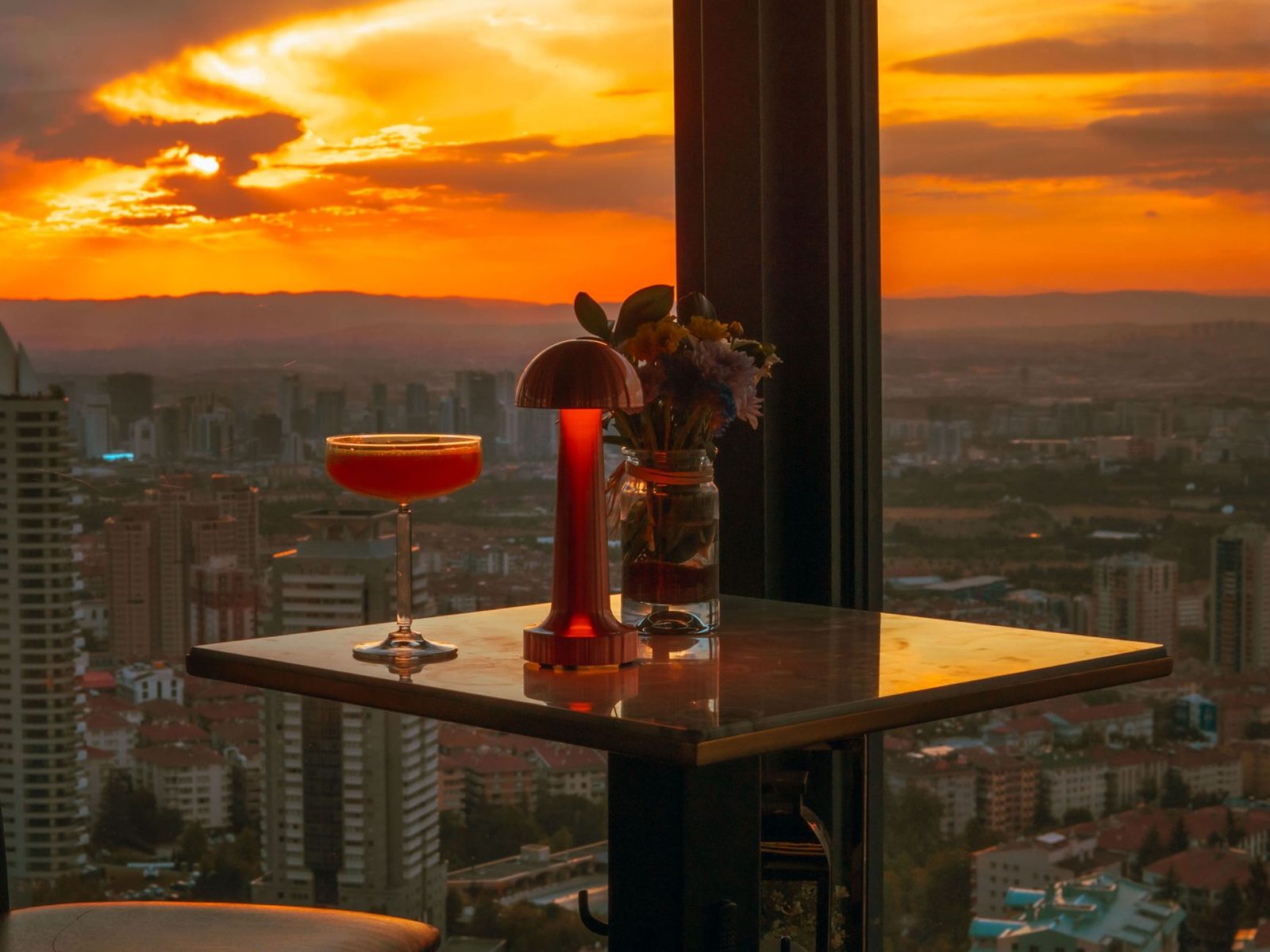
Auckland’s drinking scene has come a long way, from serious cocktail dens to a growing crop of high-altitude rooftop bars with harbour views. Here’s where I’d send you for a pre-dinner drink or a proper night out.
Cocktail bars
Caretaker in Britomart is a downstairs, no-menu cocktail bar where the bartender mixes to your palate, it’s been the city’s top mixology destination for years. Deadshot on Ponsonby Road is the neighbourhood’s most ambitious bar, with a tight list and one of the best teams around. For natural wine and French bistro snacks, Apero on K’ Road is my late-table pick.
Rooftop bars
For a sunset drink up high, you’re spoiled now. HI-SO on the 16th floor of SO/ Auckland has long views over the harbour and Rangitoto. Bar Albert, on the 38th floor of the voco hotel, is about the highest bar in the city, moody, with sweeping views to the Harbour Bridge. The Churchill on the 20th floor of the Four Points by Sheraton is a gin-focused rooftop with close to 200 gins. And The Glasshouse atop Hotel Britomart looks straight out over the ferry terminal, which is my favourite spot for a nightcap after dinner nearby.
Craft beer
Auckland has a genuine craft beer scene. In the city, Brothers Beer (City Works Depot), Sawmill (Commercial Bay) and the long-running Galbraith’s Alehouse in Mount Eden are all excellent. Out of town, Hallertau in Riverhead makes a great afternoon if you’ve got a car or a driver.
Food Markets and Night Markets
Auckland’s markets are one of the city’s underrated food experiences. The Auckland Night Markets rotate across suburban car parks through the week, the Papatoetoe, Henderson and Glenfield markets are famous for pan-Asian street food, from Malaysian laksa and Korean corn dogs to Vietnamese sugarcane prawns. They run roughly 5pm to 11pm and take cash and card. Bring an appetite and a bit of cash as backup.
On weekends, the Britomart Farmers Market (Saturdays at Takutai Square) and La Cigale French Market (Parnell, Saturdays and Sundays) are the two to prioritise for Auckland’s best artisan producers. Both are as much a social scene as a shop, and a lovely way to spend a Saturday morning before the crowds hit brunch.
New Zealand Wine, in Auckland and on Waiheke
New Zealand wine punches well above its weight, and Auckland is the best single place in the country to drink through a wide range of it, from Marlborough sauvignon blanc and Central Otago pinot noir to Hawke’s Bay syrah and a growing category of low-intervention, skin-contact wines from small producers.
Waiheke Island wine country
Forty minutes by ferry from downtown, Waiheke is home to more than 30 vineyards producing some of the country’s best syrah, Bordeaux blends, chardonnay and rosé. A day here is one of the great pleasures of visiting Auckland, and I’d build a whole day around it, though my roundup of the best wineries near Auckland also covers the Kumeu and Matakana cellar doors on the mainland.
The estates to book: Mudbrick (the classic restaurant-with-a-view), Man O’ War (remote, spectacular, with the island’s best beach below), Cable Bay (one of the island’s best restaurants), Stonyridge (the original fine-wine estate), Te Motu (celebrated Bordeaux blends) and The Oyster Inn in Oneroa village for oysters and rosé. A wine-tour bus or private driver can link three estates in a day. Book well ahead in peak summer. It’s one of my favourite 25 Best Day Trips from Auckland in 2026 (With or Without a Car), and one of the easiest to do without your own wheels.
When to go and how to plan a Waiheke day
A practical tip: the ferry from the downtown terminal is frequent and takes about 40 minutes, and you can buy a combined ferry-and-tour package that removes all the logistics. Summer (December to March) is peak, gorgeous weather but busy, so book restaurants and tours ahead. I actually prefer the shoulder months of late spring and autumn, when the vineyards are quieter and a walk-in table is more realistic. Give yourself a full day; rushing Waiheke defeats the point.
Wine shopping and wine bars in the city
For retail, Caro’s (Parnell), Glengarry (multiple locations) and Point Wines (Point Chevalier) are the best independents. For a wine-focused evening, The Wine Cellar on K’ Road and Kazuya (French-Japanese, a small, serious natural-wine list) are the ones I return to.
Where to Eat by Neighbourhood
If you’d rather plan around where you’re staying, here’s a quick neighbourhood breakdown. It pairs nicely with my wider Auckland Neighborhoods Guide 2026: Where to Stay, Eat & Explore if you’re still deciding on a base.
CBD and Britomart
Most of the fine-dining cluster is here, and it’s flat and walkable, which makes a restaurant crawl from Britomart to the Viaduct genuinely easy. Head to Britomart for Amano’s all-day Italian, kingi and Kazuya; to Federal Street for Depot, MASU and the Federal Delicatessen; and to Commercial Bay for the food hall and Ahi.
Ponsonby and Grey Lynn
The best all-round dining neighbourhood in the city. Paris Butter sits just over in Herne Bay, and along Ponsonby Road you’ve got Azabu, Orphans Kitchen, Coco’s Cantina, Ponsonby Central, Deadshot and more. You could walk the strip and pick a dozen good places without a plan.
Karangahape Road (K’ Road)
The late-night quarter. Cosmo for Korean coffee, Coco’s Cantina for a classic Italian bistro, Fort Greene for brunch, and Apero and The Wine Cellar for an evening glass. This is where a night stretches out.
Parnell and Newmarket
Parnell has some of the city’s best neighbourhood Italian and French, plus Tala for a destination dinner. Newmarket adds a scattering of modern Asian restaurants and good cafes off Teed Street.
Devonport and the North Shore
For a North Shore meal, Engine Room in Northcote is a modern bistro that’s a genuine destination. Devonport is best for a leisurely weekend lunch after a ferry ride, and the new-ish Dulcie, in a historic building with sea views, is a lovely brunch or lunch. If you’re heading over here, my guide to Getting Around Auckland: The Complete 2026 Transport Guide covers the ferries.
Food Tours and Culinary Experiences
If you’d like a guided intro, Auckland has good options. Big Foody Food Tours runs small-group walking tours across Britomart, K’ Road and Ponsonby with tastings along the way. On Waiheke, several operators run wine-and-food tours that visit three or four vineyards with lunch included. And the Auckland Seafood School, upstairs at the Fish Market, runs half-day cooking classes with working chefs, a great rainy-day plan.
Eating is only one slice of a trip here, of course. If you’re building a broader itinerary, pair this with my roundup of the 65 Best Things to Do in Auckland (2026): An Insider’s Guide and, for the fresh-air balance to all this eating, the Auckland Beaches & Outdoor Adventures: The Complete 2026 Guide.
Eating Out with Kids in Auckland
Auckland is an easy city to eat well in with children. Ponsonby Central works brilliantly for families, everyone picks a different stall and shares at a big table. The Fish Market is casual and forgiving, the noodle houses on Dominion Road are quick and cheap, and most cafes are set up for kids without fuss.
For sit-down dinners that welcome children, and for the venues with dedicated kids’ menus and space to move, I’ve pulled it all together in my guide to the Best Family Restaurants in Auckland (2026 Picks). If you’re planning the whole trip around little ones, the broader Auckland with Kids 2026: Complete Family Travel Guide covers timing and logistics too.
Practical Tips for Dining in Auckland
Reservations, timing and dress code
Reservations are essential for the fine-dining tier, Paris Butter, Tala, Forest, Cocoro and the like, so book three to four weeks ahead, more for a weekend. Most other restaurants take bookings through OpenTable or their own websites, and plenty of casual spots happily take walk-ins. Dinner service usually starts around 5:30–6pm with last seatings about 9–9:30pm on weeknights. Smart-casual is the standard; jacket-and-tie rules basically don’t exist here.
Tipping and service charges in New Zealand
Here’s the one that trips up visitors: tipping is not expected anywhere in New Zealand. Wages are full, so there’s no obligation, and service charges aren’t added to bills (a small surcharge sometimes applies on public holidays, which will be stated on the menu). If you’re genuinely delighted, rounding up or leaving around 10% is a nice gesture, but it’s just that, a gesture. And because 15% GST is already baked into menu prices, the figure you see is the figure you pay.
Dietary requirements
Auckland is unusually well set up here. Vegetarian and vegan menus are common (Forest is the flagship), gluten-free options are nearly universal, and staff tend to be well trained on allergens. Always flag allergies when you book; most fine-dining kitchens will adapt a tasting menu with 24–48 hours’ notice.
Corkage and BYO
Plenty of casual and mid-range restaurants still offer BYO wine, though the fine-dining tier generally doesn’t. Where it’s available, corkage runs about NZ$15–25 per bottle. Many of the Indian and Thai restaurants on Dominion Road are reliably BYO, which is a nice way to keep a group dinner affordable.
One Perfect Eating Day in Auckland
If you’ve got a single full day, here’s how I’d spend it. Start with a flat white and a croissant at Daily Bread in Ponsonby, then wander to Orphans Kitchen for a slow brunch. Catch a ferry to Waiheke, do a long lunch and a tasting at Mudbrick or Cable Bay, and come back mid-afternoon. Have a pre-dinner cocktail at Caretaker in Britomart, then walk around the corner to Ahi or over to Tala for a tasting-menu dinner. Finish with a nightcap on the rooftop at The Glasshouse, looking out over the harbour. That one day tells you more about how Auckland eats than almost anything else you could do.
Frequently Asked Questions
What are the best restaurants in Auckland right now?
For 2026, my top fine-dining picks are Paris Butter, Tala, Forest, Cassia (relocating this year, so check the address), Cocoro and Ahi. Each runs a tasting-menu format and needs booking several weeks ahead. For casual brilliance, add Depot, kingi and the noodle houses of Dominion Road to your list.
Does Auckland have Michelin-starred restaurants?
Not yet, but the Michelin Guide is arriving in New Zealand, and Auckland is expected to feature heavily when the first stars are handed out. The anticipation has already lifted the standard across the city’s kitchens, so it’s a genuinely exciting time to book a serious dinner here. Watch this space over the coming year.
How much does dinner cost in Auckland?
Roughly: a casual dinner with a glass of wine runs NZ$45–80 per person; a mid-range neighbourhood dinner is NZ$80–130; fine-dining tasting menus without wine are typically NZ$180–280, or more like NZ$320–450 with matched wines. All prices include 15% GST. Treat lunch as your main meal to eat upmarket for less.
What is the famous New Zealand coffee?
It’s the flat white: a double shot of espresso with velvety, micro-foamed milk in a small cup. Order one at any decent Auckland cafe and you’ll get something excellent. The long black, short black and piccolo are the other classic orders. Expect to pay around NZ$5.50–7. Auckland’s cafe culture is a real point of pride, so lean into it.
Can I do a winery day trip from Auckland?
Yes, and you should. Waiheke Island is 40 minutes by ferry and has more than 30 vineyards; most visitors spend a full day there and let a tour bus or driver handle the hopping between estates. The Matakana wine region, about an hour’s drive north, is the quieter alternative, smaller, calmer, and a lovely short drive out of the city.
Is Auckland good for vegetarians and vegans?
Very much so. Forest is a flagship for plant-forward fine dining, and most Asian restaurants, plus modern Indian spots like Cassia, have strong vegetarian menus. Vegan dining is widely catered for too, including at most fine-dining restaurants if you give them notice when you book. Flag it early and you’ll eat well.
Final Thoughts
Here’s what I’d leave you with. Auckland’s food is at its best when you mix the tiers, a tasting menu one night, a NZ$12 bowl of hand-pulled noodles the next, a market breakfast, a ferry to a vineyard lunch. Chase the flat white in the mornings and the oysters when you can. Book the big rooms a few weeks out and stay loose on the casual ones.
Do that, and you’ll eat better here than you might expect from a city this size. If you’re still shaping the rest of the trip, my Auckland Travel Guide 2026: The Complete Visitor’s Handbook and my rundown of Where to Stay in Auckland: Best Neighbourhoods & Hotels for 2026 will help you slot the meals into the days, and the Auckland Events & Festivals Calendar 2026: Month-by-Month Guide is worth a look if you want to time your visit around a food or wine event. Come hungry.
Last updated: July 2026. Written by the Auckland Tourism Guide team.
Photo credits
- Photo: Rachel Claire via Pexels
- Photo: Arthur Swiffen via Pexels
- Photo: Akash Sudan via Pexels
- Photo: Nadin Sh via Pexels
- Photo: Büşra Yurt via Pexels