Sky Tower Auckland: Tickets, Tips & What to Expect in 2026
Sky Tower Auckland guide: ticket prices, opening hours, the three observation decks, SkyJump vs SkyWalk, Orbit 360 dining and the best times to visit.
This article contains advertising. Our booking links are routed through a partner that adds commission tracking automatically, so if you book through one we earn a commission from the provider, at no extra cost to you. It never affects what we recommend. Affiliate disclosure
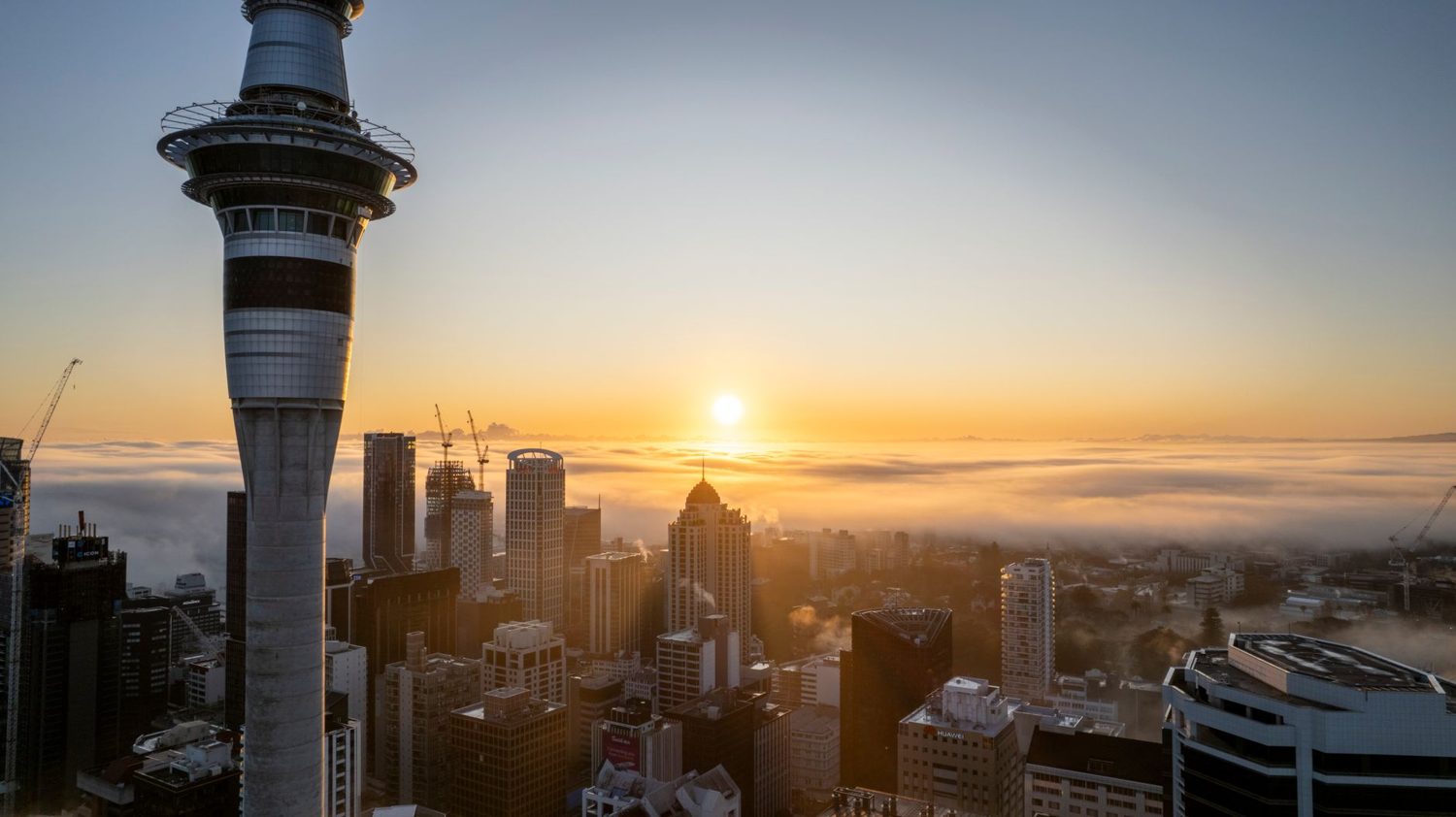
You can’t really miss it. Fly into Auckland, catch a ferry across the harbour, or just walk out of your hotel in the CBD, and there it is: a slim white needle pointing 328 metres into the sky, usually the first landmark that tells you which way is which. The Sky Tower has been Auckland’s compass point since 1997, and after taking friends and family up it more times than I can count, I still think it’s the smartest first stop in the city. Go up early in your trip, and the rest of Auckland suddenly makes sense from the ground.
This guide walks you through everything I wish someone had told me before my first visit: what the three observation decks are actually like, whether the SkyJump or SkyWalk is worth it, how the dining works, when to go for the best light, and how to get there. I’ll flag prices and hours as a guide only, because they shift with season and promotions, so always confirm the current numbers on the official site before you book.
The short answer: what is the Sky Tower and is it worth it?
The Sky Tower is Auckland’s 328-metre observation and telecommunications tower in the central city, with three viewing decks up to 220 metres, a rotating restaurant, and two thrill activities (SkyWalk and SkyJump) run off the outside at 192 metres. For first-time visitors it’s the best single overview of the city’s geography, and yes, it’s worth it once, ideally around sunset.
Sky Tower at a glance
| Detail | What to know |
|---|---|
| Total height | 328 m to the top of the mast (tallest free-standing structure in the Southern Hemisphere) |
| Observation decks | Main Observation (186 m), The Lookout (192 m), Sky Deck (220 m) |
| Lift ascent | About 40 seconds in glass-fronted lifts |
| Clear-day visibility | Up to around 82 km |
| Typical visit | 45-90 minutes for the decks; longer with dining or a thrill activity |
| Location | Corner of Victoria & Federal Streets, Auckland CBD (part of the SkyCity precinct) |
| Thrill activities | SkyWalk (guided outdoor walk) and SkyJump (guided base jump by wire), both from 192 m |
| Best time to go | Around sunset for day, dusk and night views on one ticket |
A quick orientation before we get into the detail. If you’re planning a wider itinerary, the tower slots neatly alongside the rest of the city’s headline attractions, and it pairs especially well with the sights covered in our 65 Best Things to Do in Auckland (2026): An Insider’s Guide. I’ll link to a handful of related guides as we go, so you can build the tower into a full day rather than treating it as a one-off tick-box. If you want more on that side of things, see our free things to do in Auckland guide.
Sky Tower tickets and prices
General admission gets you all three observation decks on a single ticket, and tickets are typically valid for six months from purchase, which is handy if bad weather rolls in and you want to come back on a clearer day. As a rough guide, expect an adult general-admission ticket to sit somewhere in the mid-NZ$40s, with reduced rates for children and often a family pass. I’ve seen the exact figures move around with season, school-holiday deals and online-versus-walk-up pricing, so treat any number you read (including mine) as indicative and check skycityauckland.co.nz for the live rate.
My honest advice: book online rather than at the counter. You skip the ticket queue and just scan a QR code at the lift, and online rates are usually at least as good as walk-up. Third-party sellers like Klook, GetYourGuide and Viator sometimes list the same admission with flexible cancellation, which can be useful if your plans are loose, but compare the total price against the official site first.
SkyWalk and SkyJump prices
Both thrill activities are run by AJ Hackett Bungy off the tower’s outer ring at 192 metres, and both are booked separately from general admission (bungy.co.nz). SkyWalk, the hands-free outdoor walk, tends to land around the NZ$160 mark on its own. SkyJump, the guided base jump by wire, sits higher, roughly in the low-to-mid NZ$300s, and there’s usually a combo that bundles both for a bit less than buying them apart. If you already hold a general-admission ticket, SkyWalk can sometimes be added for a smaller top-up. Again, confirm current pricing and any weight and age limits when you book.
Combo and multi-attraction tickets
SkyCity often sells the Sky Tower bundled with its neighbouring experiences, such as Weta Workshop Unleashed and the All Blacks Experience, which can shave a little off buying each separately if you were going to do them anyway. Several Hop-On-Hop-Off Explorer Bus passes also fold Sky Tower admission in alongside stops like the zoo and aquarium. It’s worth a two-minute check of what’s bundled before you buy single tickets, because the maths sometimes favours the combo.
Opening hours
Broadly, the observation decks open mid-morning and run into the evening, with later closing over the busy December-January summer and on weekend nights through the rest of the year. Last lift entry is usually around 45 minutes before closing. The thrill activities keep shorter hours, generally daytime into late afternoon, weather permitting.
Two practical notes from experience. First, the exact hours change seasonally, so pull them up on the official site the day you plan to go, especially if you’re aiming for a specific sunset slot. Second, the tower occasionally closes in high winds or severe weather, and thrill activities pause more readily than the decks do. If it’s genuinely stormy or blowing hard in the CBD, assume disruption and check before you head over.
The three observation decks, level by level
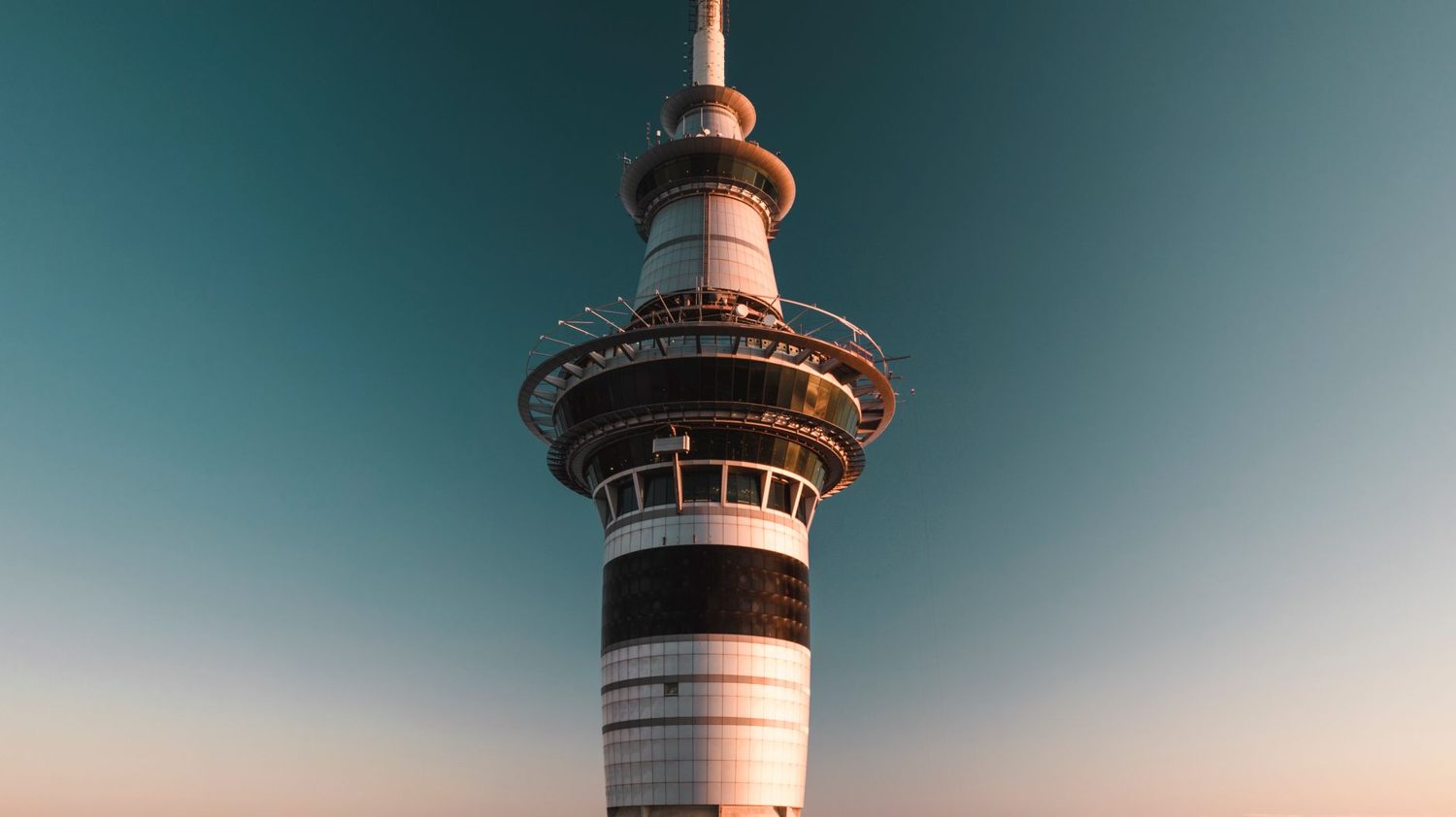
People often assume the Sky Tower is one platform. It’s actually three distinct decks stacked up the shaft, and they feel quite different. Here’s how I’d describe each.
Main Observation deck (186 m)
This is the big, comfortable one where you arrive: wide, fully enclosed, temperature-controlled, with 360-degree views, interactive displays that explain Auckland’s volcanic cones and landmarks, and a café. Its party trick is the set of glass floor panels that let you look straight down to the street far below. Kids adore standing on them. Plenty of adults do a nervous shuffle to the edge and no further, which is half the fun. If you’re at all uneasy with heights, start here, get your bearings, and work upward.
The Lookout (192 m)
A smaller mid-level deck, and the launch point for both SkyWalk and SkyJump activities on the outside of the tower. Even if you’re not doing a thrill activity, it’s oddly compelling to sit here with a coffee and watch harnessed walkers edge around the ring, or a jumper drop out of view. It’s a good spot to feel the scale of what those on the outside are experiencing.
Sky Deck (220 m)
The highest public deck, and my favourite. Unlike the lower levels, the Sky Deck uses seamless glass without the chunky mullions and handrails that break up the view elsewhere, so it genuinely feels like you’re floating over the city. On a clear day the sightlines stretch a long way: Rangitoto’s classic cone in the gulf, the ranges to the west, the islands of the Hauraki Gulf, and on the very best days, distant peaks and hills far to the south. After dark, watch for the Vector Lights show on the Harbour Bridge, which runs short displays from dusk and looks superb from up here.
Best time of day to visit
If you only go once, go around sunset. Arrive roughly 45 minutes before the sun drops and you get three experiences on one ticket: daytime panoramas, the sunset itself over the western ranges, and the whole city switching on its lights as darkness falls. It’s the single best-value window the tower offers, which is exactly why it’s also the busiest, so book online and, on a peak summer evening, get up there a little early to claim a west-facing spot.
For quiet decks, weekday mornings right on opening are the calmest I’ve found, close to having the place to yourself. Photographers should aim for golden hour, the half-hour or so after sunrise or before sunset, and bring a polarising filter to cut reflections off the glass. Clear, calm days give you that long-range visibility, and mornings after overnight rain are often the sharpest of all because the air has been washed clean. Many people check the live tower webcam on the official site before committing, which is a smart move if cloud is hanging low.
SkyWalk: the outdoor edge walk
SkyWalk is a guided, hands-free walk around the tower’s roughly 1.2-metre-wide external ring at 192 metres. There are no handrails and no glass between you and the drop; instead you’re clipped to an overhead safety rail and led around the outside in a small group with a guide. You wear a provided suit and harness over your own clothes, and you’ll need enclosed shoes (trainers are fine).
Budget somewhere around 75-90 minutes for the whole thing once you count check-in, the safety briefing, suiting up, the walk itself and photos, with maybe half an hour actually out on the ring. The fear factor is real but manageable, and this is the one I’d steer nervous-but-curious people toward. Guides encourage lean-outs over the edge, but you can absolutely decline and just enjoy standing where you’d never normally stand. It runs in most conditions and only cancels for severe wind or lightning.
SkyJump: the leap by wire
SkyJump is a guided base jump by wire rather than a bouncing bungy. You’re clipped into a full harness on two steel guide wires that control your descent, and you fall feet-first at up to around 85 km/h for roughly 11 seconds of acceleration before the system smoothly slows you for a standing landing at the tower’s base. From step-off to street it’s over in well under half a minute, but those seconds are intense.
Allow around 45-60 minutes for the full experience with check-in, kit and briefing. The rush is high, this is a genuine drop over the CBD, and it’s not suitable if you’re pregnant or have heart or back conditions or recent surgery. My tip: if you’re jet-lagged on day one, save the jump for later in your trip. Adrenaline hits differently when you’ve actually slept.
SkyWalk or SkyJump: which should you pick?
They scratch different itches. SkyWalk is about sustained exposure, half an hour outside at 192 metres with nothing but air around you, and time to soak it in. SkyJump is about a short, sharp adrenaline spike that’s gone in a heartbeat. Most people choose one. If you’re chasing calm-your-nerves exposure, walk; if you want the pure hit, jump; and if you simply can’t decide, the combo lets you do both in a single visit.
Dining at the Sky Tower
The headline dining experience is Orbit 360, a revolving restaurant that completes a full rotation roughly every hour, so your view slowly pans across the city, the harbour and the gulf while you eat. It’s New Zealand’s only rotating restaurant, and the menu leans modern Kiwi with a strong showing of local seafood, meat and seasonal produce. A big practical perk: diners generally receive Sky Tower admission around their booking, so a meal here can effectively fold in the deck experience. Dress is smart-casual, and the best sunset tables book out well ahead in summer, so reserve early. If a sunset slot is gone, a lunch booking is usually easier to land and still spectacular.
Beyond Orbit, the tower has more casual options at the lower levels, typically a lounge-style bar that does coffee by day and drinks by night, plus a counter serving ice cream, snacks and coffee that’s ideal for families who just want a quick treat at altitude. Menus and exact venues do change, so check what’s currently open when you visit. For meals back at street level, our Auckland Food & Drink Guide 2026: Best Restaurants, Cafes & Bars has plenty of nearby options to round out the evening.
How to get to the Sky Tower
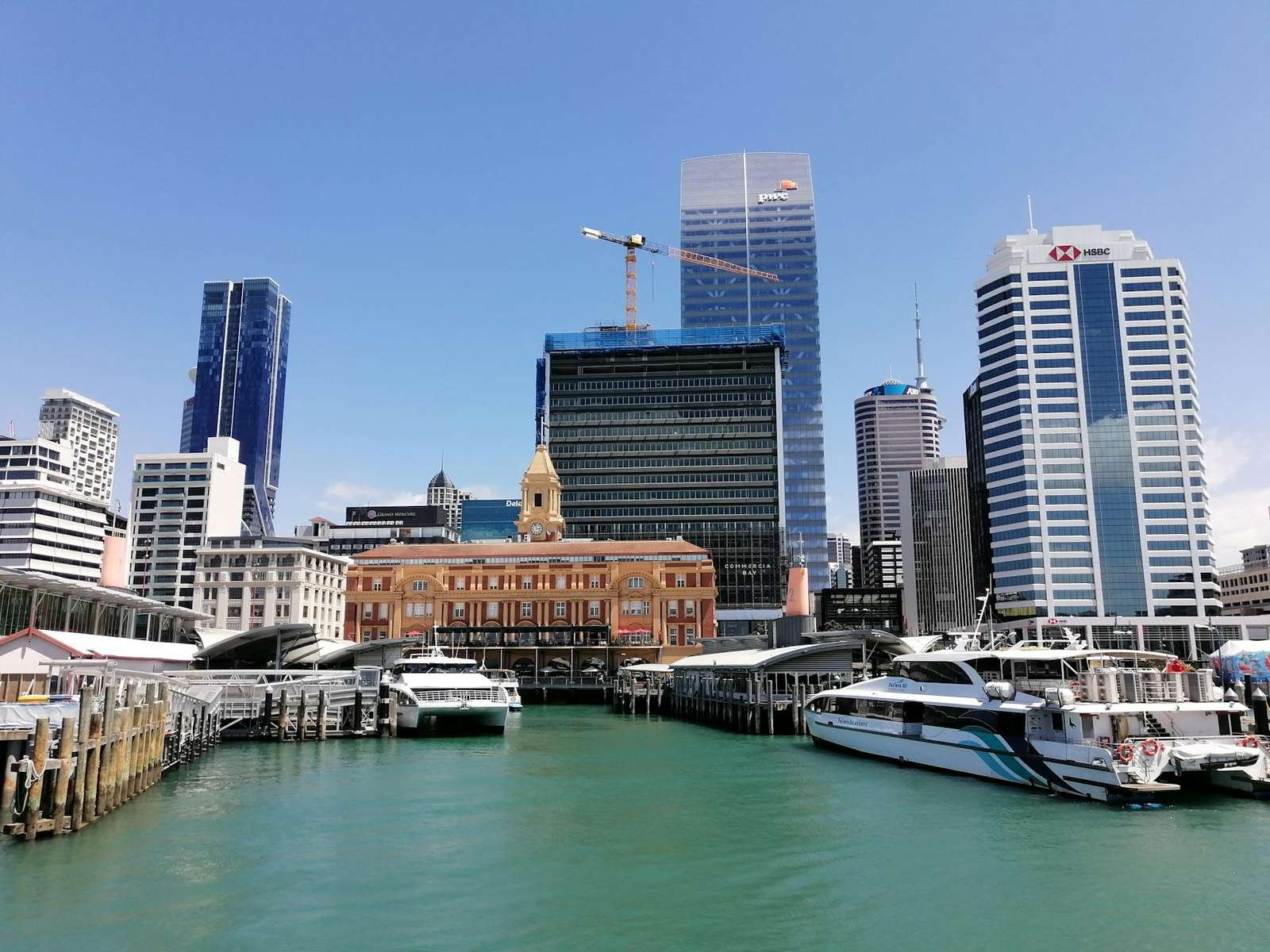
The tower sits on the corner of Victoria and Federal Streets in the central city, which makes it one of the easiest attractions in Auckland to reach on foot.
- Walking: a couple of minutes up from Queen Street, roughly 10 minutes from Britomart and Commercial Bay, and about 15 minutes from the Viaduct.
- Bus: most inner-city routes stop within a short walk on Victoria, Wellesley or Queen Streets.
- Train: once the new City Rail Link underground station on the tower’s doorstep opens, the Sky Tower becomes just a couple of minutes from the rail network, which will be a real upgrade for anyone coming in from the suburbs. Check current status before relying on it.
- Ferry: around a 10-minute walk from the downtown ferry terminal if you’re arriving from Devonport, Waiheke or the North Shore.
- Driving: the SkyCity car park has entrances on Hobson and Federal Streets, with discounted parking often available for diners and attraction guests.
For the nuts and bolts of moving around the city more broadly, including passes and fares, our Getting Around Auckland: The Complete 2026 Transport Guide covers it in detail, and if you’re still deciding on a base, Where to Stay in Auckland: Best Neighbourhoods & Hotels for 2026 maps out the handiest neighbourhoods for staying within walking distance.
Accessibility and restrictions
General admission is refreshingly easy for most visitors. The route is step-free throughout, the glass lifts fit prams and wheelchairs, there are accessible bathrooms at the base and on the main deck, and there’s no height or age minimum for the decks, with under-twos typically free. The restaurants and cafés are step-free too.
The thrill activities are stricter, as you’d expect. Both SkyWalk and SkyJump carry a minimum age (around 10) with adult consent required for younger teens, plus minimum and maximum weight limits, and participants need to follow safety instructions in English and wear enclosed shoes. SkyJump additionally excludes people who are pregnant or have certain heart or back conditions or recent surgery. Because the exact thresholds can be adjusted, especially in high winds, confirm the current requirements with AJ Hackett when you book.
Themed lighting and events at the tower
Keep an eye on the tower after dark, because it’s lit in themed colours through the year for civic causes and celebrations, from pink for breast cancer awareness to rainbow for Pride and team colours on big match nights. The Vector Lights displays on the nearby Harbour Bridge, best viewed from the Sky Deck, also run special themed shows for occasions like Anzac Day and Matariki, the Maori New Year. Matariki in particular brings a run of illuminated nights across the city; you can line up the timing with our Auckland Events & Festivals Calendar 2026: Month-by-Month Guide. There’s usually a major fireworks and projection moment from the tower at New Year, too. Our Auckland Domain guide covers this in more depth.
My top tips for visiting
- Book online to skip the counter queue and scan straight in at the lift.
- Aim for 45 minutes before sunset to get day, dusk and night views on one ticket.
- Check the weather and webcam first; if the tower’s in cloud, the whole point is lost, so save your six-month ticket for a clearer day.
- Consider dinner at Orbit if admission is bundled with your booking, which can make the evening better value than doing them separately.
- Go weekday mornings for empty decks if crowds bother you.
- Stand on the glass floor at least once; it’s a small rite of passage.
- Bring a polarising filter to cut reflections in your photos.
- Ease into the height by starting on the enclosed Main Observation deck if you get vertigo, then move up to the Sky Deck.
Fitting the Sky Tower into your Auckland trip
My strong recommendation is to do the tower early, ideally your first afternoon. From 220 metres you can physically see how Auckland is laid out across its narrow isthmus, with harbours on both sides and volcanic cones dotted through the suburbs, and that mental map makes everything easier for the rest of your stay. To understand what you’re looking at, the volcanic field and the story of Tamaki Makaurau, browse our Auckland Maori Culture, History & Heritage: The 2026 Visitor’s Guide.
From there, the tower pairs naturally with the rest of the central-city sights. It’s an easy walk to the harbour and the museum, and it slots into a wider plan that might include the Auckland War Memorial Museum Guide: Tickets, Highlights & Tips (2026), the Auckland Art Gallery Toi o Tamaki: Full Visitor’s Guide (2026), and, if you’ve got kids in tow, the Auckland Zoo Guide: Tickets, Animals & Tips (2026) and the Kelly Tarlton’s Sea Life Aquarium Guide: Tickets & Tips (2026). Families in particular will get a lot out of our Auckland with Kids 2026: Complete Family Travel Guide, which lines up the tower with other easy wins. And for the big picture of a whole trip, our Auckland Travel Guide 2026: The Complete Visitor’s Handbook ties it all together.
Frequently Asked Questions
How much are Sky Tower tickets?
As a guide, an adult general-admission ticket usually sits in the mid-NZ$40s, with cheaper rates for children and often a family pass, and admission covers all three observation decks. Prices shift with season and promotions, and thrill activities cost a lot more, so check skycityauckland.co.nz for current figures before you book.
How long do you need at the Sky Tower?
Most people spend 45-90 minutes on the decks, allowing for the lift up, all three levels, a café stop and the lift down. Add roughly 45-90 minutes for a SkyWalk or SkyJump, and a couple of hours if you’re dining at Orbit 360. A sunset visit that rolls into dinner easily fills an evening.
Is the Sky Tower worth visiting?
For a first trip to Auckland, I’d say yes. It’s the clearest single overview of the city’s unusual geography, the harbours, the isthmus, the volcanic cones and the gulf islands, and pricing is comparable to similar towers overseas. If you go, book a sunset slot to get the most from one ticket.
Can you skip the queue at the Sky Tower?
There isn’t a dedicated paid fast-track product, but booking online lets you bypass the ticket counter and scan straight in at the lift. The lift queue itself is rarely long outside peak sunset slots on busy summer weekends, when arriving a little early helps.
What’s the difference between SkyWalk and SkyJump?
SkyWalk is a hands-free guided walk around the tower’s external ring at 192 metres, harnessed to an overhead rail, with about half an hour outside. SkyJump is a guided base jump by wire from the same level, falling feet-first at up to around 85 km/h. SkyWalk is about exposure; SkyJump is about a short, intense rush. A combo lets you do both.
Final thoughts
The Sky Tower isn’t a hidden secret and it doesn’t pretend to be. It’s the obvious, unmissable centre of Auckland, and that’s exactly why it works so well as an opening move. Book a clear evening online, time it for 45 minutes before sunset, budget a couple of hours, and let the whole city arrange itself in front of you. Once you’ve stood on the Sky Deck and watched the lights come on across both harbours, you’ll understand why Aucklanders keep bringing their visitors straight back up here. Just remember to double-check the current prices, hours and activity requirements on the official channels before you go, because those are the details most likely to have moved since this was written.
Last updated: July 2026. Written by the Auckland Tourism Guide team.
Photo credits
- Photo: Ollie Craig via Pexels
- Photo: Ollie Craig via Pexels
Timing matters more than most people expect. If you only have a single day here, the hour before sunset is the slot worth protecting — you get the city in daylight, at golden hour and lit, on one ticket. Our one day in Auckland itinerary puts the tower at the end of the afternoon for that reason, and says plainly when it is fine to skip it.