Auckland to the Coromandel: Route, Stops & Where to Stay
Auckland to Coromandel road trip guide: the drive and the loop, Cathedral Cove and Hot Water Beach logistics for 2026, the best stops and where to stay.
This article contains advertising. Our booking links are routed through a partner that adds commission tracking automatically, so if you book through one we earn a commission from the provider, at no extra cost to you. It never affects what we recommend. Affiliate disclosure
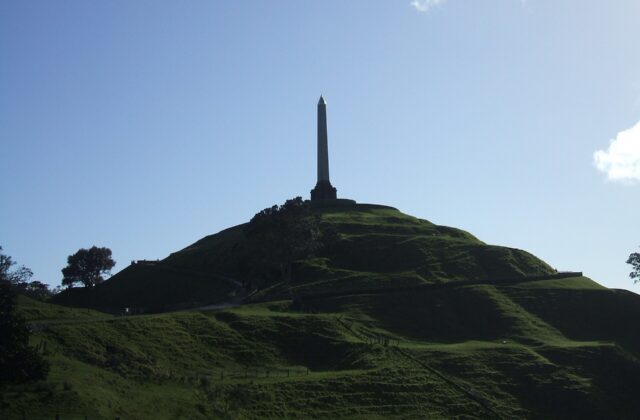
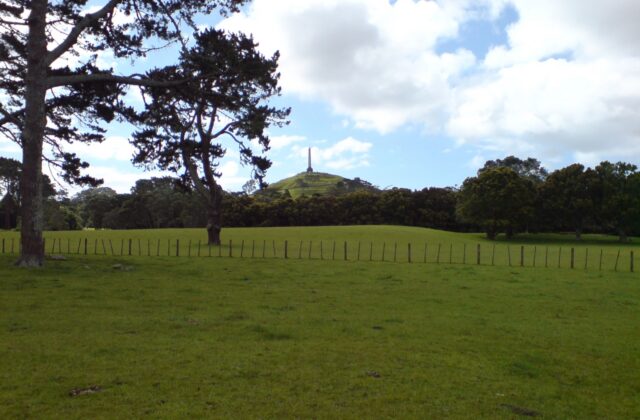
On a clear day, from the top of Maungawhau or the Sky Tower, you can see the Coromandel from Auckland: a dark, jagged line of mountains on the eastern horizon, across the Hauraki Gulf. It looks close, and in a straight line it is. By road it is a two-and-a-half-hour drive around the Firth of Thames and over the ranges, which is exactly why the peninsula has stayed the way it has — bush-covered hills, pōhutukawa-lined bays and white-sand beaches that fill with Aucklanders every January and empty again by March. An Auckland to Coromandel road trip is the classic Kiwi summer holiday, and it works beautifully in every other season too.
This guide covers the road trip: how to get there, the loop around the peninsula and how many days it needs, the stops that are worth it, the current logistics for Cathedral Cove and Hot Water Beach, and where to stay. Prices were checked in October 2026; treat them as the right order of magnitude, and check the roads before you go, because the peninsula’s highways are narrow, slip-prone and closed more often than most. If you only have one day, our Coromandel day trip guide covers that version.
At a glance: Auckland to the Coromandel
| Question | Answer |
|---|---|
| Thames | About 90 minutes |
| Coromandel Town | About 170 km via the Thames coast, 2.5 hours |
| Hahei (Cathedral Cove) | About 2.5 hours via State Highway 25A |
| Whitianga | About 190-200 km, 2.5-3 hours |
| The full loop | Best over three or four days |
| Minimum stay | 2 nights |
| Cathedral Cove parking | None at the track; park in Hahei and take the park-and-ride shuttle |
| Hot Water Beach | Dig within about two hours either side of low tide |
| Fuel for the loop | About NZ$100-110 for a small car |
Getting there: the two ways onto the peninsula
Every route starts the same way. Take the Southern Motorway out of Auckland to Pōkeno, then State Highway 2 east across the flat farmland of the Hauraki Plains. At Mangatarata, turn onto State Highway 25 and follow it to Kōpū, just south of Thames, where the road splits.
- North, up the Thames coast (State Highway 25): through Thames and along the western shore of the peninsula to Coromandel Town. Slow, winding and beautiful.
- East, across the ranges (State Highway 25A): the Kōpū-Hikuai road climbs over the forested spine of the peninsula to the east coast near Tairua. It is the quickest way to Hahei, Cathedral Cove and Hot Water Beach. A section collapsed in the storms of 2023 and was rebuilt, and like the rest of the peninsula’s roads it can still close for slips, floods and repairs.
Allow about an hour and a quarter from central Auckland to Kōpū, and add time on Friday afternoons and holiday weekends, when the whole of Auckland seems to be heading the same way. Before you leave, check the NZ Transport Agency journey planner for State Highways 25 and 25A, and the Thames-Coromandel and Hauraki district councils for local roads, since a closure can mean a change of route.
A detour on the way: the Seabird Coast
If you are not in a hurry, leave the main road and follow the Seabird Coast along the western shore of the Firth of Thames. At the Pūkorokoro Miranda Shorebird Centre, thousands of bar-tailed godwits arrive every September after flying non-stop from Alaska, one of the longest migrations of any bird on earth, and spend the summer feeding on the mudflats. A little further north, Kaiaua is known for its fish and chips.
The Coromandel loop: three or four days
The best way to see the peninsula is as a loop: up the west coast, across to the east, and back down past the surf beaches. Going anticlockwise, as below, puts the slow Thames coast road at the start while you are fresh and ends with the easy run home through the Karangahake Gorge.
| Day | Route | Driving | Sleep |
|---|---|---|---|
| 1 | Auckland, Thames, the Thames coast, Coromandel Town, Whitianga | Long day | Whitianga |
| 2 | Cathedral Cove, Hot Water Beach and Mercury Bay | Short: Whitianga to Hahei is about 40 minutes | Whitianga or Hahei |
| 3 | Tairua, Whangamatā, Waihi, the Karangahake Gorge, Auckland | Long day | Auckland |
With four days, add a night in Coromandel Town and a day in the far north of the peninsula, or a second night on the east coast so that you are not racing the tide at Hot Water Beach.
Day 1: Thames, the coast road and Coromandel Town
Thames was a gold-rush boom town in the 1860s and 1870s, and its long main street still has the wooden verandas and old hotels to prove it; the historic School of Mines tells the story. North of town, State Highway 25 hugs the shore of the Firth of Thames for an hour, squeezed between the bush and the water, past tiny bays and old pōhutukawa trees that turn scarlet in December. It is one of the loveliest coast roads in the country and one of the slowest, so do not rush it.
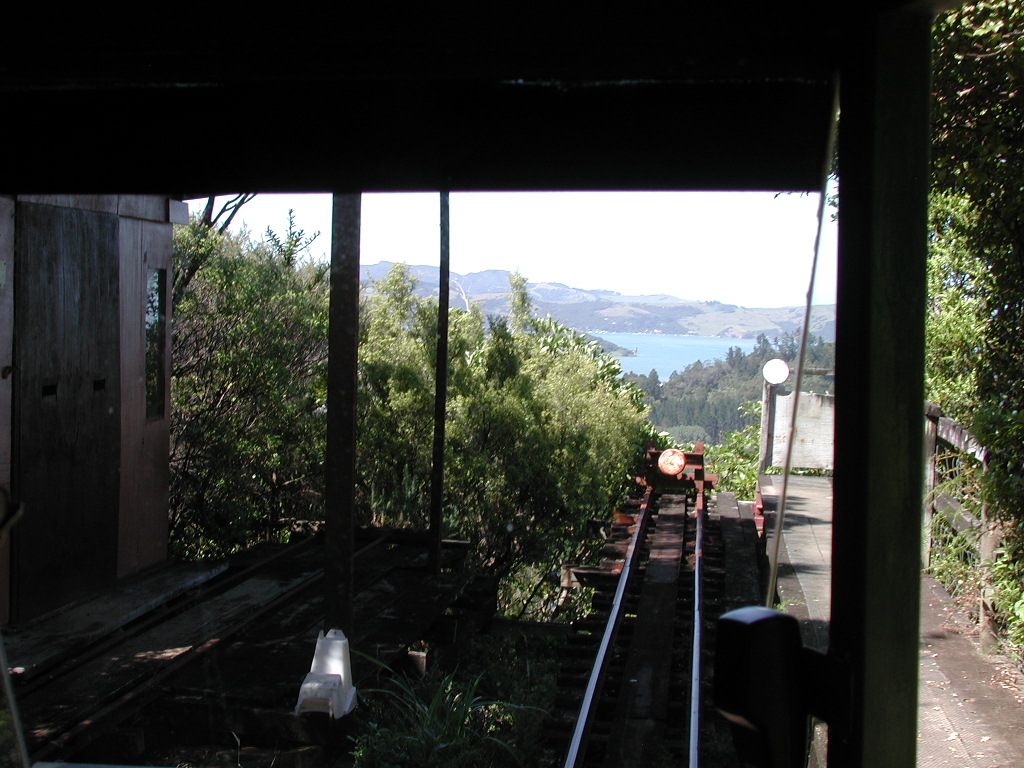
Coromandel Town, at the end of the coast road, is an arty little place with cafés, galleries and the Driving Creek Railway, a narrow-gauge mountain railway built by the potter Barry Brickell over decades, which climbs through regenerating bush by way of tunnels, spirals and a double-deck viaduct to a lookout above the harbour. From Coromandel Town, cross the ranges to Whitianga on State Highway 25, or on the 309 Road, a 22 km, largely unsealed shortcut past Waiau Falls and the Kauri Grove. Check your rental agreement before taking the 309, in case it excludes unsealed roads.
Day 2: Mercury Bay, Cathedral Cove and Hot Water Beach
This is the day everyone comes for. Whitianga sits on Mercury Bay, named by James Cook, who observed the transit of Mercury from nearby Cooks Beach in 1769. A passenger ferry crosses the harbour mouth in a few minutes to Ferry Landing, from where it is a short drive or a long walk to Shakespeare Cliff, the best lookout in the bay, and Cooks Beach. By road, allow about 40 minutes to Hahei.
Plan the day around the tide. Walk to Cathedral Cove at whichever end of the day the tide is higher, and be at Hot Water Beach within a couple of hours of low tide. The details for both are below.
Day 3: Tairua, the surf beaches and the Karangahake Gorge
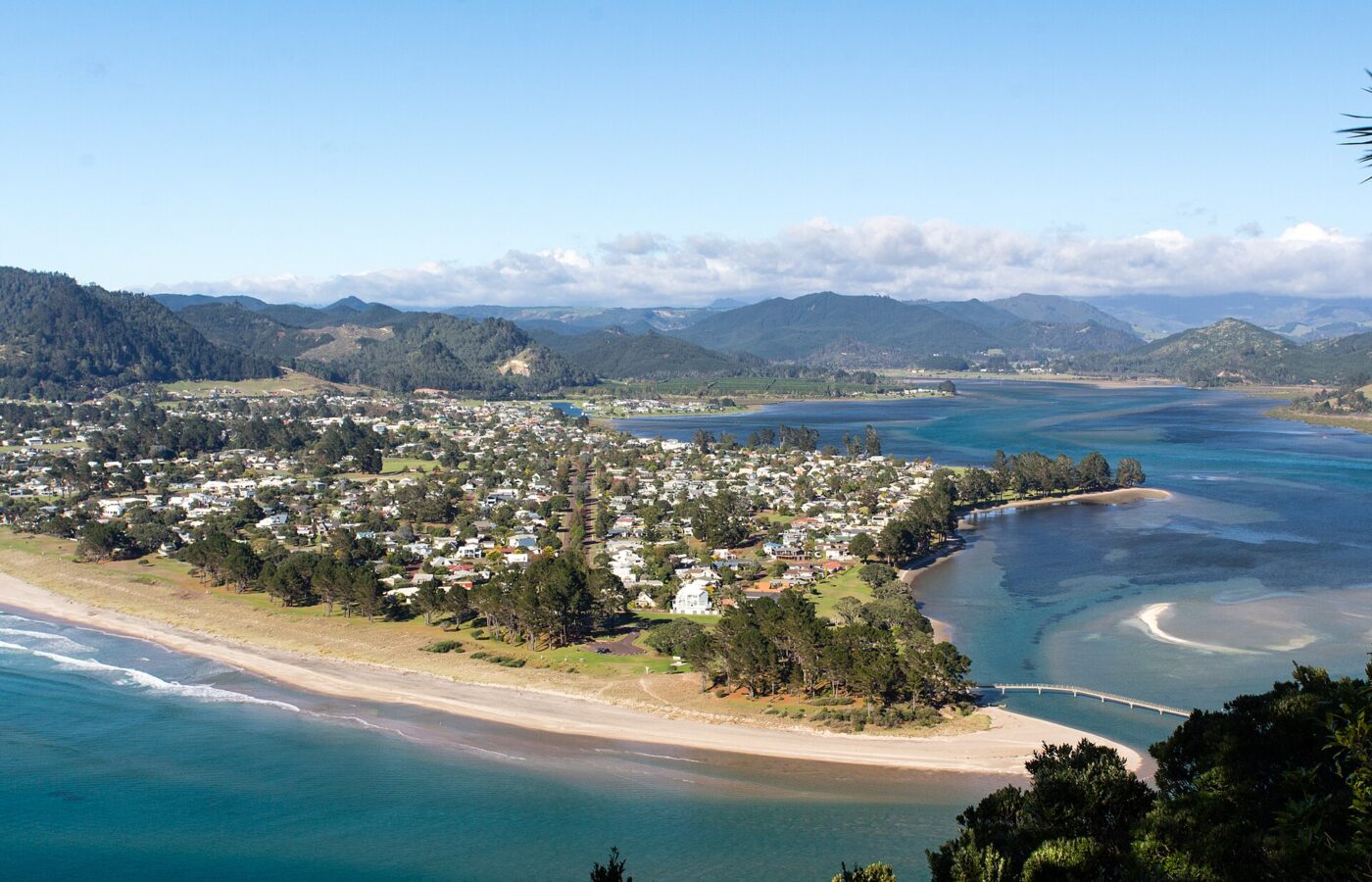
Head south down the east coast. At Tairua, climb Mount Paku, an old volcanic dome at the harbour mouth, for a view over the estuary to Pauanui and the offshore islands; it is a short, steep walk. Further south, Opoutere has a long, empty ocean beach backed by a sandspit where rare New Zealand dotterels nest, and Whangamatā is the peninsula’s surf town. At Waihi, walk the rim of the enormous open pit of the Martha gold mine beside the town centre.
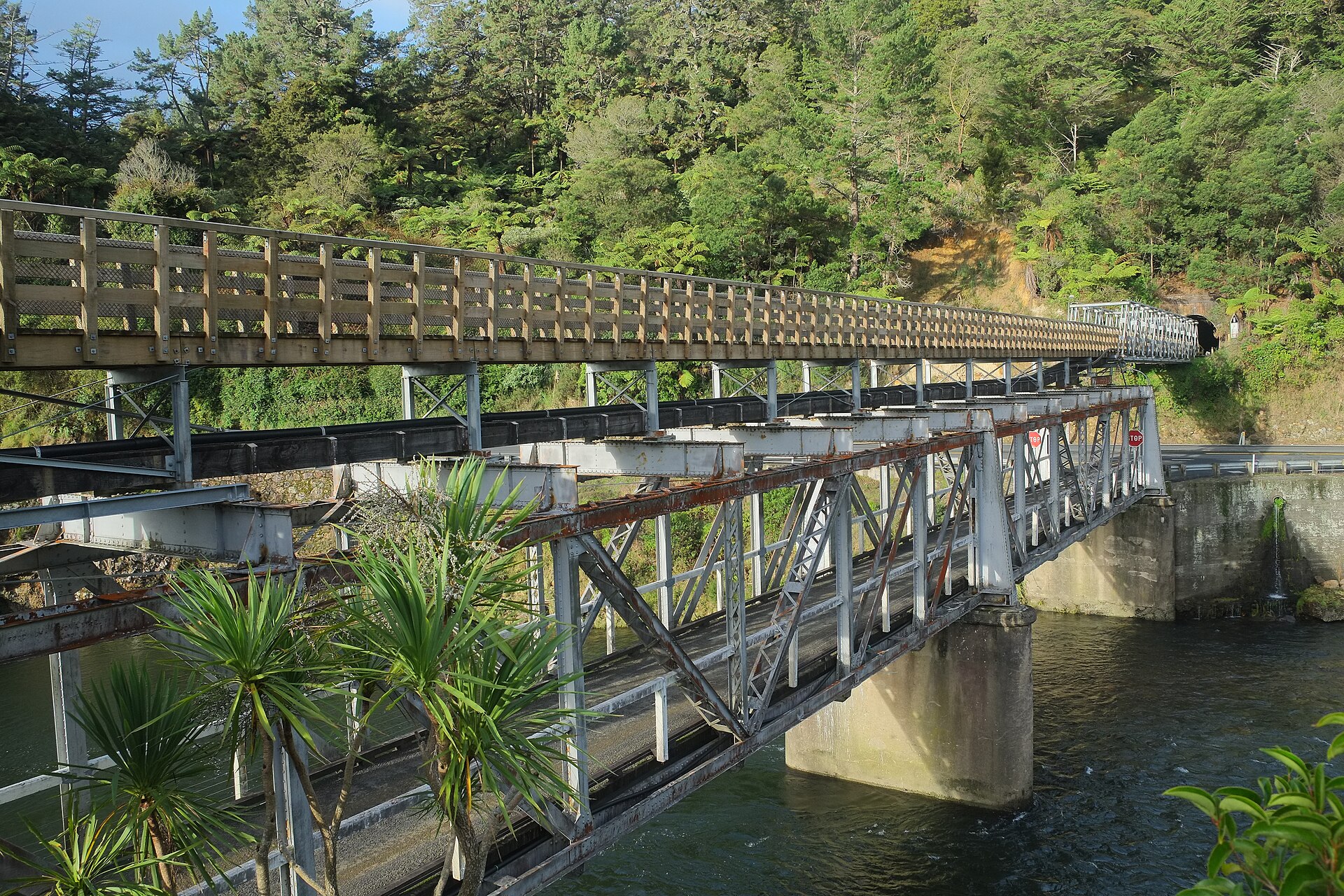
From Waihi, State Highway 2 runs west through the Karangahake Gorge, where the Ohinemuri River cuts through the ranges. Stop for the Windows Walk, which follows old gold-mining tramways through tunnels in the cliff, with openings looking down on the river. The Hauraki Rail Trail, a flat cycle trail, also runs through the gorge. Then it is on through Paeroa, with its giant bottle of the famous local soft drink, and back to Auckland.
The two-day version
With only two days, skip the loop. Drive straight to Hahei over State Highway 25A, spend the afternoon at Cathedral Cove, and time Hot Water Beach for the evening or next morning low tide. Come back the same way, or via Tairua, Waihi and the Karangahake Gorge if you have time.
The four-day version: the far north
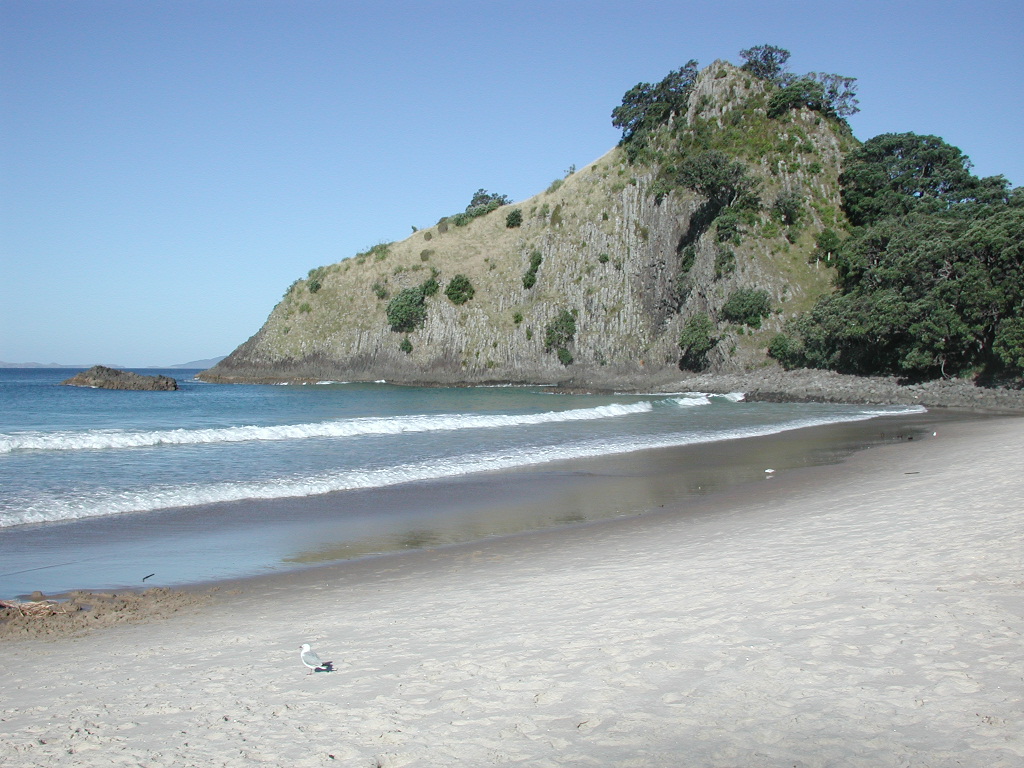
With a fourth day, go north from Coromandel Town to the top of the peninsula. The road beyond Colville turns to gravel and becomes slow and dramatic, ending at Fletcher Bay, the start of the Coromandel Coastal Walkway, a coastal track to Stony Bay on the east side. On the way back, the beaches at Kūaotunu and Otama, and New Chums Beach, reached by a walk over the rocks and a headland from Whangapoua, are among the most beautiful and least developed in the country. Again, check what your rental agreement says about gravel roads.
Cathedral Cove: how to visit in 2026
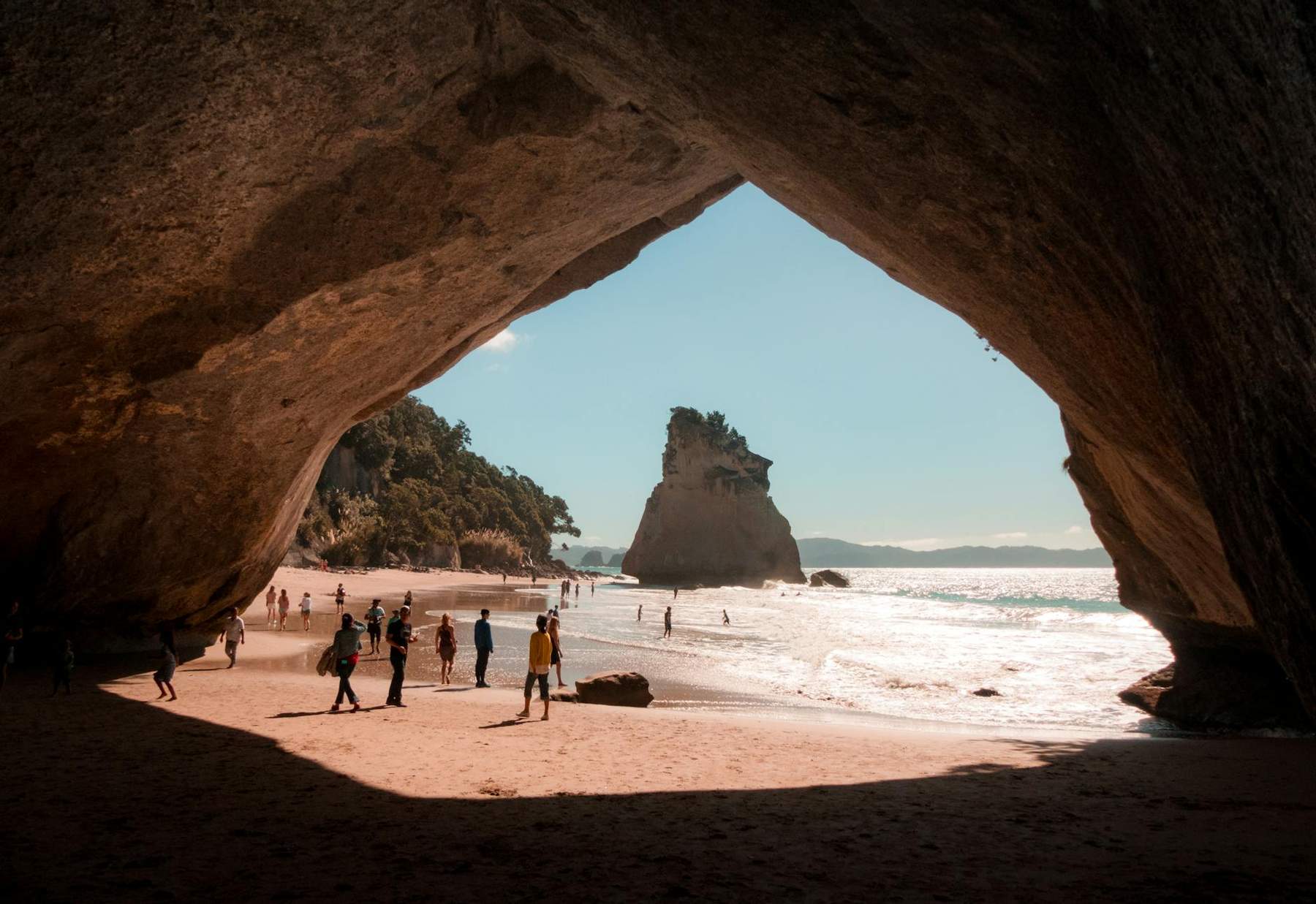
Cathedral Cove, Mautohe, is the peninsula’s most famous sight: a huge natural arch in a pale cliff, opening onto a beach with a sea stack standing offshore, inside the Te Whanganui-A-Hei marine reserve. Walking access was restored in December 2024 after a long closure for storm repairs. The tracks still close after heavy rain: following one such closure, DOC announced on 30 January 2026 that they would reopen that weekend, and landslides and rockfall remain a risk. The logistics are simple once you know them:
- There is no parking at the track entrance on Grange Road, which is a drop-off and pick-up zone only.
- Park at the Hahei Visitor Car Park at the entrance to the village, which is free. A park-and-ride shuttle runs continuously to the track entrance, with waits of up to 15 minutes, from 9am to 6pm between October and April and 9am to 5pm from May to September; the return fare is NZ$8 for adults, and children 14 and under ride free. Otherwise it is about a 30-minute walk, with a long uphill section and little shade.
- There is also paid parking with private walking access at the Cathedral Cove Gateway Trail car park on Lees Road in Hahei.
- The track can close at short notice after heavy rain. Check the Department of Conservation’s page on the day.
- Or go by water. Kayak tours and boat trips from Hahei and Whitianga visit the cove and the marine reserve, which is a lovely way to see it when the track is closed or crowded.
The honest verdict: it is every bit as beautiful as the photographs, and in January it is very busy. Go early in the morning or late in the afternoon, when the light is better and the crowds are thinner, and bring a snorkel for Gemstone Bay on the way, where a marked snorkel trail runs through the marine reserve.
Hot Water Beach: how it works
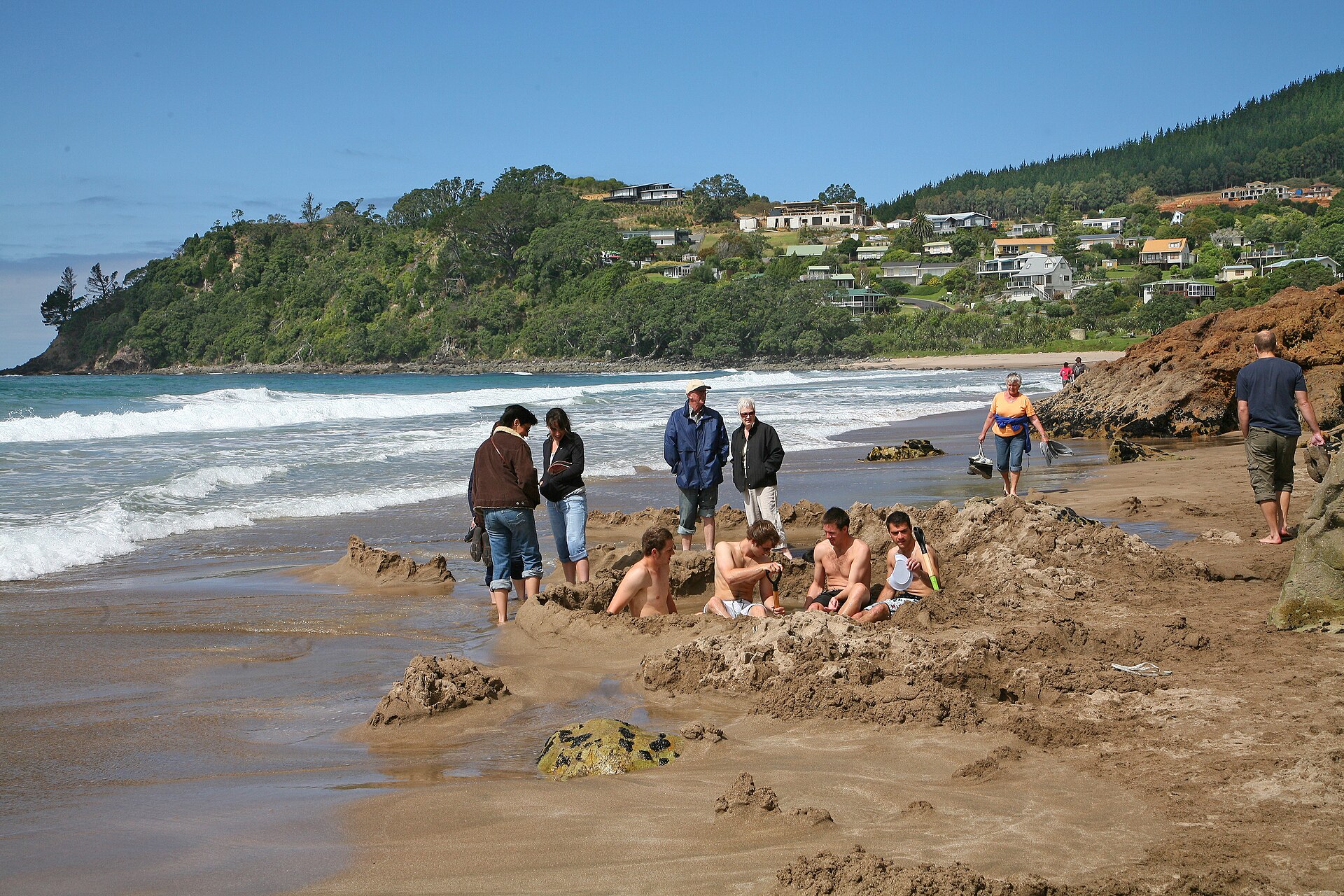
At Hot Water Beach, a few kilometres south of Hahei, hot water from a geothermal source rises through the sand in a small area near the rocks at one end of the beach. Within about two hours either side of low tide, you can dig a hole in the sand, let it fill with hot water, and lie in your own spa pool while the surf rolls in a few metres away. Spades can be hired near the beach.
- Check the tide times before you go. At high tide, the hot area is under the sea and there is nothing to see.
- Go early or late. Around a midday low tide in summer, the hot patch is shoulder to shoulder with people.
- Test the water carefully. In places it is hot enough to scald.
- Do not swim. Hot Water Beach has strong, dangerous rips. Lie in your hole, and leave the surf alone.
The honest verdict: it is a silly, joyful, very New Zealand experience, and it is crowded. On a cool evening at an early low tide, with a handful of people and the steam rising off the sand, it is wonderful.
Which beach? A quick guide
The Coromandel has more good beaches than any one trip can take in. These are the ones worth driving for, and who they suit.
| Beach | Best for | Know before you go |
|---|---|---|
| Hahei | Families, kayaking and calm swimming | The base for Cathedral Cove; busy in January |
| Cathedral Cove | The famous arch and a swim in the marine reserve | Walk-in or by boat only; no parking at the track |
| Hot Water Beach | Digging your own hot pool | Dangerous rips; do not swim |
| Cooks Beach | A long, gentle, sheltered beach | Across the harbour from Whitianga by ferry |
| Otama and Kūaotunu | Empty sand and dunes on the north-east coast | Otama is reached on a gravel road |
| New Chums | An undeveloped beach framed by bush | A walk over rocks and a headland from Whangapoua |
| Pauanui | Safe, patrolled swimming in summer | A planned holiday town; quiet out of season |
| Opoutere | Wild, empty surf beach and birdlife | Dotterels nest on the spit; keep dogs away |
| Whangamatā | Surfing and a summer buzz | A summer holiday town; book well ahead for New Year |
The best walks
- The Pinnacles, in the Kauaeranga Valley just east of Thames, is the peninsula’s big hike: a steep climb on old packhorse tracks, with steps and ladders to a rocky summit and a huge view over the ranges. It takes most of a day return, and many people stay overnight in the large Department of Conservation hut below the summit. The valley’s visitor centre tells the story of the kauri loggers who once worked here.
- The Windows Walk, in the Karangahake Gorge, is short and spectacular, through old mining tunnels above the river. Bring a torch.
- The Coromandel Coastal Walkway, from Fletcher Bay to Stony Bay at the top of the peninsula, is a one-way coastal track through farmland and bush with big sea views. It needs a shuttle or a long drive round to get back to your car.
- Mount Paku, at Tairua, is a quick, steep climb to one of the best views on the east coast.
- Broken Hills, near Hikuai on State Highway 25A, has old gold-mining relics and a long tunnel you can walk through with a torch.
- Shakespeare Cliff, near Cooks Beach, is a short walk to the finest lookout over Mercury Bay.
What is worth it, and what is not
- Cathedral Cove is worth the effort of parking and the walk, but not at noon in January. Go early or late, or see it by kayak.
- Hot Water Beach is worth it at a well-timed tide and a quiet hour. At a midday low tide in summer, it is a crowd in a sandpit.
- The Thames coast road is worth driving once, slowly. If you are short of time, cross on State Highway 25A instead.
- The Driving Creek Railway is a genuine one-off and well worth the ride.
- The far north is magnificent and remote. It is only worth it with a spare day and a vehicle you are allowed to take on gravel.
- If it rains, the Driving Creek Railway, the School of Mines in Thames and the Gold Discovery Centre in Waihi are good wet-weather options, and Hot Water Beach is arguably better in the rain.
Where to stay on the Coromandel
| Base | Best for | Good to know |
|---|---|---|
| Whitianga | Plenty of choice, restaurants and boat trips | The peninsula’s second-largest town, after Thames; a good base for two or three nights |
| Hahei | Cathedral Cove and Hot Water Beach on your doorstep | Small, with limited accommodation; book well ahead for summer |
| Coromandel Town | Character, the Driving Creek Railway and the far north | Quieter, with good cafés |
| Tairua and Pauanui | A relaxed east-coast base between the sights and the surf | Linked by a small passenger ferry across the estuary |
| Whangamatā | Surf and a lively summer scene | Very busy over Christmas and New Year |
| Thames | A short first or last night, close to Auckland | Least expensive, furthest from the beaches |
Accommodation on the Coromandel is dominated by motels, holiday parks and holiday homes — baches — rented by the night or week. From Christmas to the end of January, book months ahead. Outside the summer holidays you can usually book a few days in advance. Our holiday parks guide shows what the cabins and campsites are like.
When to go
- December: the pōhutukawa bloom turns the coast red, and the peninsula is at its prettiest before the holiday crowds arrive.
- January: peak season. Book accommodation ahead, and check opening dates and rates for the days you travel.
- February and March: the best time for most visitors. Warm sea, settled weather, and the crowds gone once the schools go back.
- April to November: quiet, green and cheap, with cooler water. Some businesses close or cut their hours, and wet weather is more likely to close roads and tracks.
Driving on the Coromandel
- Allow more time than the map suggests. The peninsula’s roads are narrow, steep and winding, with one-lane bridges and sharp bends.
- Check for closures every day. Slips, floods and repairs can close parts of State Highways 25 and 25A and force a change of route. The NZ Transport Agency journey planner has the current state of every highway, and the district councils list local road closures.
- Know your rental agreement. The 309 Road and the Tapu-Coroglen road are narrow and primarily unsealed, with some very tight corners, so check what your agreement allows before you use them.
- Camp legally. The district council restricts freedom camping heavily, and most popular spots near the beaches are off-limits. Use the holiday parks and Department of Conservation campsites.
- Fill up in the bigger towns. Thames, Whitianga, Tairua and Whangamatā all have fuel; the far north has almost none. Our driving guide covers the rules of the road.
Carrying on from the Coromandel
The Coromandel does not have to be a return trip. From Waihi, at the southern end of the loop, it is about an hour to Tauranga and Mount Maunganui and about two hours to Rotorua, which makes the peninsula a natural first stop on a longer trip south. Our Auckland to Rotorua guide covers the coastal route through the Karangahake Gorge and Tauranga, and our North Island road trip guide has ten- and fourteen-day routes that start with two nights on the Coromandel.
Without a car
Coach services reach Thames and some of the peninsula’s towns, but the Coromandel’s best places — the beaches, the coves, the gravel roads of the north — are hard to reach without a car. If you do not drive, the easiest option is a day tour from Auckland to Cathedral Cove and Hot Water Beach, which takes the logistics off your hands but makes for a long day. Our Coromandel day trip guide compares the tours.
What it costs
| Item | Rough cost (NZ$) |
|---|---|
| Fuel, Auckland to Hahei and back | About 70 for a small car |
| Fuel, the full loop of about 500 km | About 100-110 for a small car |
| Cathedral Cove park-and-ride shuttle | 8 adult return; free for children 14 and under |
| Holiday park cabin | About 95-185 a night |
| Powered campervan site | About 45-75 a night |
| Compact hire car | About 45-120 a day, off-peak to peak |
For the full picture of a longer trip, see our road trips from Auckland guide.
The Coromandel with children
The Coromandel is a family favourite for good reason. The east-coast beaches have gentle, sheltered corners, Hot Water Beach is a guaranteed hit with children of every age (keep them out of the surf), the Driving Creek Railway is a proper adventure, and the Cathedral Cove walk is manageable for most children over about six. Break the drive at Thames or at the Shorebird Centre, and remember that every child under seven must travel in an approved child restraint. Our guide to family day trips from Auckland has more ideas close to the city.
Frequently asked questions
How long does it take to drive from Auckland to the Coromandel?
About an hour and a half to Thames, and about two and a half hours to Hahei, Cathedral Cove or Coromandel Town. Whitianga is two and a half to three hours away. Allow more on summer Fridays and holiday weekends.
What is the best route from Auckland to Cathedral Cove?
Take State Highway 2 from Pōkeno, then State Highway 25 to Kōpū and State Highway 25A across the ranges to the east coast, turning off for Hahei. It takes about two and a half hours. There is no parking at the track, so park in Hahei and take the shuttle or walk.
How many days do you need on the Coromandel?
Two nights is the sensible minimum for Cathedral Cove and Hot Water Beach. Three or four days lets you drive the full loop, including the Thames coast, Coromandel Town and the Karangahake Gorge.
When is the best time to go to Hot Water Beach?
Within about two hours either side of low tide, when you can dig a pool in the sand. Early morning or evening low tides are far less crowded than the middle of the day.
Can you park at Cathedral Cove?
No. The track entrance on Grange Road is for drop-offs only. Park for free at the Hahei Visitor Car Park and take the park-and-ride shuttle, which runs daily all year and costs NZ$8 return for adults, or walk up in about 30 minutes. There is also a paid car park with its own walking access on Lees Road.
Is Cathedral Cove open in 2026?
Walking access to Mautohe returned in December 2024 after the long storm-damage closure, but DOC still closes the tracks after heavy rain, as it did in early 2026, and landslide and rockfall risks remain. Check the Department of Conservation’s page before you go, or visit by boat or kayak from Hahei or Whitianga.
Where should I stay on the Coromandel?
Whitianga has the most choice and makes a good base for the east coast. Hahei puts you closest to Cathedral Cove and Hot Water Beach but has little accommodation. Coromandel Town suits a quieter stay and trips to the far north.
Is the Coromandel worth visiting in winter?
Yes, if you like empty beaches and quiet roads. It is cooler and wetter, some businesses shut, and road and track closures are more likely, but Hot Water Beach is at its best on a cold evening.
Planning to sleep in the van? Thames-Coromandel has its own freedom camping bylaw, and our freedom camping guide covers it alongside the Auckland rules.
Related Auckland Guides
- Coromandel Day Trip from Auckland
- Road Trips and Onward Travel from Auckland
- North Island Road Trip from Auckland
- Auckland to Rotorua: Drive Time and Stops
- Day Trips from Auckland
- The Best Family Beaches Near Auckland
- Car Rental in Auckland
Photo Credits
Tairua and its estuary from Mount Paku: NZ110415 Mount Paku 02 by Oren Rozen, CC BY-SA 3.0, via Wikimedia Commons.
The Driving Creek Railway, Coromandel: Approaching earlier Driving Creek Railway terminus at 121asl by Pseudopanax at English Wikipedia, Public domain, via Wikimedia Commons.
The Karangahake Gorge bridge over the Ohinemuri River: Double-deck Western Portal road-rail bridge over Ohinemuri River at Karangahake by Pseudopanax at English Wikipedia, Public domain, via Wikimedia Commons.
New Chums Beach: New Chums Beach by Pseudopanax at English Wikipedia, CC BY-SA 3.0, via Wikimedia Commons.
Hot Water Beach at low tide: 00 23 0963 Hot Water Beach – NZ, Coromandel by W. Bulach, CC BY-SA 4.0, via Wikimedia Commons.