Māori Place Names in Auckland Explained: A Complete Guide
Tāmaki Makaurau, Maungawhau, Maungakiekie, Ōrākei — Auckland's Māori place names explained, with pronunciation and meaning for every major landmark.
This article contains advertising. Our booking links are routed through a partner that adds commission tracking automatically, so if you book through one we earn a commission from the provider, at no extra cost to you. It never affects what we recommend. Affiliate disclosure
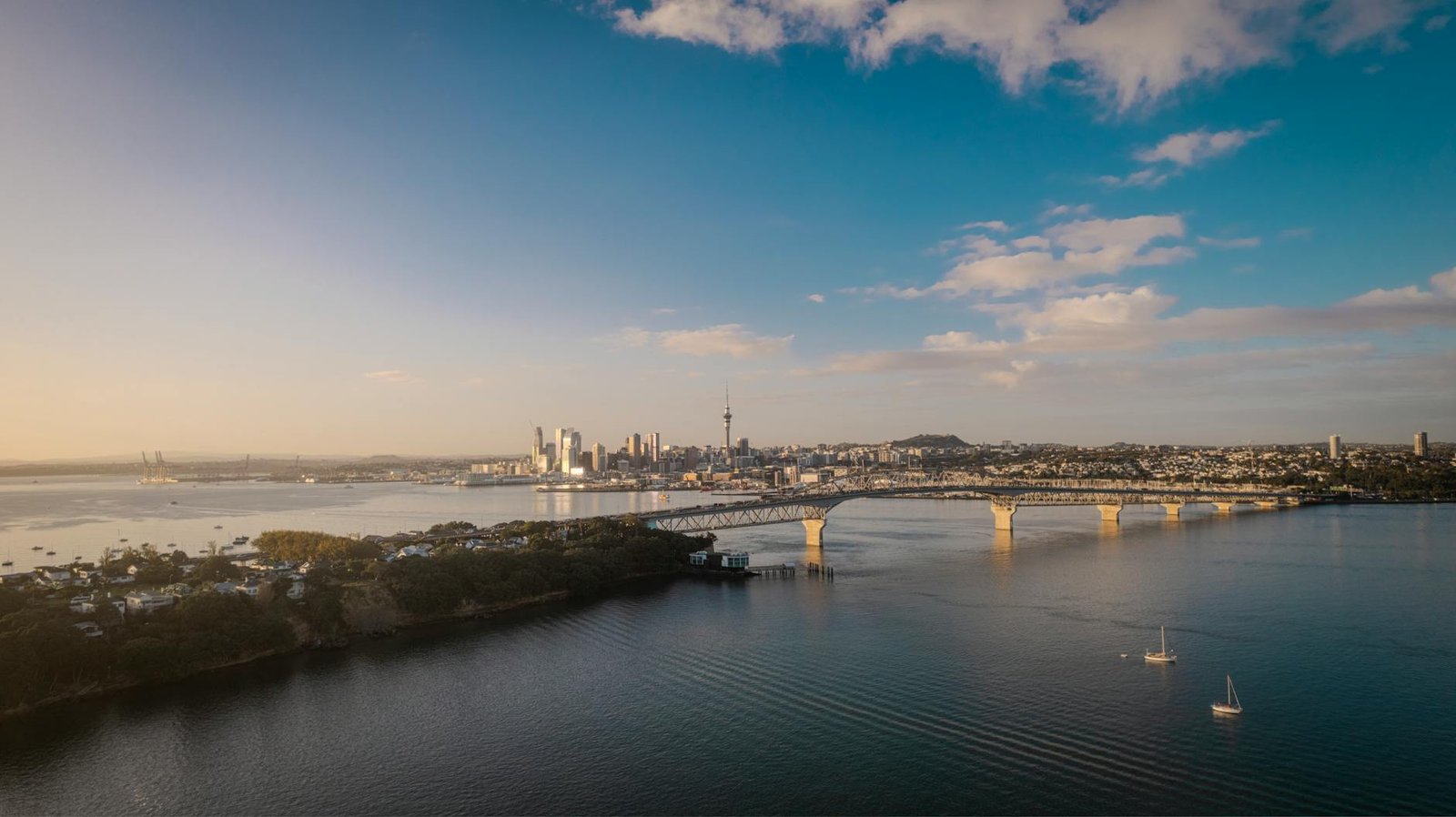
Auckland’s Māori place names tell a story — Tāmaki Makaurau (Auckland’s Māori name) means "Tāmaki of a hundred lovers," reflecting the iwi (tribes) who fought for, settled, and treasured this volcanic isthmus for centuries before European arrival. From Maungawhau (Mt Eden) to Maungakiekie (One Tree Hill), from Karangahape Road to Tāmaki Drive, Auckland’s Māori place names increasingly appear on signage as the city embraces its bicultural heritage. This complete 2026 guide explains the most important Māori place names in Auckland, their meanings, and how to pronounce them respectfully.
Auckland’s Māori Name: Tāmaki Makaurau
Auckland’s Māori name is Tāmaki Makaurau, meaning "Tāmaki of a hundred lovers" (literally "sought after by many"). The name reflects the volcanic isthmus’s status as the most coveted territory in pre-European NZ — multiple iwi fought for control of this land with two harbours, fertile volcanic soil, abundant fish, and dozens of volcanic cones to fortify. There is more detail in our Māori cultural experiences in Auckland guide.
Tāmaki Makaurau is now the official Māori name for Auckland Council and increasingly used in bilingual signage.
The 14 Sacred Maunga (Volcanic Cones)
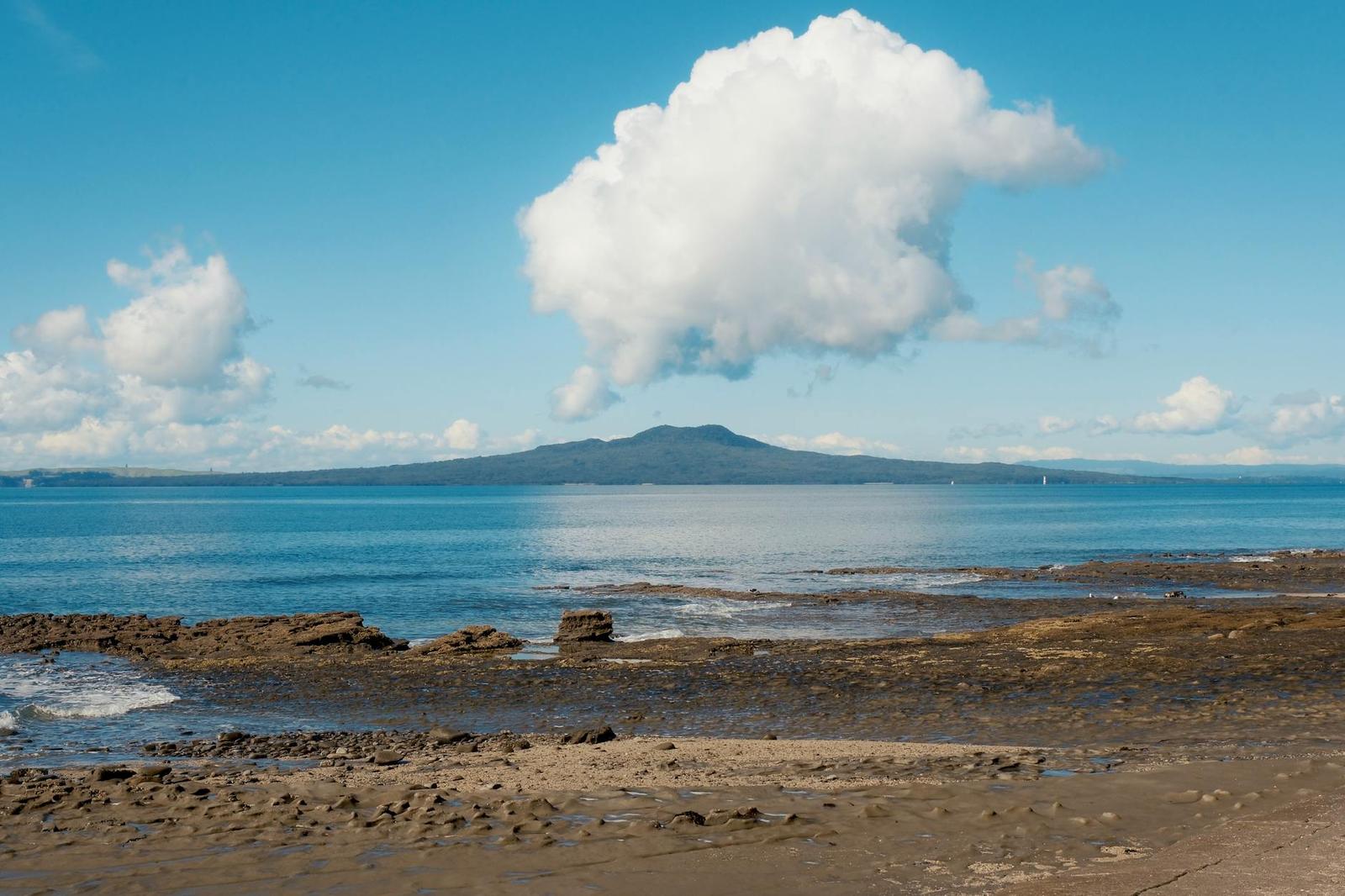
Auckland’s 14 most significant volcanic cones (maunga) were transferred to the Tūpuna Maunga Authority in 2014. Each has a Māori name:
- Maungawhau (Mt Eden) — "mountain of the whau tree"
- Maungakiekie (One Tree Hill) — "mountain of the kiekie vine"
- Maungauika (North Head, Devonport) — "mountain of Uika"
- Takarunga (Mt Victoria, Devonport) — "hilltop above"
- Ōwairaka (Mt Albert) — Wairaka’s place
- Maungarei (Mt Wellington) — watchful mountain
- Te Tatua-a-Riukiuta (Three Kings) — three mountains close together
- Pukekawa (Auckland Domain) — bitter hill
- Te Pane-o-Mataaho (Mangere Mountain) — Mataaho’s head
- Ōhuiarangi (Pigeon Mountain) — Huiarangi’s place
- Matukutūruru (Wiri Mountain)
- Te Kopuke (Mt St John)
- Ōtāhuhu (Mt Richmond)
- Te Hue (Mt Roskill)
Auckland Place Name Pronunciation
Te reo Māori uses 5 vowels and 10 consonants. Vowels are pronounced consistently:
- A — "ah" (as in "far")
- E — "eh" (as in "bed")
- I — "ee" (as in "feet")
- O — "or" (as in "more")
- U — "oo" (as in "boot")
- WH — pronounced "f" in most NZ Māori dialects
- NG — "ng" as in "singer", never "n-g"
- Macron (ā ē ī ō ū) — vowel pronounced longer
Try: Tāmaki = "Taa-mah-kee". Maungawhau = "Mow-nga-fow". Maungakiekie = "Mow-nga-kee-eh-kee-eh".
Important Auckland Māori Place Names
- Karangahape Road — "the call of Hape," named after a Tāmaki Māori chief
- Tāmaki Drive — named after the Tāmaki tribes
- Te Atatu — "the dawn"
- Whenuapai — "good land"
- Ōtāhuhu — "the place of Hu-hu"
- Pukekohe — "hill of the kohekohe tree"
- Howick — modern name for an area, but the harbour is Te Wairere
- Otākaroro (Half Moon Bay)
- Te Whau (Whau River)
- Manukau — "wading birds"
- Waitematā — "the obsidian water"
The Tāmaki Tribes
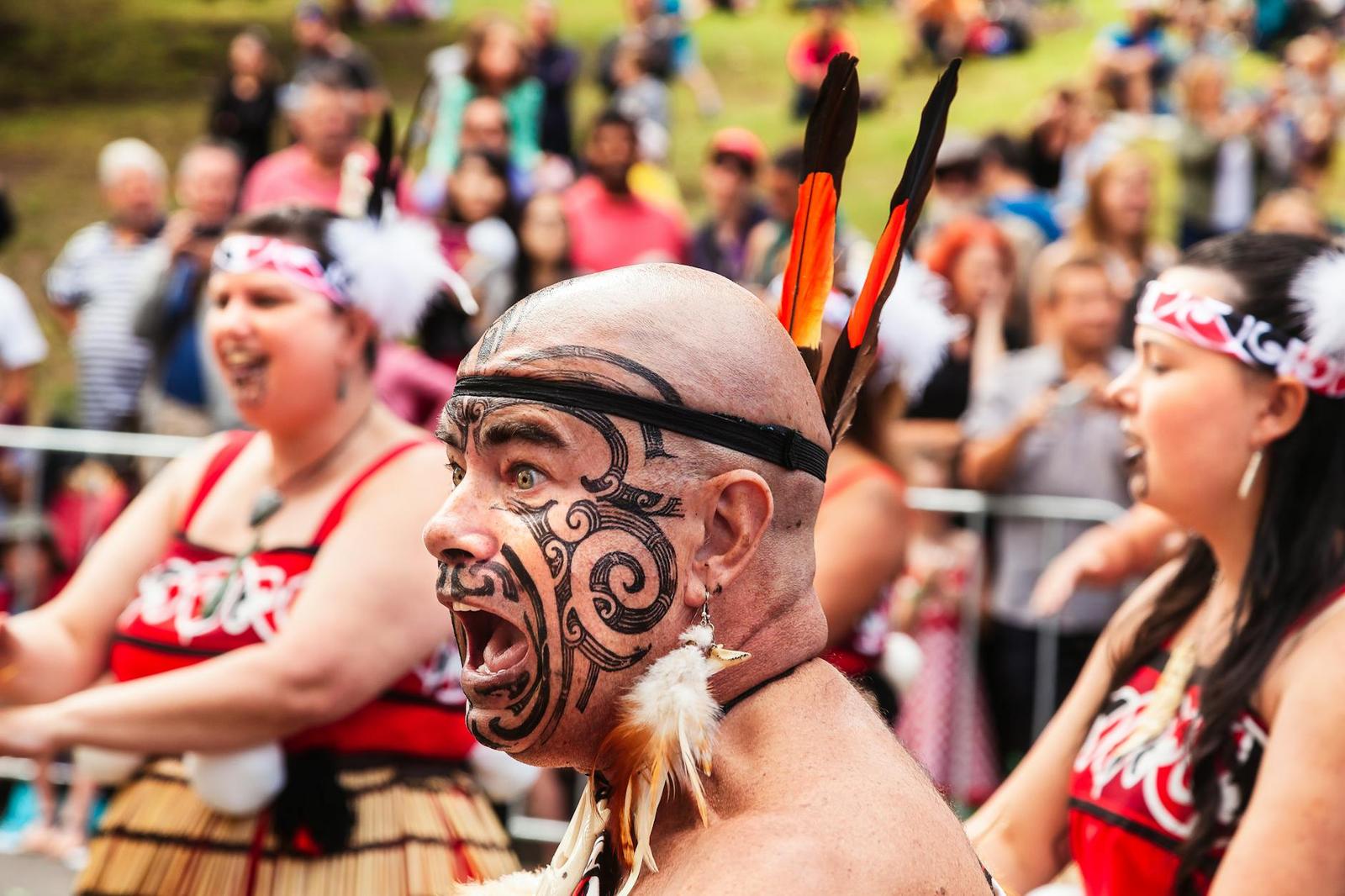
The Tāmaki tribes (mana whenua of Auckland) include:
- Ngāti Whātua Ōrākei — significant tribe with Bastion Point connection
- Ngāti Pāoa — Hauraki Gulf tribe
- Te Kawerau ā Maki — west Auckland
- Te Wai-o-Hua — south Auckland
- Ngāti Te Ata
- Ngāi Tai
- Ngāti Tamaoho
- Plus several other iwi with traditional connections
Bilingual Signage in Auckland
Auckland increasingly uses bilingual te reo Māori signage:
- Auckland Council documents and websites
- Train station announcements
- Auckland War Memorial Museum
- National Park entrances
- Volcanic cone information panels
- Many tourism information centres
Te Reo Māori Resources
- Maori.org.nz — Māori cultural resources
- Te Aka Māori Dictionary online — free dictionary
- The Māori app — pronunciation help
- Auckland Library te reo programmes — periodic free classes
- Auckland War Memorial Museum — cultural information
Why Auckland Māori Place Names Matter
- Cultural respect — recognising Tāmaki Māori heritage
- Treaty of Waitangi obligations — honouring NZ’s founding document
- Bicultural identity — Auckland’s official position
- Travel context — understanding place adds depth
- Pronunciation respect — locals appreciate visitors making the effort
Visiting Auckland Māori Cultural Sites
- Auckland War Memorial Museum — premier Māori cultural collection plus daily kapa haka performances
- Bastion Point/Takaparawhā — Ngāti Whātua land with significant cultural history
- Maungawhau (Mt Eden) — pā terraced earthworks visible
- Maungakiekie (One Tree Hill) — historic pā site
- Whatipu — west coast Māori cultural site
- Tiritiri Matangi — Māori heritage island
Frequently Asked Questions
What’s Auckland’s Māori name?
Tāmaki Makaurau — meaning "Tāmaki of a hundred lovers," reflecting the volcanic isthmus’s status as the most coveted territory in pre-European NZ.
How do you say Maungawhau?
"Mow-nga-fow" — Mt Eden’s Māori name, meaning "mountain of the whau tree."
Why are Auckland place names becoming bilingual?
To recognise Treaty of Waitangi obligations, Tāmaki Māori heritage, and Auckland’s official bicultural identity.
What does WH sound like in Māori?
Like "f" in most NZ Māori dialects. So Whangaparāoa is "Fang-a-pa-row-a."
How can I learn more about Auckland Māori heritage?
Visit Auckland War Memorial Museum, attend the daily Māori cultural performance, walk the volcanic cones with awareness of the pā earthworks, and read information panels at major sites.
Final Take: Names That Tell Auckland’s Story
Auckland’s Māori place names aren’t decorative — they’re an active, living connection to the city’s deep Tāmaki Māori heritage. Tāmaki Makaurau, Maungawhau, Karangahape Road, Waitematā — each name carries history, meaning, and cultural significance. For the wider picture, our Auckland Māori culture, history and heritage guide sets out the full context.
For visitors, learning a few key pronunciations and meanings transforms the Auckland experience. The city stops being a generic English-named metropolis and becomes Tāmaki Makaurau — a place of layered identity, ancient heritage, and contemporary biculturalism.