Māori Cultural Experiences in Auckland: What Is Actually Worth Booking (2026)
An honest guide to Māori cultural experiences in Auckland: what is open, what it costs, who actually leads it, and what to skip.
This article contains advertising. Our booking links are routed through a partner that adds commission tracking automatically, so if you book through one we earn a commission from the provider, at no extra cost to you. It never affects what we recommend. Affiliate disclosure
Most guides to Māori cultural experiences in Auckland are written by people who have not checked whether the things they recommend still exist. I have just spent a long time checking, and the results were worse than I expected: a museum gallery that has been shut for over a year and is still being recommended, a tour operator whose domain is now parked and for sale, and a restaurant that was liquidated in 2021 whose website still cheerfully advertises hāngī seven days a week.
So this is not a list of fifteen experiences. It is a shorter, more honest guide to what you can actually book in Tāmaki Makaurau in 2026, what it costs, what is genuinely led by Māori and by whom, and where the gaps are. If you want the deeper history and the cultural background, that lives in our Auckland Māori culture, history and heritage guide. This page is about what to do with your afternoon.
One thing before we start. Auckland is not Rotorua. If your mental image is a pōwhiri, a concert and a hāngī dinner in one evening, that product does not exist here, and the tour companies selling it out of Auckland are driving you three hours south to get it. Auckland’s offering is different: it is smaller, more urban, more contemporary, and in several cases led by the hapū whose ancestors named the ground you are standing on. That is worth more than a floor show, but you have to know where to look.
Māori cultural experiences in Auckland at a glance
| Experience | Roughly | Time | Book ahead? |
|---|---|---|---|
| Auckland Museum cultural performance | NZ$30–45 depending on ticket type | About 30 min | Yes, online |
| Te Wharekura city hīkoi (Ngāti Whātua Ōrākei) | NZ$50 local / NZ$75 international, plus GST | 90–120 min | Yes, Tue–Sat |
| Te Manu Taupua maunga tour (Ngāti Whātua Ōrākei) | From NZ$125 pp | 2 hrs | Yes |
| TIME Unlimited full-day Māori tour | From NZ$495 pp | Full day | Yes |
| Potiki Adventures Waiheke day tour | NZ$175 adult / $80 child, ferry extra | Full day | Yes, and confirm they are running |
| Te Hana Te Ao Marama village tour | NZ$50 pp, min 2 people | 40 min, 1 hr north | Yes |
| Walking a tūpuna maunga | Free | 1–2 hrs | No |
| Hāngī at the Hangi Shop, Ōtāhuhu | NZ$20–26 a meal | Walk in | No |
| ASB Polyfest, Manukau | Around NZ$10 for most stages | A day | March, check dates |
Every price here moved at least once while I was researching, and several operators publish two different figures on two different pages of their own websites. Treat these as the shape of the thing, not a quote, and check before you commit.
Read this first: the Museum’s Māori Court is closed
This is the single most important fact on this page and almost nobody is telling you.
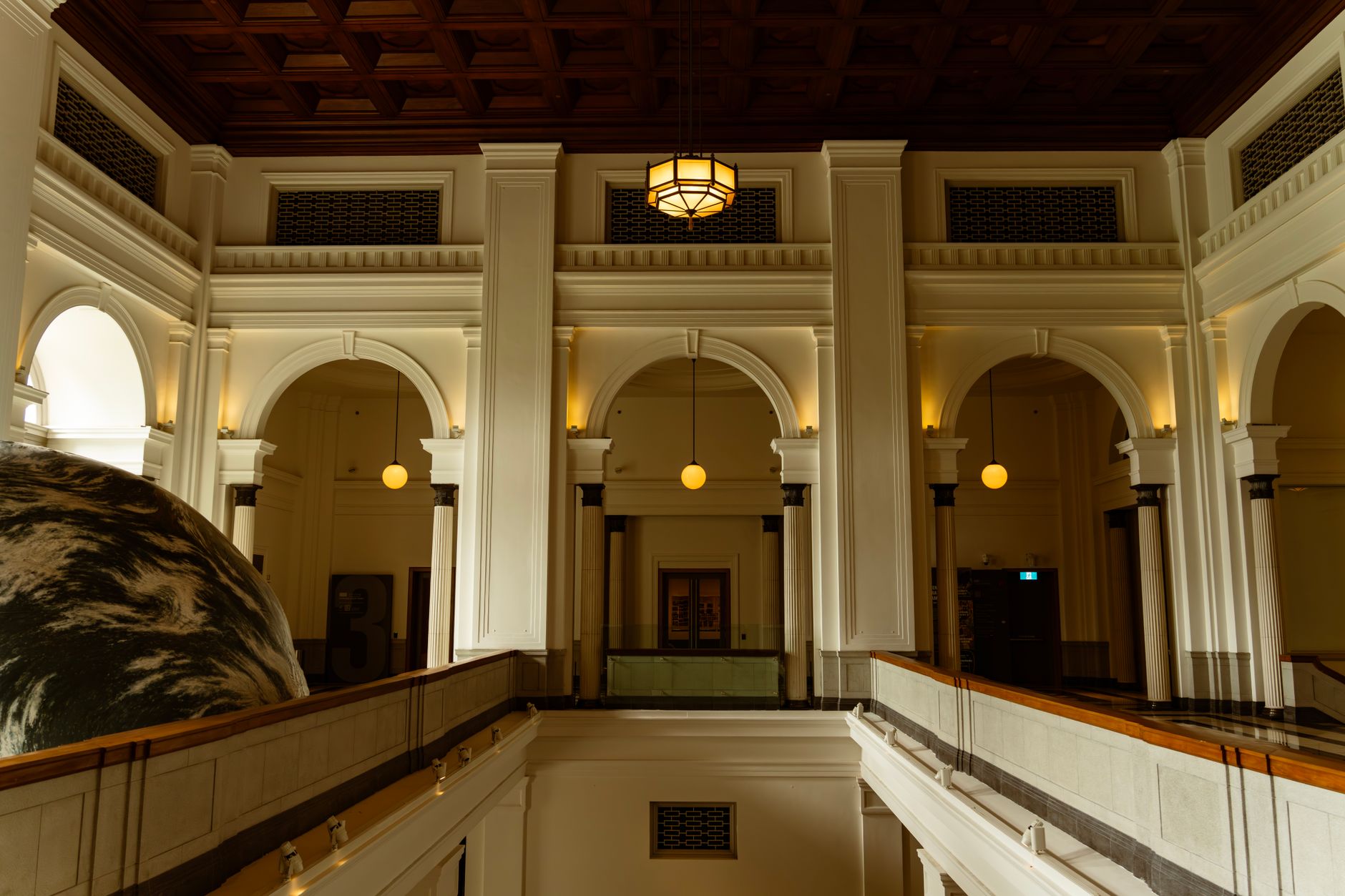
Auckland War Memorial Museum closed completely in May 2025 after asbestos was found in the 1929 building. Most galleries reopened in October 2025. Te Marae Ātea Māori Court and the Pacific galleries did not, and as of August 2026 they are still shut with no published reopening date. RNZ reported the galleries were still closed in February 2026, and the museum’s own galleries listing carries a “closed until further notice” note on the ground floor.
What that means in practice: you cannot currently see Hotunui, the carved wharenui from 1878, or Te Toki ā Tāpiri, the last great war canoe used in battle. The Kaitaia gateway carving, thought to be the earliest surviving Māori carving anywhere, is also behind the closure. These are the pieces every guide tells you to go and see, including, until today, ours. Our guide to the Museum’s Māori collection has been corrected to reflect this.
You will read that the galleries “could be closed until 2029”. That figure comes from the museum’s chief executive describing what a centenary redevelopment would require, not from a decision that has been taken. No reopening date has been set. Do not plan around 2029 either way.
Confusingly, the museum’s own marketing pages still advertise the Māori and Pacific collections as things to explore. Its copy has not caught up with its own building works. If seeing taonga is the main reason you were going, check directly with the museum before you buy a ticket, and read our full Auckland Museum visitor guide for what is open instead.
The Auckland Museum cultural performance
The performance is still running, and it is still the easiest introduction in the city.
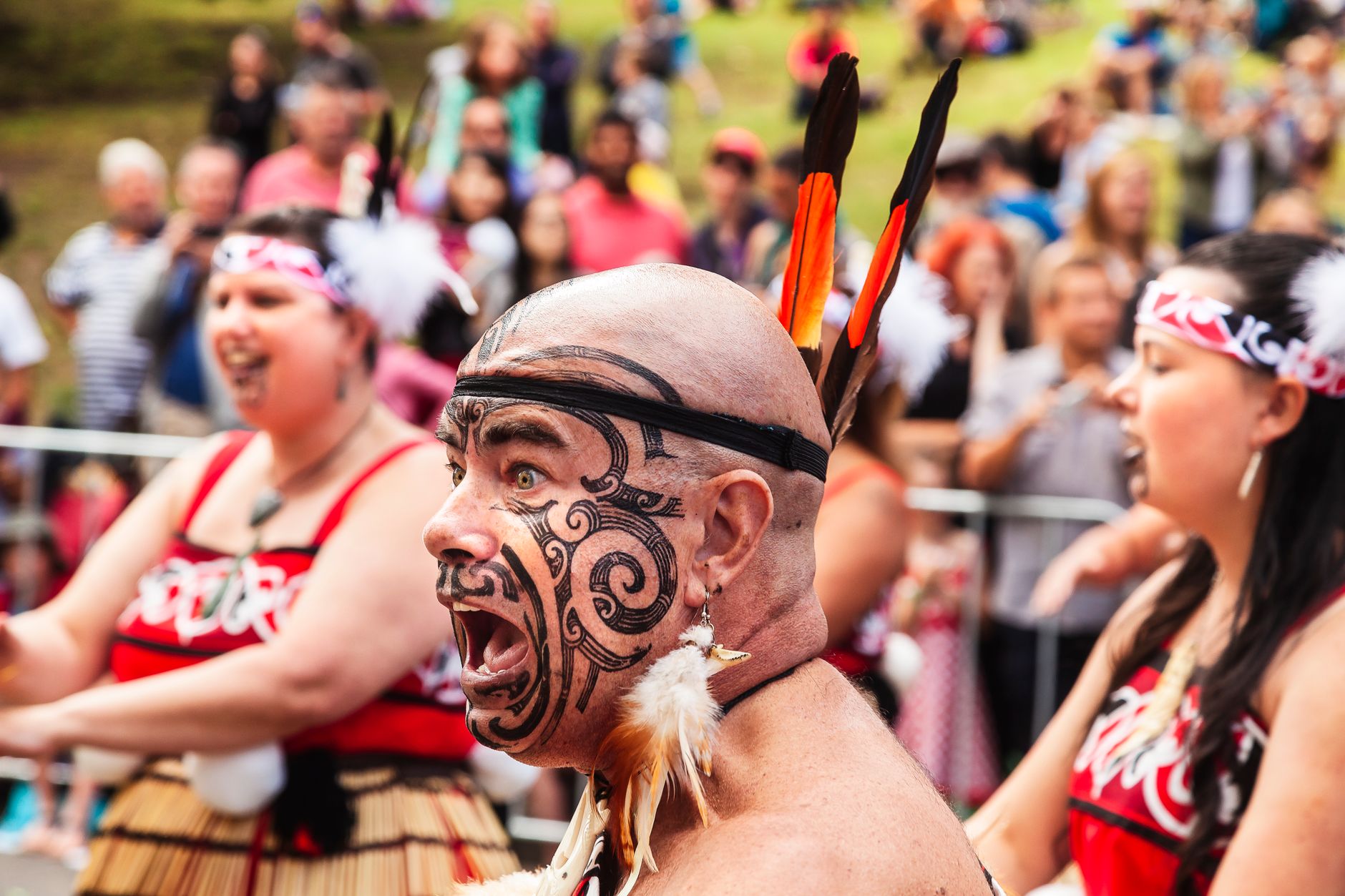
It is a live kapa haka set: waiata, the poi dance, a demonstration of traditional weapons, and a haka to finish. Afterwards the group stays out to talk to the audience and take photographs, which is genuinely the best part and the bit most people do not expect. In the museum’s own words, you take “a lively journey through the story of Aotearoa New Zealand and Tāmaki Makaurau Auckland”.
Here is where I have to be careful with you. The museum publishes two pages describing this performance and they contradict each other. One says four shows a day at NZ$45 for international visitors with museum admission included. The other says two shows a day at NZ$30 as an add-on with admission bought separately. Both were live when I checked. I could not establish which is current, and one of them still carries a COVID-era banner.
- Budget: somewhere between NZ$30 and NZ$45 a head, depending on ticket type and whether you are a New Zealander
- Frequency: at least twice daily, possibly four times in summer
- Length: commonly reported at about 30 minutes, though the museum does not publish a duration
- Booking: online, and you will likely need a general admission ticket in the same cart
- Meeting point: the ticket page says the Māori Court, which is closed, so check on the day
Auckland residents get free general admission with proof of address, and New Zealanders are invited to donate rather than pay. International visitors pay roughly NZ$25 to NZ$27 for general admission on top of the performance ticket. Videoing during the performance is not allowed, though hand-held photography elsewhere in the museum is fine.
The museum sits in the Auckland Domain, a half-hour walk or ten-minute drive from the city centre, five minutes on foot from Parnell station. Our Auckland public transport guide covers the bus and train options if you would rather not drive.
Te Wharekura: the best central experience in the city
If you only do one thing from this page, make it this one.
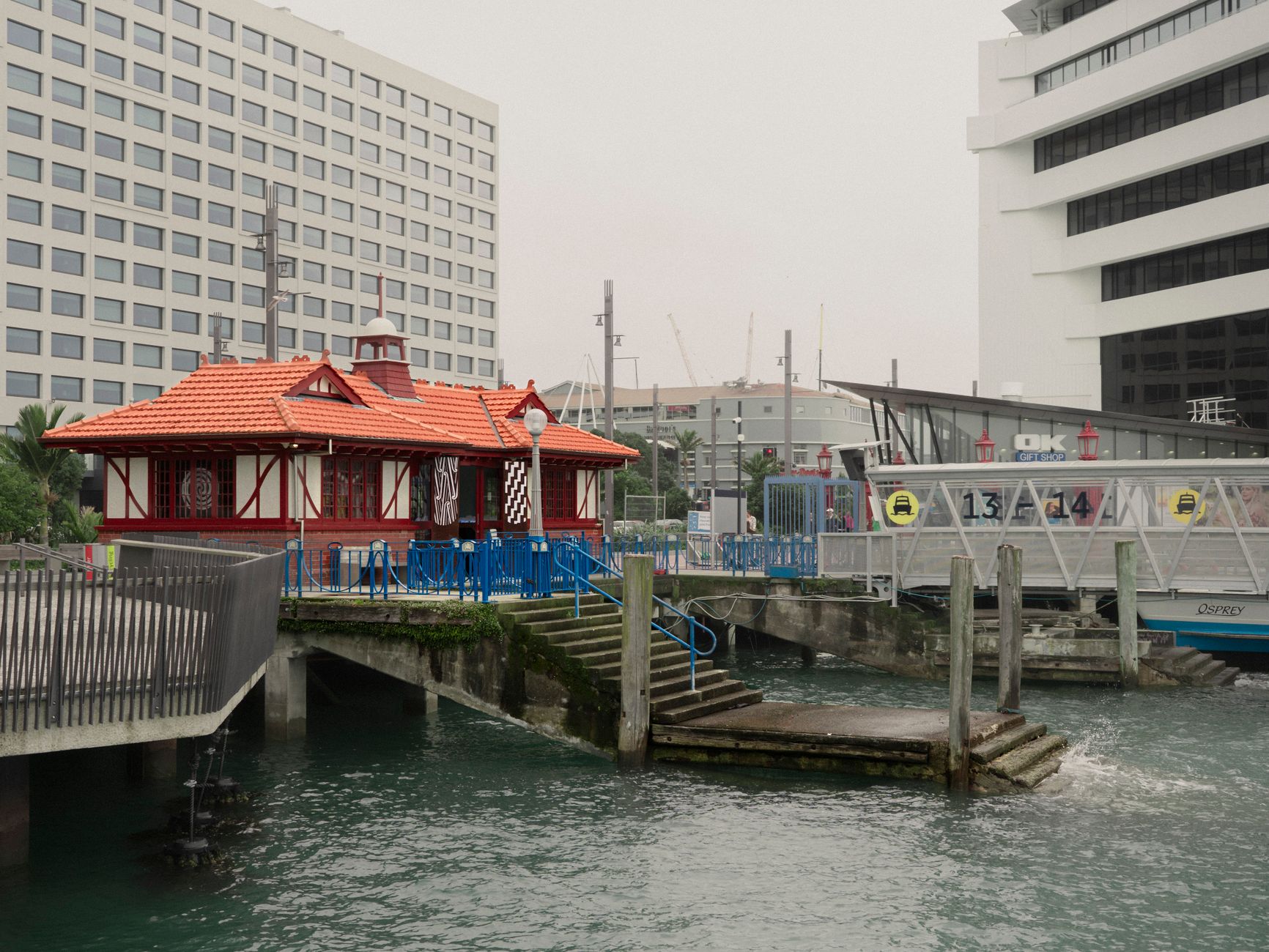
Te Wharekura is a 108-year-old heritage kiosk at 117 Quay Street, right beside the downtown ferry terminal, reopened in 2023 as a partnership between Ngāti Whātua Ōrākei and Auckland Council. The Council describes it as a waka huia, a treasure box, for the hapū. From it, guides who are themselves uri of Ngāti Whātua Ōrākei run a walking hīkoi through the central city.
The route takes ninety minutes to two hours and goes through Te Wānanga and Te Kōmititanga by the waterfront, along Te One Panea where the original shoreline ran before reclamation, up to Emily Place, and finishes at Te Toka o Apihai Te Kawau. You end up understanding that the flat ground you have been walking on for three days used to be harbour, and that the streets have older names than the ones on the signs. Our Māori place names in Auckland explained guide covers this in more depth.
At the time of writing it costs NZ$50 for locals and NZ$75 for international visitors, both excluding GST, and bookings run Tuesday to Saturday, ten to four. The venue is closed Sunday and Monday.
What makes this different from the museum performance is who is talking. Ngāti Whātua Ōrākei are mana whenua here. This is not a company that has hired Māori guides; it is the hapū telling you about their own whenua, on their own terms, in the middle of a city built over the top of it.
Te Manu Taupua: the maunga, with the people whose maunga they are
Te Manu Taupua operates out of 67 Kitemoana Street in Ōrākei and is run by Dane and Paora Tumahai, descendants of Auckland’s founding chief. Also Ngāti Whātua Ōrākei, also mana whenua.
- Heaven to Earth — two hours on Maungawhau, from around NZ$125 per person
- Home Fires of Tāmaki — two hours at Takaparawhau, from around NZ$125 per person
- Te Kahupōkere — four hours, from around NZ$450 per person
If those two tour names look familiar it is because they were Tāmaki Hikoi’s products. Tāmaki Hikoi appears on a great many Auckland itineraries, including older versions of ours. Its domain now redirects to a page offering to sell you the name for about US$1,700. Te Manu Taupua is effectively the successor, same hapū, and it is the operator you want.
The Takaparawhau tour passes through the living papakāinga and gives you views of Ōrākei Marae. It does not, as far as I can establish from any primary source, take you inside the marae, and you should not book it expecting that. More on why below.
Walking Maungawhau with a guide is a different experience from walking it alone, which you can also do for free. Our Mt Eden summit walk guide covers the self-guided version.
The full-day and island options
TIME Unlimited Tours
Genuinely trading, genuinely Māori-led, and the site is actively maintained, which after the week I have had counts for something. Co-founder Ceillhe Sperath is Ngāpuhi and a direct descendant of two Treaty signatories.
One point of precision that matters: Ngāpuhi is a Northland iwi. TIME Unlimited is Māori-led, but its principals are not mana whenua of Tāmaki Makaurau. That is not a criticism, it is just a different relationship to the ground than Te Wharekura or Te Manu Taupua have, and if the distinction matters to you it is worth knowing.
Their Auckland Māori Luxury Tour is a full day for between two and fifteen people, from around NZ$495 per person, taking in Tāmaki Drive, the volcanic cones, carvings and the Waitākere Ranges out to the west coast black sand. There is no marae visit and no pōwhiri on this tour, whatever you may read elsewhere.
Potiki Adventures
Māori-owned, directed by Bianca Ranson, and the Waiheke Island Day Tour on their site looks excellent: the ferry over, the Waiheke Māori community, carving and tā moko, te reo revitalisation, colonisation history, a guided bush walk to a pā site with kūmara pits and defensive terraces still visible. NZ$175 adult, NZ$80 child, ferry not included.
I have to flag something, though. Their most recent news post is from September 2015, some tour photographs date to 2011, and there is unfixed placeholder text sitting live on the production site. They are also absent from the NZ Māori Tourism directory that lists eleven other Auckland operators. None of that proves they have stopped, and the booking page is live. Contact them and confirm before you build a day around it. If it is running, pair it with our Waiheke Island day trip guide for ferry times.
A separate note: a “Mana Whenua Māori Tour” of Mt Eden at NZ$150 shows up for Potiki in search results and on aggregator sites. It is not on their own website. I would not count on it.
Te Hana Te Ao Marama
About an hour north of the city at Te Hana near Wellsford, and the only marae-based visitor experience anywhere in Auckland’s orbit that a member of the public can actually book.
Be clear about what it is. The marae is real and working: they hold Waitangi Day there, wānanga, weddings, hui. The village you tour is a reconstruction, and the operator says so themselves, describing it as a “17th Century Maori Village and Model Pa Site”. It is a reconstruction built and run by the people whose history it reconstructs, which is a very different thing from a theme park, but it is not an ancient pā and you should not arrive expecting one.
- Guided village tour — 40 minutes, 10am or 1pm weekdays, around NZ$50 per person, minimum two people, no food
- Te Hana Māori Experience — 3.5 hours with pōwhiri, concert, village tour, hāngī and poroporoaki, around NZ$199 per person, minimum 25 people
- Noho marae overnight stay — price on application, minimum ten
That 25-person minimum is the catch, and it is why I keep telling people Auckland has no hāngī-and-concert evening. A couple cannot do the full experience. The only product two people can book has no food in it. Their published package price also expires at the end of October 2026, and Tourism New Zealand lists a completely different price range for the same operator, so ring them on 09 423 8701 rather than trusting any number, including mine.
Can you visit a marae in Auckland?
Short answer: not on your own, and not by turning up.
A marae is private property and a community’s tūrangawaewae, their standing place. Awataha Marae states it plainly on their own website: the grounds are private property, no trespassing. Te Ara, the Crown encyclopedia, puts the principle simply: you should not just walk onto a marae, you need to be welcomed on.
Worth knowing too that a marae is not the building. The word covers the whole complex: the wharenui, the marae ātea, the courtyard in front, the wharekai where you eat. People routinely use “marae” to mean the meeting house and it is not quite right.
Auckland has around two dozen marae, and the Te Kōtahi a Tāmaki Marae Collective lists them with addresses and contacts if you want to understand the landscape. But almost none are tourist-facing. Ōrākei Marae advertises no public tour. Both university marae, Waipapa at the University of Auckland and Ngā Wai o Horotiu at AUT, are explicitly unavailable to outside bookings; AUT says so in as many words. Te Māhurehure in Pt Chevalier will take bookings, but that is venue hire with a compulsory induction, not a visit.
What is realistic:
- Book Te Hana, if you have the numbers
- Go to a public event. Matariki, Waitangi Day and the occasional hapū-hosted ceremony are times when communities open up. In July 2026 Ngāti Whātua Ōrākei held the national Hautapu ceremony at Takaparawhau and explicitly welcomed people from near and far
- Volunteer. Papatūānuku Kōkiri Marae in Māngere East runs a māra kai and takes volunteers through a form on their site. That is a relationship, not a tour, and it is a better way in than most
If you are invited: what a pōwhiri actually involves
Before anything else: every marae has its own kawa and tikanga, and the best advice anyone can give you is to ask your hosts what they expect. What follows is the general shape, drawn from Te Ara. It is not a universal rulebook, and treating one iwi’s practice as all Māori practice is itself a mistake.
Visitors gather outside and wait. A wero, the ritual challenge with the laid-down baton that everyone has seen in videos, only happens for particularly important guests, so probably not for you. The karanga begins: a woman from the host side calls, a woman from the visiting side answers, and the manuhiri move on while the calling continues. Then whaikōrero, the speeches, on the marae ātea, each followed by a waiata sung by the speaker and their supporters. This is why a visiting group needs a song ready.
Koha is placed on the ground by the last visiting speaker and picked up afterwards by someone from the host side, usually notes in an envelope. I am not going to give you a dollar figure and you should distrust any guide that does. Koha comes from the group rather than per head, and the amount is a matter of relationship and occasion. Ask your host or your guide.
Then harirū and hongi, handshakes and the pressing of noses. Then the hākari, the meal, which is not an add-on: food is noa, and sharing it lifts the tapu of the ceremony. That is the whole point of eating together at the end.
Practical things Te Ara actually specifies: arrive early, because walking in on a pōwhiri already underway is rude. Phones off for the duration. Do not eat or drink during the welcome. Take your shoes off before entering the wharenui, though even that varies, and on some southern marae shoes stay on because it is simply too cold. Do not sit on pillows or step over people. In the wharekai, wait to be called, let kaumātua go first, wait for karakia, and never pass food over someone’s head. Some marae do not allow photography without permission, so ask.
The wharenui itself is an ancestor. The building represents a founding tīpuna, the ridgepole its spine, the rafters its ribs. When you go inside you are entering the body of a person. That is the single idea that makes the rest of the etiquette make sense.
The tūpuna maunga: free, self-guided, and the best thing on this list
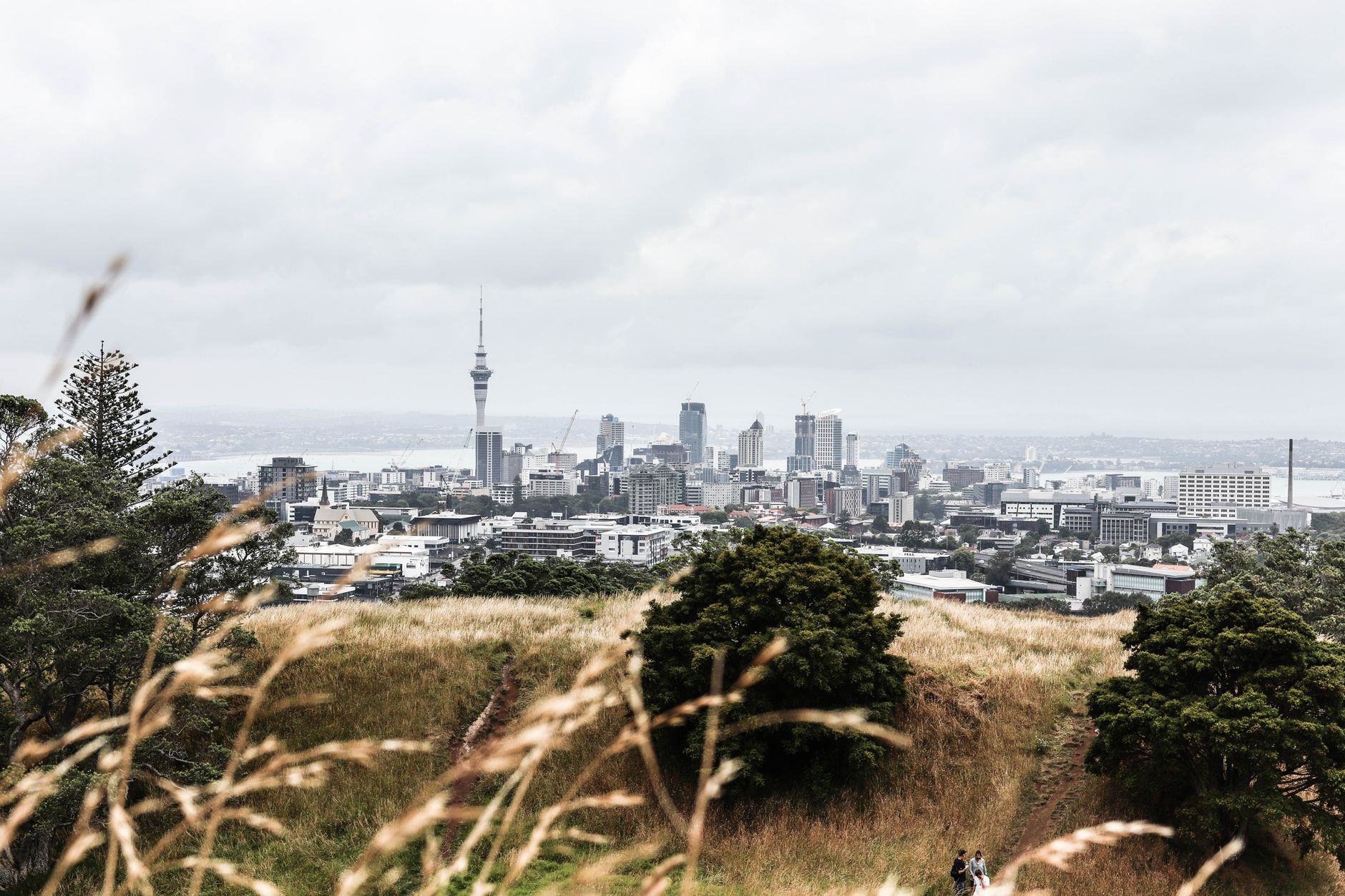
Auckland is built on a volcanic field, and fourteen of its cones are tūpuna maunga, ancestral mountains. In 2014, under the Ngā Mana Whenua o Tāmaki Makaurau Collective Redress Act, they were returned to the thirteen iwi and hapū of the Tāmaki Collective, to be held in trust for the common benefit of those iwi and hapū and the other people of Auckland. They remain public reserves. That is why you can still walk up them, and it is a genuinely unusual arrangement worth understanding while you are on one.
They are governed by the Tūpuna Maunga Authority, a co-governance body with six members appointed by mana whenua, six by Auckland Council and a non-voting Crown representative, with the chair appointed by mana whenua.
The most accessible are Maungawhau, Maungakiekie and Takarunga. Most summits have been closed to private vehicles since 2018, so you walk the last stretch, which is the point. Our guides to the Maungawhau summit walk and One Tree Hill cover the practicalities, and the geological story of the volcanic field explains how the whole thing formed.
Behave as you would in a cemetery, because in several cases that is exactly what these are. Stay on the formed paths, both because the terracing underfoot is archaeology and because erosion is a real problem. Do not take anything away. Closures for works and rāhui happen regularly, so check maunga.nz before you set out.
Seeing kapa haka properly
A thing worth getting straight, because most travel writing gets it wrong: kapa haka is not “a haka”. Kapa means to stand in a row; haka is a dance. Kapa haka is the whole performing art, and competitively it covers six disciplines: whakaeke the entrance, mōteatea the traditional chant, waiata ā-ringa the action song, poi, haka, and whakawātea the exit.
And haka is not only a war dance. Te Ara says so flatly. Sir Tīmoti Kāretu described haka as a platform to vent one’s spleen, sing someone’s praises, welcome guests, open a meeting house, honour the dead. Ka Mate, the one the All Blacks are famous for, was composed by Te Rauparaha of Ngāti Toa Rangatira after he hid in a kūmara pit and emerged alive. It is a celebration of life over death.
Where you can see the real competitive thing in Auckland:
- ASB Polyfest, usually March in Manukau, the largest event of its kind in Australasia with over 80,000 visitors across six cultural stages. In 2026 it split across two venues with the Māori stage running separately at the end of March, so check asbpolyfest.co.nz rather than assuming
- Tāmaki Makaurau Senior Regional Kapa Haka Competition, held every two years in the year before Te Matatini, and open to the public. The 2026 edition filled Spark Arena over two days and sold out, with a free live stream in Aotea Square as overflow
- Te Matatini, the national festival, biennial. The 2027 edition runs at Hopuhopu in the Waikato in late February, competition days 23 to 27 with the pōwhiri on the 22nd, hosted by Tainui. Auckland is not scheduled to host again this decade
- Matariki Festival, which brings a hundred-plus mostly free events across the region each winter. Our July events guide covers the programme
Tāmaki is the only region in history to have won the Te Matatini top title eight times, so the standard at the regional competition is absurd.
Where to actually eat hāngī in Auckland
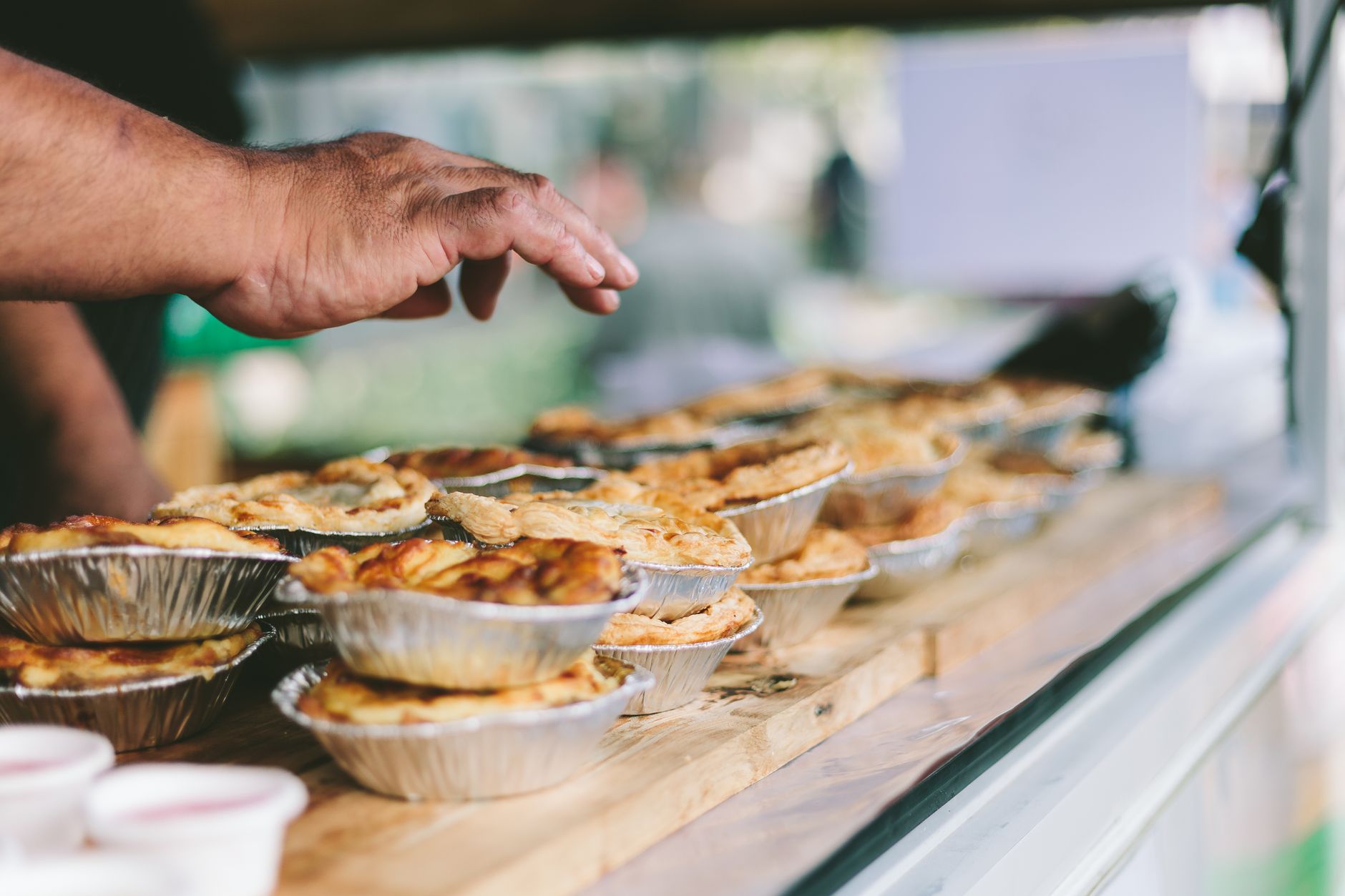
Hāngī is cooked in a shallow pit with fire-heated stones, meat layered first then vegetables, covered with leaves or matting and buried to steam for three or four hours. That is the real thing, and in Auckland the real thing mostly happens at markets, at tangihanga and for large gatherings, not in restaurants.
There is no sit-down Māori restaurant in Auckland currently serving hāngī. If you find one online, check the date on the reviews. The Māori Kitchen went into liquidation in 2021 and its website is still up, still advertising daily hāngī in downtown Auckland. It is the single biggest trap in this whole subject.
What actually works:
- The Hangi Shop, 583 Great South Road, Ōtāhuhu. A fixed address you can walk into. Around NZ$20 for a hāngī meal, NZ$26 gourmet, NZ$22 for a boil-up, plus rēwana bread and steamed pudding. Open since 2000, owned by Catherine Lim of Ngāti Kahungunu. Steam-cooked rather than pit-cooked, which is how nearly all shop hāngī works
- Ōtara Flea Market, Saturdays 6am to midday behind the Ōtara Town Centre. Running since the 1970s and the most genuine turn-up-and-eat option in the city. Get there early
- Māngere Bridge village markets, Sundays 9am to 1pm on Coronation Road, where Mama’s Hangi sells hāngī, fried bread and boil-up
- Hāngi Master, Rewi Spraggon, who does it properly in a pit at Te Henga over about seven hours. Catering from around NZ$20 a head, and he runs workshops where you dig the pit and weave the baskets yourself. Not a food truck you can find on a whim
One correction while we are here: the in-ground hāngī pit at Te Pane o Mataoho, Māngere Mountain, was the first bookable public pit in the country, but its programme is currently in redevelopment and not bookable. Several guides still say otherwise.
If a hāngī dinner with a concert is genuinely what you came for, the honest answer is Rotorua, about three hours south, where Te Arawa have been cooking with geothermal steam for centuries. Our Rotorua day trip guide covers doing it in a day, though it is a long one.
Māori art, and buying something without getting it wrong
Auckland Art Gallery Toi o Tāmaki holds significant contemporary Māori work and general entry is free for everyone, not just residents, with only the ticketed exhibitions costing anything. Our Auckland galleries roundup covers the dealer scene, where a lot of the most interesting Māori work sits, and there is Māori and Pacific work in the murals too, which our street art guide gets into.
If you are buying: toi iho is the authenticity mark for Māori-made work. It is a real mark with a real registry, though its coverage is far from universal, so its absence does not mean a piece is fake. Ask who made it and where they are from. A good gallery will tell you without hesitating.
Taking things home is where people come unstuck. Under the Protected Objects Act 1975, certain taonga cannot leave New Zealand without a permit, and that includes older carvings and artefacts rather than new work made to sell. Contemporary pieces from a gallery are fine. Something you found in an antique shop may not be. Our Auckland souvenirs guide covers the practicalities.
“But is any of it authentic?”
You will find reviews of the museum performance complaining that it was not a real haka and there were no real Māori in the show. It is worth answering that properly rather than ignoring it.
Māori have been performing for visitors commercially since the 1880s. Te Matatini itself began in 1972 as an initiative to raise the standard of performance for tourists, before it grew into the language and culture event it now is. Te Waka Huia, a four-time national champion, performed paid shows at Auckland Museum for fourteen years. The idea that a paid performance is a corruption of an otherwise pure tradition does not survive contact with the history. If you want more on that side of things, see our Auckland theatres and performing arts guide.
What is true is that a museum performance and a regional competition are doing different jobs. The first is a professional introduction, often delivered by people who also compete at a serious level. The second is a community and iwi event with real stakes: original composition, the quality of the te reo, the reputation of the group and its iwi, an audience that is largely Māori and whose tautoko from the seats is part of the performance. Go to the museum for the introduction. If you can time your trip to Polyfest or the regional competition, go to that as well, and notice the difference.
A little te reo, said properly
Four rules will get you most of the way, and trying is the thing that matters.
- ng is the sound in “singer”, not “finger”. Whangārei, not Whan-ga-rei
- wh is usually an “f”. Whakapapa is fa-ka-papa
- Macrons lengthen the vowel and change the word. Māori has a long “a”; the difference is not decorative
- Every syllable ends in a vowel, and there is no plural “s”. One Māori, two Māori. One maunga, three maunga
Tāmaki Makaurau is Auckland. Kia ora works as hello and as thanks. Manaakitanga is the hospitality you will be shown and is taken seriously. Whenua is land, and also placenta, which tells you most of what you need to know about the relationship.
Accessibility
Nobody else writing about this covers accessibility at all, which is its own small scandal.
- Auckland Museum is fully accessible with lifts and undercover parking off Maunsell Road, and the performance is seated
- Te Wharekura’s hīkoi is flat central-city footpaths for ninety minutes to two hours, so distance rather than gradient is the constraint. Ring ahead and they will talk it through
- The maunga are hills. Maungakiekie has a mobility gate arrangement for the summit road; Maungawhau is a steady climb on a sealed path with no shortcut since vehicles were excluded
- Te Hana is a walking tour of a village site on uneven ground; phone them
- Markets are flat but crowded, and Ōtara at 7am on a Saturday is shoulder to shoulder
So which one should you book?
- Two hours and staying in the city: Te Wharekura’s hīkoi. It is the best value and the most direct connection to mana whenua you can buy in Auckland
- Travelling with children: the museum performance, because it is thirty minutes, it is seated, and the meet-the-performers bit afterwards lands well. Pair it with our Auckland with kids guide
- You want the land, not a venue: Te Manu Taupua on Maungawhau or at Takaparawhau
- You have a full day and a budget: TIME Unlimited, or Potiki on Waiheke if they confirm
- You have a group of 25: Te Hana, and you will get the pōwhiri and hāngī nobody else can offer
- You have no budget at all: walk a maunga, go to Ōtara market on Saturday morning, and time your visit for Matariki or Waitangi Day
- You specifically want a hāngī dinner and concert: go to Rotorua. Auckland does not have one
A half day, put together
The version I would actually do, starting downtown:
- 9.45am — Te Wharekura on Quay Street for the hīkoi. You finish around 11.30 understanding the shoreline under the city
- 12pm — lunch in Britomart, five minutes away
- 1pm — bus or train to Parnell for the museum. Time it for the afternoon performance, and see the rest of the museum around it, knowing the Māori Court is shut
- 3.30pm — walk out through the Domain and up Maungawhau if the weather holds, for the view that explains the whole isthmus
If you have a Saturday instead, swap the museum for Ōtara market at 7am and a maunga afterwards. It costs almost nothing and you will meet more people.
What visitors get wrong
- Treating Auckland as a lesser Rotorua. They are doing different things. Auckland’s strength is urban, contemporary and hapū-led
- Assuming Māori culture is one culture. Auckland Council recognises nineteen mana whenua iwi and hapū authorities in the region alone. Practice varies between them, sometimes considerably
- Thinking urban marae are second-tier. Most of Auckland’s accessible marae are pan-tribal urban marae, and they are a legitimate and important development, not a diluted version of something rural
- Turning up at a marae. Covered above. Do not
- Photographing without asking. The rule is permission, not prohibition, but ask
- Booking from a website without checking the date. As this whole page demonstrates
Frequently asked questions
What is the best Māori cultural experience in Auckland?
For most visitors, the Te Wharekura guided hīkoi on Quay Street. It is led by uri of Ngāti Whātua Ōrākei, the mana whenua of central Auckland, runs ninety minutes to two hours, and costs around NZ$75 for international visitors. If you want a performance rather than a walk, the Auckland Museum cultural show is the easiest and most reliable option in the city.
Can you see a haka in Auckland?
Yes. The Auckland Museum runs live cultural performances daily that finish with a haka, alongside waiata, poi and a weapons demonstration. For competitive kapa haka rather than a visitor performance, aim for ASB Polyfest in March or the Tāmaki Makaurau regional competition, which runs every second year and is open to the public.
Can tourists visit a marae in Auckland?
Not independently. A marae is private property and you must be welcomed on rather than walking in. There is no walk-up marae visit anywhere in Auckland. The realistic routes are booking a group experience at Te Hana Te Ao Marama an hour north, attending a public event such as Matariki or Waitangi Day, or volunteering somewhere like Papatūānuku Kōkiri Marae in Māngere East.
Is the Auckland Museum Māori collection open?
No. Te Marae Ātea Māori Court and the Pacific galleries have been closed since May 2025 because of asbestos found in the 1929 building, and no reopening date has been published as of August 2026. Hotunui and Te Toki ā Tāpiri cannot currently be seen. The rest of the museum reopened in October 2025 and the cultural performance is still running.
How much does a Māori cultural experience in Auckland cost?
Roughly NZ$30 to NZ$45 for the museum performance, NZ$50 to NZ$75 for the Te Wharekura city walk, from NZ$125 for a two-hour maunga tour with Te Manu Taupua, and from around NZ$495 for a full day with TIME Unlimited. Walking a tūpuna maunga is free, and a hāngī meal at the Hangi Shop in Ōtāhuhu is about NZ$20.
Where can I eat hāngī in Auckland?
The Hangi Shop at 583 Great South Road in Ōtāhuhu is the only fixed-address place you can reliably walk into, at about NZ$20 a meal. Otherwise it is markets: Ōtara Flea Market on Saturday mornings and Māngere Bridge village markets on Sundays. No sit-down restaurant in Auckland currently serves hāngī, whatever the older listings say.
Is Rotorua better than Auckland for Māori culture?
For the full evening package of pōwhiri, concert and hāngī, yes, and it is not close. Rotorua is about three hours south and Te Arawa have been running that experience for well over a century. Auckland’s strengths are different: mana whenua-led walking tours, the tūpuna maunga, contemporary Māori art, and some of the best competitive kapa haka in the country.
What should I wear and bring to a Māori cultural experience?
For a museum performance or a city walk, ordinary comfortable clothes. If you are invited onto a marae, dress conservatively and more formally than you would otherwise, bring shoes that come off easily, switch your phone off before the pōwhiri begins, and bring a koha in an envelope if you are part of a visiting group. For the maunga, walking shoes and a windproof layer.
When is Matariki, and is it worth planning around?
Matariki is a public holiday whose date moves with the lunar calendar. It fell on Friday 10 July in 2026 and falls on Friday 25 June in 2027. It is absolutely worth planning around: the Auckland festival programme runs over a hundred mostly free events across a fortnight, and it is the time of year when communities are most likely to open up to visitors.
Final take
Auckland’s Māori cultural offering is smaller than the marketing suggests and better than the marketing manages to convey. There is no evening spectacular here. What there is instead is a hapū running walking tours over their own buried shoreline, fourteen ancestral maunga you can climb for nothing, a hāngī shop in Ōtāhuhu that has been going since 2000, and once every two years a kapa haka competition in Spark Arena that sells out to an audience who know exactly what they are watching.
Book Te Wharekura, walk a maunga, and go to a market. Then read the full culture and heritage guide for the history underneath it, and our history of Auckland for how the city ended up on top of it. And ring ahead, always, because half of what is written about this subject online stopped being true some time ago.
Last updated: August 2026. Prices, times and opening status were checked at the time of writing and change often; confirm directly with operators before you travel.
If Rotorua’s hāngī and concert is what you are after, stay the night rather than trying to fit it into a day: the evening experiences are the point. Our guide to the drive from Auckland to Rotorua covers the routes, the stops worth making and the coach and tour options if you would rather not drive.