Tāmaki Makaurau: Auckland’s Māori Name Explained
Tāmaki Makaurau is Auckland's Māori name meaning 'desired by many'. Pronunciation, history, cultural significance, and where to experience it.

This article contains advertising. Our booking links are routed through a partner that adds commission tracking automatically, so if you book through one we earn a commission from the provider, at no extra cost to you. It never affects what we recommend. Affiliate disclosure
Tāmaki Makaurau is Auckland’s Māori name — meaning “Tāmaki of a hundred lovers” or “Tāmaki desired by many” — referring to the isthmus location’s prized status as one of NZ’s most contested Māori territories before European settlement. Tāmaki Makaurau was Māori-occupied from at least 1350, with extensive pā (fortified villages) on the volcanic cones (Maungawhau/Mount Eden, Maungakiekie/One Tree Hill, Maungarei/Mount Wellington), gardens on the rich volcanic soils, and trade through both harbours. Today the name appears on signs across Auckland in dual-language usage. This complete 2026 guide explains the meaning, pronunciation, history, and ongoing cultural significance of Tāmaki Makaurau. For the wider picture, our Auckland Māori culture, history and heritage guide sets out the full context.
Pronunciation
Tāmaki Makaurau is pronounced: “tah-MAH-kee MAH-kau-rau”. Each syllable is even-length. The macron (ā) lengthens the vowel slightly. There’s no stress like English; the syllables flow evenly. Practice with audio at maoridictionary.co.nz.
Meaning of Tāmaki Makaurau
- Tāmaki — the original tribal name for the area, possibly meaning “battle” or “skirmish”
- Makaurau — “of a hundred lovers” or “desired by many” (literally “100 + rau”)
- Combined meaning — “Tāmaki desired by many”
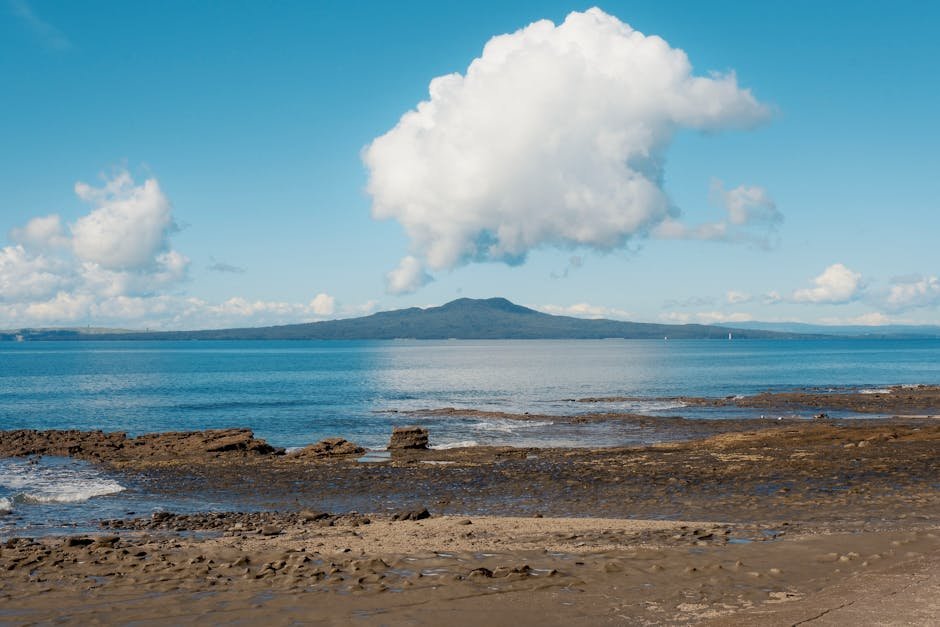
The name reflects how prized the Auckland isthmus was — fertile volcanic soils, two harbours providing trade and food, defensible volcanic cones for fortified villages. Multiple iwi (tribes) fought for control over centuries. There is more detail in our Māori place names in Auckland explained guide.
Tāmaki Makaurau Pre-European History
Māori settlement of Tāmaki Makaurau dates from at least 1350. Key features:
- Pā (fortified villages) — every volcanic cone had a pā. Maungawhau (Mount Eden), Maungakiekie (One Tree Hill), Maungarei (Mount Wellington), Ōwairaka (Mount Albert) all show terraces from defensive structures
- Gardens — rich volcanic soils grew kūmara (sweet potato), taro, and other crops
- Trade — access to both Manukau Harbour (west, Tasman) and Waitemata Harbour (east, Pacific) made Tāmaki the trade hub
- Conflict — Tāmaki was repeatedly taken and lost between iwi over centuries
- Population peak — estimated 5,000+ Māori living in the area pre-1700
The Volcanic Cone Pā Sites
- Maungawhau (Mount Eden) — Auckland’s most extensive pā site, 196m summit
- Maungakiekie (One Tree Hill) — major pā, 182m summit, today within Cornwall Park
- Maungarei (Mount Wellington) — 135m summit, terraces visible
- Ōwairaka (Mount Albert) — pā site with stone walls visible
- Te Pane o Mataaho (Mangere Mountain) — major pā in South Auckland
All cones are accessible to visitors today and offer significant interpretation panels. Climb Maungawhau and Maungakiekie for the best Māori cultural context.
The European Period and Renaming
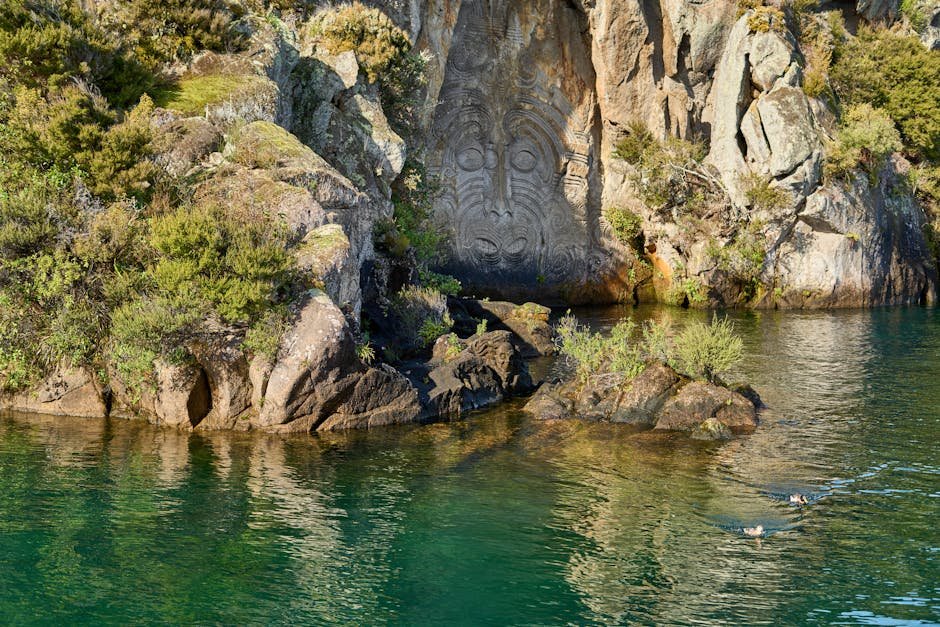
In 1840 Governor William Hobson chose the Tāmaki isthmus as NZ’s new capital. He renamed it “Auckland” after George Eden, Earl of Auckland (then British Viceroy of India). The Māori name fell out of common European use until the late 20th century. Our Māori cultural experiences in Auckland guide covers this in more depth.
The Treaty of Waitangi (1840) acknowledged Māori land rights, but Tāmaki Makaurau’s land was rapidly purchased (often controversially) and Māori displaced. The cone pā sites were used as quarries and military fortifications, with significant heritage damage.
Tāmaki Makaurau’s Modern Cultural Resurgence
From the 1980s, the Māori name returned to common use. Today:
- Auckland Council uses “Tāmaki Makaurau Auckland Council” in dual-language signs
- Auckland Museum prominently features Tāmaki Makaurau’s Māori history
- Ngāti Whātua Ōrākei (the local mana whenua iwi) plays an active partnership role
- Volcanic cones are co-managed with iwi authorities
- “Tāmaki Makaurau” appears on signs at airports, government buildings, schools
Where to Experience Tāmaki Makaurau
- Auckland War Memorial Museum — extensive Māori Court with Tāmaki Makaurau context
- Maungawhau (Mount Eden) — climb the volcano, read pā site interpretation panels
- Maungakiekie (One Tree Hill) — Cornwall Park, summit pā remains
- Bastion Point/Takaparawhā — Ngāti Whātua Ōrākei marae adjacent
- Te Wero Island — waterfront sculpture honoring Māori heritage
- TIME Unlimited Māori Tours — Māori-led cultural walking tours
Tāmaki Makaurau in Daily Life
- Signs — most government buildings include “Tāmaki Makaurau”
- News broadcasts — RNZ and TVNZ regularly use the Māori name
- Council documents — bilingual
- Schools — Te Reo Māori taught widely; many use the Māori name
- Greetings — “Kia ora” common, “Mōrena” for “good morning”
Frequently Asked Questions
What does Tāmaki Makaurau mean?
“Tāmaki desired by many” or “Tāmaki of a hundred lovers” — reflecting how prized the isthmus was for its volcanic soil, two harbours and defensible cones.
How do you pronounce Tāmaki Makaurau?
“tah-MAH-kee MAH-kau-rau” — even-paced syllables, the macron (ā) lengthens the vowel slightly.
Is Tāmaki Makaurau the official name of Auckland?
It’s the official Māori name and used in dual-language form alongside “Auckland”. Both are official and used together.
Why was Auckland renamed?
Governor William Hobson named the new capital “Auckland” in 1840 after George Eden, Earl of Auckland. The Māori name Tāmaki Makaurau is much older and has been restored to common use since the 1980s.
Where can I learn more about Tāmaki Makaurau?
Auckland War Memorial Museum’s Māori Court is the best starting point. TIME Unlimited Māori Tours offers Indigenous-led guided experiences.
Final Take: Honoring Tāmaki Makaurau
Tāmaki Makaurau is more than just Auckland’s Māori name — it’s a window into the city’s pre-European heritage, the iwi who shaped this isthmus, and the ongoing partnership between Māori and the modern city.
For visitors: climb Maungawhau, visit the Auckland Museum’s Māori Court, take a TIME Unlimited tour, and use “Tāmaki Makaurau” in conversation. Honoring the Māori name honors the city’s deeper history. If you want more on that side of things, see our Auckland Museum Māori exhibits guide.