Auckland to the Bay of Islands: A Northland Road Trip
Auckland to Bay of Islands by road: the drive to Paihia, the best stops, a Northland loop via Cape Reinga and Waipoua, 2-5 day plans and honest tips.
This article contains advertising. Our booking links are routed through a partner that adds commission tracking automatically, so if you book through one we earn a commission from the provider, at no extra cost to you. It never affects what we recommend. Affiliate disclosure
The Bay of Islands is only about 230 km north of Auckland, but it belongs to an older, slower, warmer New Zealand. This is where Māori and Europeans first lived side by side, where the country’s first capital was sited, where its oldest surviving church and its first licensed hotel still stand, and where the Treaty of Waitangi was signed on a lawn above the water in 1840. An Auckland to Bay of Islands road trip takes you there in a morning, and if you let it, carries on around the whole of Northland: up to Cape Reinga at the top of the country, back down through the Hokianga and past the oldest trees in the land.
This guide covers the drive and the loop. It sets out the route to Paihia and the stops worth making on the way, two- to five-day plans including the full Twin Coast Discovery loop, the roads and rules that catch visitors out in Northland, and what it all costs. Prices were checked in September 2026; treat them as the right order of magnitude, and check anything time-critical — especially road closures — before you set off. If you only have one day, our Bay of Islands day trip guide covers that version.
At a glance: Auckland to the Bay of Islands
| Question | Answer |
|---|---|
| Distance to Paihia | About 230 km |
| Drive time | 3-3.5 hours without stops |
| Tolls | The Northern Gateway, about NZ$3 for a car, or take the free coastal road |
| Fuel, one way | About NZ$45-50 for a small car |
| Where to stay | Paihia for choice and tour departures; Russell for peace |
| Minimum stay | 2 nights for the Bay of Islands; 4-5 days for the full Northland loop |
| The full loop | About 900 km, via Cape Reinga, the Hokianga and Waipoua Forest |
| Other ways there | InterCity coach, or a short flight to Kerikeri |
The drive to Paihia
The drive to Paihia from Auckland follows State Highway 1 almost all the way, in three stages of roughly an hour each.
Auckland to Warkworth (about 65 km, 1 hour)
Cross the Harbour Bridge and follow the Northern Motorway up the North Shore. Past Silverdale you choose between the Northern Gateway Toll Road, which costs about NZ$3 for a car and must be paid online, and the free Hibiscus Coast road through Ōrewa and Waiwera, which is slower but runs along the coast. Pay the toll yourself the same day, because if you are in a hire car, the rental company will add a processing fee that is often bigger than the toll. From Pūhoi, the Ara Tūhono motorway, opened in 2023, carries you past the old winding road to Warkworth without a toll.
Warkworth to Whangārei (about 95 km, 1 hour 15 minutes)
North of Warkworth, State Highway 1 becomes a two-lane country road through Wellsford and Kaiwaka, then climbs over the Brynderwyn Hills. This winding, slip-prone stretch has been closed for repairs several times in recent years, and when it is shut the detours add real time, so check the road before you leave. Beyond the hills the road runs past the turn-off for Waipū and on to Whangārei, Northland’s only city.
Whangārei to Paihia (about 70 km, 1 hour)
From Whangārei, State Highway 1 heads north through farmland and forest to Kawakawa, where you turn right onto State Highway 11 for the last few kilometres to Paihia and the bay.
The best stops on the way north
With a full day for the drive, these turn a transfer into the first day of the trip. On a tight schedule, pick one.
Matakana and Goat Island
A short detour east from Warkworth, Matakana has wineries, a Saturday farmers’ market and good cafés; our Matakana guide covers the village properly. About 25 minutes beyond it, the Goat Island marine reserve near Leigh has some of the easiest snorkelling in the country straight off the beach. Either makes a better first night than pushing on if you have left Auckland late.
Waipū
Waipū was settled in the 1850s by Scottish Highlanders who had come by way of Nova Scotia, and the town still holds Highland Games every New Year. Inland, the Waipū Caves are a free, unlit limestone cave with glowworms on the ceiling; you need a good torch, shoes that can get wet and a sense of adventure. It is about a 15-minute drive off State Highway 1.
Whangārei
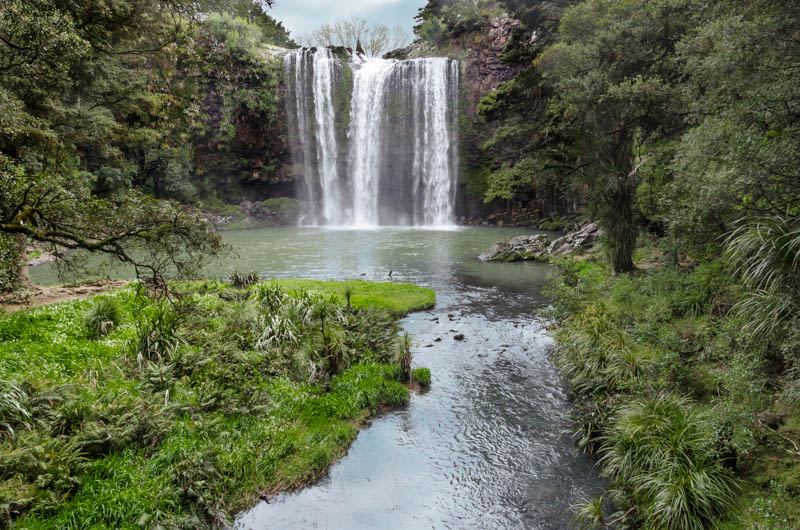
Whangārei is worth more time than most people give it. Whangārei Falls, a 26-metre curtain of water dropping into a bush-fringed pool, is a few minutes’ walk from the car park on the edge of town and free to visit. In the Town Basin, the Hundertwasser Art Centre, completed long after the artist’s death to his own design, houses a gallery of his work alongside the Wairau Māori Art Gallery. It is the most striking building in Northland.
Kawakawa
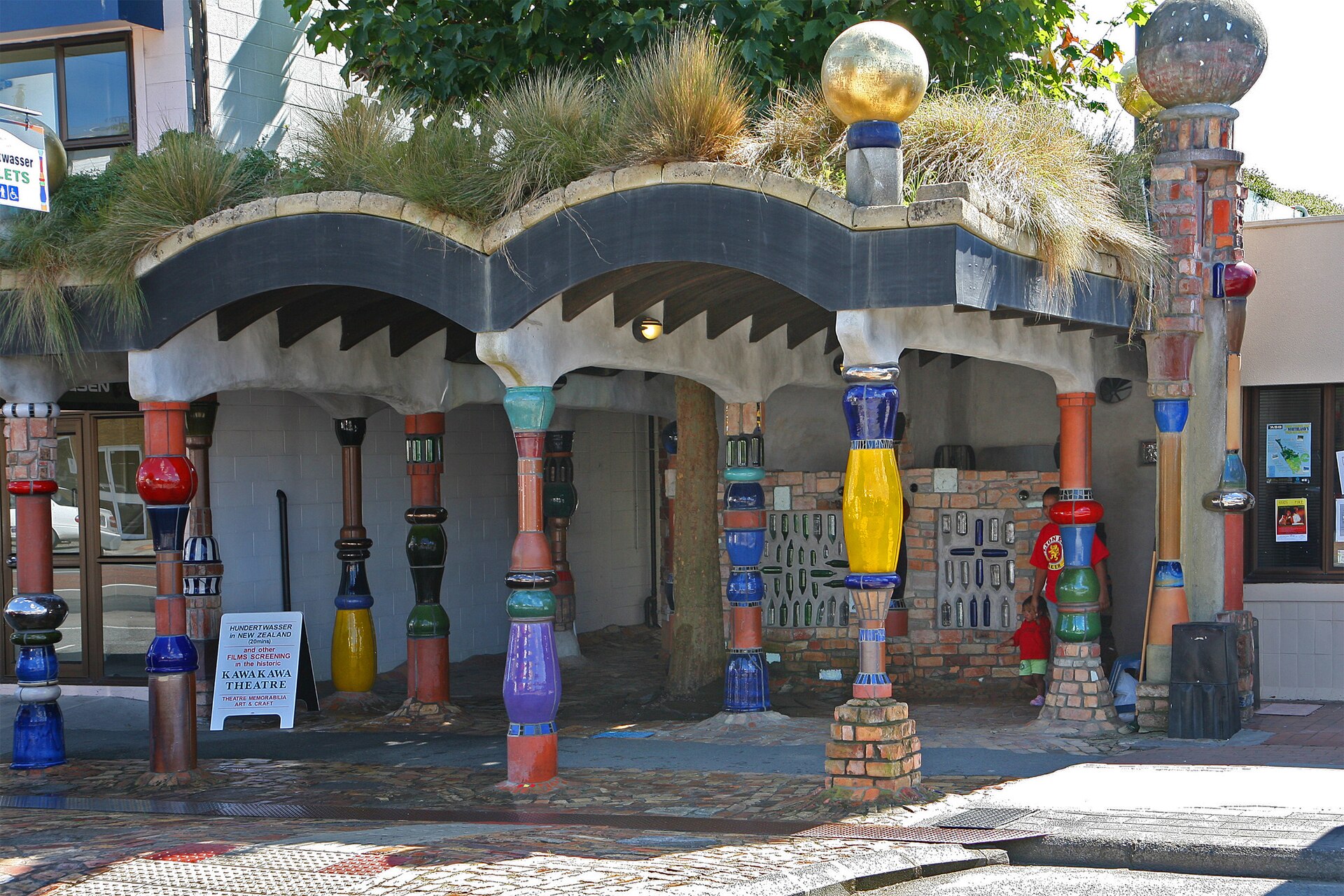
Kawakawa is the most famous public toilet stop in the country. The Austrian artist Friedensreich Hundertwasser lived near the town for the last decades of his life, and the public toilets he designed on the main street — all wavy lines, coloured bottles, ceramic columns and a living grass roof — are a genuine work of art. Stop, look, and use them; that is what they are for.
In the Bay of Islands
The bay itself deserves at least two nights. Base yourself in Paihia, where most boat trips and tours depart, or across the water in Russell, which is quieter and far more atmospheric. A passenger ferry links the two in about 15 minutes, and a short car ferry crosses from Ōpua to Okiato if you want to take the car.
Waitangi Treaty Grounds
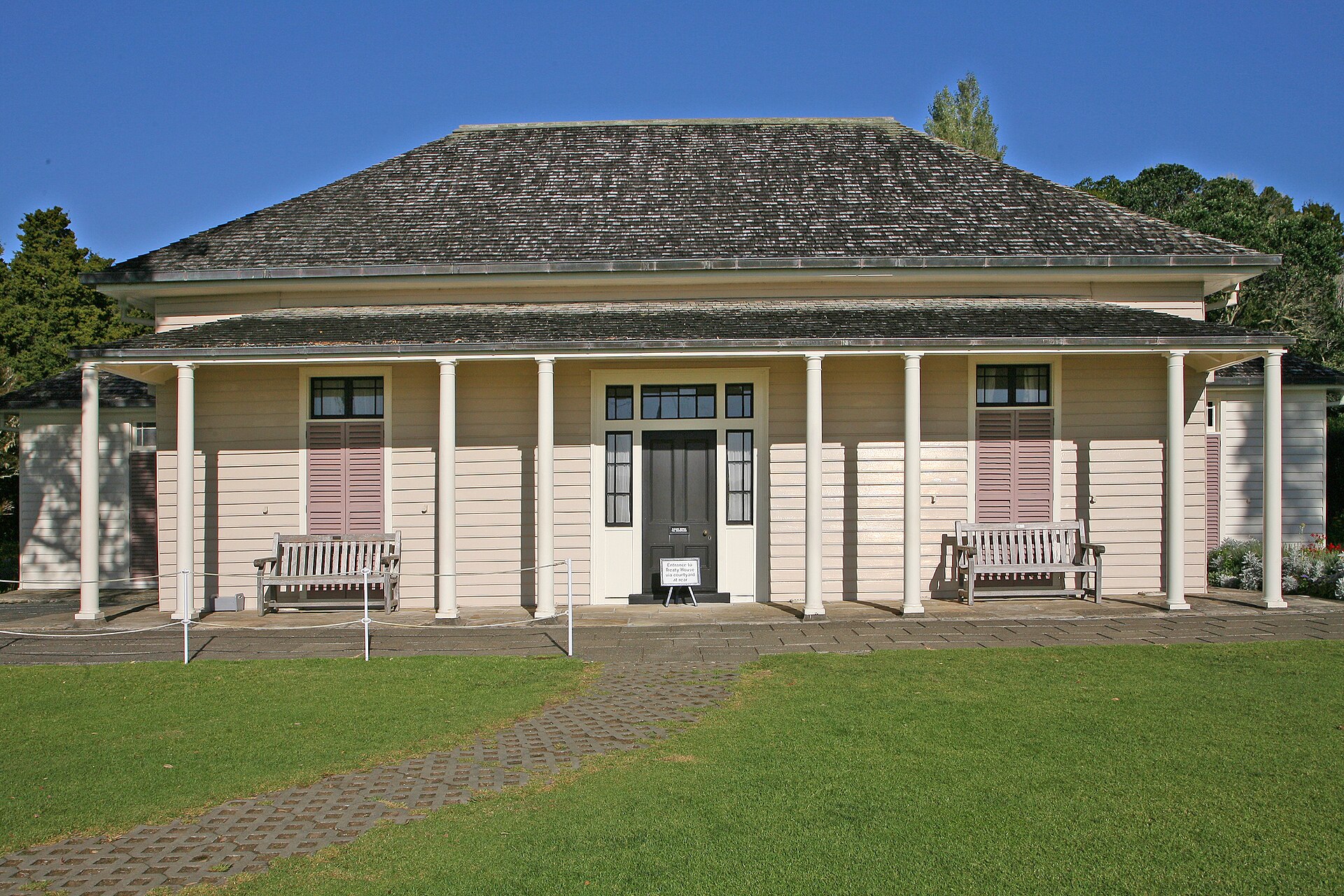
Just north of Paihia, the Waitangi Treaty Grounds are New Zealand’s most important historic site: the place where the Treaty of Waitangi was first signed between the British Crown and Māori chiefs on 6 February 1840. The admission includes a guided tour of about 50 minutes, a 30-minute Māori cultural performance, the two museums, the carved meeting house and the Treaty House, and the enormous ceremonial waka. International adult admission was NZ$74 for the season to the end of September 2026, so check the current price, and the ticket is valid for two consecutive days. Give it at least half a day; it is the best introduction to New Zealand’s history there is.
Russell
Russell, once known as Kororāreka, was the lawless whaling port that missionaries called the hell-hole of the Pacific. Today it is a picturesque village of old wooden buildings along the waterfront. Christ Church, the country’s oldest surviving church, still bears musket-ball holes from the fighting of 1845; Pompallier Mission is a Catholic printing house from the 1840s; and the Duke of Marlborough hotel on the waterfront holds New Zealand’s first liquor licence. Walk up to Flagstaff Hill, where Hōne Heke cut down the British flagpole four times, for the view over the bay.
On the water
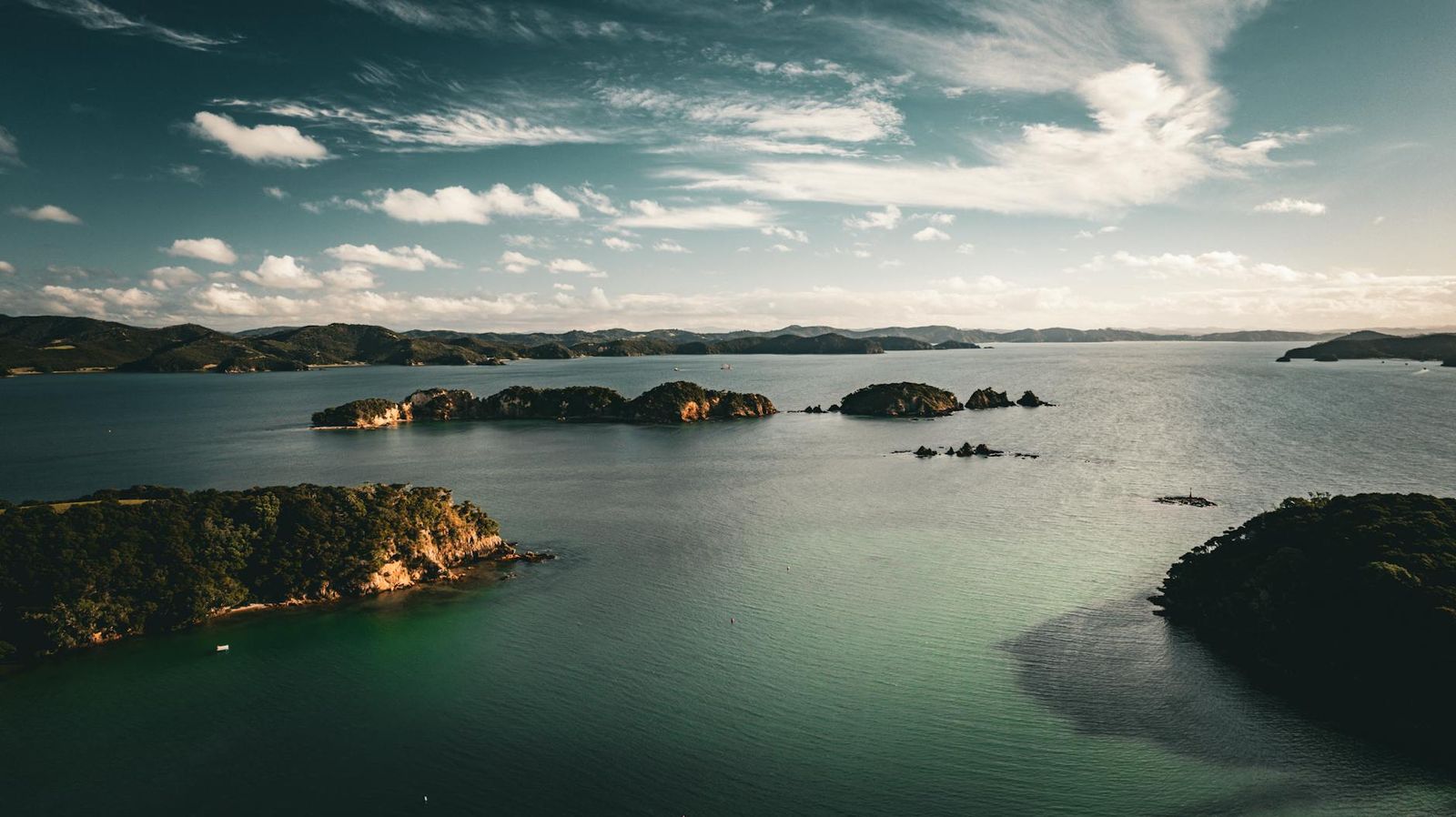
The Bay of Islands is best seen from a boat. The classic trip runs out to the Hole in the Rock at the tip of Cape Brett, weaving through the islands and often meeting dolphins on the way. Sailing trips, kayak hire and island-hopping ferries to Urupukapuka Island, with its walking tracks and beaches, are all available from Paihia and Russell. Note that swimming with dolphins is no longer allowed in the Bay of Islands; the rules were tightened to protect the local population.
Kerikeri and Haruru Falls
Twenty minutes north of Paihia, Kerikeri is home to Kemp House, the oldest surviving building in New Zealand, and the Stone Store beside it, the oldest stone building. A riverside walk leads upstream to Rainbow Falls. Closer to Paihia, Haruru Falls is a wide, horseshoe-shaped waterfall you can reach by car or on a walking track from the Treaty Grounds.
Two nights in the bay: a simple plan
If you are driving up for two nights, this is how we would spend them.
- Day 1, afternoon: arrive in Paihia around lunchtime, check in, and stretch your legs on the waterfront or the walk to Haruru Falls. Eat early and watch the sun go down over the bay.
- Day 2, morning: the Waitangi Treaty Grounds, timed so you catch a guided tour and the cultural performance. Allow three or four hours; your ticket is valid the next day too if you want to come back.
- Day 2, afternoon and evening: the passenger ferry to Russell. Walk the waterfront, visit Christ Church and Pompallier Mission, climb Flagstaff Hill, and stay for dinner before the ferry back.
- Day 3, morning: a half-day boat trip out to the Hole in the Rock, or a sail among the islands. Head back to Auckland after lunch.
A detour worth making: the Tutukākā Coast
About half an hour north-east of Whangārei, the Tutukākā Coast is a run of small bays, headlands and surf beaches that most visitors drive straight past. From the marina at Tutukākā, dive and snorkel boats run out to the Poor Knights Islands Marine Reserve, which Jacques Cousteau is often quoted as ranking among the world’s best dive sites; even non-divers can snorkel and kayak through its sea caves and arches on the day trips. If you have a spare day on the way up or back, spend it here.
If it rains
Northland’s weather is warm but changeable, and the bay is less fun from a boat in a downpour. Good wet-weather options:
- The Waitangi museums. Te Kōngahu Museum of Waitangi and Te Rau Aroha, the museum of Māori military service, are both indoors and can fill a morning.
- Kawiti Glowworm Caves, near Kawakawa, are guided by the Kawiti whānau whose land they are on, and are just as good in the rain.
- The Hundertwasser Art Centre in Whangārei is the best wet-day stop on the drive.
- Kerikeri’s historic buildings and the shop in the Stone Store are a good half-day under cover.
What is worth it, and what is not
- Waitangi is essential. It is the one place in New Zealand where the country’s founding story makes complete sense.
- Russell is worth the ferry and an evening; it is the prettiest village in the north.
- The Hole in the Rock trip is excellent in calm weather and uncomfortable in a big swell. If the sea is rough, take a shorter trip within the bay instead.
- Cape Reinga is magnificent, and a long day. On a two- or three-night trip, skip it; on four nights or more, take the coach tour.
- Whangārei is badly underrated. The falls and the Hundertwasser Art Centre make it a proper stop rather than a fuel break.
- The Hokianga and Waipoua are the part of Northland most visitors miss and the part many remember best. If you have the time, do the loop.
The Northland loop: four to five days
The Twin Coast Discovery route is a signposted loop around Northland: up the east coast to the Bay of Islands and the far north, and back down the west coast through the Hokianga and the kauri forests. It is the best way to see the region, and at about 900 km it is a comfortable four or five days.
| Day | Route | Driving | Sleep |
|---|---|---|---|
| 1 | Auckland to Paihia via Whangārei and Kawakawa | About 3.5 hours | Paihia or Russell |
| 2 | Waitangi, Russell and a boat trip | Minimal | Paihia or Russell |
| 3 | Cape Reinga, by coach tour or by car | None by tour; about 6-7 hours return by car | Paihia, or Doubtless Bay if driving |
| 4 | Kerikeri, then across to the Hokianga | About 1.5-2 hours | Ōpononi or Ōmāpere |
| 5 | Waipoua Forest, Dargaville and back to Auckland | About 4-4.5 hours | Auckland |
Day 3: Cape Reinga
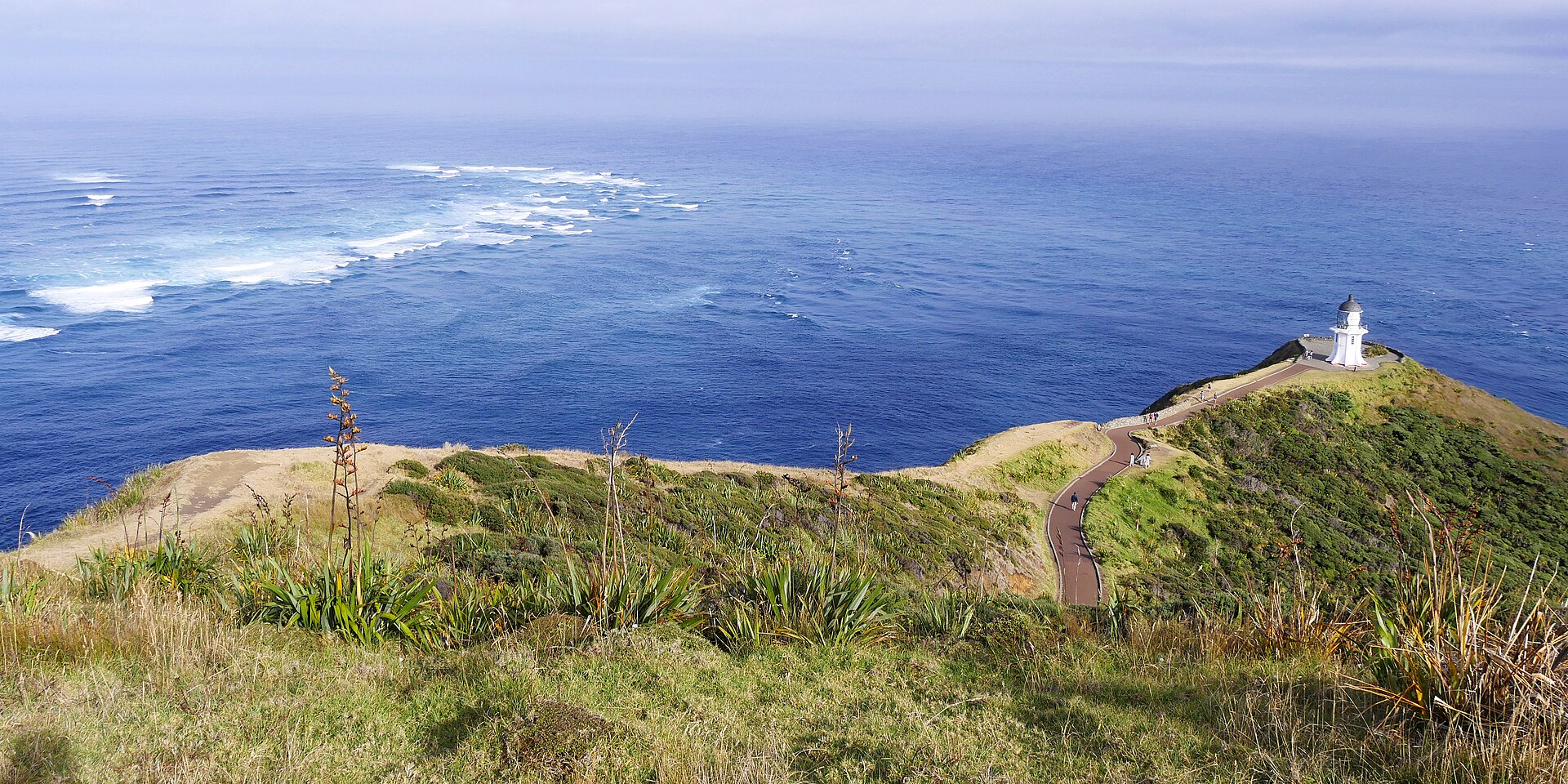
Cape Reinga, Te Rerenga Wairua, is the northern tip of the country’s main road and one of its most sacred places: in Māori tradition, the spirits of the dead travel up the coast to leap from the old pōhutukawa below the lighthouse on their journey home. From the lighthouse you can watch the Tasman Sea and the Pacific Ocean collide in a line of white water offshore.
It is about three hours each way from Paihia by car, on a road that is now sealed all the way. The easier option is a coach tour. Fullers GreatSights charges around NZ$195 for an adult, leaving Paihia at 7am and returning about 6pm with lunch, and like the other tour operators its purpose-built coaches drive along Ninety Mile Beach and stop at the giant Te Paki sand dunes for sandboarding. Do not drive a rental car on Ninety Mile Beach. Rental agreements exclude it, the tides are unforgiving, and cars are lost on it every year.
If you drive, go north via Kerikeri and the east coast on State Highway 10, stopping at Doubtless Bay, where the fish and chips at Mangonui are famous, and consider spending a night there to split the drive. State Highway 1 through the Mangamuka Gorge is the more direct route back south; it reopened in December 2024 after more than two years closed by slips, but it still closes from time to time, so check it before you rely on it.
Day 4: the Hokianga
From the Bay of Islands, cut across the island to the Hokianga Harbour on the west coast, one of the loveliest and least visited corners of the North Island. The long, narrow harbour is lined with small settlements, and at its mouth huge golden sand dunes face the villages of Ōpononi and Ōmāpere across the water. A small car ferry links Rāwene and Kohukohu across the upper harbour if you are coming from the north. At Ōpononi, a statue remembers Opo, the friendly dolphin who made the town famous in the 1950s. Walk out to the lookout at South Head in the late afternoon for the light on the dunes.
Day 5: Waipoua Forest and the Kauri Coast
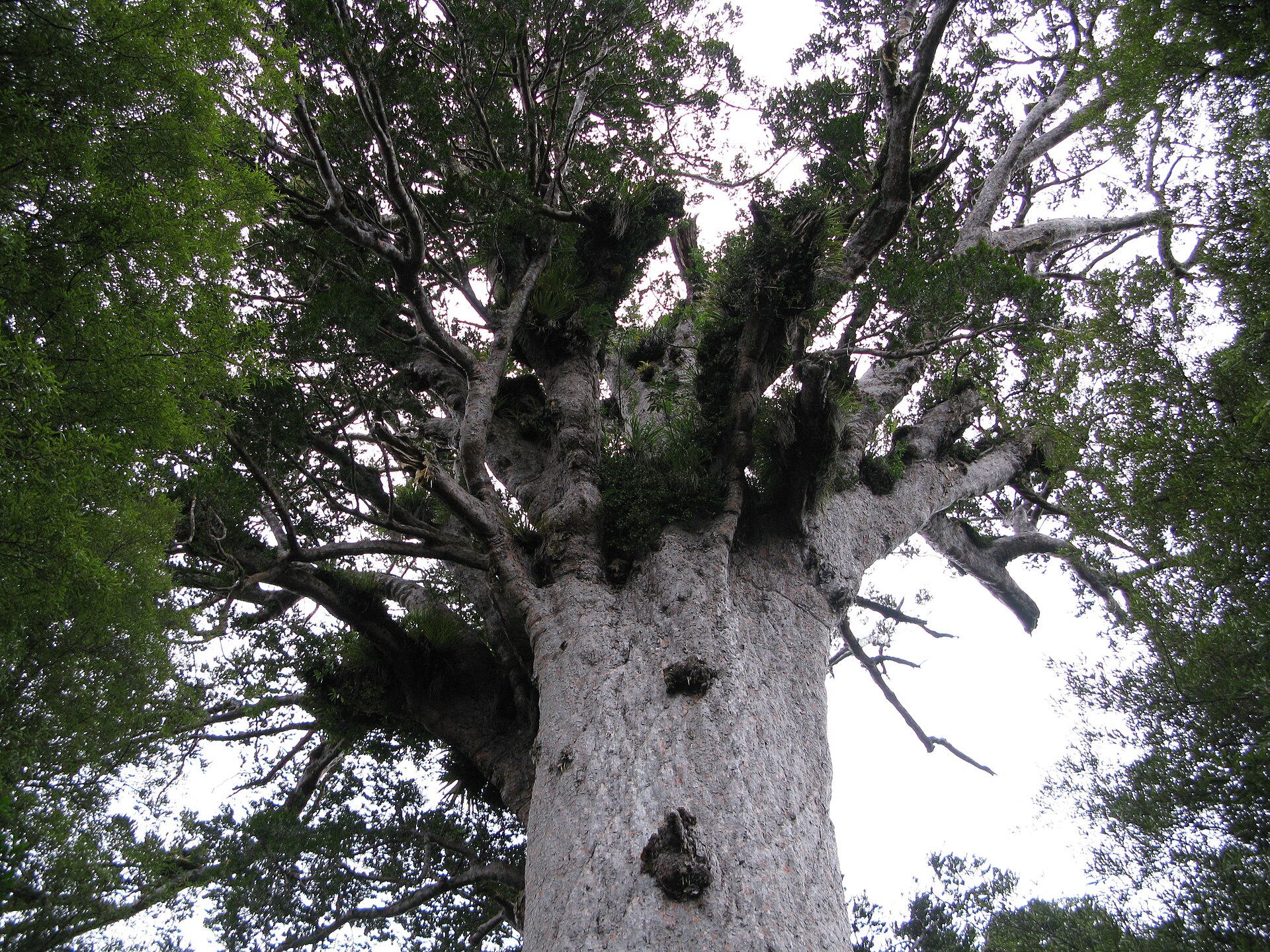
South of the Hokianga, State Highway 12 winds through Waipoua Forest, home of the largest kauri trees left on earth. Tāne Mahuta, the Lord of the Forest, is a few minutes’ walk from the road on a boardwalk: over 50 metres tall, with a trunk more than 13 metres around, and thought to be between 1,250 and 2,500 years old. Kauri are threatened by kauri dieback disease, so clean your shoes at the stations provided, stay on the boardwalks, and check which of the other forest tracks are open, as some have closed to protect the trees.
South of the forest, the Kai Iwi Lakes are three clear dune lakes with white-sand shores, and at Matakohe, the Kauri Museum tells the story of the kauri timber and gum trade that shaped the region. From Dargaville, State Highway 12 takes you back to State Highway 1 at Brynderwyn for the drive south to Auckland; for a quieter last leg, turn off at Wellsford onto State Highway 16 through Helensville.
Shorter versions
Two days: Paihia and back
Drive up on day one with a stop at Whangārei Falls and Kawakawa, arriving in Paihia in the afternoon. Spend day two at Waitangi in the morning and on the water in the afternoon, then drive back to Auckland on day three morning, or late on day two if you must. It is a lot of driving for the time you get, but it works.
Three days: the bay properly
Add a day for Russell and Kerikeri, or for a full-day sailing trip, and you have the Bay of Islands at a sensible pace. This is the version we recommend if the far north and the west coast do not appeal.
As part of a longer North Island trip
Northland is in the opposite direction from almost everything else in the North Island, which is why it drops off most itineraries. On a trip of two weeks or more, it is well worth including; our North Island road trip guide has a fourteen-day route that starts with the Northland loop and ends in Wellington.
Driving in Northland: what to know
- Check the Brynderwyns and the Mangamuka Gorge. Both have been closed for long periods by slips in recent years. The NZ Transport Agency journey planner shows the current state of every highway.
- Allow more time than the map suggests. Northland’s roads are narrow, winding and busy with logging trucks, and many have one-lane bridges.
- Keep off the beaches and gravel. Rental agreements commonly exclude beaches and unsealed roads from cover. Ninety Mile Beach is the obvious trap.
- Fill up in the towns. Petrol stations are few and far between on the west coast and in the far north. Regular 91 petrol has cost more than NZ$3 a litre through 2026.
- Clean your shoes. Kauri dieback spreads on footwear, and you will find cleaning stations at the start of forest tracks.
- Know the rules. Keep left, give way as signed, and pull over to let queues pass. Our driving guide covers the essentials.
The drive back to Auckland
The return is the same road in reverse, and the same two things decide how long it takes: the Brynderwyn Hills and the Auckland motorway. On a Sunday afternoon, particularly at the end of a long weekend or the summer holidays, the traffic heading back into the city can back up well north of the Harbour Bridge. Leave the bay after breakfast, stop for lunch in Whangārei or Matakana, and aim to cross the bridge by mid-afternoon. If you are flying out of Auckland Airport, which is on the far side of the city, allow a very generous buffer, or stay the last night in Auckland rather than driving straight to a flight.
Without a car: coach, plane or tour
InterCity runs daily coaches between Auckland and Paihia; they take a little longer than driving and are the cheapest way north, especially booked ahead. Once in Paihia, you can reach Waitangi on foot, Russell by ferry and Cape Reinga by coach tour, so a car-free visit is entirely possible. Air New Zealand flies from Auckland to Kerikeri, the Bay of Islands airport, in under an hour, which suits a short trip with no interest in the drive. Organised day tours from Auckland exist too, but they involve seven or more hours on a coach for a few hours in the bay, and we would not recommend them over an overnight stay.
Where to stay
| Base | Best for | Good to know |
|---|---|---|
| Paihia | Choice, restaurants and tour departures | The busiest town, and the most convenient |
| Russell | History, charm and quiet evenings | Linked to Paihia by passenger ferry; the car ferry crosses from Ōpua |
| Kerikeri | Orchards, cafés and a base inland | Close to the airport and the historic sites |
| Doubtless Bay | Splitting the drive to Cape Reinga | Quiet beaches and Mangonui’s fish and chips |
| Ōpononi and Ōmāpere | The Hokianga and Waipoua Forest | Small, with limited options; book ahead in summer |
Holiday parks are found all around the bay and along the loop, with cabins and powered sites; our holiday parks guide shows what to expect.
When to go
Northland is the warmest region of New Zealand and pleasant all year. Summer (December to February) is the peak, with every bed in the bay booked around Christmas and New Year. Waitangi Day, 6 February, brings national commemorations and large crowds to the Treaty Grounds; it is a remarkable day to be there if you book well ahead, and a difficult one if you do not. Autumn is often the best time, with settled weather, warm water and fewer people. Winter is mild, quiet and cheaper, though wetter, and a good time for the historic sites.
What it costs
| Item | Rough cost (NZ$) |
|---|---|
| Fuel, Auckland to Paihia, one way | 45-50 for a small car |
| Fuel, the full loop of about 900 km | 175-200 for a small car |
| Northern Gateway toll | About 3 each way |
| Waitangi Treaty Grounds, international adult | About 74, valid two days; check the current season’s price |
| Cape Reinga coach tour | About 195 per adult, lunch included |
| Holiday park cabin | About 95-185 a night |
The Bay of Islands with children
The Bay of Islands is one of the best family destinations in the country: calm water, short boat trips, easy beaches and plenty of space. Break the drive north at Whangārei Falls or the Kawakawa toilets, which children find hilarious, and keep the Cape Reinga day for older children, since even the coach tour is a long one — although the sandboarding at Te Paki makes up for a lot. Every child under seven must travel in an approved child restraint.
Frequently asked questions
How long is the drive from Auckland to the Bay of Islands?
About 230 km to Paihia, taking three to three and a half hours without stops via State Highway 1, Whangārei and Kawakawa. Allow a full morning with a coffee stop, and more if the Brynderwyn Hills are closed.
Is the Bay of Islands worth a day trip from Auckland?
It is possible, but it means six or more hours of driving for a few hours in the bay. Two nights is the sensible minimum, and three lets you see Russell, Kerikeri and the water properly.
Paihia or Russell: where should I stay?
Stay in Paihia for convenience, restaurants and tour departures, or in Russell for history, charm and quiet evenings. The passenger ferry between them takes about 15 minutes, so you can easily see both.
Can I drive to Cape Reinga from the Bay of Islands?
Yes. It is about three hours each way from Paihia on a sealed road. A coach tour is easier, though, and it includes the drive along Ninety Mile Beach, which you must not attempt in a rental car.
What is the Twin Coast Discovery route?
A signposted touring route that loops around Northland, up the east coast through Whangārei and the Bay of Islands and back down the west coast through the Hokianga and Waipoua Forest. At about 900 km, it is best driven over four or five days.
Can I fly from Auckland to the Bay of Islands?
Yes. Air New Zealand flies from Auckland to Kerikeri, the Bay of Islands airport, in under an hour. It suits a short trip, but you will need transport from the airport and you miss the stops on the way.
Is there a bus from Auckland to Paihia?
Yes. InterCity runs daily coaches between Auckland and Paihia. They take a little longer than driving and are cheapest when booked ahead.
When is the best time to visit the Bay of Islands?
Autumn, from March to May, usually has the best mix of settled weather, warm water and smaller crowds. Summer is lovely but busy, especially around Christmas, New Year and Waitangi Day on 6 February.
Related Auckland Guides
- Bay of Islands Day Trip from Auckland
- Road Trips and Onward Travel from Auckland
- North Island Road Trip from Auckland
- Matakana Day Trip from Auckland
- Day Trips from Auckland
- Car Rental in Auckland
- The History of Auckland
Photo Credits
Whangārei Falls: Whangarei Falls, NZ by Bushtography, CC BY 2.0, via Wikimedia Commons.
The Hundertwasser toilets, Kawakawa: 0 3060Kawakawa – Neuseeland – Hundertwassertoilette by W. Bulach, CC BY-SA 4.0, via Wikimedia Commons.
The Treaty House, Waitangi: 00 27 0577 Waitangi, New Zealand – Treaty House by W. Bulach, CC BY-SA 4.0, via Wikimedia Commons.
Tāne Mahuta, Waipoua Forest: Tane Mahuta – 201106 (3) by Sylvain Machefert / Symac, CC BY-SA 3.0, via Wikimedia Commons.