Pasifika Auckland: World’s Largest Polynesian City Culture Guide
Pasifika Auckland — the world's largest Polynesian metropolis. Pasifika Festival, Pacific food, languages, communities and where to experience it.
This article contains advertising. Our booking links are routed through a partner that adds commission tracking automatically, so if you book through one we earn a commission from the provider, at no extra cost to you. It never affects what we recommend. Affiliate disclosure
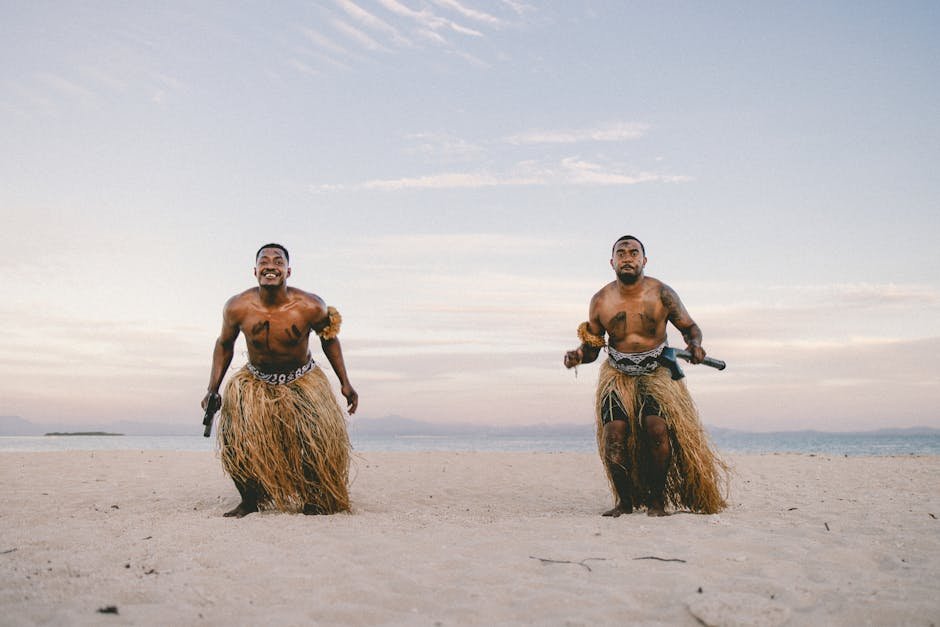
Pasifika Auckland reflects the city’s status as the world’s largest Polynesian metropolis — Auckland is home to more Samoans than any city outside Samoa, more Tongans than any city outside Tonga, plus large Cook Islands, Niuean, Tokelauan, Fijian and Tuvaluan communities. Auckland’s Pasifika culture is woven into food (taro, breadfruit, lūʻau, palusami), language (Samoan and Tongan widely spoken), the Pasifika Festival (NZ’s biggest Pacific festival), Pacific churches, and the Pacific Tertiary Network. South Auckland (Manukau, Otara, Mangere) is the cultural heart. This complete 2026 guide covers Auckland’s Pasifika culture, where to experience it, and the city’s role as Polynesia’s capital. For the wider picture, our Auckland Māori culture, history and heritage guide sets out the full context.
Auckland’s Pasifika Population
Auckland’s Pasifika community totals 250,000+ residents — approximately 16% of the city. Major communities (2023 census):
- Samoan — 100,000+ (biggest community outside Samoa)
- Tongan — 60,000+ (biggest community outside Tonga)
- Cook Islands Māori — 35,000
- Niuean — 25,000
- Fijian — 25,000
- Tokelauan — 7,000
- Tuvaluan — 4,000
- Other Pacific — 5,000
Where Auckland’s Pasifika Communities Live
- South Auckland (Manukau, Otara, Mangere, Papatoetoe) — biggest concentration
- West Auckland (Henderson, Te Atatu, New Lynn) — secondary cluster
- Inner suburbs (Mt Roskill, Mt Eden, Onehunga) — historic communities
The Pasifika Festival
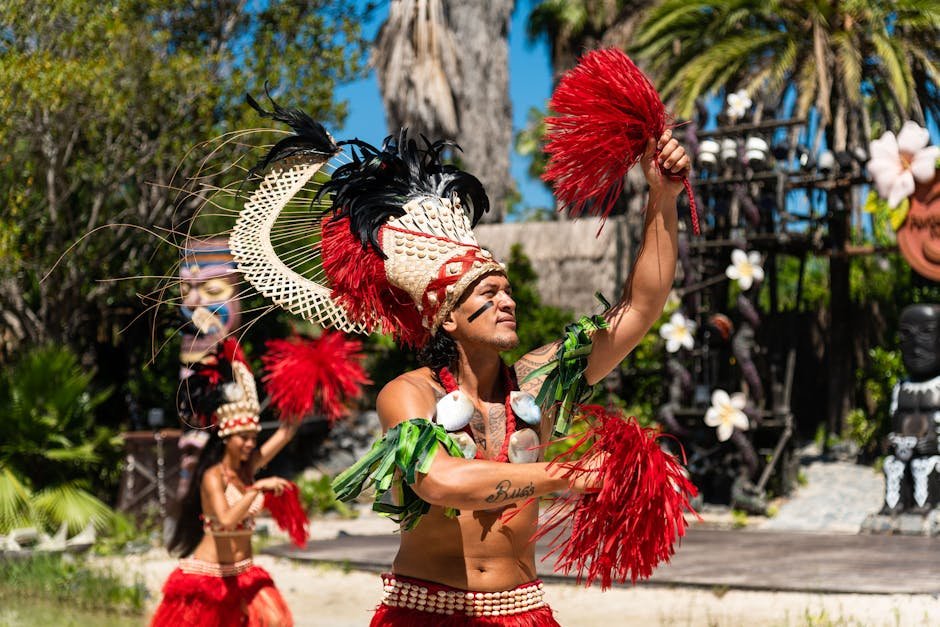
NZ’s biggest Pacific cultural festival, held annually in March at Western Springs Park. Free entry. Eleven cultural villages representing different Pacific nations. 100,000+ attendees over the weekend. Music, dance, food, traditional crafts, language workshops. Pair this with our best galleries in Auckland guide.
- Samoa Village
- Tonga Village
- Cook Islands Village
- Niue Village
- Tokelau Village
- Tuvalu Village
- Fiji Village
- Kiribati Village
- Aotearoa Village
- Tahiti/French Polynesia Village
- Hawaii Village
Where to Experience Pasifika Auckland
Otara Saturday Market
South Auckland’s biggest market. Predominantly Pacific Island traders. Authentic Pacific food, fashion, music. Saturdays 6am-12pm.
Mangere Pacific Cultural Centre
Cultural centre showcasing Pacific arts, performances, exhibitions. Free entry to most events.
Auckland Museum Pacific Galleries
Pre-European Pacific artifacts and contemporary Pacific art. The Pacific galleries are currently closed, so check gallery access on the museum’s visitor pages before you go. General admission is free for Auckland residents; international visitors pay NZ$32 for an adult. There is more detail in our Māori place names in Auckland explained guide. Our Auckland theatres and performing arts guide goes further on the practical detail.
Tautai Pacific Arts Trust (Auckland Central)
Auckland’s premier contemporary Pacific arts gallery. Free entry. Showcases emerging Pacific artists.
Pasifika Food in Auckland
- Pacific Islands Restaurant (Onehunga) — multi-Pacific menu
- Pacific BBQ (Mangere) — Samoan BBQ specialist
- Otara Saturday Market — multiple Pacific food stalls
- Onehunga Mall — Pacific food court
- Manukau Westfield — Pacific food court
- Tongan eateries (South Auckland) — multiple authentic spots
Key Pasifika Foods to Try
- Lūʻau / Palusami — taro leaves with coconut cream (Samoan)
- Sapa-sui — Samoan chop suey (vermicelli noodles)
- Kalua Pig — earth oven cooked pork
- Roasted breadfruit — Samoan/Tongan staple
- Taro (talo) — root vegetable, Pacific staple
- Raw fish (oka) — Samoan ceviche
- Lupulu — corned beef in taro leaves (Tongan)
- Kele Kele — Tongan coconut bread
Auckland’s Pacific Languages
- Samoan widely spoken in South and West Auckland
- Tongan strong community language
- Cook Islands Māori spoken in older generation communities
- Niuean a recognised official NZ language
- Most younger Pacific Aucklanders bilingual English + heritage language
Auckland Pacific Cultural Events Calendar
- Pasifika Festival — March, Western Springs Park
- Auckland Polyfest — March, NZ’s biggest Polynesian school festival
- Tongan Language Week — September
- Samoan Language Week — May
- Cook Islands Language Week — August
- Niuean Language Week — October
- Te Maeva Nui (Cook Islands) — variable, NZ’s biggest Cook Islands festival
Frequently Asked Questions
Why are there so many Pacific Islanders in Auckland?
Auckland has been the destination for Pacific migration since the 1950s. NZ has free association with the Cook Islands and Niue, and historic immigration from Samoa, Tonga, Fiji. Auckland’s economic opportunities and Pacific community make it the world’s largest Polynesian city.
What’s the Pasifika Festival?
NZ’s biggest Pacific cultural festival, held in March at Western Springs Park. 11 cultural villages. Free entry. 100,000+ attendees.
Where is the best place to experience Pasifika culture in Auckland?
Otara Saturday Market for everyday culture. Pasifika Festival for the biggest event. For historic context, Auckland Museum’s Pacific galleries are the place, but they are closed for now: check gallery access on the museum’s visitor pages before you go.
What language do Pacific Islanders speak in Auckland?
Multiple — Samoan, Tongan, Cook Islands Māori, Niuean, plus English. Most younger Pacific Aucklanders are bilingual.
Where do most Pacific Islanders live in Auckland?
South Auckland (Manukau, Otara, Mangere, Papatoetoe) is the biggest Pacific community concentration.
Final Take: Auckland Is a Pacific City
Pasifika Auckland is integral to the city’s identity — 250,000+ Pacific Islanders making Auckland the world’s largest Polynesian metropolis. The Pasifika Festival, South Auckland markets and food scene reflect this cultural depth. Our Māori cultural experiences in Auckland guide covers this in more depth.
For visitors: attend the Pasifika Festival (March), visit Otara Market (Saturdays) and eat Pacific food in South Auckland. Auckland Museum’s Pacific galleries have closed for the time being, so see whether they have reopened before building a visit around them. Auckland’s Pacific identity is one of the city’s most distinctive cultural features. If you want more on that side of things, see our history of Auckland guide.