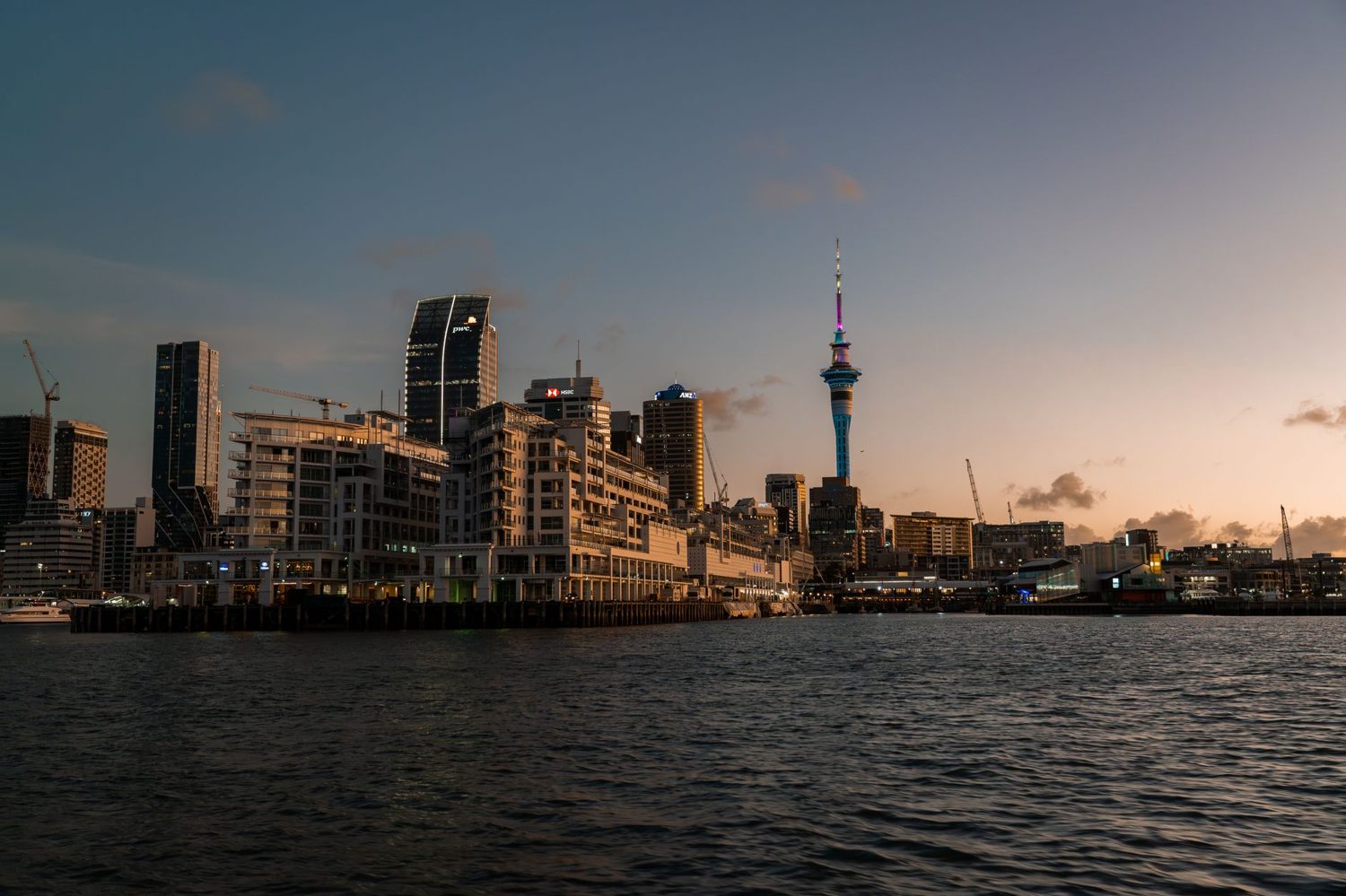
Best Areas to Stay in Auckland for Tourists (2026)
The best areas to stay in Auckland for tourists - CBD, Viaduct, Ponsonby, Parnell, Devonport, Waiheke and more - with honest pros, cons and hotel picks for each.
This article contains advertising. Our booking links are routed through a partner that adds commission tracking automatically, so if you book through one we earn a commission from the provider, at no extra cost to you. It never affects what we recommend. Affiliate disclosure
Auckland is spread thin across two harbours and a scatter of old volcanic hills, and that geography matters more than almost anywhere I have stayed. Where you put your head at night quietly decides what your whole trip feels like. Base yourself in the wrong pocket and you will spend half your holiday in traffic or waiting on a ferry timetable; base yourself in the right one and the city opens up on foot. I have stayed in most of these neighbourhoods across many visits, sent friends to the rest, and heard back about what worked and what did not. So this is the candid version — who each area actually suits, what it costs, what nobody warns you about, and where I would send you depending on the kind of traveller you are.
The best areas to stay in Auckland, in one breath
For most first-time visitors, the Auckland CBD and Britomart are the best areas to stay — walkable, central, every price point covered. Couples tend to love the Viaduct Harbour waterfront; families do well in Parnell, Newmarket or beachy Mission Bay; and anyone wanting village calm should look at Devonport or Takapuna across the harbour. Ponsonby wins for food and character. Match the area to your trip and the rest falls into place.
| You are a… | Best area | Backup | Rough from (NZD/night) |
|---|---|---|---|
| First-time visitor | CBD / Britomart | Viaduct Harbour | $150 |
| Couple / romantic trip | Viaduct Harbour | Devonport or Waiheke | $260 |
| Family with kids | Parnell or Newmarket | Mission Bay | $180 |
| Luxury traveller | Viaduct (Park Hyatt) | Britomart or Waiheke | $450 |
| Budget traveller / backpacker | CBD hostels | Mount Eden | $40 dorm / $110 private |
| Foodie / character-seeker | Ponsonby | Britomart | $180 |
| Beach lover | Mission Bay | Takapuna | $200 |
| Peace and quiet | Devonport | Takapuna | $180 |
| Long stay (1+ week) | Newmarket apartments | Mount Eden | $140 |
| Early flight out | Airport hotels | CBD (with SkyDrive) | $220 |
Getting your bearings: the Auckland map in plain English
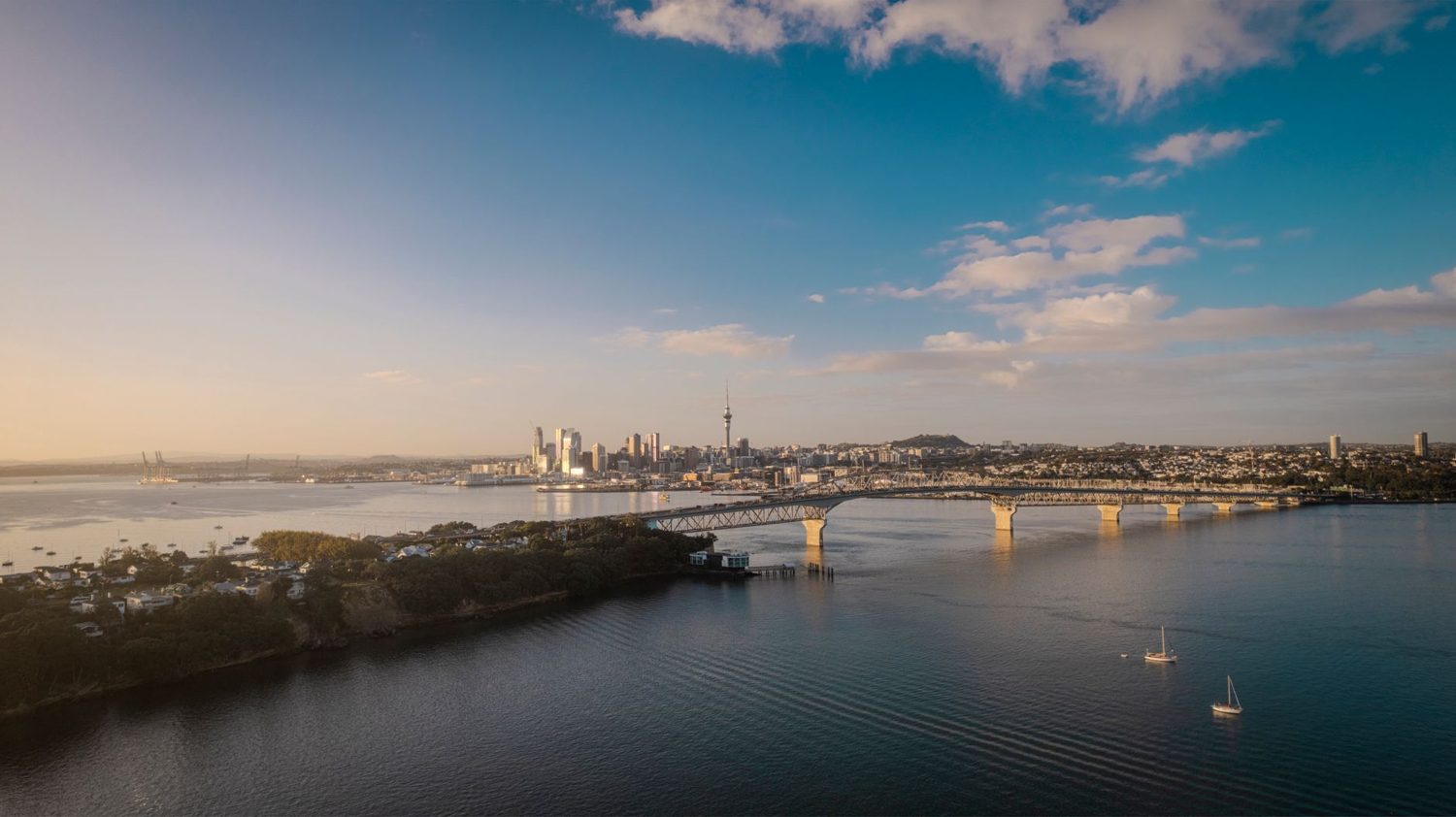
Before the neighbourhood-by-neighbourhood tour, a two-minute geography lesson that will make every choice below make sense. Auckland’s centre sits on a narrow isthmus — at its skinniest the land between the two coasts is barely a couple of kilometres wide. The Waitematā Harbour separates the CBD on the south side from the North Shore (Devonport, Takapuna) on the north, linked by the Harbour Bridge and by frequent passenger ferries. East of downtown, Tamaki Drive hugs the coast out to the calm eastern-bay beaches — Mission Bay, Kohimarama, St Heliers.
Ringing the city centre are the inner suburbs, all within a short hop of downtown: Ponsonby to the west, Parnell to the east, Newmarket and Mount Eden to the south. Further out, Waiheke Island is a 40-minute ferry from the downtown terminal, and the airport is about 20 km south of the city — roughly 30 to 55 minutes by road depending on traffic. Because the central zone is so compact, the difference between a great location and a frustrating one is often just a few hundred metres. For the full transport picture once you have picked a base, our Getting Around Auckland: The Complete 2026 Transport Guide lays out ferries, trains, buses and the new City Rail Link.
1. Auckland CBD and Britomart — best for first-timers
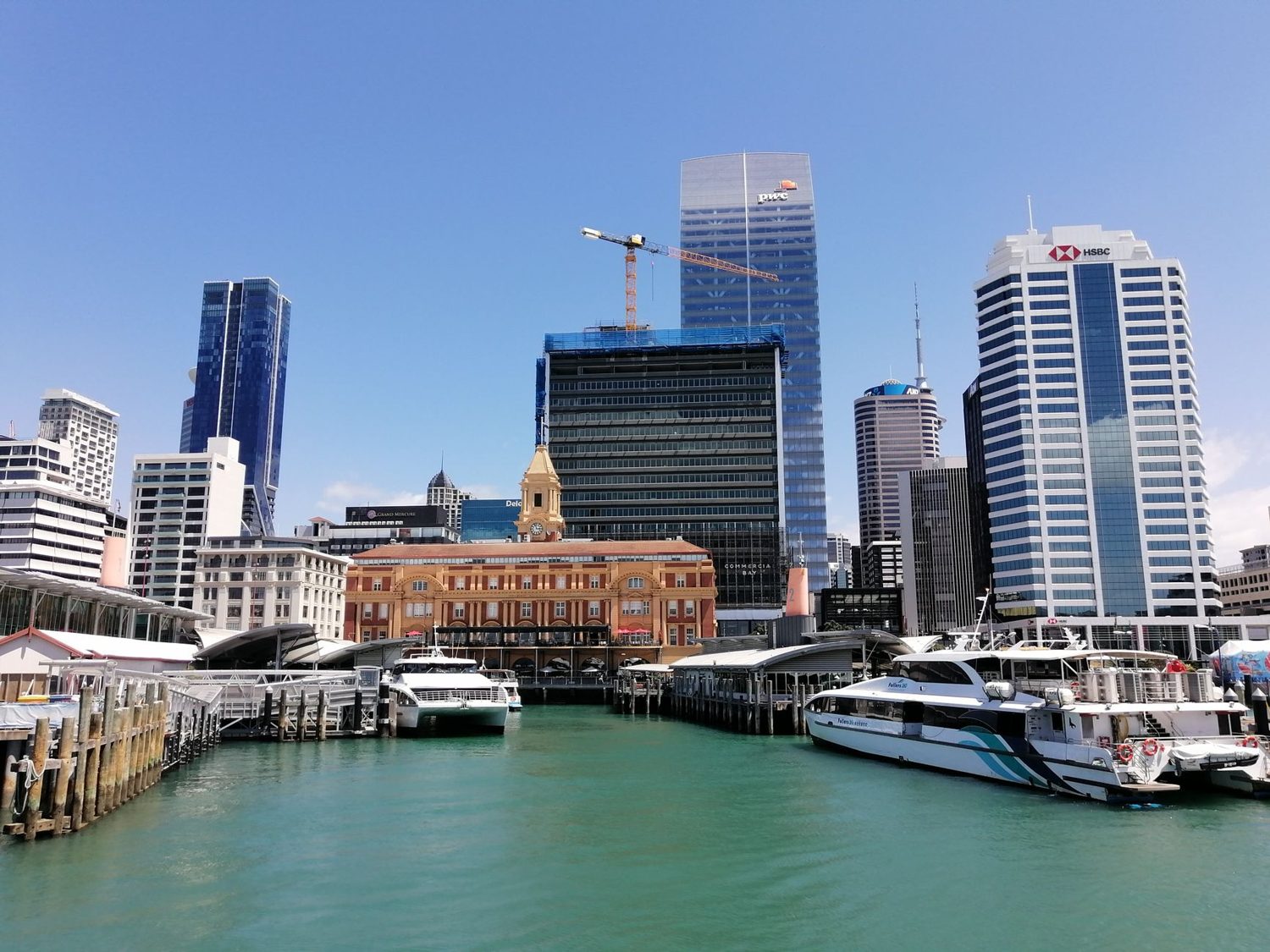
If it is your first trip and you are not sure, stay here. The central city is the walkable heart of Auckland — the Sky Tower, Queen Street shopping, Aotea Square and the theatres, the Commercial Bay precinct, and the Britomart transport hub down by the water are all within about a 15-minute walk of one another. Britomart itself is the sweet spot within the CBD: it wraps the main train station in restored heritage buildings full of good restaurants and bars, and the ferry terminal is right there for Devonport and Waiheke.
What’s good: everything on foot. The ferry terminal, the airport bus, and the trains all hub here, so you can arrive, drop your bags, and explore without ever renting a car. You get the widest choice of accommodation in the city at every single price point, from backpacker dorms to five-star towers. There is a real energy at the Britomart and waterfront end in the evenings.
The honest downsides: the upper, southern stretch of Queen Street has some tired blocks and can feel a bit rough late on weekend nights. There has been ongoing City Rail Link construction around the midtown streets, which means occasional noise and hoardings — though the payoff, a new underground station opening on Wellesley Street, will make the area even better connected. Pick a hotel toward the Britomart, Viaduct or waterfront end rather than the top of Queen Street and you sidestep most of the grime.
Where to stay, by budget:
- Luxury: SO/ Auckland, Cordis Auckland, QT Auckland, Hotel Britomart (the last is a lovely design hotel right in the precinct).
- Mid-range: Grand Mercure, M Social, Rydges Auckland, CityLife Auckland (apartment-style, handy for families).
- Budget: YHA Auckland City, Nomads, Haka Lodge, LyLo on Cook Street — dorms from around $40, private rooms from roughly $110.
For more central options, see our 15 Best Hotels in Auckland CBD (2026 Reviewed) roundup.
2. Viaduct Harbour and Wynyard Quarter — best for couples and waterfront
This is Auckland’s showpiece waterfront, and it is where I send couples every time. Superyachts on the marina, the old America’s Cup bases, rooftop bars, and a boardwalk that runs around to the Wynyard Quarter’s Silo Park and its North Wharf dining strip. It feels a little like a resort has been slipped onto the edge of the city, and the sunsets over the harbour are the best you will get from anywhere central.
What’s good: the setting, plainly. You are an eight-to-ten-minute walk from Britomart yet feel a world removed. The dining is dense and excellent, sailing charters leave right from the marina, and if you time it for New Year’s Eve you have a front-row seat to the harbour fireworks. This is also home to the Park Hyatt, which is arguably the best hotel in the whole country.
The honest downsides: you pay a premium — reckon on roughly 25 to 30 percent more than an equivalent CBD room. Day-to-day amenities like a supermarket or pharmacy are thin on the ground. And if your room faces the bar strip on a Saturday night, expect some noise; ask for a harbour-facing or higher room.
Where to stay: Park Hyatt Auckland (the flagship), Sofitel Auckland Viaduct Harbour, Hilton Auckland out on Princes Wharf with water on three sides, and The Sebel Quay West for apartment-style comfort. The city’s top-end options are gathered in our 10 Best Luxury Hotels in Auckland for 2026 guide.
3. Ponsonby — best for food, character and cafe culture
Ponsonby is where I stay when I want to feel like I live in Auckland rather than visit it. It sits on a ridge just west of the CBD, and Ponsonby Road is a long strip of independent boutiques, designer stores, wine bars and some of the best eating in the city. Off the main road, the side streets fall away into rows of restored Victorian villas under big old trees — quiet, leafy, genuinely charming.
What’s good: the food and drink scene is the real draw — this is a place where you can eat brilliantly three times a day without repeating yourself. It has strong local character, an easygoing daytime feel, and a good-but-not-messy nightlife. It is a short bus ride or a 25-minute walk into the CBD.
The honest downsides: it is not on the train line, so you lean on buses or rideshares to get around. Hotel options are limited — Ponsonby skews toward boutique stays, guesthouses and Airbnb rather than big hotels. And it is not walking-distance to the main downtown sights, so it suits people who value neighbourhood living over ticking off attractions on foot.
Where to stay: The Great Ponsonby Art Hotel and a handful of boutique guesthouses, plus a strong crop of villa Airbnbs on the side streets — see our Best Airbnbs in Auckland: Top Picks by Area (2026) for those. When you are ready to eat your way through it, the Auckland Food & Drink Guide 2026: Best Restaurants, Cafes & Bars is built for exactly this neighbourhood.
4. Parnell — best for families and heritage charm
Parnell is Auckland’s oldest suburb and one of its prettiest, sitting on the rise just east of the city. Parnell Road strings together galleries, boutiques and upmarket restaurants, and it is an easy 20-minute walk (or short bus) into the CBD. Crucially for families, it backs onto the Auckland Domain — the city’s grand central park, home to the Auckland War Memorial Museum, the Wintergardens and huge open lawns — plus the Parnell Rose Gardens.
What’s good: a lovely, calm, green setting that still feels connected to the centre. It is genuinely family-friendly, with the Domain and museum on the doorstep and safe residential streets. There is a train station (Parnell) on the line into Britomart. It manages to feel like a real neighbourhood while being minutes from downtown.
The honest downsides: it is quieter at night than the CBD or Ponsonby, so night-owls may find it sleepy. It skews upmarket, which is reflected in the dining prices. And the hill between Parnell and the waterfront is a proper climb if you are walking home with tired kids.
Where to stay: a mix of heritage hotels, motels along Parnell Road, and family-sized apartments and Airbnbs. For gear on travelling with children here, the Best Family Hotels in Auckland (2026 Picks) and our broader Auckland with Kids 2026: Complete Family Travel Guide both cover the practical side.
5. Newmarket — best for shopping and long stays
Newmarket is Auckland’s premier retail district, just south of the Domain, and it is my quiet recommendation for anyone staying a week or more or travelling with a family who wants space. It is full of apartment-style accommodation, big supermarkets, and the kind of everyday infrastructure that makes a longer stay comfortable rather than a hotel-room grind. Our Auckland holiday parks guide covers this in more depth.
What’s good: excellent shopping (Broadway and the Westfield mall), a train station straight into the CBD, and a strong stock of serviced apartments that work out well-priced for longer stays or families who want a kitchen and separate bedrooms. It is safe, practical and central without the CBD’s late-night edges.
The honest downsides: it is more functional than romantic — you come here for convenience, not for waterfront views or postcard charm. It is not walkable to the main downtown sights (though the train fixes that). And weekday traffic around the retail core can be heavy.
Where to stay: plenty of apartment-hotels and serviced apartments, which for a longer stay often beat both hotels and Airbnb on value. The Best Budget Hotels & Hostels in Auckland (2026 Picks) guide is useful if you are watching the nightly rate over a week.
6. Devonport — best for a peaceful seaside village
Devonport is my pick when someone wants Auckland to feel like a holiday rather than a city break. It is a heritage seaside village on the North Shore, straight across the harbour, with Victorian villas, a walkable main street of cafés and antique shops, two extinct volcanic cones to climb for knockout views, and a waterfront that looks back at the city skyline. The magic is the ferry: it is a 12-minute crossing to and from downtown, running frequently, so you get village calm and city access in one.
What’s good: the pace and the setting. Slower, prettier, and quieter than anywhere central, but with that quick ferry link you can still be at the Sky Tower in half an hour door to door. The ferry ride itself is one of the nicest things you will do in Auckland. Lovely beaches (Cheltenham, Narrow Neck) are a short walk away.
The honest downsides: the ferry stops running late in the evening, so a big night out in the city means a taxi or rideshare home over the bridge. Accommodation is limited — mostly a historic hotel or two, small motels, B&Bs and Airbnbs — and it books up in summer. It is a base for people who want to slow down, not for those who want to be in the thick of it.
Where to stay: The Esplanade Hotel by the ferry terminal (grand and central to the village), the Devonport Motel, plus a good range of waterfront and villa Airbnbs. To make the most of the setting, the Auckland Beaches & Outdoor Adventures: The Complete 2026 Guide covers the nearby coast and walks.
7. Takapuna — best for beach life on the North Shore
Takapuna is Devonport’s livelier neighbour up the North Shore — a proper beach suburb with a long golden beach looking out to Rangitoto Island, a compact town centre with good cafés and restaurants, and a Sunday market. It is about a 15-minute drive from the CBD, or a bus ride, and it suits people who want the beach on their doorstep with more buzz than sleepy Devonport offers.
What’s good: the beach is genuinely lovely and swimmable, the town centre has enough going on to keep you fed and entertained, and the coastal walk to nearby Milford is a treat. It is a good middle ground between beach relaxation and having amenities around you.
The honest downsides: you are across the Harbour Bridge, which means CBD trips depend on the bus or a drive, and the bridge can clog at peak hours. It is more spread out and car-friendly than pedestrian-friendly. There is no ferry as quick and frequent as Devonport’s.
Where to stay: beachfront apartments and a handful of hotels and motels near the town centre, with plenty of holiday-home Airbnbs for families. Pair it with our 25 Best Day Trips from Auckland in 2026 (With or Without a Car) guide, since a car base up here makes exploring the wider region easy.
8. Mission Bay and the eastern bays — best for beach lovers close to town
If you want a beach without leaving the mainland or crossing the harbour, Mission Bay is the answer. It sits along Tamaki Drive just a few minutes east of the CBD, with a sandy, safe swimming beach, a grassy reserve, and a promenade lined with cafés, gelato and casual restaurants. The neighbouring bays — Kohimarama and St Heliers — carry the same relaxed seaside feel a little further along the coast.
What’s good: a calm, family-friendly swimming beach (no west-coast rip worries here) that is close enough to the city to pop in and out easily. The waterfront strip is made for lazy evenings. It is safe, pretty, and has real holiday atmosphere without being remote.
The honest downsides: it is not walkable to the downtown sights — you will bus, drive or cycle the coast road in. Accommodation leans toward apartments and Airbnb rather than hotels. And parking along Tamaki Drive can be a scramble on a hot summer weekend.
Where to stay: beachfront apartments and holiday rentals dominate; see the by-area breakdown in Best Airbnbs in Auckland: Top Picks by Area (2026).
9. Mount Eden — best value in a leafy inner suburb
Mount Eden is a leafy, well-to-do residential suburb built around the tallest volcanic cone on the isthmus (the one you will climb for the classic crater-and-skyline photo). Its village strip has good cafés and a relaxed local feel, and it sits just south of the CBD with a train station on the line. I point budget-conscious travellers and longer-stay visitors here a lot, because you can find good-value guesthouses and Airbnbs in a genuinely pleasant setting.
What’s good: character, greenery and value. It feels residential and calm, the Mount Eden summit and village are lovely, and rates tend to run below the CBD and waterfront. The train and buses handle the trip downtown.
The honest downsides: you are not walking to the harbour or the main sights, so factor in transit. Nightlife is low-key. And, worth flagging for anyone driving, the summit car park has historically been a target for car break-ins — never leave anything visible in your vehicle up there.
Where to stay: boutique guesthouses, B&Bs and a good stock of villa Airbnbs. For the wider picture of Auckland’s residential districts and what each is like to actually live in for a few days, our Auckland Neighborhoods Guide 2026: Where to Stay, Eat & Explore is a useful companion.
10. Waiheke Island — best for a wine-country escape
Waiheke is a 40-minute ferry from downtown and feels like a different country — rolling vineyards, olive groves, art galleries, and some of the best beaches in the region, all at a slow island pace. Plenty of people day-trip it, but staying a night or two lets you settle into vineyard lunches and empty morning beaches after the day crowds have gone home.
What’s good: the wine, the beaches and the relaxed rhythm. It is the standout choice for a romantic couple of nights or a genuine unwind at the end of a trip. Oneroa, the main village, has a lovely swimming beach and an easy walkable centre.
The honest downsides: you are tied to ferry timetables, and last sailings are earlier than you might expect. It is pricier, both for accommodation and dining, especially in peak summer. And it is not a base for seeing the city — treat it as its own destination rather than an Auckland neighbourhood.
Where to stay: boutique lodges, vineyard stays and villa Airbnbs; book well ahead for summer. If you are weighing island time against city time, our How Many Days Do You Need in Auckland? (2-7 Day Guide) helps you carve up the itinerary.
11. Auckland Airport — best only for an early flight or late arrival
Let me be direct: do not stay near the airport for your actual holiday. It is 20 km south of the city with nothing around it worth your time. But for one specific situation — a red-eye departure or a very late arrival — an airport hotel is exactly right, letting you avoid a stressful pre-dawn dash across town.
What’s good: minutes from the terminals, with shuttles, so a 5am flight is painless. Rooms are comfortable and reliable.
The honest downsides: zero atmosphere, no walkable surroundings, and a 30-to-55-minute trip back into the city. It is a functional bookend to a trip, nothing more.
Where to stay: the Pullman and Novotel airport hotels are the dependable picks. For everything else about the airport run, our companion guide on getting between the terminals and downtown covers the SkyDrive bus, shuttles and taxis.
How to choose your Auckland base
If you are still torn, here is the decision boiled down to a few honest questions I would ask you over a coffee:
- Is it your first trip and you want it simple? Stay CBD/Britomart. You will walk to most things and never need a car.
- Are you a couple after atmosphere and views? Viaduct Harbour, then treat yourself to a night on Waiheke or in Devonport.
- Travelling with kids? Parnell or Newmarket for space and calm, or Mission Bay if the beach is the point.
- Watching the budget? CBD hostels for the cheapest beds, or Mount Eden for good-value guesthouses in a nicer setting.
- Here to eat and soak up local life? Ponsonby, hands down.
- Want the trip to feel like a getaway? Devonport for the ferry-village combo, or Waiheke to fully switch off.
One more practical note: because central Auckland is so compact, you rarely need to agonise. Anywhere from the CBD through Ponsonby, Parnell, Newmarket and Mount Eden puts you within a short bus, train or rideshare of everything, and the harbour ferries make Devonport feel closer than its map position suggests. Pick the vibe you want, then choose the specific hotel. For the full menu of hotels sorted by area and budget, the pillar guide, Where to Stay in Auckland: Best Neighbourhoods & Hotels for 2026, is the place to finish your planning, and the overall Auckland Travel Guide 2026: The Complete Visitor’s Handbook ties the rest of the trip together.
Frequently Asked Questions
What is the best area to stay in Auckland for first-time visitors?
The CBD, and specifically the Britomart end near the waterfront, is the best area for first-timers. You are within a 15-minute walk of the Sky Tower, Queen Street, the ferry terminal and most major sights, the accommodation choice is the widest in the city, and you will not need a car. Choose a hotel toward the Britomart, Viaduct or waterfront side rather than the top of Queen Street for the nicest experience.
Where should couples stay in Auckland?
Viaduct Harbour is the classic romantic pick — waterfront rooms, the city’s best sunsets, superyachts on the marina, and dense fine dining right outside, including the Park Hyatt. For something quieter and more scenic, add a night in the seaside village of Devonport (a 12-minute ferry from town) or on Waiheke Island for vineyards and beaches.
Which Auckland neighbourhood is best for families?
Parnell and Newmarket both work well: Parnell backs onto the Auckland Domain and museum with calm residential streets, while Newmarket has apartment-style stays with kitchens and separate bedrooms plus big supermarkets. If a swimming beach is the priority, Mission Bay along the eastern coast has a safe, calm beach a few minutes from the city.
Is it better to stay in the CBD or the suburbs in Auckland?
For a short first trip focused on the main sights, the CBD wins on convenience — you walk everywhere. For a longer stay, more local character, or better value, the inner suburbs (Ponsonby, Parnell, Newmarket, Mount Eden) are excellent and only a short bus, train or rideshare from downtown. Because central Auckland is so compact, you do not sacrifice much by choosing a nearby suburb.
How many nights should I stay in Auckland?
Most visitors find three to four nights in the city is a good fit, which lets you cover the central sights, get out to a beach, and take a day trip or a ferry to an island. If you want to add a slower island stay on Waiheke or explore the wider region, five nights or more gives you room. Our dedicated guide on how many days you need in Auckland breaks this down by trip style.
Final thoughts
The good news is that there is no bad choice among these areas — Auckland is small and well-connected enough that any of them can anchor a great trip. The trick is simply matching the place to the traveller you are. First-timers, keep it simple in the CBD. Couples, splash out on the Viaduct. Families, settle into Parnell, Newmarket or Mission Bay. And if you want the holiday to feel like a proper escape, take the ferry to Devonport or Waiheke and let the pace drop. Pick the feeling you are after, book the specific hotel, and you will spend far less time in transit and far more time enjoying one of the friendliest cities in the South Pacific.
Last updated: July 2026. Written by the Auckland Tourism Guide team.
Photo credits
- Photo: Ollie Craig via Pexels
- Photo: New Zealand via Pexels