Money in Auckland: Currency, ATMs & Money Tips (2026)
Money in Auckland made simple: New Zealand dollar basics, ATMs and fees, cards, contactless, the 2026 surcharge change, tipping and GST. Local 2026 guide.
This article contains advertising. Our booking links are routed through a partner that adds commission tracking automatically, so if you book through one we earn a commission from the provider, at no extra cost to you. It never affects what we recommend. Affiliate disclosure
Money in Auckland is refreshingly simple compared with a lot of destinations, but there are a few 2026-specific quirks worth knowing before you arrive. New Zealand is one of the most card-friendly countries on earth, tipping isn’t expected, and prices already include tax. On the other hand, the exchange rate has moved a lot lately, some ATMs now charge foreign cards, and the rules on card surcharges are changing this year.
I’ve pulled together everything a visitor actually needs, from the New Zealand dollar itself to ATMs, cards, fees and tipping, so you can spend smart and skip the avoidable charges.
Auckland uses the New Zealand dollar (NZD). It’s a very card- and contactless-friendly city, tipping is not customary, and all prices include 15% GST, so what you see is what you pay. Bring a couple of cards on different networks plus a low-fee travel card, carry around NZ$100 in cash for small vendors, and you’ll manage money here with almost no friction.
Money in Auckland at a Glance
Here’s the quick summary before the detail. Rates and fees change, so treat the numbers as indicative and confirm live figures before you exchange or withdraw.
| Topic | The short answer |
|---|---|
| Currency | New Zealand dollar (NZD), the only currency accepted |
| Cards | Visa and Mastercard everywhere; contactless is standard |
| ATMs | Widespread; some now charge foreign cards around NZ$3–7 |
| Tipping | Not expected; optional for exceptional service |
| Tax (GST) | 15%, already included in displayed prices |
| GST refund | No tourist refund scheme in New Zealand |
| Cash needed | Around NZ$100 for markets and small vendors |
This guide sits under our main Auckland Travel Guide 2026: The Complete Visitor’s Handbook, and it pairs closely with our How Much Does a Trip to Auckland Cost? (Full Budget Guide 2026) if you want to plan actual daily spending, and with our New Zealand visa and NZeTA requirements guide for the paperwork to sort before you fly.
The New Zealand Dollar
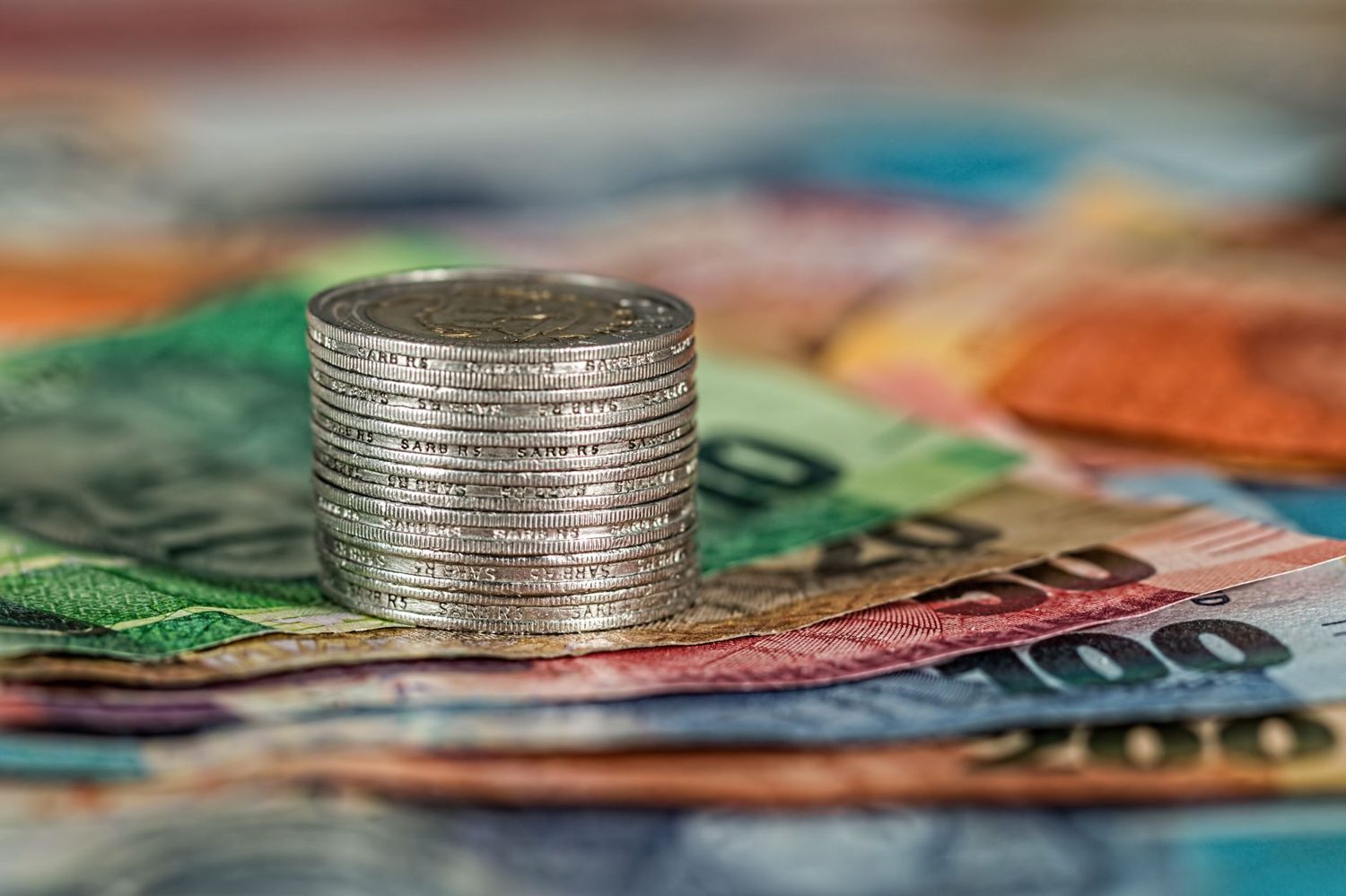
New Zealand’s currency is the New Zealand dollar, written NZD or NZ$, divided into 100 cents. Currency traders nickname it “the Kiwi.” Notes come in NZ$5, NZ$10, NZ$20, NZ$50 and NZ$100. Coins come in 10c, 20c, 50c, NZ$1 and NZ$2.
A couple of things surprise visitors. There are no 1c or 5c coins anymore, so cash totals round to the nearest 10 cents (card payments charge the exact amount). And the banknotes are polymer, not paper, so they’re waterproof and hard to tear. Each note features a notable New Zealander, with Sir Edmund Hillary on the NZ$5 and suffragist Kate Sheppard on the NZ$10.
Exchange Rates in 2026: Good News for Many Visitors
Here’s a genuinely useful 2026 update. The New Zealand dollar has been weak for much of the year, trading near multi-month lows against the US dollar. In mid-2026 the NZD sat around 0.56 to 0.57 US cents, meaning roughly:
- 1 USD buys about NZ$1.75
- 1 GBP buys about NZ$2.30
- 1 EUR buys about NZ$2.00
- 1 AUD buys about NZ$1.22
These are approximate and move daily, so always check a live converter before you exchange anything. But the practical upshot is that if you’re coming from the US, UK, Europe or Australia, your money is stretching further in Auckland right now than it did a year or two ago. New Zealand isn’t cheap, but the exchange rate is currently working in most visitors’ favour.
How to Get New Zealand Cash
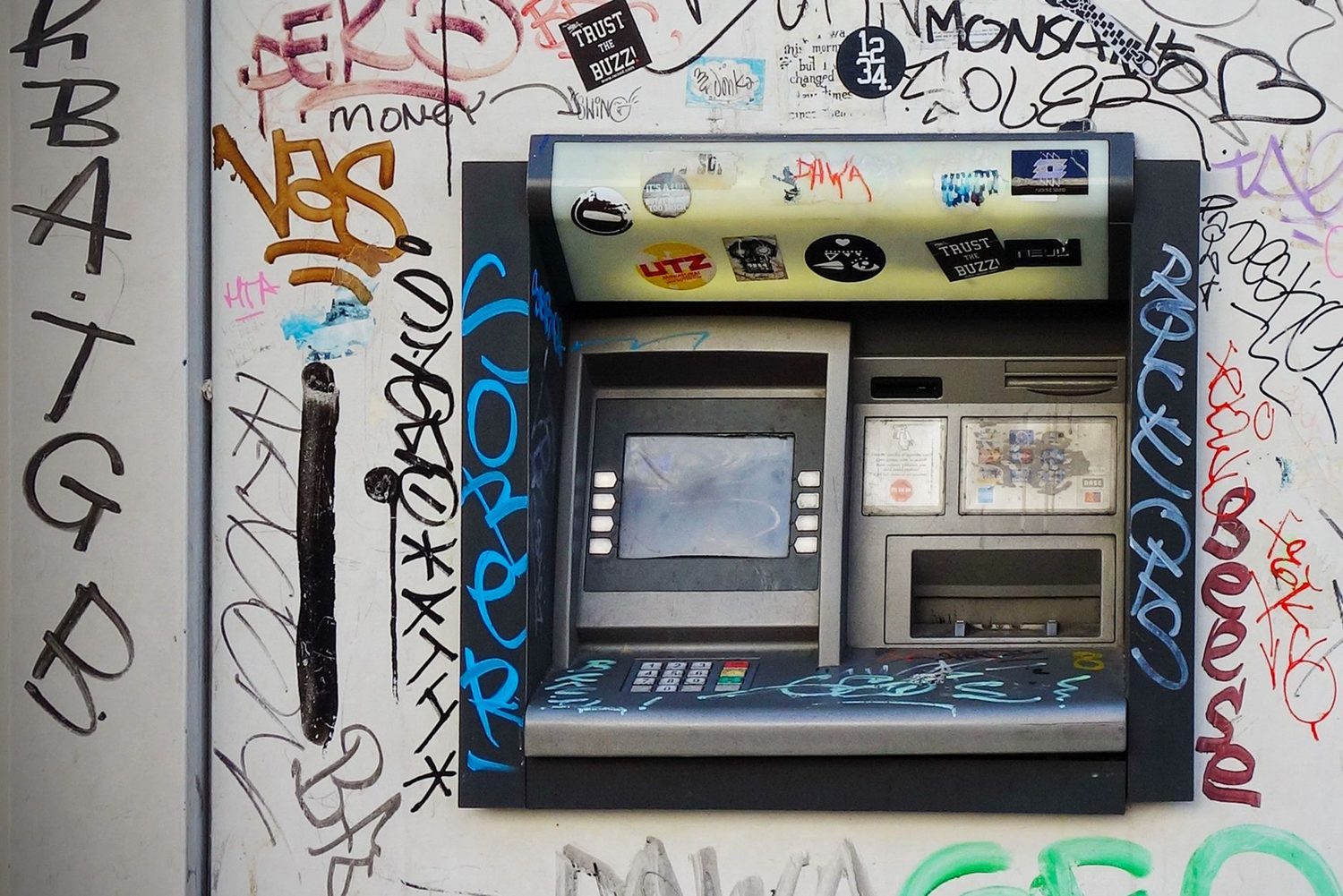
You’ll need less cash than you think here, but you’ll want some. These are your options, ranked roughly by value.
Travel Money Cards (usually the best value)
A low-fee travel card is my default recommendation. Products like Wise and Revolut convert at close to the mid-market rate with minimal fees, and you can tap them everywhere or use them to withdraw cash. One 2026 note: Wise is changing its free-ATM-withdrawal structure and fees from around May 2026, so check the current terms rather than relying on older allowances. Even so, these cards typically beat both bank cards and exchange counters on rate.
ATMs (convenient, but check the fees)
ATMs are everywhere in Auckland: at bank branches, supermarkets, malls, transport hubs and along main streets. The big New Zealand banks are ANZ, ASB, BNZ, Westpac and Kiwibank, and all accept international Visa and Mastercard, with many also taking Cirrus and Plus.
An important correction to old advice: while New Zealand ATMs were long known for not charging foreign cards, that’s no longer reliably true. Some bank ATMs now charge foreign cardholders in the region of NZ$3 to NZ$7 per withdrawal. On top of that, your home bank may add its own international withdrawal fee. A few tips to keep costs down:
- Always choose to be charged in NZ dollars, not your home currency. If the machine offers “conversion,” decline it. That “dynamic currency conversion” almost always gives you a worse rate.
- Withdraw larger amounts less often to spread any flat fee, within your daily limit (commonly NZ$800 to NZ$2,000 depending on the bank and your card).
- Avoid airport ATMs where you can, since fees there can be higher. Take out just enough for your first day and top up in the city.
Currency Exchange Counters
You’ll see exchange counters at Auckland Airport and around the CBD, including Travelex and independent operators. They’re convenient but rarely the best value. The airport counters in particular tend to offer the weakest rates.
- Auckland Airport — multiple counters, most convenient, worst rates.
- CBD exchange bureaus — often better than the airport; independents on and around Queen Street can be competitive.
- Bank branches — fair rates, but limited hours.
Whatever you use, check the rate and any commission before handing over money. As a rule, a travel card or ATM withdrawal beats a counter by a percentage point or several.
Exchanging at Home Before You Fly
Generally not worth it for New Zealand. Home-country rates for NZD are usually poor. Bring a small amount, maybe NZ$100 for the taxi or train and a first coffee, and sort the rest once you land. Don’t preload large sums of cash.
Cards, Contactless and the 2026 Surcharge Change
Auckland runs on cards. Visa and Mastercard are accepted virtually everywhere, American Express is widely taken (sometimes with a surcharge), and China UnionPay works at many larger retailers and some bank ATMs. New Zealand is a world leader in contactless: tap your card, phone or watch almost anywhere, from cafés and shops to buses and taxis. Larger transactions may occasionally ask for a PIN.
The Surcharge Ban You Should Know About
This is the big 2026 story for money in Auckland. New Zealand has moved to ban surcharges on most in-store card payments, including EFTPOS, Visa and Mastercard (debit, credit and contactless), with the change expected to take effect around May 2026. It even covers unattended terminals like parking machines.
A few caveats, because the details have shifted during the year: the legislation faced some delays, so confirm the current state when you travel. The ban is expected to apply to in-store payments only, not online purchases, and it does not cover cards like American Express, Diners Club or UnionPay. Separately, from late 2025 the fees banks can charge merchants on domestic Visa and Mastercard payments were capped, which has been pushing surcharges down anyway.
The practical takeaway: you should see fewer and smaller card surcharges than in the past. Historically these ran around 2% at places that charged them. Where a surcharge does still apply, New Zealand rules require it to be displayed, so you shouldn’t be surprised at the till.
EFTPOS and Foreign Debit Cards
EFTPOS is New Zealand’s home-grown debit system, and it’s free for the customer. Foreign debit cards generally can’t run as EFTPOS, so they’ll process as chip-and-PIN or contactless instead, which works fine. You just won’t see the “EFTPOS” button light up the way locals do.
Tipping in Auckland
Here’s the short version: tipping is not customary in New Zealand, and you should not feel any pressure to do it. Hospitality staff are paid a proper minimum wage rather than relying on tips, so a service that would earn 20% in the US earns nothing here without any offence taken.
That said, tipping for genuinely excellent service is welcomed, just not expected. Rough norms if you want to:
- Restaurants: nothing is standard; 5% to 10% only if you were really impressed.
- Bars: no tipping. You might shout the bartender a drink if you’re a regular.
- Taxis and rideshare: round up if you like; no percentage expected.
- Tour guides: a small tip at the end of a great tour is appreciated but optional.
- Hotels: optional for porters or housekeeping; not expected.
If you leave nothing, that’s completely normal. Most Kiwis don’t tip for everyday service.
GST and Why There’s No Tourist Refund
New Zealand charges a 15% Goods and Services Tax (GST) on almost everything. The key point for visitors: it’s already baked into displayed prices. The sticker price is the price you pay, with no tax added at the register. It makes budgeting simple.
The catch is that New Zealand has no tourist GST refund scheme. Unlike Europe’s VAT-back system, you can’t reclaim GST at the airport on the way out. There’s no form to fill in and no refund counter. The only real ways to avoid GST are to have a retailer ship goods directly to your overseas address (some do this for higher-value purchases) or to buy from airport duty-free, where the range is limited. For everyday spending, just treat GST as part of the price and don’t expect any of it back.
How Much Cash Should You Actually Carry?
Because Auckland is so card-friendly, you can get by on very little cash. I’d carry around NZ$50 to NZ$100 for the situations where cards don’t work or aren’t welcome, and rely on tap-to-pay for everything else.
Where cash still comes in handy:
- Markets like Avondale, Otara and the suburban night markets, where many stalls are cash-only.
- Small Asian restaurants and some dumpling houses that prefer cash. Our Auckland Food & Drink Guide 2026: Best Restaurants, Cafes & Bars flags plenty of these.
- Honesty boxes at rural stalls and small galleries.
- Some older parking machines, though most now take cards.
- Tips and buskers, if you choose to.
Everyday Costs in Auckland
To give you a feel for what things cost, here are some typical 2026 prices. All approximate and worth verifying, since prices move.
| Item | Approx. price (NZD) |
|---|---|
| Flat white coffee | NZ$5.50–6.50 |
| Café breakfast | NZ$18–28 |
| Casual lunch | NZ$15–25 |
| Restaurant dinner main | NZ$30–45 |
| Pint of beer | NZ$11–14 |
| Bus or train (tap/HOP) | NZ$3.00 for one zone |
| Rideshare across the CBD | NZ$15–25 |
| Sky Tower entry | around NZ$45 adult |
For a full day-by-day breakdown by travel style, our Auckland travel budget guide is the place to go. If you want to eat well without spending much, we’ve also got a dedicated cheap-eats guide linked further down.
Public Transport Fares and Payment
Getting around Auckland is cheap and card-friendly. You can tap a contactless card or phone straight onto buses, trains and ferries, or use a local AT HOP card. A one-zone trip is NZ$3.00 with AT HOP or contactless, and there are daily and weekly fare caps that limit how much you’ll pay if you travel a lot in a day or week.
Honestly, for most visitors, tapping your existing contactless card is the simplest approach and avoids buying a HOP card at all. For the full breakdown of zones, caps and the HOP system, see our Getting Around Auckland: The Complete 2026 Transport Guide.
Keeping Your Money Safe
Auckland is a safe city for handling money, and pickpocketing is uncommon, but the usual travel sense applies. A few habits that save headaches:
- Carry two cards on different networks (a Visa and a Mastercard, ideally), kept separately, so a block or loss doesn’t strand you.
- Tell your bank you’re travelling before you arrive, so a New Zealand transaction doesn’t trip a fraud freeze.
- Use the hotel safe for spare cash and documents rather than carrying everything.
- Keep photos of your cards (front and back) stored securely and separately, so you can cancel fast if needed.
- Know your bank’s international lost-card line. Save the number offline before you go.
For the wider picture on staying safe in the city, not just with money, our Is Auckland Safe for Tourists? Travel Safety Guide (2026) covers it in depth.
Airport Money Tips
- Airport ATMs work with foreign cards, but fees can be higher. Withdraw just enough for your first day, then top up in the city.
- Airport exchange counters offer weaker rates than CBD bureaus. Only use them if you must.
- You can buy tourist SIM cards at the airport, handy for keeping your banking app and maps online.
- You can tap a contactless card for the bus or train into the city, so you don’t need cash on arrival at all.
Sending Money and Larger Transfers
If you need to move money internationally while you’re here, specialist services like Wise or OFX generally beat the banks on both rate and fees, and Western Union is useful for quick cash transfers in a pinch. New Zealand banks will do transfers too, but usually at less favourable rates.
Money Tips by Where You’re Coming From
Fees and best-value cards vary a lot depending on where you’re travelling from. Here’s a quick steer for the most common visitor origins.
Visitors from the US
Foreign-transaction fees are the thing to watch. A card with no foreign-transaction fee is worth having, and a few US checking accounts even rebate foreign ATM fees, which is handy given some New Zealand ATMs now charge. Avoid using a card that adds 3% on every overseas purchase, and always decline the ATM’s offer to convert to US dollars.
Visitors from the UK and Europe
A travel card like Wise or Revolut usually gives the best rate, since many high-street debit cards add 2% to 3% on foreign spending. With the New Zealand dollar soft against the pound and euro in 2026, your money goes a fair way here, so it’s worth avoiding fees that eat into that advantage.
Visitors from Australia
You’re the closest neighbour and the exchange rate is the friendliest, at roughly 1 AUD to NZ$1.22. Some Australian banks share ATM networks or partnerships across the Tasman, which can reduce fees, and a low-fee travel card still helps. Contactless works exactly as it does at home.
Visitors from Asia
China UnionPay is accepted at some bank ATMs and many larger retailers, and JCB is widely taken. Mobile wallets like Alipay and WeChat Pay are accepted at a growing number of Auckland merchants, particularly in the CBD, though not universally, so carry a card as backup.
Cards or Cash: How to Decide
The honest answer for Auckland is “mostly cards, a little cash.” Here’s how I’d think about it day to day.
Use your card or phone for almost everything: restaurants, cafés, shops, attractions, transport, rideshare, hotels. Contactless is faster and, with surcharges being phased out during 2026, increasingly free. Keep your travel card as the primary spender for the best rate, with a backup card on a different network in case one gets blocked.
Keep cash for the edges: night markets, small food stalls, honesty boxes, the occasional cash-only dumpling house, and tips if you choose to leave any. Around NZ$50 to NZ$100 covers a typical day of these. Top up from a city ATM when it runs low, rather than pulling out huge sums you’ll have to change back later.
One more habit: try not to leave New Zealand with a wad of leftover cash, since converting it back home usually loses you money on the spread. Spend it down toward the end, or use it at the airport before you fly.
Timing, Weather and Your Budget
When you visit affects what you’ll spend as much as how you pay. Peak summer around December to February brings higher accommodation prices and busier everything, while the shoulder seasons can be gentler on the wallet, and mid-winter cheaper still without the calendar going quiet, as our June events guide and July events guide show. If you’re still choosing dates, our Best Time to Visit Auckland (Month-by-Month Guide for 2026) and Auckland Weather: Month-by-Month Forecast & What to Pack (2026) guides break down the trade-offs.
Trip length matters too, since some costs are one-offs and others add up daily. Our How Many Days Do You Need in Auckland? (2-7 Day Guide) can help you right-size the stay, and if you’re deciding where to base yourself, Where to Stay in Auckland: Best Neighbourhoods & Hotels for 2026 weighs up the areas and price levels.
Stretching Your Money Further
A few easy wins keep costs down without cramping your trip. Tap water is free and safe, so skip bottled. Many top attractions have free alternatives nearby, and eating like a local is the biggest saver of all. For that last one, our 65 Best Things to Do in Auckland (2026): An Insider’s Guide mixes paid and free ideas, and there’s plenty to do outdoors at no cost if you’d rather spend on experiences than admission fees.
Frequently Asked Questions
What currency is used in Auckland?
Auckland uses the New Zealand dollar (NZD or NZ$), the only currency accepted across New Zealand. It’s divided into 100 cents, with notes from NZ$5 to NZ$100 and coins from 10c to NZ$2. There are no 1c or 5c coins, so cash totals round to the nearest 10 cents. Card payments charge the exact amount.
Do ATMs in Auckland charge foreign cards?
Sometimes, yes. Contrary to older advice, some New Zealand bank ATMs now charge foreign cardholders roughly NZ$3 to NZ$7 per withdrawal, and your home bank may add its own fee. Always choose to be charged in New Zealand dollars rather than your home currency, withdraw larger amounts less often, and avoid airport ATMs where fees can be higher.
Should I tip in Auckland?
No, tipping isn’t customary in New Zealand and you won’t cause offence by leaving nothing. Hospitality workers are paid a proper wage rather than relying on tips. If a service genuinely impresses you, a 5% to 10% tip at a restaurant or a small amount for a great tour guide is welcomed, but it’s entirely optional and most locals don’t tip for everyday service.
Can tourists claim a GST refund in New Zealand?
No. New Zealand has no tourist GST refund scheme, so you can’t reclaim the 15% GST at the airport when you leave. GST is already included in displayed prices, so what you see is what you pay. The only workarounds are having a retailer ship goods directly to your overseas address or buying from airport duty-free, where the selection is limited.
Will I still be charged card surcharges in Auckland?
Less often than before. New Zealand has moved to ban surcharges on most in-store card payments, including EFTPOS, Visa and Mastercard, with the change expected around May 2026 (timing has shifted, so confirm when you travel). The ban is expected to cover in-store payments only, not online, and excludes cards like Amex, Diners and UnionPay. Any remaining surcharge must be displayed.
Final Thoughts
Money in Auckland is about as low-stress as travel money gets. Tap-to-pay works nearly everywhere, tipping isn’t a thing, tax is already in the price, and with the New Zealand dollar currently soft, many visitors are getting better value than usual. The main adjustments for 2026 are knowing that some ATMs now charge foreign cards, and that in-store card surcharges are being phased out.
Bring two cards on different networks, add a low-fee travel card like Wise or Revolut, keep around NZ$100 in cash for markets and small vendors, tell your bank you’re travelling, and set up your phone’s tap-to-pay. Do that and you’ll barely think about money for the rest of your trip. For everything else about planning your visit, from timing to getting around, start with our Auckland Travel Guide 2026, and check the Best Time to Visit Auckland (Month-by-Month Guide for 2026) to lock in your dates.
Last updated: July 2026. Written by the Auckland Tourism Guide team.
Photo credits
- Photo: Pixabay via Pexels
- Photo: mali maeder via Pexels