Your First Day in Auckland: Arrival-Day Plan & Jet Lag Tips
First day in Auckland? A realistic arrival-day plan for dawn, midday and late landings, with jet lag advice by origin, airport transfers and what to skip.
This article contains advertising. Our booking links are routed through a partner that adds commission tracking automatically, so if you book through one we earn a commission from the provider, at no extra cost to you. It never affects what we recommend. Affiliate disclosure
Thirteen hours from Los Angeles, ten from Singapore, the best part of a day from London with a change of plane somewhere in the middle: almost nobody reaches Auckland fresh. The aircraft doors open, the queue shuffles towards passport control, and your body starts insisting that it is mid-afternoon, or three in the morning, or some hour that does not exist anywhere. That is the honest starting point for your first day in Auckland — not the city at its best, but you at something close to your worst, with luggage, and a hotel that would rather not hand over a room until three.
This guide is the plan for that day. It covers what to sort out before you land, the most sensible way into the city when you are tired, how to bridge the gap between a dawn landing and an afternoon check-in, and what jet lag from each part of the world actually feels like here. Then it lays out a first day for dawn, midday and late-night arrivals, and a short list of things that are better left for later. Prices and times were checked in September 2026; treat them as the right order of magnitude, and confirm anything time-critical on the operator’s own site before you rely on it.
At a glance: your first day by landing time
| You land | First job | The day in one line | Aim for bed |
|---|---|---|---|
| 5am-9am | Get your bags to the hotel | Breakfast, a waterfront walk, the Devonport ferry and a volcano, check in, early dinner | 9-10pm |
| 9am-3pm | Check in, or drop bags if the room is not ready | Lunch, a slow walk, a summit or the Sky Tower at sunset, dinner | 10pm |
| 3pm-9pm | Check in | Walk to dinner, stay up to a local bedtime | 10-11pm |
| After 9pm | Get to a bed quickly | Nothing. Your first day is tomorrow | As soon as you can |
Overnight flights from North America mostly land in the early morning, which is why the dawn plan gets the most space below. Flights from Australia and the Pacific Islands arrive at all hours, and long-haul connections through Asia and the Gulf are spread across the day and night, so check your own arrival time and pick the section that matches.
The one rule: this is a recovery day, not a sightseeing day
Everything in this guide follows from a single idea. The job of your first day is not to see Auckland; it is to make the next day work. If you get to bed at a normal local hour having spent time outdoors in daylight, eaten at roughly normal local mealtimes and resisted the three-hour afternoon sleep, you have won. Everything else you manage to see is a bonus.
That has practical consequences for what you choose to do. The best first-day activities are outdoors, cheap or free, close to where you are sleeping and easy to abandon halfway through. The worst are the opposite: anything with a fixed departure you could miss if customs is slow, anything expensive you will sleepwalk through, and anything that puts you behind the wheel of a car. Auckland happens to be very good at the first kind. The harbour is walkable, the ferries leave every half-hour or so, and there are volcanoes you can climb in twenty minutes with a view at the top that explains the whole city.
Before you land
Do the Traveller Declaration before you fly
Everyone arriving in New Zealand must complete a New Zealand Traveller Declaration before reaching passport control. It replaced the old paper arrival card and covers your customs and biosecurity declaration. You can submit it online or in the NZTD app from 24 hours before you start your trip, so do it at home or in the departure lounge rather than trying to fill it in on a phone in the immigration queue. If you are travelling visa-free you also need an NZeTA approved before you board; our guide to the NZeTA and the Traveller Declaration has the fees and the timings, and the visa requirements guide covers everyone else.
Sort your phone before you leave home
A working phone makes the first two hours much easier: rideshare, maps, the AT Mobile app for buses and trains, and messages to your hotel about early check-in. If your phone takes an eSIM, buy a New Zealand data plan before you fly and switch it on when you land. If not, the three networks — Spark, One NZ and 2degrees — sell SIM cards at Auckland Airport, and the arrivals area has vending machines as well as staffed counters. Our guide to SIM cards and staying connected compares the options.
Check your hotel booking against the calendar
This one catches out North American visitors every week. Flying west across the Pacific you cross the International Date Line and lose a calendar day, so a flight that leaves Los Angeles on Monday evening lands in Auckland on Wednesday morning. Book your first night for the date you arrive, and if you land at dawn, consider booking from the night before as well (more on that below). You get the day back on the way home.
Sleep on the plane by Auckland time
Set your watch to Auckland time when you board and try to sleep during what will be the Auckland night. On a dawn arrival from North America that means sleeping in the second half of the flight; on an evening arrival from Asia or Europe it can mean staying awake for most of the final leg, which is harder than it sounds and worth it.
Getting through the airport
Arriving in Auckland is well organised but not always quick. Passport control uses eGates for travellers aged 10 and over holding an ePassport from one of 59 eligible countries and territories, including every EU member state; everyone else queues for a staffed desk. After that comes baggage reclaim, then biosecurity, which is the step that actually costs people money.
New Zealand’s biosecurity rules are strict and enforced with an instant NZ$400 fine for an undeclared risk item. Forgetting is not a defence, but declaring an item never results in a fine, even if the item is then taken off you. Declare all food, anything made from plants or wood, and used outdoor gear, including hiking boots with soil on them. If you are unsure, tick yes. Our biosecurity guide goes through the common traps, and the Auckland Airport arrival guide walks through the terminal step by step, with realistic timings for each stage.
As a rough guide, allow 45 minutes to an hour from the aircraft door to the kerb. The best case is about 25 minutes; a wide-body landing at the same time as two others, with a long staffed-desk queue and a full biosecurity search, can take well over an hour. Do not book anything in the city for the first few hours after landing.
Getting into the city when you are tired
You have four realistic options, and on arrival day the best one is often not the cheapest. The full comparison is in our guide to getting from Auckland Airport to the city; this is the short version, weighted for someone who has not slept properly.
| Option | Rough cost, one way | How often | Door to door | Choose it when |
|---|---|---|---|---|
| AirportLink bus + train | About NZ$6.50 adult with AT HOP or a contactless card | Bus every 10 min, roughly 4:30am-12:40am | About an hour to 75 minutes, with a change at Puhinui | You are travelling light and want the cheapest option that does not sit in traffic |
| SkyDrive express bus | Shown when you book | About twice an hour, roughly 5am-10:30pm | Half an hour to an hour, depending on traffic | You are staying near the Sky Tower or the western side of the city centre |
| Uber | Roughly NZ$50-75, more at surge | Around the clock | 30-45 minutes | Two or more of you with bags, or a hotel outside the centre |
| Metered taxi | Roughly NZ$60-90 | Around the clock | 30-45 minutes | Late at night, or you have no working phone yet |
The AirportLink is the orange Auckland Transport bus that shuttles between the terminals and Puhinui Station every ten minutes; from there you take a city-bound train. You can pay with an AT HOP card or simply tap a contactless bank card or phone on and off, so there is no need to buy anything at the airport. Since the City Rail Link opened in September 2026, the city end of the network has three new stations — Te Waihorotiu for mid-Queen Street, Karanga-a-Hape for K Road and Maungawhau in Uptown — so check Journey Planner for the stop nearest your hotel rather than assuming everything ends at Britomart. Our Auckland trains guide explains the new network.
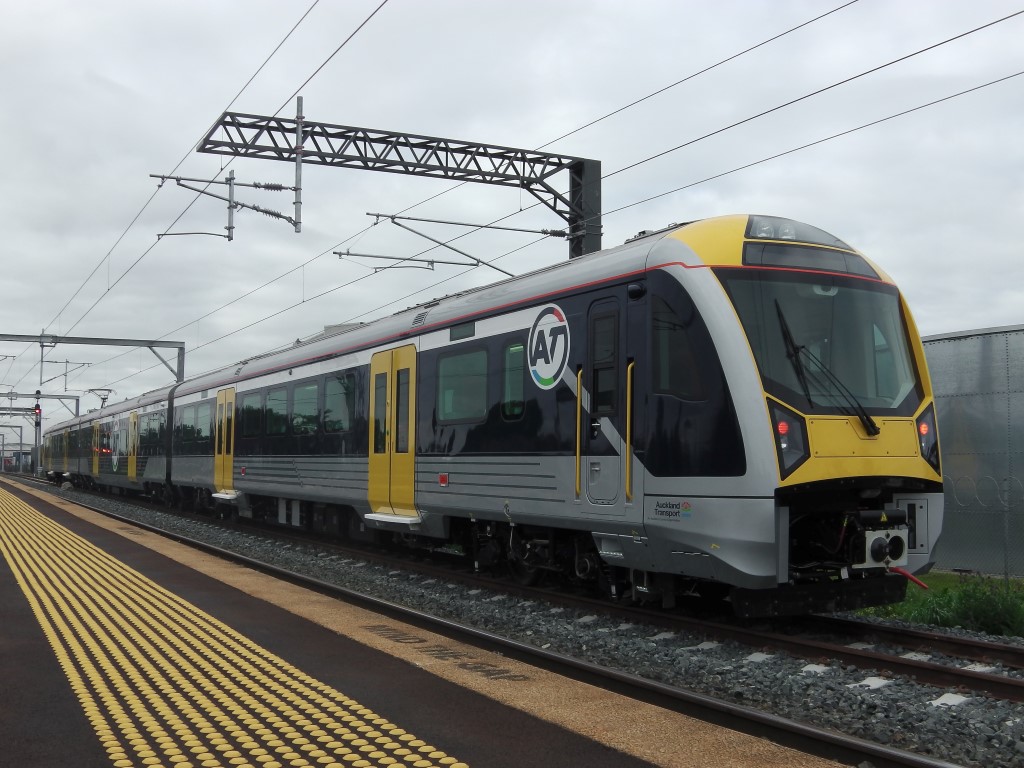
SkyDrive is the express airport bus, running non-stop between the terminals and Hobson Street by the Sky Tower. The operator shows the fare when you book rather than publishing a flat price, so check it on skydrive.co.nz. Uber, Bolt and DiDi all serve the airport: Uber has dedicated pick-up zones, while Bolt and DiDi use the “Rideshare (Other)” zones, so follow the signs for the app you booked with. Our guide to Uber and taxis in Auckland covers airport fees and the apps.
The honest verdict: if you have landed at dawn with two suitcases and a head full of cotton wool, this is not the moment to learn a new transport system. For two or more people sharing, an Uber is a reasonable price per head and takes you to the door; solo, SkyDrive is the easy middle ground. The exception is the weekday morning peak, when motorway traffic into the city can slow right down — that is when the train makes its strongest case, because it simply does not care. If you are travelling light and landing mid-afternoon, take the train: it is cheap, frequent and a decent first look at the southern suburbs.
What about picking up a hire car at the airport? For most visitors, not today. We come back to that further down.
Bridging the check-in gap
Most Auckland city hotels hand over rooms from about 2pm or 3pm. If you are standing in the lobby at 8am, that is six or seven hours of limbo, and how you handle it decides how the whole day goes.
- Ask about early check-in when you book, not at the desk at dawn. A note on the booking gives the hotel a chance to plan a room for you. Some will do it free if a room is ready; others charge a fee. It is never guaranteed on the day.
- Book the night before. The only way to guarantee a bed at 8am is to book your room from the previous night. It costs a full extra night. For a family coming off a thirteen-hour flight, it is usually the best money of the whole trip; for a solo traveller who can cope with a morning outdoors, it usually is not.
- Drop your bags regardless. Almost every hotel will hold luggage before check-in, and many will let you shower in the gym or spa changing rooms if you ask. A shower and a change of clothes at 8am is worth more than any sight in the city.
- Self-catering is harder. Apartments and short-term rentals often have fixed afternoon check-in times and nowhere to leave bags. If that is your booking, ask the host about an early drop-off before you fly, or treat the extra night as essential rather than optional.
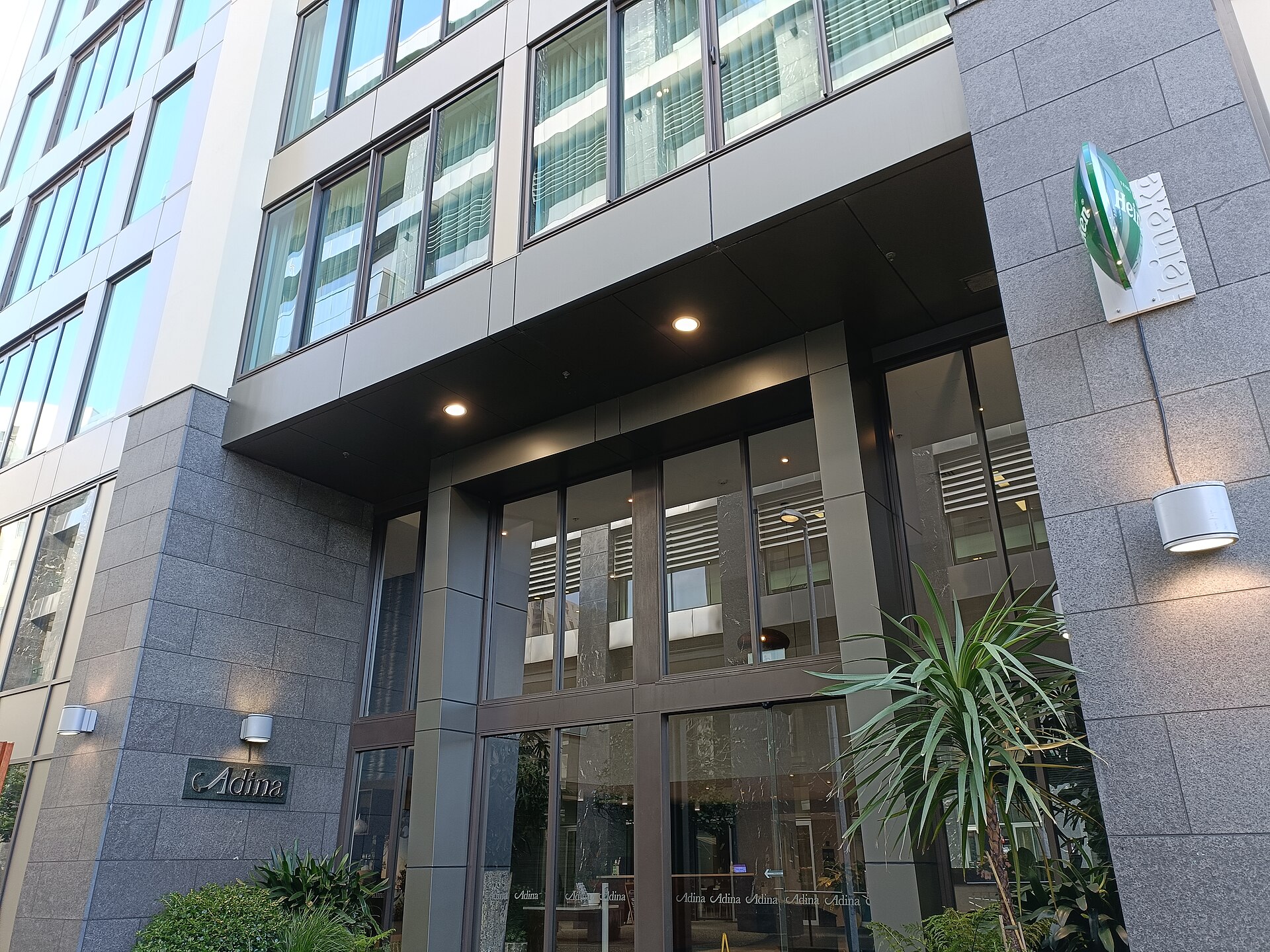
If you have not booked yet, the choice of area matters more on arrival day than any other. Staying within walking distance of the waterfront means the dawn plan below needs no transport at all. Our guides to the best hotels in the city centre and where to stay in Auckland go through the neighbourhoods.
Auckland jet lag: what it feels like from where you started
Auckland is one of the first major cities in the world to see each new day, which means almost everyone arrives with their body clock pointing somewhere else. How badly Auckland jet lag hits you depends far more on where you started than on how long you were in the air. The table below shows the time differences during New Zealand’s daylight saving period, from late September to early April; the ranges reflect other countries changing their own clocks during that stretch.
| Coming from | Auckland is ahead by | Land at 6am, and your body thinks it is | How hard |
|---|---|---|---|
| Los Angeles, San Francisco, Vancouver | 20-21 hours | 9-10am the day before | The gentlest long-haul adjustment: effectively a 3-4 hour shift |
| Houston, Dallas, Chicago | 18-19 hours | 11am-noon the day before | Moderate: a 5-6 hour shift |
| New York | 17-18 hours | Noon-1pm the day before | Moderate: a 6-7 hour shift |
| London | 12-13 hours | 5-6pm the day before | The hardest: a complete flip |
| Paris, Frankfurt, Amsterdam | 11-12 hours | 6-7pm the day before | The hardest: a complete flip |
| Singapore, Hong Kong, Shanghai, Perth | 5 hours | 1am | Harder than it looks, because it runs the difficult way |
| Tokyo, Seoul | 4 hours | 2am | Moderate, and also the difficult way |
| Sydney, Melbourne | 2 hours (3 until Australia’s clocks change in early October) | 4am | Mild |
From the Americas
The flight is long, but in body-clock terms this is the kindest arrival there is. You lose a calendar day on the map, yet your body only has to shift a few hours later, which is the easier direction. The danger zone is the early evening: somewhere around 6 or 7pm your body will decide it is the middle of the night and try very hard to lie down. Be outside in the late afternoon, eat dinner, keep moving and hold out until 9 or 10pm. From the West Coast, most people feel close to normal within a couple of days; from the East Coast it takes a little longer.
From the UK and Europe
There is no gentle version of this one. At 11 to 13 hours you are almost exactly out of phase: when Auckland wants you asleep, your body wants lunch. Neither direction round the clock is shorter, so ignore the theory and anchor everything to local time from the moment you land — daylight in the morning and afternoon, meals at local mealtimes, no nap longer than twenty minutes. Expect to wake at three in the morning for the first few nights, and keep something dull to read by the bed. The common rule of thumb is about a day to adjust for every hour of time difference, which here means more than a week to fully adjust. You will feel functional long before that, but plan your first three days lightly and put the big-ticket experiences later in the trip.
From Asia
Five hours sounds like nothing after a European flip, but it catches people out, because the shift runs in the harder direction: your body has to fall asleep earlier than it wants to. At a 10pm Auckland bedtime, a body from Singapore thinks it is 5pm. Get plenty of daylight from mid-morning onwards, keep screens and bright lights low in the late evening, stop caffeine by early afternoon, and do not be surprised to lie awake for a while on the first night.
From Australia and the Pacific
Two hours from the east coast of Australia is barely jet lag — you will find the mornings early and the nights late for a day or so. From Fiji, Samoa, Tonga and the Cook Islands the difference is an hour or less. Your first day can be close to a normal day, which means the midday plan below works well even if you land early.
What helps, whichever direction you came from
- Daylight, outdoors. Natural light is the strongest signal your body clock gets, and far stronger outside than through a window. This is why the dawn plan is built around a harbour walk and a ferry rather than a museum.
- Local mealtimes. Eat breakfast, lunch and dinner at Auckland times, even if the portions are small and the appetite is not there.
- Caffeine until early afternoon, then stop. Auckland takes its flat whites seriously, so the first half of the day will look after itself.
- Nap only if you must. Twenty to thirty minutes, alarm set, before about 3pm. The afternoon sleep that turns into four hours is the single most common way to ruin the first night.
- Go easy on the first-night drinks. A glass of New Zealand wine at the Viaduct feels like the right reward, and alcohol does help you fall asleep. It also wakes you at 3am.
- Drink water. Auckland’s tap water is safe to drink, so refill a bottle rather than buying one.
- Melatonin: bring your own, or do without. It is not sold as an over-the-counter supplement in New Zealand the way it is in the United States, so do not plan on buying some after you land. If you use it, talk to your own doctor before you travel.
The dawn-arrival plan, hour by hour
This is the plan for the most common long-haul arrival: a landing between about 5am and 8am, a hotel in or near the city centre, and a room that will not be ready until the afternoon. Everything in it is on foot or by ferry, nothing needs booking, and every stage can be cut short if you are fading. Times are approximate — slide the whole day later if you land later.
- 6:00am — Land. Aim to be out of the arrivals hall by about 7am. If you are quicker, good; if you are slower, nothing below depends on the clock.
- 7:00am — Into the city. SkyDrive, an Uber, or the AirportLink and train if you are travelling light. On a weekday, allow for peak-hour traffic on the road options.
- 8:30am — Bags at the hotel. Check in if you are lucky, drop the bags if not, and ask about a shower.
- 9:00am — Breakfast. Auckland does breakfast properly, and city-centre cafés are open from early. Britomart, the lanes behind the Ferry Building and the Viaduct all have good options; expect NZ$24-32 for a dish and around NZ$6.50 for a coffee. Our lists of the best cafés and the best brunch spots have names.
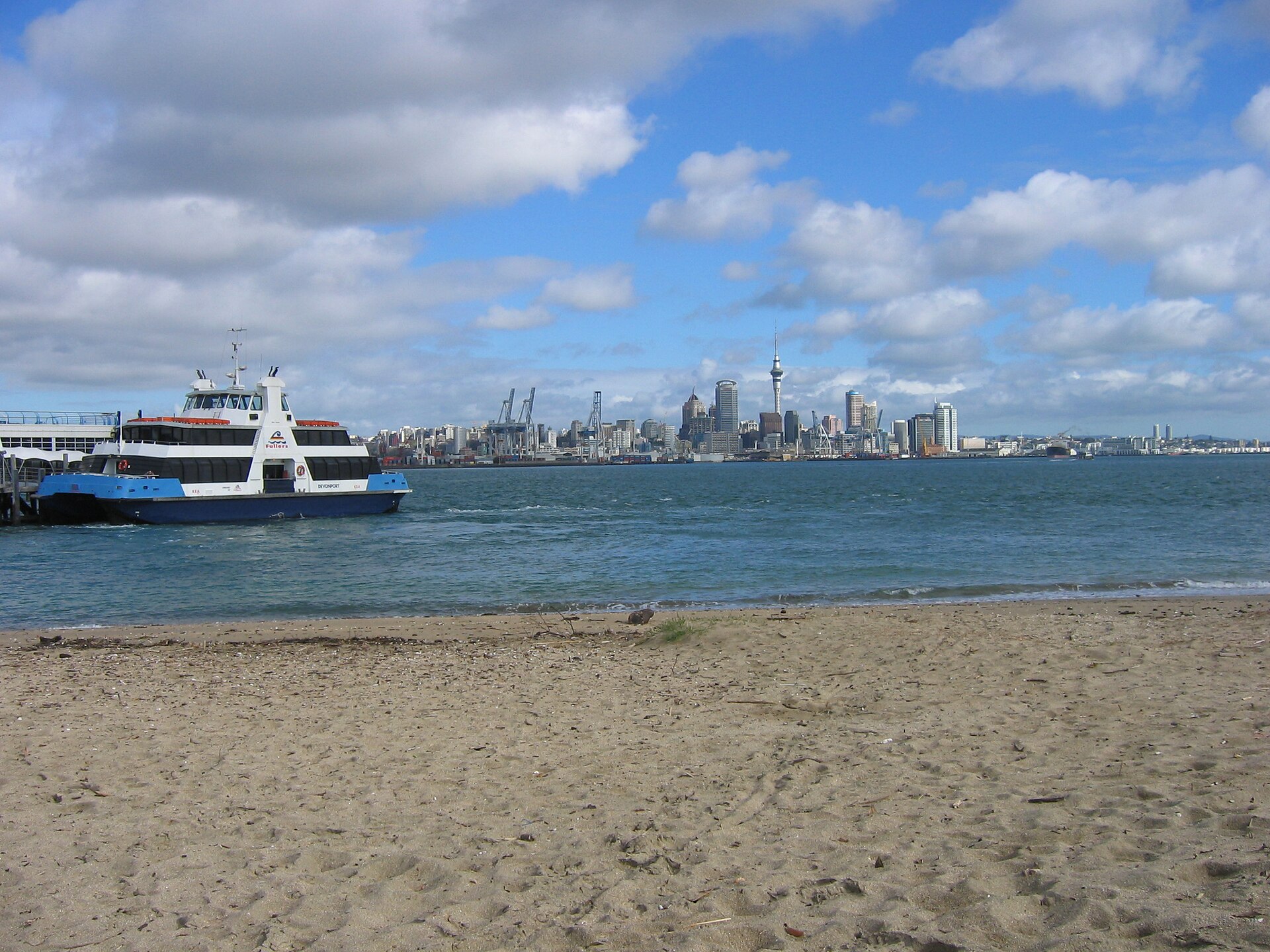
- 10:00am — Walk the waterfront west. From the Ferry Building on Quay Street, walk past Queens Wharf to Viaduct Harbour, over Te Wero Bridge and out to Wynyard Quarter and Silo Park. It is about a kilometre and a half, completely flat, and lined with water, boats and benches. Walk back the same way, or take a different line through the Viaduct.
- 11:30am — The Devonport ferry. Back at the Downtown Ferry Terminal, the Devonport ferry leaves every 15 to 30 minutes and takes about 12 minutes. It costs under NZ$10 each way with AT HOP or a contactless card, and those twelve minutes of sea air are the best thing you can do for a jet-lagged body.
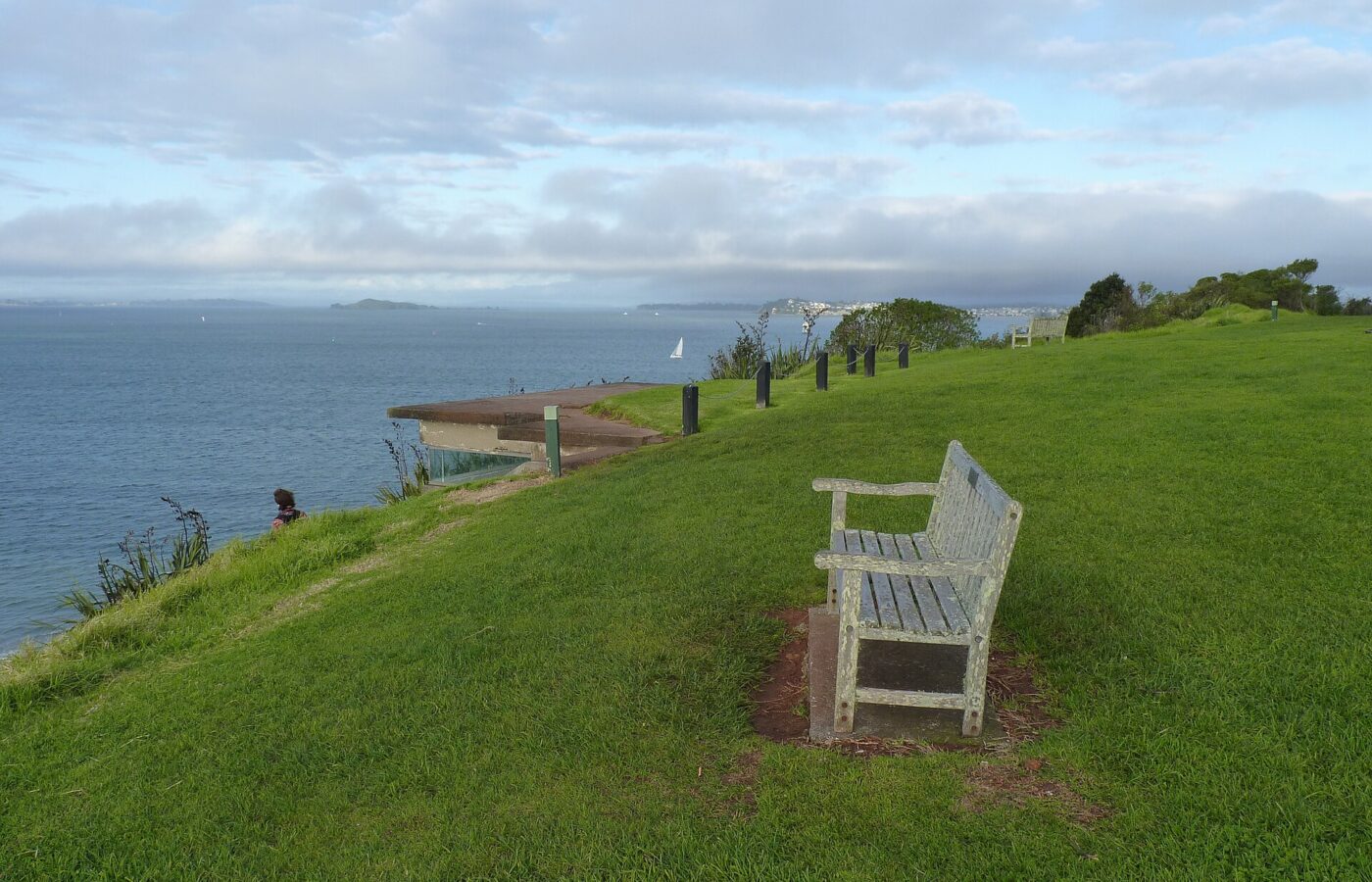
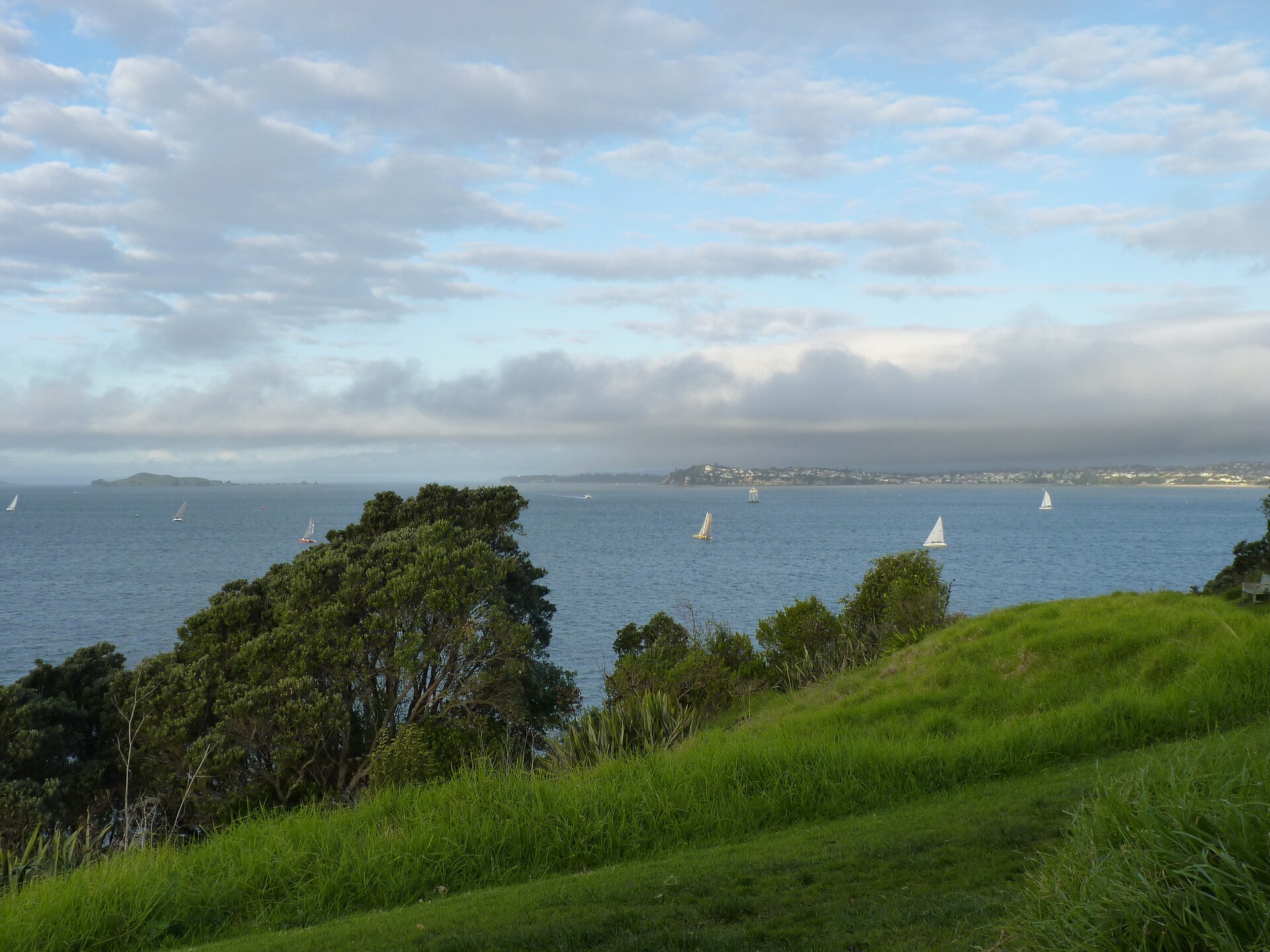
- 12:00pm — Climb a volcano. From Devonport wharf it is about twenty minutes’ walk to the top of Maungauika / North Head, a grassy volcanic headland riddled with old coastal-defence tunnels and gun emplacements. Entry is free, the tunnels are open in daylight hours, and the view takes in the harbour entrance, Rangitoto and the city skyline. If your legs are complaining, Takarunga / Mount Victoria rises straight above the village and makes an equally good lookout.
- 1:00pm — Lunch in Devonport. Victoria Road has cafés, bakeries and a fish and chip shop or two; eat on the grass by the water if the weather is kind. Our Devonport guide has the details if you want to linger.
- 2:30pm — Ferry back.
- 3:00pm — Check in. Shower, unpack the bare minimum, and if you must sleep, set an alarm for twenty minutes. Put the phone on the other side of the room.
- 4:30pm — A short outing. Walk up through Albert Park to the Auckland Art Gallery, where general entry is free, or wander down to Britomart. The point is to be outside in late-afternoon light, which is exactly what your body needs if you have flown in from the Americas.
- 6:00pm — An early dinner. Many Auckland kitchens start service around six and stop taking orders around nine, which suits a jet-lagged schedule perfectly. Eat close to your hotel. Our guide to the best restaurants in the city centre sorts them by budget.
- 7:30pm — Watch the light go. In mid-October the sun sets around half past seven, and later every week into summer. A slow loop of the waterfront, or a seat at the Viaduct, is the last thing you need to do.
- 9:30pm — Bed. Not earlier, unless you genuinely cannot stand up.
If it is raining
Spring in Auckland is changeable, and a wet morning is entirely possible. Swap the waterfront walk and the ferry for the Auckland Art Gallery (free general entry) and the Auckland War Memorial Museum in the Domain, where international visitors pay NZ$32 for an adult. Then put Devonport back into the plan as soon as the rain stops — Auckland showers often blow through within an hour or two. Our rainy-day guide for adults has plenty more indoor options, and the Auckland weather guide explains what to expect month by month.
If you land in the middle of the day
A late-morning or early-afternoon landing is the easiest version of the first day. You will probably reach your hotel close to check-in time, and you only have to stay upright for the afternoon and evening.
- Check in or drop bags, then eat. A proper lunch at a normal local time is the first step in resetting the clock.
- Take a slow walk. The waterfront from the Ferry Building to Wynyard Quarter is the obvious one. If you are staying west of the centre, Ponsonby Road or K Road is just as good and has more places to stop for coffee.
- Get up high for sunset. Either climb Maungawhau / Mount Eden, the highest natural point on the isthmus, or go up the Sky Tower, where adult general admission sits in the mid-NZ$40s.
- Dinner, and bed at a local hour. Aim for ten.
Is the Sky Tower worth it on your first day? Of all the days to go up, this is the best one. It is the fastest way to understand Auckland’s geography — two harbours, a narrow isthmus, fifty-odd volcanoes and the gulf islands — and that understanding makes every day after it easier to plan. On day five it is a view; on day one it is a map. If you are only going up once, go at dusk, when the city lights come on below you.
If you land in the evening or overnight
The simplest arrival of all. Your first day is tomorrow, so the only job tonight is to get horizontal as fast as the formalities allow.
- Know the cut-off times. SkyDrive stops at around 10:30pm and the AirportLink runs until roughly 12:40am. After that it is Uber or a taxi from the rank.
- Eat something small. The airport has food outlets before security; the city centre has late-opening convenience stores and a few late kitchens. A large late meal will not help you sleep.
- Consider staying at the airport. If you land after midnight, or you are collecting a hire car and heading south the next morning, an airport hotel saves you two transfers. Our guide to Auckland Airport hotels compares them, and if you are genuinely only waiting for dawn, sleeping at Auckland Airport explains the terminal options and their limits.
- Tomorrow, run the dawn plan from breakfast. You will have slept, which makes it easier to follow.
The first-day errands worth doing
A few small jobs make the rest of the trip smoother. None of them take long, and most can be folded into the walk.
- Money. Contactless card payment works almost everywhere, including buses, trains and ferries, so you need very little cash. An ATM withdrawal of NZ$50 or so covers the odd market stall. Tipping is not expected. See our guides to money in Auckland and tipping etiquette.
- Transport. Download the AT Mobile app for Journey Planner and live times. A contactless bank card works as your ticket — tap on and tap off every time — so most short-stay visitors no longer need an AT HOP card at all. The public transport guide has the details.
- Supermarket. Pick up snacks for the 3am wake-up, breakfast things if you are self-catering, and sunscreen. The city centre has several small-format supermarkets that open early and close late.
- Sunscreen, seriously. The New Zealand sun burns faster than the temperature suggests, even on a cool spring day with a breeze. It is the easiest way to spoil day two.
- Power. New Zealand uses the same angled two- or three-pin plugs as Australia, at 230 volts. Pack an adaptor; our Auckland packing list covers the rest.
- A few words. You will hear kia ora — hello, and a good deal more — from the moment you land, on signs, in shops and on the train announcements. Use it back.
What to leave for day two (or later)
The first-day mistakes are nearly always the same, and they are nearly always well-intentioned attempts to make the most of the time.
Picking up the hire car
Collecting a car at the airport and driving straight into the city, or worse, straight to Rotorua, is the riskiest thing on this list. You will be driving on the left, possibly for the first time, in an unfamiliar car, on a busy motorway, at the point in the trip when your reactions are at their slowest. If your trip is a road trip, collect the car on the morning you leave the city; you will also save a couple of nights of city parking. If you must collect at the airport, keep the first drive short. Our guides to car rental in Auckland, picking up a rental car at the airport and driving in Auckland cover the details.
Long day trips
Hobbiton, Rotorua, Waitomo and the Bay of Islands are all two to three hours or more each way by road. On a jet-lagged first day you would spend most of the tour asleep on a coach and the rest wishing you were. Put them on day three or later; our guide to the Hobbiton day trip explains why the booking time matters.
Waiheke’s wineries
Waiheke Island is only forty minutes away by fast ferry and very tempting on a sunny first day. It is also a day built around tasting wine, which is the one thing you should not be doing in quantity on no sleep. Save it for a day when you can enjoy it.
Anything with a fixed departure
Tours, guided walks and island trips with one boat out and one boat back are all bad bets for the first day. A slow biosecurity queue or a mid-afternoon collapse means a non-refundable ticket wasted. Keep the first day flexible.
The big night out
K Road and Ponsonby can wait. A late one on the first night sets your clock back by days rather than hours.
What the first day costs
A rough guide per adult, for the dawn-arrival plan above, not including your accommodation:
| Item | Rough cost (NZ$) | Notes |
|---|---|---|
| Airport to city | 6.50-75 | Train at the low end; an unshared Uber at the high end |
| Breakfast and coffee | 30-38 | A café dish plus a flat white |
| Devonport ferry, return | Under 20 | With AT HOP or a contactless card |
| North Head, the waterfront, the Art Gallery | 0 | All free |
| Lunch in Devonport | 20-30 | Café or fish and chips |
| Dinner | 40-70 | Mid-range, with a drink |
| Total | About 110-230 | Before accommodation |
For a fuller picture of daily costs, including where to save, see our Auckland travel budget guide.
Arriving with children
Children often cope with the flight better than their parents and with the evening far worse. The dawn plan works well for families because it is outdoors, full of things to look at and easy to cut short: the ferry is a treat in its own right, and the tunnels at North Head are a genuine highlight for most children over about four. Cheltenham Beach, a short walk from North Head, has calm water for a paddle.
Two things to plan for. First, book the extra night if you can: a room at 8am, a bath and a two-hour nap for the smallest travellers is worth far more than the cost. Second, read the child restraint section of our Uber and taxi guide before you plan the ride from the airport, because the rules differ from what many visitors expect. Our guides to Auckland with kids and Auckland with toddlers pick up from day two.
Where the first day fits in the trip
If you are still deciding how long to stay, our guide to how many days to spend in Auckland answers that question. Once you have your dates, the Auckland itinerary hub has day-by-day plans for every length of stay — from one day to three days and beyond — and each of them assumes you have had the kind of first day described here. If Auckland is a break between flights rather than the start of a longer trip, the Auckland stopover itinerary is built for that instead.
Frequently asked questions
What should I do on my first day in Auckland?
Keep it outdoors, low-key and close to your hotel. Walk the waterfront from the Ferry Building to Wynyard Quarter, take the 12-minute ferry to Devonport and climb North Head, eat an early dinner and go to bed at a normal local time. Daylight and gentle activity do more for jet lag than any attraction.
How do I beat jet lag in Auckland?
Switch to Auckland time as soon as you board, spend as much of your first day outdoors in daylight as you can, eat at local mealtimes, cap any nap at twenty to thirty minutes before 3pm, and stay up until at least 9pm. Arrivals from the Americas usually adjust fastest; arrivals from the UK and Europe face a near-complete flip and should plan the first few days lightly.
Can I check in early at Auckland hotels?
Sometimes, but never count on it. Standard check-in at most city hotels is 2pm or 3pm. Ask when you book, not on the day, and if you land at dawn and need a bed, book from the night before. Almost every hotel will store your bags until the room is ready.
How do I get from Auckland Airport to the city when I arrive?
The cheapest option is the AirportLink bus to Puhinui Station and a train into the city, about NZ$6.50 with AT HOP or a contactless card. SkyDrive runs an express bus to Hobson Street by the Sky Tower. An Uber costs roughly NZ$50-75 and a metered taxi roughly NZ$60-90, both taking 30 to 45 minutes outside peak times.
Is it safe to drive on my first day in New Zealand?
It is legal, but it is not a good idea. Driving on the left after a long-haul flight, on a busy motorway, when your reactions are slowest, is the biggest avoidable risk of the trip. Collect your hire car on the day you leave the city rather than the day you arrive.
What time do flights from the US arrive in Auckland?
Most overnight flights from North America land in the early morning, typically well before the city’s hotels have rooms ready. Because you cross the International Date Line, you arrive two calendar days after an evening departure — book your first night for the date you land.
Should I stay near the airport on my first night?
Only if you land after midnight or are driving south early the next morning. Otherwise, stay in the city: the airport is 30 to 45 minutes from the centre, and your first-day plan works far better when you can walk to the waterfront.
Do I need cash when arriving in Auckland?
Very little. Contactless card payment is accepted almost everywhere, including on public transport. A small amount of cash is handy for market stalls, and ATMs are easy to find at the airport and across the city centre.
Related Auckland Guides
- Auckland Itineraries: Plans for Every Length of Stay
- Auckland Airport Arrival Guide
- Auckland Airport to the City: Every Option Compared
- One Day in Auckland
- 2 Days in Auckland
- Auckland Stopover Itinerary
- First Time in Auckland: The Complete Guide
- NZeTA and the Traveller Declaration
- Auckland SIM Cards and Staying Connected
- The Best Time to Visit Auckland
Photo Credits
The harbour from North Head, Devonport: Auckland, Devonport, Hauraki Gulf Maritime Park (3) by Michal Klajban, CC BY-SA 4.0, via Wikimedia Commons.
A bench above the Hauraki Gulf on North Head: Auckland, Devonport, Hauraki Gulf Maritime Park (1) by Michal Klajban, CC BY-SA 4.0, via Wikimedia Commons.
Electric train at Puhinui Station: AMA 103 at Puhinui by Alex Burgess, CC BY-SA 3.0, via Wikimedia Commons.
Adina Apartment Hotel Auckland Britomart: Adina Apartment Hotel Auckland Britomart by Pakoire, CC BY-SA 3.0, via Wikimedia Commons.
Devonport Wharf and Auckland skyline: Kea moored at Devonport 2004 by Orderinchaos, CC BY-SA 4.0, via Wikimedia Commons.