New Zealand Biosecurity Rules: What You Can and Cannot Bring In
New Zealand biosecurity rules explained: what must be declared, what is banned outright, the NZ$400 instant fine, and the habits that get you through in minutes.
This article contains advertising. Our booking links are routed through a partner that adds commission tracking automatically, so if you book through one we earn a commission from the provider, at no extra cost to you. It never affects what we recommend. Affiliate disclosure
Somewhere in the bin behind the biosecurity benches at Auckland Airport is an apple that cost someone NZ$400. It was handed out on the plane, it went into a daypack, and its owner walked past the declaration point without thinking about it. Nobody was trying to smuggle anything. That is exactly the point: New Zealand biosecurity is a strict-liability system, which means the fine does not care what you intended. Forgetting is not a defence, and it is the single most common way visitors start a holiday badly.
This guide sets out what must be declared, what is banned outright, what is usually fine, how the fines work, and — because it makes the rules make sense — why a country would go to this much trouble over a piece of fruit. Rules were checked in September 2026. Item-level lists do change, so treat this as the shape of the system and check the Ministry for Primary Industries at mpi.govt.nz or biosecurity.govt.nz for the current detail on anything specific.
The Rules in One Table
| Category | Rule |
|---|---|
| Fresh fruit | Prohibited. All of it. Including the piece handed to you on the aircraft |
| Honey and bee products | Prohibited |
| All other food | Must be declared — snacks, packaged goods, dried herbs, spices, tea, supplements, baby food |
| Plant and wood items | Must be declared — carvings, seeds, flowers, woven goods, bamboo, straw hats |
| Animal products | Must be declared — leather, feathers, bone, shell, wool, traditional medicines |
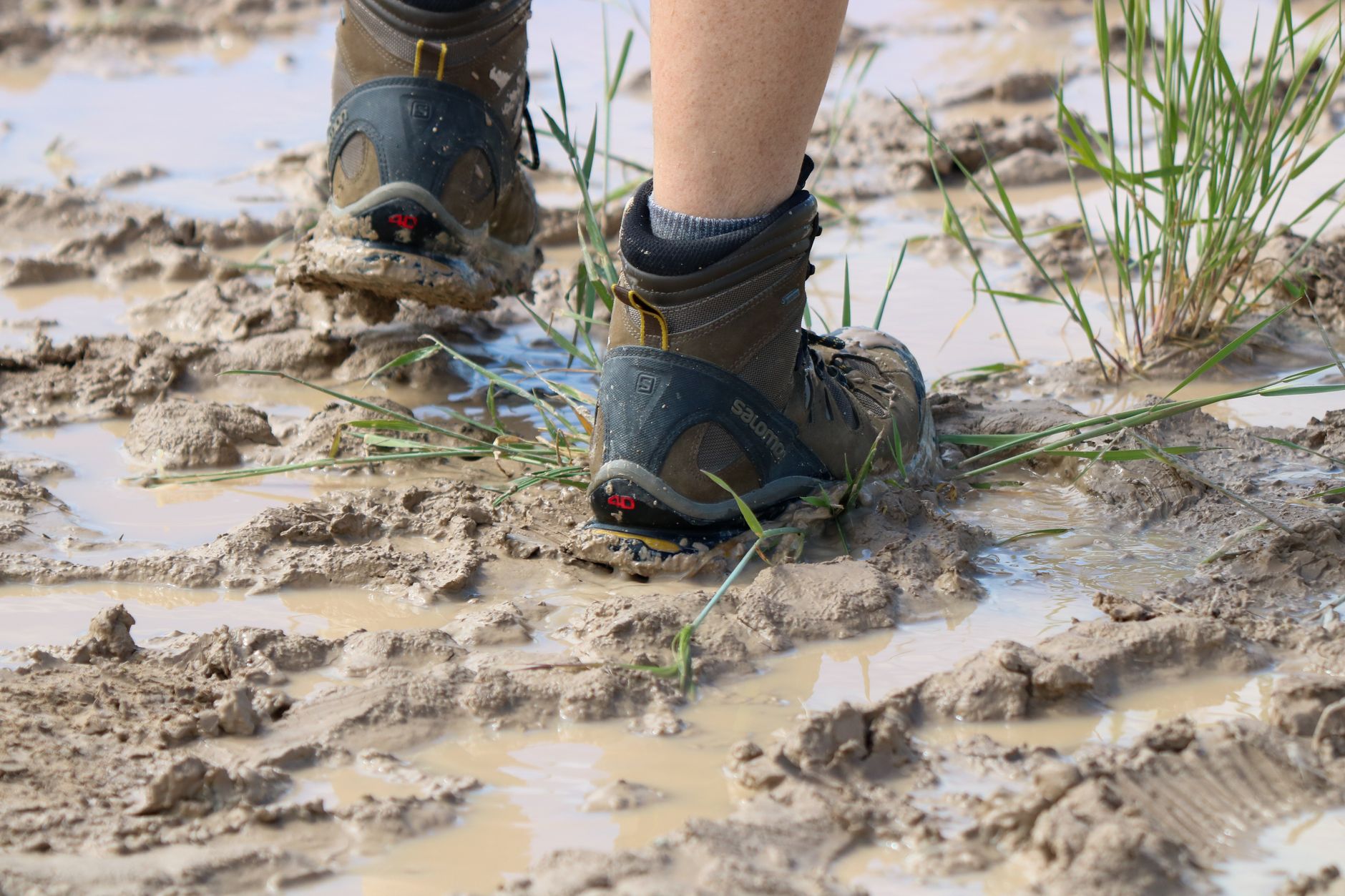
| Used outdoor equipment | Must be declared — boots, tents, golf clubs, fishing gear, bicycles, anything with soil on it |
| Recent farm or animal contact | Must be declared |
| Penalty for not declaring | Instant fine of NZ$400. Strict liability — no intent required |
| Penalty for declaring | None, ever. Worst case, the item is confiscated |
That last pair of rows is the whole guide compressed. Declaring is free. Not declaring is NZ$400. There is no scenario in which staying quiet is the better bet.
Why New Zealand Is Like This
Visitors from Europe or North America often experience the New Zealand border as disproportionate. It is worth understanding why it is not.
New Zealand’s export economy runs on agriculture and horticulture — dairy, meat, wool, kiwifruit, wine, apples. A single pest or disease incursion does not just damage a crop; it closes export markets, sometimes for years, and the cost runs into billions. There is no land border to leak through and no neighbouring country sharing the problem. The border at Auckland Airport is, quite literally, the perimeter.
The ecological argument is stronger still. New Zealand’s plants and animals evolved for eighty million years with almost no land mammals. The result is a biota of extraordinary strangeness — flightless birds, a nocturnal parrot, reptiles that outlived the dinosaurs — and almost no defences. Introduced predators have already driven a long list of species to extinction, and the ones that survive do so because of intensive, expensive, permanent effort.
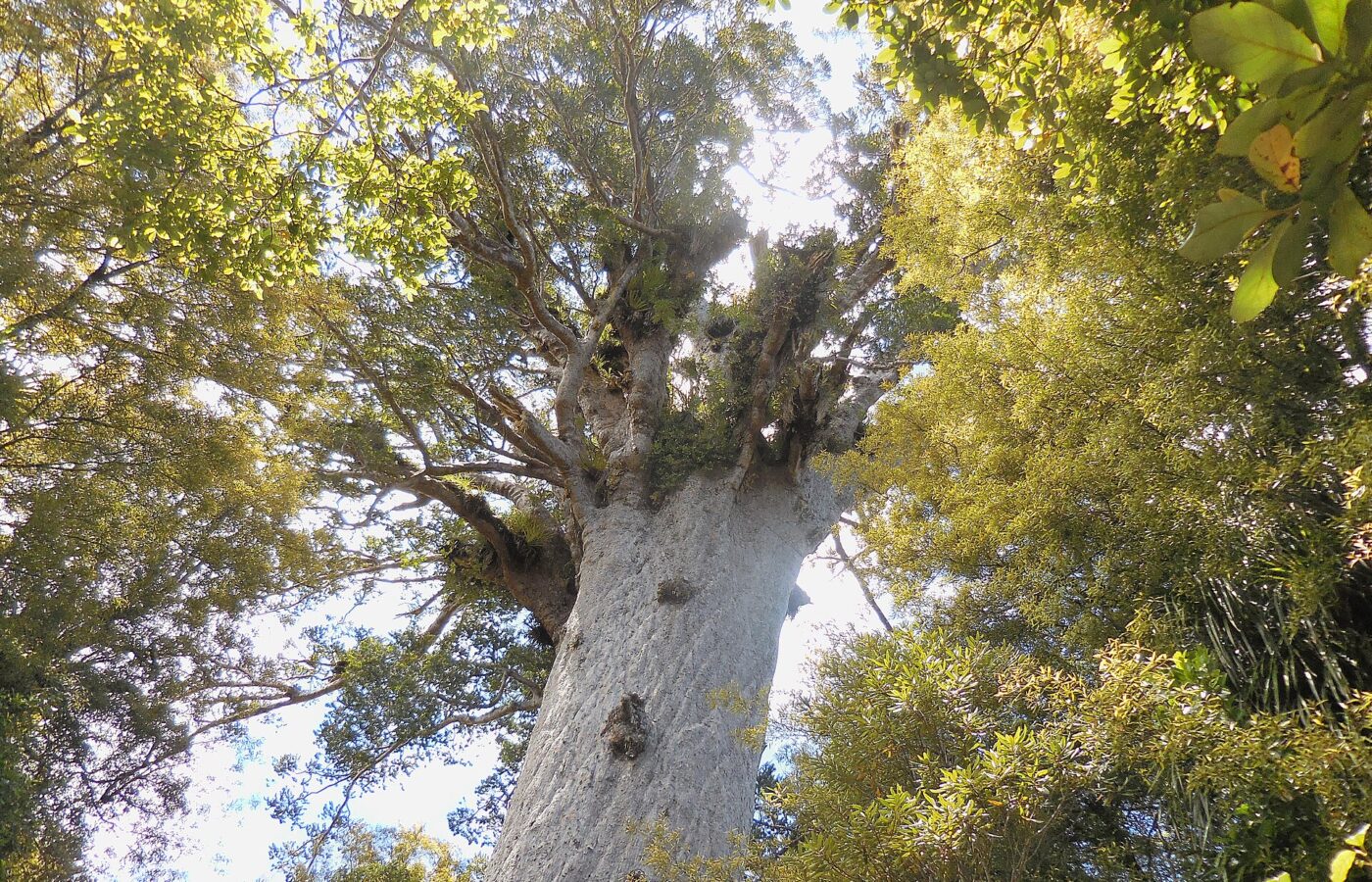
Then there is kauri dieback, which is the story that explains the boot rule better than any leaflet. Kauri are among the largest and longest-lived trees on earth, some of them well over a thousand years old, and a soil-borne pathogen is killing them. It moves in soil — on boots, on tyres, on paws. Tracks across the Waitākere Ranges near Auckland have been closed for years because of it. When a biosecurity officer asks whether you have been hiking and looks at your soles, that is what they are looking for.
What You Must Declare
The declaration happens on the New Zealand Traveller Declaration, completed online before you reach passport control. The categories below all require a yes.
Food — all of it, in every form
This is broader than people expect. It includes snacks in your hand luggage, commercially packaged goods, dried herbs and spices, tea and coffee, supplements and vitamins, baby food and formula, and anything you were given on the plane. Whether it is ultimately allowed in varies by item and origin; whether it must be declared does not vary at all.
Fresh fruit is prohibited outright, as are honey and bee products — New Zealand’s bee population is unusually disease-free and the industry is protected accordingly, which catches out visitors carrying a jar as a gift. Meat, dairy, eggs, seeds and fresh produce generally are restricted or banned depending on type and country of origin. Commercially packaged, shelf-stable items such as chocolate, biscuits and sweets are usually waved through when declared, but “usually” is not a guarantee and the officer’s call is the one that counts.
Plant and wooden items
Wooden carvings, bark, seeds, dried flowers, potpourri, woven baskets, bamboo, cane furniture, straw hats and Christmas decorations made of plant material all need declaring. Souvenirs from the Pacific Islands and Southeast Asia are a frequent interception category — a carved bowl or a woven mat is exactly the kind of thing that can carry insects or fungal spores in it. Many such items are allowed in after inspection or treatment; some are not.
Animal products
Leather goods, feathers, bone, horn, shell, untreated wool, and traditional medicines containing animal ingredients. Also anything derived from an endangered species, which is a separate legal problem on top of the biosecurity one — CITES restrictions apply and ignorance is not a defence there either.
Used outdoor and sports equipment
This is the category most likely to affect an ordinary tourist, because a great many people come to New Zealand precisely to walk in it. Declare hiking boots, tents, sleeping bags used outdoors, golf clubs, fishing rods and waders, bicycles, camping equipment, and anything that has been in contact with soil, freshwater or animals.
Fishing and water sports gear gets particular attention because of freshwater pests such as didymo. Waders and boots that have been in a river anywhere in the world should be clean and dry, and you should say so.
Recent farm or animal contact
If you have been on a farm, at a livestock market, in a zoo, or in contact with animals in the two weeks or so before arriving, declare it. You will most likely be asked about footwear and clothing and then sent on your way.
How to Not Get Fined: Four Habits
Empty your bag before you pack it. The apple, the muesli bar, the packet of seeds from a garden centre, the half-eaten sandwich from a European airport — all of these arrive in New Zealand because nobody looked. Turn out every pocket of every bag the night before you fly, including the daypack you will carry on board.
Clean your boots properly. Not a wipe. A brush, a tap, and ten minutes getting soil out of the tread and the welt. Do it at home, let them dry, and pack them where you can get to them. This single habit removes the most common reason a traveller gets pulled aside at Auckland.
Declare when in doubt, always. If you are standing there wondering whether something counts, that wondering is your answer. Ticking yes costs you a conversation of perhaps ninety seconds.
Do the declaration before you fly. You can submit the New Zealand Traveller Declaration from 24 hours before your journey begins. Completing it calmly at home, with time to think about what is in your luggage, produces a much more accurate declaration than filling it in during descent. The whole process is covered in our guide to arriving at Auckland Airport.
What Happens at the Border
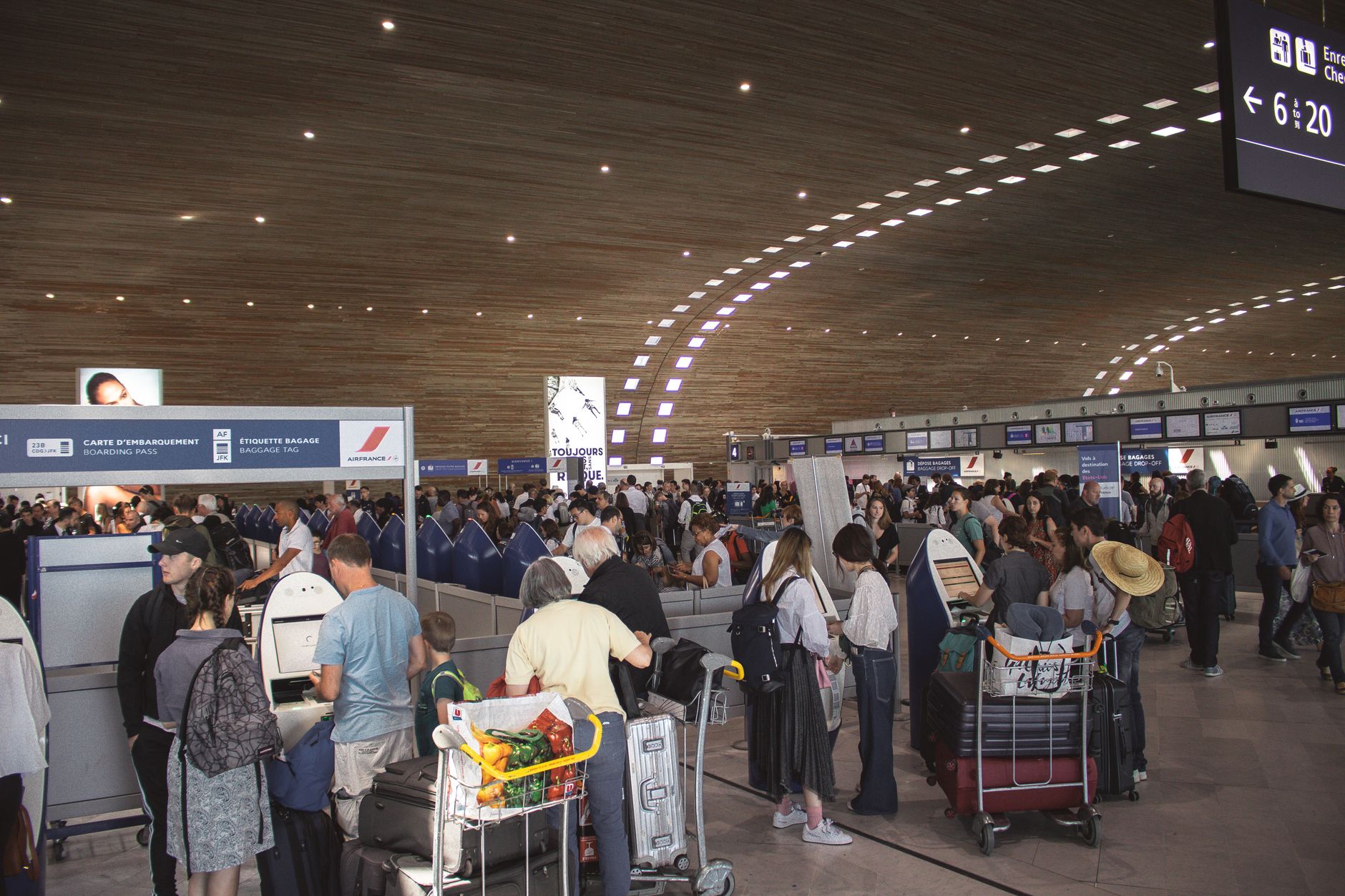
Once you have collected your bag, everyone passes through biosecurity. Based on your declaration, an X-ray image, a detector dog, or a randomised check, you will be either waved through, sent to an X-ray machine, or taken for a bag search.
The detector dogs at Auckland are trained on food and plant material rather than on drugs alone, and they are extremely good. A dog sitting down beside your bag is not an accusation — it is an indication, and it is usually right. Stay put, let the handler work, and answer plainly.
A bag search is done in front of you at a bench and typically takes ten to twenty minutes. Officers do this hundreds of times a day and are entirely used to travellers with a forgotten snack. What changes their tone is discovering something you were asked about and said no to.
If an item is a risk, it is confiscated and destroyed. Some items — muddy boots, certain wooden goods — can be cleaned or treated and returned to you, sometimes for a fee. There are amnesty bins before the declaration point, and using one is free and final: put it in the bin and the matter ends there.
The Penalties, Honestly Stated
The headline number is an instant fine of NZ$400 for failing to declare a biosecurity risk item. It is issued on the spot, it applies per person, and it is a strict-liability offence — there is no requirement to prove you meant to do it. “I forgot” is a true statement that changes nothing.
Beyond the instant fine, deliberate or serious breaches are prosecuted, and the penalties escalate very sharply — into the tens of thousands of dollars and, at the top end, imprisonment. That end of the scale is for people who lie systematically or attempt commercial-scale imports, not for a tourist with an orange. But it exists, and it is why the border staff take a dim view of an argument at the bench.
Non-residents can also, in principle, have their visa or NZeTA cancelled and be refused entry over a serious biosecurity offence. It is rare. It is not theoretical.
And the counterweight, worth repeating a third time: declaring an item never results in a fine, even if the item is taken off you. There is no downside to honesty at this border.
Special Cases People Ask About
Medication
Bring prescription medicines in their original labelled packaging with a copy of the prescription or a letter from your doctor, and declare them. Some medicines that are freely available elsewhere are controlled in New Zealand. Traditional and herbal medicines are a biosecurity question as well as a medical one, because they frequently contain plant or animal material.
Baby formula and children’s snacks
Declare them. Commercially packaged formula is generally fine. Fresh fruit in a toddler’s snack bag is not, and it is a genuinely common interception — parents are busy and a banana is invisible until a dog finds it.
Camping and cycling gear
Declare it, and clean it first. Tent pegs with soil on them, a bicycle with mud in the derailleur, a groundsheet that has been on grass — all standard interceptions. Clean gear that has been declared usually clears in minutes; dirty gear can be sent for treatment, which costs time and money.
Wooden and woven souvenirs
Declare them and be prepared for inspection. Items from the Pacific and Southeast Asia are looked at carefully. Many pass; some are treated; a few are refused.
Cash
Not a biosecurity matter but asked on the same declaration: cash of NZ$10,000 or more, or the foreign equivalent, must be declared to Customs. It is a reporting requirement, not a limit — you are allowed to bring it, you simply have to say so. Check the current threshold at customs.govt.nz.
Pets and assistance animals
Not a hand-luggage question. Bringing an animal into New Zealand is a months-long process involving permits, vaccinations and quarantine, arranged long before travel. Assistance dogs travelling with their handler need biosecurity clearance arranged in advance.
Biosecurity Once You Are Inside the Country
The border is not the end of it, and visitors are asked to help with the domestic side too.
Clean your boots between forests. Cleaning stations sit at the entrances to kauri forests, including in the Waitākere Ranges near Auckland, and using them properly — brush, spray, both directions — is not optional courtesy. Some tracks in the Waitākeres remain closed for kauri protection and storm damage; check the Auckland Council track status page before setting out rather than turning up hopefully.
Check your gear between waterways. Check, clean, dry is the standard advice for anything that has been in fresh water, to keep didymo and other freshwater pests from spreading between catchments.
Do not move firewood or plant material around. It is how pests travel domestically, and there are restrictions on moving certain goods between regions.
Report anything odd. New Zealand runs a public biosecurity hotline and takes reports from members of the public seriously, visitors included. If you see an insect or a plant that looks out of place, it costs nothing to report it.
Sending Things to New Zealand, and Taking Things Home
The rules do not only apply to what you carry. Two adjacent situations catch travellers out.
Posting or couriering items in
Mail and courier consignments are screened to the same standards as luggage, and a parcel of food or seeds sent by a well-meaning relative is treated exactly as it would be in a suitcase. If someone is posting you something while you are here, tell them to check mpi.govt.nz first. Items that arrive without the right paperwork are held, treated, returned or destroyed at the recipient’s cost, and the process is slow.
Taking New Zealand things home
The reverse direction has its own rules, set by the country you are going to rather than by New Zealand. Australia’s border is nearly as strict as this one and applies the same logic to fruit and plant material. The European Union restricts meat and dairy imports from outside its borders. The United States is exacting about agricultural products.
The practical implications for a typical visitor: mānuka honey is fine into most countries in commercially sealed jars, but check yours; pāua shell, greenstone and wooden carvings are usually fine but may need to be declared; and anything containing seeds, soil or untreated plant material is likely to be a problem somewhere. Buy from established retailers who will tell you what is exportable, and keep receipts. Our guide to Auckland souvenirs covers what is worth carrying home in the first place.
Common Myths, Corrected
“It only applies to fresh food.” No. The declaration covers all food in every form, plus plant material, animal products, used outdoor gear and recent farm contact. Packaged and processed items still get declared, even when they are then waved through.
“If it was served on the plane it must be allowed.” The most expensive myth on this list. Aircraft catering is loaded in another country under that country’s rules. The apple, the cheese and the bread roll are all subject to New Zealand’s rules the moment the door opens, and the fruit in particular is the single most common instant fine at this border.
“I can just throw it away when I see the signs.” You can, and you should — that is exactly what the amnesty bins before the declaration point are for, and using one carries no penalty at all. What you cannot do is decide to dispose of it after you have already made a declaration saying you had nothing. Once the form says no, the bin is no longer a way out.
“Transiting doesn’t count.” If you clear the border, the rules apply to you in full, whether you are staying three weeks or three hours. Even passengers who remain airside are subject to restrictions on what leaves the aircraft with them.
“They won’t check a family with children.” They check everybody, and children’s bags are a well-known source of forgotten fruit. The detector dogs are not selective about who is carrying the banana.
“The fine is negotiable if you explain.” It is not. An instant fine for an undeclared risk item is issued on the spot, and the officer has no discretion to un-issue it because you are sorry. The discretion all sits upstream, in whether you declared.
The Honest Verdict
New Zealand’s border is stricter than almost anywhere else you will have travelled, and it is not stricter for the sake of it. It is a small, isolated country whose economy and whose remaining wildlife both depend on keeping specific things out, and it has decided to be blunt rather than subtle about enforcement.
For a traveller, the practical consequence is small and entirely manageable: turn out your bags before you pack, clean your boots at home, fill in the declaration honestly before you fly, and tick yes when you are unsure. Do those four things and you will clear the border in minutes and never think about any of this again. Skip them and you will spend NZ$400 learning that a strict-liability offence really is strict. The rest of the arrival is covered in our Auckland Airport guide.
Frequently Asked Questions
What can I not bring into New Zealand?
All fresh fruit and all honey and bee products are prohibited outright. Meat, dairy, eggs, seeds, fresh produce, plant and wood items, animal products and used outdoor equipment are restricted — they must be declared, and whether they are allowed depends on the item and its origin. Check mpi.govt.nz for anything specific.
What is the fine for not declaring food in New Zealand?
An instant fine of NZ$400. It is a strict-liability offence, so forgetting is not a defence, and it applies per person. Deliberate or serious breaches are prosecuted with far heavier penalties.
Do I get fined for declaring something?
No. Declaring never results in a fine. The worst outcome is that the item is confiscated, and many declared items are allowed through after inspection or treatment.
Can I bring chocolate or biscuits into New Zealand?
Commercially packaged, shelf-stable confectionery is usually fine — but it must still be declared as food. Declaring costs you nothing and the officer makes the call.
Do I have to declare my hiking boots?
Yes. Used outdoor equipment must be declared, and boots are one of the most common interceptions because of soil in the tread. Clean them thoroughly before you pack and the check takes seconds.
Can I bring honey into New Zealand?
No. Honey and bee products are prohibited, which surprises visitors carrying a jar as a gift. New Zealand’s bee population is unusually disease-free and is protected accordingly.
What are the detector dogs at Auckland Airport looking for?
Food and plant material, primarily, rather than drugs alone. They work the queues in the arrivals area and are very accurate. A dog sitting beside your bag is an indication, not an accusation.
Is there an amnesty bin at Auckland Airport?
Yes, before the declaration point. Putting a risk item in one is free and ends the matter — no fine, no conversation. If you find something in your bag on the way in, use it.
How much cash can I bring into New Zealand?
There is no limit, but cash of NZ$10,000 or more, or the foreign equivalent, must be declared to Customs. It is a reporting requirement rather than a restriction. Check the current threshold at customs.govt.nz.
Related Auckland Guides
- Arriving at Auckland Airport: Customs & Biosecurity
- Auckland Airport (AKL): The Complete Traveller’s Guide
- New Zealand Visa Requirements
- Auckland Packing List
- First Time in Auckland: The Complete Guide
- Waitākere Ranges Hikes
- Day Trips From Auckland
Photo Credits
A giant kauri in Waipoua Forest, Northland: Oldest Kauri tree, Waipoua Forest, North Island, New Zealand – panoramio by David Broad, CC BY 3.0, via Wikimedia Commons.
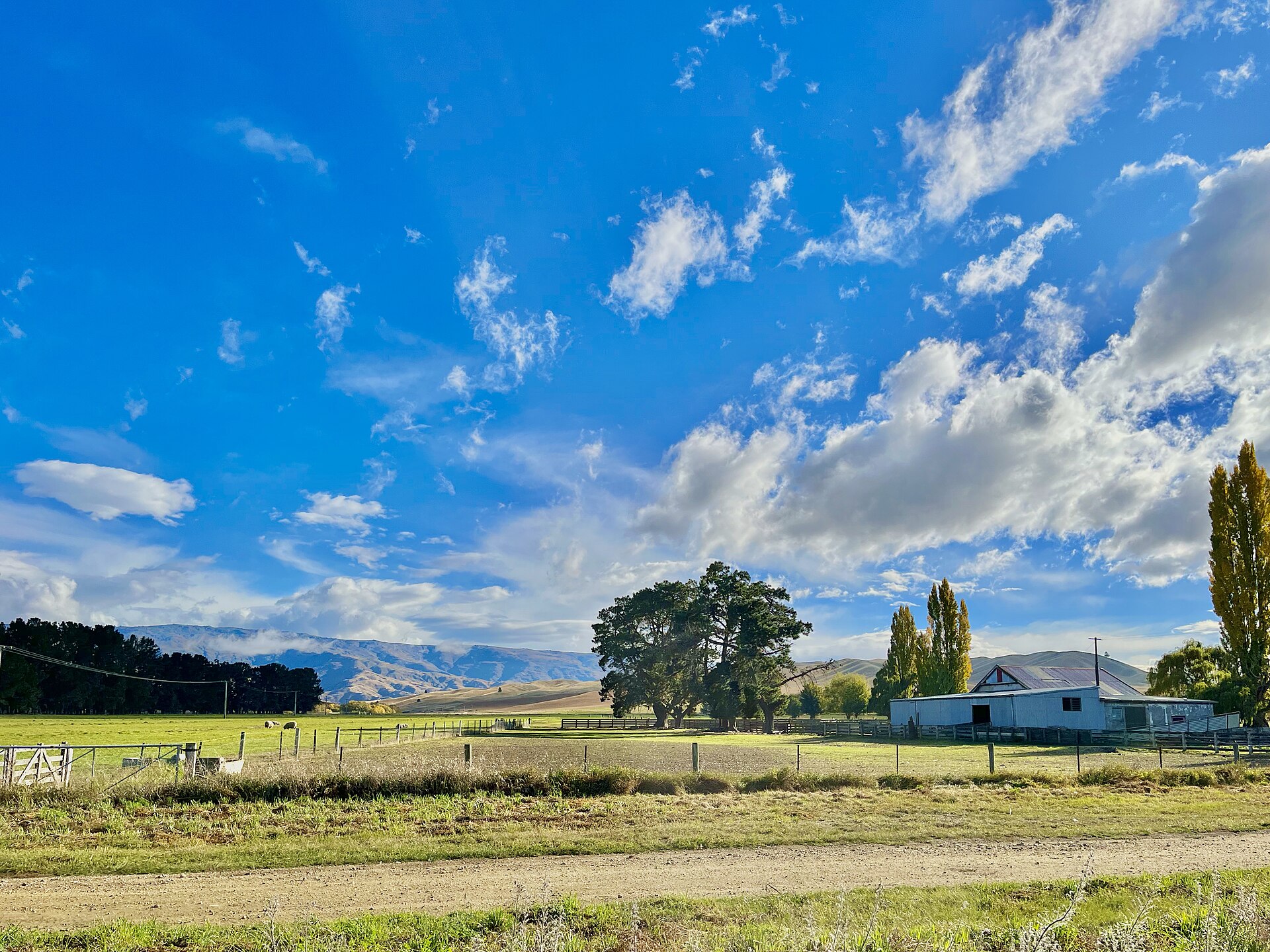
Farmland at Chatto Creek in Central Otago: Farmlands, Chatto Creek, Central Otago, South Island, New Zealand by AnnWoolliams, CC BY-SA 4.0, via Wikimedia Commons.