Auckland Ferries: Routes & Schedules (2026 Guide)
Auckland ferries routes & schedules for 2026: Devonport, Waiheke and Rangitoto fares, AT HOP and contactless rules, timetables and the best scenic trips.

This article contains advertising. Our booking links are routed through a partner that adds commission tracking automatically, so if you book through one we earn a commission from the provider, at no extra cost to you. It never affects what we recommend. Affiliate disclosure
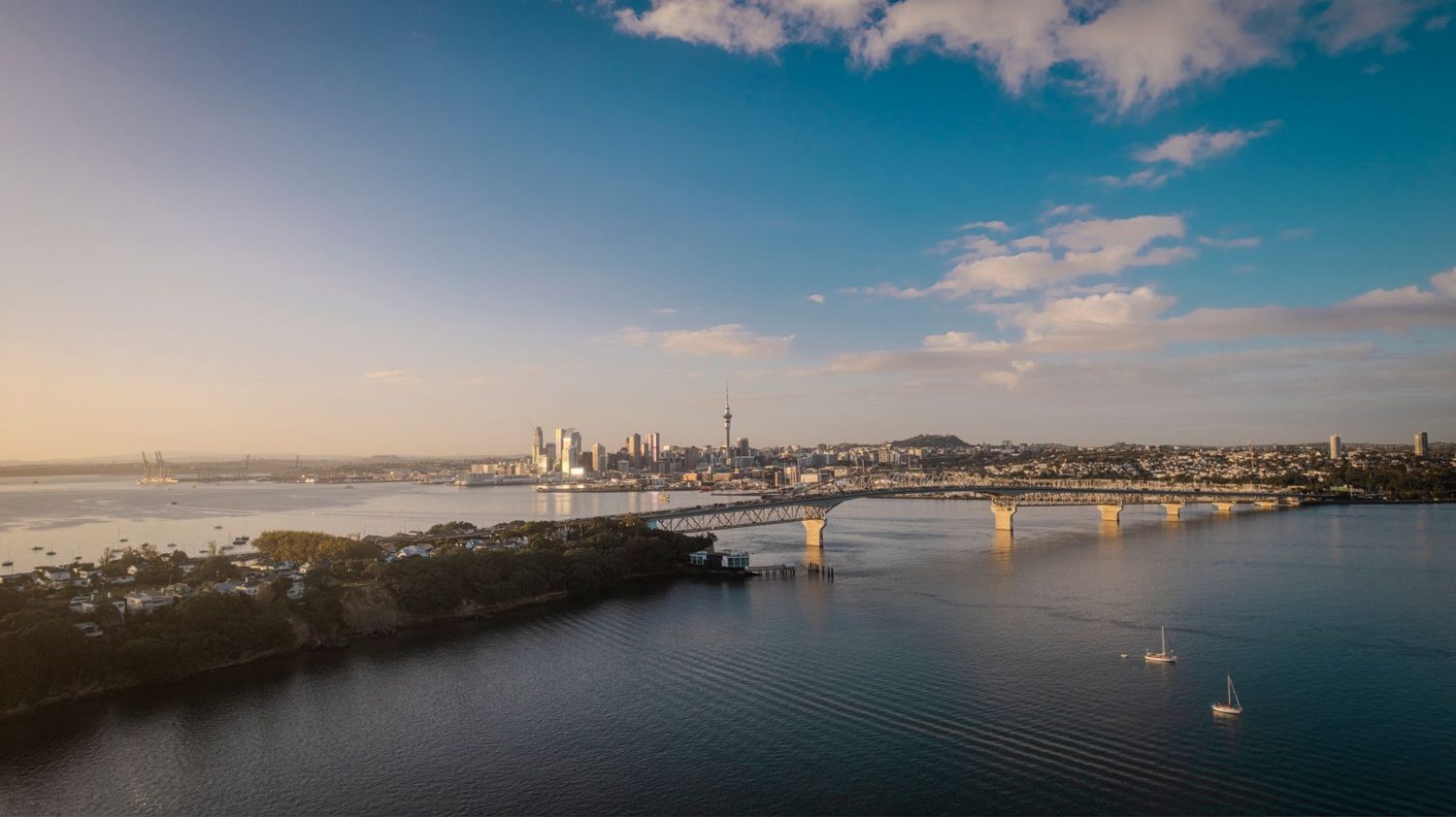
Ask me for the single best-value thing to do in Auckland and I will point you at the harbour. A ferry ticket costs a few dollars, and the views across the Waitemata are the kind you would otherwise pay a tour boat for.
Auckland ferries run from the Downtown Ferry Terminal on Quay Street to Devonport, Waiheke Island, Rangitoto and a spread of harbour suburbs. Inner-harbour trips cost around NZ$8 with an AT HOP card or contactless tap; island runs like Waiheke and Rangitoto are commercial services with their own tickets. This guide walks through every route, how to pay, and where to find live schedules.
Auckland ferries at a glance
Fares changed in early 2026, so here is the current shape of things. Treat these as a planning guide and confirm the exact fare and timetable on the day, because both do shift.
| Route | Crossing | Approx adult fare | HOP / contactless? |
|---|---|---|---|
| Devonport | About 12 min | Around NZ$8 one way | Yes |
| Bayswater | About 15 min | Around NZ$8 one way | Yes |
| Birkenhead / Northcote Point | About 15 min | Around NZ$8 one way | Yes |
| Half Moon Bay | About 35 min | Around NZ$11 one way | Yes |
| Waiheke Island | About 40 min | From NZ$48.50 return off-peak; NZ$65 walk-up | No |
| Rangitoto Island | About 25 min | NZ$60 return | No |
The ferry is only one piece of the city’s transport puzzle. For the full picture, including buses, trains and the HOP card, start with our Getting Around Auckland: The Complete 2026 Transport Guide.
The Auckland ferry network: how it works
Auckland Transport (AT) owns the ferry system and sets most of the routes, while Fullers360 is the main operator running the boats, alongside Island Direct on the Waiheke run. Almost everything departs from the Auckland Downtown Ferry Terminal on Quay Street, right by Waitematā Station (Britomart) and an easy five-minute walk from the trains and city buses.
The terminal is split across several piers, each serving different destinations, with real-time departure screens throughout and HOP readers at the gates. There are cafes, restrooms and an AT customer service desk on site, so it is a comfortable place to wait.
A quick word on fares in 2026
Auckland’s public transport fares were adjusted from 1 February 2026, so any older guide you read may quote slightly different numbers. Throughout this article I have hedged prices with “around” for that reason. For the exact current fare on your date, check the AT website or the Fullers360 site before you travel.
Auckland ferry routes and schedules
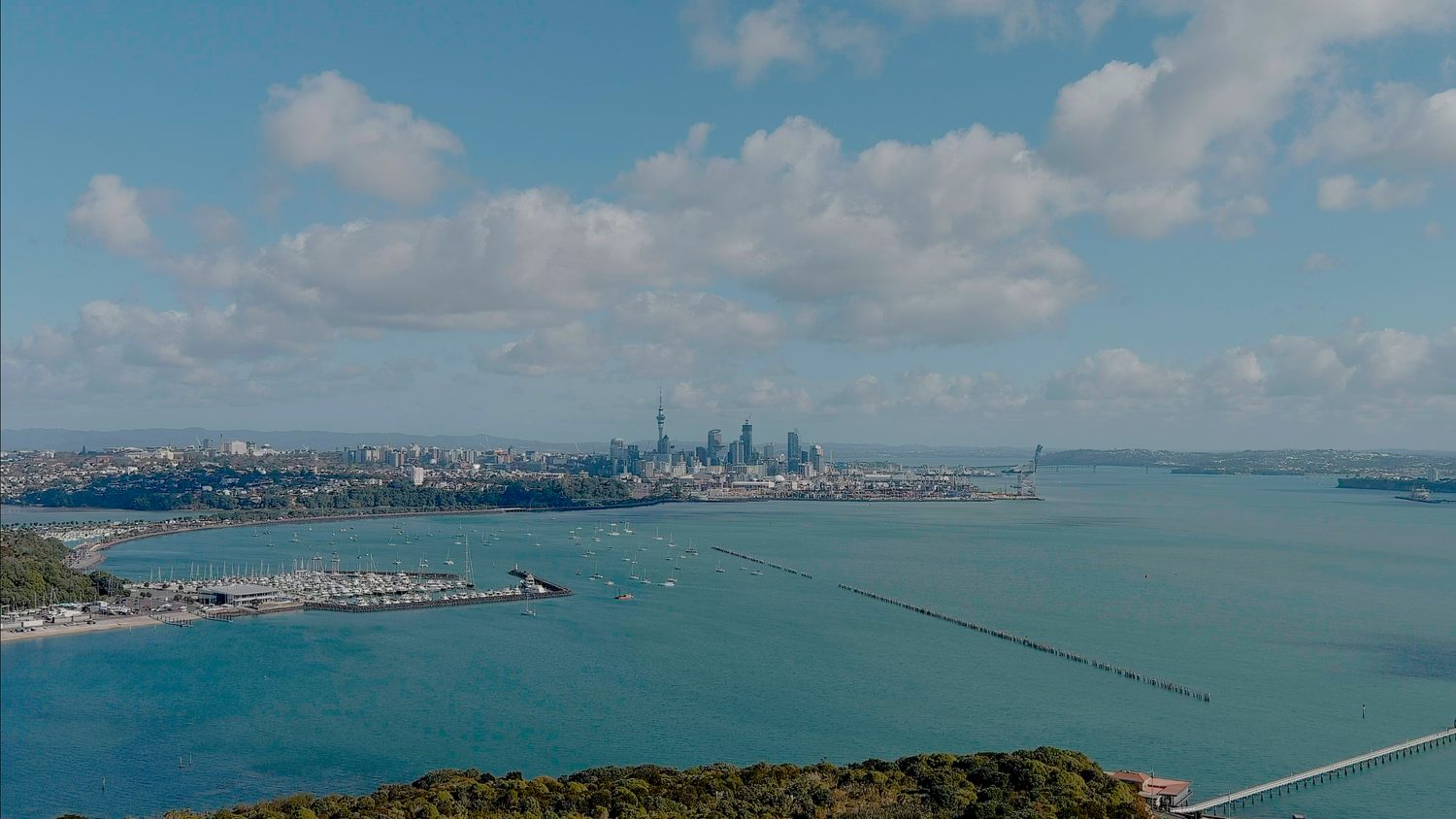
Here is the rundown of the routes you are most likely to use, from the tourist favourites to the commuter runs.
Devonport ferry (about 12 minutes)
This is the classic Auckland ferry trip and the one I send every first-time visitor on. The crossing takes about 12 minutes to Devonport, a pretty seaside suburb of Victorian timber shopfronts, fish-and-chip shops, and two volcanic cones, North Head and Mount Victoria, both easy to climb for a view back over the city.
- Frequency: roughly every 15 to 30 minutes, from early morning to late evening.
- Adult fare: around NZ$8 one way with HOP or contactless.
- Operator: AT and Fullers360.
It is a short hop, but the harbour views on the way over are the real draw. Sit on the right-hand side heading out for the best angle on the city skyline.
Waiheke Island ferry (about 40 minutes)
Waiheke is Auckland’s wine-and-beach island in the Hauraki Gulf, and it has two competing ferry operators, which is good news for choice.
- Fullers360 — the long-running service, a roughly 40-minute crossing, running hourly to half-hourly at busy times. Adult fares start from NZ$48.50 return for off-peak sailings departing Auckland from 1pm, with walk-up returns at NZ$65. Children often travel free with a paying adult, and family fares are available.
- Island Direct — the newer competitor on a similar route and price, with its own tickets and passes.
- Vehicle ferry (Sealink) — runs from Half Moon Bay to Kennedy Point on Waiheke, taking about 45 minutes, for when you want to bring a car, though if you are renting a car in Auckland it is usually cheaper on a day trip to leave it on the mainland and walk on.
Two things to know before you go. First, HOP cards and contactless payment are not accepted on the Fullers360 Waiheke service, so you buy a ticket directly from the operator. Second, in summer the sailings fill up, so book your return leg in advance rather than turning up and hoping.
Once you land, our Waiheke Island Day Trip from Auckland: Complete 2026 Guide covers the vineyards, beaches and how to get around the island itself.
Rangitoto Island ferry (about 25 minutes)
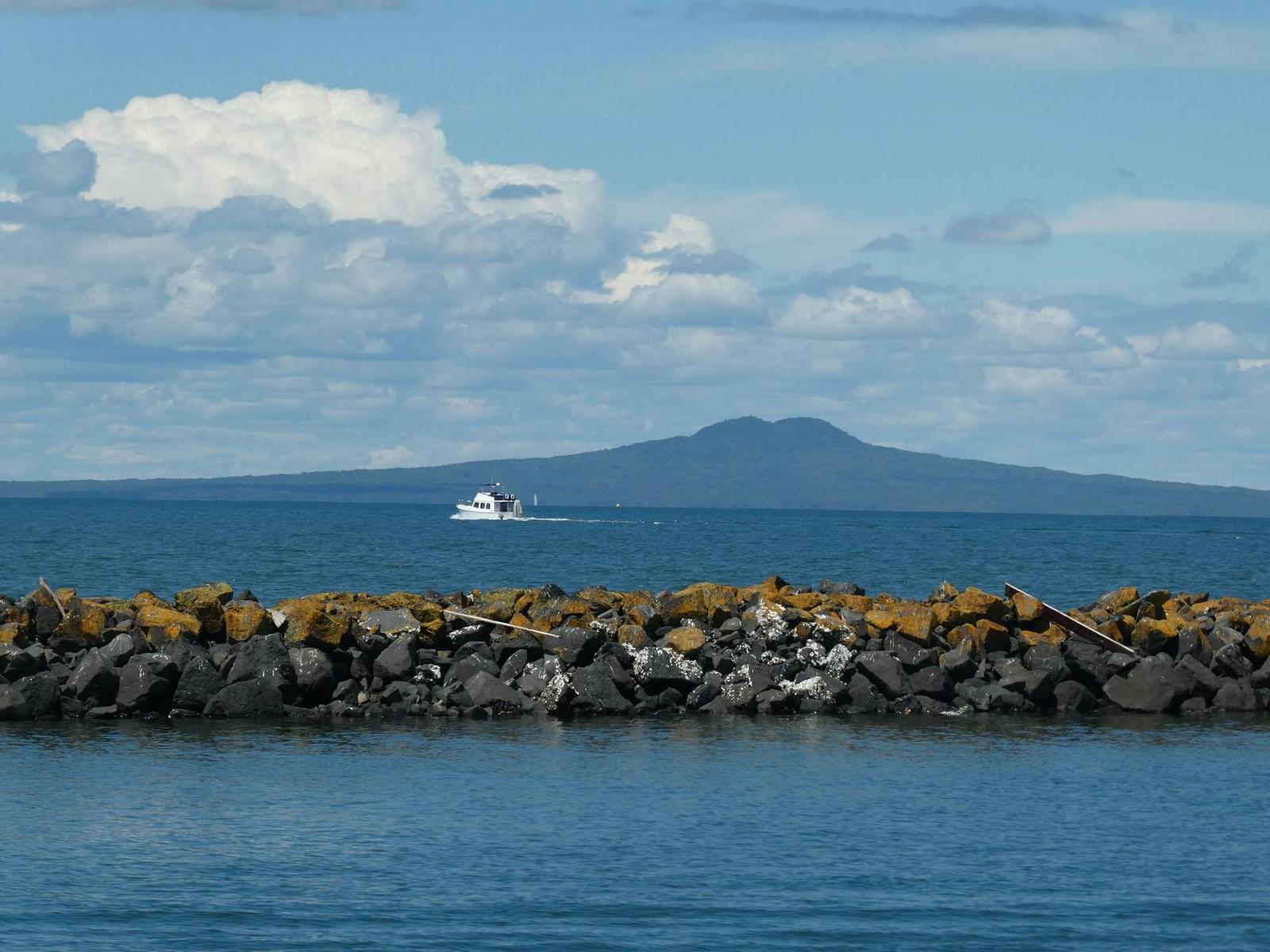
Rangitoto is the symmetrical volcanic cone that defines Auckland’s harbour skyline, and it erupted only around 600 years ago. Fullers360 runs the ferry, taking about 25 minutes each way.
- Adult return: NZ$60.
- Child return: around NZ$22.
- Payment: HOP not accepted; buy directly from Fullers360.
- Frequency: a handful of sailings a day, more in peak season.
Rangitoto is a pest-free Department of Conservation island. Allow four to five hours: cross over, walk to the summit (about 60 to 75 minutes each way), explore the lava caves, and catch a ferry back. Take water, sturdy shoes and everything you need, because there are no shops on the island.
Bayswater, Birkenhead and Northcote Point (about 15 minutes)
These are the inner-harbour North Shore runs, mostly used by commuters but perfectly pleasant for a short scenic loop. Birkenhead sits near the historic Chelsea Sugar Factory and its parkland.
- Adult fare: around NZ$8 one way with HOP or contactless.
- Frequency: every 30 minutes or so at peak, thinning out off-peak and on weekends.
Half Moon Bay and Pine Harbour (about 35 to 40 minutes)
These serve the eastern suburbs and Beachlands. Half Moon Bay is handy for Bucklands Beach, and Pine Harbour is a longer commuter run out east.
- Adult fare: around NZ$11 one way with HOP or contactless.
- Frequency: roughly hourly, weighted to commuter peaks.
Gulf Harbour and the outer Hauraki Gulf
Gulf Harbour on the Whangaparaoa Peninsula has a limited commuter ferry. Beyond that, less frequent services reach some special corners of the Gulf:
- Tiritiri Matangi — a pest-free open bird sanctuary about 80 minutes from the city, home to rare natives like takahe, kokako and hihi.
- Motutapu Island — joined to Rangitoto by a causeway, so you can combine the two.
- Rotoroa Island — a small, quiet Gulf island with beaches and walks.
- Great Barrier Island — a long crossing of several hours, with infrequent sailings.
How to pay: HOP card, contactless and cash
Getting the payment right saves you money and hassle, so it is worth two minutes of your time before you tap on.
The AT HOP card
The AT HOP card is a reusable smartcard (around NZ$5 to buy) that works on Auckland buses, trains and most ferries. It is cheaper than paper tickets and unlocks the fare caps described below. You can top it up at AT customer service centres, train station machines, many supermarkets and dairies, and through the AT mobile app.
Contactless tap
On most ferry routes you can now simply tap a Visa or Mastercard, or Apple Pay or Google Pay, at the gate, and pay the same fare as a HOP card. This is the easiest option for visitors who do not want to buy a card. The big exceptions are the Fullers360 Waiheke service and a couple of other commercial routes, where contactless is not accepted and you buy a direct ticket instead.
Cash and paper tickets
Paper tickets are sold at the terminal but cost noticeably more, roughly NZ$12 on an inner-harbour route where HOP or contactless is around NZ$8. They are rarely worth it unless you are making a single one-off trip and have no card.
Fare caps and discounts worth knowing
This is where regular ferry use gets cheap. Auckland runs daily and weekly fare caps on inner-harbour ferries when you pay with HOP or contactless, and those trips count together with your bus and train fares.
- Daily cap (contactless): around NZ$20. Once you hit it in a day across bus, train and inner-harbour ferry, further travel that day is free.
- Weekly cap (HOP): around NZ$50 over a seven-day period. After that, travel is free for the rest of the week.
- Free transfers: HOP gives you free transfers between bus, train and ferry within about 30 minutes, so a train into Waitematā Station plus a ferry to Devonport can count as one linked journey.
Note that these caps apply to inner-harbour ferries only. Waiheke and Rangitoto are commercial routes and sit outside the capping system. For a deeper look at the card, our Auckland Public Transport & AT HOP Card: A Tourist’s Guide (2026) is the companion piece.
Understanding Waiheke ferry fares
Waiheke is the route that confuses most visitors, because it does not behave like the rest of the network, so it is worth its own explanation. It is a commercial service, which means no HOP, no contactless on the Fullers360 boats, and no fare caps. You buy a ticket from the operator, and the price depends on when you travel.
- Off-peak returns are cheaper. Adult return fares start from NZ$48.50 when you depart Auckland from 1pm, which is the value sweet spot if your day is flexible.
- Walk-up and peak fares cost more. A standard walk-up adult return is NZ$65, so booking ahead and travelling off-peak genuinely saves money.
- Kids can travel free. Children often ride free with a full-paying adult on the Waiheke service, and family fares are available, which softens the cost for groups.
- Two operators, two ticketing systems. Fullers360 and Island Direct each sell their own tickets and passes, and a pass from one is not valid on the other, so pick a lane and stick with it for the day.
If you plan to hop on and off around the island, factor in that the ferry fare is separate from getting around Waiheke itself. Our Waiheke Island Day Trip from Auckland: Complete 2026 Guide covers the island bus, hop-on-hop-off options and taxis so you can budget the whole day.
Best Auckland ferry trips for sightseeing
If you are here to enjoy the harbour rather than commute, these are the trips I would prioritise.
Devonport round trip (best half-day)
Take the 12-minute crossing, wander to the historic clock tower, grab fish and chips on the wharf, climb Mount Victoria for a panorama, and ferry back. Budget three to four hours and around NZ$16 return per adult. It is the best-value outing in the city.
Waiheke Island day out
Auckland’s premier day trip. Ferry across in about 40 minutes, spend the day among vineyards, beaches and art, and catch an evening boat home. Allow a full eight to ten hours to do it justice.
Rangitoto volcano hike
The active-feeling volcanic day trip. Ferry across, hike to the summit for a sweeping view over the Gulf, poke around the lava caves, and return. Allow four to five hours and come prepared, as there are no facilities.
Tiritiri Matangi bird sanctuary
For nature lovers, this open sanctuary is special, with rare native birds you will struggle to see elsewhere. The ferry runs on limited days, so check the schedule and book ahead, and set aside a full day.
The Downtown Ferry Terminal, pier by pier
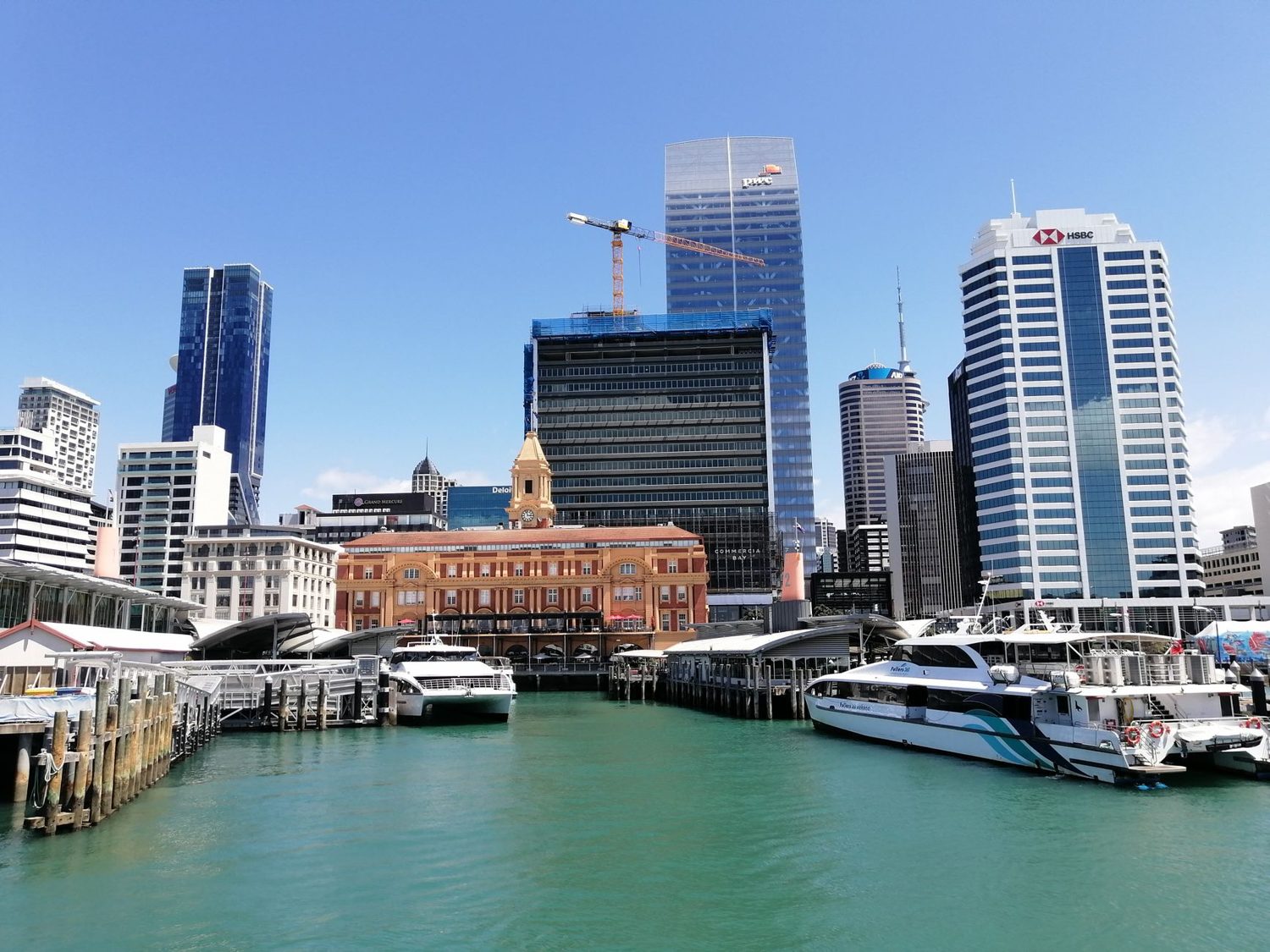
The terminal is organised across several piers, and knowing roughly where your boat leaves from saves a last-minute scramble. Pier assignments can change, so always confirm against the live departure boards on the day.
- Devonport — the most frequent service, usually from the main pier closest to the terminal building.
- Inner-harbour North Shore — Bayswater, Birkenhead and Northcote Point.
- Eastern suburbs — Half Moon Bay and Pine Harbour.
- Waiheke — Fullers360 fast ferry, plus Island Direct from its own berth.
- Hauraki Gulf islands — Rangitoto and Tiritiri Matangi services.
Real-time boards line the concourse, and staff at the AT service desk can point you to the right pier if you are unsure.
Accessibility, luggage and what to expect onboard
Auckland’s ferries are an easy way to travel even if you have mobility needs, bags or little ones in tow, though the details vary by boat and by pier.
Accessibility
The Downtown Ferry Terminal has step-free access, and most modern vessels can take wheelchairs, though boarding ramps shift with the tide and some older boats or smaller piers are trickier than others. If you have specific access needs, it is worth contacting Auckland Transport or Fullers360 ahead of time so staff can help you board. Assistance dogs are welcome across the network.
Luggage and airport connections
There is no dedicated baggage hold, but you can bring suitcases aboard and stow them near the doors or in luggage racks where fitted. That makes the ferry a realistic option if you are staying on Devonport or Waiheke and arriving from the airport, though you will need to connect from the airport into the city first. Our Auckland Airport to CBD: All Transfer Options (2026 Guide) lays out how to reach the terminal with bags.
Onboard comfort
Most ferries have both indoor seating and open-air decks, and larger boats sell coffee, snacks and drinks on the longer Gulf crossings. On a fine day I always head for the top deck; on a cold or wet one, the heated cabin is the place to be. Crossings can get choppy in a stiff wind, so if you are prone to seasickness, sit low and central and keep your eyes on the horizon.
Where to find live schedules
Timetables change with the season and the day of the week, so check a live source rather than relying on a printed table.
- fullers.co.nz — full timetables, online booking and real-time departures for Fullers360 routes.
- at.govt.nz — Auckland Transport’s journey planner, fares and HOP information.
- AT Mobile app — live tracking for every AT service, including ferries.
- Google Maps — solid for journey planning, as it pulls in AT data.
- ferrytimetable.co.nz — a handy third-party site collating Auckland ferry times.
Practical ferry tips for visitors
A handful of small things that make ferry days smoother:
- Get a HOP card if you will ride more than twice, or just tap contactless on the routes that allow it. Both beat buying paper tickets each time.
- Pick your side for the views. On the Devonport run, sit on the right heading out for the skyline and the left coming back toward the Sky Tower.
- Book Waiheke returns in summer. Weekend sailings sell out, and you do not want to be stranded on the island at dusk.
- Bikes travel free on AT-operated ferries, and prams and pushchairs are easy to bring aboard.
- Pets on a lead are welcome on most inner-harbour services.
- Eat at Devonport. The wharf fish-and-chip shops are a genuine Auckland institution.
Saving money on Auckland ferries
Ferries are already cheap, but a few habits keep the cost down further, especially if you are here for several days.
- Lean on the fare caps. On a big sightseeing day mixing trains, buses and inner-harbour ferries, the daily contactless cap of around NZ$20 means you stop paying once you hit it. Plan your busiest travel days back to back to make the caps work for you.
- Travel off-peak where you can. HOP off-peak fares carry a small discount outside the morning and evening rush, and on Waiheke the off-peak return is markedly cheaper than a walk-up.
- Use free transfers. Chaining a train or bus to a ferry within about 30 minutes on HOP counts as one journey, so you are not paying twice to reach the terminal.
- Skip paper tickets. They cost roughly a third more than tapping on, so a HOP card pays for itself within a couple of trips.
- Bring your own bike. Bikes travel free on AT ferries, which turns a cheap crossing into a low-cost way to explore Devonport or the North Shore on two wheels.
For the full menu of passes, concessions and how the capping interacts across modes, our Auckland Public Transport & AT HOP Card: A Tourist’s Guide (2026) goes into the fine detail.
Combining ferries with the rest of Auckland transport
Because HOP gives you free transfers within about 30 minutes, ferries slot neatly into a wider journey. You might take a train from your accommodation into Waitematā Station, walk five minutes to the terminal, and continue to Devonport on one linked fare.
If you want to see how the ferries connect to the rest of the system, our guides to Auckland Trains Guide: Lines, Fares & Stations (2026) and Auckland Buses for Tourists: Best Routes & Tips (2026) cover the other two legs. Arriving fresh off a flight? Our Auckland Airport to CBD: All Transfer Options (2026 Guide) gets you into the city to begin with.
Ferries in bad weather
Auckland ferries run year-round in most conditions, but the weather does occasionally win. High winds can cancel the exposed Hauraki Gulf sailings, and severe storms can suspend even the sheltered inner-harbour runs. Check the AT app or Fullers360 for real-time alerts before you set out, and if a booked Waiheke ferry is cancelled, refunds are generally handled automatically.
Using ferries to reach day trips and beaches
The ferry network is also your springboard to some of the region’s best days out. Waiheke and Rangitoto are day trips in their own right, and the harbour beaches on the North Shore are an easy hop across the water, while the west-coast surf beaches need a car and a quick read of our guide to driving in Auckland first.
For the wider set of escapes, our roundup of the 25 Best Day Trips from Auckland in 2026 (With or Without a Car) shows which ones you can reach without driving, and the Auckland Beaches & Outdoor Adventures: The Complete 2026 Guide maps out where to swim once you land. To pull your whole itinerary together, the Auckland Travel Guide 2026: The Complete Visitor’s Handbook and the 65 Best Things to Do in Auckland (2026): An Insider’s Guide are the best starting points.
Frequently Asked Questions
How much does the Auckland ferry cost?
Inner-harbour trips to Devonport, Bayswater, Birkenhead and Northcote Point cost around NZ$8 one way with an AT HOP card or contactless tap, or about NZ$12 for a paper ticket. Longer runs like Half Moon Bay are around NZ$11. Waiheke and Rangitoto are commercial routes with separate tickets. Fares changed in early 2026, so confirm the current price before you travel.
Can I use my AT HOP card on all Auckland ferries?
Not quite. HOP works on the inner-harbour routes such as Devonport, Bayswater and Birkenhead, but it is not accepted on the Fullers360 Waiheke service or the Rangitoto ferry, which are commercial routes needing a direct ticket. Contactless card and phone payments work on most routes too, with the same Waiheke exception, so check before you tap.
How often do Auckland ferries run?
It depends on the route. The Devonport ferry is the most frequent, roughly every 15 to 30 minutes through the day. Inner-harbour North Shore services run about every 30 minutes at peak and less often off-peak. Island services like Waiheke and Rangitoto run several times a day, with more sailings in summer. Always check the live timetable for your date.
Which Auckland ferry has the best views?
For a short, cheap trip, the Devonport ferry serves up the classic city-skyline view across the Waitemata, especially from the right-hand side heading out. For a longer scenic ride, the Waiheke and Rangitoto crossings take you deeper into the Hauraki Gulf past islands and volcanic cones. All three are lovely on a clear day.
Do I need to book Auckland ferries in advance?
For inner-harbour routes like Devonport, no; just tap on and go. For Waiheke, booking ahead is wise in summer and on weekends, when sailings sell out, and it is worth reserving your return leg too. Rangitoto and the outer Gulf islands run limited sailings, so booking ahead is sensible there as well to guarantee a spot.
Final thoughts
Auckland’s ferries are equal parts practical transport and genuine highlight, and you would be missing something if you left without riding at least one. Grab a HOP card or ready your contactless, pick a clear day, and take the Devonport crossing for starters. From there the whole Hauraki Gulf, Waiheke, Rangitoto and beyond, opens up from a single terminal at the foot of the city.
Last updated: July 2026. Written by the Auckland Tourism Guide team.
Photo credits
- Photo: New Zealand via Pexels
- Photo: New Zealand via Pexels
- Photo: Christopher Solly via Pexels
- Photo: Ollie Craig via Pexels