Auckland Neighborhoods Guide 2026: Where to Stay, Eat & Explore
An in-depth Auckland neighborhoods guide to the CBD, Ponsonby, Parnell, Devonport, K Road and more, with each area's vibe, top sights and where to stay.

This article contains advertising. Our booking links are routed through a partner that adds commission tracking automatically, so if you book through one we earn a commission from the provider, at no extra cost to you. It never affects what we recommend. Affiliate disclosure
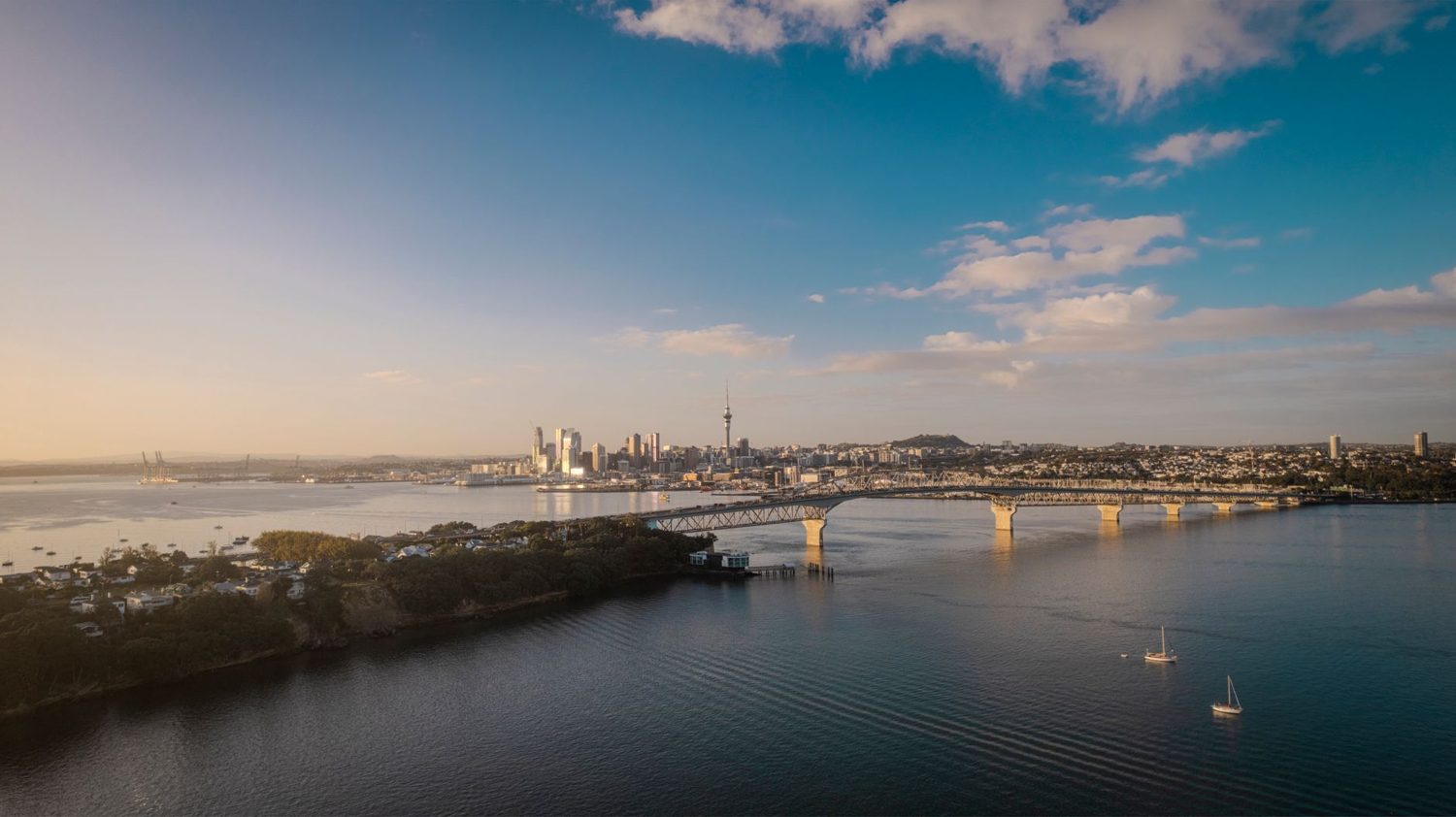
Auckland is not a city you experience from one address. It is an isthmus — a thin neck of land pinched between two harbours, punched full of holes by around fifty volcanoes, and, as of this year, finally stitched together underneath by a new rail tunnel. So where you sleep, where you get your morning coffee, and where you end up on a wet afternoon are all, quietly, neighbourhood decisions. Get the base right and the city opens up on foot and by ferry. Get it wrong and you spend half the trip watching the meter tick over in traffic.
Here is the short version. For a first visit of two to four nights, base yourself in the central city or Britomart and let the ferries, trains and a short walk do the rest. Foodies gravitate to Ponsonby, night owls to Karangahape Road, families to the beach suburbs of Takapuna or Mission Bay, and romantics to Devonport across the water. This Auckland neighborhoods guide walks through each area so you can pick with confidence.
Below I break down what every major area actually feels like, who should stay there, what to eat and see, and how it all connects now that the City Rail Link has rewired the middle of town. I have lived with and around these suburbs, and I will tell you which ones to skip after dark, which to save for a cruise-ship day, and which are worth a whole week.
Auckland’s neighbourhoods at a glance
Start here. This table is the cheat sheet — scan it, find the two or three areas that match your trip, then read those sections in full below.
| Neighbourhood | Known for | Vibe | Who it suits |
|---|---|---|---|
| Central City (CBD) | Sky Tower, Queen Street, ferries | Compact, busy downtown | First-timers, short stays, no car |
| Britomart & Viaduct | Waterfront dining, design shops | Polished, upmarket | Couples, cruise arrivals, foodies |
| Wynyard Quarter | Silo Park, playgrounds, fish market | Open, family-friendly waterfront | Families, summer visitors |
| Ponsonby & Grey Lynn | Cafes, boutiques, villa streets | Trendy, walkable, leafy | Foodies, longer stays, LGBTQ+ travellers |
| Karangahape Road (K Road) | Bars, live music, vintage | Edgy, creative, late | Nightlife and music fans |
| Parnell | Museum, heritage, fine dining | Quiet, older, refined | Culture lovers, calmer stays |
| Newmarket | Shopping, cinemas | Corporate, convenient | Shoppers, value on hotels |
| Mt Eden & Kingsland | Volcano summit, Eden Park, coffee | Village calm near town | Sports fans, families, couples |
| Devonport | Ferry village, beaches, views | Seaside, small-scale | Couples, romantic weekends |
| Takapuna & North Shore bays | Beaches, farmers’ market | Relaxed beach town | Families, beach lovers |
| Mission Bay & eastern bays | Waterfront strip, aquarium | Breezy, active | Runners, families, day-trippers |
How Auckland fits together (and why it matters)
Auckland sits on the Tamaki Isthmus, with the Waitemata Harbour to the north and the Manukau Harbour to the south. The central city — the part most visitors ever see — is only about four kilometres across at its narrowest. That geography is why Aucklanders are obsessed with bridges, ferries and tunnels, and it is why the arrival of the City Rail Link this year matters so much for how you get around.
For planning, think of the city in a few loose rings. The innermost is the central core: the CBD, Britomart, Viaduct Harbour and Wynyard Quarter, all walkable to each other. Around that sits a ring of inner suburbs you can reach in minutes — Ponsonby, K Road, Grey Lynn, Parnell, Newmarket and Eden Terrace. Beyond them is the volcanic belt of Mount Eden, Kingsland and Sandringham, then the Tamaki Drive bays running east, and the lower North Shore reached by ferry or the harbour bridge. Most first-time visitors spend nearly all their time in those first few rings, which is where this guide keeps its focus. For a broader orientation before you arrive, our Auckland Travel Guide 2026: The Complete Visitor’s Handbook covers the wider region and trip logistics.
The City Rail Link has changed how you move
Until recently, Auckland’s rail network was a dead end. Every train into the downtown Britomart terminus had to reverse back out through the same tunnel, which kept trains slow and infrequent. The City Rail Link fixes that with a 3.45 km twin-tunnel line beneath the city centre and a set of new underground stations, and it is opening across 2026. The difference for a visitor is large.
The new central stations are Te Waihorotiu (midtown, around Victoria and Wellesley Streets, near Aotea Square), Karanga-a-Hape (directly under K Road) and Maungawhau (the rebuilt Mount Eden interchange). What used to be a slow walk or a bus stuck in traffic between the waterfront and K Road or Mount Eden becomes a short ride underground. The practical upshot: you can sensibly base yourself downtown and still do morning coffee on K Road, an afternoon summit walk at Mount Eden, and dinner in Kingsland without ever getting in a car.
One honest caveat. This is a brand-new network opening in stages during 2026, so confirm current station openings and timetables on the day rather than assuming everything is live. Our full Getting Around Auckland: The Complete 2026 Transport Guide keeps pace with what is running, along with fares and the AT HOP card you will want for trains, buses and ferries.
Where should you base yourself? The blunt version
Before the neighbourhood-by-neighbourhood tour, here is the quick decision. Find the line that sounds most like your trip.
- First-time visitor, two to four nights — the CBD or Britomart. Everything else is a walk, a train or a ferry away.
- Foodie or boutique traveller — Ponsonby. You walk out of your room and straight into good restaurants.
- Nightlife, live music, LGBTQ+ — K Road (Karangahape Road), now rail-served and still the most characterful strip in town.
- Family with kids — Takapuna, Mission Bay, or the Viaduct and Wynyard Quarter, for beaches, playgrounds and space.
- Romantic weekend — Devonport or the Viaduct. Small-scale, waterfront, easy on foot.
- Budget or hostel — the CBD, for transport access. Skip isolated outer stays that leave you reliant on rideshares.
- Cruise-ship day — stay within the Queens Wharf walking radius, or jump on a ferry to Devonport.
- A week or more — an apartment in Ponsonby, Grey Lynn or Parnell for the village feel.
If accommodation is your main question, our dedicated guide to where to stay in Auckland compares hotels neighbourhood by neighbourhood and price band. What follows is more about the character of each area and how they connect.
Central City (CBD): the default first base
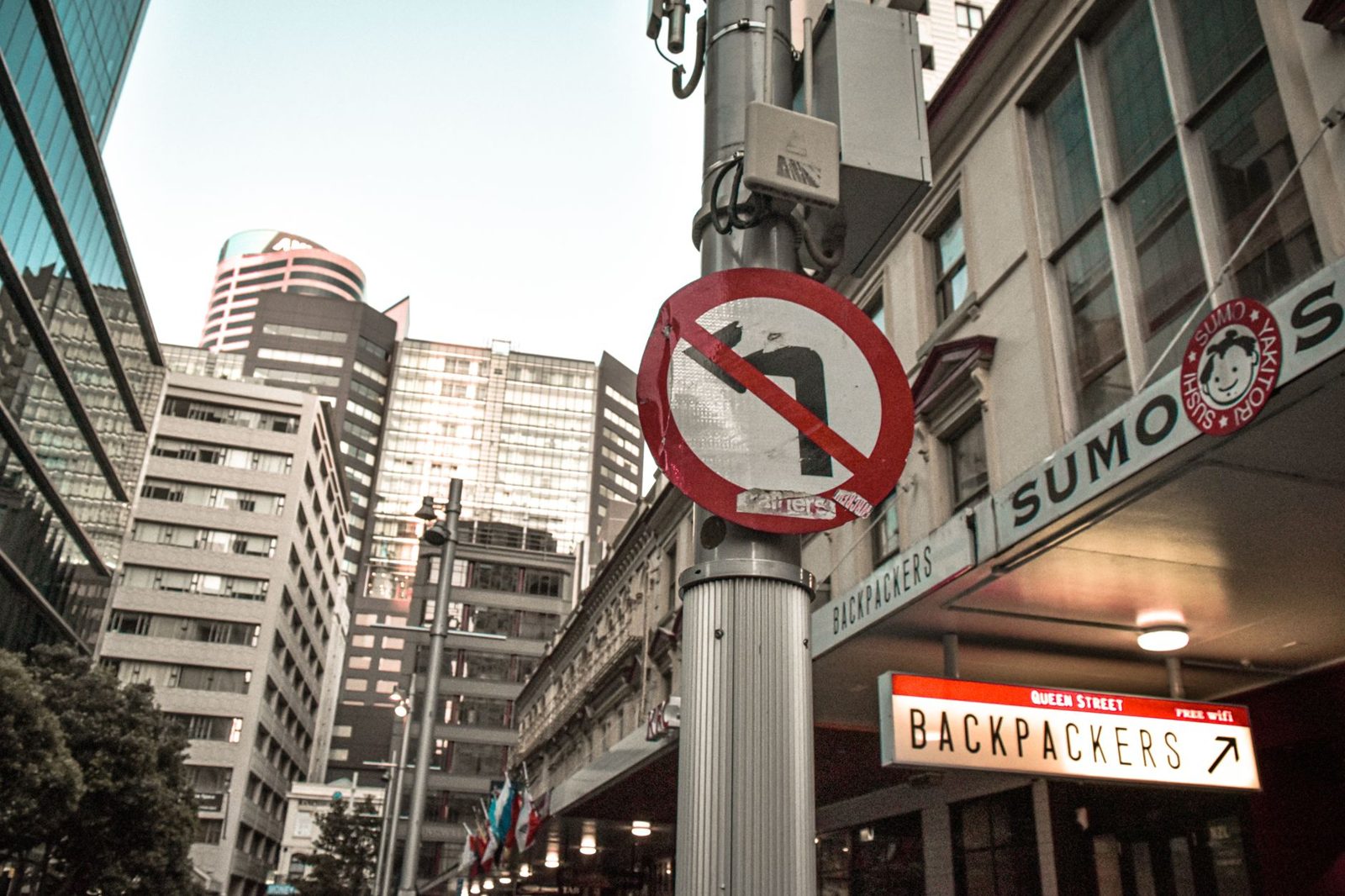
The CBD is a compact downtown that flips character after dark, from office towers by day to bars and late dining by night. It is high-rise, high-energy and, on a Friday, a little chaotic. For most first-time visitors it is the obvious place to land.
Why it works is simple: from a CBD hotel you are a fifteen-minute walk (or a three-minute train) from Britomart, the Viaduct, Wynyard Quarter and K Road, and every major ferry leaves from the downtown terminal at the bottom of Queen Street. The headline sights are here too — the Sky Tower with its SkyWalk and SkyJump, Aotea Square, the Auckland Art Gallery Toi o Tamaki, leafy Albert Park, the historic Civic Theatre, and the pedestrianised upper stretch of Queen Street.
What to do
Ride the Sky Tower lift for the citywide view, spend a rainy hour in the free Auckland Art Gallery, and walk up through Albert Park to the university’s old clock tower. The city holds far more than a single afternoon; our roundup of the 65 best things to do in Auckland is the place to plan the rest, and the deeper Auckland CBD Guide: Precincts, Attractions & Where to Stay (2026) breaks the centre into its sub-precincts.
Where to eat
Cassia does some of the city’s best modern Indian, Cocoro handles Japanese fine dining, and Amano and Depot cover casual bistro cooking well. Andiamo is a reliable breakfast, and The Sugar Club sits near the top of the Sky Tower if you want a view with dinner.
Who it suits
Almost every first-timer, anyone on a short stay, and travellers who would rather not rent a car. Budget travellers do well here too, purely for the transport access.
The honest downsides
The run of Queen Street between Customs and Victoria can feel bleak and a little sparse late at night — not dangerous so much as tired and sometimes rough around the edges. Some of the older mid-range hotel stock is showing its age, and the centre empties out on Sunday mornings before the cafes open.
Britomart, Viaduct Harbour and the polished waterfront
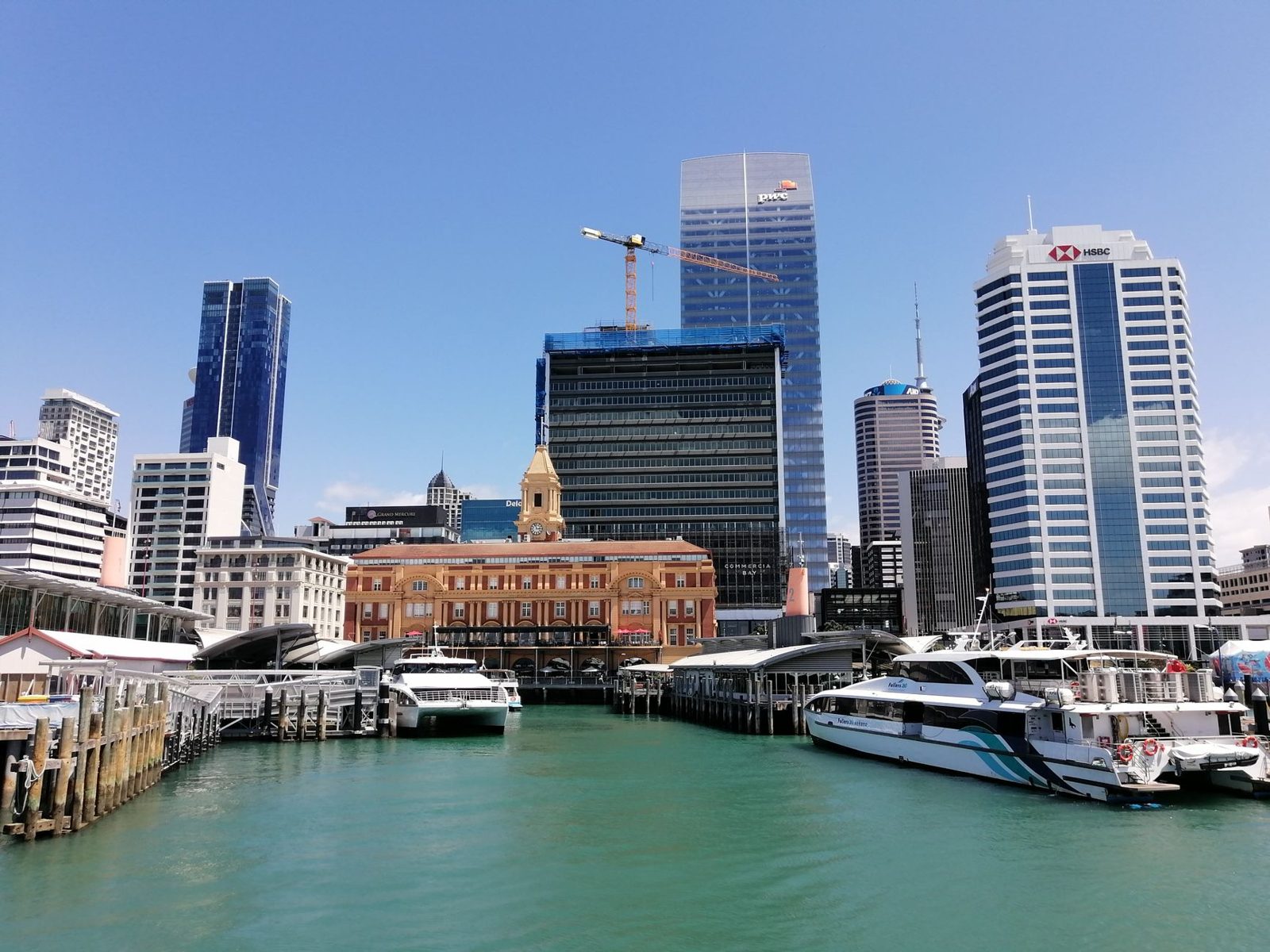
This is the glossy end of town, and it is all about food, drink and the water. Britomart is a restored Edwardian warehouse district that now holds Auckland’s tightest cluster of good restaurants and design shops, wrapped around the downtown transport hub. Five minutes west, the Viaduct is a marina built for the 2000 America’s Cup, ringed with bars, restaurants, superyachts and luxury hotels. The two together are the easiest place in the city to step out of your room and be eating within a minute.
What to do
Browse the boutiques and the Commercial Bay retail centre, walk the marina edge, and time a visit for a weekend when the precinct is at its liveliest. This is also the natural jumping-off point for the harbour — ferries to Waiheke, Rangitoto and Devonport all leave from the wharves a short walk away.
Where to eat and drink
Ortolana and Amano in Britomart are perennials, kingi does excellent sustainable seafood inside Hotel Britomart, and Cafe Hanoi is a long-running favourite for Vietnamese. On the Viaduct, Soul Bar remains the see-and-be-seen spot, with Azabu bringing Japanese-Peruvian plates. For a special meal, The Grove just off Britomart is one of the city’s finest. Much of this ties into our wider Auckland Food & Drink Guide 2026 if you want to eat your way across town.
Where to stay
This is the top tier — Hotel Britomart (New Zealand’s first 5 Green Star hotel), the Park Hyatt Auckland on the Viaduct, QT Auckland, and the Sofitel Viaduct Harbour. All four are excellent and priced accordingly.
Who it suits
Couples, design-minded travellers, and anyone who wants dinner and drinks on their doorstep. If you arrive by cruise ship at Queens Wharf, you are already standing in it.
The honest downsides
It is expensive, and it is exposed. When a southerly blows in off the harbour, the open Viaduct can feel cold and grey. Some streets are dead before 10am on a Sunday.
Wynyard Quarter: the family-friendly waterfront
Over the lifting Wynyard Crossing footbridge from the Viaduct, Wynyard Quarter is the newest piece of Auckland’s waterfront — a former industrial tank farm remade as an open, public-facing playground. It is flatter, breezier and more spread out than the Viaduct, and it is where I would send families.
What to do
Silo Park is the anchor, with a large playground built partly from repurposed industrial pipes, a climbable gantry for a 360-degree view, and, over summer, a free outdoor cinema projected onto the old silos plus a weekend night market of food stalls. Ride the historic Dockline tram loop, wander the public art trail, and pick up seafood at the Auckland Fish Market. The ASB Waterfront Theatre, home of the Auckland Theatre Company, sits here too if you want an evening show.
Where to eat
The North Wharf strip has a run of waterside restaurants and bars, and the Fish Market building has casual seafood counters that suit a relaxed lunch with kids in tow.
Who it suits
Families, and anyone visiting over summer who wants outdoor space on the water. If you are travelling with children, our Auckland with Kids 2026 family travel guide leans hard on this part of town for good reason.
The honest downsides
A few of the newer apartment blocks feel a little sterile, and like the rest of the waterfront it catches the wind. It is more a place to spend a day than a dense dinner-and-bars base.
Ponsonby and Grey Lynn: the cool inner west
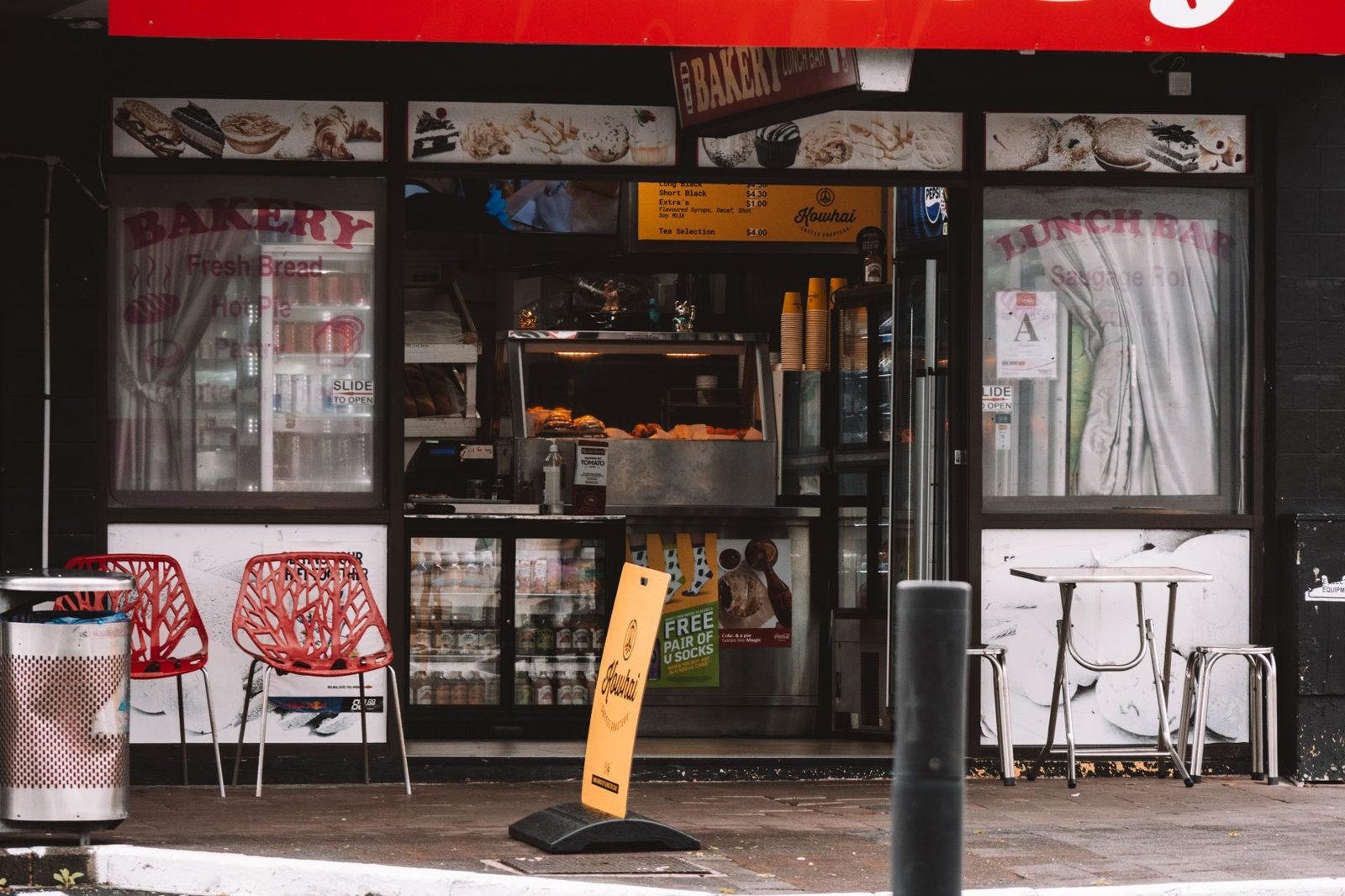
Ponsonby Road is a 1.5 km strip of restored Victorian villas turned into brunch spots, independent boutiques and design studios. It is the neighbourhood that most matches the international idea of a “cool” Auckland suburb — the comparison people reach for is Fitzroy in Melbourne, though with more sun and better hill views. The side streets, and neighbouring Grey Lynn just to the west, are leafy and residential, full of the wooden villas that give the inner west its look.
What to do
Honestly, the activity here is eating, browsing and walking. Ponsonby Central is a courtyard of restaurants and a food hall worth an afternoon on its own. In December, the villas along Franklin Road put on the city’s most famous display of Christmas lights. At the northern end sits Three Lamps; at the southern end, K Road. For the full picture, our Ponsonby Guide: Auckland’s Coolest Neighbourhood (2026) goes street by street.
Where to eat
Orphans Kitchen and SPQR are long-running favourites, Ponsonby Central packs several venues under one roof, and the coffee is genuinely good — Kokako and Espresso Workshop among them. This is also the epicentre of the city’s cafe culture, which spills into the wider Auckland Shopping & Nightlife Guide 2026.
Who it suits
Foodies, boutique travellers, LGBTQ+ visitors (Ponsonby has long been the city’s most openly gay-friendly neighbourhood), and anyone who would rather walk to dinner than sightsee. For a stay of a week or more, an apartment or villa here or in Grey Lynn gives you the closest thing to living like a local.
The honest downsides
Parking is genuinely awful, so factor that in if you are renting a car. Ponsonby is also a short hop from the ferry terminals, so harbour activities mean a quick bus or rideshare back into town first.
Karangahape Road (K Road): edgy, creative and now on the train
K Road runs the ridge that links Ponsonby to the top of the city. For decades it was Auckland’s fringe — dive bars, vintage shops, galleries, strip clubs, political graffiti — and Time Out named it one of the world’s coolest streets in 2022. It is gentrifying fast now, helped along by the new Karanga-a-Hape station opening directly beneath it. Some legacy venues have closed and a wave of new ones has opened, but it remains the most culturally distinctive strip in the city.
What to do
Browse the vintage and record stores by day, gallery-hop, and settle in for the night. This is the heart of Auckland’s live music and LGBTQ+ scene. St Kevin’s Arcade, a heritage shopping arcade, is worth a look for its cafes and the Sky Tower view from the back stairs, and our K Road guide walks the strip end to end, murals and vintage shops included.
Where to eat and drink
Sri Penang is a genuine K Road institution for Malaysian, Bestie in St Kevin’s Arcade does a great weekend brunch, and the bars run the range — Whammy Bar for underground live music, Sly for a speakeasy cocktail behind a hidden door, and Family for a welcoming, long-standing LGBTQ+ night out. Coco’s Cantina is back in its original space and still beloved.
Where to stay
There is not much K Road-specific accommodation. Most visitors sleep in the CBD or Ponsonby and walk, or now take the train, across.
Who it suits
Nightlife seekers, live music fans, vintage hunters, and anyone who finds Ponsonby a touch too polished.
The honest downsides
The far eastern end, towards Upper Queen Street, still has a rough edge in the small hours. If you are walking solo after midnight, stick to the busier western half and grab a cab for the rest.
Parnell: heritage, the museum and a quieter pace
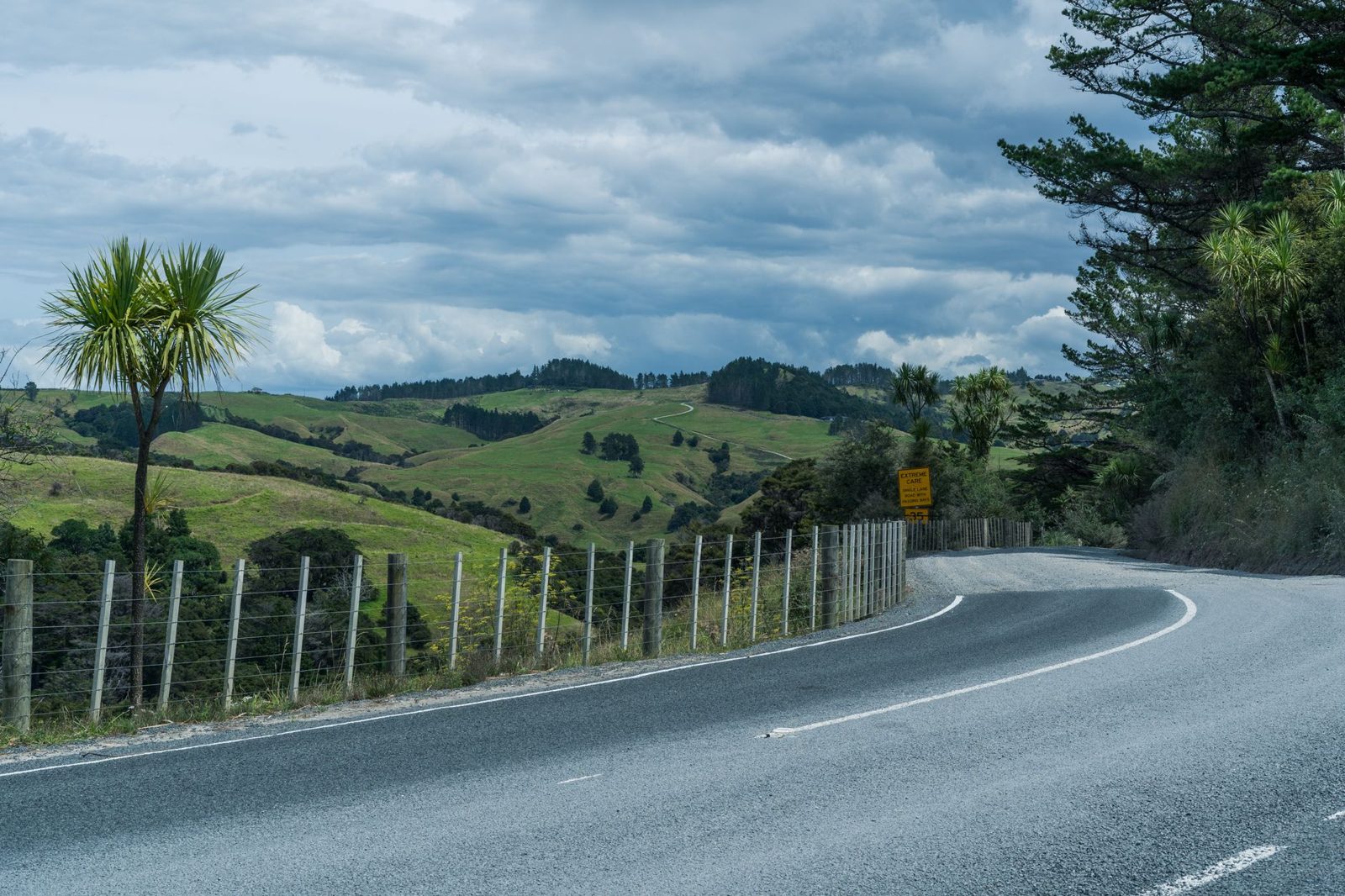
Parnell is Auckland’s oldest suburb, dating to the 1840s, and it reads as a gentler, older-skewing counterpart to Ponsonby. Parnell Road is lined with restored heritage cottages holding antique shops, galleries, cafes and some serious restaurants, and the city’s largest park sits right at its edge.
What to do
The Auckland War Memorial Museum is the anchor, perched on a volcano in the Auckland Domain, with outstanding Maori and Pacific collections and a daily cultural performance. Walk the Domain’s gardens, visit Holy Trinity Cathedral and the Parnell Rose Gardens, and see Kinder House, one of the city’s oldest stone buildings. The museum is also the best single place to begin understanding the region’s first peoples; pair it with our guide to Auckland Maori culture, history and heritage. Our Parnell Auckland Guide: Cafes, Heritage & Parks (2026) has the full local detail.
Where to eat
Paris Butter is one of New Zealand’s most celebrated restaurants if you can get a booking, Non Solo Pizza is a long-running Italian, and La Cigale runs a popular French market on weekends.
Who it suits
Cultural travellers, museum-goers, and anyone who wants a calmer inner-city base without loud late-night bar noise on the street below.
The honest downsides
It is quiet after 9pm, so if you want nightlife you will be catching a rideshare into the city or Ponsonby. The rise from Britomart up to Parnell Road is also a genuine hill.
Newmarket: shopping and easy value
Newmarket is Auckland’s main shopping suburb. The Westfield Newmarket centre, Nuffield Street and Broadway form a dense commercial belt with the major international brands, the Rialto arthouse cinema, and a cluster of restaurants. It has less heritage than Parnell and less indie character than Ponsonby, but it is efficient and well connected.
What to do
Shop, mostly — this is the retail heart of the city. It is also a short walk to the Domain and Museum, and close to Eden Park, which makes it a sensible base on a match weekend.
Where to eat
The French Cafe nearby is a fine-dining landmark, Teed Street Larder is a solid coffee stop, and there is a good spread of casual dining around Teed and Nuffield Streets. Our Newmarket Auckland: Shopping, Dining & Hotels Guide (2026) covers where to stay and eat in detail. Our Britomart Auckland guide covers this in more depth.
Who it suits
Shoppers, and travellers who want good transport and easy access to the Domain and Eden Park without paying central-city room rates.
The honest downsides
It can feel corporate outside business hours, and it is not the place to come looking for indie atmosphere.
Mount Eden, Kingsland and the volcanic belt
South of the centre, the land rises into a belt of grassy volcanic cones, and the suburbs built around them have a distinct village calm. Mount Eden Village, along Mount Eden Road, is small, leafy and family-friendly, anchored by Maungawhau itself — the highest natural point in central Auckland, with 360-degree views and a dramatic crater at the summit. Kingsland, one suburb west, is the craft-beer-and-brunch strip, with Eden Park, the country’s largest stadium, on its edge. Eden Terrace, in between, is quietly home to some of the city’s best specialty coffee and is now rail-served via the Maungawhau station.
What to do
Walk up Maungawhau for the finest volcanic-crater view in the city — access is on foot, and visitors are asked not to walk into the crater itself, which is a sacred Maori site. Catch a match or concert at Eden Park, and settle into the Kingsland cafes and bars afterwards. Our Mt Eden Village Guide: Cafes, Shops & Hotels (2026) has the local run-down.
Where to eat and drink
Galbraith’s Alehouse in Mount Eden is Auckland’s oldest craft brewery and a proper English-style alehouse, Odettes in Eden Terrace is a smart all-day spot, and Brothers Beer anchors the Kingsland craft scene.
Who it suits
Sports fans on an Eden Park weekend, families, and couples who want a village feel fifteen minutes from downtown.
The honest downsides
Eden Park match days bring real traffic to Kingsland, so plan around them if you are not there for the game.
Devonport: the ferry village across the water
Twelve minutes across the harbour by ferry, Devonport is the easiest half-day trip any visitor can take, and one of the most rewarding places to base a quiet couple of nights. It is a Victorian seaside town and former naval base, with restored wooden villas, bookshops, cafes, and two small volcanoes that hand you the best free view of the Auckland skyline anywhere in the city.
What to do
Walk up Mount Victoria (Takarunga) for the skyline view, explore North Head (Maungauika) with its tunnels and old gun emplacements, and stroll fifteen minutes to Cheltenham Beach, one of the city’s prettiest. The Torpedo Bay Navy Museum is a good rainy-day stop, and Devonport Chocolates is a fine excuse for a break, all of it walked through in order in our Devonport day trip guide.
Where to eat
Devon on the Wharf is handy by the terminal, Bette’s sits inside the Esplanade Hotel, and the much-loved Engine Room bistro is just across the way in Northcote if you want one exceptional dinner.
Where to stay
The Esplanade Hotel faces the ferry terminal, and Peace and Plenty Inn is a charming heritage bed and breakfast.
Who it suits
Couples, romantic weekends, and families with older kids. If your trip runs three nights or more, consider a night here — you can ferry into the city by day and come home to somewhere quiet.
The honest downsides
The ferry stops running around 11.30pm, so a late night on the city side means an expensive ride home around the harbour.
Takapuna and the North Shore bays
Takapuna is the North Shore’s main beach town, about twenty minutes from the CBD on the Northern Busway (or a ferry to nearby Bayswater and a short walk). Takapuna Beach is a long golden crescent looking straight out at the volcanic cone of Rangitoto Island — one of Auckland’s signature images. Behind the sand, the town centre has a Sunday farmers’ market, a well-known bookshop-cafe on Hurstmere Road, and a healthy run of restaurants. North of it, quieter bays like Milford and Cheltenham string along the coast.
What to do
Swim and walk the beach, do the cliff-top coastal path towards Milford, and browse the Sunday market. This is a base for people who want the beach as part of daily life rather than a special outing, and our Takapuna and North Shore guide covers the town, Lake Pupuke behind it and the bays further north. For more of the coastline, our Auckland Beaches & Outdoor Adventures guide covers both shores.
Where to eat
The Takapuna Beach Cafe does breakfast almost on the sand, and there is a solid spread of casual dining through the town centre. The Engine Room in nearby Northcote is again the standout for dinner.
Who it suits
Families wanting a beach base, runners after a morning loop, and anyone who values calm over city hum.
The honest downsides
You are across the harbour bridge from the city, and bridge traffic at peak can stretch the trip well beyond twenty minutes. The busway is your friend here.
Mission Bay and the eastern bays
Tamaki Drive is the eight-kilometre waterfront road that curves east from the city, past Okahu Bay and out to a string of beachfront villages. Mission Bay is the busiest — a long beach, a heritage fountain, and a strip of ice-cream parlours and restaurants facing the water. Kohimarama is quieter and more residential, and St Heliers, at the far end, has the best restaurant cluster of the three.
What to do
Tamaki Drive is the city’s best flat waterfront cycle and running path, so hire a bike or lace up. Kelly Tarlton’s Sea Life Aquarium sits in a former stormwater tank under the road at Orakei, and Bastion Point above it carries strong Ngati Whatua o Orakei history and a wide harbour view. Swim at Mission Bay, then walk the strip.
Where to eat
Mission Bay has a wall of casual waterfront options for breakfast and lunch, and St Heliers rewards the short trip east with a more grown-up dinner scene.
Who it suits
Runners and cyclists, families with young children, and anyone who wants to feel like they are at the beach without actually leaving the city.
The honest downsides
It is a single road strip rather than a full town, so it can feel thin in the evening, and long stretches of Tamaki Drive are quiet and unlit after dark.
The multicultural dining belt: Dominion and Sandringham Roads
You will not stay here, but you should eat here at least once. Dominion Road, Sandringham Road and New North Road form a multicultural food corridor south of the city — the place for the best Indian, Sri Lankan, Malaysian, Ethiopian and Cambodian cooking in Auckland, usually at a fraction of central-city prices. It is easy to reach by bus or a short rideshare, and it is where locals go when they want something genuine and cheap. If food is a priority on your trip, weave a night out here into the itinerary alongside our Auckland food and drink guide.
Getting between neighbourhoods: realistic timings
Auckland’s inner neighbourhoods sit close enough that ten-minute hops are the norm, but harbour crossings and bridge traffic can add surprise time. Here are the realistic off-peak numbers to plan around.
From Britomart, midtown Te Waihorotiu is a couple of minutes by train or a ten-minute walk. K Road (Karanga-a-Hape) and Mount Eden (Maungawhau) are each only a few minutes on the new line. Newmarket is around nine minutes by train, Kingsland about thirteen. Devonport is a twelve-minute ferry that runs roughly every half hour in the daytime.
On the surface, Mission Bay is about fifteen minutes by bus or rideshare from the city. Takapuna is around twenty minutes on the Northern Busway. Ponsonby is a ten to fifteen-minute ride or a short hop on the Inner Link bus, and Parnell is a fifteen-minute walk up Parnell Rise from Britomart. Waiheke Island, if you want a day out on the water, is a forty-minute ferry from the same downtown terminal.
One rule holds through all of it: at peak (roughly 7.30 to 9am and 4.30 to 6.30pm), road trips by car or rideshare can easily double, while trains and ferries keep to schedule. During rush hour, take the rail or the boat every time.
A one-day neighbourhood walking loop
If you only have a day to feel out the central neighbourhoods on foot, try this. Start with coffee and a pastry in Britomart, then walk west along the waterfront through the Viaduct to Wynyard Quarter. Cut south up to K Road for a mid-morning coffee at Bestie in St Kevin’s Arcade, then head west along Ponsonby Road for lunch at Ponsonby Central. From there, jump on a bus or the train south to Mount Eden Village and climb Maungawhau for the crater view. Take the train from Maungawhau station back to Britomart for dinner on the waterfront. In one loop you have touched five distinct neighbourhoods.
A two-day version
On a second day, ferry to Devonport first thing, walk up Mount Victoria, and stroll to Cheltenham Beach before ferrying back. Have lunch in Parnell, then spend the afternoon at the Auckland Museum in the Domain. Shop in Newmarket in the late afternoon, and finish with dinner and drinks on K Road or in the Viaduct. If you have more time still, our 25 best day trips from Auckland covers Waiheke, the Waitakere Ranges and beyond, with and without a car.
Cruise-day micro-itineraries
Cruise ships dock at Queens Wharf, right in the CBD. With four hours ashore, walk Britomart and the Viaduct on foot and ride the Sky Tower. With six hours, add a return ferry to Devonport and a quick summit of Mount Victoria. With eight hours, take the ferry to Waiheke Island for a half-day wine tour. Whatever you do, skip renting a car for a single cruise day — traffic and parking will eat the time you came ashore to spend. If your visit lands during a festival, our Auckland events and festivals calendar is worth a look before you dock.
Safety and what to skip after dark
Auckland is safe by the standards of most big cities, and normal precautions are enough. A few honest notes. The stretch of Queen Street between Customs and Victoria can feel sparse and sometimes intoxicated late at night — not dangerous, just not pretty. Long unlit sections of Tamaki Drive are best avoided on foot well after dark. And on K Road, take a cab home after midnight rather than wandering unfamiliar side streets at the eastern end. None of this should keep you in your hotel; it is just the usual city-at-night common sense.
Frequently Asked Questions
Which Auckland neighbourhood is best for first-time visitors?
The CBD or Britomart. Everything else is a walk, a ferry or a short train ride away, and the new City Rail Link makes K Road and Mount Eden easy to reach from downtown. First-timers with three or four nights rarely regret staying centrally.
Is it better to stay in the CBD or in Ponsonby?
It depends on your priorities. The CBD wins on transport — ferries, the airport bus, and trains to everywhere leave from the centre. Ponsonby wins on walkable-to-dinner density and village atmosphere. For a three-night trip, the CBD is usually simpler; for a week or more, Ponsonby feels more like living in Auckland.
How do I get from the airport to the city?
The SkyDrive express bus runs to the CBD in around 55 minutes for roughly NZ$20 and is the easy budget option. A rideshare to the centre is typically NZ$55 to NZ$75. There is also a cheaper public route via bus to Puhinui and then a train into the city. Full options and current fares are in our Auckland transport guide.
Is K Road safe at night?
Broadly, yes. K Road has changed a lot with the new station beneath it, and the busy western half from Ponsonby to Pitt Street stays well populated late. The far eastern end past Upper Queen Street is quieter, so grab a cab there after midnight rather than walking.
What is the best neighbourhood for families?
For urban convenience with space, the Viaduct and Wynyard Quarter, with playgrounds, a beach and Silo Park. For a beach base, Takapuna or Mission Bay. For a village feel, Devonport, where the ferry ride is half the fun.
Can I get around Auckland’s neighbourhoods without a car?
Yes, more easily than ever. The central core is walkable, ferries reach Devonport and the islands, and the City Rail Link now connects the inner suburbs underground. Unless your plans involve west-coast beaches or a specific rural day trip, you do not need to rent a car for inner-Auckland travel.
Final thoughts
Three rules cover almost every visitor choosing a base. First, stay close to transport — the isthmus geography means every spare twenty minutes lost crossing town is stolen from everything else you wanted to do. Second, mix one inner-city night with one village night; do a few nights in the CBD, then a night in Devonport or Ponsonby for contrast. Third, remember the rail link opened this year, so you genuinely do not need a car for the inner city unless a day trip demands one.
Auckland is a quiet-surprise kind of place. It does not shout for your attention the way some cities do, but spend four days moving between the right neighbourhoods and it wins you over. Pick a main base, then get out and explore at least three of the others. That mix — a bit of downtown, a bit of village, a ferry ride and a summit walk — is the trip people go home and talk about.
Last updated: July 2026. Written by the Auckland Tourism Guide team.
Photo credits
- Photo: Donovan Kelly via Pexels
- Photo: Ilman Muhammad via Pexels
- Photo: New Zealand via Pexels
- Photo: Callie Kirkwood via Pexels
- Photo: Gaurav Kumar via Pexels