Bethells Beach (Te Henga) Guide: Auckland’s Wild West Coast (2026)
A local's guide to Bethells Beach (Te Henga): how to get there, surf safety, the Lake Wainamu walk, black sand dunes, best sunsets and what to bring.
This article contains advertising. Our booking links are routed through a partner that adds commission tracking automatically, so if you book through one we earn a commission from the provider, at no extra cost to you. It never affects what we recommend. Affiliate disclosure
I’ve been driving out to Bethells Beach for years, and it still catches me off guard every time the road drops down through the bush and the black sand opens up in front of the windscreen. Locals call it Te Henga. Most Auckland visitors never make it here, which is exactly why I keep going back. This is the wild west coast without the crowds that pile into Piha on a hot Saturday.
Bethells Beach (Te Henga) is a black-sand surf beach around 40 minutes west of central Auckland, inside the Waitakere Ranges. It pairs a raw Tasman surf beach with towering sand dunes and Lake Wainamu, a freshwater dune lake you can actually swim in. The ocean is dangerous, so save your swimming for the lake or the flags.
Bethells Beach at a glance
| Detail | What to know |
|---|---|
| Māori name | Te Henga |
| Distance from Auckland CBD | Around 30-40 km west, roughly a 40-50 minute drive |
| Getting there | Car or tour only — no public transport to the beach |
| Parking | Free carpark at the road end; fills early on summer weekends |
| Sand | Black ironsand (iron oxide) — gets scorching hot in summer |
| Swimming | Between the flags only when patrolled; Lake Wainamu is the safer swim |
| Lifeguards | Summer weekends and public holidays (roughly late Oct to Easter) |
| Facilities | Toilets at the carpark. No shop, no café on the beach — bring everything |
| Best for | Surfing, dune walks, Lake Wainamu swim, sunsets, photography |
Prices and patrol times shift season to season, so treat the figures here as a guide and check Auckland Council or Safeswim before you go.
What makes Te Henga different from Piha and Karekare
Auckland’s west coast beaches each have a personality. Piha is the famous one, with Lion Rock, a proper surf scene and a couple of cafés. Karekare is the moody, cinematic one where The Piano was filmed. Bethells sits between them and does something neither quite manages: it packs a huge variety of landscapes into a small area.
Within a short walk you get an open ocean beach, rocky islets offshore, a river-mouth lagoon, a field of giant black dunes, and a hidden lake behind them. One local guidebook I trust points out that Bethells has hills, bush, dunes, swamp, rivers, lakes and cliffs all within a few miles. That range is the whole reason to come.
If you want the full picture of the coast, our Auckland Beaches & Outdoor Adventures: The Complete 2026 Guide maps out how the beaches connect and which ones suit swimming versus surfing versus walking.
How Bethells compares to its neighbours
- Choose Bethells for variety and quiet — beach, dunes and lake in one trip, with far fewer people.
- Choose Piha for the classic surf beach and the Lion Rock climb, plus somewhere to buy a coffee. See our Piha Beach Guide: Auckland’s Iconic West Coast Beach (2026).
- Choose Karekare for the most isolated, film-set wildness and the waterfall. Our Karekare Beach Guide: Auckland’s Wild West Coast (2026) has the details.
My honest advice: do two in a day. Bethells and its lake in the morning, then a 30-minute drive to Piha for the afternoon and sunset.
How to get to Bethells Beach
There’s no bus, no train and no ferry. You need a car, a rental, or a west coast tour. From the CBD it’s roughly a 40 to 50 minute drive depending on traffic, and it’s all sealed road right to the carpark.
- Head west out of the city on SH16, the Northwestern Motorway.
- Come off around Te Atatū or carry on toward Waimauku, then pick up Te Henga Road / Bethells Road.
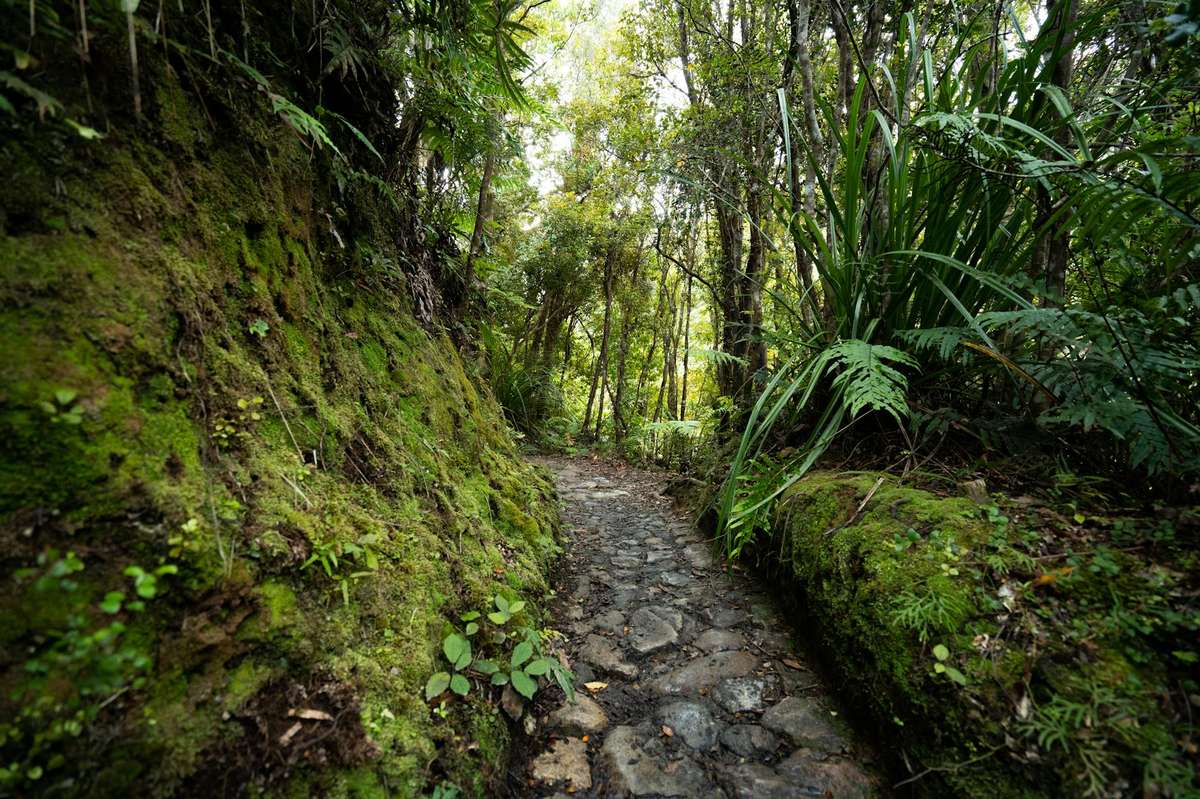
- Follow Bethells Road as it winds down through native bush — the last stretch is narrow and twisty, so take it slowly.
- The road ends at a free carpark right behind the beach.
The carpark is not big. On a hot summer weekend it can be full by mid-morning, and cars end up parked well back along the road. Arrive early, or come on a weekday if you can. If you’re weighing up how to move around the region generally, our Getting Around Auckland: The Complete 2026 Transport Guide covers car hire and the realities of driving out west.
The lay of the land
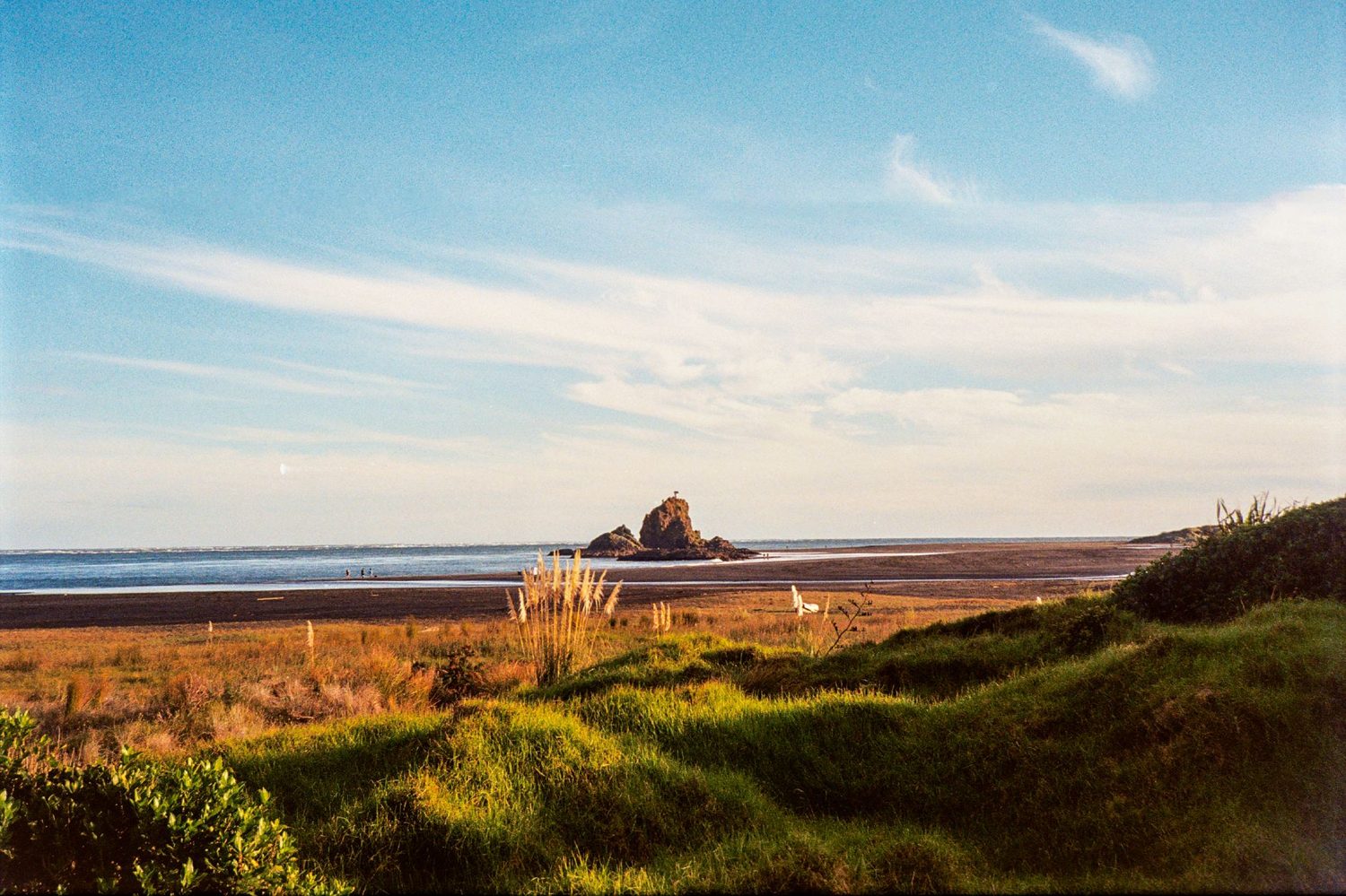
The beach runs a bit over a kilometre, and I tend to think of it in three parts.
- The south end, by the carpark, is where the Waitī Stream meets the sea in a shallow lagoon. This is the main access point and where the surf club sits up on the dune.
- The middle is open Tasman surf, with the dunes rising behind and the distinctive rocky islets sitting just offshore — one of them, Ihumoana Island, you can walk out to at low tide, but check the tide first or you’ll get stranded.
- The north end is quieter and takes a solid walk along the sand to reach. Fewer people make it up there.
Behind the beach, the dunes are the surprise. They sweep back off the sand in a wide black-and-gold field, steep enough that kids (and plenty of adults) spend ages running up and sliding back down.
Why the sand is black
That dark, heavy sand is ironsand — iron oxide, the same stuff that gave New Zealand a small steel industry. It’s magnetic, and on a sunny day it soaks up heat and gets genuinely too hot for bare feet by midday. Bring jandals. I’ve watched more than one visitor do the fast hop back to the grass.
Swimming and staying safe in the surf
I’ll be blunt, because this is the part that matters most. Bethells is dangerous water. It’s regularly listed among the most hazardous beaches in New Zealand to swim at, thanks to powerful rips and dumping Tasman surf, and people have drowned here. This is not a beach for a casual dip whenever you feel like it.
Here’s how to treat it:
- Swim between the red and yellow flags, and only when lifeguards are on patrol. Volunteer surf lifeguards cover Bethells on weekends and public holidays through the warmer months, roughly late October to Easter.
- If there are no flags, don’t go in the ocean. Outside patrol hours the beach is unguarded and the rips don’t take a day off.
- If you’re ever caught in a rip, don’t fight it. Raise an arm to signal for help, stay calm, and swim across the current parallel to the beach rather than straight back to shore.
- Check Safeswim (Auckland Council’s water-safety site) before you leave home for current conditions and any water-quality warnings.
- The lagoon at the river mouth is calmer and shallow, which makes it the go-to for little kids paddling — though it still deserves supervision.
None of this is meant to scare you off. It’s meant to keep the day good. Respect the ocean here and you’ll have a brilliant time.
Lake Wainamu: the swim that actually works
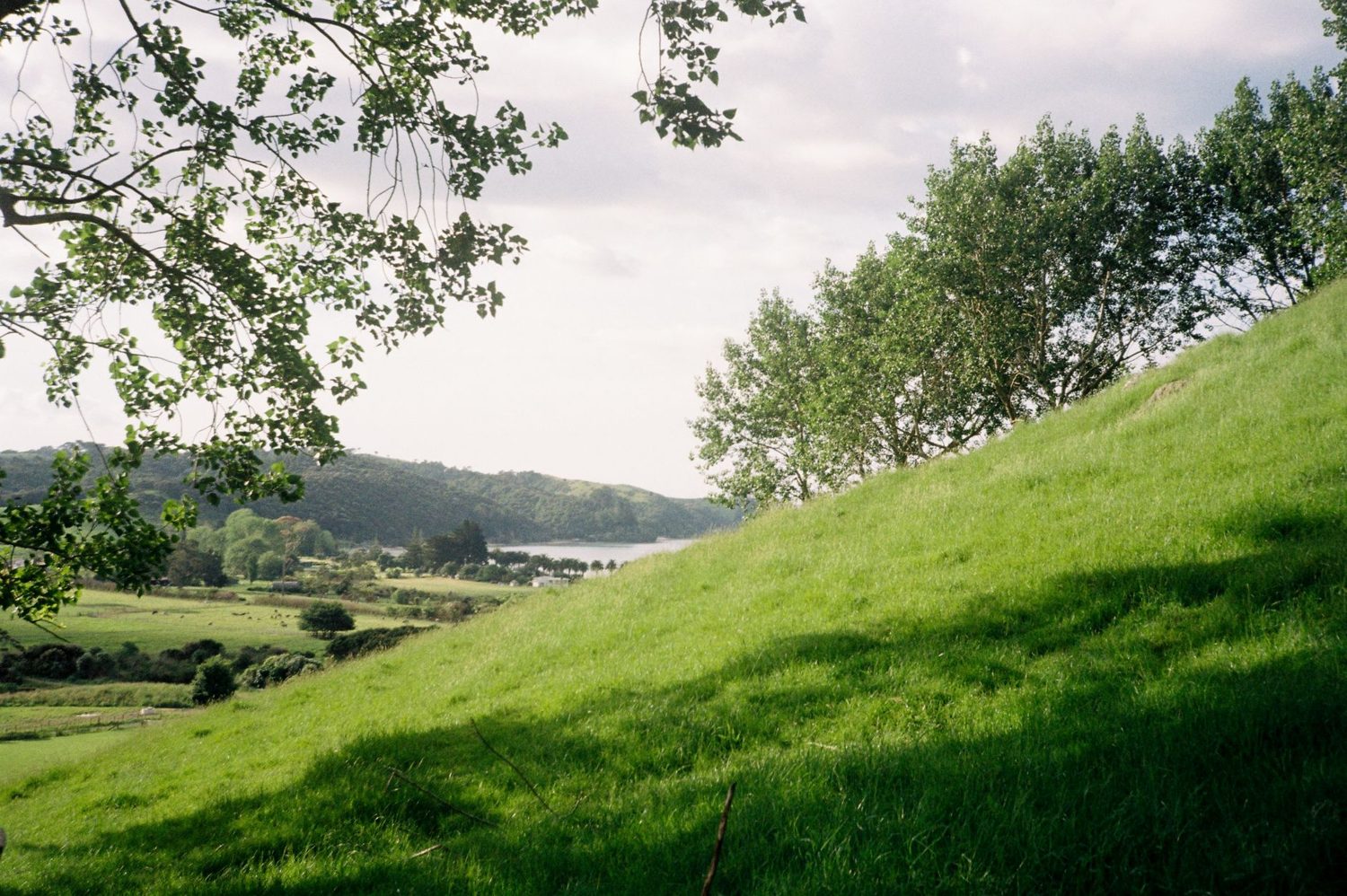
If you only do one thing beyond standing on the sand, make it the walk to Lake Wainamu. It’s a freshwater dune lake tucked behind the hills a couple of kilometres inland, and it’s the answer to “but where can we actually swim?”
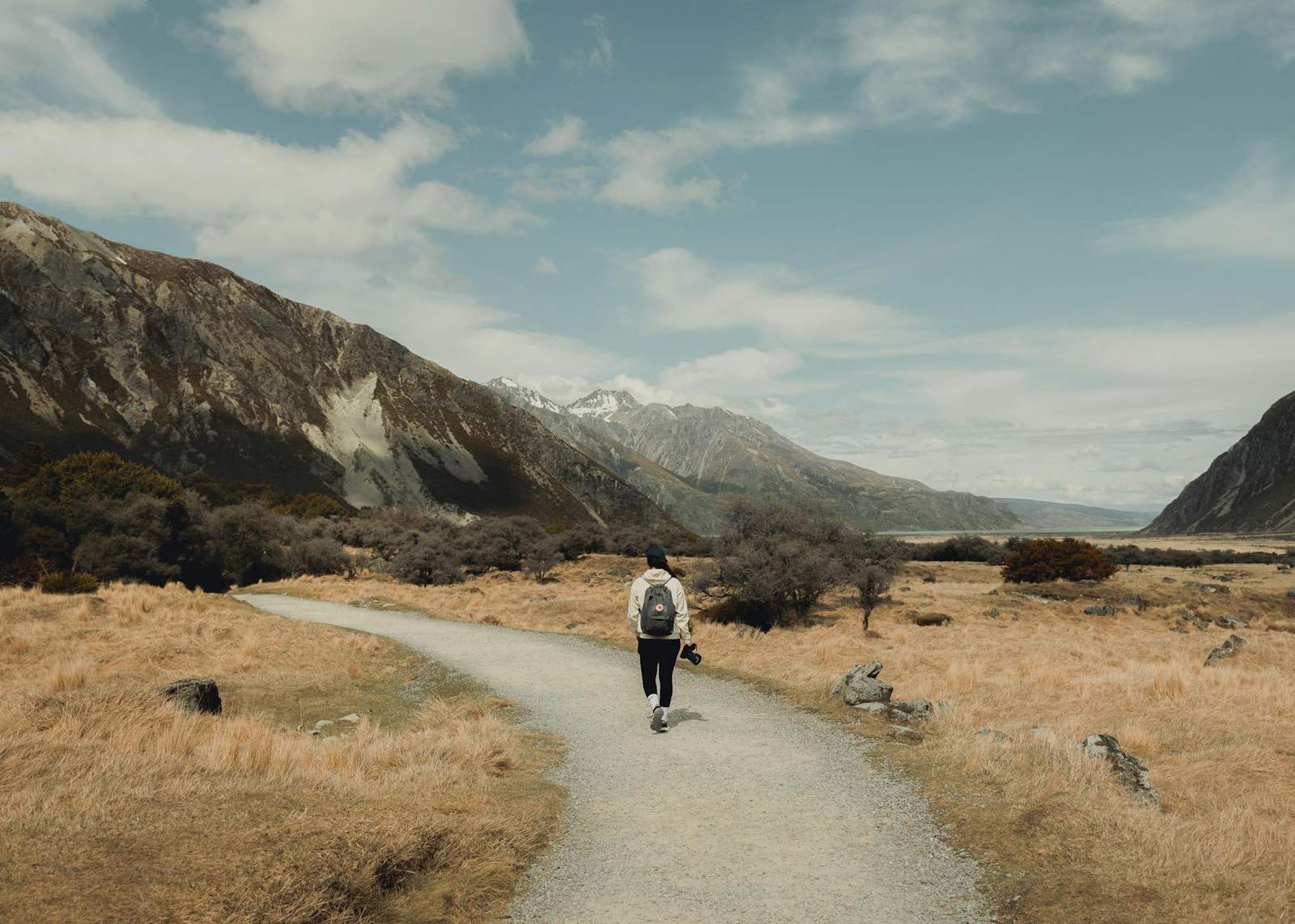
The walk in from the road is about two kilometres and takes most people around 30 minutes each way, following the Waikōkopu Stream up the valley toward a run of big black dunes. You’ll cross the stream, so wear shoes or sandals you’re happy to get wet — trying to keep your feet dry here is a losing game. Kids love the crossing almost as much as the dunes.
The water is tea-coloured, stained brown by tannins from the native bush, but it’s clean and safe to swim in. One important thing though: the dune slopes straight into the lake with no shallow shelf on that side. It drops off into deep water fast, so it’s not ideal for weak swimmers or unsupervised small children. Pick your entry point.
You can extend the visit into the full Lake Wainamu loop, which runs roughly 6.5 km and takes two to three hours, taking in Wainamu Falls and a proper climb over the dunes. Track conditions out here change — sections have been closed for maintenance in the past — so check the Auckland Council park page before you commit to the loop. There are no facilities at the lake at all: no toilets, no water, no bins. Carry everything in and out.
Sliding the dunes
The dunes on the Wainamu side are the local sledding hill. People bring boogie boards or bits of cardboard and slide down the steep faces. It’s genuinely fun, and it’s free. Just know that sand gets absolutely everywhere, so it’s a change-of-clothes situation for the drive home.
The Te Henga Walkway to Muriwai
For keen walkers, the Te Henga Walkway is one of the best coastal hikes in the Auckland region. It runs along the cliff tops north from Bethells toward Muriwai, with big ocean views, isolated coves and native bush.
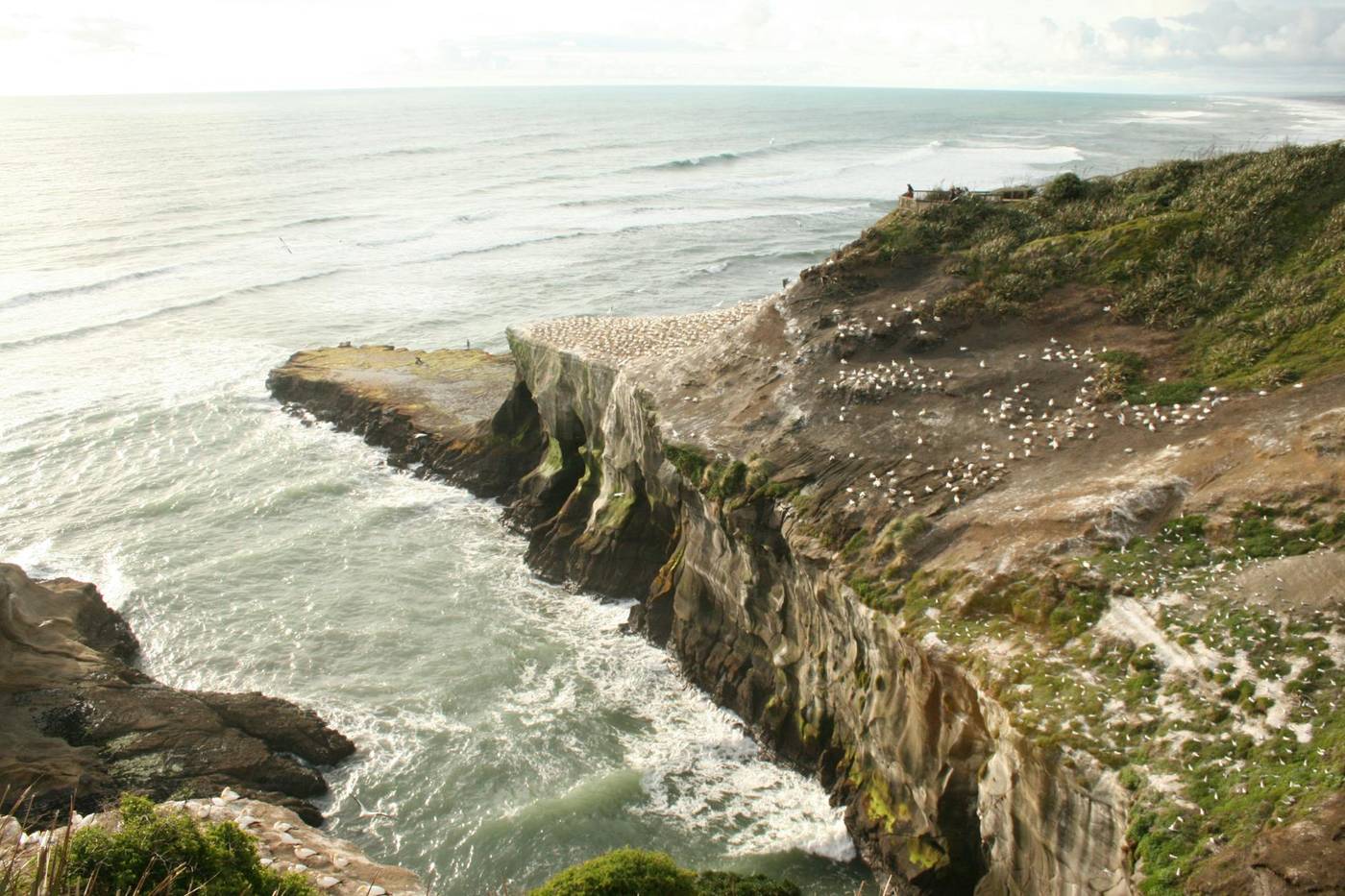
One heads-up: severe flooding in early 2023 damaged parts of this track when cliffs collapsed, and it’s been repaired and reopened in stages, with a section reopening in late 2024. Before you plan the full traverse, check the current status with Auckland Council, because closures can still apply. If it’s open end to end you’ll want to sort a car shuttle, since it’s a one-way route of several hours. At the far end, Muriwai has its famous Australasian gannet colony out at Ōtakamiro Point, which is worth the trip in its own right, and our guide to Muriwai Beach and its gannet colony covers the lookouts, the surf and the swim safety there.
Bethells with kids
This is a great family beach as long as you’re clear-eyed about the ocean. My rule with my own crew is simple: the sea is for looking at and paddling at the very edge, not for swimming, unless the flags are up and we’re between them.
What kids actually love here:
- The dunes — hours of running up and rolling or sliding down.
- The shallow lagoon at the river mouth for paddling and building things.
- The stream crossings on the Lake Wainamu walk.
- A safe swim in the lake itself, at a sensible entry point.
Pack sandals, sunscreen, water and a picnic and you’re set — no fancy gear needed. For a full run-down of family-friendly outings around the city, our Auckland with Kids 2026: Complete Family Travel Guide is the place to start, and it pairs well with a west coast day.
What to bring (there’s nothing out here)
Bethells has toilets at the carpark and that’s about it. No shop, no café, no drinking water on the beach, and phone signal can be patchy in the valley. Come self-sufficient.
- Plenty of water — I bring at least 1.5 litres per person on a warm day.
- Food and snacks, or a full picnic. Most regulars just bring lunch.
- Strong sunscreen and a hat. West coast UV is fierce and there’s little shade.
- Shoes or sandals that can get wet for the stream crossings.
- Towels, swimwear and a change of clothes for the sandy drive home.
- A wind layer — the coast can be breezy even on a hot day.
- Cash isn’t really needed, but download offline maps before you lose signal.
One more thing: the Waitakere Ranges are fighting kauri dieback disease. If you walk any of the bush tracks, use the cleaning stations and stay on the formed paths to help protect the forest.
Food near Bethells
Because there’s nothing on the beach, plan your food. Your nearest options are a short drive back inland.
- There’s a small local café operation back along Bethells Road — hours vary, so don’t rely on it as your only plan.
- Waimauku, roughly 15 minutes away, has a general store and a few spots for pies, coffee and a sit-down.
- Henderson and the Henderson Valley on the way back have plenty of cafés and, if you’re into it, a cluster of west Auckland wineries.
Honestly, the move is to pack a good picnic and eat it on the sand or by the lagoon. If you want ideas for stocking up before you head out, our Auckland Food & Drink Guide 2026: Best Restaurants, Cafes & Bars has you covered.
Bethells for photographers
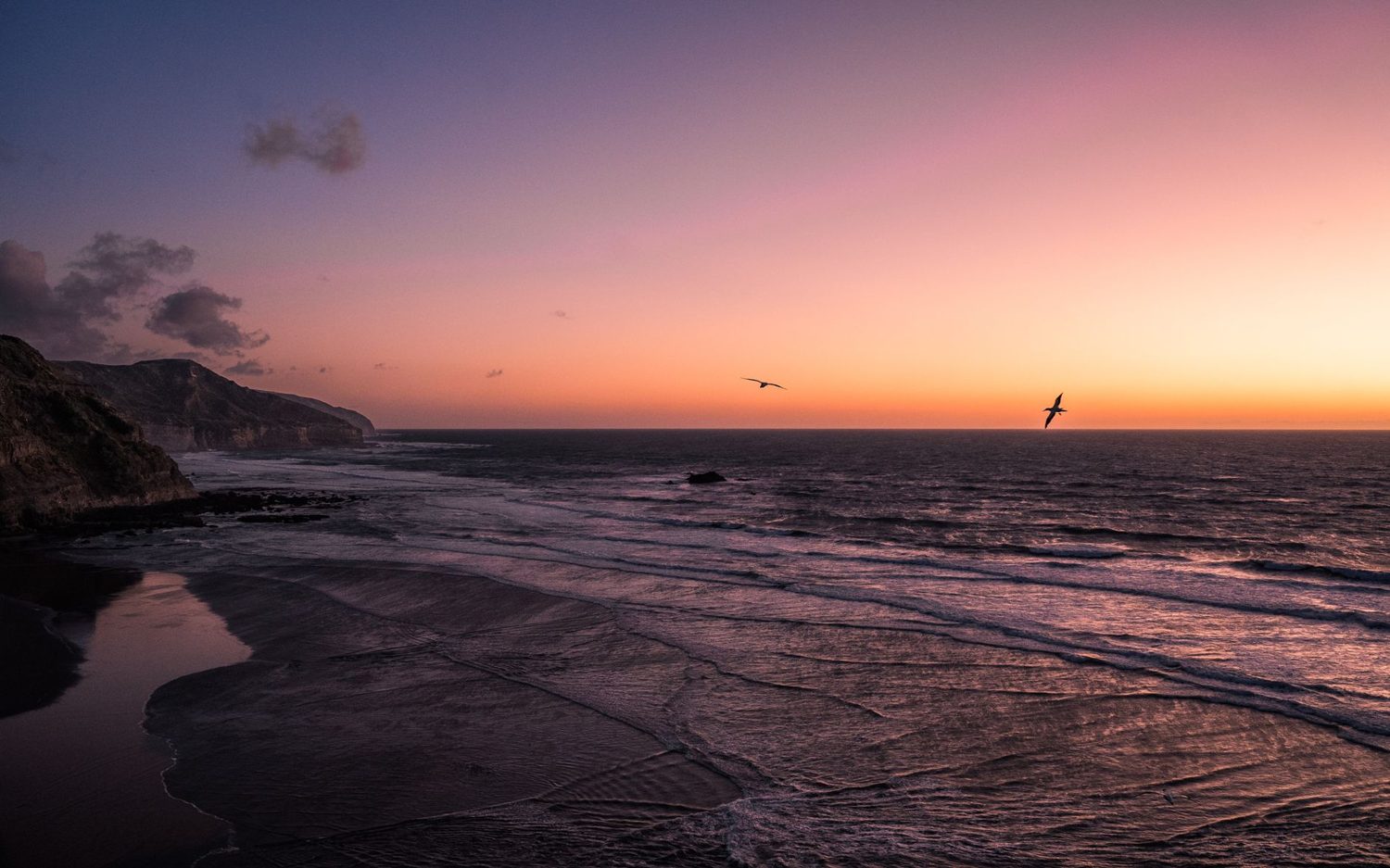
This is one of my favourite places in the region to shoot. The west-facing beach means the sun sets straight out to sea, and the black sand does beautiful things with reflected light on a wet low tide.
- Sunset is the headline act. Get there an hour before and stay through the afterglow.
- The dune ridge gives you wide, minimalist compositions of sand meeting sea.
- Lake Wainamu is glassy and moody in the golden hour, with the dunes behind it.
- The islets make strong silhouettes against a setting sun.
- Wet ironsand at the tide line photographs almost like a mirror.
Bring a tripod for the low light, a polariser for the water, and spare batteries — this is a spot you’ll want to keep shooting until it’s dark. Drones are restricted in the regional park, so don’t count on flying.
A screen-famous stretch of coast
You may find Bethells strangely familiar. This coast has been a workhorse film location for decades. It was used constantly as a backdrop in Xena: Warrior Princess, filmed around Auckland in the 1990s and 2000s, and the wider west coast has featured in plenty of features and commercials. The mix of black sand, dunes and cliffs gives directors a landscape that reads as ancient and otherworldly.
Wildlife and plants to look for
- Variable oystercatchers — black-and-white shorebirds working the tide line.
- Pied stilts — long-legged waders around the river-mouth lagoon.
- Kororā, the little blue penguin — occasionally seen near dusk if you’re lucky.
- Pōhutukawa — the New Zealand Christmas tree, flowering red in December and January.
- Nīkau palms — New Zealand’s native palm, dotted through the bush on the Wainamu walk.
- Longfin eels — you can sometimes spot them in the streams and the lake.
The best time to visit
Bethells is a year-round beach, but the seasons change what you get.
- Summer (Dec–Feb) — warmest water, flags up for swimming, and the dunes at their best. It’s also the busiest, so arrive early for parking.
- Autumn (Mar–May) — my pick. Settled weather, thinner crowds and mild days for the dune and lake walks.
- Winter (Jun–Aug) — big, dramatic surf and often an empty beach. No swimming, but incredible for photos and a blustery walk.
- Spring (Sep–Nov) — changeable, improving as it goes, and quiet.
Whatever the season, aim to be here for sunset if you possibly can. It’s the reason a lot of us keep coming back.
A sample day at Te Henga
- Late morning — leave the city, drive out via SH16, arrive around late morning to beat the worst of the parking crush.
- Midday — walk the beach south to the lagoon, let the kids loose on the dunes.
- Early afternoon — picnic lunch on the sand or by the river mouth.
- Afternoon — walk in to Lake Wainamu, slide the dunes, have a swim.
- Late afternoon — walk back out, grab a coffee inland if anything’s open.
- Evening — return to the beach for sunset, then the drive home.
If you’d rather build Bethells into a broader west coast or regional adventure, our 25 Best Day Trips from Auckland in 2026 (With or Without a Car) lays out how to combine it with other spots, and the 65 Best Things to Do in Auckland (2026): An Insider’s Guide has plenty more to fill the rest of a trip.
Where to stay if you want to be close
There’s no commercial camping or hotel right at Bethells, so most people day-trip from the city. If you want to be nearer the coast, look at the campground down at Piha, holiday homes (baches) around Bethells and Te Henga, or B&Bs in the Henderson Valley. Otherwise, base yourself in the city and drive out — our Where to Stay in Auckland: Best Neighbourhoods & Hotels for 2026 guide breaks down the best areas.
Pairing Bethells with the volcanoes
The west coast and Auckland’s volcanic field are two very different faces of the same region, and they make a good contrast over a few days. After the raw Tasman coast, a climb up a cone gives you the city from above. Start with our Mt Eden Auckland: Maungawhau Summit Walk Guide (2026), and if the geology grabs you, the Auckland Volcanoes: Geological History & 53 Volcanic Cones (2026) guide explains how this whole landscape was built.
Frequently Asked Questions
Where is Bethells Beach?
Bethells Beach, or Te Henga, is on Auckland’s west coast inside the Waitakere Ranges, around 30 to 40 km from the city centre. It’s roughly a 40 to 50 minute drive on sealed roads, and there’s no public transport, so you’ll need a car or a tour to get there.
Can you swim at Bethells Beach?
Only with real care. The ocean has strong rips and is one of New Zealand’s more dangerous beaches to swim at. Swim between the flags when lifeguards patrol in the warmer months, and stay out of the surf otherwise. For a reliable swim, walk in to Lake Wainamu instead, choosing a sensible entry point.
How long is the walk to Lake Wainamu?
It’s about two kilometres and roughly 30 minutes each way from the road, following the stream up the valley. You’ll need to cross the stream, so wear shoes that can get wet. The full Wainamu loop with the falls and dunes is around 6.5 km and takes two to three hours. Check track status before you go.
Are there any facilities or a café at Bethells?
Barely. There are toilets at the carpark and nothing else on the beach — no shop, no café, no drinking water. There’s a small café back along Bethells Road with variable hours, and Waimauku has a store about 15 minutes away, but the smart move is to bring a picnic and plenty of water.
Is Bethells Beach good for kids?
Yes, with supervision. Kids love the sand dunes, the shallow river-mouth lagoon for paddling, and the stream crossings on the Lake Wainamu walk. Keep them out of the open surf, which is dangerous, and only let them swim between the flags at the beach or at a safe spot in the lake.
Final thoughts
Bethells Beach is the west coast beach I’d send a friend to if they only had time for one and wanted more than just surf. You get the raw Tasman ocean, a field of black dunes to play on, and a proper freshwater swim at Lake Wainamu, all in a place that stays remarkably quiet compared with Piha.
Bring water, wear shoes you don’t mind soaking, respect the ocean, and give yourself a full day. Stay for the sunset if you can. It’s one of the most rewarding days out you can have anywhere near Auckland — and it barely feels like the same country as the city you drove out from. For the wider trip, our Auckland Travel Guide 2026: The Complete Visitor’s Handbook ties everything together.
Last updated: July 2026. Written by the Auckland Tourism Guide team.
Photo credits
- Photo: Ollie Craig via Pexels
- Photo: Amanda Brabant via Pexels
- Photo: Amanda Brabant via Pexels
- Photo: leyvaine davids via Pexels