2 Days in Auckland: A 48-Hour Itinerary
A 48-hour plan split one day on the isthmus and one day off it — with the three real options for day two, and how to pick between them the night before.
This article contains advertising. Our booking links are routed through a partner that adds commission tracking automatically, so if you book through one we earn a commission from the provider, at no extra cost to you. It never affects what we recommend. Affiliate disclosure
The second day is the one that changes everything. With a single day in Auckland you are confined to the isthmus, doing the city version of the city — waterfront, museum, a hill, dinner. Give yourself 2 days in Auckland and you can spend one of them on the water or out west, which is where the place stops feeling like a mid-sized Pacific business city and starts feeling like the reason people move here. One day is a visit. Two days is a trip.
This is a 48-hour plan built on that split: one day on the isthmus, one day off it. It includes the three genuinely different ways to spend the second day, how to decide between them the night before, and what to do when the weather refuses to cooperate. Prices and journey times were checked in September 2026 and should be treated as the right order of magnitude rather than a timetable — Auckland Transport’s fares moved during the year, so confirm anything time-critical before you travel.
At a glance: the 48-hour shape
| Morning | Afternoon | Evening | |
|---|---|---|---|
| Day 1 The isthmus |
Waterfront walk, Viaduct to Wynyard | Auckland War Memorial Museum and the Domain | Ponsonby or K Road, reached by train |
| Day 2 Off the isthmus |
Pick one: Waiheke · Rangitoto and Devonport · the west coast with a car | Cluster it with wherever the day ended | |
Which day-two option?
| Option | Time | Needs | Choose it if |
|---|---|---|---|
| Waiheke | Full day, ~40 min each way | Good forecast, a booking or two | You want wine, beaches and a village |
| Rangitoto + Devonport | Full day, both by ferry | Clear sky — the view is the point | You want a volcano and a harbour crossing |
| West coast | Full day | A rental car | You want black sand, rainforest and drama |
Day one: the isthmus
With two days you no longer need to sprint. Day one can be a proper walking day with a long lunch in it, which is how Auckland is best experienced anyway.
Morning: the waterfront on foot
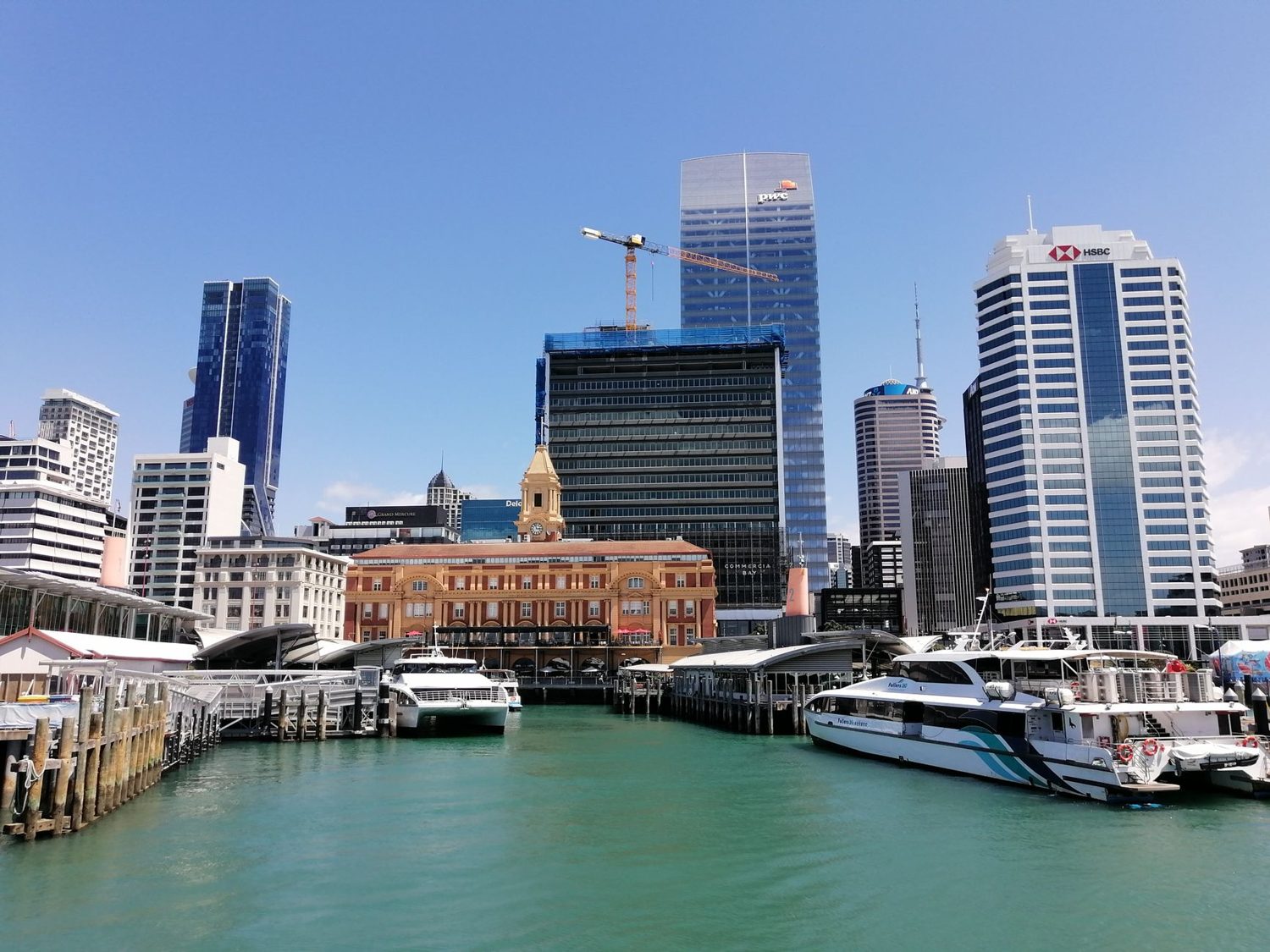
Start with breakfast in Britomart or Commercial Bay — the cafés open around seven and this is the meal Auckland genuinely excels at. Then walk west along Quay Street. You pass the 1912 Ferry Building, the cruise berth at Queens Wharf, then the Viaduct with its superyachts and America’s Cup history, and finally the Wynyard Crossing bridge into Wynyard Quarter. Flat, continuous, about fifteen minutes if you do not stop, and an hour and a half if you do — which you should.
From Wynyard, turn inland and climb gradually back up through the city. Albert Park sits above the university with big trees and a Victorian bandstand, and the Auckland Art Gallery Toi o Tāmaki is on its edge, free for the permanent collection and worth an hour for the Lindauer portraits and the kauri-canopied atrium alone.
Lunch: Britomart or Parnell
Britomart has more depth per square metre than anywhere else in the centre. If you would rather set yourself up for the afternoon, walk east into Parnell instead — it sits between the city and the Domain, so lunch there puts you at the bottom of the Museum’s hill rather than across town from it.
Afternoon: the Museum and the Domain
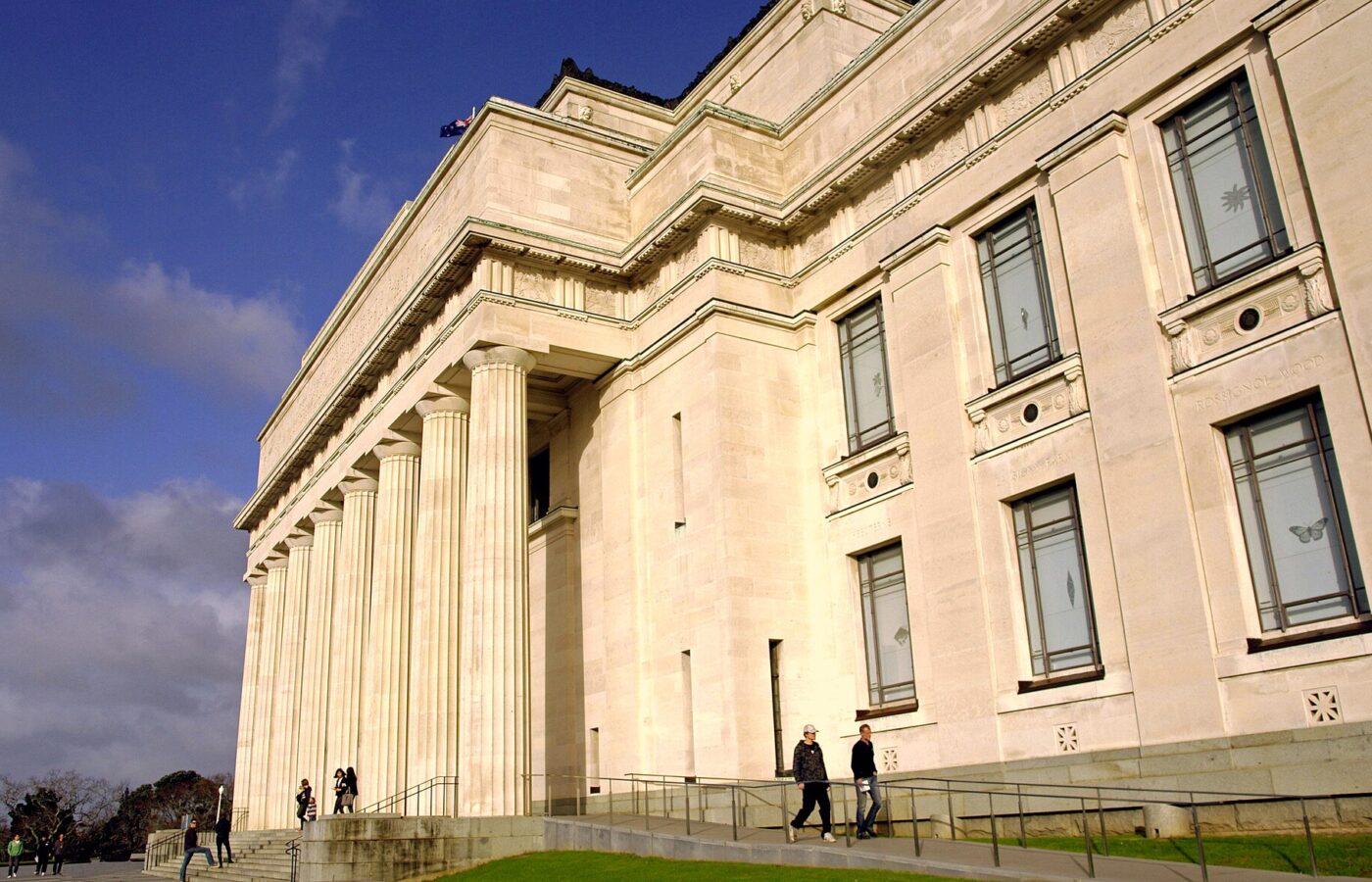
The Auckland Domain is the city’s oldest park and sits inside the crater of one of its volcanoes, which is a sentence that only makes sense here. On the ridge above it stands the Auckland War Memorial Museum, a neoclassical pile holding the most significant collection of Māori and Pacific taonga anywhere in the world — a carved meeting house, a 25-metre waka, and a daily cultural performance that is short, professionally done and worth timing your visit around.
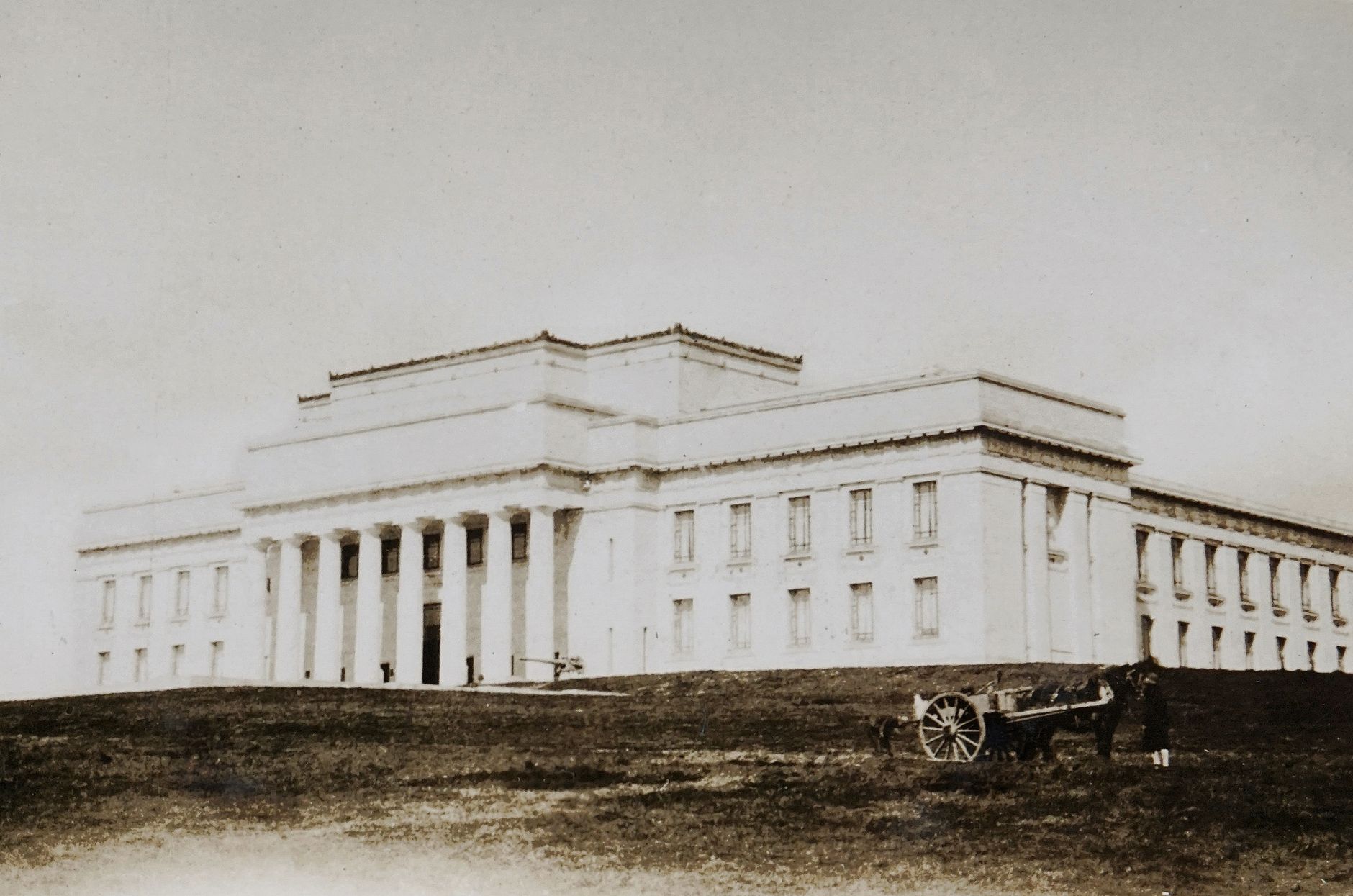
Entry pricing is tiered by residency, so check the current overseas visitor rate before you go. Allow two to three hours. The Māori collections are the reason to come and deserve most of that time.
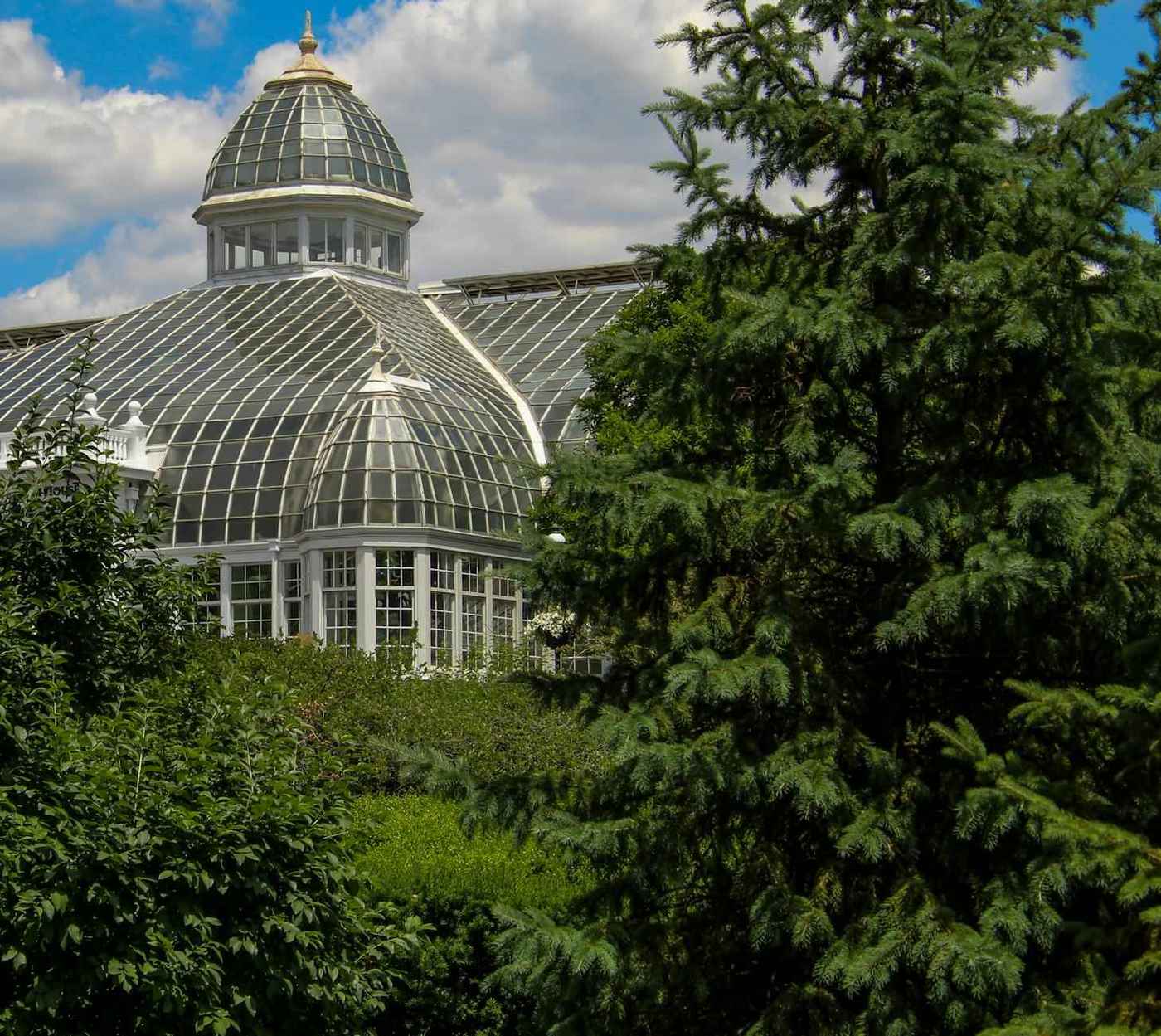
On the way back down, the Domain’s Wintergardens are two Edwardian glasshouses either side of a sunken courtyard, free to enter and genuinely lovely — and the one thing on this itinerary that is actively improved by rain.
Evening: a neighbourhood, properly
Here is where the second day starts to matter even on the first. Because you are not trying to fit the whole city into one day, you can spend an entire evening in one neighbourhood rather than eating near the hotel.
The City Rail Link, which opened on 13 September 2026, makes this straightforward. Three new underground stations — Te Waihorotiu mid-Queen Street, Karanga-a-Hape with entrances at Mercury Lane and Beresford Square, and Maungawhau at Uptown — turned Britomart from a terminus into a through station and gave the city centre what amounts to a metro. Getting to Karangahape Road from the waterfront is now one short train ride.
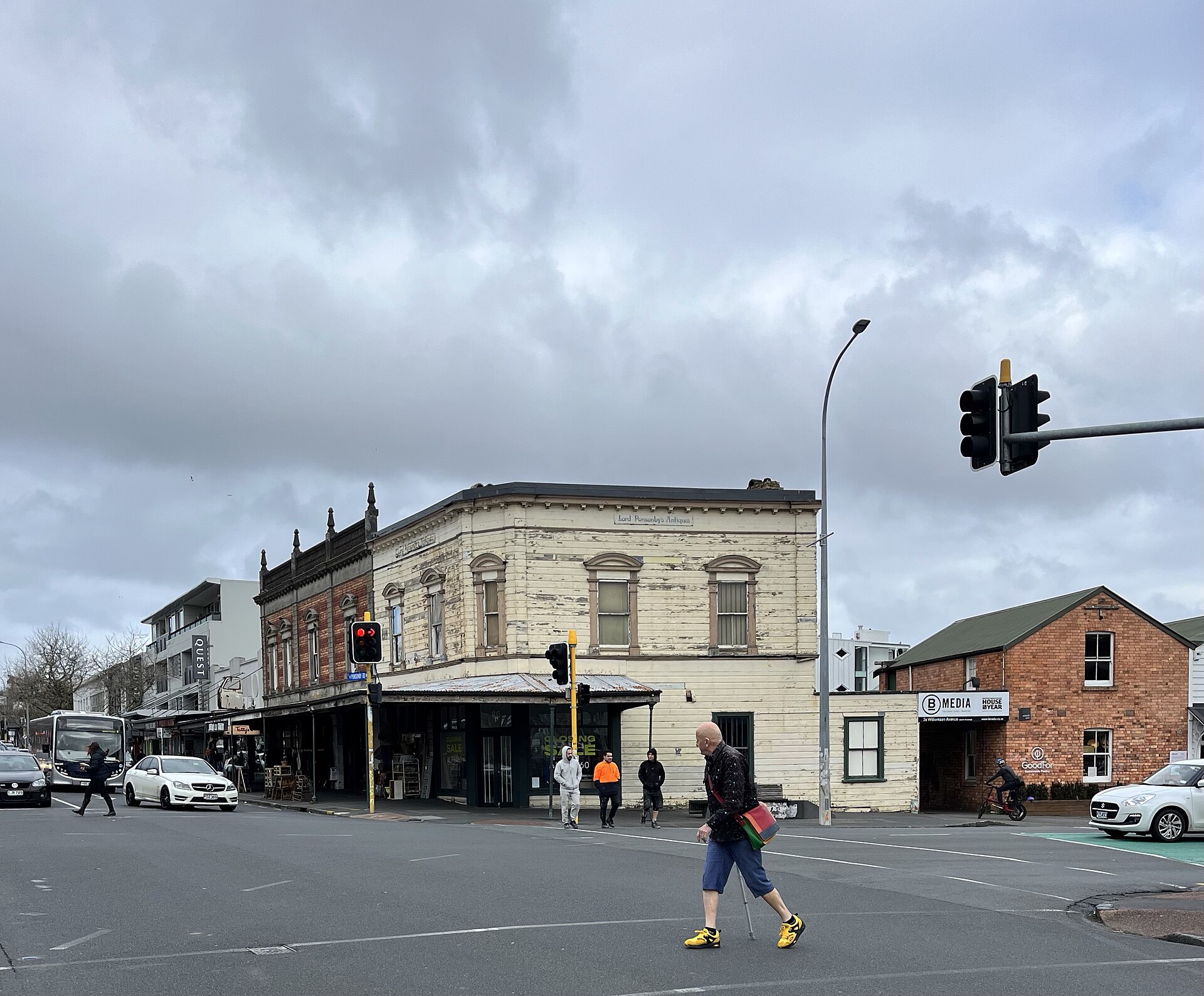
- Ponsonby — the polished option. Victorian villas, a long strip of restaurants and bars, and the best concentration of good eating in the city.
- K Road — the interesting option. Record shops, vintage, murals, queer history and bars that get going late.
- Britomart — the convenient option, if you would rather not travel at all after a walking day.
Kitchens start service around six and many stop taking orders around nine, so a seven o’clock table is normal here rather than early. Book on a Friday or Saturday. Tipping is not expected — see the tipping guide if you want the etiquette.
Day two, option A: Waiheke
The default, and deservedly so. Waiheke is about forty minutes on the Fullers360 fast ferry from the Downtown Ferry Terminal, and it has twenty-five-plus wineries, several genuinely good beaches, olive groves, art studios and a proper village at Oneroa. It is close enough to feel easy and different enough to feel like somewhere else.

How to actually spend the day
- Getting around: there is a bus network that meets the ferries, plus hop-on-hop-off tours, rental cars, scooters and taxis. The buses are cheaper and perfectly workable; the tours remove the planning if you intend to drink.
- Two wineries, not five. Book lunch at one and a tasting at another. Waiheke’s cellar doors are destinations with views and food, not tasting rooms you tick off.
- Add a beach. Onetangi is the long one, Oneroa the close one, Palm Beach the sheltered one. All are swimmable in a way the west coast emphatically is not.
- Do not drive after tasting. New Zealand’s drink-driving enforcement is serious and the island’s roads are narrow and winding.
The honest verdict
Waiheke in sun is one of the great days out in New Zealand. Waiheke in horizontal rain is a wet walk between cellar doors with a view of cloud, and you will have paid island prices for the privilege. This is the single most weather-dependent decision in your 48 hours — which is exactly why you leave it until the night before. See the full Waiheke day trip guide for the detail.
Day two, option B: Rangitoto and Devonport
The more active, more geological option, and the cheaper one.
Rangitoto is the perfectly symmetrical cone you have been looking at from every viewpoint since you arrived — Auckland’s youngest volcano, about six hundred years old, and the reason the skyline looks the way it does. The summit walk takes roughly an hour up over black lava fields, with lava caves off a side track. There is no shade, no shop and no water on the island. Bring more than you think you need, and wear proper shoes; the surface is sharp scoria, not path.
Ferries are limited and the island runs to their timetable — you cannot linger past the last sailing. Check departures before you plan the rest of the day around it.
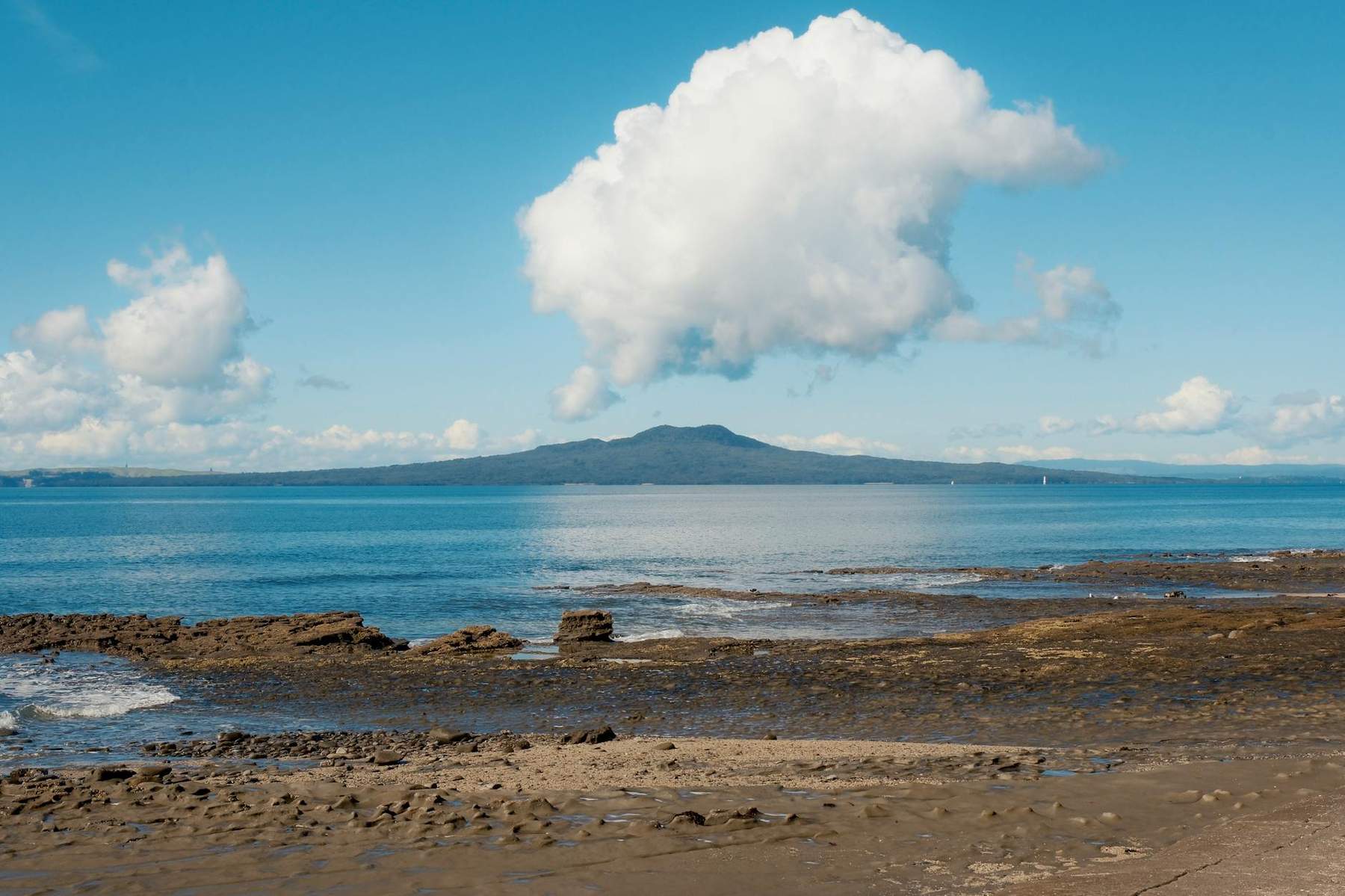
Pair it with Devonport in the afternoon: a twelve-minute crossing from the city, a Victorian village at the other end, and the short walk up Mount Victoria / Takarunga for the view back across the harbour. North Head / Maungauika next door is honeycombed with tunnels and gun emplacements from a nineteenth-century invasion scare — bring a torch.
Honest verdict: Rangitoto is worth a full day only if the sky is genuinely clear. The summit view is the entire reason to climb it, and in cloud you have walked an hour over sharp rock for nothing. If the forecast is marginal, do Devonport and Takapuna instead and keep the volcano for another trip.
Day two, option C: the west coast
The most dramatic option, and the one that needs a car. Forty-five minutes to an hour west of the city, the land drops into the Tasman Sea in black iron-sand beaches backed by rainforest.
- Piha — the famous one, with Lion Rock in the middle of it and a surf culture that is genuinely part of Auckland’s identity.
- Karekare — quieter, wilder, more cinematic, with a waterfall a short walk from the car park.
- Bethells / Te Henga — the emptiest of the three, with dunes and a lake walk.
- Muriwai — further north, with a gannet colony you can stand a few metres from between roughly August and March. Genuinely extraordinary, and the easiest of the four to combine with a coffee.
Swim only between the flags, and only where flags are flying. These beaches have severe rips, the water is not always patrolled, and people drown here every year. This is not boilerplate.
Two other constraints worth knowing before you commit the day. Several Waitākere Ranges tracks are closed for kauri dieback control and 2023 storm damage — Goldie Bush and Te Henga among them — so check the Auckland Council track status page in the week you go rather than trusting any guide, this one included. And petrol has run above NZ$3 a litre through 2026, so the driving is not free. The Waitākere hikes guide flags which routes are usually open, and the car rental guide covers picking one up for a single day.
How to choose, the night before
Do not fix day two in advance. Look at the forecast on your first evening and apply this:
- Clear and calm: Rangitoto. It is the option most improved by good weather and most ruined by bad, and the summit view is genuinely superb.
- Fine but hazy, or warm and settled: Waiheke. It does not need perfect visibility, only an absence of rain.
- Blustery with sun and showers: the west coast. Wind and surf make Piha better, not worse, and you have a car to shelter in.
- Steady rain all day: none of the three. See below.
Ferries are cancelled in a strong enough blow, which is another argument for deciding late. Our weather guide explains the local patterns, including why a bad Tuesday is so often a good Thursday.
The all-weather fallback for day two
If the second day is a write-off outdoors, spend it in the inner suburbs rather than trying to force an island.
- Morning: Newmarket or Ponsonby for brunch and shopping, both a short train or bus from the centre.
- Midday: the Art Gallery if you skipped it on day one, or Kelly Tarlton’s out along Tāmaki Drive.
- Afternoon: Auckland Zoo is largely outdoors but works in light rain and is quieter for it — note that pricing is tiered by residency and under-fours are free.
- Late afternoon: the Sky Tower, but only if the cloud base is high. In low cloud you are paying to stand inside a cloud.
- Evening: unchanged, and arguably better. Auckland’s eating does not care about the weather.
Variations on 48 hours
If you are here on a weekend
Weight day one towards markets. Auckland’s weekend food markets are among the best things it does and several are Saturday or Sunday only. La Cigale in Parnell and the Otara and Avondale markets each give you a completely different read on the city — Otara in particular is the clearest window into what makes Auckland the largest Polynesian city in the world.
If you are travelling with children
Halve the walking and double the ferry time — boats are an activity in themselves at that age. Day one: waterfront, a ferry, a playground, Kelly Tarlton’s. Day two: the Zoo or a calm beach at Mission Bay or Takapuna rather than Rangitoto’s hour of sharp lava. Our Auckland with kids guide has the age-by-age version.
If you have a car for both days
Then flip the order: do the west coast on day one while you are fresh, and the city on day two when you can drop the car back. It avoids paying for central parking on a day you barely drive.
If one of your two days is a Monday
Weight it towards outdoors and attractions rather than a specific restaurant. A meaningful number of good kitchens close Sunday evening, Monday or both. Museums and attractions are generally open seven days.
If you are extending to three
The third day is where the west coast fits without displacing anything, or where a regional day trip becomes possible — and it is the point at which you stop choosing between the island and the coast and simply do both. Our itinerary framework covers how the shape changes as the days accumulate.
When “two days” is really a day and a half
Most two-day stays are not two clean days. You land in the evening and leave at midday, or arrive at lunchtime off a domestic flight. The plan above assumes two full days; here is how to compress it honestly rather than pretending the edges do not exist.
Arriving the night before
This is the good version — you get two full days and an evening. Use the evening for the thing you would otherwise squeeze: a walk along the Viaduct after dark, the rooftop bars, or simply an early dinner and an early night if you have come off a long-haul. Do not attempt the Sky Tower jetlagged; you will not take it in.
Arriving mid-morning on day one
Cut day one’s morning, not its afternoon. Drop the Wynyard walk, go straight to lunch and then the Museum, and keep the neighbourhood evening intact — it is the part that most repays being unhurried. If you are coming in from the airport, the AirportLink bus runs to Puhinui station every ten minutes from about 4:30am and the onward journey to the centre is a three-zone fare, roughly NZ$6.50 on AT HOP; the airport to city guide compares the options.
Leaving at midday on day two
This is the hard one, because it removes the island. Do not try to squeeze Waiheke into a morning — the ferry timings make it stressful and you will spend the crossing watching the clock. Instead do Devonport: twelve minutes each way, the walk up Mount Victoria, a coffee in the village and back by eleven. It is the only genuinely satisfying half-day off the isthmus.
Leaving on an evening flight
You have most of day two, and the island is back on. Check out, leave your bags at the hotel or at a locker, and go. Allow a comfortable buffer at the end — check-in recommendations plus a bit, especially in the international terminal, where a NZ$3.9 billion redevelopment keeps moving the layout around. The airport guide covers what to expect, and if you have time to fill on the way out, most of the good eating there is landside, before security, rather than after it.
What two days is still not enough for
- A regional day trip. Hobbiton, Waitomo, Rotorua and the Bay of Islands are all ten to thirteen hours door to door. Spending half your stay on a coach means you have visited Waikato, not Auckland.
- More than one island. Waiheke and Rangitoto are separate days, not a combined one. Tiritiri Matangi — where the ferry is Explore Group from Viaduct Harbour, not Fullers from Downtown — is a third.
- Both the west coast and an island. Pick one. The other is why you come back.
- Great Barrier / Aotea. The world’s first Dark Sky Sanctuary, and four and a half hours by ferry or thirty minutes by light aircraft. Two nights minimum, not a day.
Where to stay for a two-day trip
Base matters more over 48 hours than over a week, because a bad base costs you a fixed hour a day out of a very small total. Central — Britomart, the Viaduct, the top of Queen Street — puts you within walking distance of day one and at the ferry terminal for day two, which is exactly what this itinerary wants.
Ponsonby and Parnell are both good alternatives if you would rather sleep somewhere with character and commute ten minutes in. The North Shore works well if day two is Rangitoto or Devonport and badly if it is the west coast. The airport is a poor base for a two-day trip: the AirportLink bus to Puhinui runs every ten minutes and the journey into the centre is about NZ$6.50 on AT HOP, but you will spend two hours a day on it. See where to stay in Auckland and the best areas to stay.
What 48 hours costs
A rough per-person guide, excluding accommodation and checked in September 2026:
| Item | Budget | Comfortable |
|---|---|---|
| Breakfast × 2 | NZ$20 | NZ$50 |
| Lunch × 2 | NZ$30 | NZ$70 |
| Dinner × 2 | NZ$50 | NZ$160 |
| Transport (trains, buses, ferries) | NZ$25 | NZ$60 |
| Attractions (museum, one paid thing) | NZ$35 | NZ$110 |
| Two-day total | ~NZ$160 | ~NZ$450 |
A west coast day with a rental car adds roughly NZ$90 to NZ$150 including fuel; Waiheke with lunch and a tasting adds considerably more than that. The Auckland budget guide has the fuller picture, and free things to do is not a consolation prize here — every cone, beach and coastal walk in the city costs nothing.
Frequently asked questions
Is 2 days in Auckland enough?
It is enough to see the city properly and to spend one full day on the water or out west, which covers the two things Auckland is genuinely good at. It is not enough for both an island and the west coast, and not enough for a regional day trip. Two days is a satisfying short stay rather than a compromise.
What should I do on the second day in Auckland?
Get off the isthmus. The three real options are Waiheke, Rangitoto paired with Devonport, or the west coast beaches with a rental car. Decide the night before based on the forecast rather than booking weeks ahead.
Waiheke or Rangitoto with only two days?
Waiheke if you want food, wine, beaches and a village, and if the weather is merely fine. Rangitoto if the sky is genuinely clear and you want a volcano, a summit view and a proper walk — its payoff is entirely dependent on visibility, and it is much the cheaper day.
Do I need a car for 2 days in Auckland?
Only if your second day is the west coast. Everything else in this plan — the waterfront, the Museum, the neighbourhoods, Waiheke, Rangitoto, Devonport — runs on trains, buses and ferries. If you do want the west, rent for one day rather than two.
Can I do a day trip to Hobbiton or Waitomo with two days in Auckland?
You can, but we would not. Those are ten-to-thirteen-hour days, so it would consume half your stay and leave you with a single day for Auckland itself. Save them for a longer trip or an overnight.
What if it rains for both days?
Weight everything indoors and inner-suburban: the Museum, the Art Gallery, the Domain Wintergardens, Kelly Tarlton’s, and brunch and shopping in Ponsonby or Newmarket. Auckland’s food and drink are unaffected, and the Wintergardens are genuinely better in the rain.
How much does 2 days in Auckland cost?
Roughly NZ$160 per person on a tight budget or around NZ$450 comfortably, excluding accommodation — food, transport and one or two paid attractions. A rental car for a west coast day adds NZ$90 to NZ$150 including fuel.
Where is the best place to stay for two days?
Centrally, near Britomart or the Viaduct. Over 48 hours a poor base costs you a fixed hour each day, and central puts you inside day one and at the ferry terminal for day two. Ponsonby and Parnell are good alternatives with more character.
Is the Sky Tower worth doing with limited time?
Once, and best in the hour before sunset so you get the city in daylight and lit on one ticket. If you have already been up Mount Victoria or Maungawhau for a free view, it is a reasonable thing to skip in favour of a better dinner.
If you can stretch to a third day, you no longer have to pick between the island and the coast — you take both, and the trip changes character. Our 3 days in Auckland itinerary keeps this 48-hour shape intact and adds a west coast day, a market morning and room for a second neighbourhood evening.
If your two days happen to be a Saturday and a Sunday, the city behaves differently enough to be worth planning around separately — markets on, some restaurants shut, and the roads busy at different hours. Our Auckland weekend itinerary covers the local version, including which weekends are worth timing a visit around.
Related Auckland Guides
- Auckland itineraries: how to plan your days
- One day in Auckland: an hour-by-hour itinerary
- The Waiheke Island day trip
- Climbing Rangitoto
- Piha and the west coast beaches
- The Auckland War Memorial Museum
- Where to stay in Auckland
- Auckland’s weather, month by month
Photo Credits
The Auckland War Memorial Museum: Auckland Museum (5931983261) by possumgirl2, CC BY-SA 2.0, via Wikimedia Commons.
Ponsonby Road: Ponsonby Road, Ponsonby, Auckland, New Zealand by AnnWoolliams, CC BY-SA 4.0, via Wikimedia Commons.