One Day in Auckland: The Perfect 24-Hour Itinerary
An hour-by-hour plan for a single day in Auckland: one harbour crossing, one hill, one museum and no car — plus wet-weather, jetlag and cruise-ship versions.
This article contains advertising. Our booking links are routed through a partner that adds commission tracking automatically, so if you book through one we earn a commission from the provider, at no extra cost to you. It never affects what we recommend. Affiliate disclosure
The ferry to Devonport takes twelve minutes and costs less than a cocktail, and by the time you are halfway across the Waitematā you have already seen more of Auckland than most one-day visitors manage in eight hours of walking Queen Street. That is the central trick of having 1 day in Auckland: this is a city best understood from the water and from height, and both are cheap, quick and close to where you are standing. What ruins a single day here is not a lack of things to do — it is trying to do four clusters of a six-cluster city and spending the day in transit.
This is an hour-by-hour plan for one full day, built around a single principle: cross the harbour once, climb something once, and stay on foot for the rest. It comes with a wet-weather version, a version for people arriving off a long-haul flight, and a version for anyone whose day is bounded by a cruise ship or a connecting flight. Prices and journey times were checked in September 2026 — treat them as the right order of magnitude, and confirm fares and sailing times on the day, because Auckland Transport’s fares moved during 2026.
At a glance: the one-day plan
| Time | What | Where | Cost |
|---|---|---|---|
| 8:00 | Breakfast, properly | Britomart or Commercial Bay | NZ$18-28 |
| 9:00 | Ferry to Devonport, walk up Mount Victoria | Downtown Ferry Terminal | Ferry fare; the hill is free |
| 11:30 | Ferry back, walk the waterfront to Wynyard Quarter | Quay Street | Free |
| 12:30 | Lunch | Wynyard or the Viaduct | NZ$25-40 |
| 14:00 | Auckland War Memorial Museum, or the Art Gallery | The Domain / Kitchener Street | Museum entry varies by residency; Gallery permanent collection free |
| 16:30 | Train or walk to K Road or Ponsonby | Karanga-a-Hape station | One zone |
| 17:30 | Sky Tower at last light | Victoria Street West | Around NZ$35-45 adult; check current |
| 19:00 | Dinner | Britomart, Ponsonby or K Road | NZ$40-80 |
Before you start: three decisions that shape the day
Do not rent a car
For one day, a car is a liability. You will pay to park it in a city with expensive central parking and an unhelpful one-way system, and everything in this plan is reachable on foot, by ferry or by train. Use an AT HOP card or simply tap a contactless card — fares are zone-based and a day inside the central zones is inexpensive. If you have already got a car because you are picking it up for a road trip tomorrow, leave it at the hotel.
Check the forecast before you commit to the ferry
The harbour crossing is the best part of this day and it is also the part most affected by weather. Devonport in drizzle is still fine — it is twelve minutes each way and the village has cafés — but if it is genuinely blowing, swap it for the Museum and the Domain in the morning and keep the afternoon indoors. The wet-weather version is further down this page.
Decide now whether you are doing the Sky Tower
It is the obvious landmark and the obvious question. Our honest answer: yes, once, and specifically in the last hour of daylight so that you see the city lit and unlit on one ticket. If you have already climbed a hill for the view and you would rather spend the money on dinner, skip it without guilt — Mount Victoria and Maungawhau give you the geography for free. The Sky Tower guide covers ticket types and the SkyWalk and SkyJump if you want the version with adrenaline.
Morning: cross the harbour
8:00 — Breakfast
Start properly. Breakfast and brunch are the meal Auckland genuinely excels at, and the city is awake early — cafés open around seven and are busy by eight. Britomart and Commercial Bay put a dozen options within three minutes of the ferry terminal, which is exactly where you want to be at nine. Order a flat white; it is the local default and every barista here makes hundreds a day.
If your hotel includes breakfast, consider skipping it anyway. Hotel buffets are the same everywhere; Auckland’s café breakfasts are not. Our guide to brunch in Auckland has the places worth walking to.
9:00 — The Devonport ferry
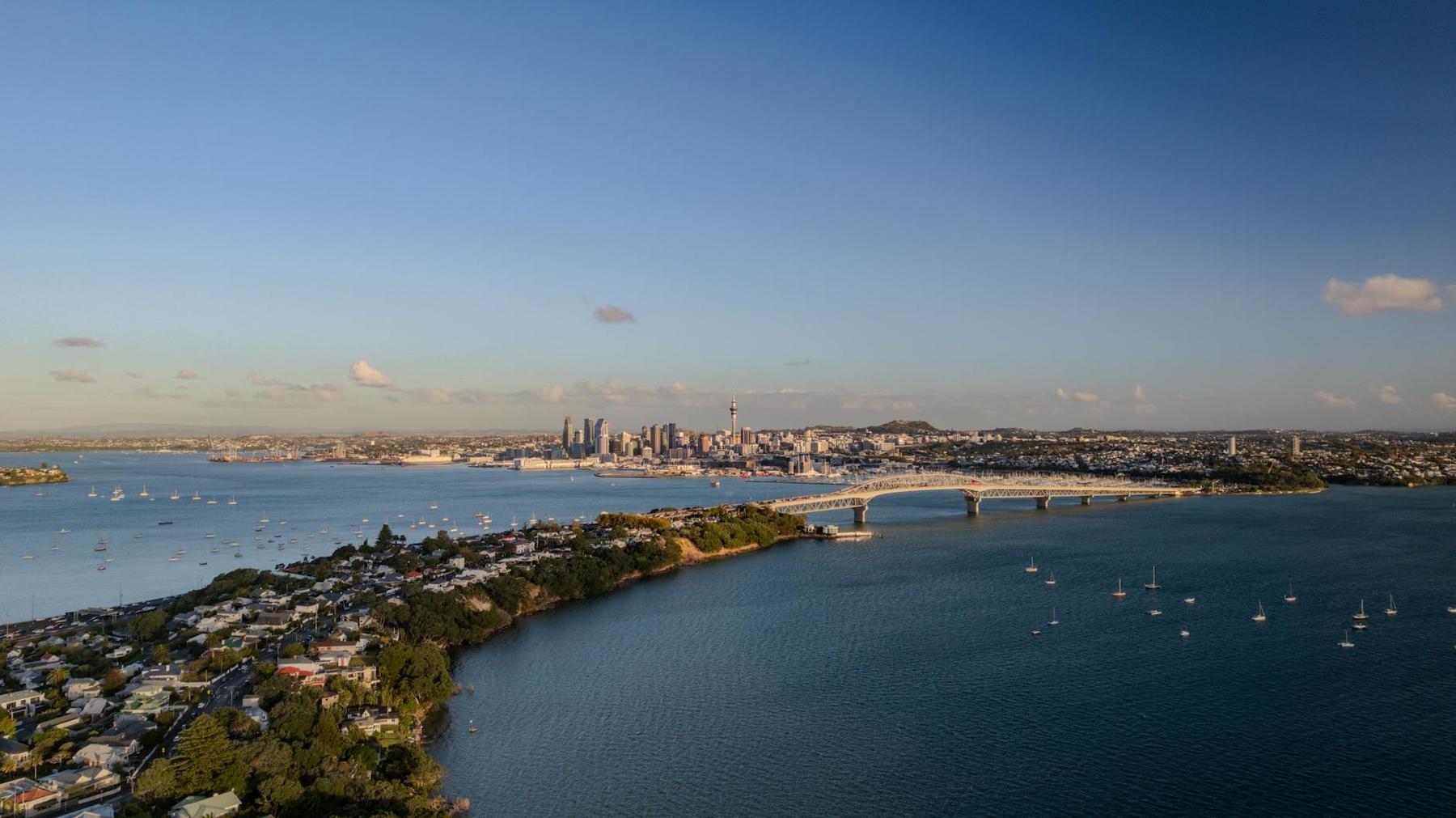
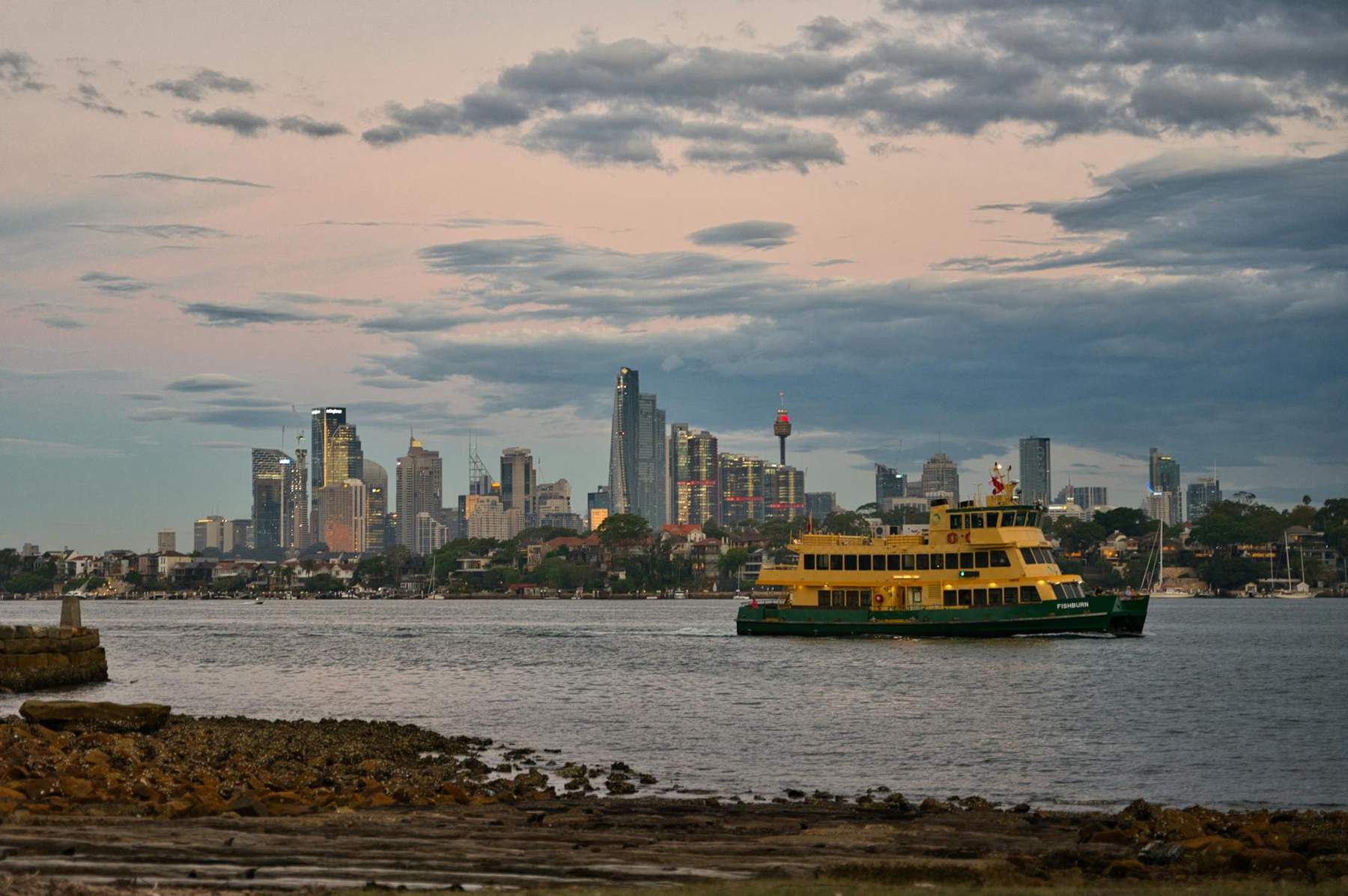
The Downtown Ferry Terminal sits on Quay Street, directly across from the 1912 Ferry Building. Devonport sailings are frequent, the crossing is about twelve minutes, and you should stand outside on the way over regardless of the weather. You will pass container terminals, navy ships, the Harbour Bridge to your left and Rangitoto sitting out to the right.
Aim for a mid-morning sailing rather than an 8am one — these boats carry commuters, and a nine o’clock crossing is a different experience from a rush-hour one.
9:20 — Devonport and Mount Victoria
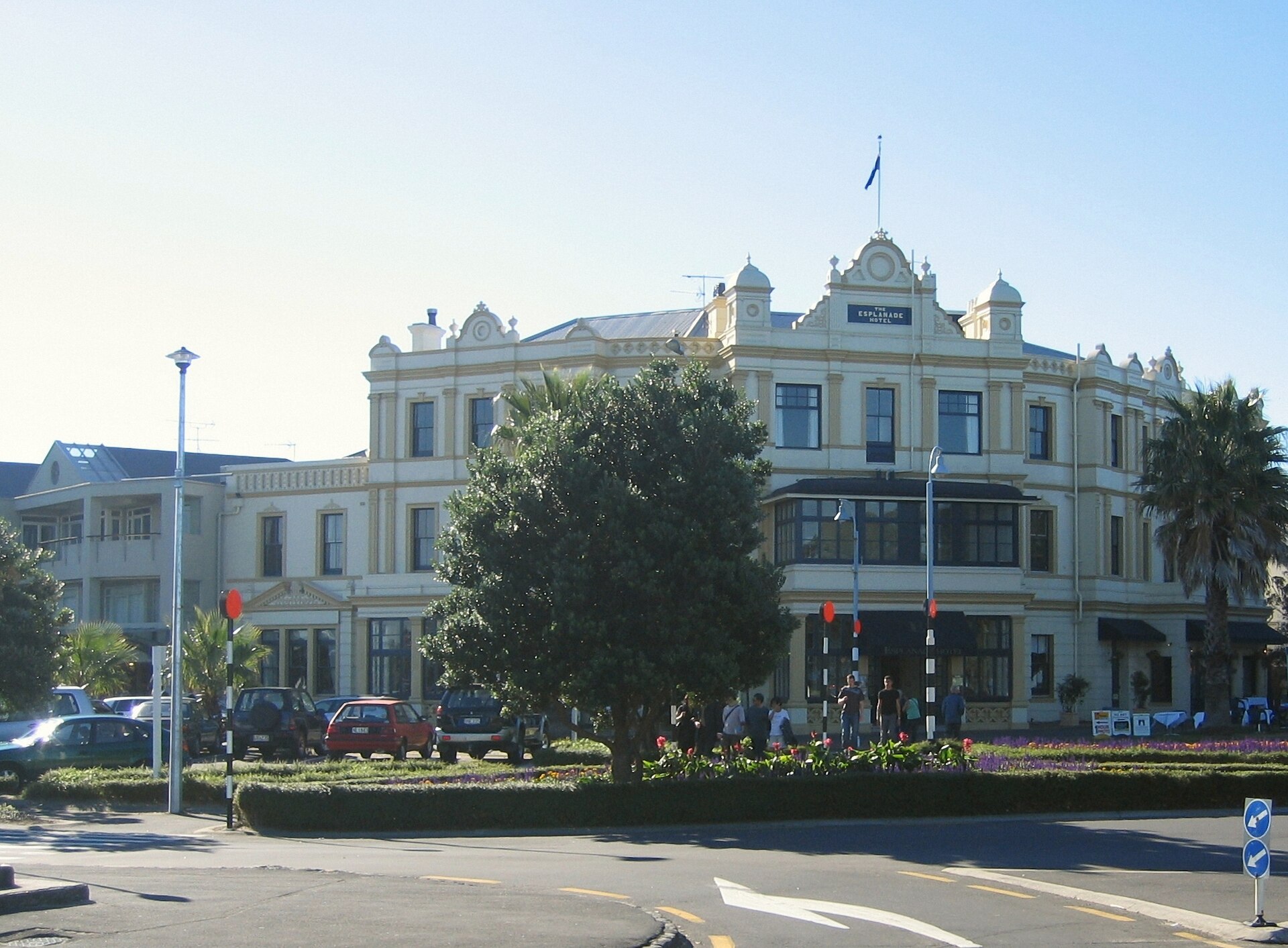
You step off the ferry into a Victorian and Edwardian village that feels a century removed from the towers you just left. The Esplanade Hotel stands directly opposite the wharf; Victoria Road runs inland from it with bookshops, cafés and a genuinely good cinema.
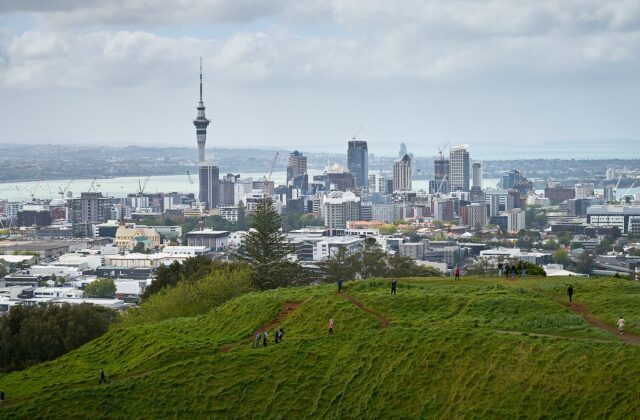
Walk up Mount Victoria / Takarunga. It is about fifteen minutes from the wharf and it is not a serious climb. At the top you get the harbour, the city skyline, the bridge, Rangitoto and the gulf laid out in a single sweep — this is the view that makes Auckland’s geography click. If you have energy, North Head / Maungauika is twenty minutes east along the waterfront and riddled with tunnels and gun emplacements from a nineteenth-century invasion scare that never came. Children love it; bring a torch.
Honest verdict: Devonport is not a “sight” in the way a museum is. It is a pleasant village with an outstanding view above it. If you dislike gentle pottering, do Maungawhau instead — see the alternatives below. But for most people it is the best two and a half hours a single Auckland day can contain. The Devonport guide has more if you want to extend it.
11:30 — Back across, then walk west
Take the ferry back and do not go inland. Turn left and walk Quay Street westward: past the Ferry Building, past the cruise terminal, into the Viaduct with its superyachts and America’s Cup history, and on across the Wynyard Crossing bridge into Wynyard Quarter. This is fifteen minutes of flat, waterfront walking and it is the most attractive stretch of the city centre.
Midday: eat by the water
12:30 — Lunch
Wynyard Quarter is the better bet of the two. The Viaduct has the views and the boats and correspondingly confident pricing; Wynyard has more range and a slightly less polished, more local feel. Expect NZ$25 to NZ$40 for a main course in either.
If you would rather eat well than eat with a view, walk five minutes inland to Britomart, which has more depth per square metre than anywhere else in the city centre. Our guides to the best CBD restaurants and the best cheap eats cover both ends of the budget.
Not worth it: the tourist-facing places immediately alongside the ferry terminal. You are two minutes’ walk from considerably better.
Afternoon: one substantial indoor thing
You now have a choice, and you should make exactly one of these, not both.
Option A: the Auckland War Memorial Museum
The Auckland War Memorial Museum sits in a neoclassical building on the ridge of the Auckland Domain, the city’s oldest park and the crater of one of its volcanoes. It holds the most significant collection of Māori and Pacific taonga anywhere, including a carved meeting house and a 25-metre waka. There is a daily cultural performance which is short, professionally done and worth timing your visit around — check the schedule when you arrive.
Entry pricing is tiered by residency, so overseas visitors pay more than Aucklanders; check the current rates before you go. Allow two hours minimum, three if you are engaged. Getting there from the waterfront is about a twenty-five-minute walk uphill through Albert Park, or a short bus ride. If you only do one indoor thing in Auckland, this is it — and the Māori collections in particular are the reason.
Option B: Auckland Art Gallery Toi o Tāmaki
Closer, quicker and free for the permanent collection. The Art Gallery is on Kitchener Street at the edge of Albert Park, ten minutes’ walk from the waterfront, and its building — a French Renaissance original with a kauri-canopied modern atrium bolted on — is worth the visit on its own. The Māori and Pacific holdings and the Gottfried Lindauer portraits are the highlights. Ninety minutes is enough.
Choose the Gallery if you are short on time, low on energy, or travelling on a tight budget. Choose the Museum if you want the fuller picture of where you are.
Option C: skip both and stay outside
If the weather is exceptional, spending your one Auckland afternoon indoors is arguably a waste. The alternative: walk or bus east along Tāmaki Drive to Mission Bay, which is flat, waterfront the whole way and has a swimmable beach at the end of it. Kelly Tarlton’s is on the same road if you want an indoor option that is not a museum.
Late afternoon and evening
16:30 — A neighbourhood, briefly
This is where the City Rail Link earns its keep. Since it opened on 13 September 2026, the city centre effectively has a metro: three new underground stations — Te Waihorotiu in the middle of Queen Street, Karanga-a-Hape with entrances at Mercury Lane and Beresford Square, and Maungawhau at Uptown — and Britomart now runs as a through station rather than a dead end. A trip to Karangahape Road that used to mean a bus or a hill is now one stop.
Half an hour on K Road gives you the city’s most characterful street: record shops, vintage clothing, queer history, murals and a strip of bars that come alive later. Alternatively walk west into Ponsonby, which is prettier, more polished and where a lot of the good eating is.
17:30 — The Sky Tower at last light
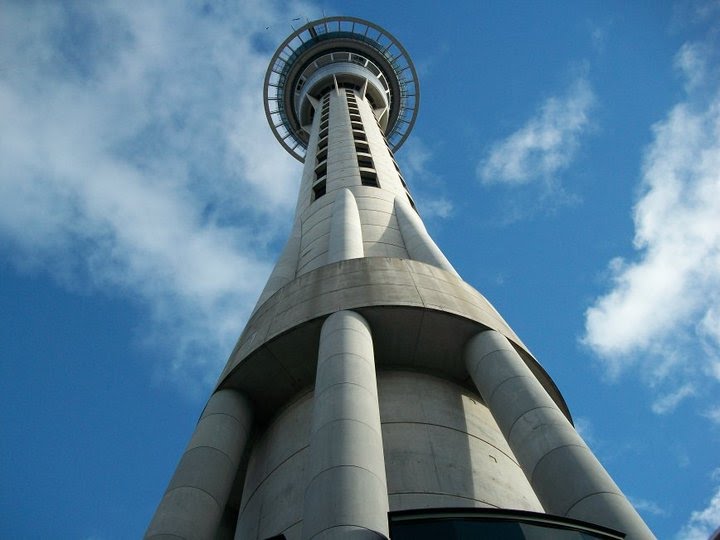
If you are doing it, do it now. The observation decks at 186 metres put the entire day in context: Devonport and Mount Victoria across the water, the Domain on its ridge, Rangitoto out in the gulf, the two harbours squeezing the isthmus. Arrive about an hour before sunset and stay through it — you get the city in daylight, at golden hour and lit, on a single ticket, which is by some distance the best value the tower offers.
19:00 — Dinner
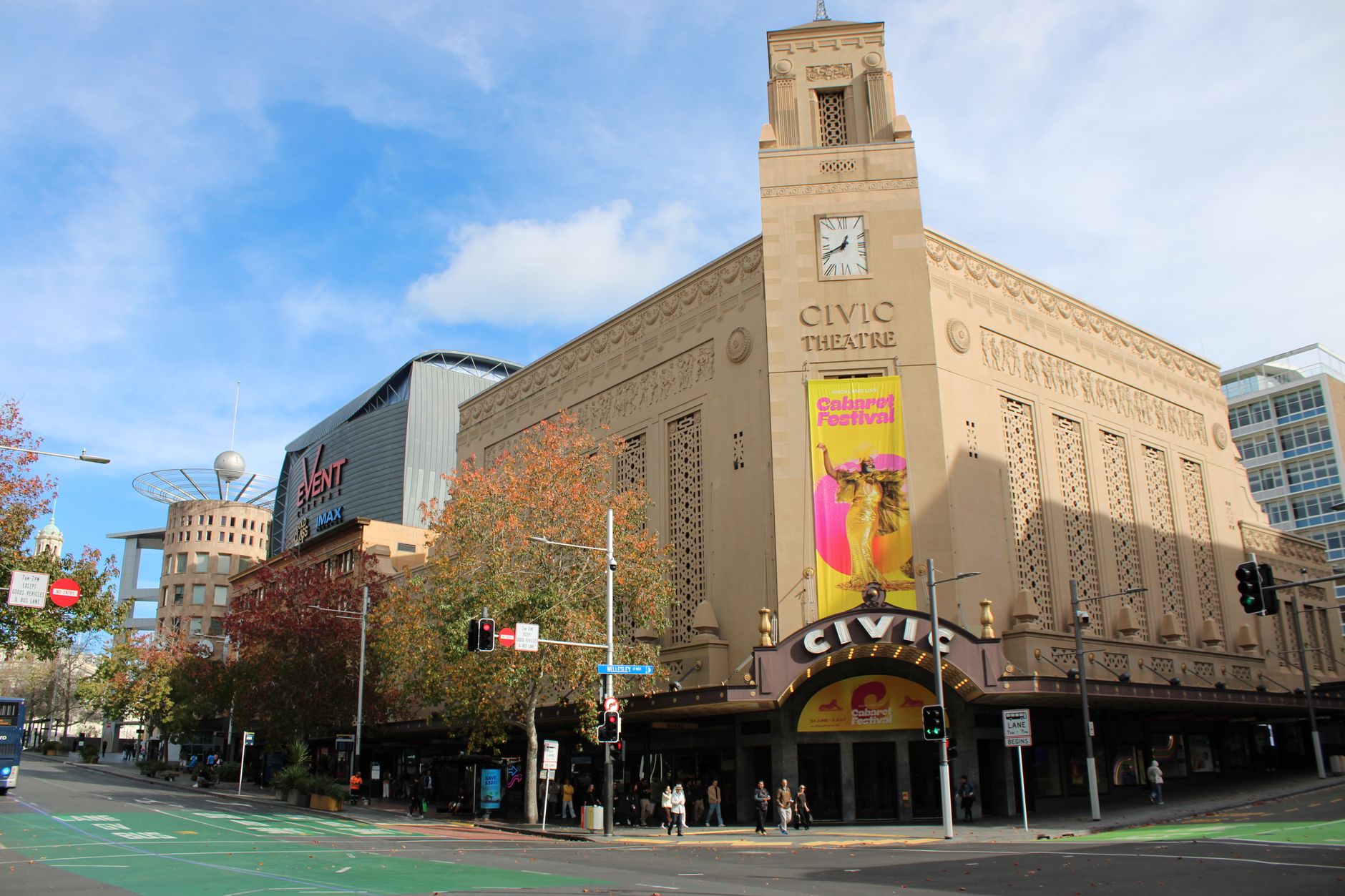
Cluster it with where you already are. Britomart if you came back down to the waterfront, Ponsonby or K Road if you went west. Kitchens here start service around six and many stop taking orders around nine — earlier than much of Europe or Latin America — so a 7pm table is normal rather than early. Book if it is a Friday or Saturday.
Tipping is not expected in New Zealand, though card terminals increasingly offer it; there is no obligation. See our tipping guide if you want the etiquette in full.
If you still have energy afterwards, the rooftop bars are the obvious nightcap, and the cocktail bars guide covers where to go when the view stops mattering.
The wet-weather version
Auckland’s weather is genuinely changeable — the local joke about four seasons in one day is only half a joke — and a single day gives you no room to wait it out. If you wake to rain:
- Morning: Auckland War Memorial Museum, allowing three hours rather than two. The Domain’s Wintergardens are glasshouses, and pleasant in the rain.
- Lunch: Parnell, downhill from the Museum, or back into Britomart.
- Afternoon: Auckland Art Gallery, then the covered shopping and laneways of Britomart and Commercial Bay.
- Late afternoon: the Sky Tower is still worth doing if the cloud base is high — ring ahead or look at the tower itself. In low cloud you will pay to stand inside a cloud.
- Evening: unchanged. Auckland’s eating and drinking do not care about the weather.
Our guide to Auckland’s weather explains the patterns, and if you have children in tow, rainy day activities for kids is more useful than any of the above.
Variations on the day
If you are jetlagged off a long-haul flight
Cut the museum. Do the ferry, the hill and the waterfront walk, eat a long lunch, and get an early night. Auckland is a hard city to appreciate on four hours’ sleep, and the outdoor half of this plan is far more forgiving than the indoor half. If you arrived this morning, our airport to city centre guide covers the fastest way in.
If your day is bounded by a cruise ship
You are docked at Queens Wharf, which is the single best-placed cruise berth in New Zealand — you walk off the ship into the middle of the plan. With a typical ten-hour port call you can do the ferry, Devonport, the waterfront and either the Museum or the Gallery comfortably. Keep an hour of buffer and do not attempt Waiheke; the ferry timings are tight enough to be stressful.
If you have a long layover rather than a day
Different problem, different answer. With eight hours or less between flights, the city centre round trip eats a lot of your margin — see the layover guide, which works through what is genuinely achievable at each duration.
If you would rather have one big thing than five small ones
Then spend the whole day on Waiheke. It is about forty minutes each way on the fast ferry from Downtown, there are twenty-five-plus wineries, good beaches and a proper village, and it is a genuinely lovely day. The trade-off is real: you will not see central Auckland at all. Do this if you have been to plenty of cities and few islands, and only if the forecast is good — the island in horizontal rain is a wet walk between cellar doors.
If you want the volcano instead of the village
Swap the Devonport morning for Maungawhau / Mount Eden, now a short train ride from the centre to the new Maungawhau station at Uptown. The crater is deeper and more dramatic than anything in Devonport, and the view takes in both harbours. You lose the ferry, which is a real loss. Note that the summit road is closed to general vehicles — you walk the last stretch either way.
What to skip on a single day
- The west coast beaches. Piha and Karekare are magnificent and they are an hour each way on winding roads, plus the walking. That is your whole day, and it needs a car.
- Any regional day trip. Hobbiton, Waitomo and Rotorua are ten to thirteen hours door to door. Doing one means you have visited those places, not Auckland.
- Rangitoto, unless the sky is completely clear. The summit view is the whole reason to go, and the walk is over exposed lava with no shade and no shops.
- Auckland Zoo and the Museum on the same day. They are on opposite sides of the centre and each wants two to three hours.
- Trying to “do” Queen Street. It is a functional shopping street, not an attraction. Britomart, K Road and the waterfront are all more interesting.
Where to start the day if you are not staying centrally
This plan assumes you wake up somewhere near the waterfront, because that is where the day is anchored. If you are not, adjust the front end rather than the whole thing.
- Staying on the North Shore? Reverse the morning. Start in Devonport, do Mount Victoria first thing when it is empty, and take the ferry into the city at around eleven — arriving in Auckland by water is a better first impression than arriving by motorway anyway.
- Staying in Ponsonby or Grey Lynn? Have breakfast there, where the cafés are better than downtown, then walk fifteen minutes downhill to the ferry terminal. Do K Road on the way home rather than as a separate trip.
- Staying near the airport? Budget an hour each way and start earlier. The AirportLink bus runs to Puhinui station every ten minutes from about 4:30am, and it is a three-zone journey to the centre at roughly NZ$6.50 on AT HOP — see the airport to city guide. Cut either the museum or the Sky Tower; you cannot have both and a comfortable return.
- Staying in Newmarket or Parnell? You are well placed for the Museum, so flip the day: Museum and Domain in the morning while you are fresh, ferry and Devonport in the afternoon with the light behind you for the crossing back.
Our best areas to stay guide is worth a look if you are still choosing, because on a one-day trip your base costs or saves you an hour, which is a meaningful fraction of the day.
How the day feels by season
The plan works year-round, but the texture changes.
- Summer (December to February): long evenings, so the Sky Tower slot moves later and dinner can wait. Add a swim at Mission Bay or Takapuna. The city empties out over the Christmas and January school holidays while the beaches fill up.
- Autumn (March to May): arguably the best month-for-month version of this day. Warm sea, settled spells, fewer people on the ferry, and clear light for the views.
- Winter (June to August): wet and windy rather than cold. Weight the day indoors, and be aware that sunset comes early enough that “last light at the Sky Tower” means mid-afternoon. Matariki, the Māori New Year, falls in this window — it was 10 July in 2026 and is 25 June in 2027 — and the surrounding week has real programming worth catching.
- Spring (September to November): volatile. This is the season where the wet-weather version most often gets used, and where checking the forecast the night before genuinely changes what you do.
The best time to visit guide goes month by month if your dates are still movable.
Practicalities
- Getting around: tap on and off with an AT HOP card or a contactless bank card. Fares are zone-based and this whole day stays within the inner zones. The public transport guide has the detail.
- Cash: largely unnecessary. Some places add a small card surcharge, which is legal and signposted.
- Water: tap water is excellent. Carry a bottle rather than buying them.
- Sun: New Zealand’s UV is fierce even on cloudy days. Sunscreen is not optional between October and March, and the harbour reflects it.
- Layers: the difference between a sheltered laneway and the top of Mount Victoria in a southerly is substantial. See the packing list.
- Safety: Auckland is a low-risk city by international standards; ordinary city sense is sufficient. Our guide on whether Auckland is safe covers the specifics.
Frequently asked questions
Is one day enough for Auckland?
Enough for the city centre, one harbour crossing and one substantial museum or gallery — which is a good day. It is not enough for the gulf islands and the west coast beaches, which is where a lot of Auckland’s appeal actually lives. If you can find a second day, it changes the trip considerably.
What is the best single thing to do with one day in Auckland?
Take a ferry and climb a hill. The harbour crossing to Devonport followed by the fifteen-minute walk up Mount Victoria gives you the geography, the views and the sense of the place for the price of a ferry ticket, and everything else you do that day makes more sense afterwards.
Should I do Waiheke or the city on a single day?
The city, unless the weather is excellent and you specifically want wine and beaches over urban sightseeing. Waiheke takes the whole day — about forty minutes each way plus getting around the island — so you would be choosing one instead of the other, not adding it.
Do I need a car for one day in Auckland?
No, and it will make the day worse. Central parking is expensive, the one-way system is unfriendly, and ferries and trains cover everything in this plan. Save the car for the day you want the west coast.
Is the Sky Tower worth it?
Once, and best in the hour before sunset so you see the city in daylight and lit for a single ticket. If you have already climbed a cone for a free view and would rather spend the money on dinner, skipping it costs you very little.
How long does the Devonport ferry take?
About twelve minutes each way, with frequent sailings from the Downtown Ferry Terminal on Quay Street. Mid-morning and mid-afternoon crossings are more pleasant than commuter peaks. Stand outside.
Can I see Auckland in a day from a cruise ship?
Yes, unusually easily. Ships berth at Queens Wharf in the middle of the waterfront, so you walk off into the city centre. A typical port call comfortably covers Devonport, the waterfront and one museum. Leave Waiheke alone — the timings are too tight to be relaxing.
What is there to do in Auckland if it rains all day?
The Auckland War Memorial Museum in the morning, the Art Gallery in the afternoon, the Domain’s Wintergardens between them, and the covered laneways of Britomart and Commercial Bay for everything else. The evening does not need adjusting at all.
How much should I budget for one day in Auckland?
Roughly NZ$120 to NZ$200 per person including a café breakfast, a sit-down lunch, transport, one paid attraction and dinner — less if you skip the Sky Tower and eat cheaply, considerably more if you add a fine dining dinner. Our Auckland budget guide breaks it down properly.
If you can find a second day, take it — it is the single biggest upgrade available on a short Auckland trip. A second day means you stop choosing between the city and the water and get both. Our 2 days in Auckland itinerary keeps day one much like this one and gives the whole of day two to Waiheke, Rangitoto or the west coast.
Related Auckland Guides
- Auckland itineraries: how to plan your days
- How many days do you need in Auckland?
- Devonport: the easiest good half-day in Auckland
- The Auckland War Memorial Museum
- The Sky Tower: is it worth it?
- Auckland public transport explained
- The best things to do in Auckland
- The Auckland CBD guide
Photo Credits
The Sky Tower from below: Sky Tower Skyscraper Auckland New Zealand by Tomwsulcer, CC0, via Wikimedia Commons.
The Esplanade Hotel, Devonport: The Esplanade Hotel (1343996046) by Sids1 from New Zealand, CC BY 2.0, via Wikimedia Commons.